1/6
Guide to Choosing a Stair Runner, Brooklyn Townhouse Edition
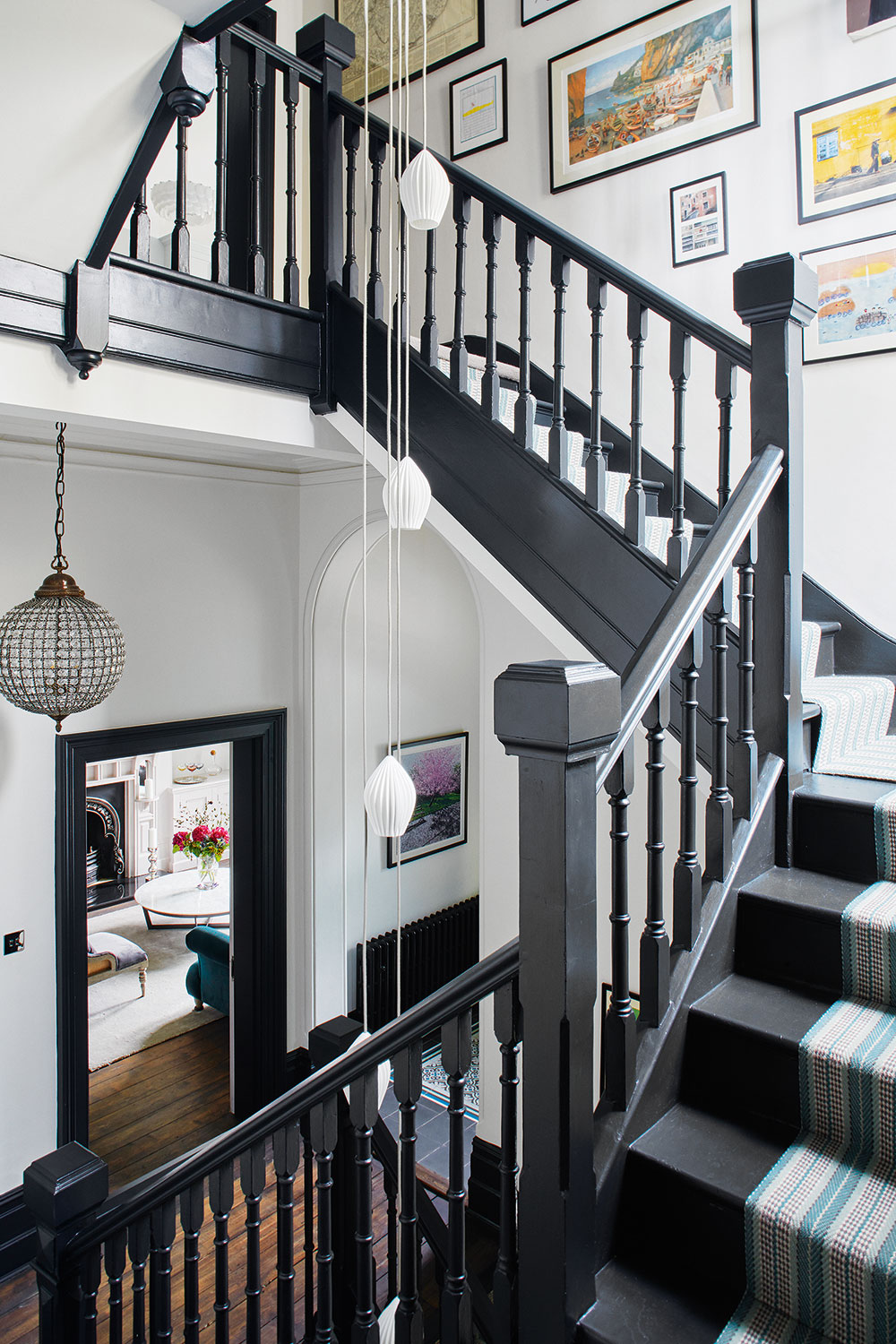
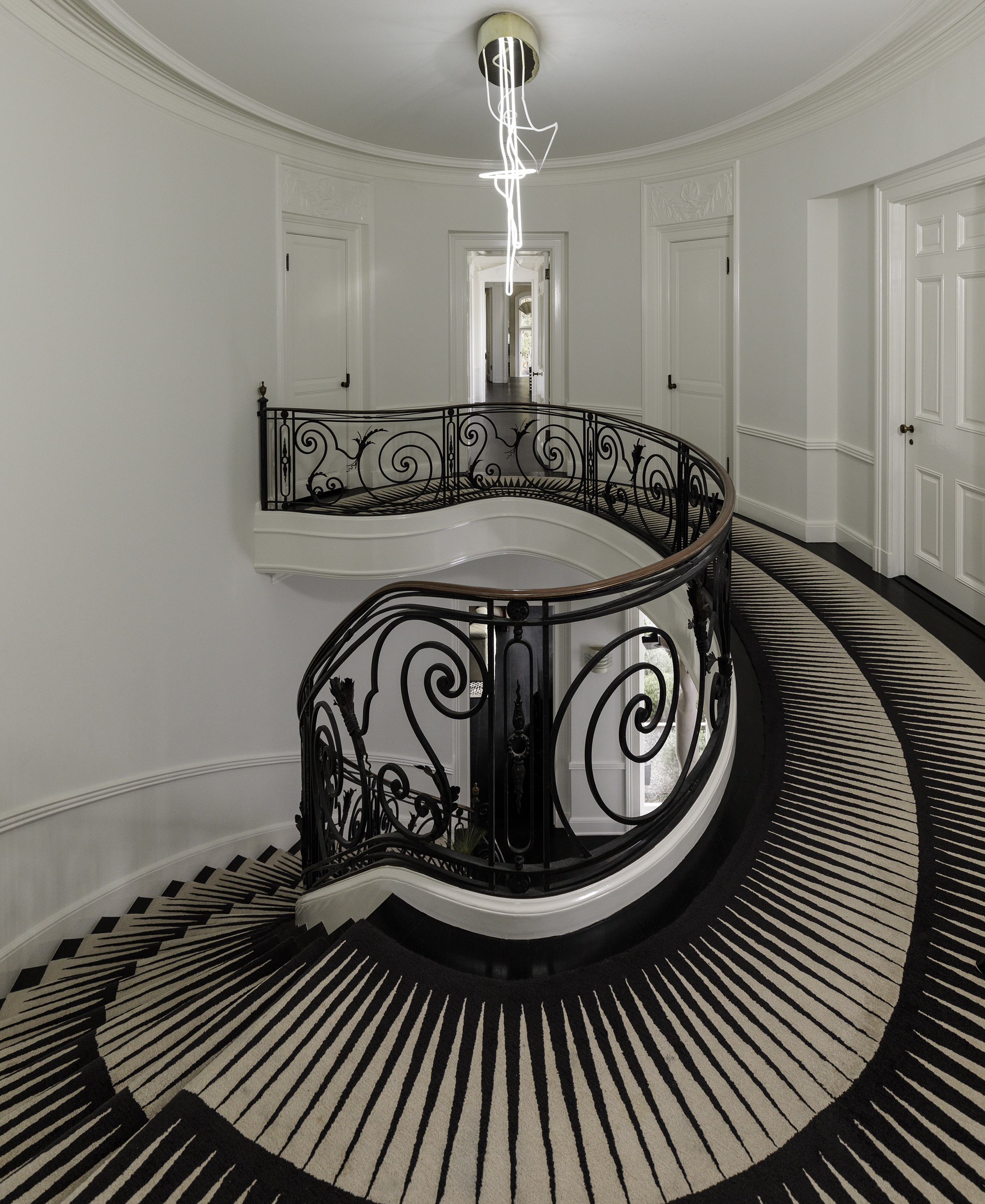
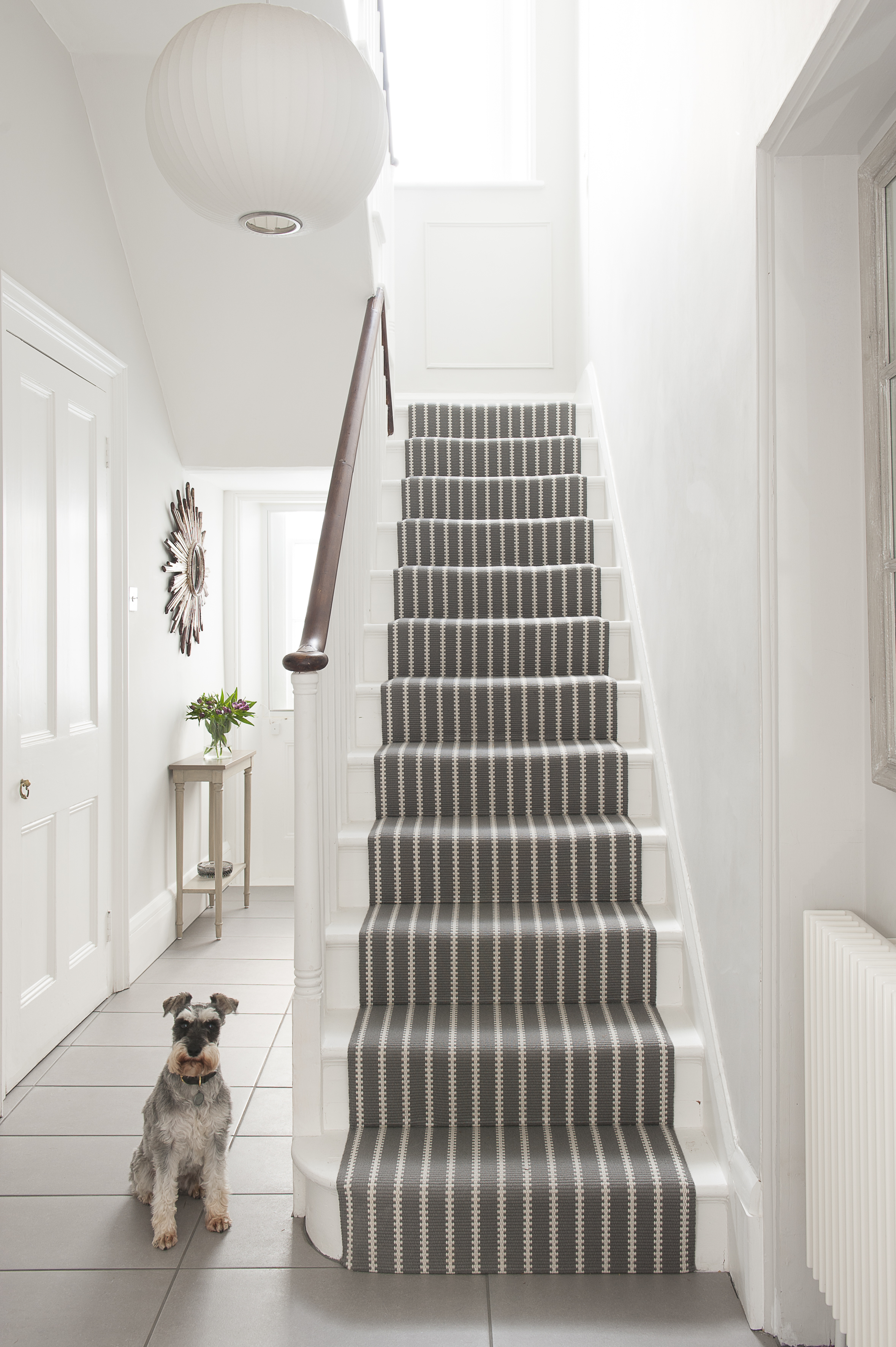
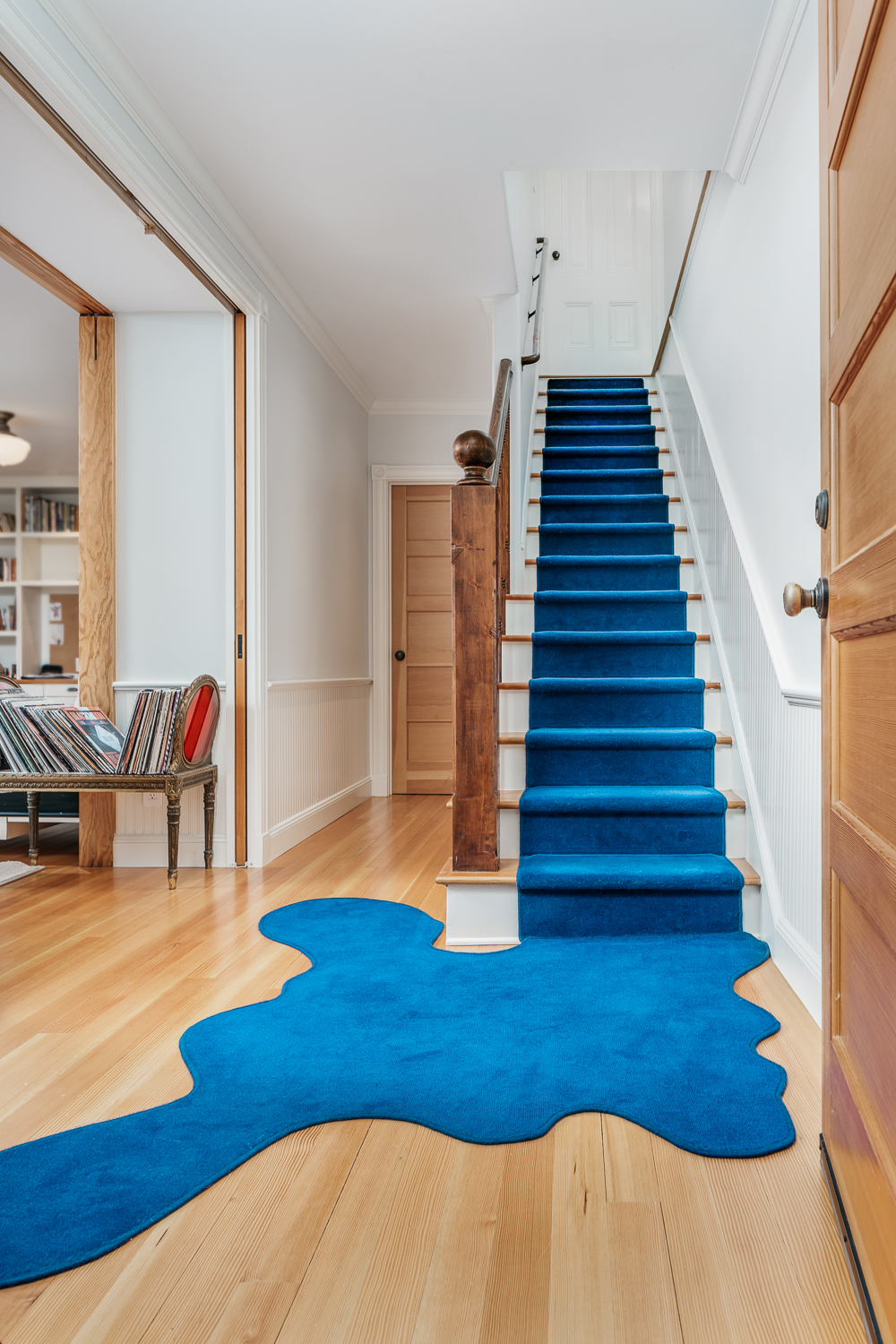
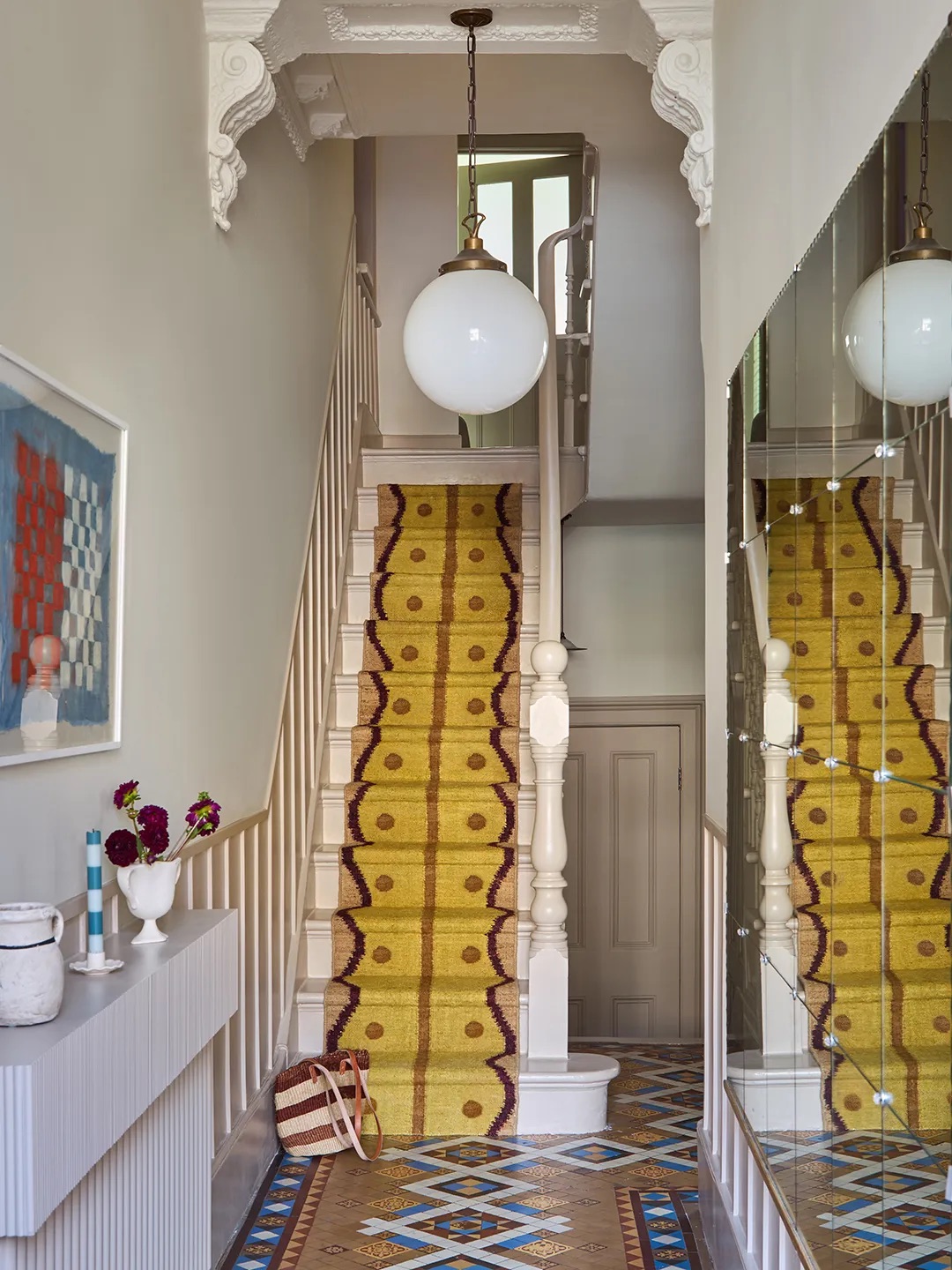
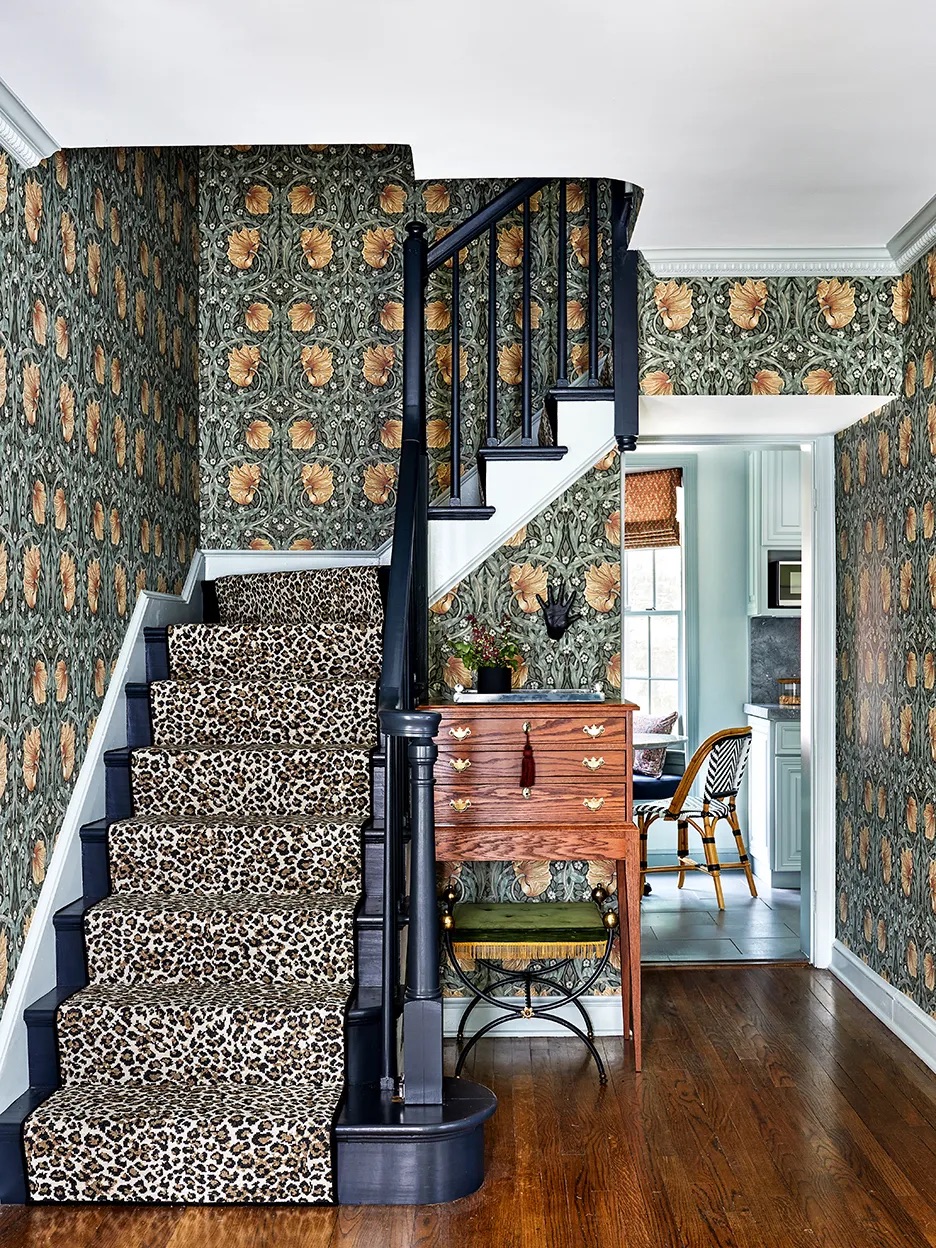
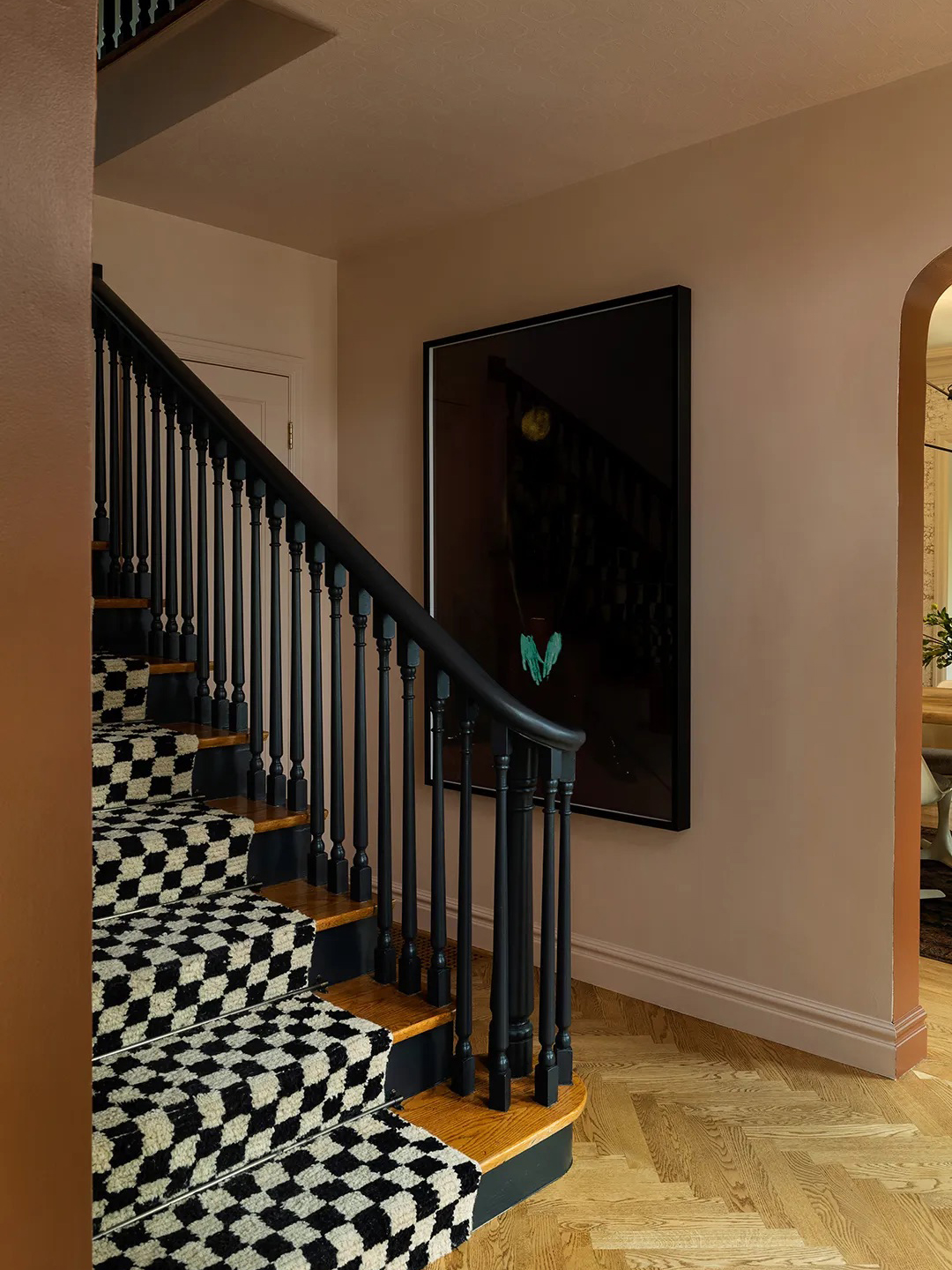
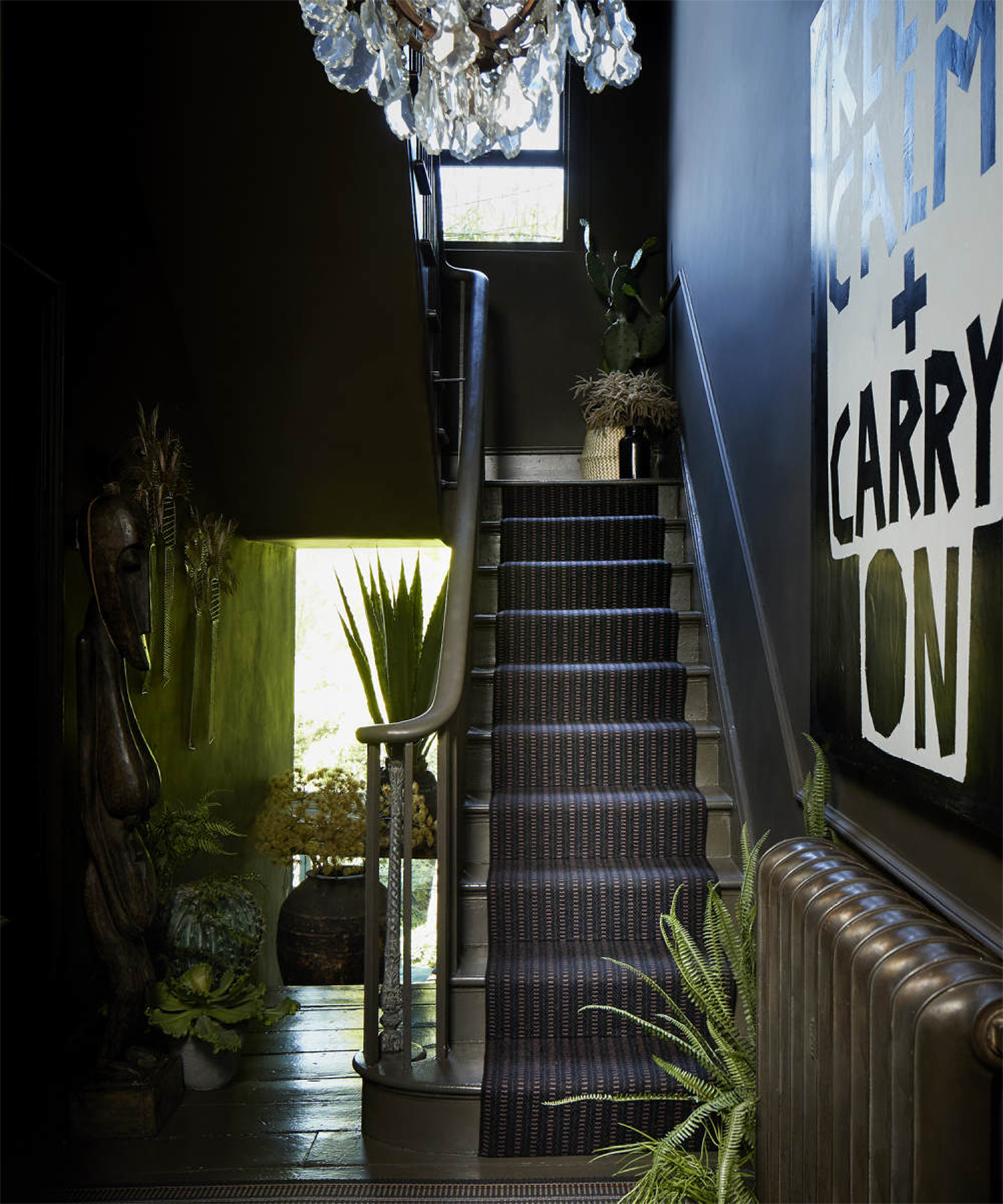
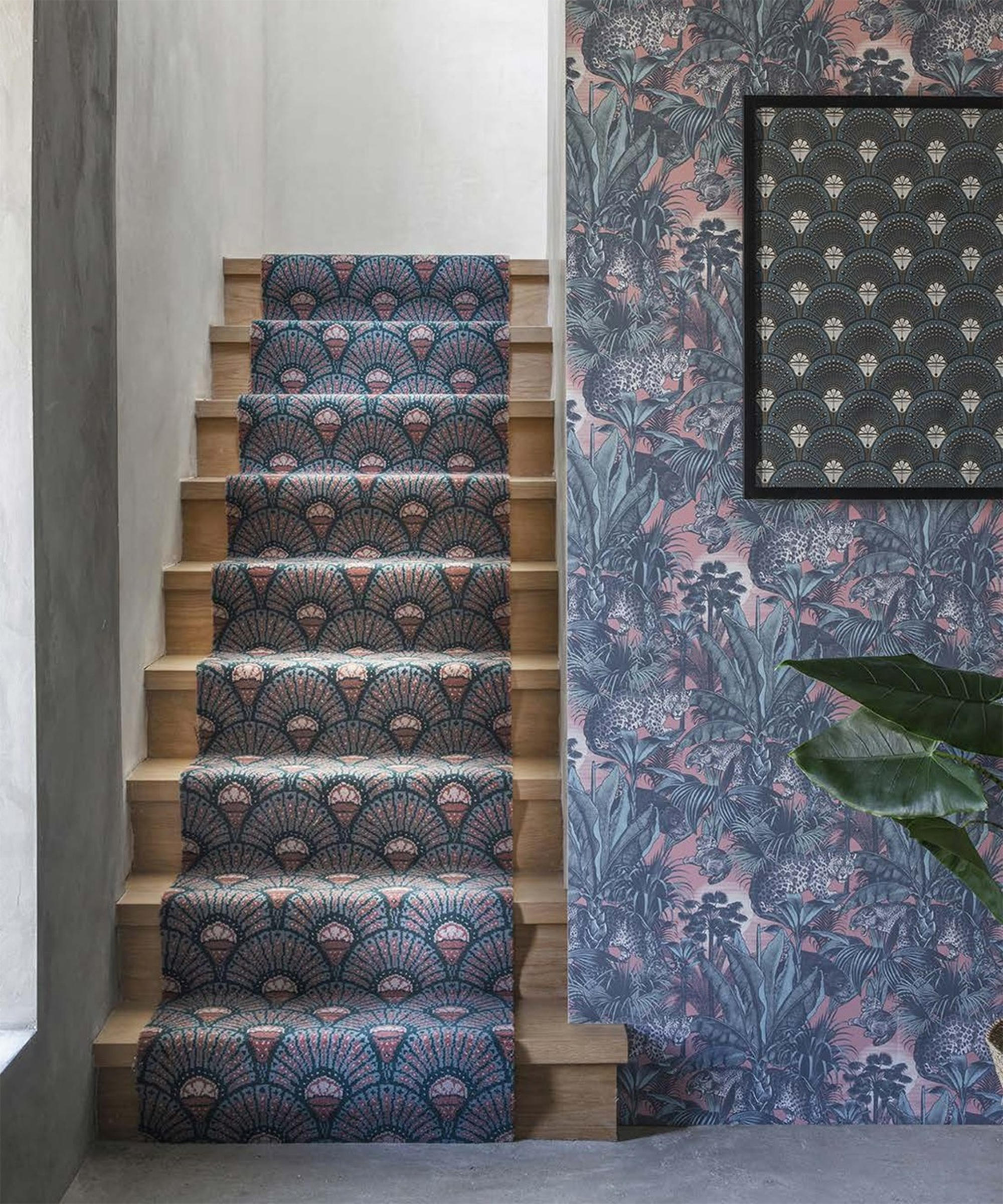
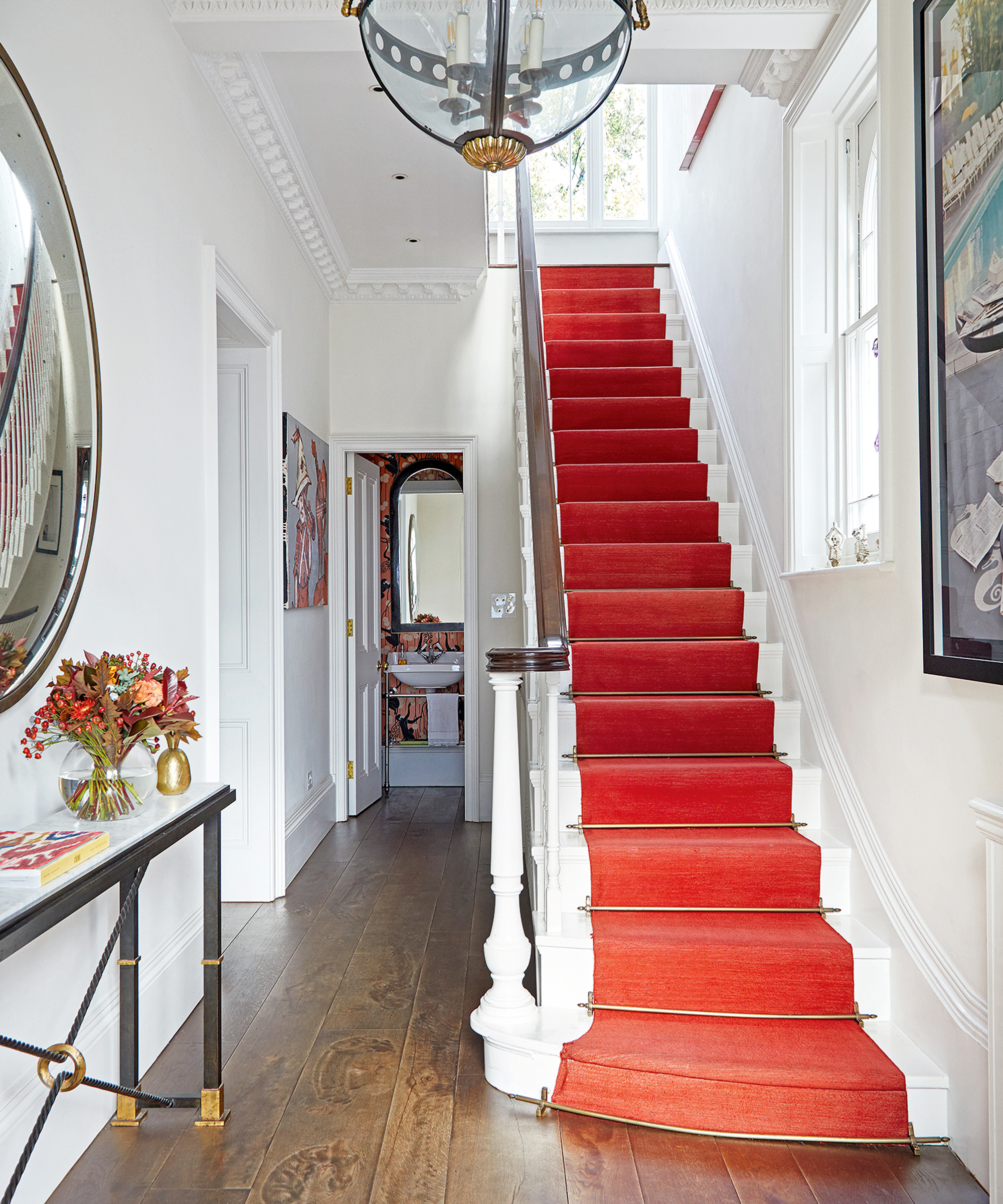
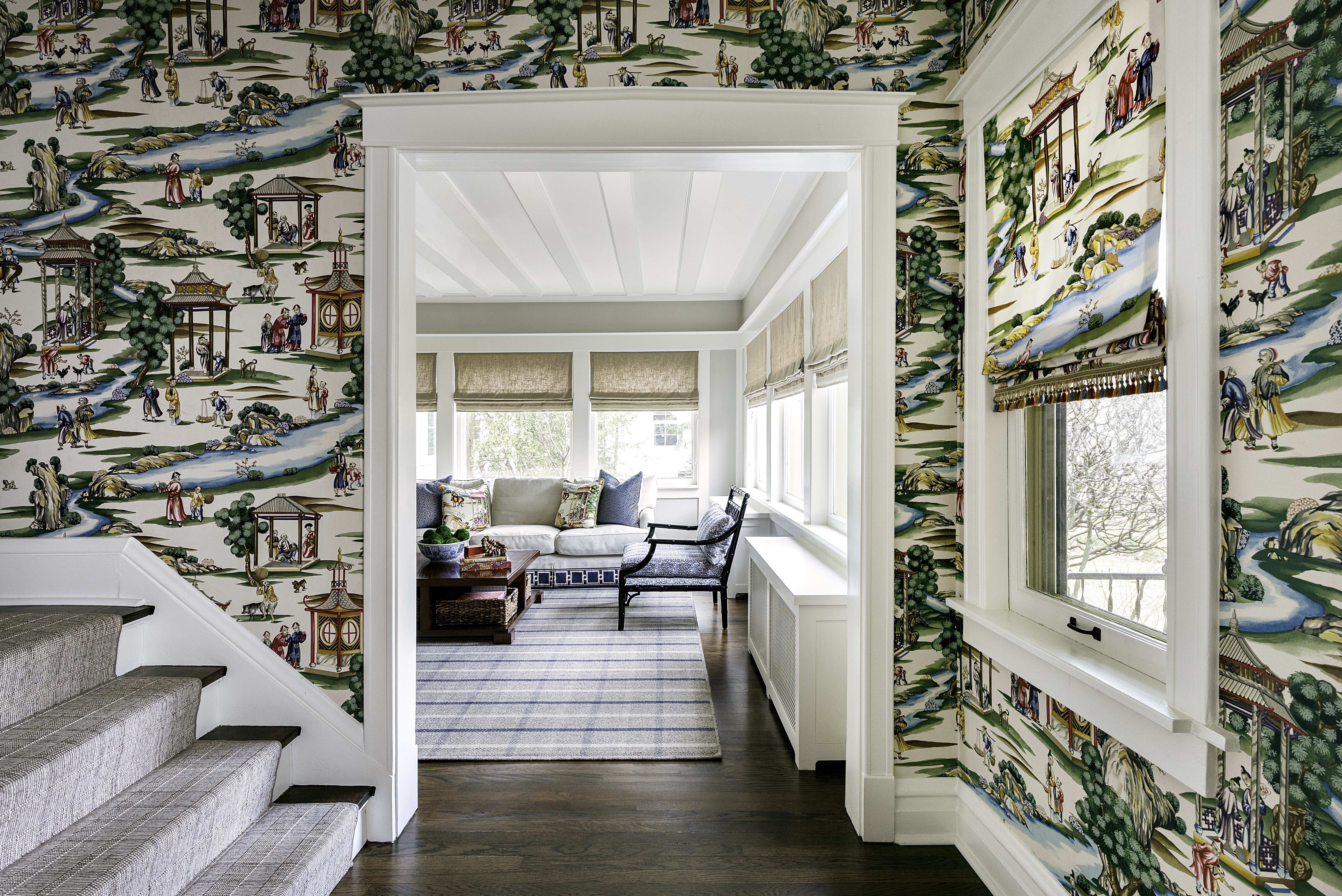
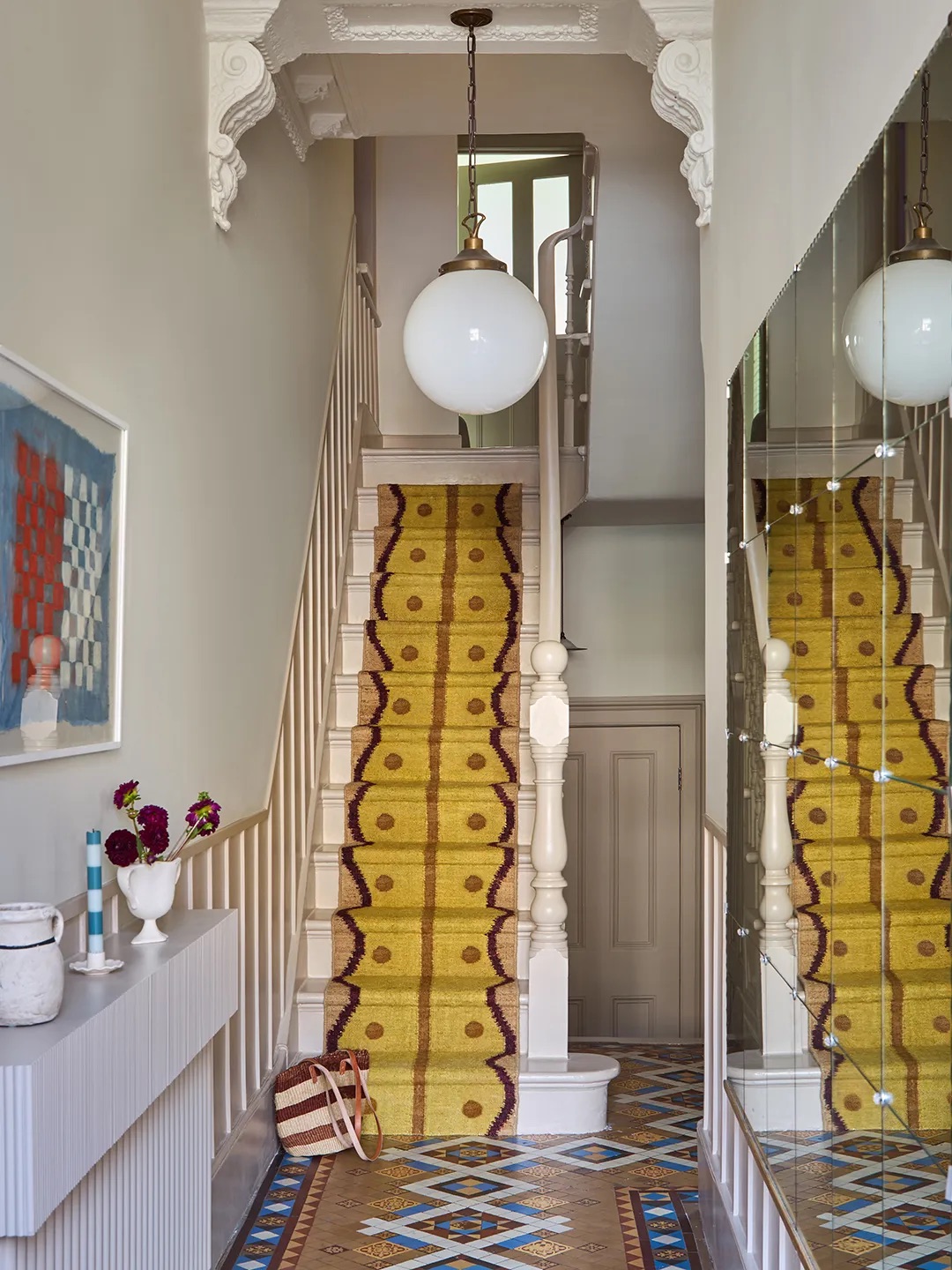
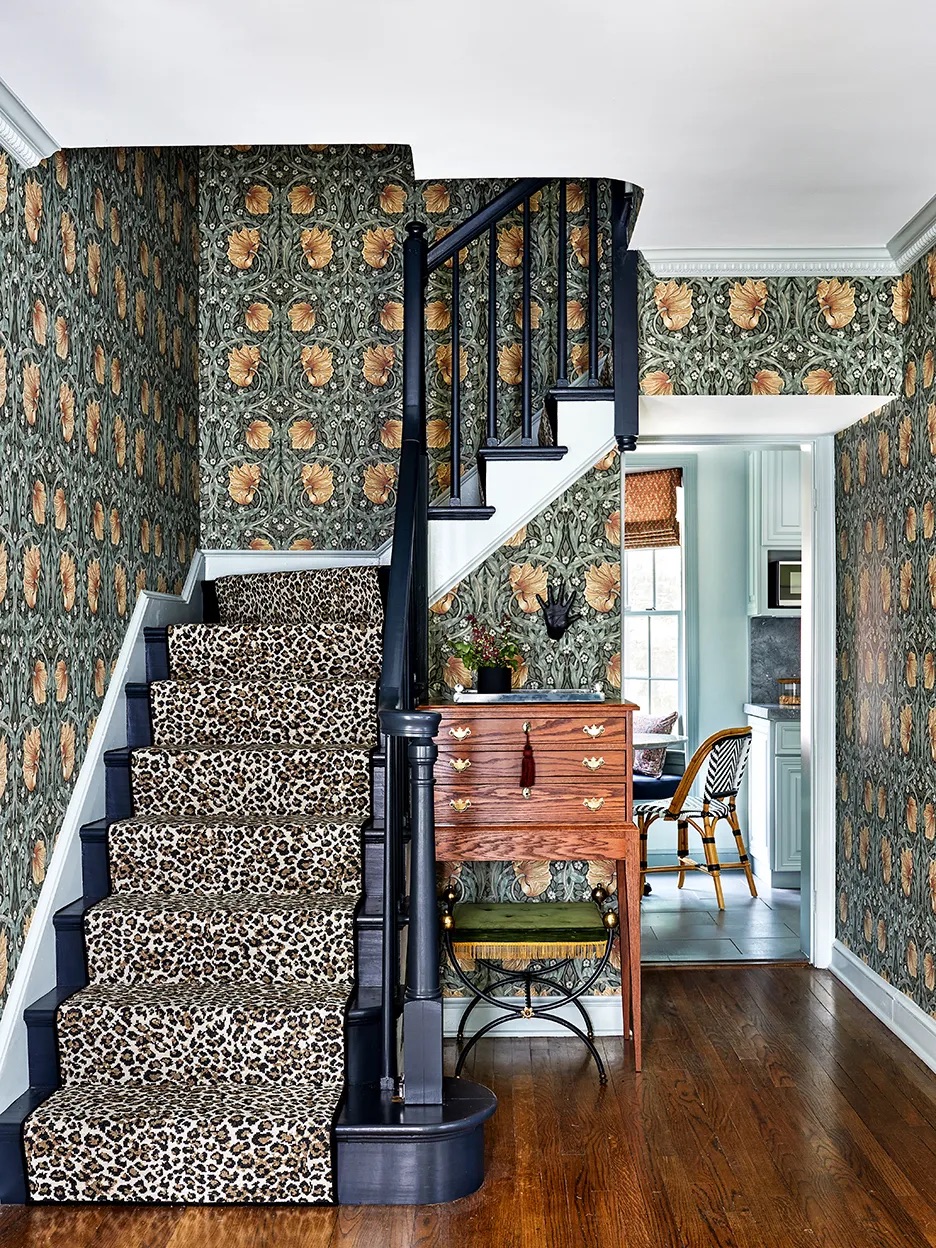
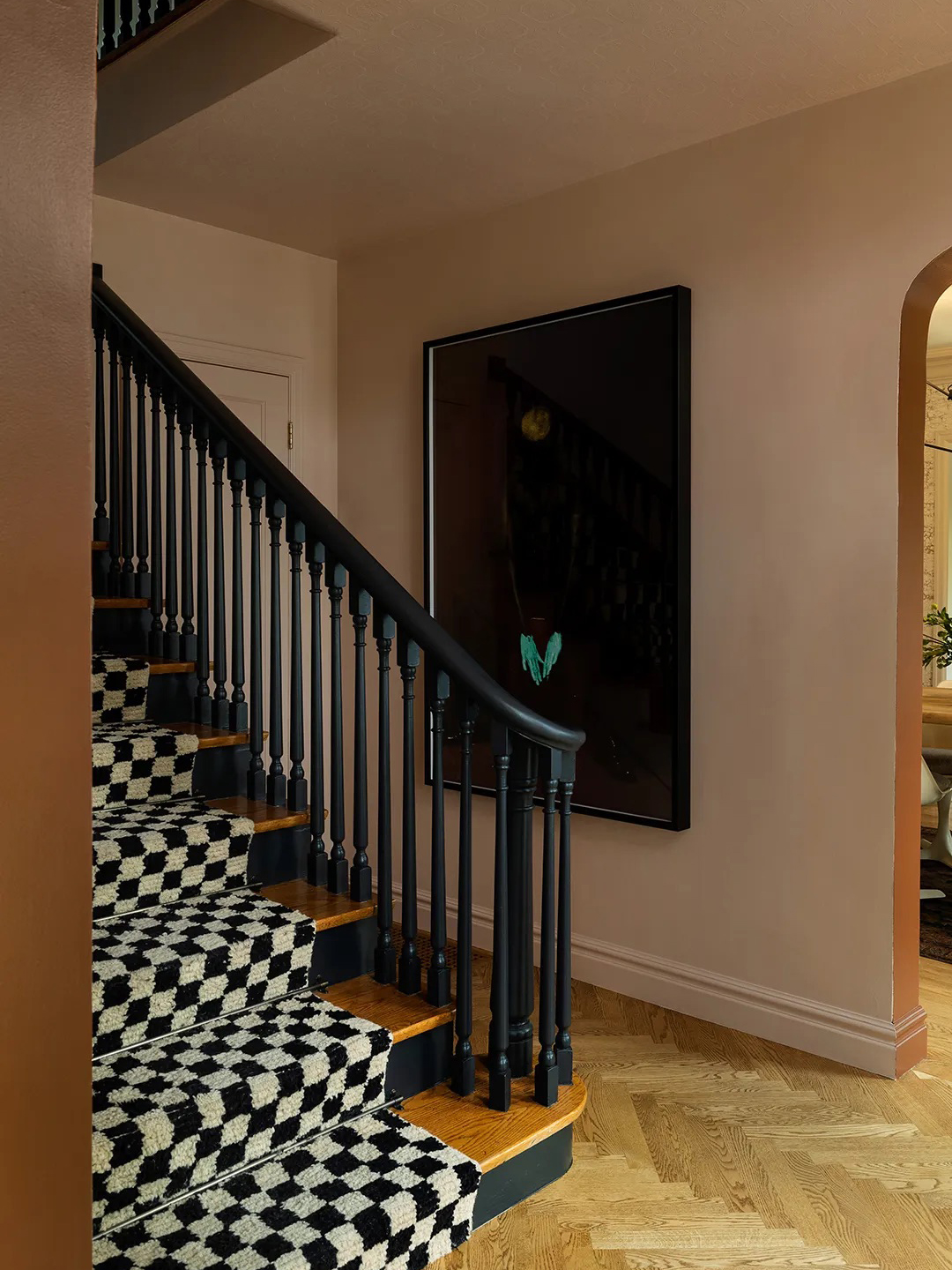
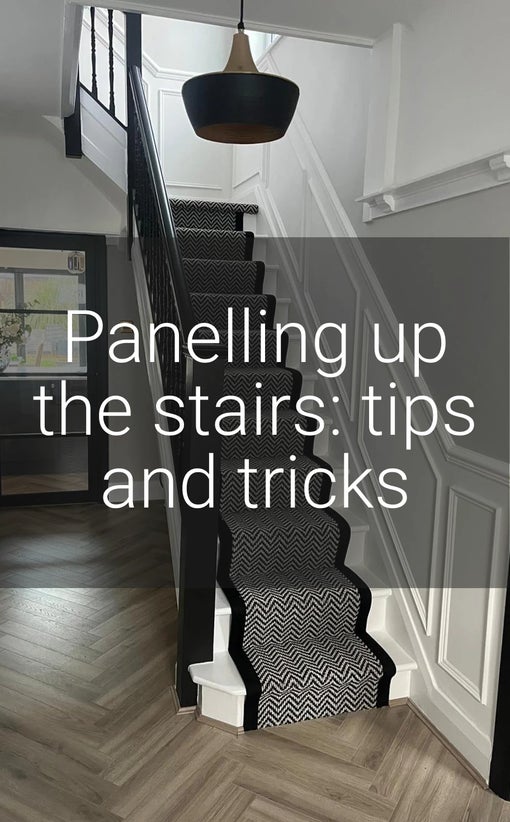
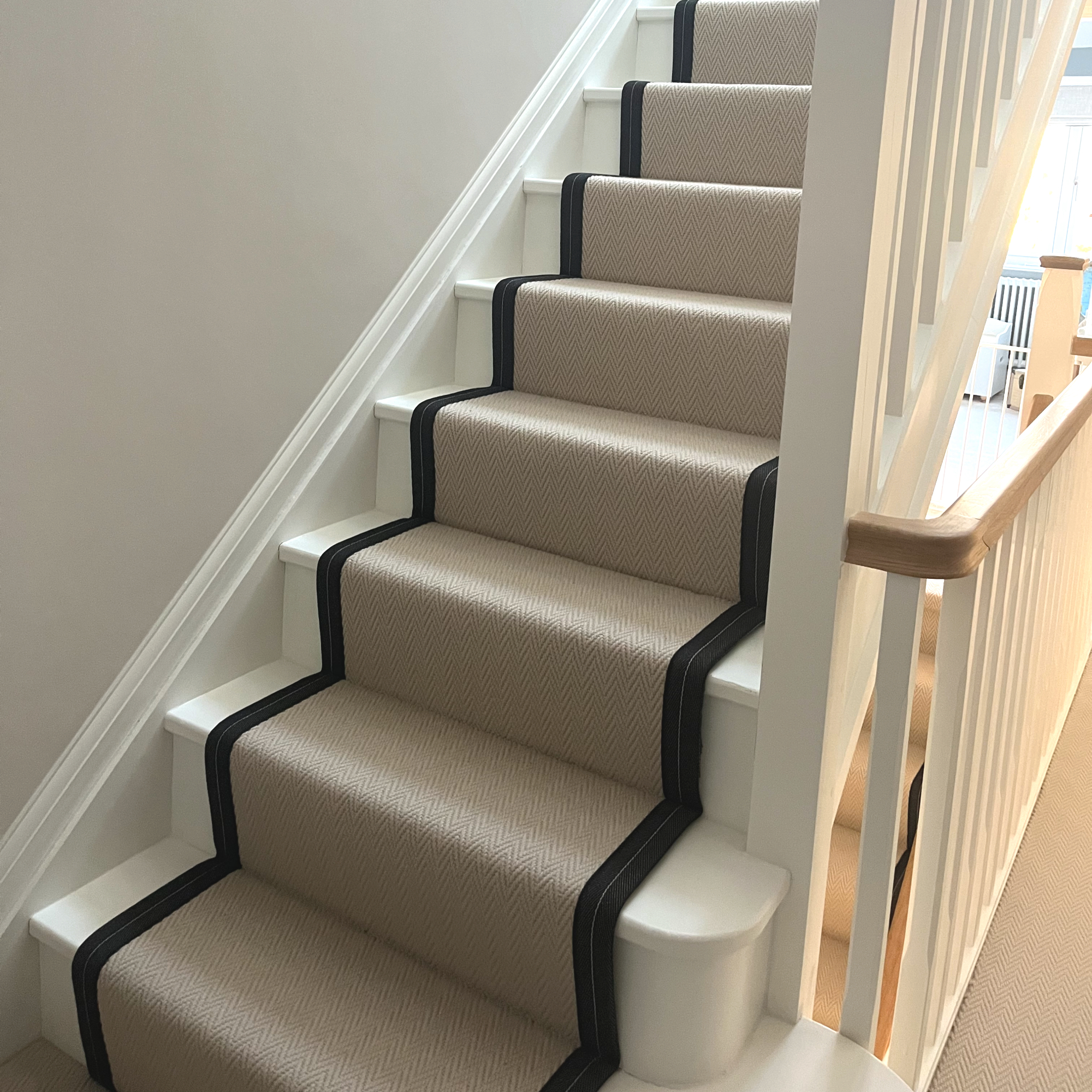
Stair runners are a functional and aesthetic addition to any staircase, particularly in multi-level homes like Brooklyn townhouses. While bare treads can be visually appealing, runners offer practical benefits, including enhanced safety by increasing traction, thereby reducing the risk of slips, especially on shallow and steep stairs common in older houses. They also provide a softer and warmer surface for bare feet, making daily trips up and down the stairs more comfortable and reducing noise. Beyond safety and comfort, stair runners contribute significantly to a home's interior design, adding warmth, color, and personality. They can introduce a modern edge to a townhouse through bold, unexpected patterns or colors, or seamlessly blend with existing decor when chosen in neutral tones for a classic look.
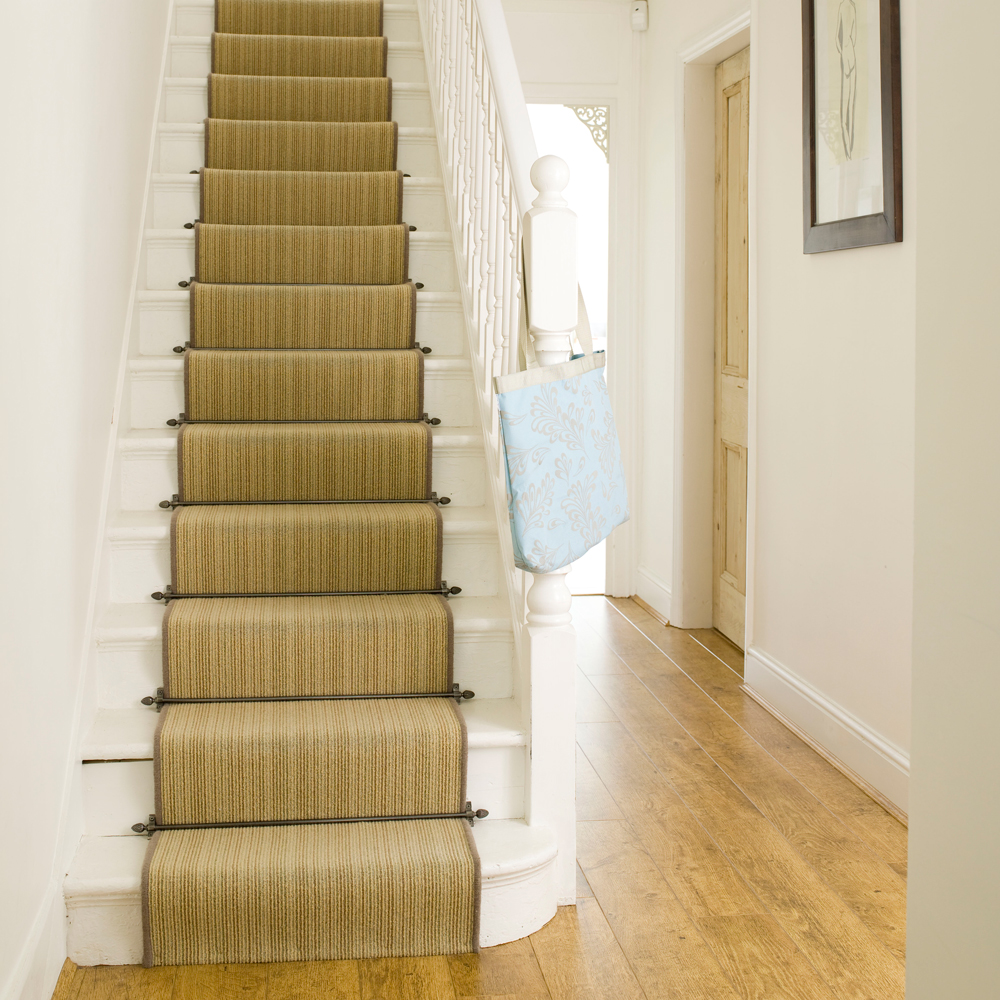
When selecting a stair runner, material choice is crucial for durability and maintenance. Natural fibers such as wool, sisal, jute, or wool blends are often recommended due to their resilience and ease of cleaning through vacuuming and spot treatments. For instance, in a Carroll Gardens townhouse renovation, synthetic indoor-outdoor runners from Dash & Albert were used across multiple staircases and landings, highlighting a cost-effective approach with an investment of approximately $5,500, split between materials and labor. For custom natural fiber options, stores like Aronson's in the Flatiron district are suggested, while ABC Carpet & Home's 881 Broadway location provides a wide selection of natural and synthetic remnants suitable for custom cutting and binding.
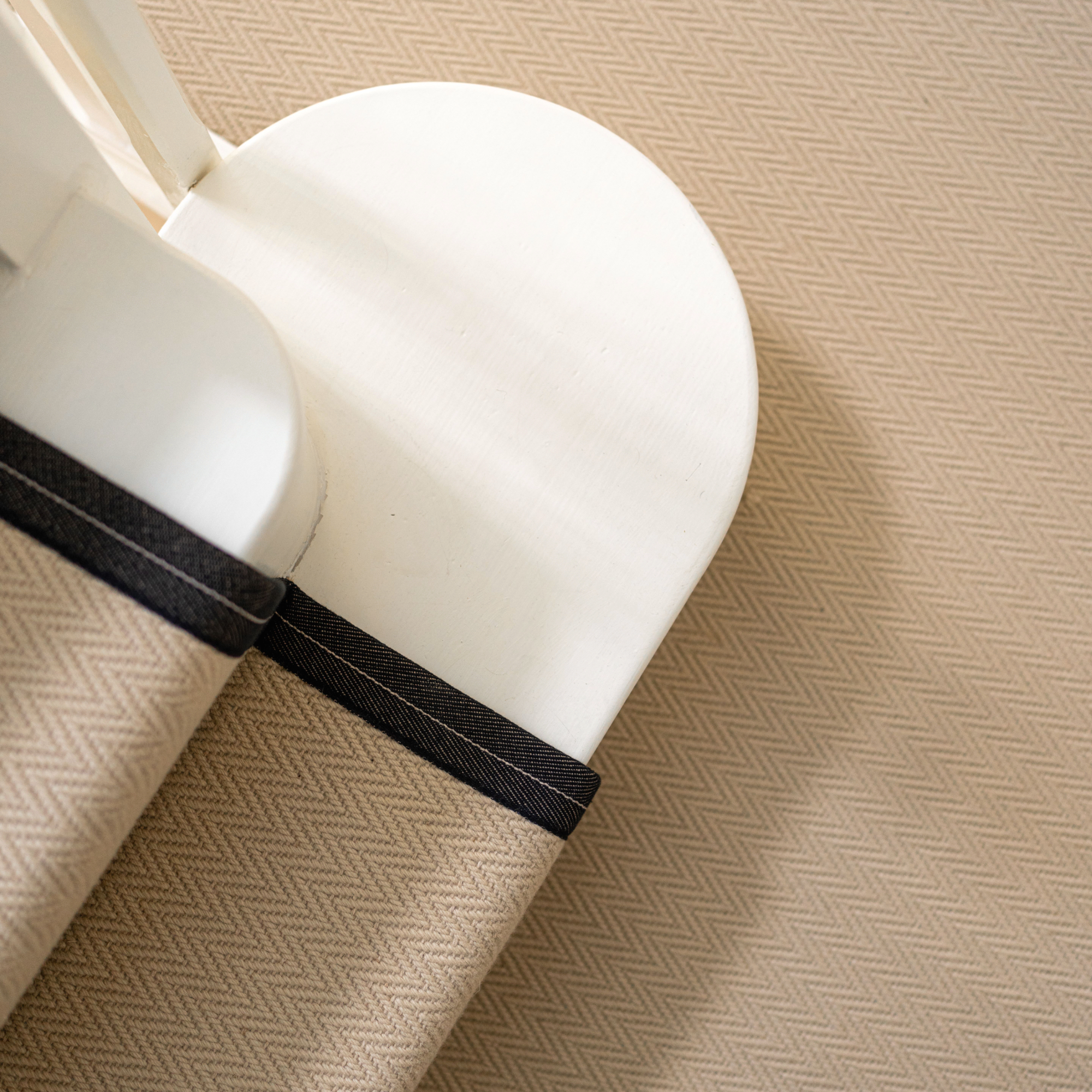
Installation complexity varies with staircase design; straight staircases can be a DIY project for experienced individuals, but curved stairs are best handled by professionals. Better Carpet Warehouse on Atlantic Avenue offers synthetic runners for around $2,500, including installation for three flights of stairs, emphasizing the popularity of wool and nylon for their durability and ease of cleaning. Wool runners typically cost more than nylon, starting at $8 versus $4 per square foot, totaling about $3,500 for three flights in wool.
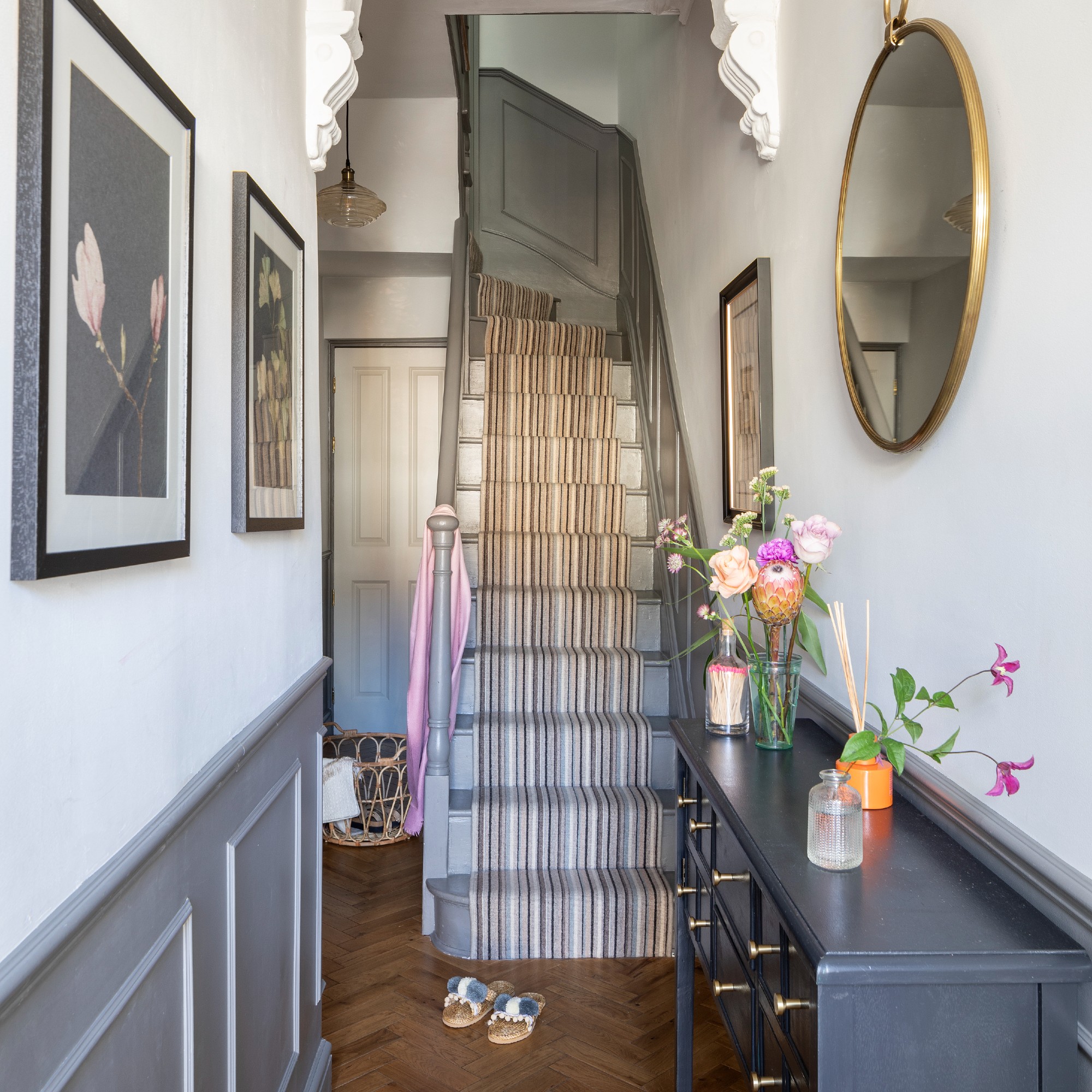
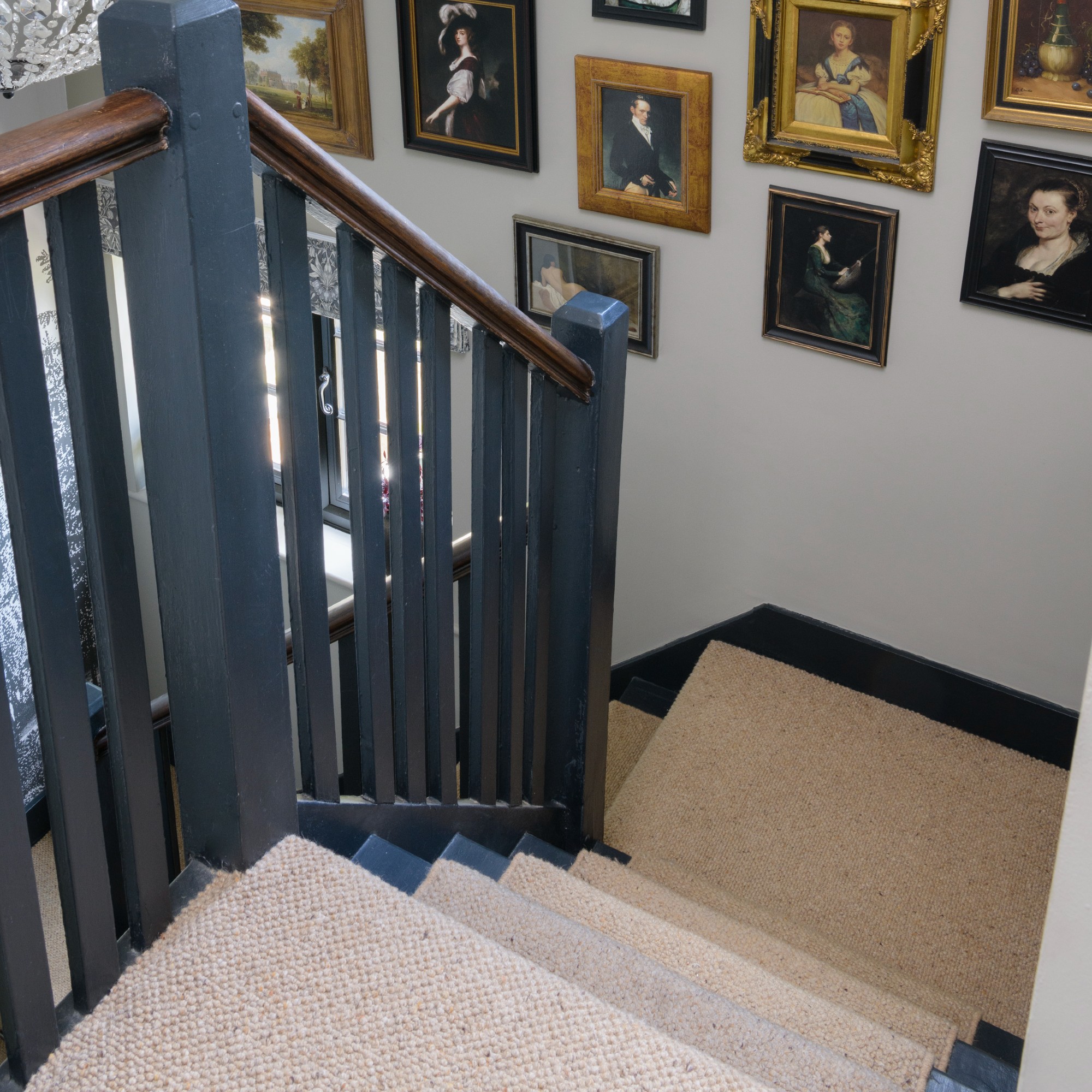
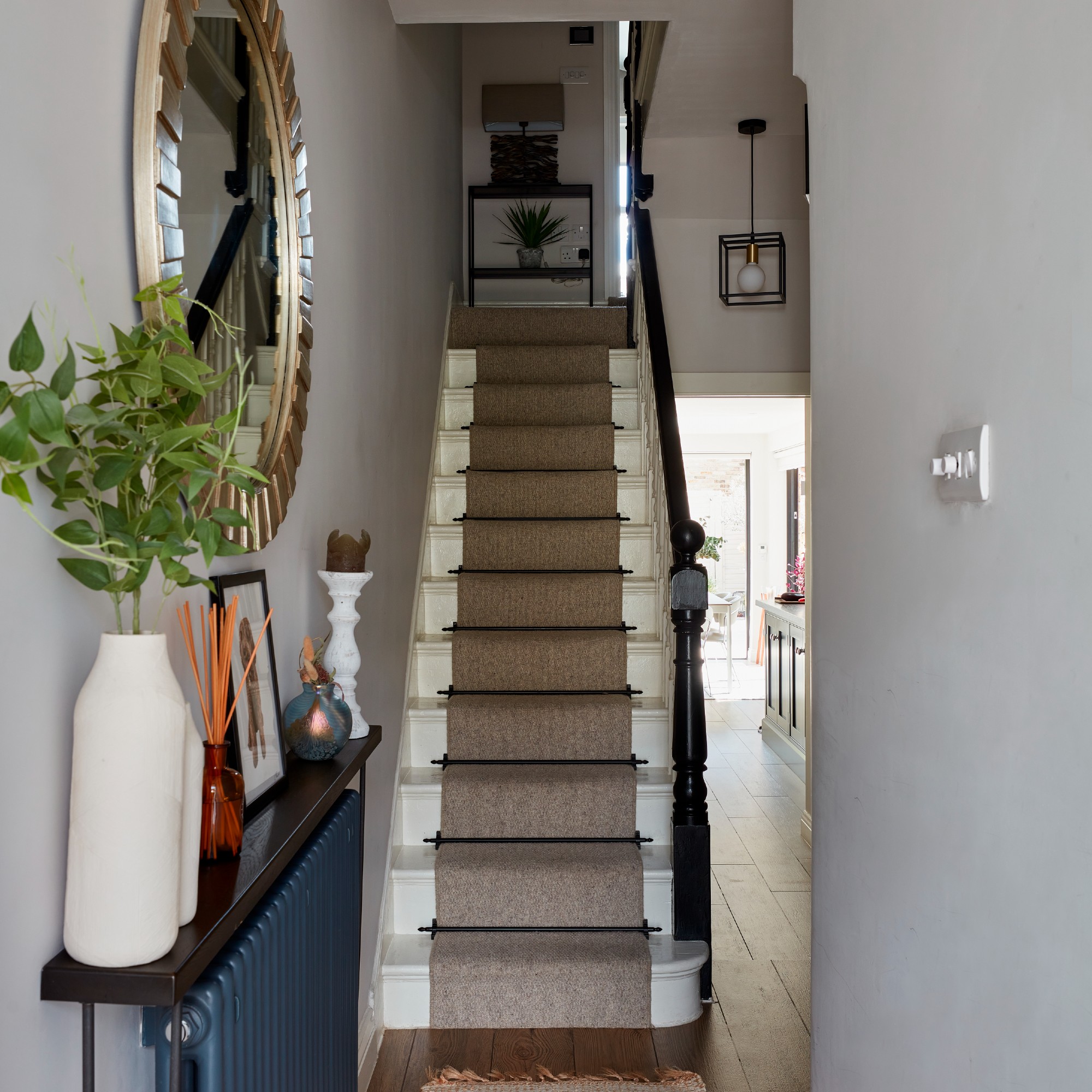
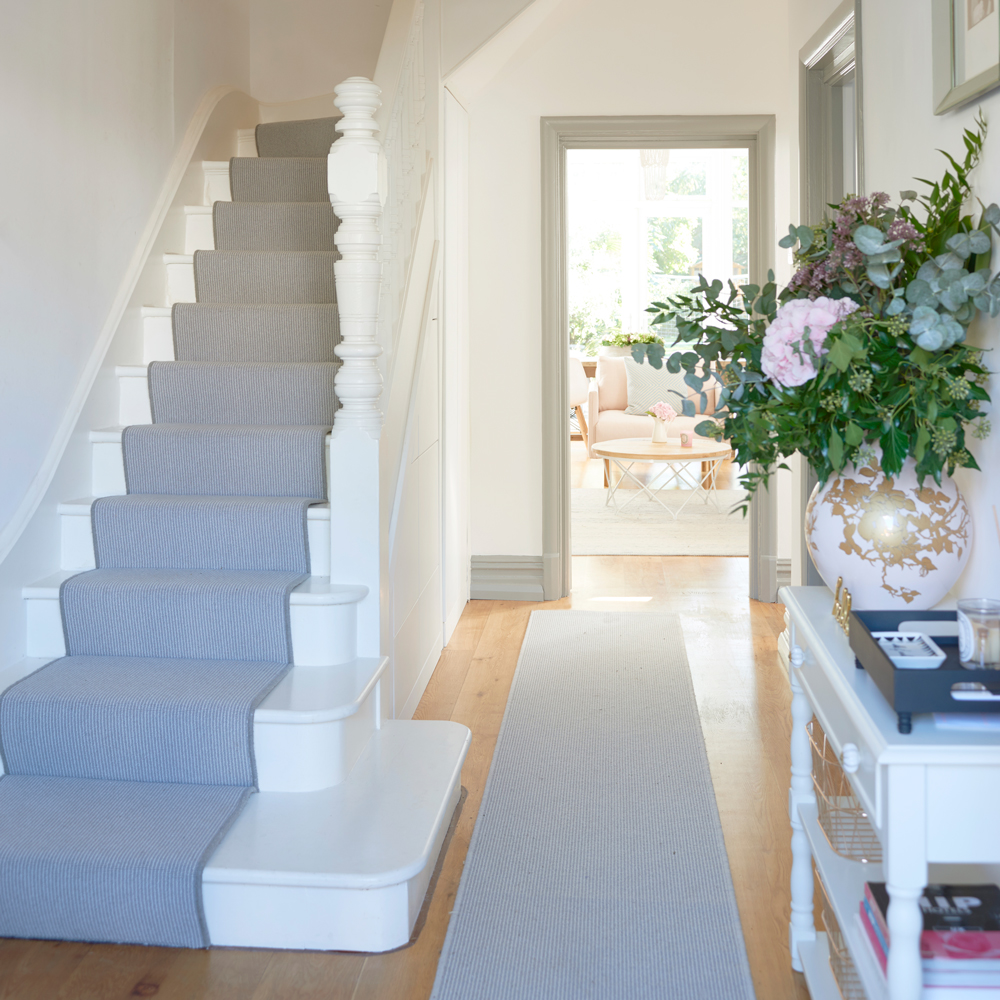
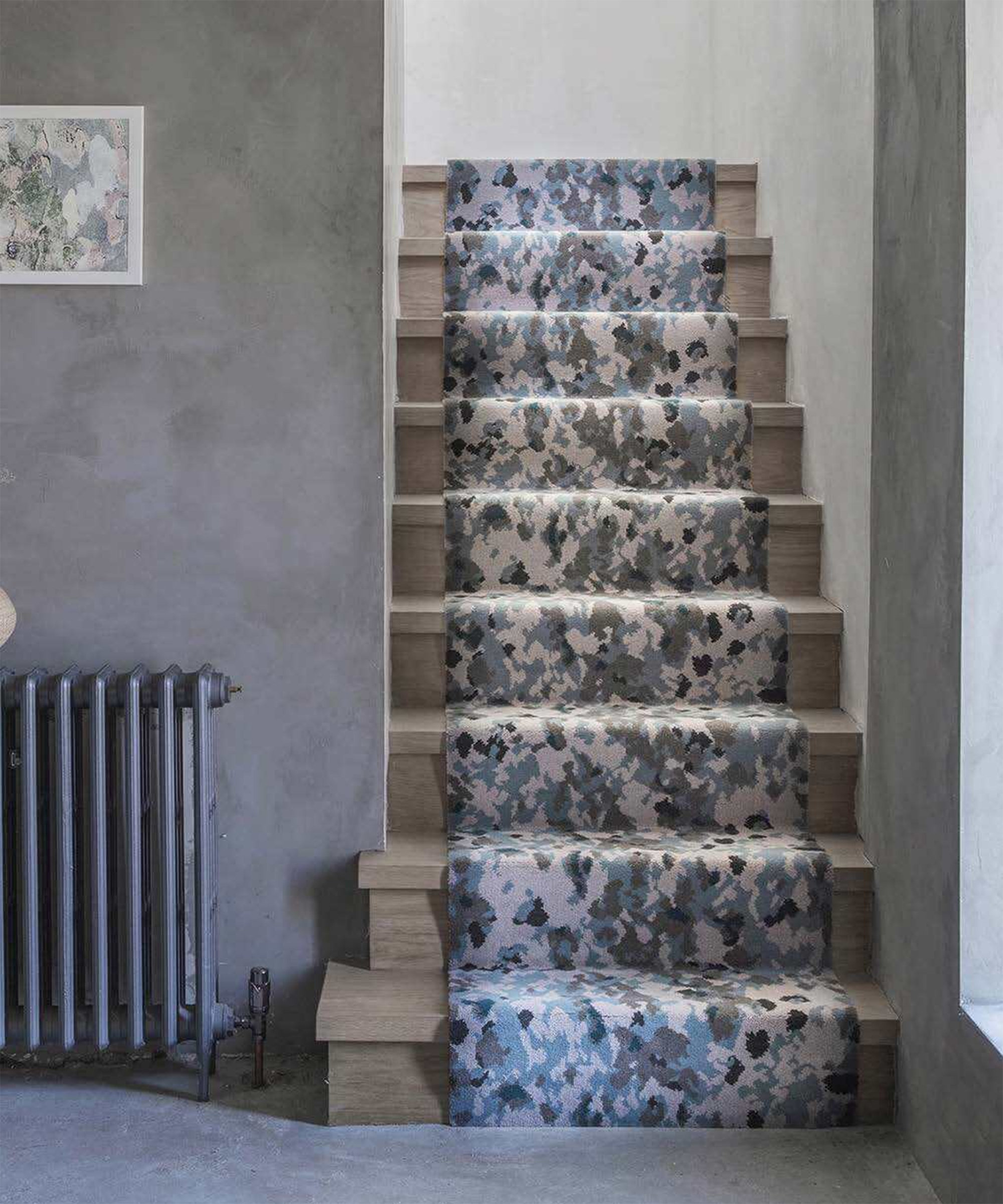
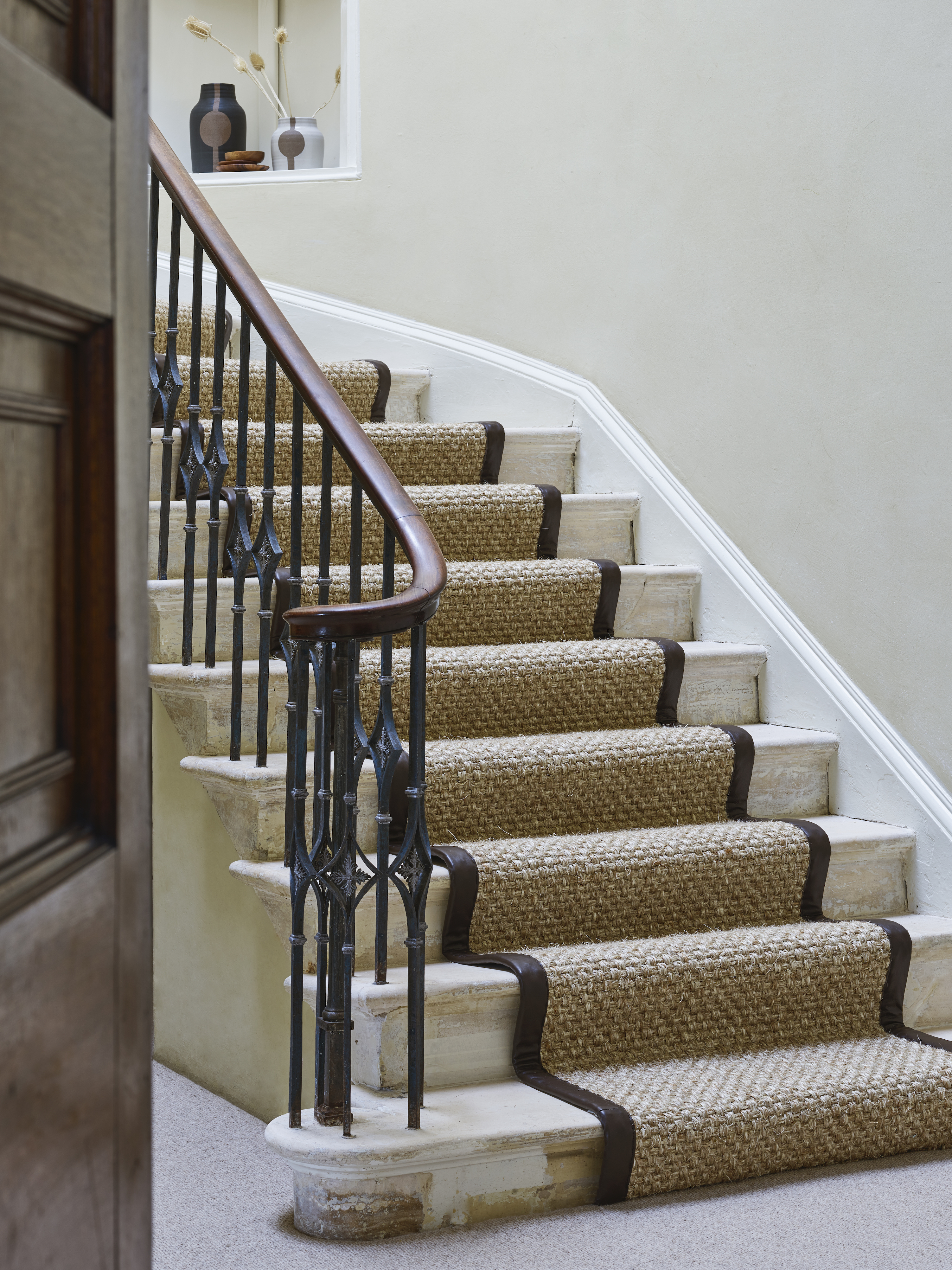
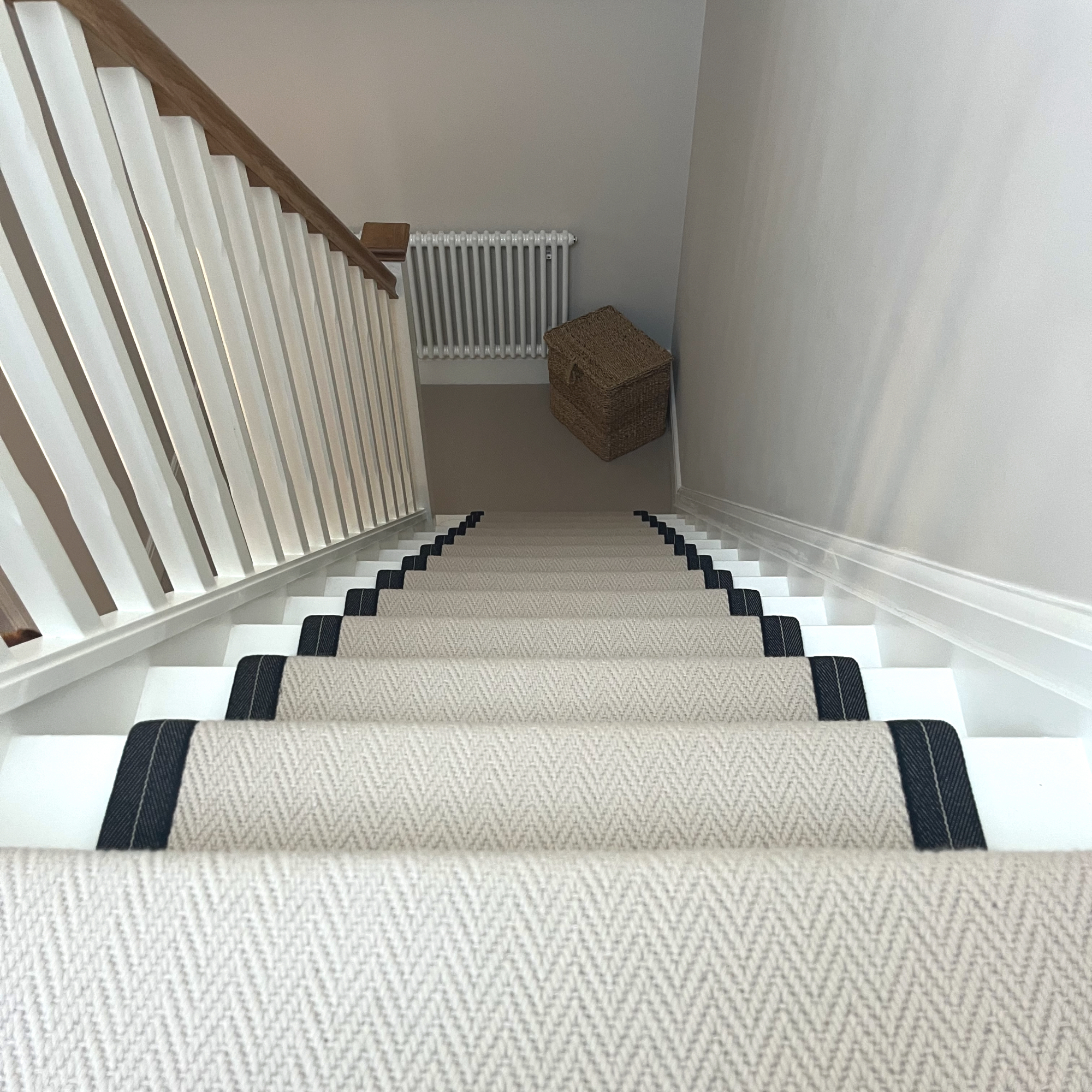
Regarding color and pattern, medium tones are advised to camouflage lint and dirt effectively. Gray, beige, and blue, especially with texture, patterns, or flecks of color, are ideal for hiding stains. However, natural fibers like sisal and seagrass are generally discouraged by some experts due to their susceptibility to staining and difficulty in cleaning, despite their aesthetic appeal. Durability and cleanability are paramount for high-traffic staircases, leading to recommendations for flat-woven materials or short, tight piles like jute, sisal, or wool, often finished with wide binding for a distinct look.
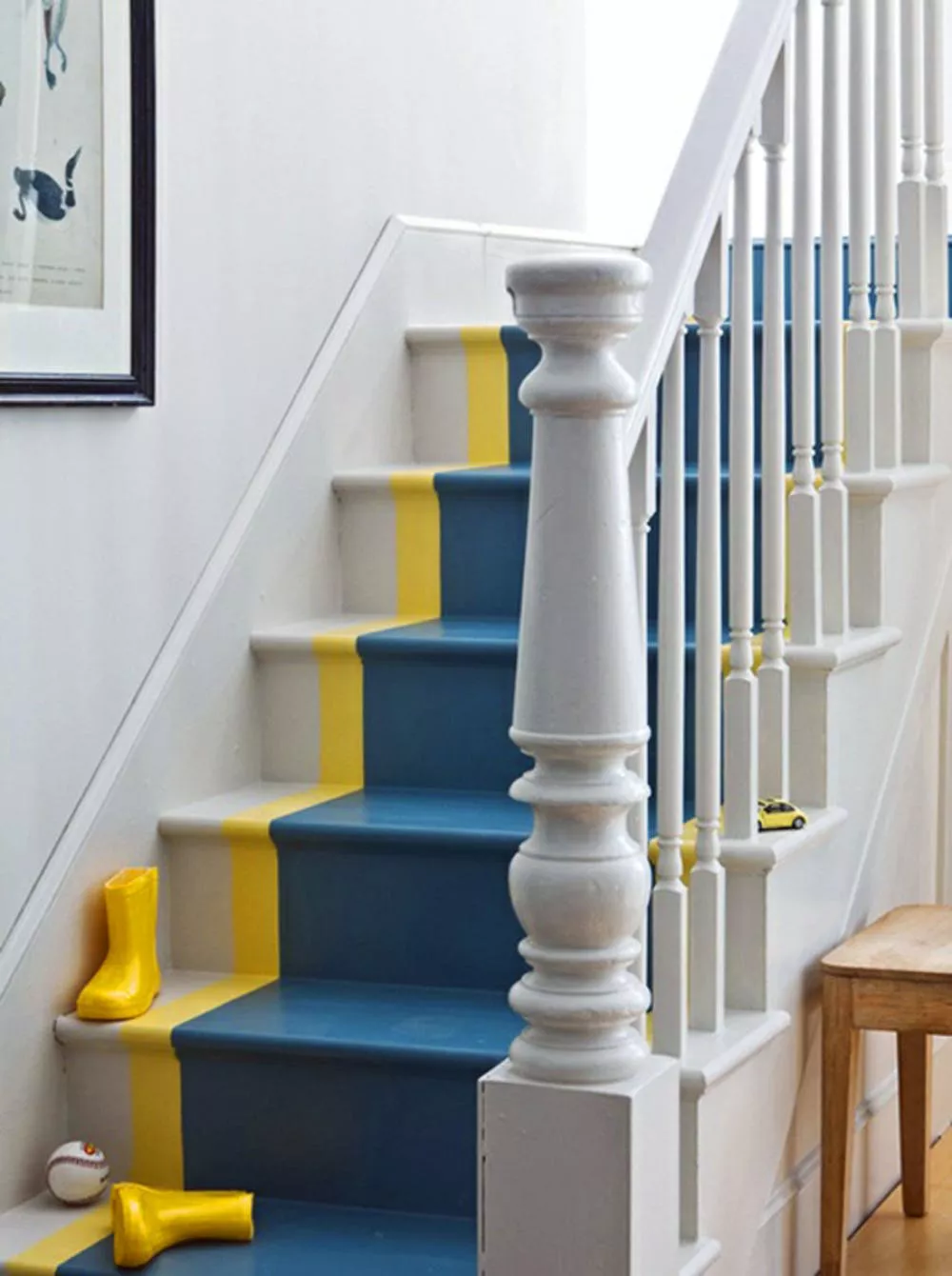
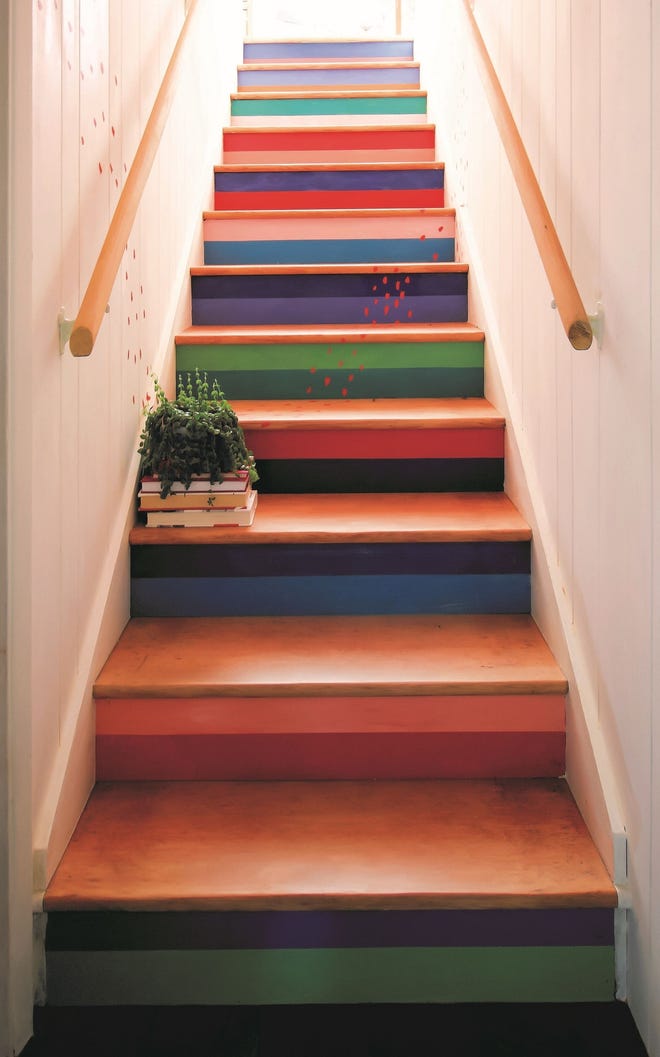
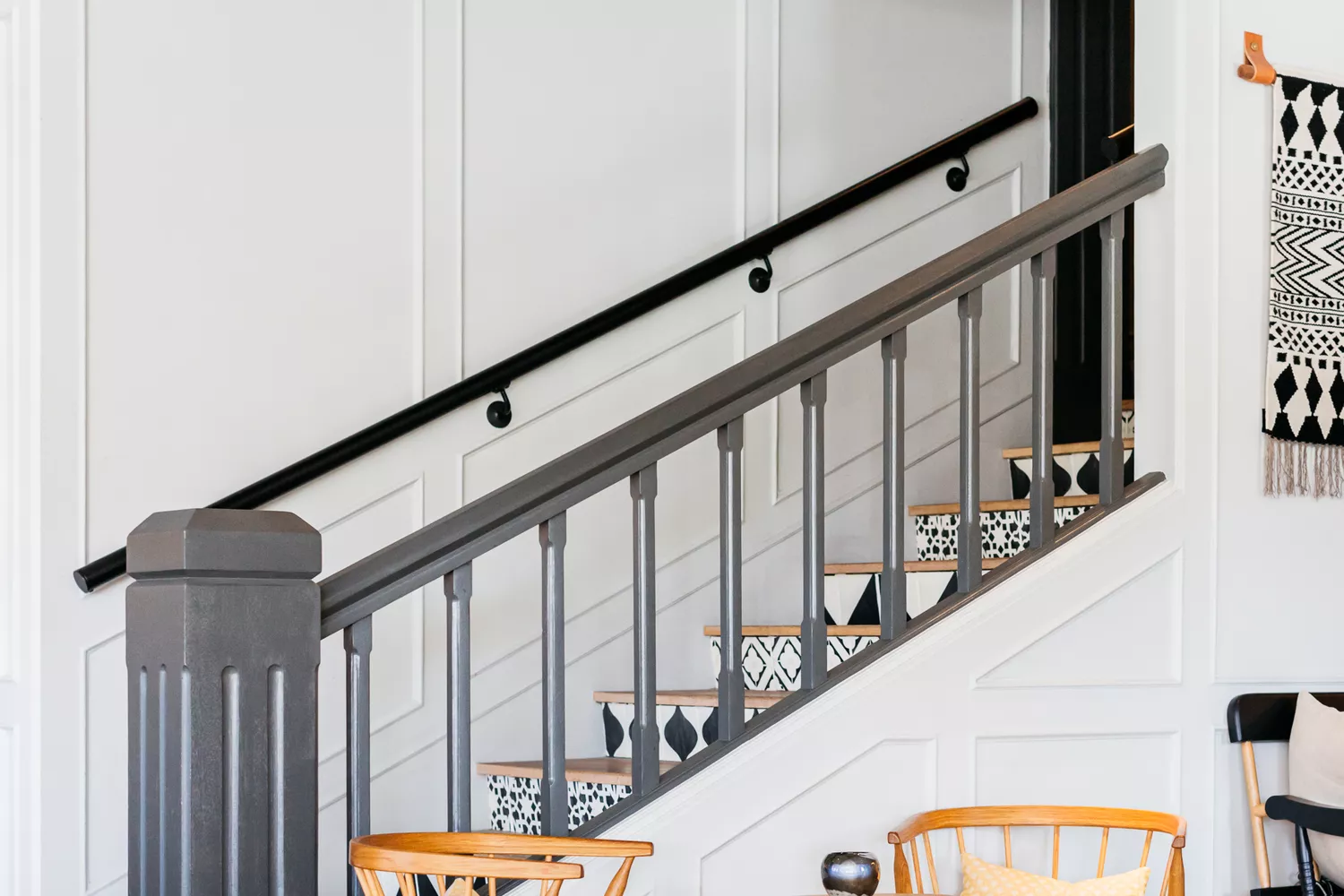
For a historical and cost-effective option, Family Heirloom Weavers in Red Lion, Pa., offers 100 percent wool stair runners woven on vintage looms, replicating patterns from the 1850s, with enough material for 13 steps costing about $400. The company supplies historic movie sets and house museums. Alternatively, for those seeking design impact without the maintenance or expense of a runner, painting the stairs provides a graphic, low-cost, and relatively easy alternative that can significantly transform the space.
#StairRunners #InteriorDesign #HomeDecoration #BrooklynTownhouse #HomeRenovation #CarpetInstallation #NaturalFibers #SyntheticRunners #StaircaseSafety #StairRunners #InteriorDesign #HomeDecoration #BrooklynTownhouse #HomeRenovation #CarpetInstallation #NaturalFibers #SyntheticRunners #StaircaseSafety
0 comment in total
 No comments yet
You may also like
How to measure for a stair runner – experts reveal the golden rule for getting your measurements just right
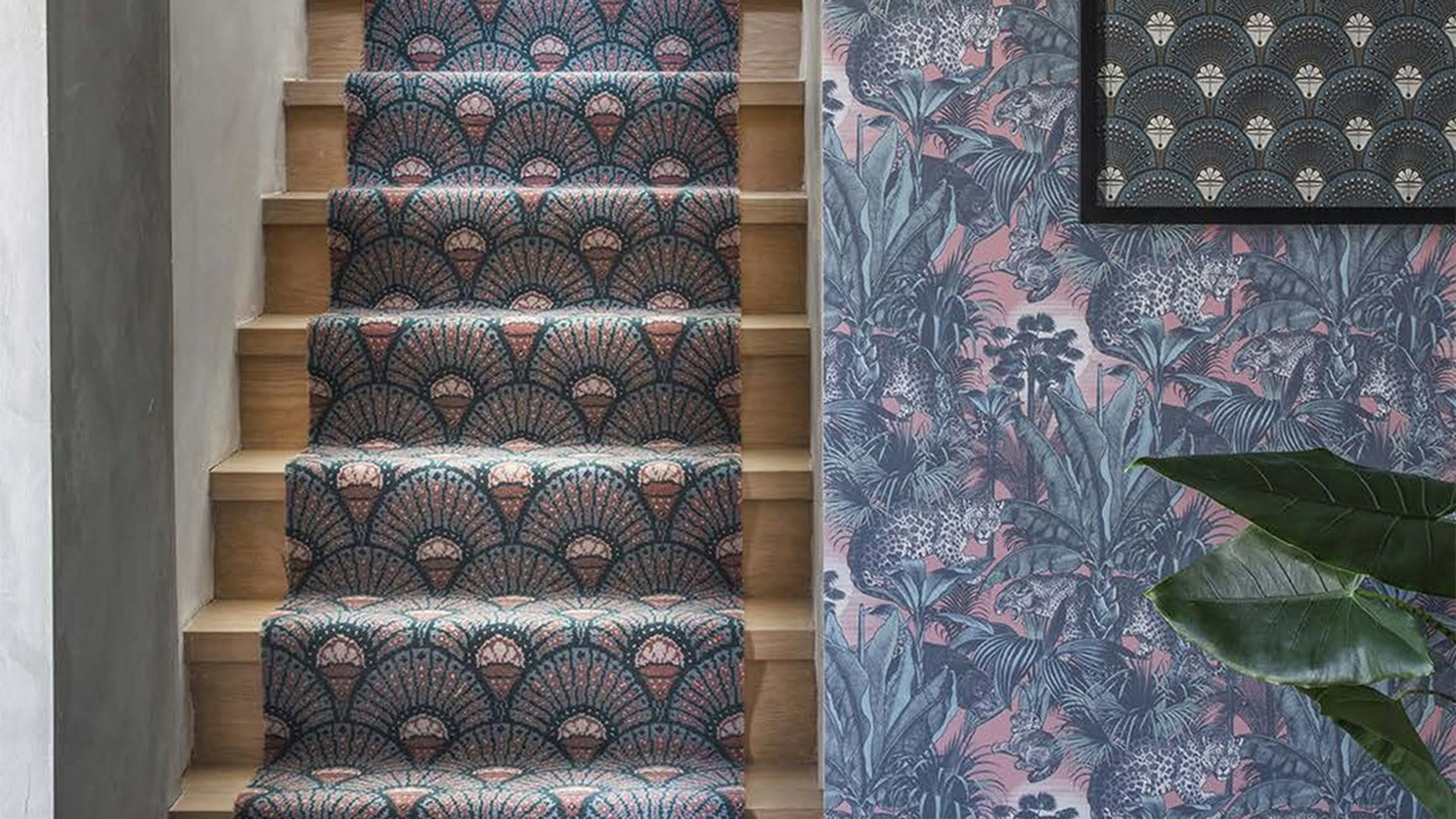
Staircase runner ideas – 15 designs that will instantly elevate your hallway steps

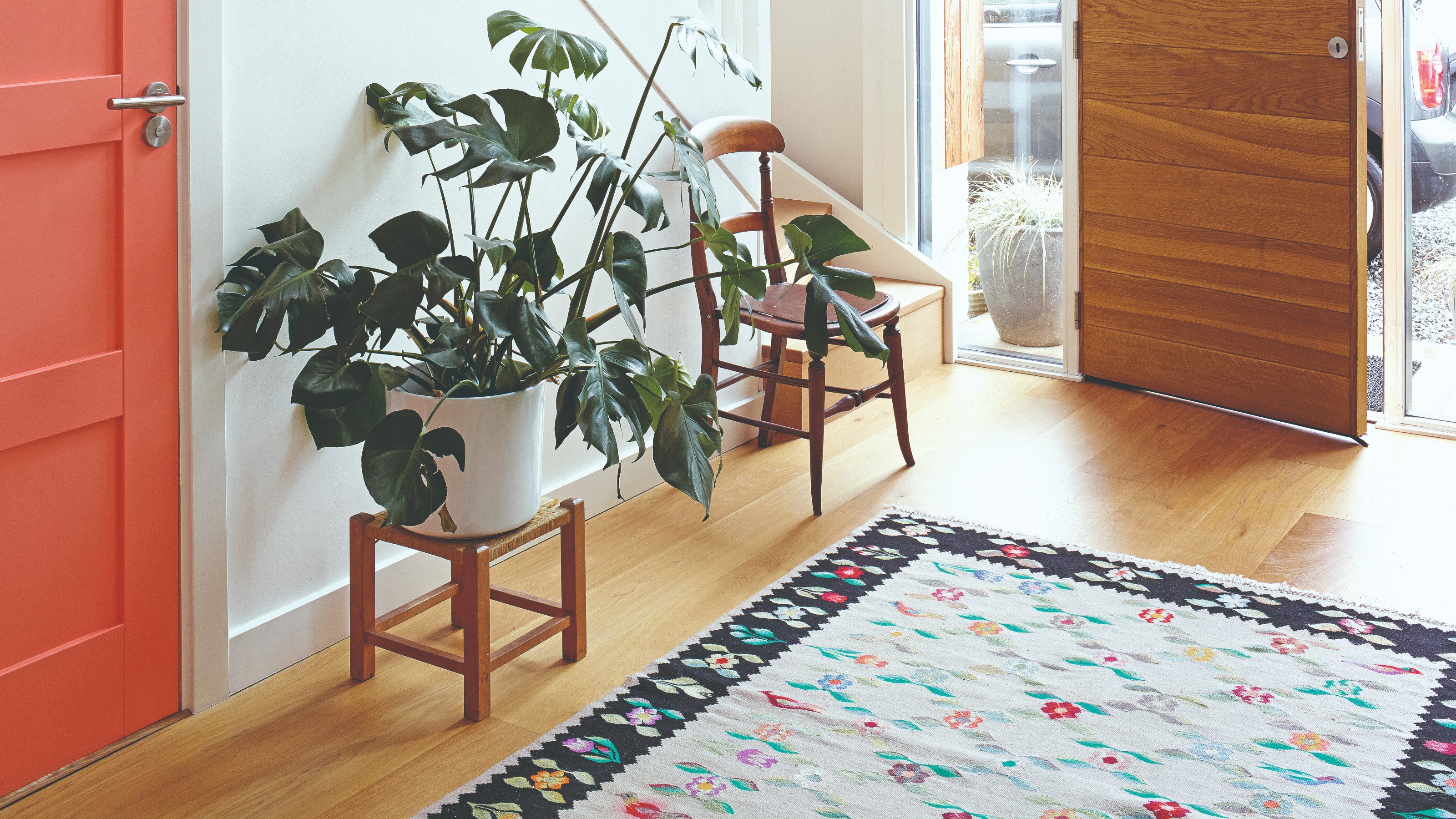
‘Size really is everything’ – experts reveal how big your hallway runner should be and how to get the right size every time

Stair Base Rails

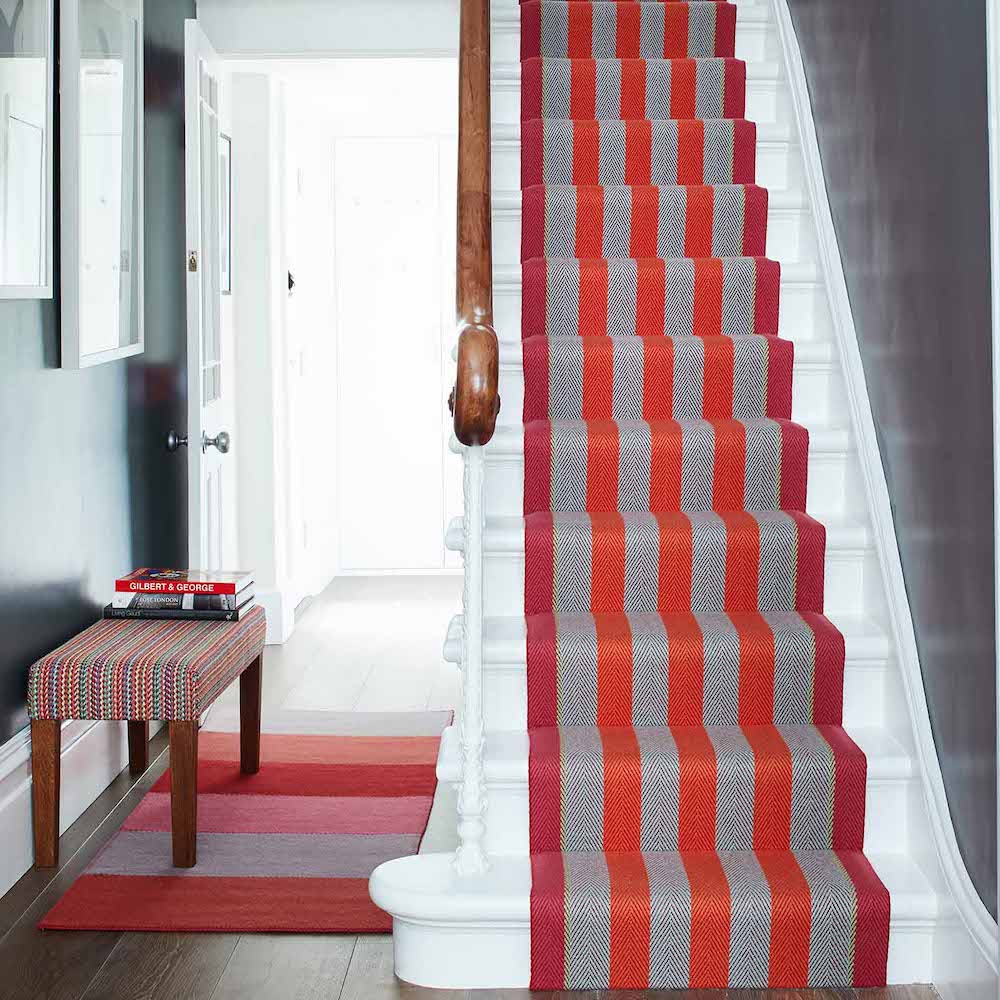
Stair runner ideas – ways to use carpet to elevate a decorating scheme
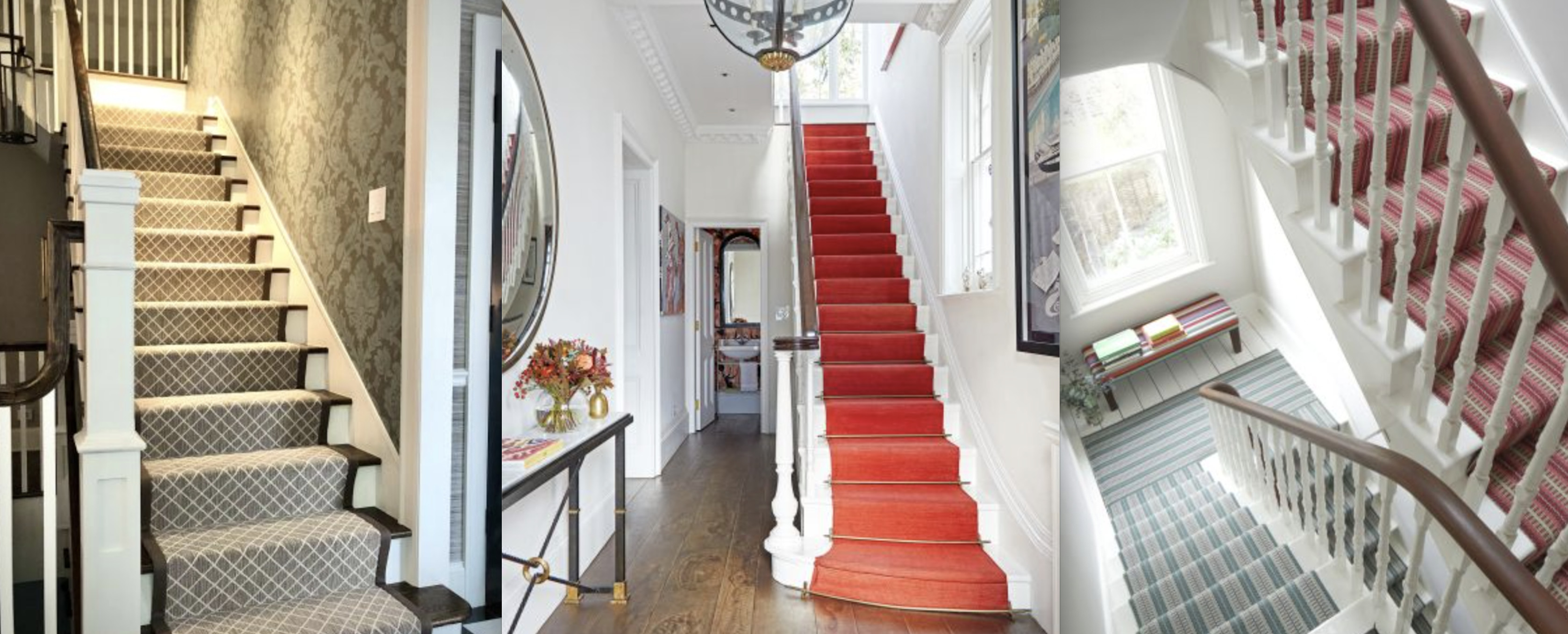
Stair runner ideas – 11 inspiring ways to introduce color and pattern

Stairs well done

Corrie's Ryan Thomas' timeless stair runner instantly creates a 'statement look' in a hallway, say experts
Are stair runners out of style? This is how the best designers are using them to make modern statements

This Outdated Stair Trend Is Fading Fast—and Designers Say It's Time to Move On

Hallway runner ideas - 10 ways to make a great entrance
Ruggable Runner Review: An Easy-to-Clean Option That Dresses Up Hallways

Ask Veronica: Why decorate with a stair runner?

An Oft-Overlooked Staircase Project Is Gaining Traction With Remodelers

The Best Step Stools, Tested for Stability, Portability, and Durability

17 Stair Railing Ideas That Elevate Interior Design

An Oft-Overlooked Staircase Project Is Gaining Traction With Remodelers

18 staircase ideas – stunning looks for your hall or entryway

Staircase Parts

21 Best Painted Stair Ideas to Revamp Your Space