This Vintage Tile Pattern Is Popping Up Everywhere—and It’s Easy to Love
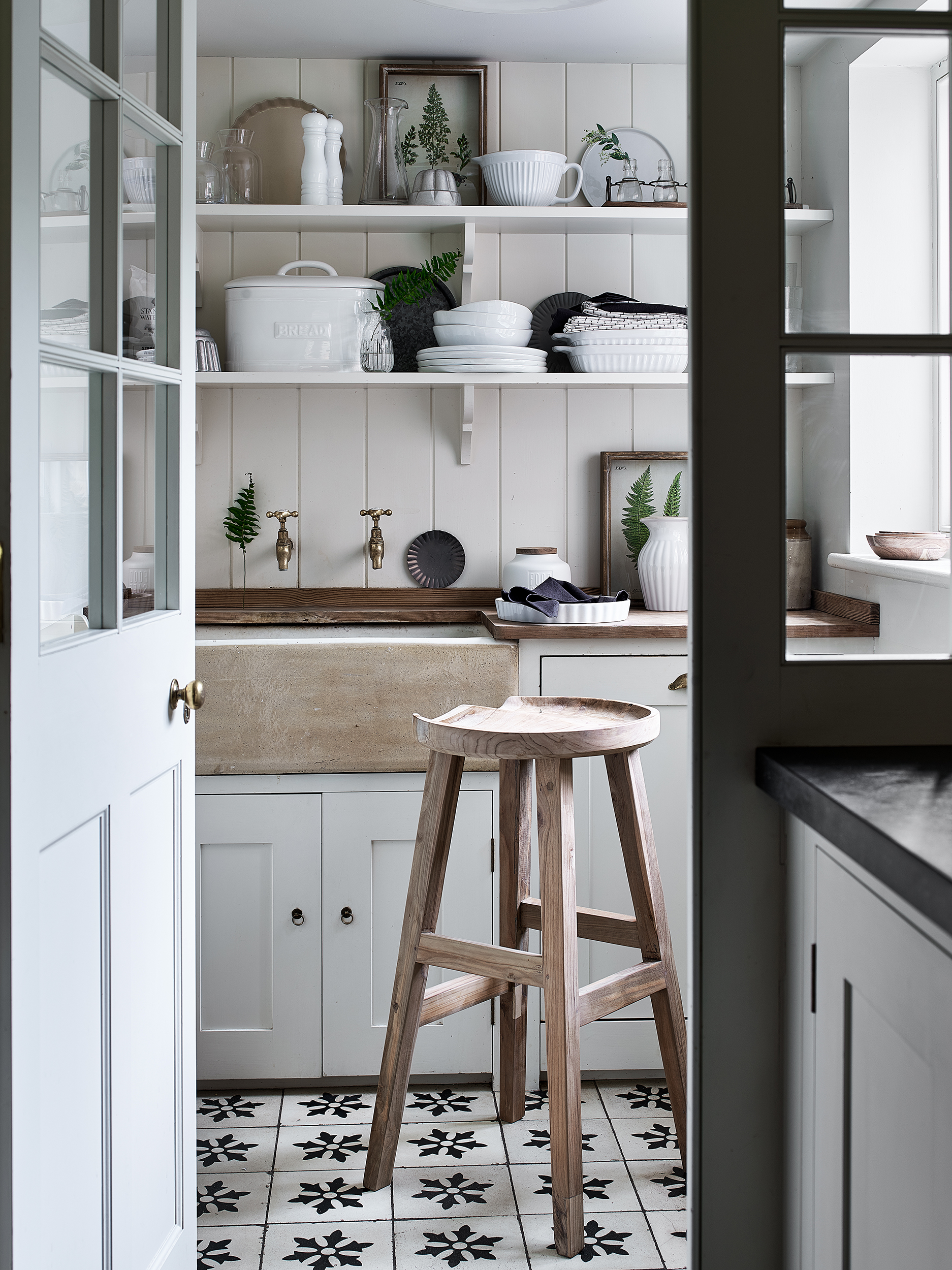
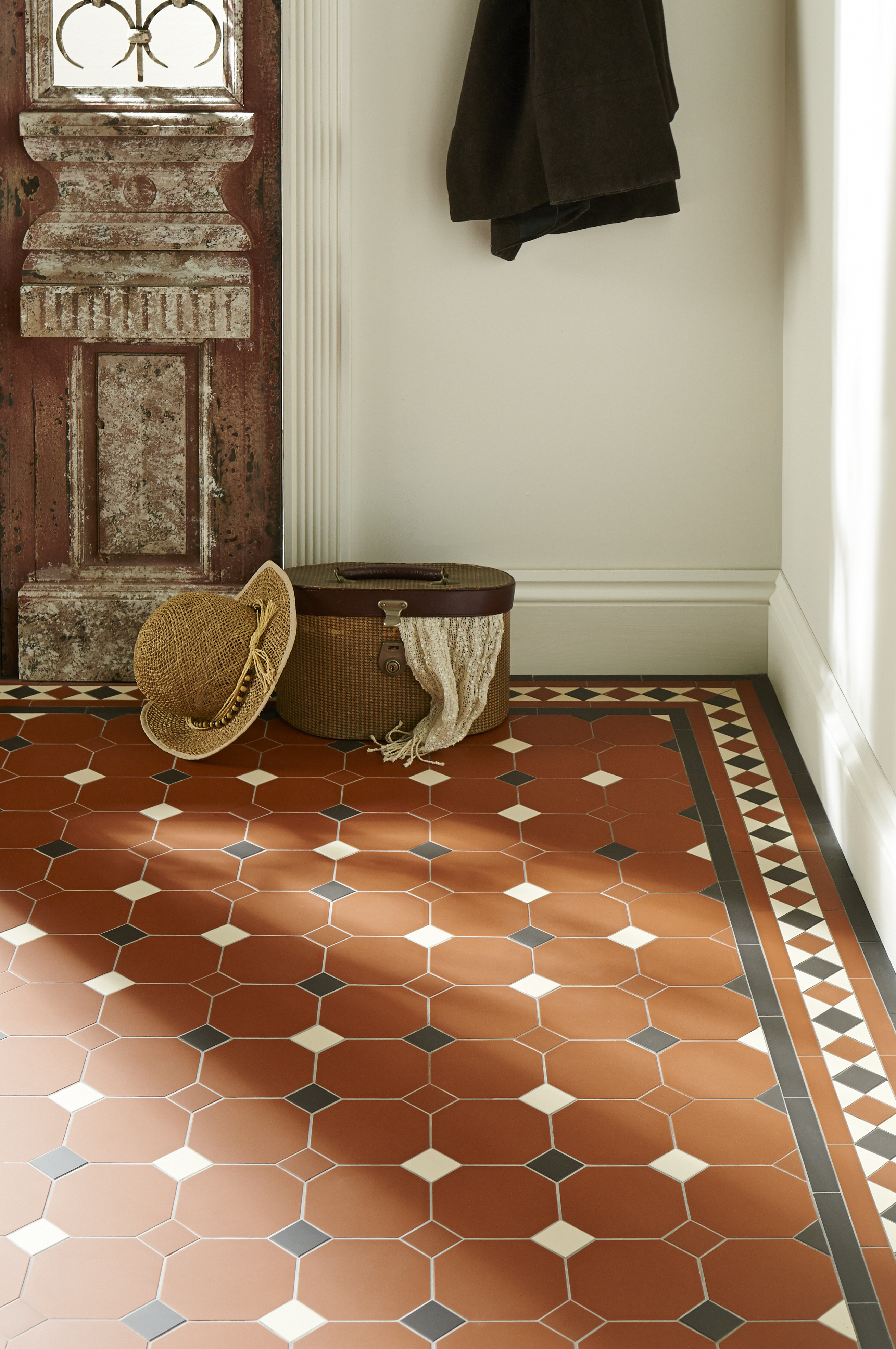
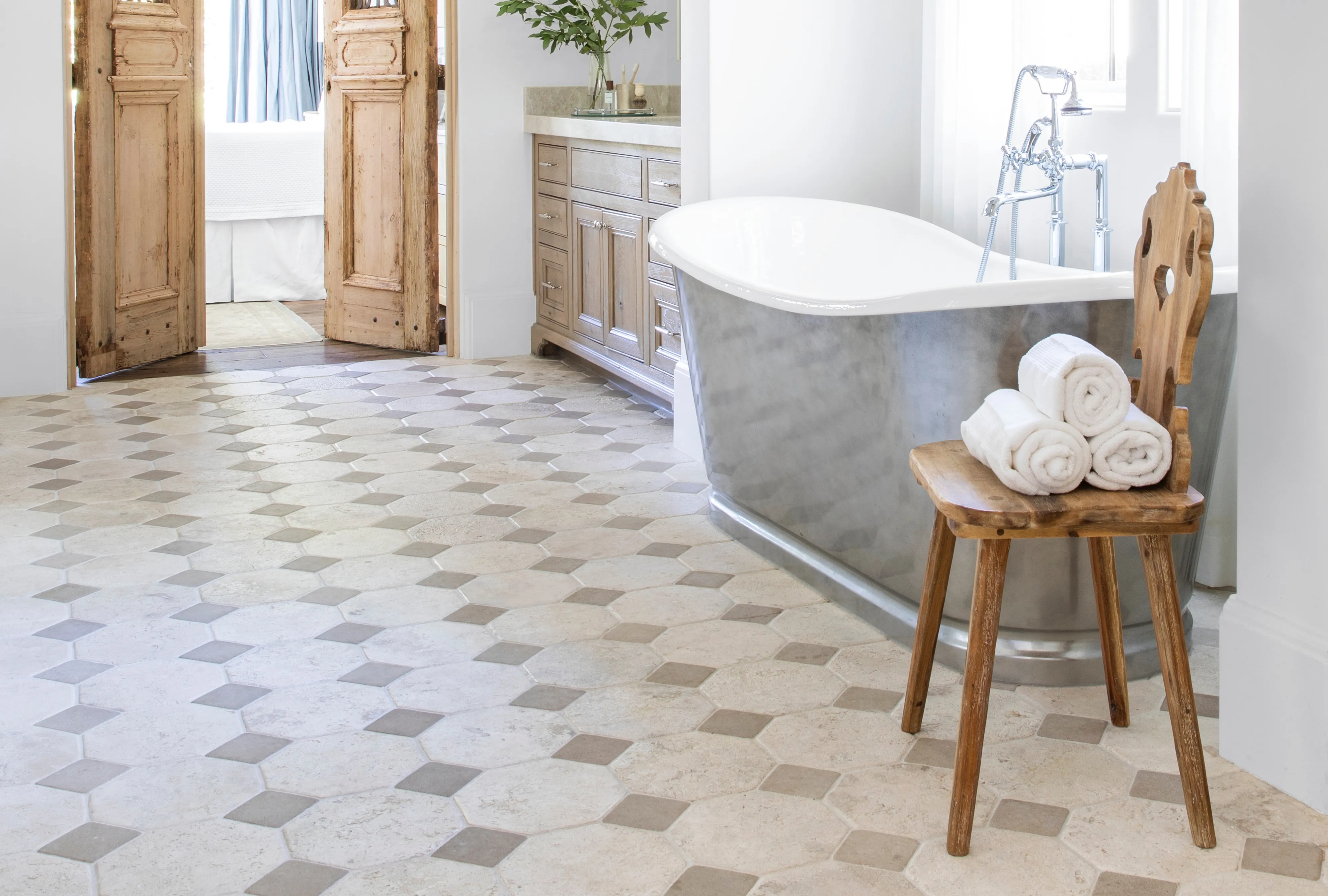
Cabochon flooring, a classic tile pattern with origins in French architecture and a notable presence in Georgian homes, is gaining renewed popularity for its timeless appeal and elegant simplicity. This style features octagonal main tiles interspersed with smaller square insets, known as cabochons, which are traditionally made of a different material or color to create a distinctive light-dark contrast. Interior designer Ellie Stein highlights that the traditional cabochon floor typically uses 12-inch square tiles with trimmed corners, into which 2-inch cabochon tiles are set.
The enduring charm of cabochon floors lies in their ability to evoke both history and agelessness without being overly attention-seeking. The design allows for various interpretations through material choices, pattern modifications, and scale adjustments. Common main tile materials include limestone and marble, often paired with deep-hued slate cabochons. Stein particularly favors tumbled limestone with contrasting black or gray limestone cabochons for a sophisticated look. Other materials like travertine and darker shades of marble are also used for stone cabochons, while decorative tiles or metallic finishes can add unique touches. For more modern applications, porcelain, ceramic, or even glass tiles in bathrooms can achieve the cabochon effect. Stein also suggests a painted cabochon pattern on wood flooring for a contemporary twist, especially in foyers or circulation spaces.
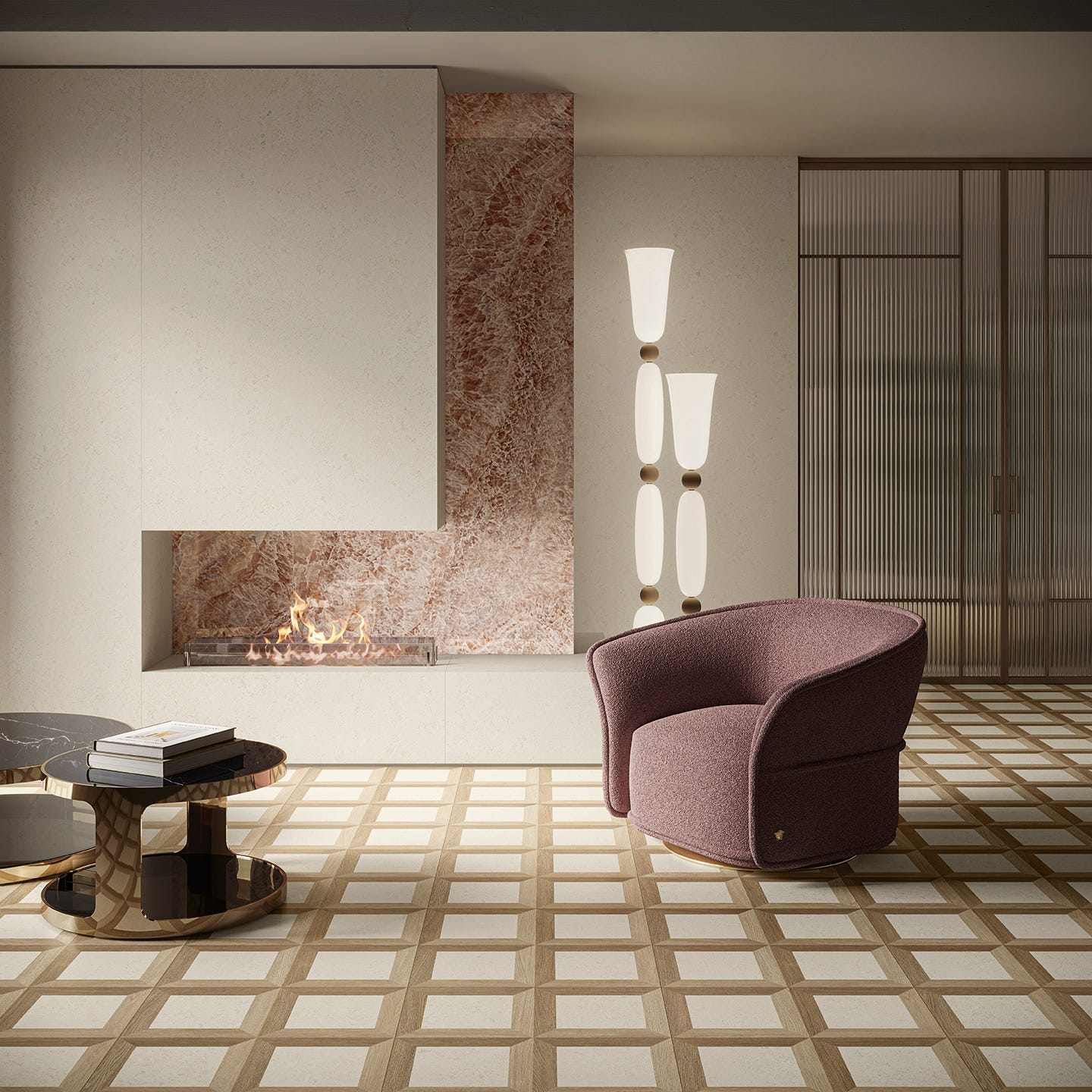
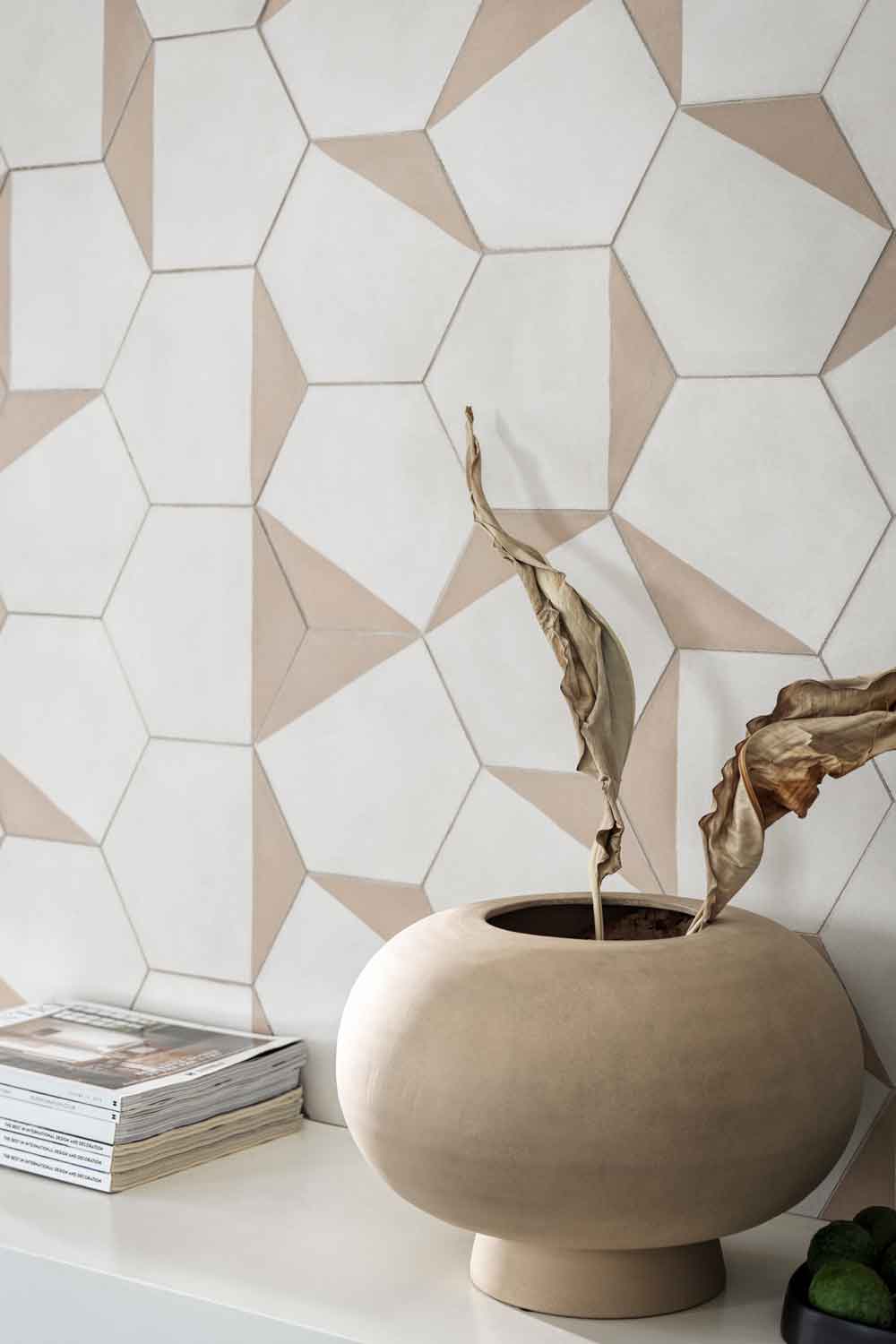
Variations in coloring further enhance the versatility of cabochon floors. Dramatic effects can be achieved with black marble accented by gray or white marble cabochons, while a monochromatic pairing or even a uniform tile pattern can offer subtle geometric interest. The scale of the pattern can be altered by treating four square tiles as a single unit or by using tiles of varying sizes. Additionally, square tiles with painted corners can mimic the cabochon pattern when laid together, providing an alternative to individual small insets.
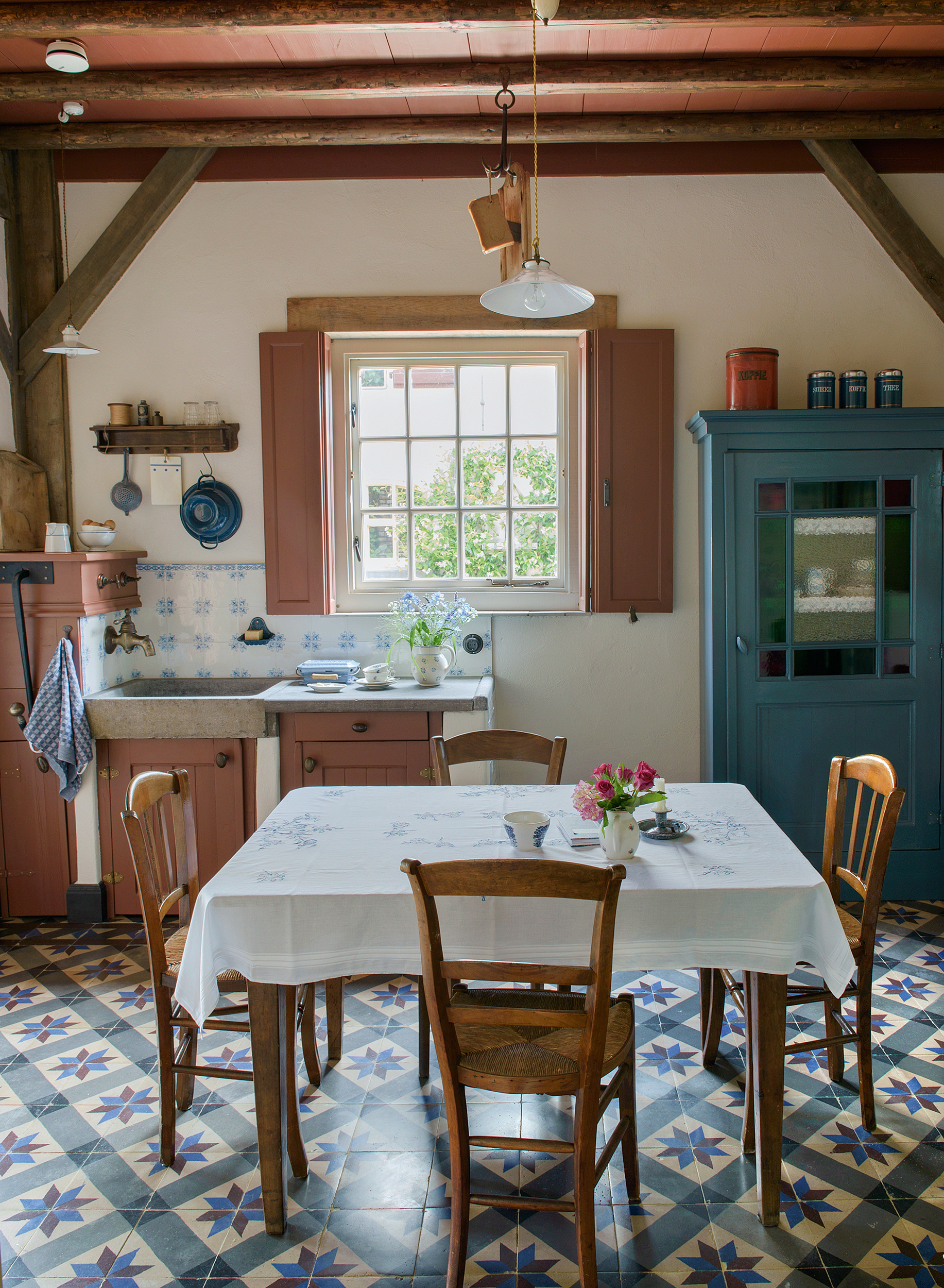
Cabochon floors are best suited for areas where durability, versatility, and visual impact are prioritized, such as entryways, foyers, kitchens, mudrooms, and bathrooms. These spaces benefit from the hard-wearing and easy-to-clean nature of the flooring, while also providing an opportunity to create a memorable impression. However, they are generally not recommended for bedrooms or casual living areas due to the natural coolness of stone and tile, which can create an unwelcoming atmosphere in intimate settings.
Stylistically, cabochon floors are ideal for traditional interior designs, complementing French country, laidback contemporary, and new rustic styles. A terra-cotta cabochon, for instance, is stunning in a Spanish-style home, while a painted cabochon pattern can fit seamlessly into English-inspired interiors. For modern interiors, a high-gloss finish and a dramatic color scheme can help balance the traditional pattern. Successful installation requires careful planning, particularly in maximizing full cabochons around room edges, doorways, and transitions to ensure a cohesive and aesthetically pleasing result. Stein advises against forcing the style into a space where it doesn't naturally harmonize, emphasizing that the beauty of a cabochon floor is its inherent timelessness when aligned with the home's architecture.
#CabochonFlooring #TilePatterns #HomeDesign #InteriorDecor #FlooringTrends #TraditionalDesign #HomeImprovement #ClassicInteriors #TileInstallation #CabochonFlooring #TilePatterns #HomeDesign #InteriorDecor #FlooringTrends #TraditionalDesign #HomeImprovement #ClassicInteriors #TileInstallation
0 comment in total
 No comments yet
You may also like
The New Tile Trend Causing a Scene This Season
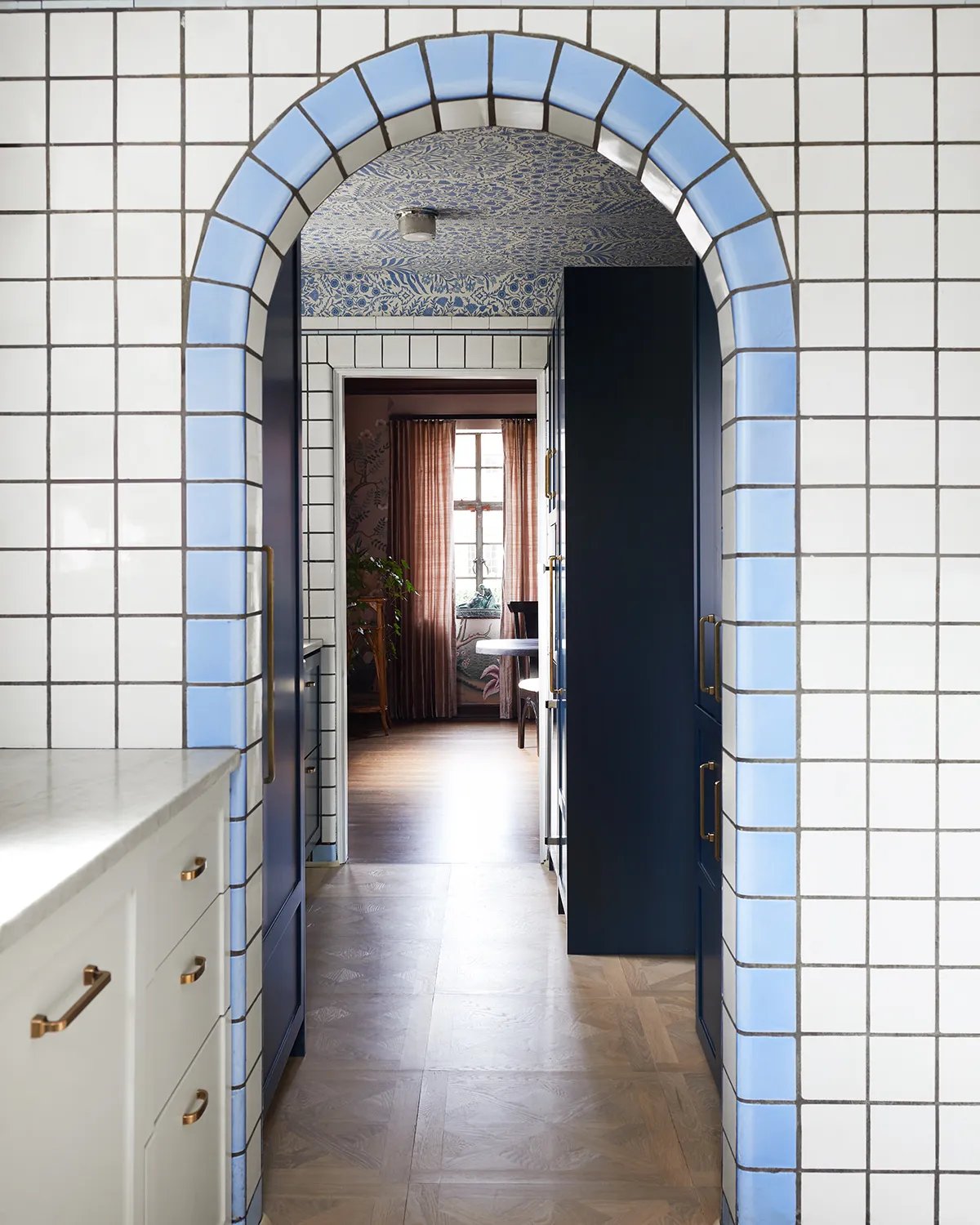
Vintage Tile Is on the Rise, But Hard to Find—Here’s Where to Source It

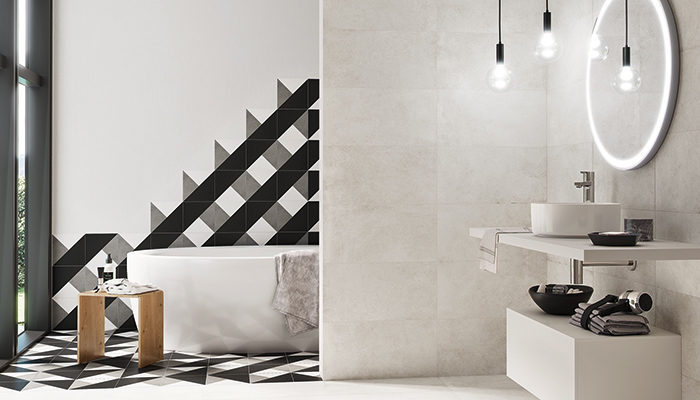
Tile trends: Using pattern and contrast to create daring designs
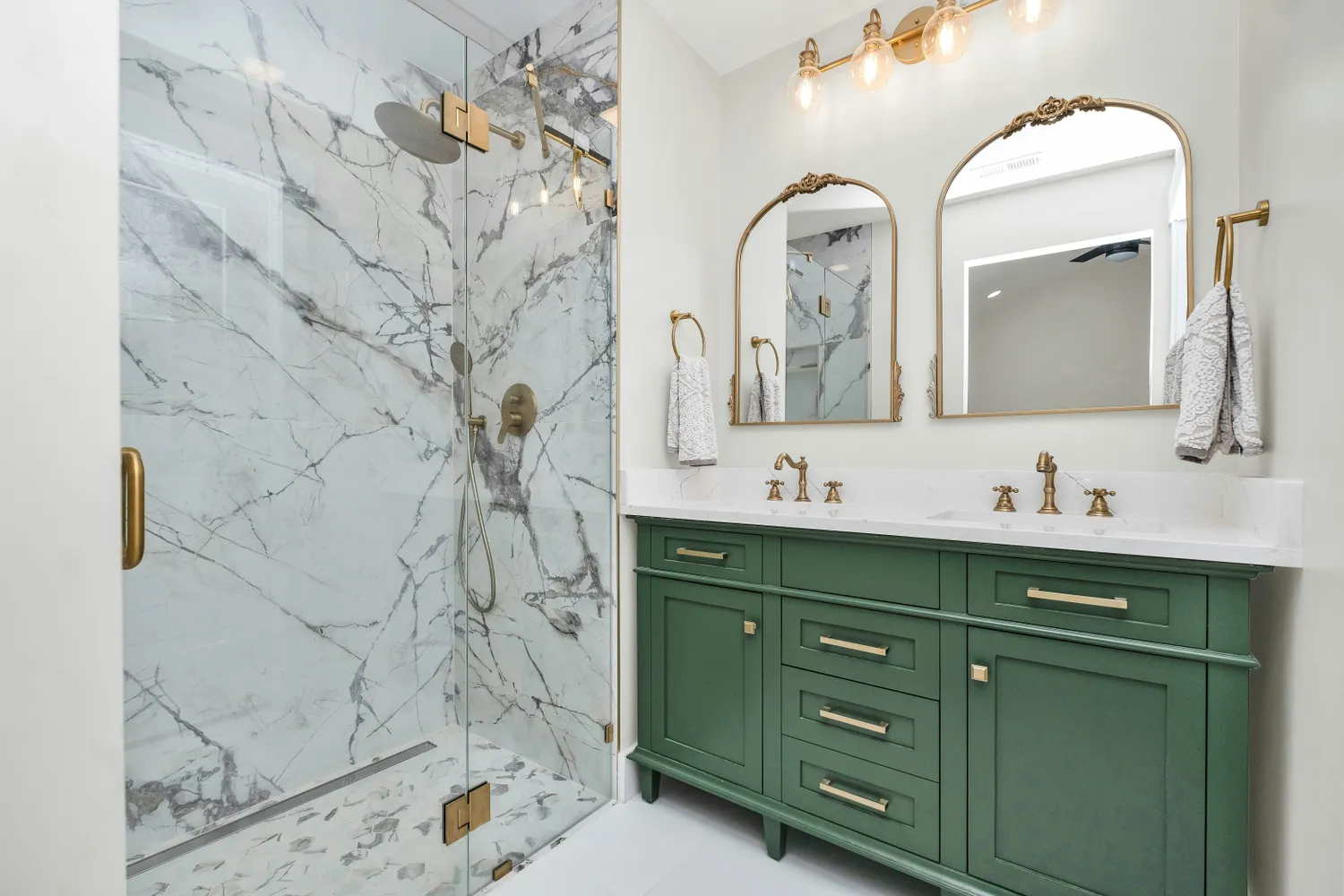
This Common Tile Trend Always Screams "Tacky," According to Designers

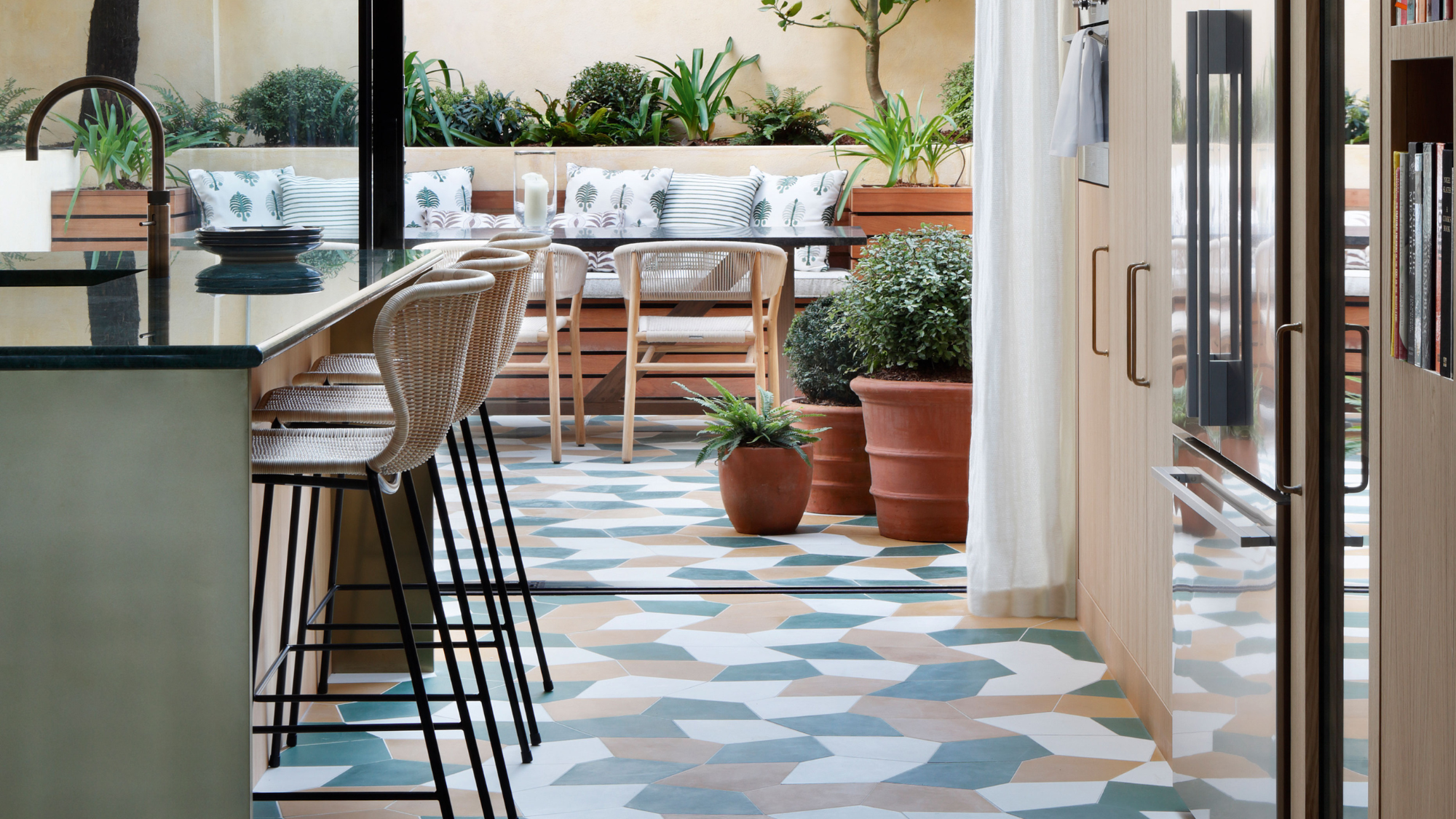
Tile Trends 2025 — Every Design-Forward Look to Have on Your Radar

This old-school wallpaper trend is everywhere—here's how to use it

Tile Style

The Enduring Artistry of Vintage Tiles

Tiles To Turn Your Floor Into a Work of Art

The Decades Old Tile Trend That Is Popping Back Up In Bathrooms
10 Tile Trends You'll Be Seeing More Of In 2026

This Timeless Trend Is Making a Comeback, and It’s Ridiculously Easy to Style

This Retro Bathroom Tile Trend Is Making a Big Comeback—and It's Surprisingly Chic

Tile patterns: 15 smart designs to add style to every room

How to decorate with vintage tiles

This New Collection Puts a Graphic Spin on Tile
Decorative Tiles Are Back, Bigger and Better Than Ever
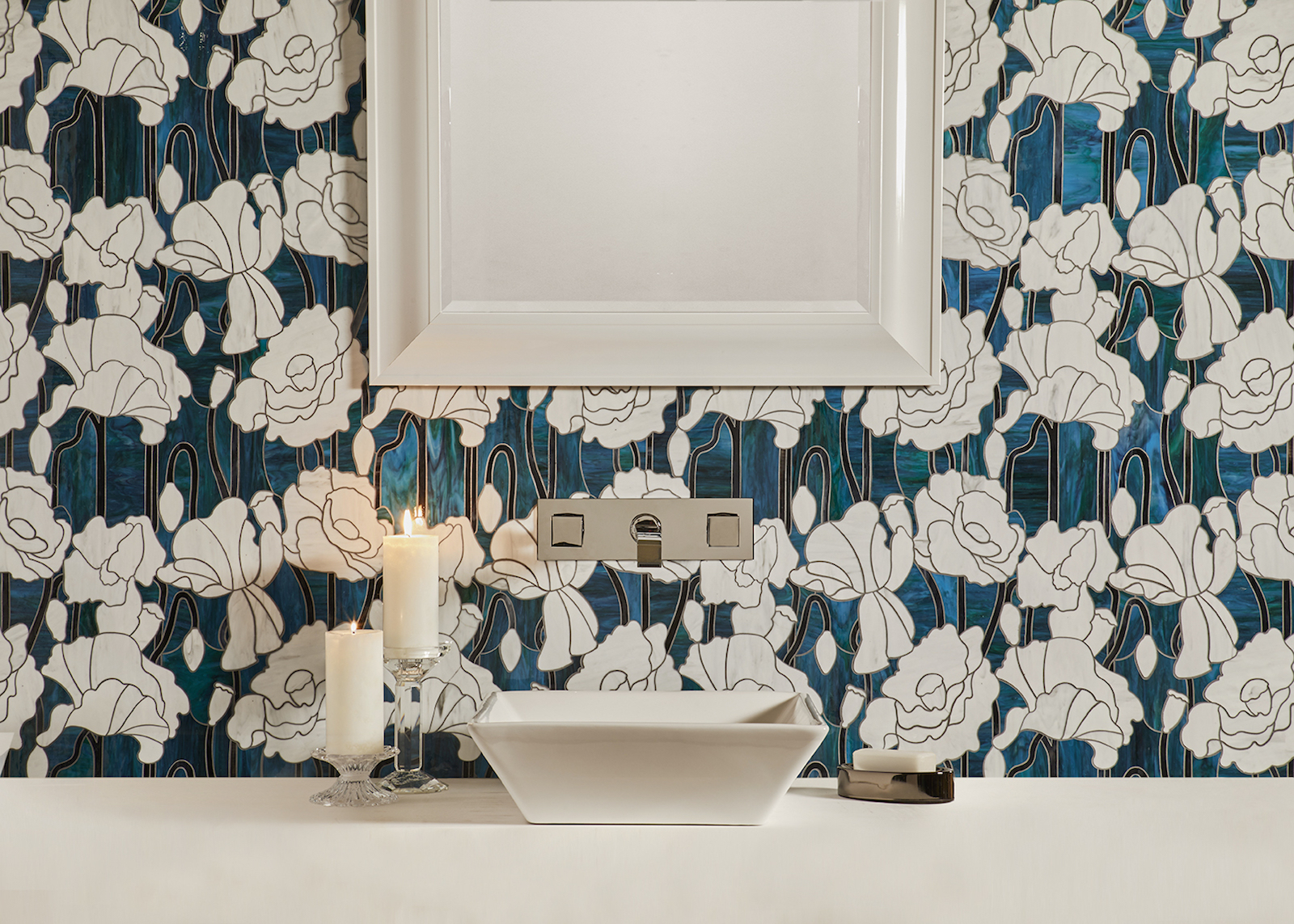
Tile Trend: Botanical Patterns

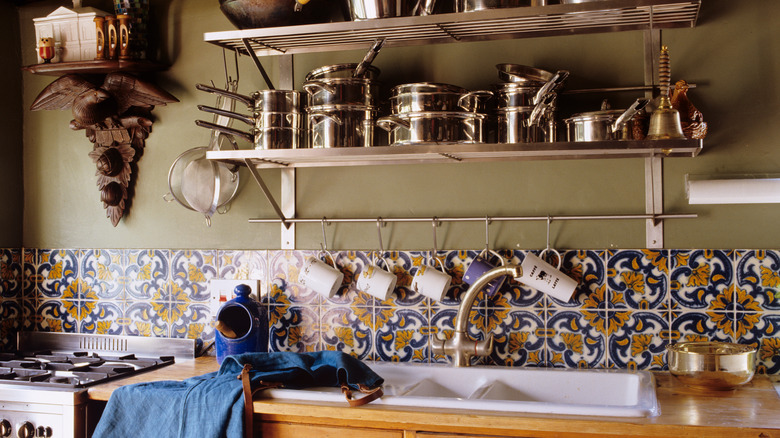
10 Vintage Tile Brands That Will Make A Big Statement In Your Kitchen Or Bathroom
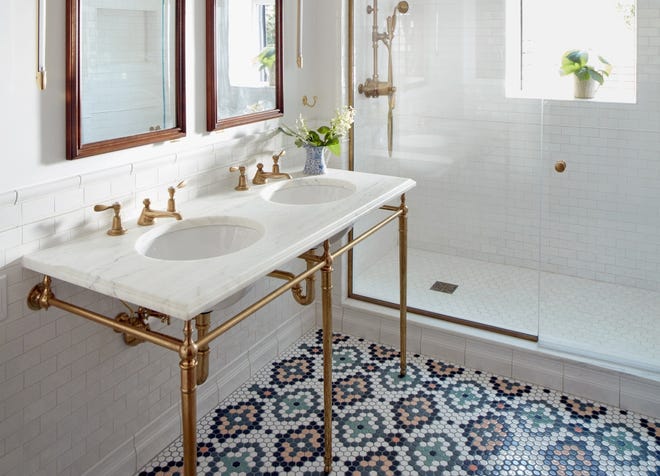
Tiny tiles make a big comeback with personalized style