1/2
Hate Your Interior Columns? Here's How Designers Would Decorate Around Them
Interior columns, often necessary structural elements, can sometimes detract from a room's aesthetic. Instead of viewing them as unavoidable hindrances, designers offer creative strategies to either seamlessly integrate or highlight them as distinctive design features. This approach transforms these architectural components into assets that enhance the overall interior design.
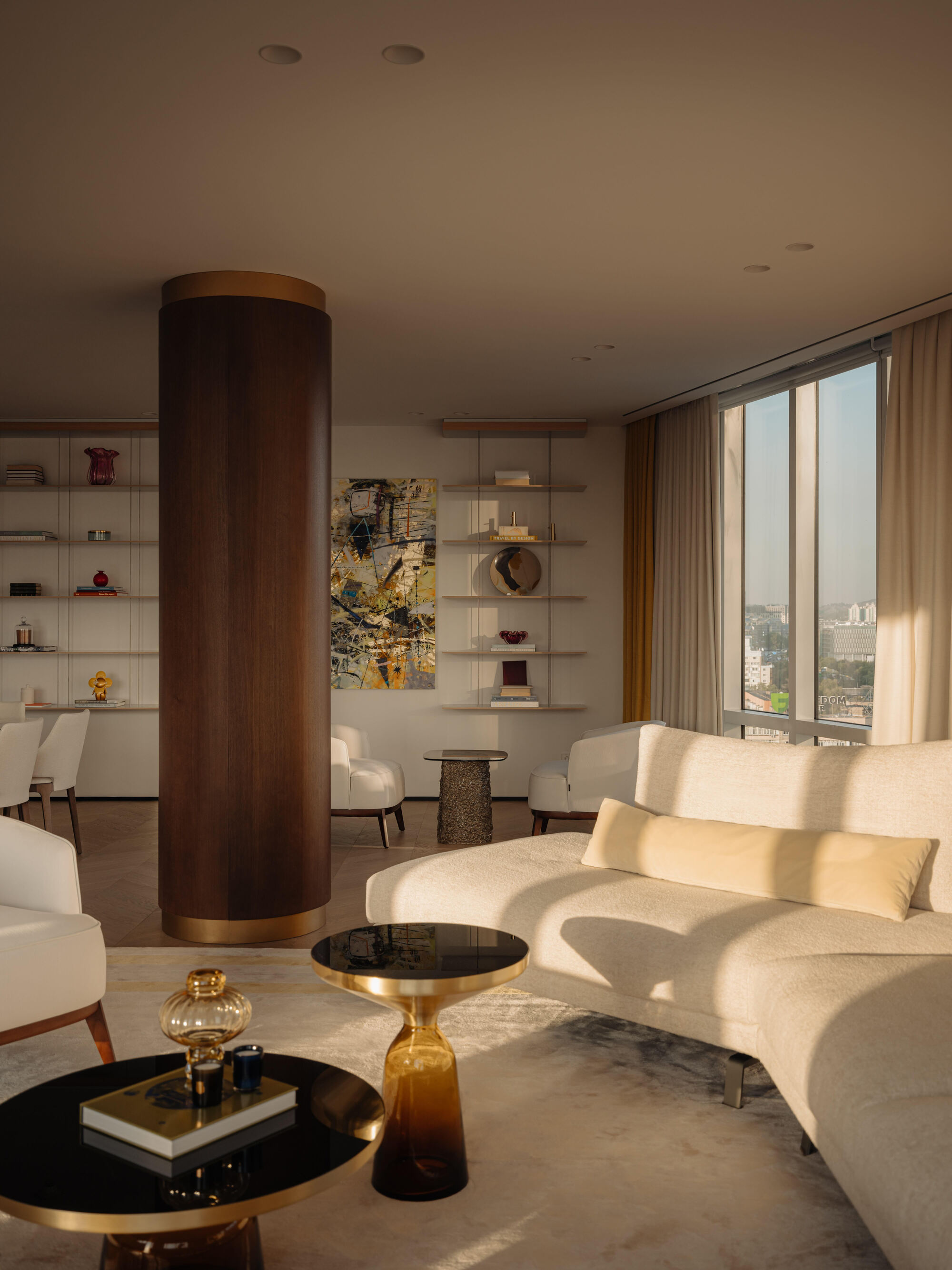
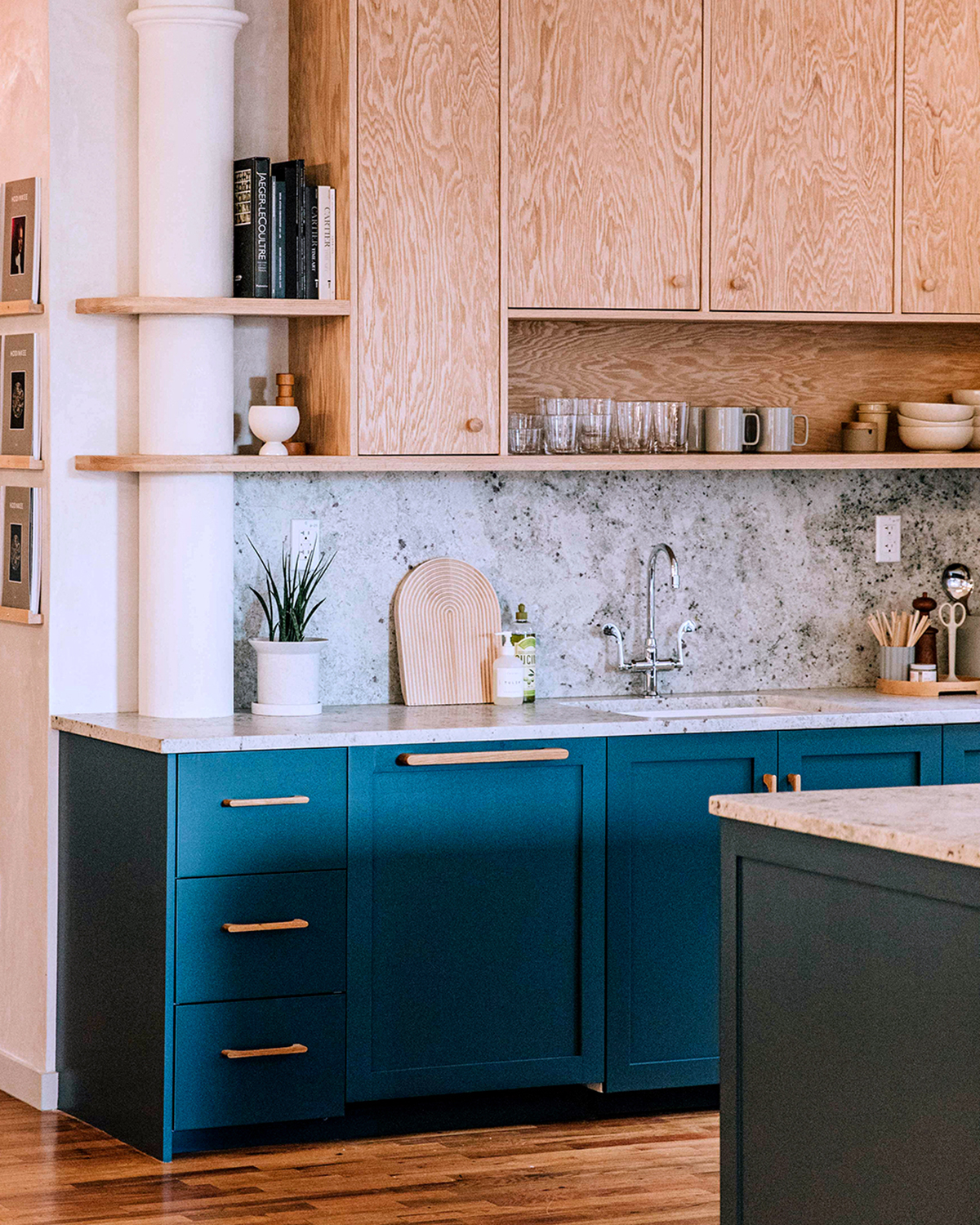
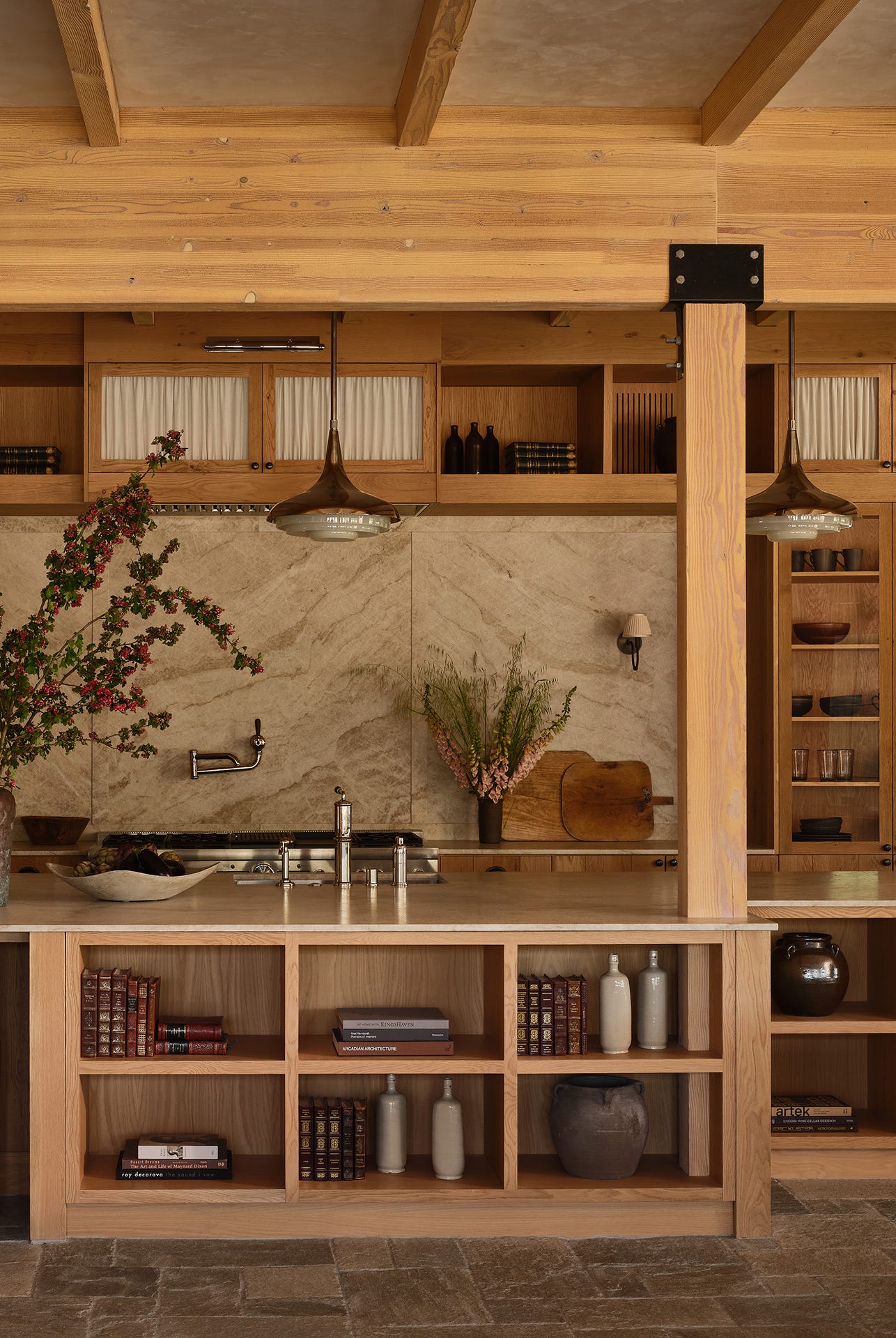
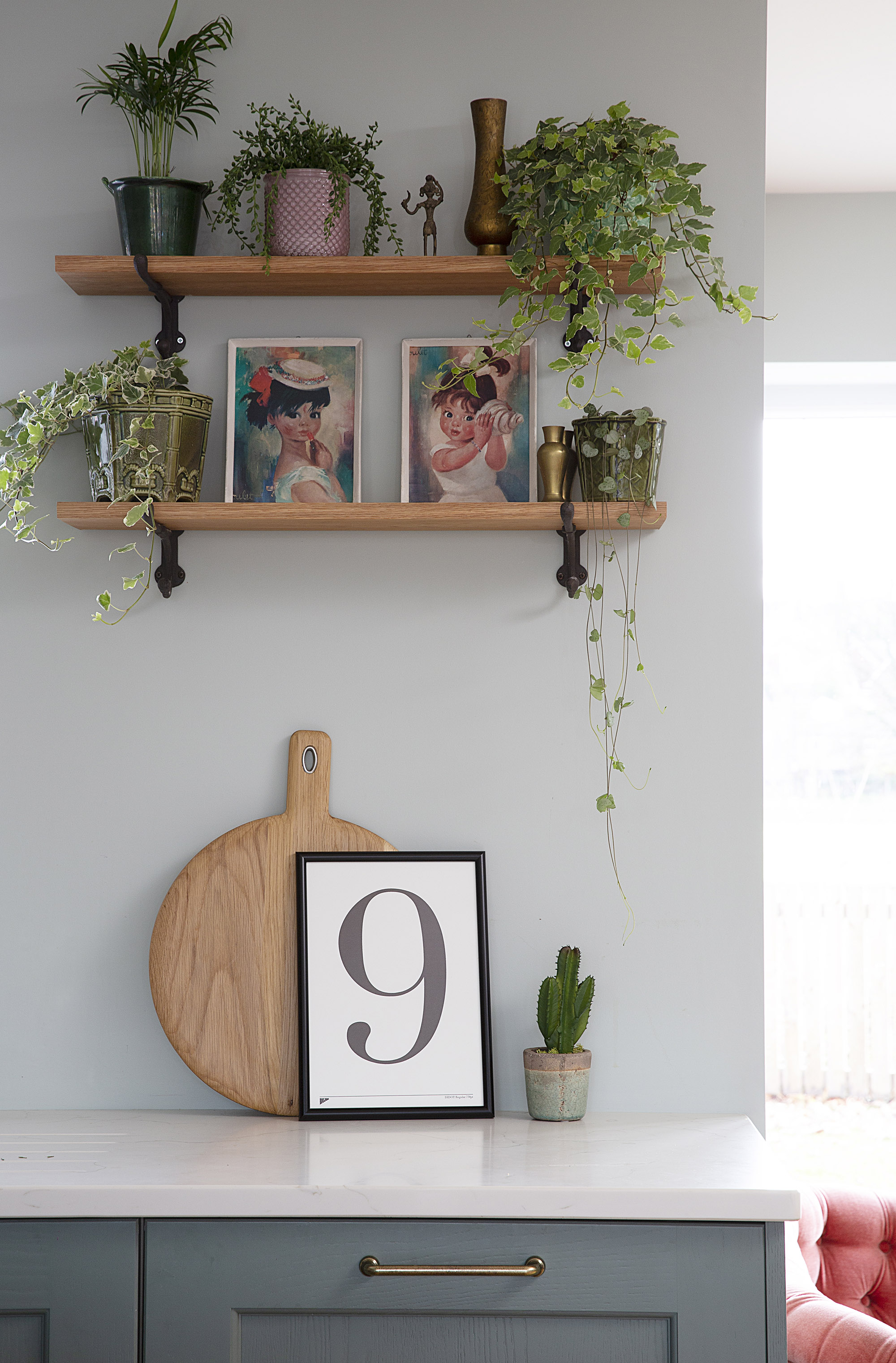
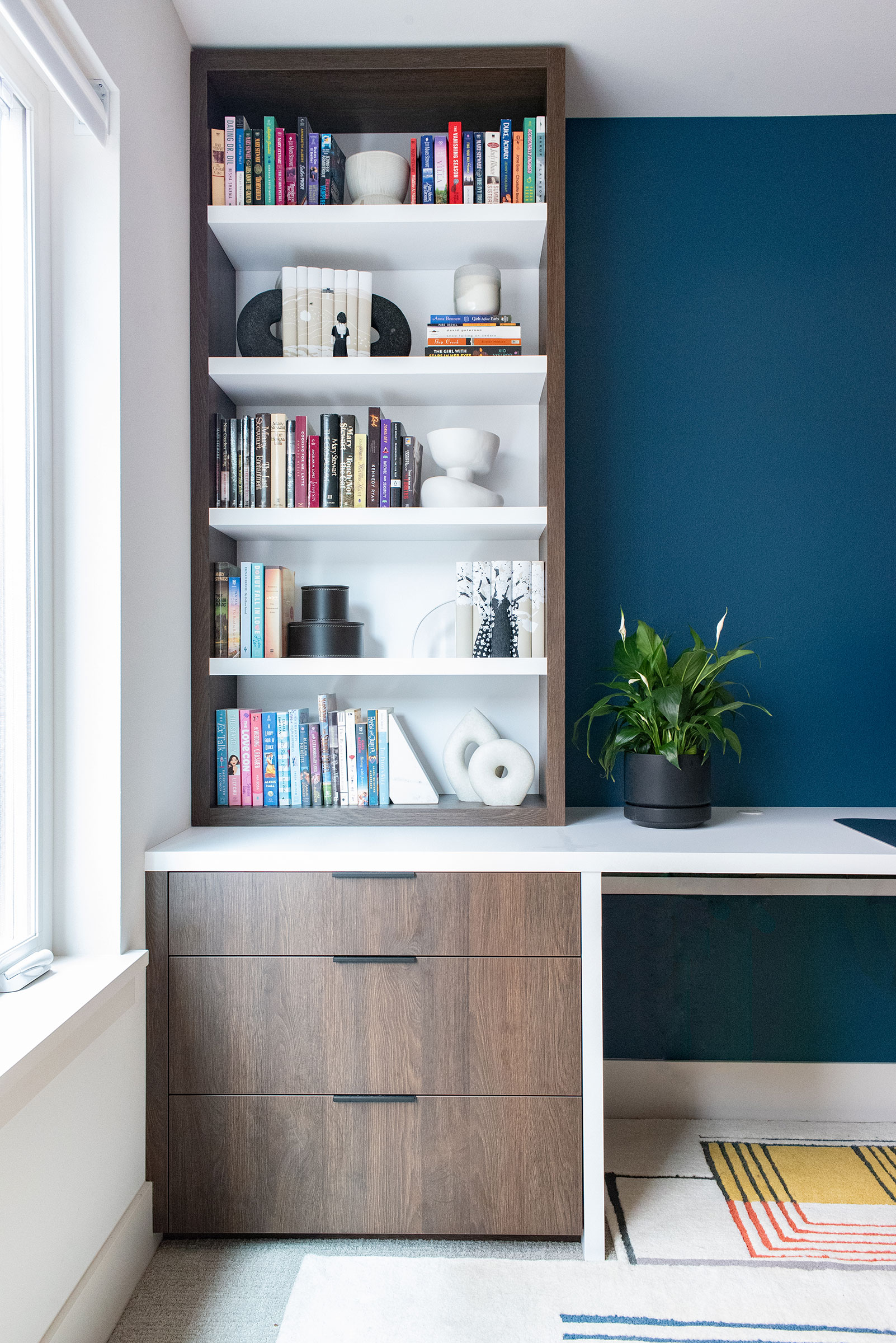
One effective method is to convert the column into a functional art display. This involves building shelving units directly around or adjacent to the column, effectively disguising it while simultaneously providing valuable storage or display space. Alternatively, the column itself can become part of a larger artistic statement by arranging sculptures or unique objects around it. Incorporating vining plants can also soften its appearance, introduce natural elements, and create an eye-catching green display that breaks up uniform color schemes.
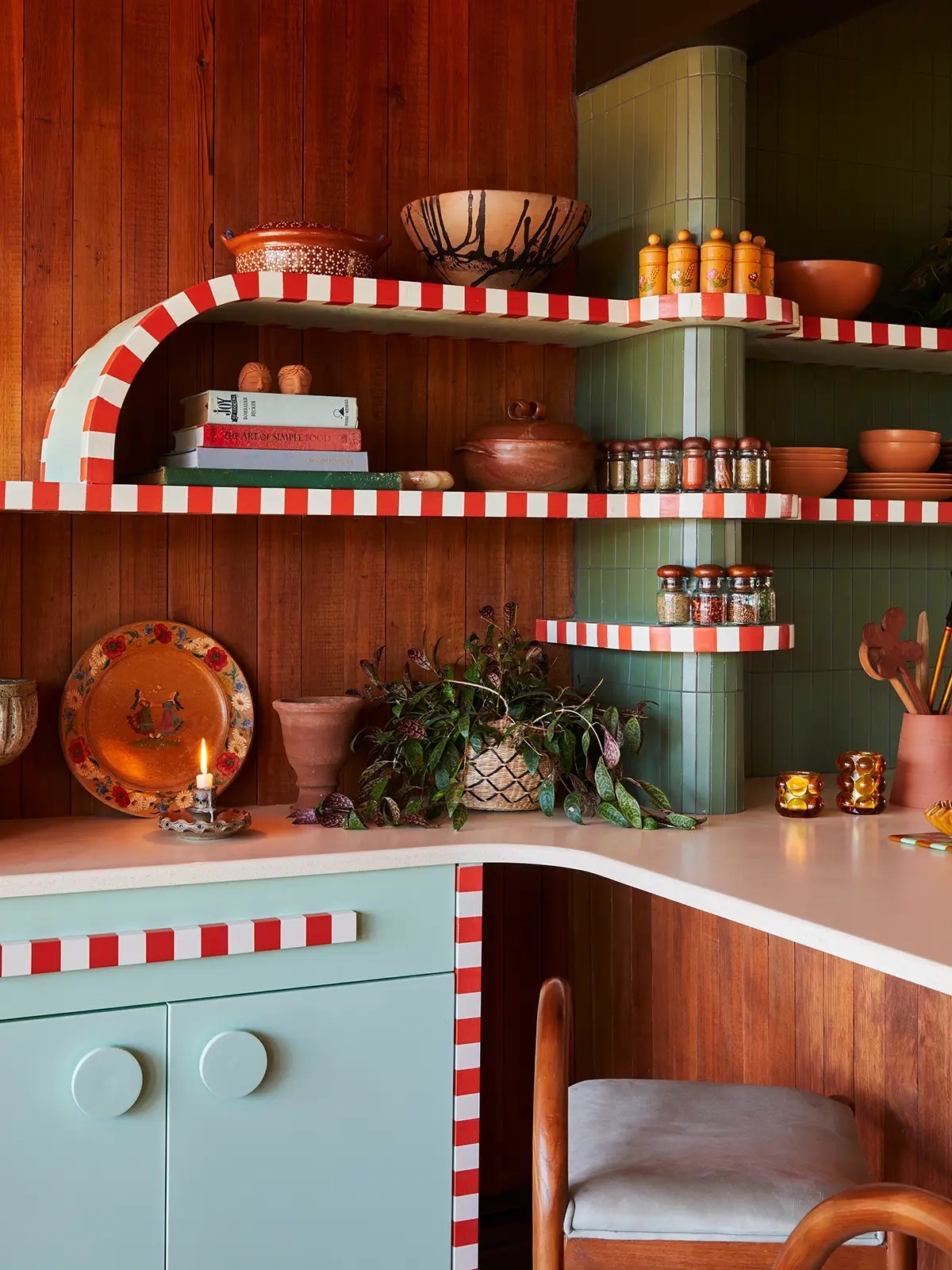
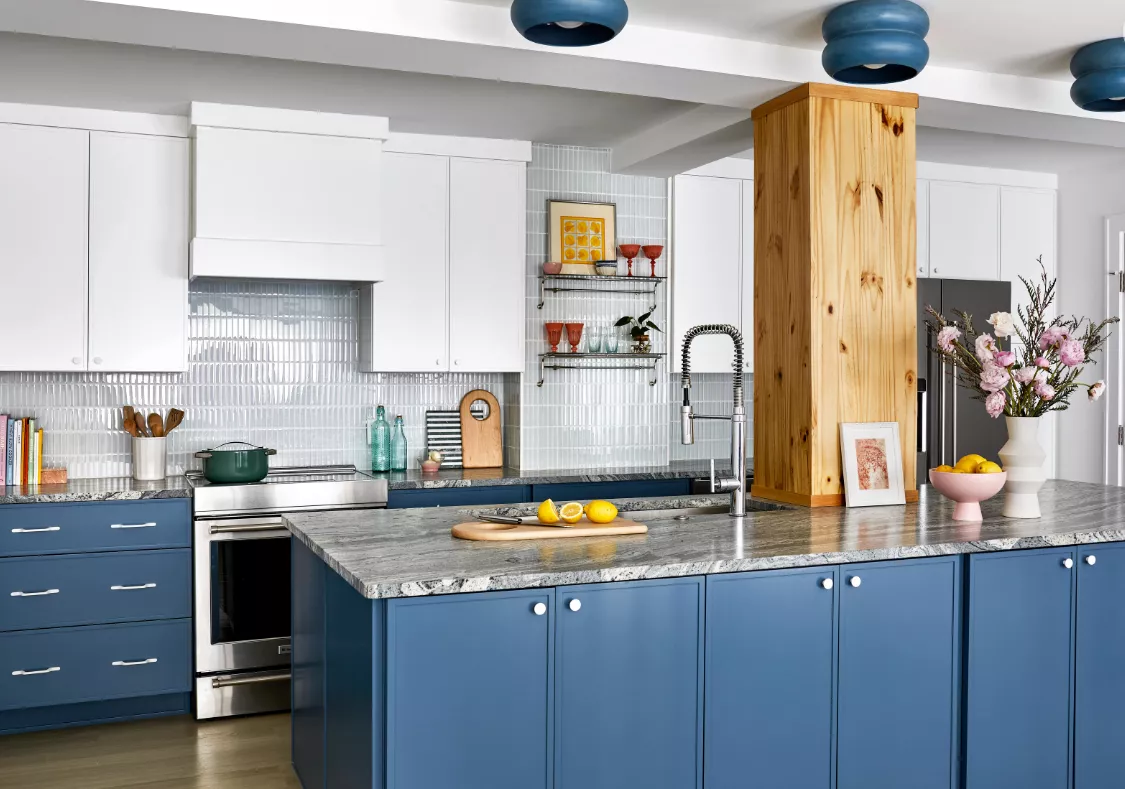
Another strategy involves embracing the column as a design element by wrapping it in materials that complement other finishes within the home. For instance, using knotty pine on a column when the same material appears on floating shelves, bunk beds, or built-in furniture elsewhere in the house creates a cohesive and intentional look. This integration allows the column to contribute to the room's character rather than stand out awkwardly, balancing other unique design choices.
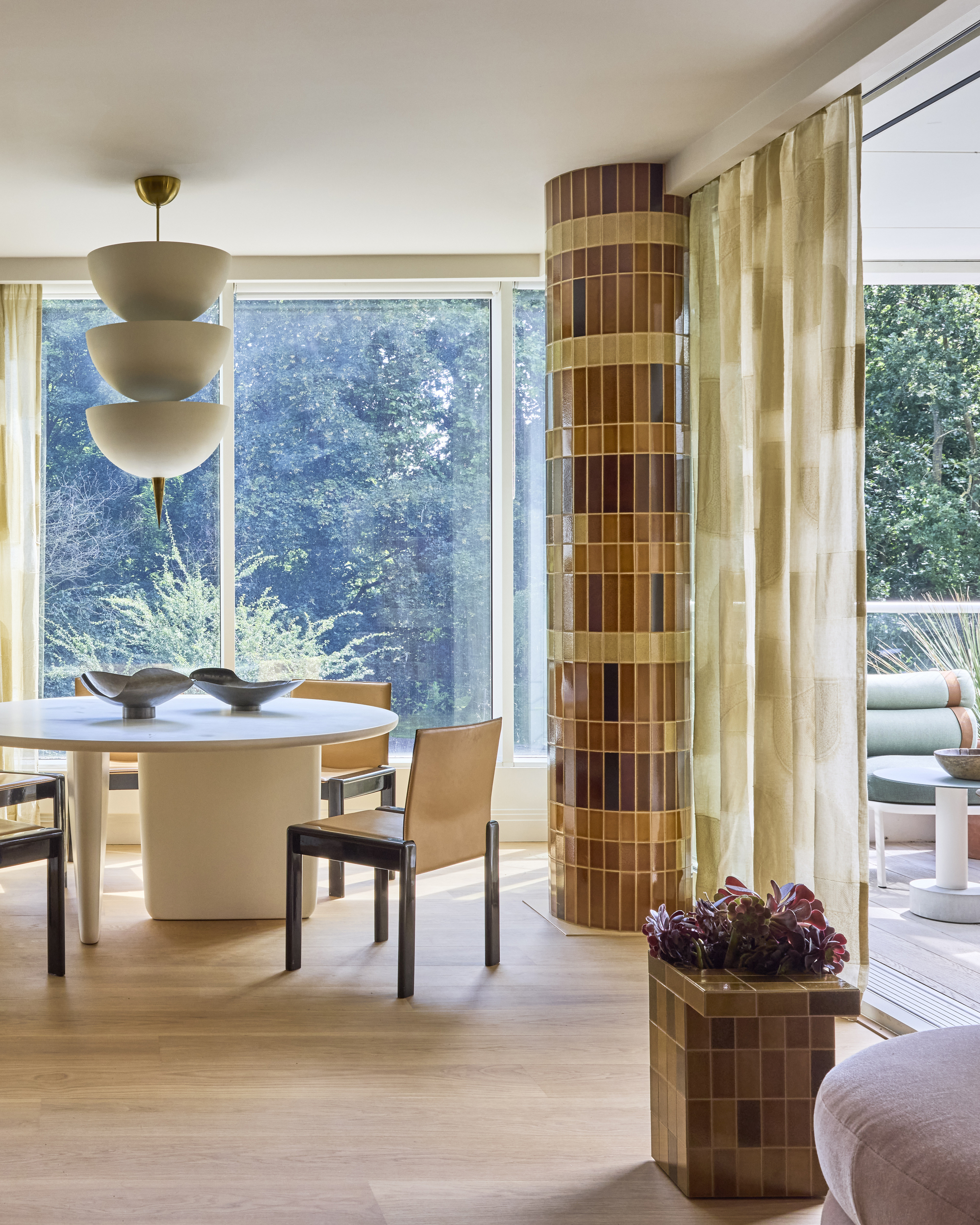
Alternatively, if the goal is to make the column less conspicuous, covering it with tile can help it recede visually. Glossy glass tiles can reflect light, making the column blend into its surroundings, especially when paired with similar tiling in other areas of the home, like a bathroom. This method ensures that the column becomes a subtle part of the room's texture and color palette, enhancing other prominent features such as countertops and cabinetry.
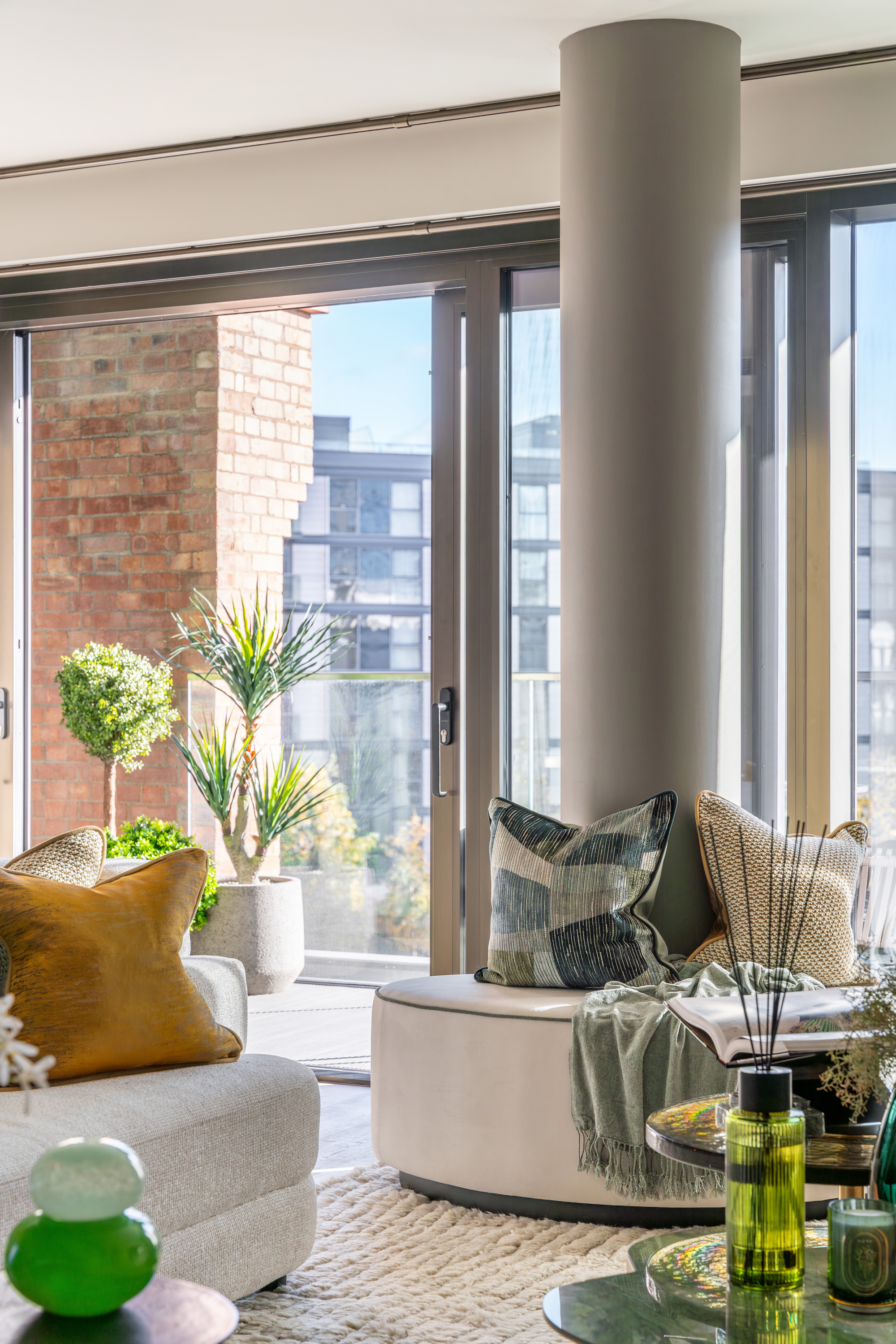
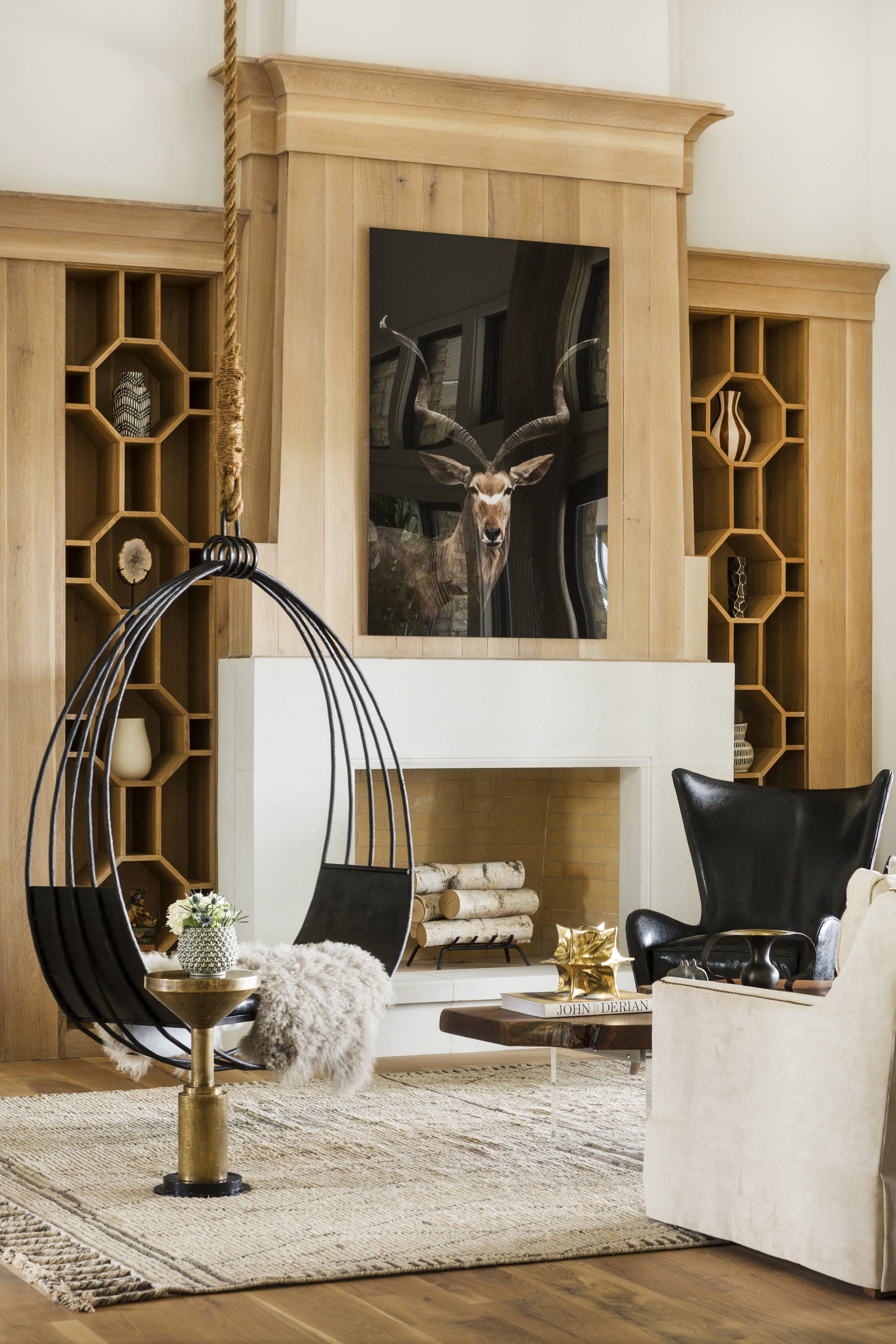
To address the vertical presence of a tall column, designers suggest embracing its height. This can be achieved by pairing it with other tall elements, such as a large houseplant, to create visual balance. Adding whimsical decorative items like a faux deer bust near the top can also draw the eye upward, personalizing the space and transforming the column into a focal point. Columns can also serve as platforms for displaying personal collections like books, wine bottles, or souvenirs, further integrating them into the room's narrative.
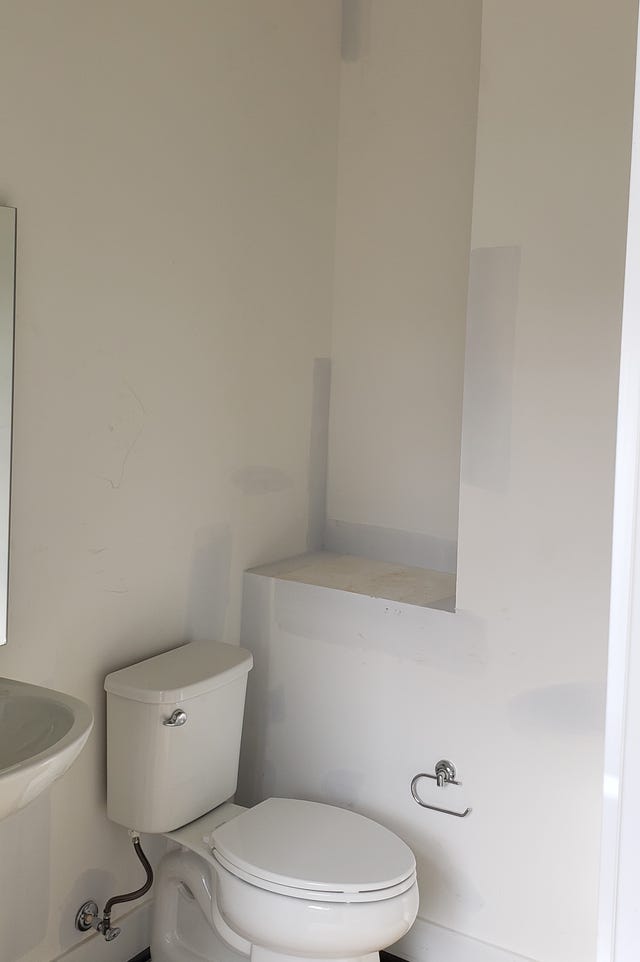
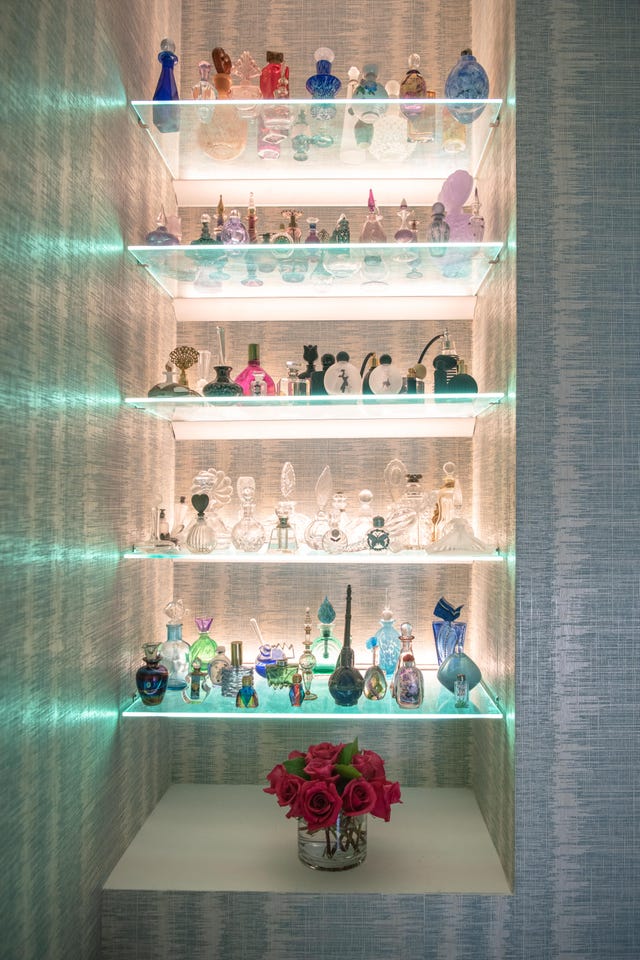
Utilizing the space between a column and an adjacent wall is another practical solution. By building shelves or other storage solutions within this cavity, the column becomes part of a larger, more functional unit. Covering both the column and the new wall in a consistent material, such as matte ceramic tile, can unify the structure and highlight other features, like a distinctive bathroom counter. Finally, if an interior column is not load-bearing, a significant portion of it can be removed or altered to create an open display area. For decorative columns, adding a unique object, like a mini-Eiffel Tower, can enhance its ornate style. Moreover, covering columns with full-length mirrors is an effective way to create an illusion of increased space and openness, reflecting light and the surrounding environment.
#InteriorDesign #HomeDecor #ColumnDecoration #StructuralElements #RoomDesign #CreativeSolutions #ArchitecturalFeatures #HomeStyling #InteriorDesign #HomeDecor #ColumnDecoration #StructuralElements #RoomDesign #CreativeSolutions #ArchitecturalFeatures #HomeStyling
0 comment in total
 No comments yet
You may also like
How to See a Structural Column as an 'Oh-Wow' Moment, Rather Than an Obstacle

9 CONTROVERSIAL Decor Choices Designers Secretly Wish You’d Stop Making

9 Designer Wall Treatments That Will Reinvent Your Interiors

5 Tacky Home Decor Items That Instantly Make a Home Look Bad, According to Designers
Structural Columns Don’t Have To Get In The Way: These 7 Designs Prove It

Skip the cookie-cutter cabinets and add pops of personality with these designer ideas

The Differences Between an Interior Designer and an Interior Decorator
I asked an interior designer how to style shelves, and I learned 4 awesome tips

Here's What to Do With Those Awkward Spaces in Your House, According to Designers
Goodbye, Gallery Walls! 5 Decor Choices Designers Think Are Overdone—and What to Do Instead

10 Mistakes Designers IMMEDIATELY Notice When They Walk Into Your Home
5 Things Interior Designers Wish You Would Do

The Finishing Touch - Decorating Tips from 8 Designers

See These Designer-Approved Ways to Decorate with Throws
Design Insiders Reveal Their SECRETS to Decorating Your Home Like a Pro
The 10 Biggest Interior Design No Nos According to Decorators

Stylish Ways To Decorate The Corners Of Your Home
Living room accent wall ideas – 10 new ways designers recommend to style your blank spaces
These Are the Decor Ideas Designers Can’t Get Enough Of (and We’re Obsessed With!)
I’m an Interior Designer, and These 14 Scalloped Home Decor Picks Will Help You Get in on the Trend