1/25
Cottage backyard ideas – 25 ways to bring a rural, rustic feel to any garden plot
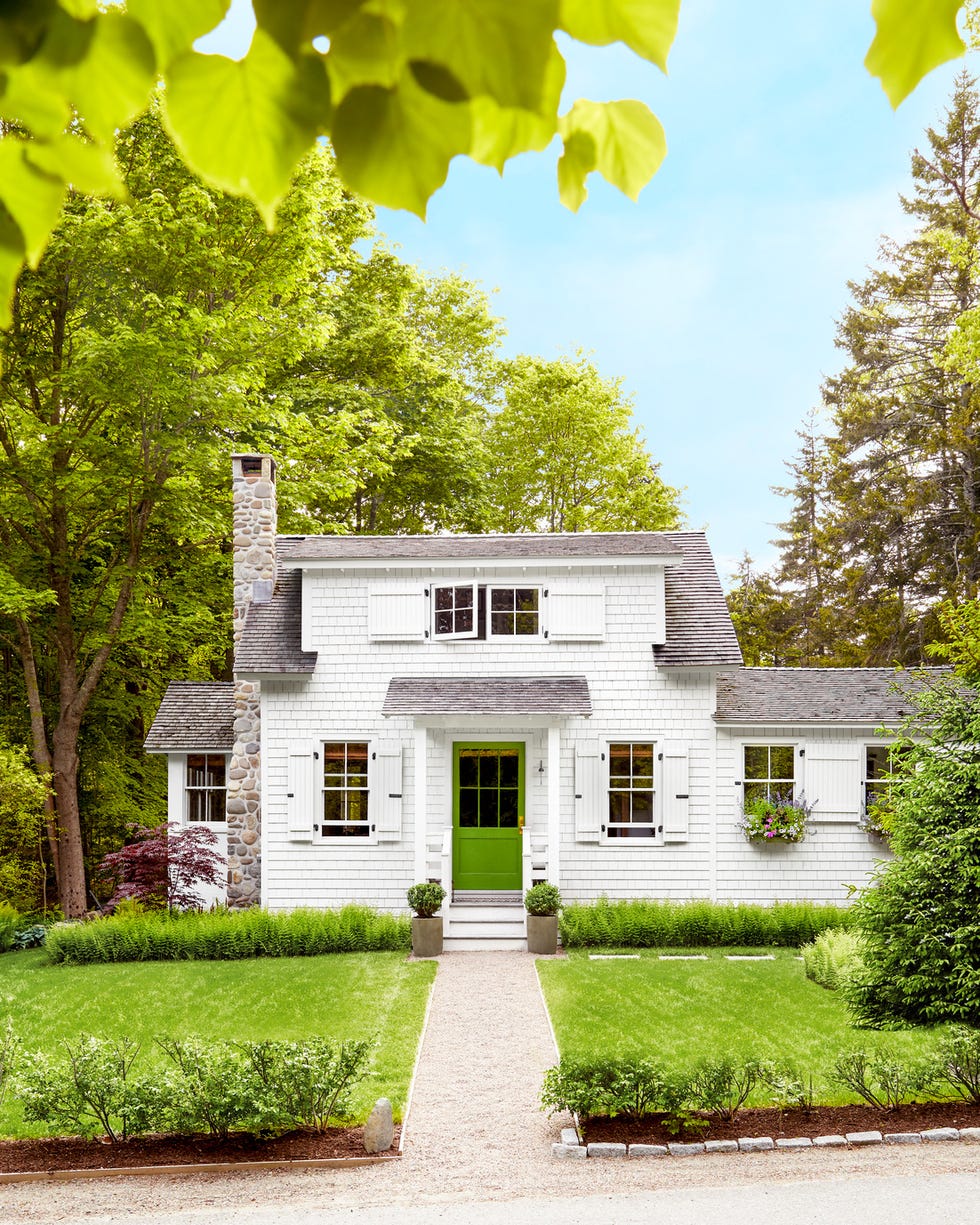
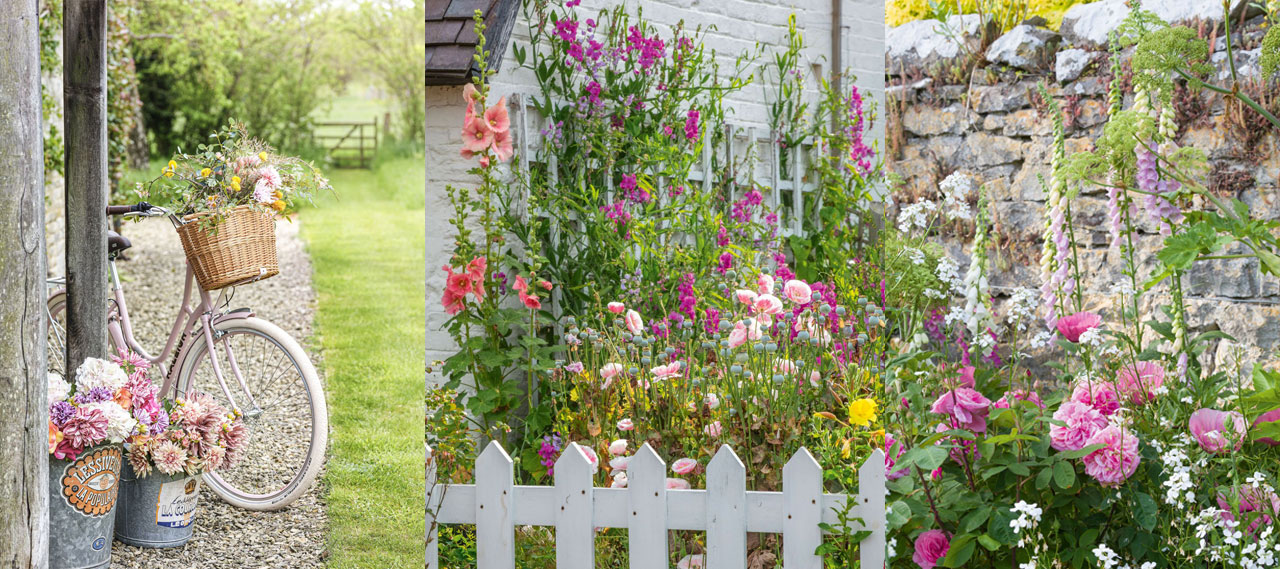
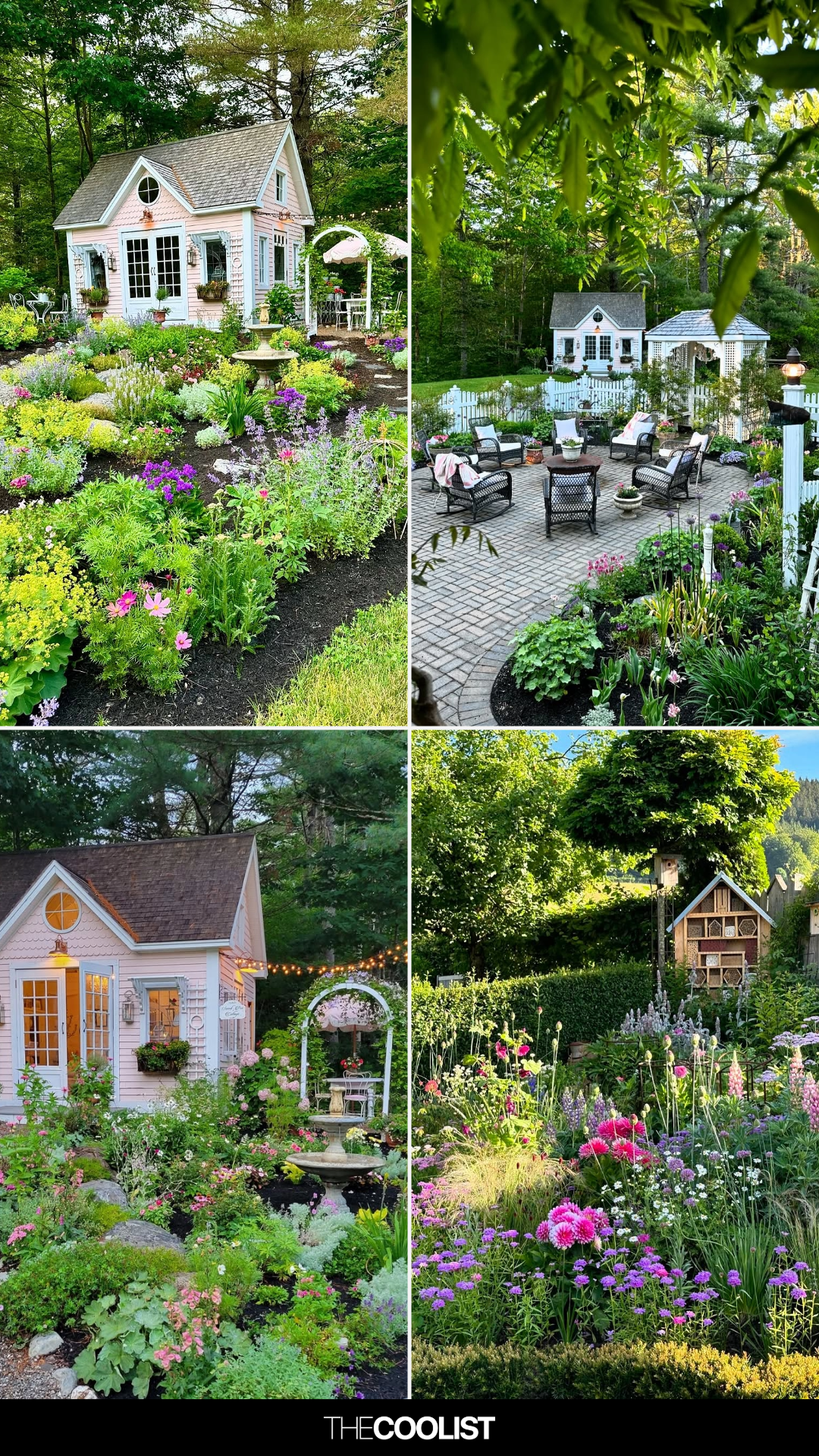
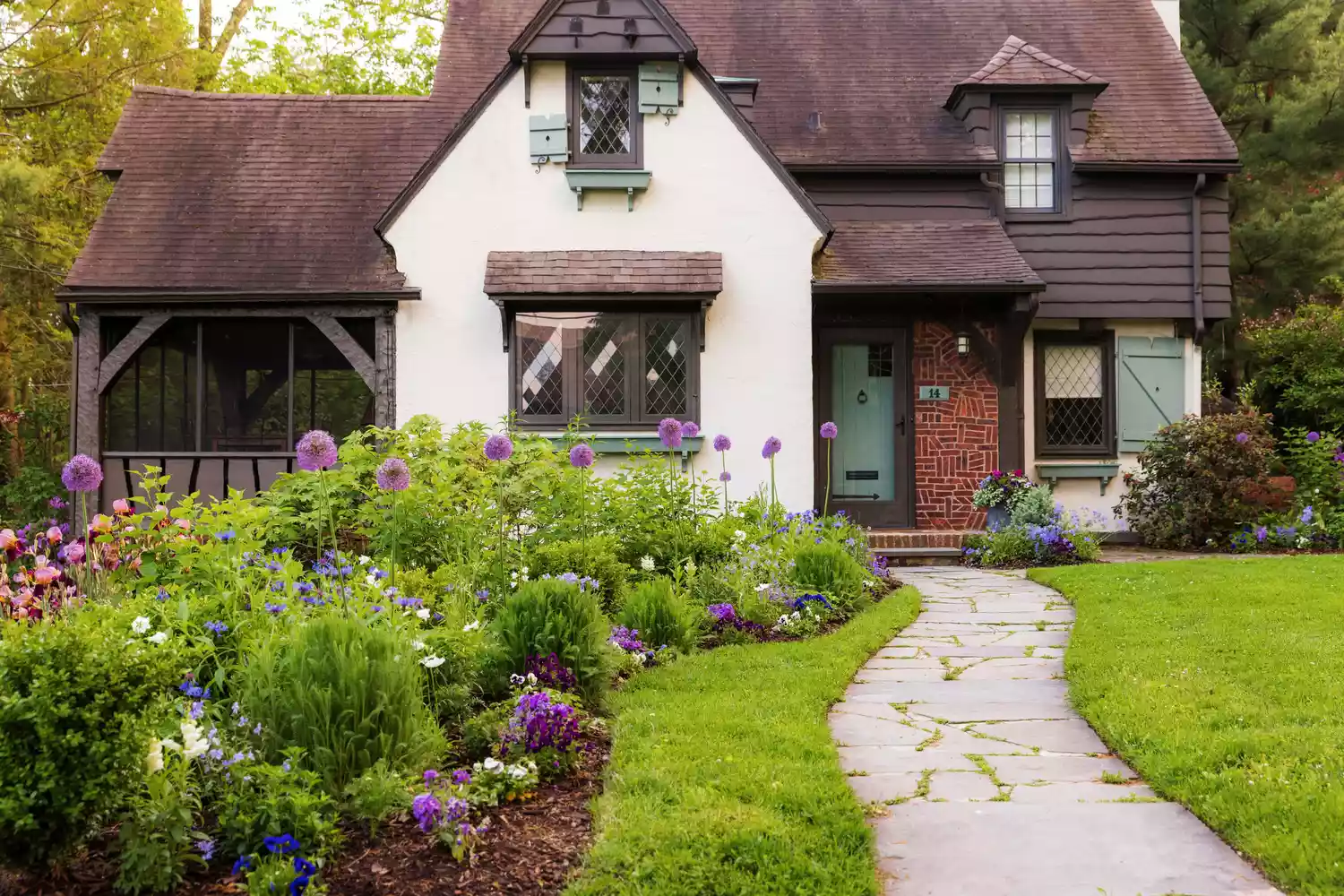
Cottage backyard designs are celebrated for their informal charm, combining vibrant colors, diverse textures, aromatic blooms, and a welcoming atmosphere for both people and local wildlife. These gardens offer a sense of creative freedom, enabling individuals to cultivate their preferred flowers, plants, and produce, along with space for features like ponds, fountains, or seating areas. The aesthetic draws inspiration from traditional English garden concepts originating in the 16th century, which valued both beauty and productivity, featuring old-fashioned flowers, seasonal crops, and medicinal plants. Today, this style has evolved beyond strict adherence to a particular look, becoming more of a gardening philosophy that has been widely adopted by American gardeners.
Margaret Hensel, a landscape designer based in Massachusetts and author of "English Cottage Gardening for American Gardeners," emphasizes that the core idea of cottage gardens is adaptable to various architectural styles, from split-levels to ranch houses. She defines a successful cottage garden by its effusive, informal, abundant, and cherished qualities, highlighting that a sense of 'love' is crucial to its creation. Implementing cottage garden principles involves starting with a selection of plants that resonate with the gardener, prioritizing ease of growth. Popular choices include roses, clematis, and honeysuckle for vertical interest and fragrance, alongside peonies, alliums, and annuals like _Ammi majus_ and cosmos for color and volume. Integrating pollinator-friendly plants is also recommended for ecological health.
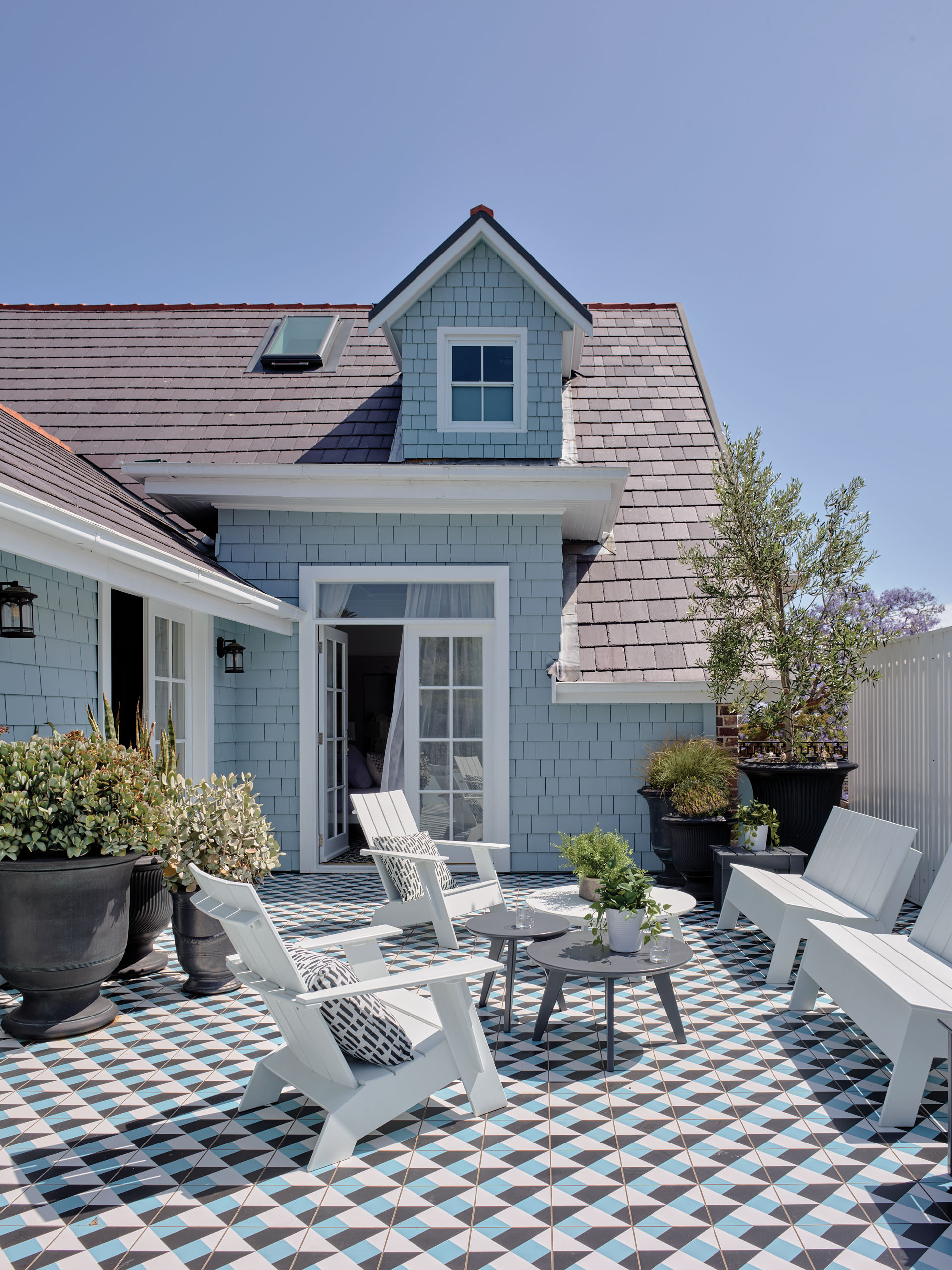
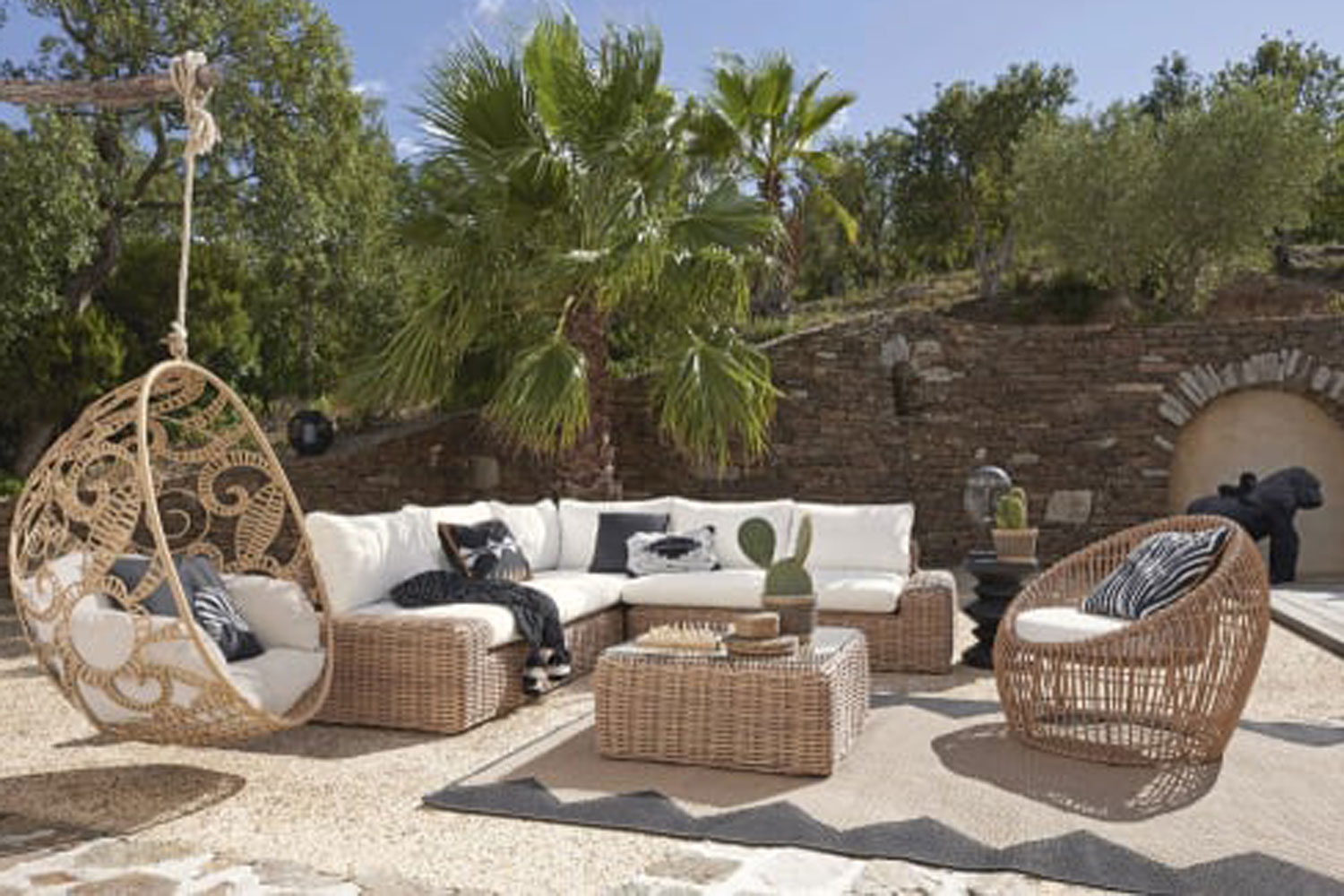
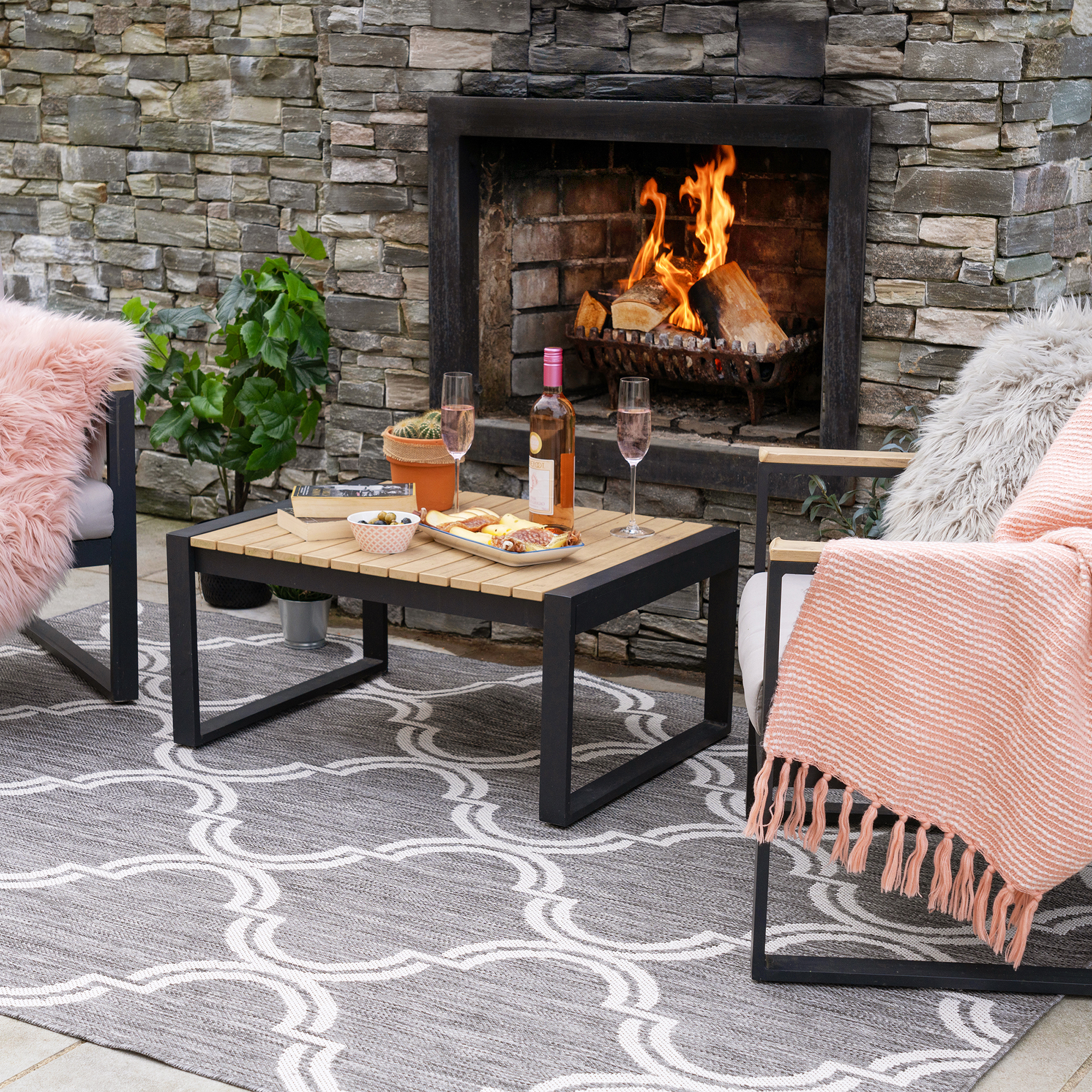
Hardscaping plays a foundational role in defining the garden's character, with a preference for natural, rustic materials such as dry stone walls and soft gravel paths. Repurposing salvaged timber adds an established, aged charm, making the garden feel timeless. Creating a cottage patio space extends the garden's utility, offering a relaxed area for enjoyment, combining rustic paving with comfortable outdoor furniture and cushions. For additional living space, shepherd's huts are suggested as practical and aesthetically pleasing garden room ideas, suitable for home offices or guest accommodation.
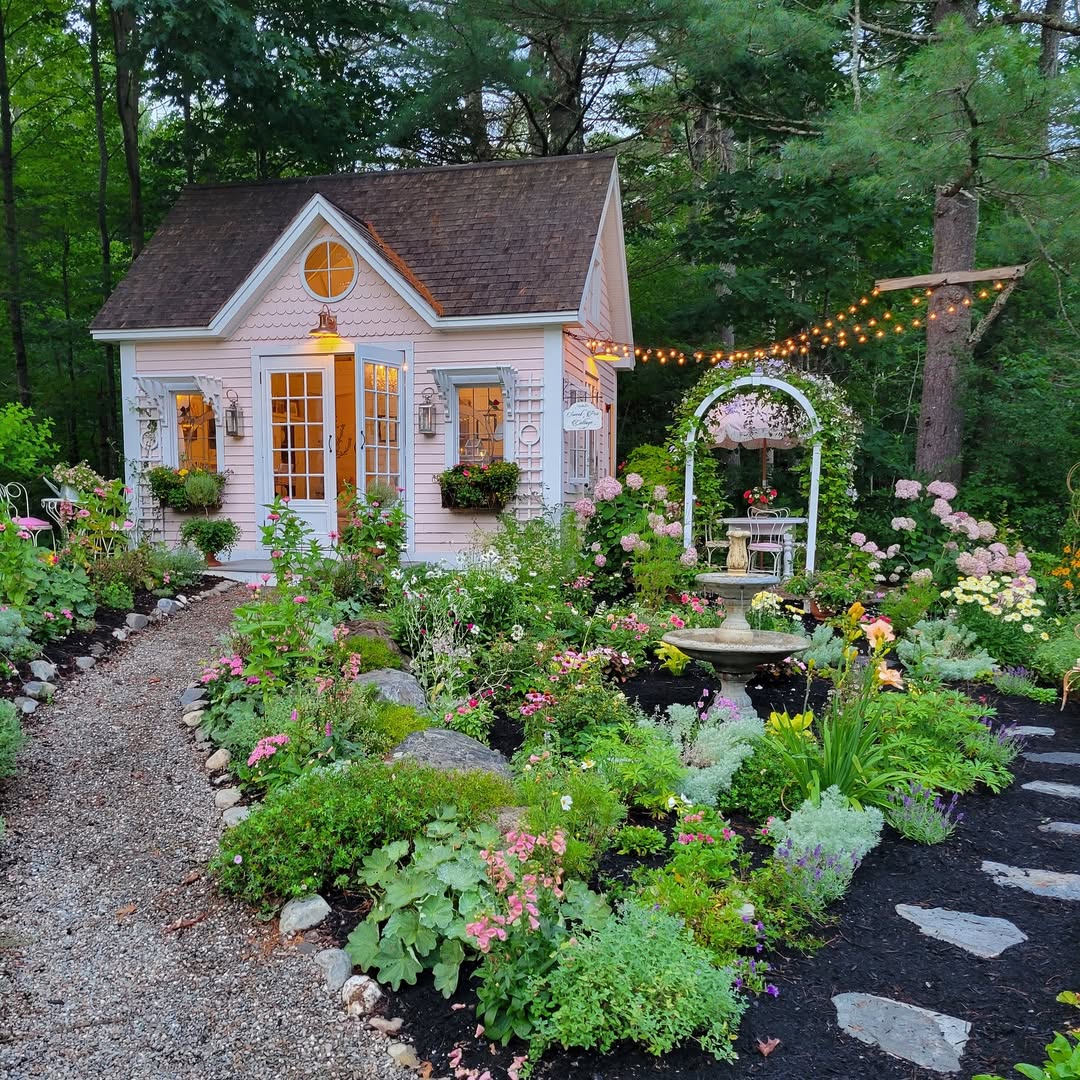
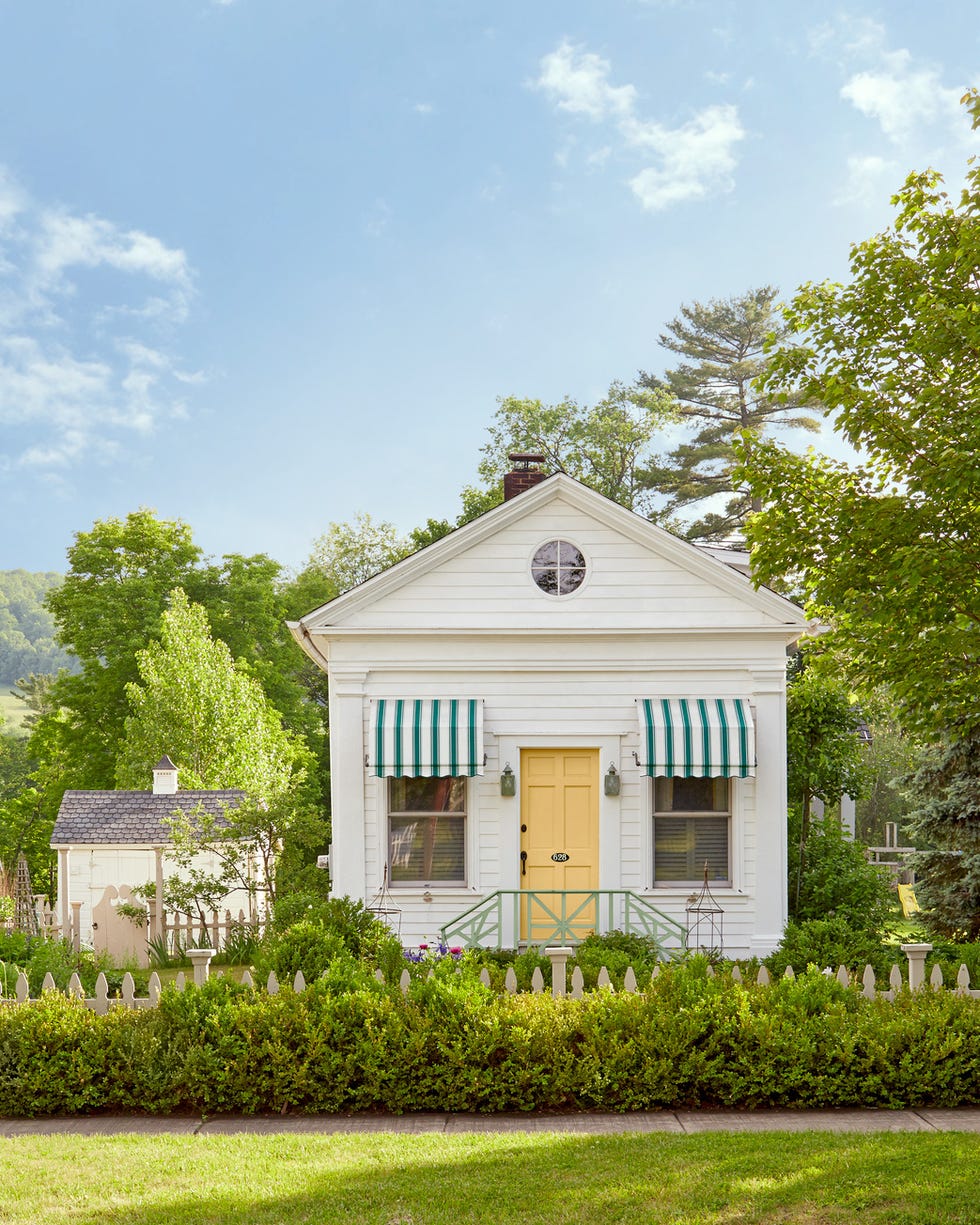
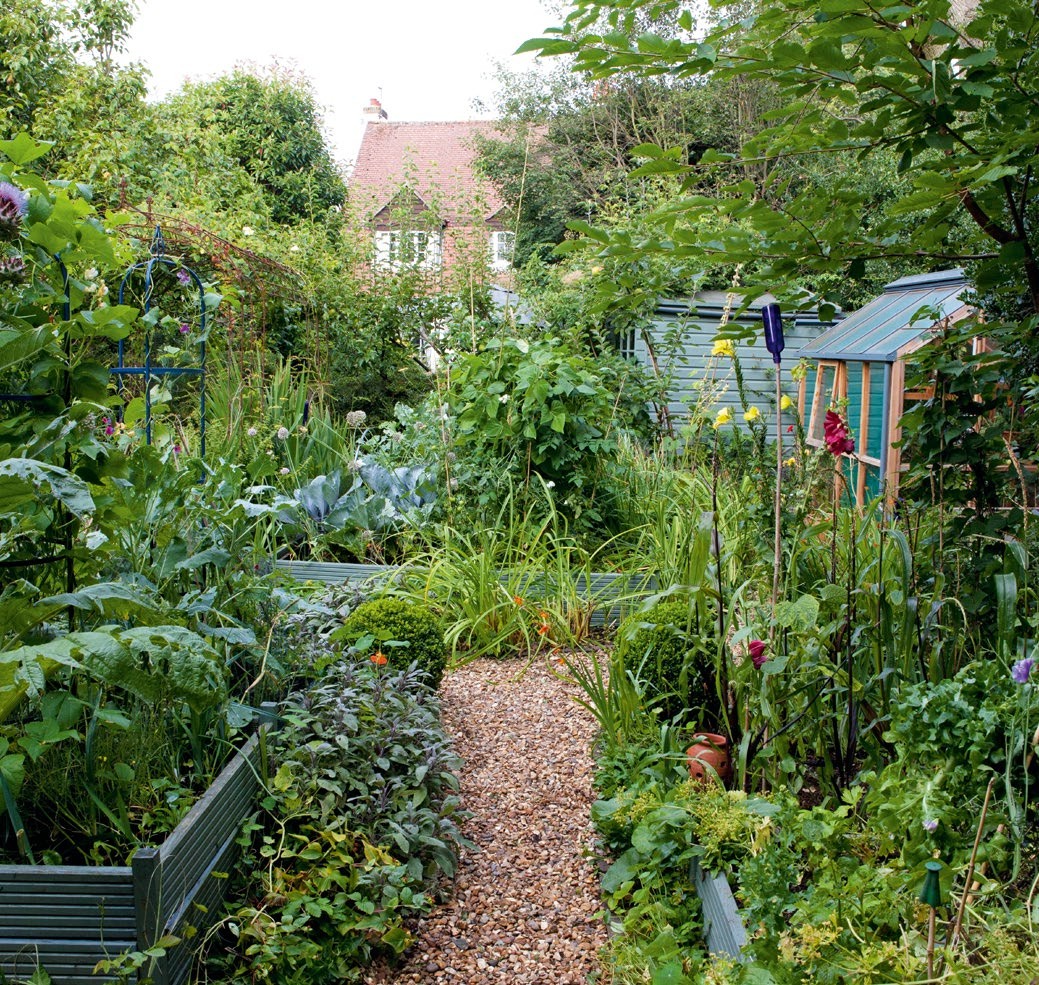
Garden pathways, whether gravel, brick, or stone, introduce a whimsical, romantic element, guiding visitors to focal points like benches or statues. Erecting a wooden shed, painted in inviting colors and adorned with vintage garden items, provides practical storage while enhancing the cottage aesthetic. Incorporating water features, such as fountains, introduces a serene auditory dimension, contributing to the garden's tranquil ambiance. Thoughtful consideration of garden access, through wooden gates or natural hedgerows, ensures seamless integration with the property.
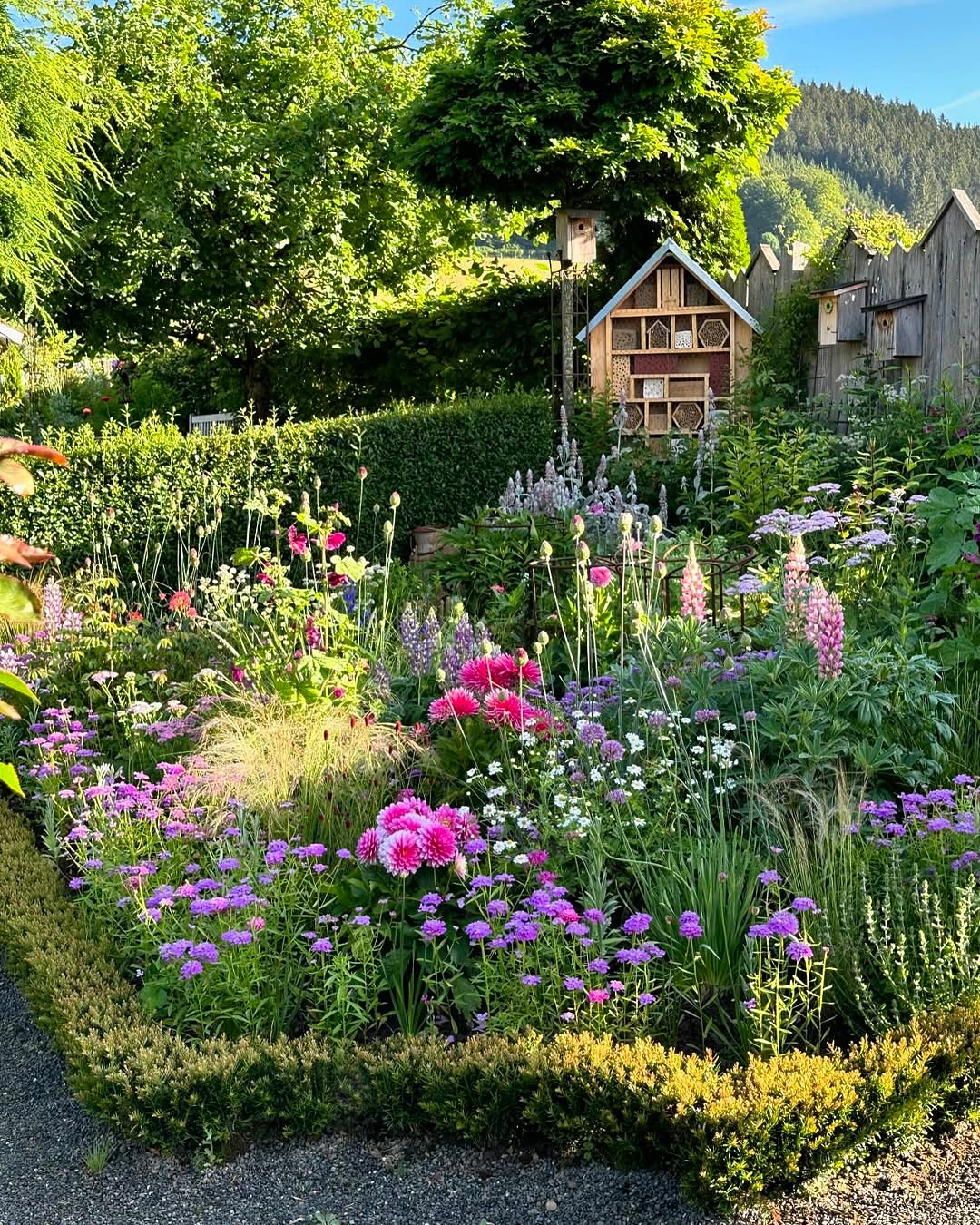
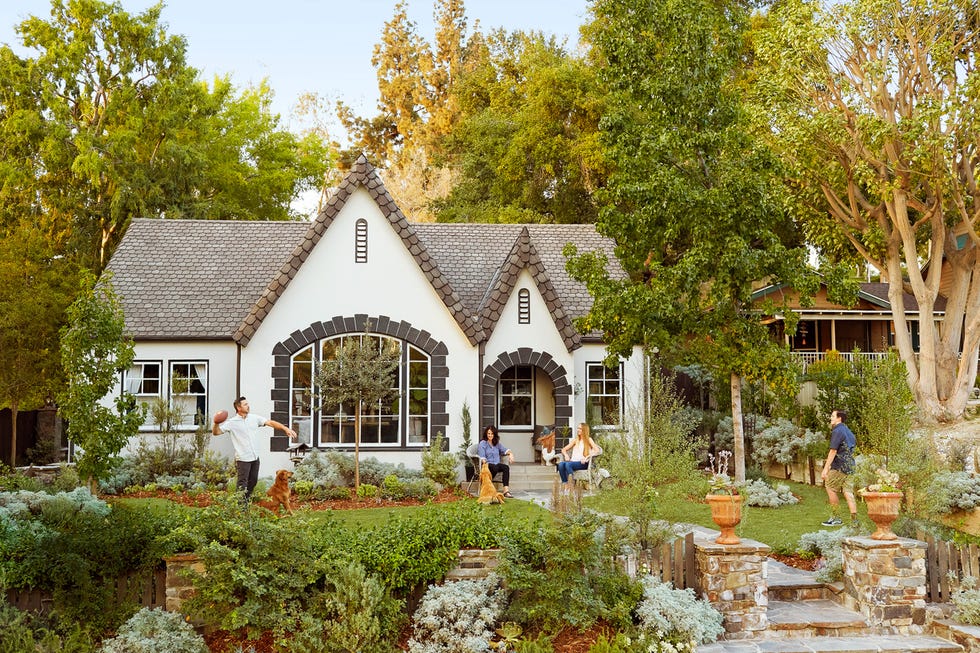
The house itself can serve as an inspiration for the garden design, particularly views from windows and immediate outdoor access points, with fragrant plants strategically placed to enhance sensory experiences. Abundant borders, though seemingly chaotic, require careful planning to ensure a continuous display of color and texture throughout the seasons, with a mix of old-fashioned favorites and self-seeding varieties. Tall flowers like foxgloves and delphiniums add dramatic height and visual interest when interspersed throughout borders, rather than confined to the back.
Selecting easy-to-grow plants such as lady's mantle, mountain bluets, peonies, and hardy geraniums is advised, especially for less experienced gardeners, to manage maintenance effectively. Incorporating low-maintenance evergreen shrubs provides year-round structure. Design flexibility is key, with experimentation and learning from successes and failures encouraged. Meadow areas, with their self-seeding wildflowers, attract pollinators and create a natural, vibrant ecosystem. Container gardening offers versatility for smaller spaces, using aged zinc, terracotta, or wicker planters.
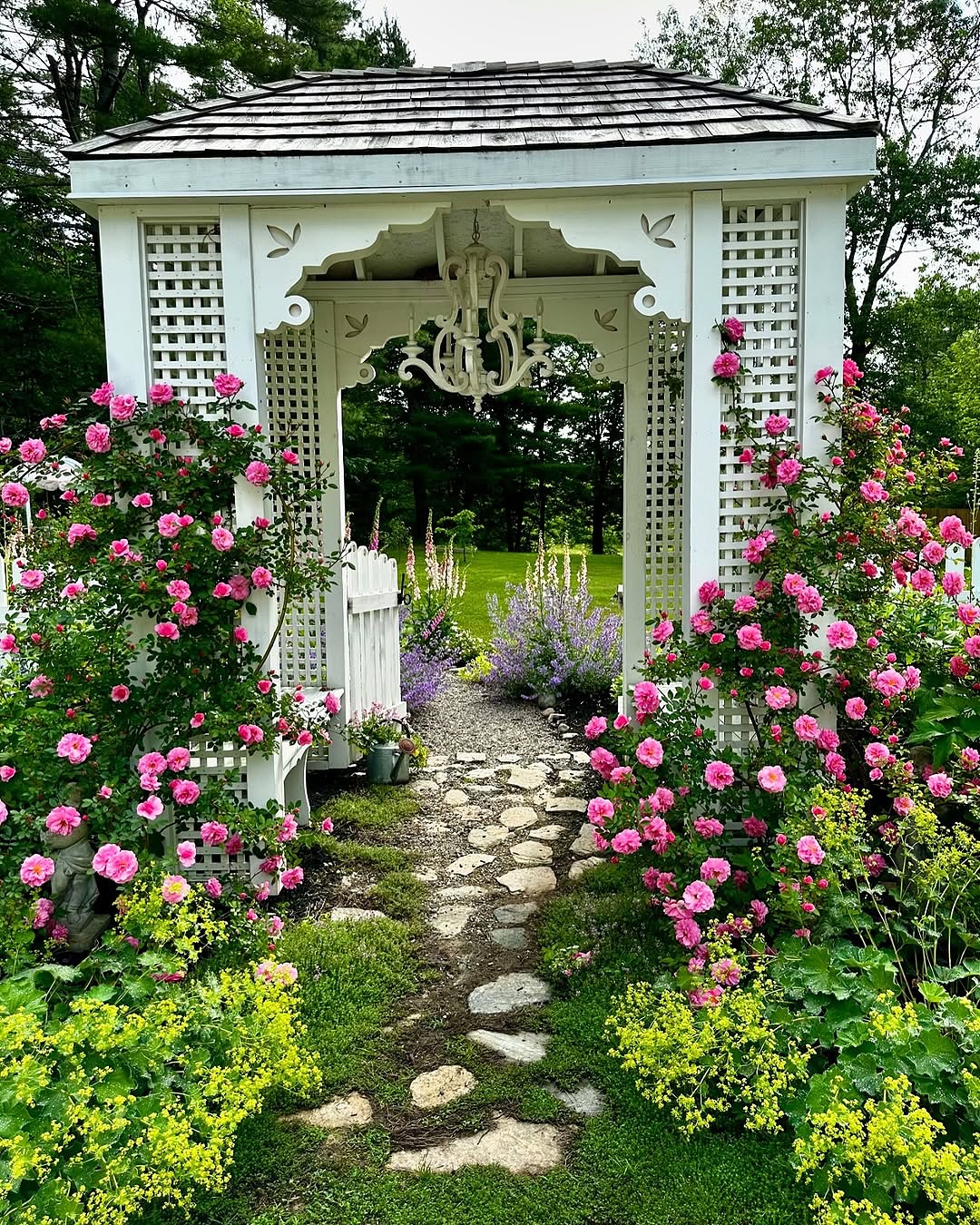
Creating 'secret' dining areas, secluded by trees or rose arches, enhances the garden's magical quality. Climbing plants, like sweet peas and roses, add vertical beauty and fragrance to walls and structures. Natural boundaries, such as hedges, offer eco-friendly privacy and support wildlife. Color palettes can range from soft pastels for a harmonious feel to vibrant, bold hues, reflecting personal taste. Adding a swing seat provides a tranquil spot for relaxation, while roses, with their beauty and scent, are essential for a romantic touch. Integrating edible plants among flowers continues the tradition of productive cottage gardens, with raised beds and herbs like lavender and sage enhancing both aesthetics and utility. Archways frame garden views and define spaces, and vintage pieces like old milk jugs or troughs contribute character and a lived-in feel. Finally, growing plants from seed fosters a deeper connection to the garden and allows it to evolve organically, creating a unique and self-sustaining sanctuary.
#CottageDecor #Flowers #Patio #GardenDesign #BackyardIdeas #PlantSelection #Hardscaping #WaterFeatures #ClimbingPlants #CottageDecor #Flowers #Patio #GardenDesign #BackyardIdeas #PlantSelection #Hardscaping #WaterFeatures #ClimbingPlants
0 comment in total
 No comments yet
You may also like
22 English Cottage Garden Ideas That Bring Whimsy and Charm to Your Outdoors

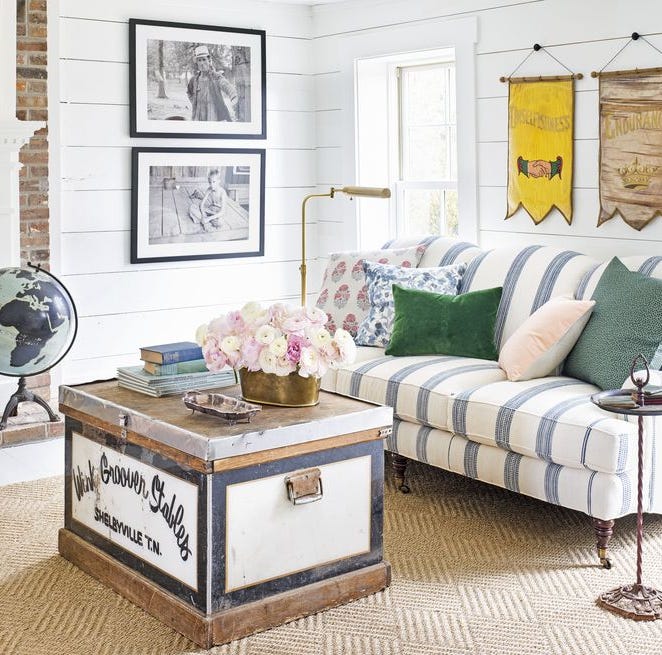
Our Favorite Farmhouse Décor Ideas for Your Dream Country Home
24 Perfectly Rustic Pieces That Will Make Your Kitchen Look Like It Belongs in A Countryside Farmhouse

Country living room ideas for a perfect rustic retreat in your own home
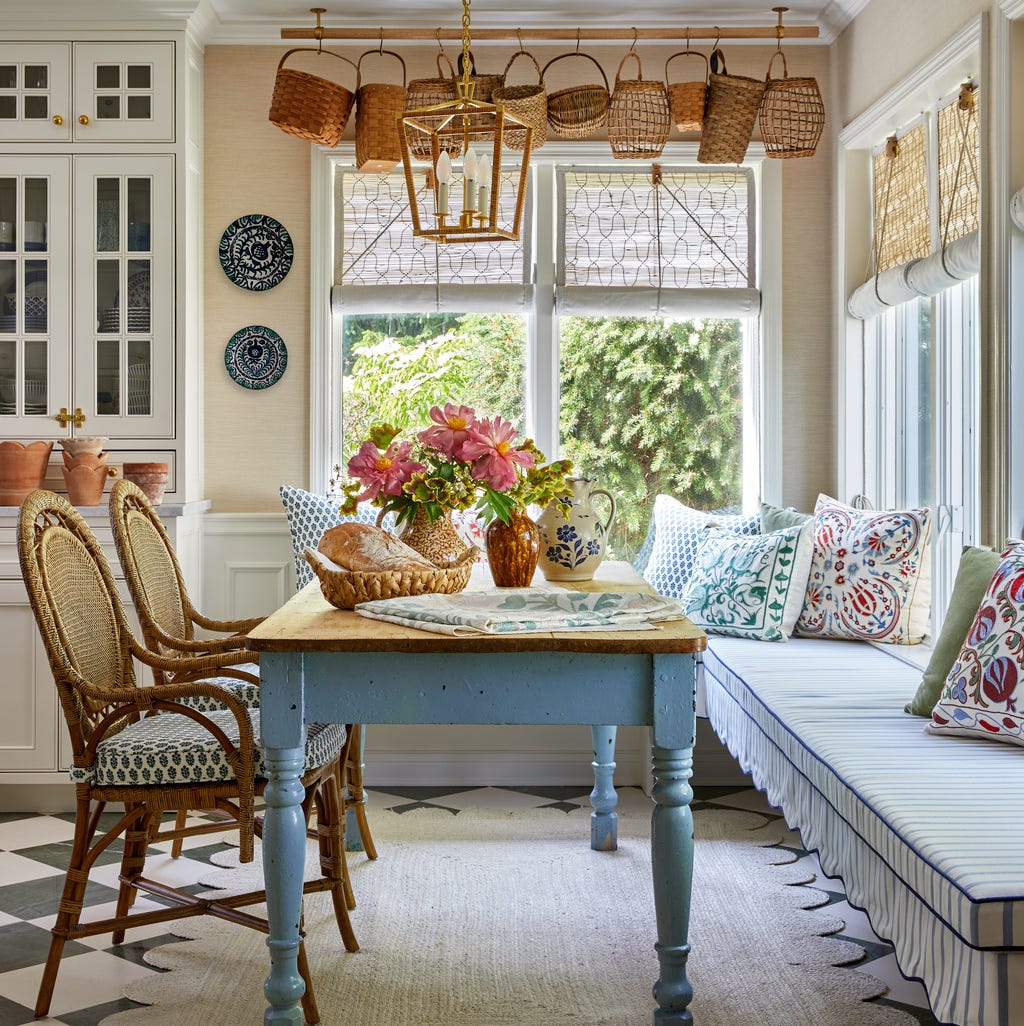
How to Decorate the Cottage of Your Dreams
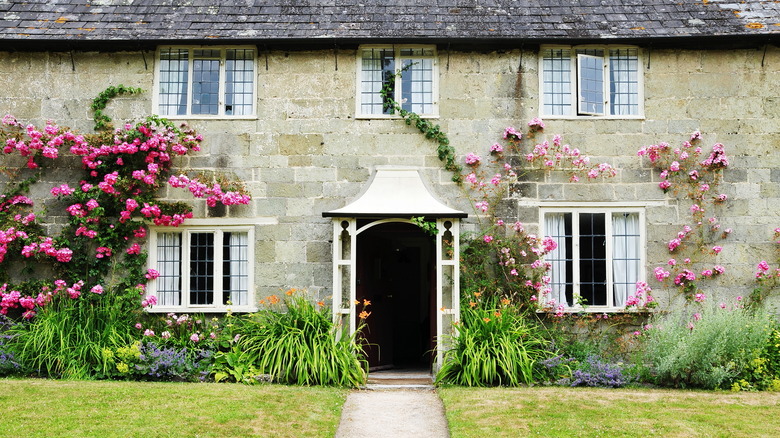
30 English Cottage Design Ideas That Radiate Charm

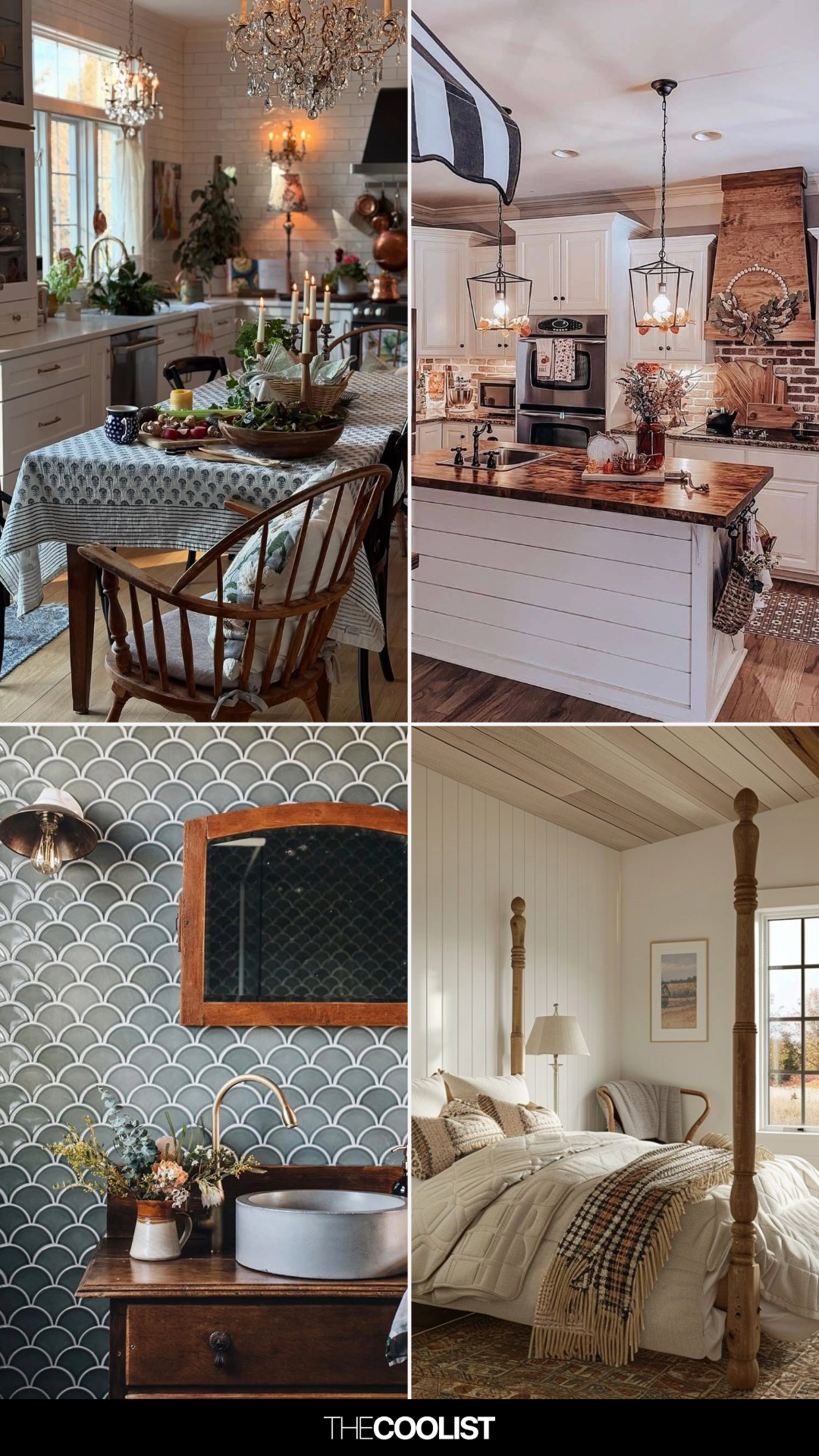
23 Country Farmhouse Decor Ideas You’ll See in Every Dreamy Country Home Tour This Year
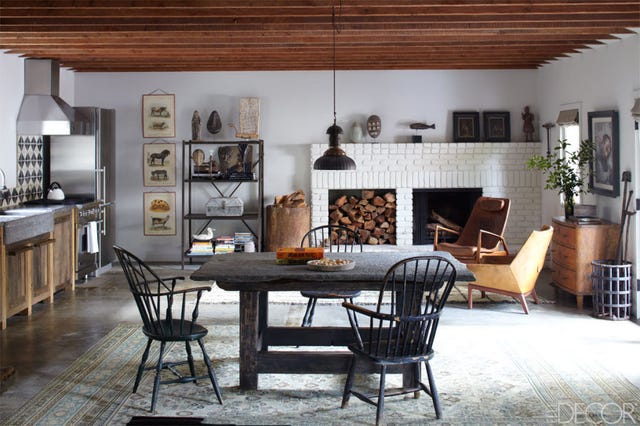
25 Kitchens That Make The Case For Rustic Style

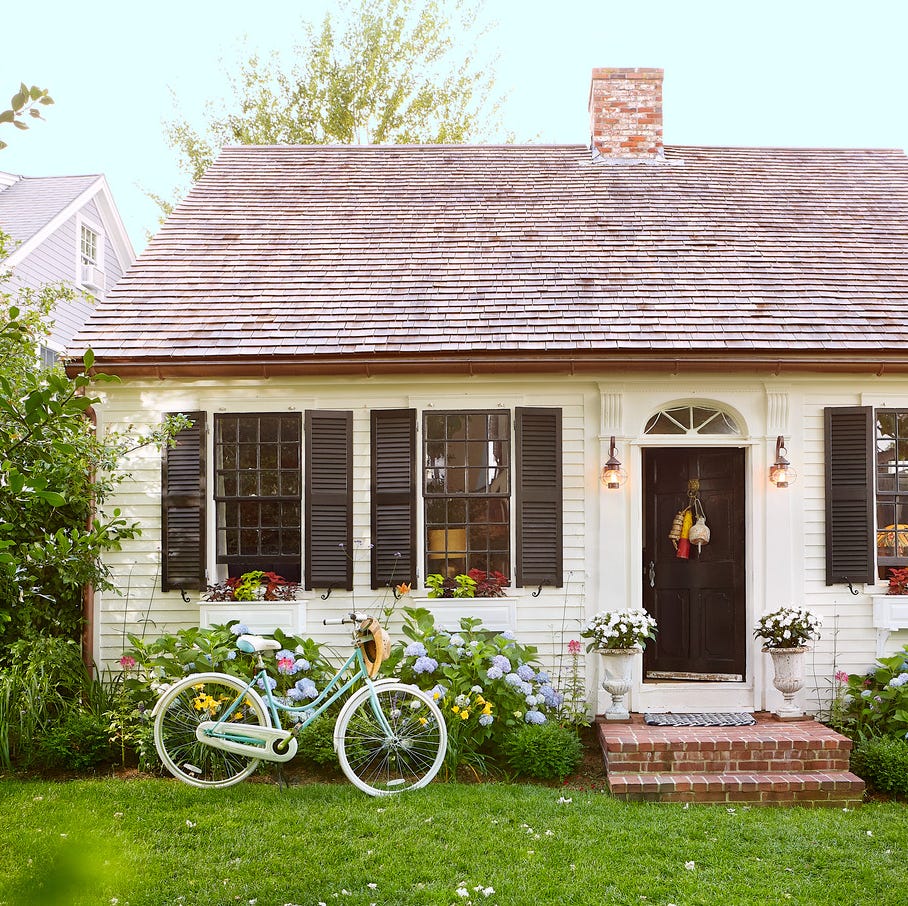
Here’s Everything You Need to Know About Cottagecore
6 Tips for Creating a Cozy, Charming Farmhouse Look
Garden decorating ideas – 24 ways to update your backyard
13 rustic kitchen ideas to add some countryside charm to your home

Cottage garden ideas - 3 Jul 2025 - Country Homes & Interiors Magazine

23 farmhouse decor ideas that hug your home in cozy authenticity

28 country living room ideas for a perfect rustic retreat in your own home
27 Ways to Make Your Backyard the Coolest in the Neighborhood
24 cottagecore décor ideas for a modern take on country style | loveproperty.com
Cottage decorating ideas – 13 ways to get a charming, characterful look
Country living room ideas – 45 rustic looks for your lounge
How to Create a Dreamy English Cottage Garden Without Spending More Than $25