1/6
Just How Important Is a Bathtub for Resale?
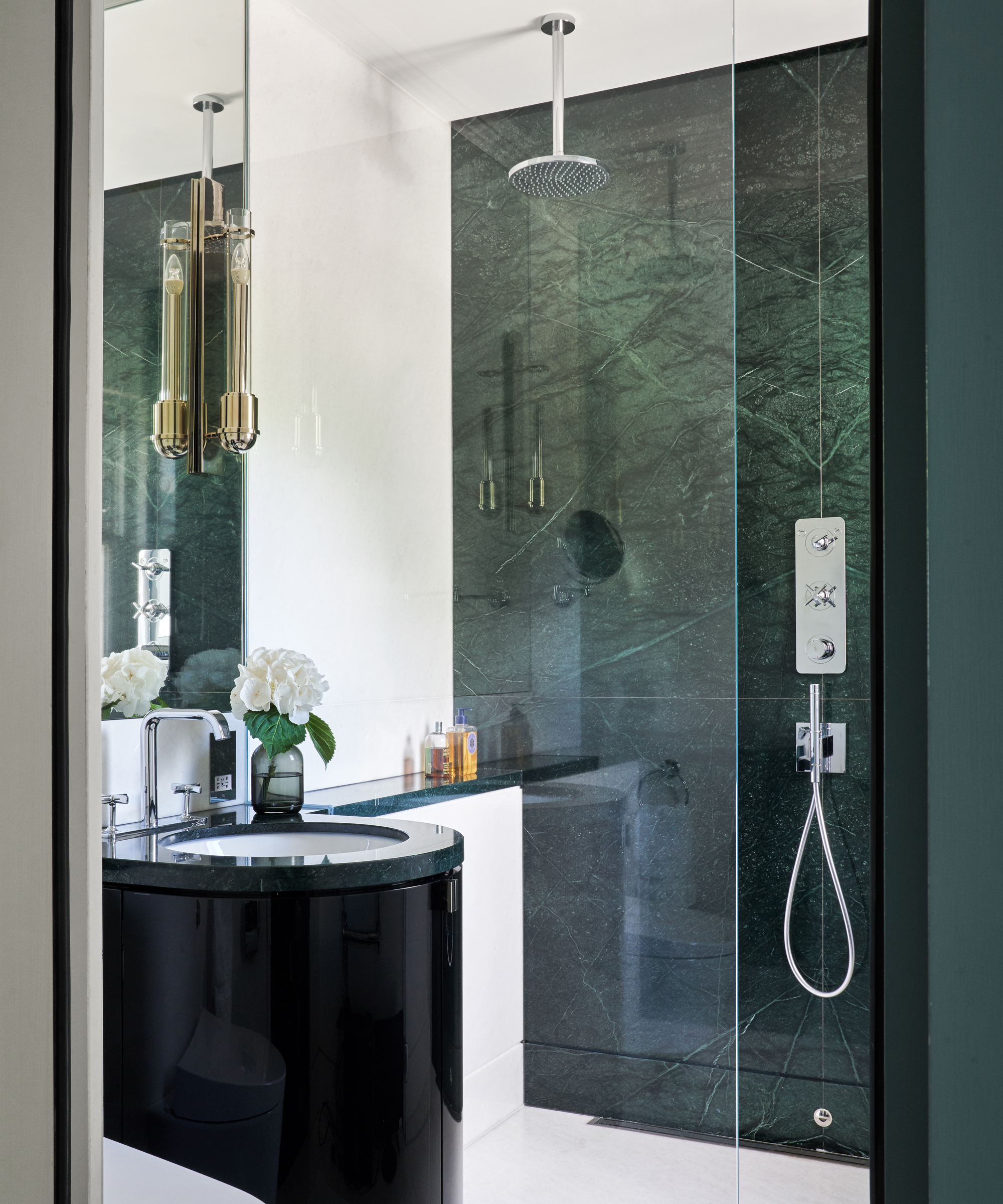
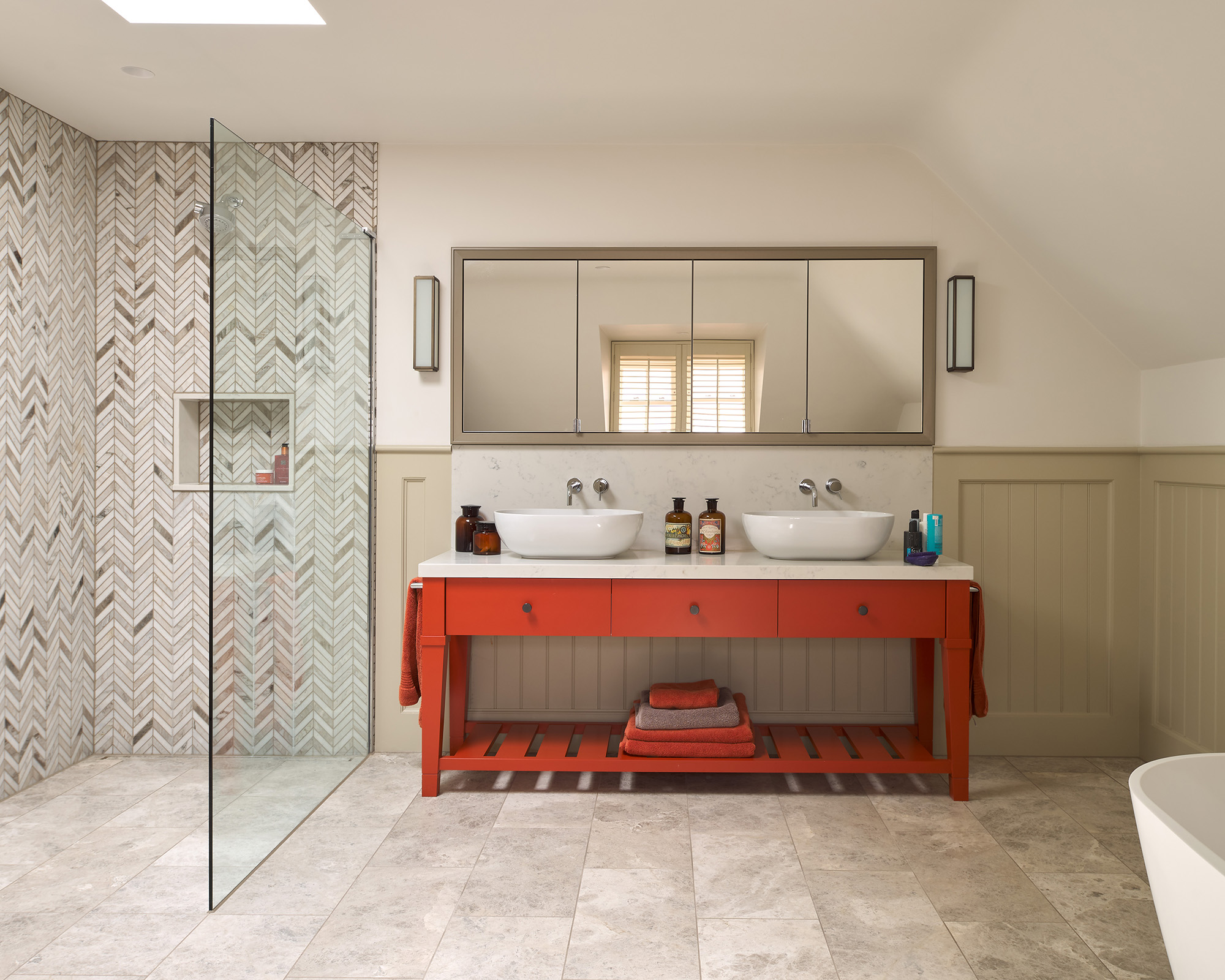
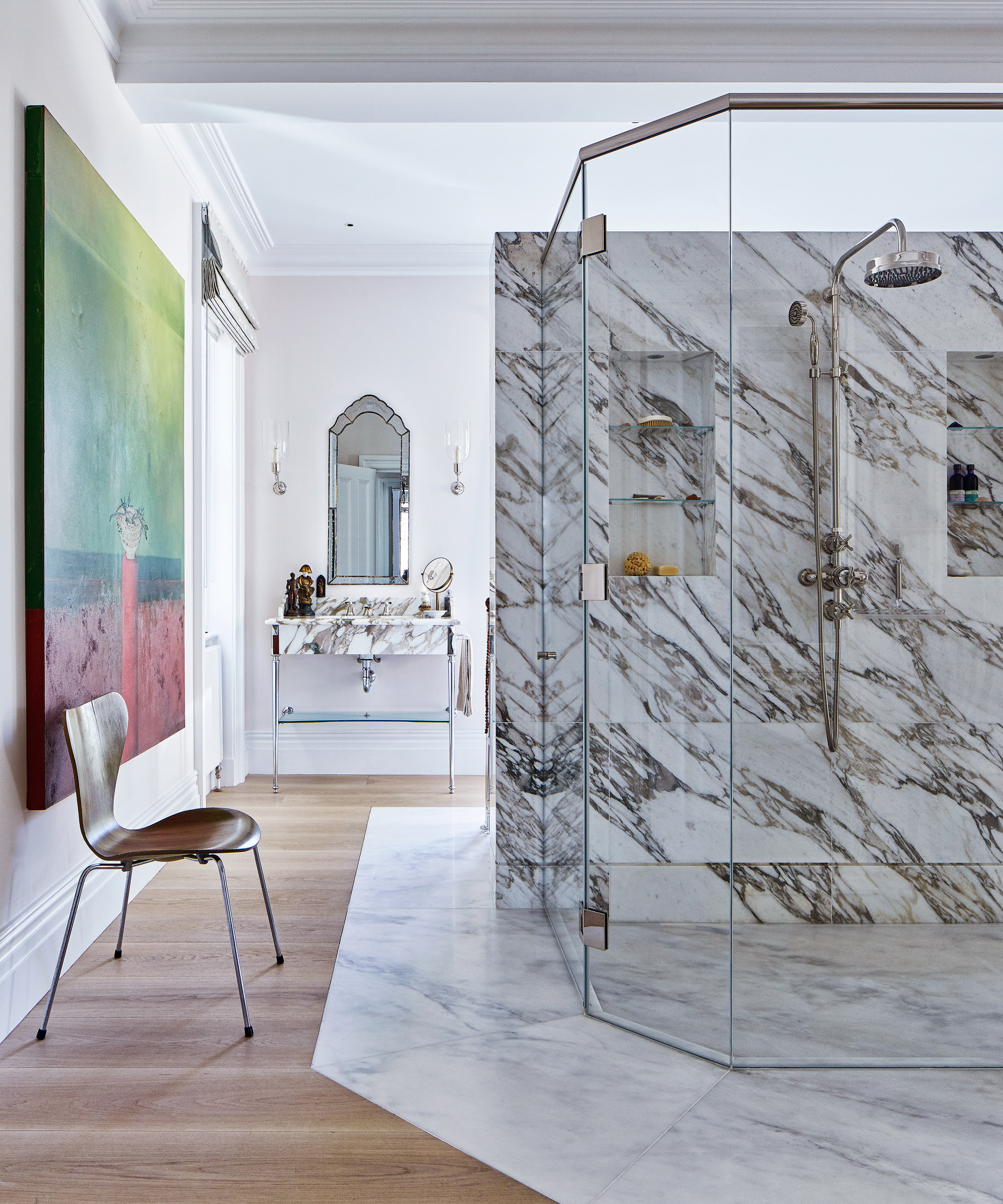
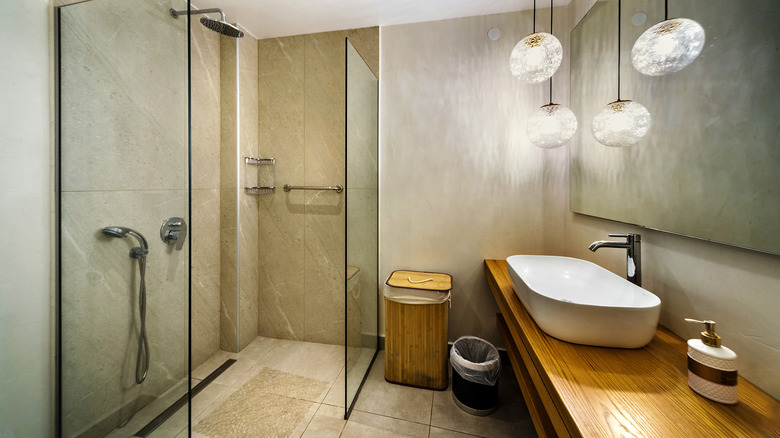
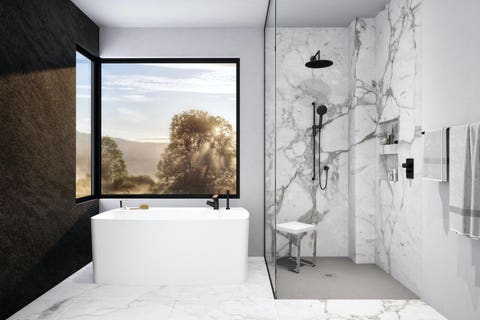
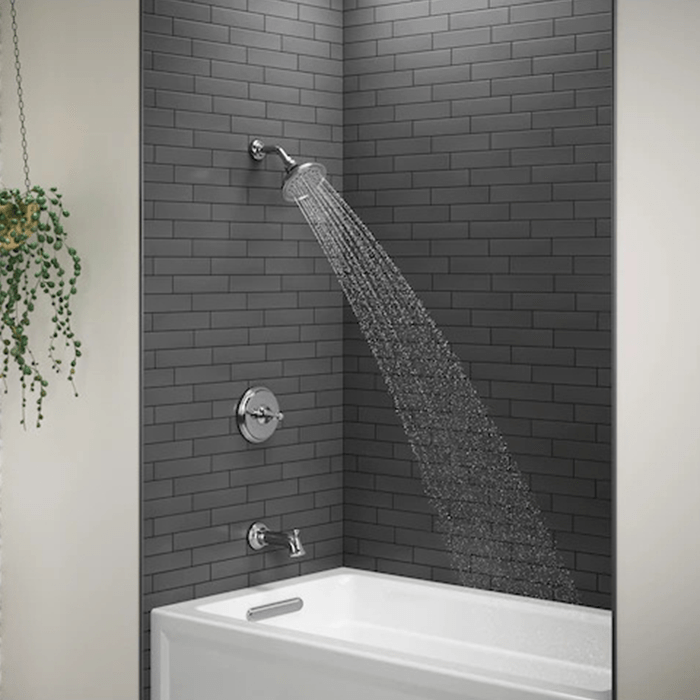
The role of bathtubs in home resale value is examined, contrasting the traditional belief that at least one bathtub is essential for attracting a broad buyer demographic with the growing popularity of large, well-equipped walk-in showers. Historically, bathroom trends have evolved significantly; for instance, the 1980s and '90s saw a rise in jetted whirlpool tubs, which later declined due to underuse and maintenance issues. This led to a resurgence of basic rectangular tubs, only to be overshadowed by deluxe walk-in showers featuring multiple controls and rainfall heads, offering a more personalized experience.
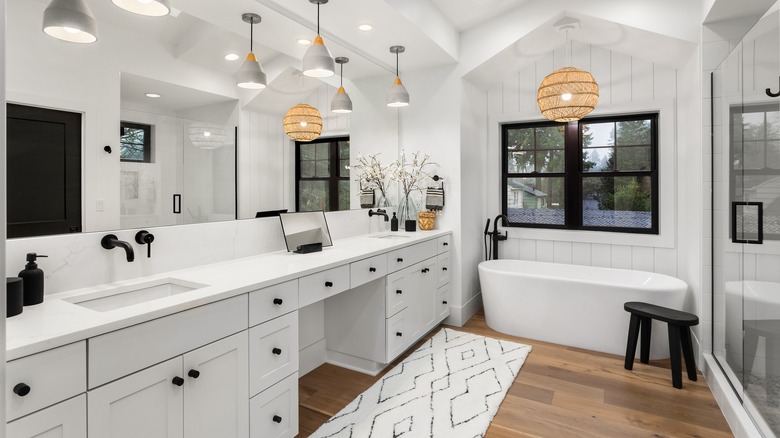
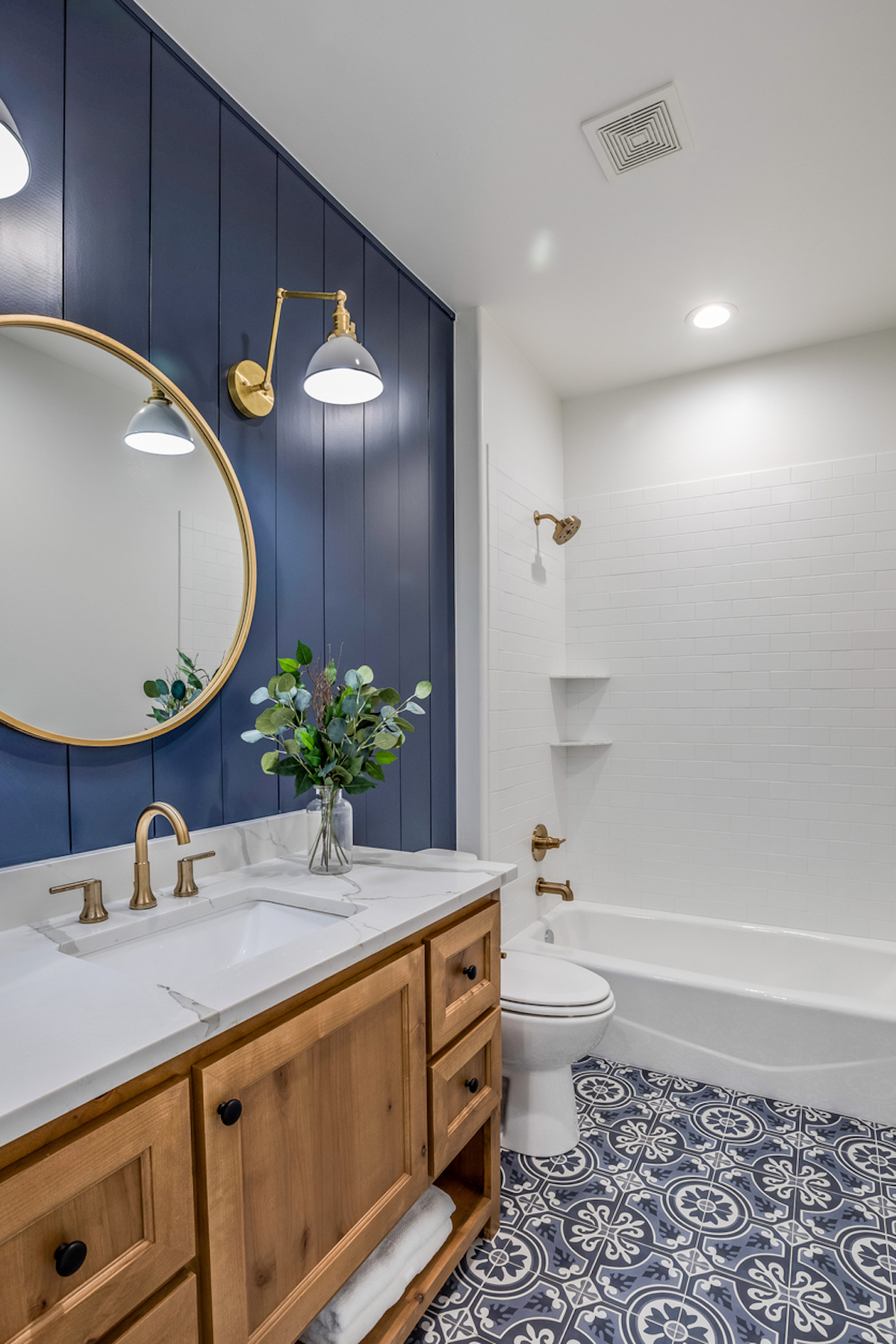
Despite the shift towards advanced showers, many real estate professionals and designers still consider a bathtub a crucial amenity for resale. Jonathan J. Miller, president of Miller Samuel, a firm monitoring housing markets nationwide, emphasizes that a bathtub is a "commodity" that broadens a home's appeal to the widest possible audience, thereby expanding the potential buyer pool. Erica Islas, a Los Angeles-based interior designer, concurs, noting that her clients frequently request at least one tub or a tub-shower combination, with some even installing one specifically to enhance resale prospects. Kristie Barnett, a designer and professional stager, strongly advocates for the necessity of a bathtub in any property, asserting that its absence can deter a significant portion of buyers, as it affects the perception of lifestyle a home offers.
Market research supports these professional opinions; a study commissioned by Jacuzzi Luxury Bath revealed that 38% of U.S. residents bathe weekly, with half of them being men. The demand for at least one tub is particularly pronounced among young families with small children, for whom traditional tubs are often considered safer than showers, and among luxury homeowners, whose properties typically feature multiple bathrooms.
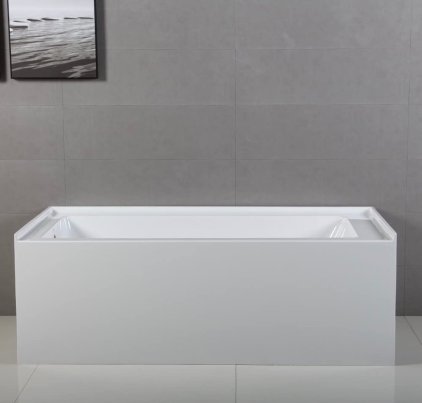
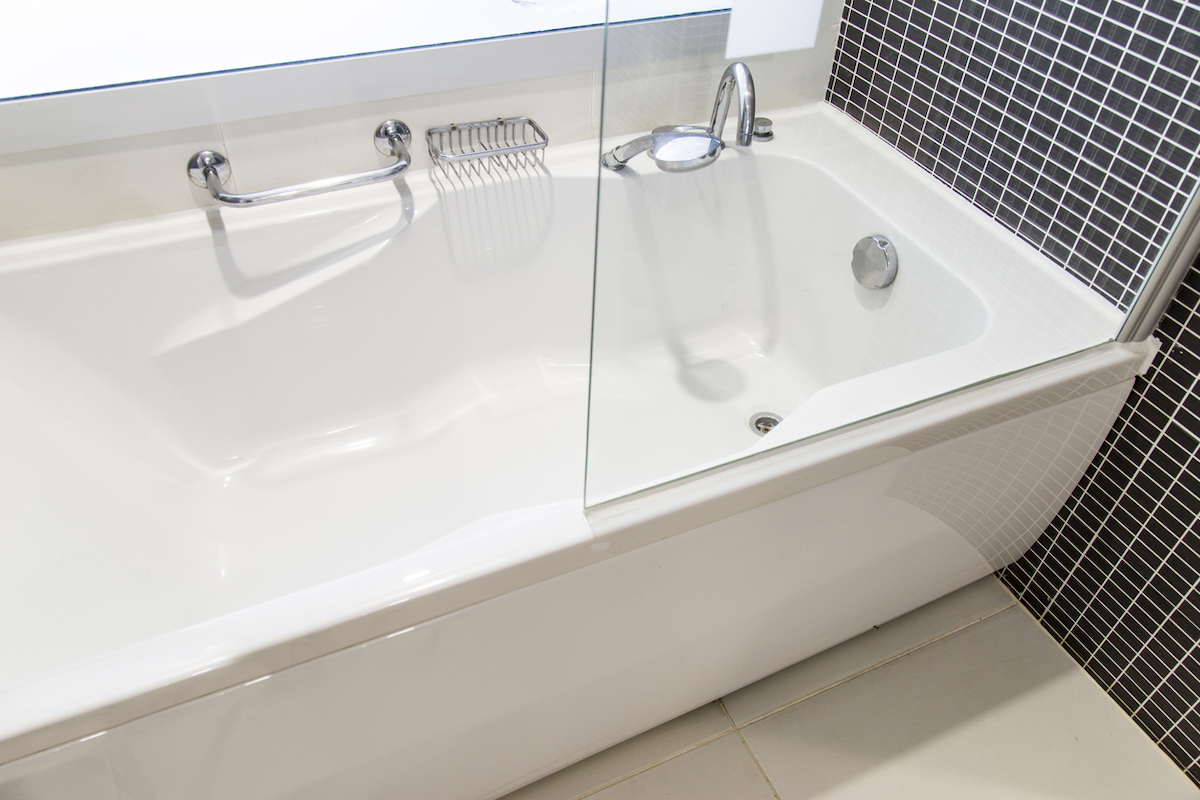
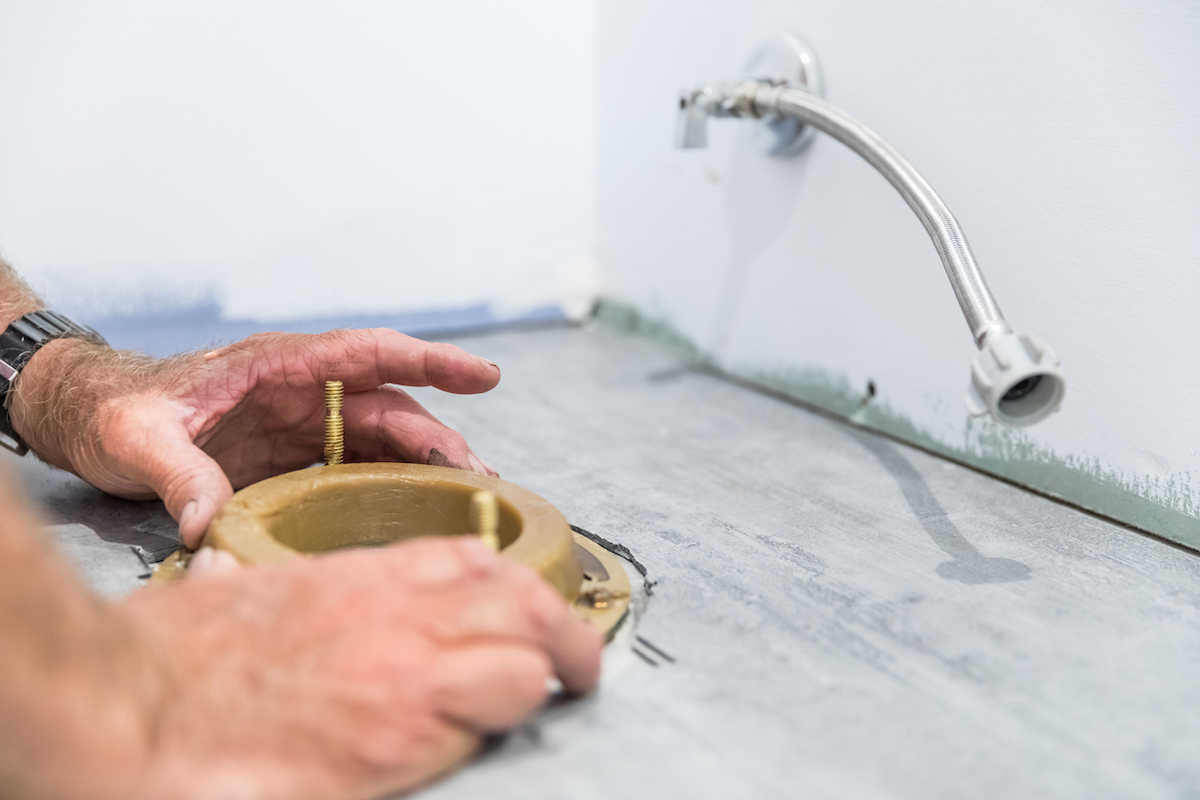
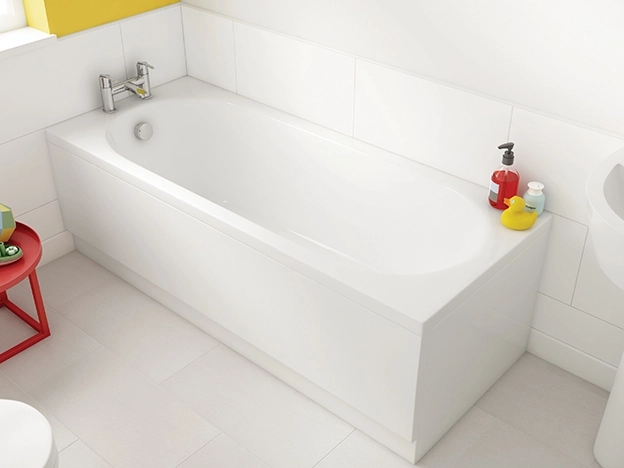
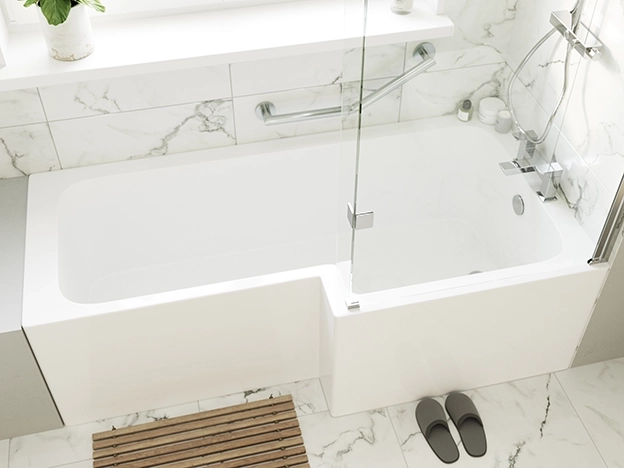
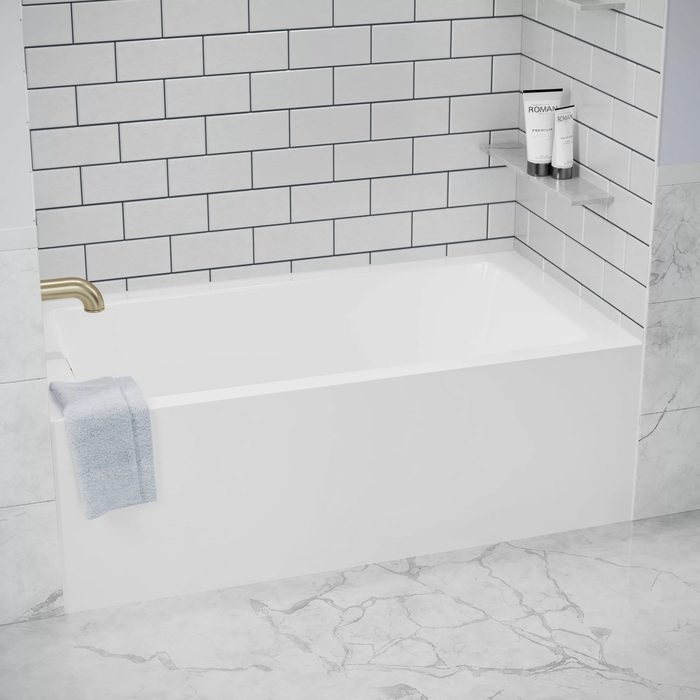
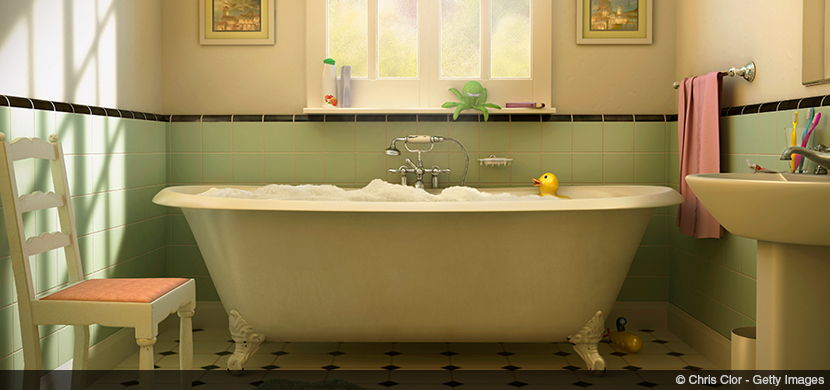
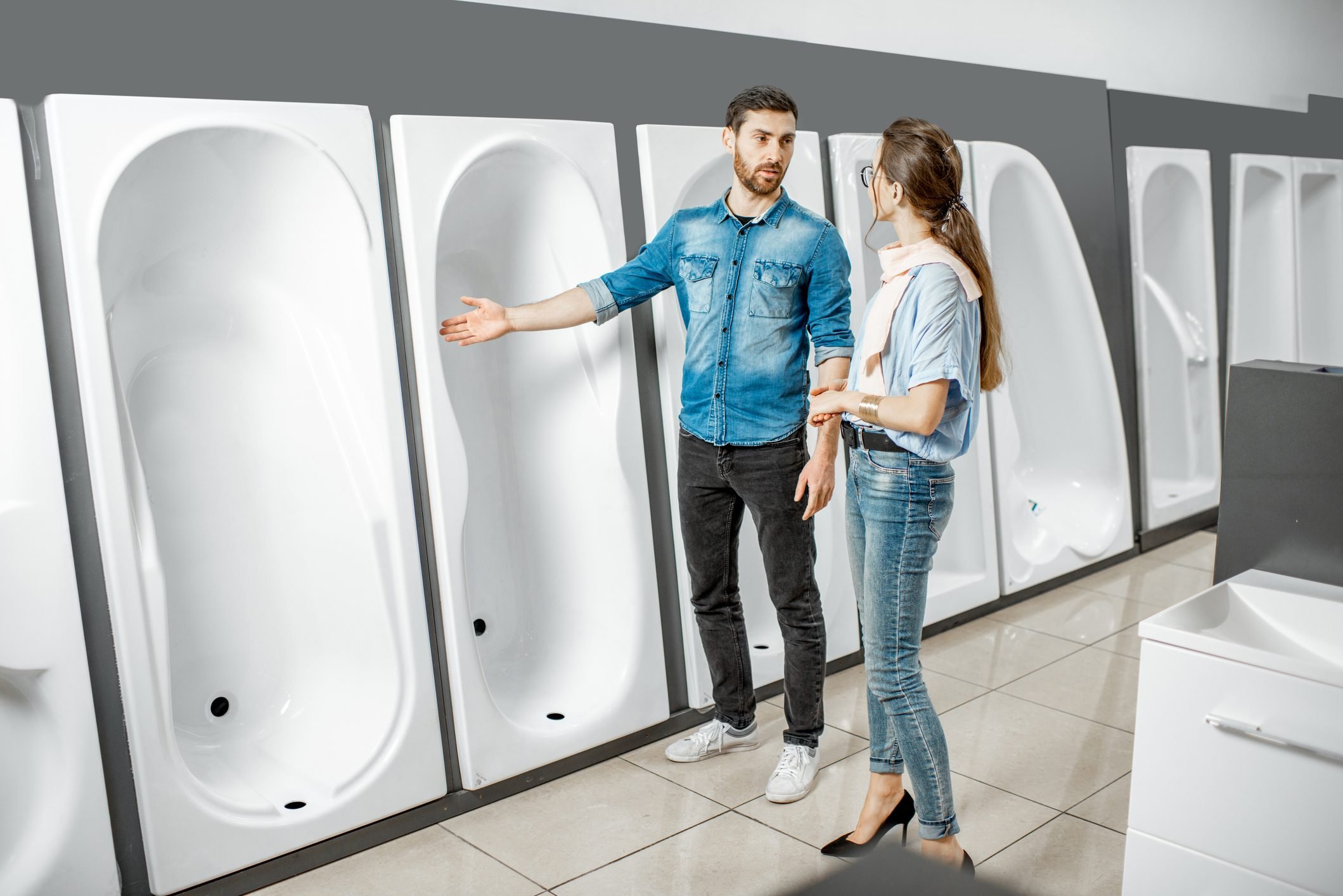
For clients considering adding a tub for resale, various options are available. A standard built-in acrylic model, measuring around 60 inches long, 30-32 inches wide, and 12-15 inches high, costs approximately $650, with an additional $400 for drain, faucet, and lever. If the tub needs to double as a shower, a frameless glass shower door adds about $450. Custom sizes can exceed $2,000. Installation costs depend on factors like existing tile removal and plumbing adjustments, averaging around $650. Most tubs can last up to 15 years with proper care.
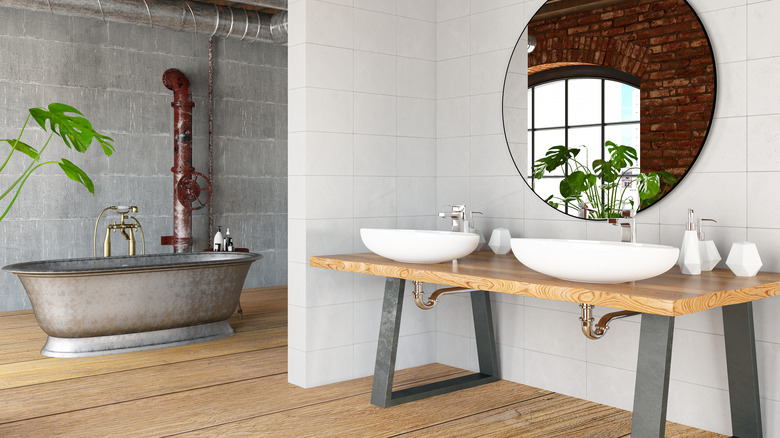
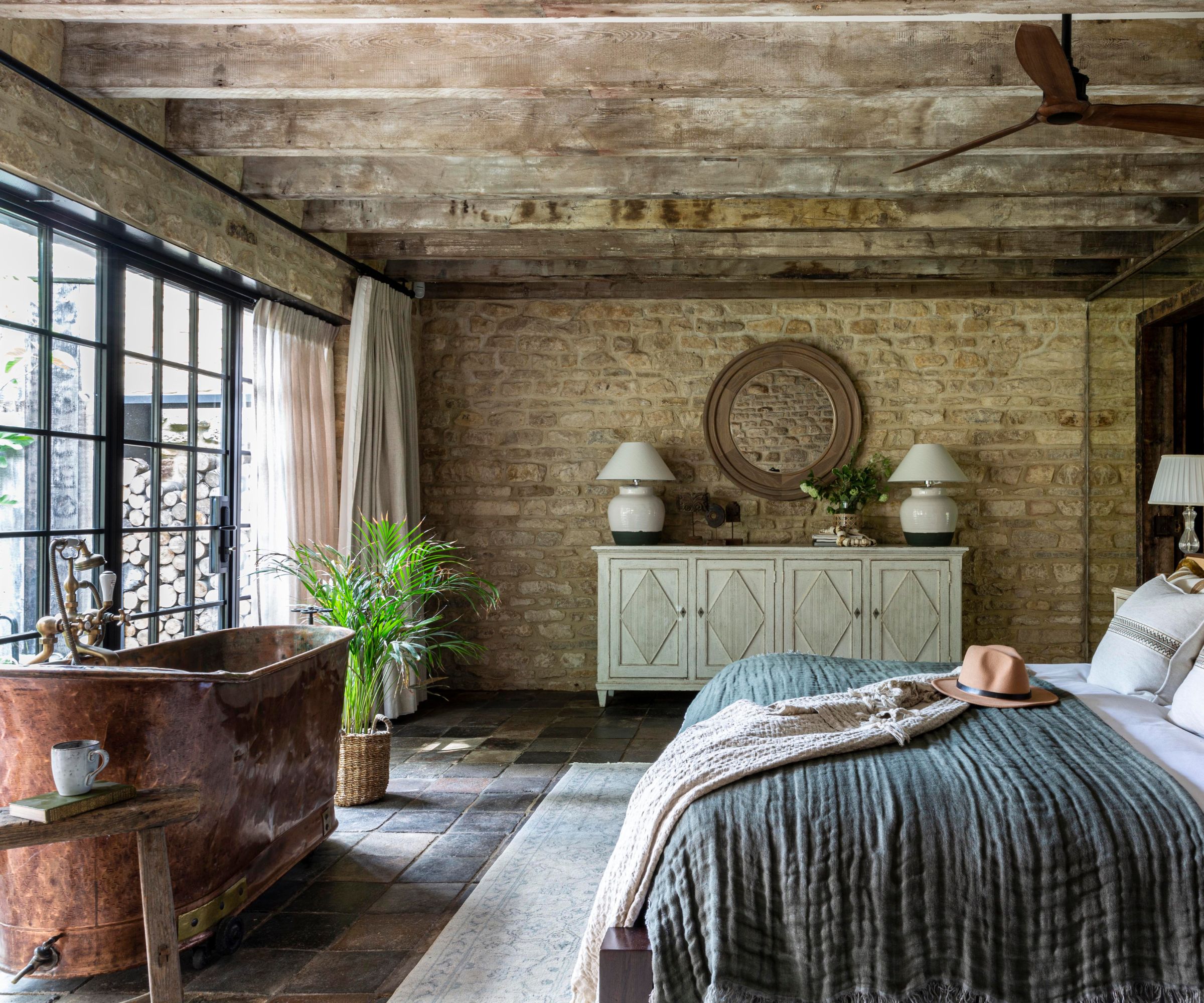
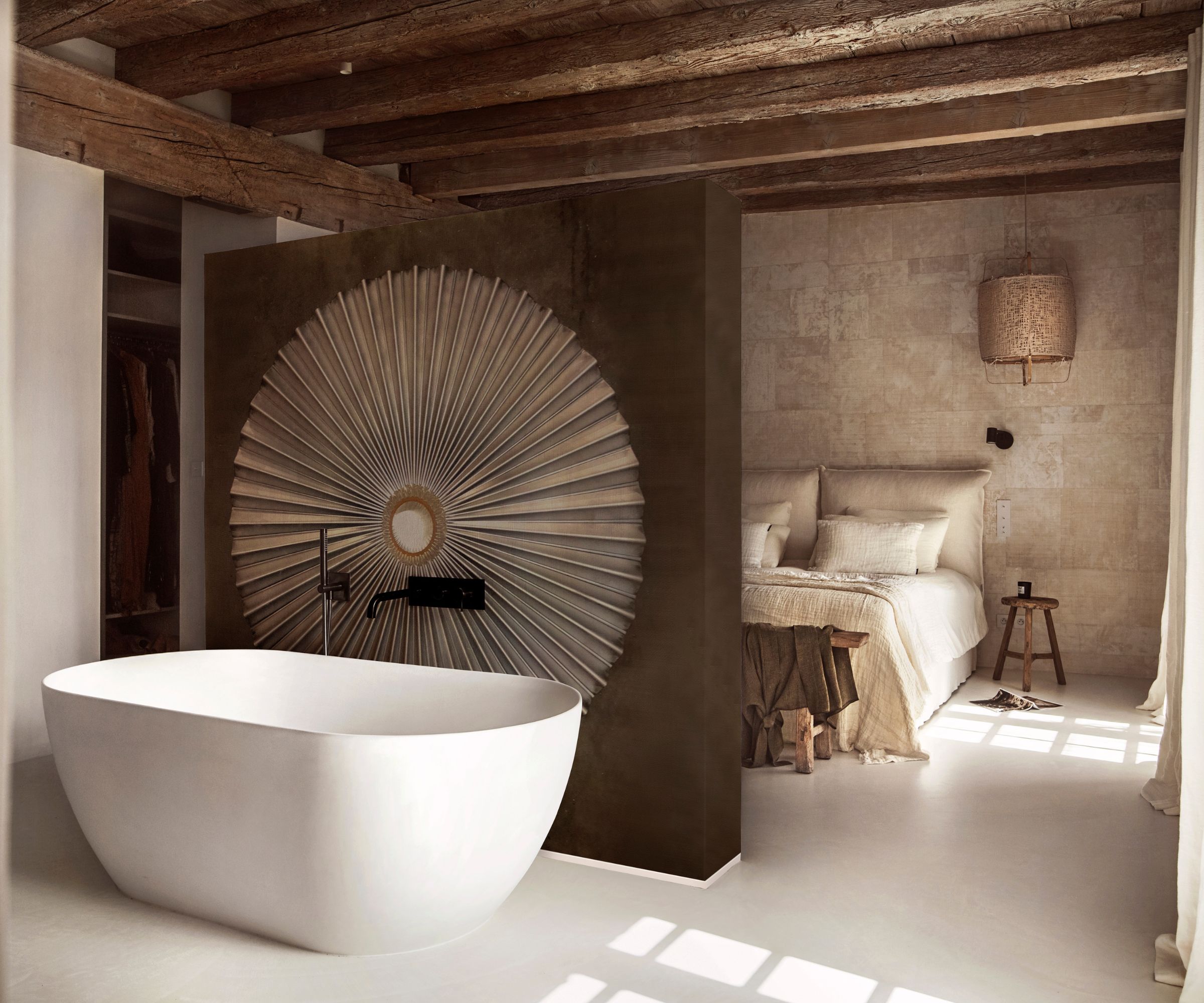
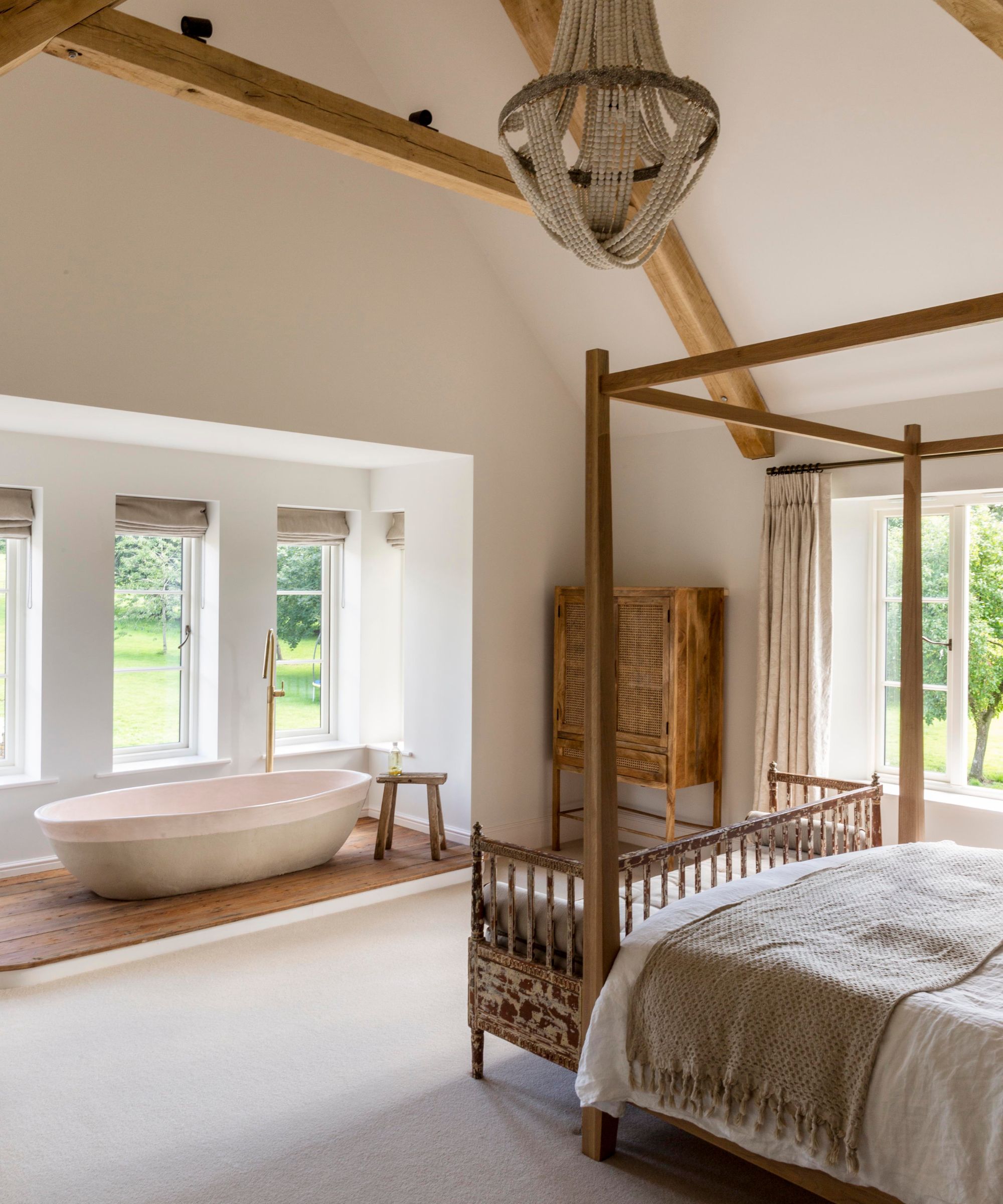
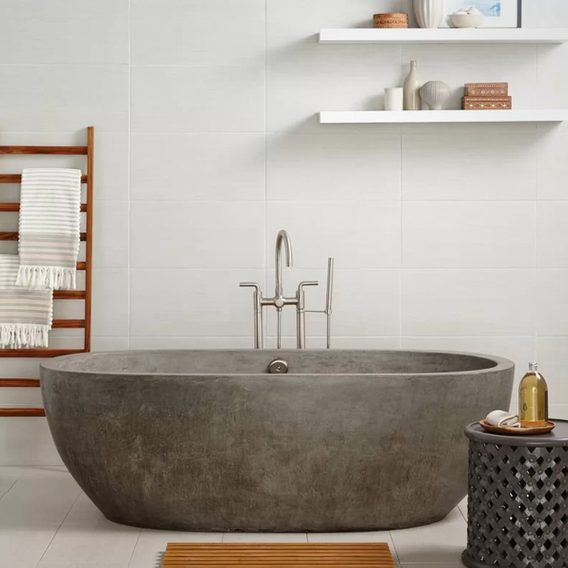
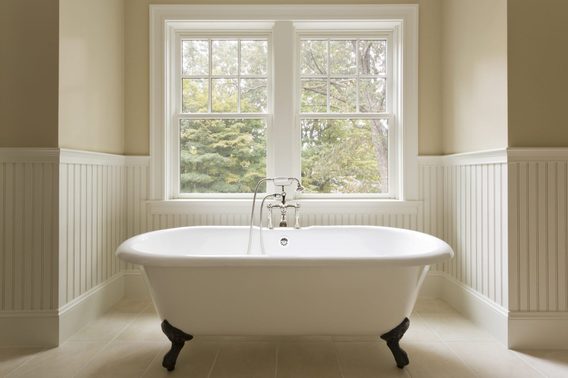
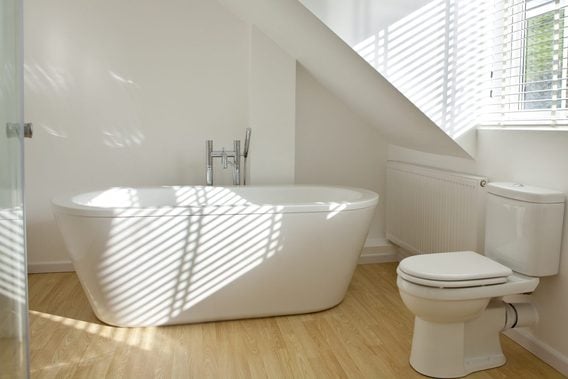
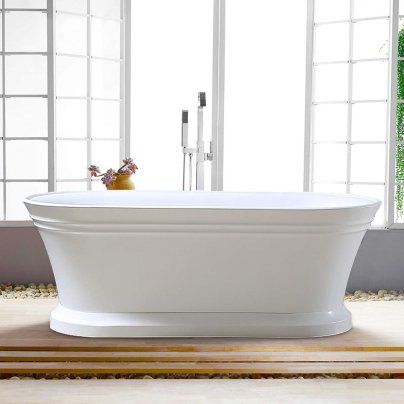
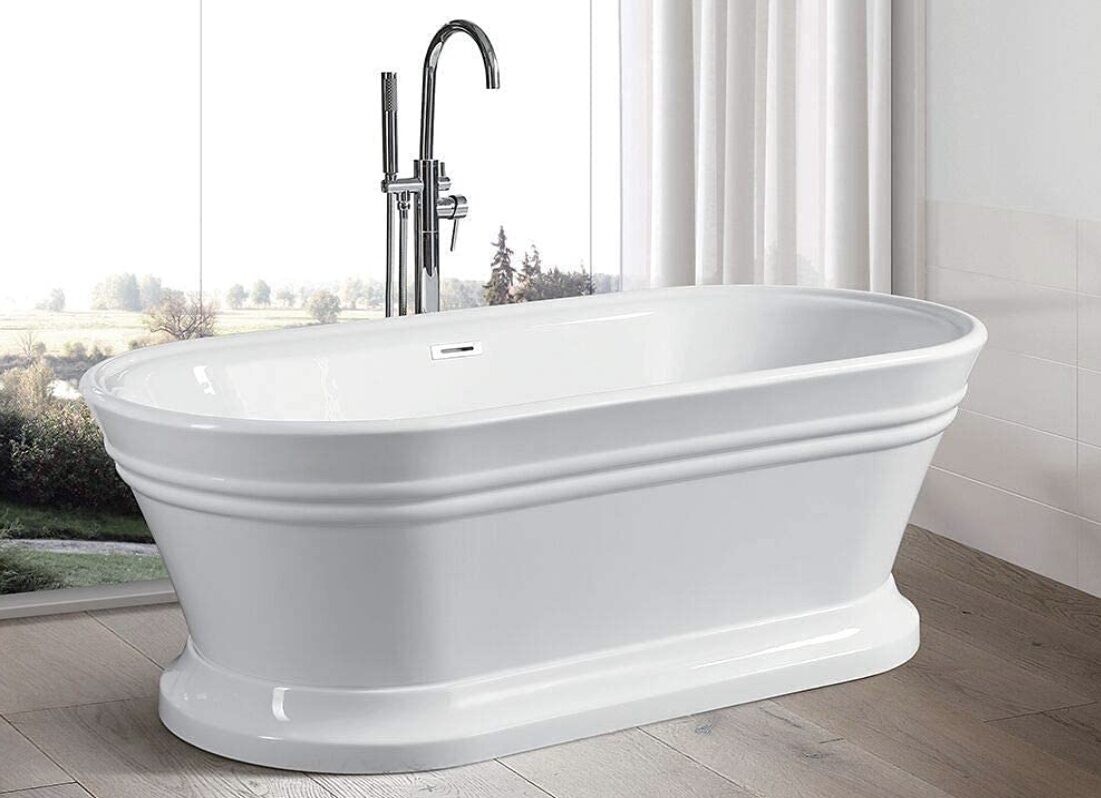
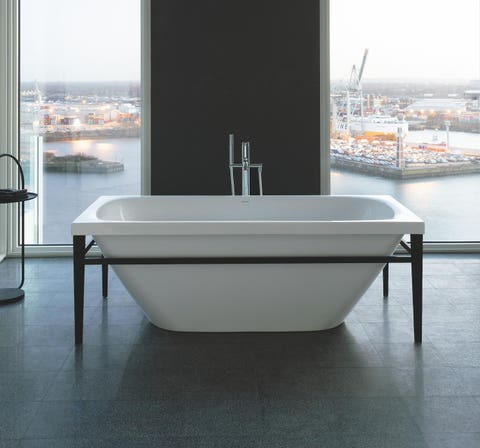
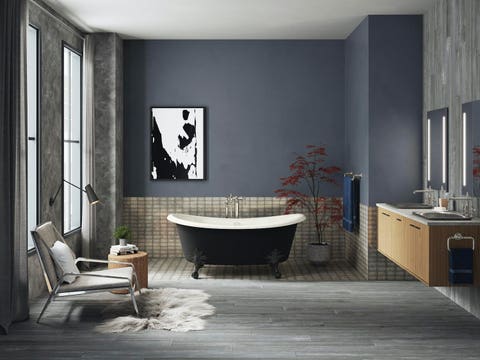
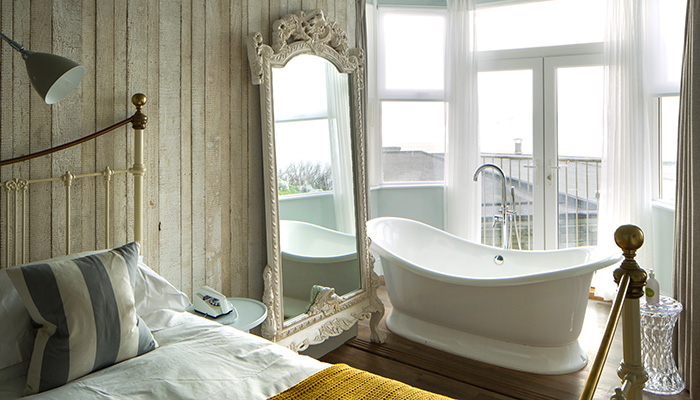
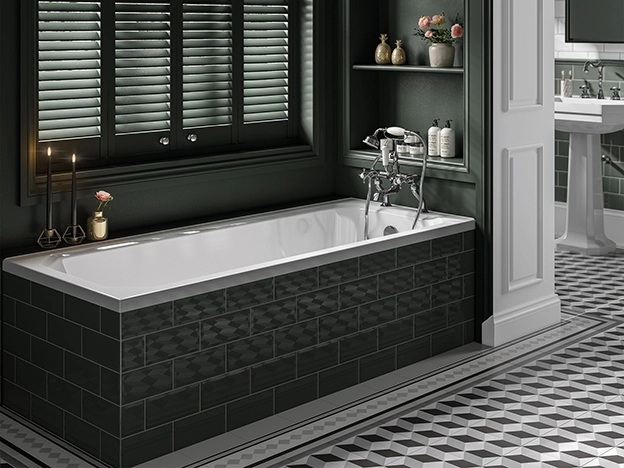
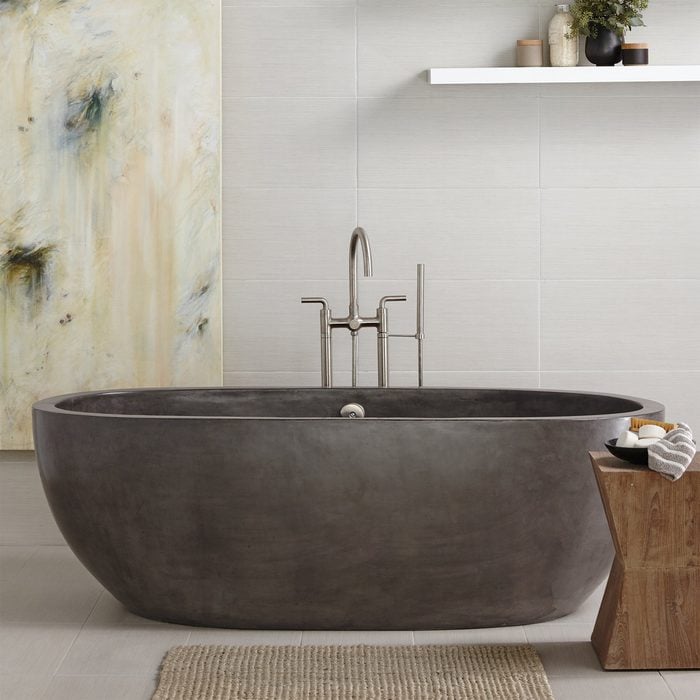
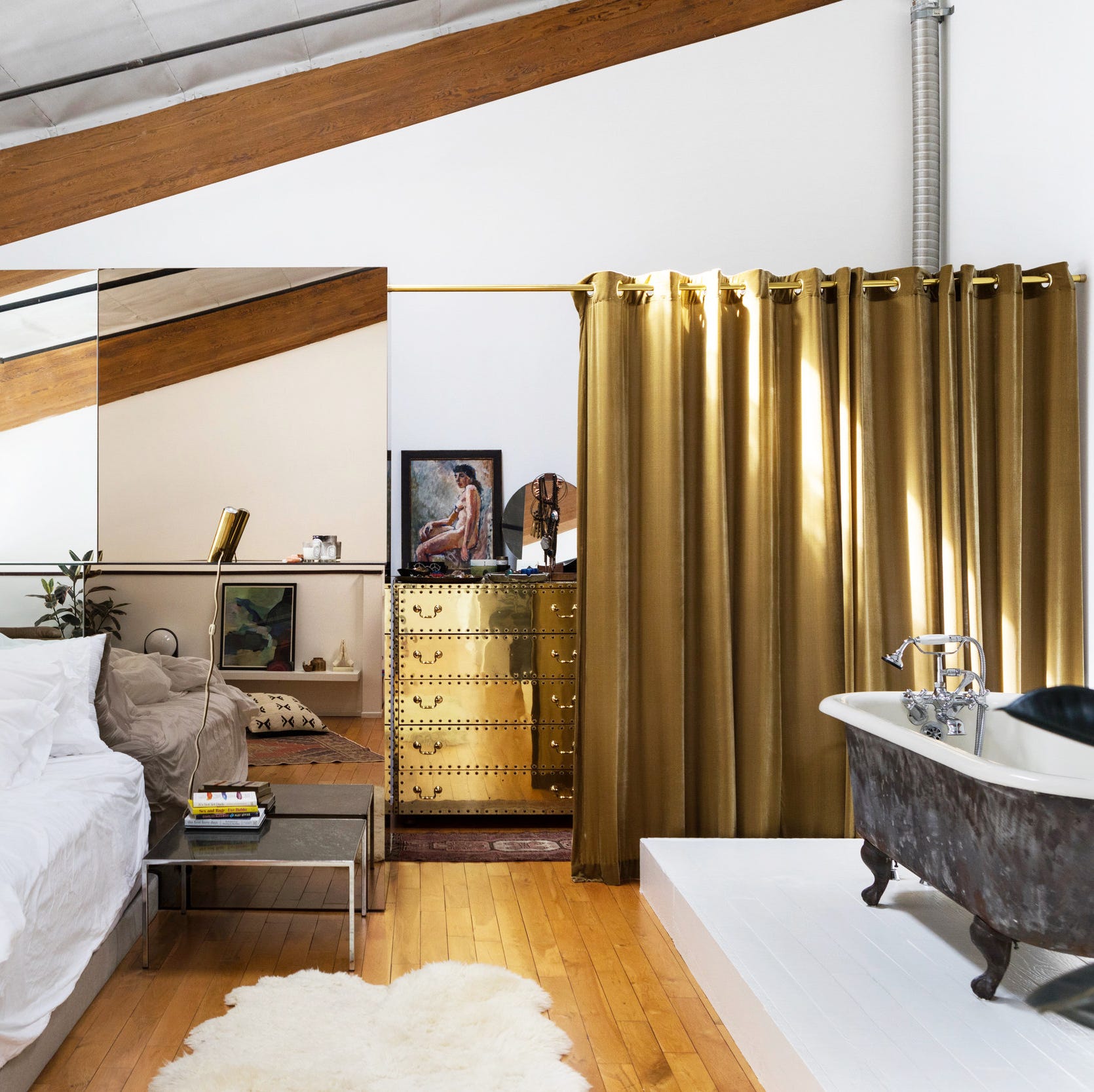
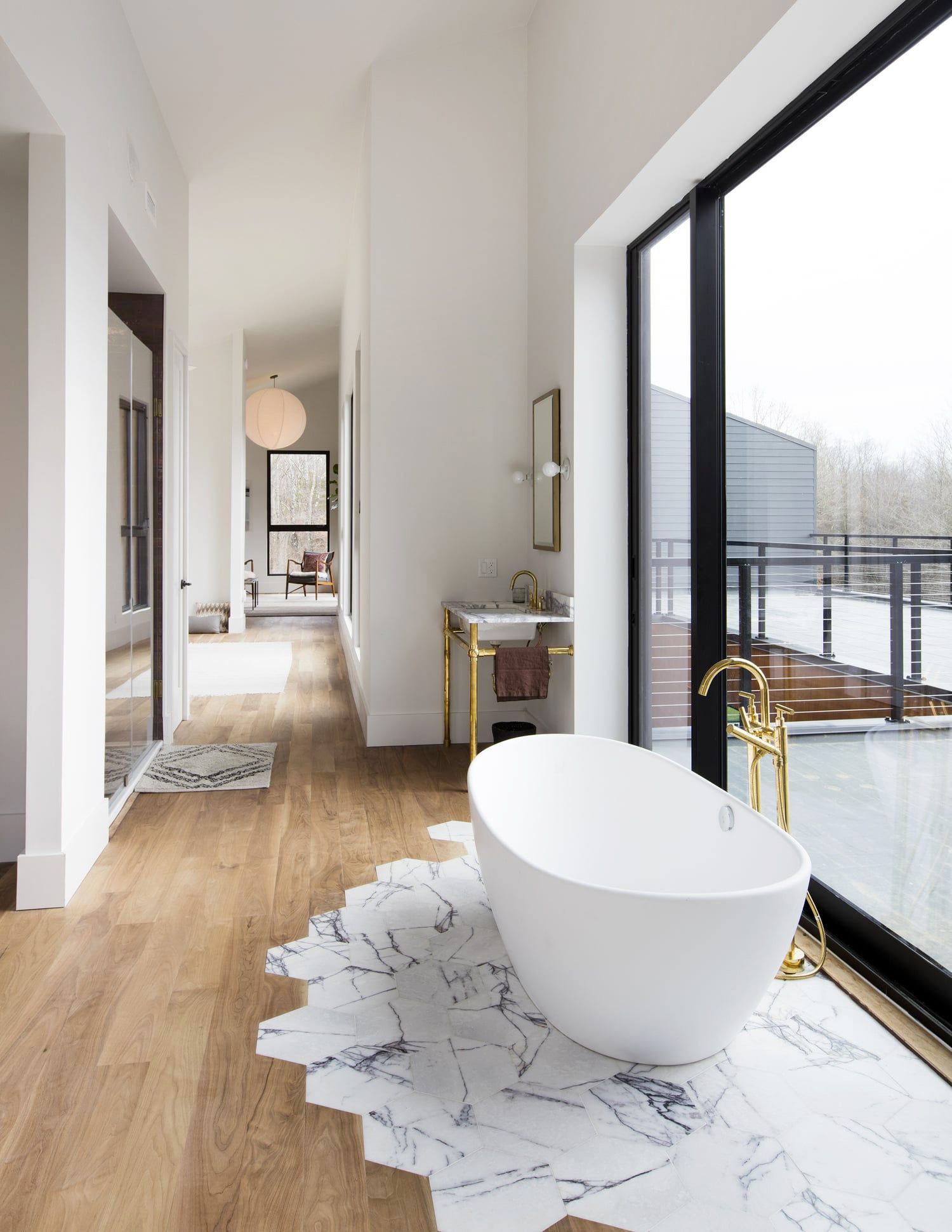
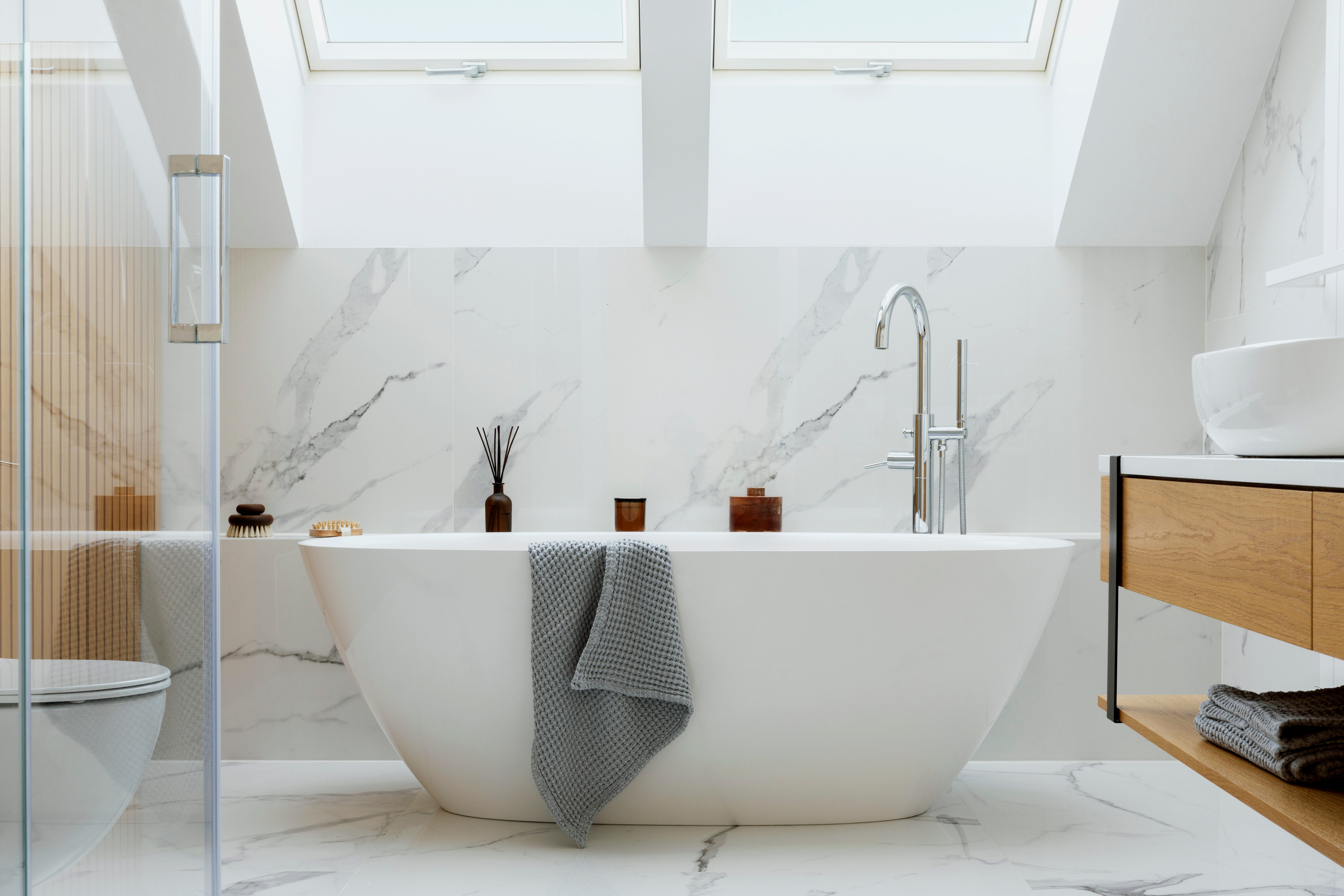
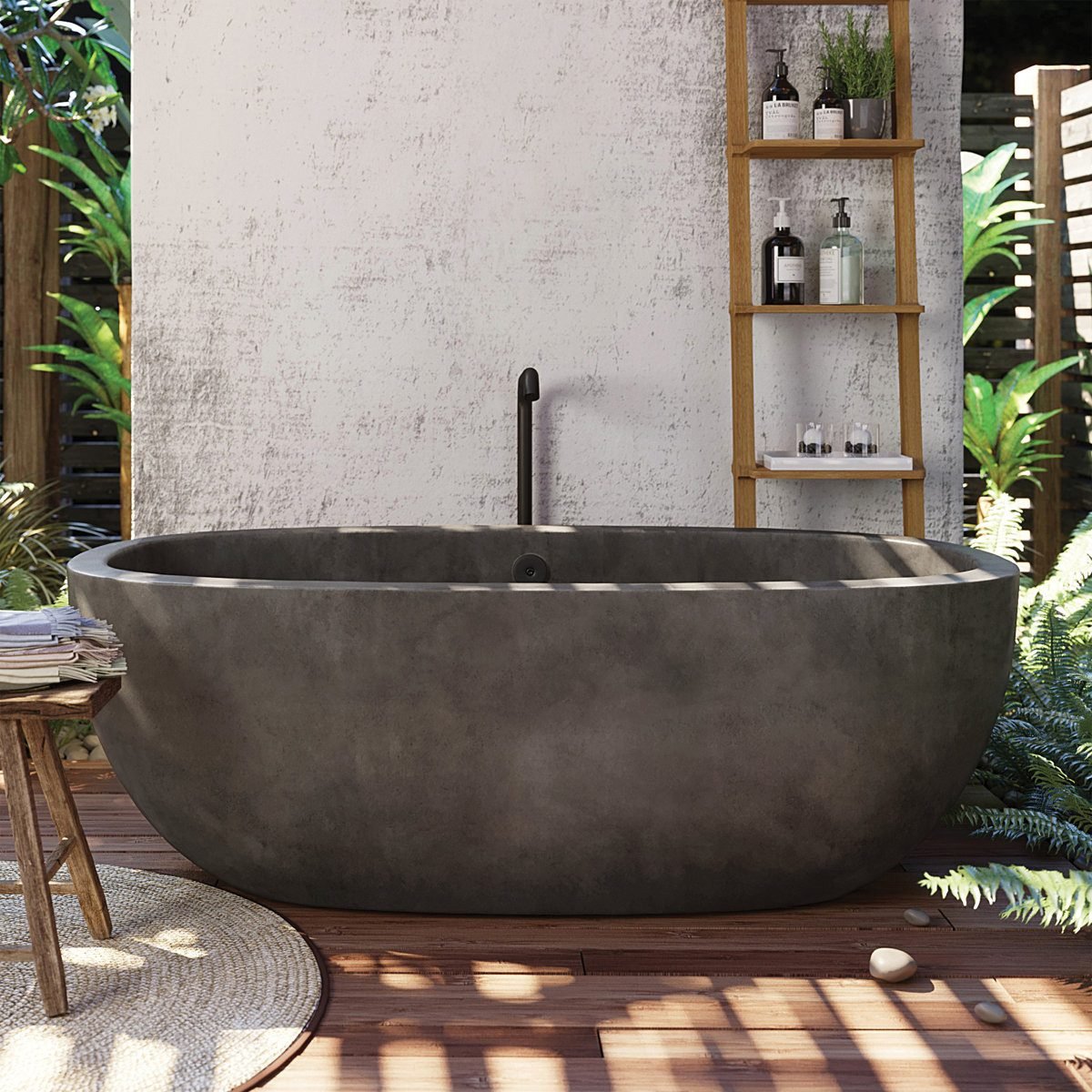
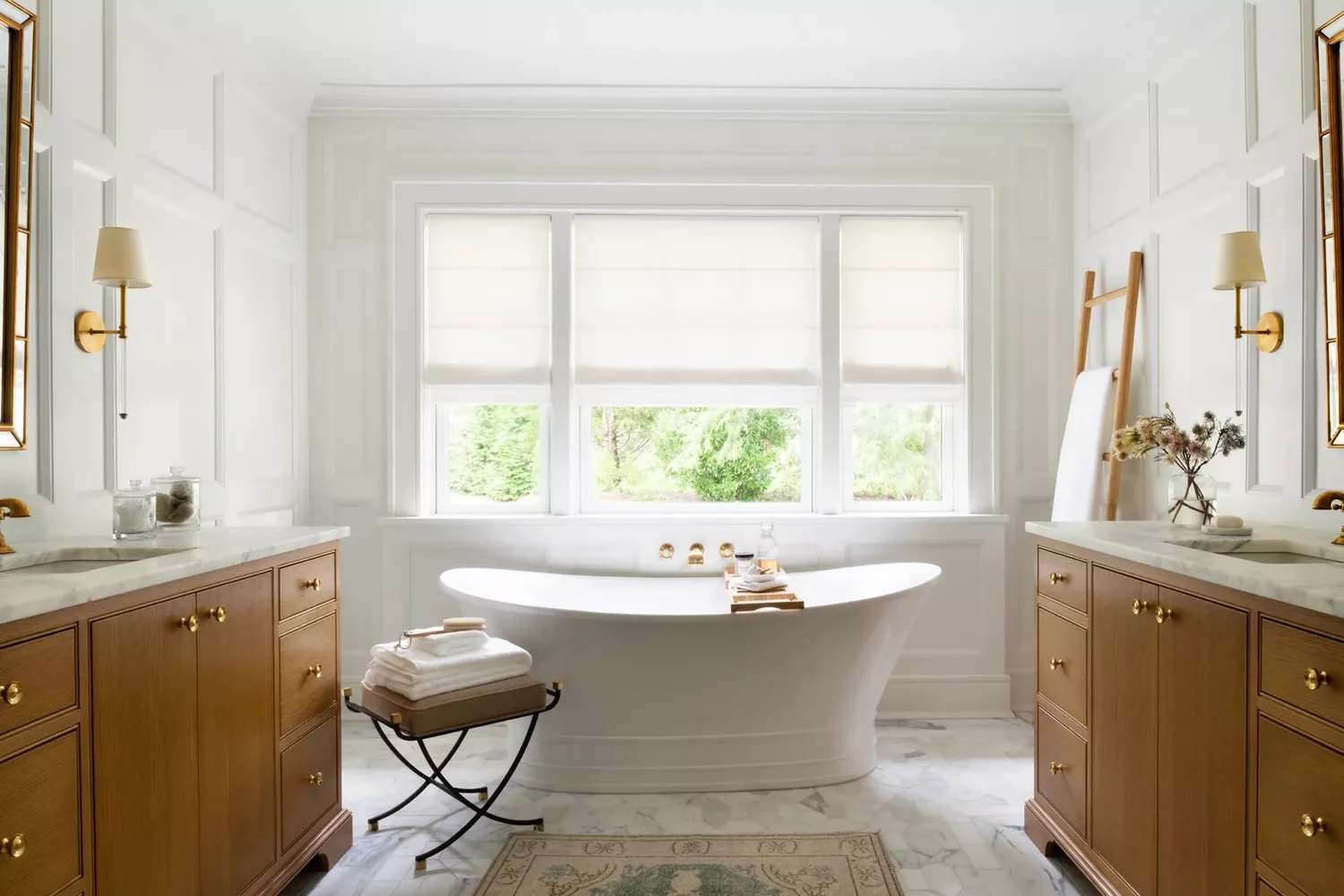
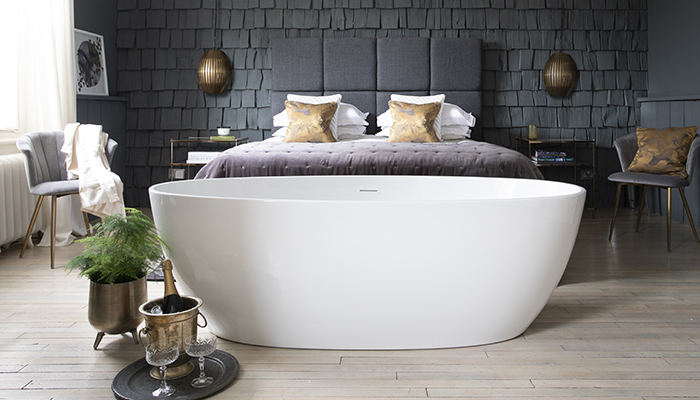
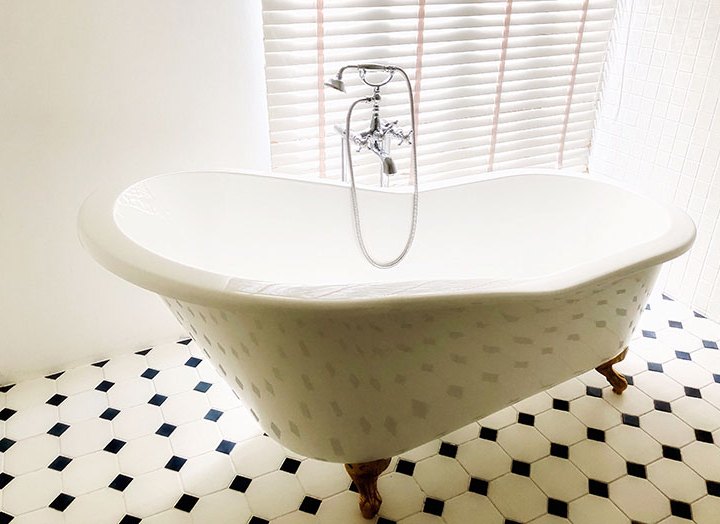
The luxury market presents pricier alternatives, such as sculptural, freestanding tubs inspired by Victorian-era designs, offering a more opulent bathing experience. These newer models, typically made from modern materials like acrylic, resin-stone composites, concrete, stainless steel, or copper, range from $1,750 to $6,000, with some high-end versions reaching $12,000. While aesthetically pleasing, these tubs may pose challenges for older adults and young children due to their height and lack of grip bars. Some experts also caution that their trendy design might quickly become outdated, potentially impacting future resale values. Removing these tubs can also be costly if extensive tile and floor repairs are needed.
Despite the general consensus, there are exceptions. Homes with smaller bathrooms may prioritize showers due to space constraints. Some new communities are even being designed without primary bathtubs, offering them only in secondary or guest bathrooms if requested. Designers like Susan Brunstrum emphasize prioritizing the cost-per-use value of home additions, advocating for well-designed showers in homes where tubs are unlikely to be used frequently. In cases where a lack of a tub is a sticking point for buyers, offering a credit for purchase and installation can be a viable solution.
The walk-in tub market also caters to the aging population, with manufacturers developing models that address mobility needs, often featuring built-in seats and low thresholds. These can range from $6,000 to $14,000 fully installed. To overcome the perception of these as solely geriatric products, real estate professionals can market them as "step-in spas" to younger buyers, while also advising on necessary home modifications for accessibility.
#BathtubResaleValue #HomeDesignTrends #BathroomRenovation #LuxuryTubs #RealEstateResale #HomeAmenities #AgingInPlace #HomeStaging #BathtubResaleValue #HomeDesignTrends #BathroomRenovation #LuxuryTubs #RealEstateResale #HomeAmenities #AgingInPlace #HomeStaging
0 comment in total
 No comments yet
You may also like
These bathroom features add value to your home – and none of them is a bathtub

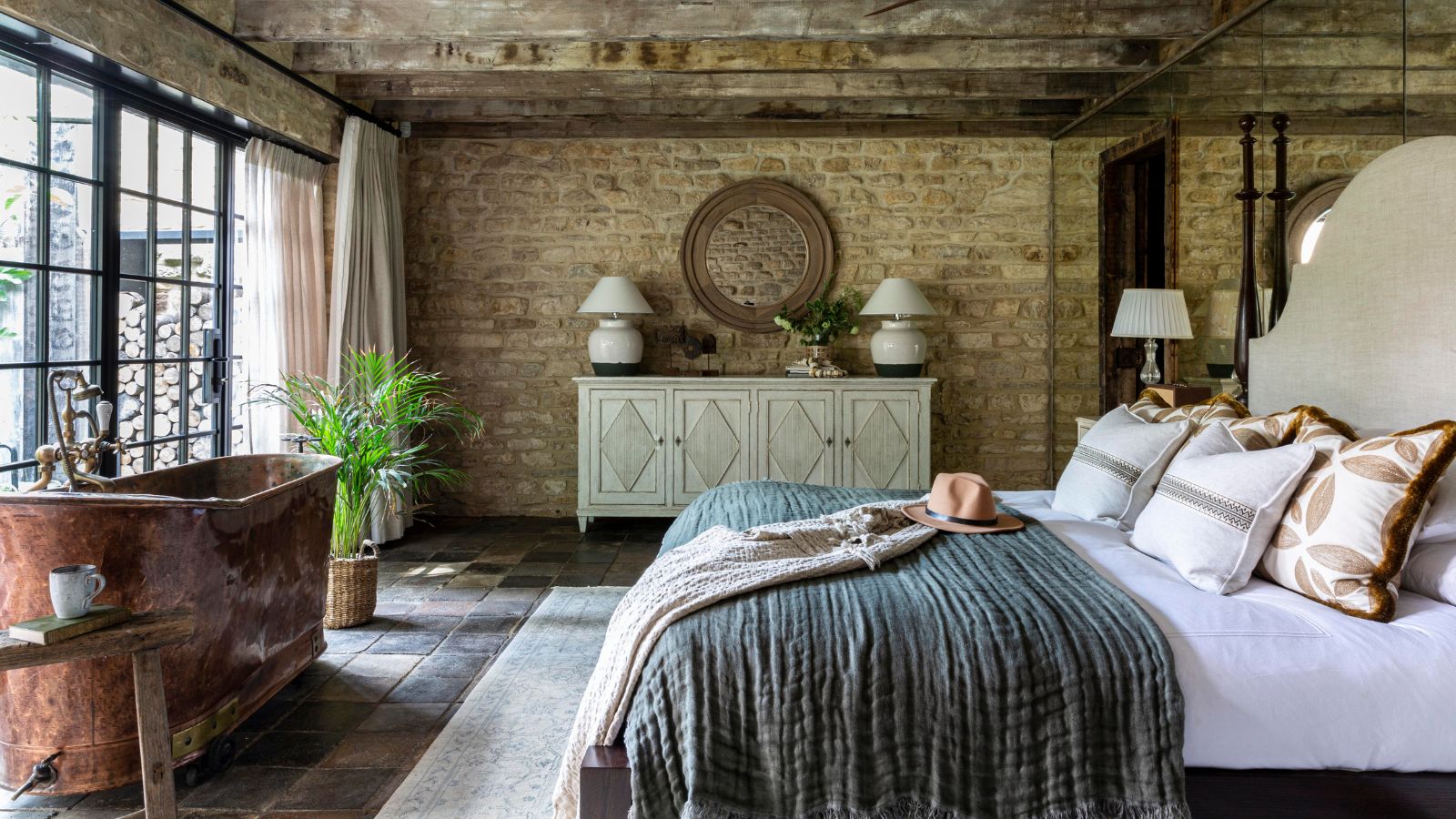
Should you put a bathtub in your bedroom? Experts weigh in on the hotel-style feature that always divides opinions
Here’s How to Get the Best Bang for Your Buck With a Bathroom Remodel
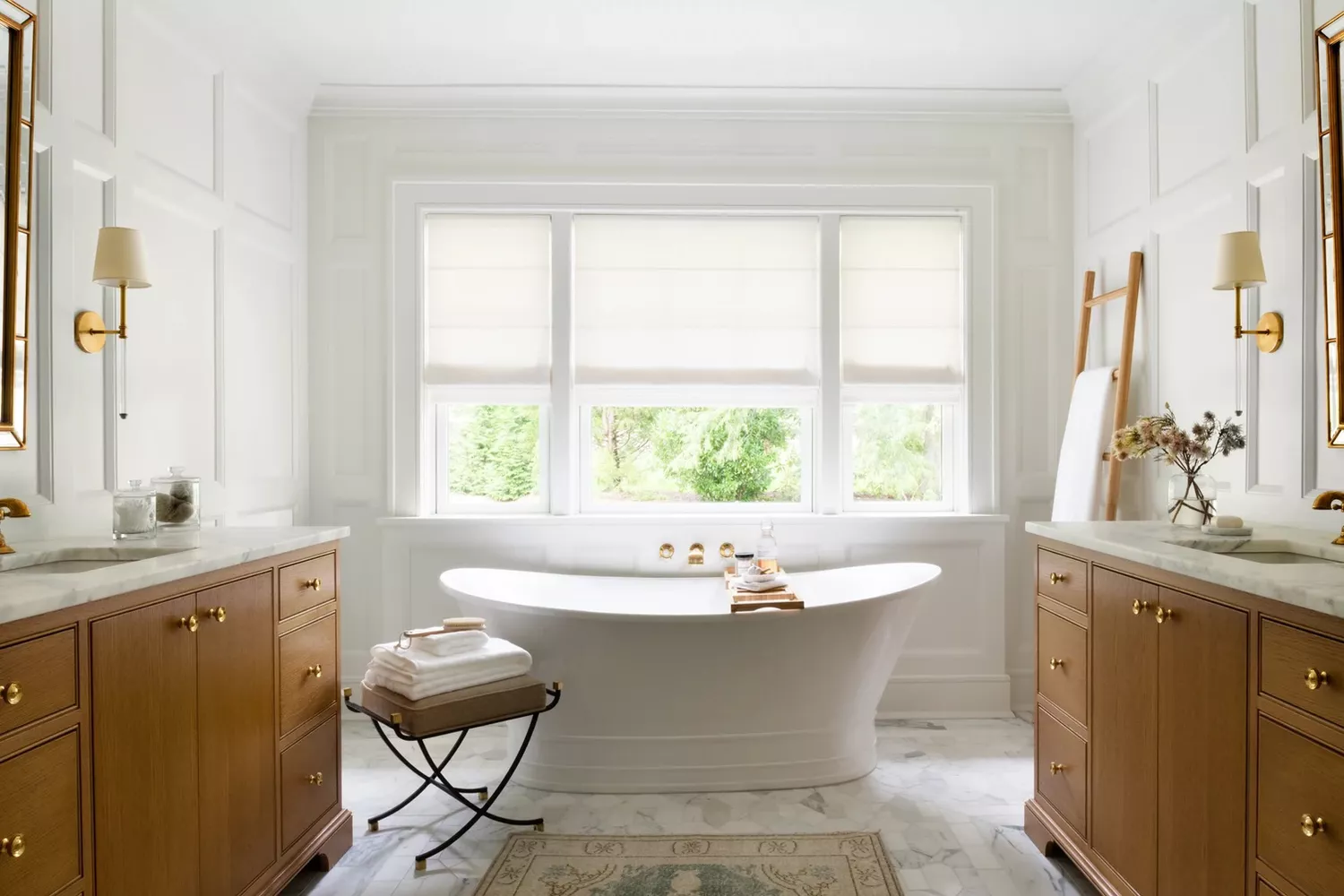
5 Bathroom Features That Will Lower Your Home's Value, According to a Realtor

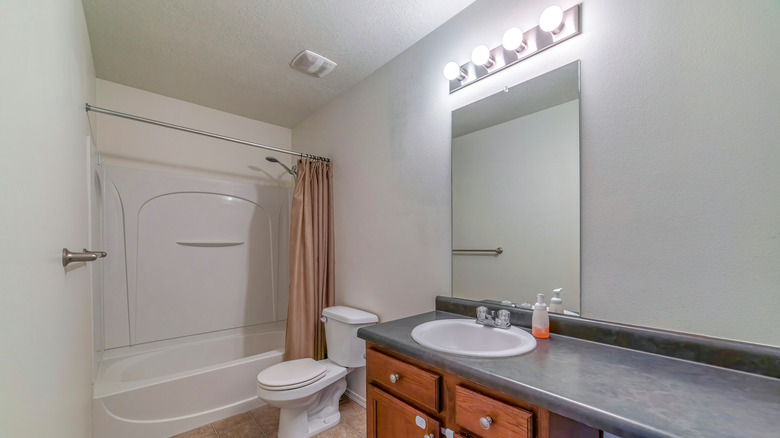
Bathroom Design Choices That Make It Harder To Sell A Home, According To Experts
Bathtub Styles, Fixes and Cleaning

Luxe Up Your Loo: Quick Bathroom Upgrades
The 8 Best Bathtubs for a Satisfying Soak
Forget Bathtubs — Designers Say This Feature is the New Focal Point You Should Invest in for a Bathroom

5 Bathroom Features That Will Secretly Hurt Your Home Value, According to a Realtor

Boutique chic: Taking luxury to the next level with bedroom bathing
Bathroom Sale

Want to Sell Your Home for Above Asking Price? Add This Surprising Bathroom Feature
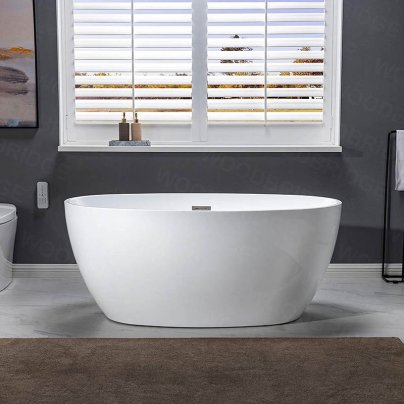
The Best Bathtubs for Your Style and Budget, Vetted


Baths & Accessories

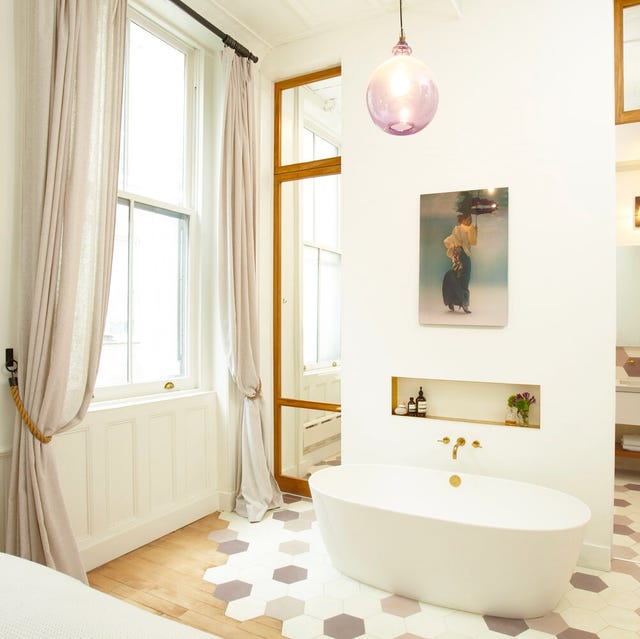
The Bedroom Tub: It’s Controversial, But That’s Why I Love It

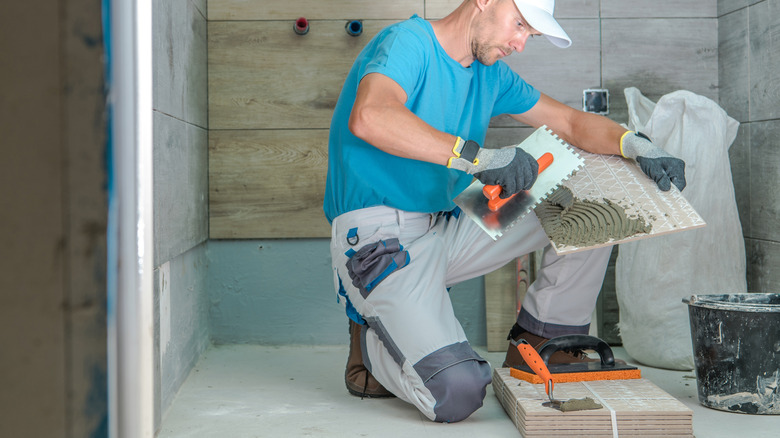
The 14 Most-Wanted Bathroom Features That Can Boost Your Home's Value
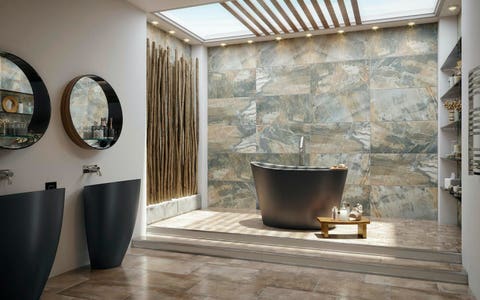
The Growing Popularity Of The Elegant And Comfortable Free Standing Bathtub

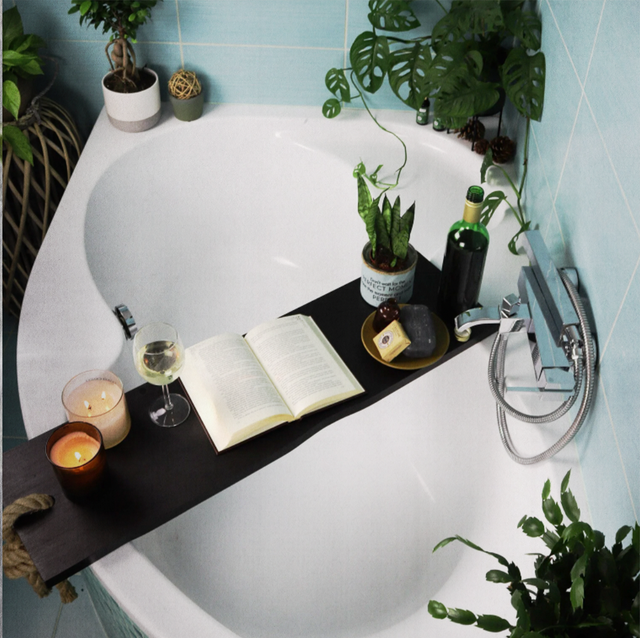
Pro Tip: Adding a Bathtub Tray Will Turn Your Home Into an At-Home Spa
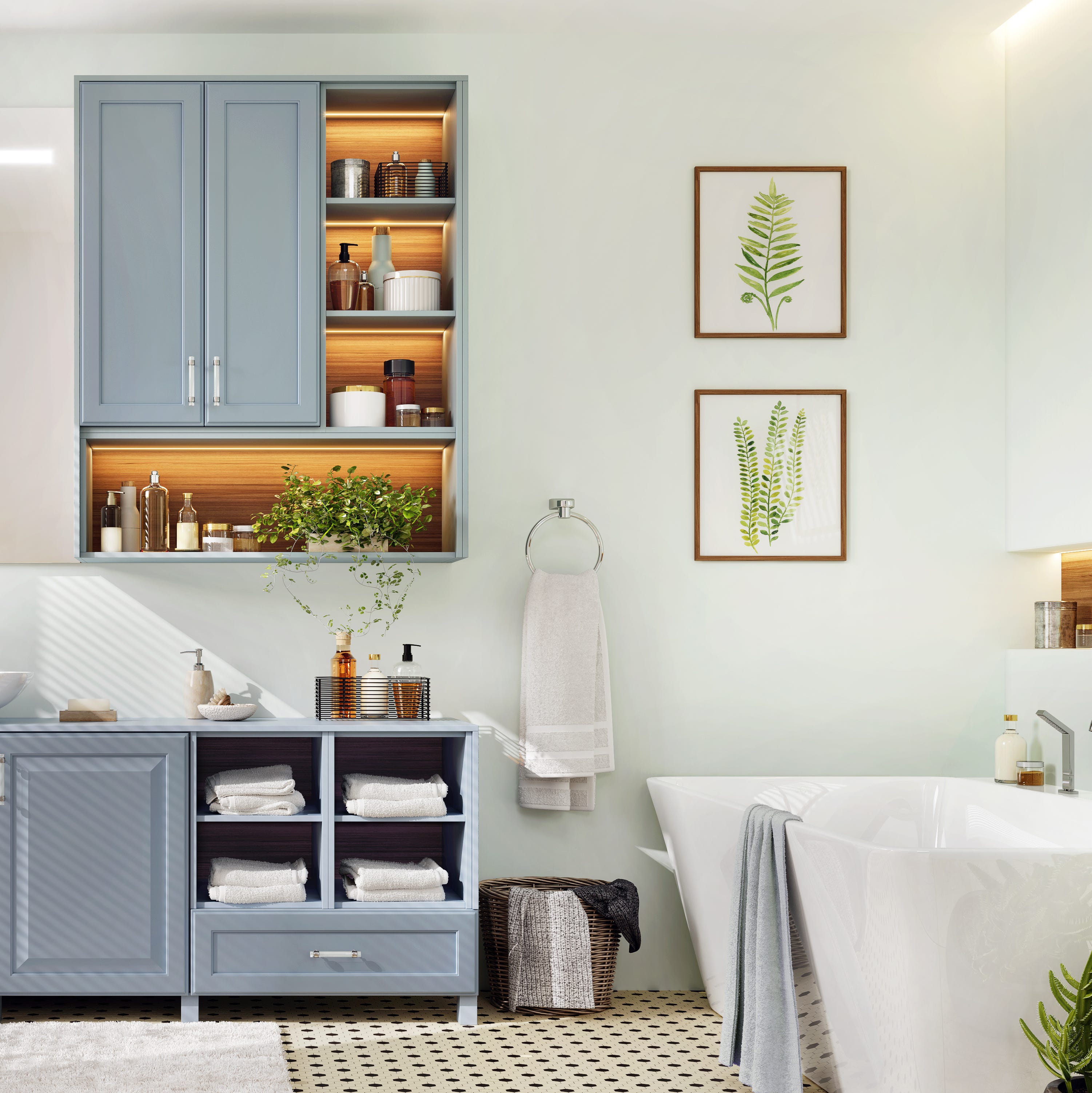
Designers Swear This Bathroom Feature Is so Overrated