Tandem Showerheads: The Latest Trend Taking Over Bathrooms
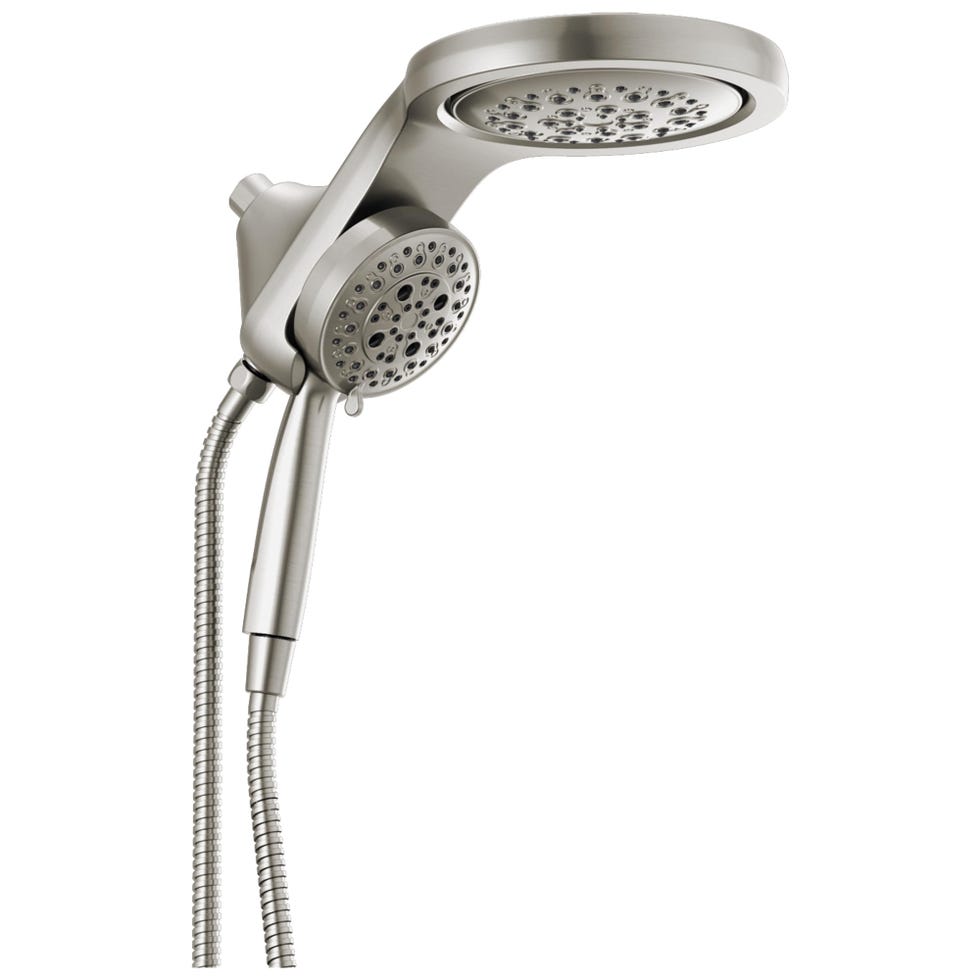
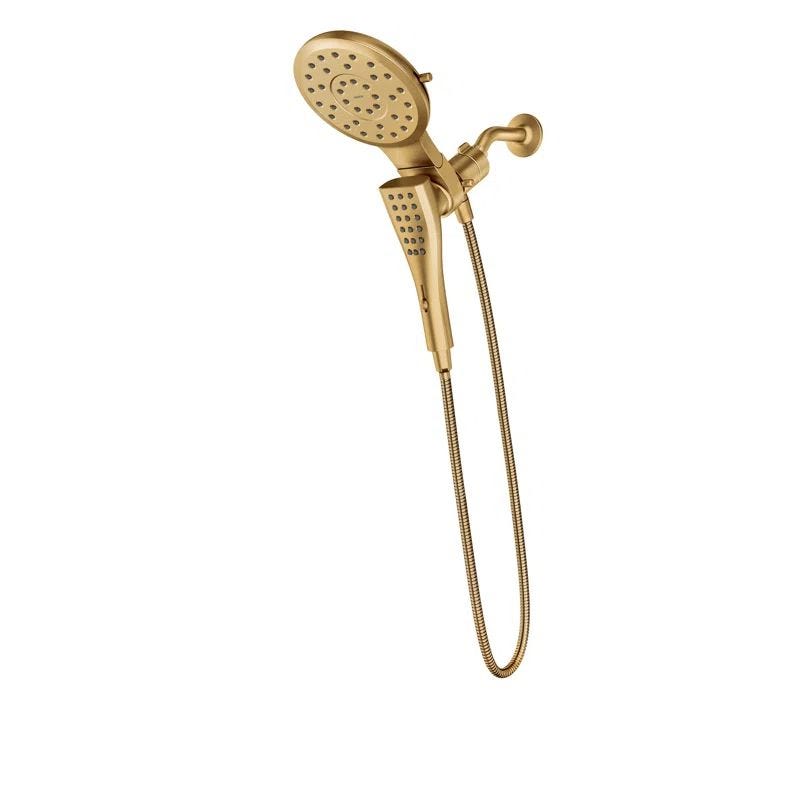
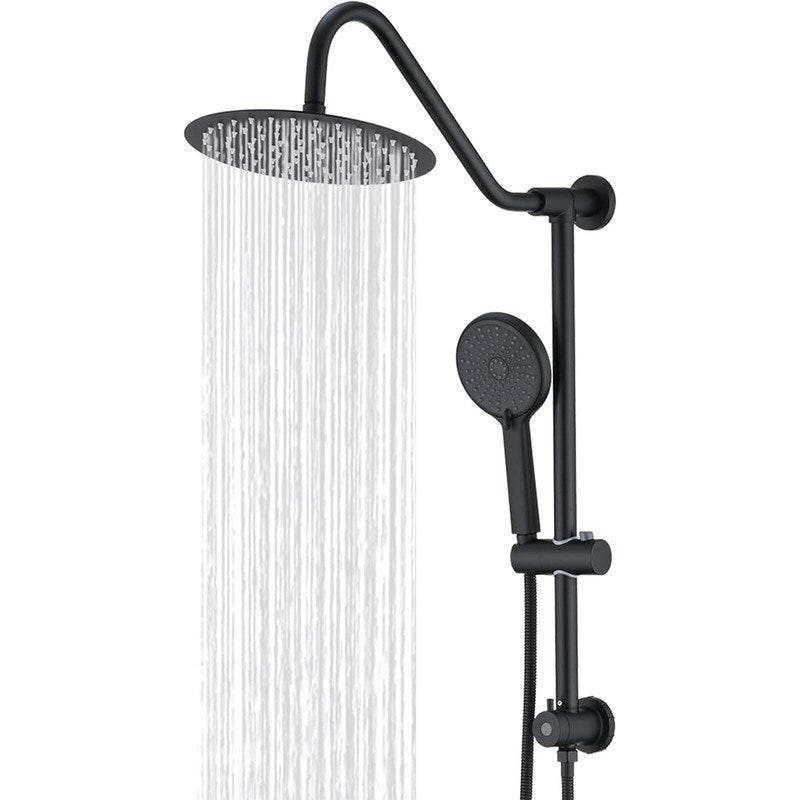
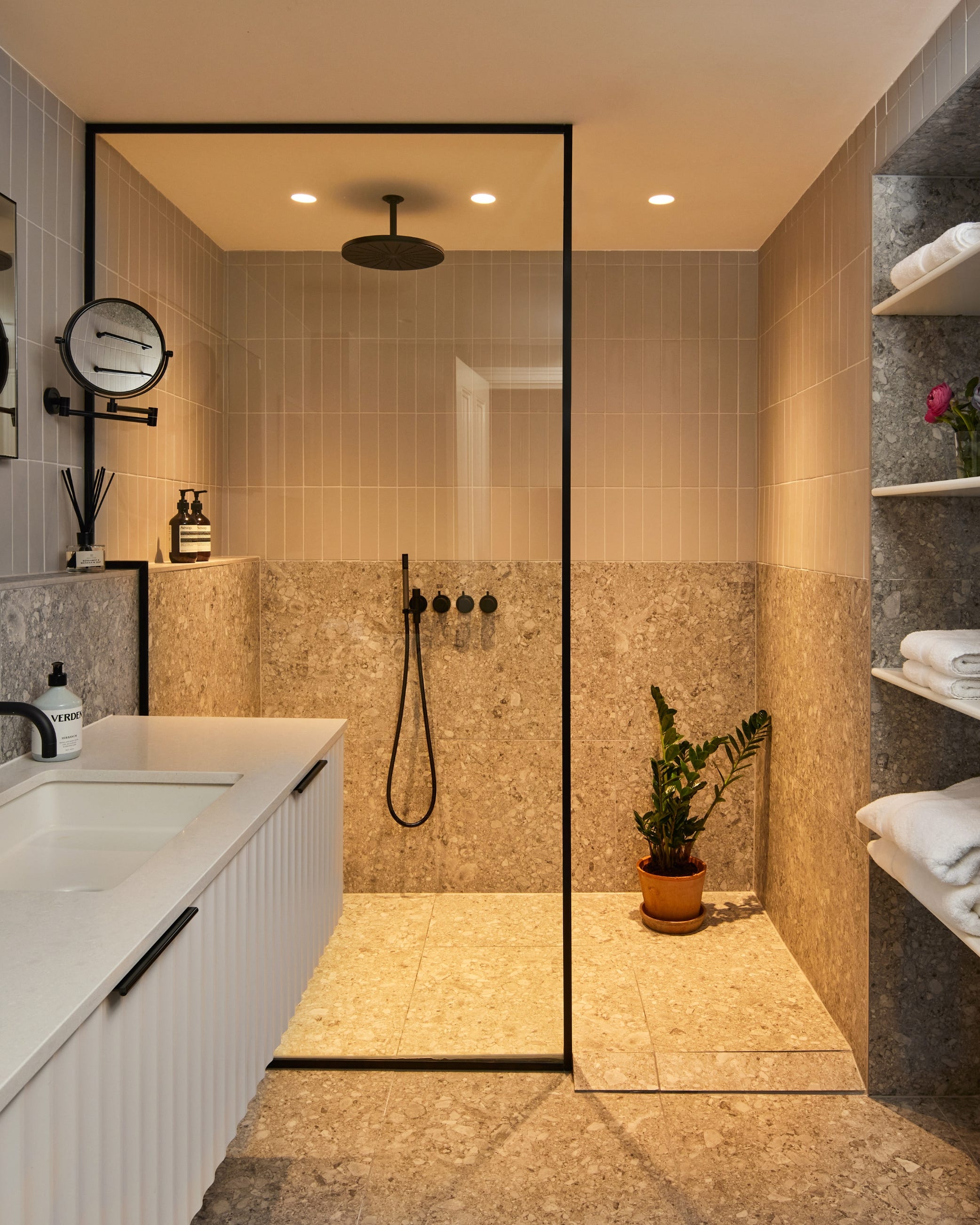
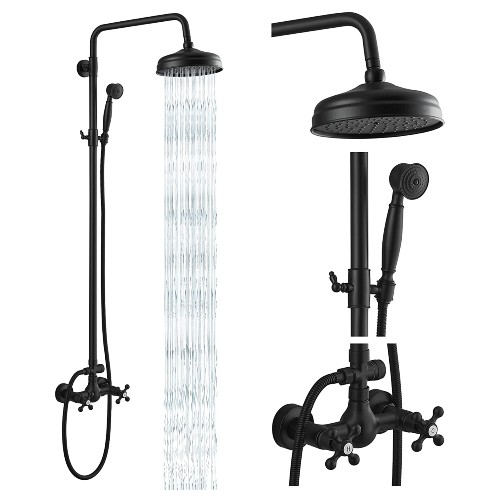
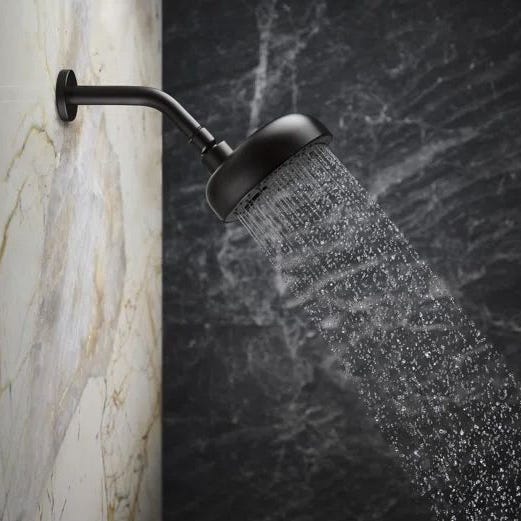
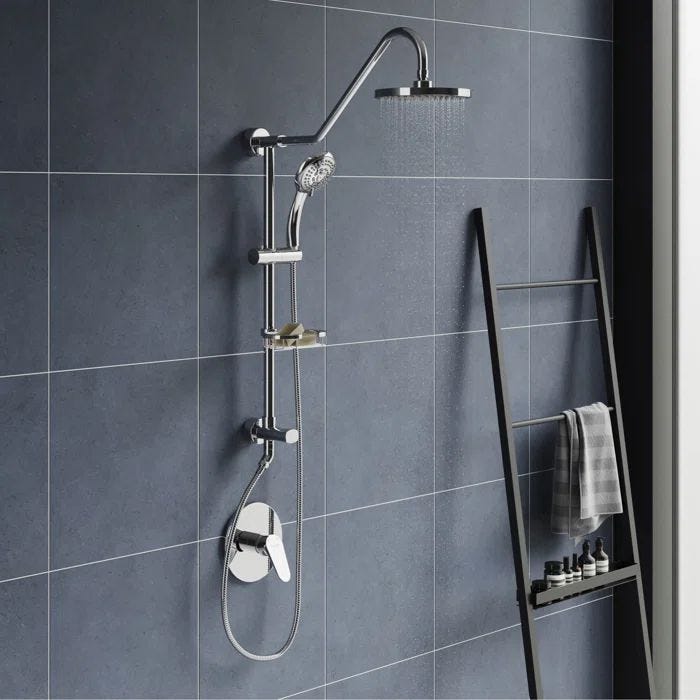
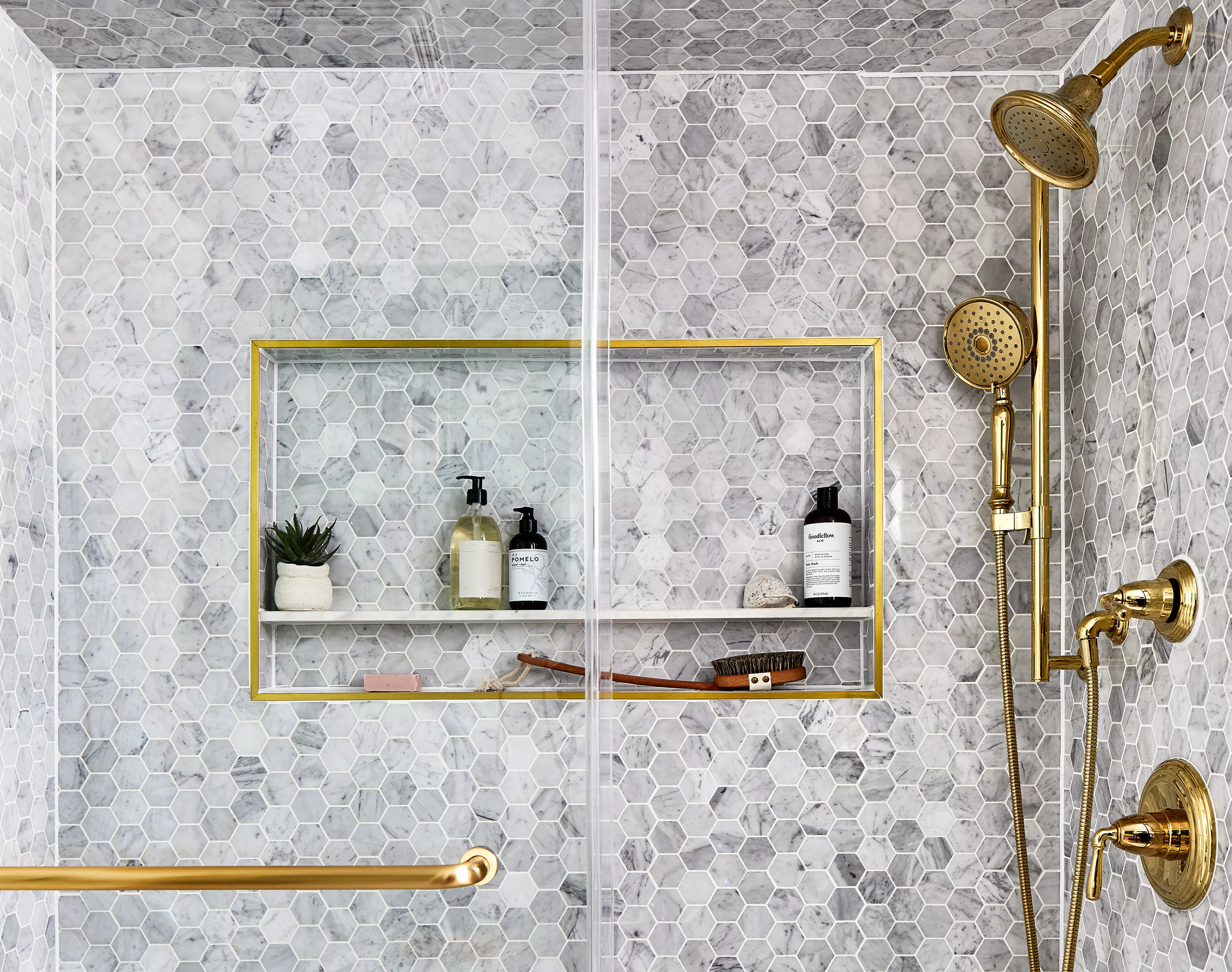
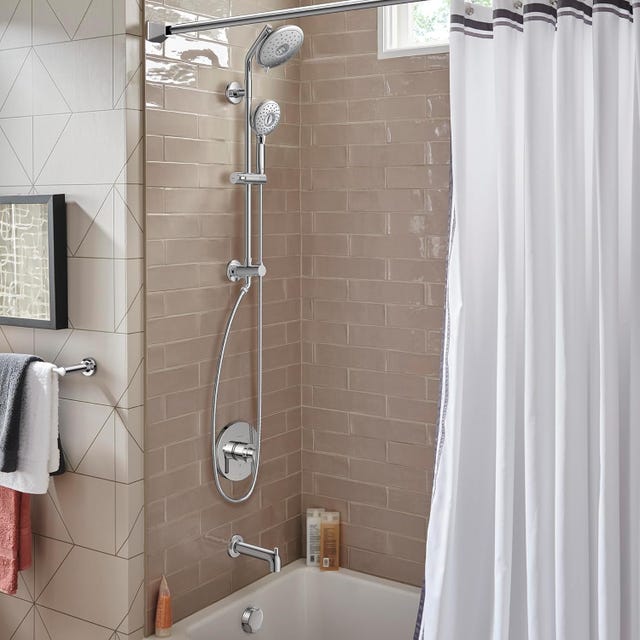
The article explores the rising popularity of tandem showerheads as a significant trend in modern bathroom design, transforming functional spaces into personal sanctuaries. Tandem showerheads, characterized by dual-headed systems that can be individually or simultaneously controlled, offer a blend of luxury, convenience, and efficiency, enhancing the daily showering experience into a spa-like ritual. The growing focus on well-being and creating luxurious home environments has propelled bathrooms into central roles for self-care, with showers often seen as safe spaces for relaxation and introspection.
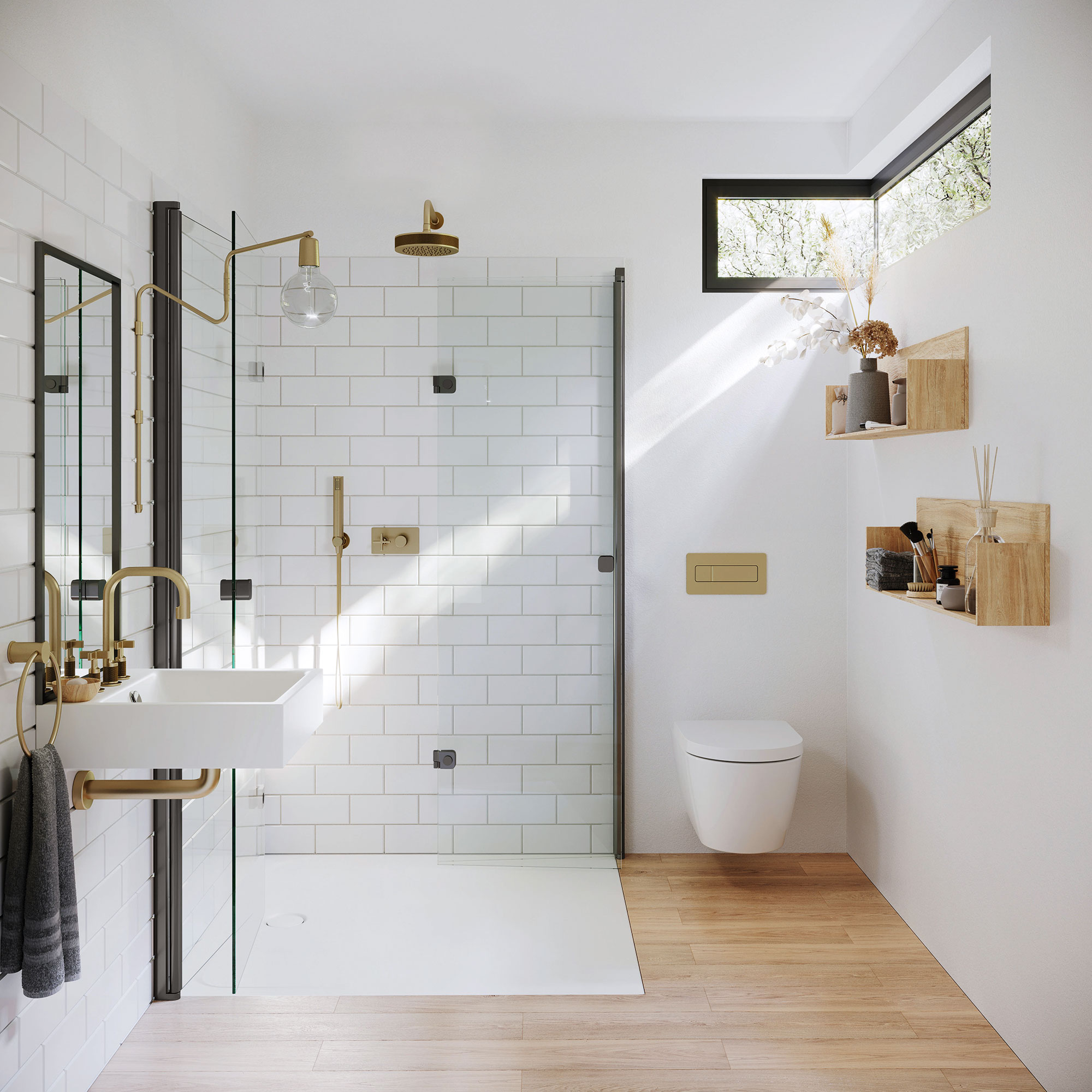
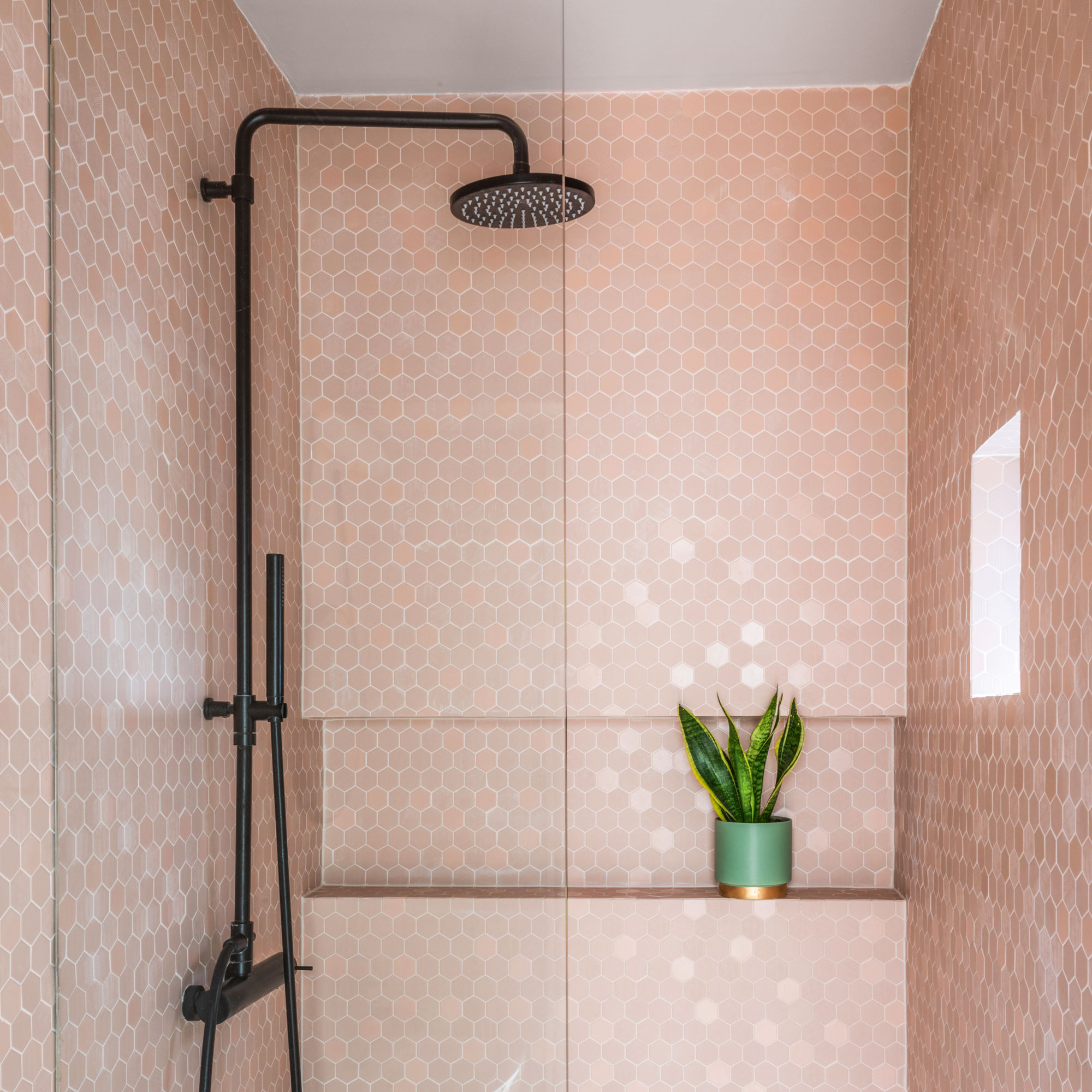
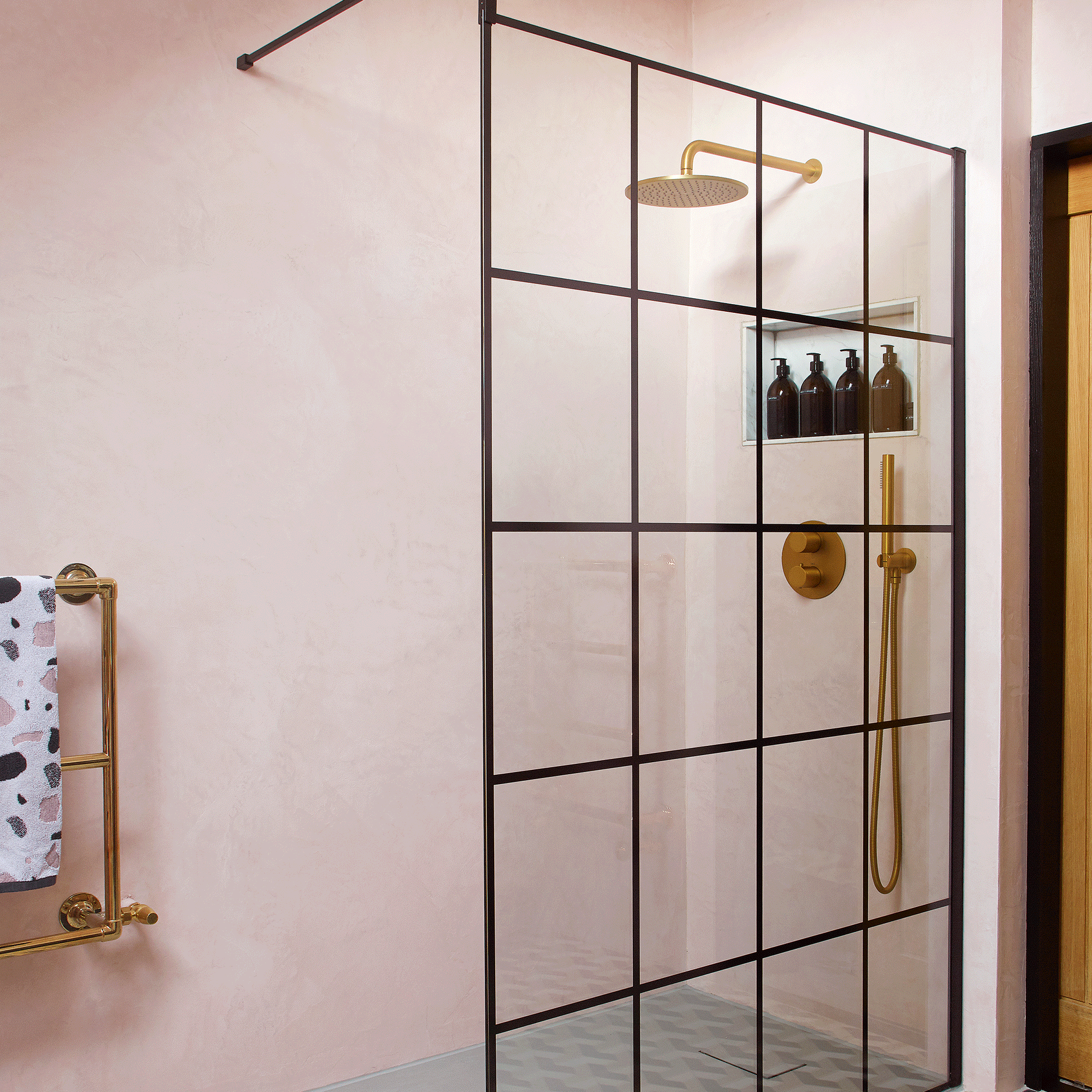
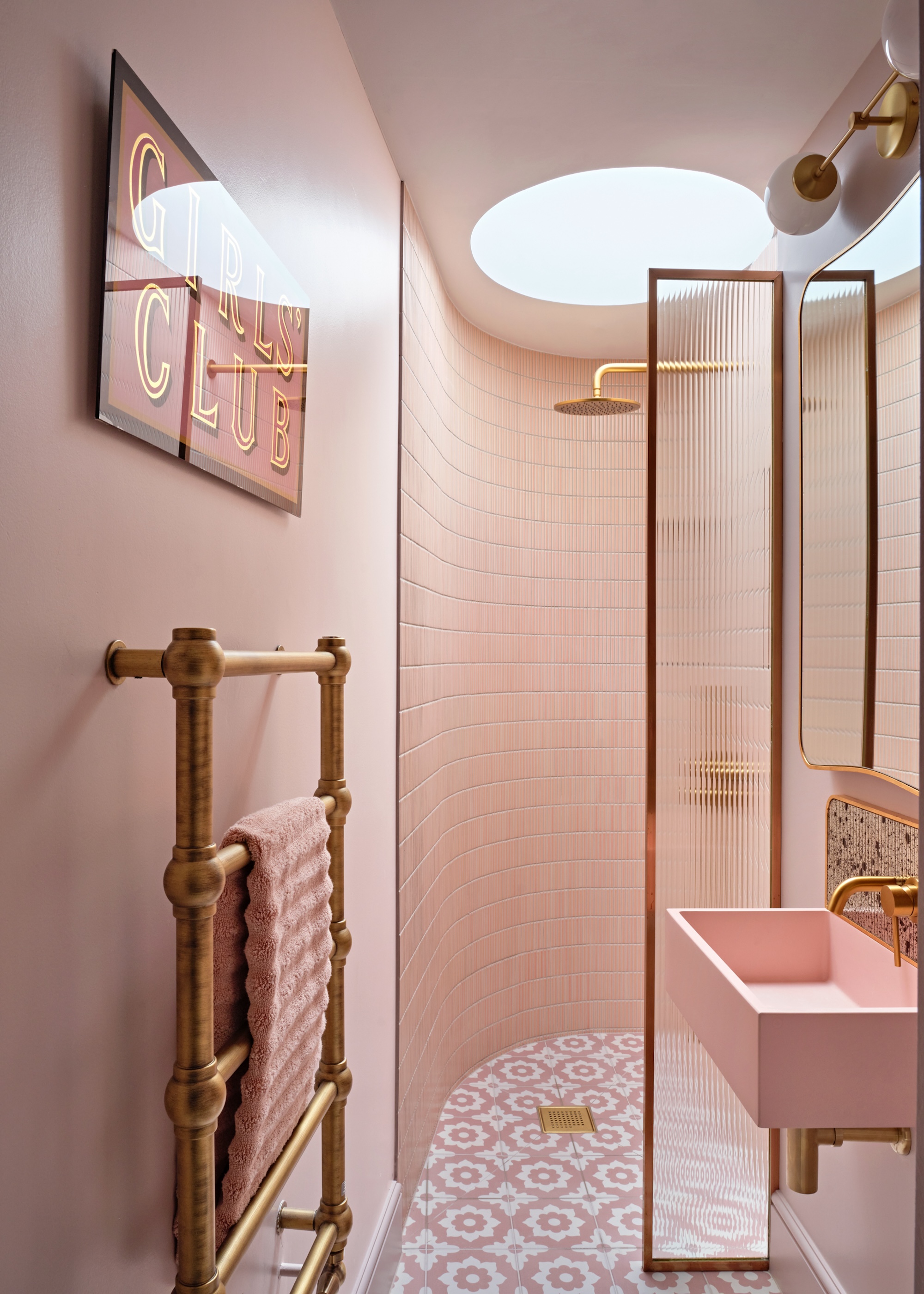
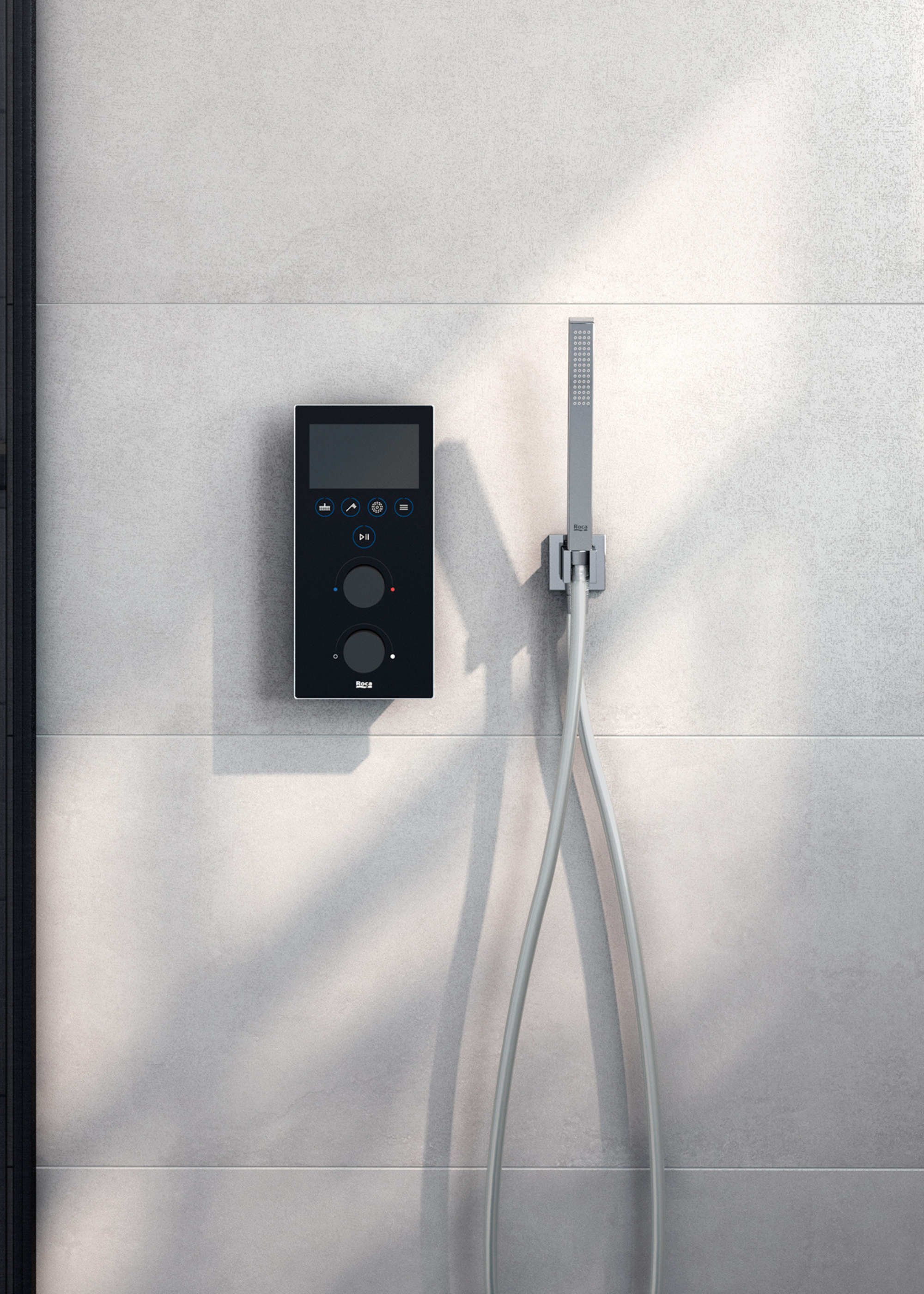
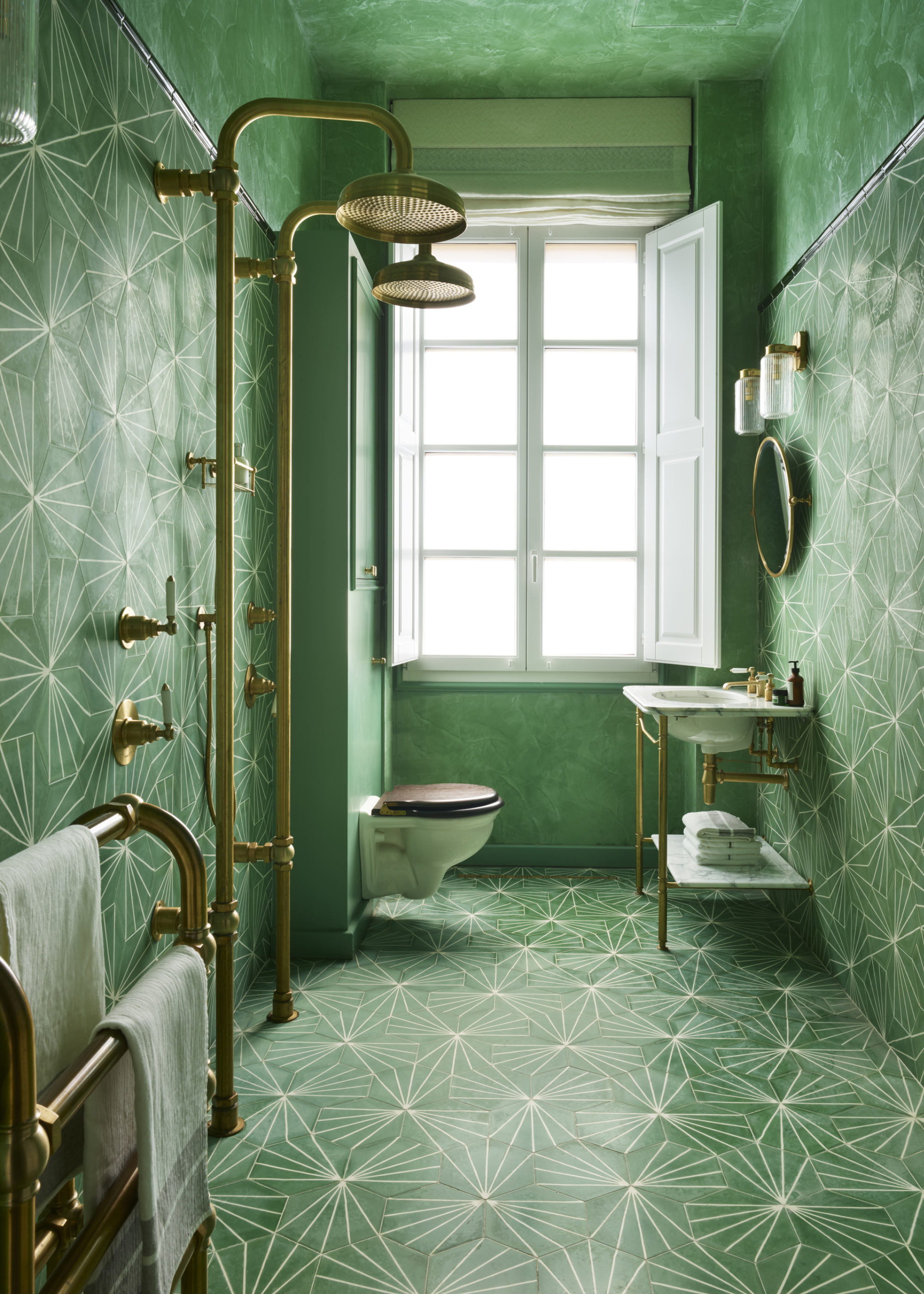
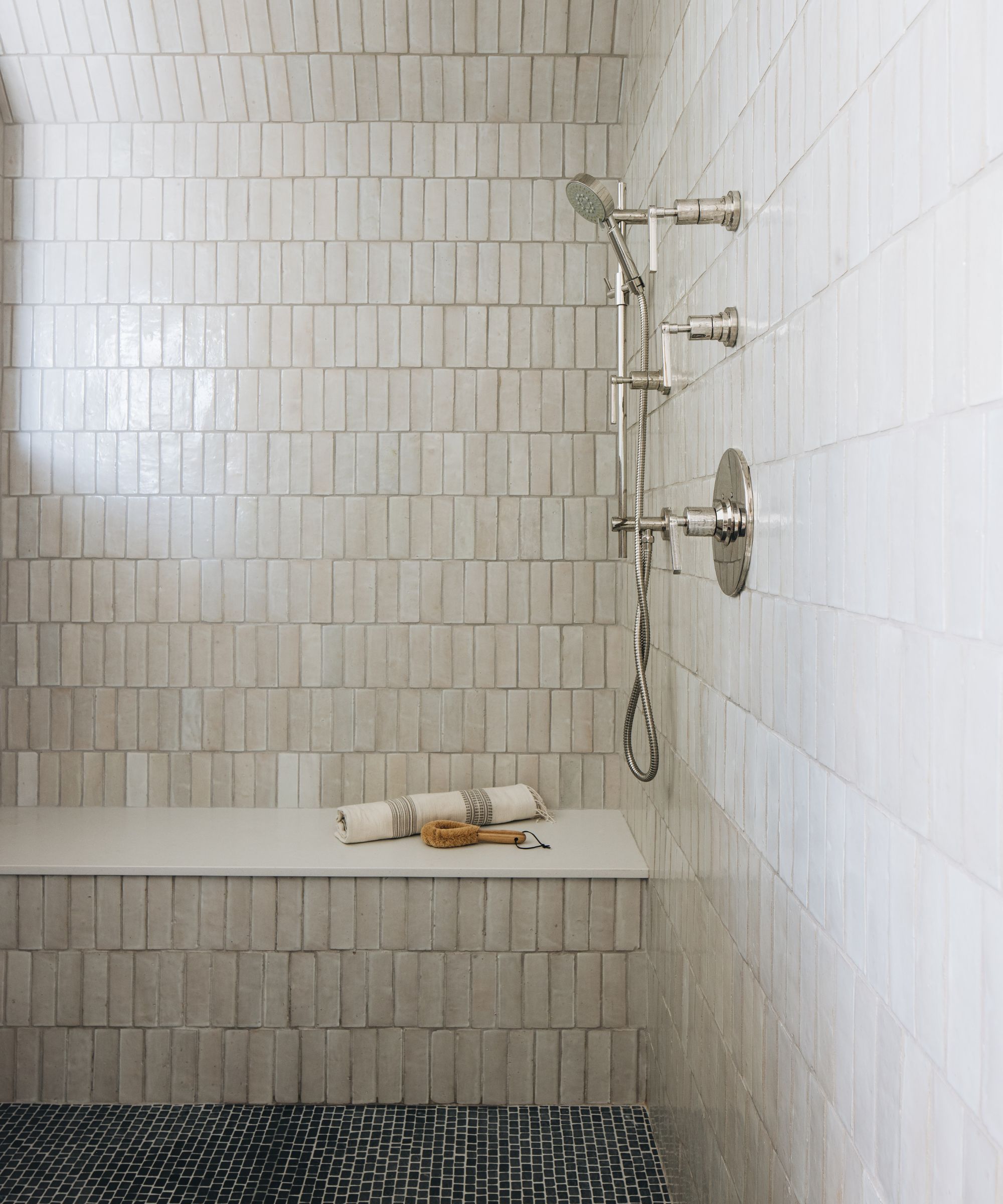
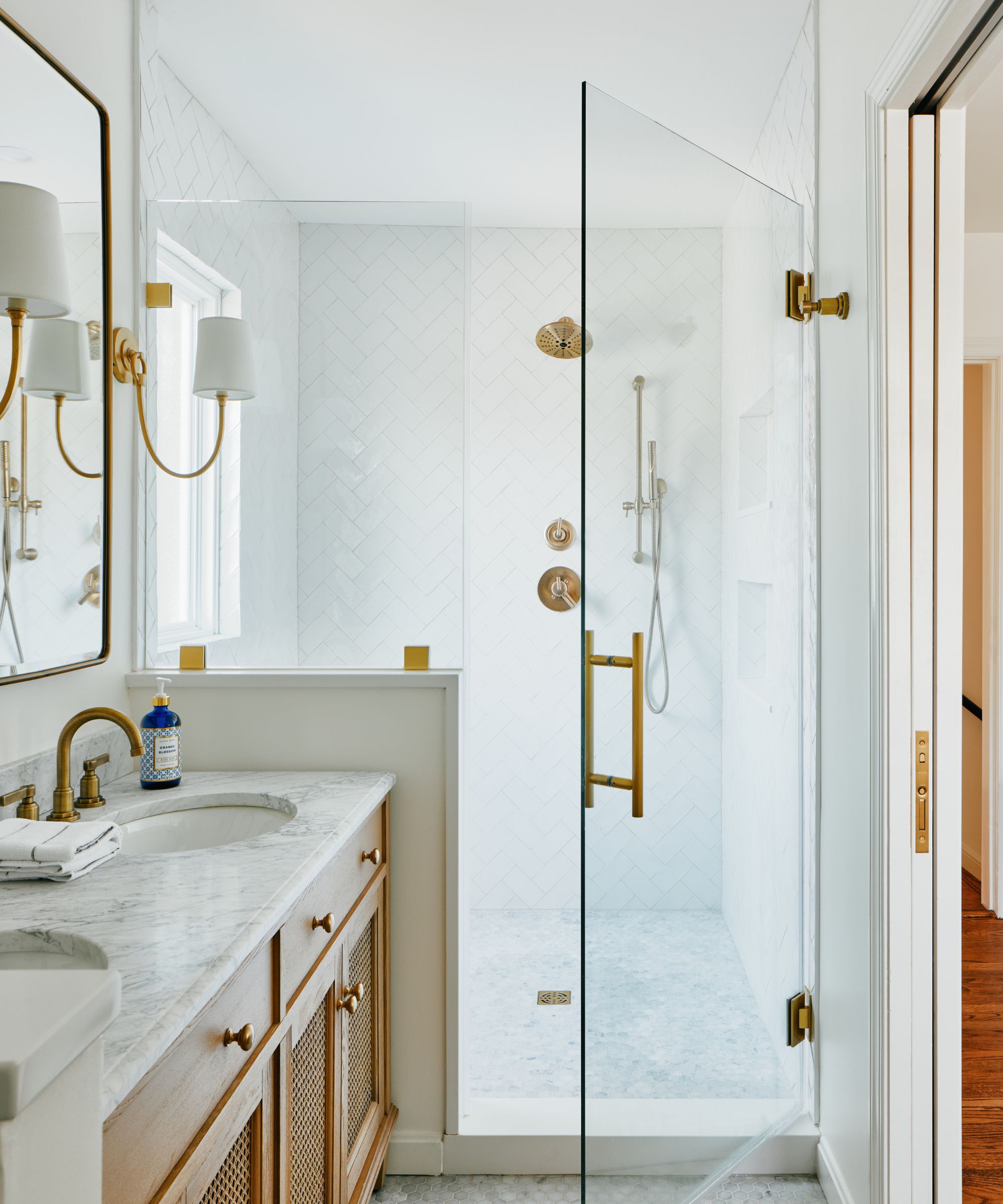
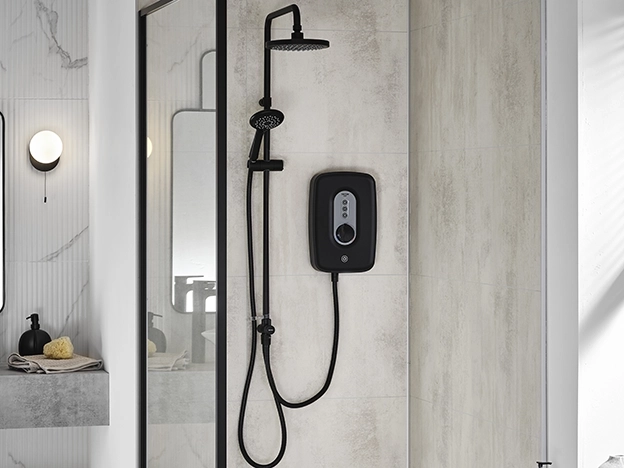
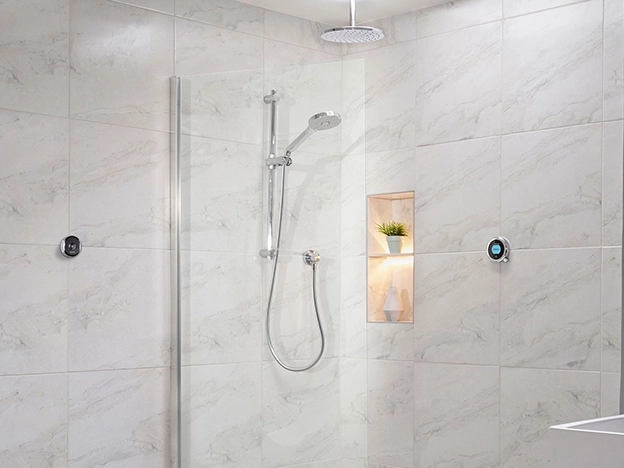
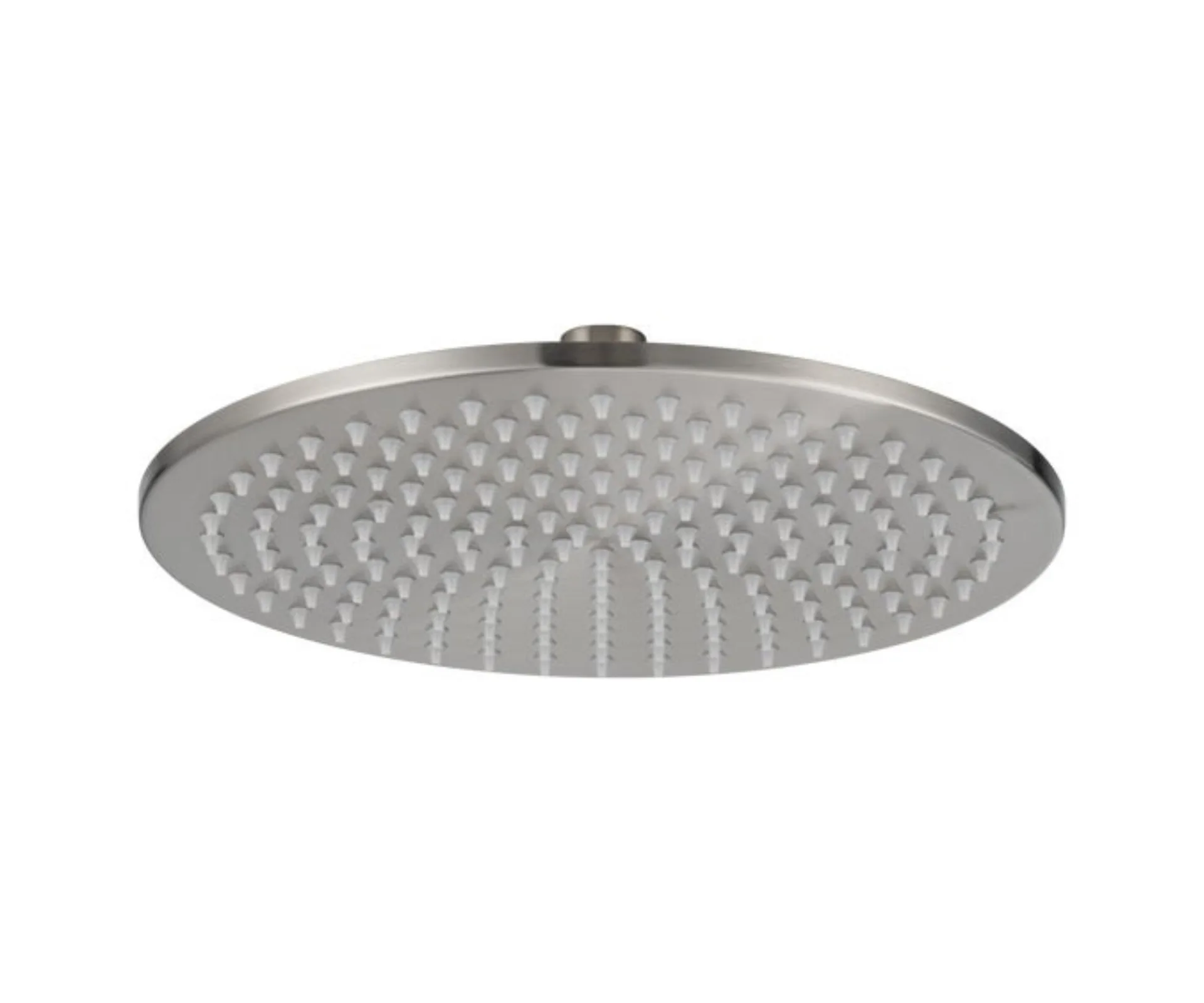
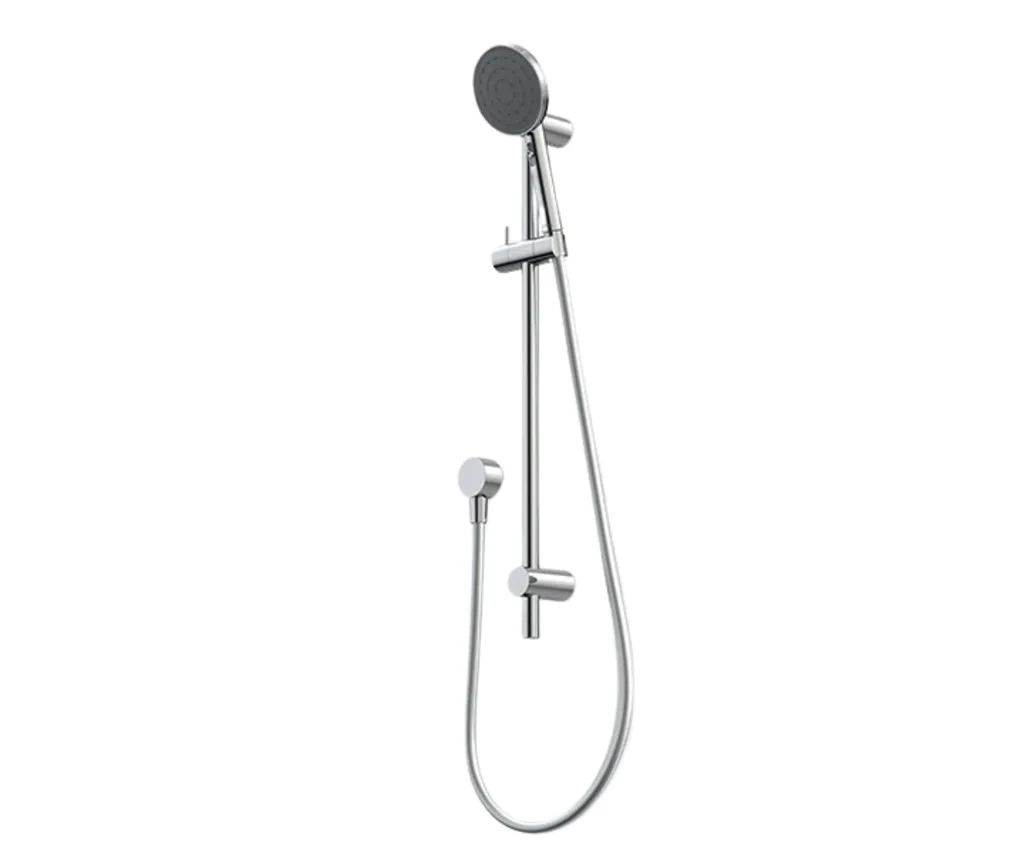
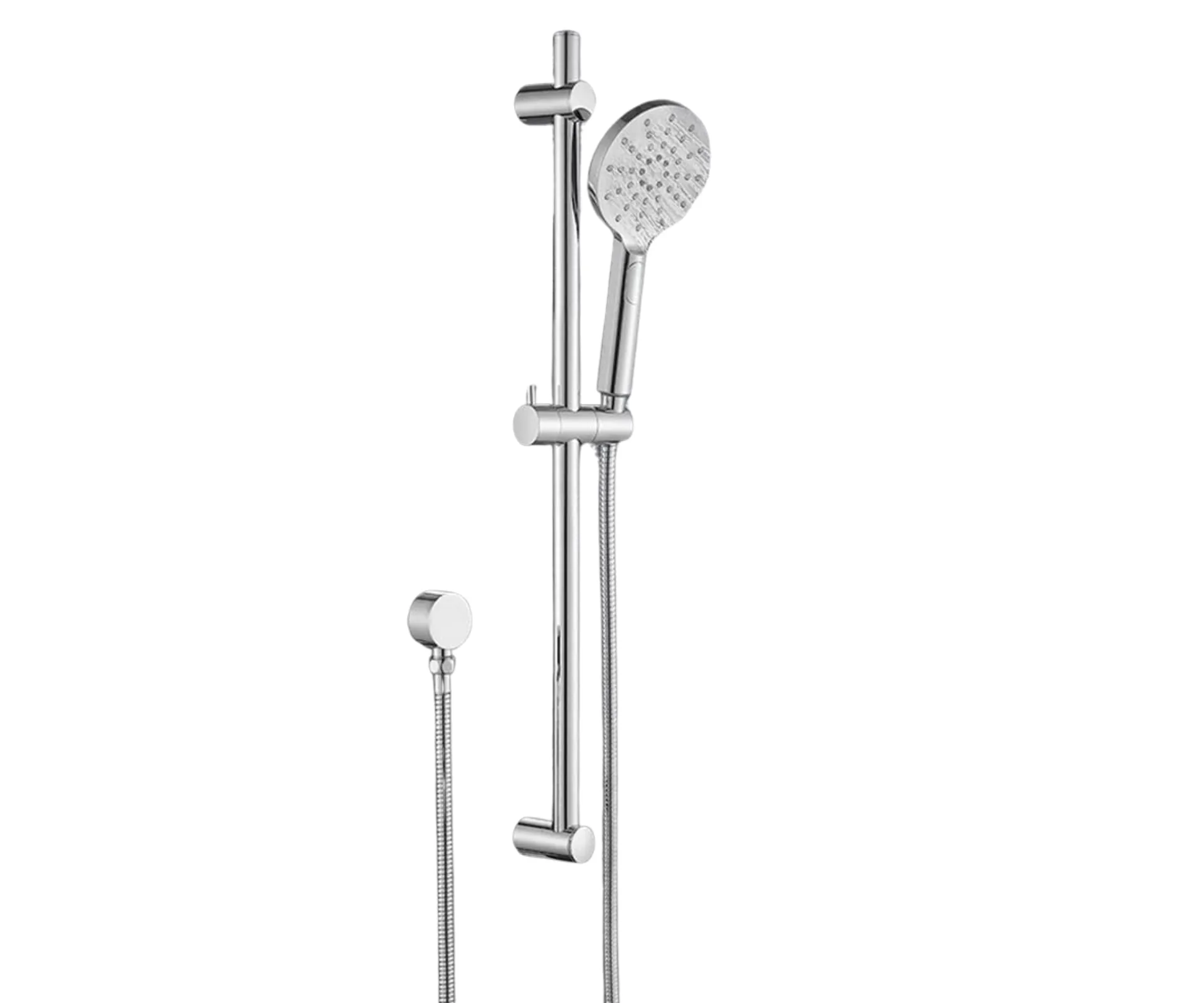
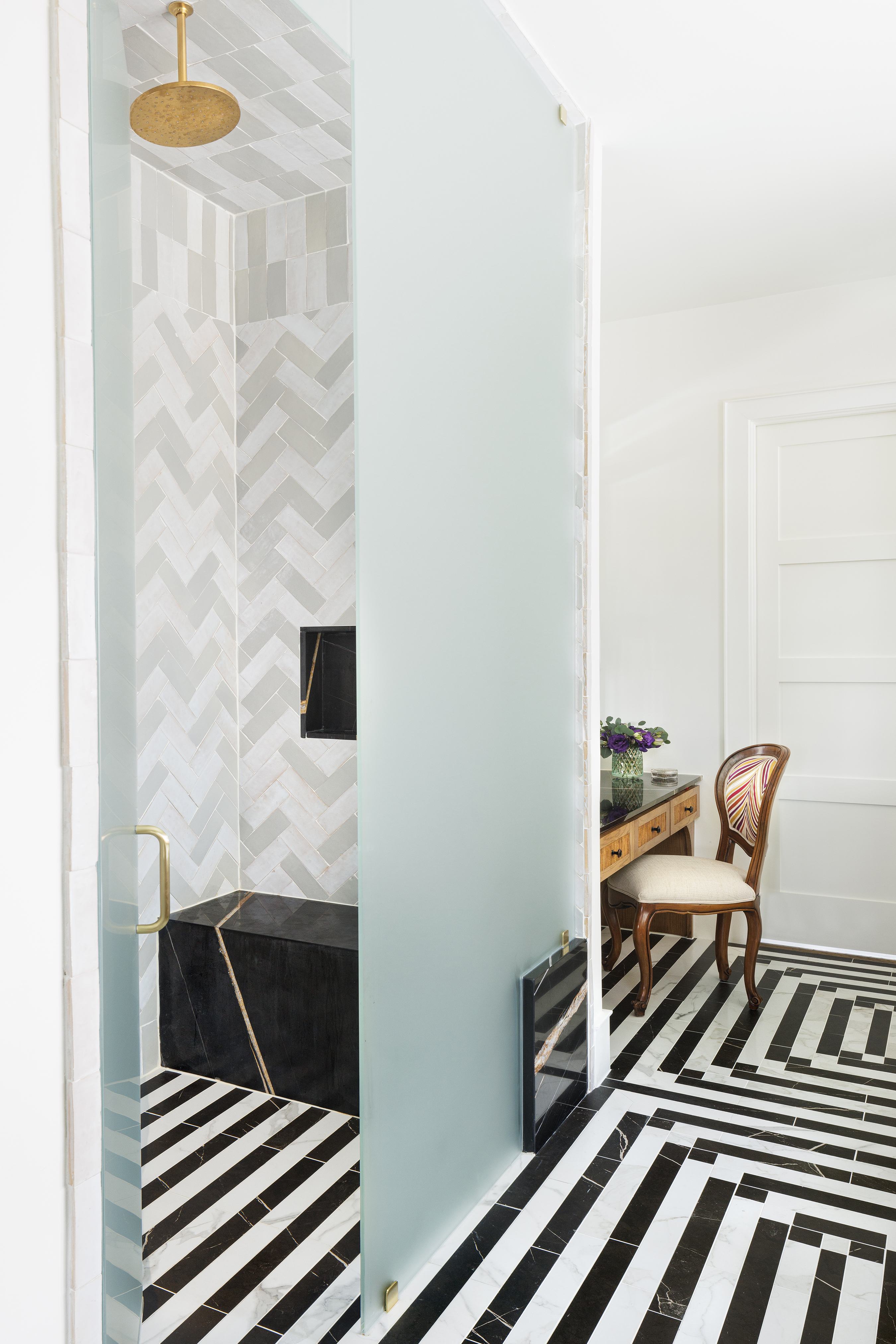
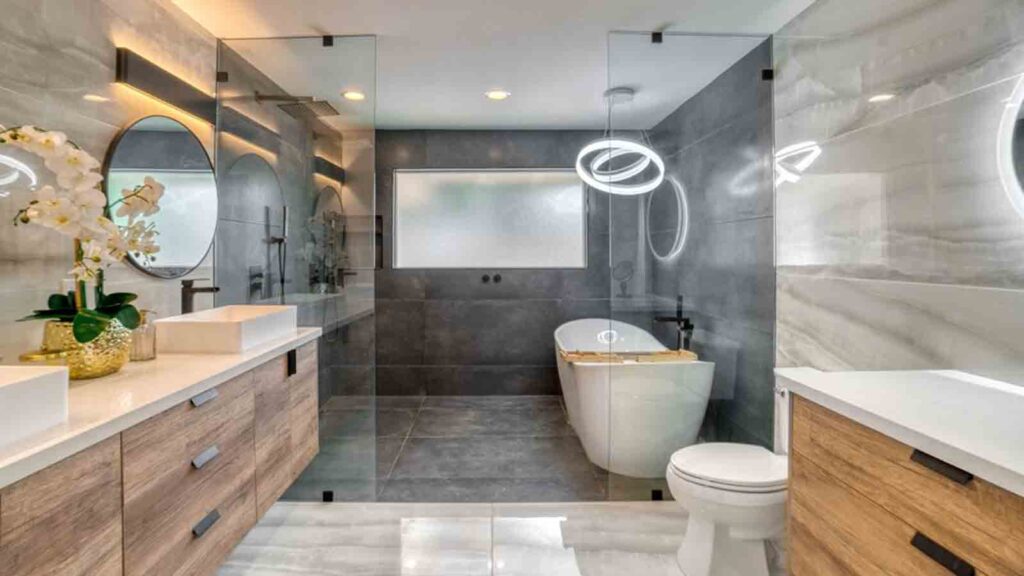
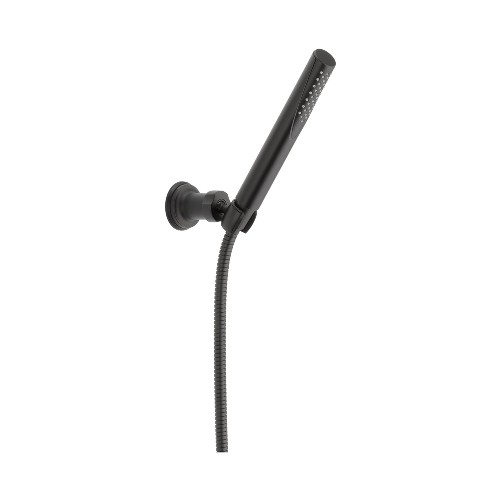
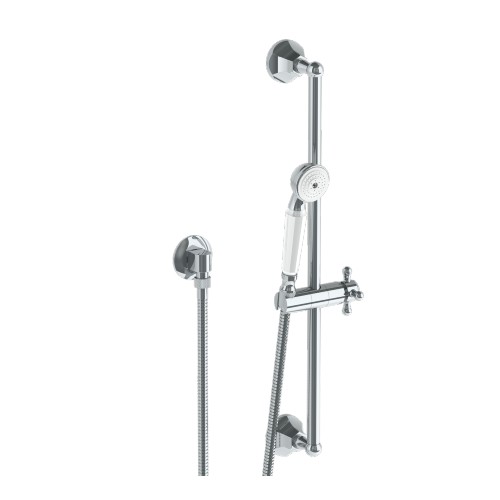
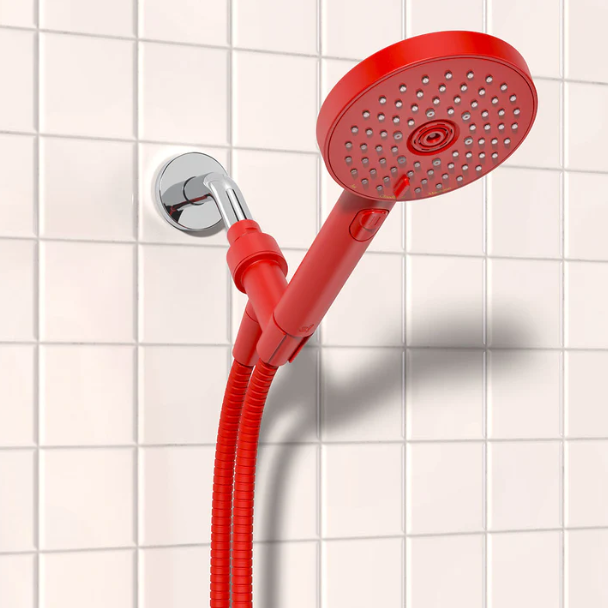
Interior designer Alexis Pew notes that clients are increasingly investing in beautiful bathroom experiences, frequently opting for a combination of rain showerheads and traditional wall-mounted units to provide varied showering experiences. Beyond luxury, the practicality of multiple water streams is also a key factor. In larger showers, two shower stations contribute to balanced design and functionality. Handheld showerheads are often integrated into these systems to offer greater flexibility for tasks such as washing children and pets, as well as for easier cleaning of the shower itself.
Several factors require consideration before installing a tandem shower system. Water pressure is crucial, especially in high-rise buildings, with an ideal range of 45-80 psi recommended for optimal performance with multiple faucets. In cases of insufficient pressure, a booster pump might be necessary. The flow rate, measured in gallons per minute (GPM), is another vital aspect, as the plumbing system must be capable of supplying enough water for the combined GPM of all fixtures, typically 2.5 GPM per standard showerhead. Pressure-balancing valves are also important to ensure consistent water temperature.
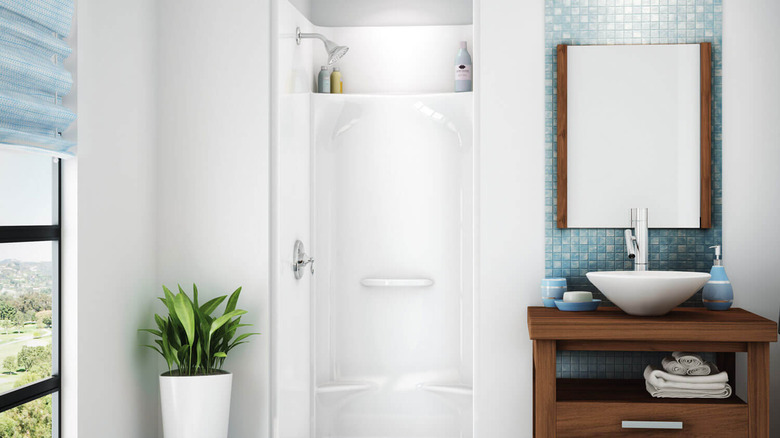
While tandem showerheads can lead to increased water consumption if both heads are used simultaneously, this impact can be mitigated by choosing water-saving models and adopting mindful usage habits. The EPA highlights that showering accounts for a substantial portion of residential indoor water use, nearly 17 percent or about 40 gallons per day for an average family. Opting for WaterSense-labeled fixtures can reduce water usage, subsequently lowering demands on water heaters, saving energy, and decreasing utility bills. Space is another critical consideration, as tandem shower systems require ample room to prevent water spray outside the shower area and potential water damage. Small bathrooms or shower cubicles are generally unsuitable for such installations.
Ultimately, the decision to install a tandem showerhead depends on individual needs, available space, environmental considerations, and budget. While it represents a luxurious upgrade that can significantly enhance a bathroom's function and aesthetics, the added cost of fixtures and installation for multiple faucets should be weighed against personal preferences. For those who value solitude during their shower, investing in a larger vanity or closet might be a more suitable allocation of resources. Tandem showerheads are a contemporary bathroom trend, and their suitability is determined by how well they align with personal lifestyle and practical constraints.
#TandemShowerheads #BathroomRemodel #HomeImprovement #ShowerDesign #LuxuryBathroom #WaterEfficiency #HomeDesignTrends #PlumbingConsiderations #SpaLikeExperience #TandemShowerheads #BathroomRemodel #HomeImprovement #ShowerDesign #LuxuryBathroom #WaterEfficiency #HomeDesignTrends #PlumbingConsiderations #SpaLikeExperience
0 comment in total
 No comments yet
You may also like
Are rainfall shower heads out of style in 2025? These 3 alternatives could be the next best thing
9 Shower Trends to Transform Your Bathroom in 2026, According to Interior Designers

Built-in Shower Benches — The Feature Designers Are Using to Elevate Bathrooms Right Now


The Unique Walk-In Shower Alternative That's Taking Bathrooms To The Next Level
Bathroom Trends
Showers

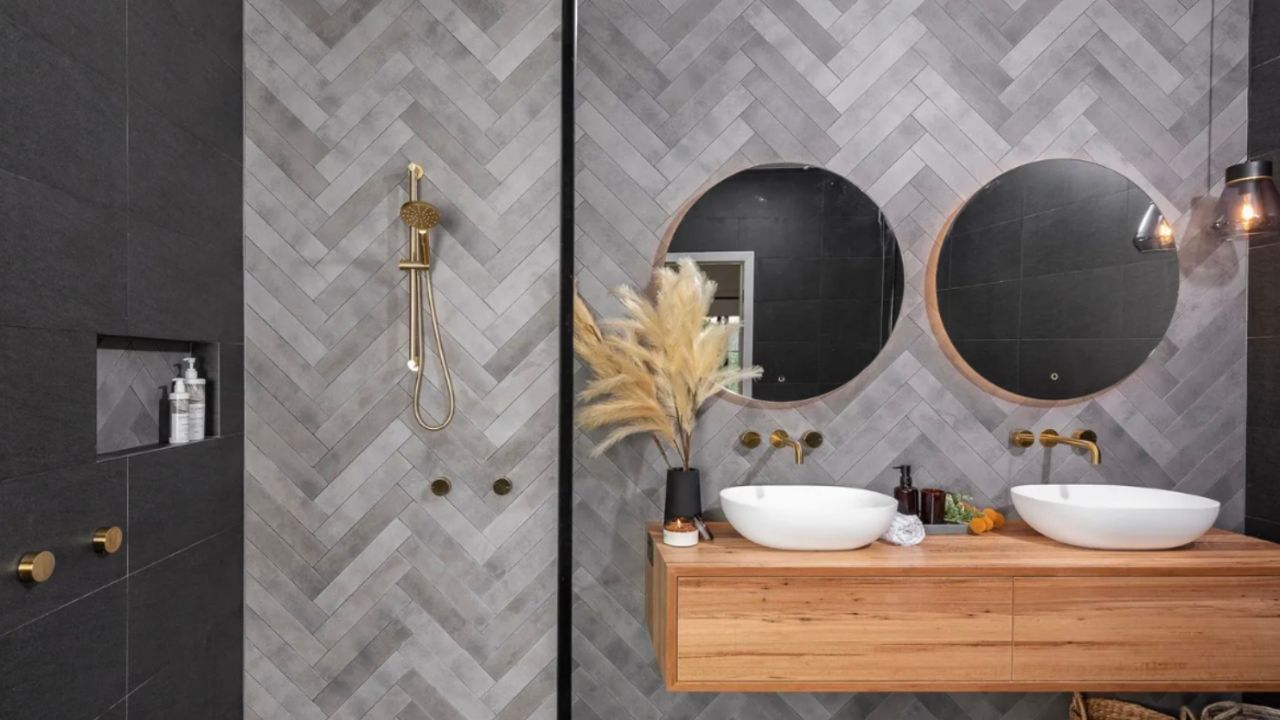
Bathroom trends for today and tomorrow

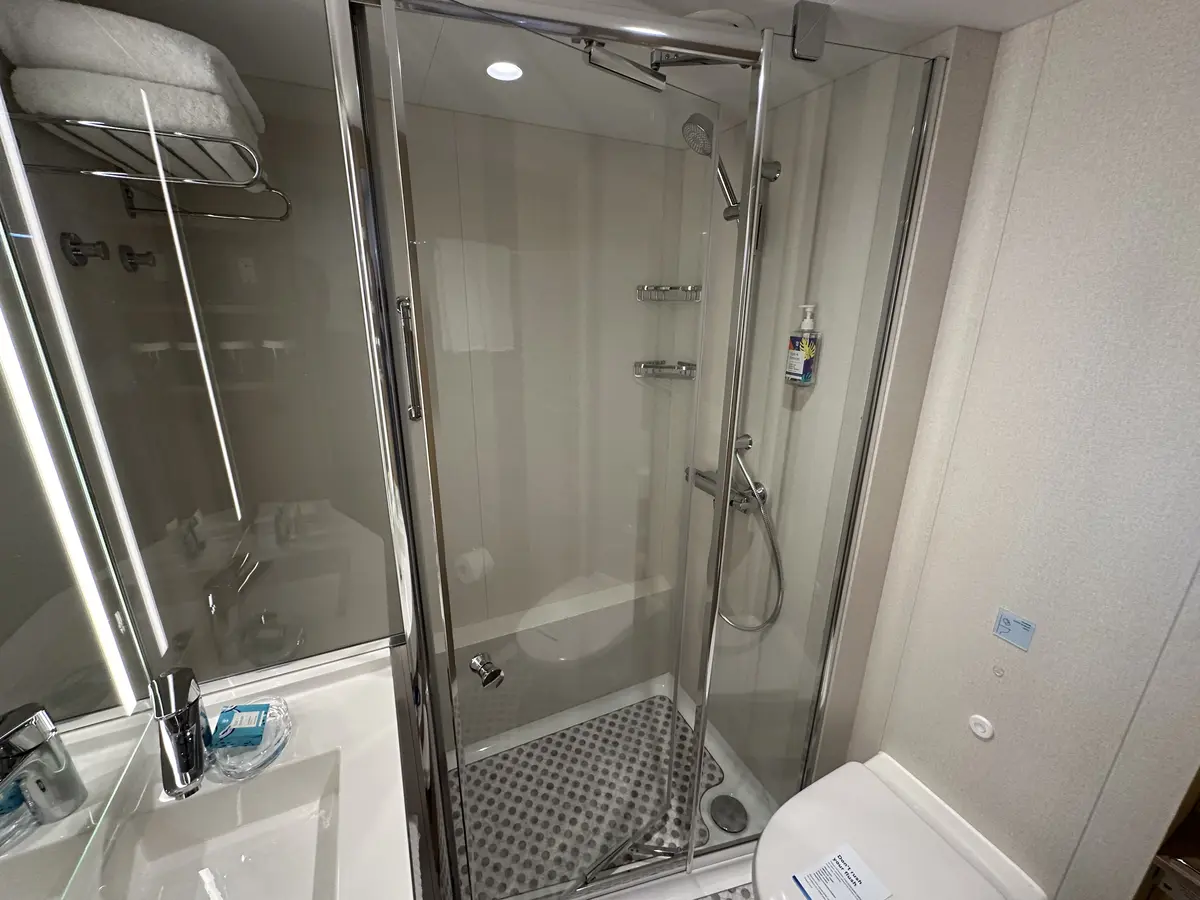
Say goodbye to tube showers, here's the new cruise bathroom trend
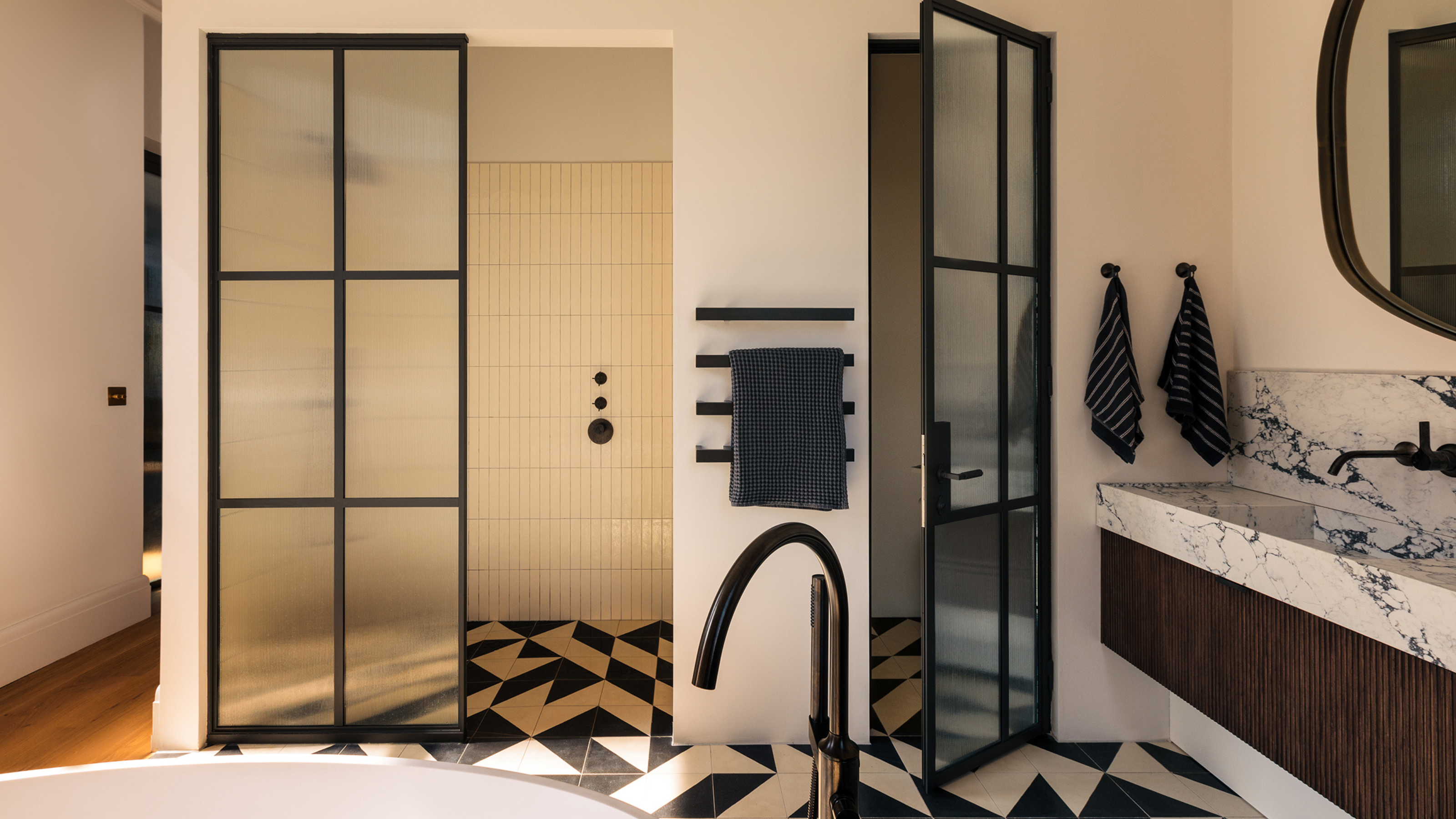
9 Shower Trends to Know for a 2025 Bathroom Reno
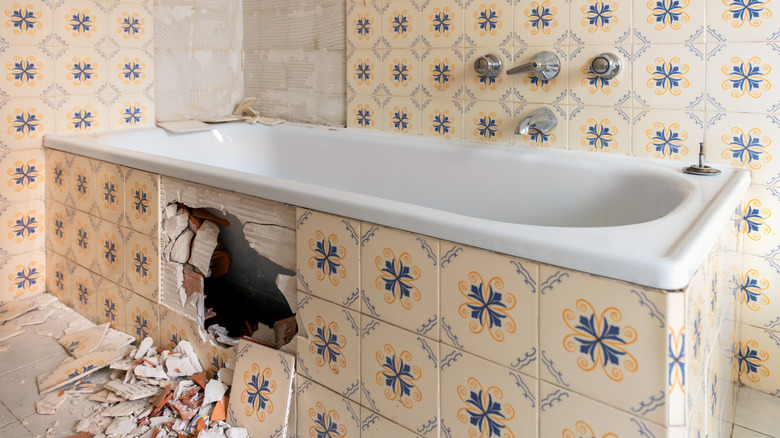
No More Tubs: The Shower Trend You'll See In More And More Bathrooms In 2026

Shower Heads
This Showerhead Will Make Washing Your Hair the Highlight of Your Day
The Trendy Bathroom Hardware That's Having A Massive Comeback
6 Biggest Bathroom Trends Of 2025 – From Walk-In Showers To Double Basins

Make sure you know all these bathroom trends in 2024


More and More People Are Putting 'His and Hers' Bathrooms In Their Homes
A Dual Showerhead Is the Easiest Way to Level Up Your Morning Routine
This simple shower upgrade can transform your space (and how you start your day)

We Found the Best Handheld Showerheads, Sourced From Our Favorite Spaces

The Latest Luxe Bathroom Trend Makes a Case for 2 ~Always~ Being Better Than 1