1/38
Dining room lighting ideas – 33 ways to elevate any mealtime, from cosy weekday dinners to elegant parties
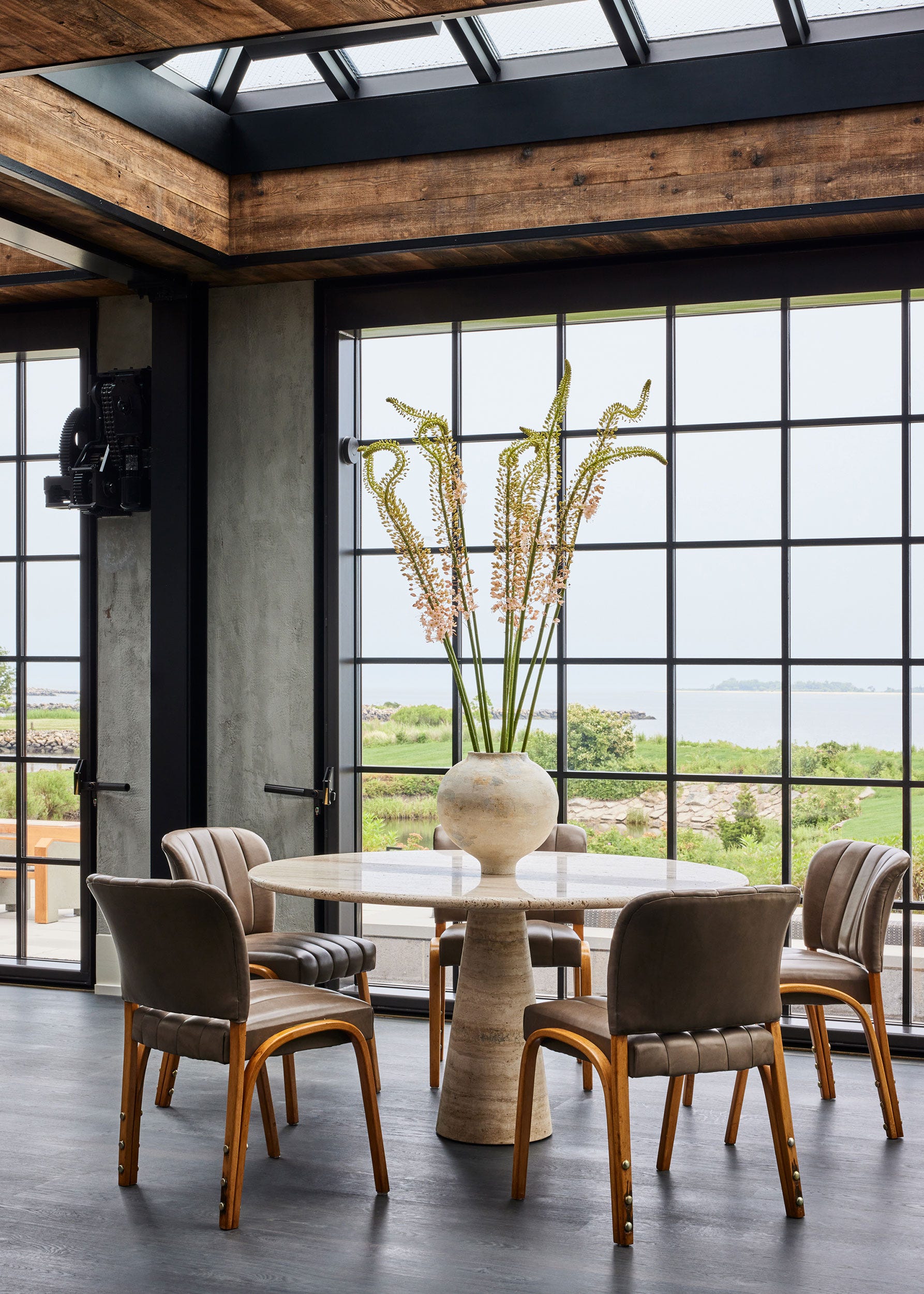
The dining room or dining area plays a crucial role in daily life, serving as a gathering place for family meals and entertaining guests. Therefore, creating a pleasant and versatile atmosphere in this space is essential, and well-thought-out lighting ideas are key to achieving this. Experts emphasize that lighting is a fundamental design element for setting the ambiance in any room, especially the dining room, where various activities, from dinner parties to working, require different lighting moods.
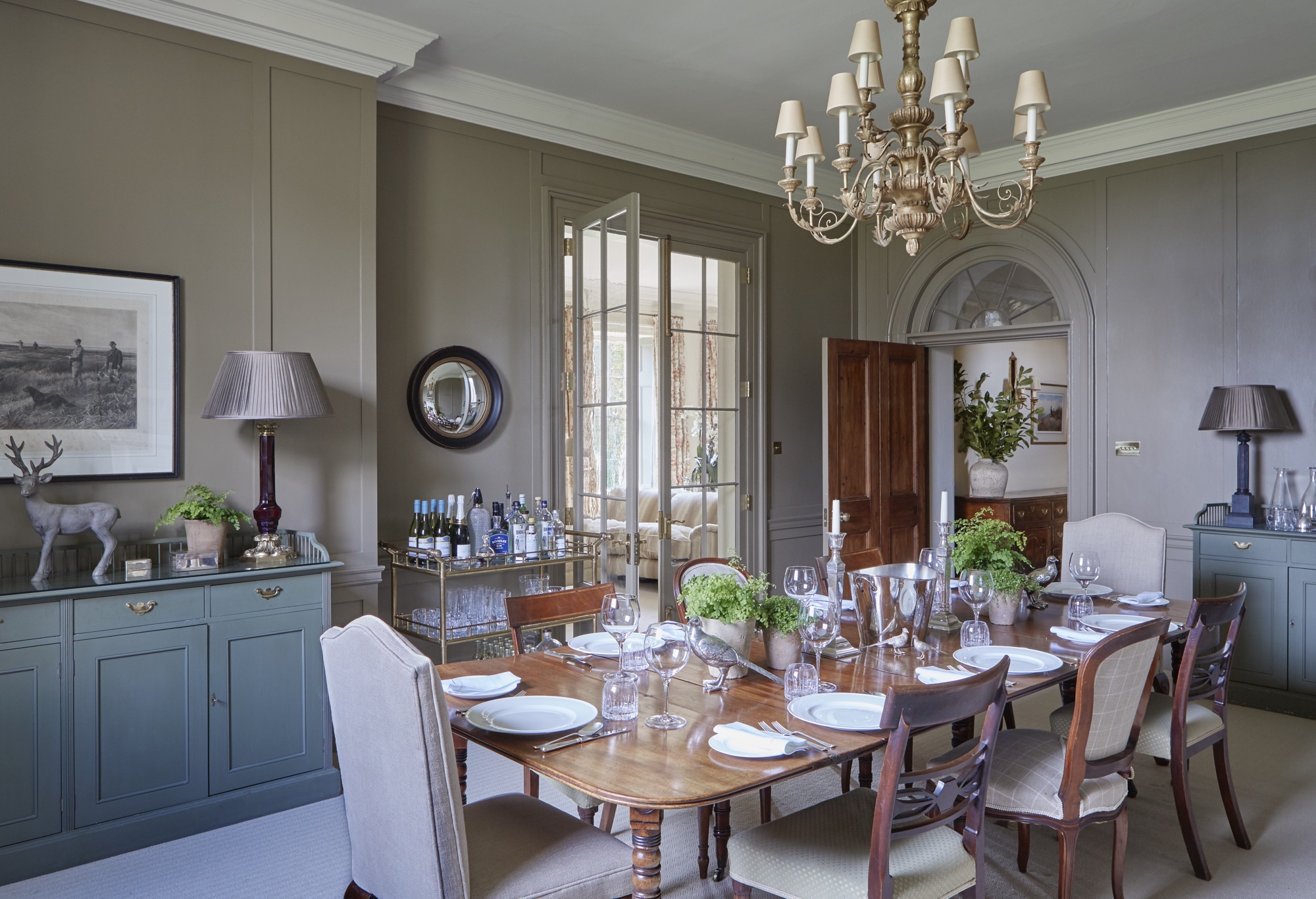
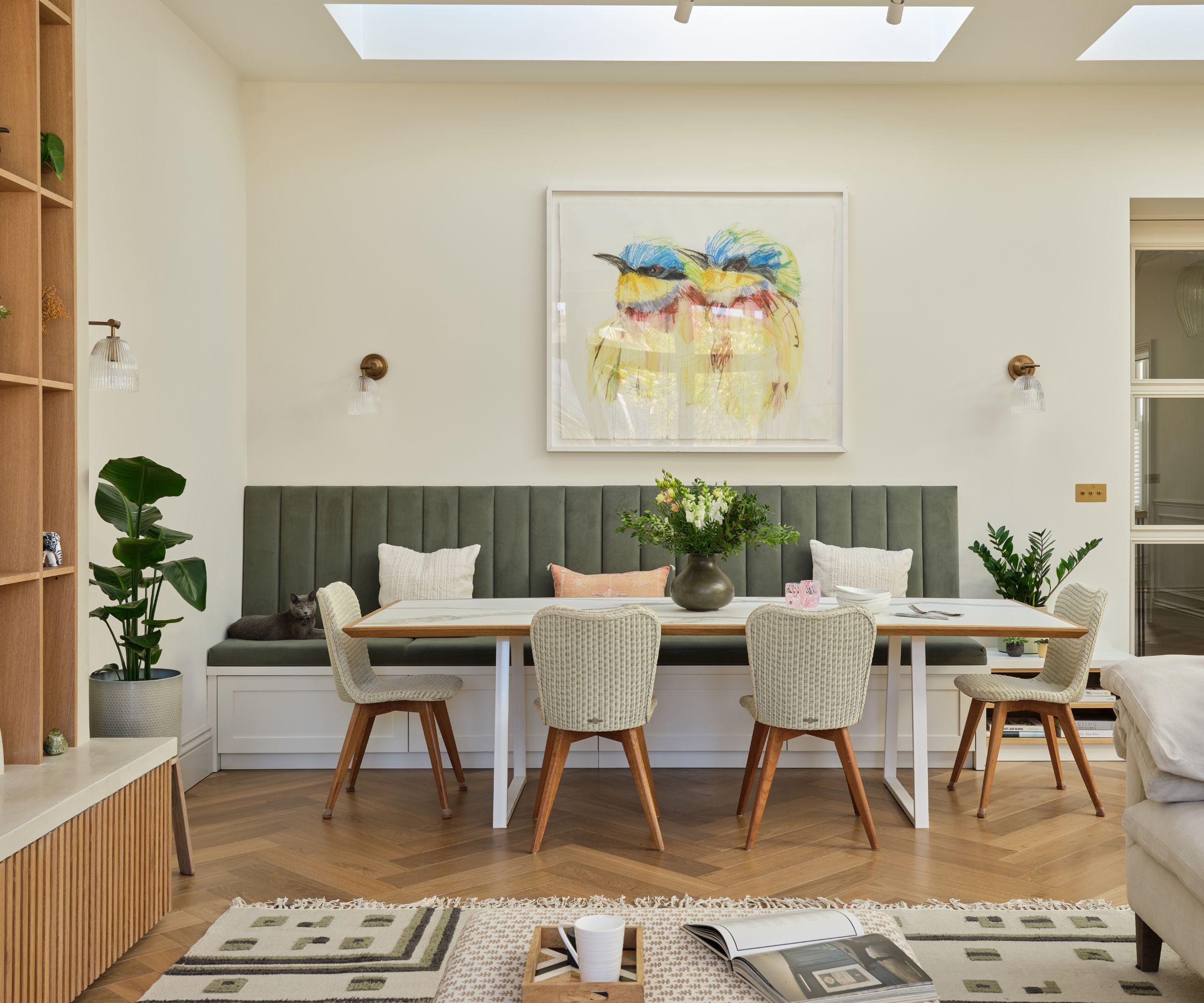
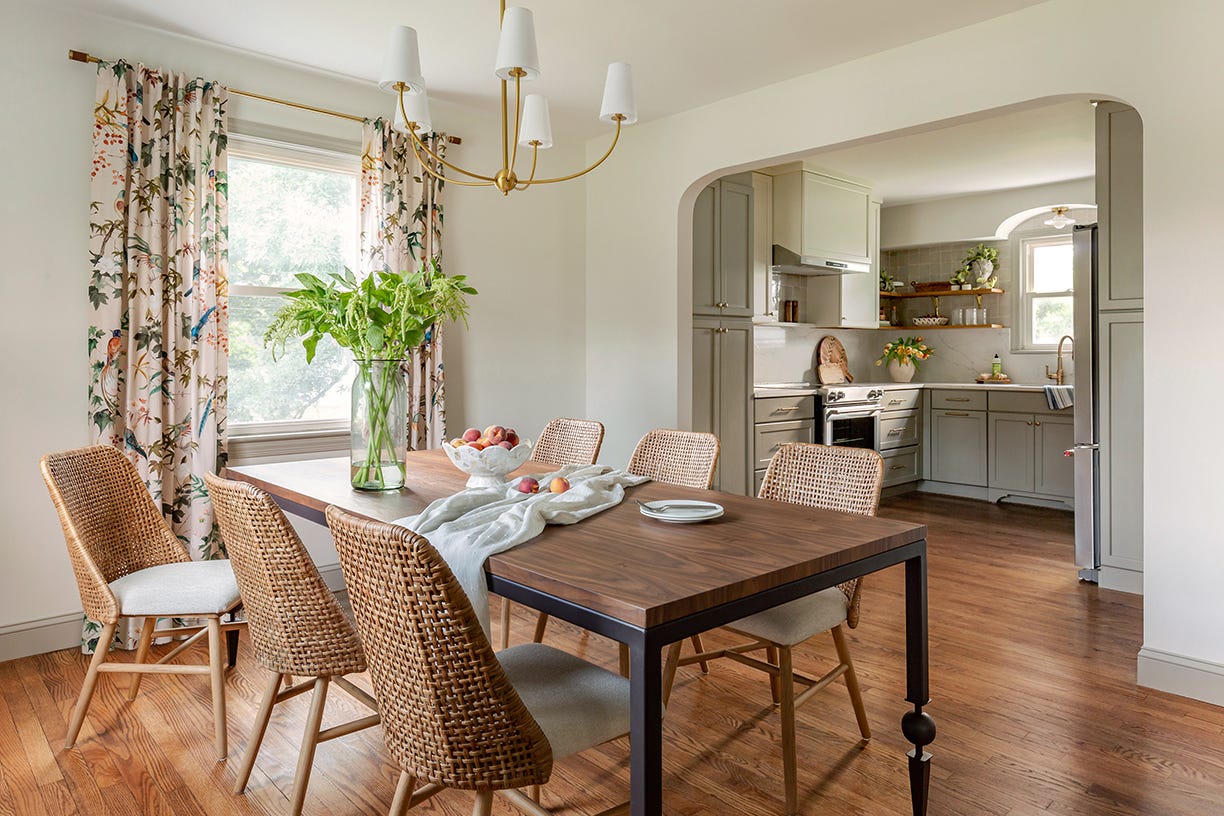
Layering multiple light sources is a significant trend in dining room lighting. This approach involves combining ambient lighting from central pendants or chandeliers with accent lighting from wall sconces or table lamps and task lighting. This ensures the room is adequately lit for both casual and formal occasions. Mara Rypacek Miller, founder of Industville, highlights that a layered approach provides general illumination while also allowing for highlighting architectural features or artwork. Matthew Currington, technical director at The Lighting Superstore, suggests using at least three to four light sources to achieve optimal lighting, with overhead pendants drawing attention to the dining area and wall sconces adding warmth.
For those seeking budget-friendly options to create a cozy and romantic feel, incorporating tea lights or candles on the table is an effective solution. Ally Dowsing-Reynolds, a lighting expert, recommends using tea lights to foster an inviting atmosphere. Another convenient way to control lighting and mood is by installing dimmers for the main light. Mara at Industville and Marlena at ValueLights both advocate for dimmable bulbs or smart lighting systems, as they offer the flexibility to adjust light levels and ambient mood instantly.
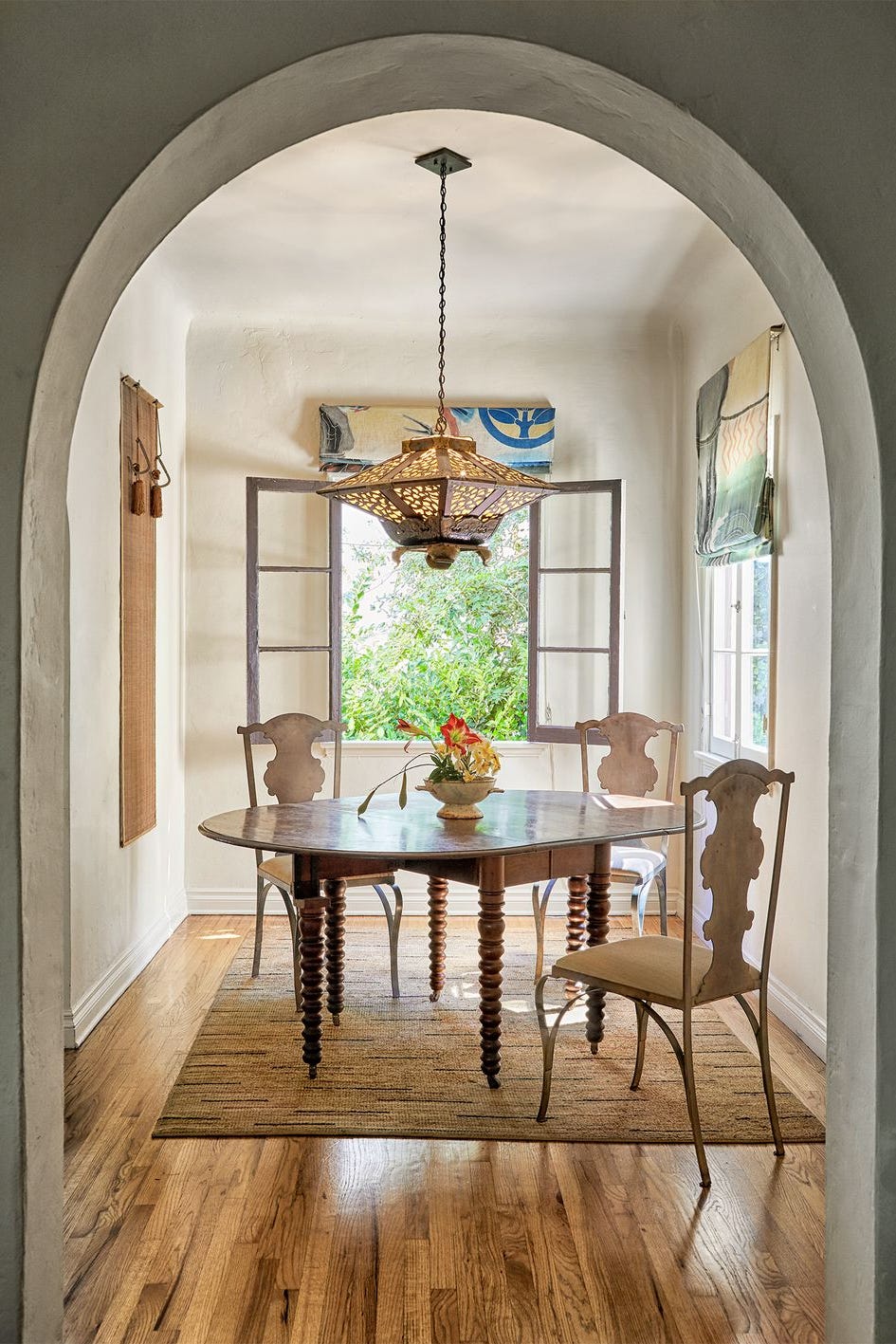
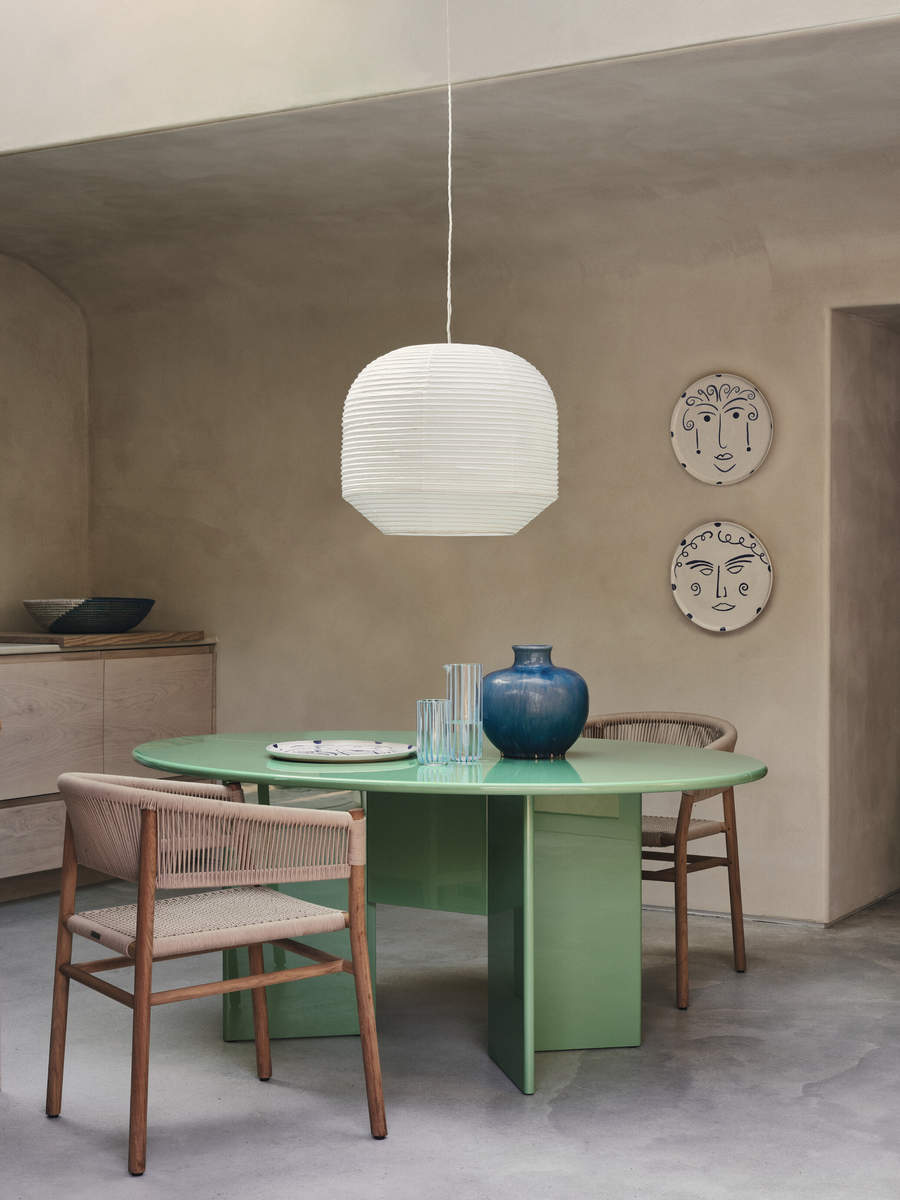
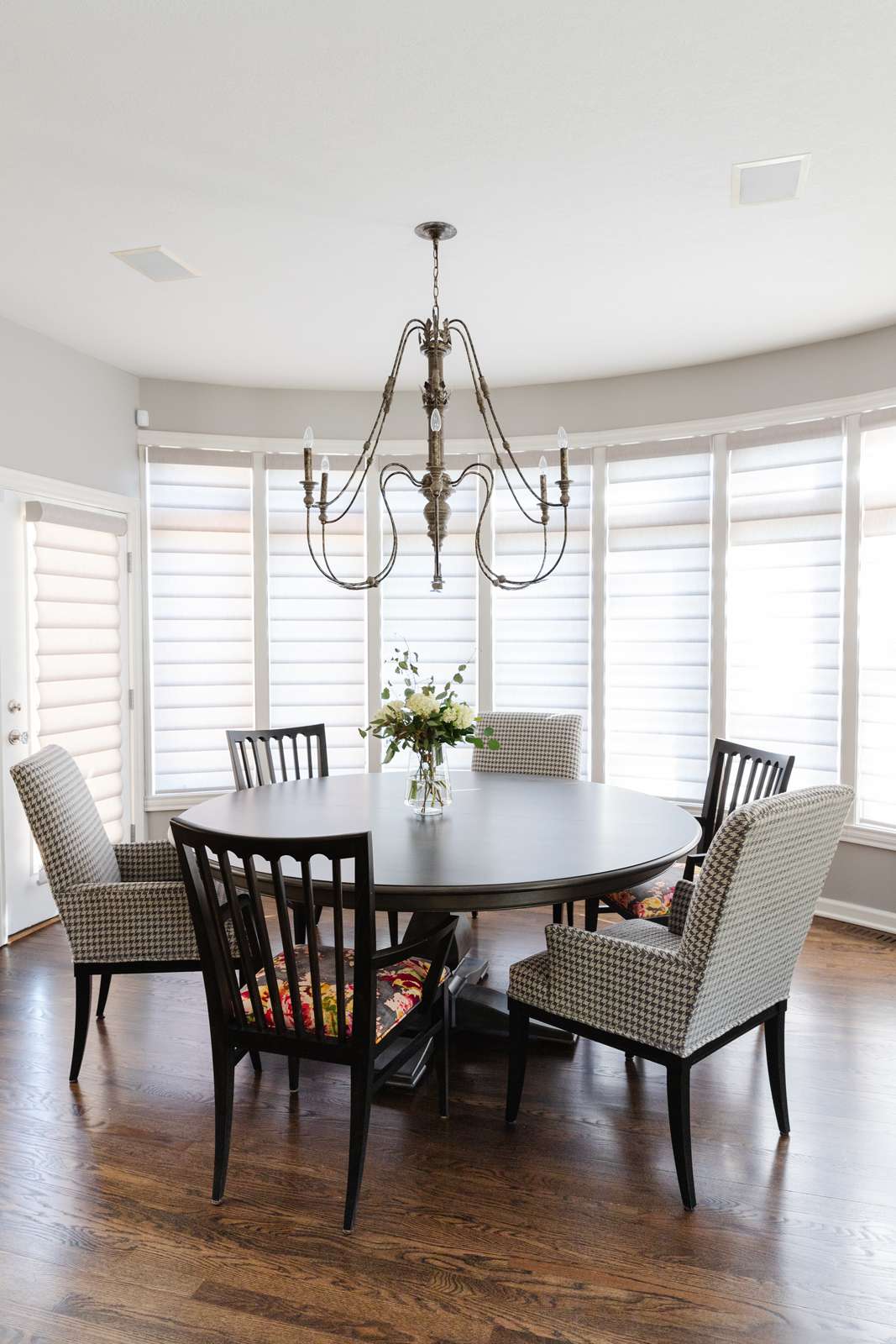
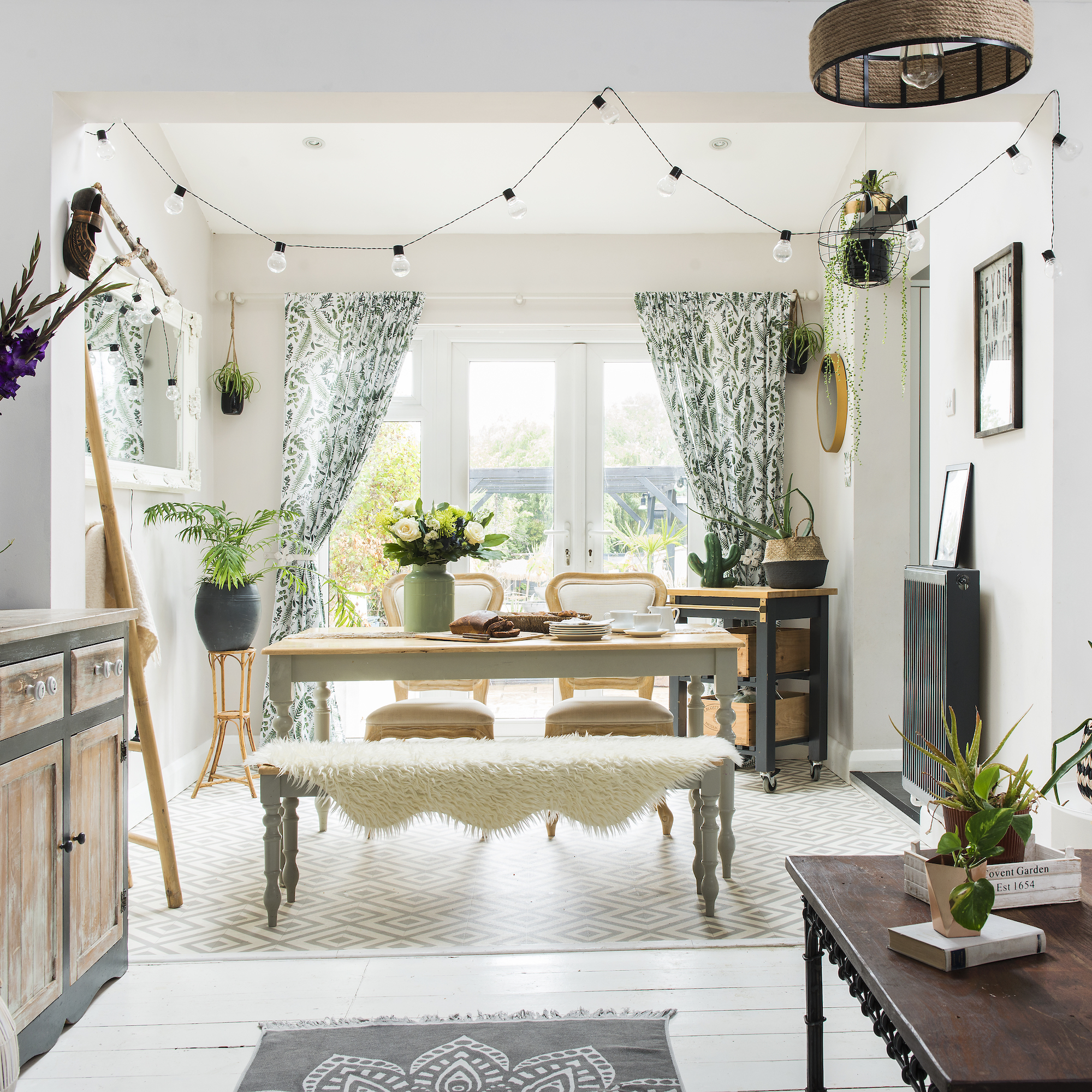
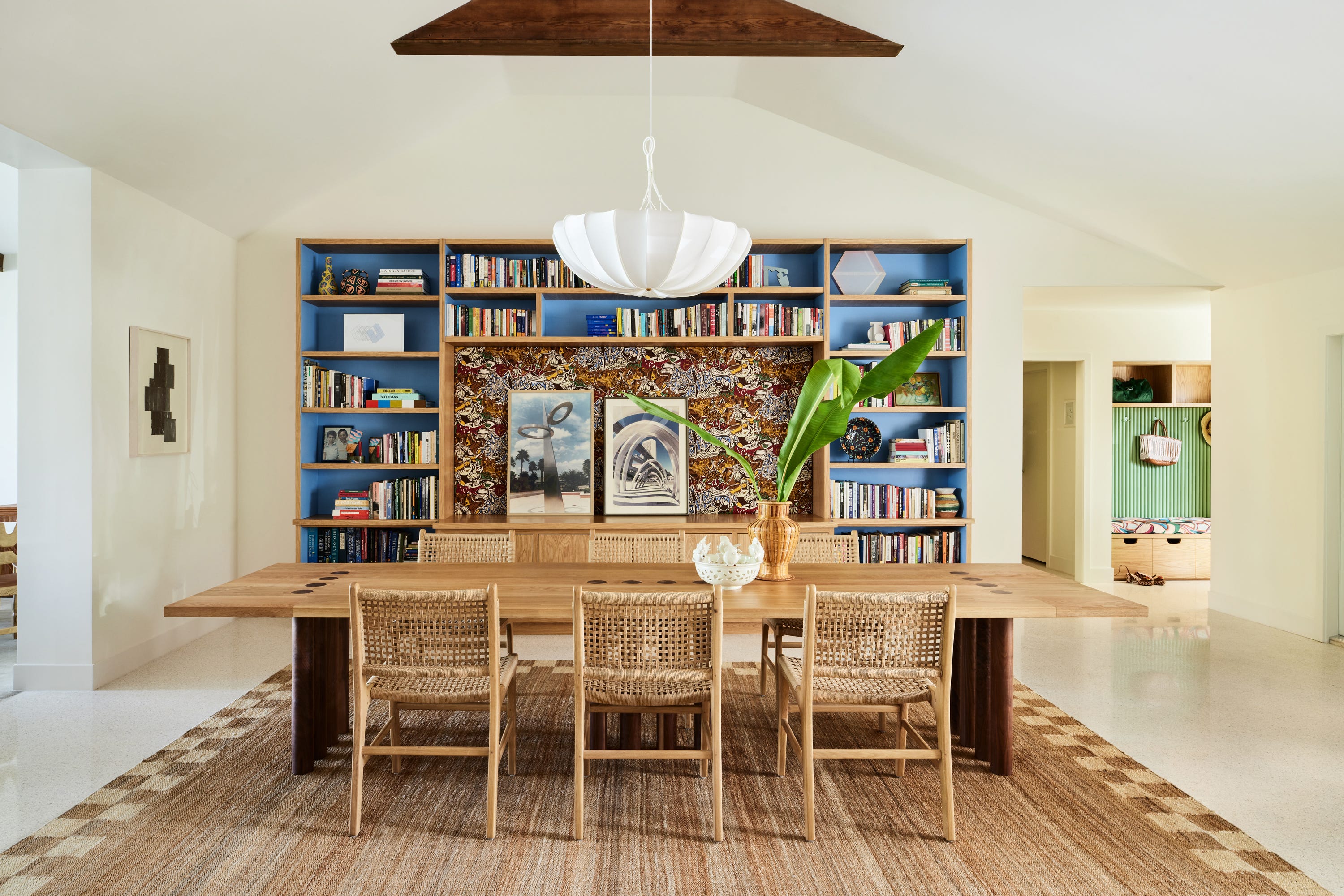
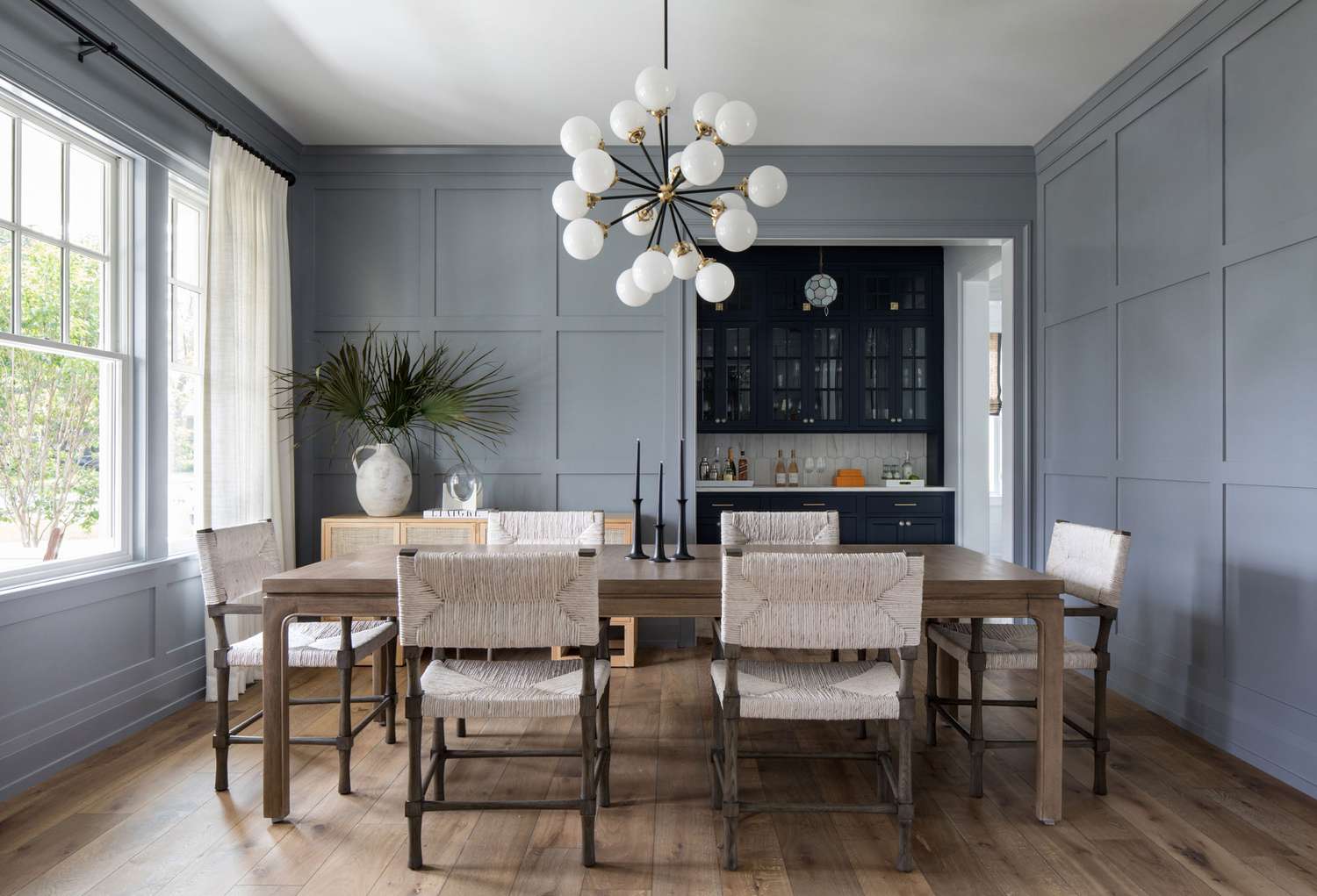
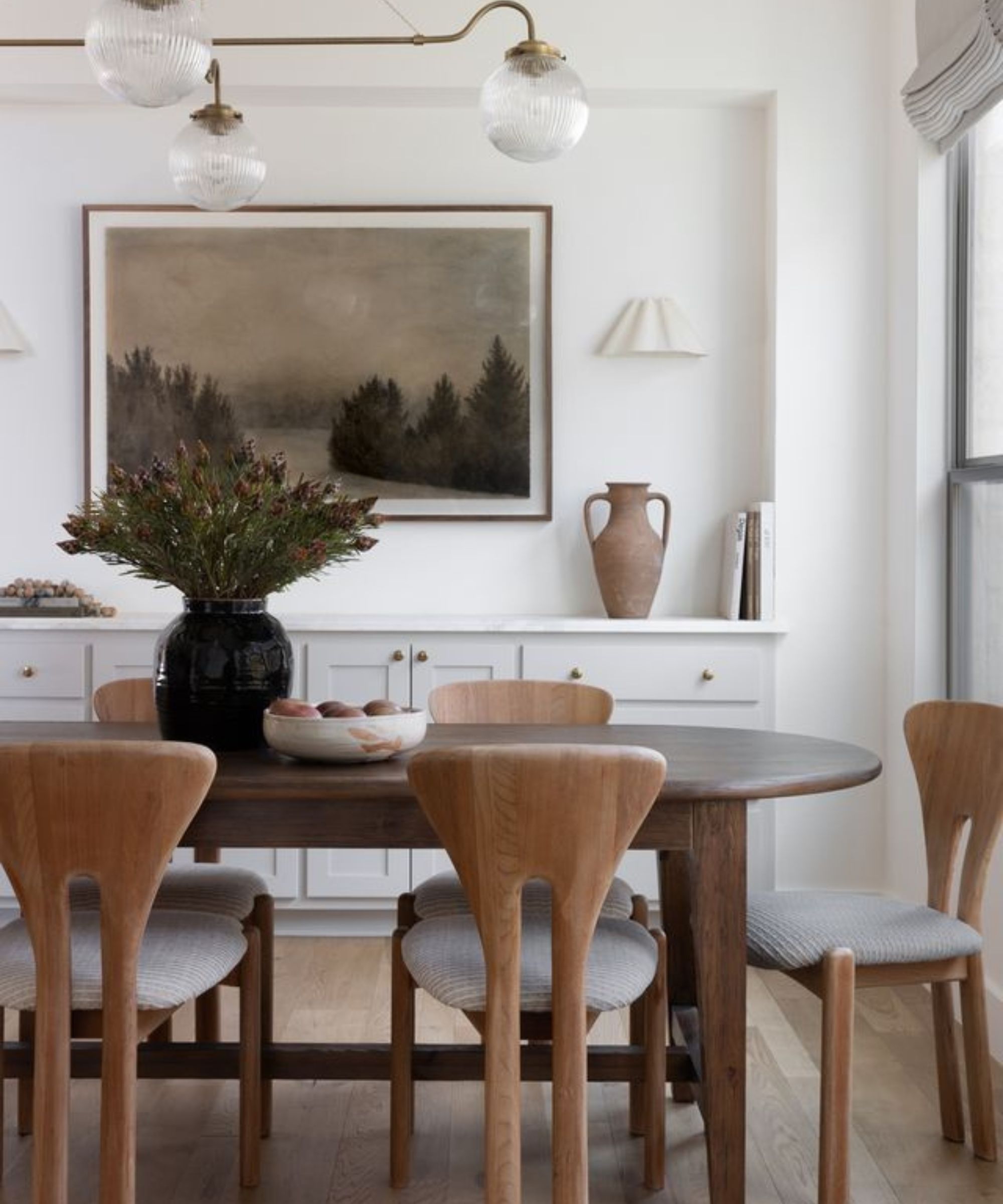
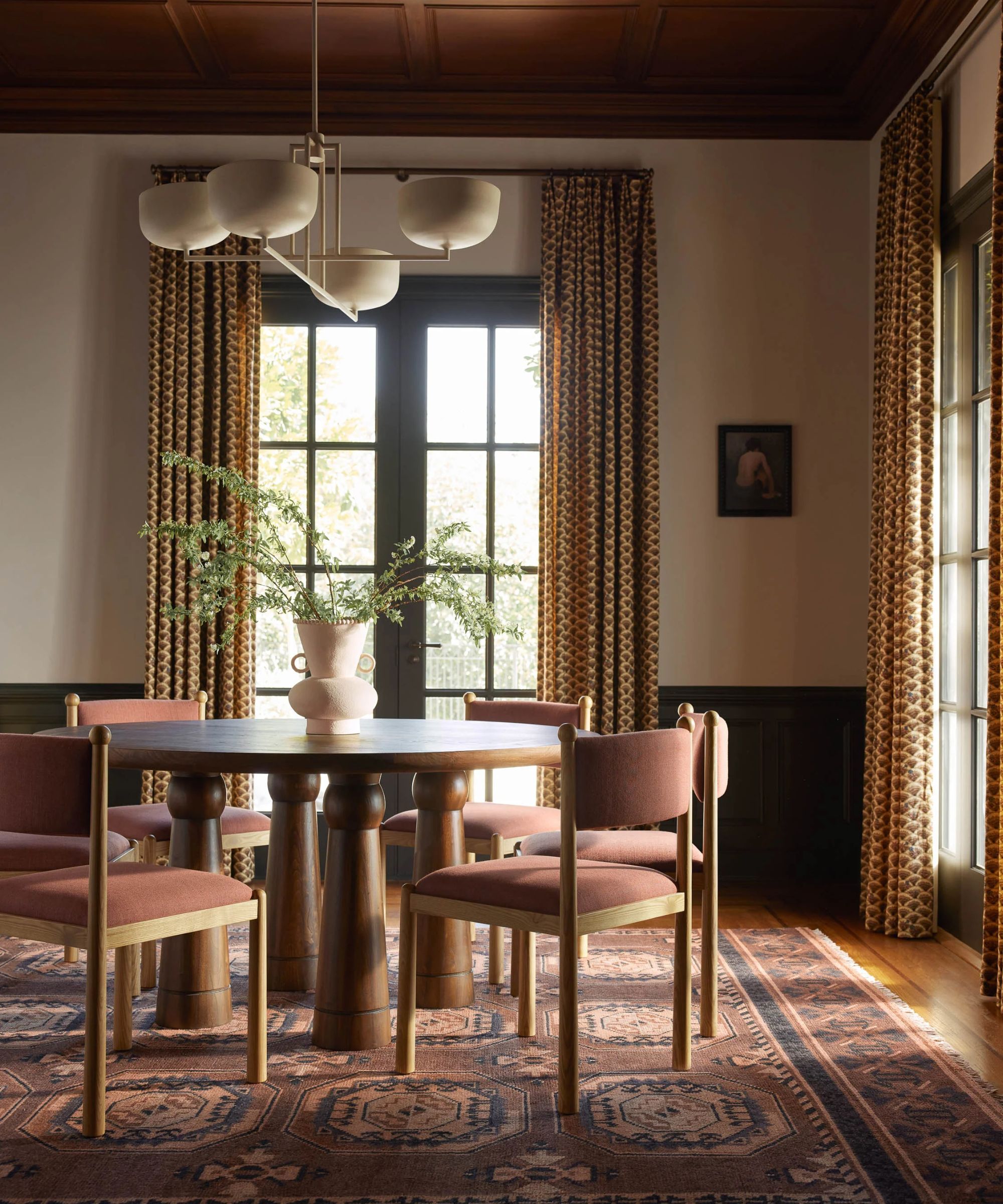
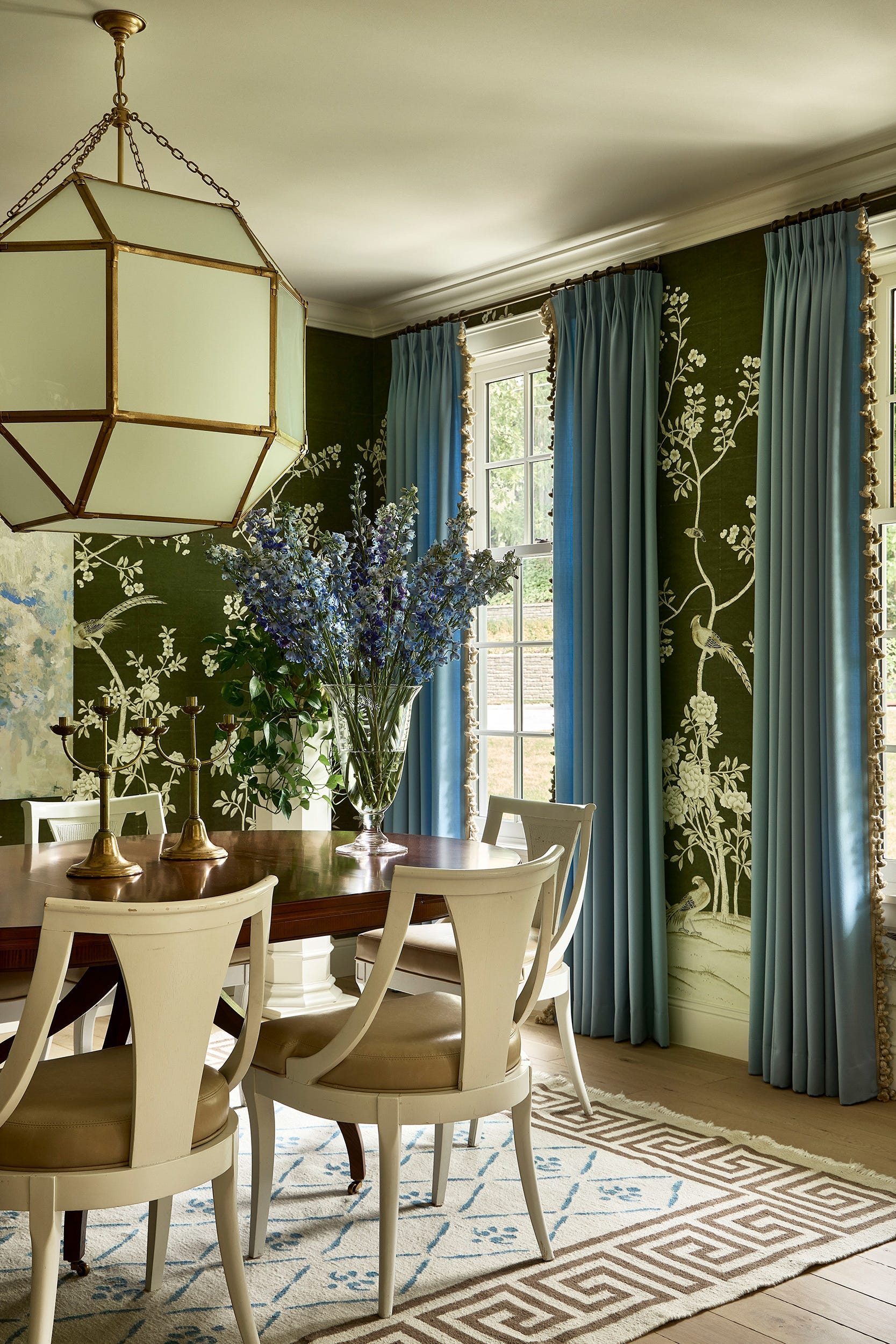
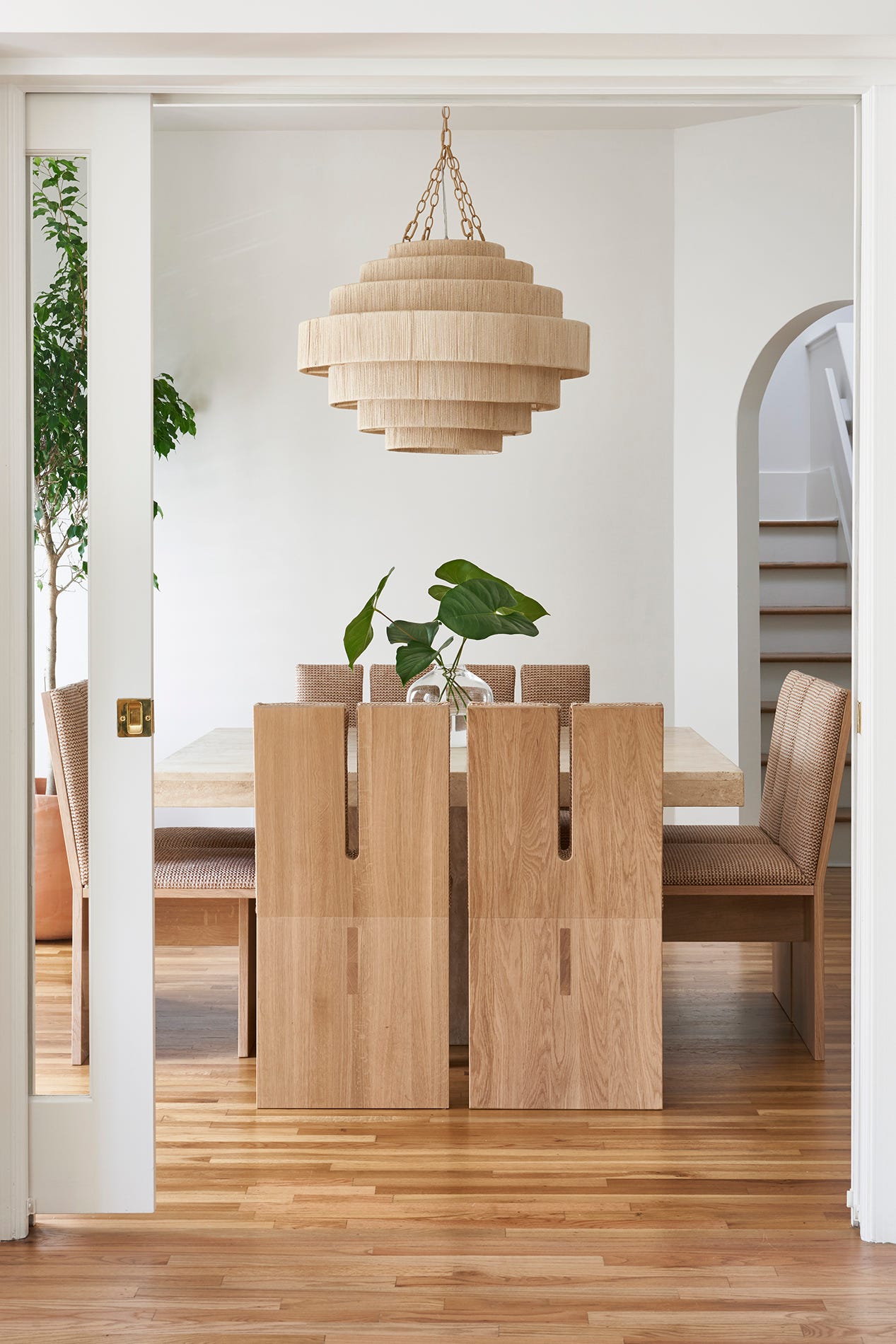
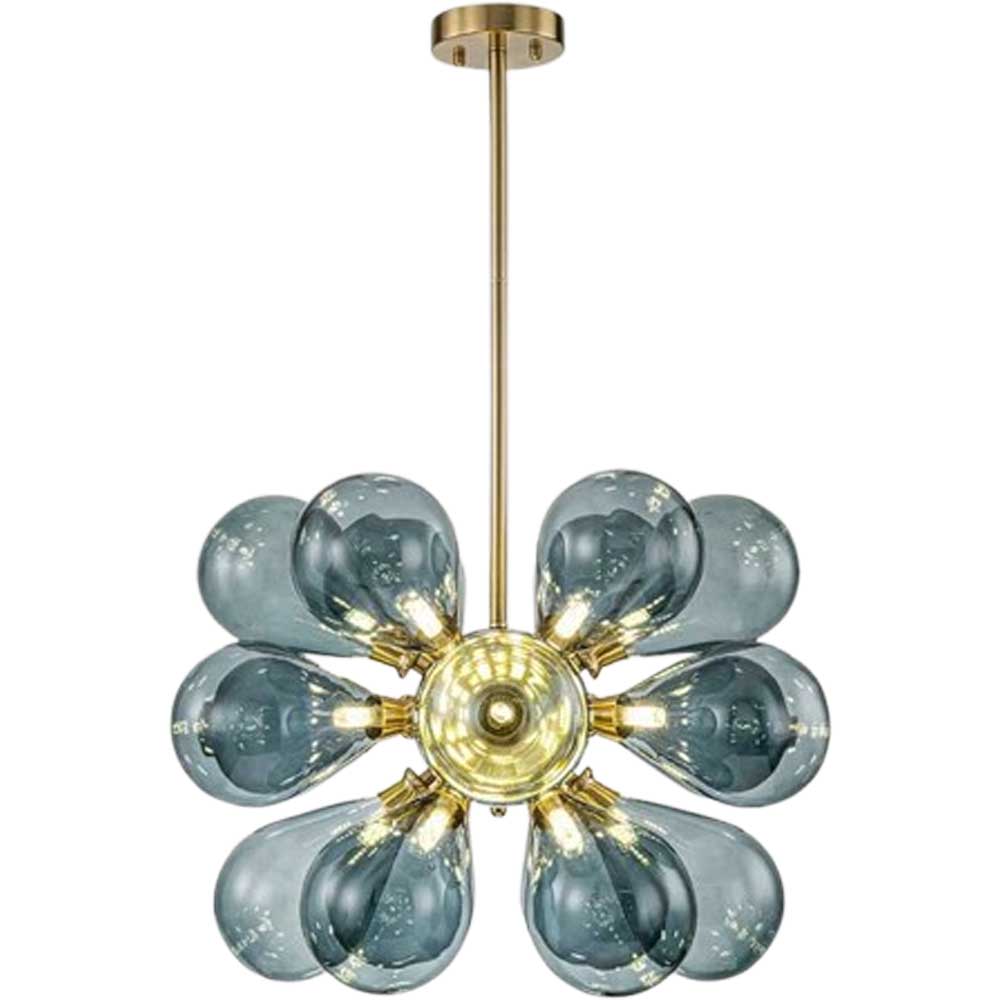
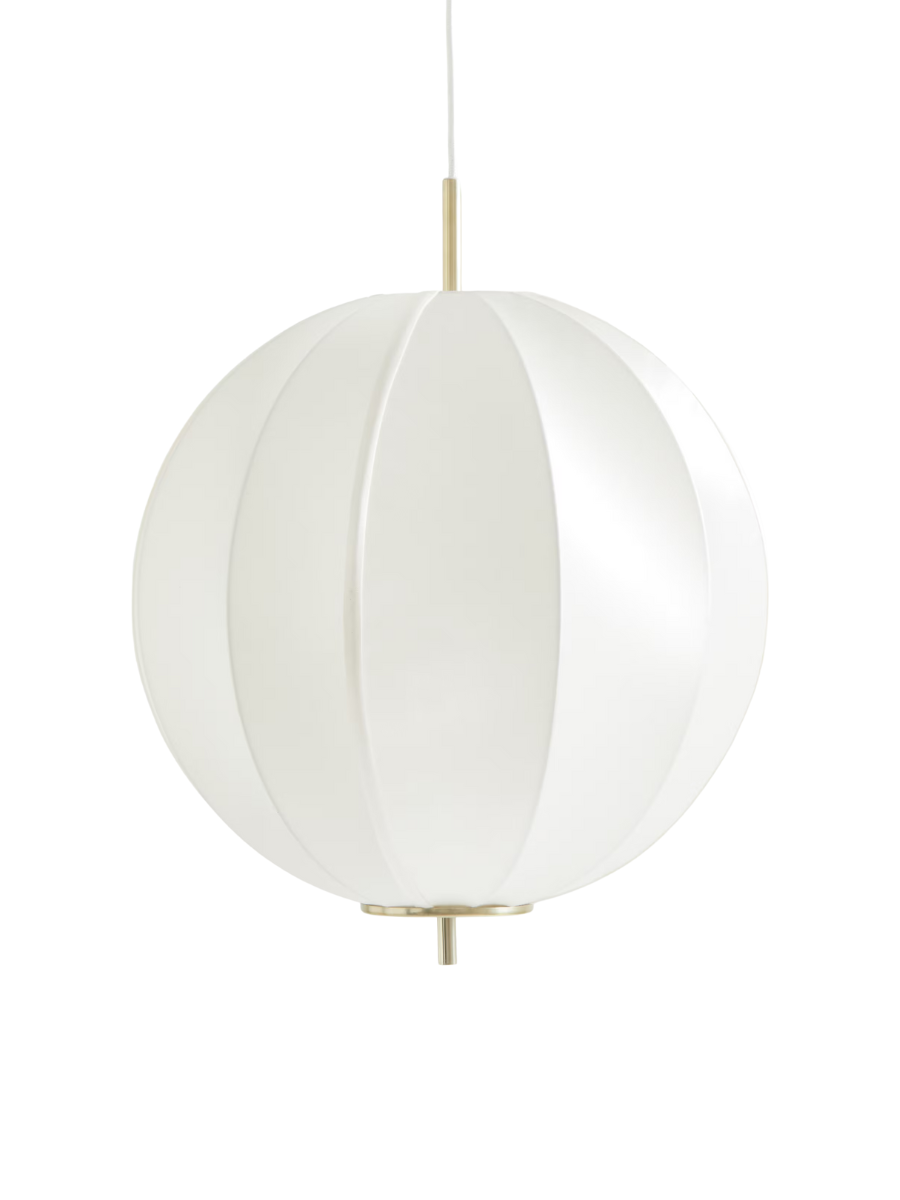
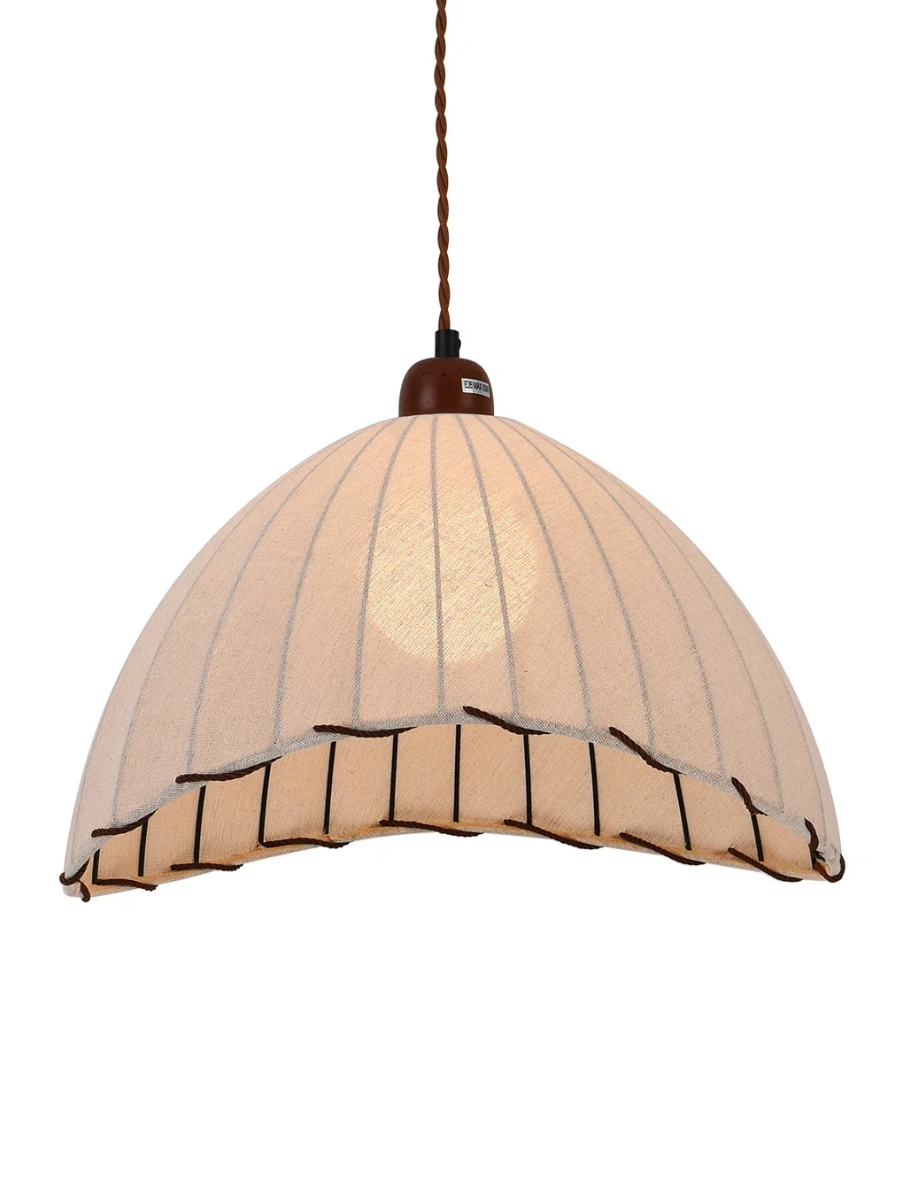
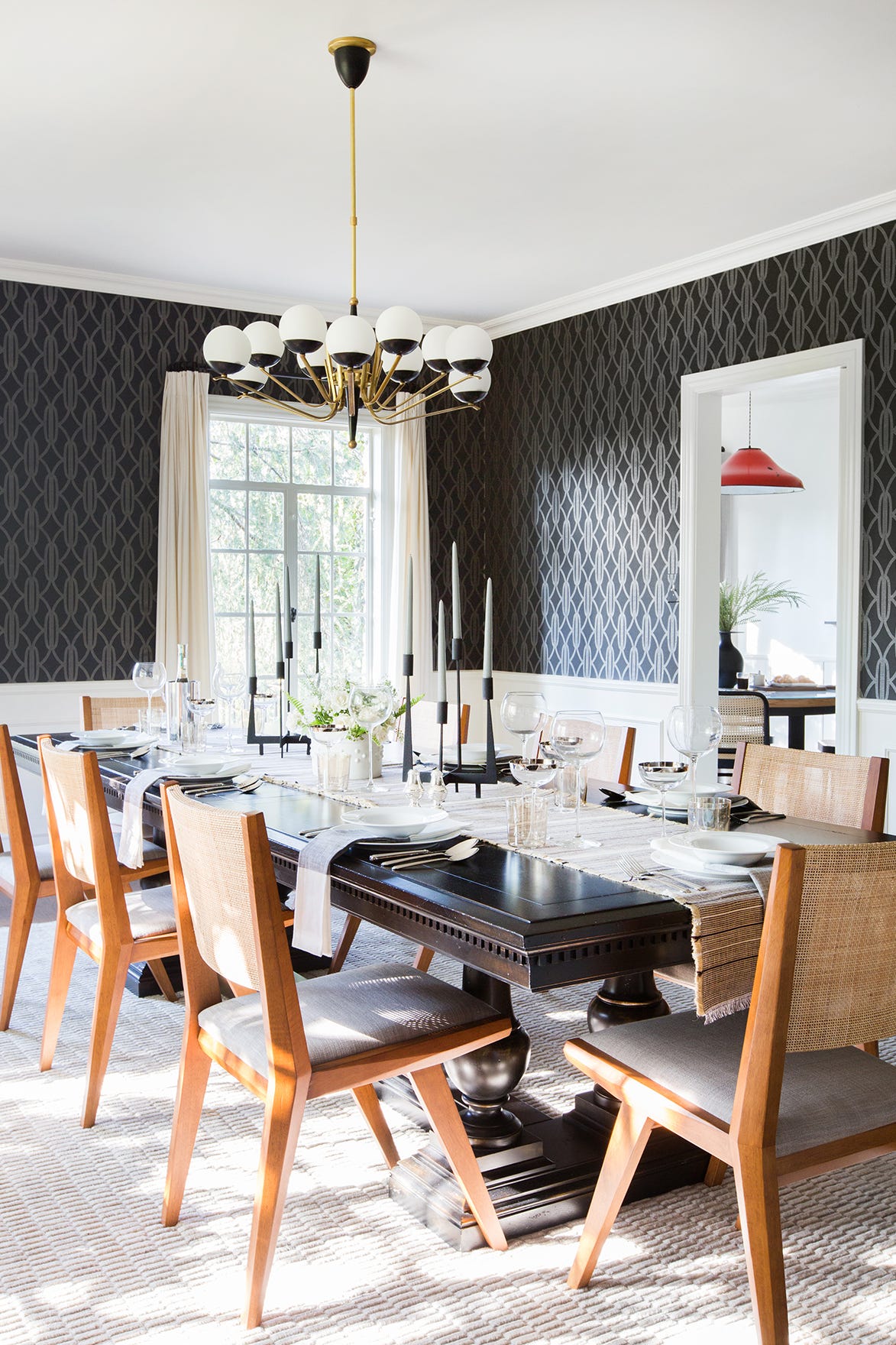
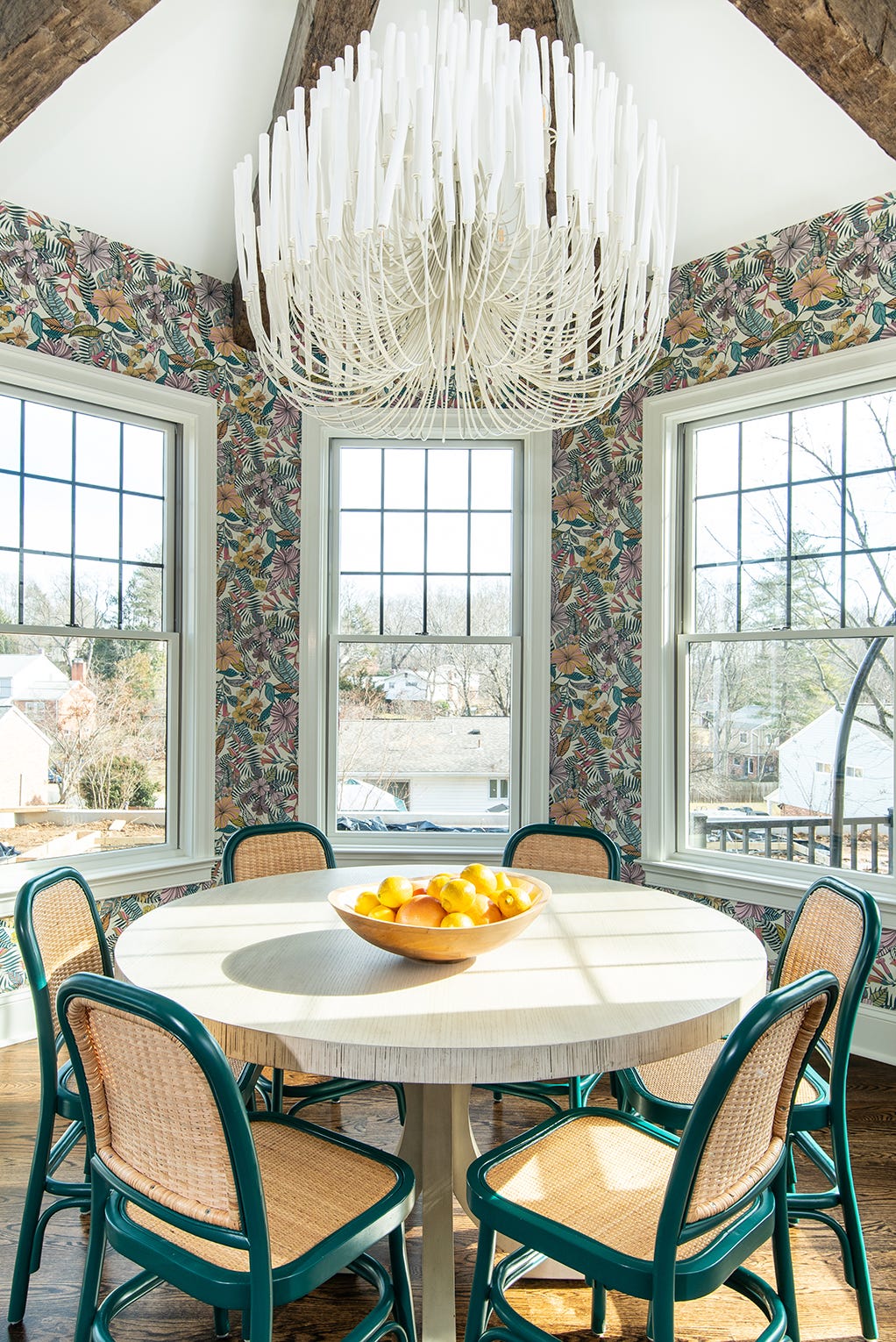
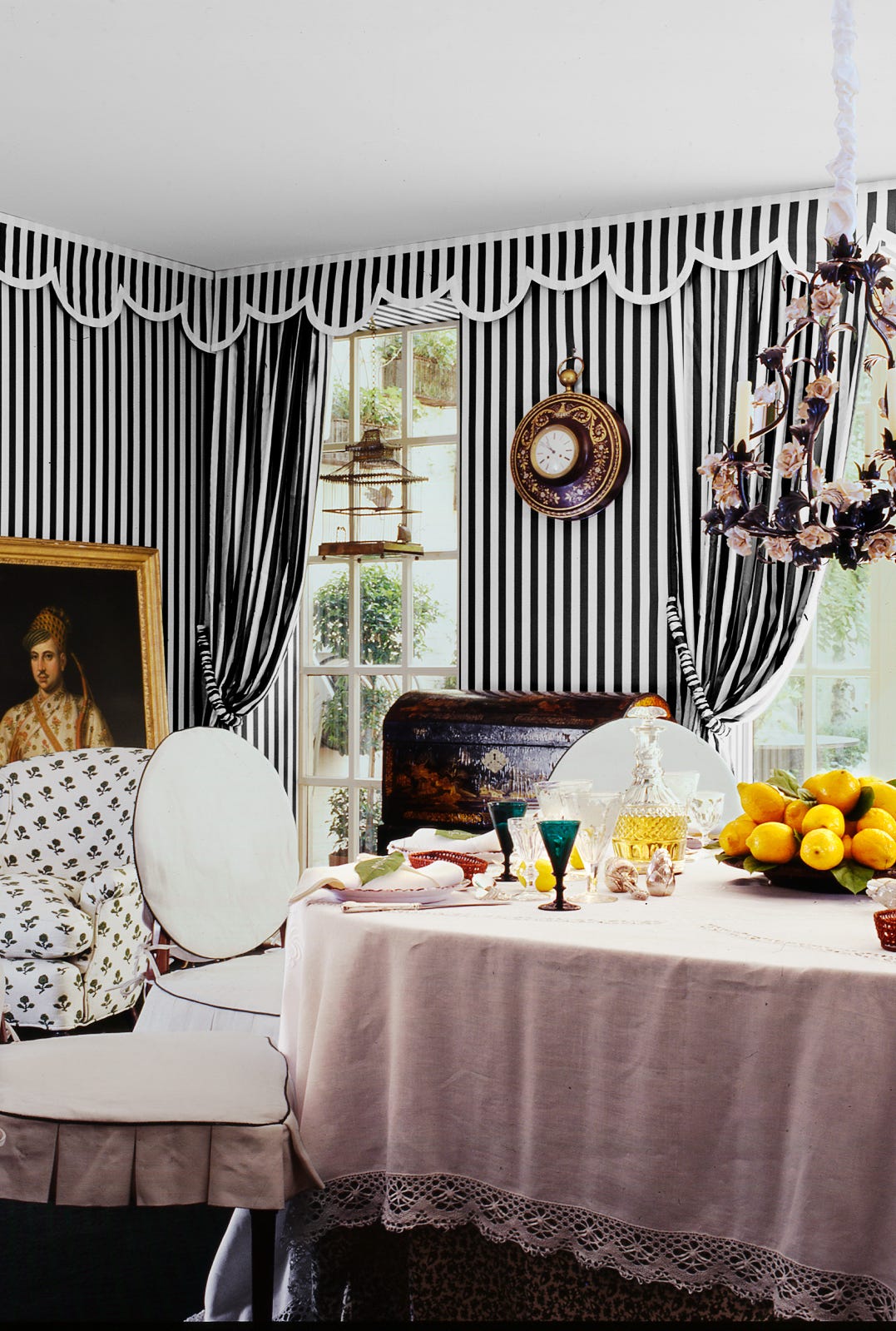
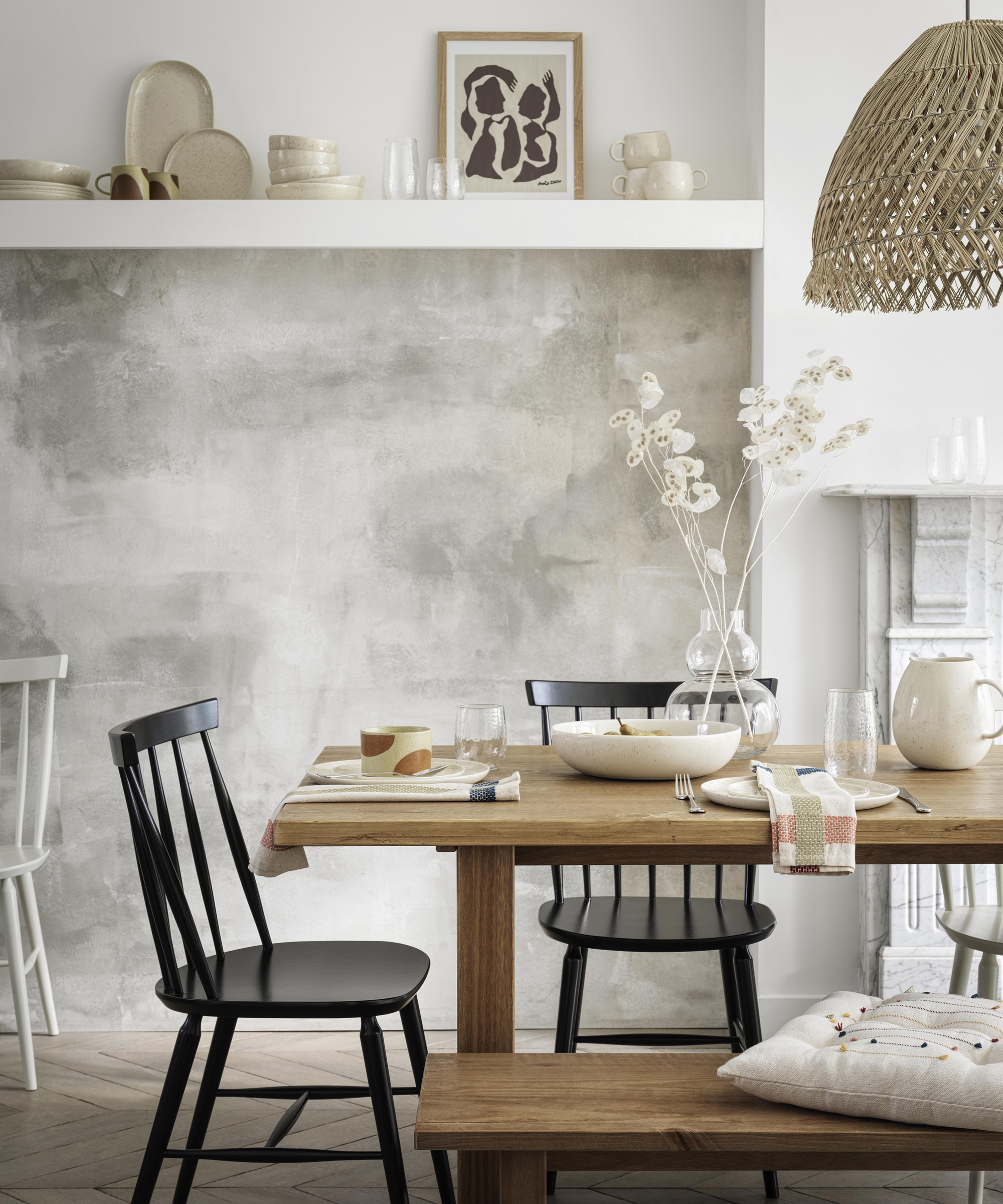
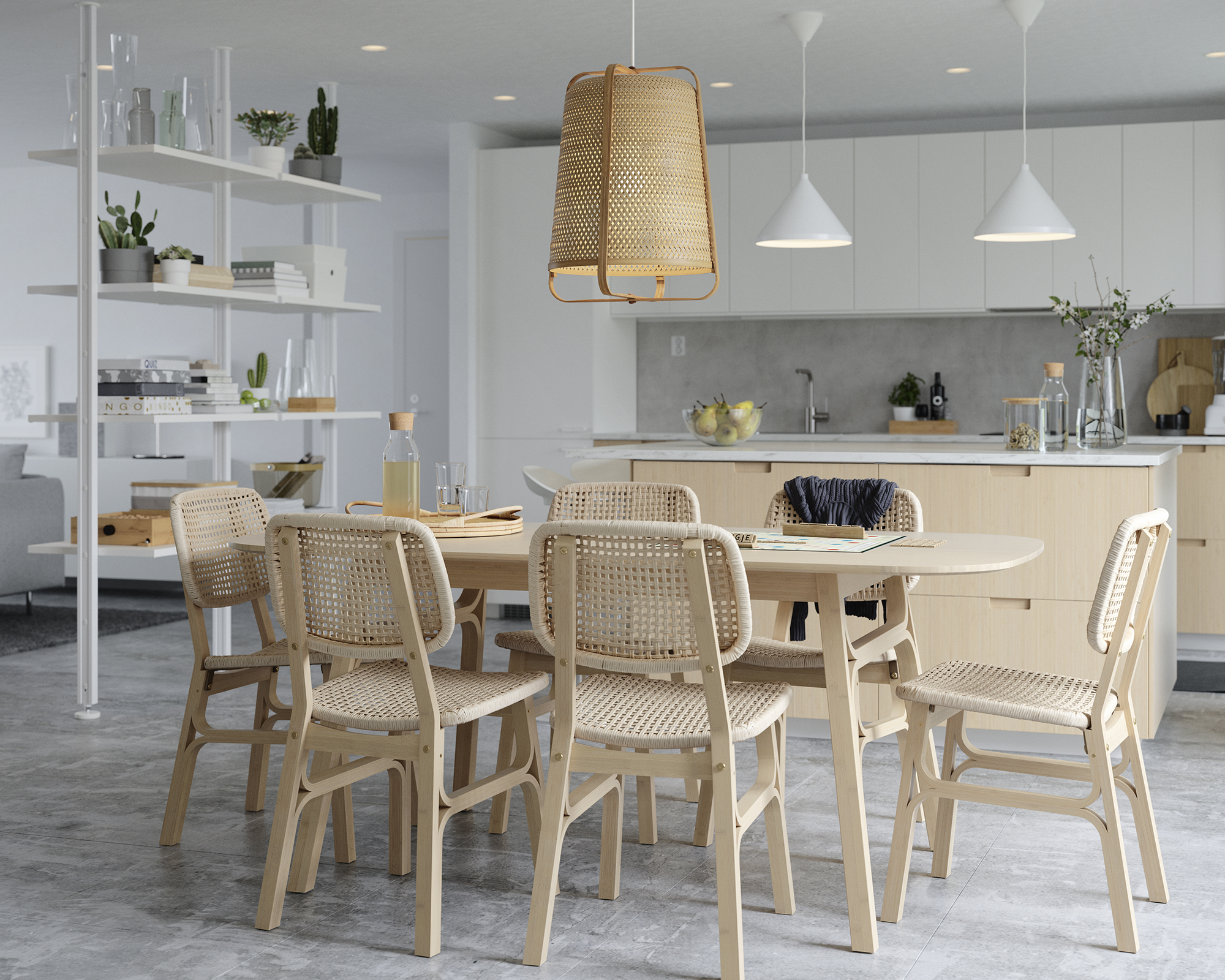
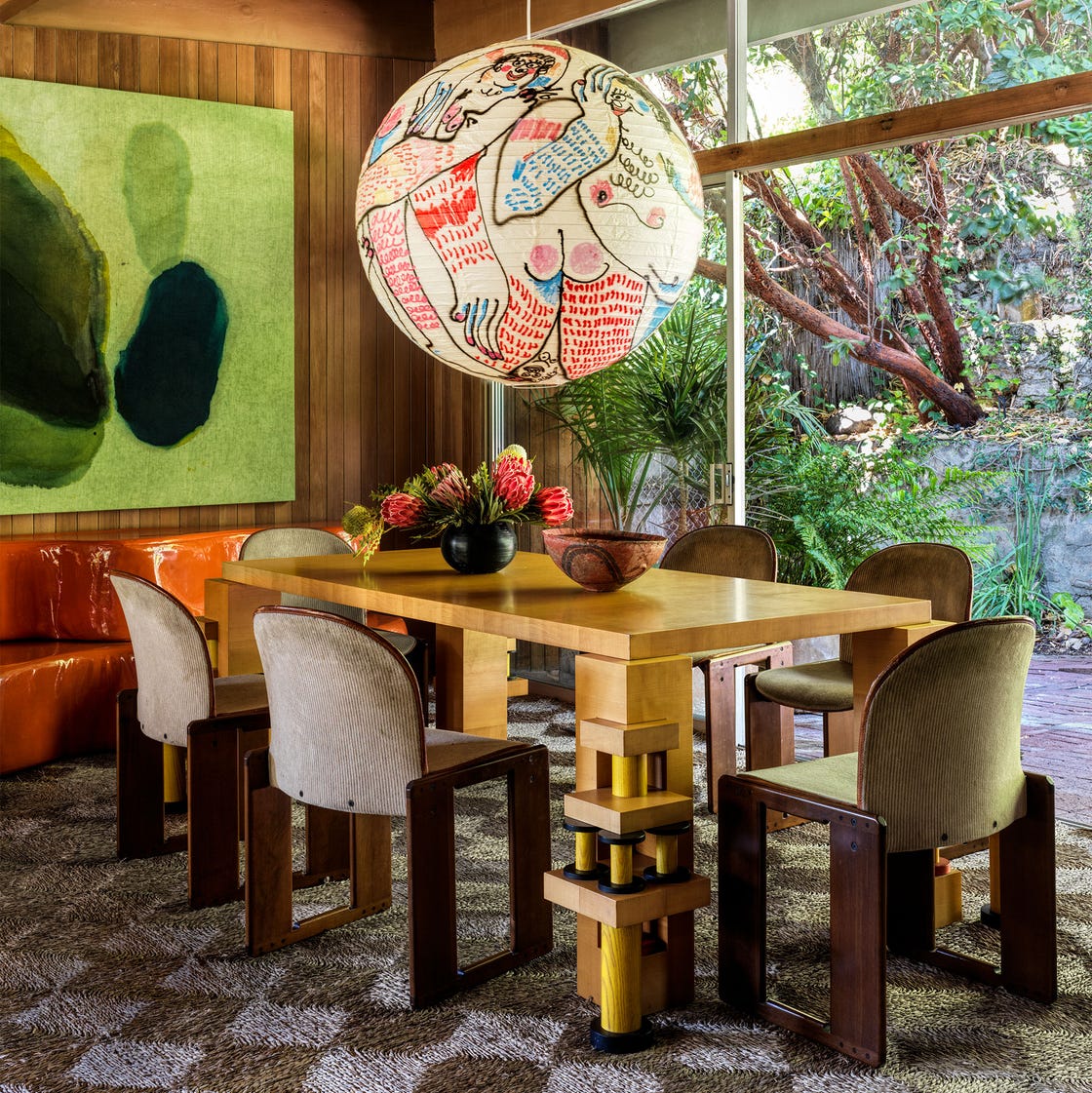
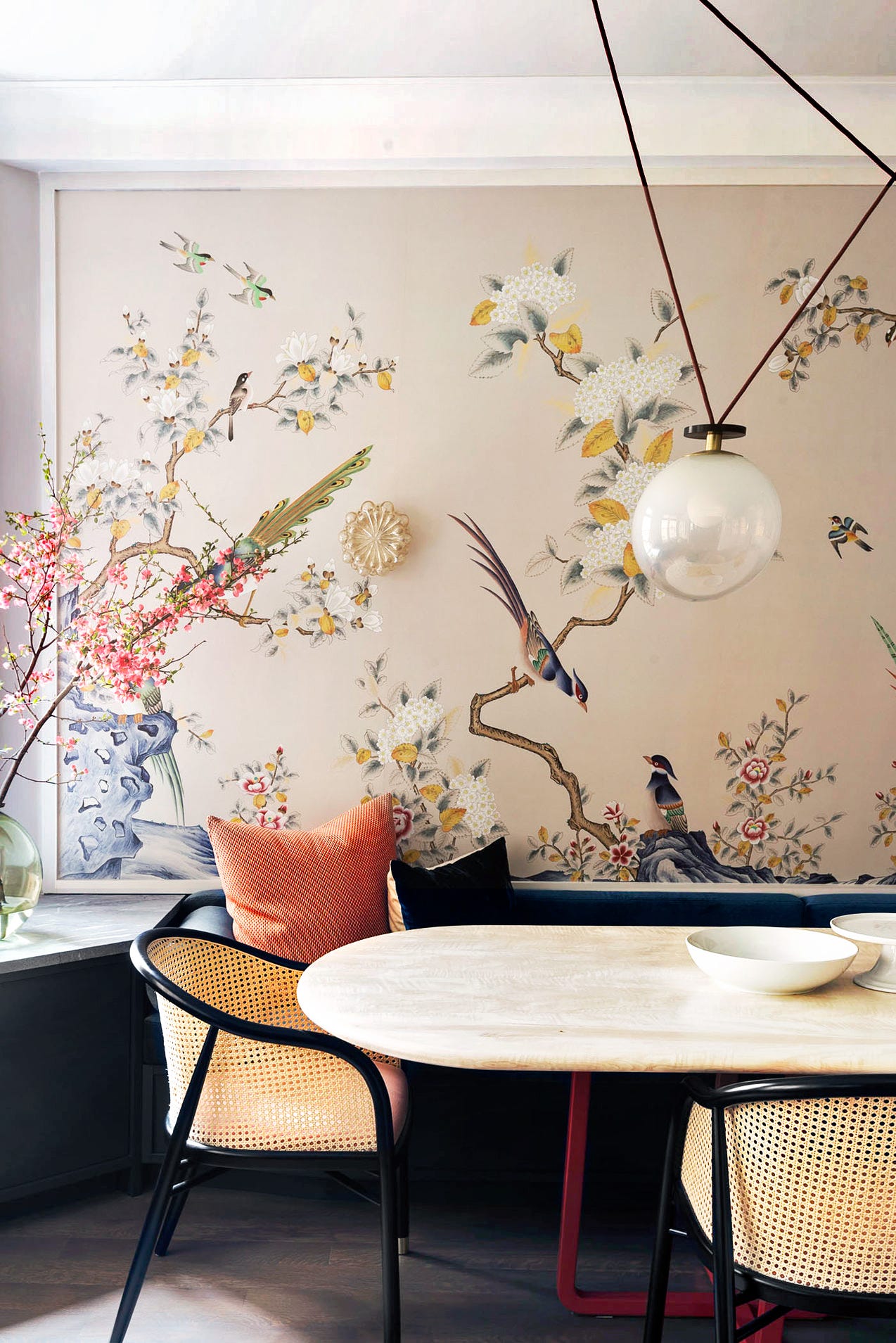
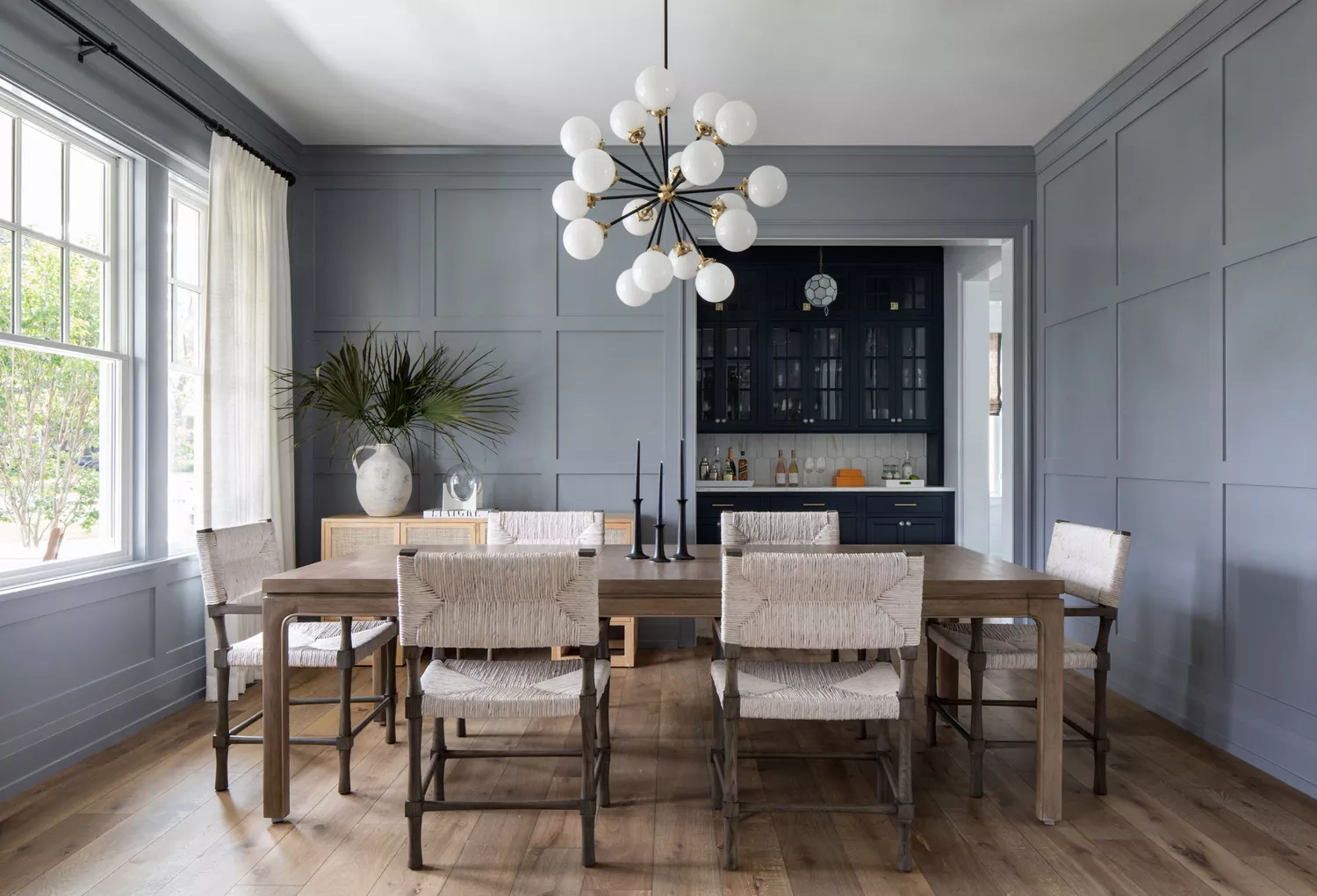
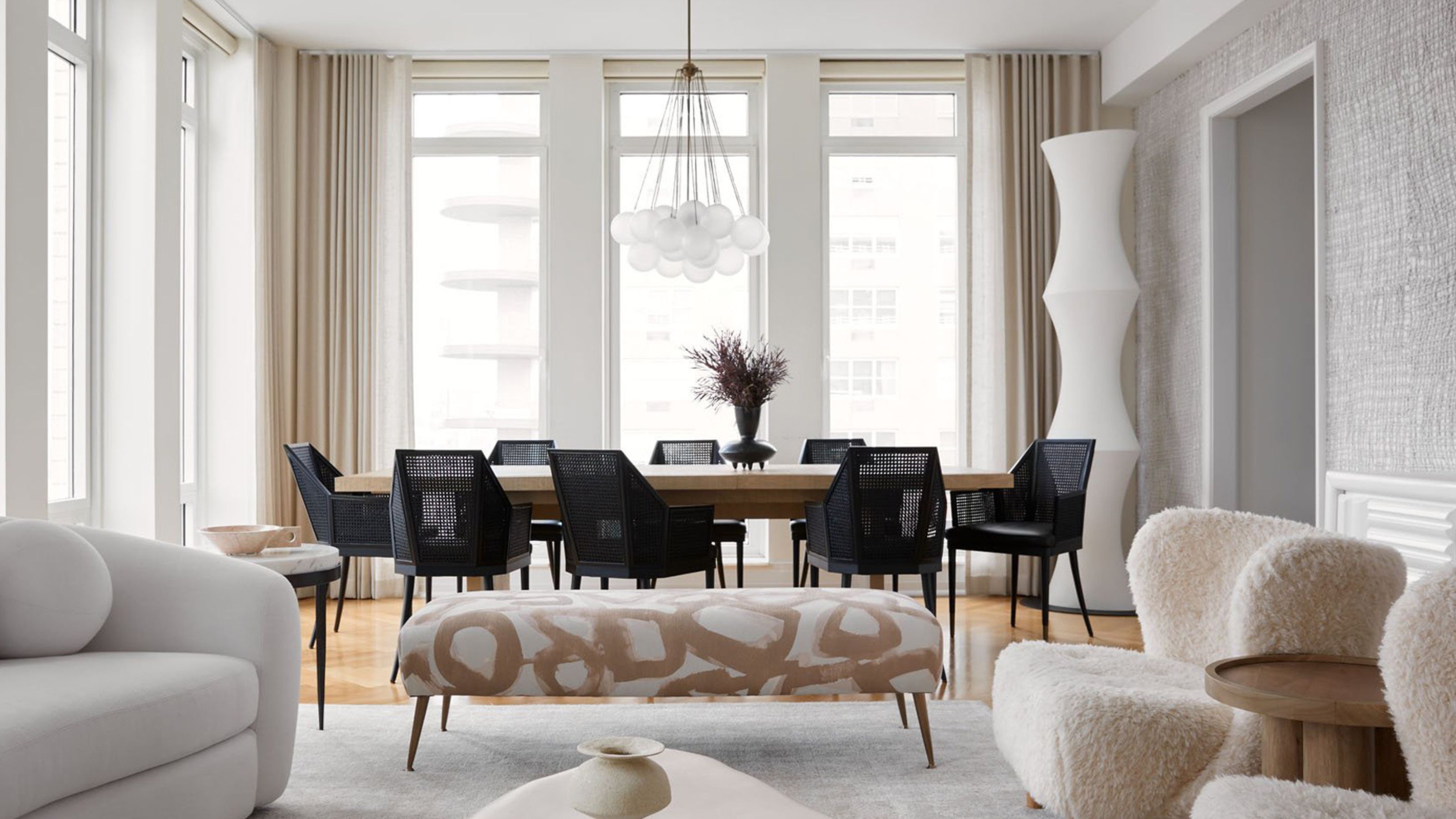
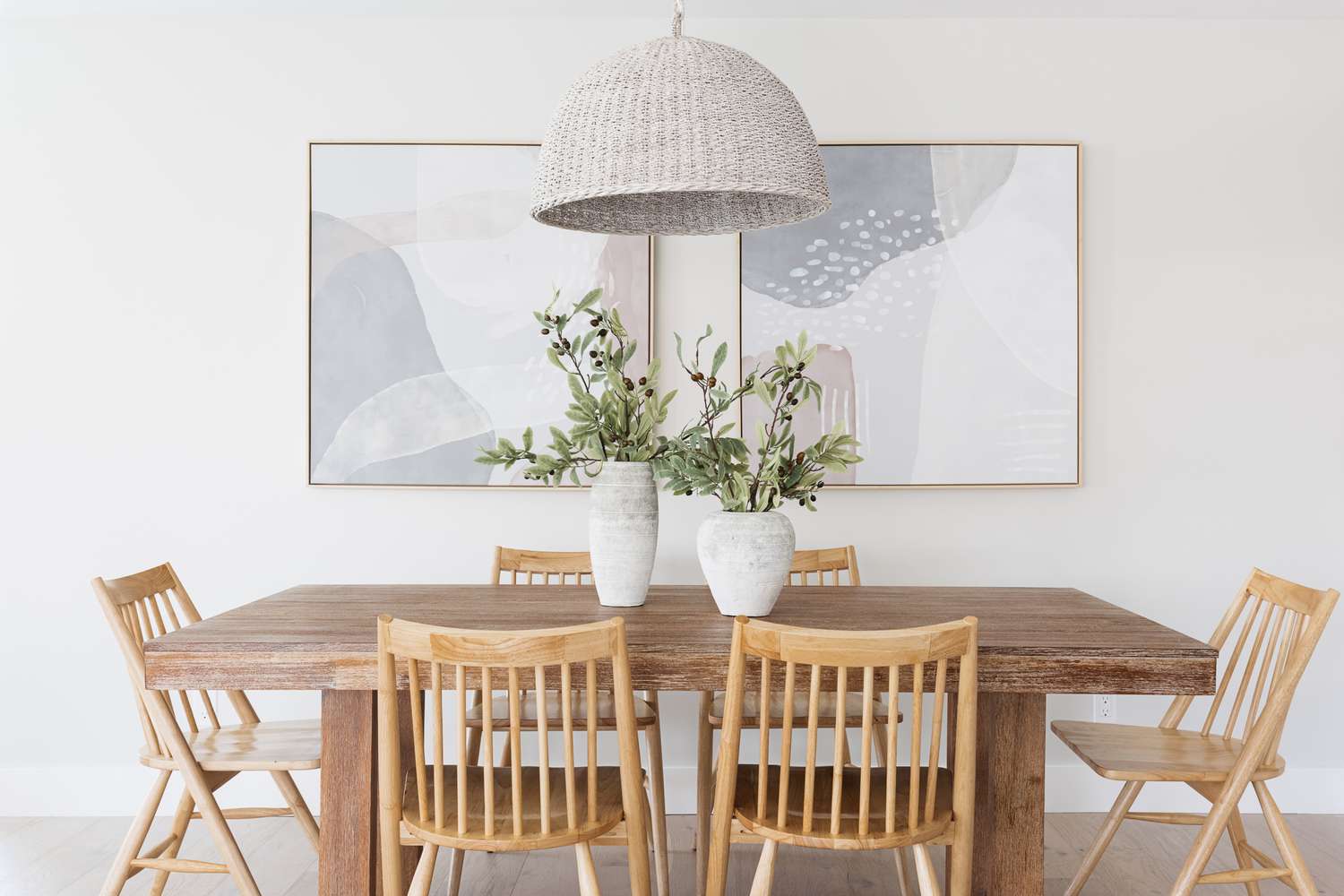
Embracing natural materials in pendant lights, such as rattan, aligns with current home decor trends and biophilic design principles. These natural elements can create a laid-back and convivial environment suitable for social gatherings. Proper sizing of light fixtures is also crucial; a common rule suggests that a light should be about half the width of the table but two-thirds its length to ensure even illumination without dark spots. Statement lighting can serve as a focal point, influencing the entire dining room's design scheme. For instance, a delicate glass-ball chandelier might necessitate neutral walls to allow its beauty to shine through.
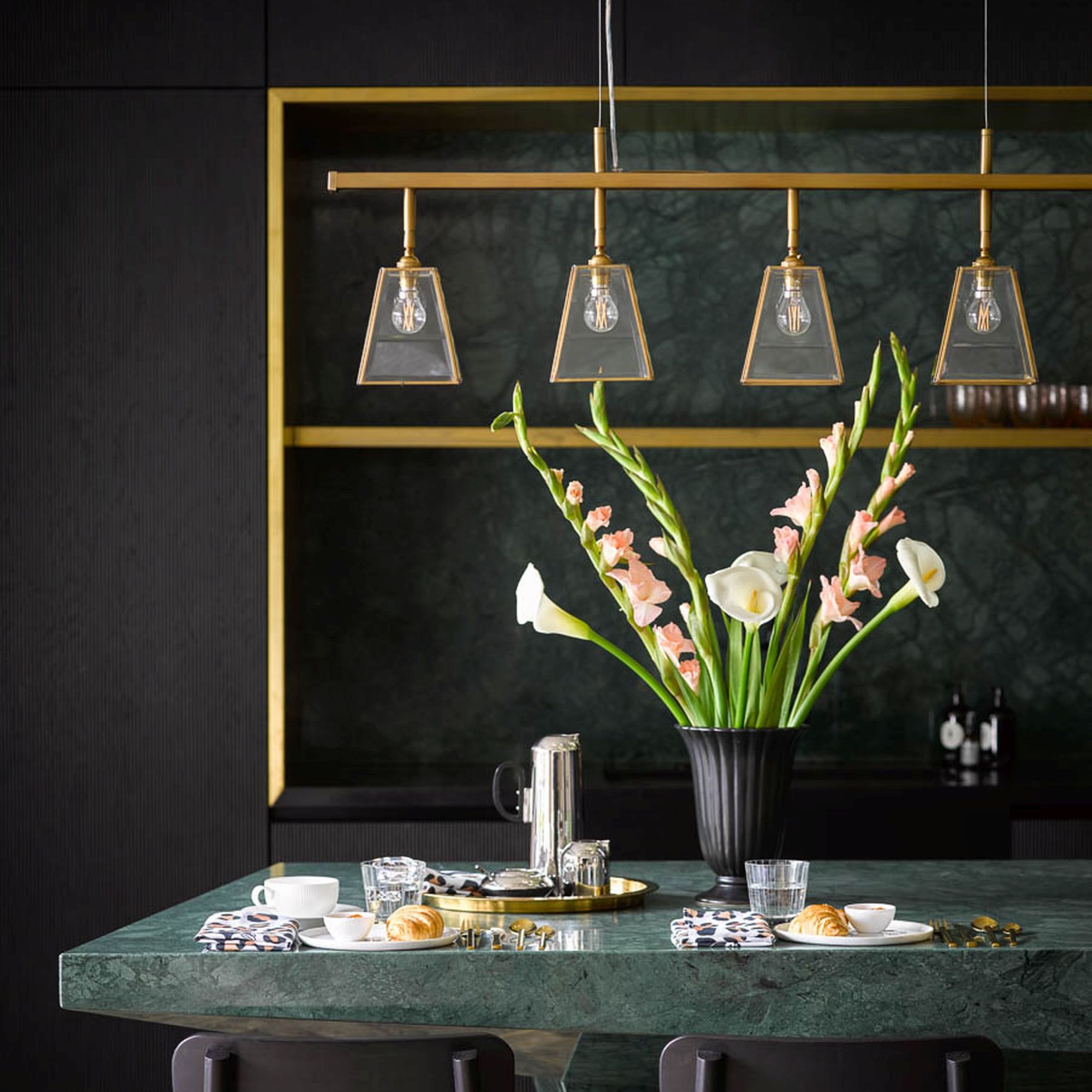
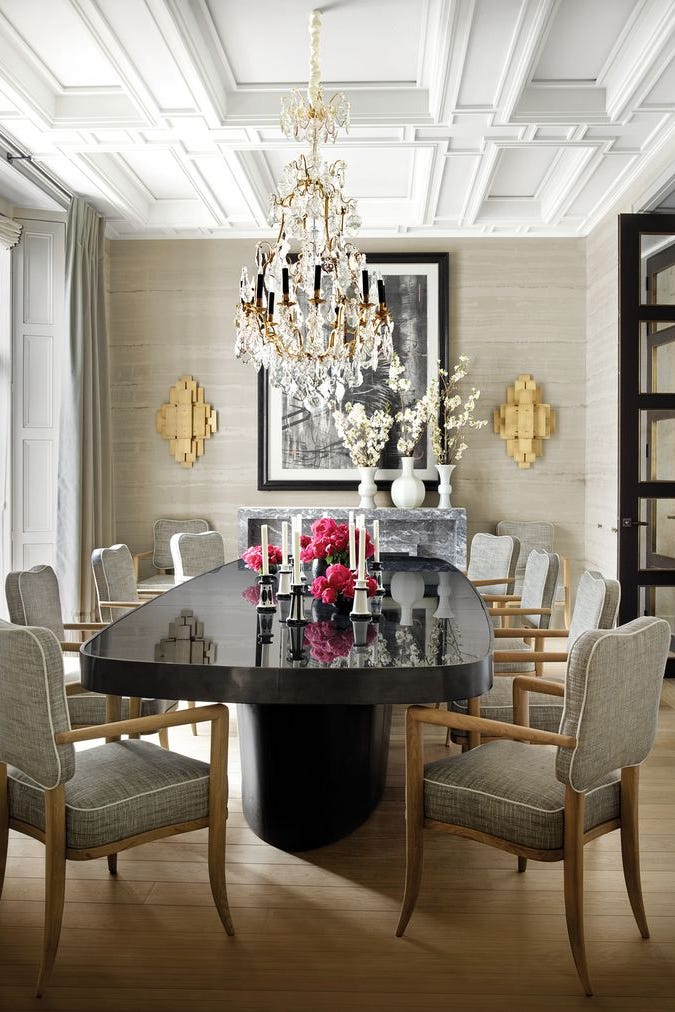
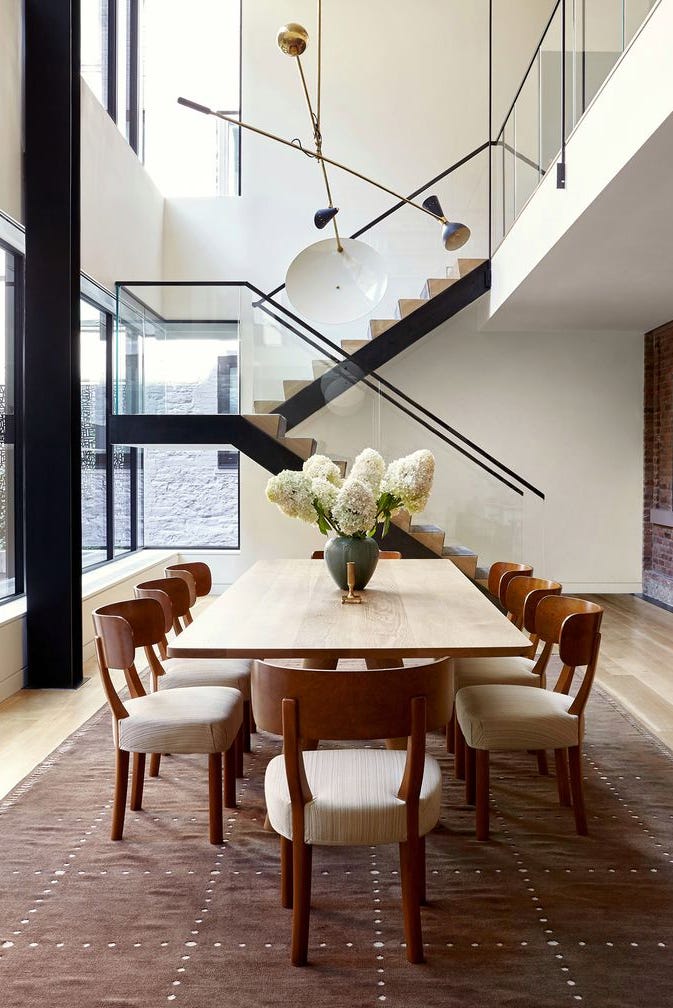
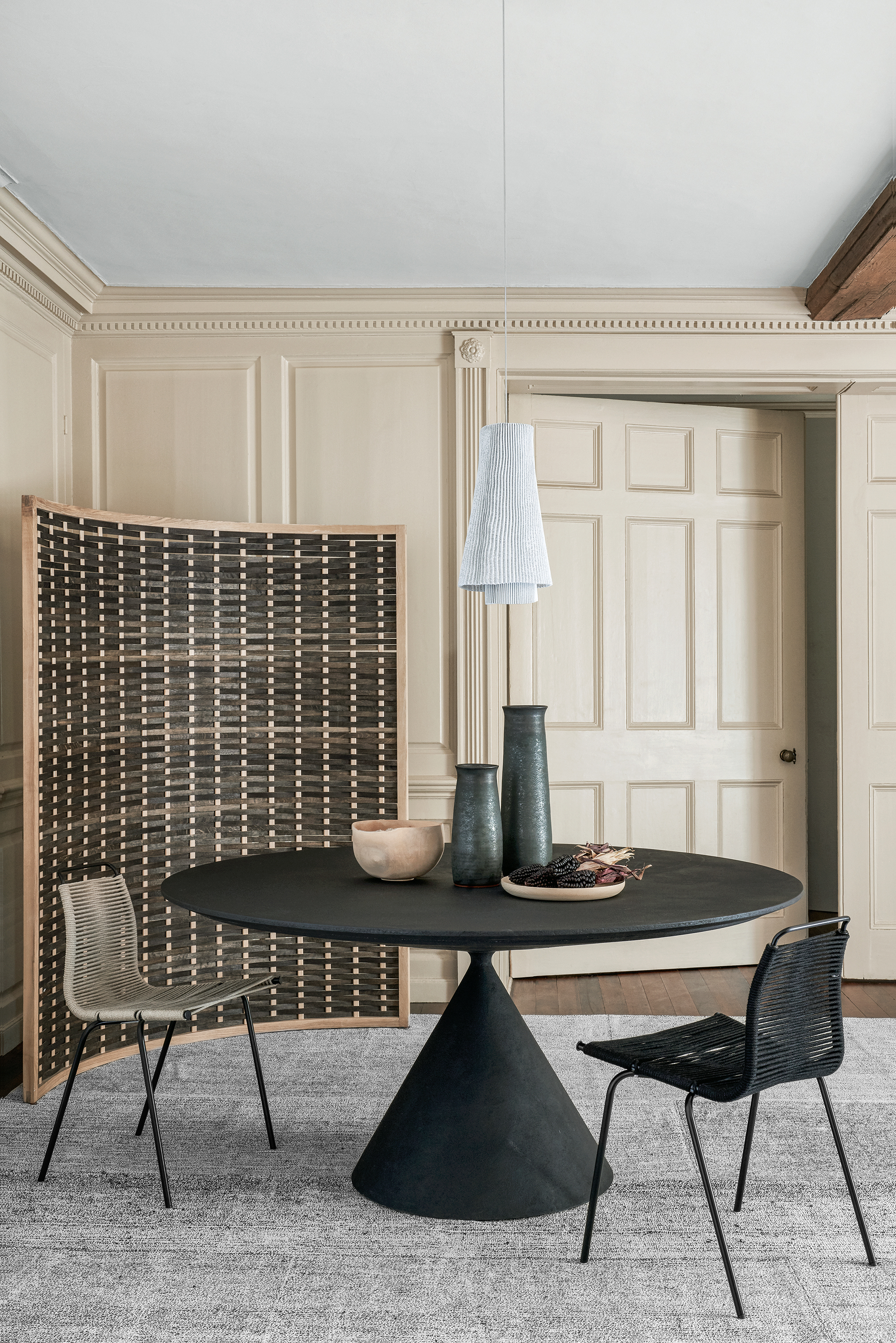
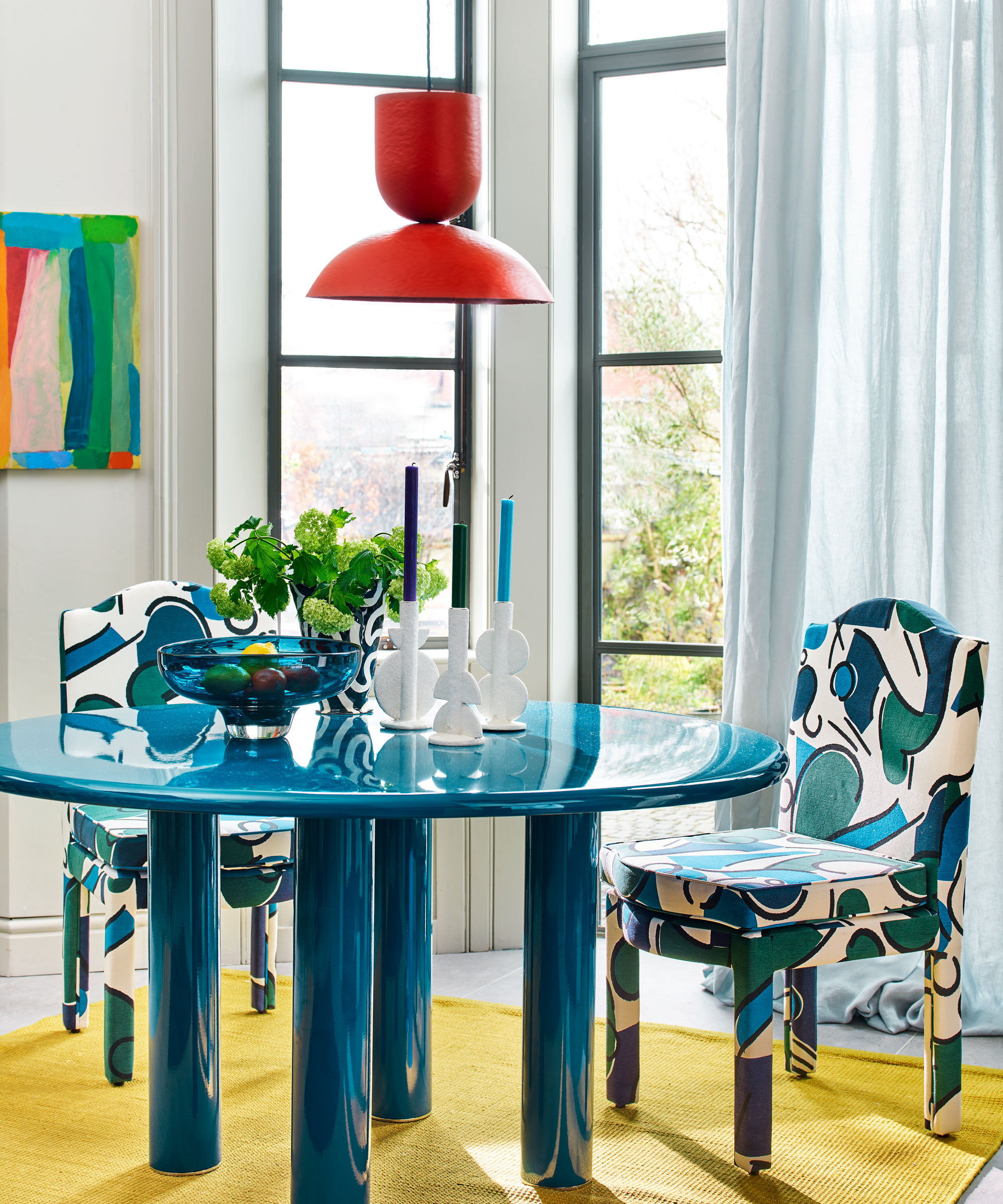
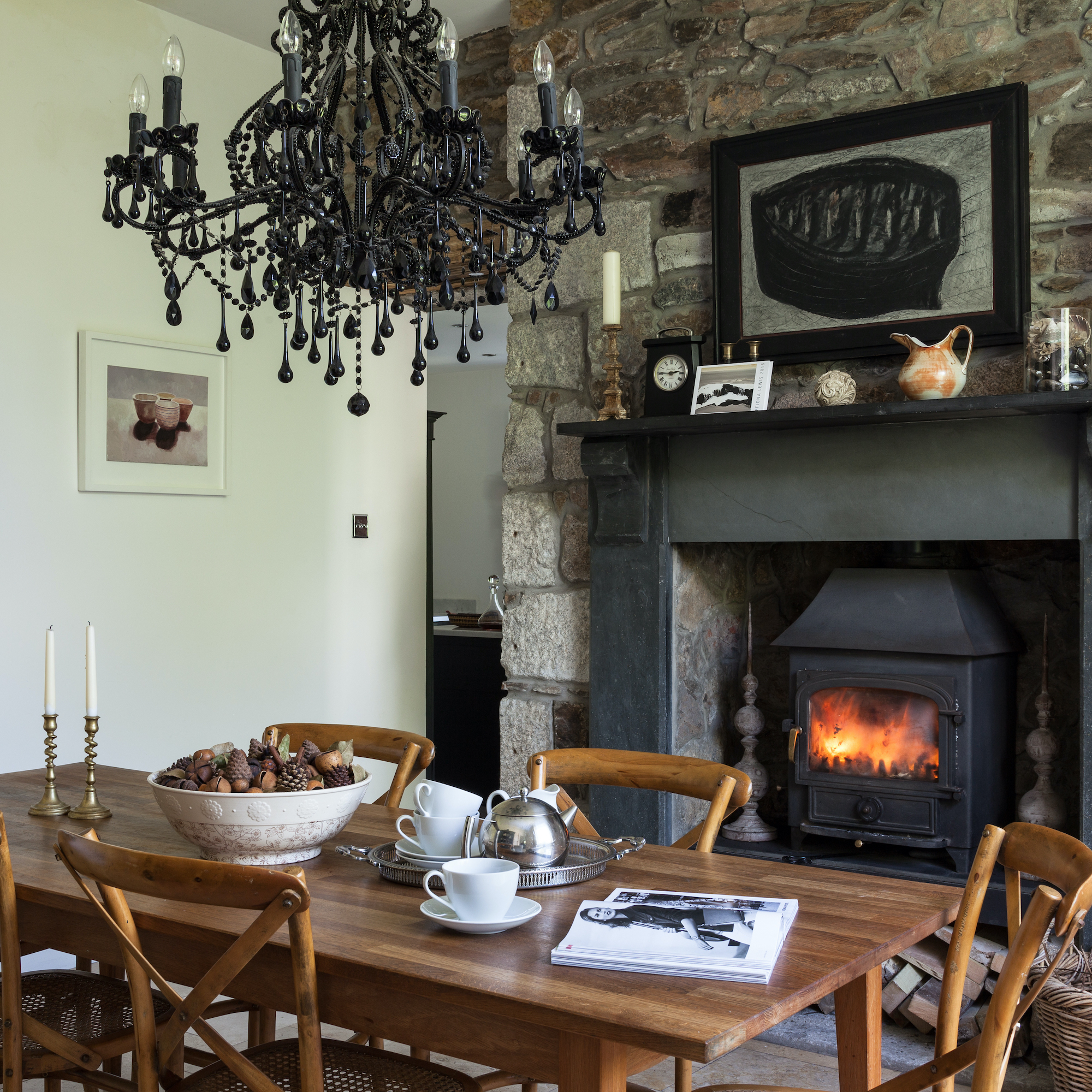
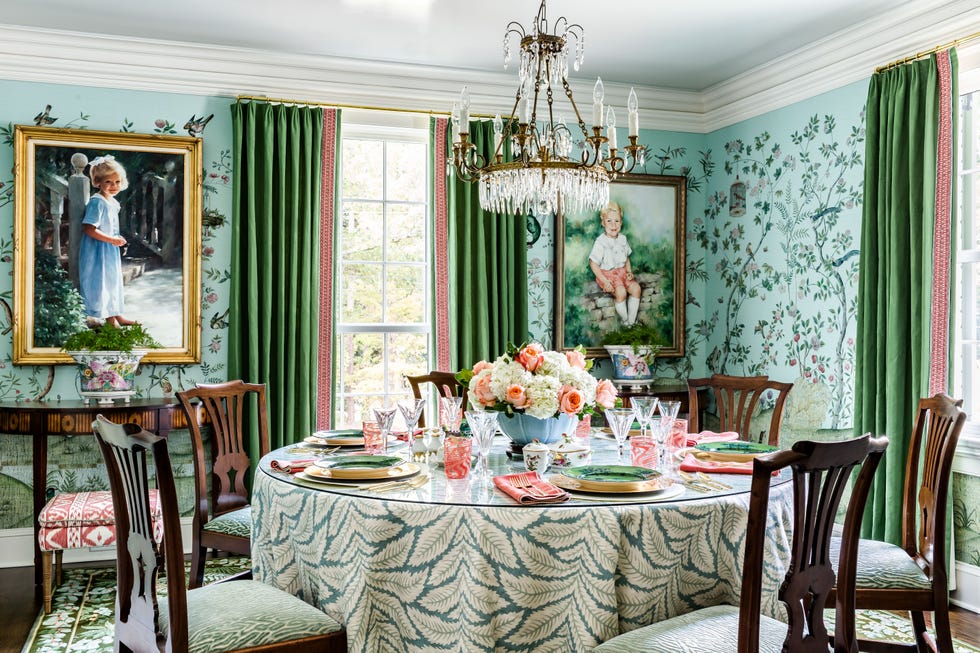
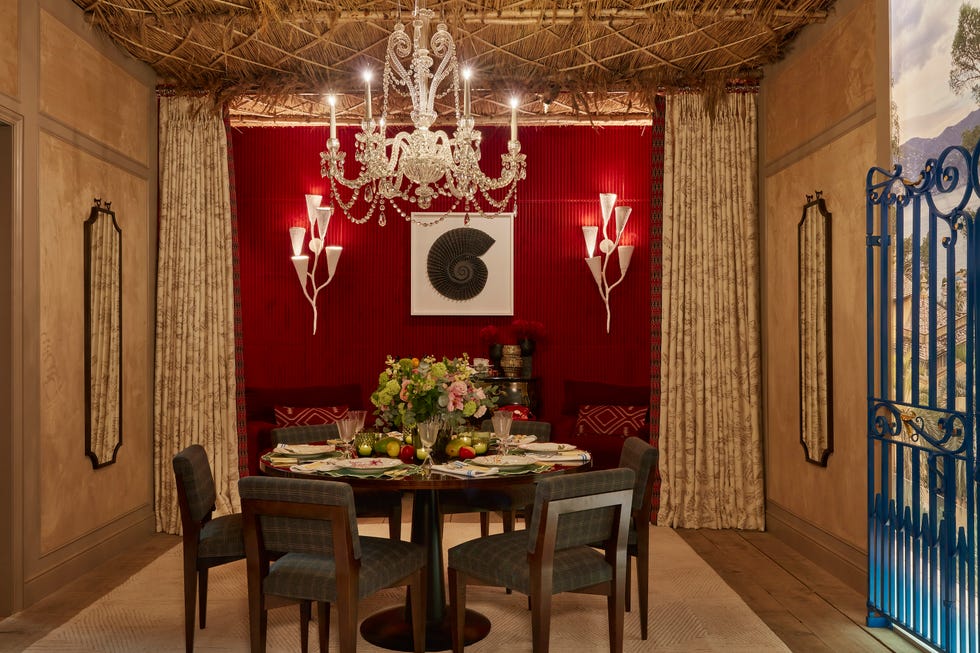
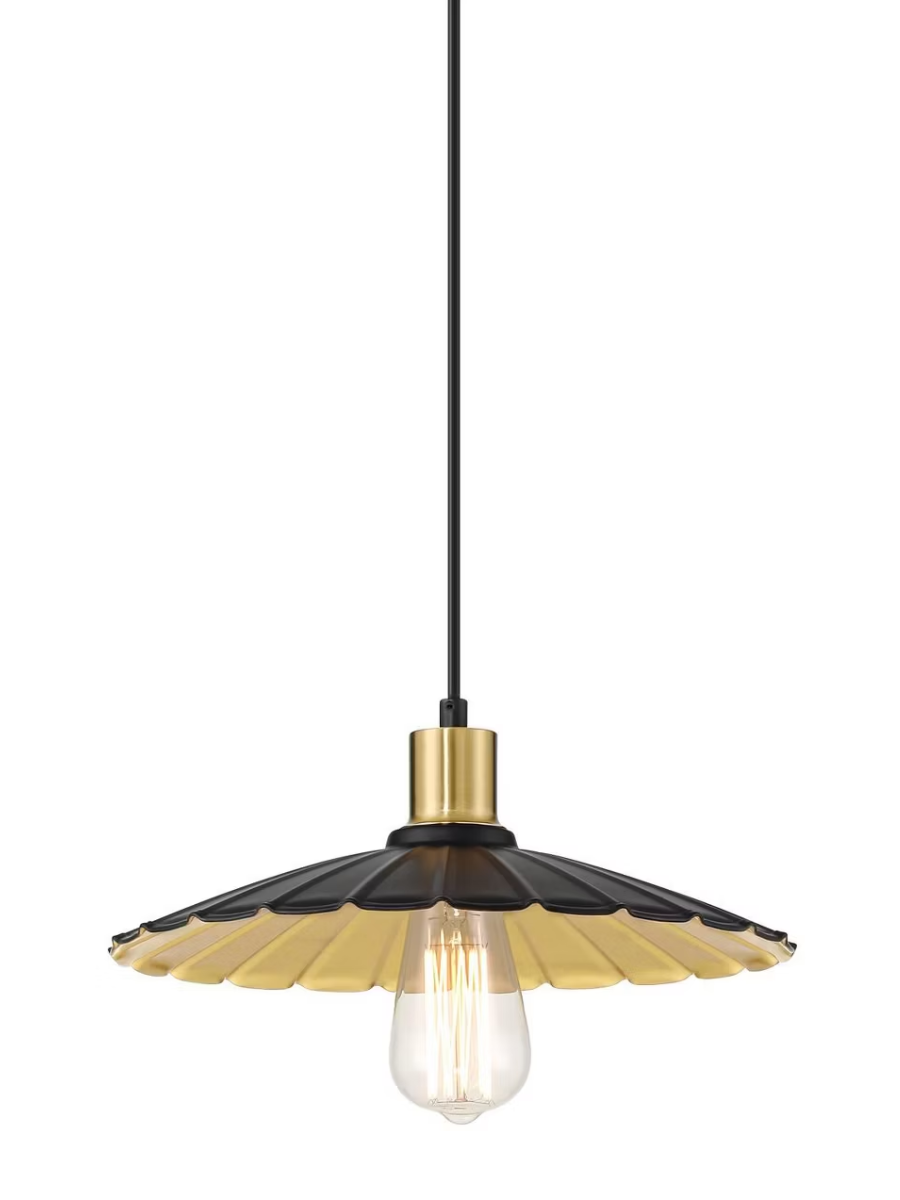
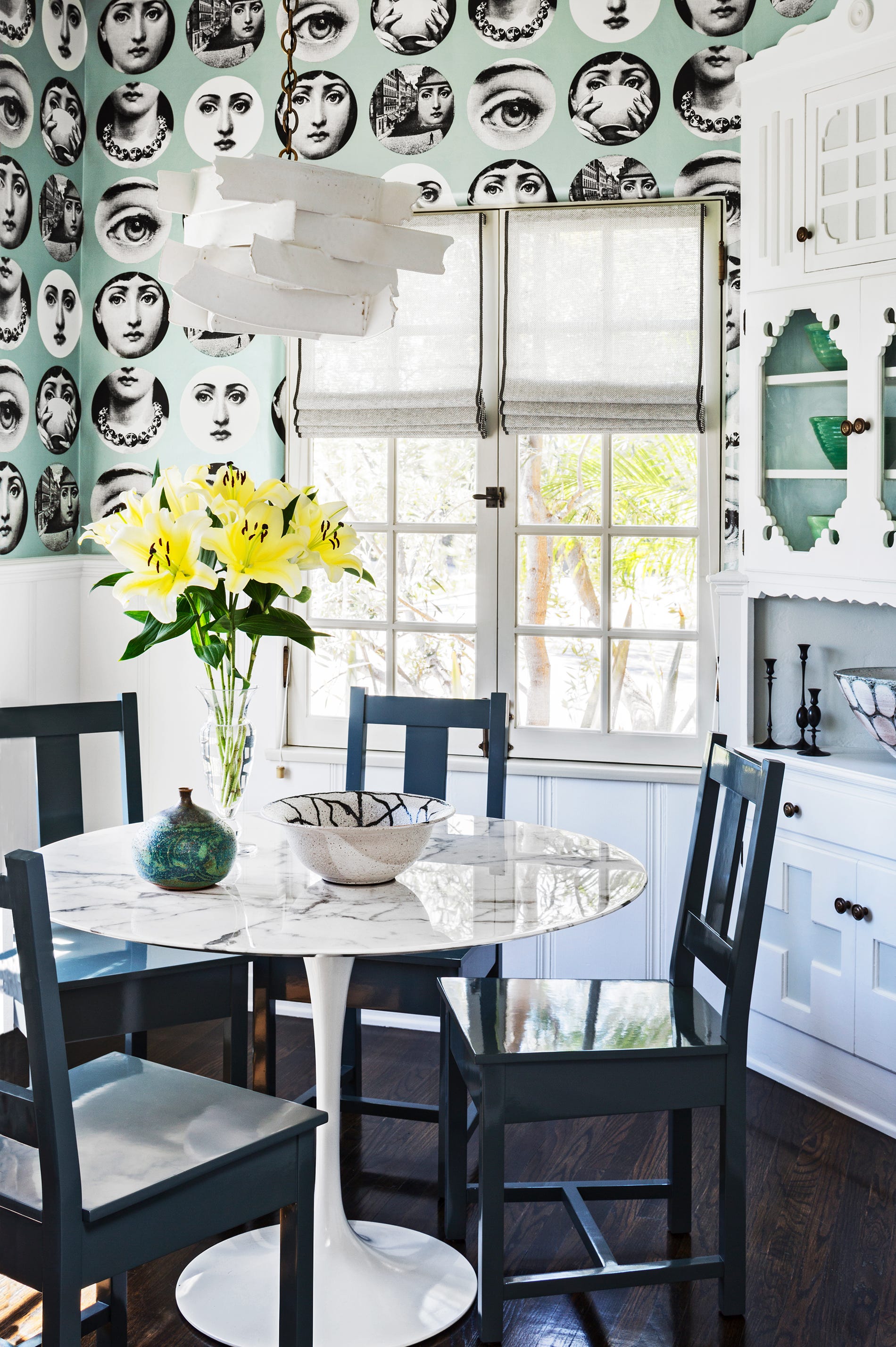
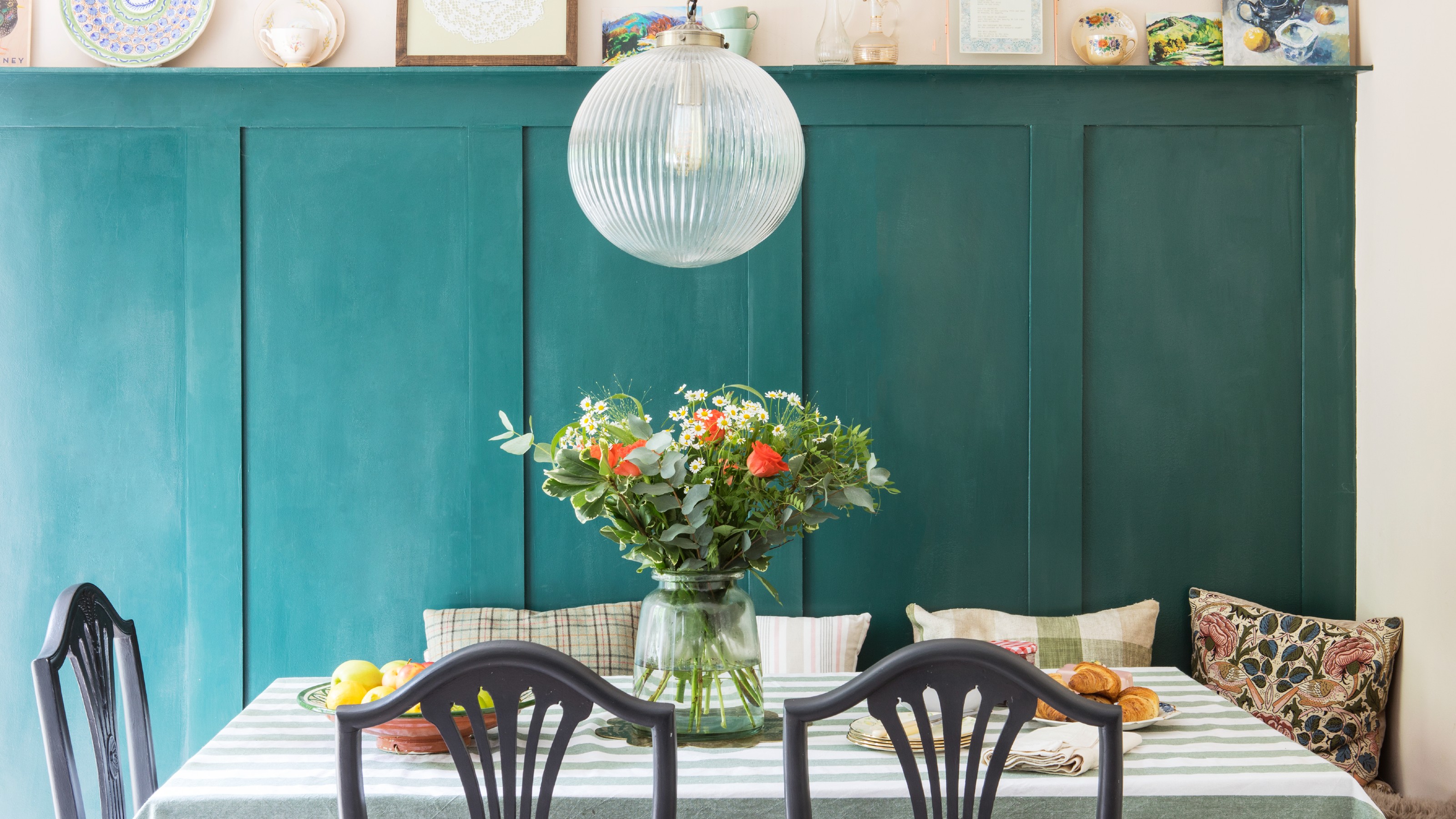
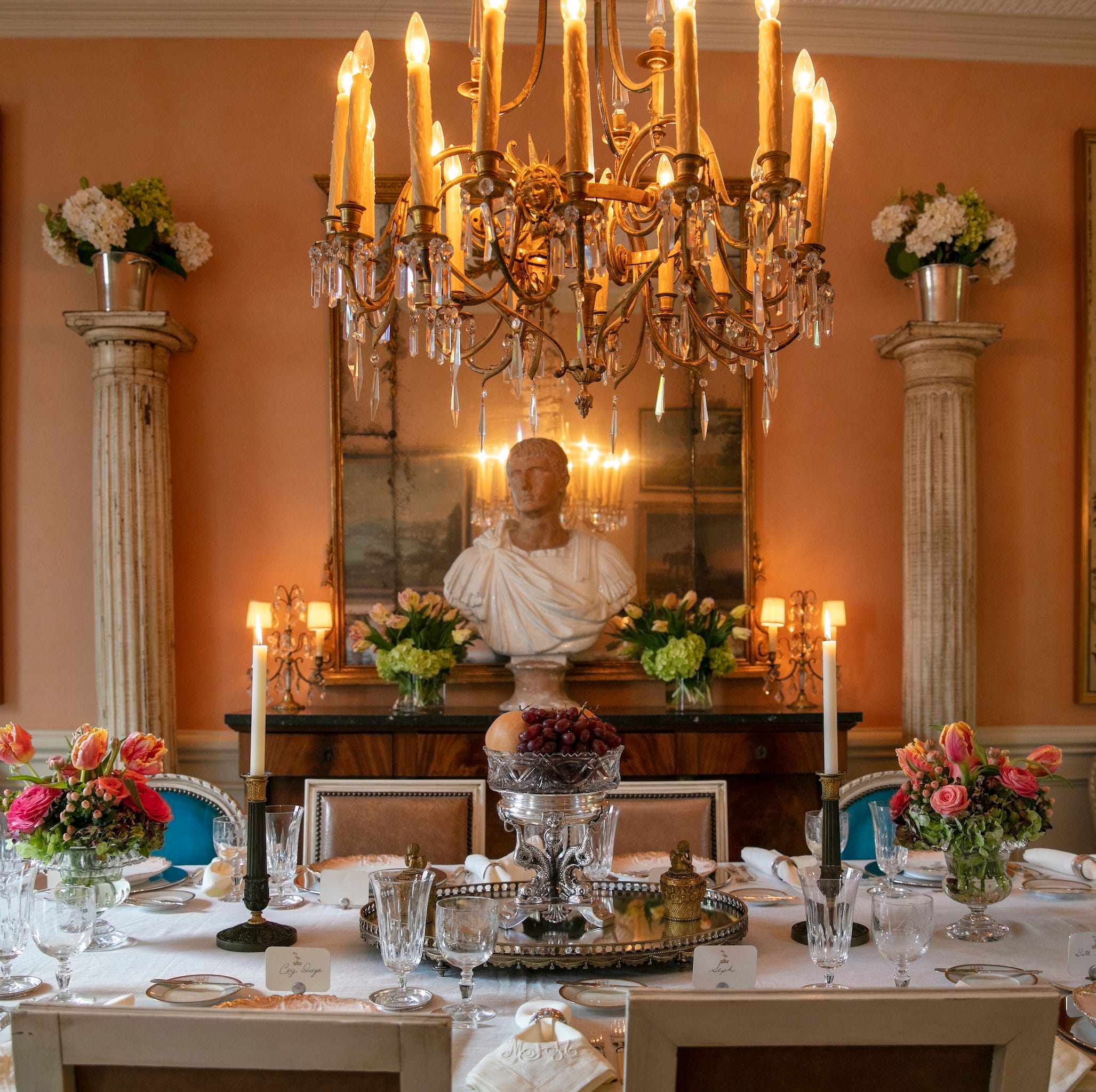
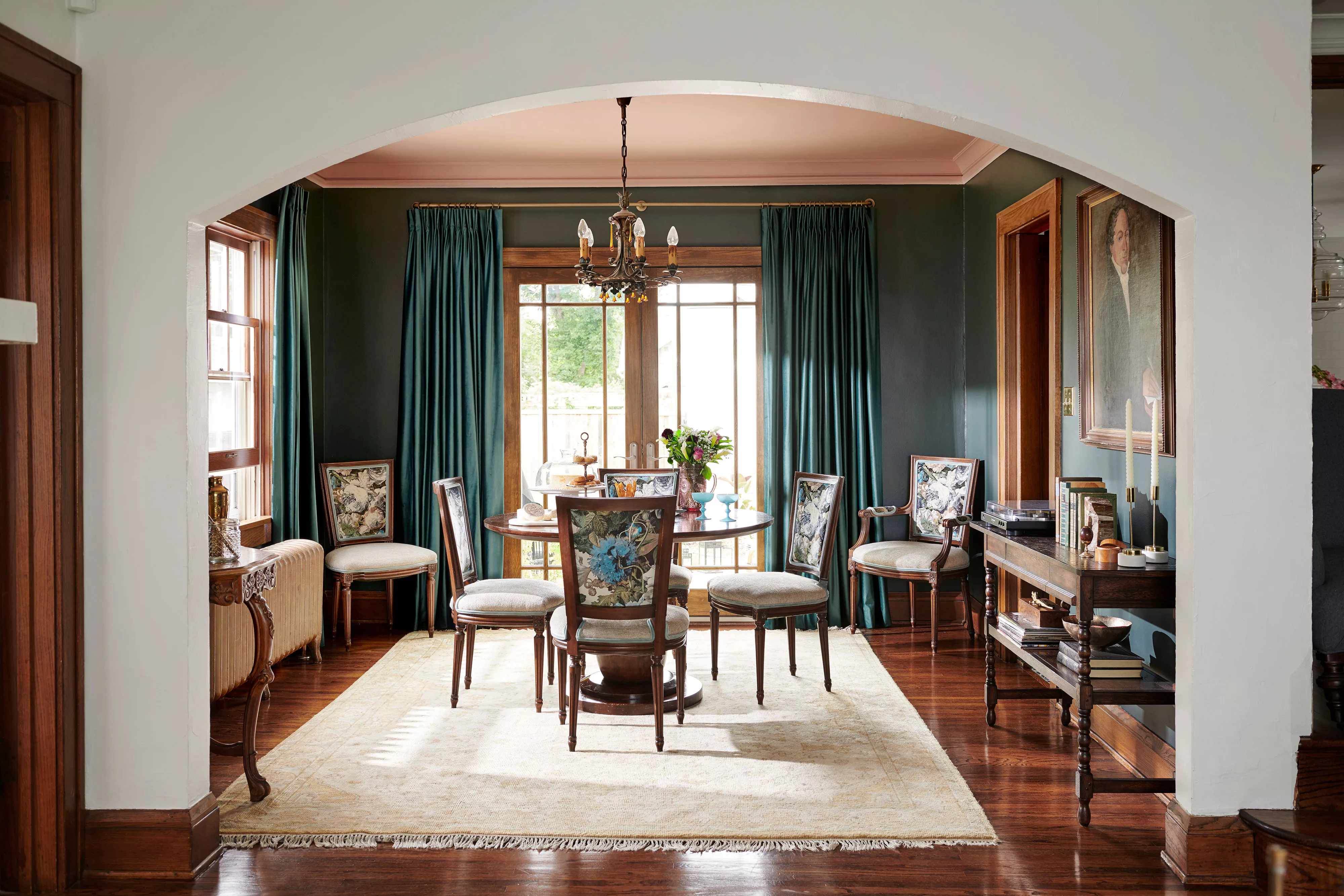
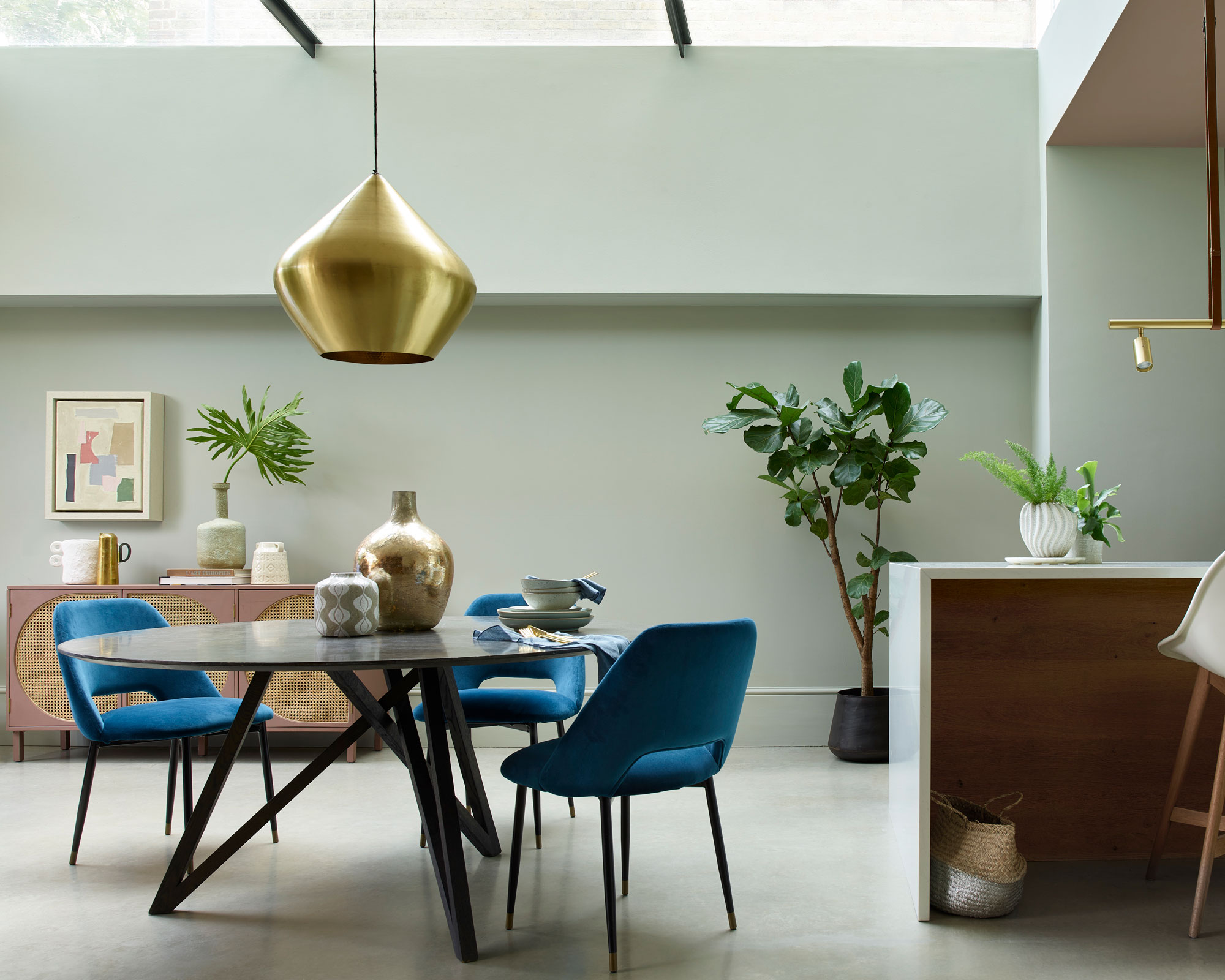
Simplicity with oversized pendant lights can create an uncluttered look, while metallics add glamour and complement wall decor ideas. Chandeliers, in their various styles, offer a timeless and elegant touch, serving as a conversation starter. In open-plan or small dining areas, lighting can effectively zone the space, drawing the eye and defining the dining zone. Industrial-style lights with visible filament bulbs offer a unique design feature, and colored pendant lights can refresh a room's aesthetic. Positioning lights precisely where needed, even if it means using hooks for trailing wires, ensures functionality. Dramatic lighting choices, like a gothic black glass chandelier, can enhance a room's existing features.
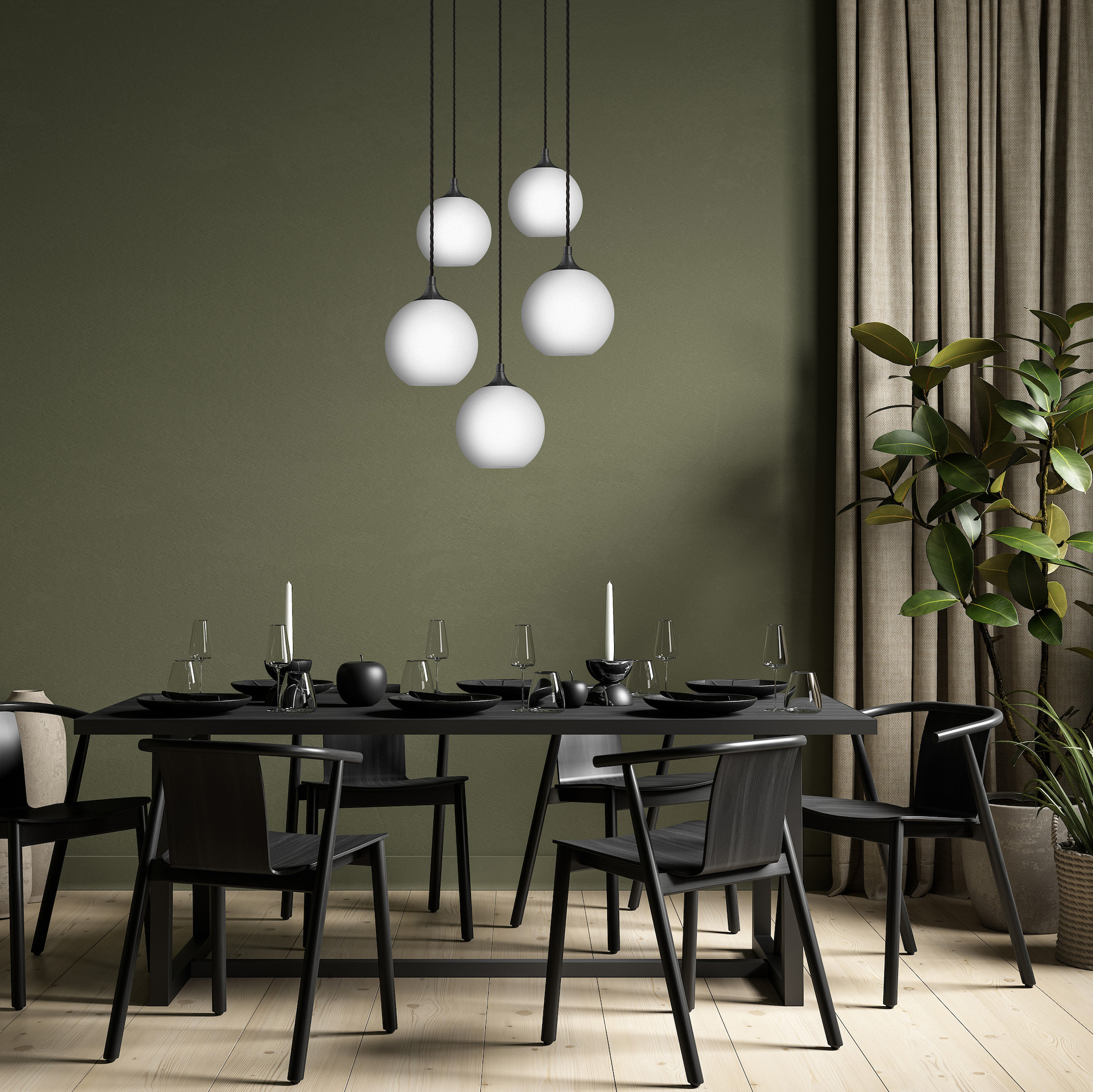
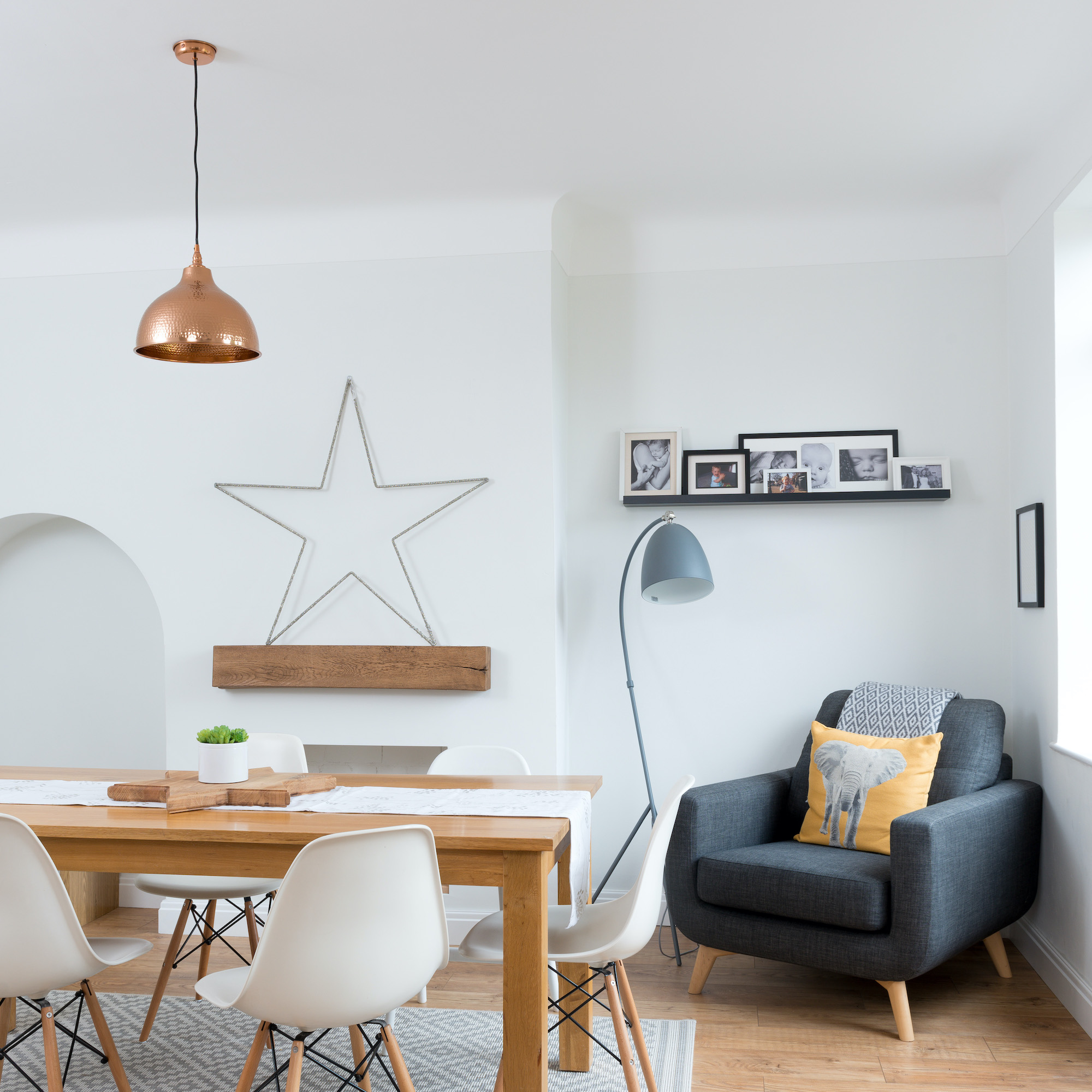
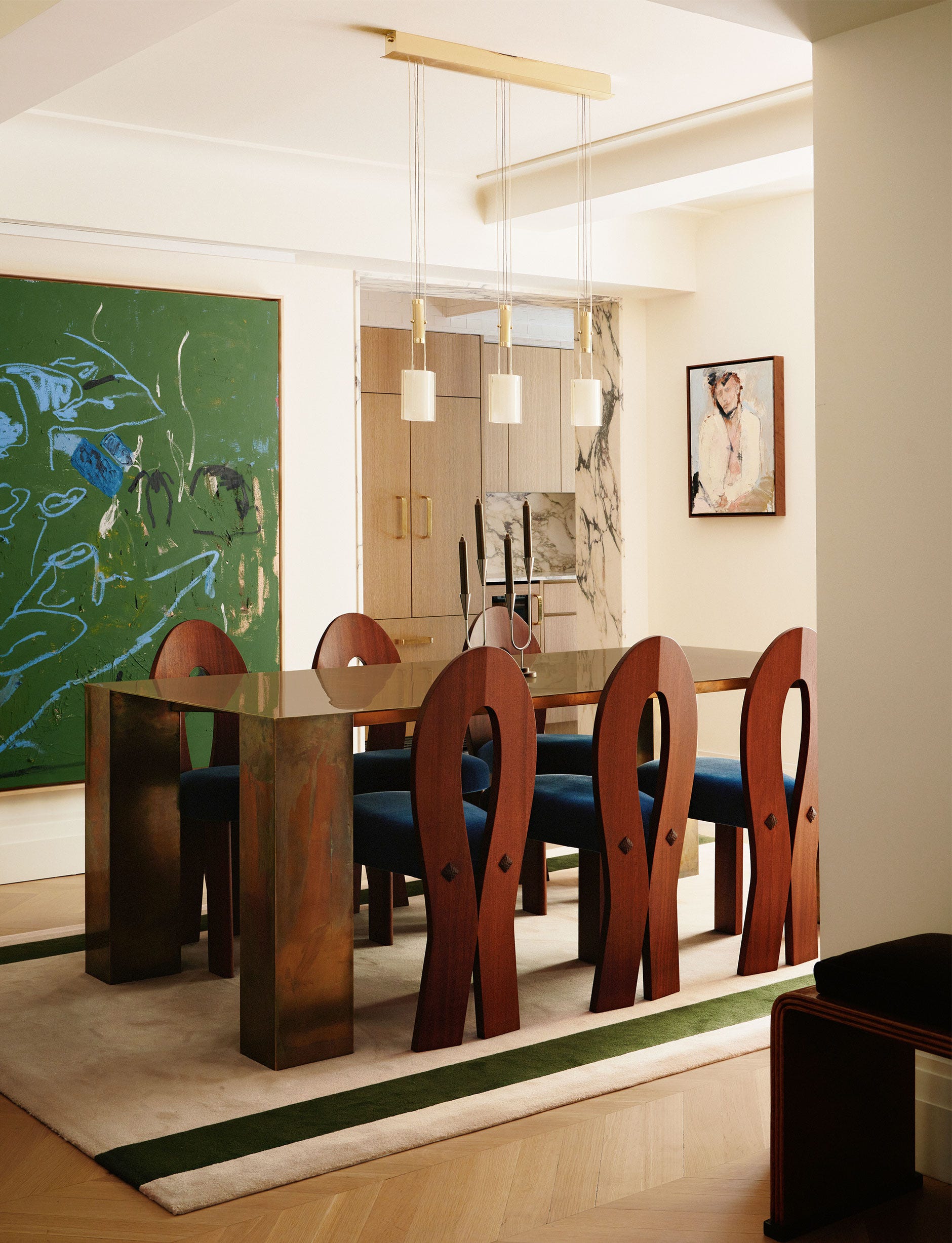
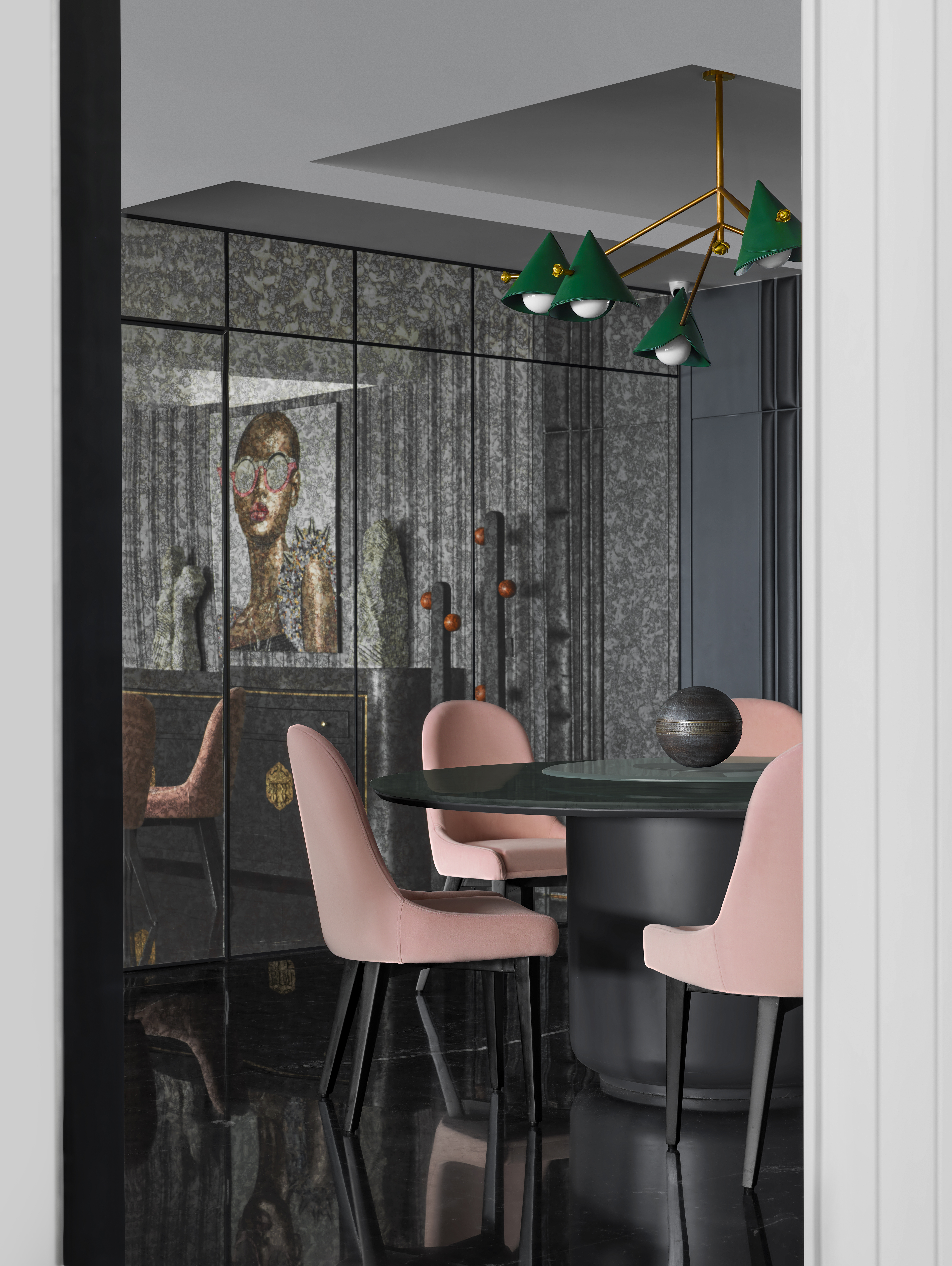
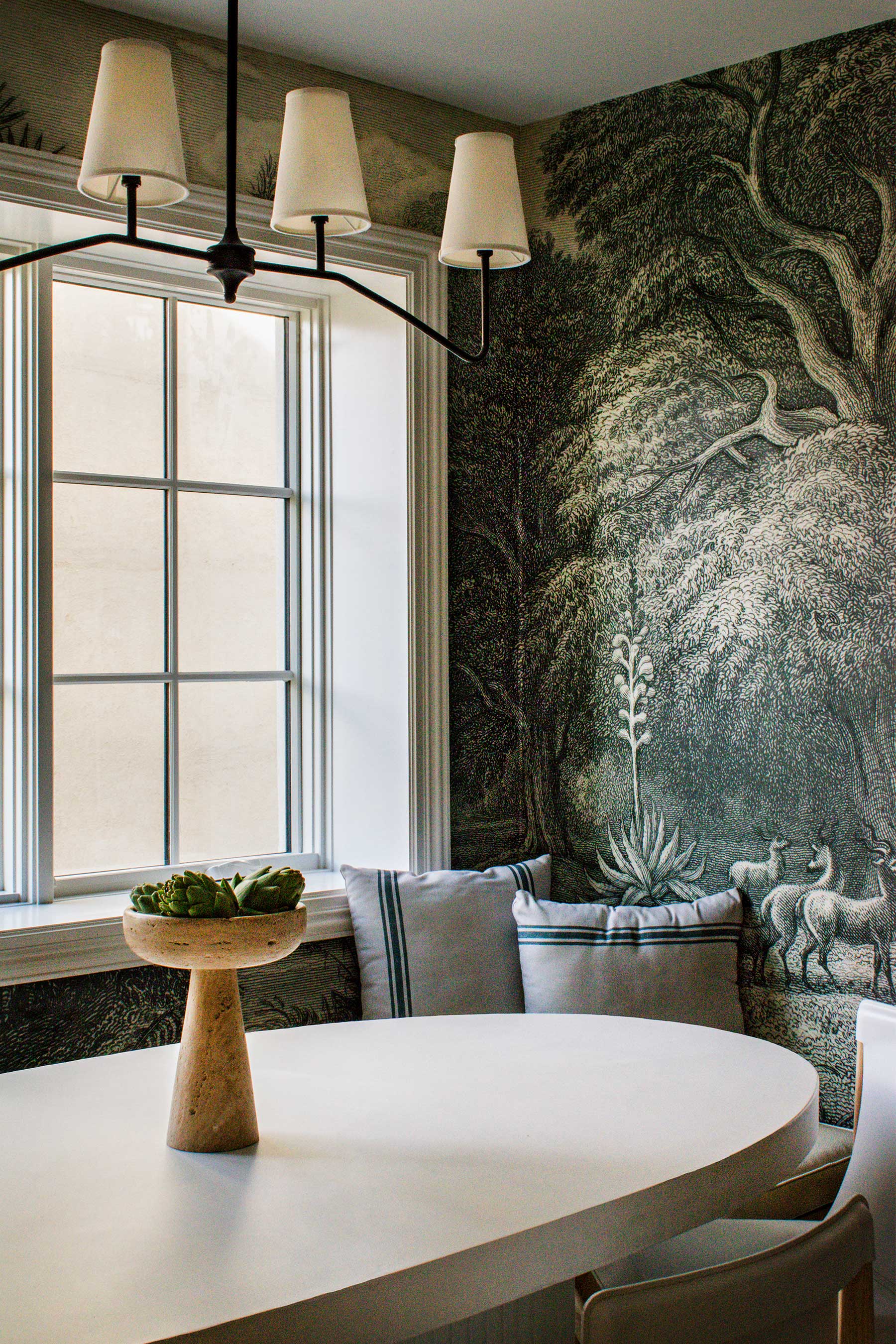
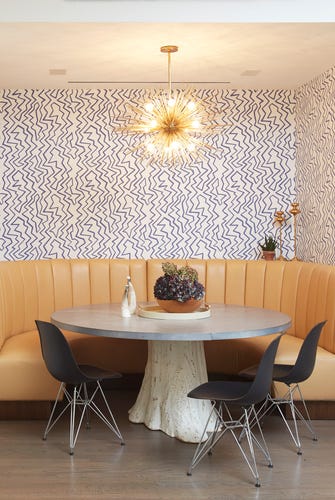
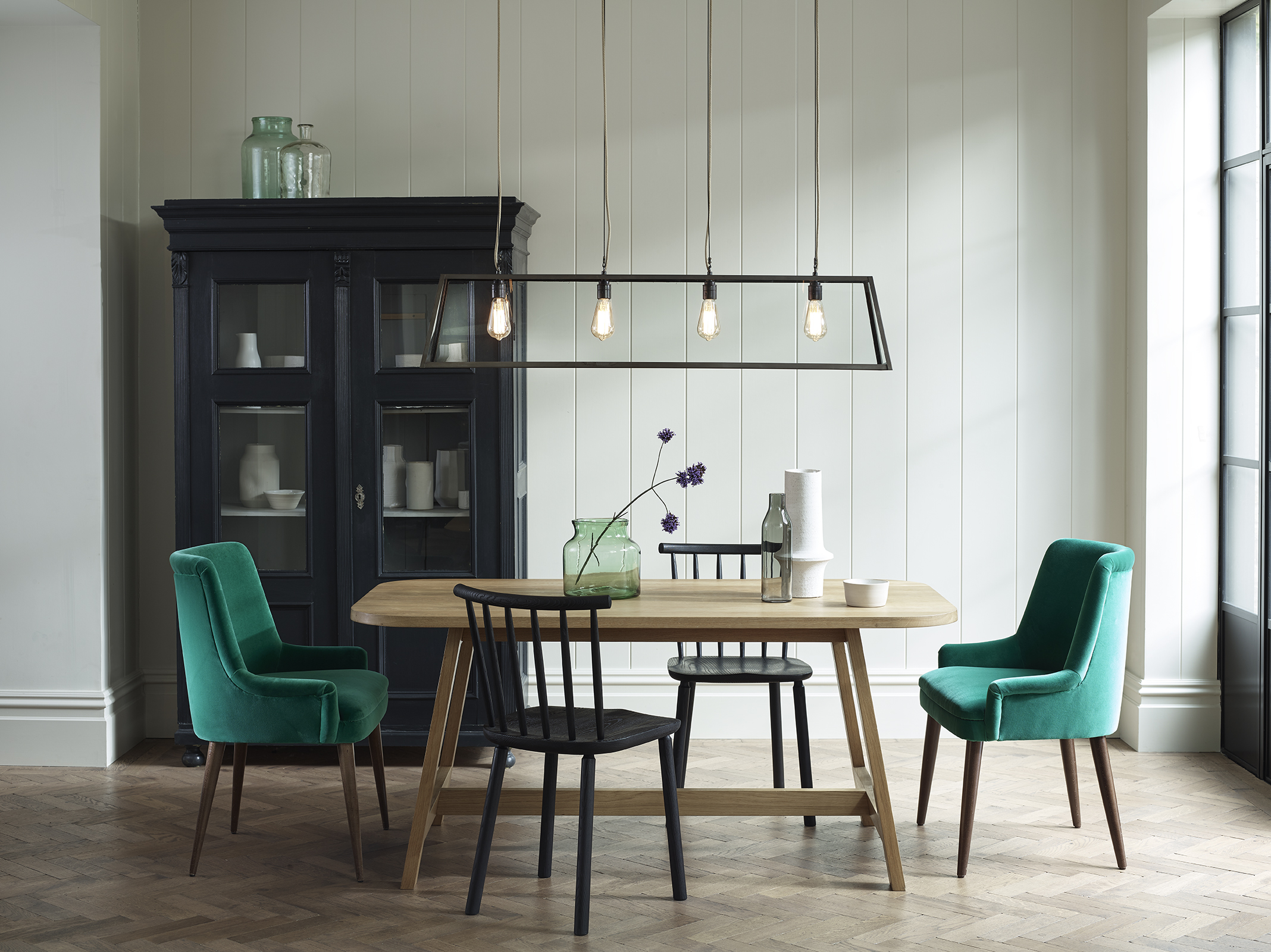
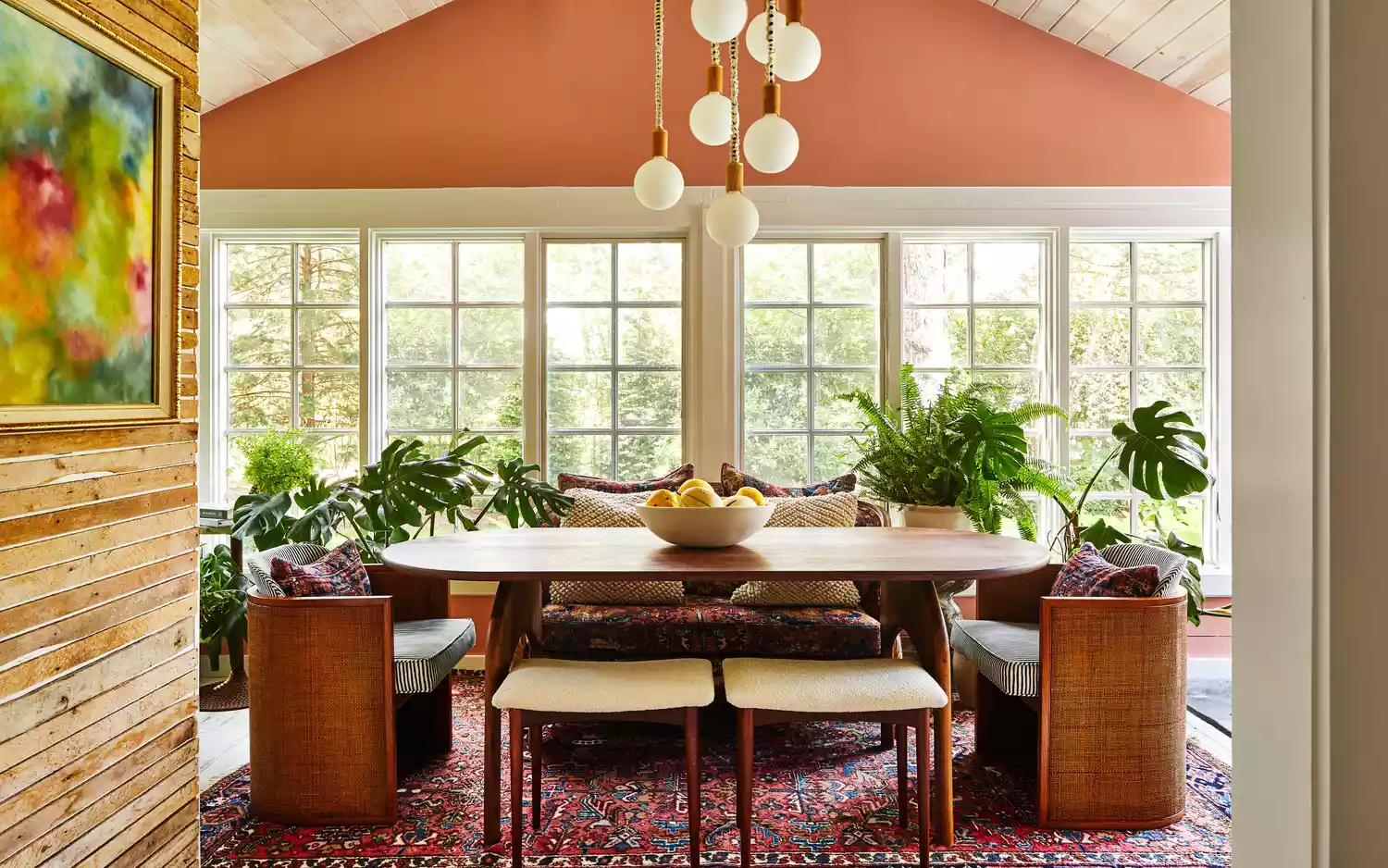
Pendant bar lights are ideal for illuminating long, rectangular tables, providing multiple light sources from a single fixture. When working with small spaces, subtle yet statement pendant lights can add elegance and optimize ceiling space. Bold contrasting colors for lighting fixtures can visually zone an open-plan kitchen and dining area. Playing with varying heights and sizes of clustered pendants can create a modern, standout decor piece. For discreet lighting during the day, translucent or transparent shades can effectively hide fixtures. Leaning into luxe with gold or metallic fixtures adds a touch of glam. Maximizing natural light, especially through glass extensions, enhances daytime ambiance, while spotlights offer a versatile option for general and focused illumination, particularly when combined with dimmers.
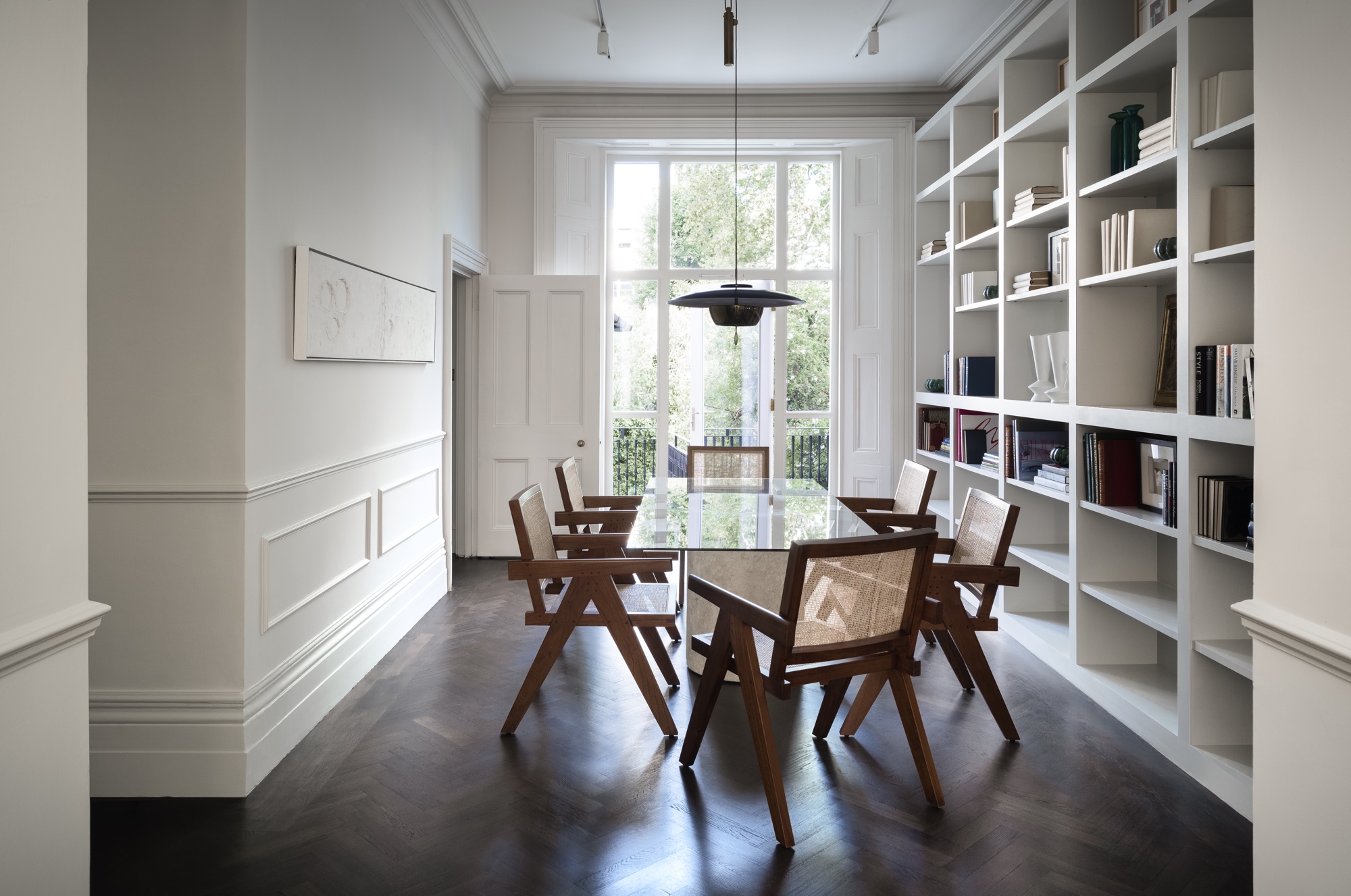
Rise-and-fall lighting provides flexibility, allowing users to adjust the height for intimacy or brightness. In open-plan settings, matching the style of dining room lights with kitchen lighting ensures a cohesive look. Staggering heights and sizes of multiple lights can create an interesting, non-symmetrical display. Cascading cluster designs are effective for creating a central focal point and conversation starter. Personalizing the dining room with bespoke light-up signs adds a unique touch. Mixing and matching patterns with a consistent tone in drum lampshades can be a budget-friendly way to introduce color and interest. Finally, integrating fairy lights within foliage can create a magical atmosphere year-round, provided the ceiling can support the weight of the arrangement.
Experts recommend having a light over the dining table to illuminate food and encourage conversation. The best lighting strategy involves combining various light sources with dimmers to create flexible moods, focusing a primary light over the table and supplementing with wall lights and freestanding lamps for accentuation. For optimal placement, the bottom of the light fixture should typically be 30 to 36 inches from the tabletop, with adjustments for ceiling height, room size, and light projection, ensuring both style and functionality without harsh glare or insufficient illumination.
#DiningRoomLighting #HomeDecor #InteriorDesign #LightingIdeas #AmbianceCreation #LayeredLighting #PendantLights #DimmableLights #NaturalMaterials #StatementLighting #DiningRoomLighting #HomeDecor #InteriorDesign #LightingIdeas #AmbianceCreation #LayeredLighting #PendantLights #DimmableLights #NaturalMaterials #StatementLighting
0 comment in total
 No comments yet
You may also like
Lighting a dining room – expert tips to give mealtimes a glow-up
Lighting a dining room – expert tips on how to get it right

This $4 Hardware Store Essential Will Instantly Upgrade Your Dinner Parties

7 Dining Room Design Mistakes That Could Ruin Your Next Dinner Party

These Dining Room Lighting Ideas Command Attention

60 Dining Room Ideas That Will Make You Swear Off TV Dinners
15 Dining Room Lighting Ideas That Create the Perfect Ambience for Every Meal

The Dining Room Design Trend That Elevates Every Dinner Party
Do you need a light over a dining table? Designers offer their expert advice
42 Dining Room Lighting Ideas To Light Up Every Celebration
7 Dining Room Lighting Mistakes That Could Be Making Your Space (and Food) Look Less Appetizing

Dining room furniture for illuminating suppers
Check Out These 27 Dazzling Dining Room Lighting Ideas for Every Style

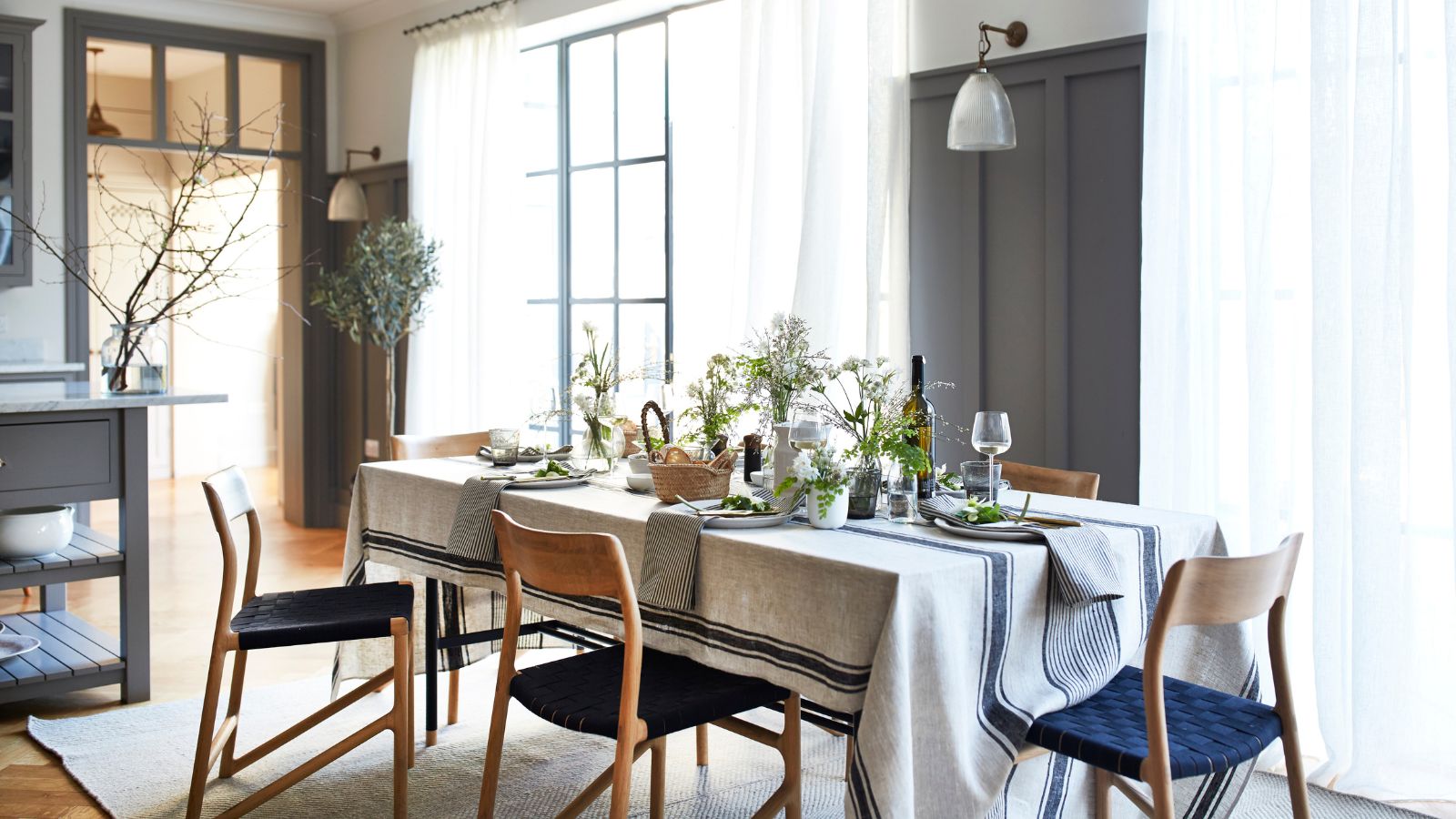
This is the Perfect Formula for Lighting a Cozy Dining Room
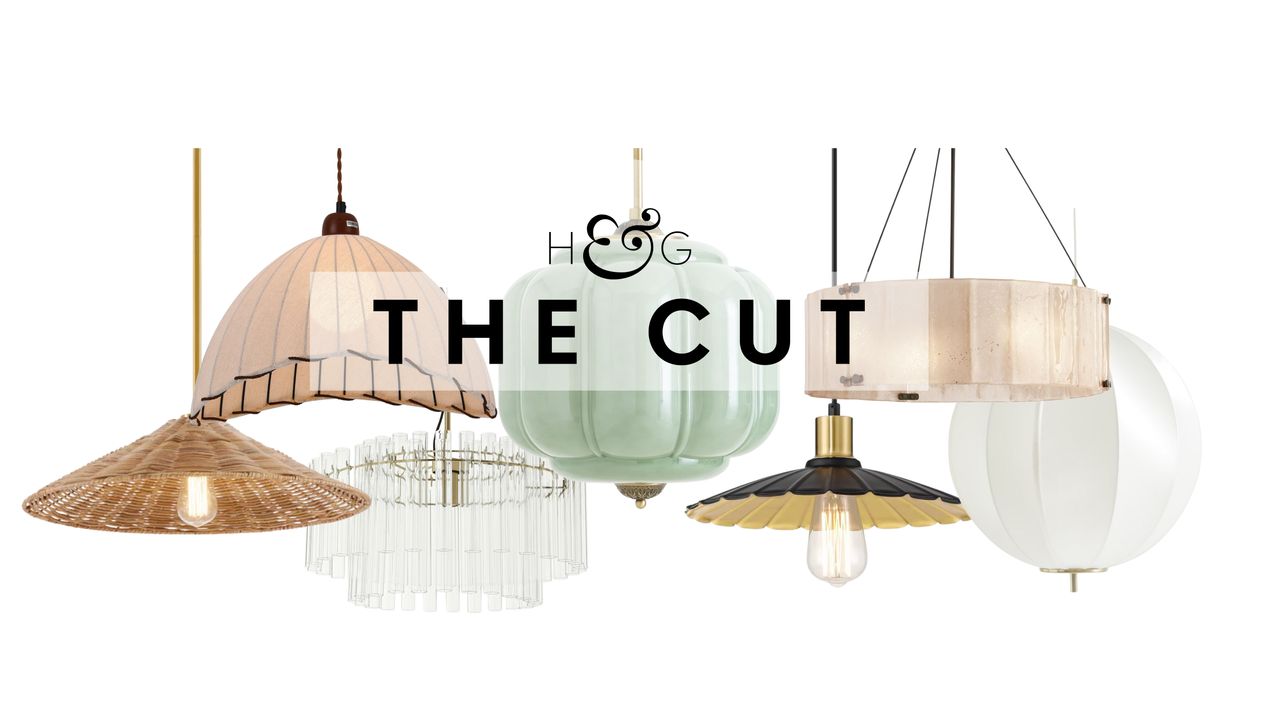
Like Jewelry for Your Ceiling – 18 Dining Room Pendant Lights That Prove the Big Light Is Back in Fashion
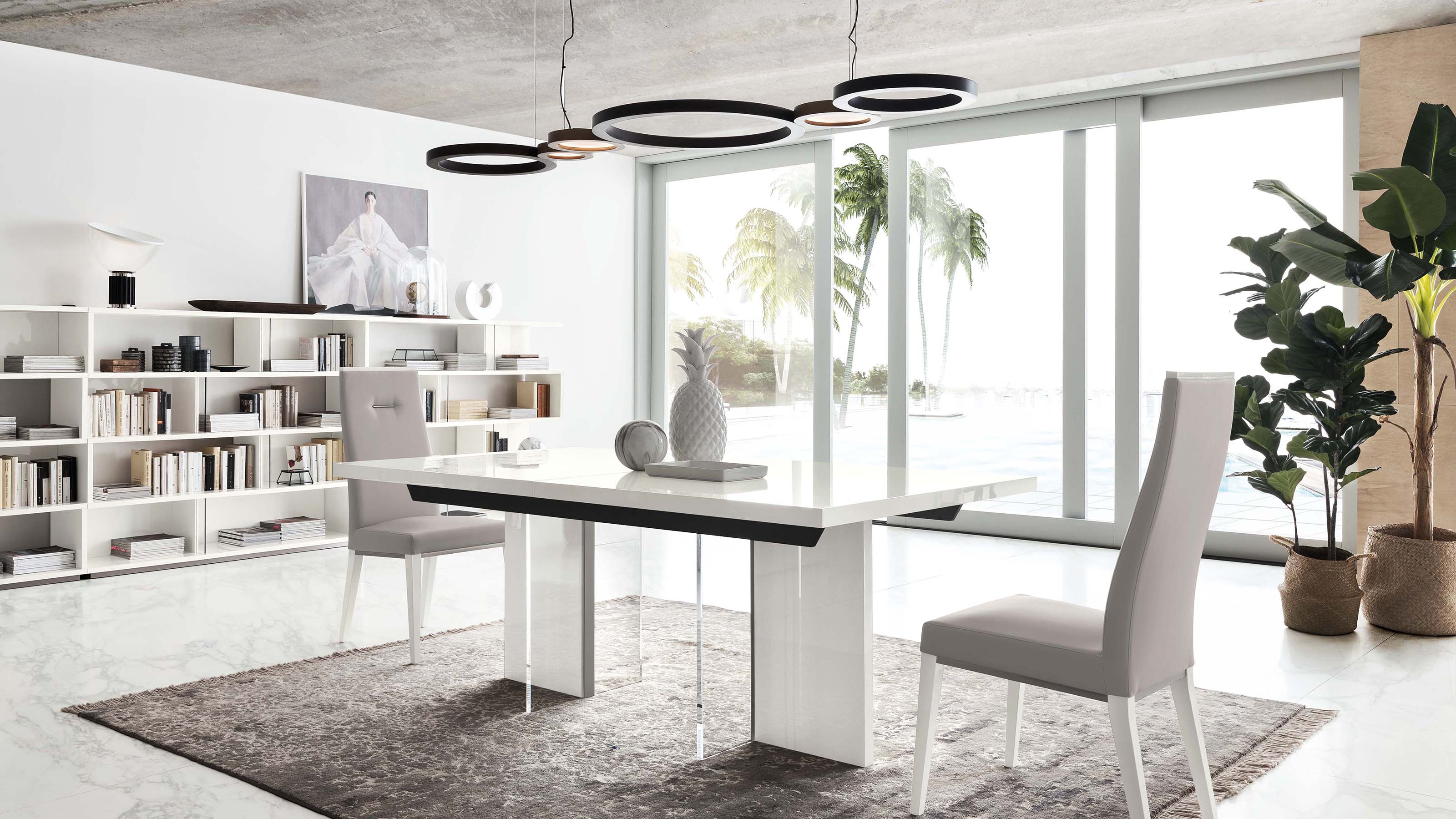
White dining room ideas – 10 designs to brighten up dinner time

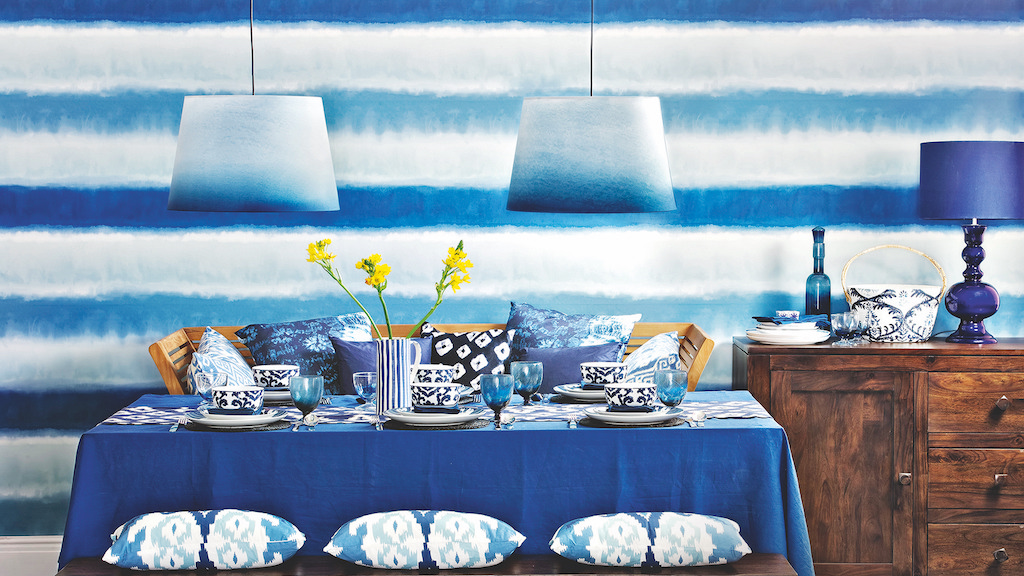
Small dining room lighting ideas – 10 ways to illuminate mealtimes in style
These Designer-Approved Dining Room Ideas Will Elevate ANY Entertaining Space

These Gorgeous Dining Rooms Are Guaranteed to Strike up Conversation

35 Formal Dining Room Ideas That Deliver Drama and Elegance