Pendant lighting not just for kitchens anymore
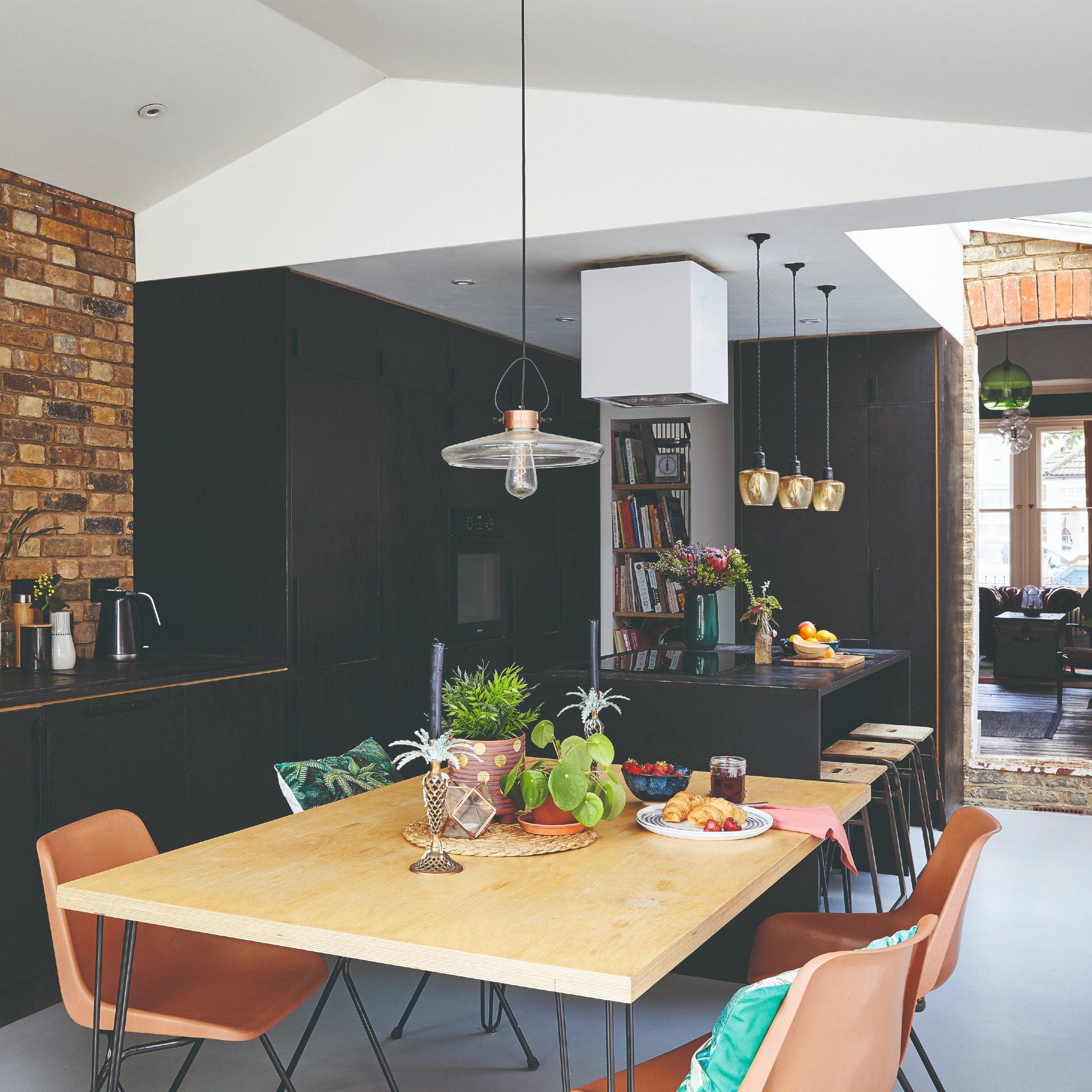
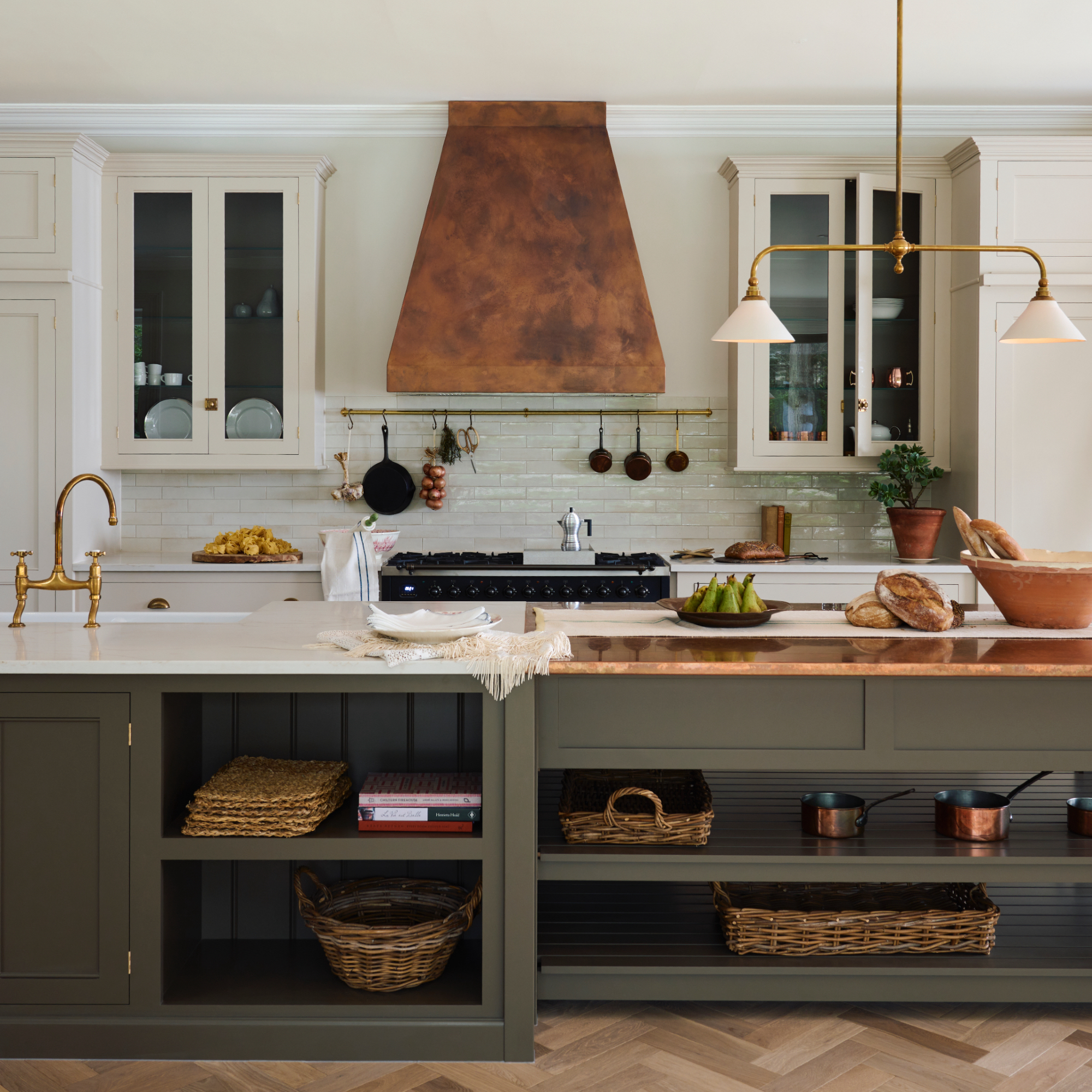
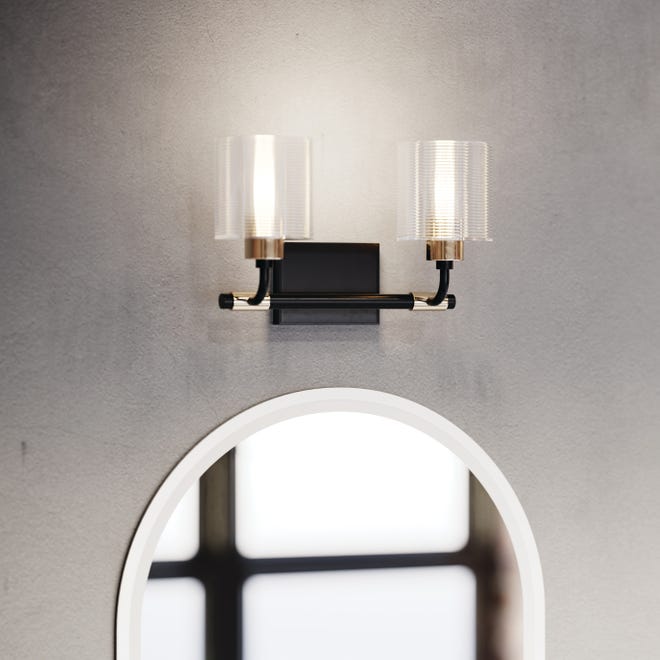
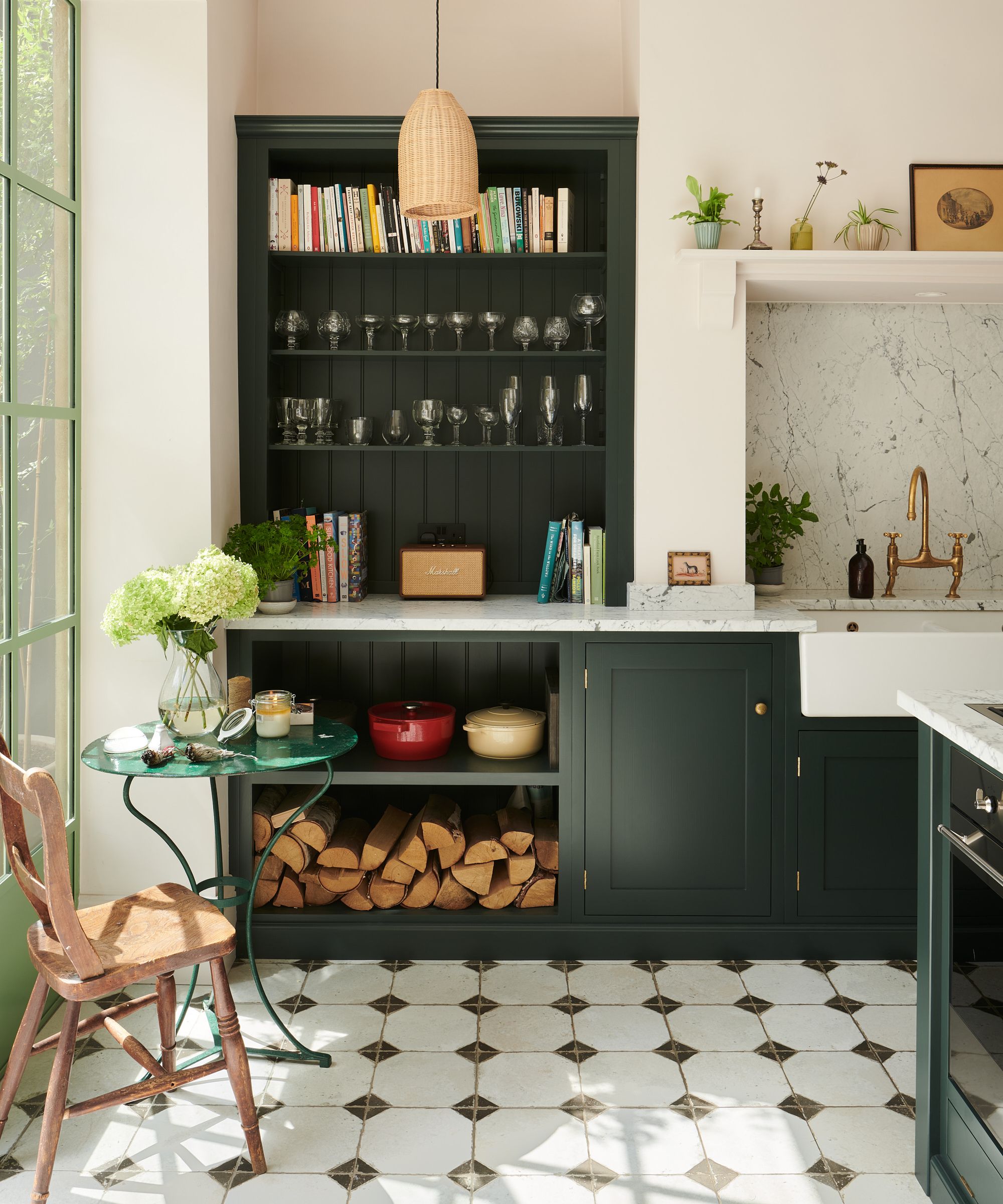
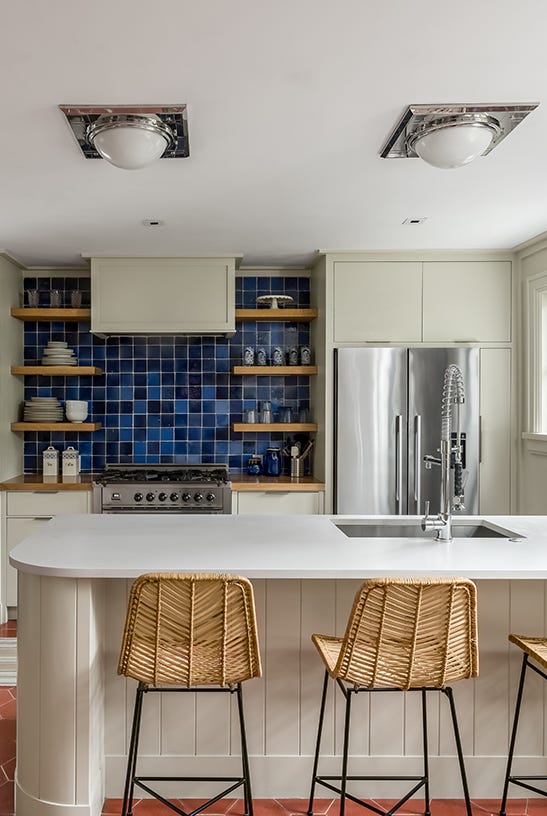
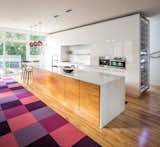
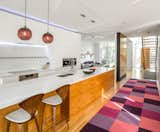
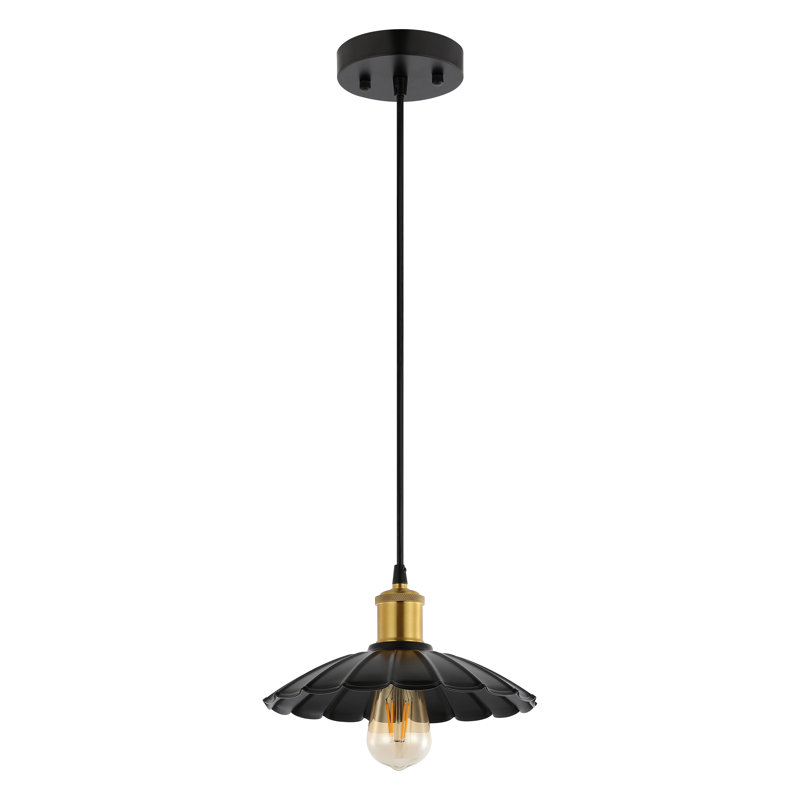
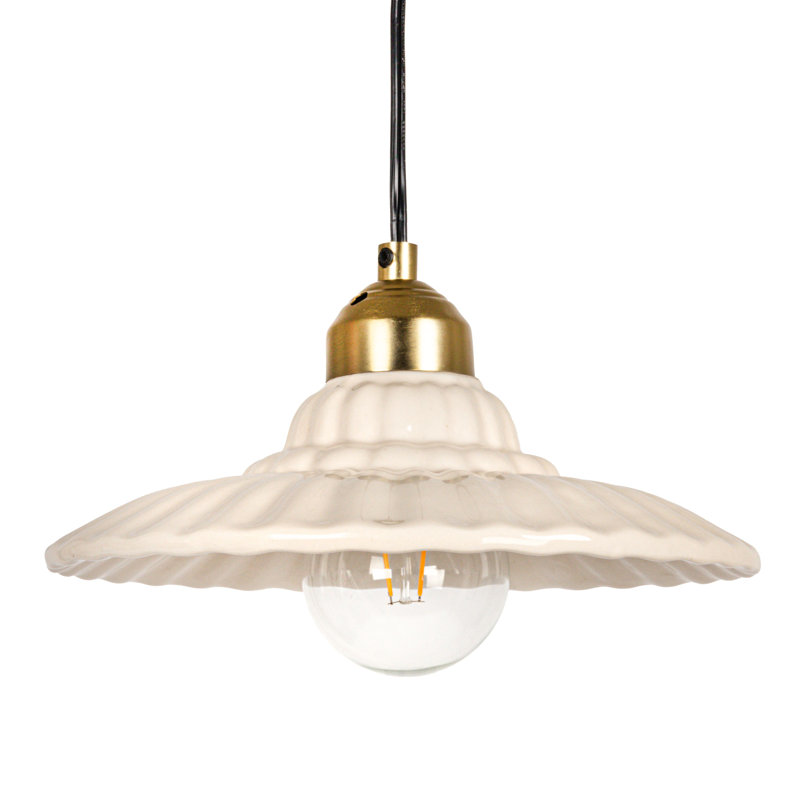
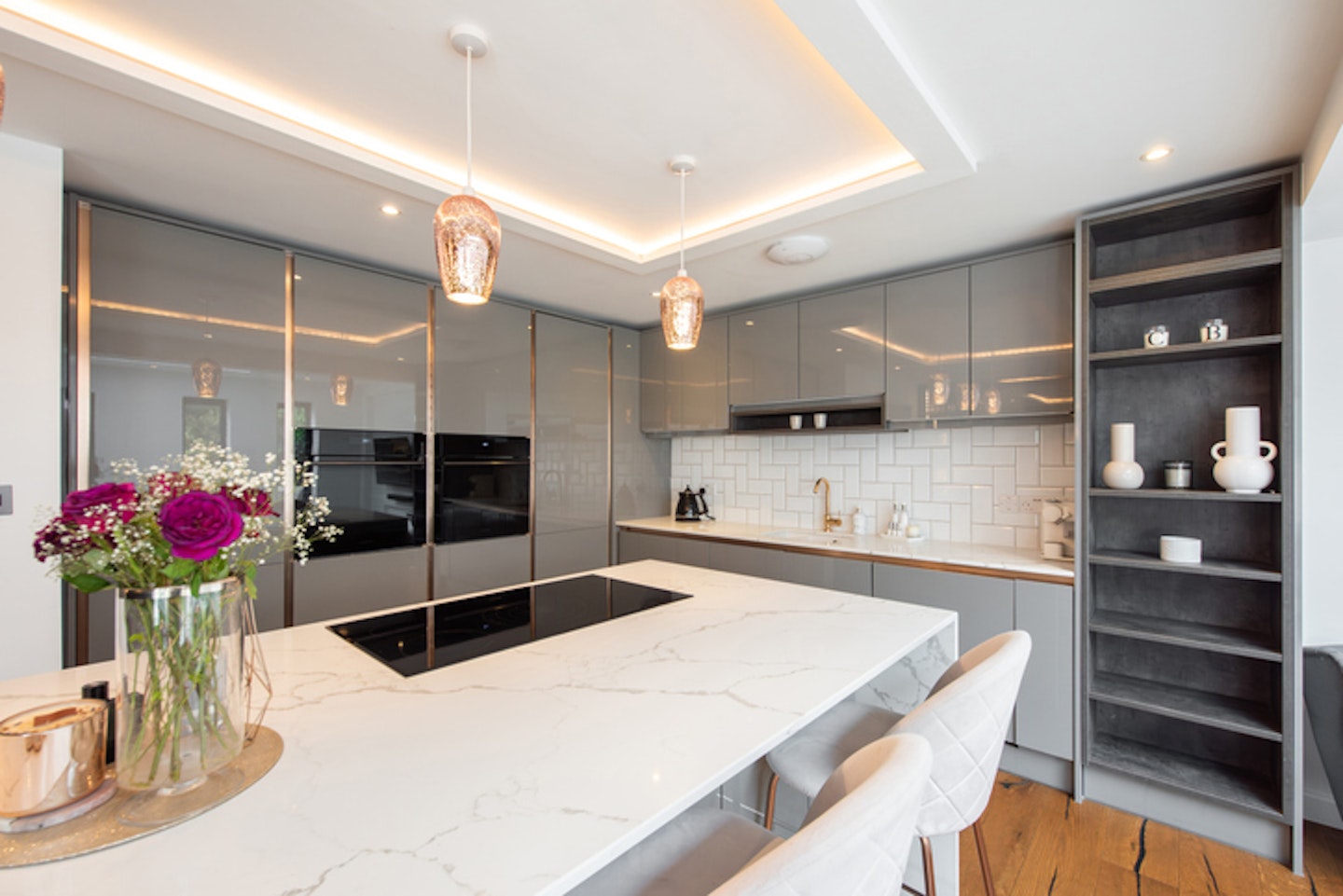
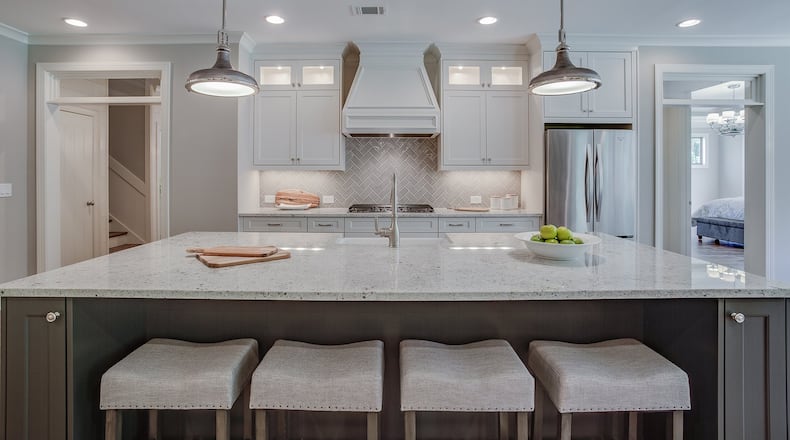
Pendant lighting, once primarily used over kitchen islands and breakfast bars, has evolved significantly over the past decade and is now a versatile design element used in various rooms throughout the home. Angi Sago, design center director for Traton Homes, noted this shift approximately ten years ago, observing an expansion from basic styles to a wide array of designs. Initially, options were limited to around 10 to 15 styles, predominantly for kitchen use. Today, these fixtures are increasingly being incorporated into bathrooms, often positioned above vanities, with approximately 80% of customers expressing interest in them.
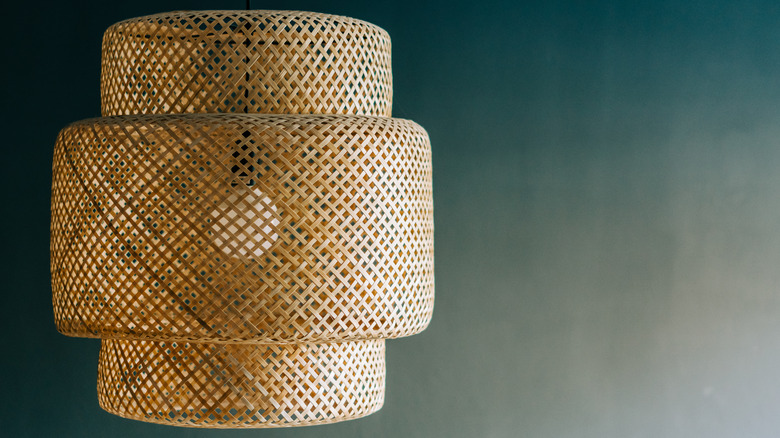
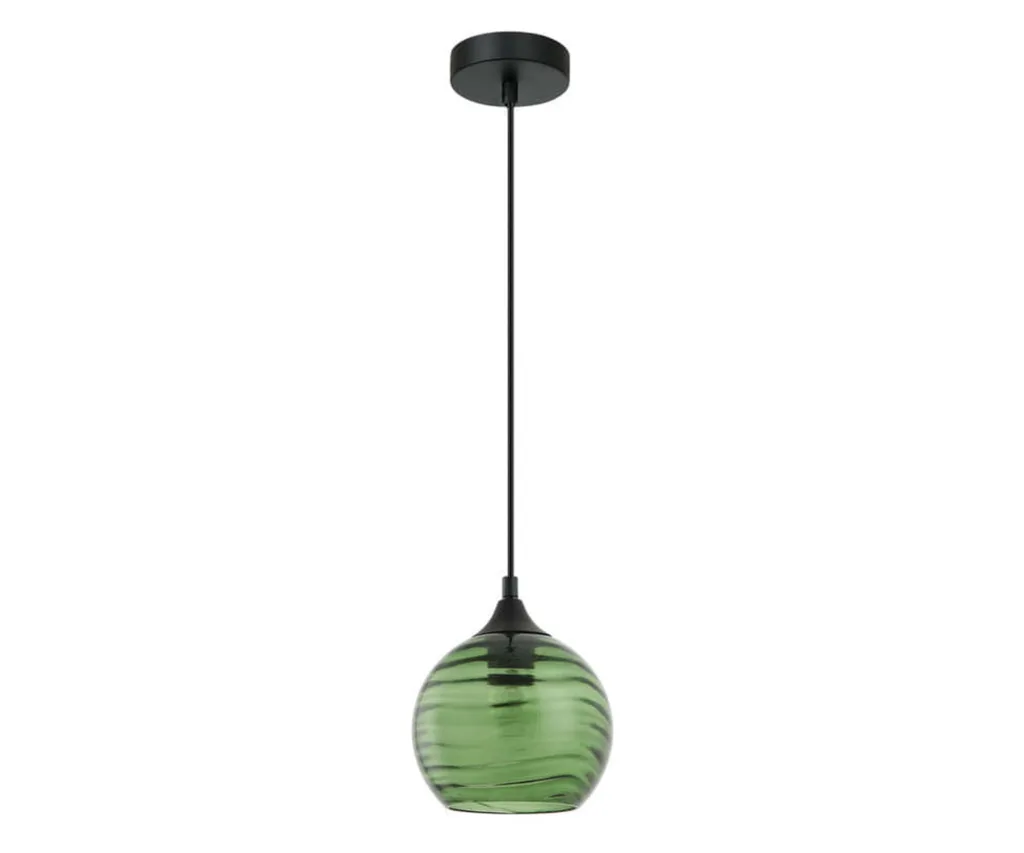
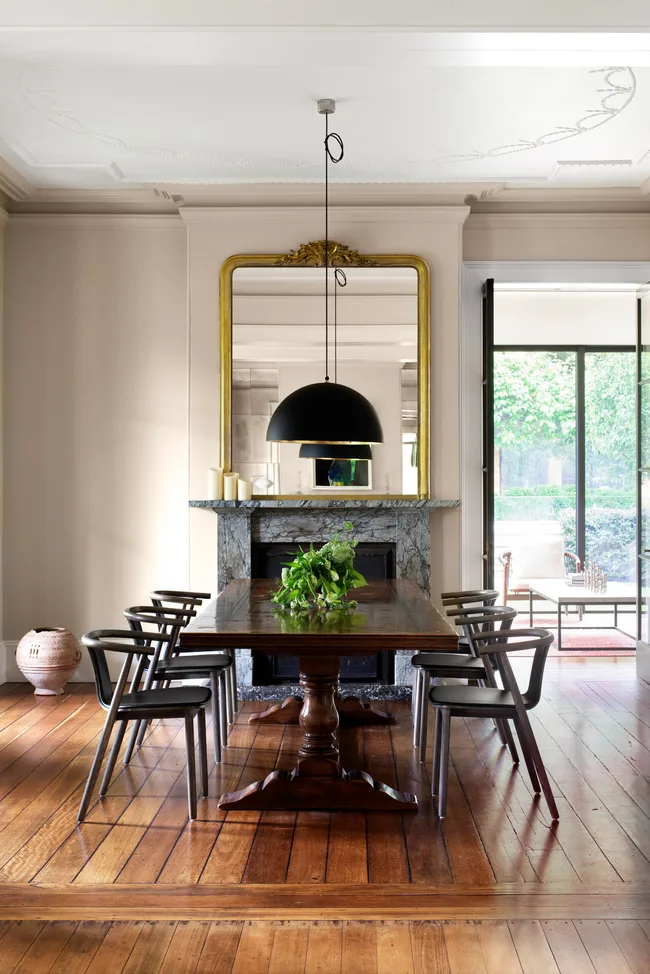
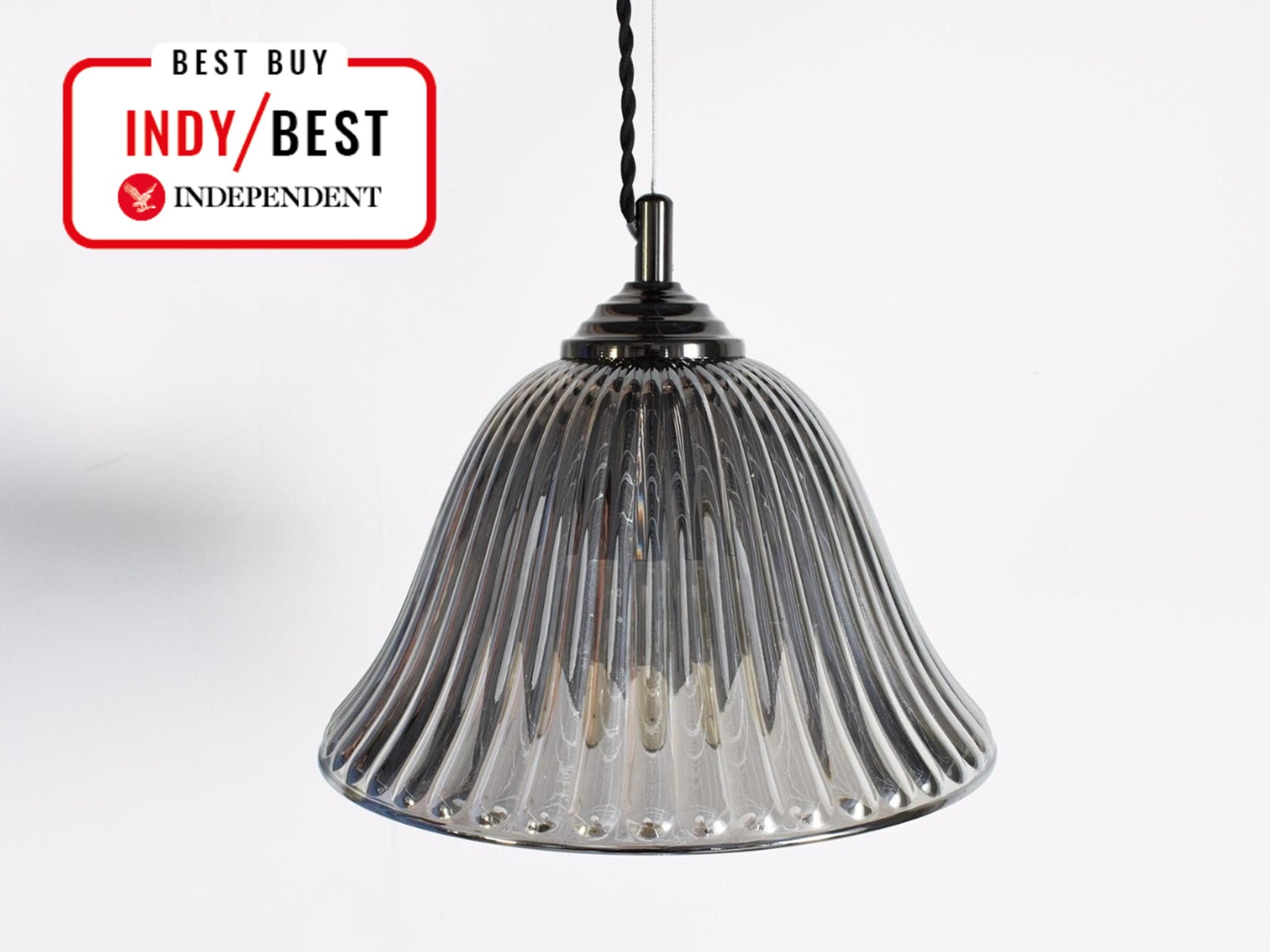
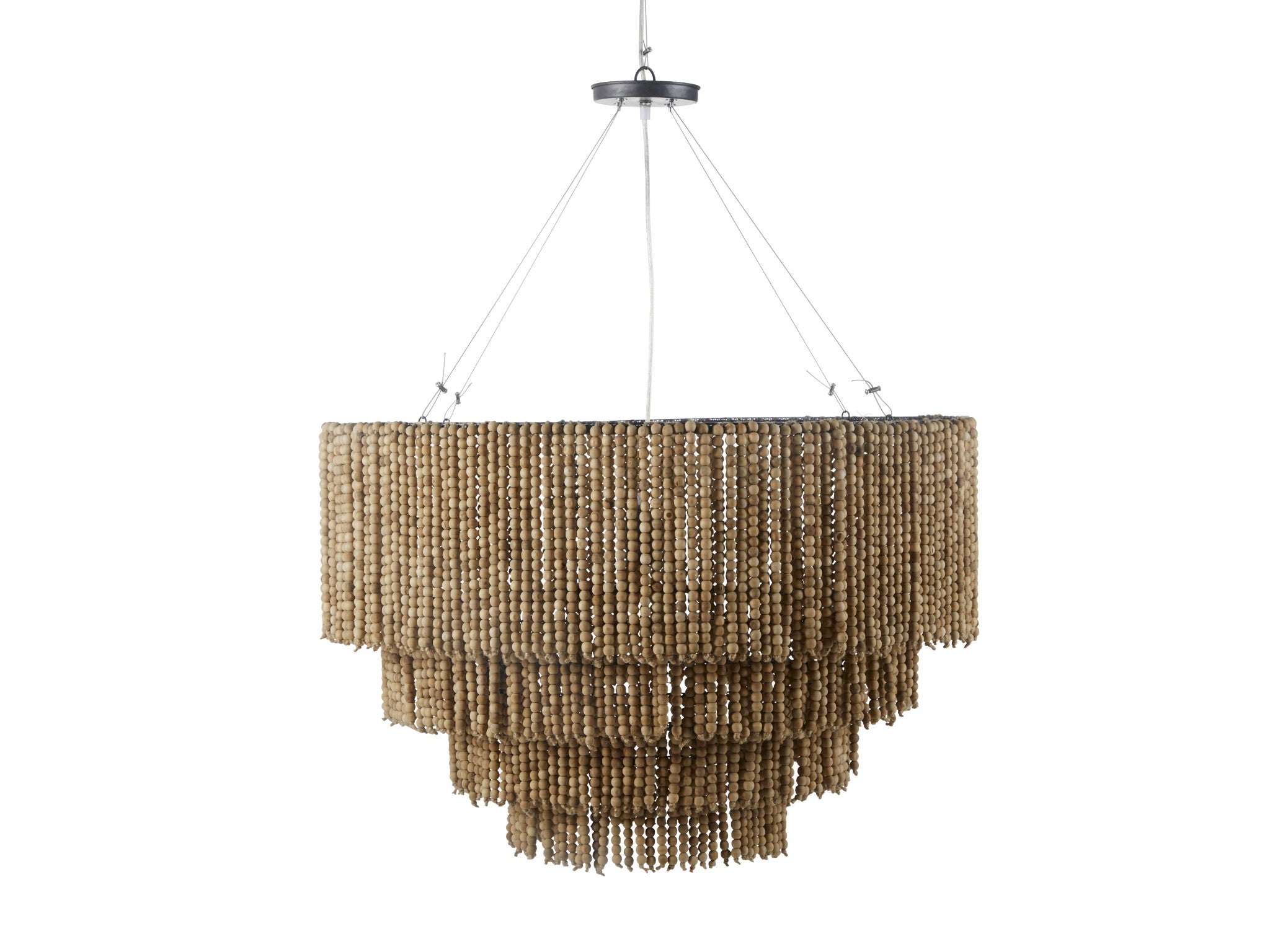
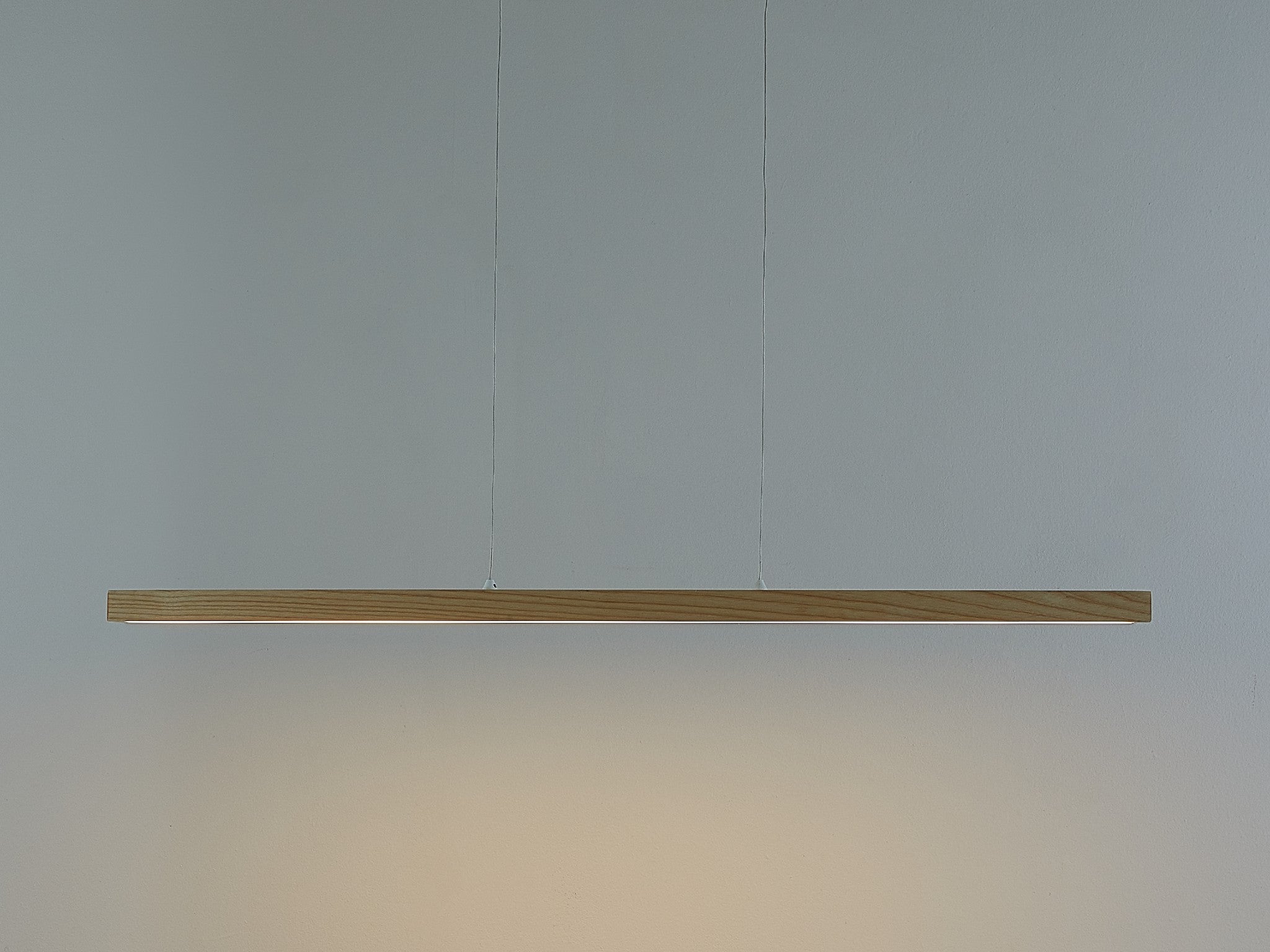
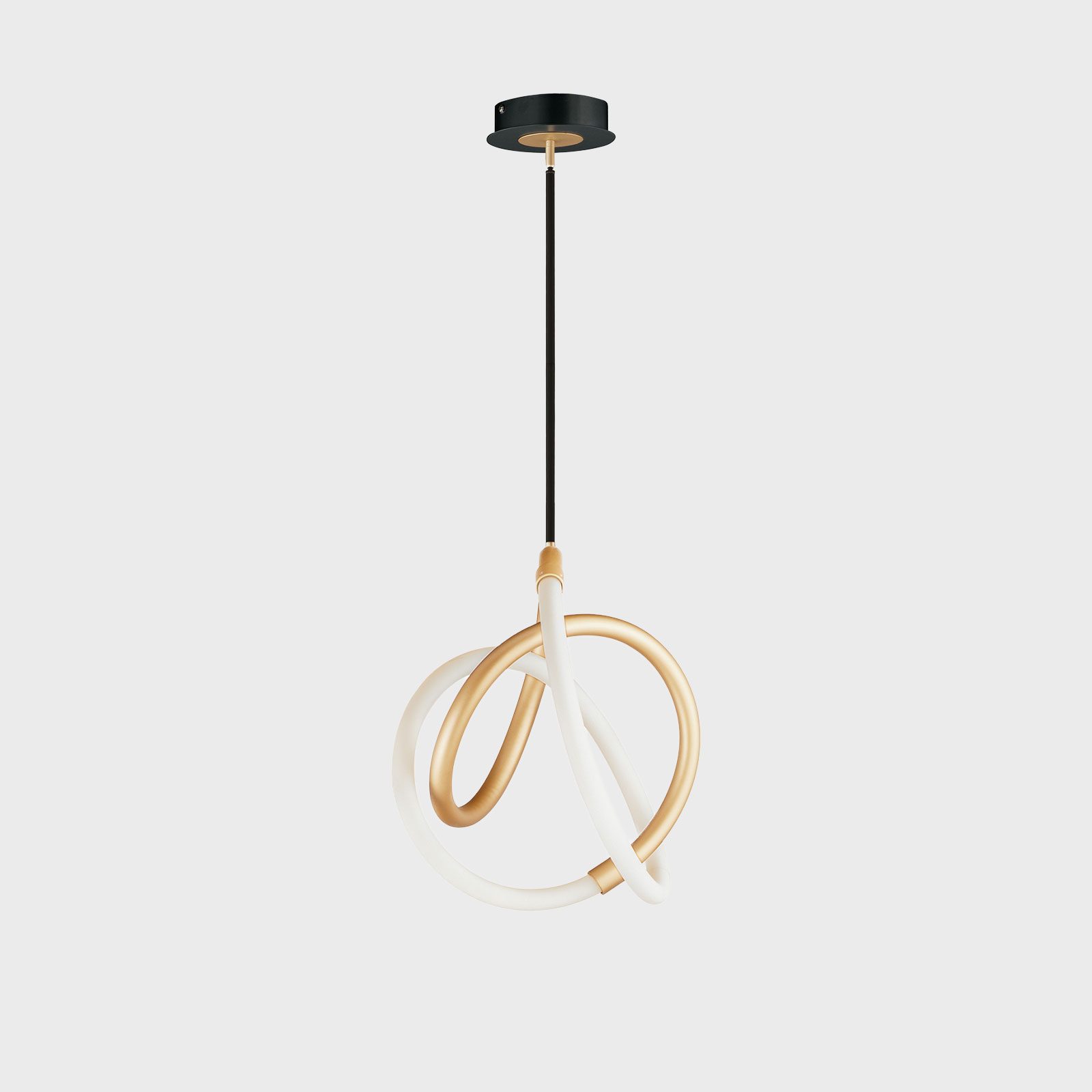
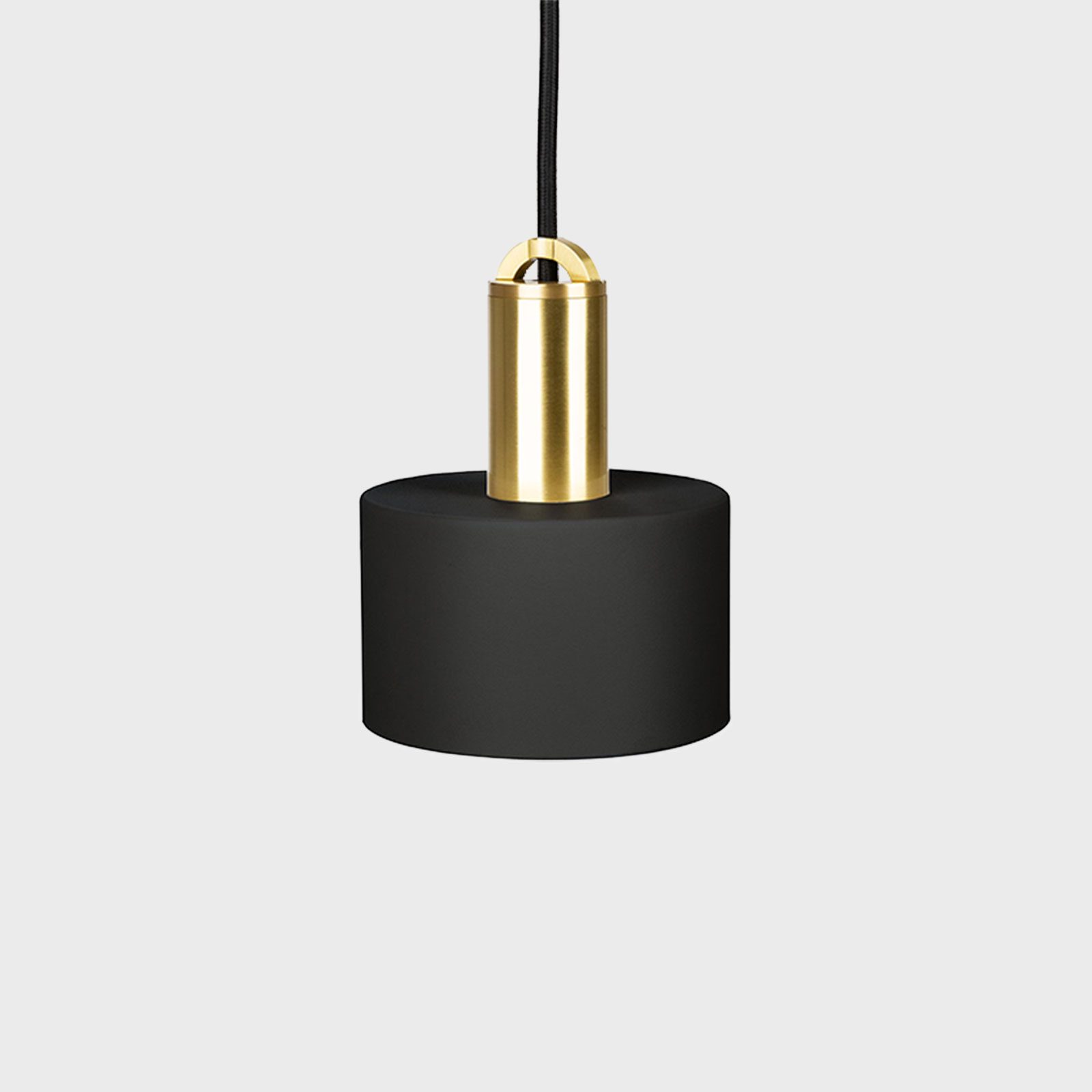
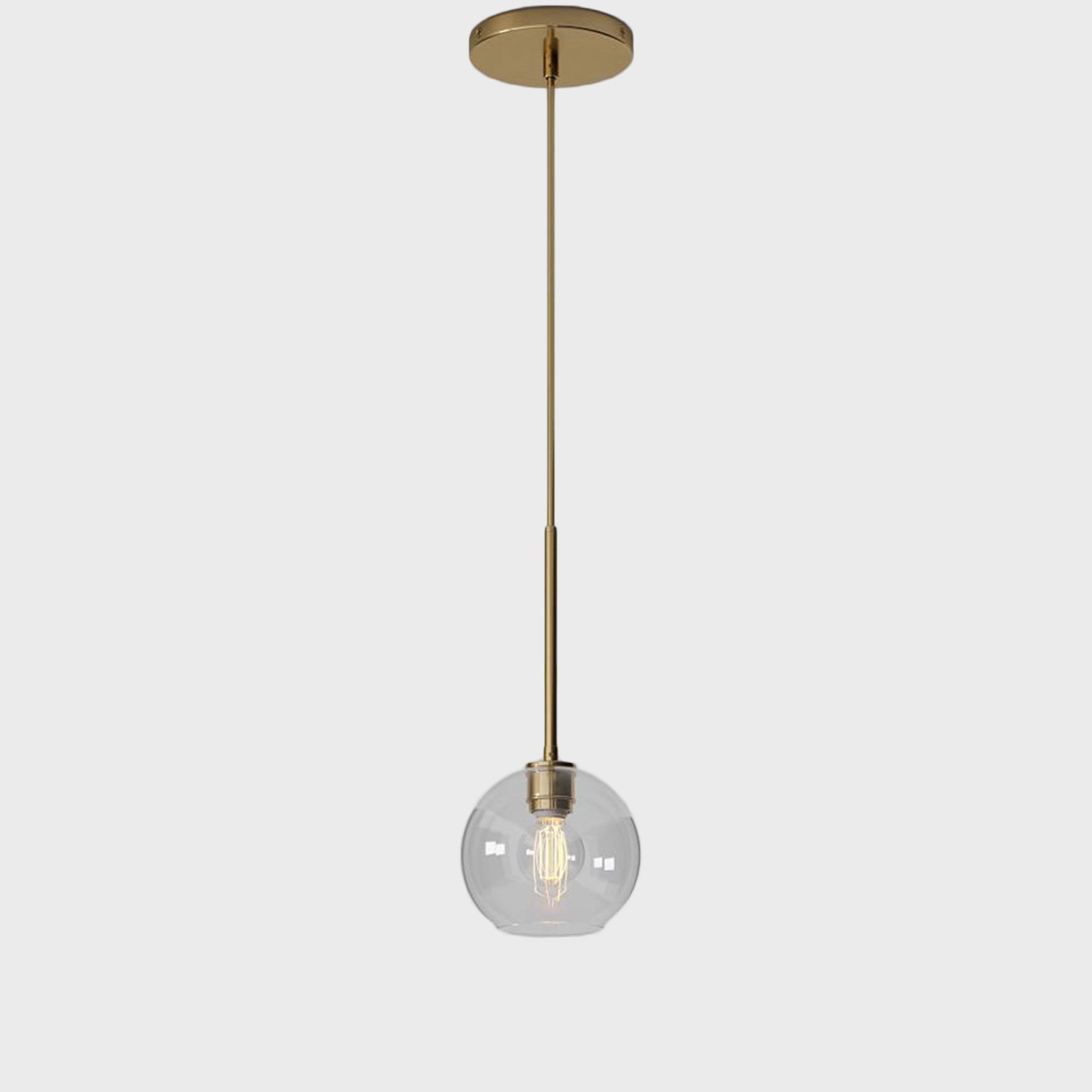
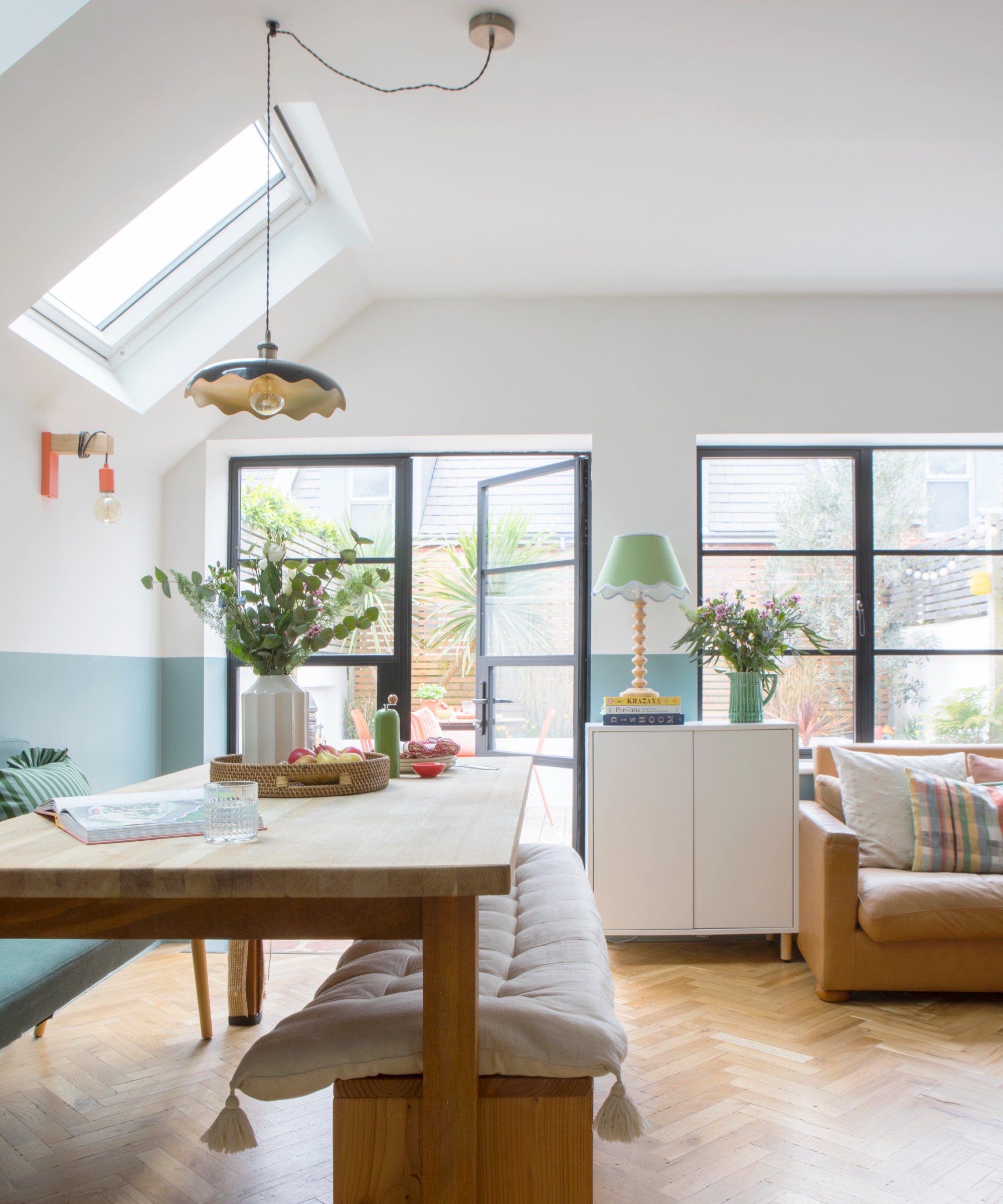
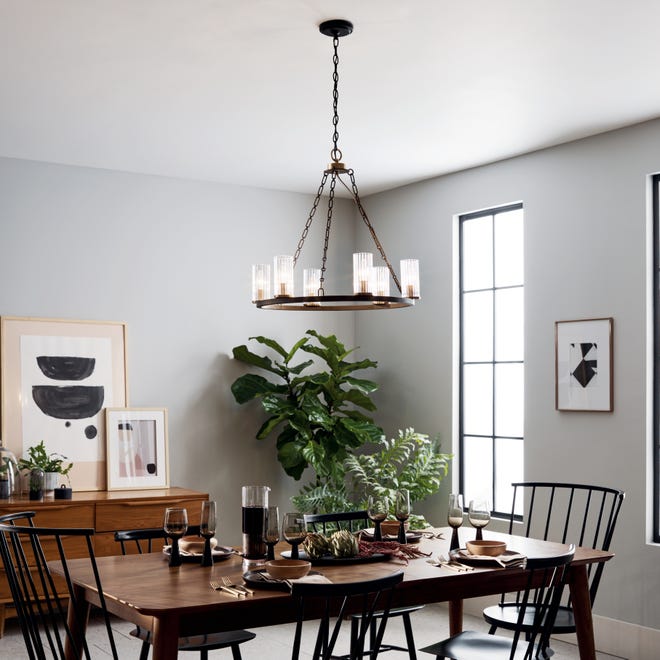
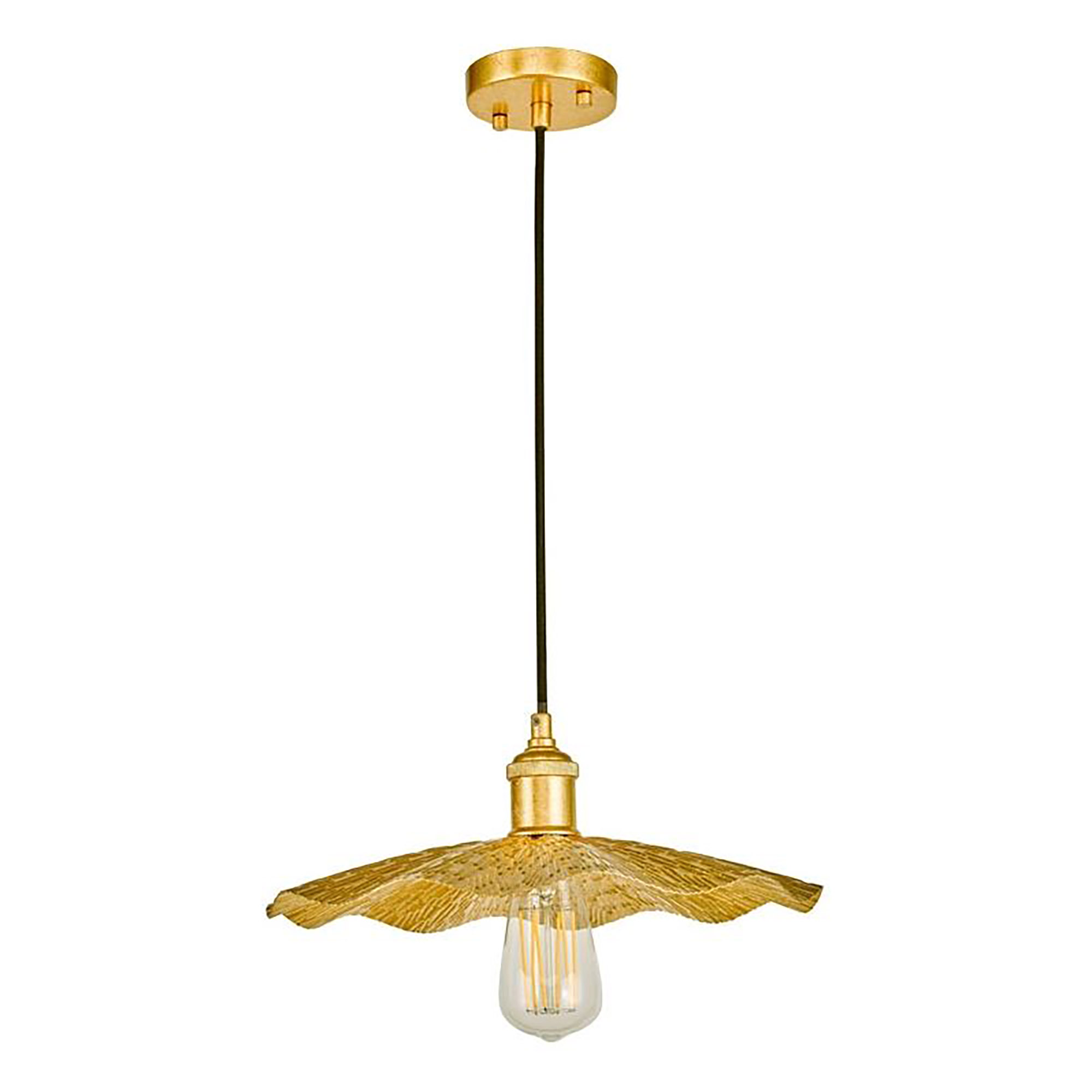
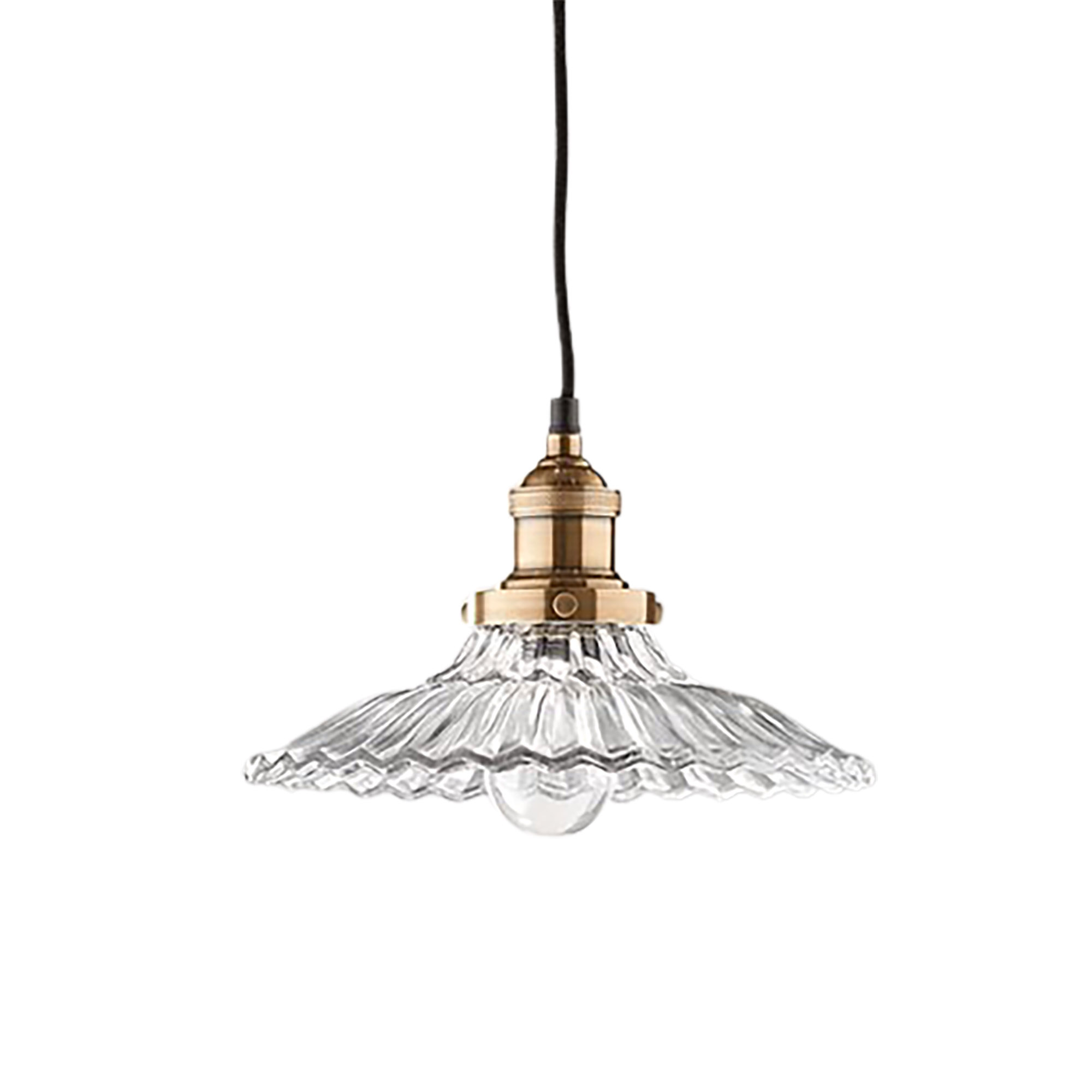
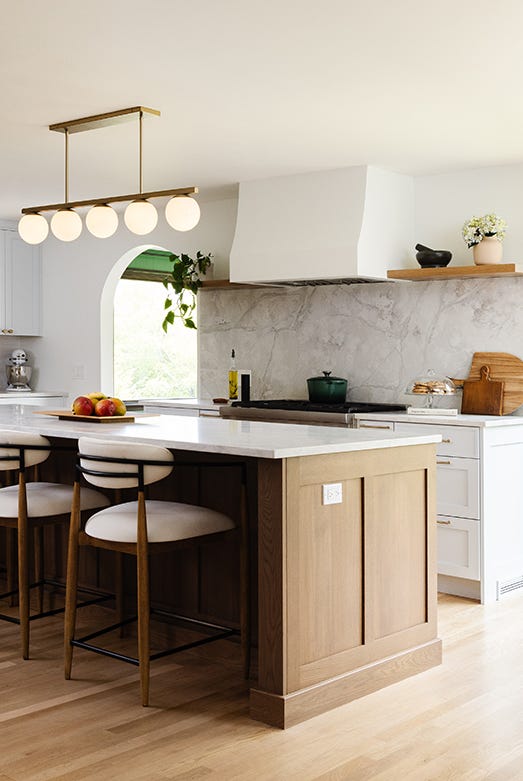
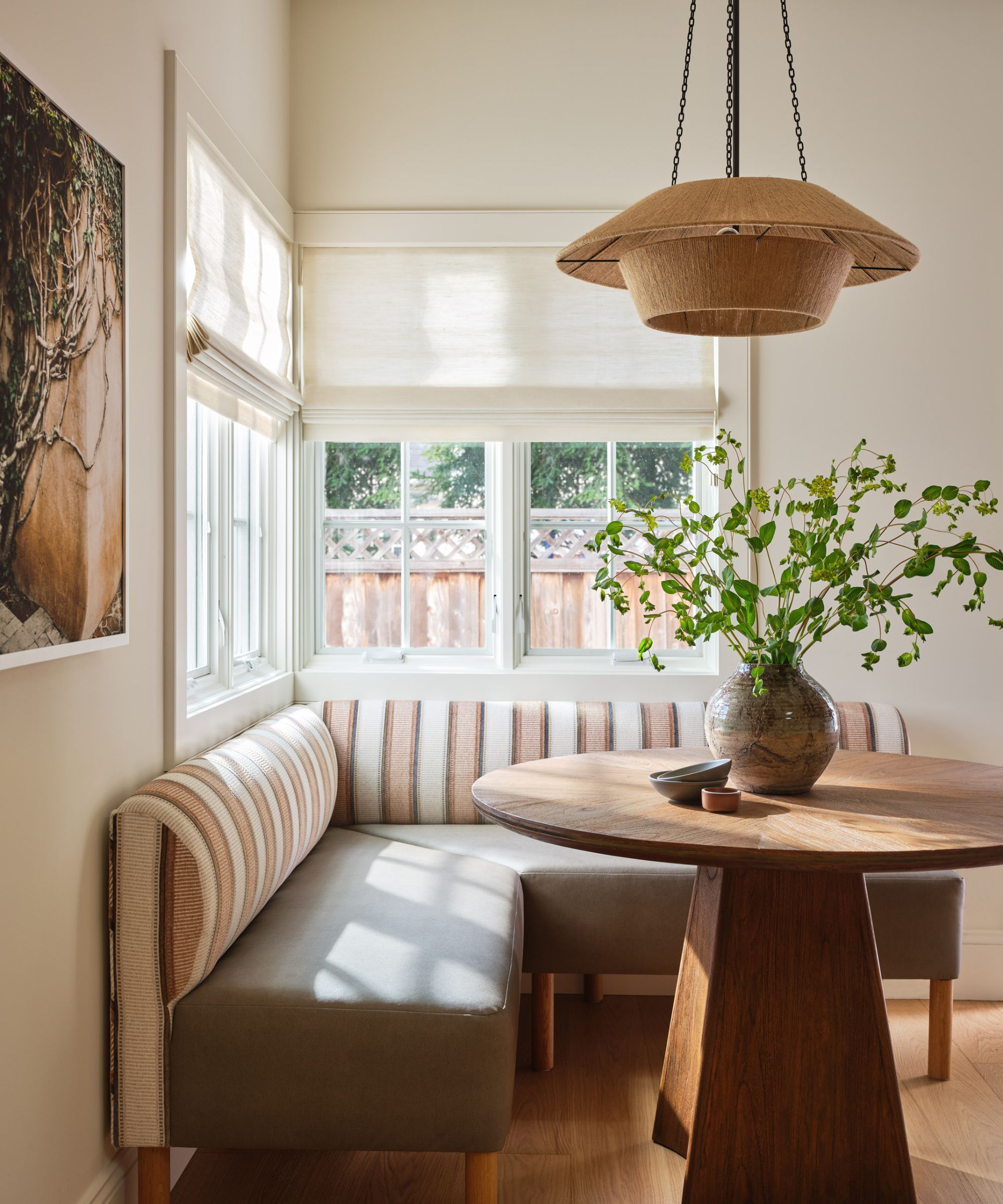
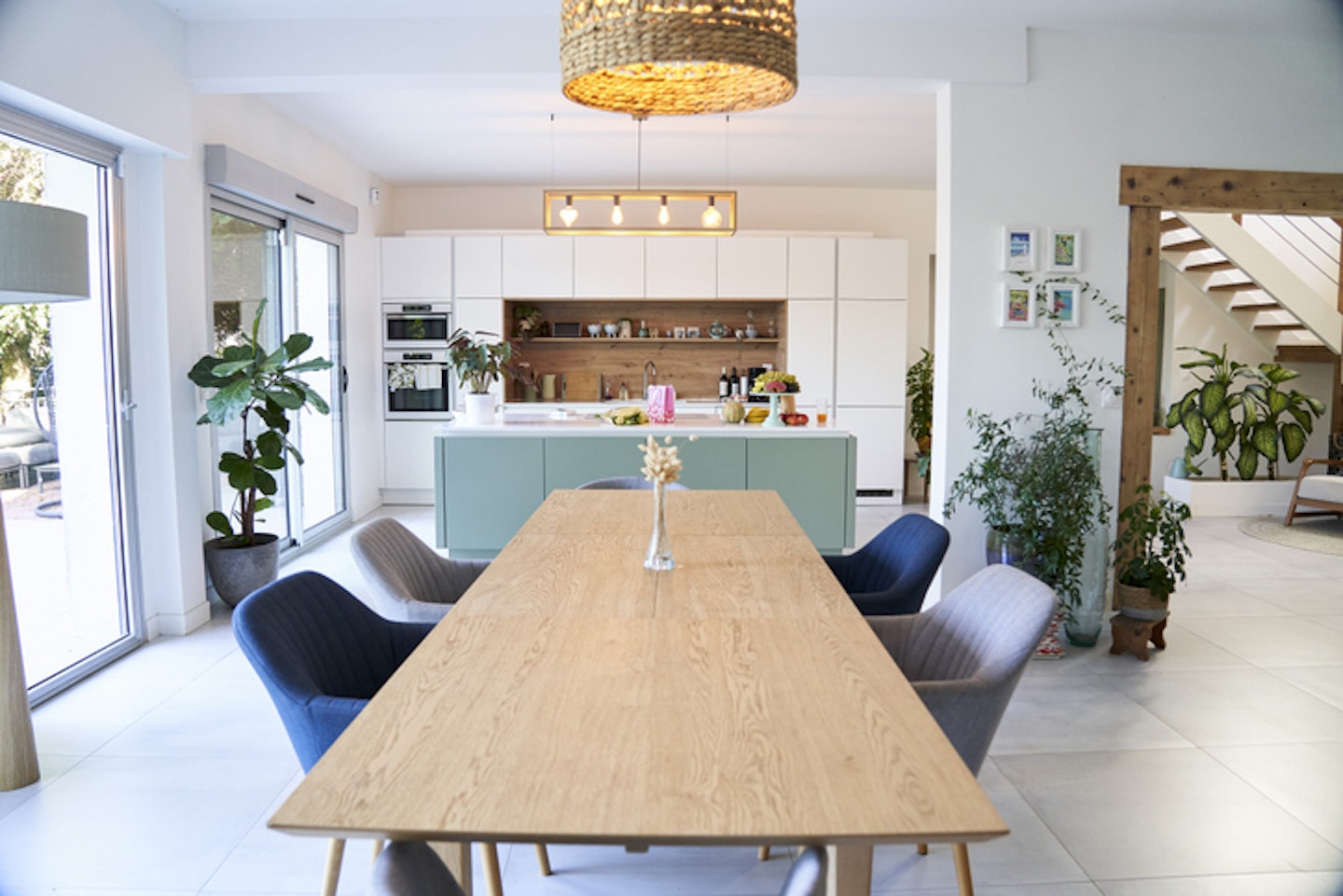
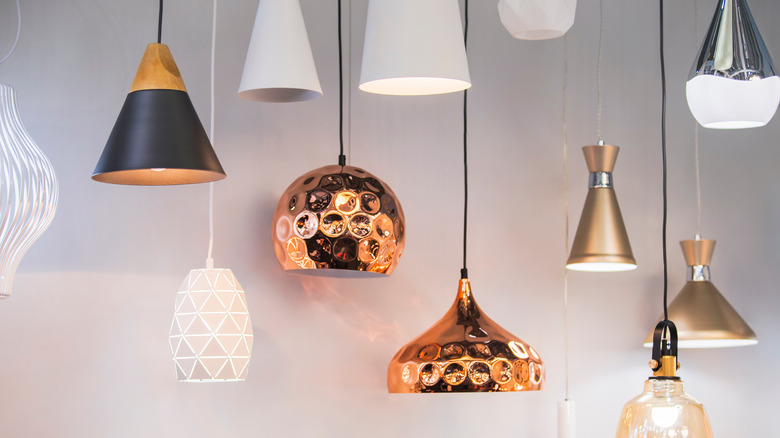
The growing popularity and expanded application of pendant lights are partly attributed to the influence of televised home improvement shows and online platforms like Pinterest, which provide homeowners with diverse ideas for integrating these fixtures into their interiors. The aesthetic range of pendant lighting has broadened considerably, moving beyond simple glass globes on drop bars. Contemporary styles now include elaborate chandeliers suitable for foyers, dining rooms, breakfast nooks, and even recreation room bars. Finishes have diversified, with options extending beyond standard builder-grade materials to include elegant brass and nickel.
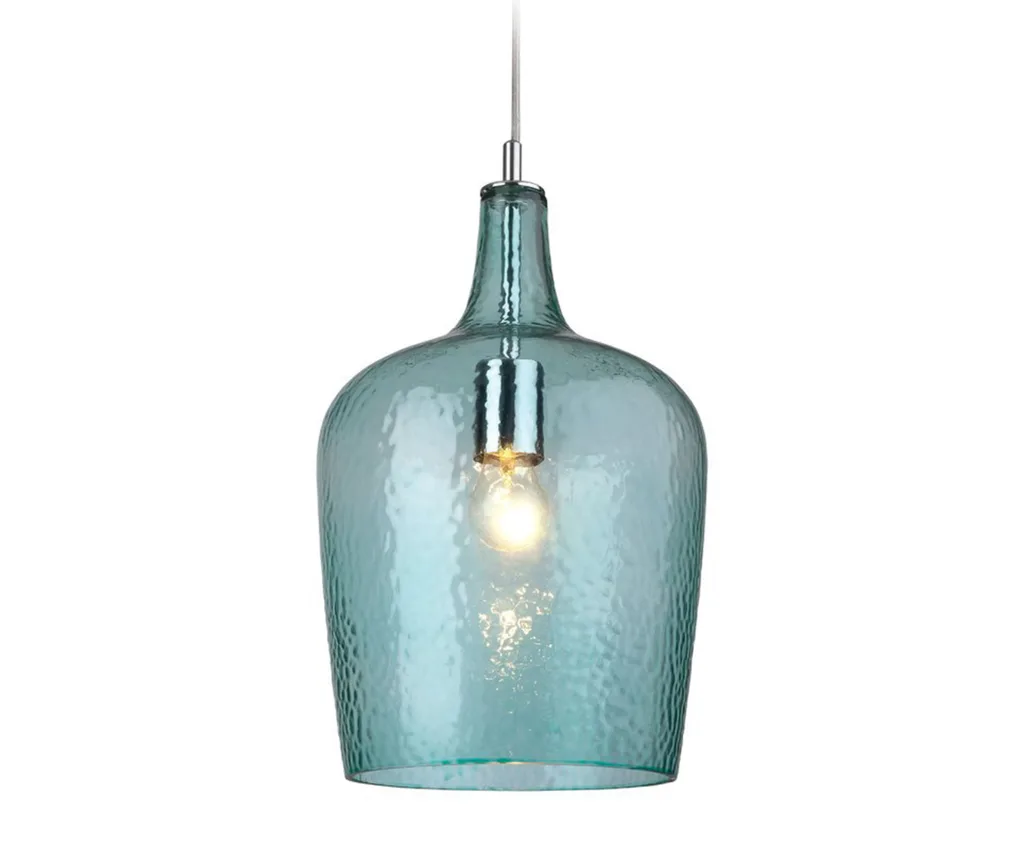
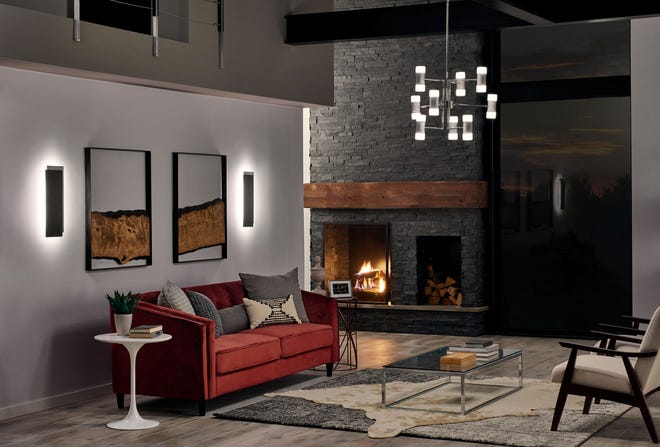
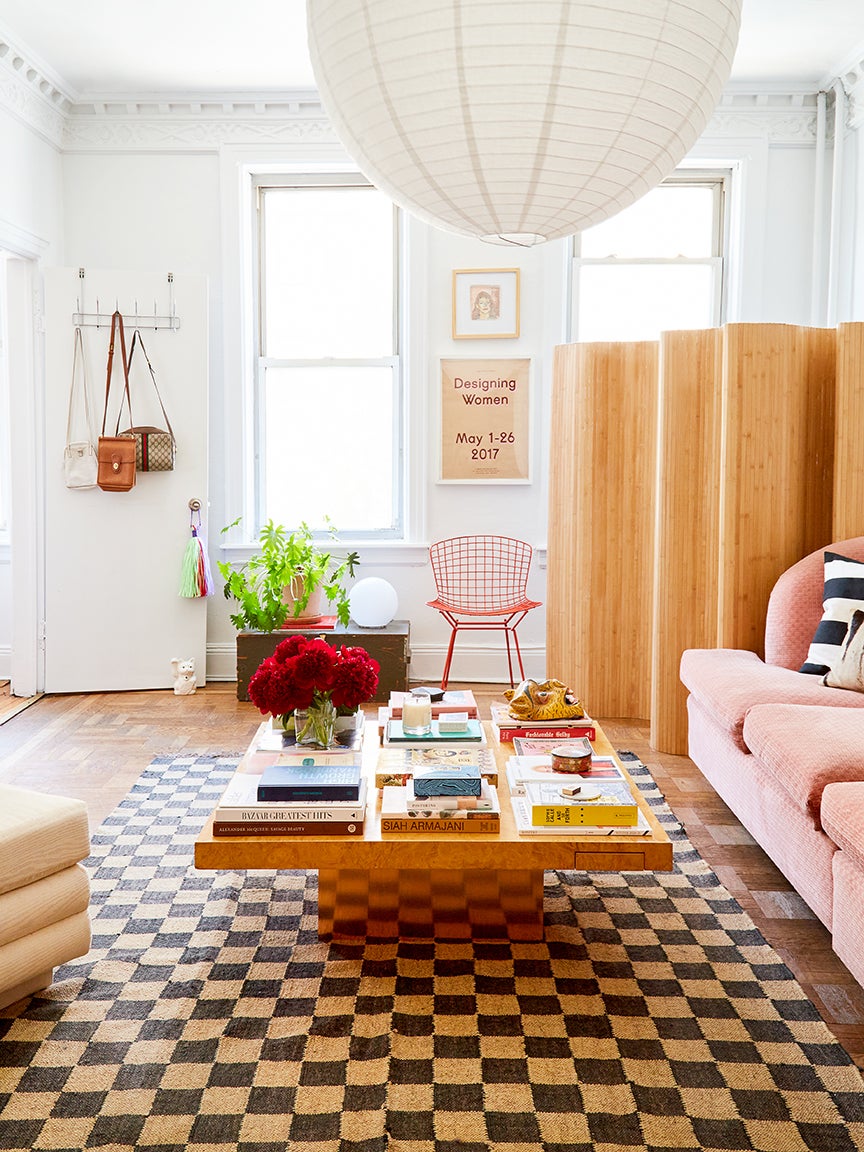
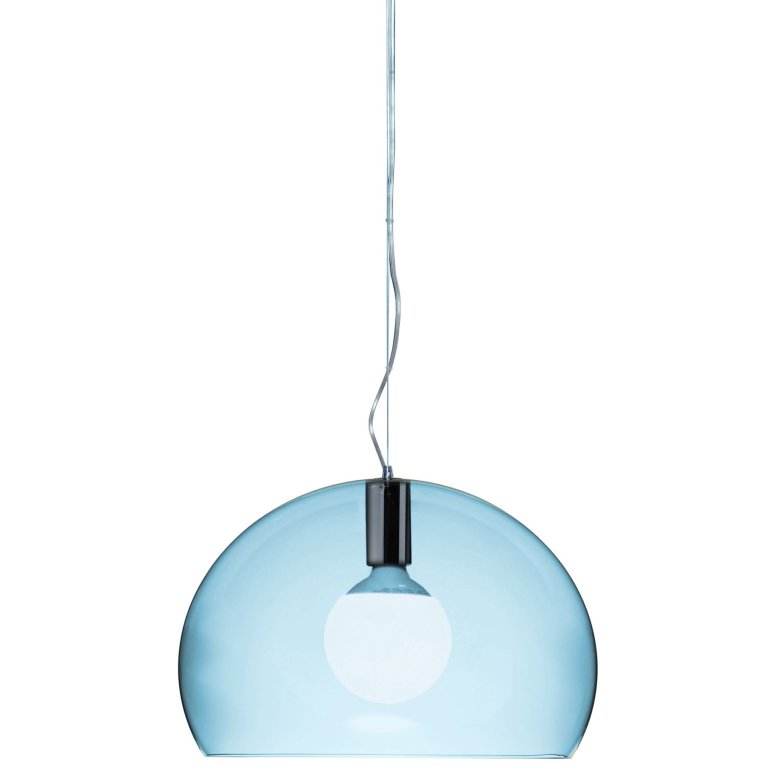
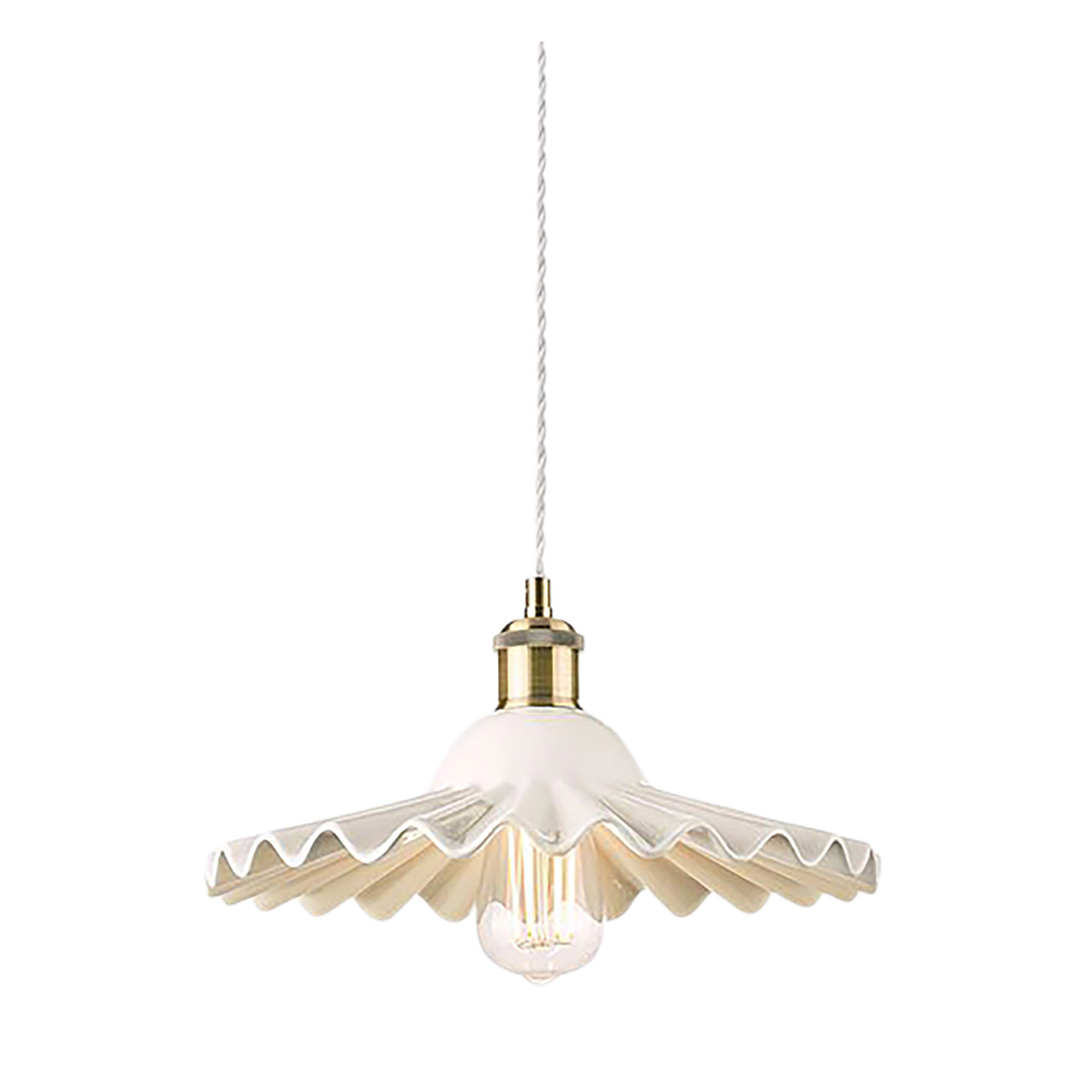
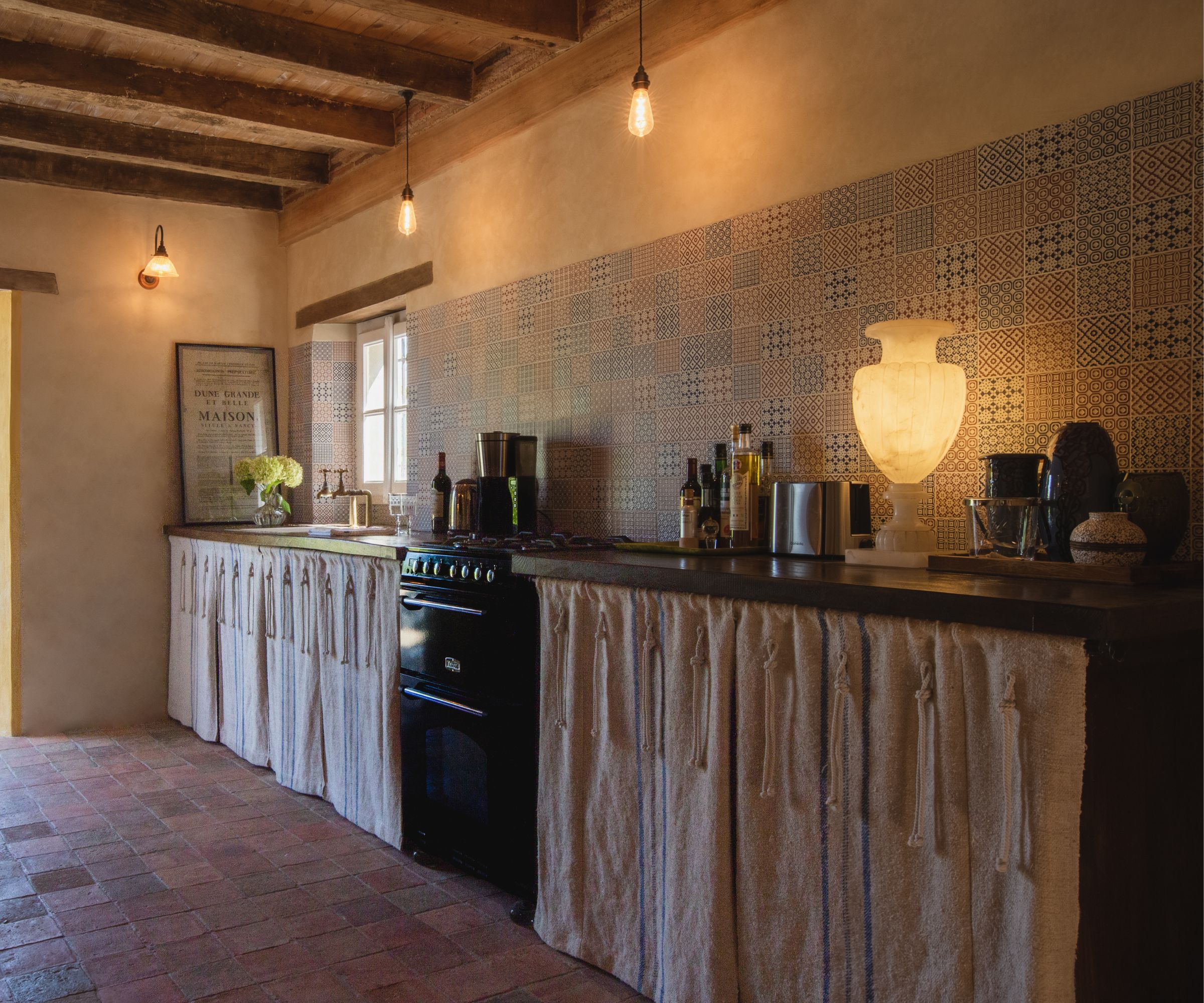
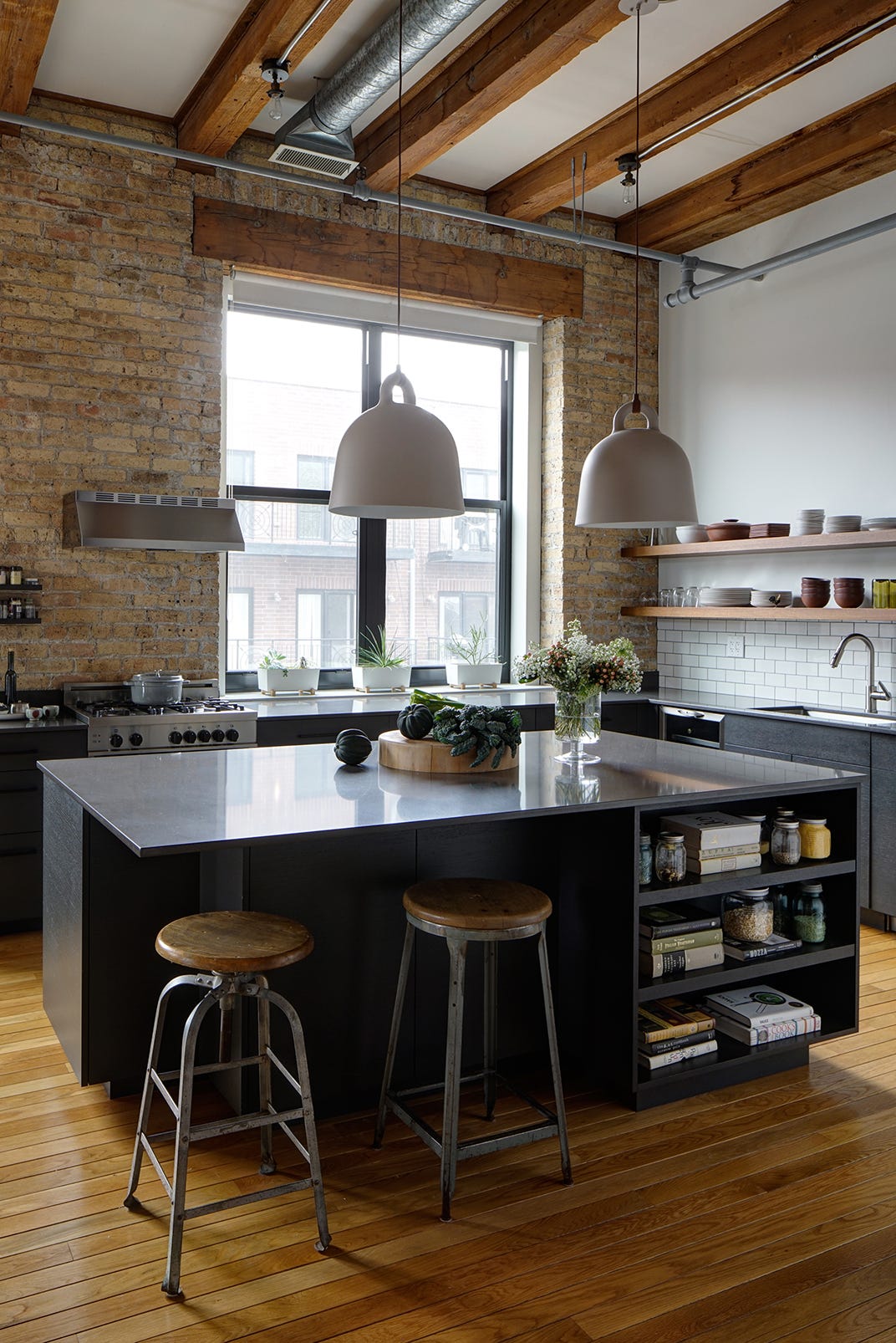
Design trends in pendant lighting also feature clear glass filament bulbs, which impart an industrial, urban chic appearance, while more ornate designs may incorporate crystals, reminiscent of traditional chandeliers. Jenny Hulsey, a designer with SR Homes, highlights that oversized pendant lights offer a more contemporary aesthetic compared to conventional chandeliers. She also notes their effectiveness as a focal point in rooms with high ceilings, drawing the eye upwards. Andrea Sims of Progressive Lighting in Roswell confirms the increased demand for pendants, observing that styles have adapted to modern preferences.
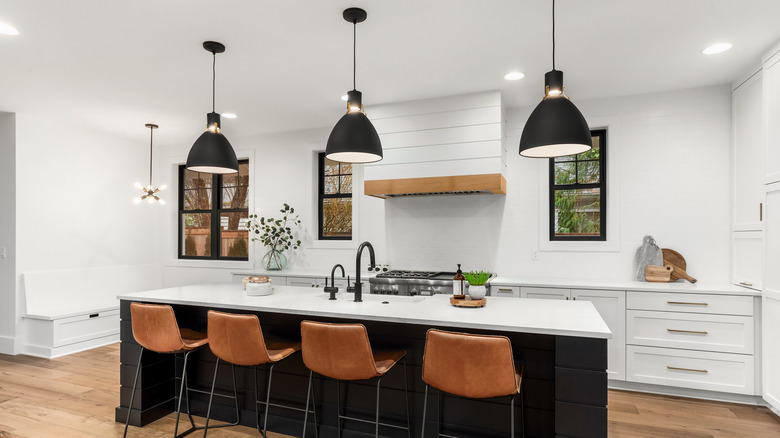
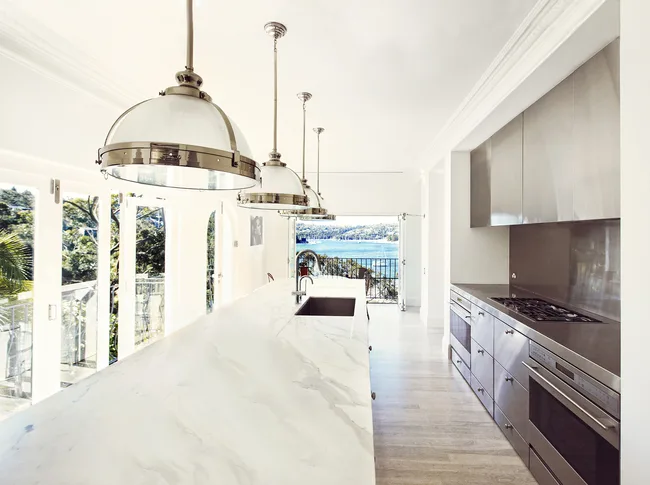
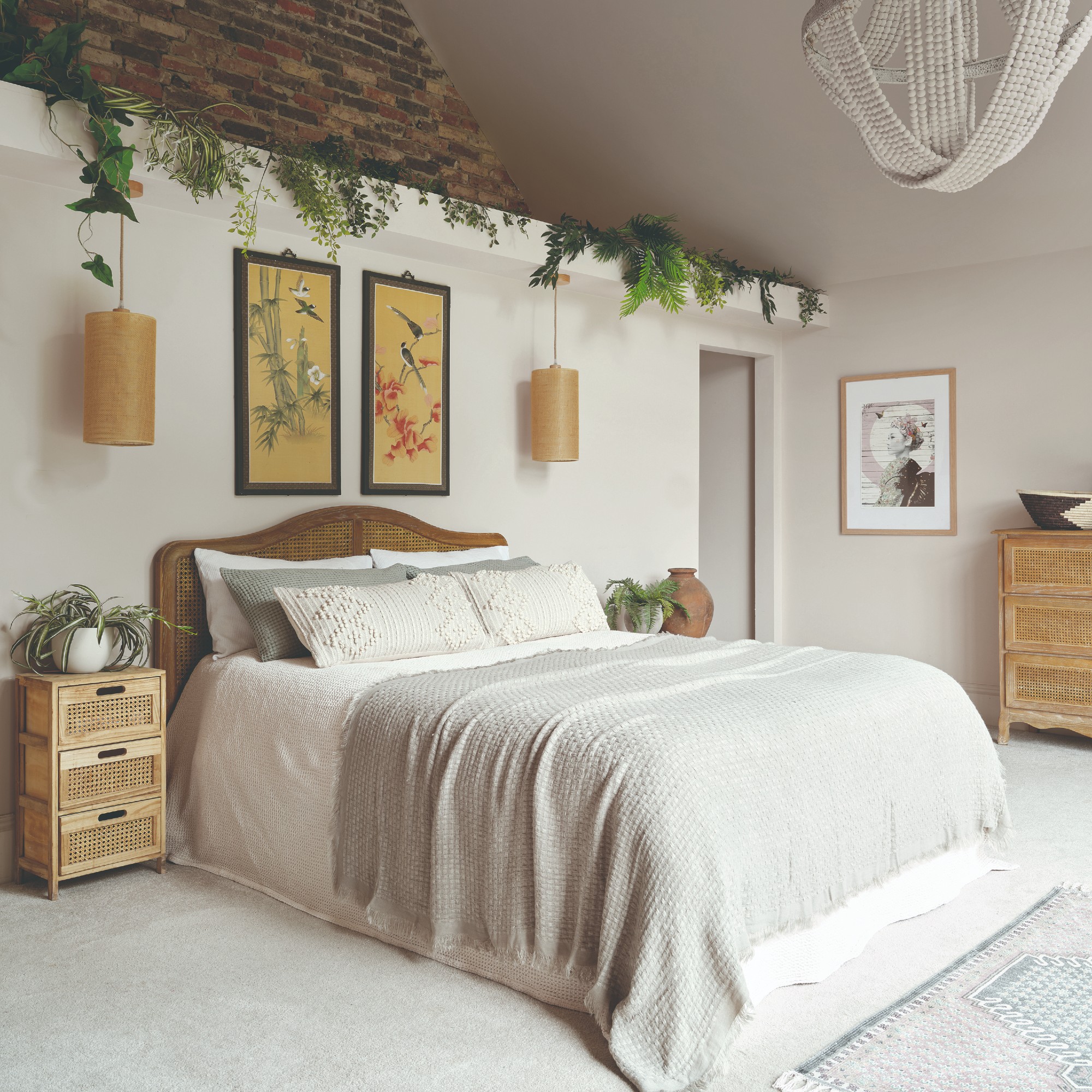
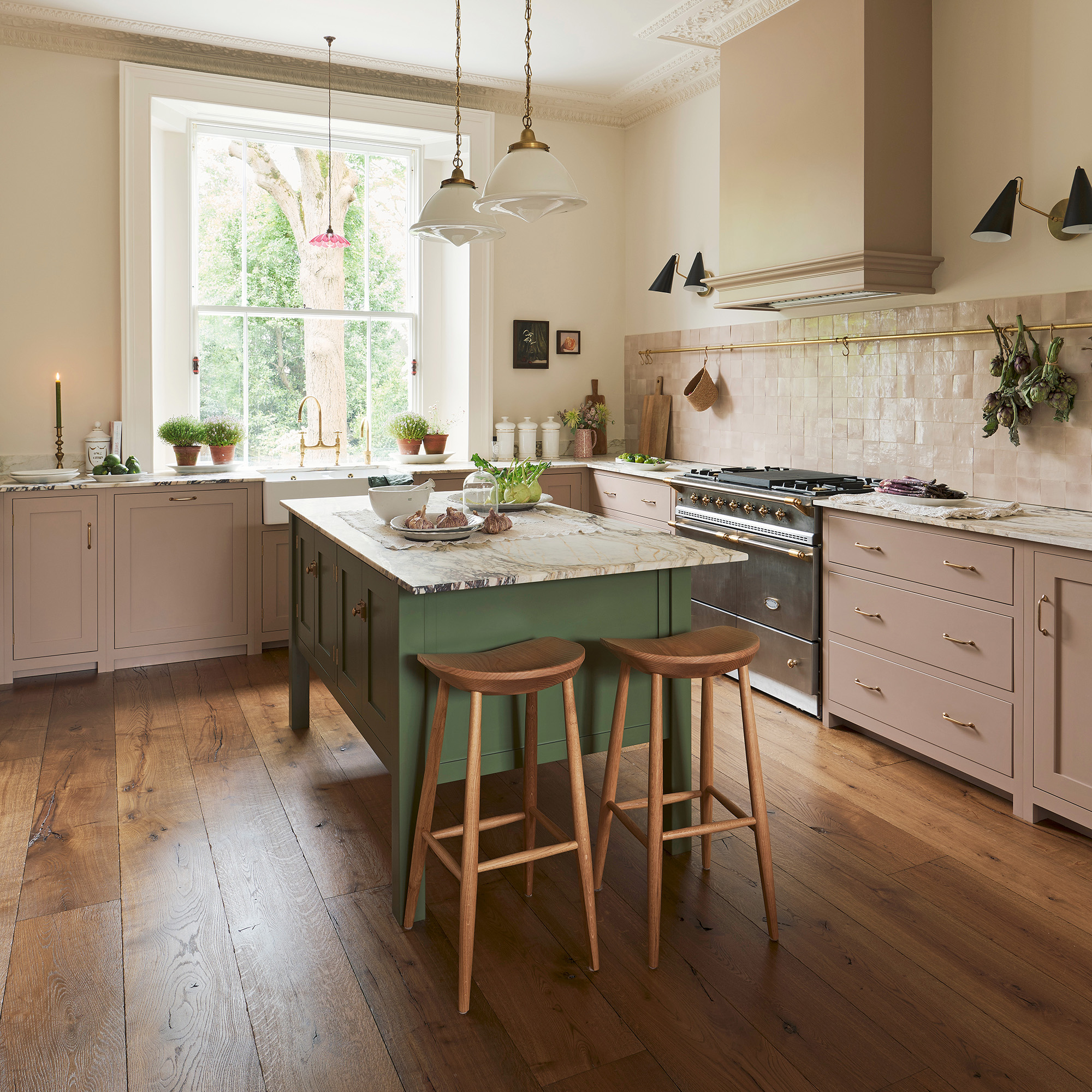
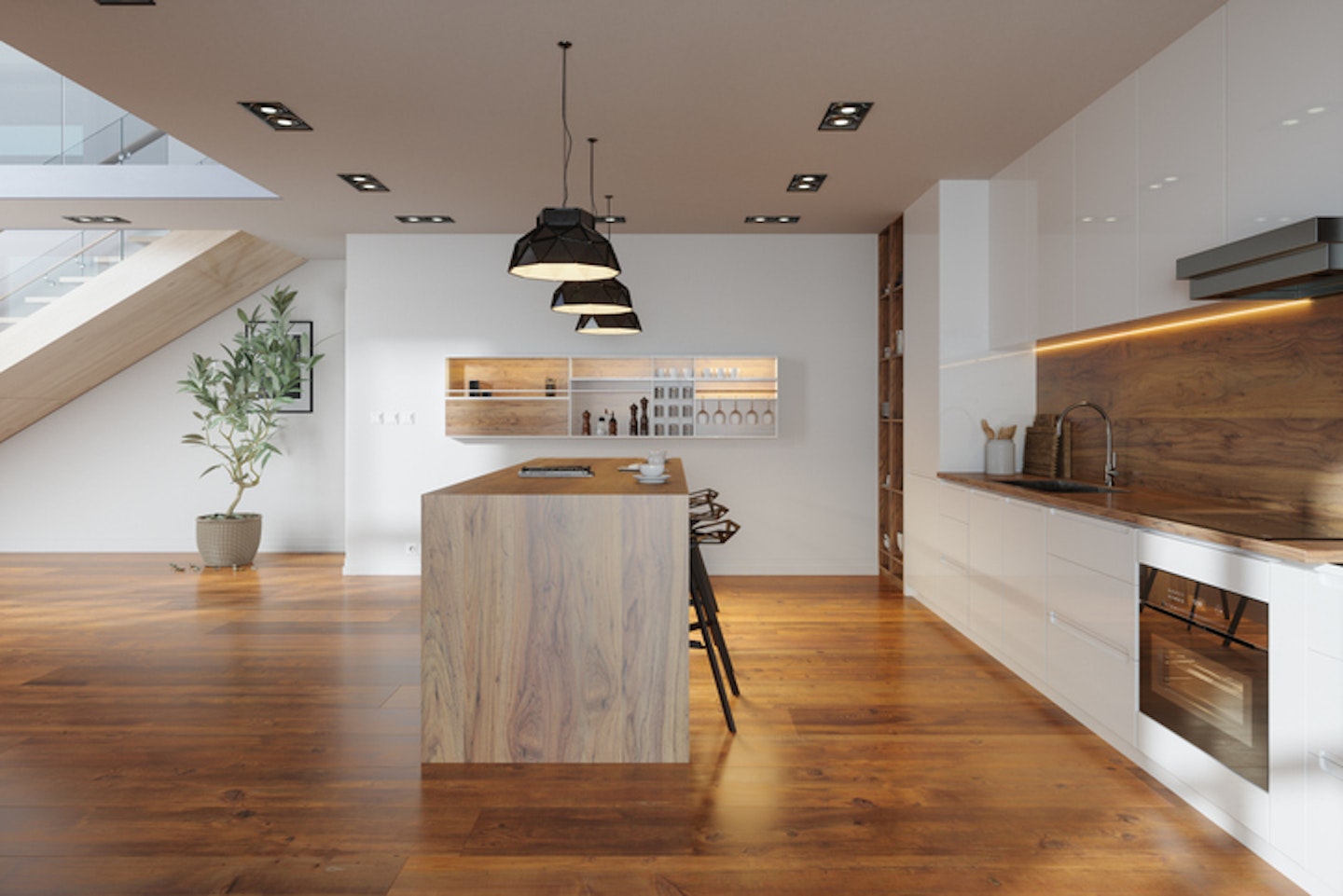
Sims points out a current trend toward oversized pendants, which are particularly well-suited for larger kitchen islands and rooms with high ceilings. She explains that while pendants traditionally dropped 6 to 8 inches, current designs often extend 10 to 14 inches, creating a more dramatic visual impact. Clear-glass bulbs are also a highly sought-after feature due to their aesthetic appeal and practical benefit of providing ample illumination. This increased light output makes them suitable for hallways, powder rooms above pedestal sinks, and even as bedside lighting over nightstands.
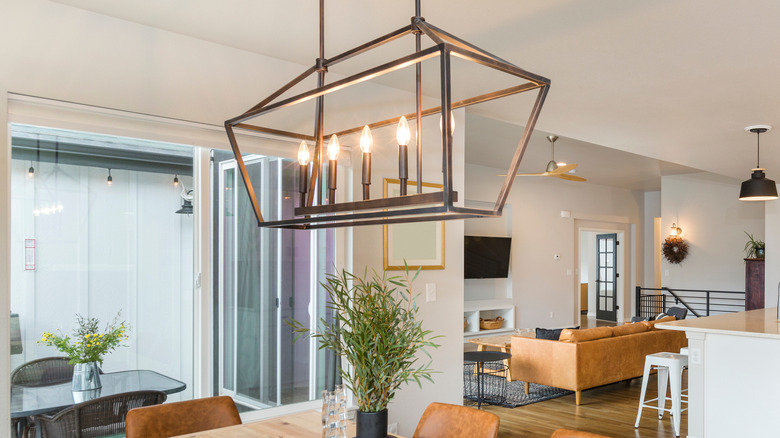
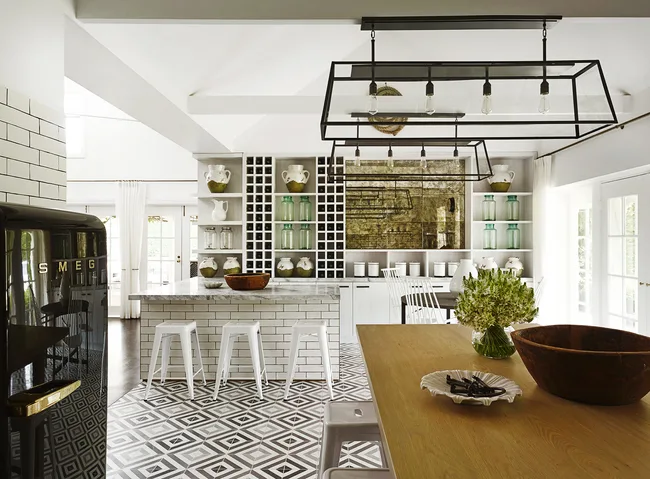
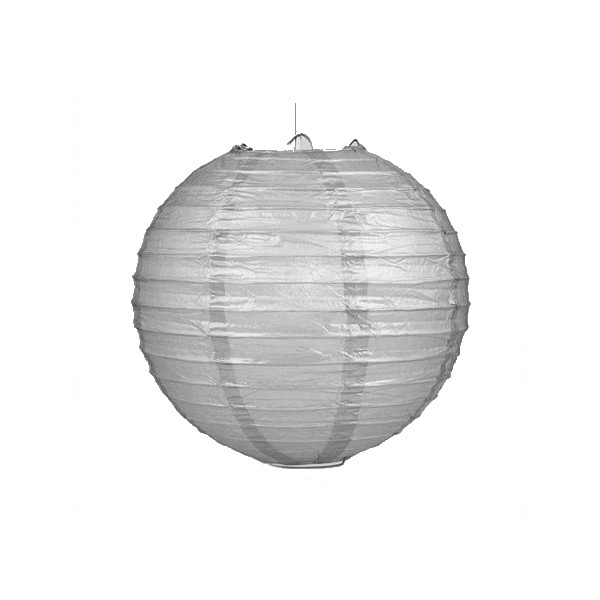
Another emerging style is the lantern-look pendant. Sims observes that rather than installing three smaller pendants, homeowners are opting for two larger lantern-style fixtures to achieve a modern farmhouse aesthetic. These can sometimes be staggered at different heights to introduce a unique stylistic element to the space. However, installing pendant lights is more complex than traditional ceiling fixtures or recessed lighting, as it requires separate wiring and switching, making them an upgrade that can be more labor-intensive.
Despite the additional installation effort, pendant lights remain relatively affordable, with oversized clear globe pendants typically costing between $100 and $200. This affordability, combined with their significant potential to transform the look of almost any room, makes them a popular choice for homeowners seeking to enhance their interior design. The versatility and evolving styles of pendant lighting have cemented their role as a key element in modern home decoration.
#PendantLighting #HomeDesign #InteriorDecoration #LightingTrends #KitchenLighting #BathroomLighting #ModernFarmhouse #PendantLighting #HomeDesign #InteriorDecoration #LightingTrends #KitchenLighting #BathroomLighting #ModernFarmhouse
0 comment in total
 No comments yet
You may also like
The Top Pendant Light Trends That Are Taking Over 2022

10 Best Pendant Light Fixtures for Your Home

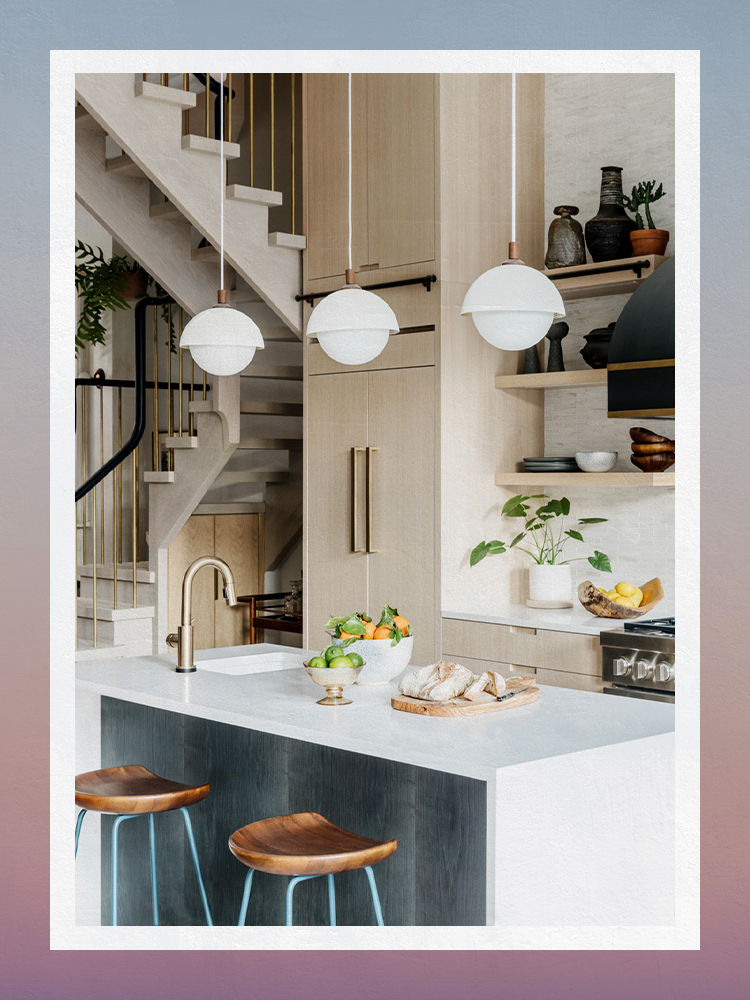
The 7 Best Pendant Lights, as Seen in Domino’s Favorite Homes
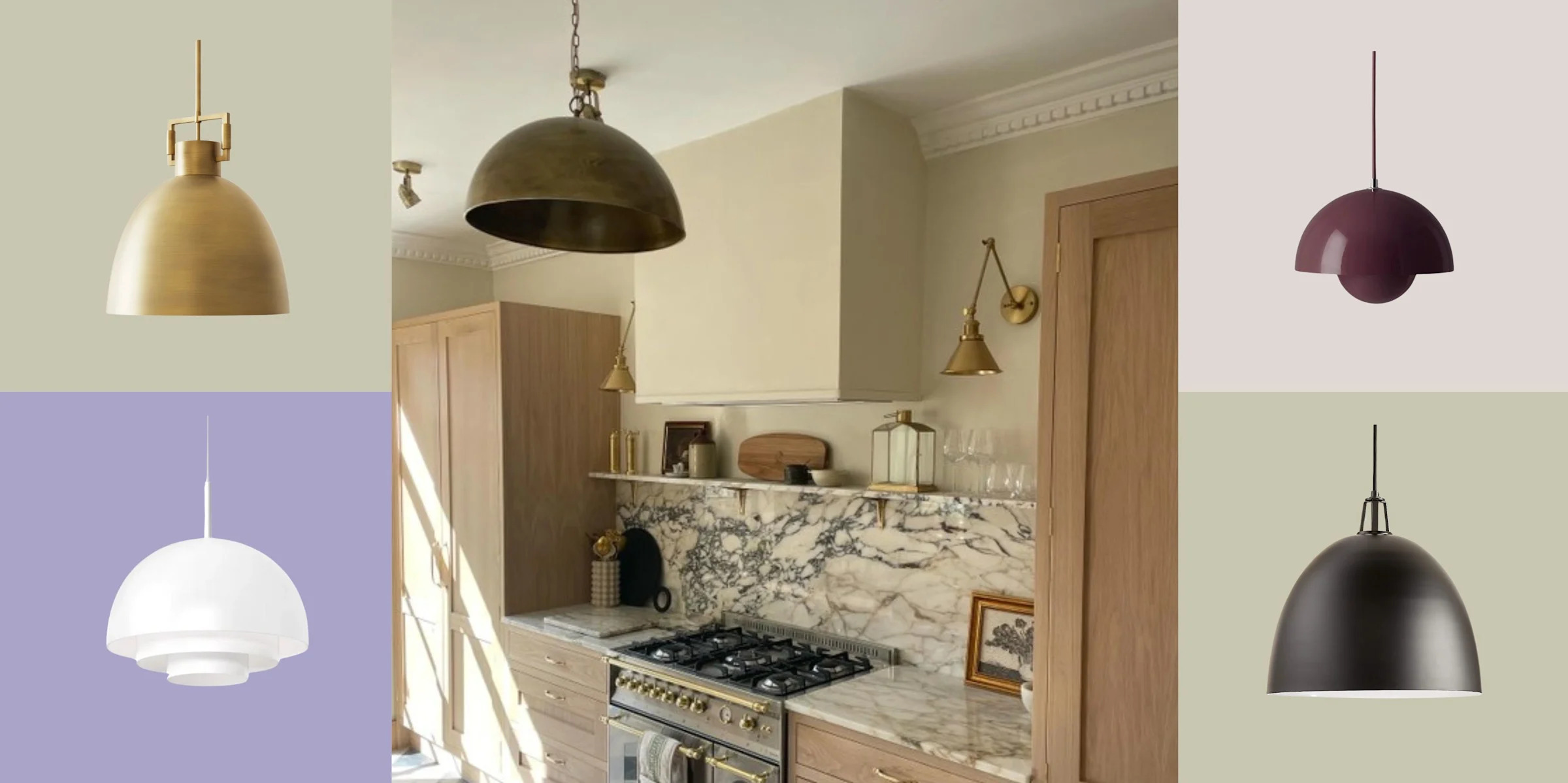
Channeling Fancy Restaurant Style, Dome Lights Are Always My Pick for Kitchen Islands — Preferably One of These 6

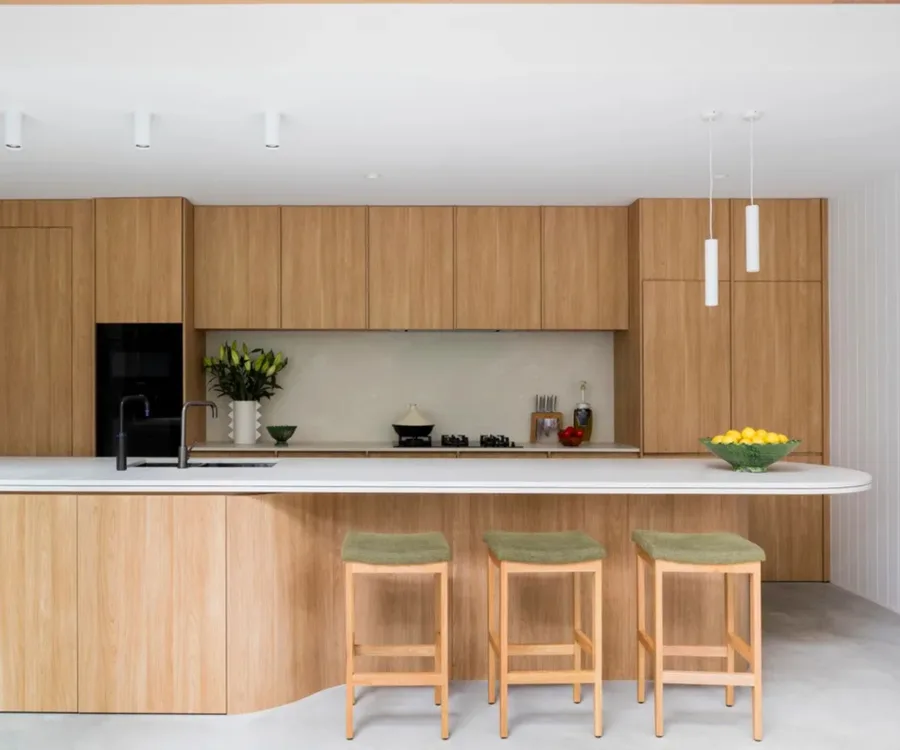
A buyer’s guide to the best indoor kitchen and pendant lights (and beyond)

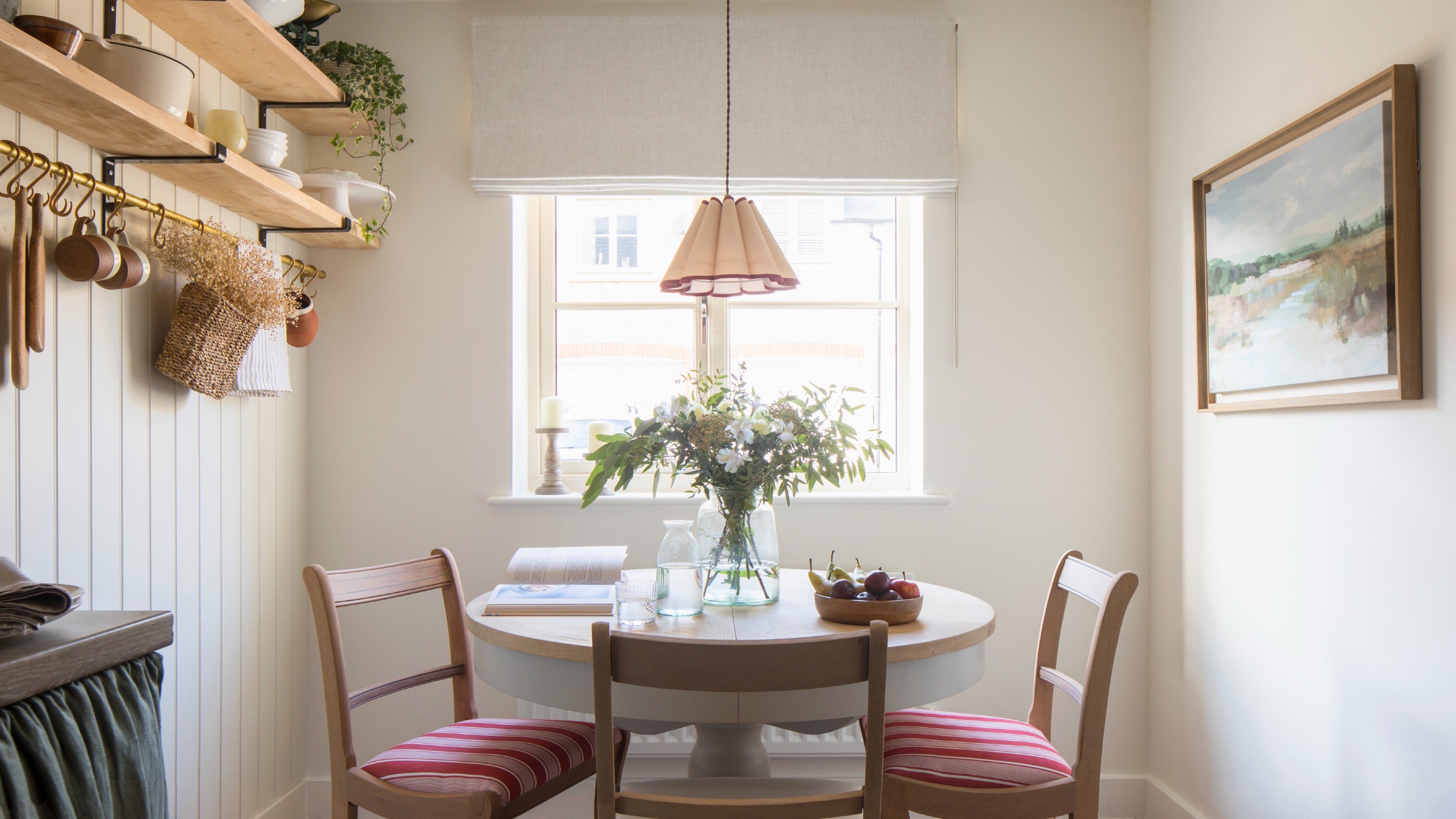
The 30-inch pendant light rule is the trick experts swear by
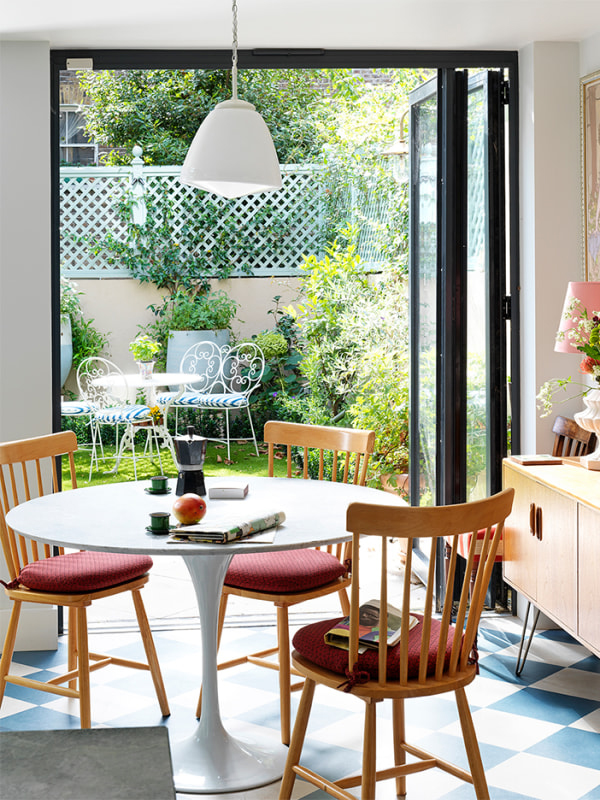
You Asked Our Style Director for the Best Pendant Light—He Answered
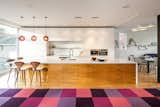
Plum Modern Pendant Lighting Adds Pop of Color in Canadian Kitchen

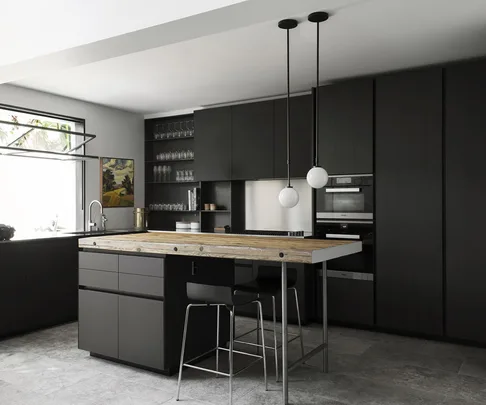
20 Pendant Lights For Any Style
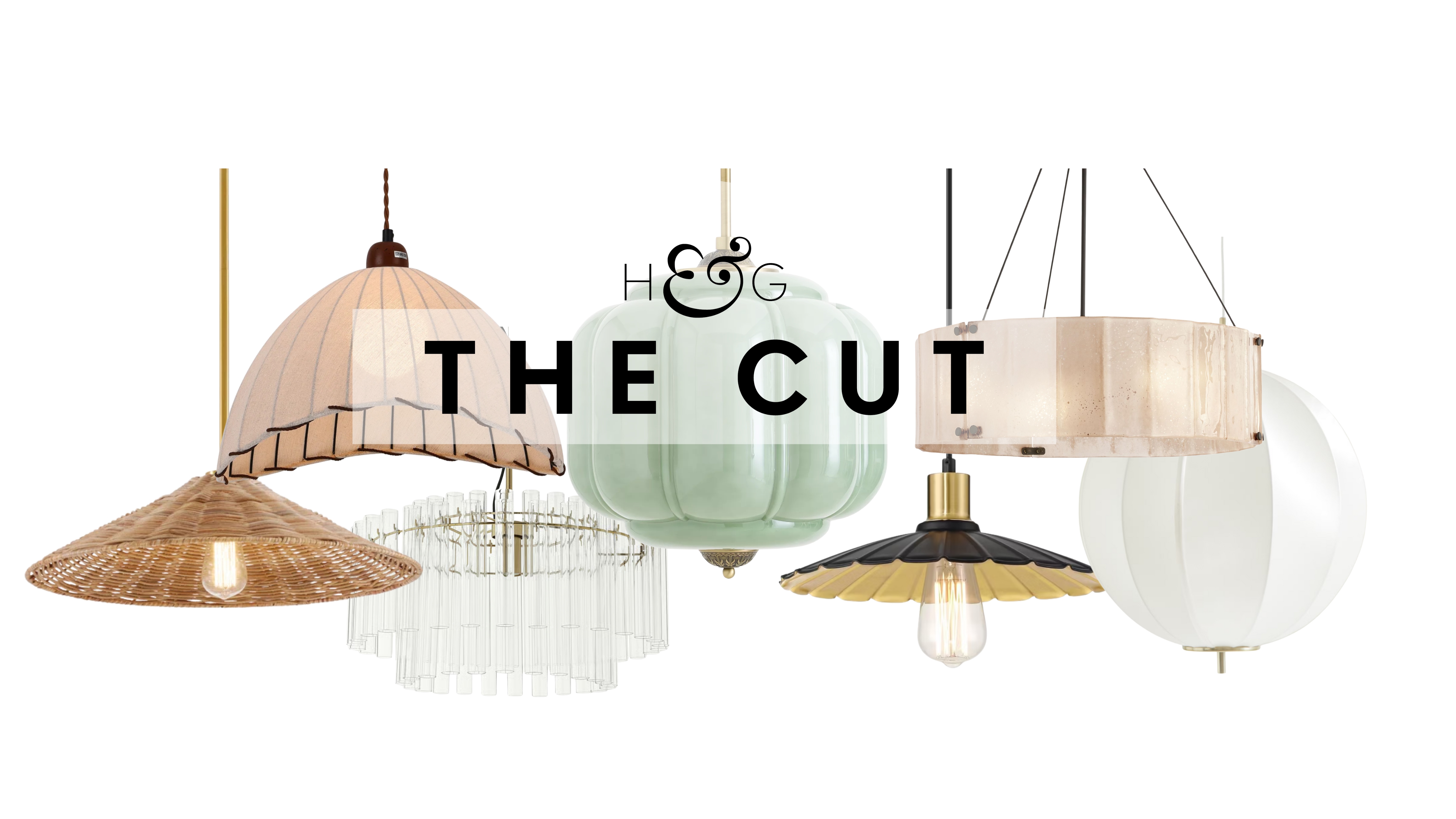
Like Jewelry for Your Ceiling – 18 Dining Room Pendant Lights That Prove the Big Light Is Back in Fashion

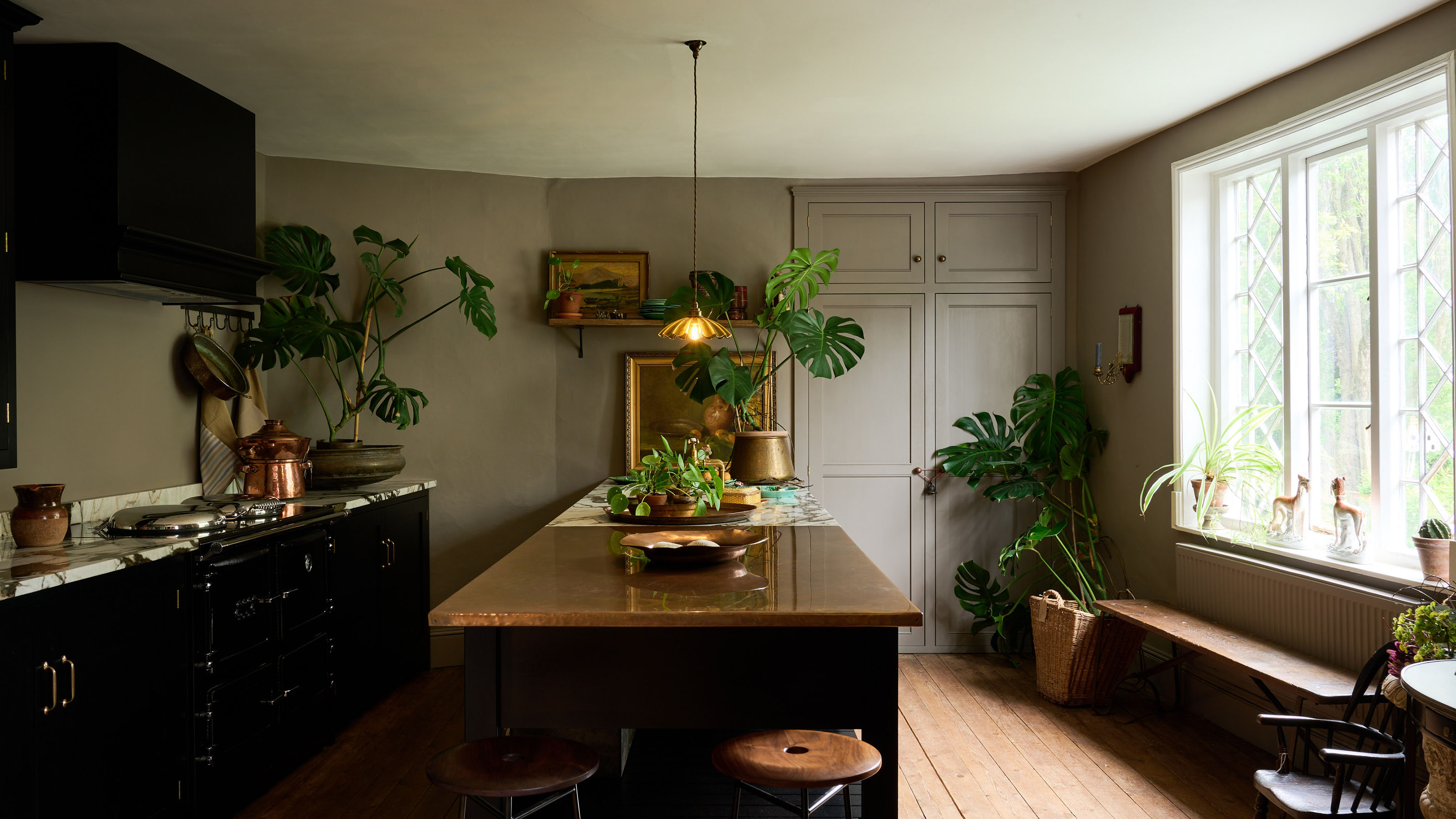
Simply frill-ing! The vintage French-inspired lighting trend you need to know about

This Wayfair Pendant Light is a Perfect Vintage-Style Design
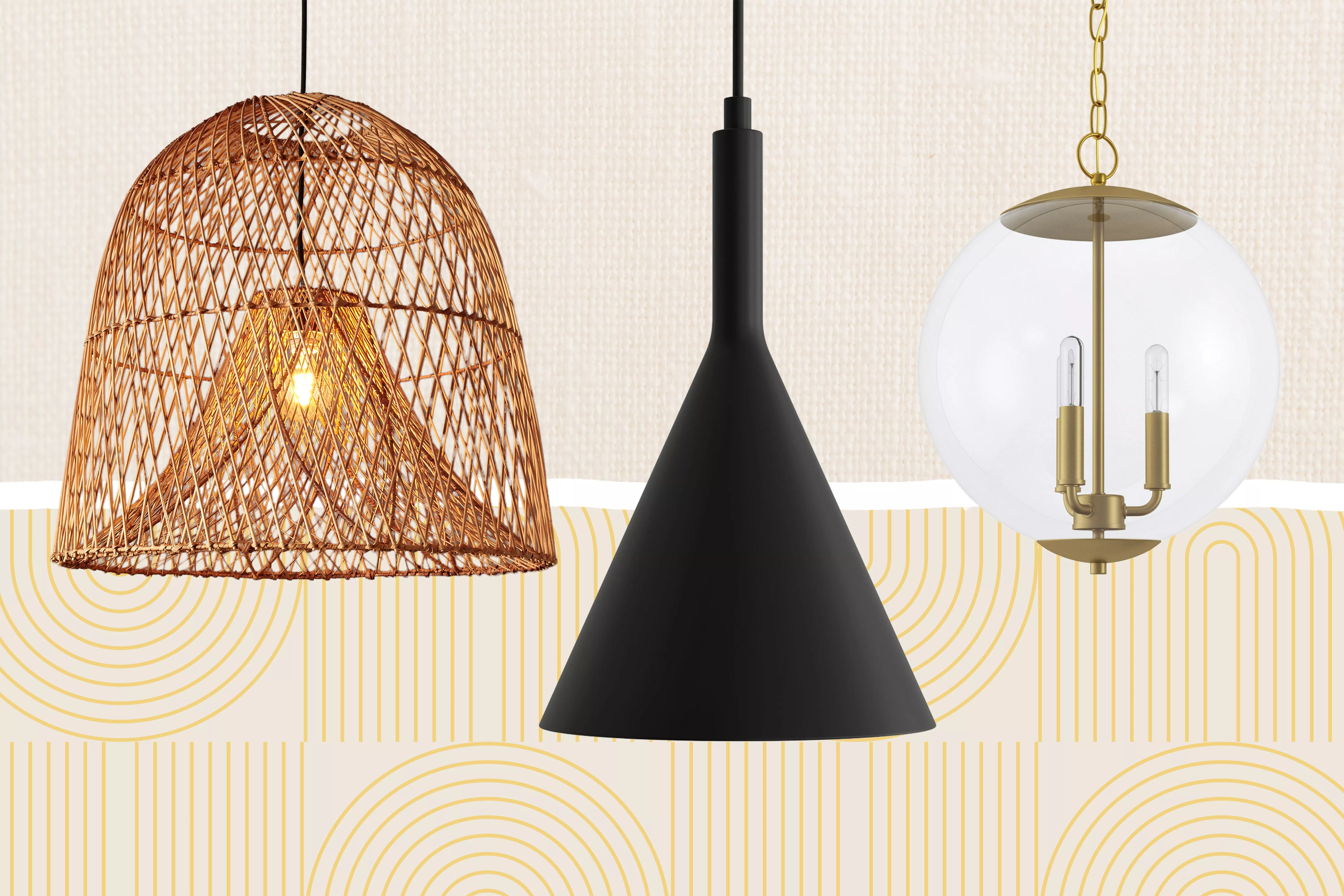
Pendant Lights Can Instantly Transform a Room—Here Are Our Favorites from Wayfair, Pottery Barn, and More

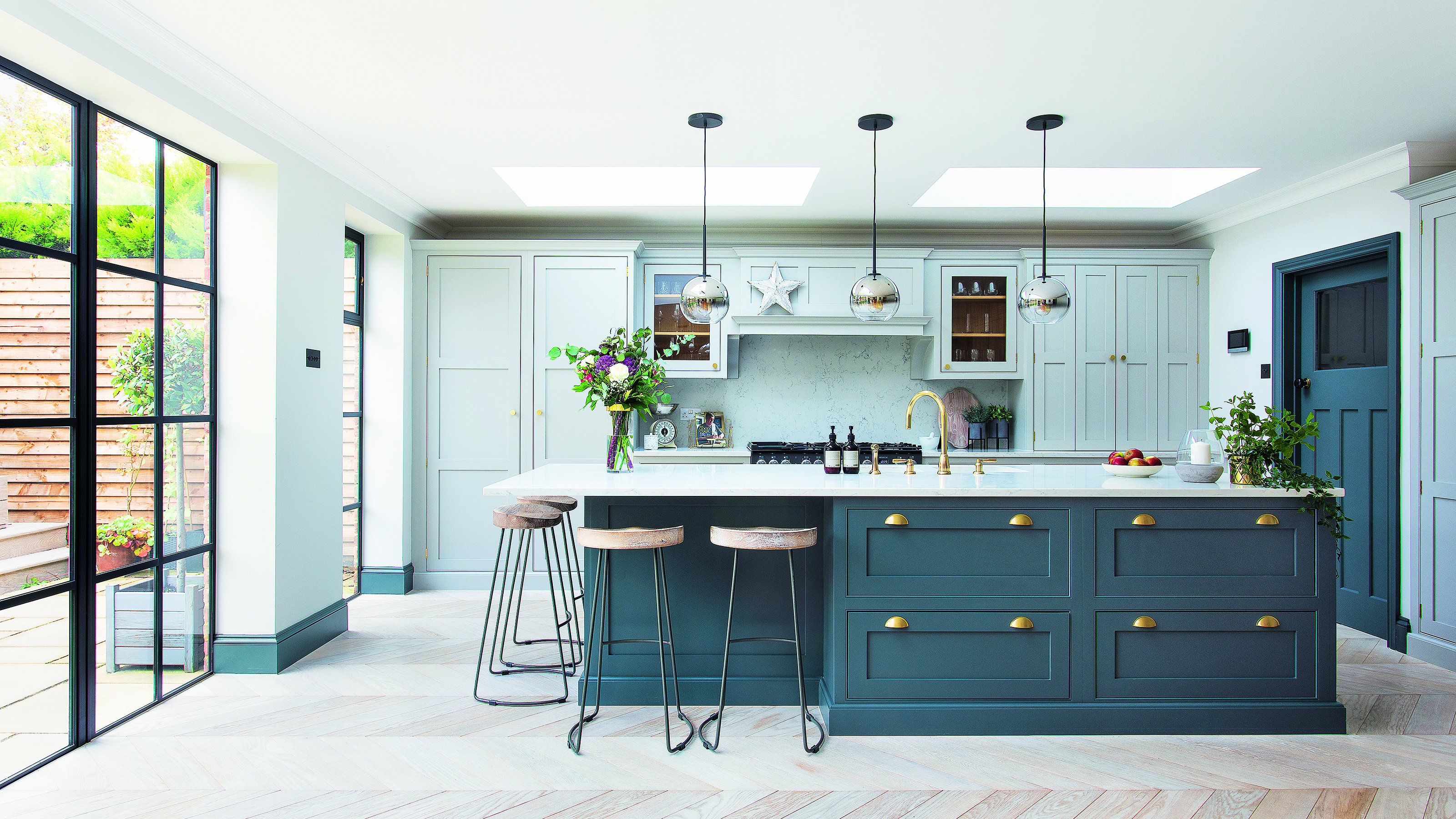
The 6 kitchen lighting trends set to shine in 2025
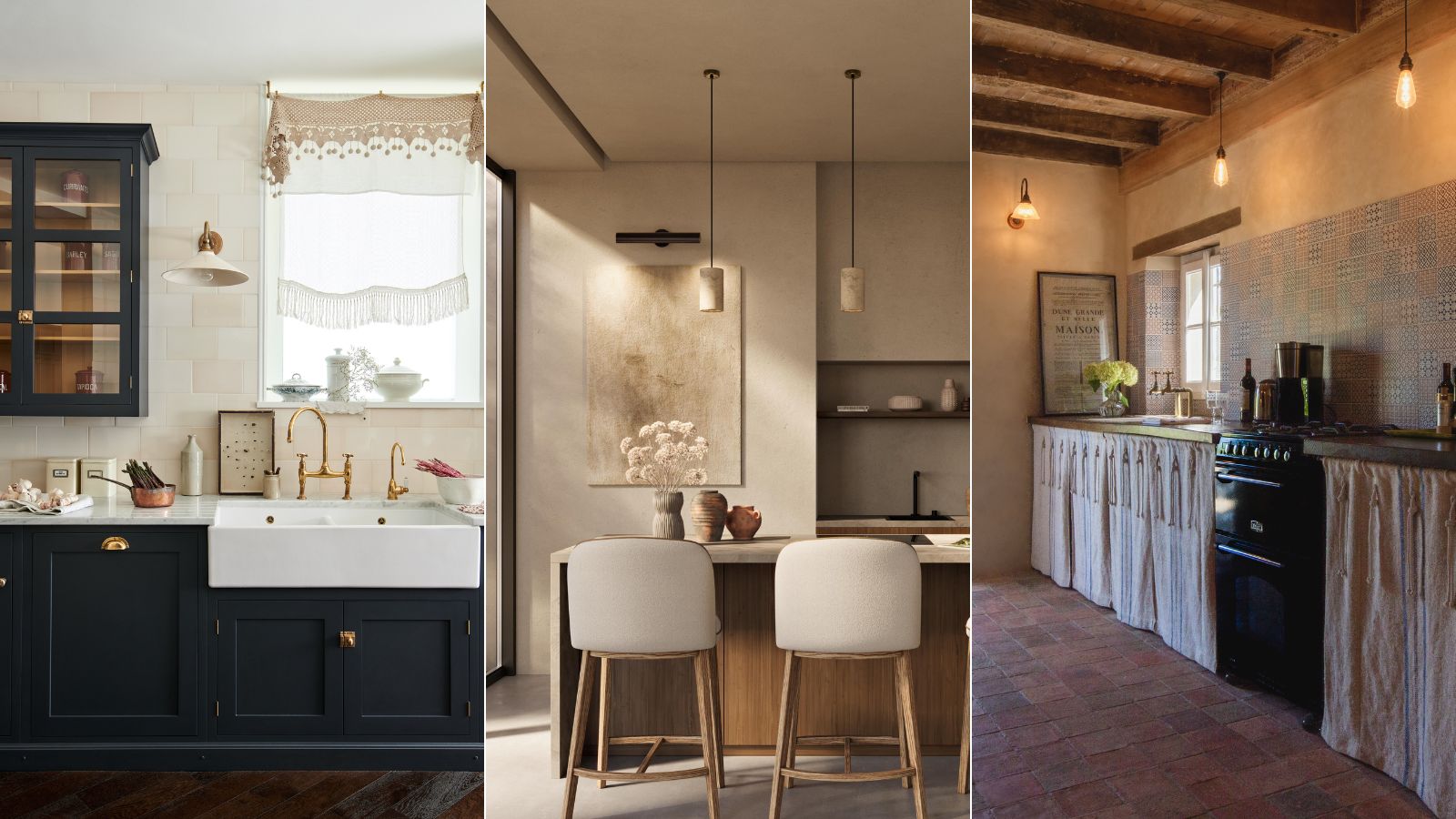
Designers say that lighting is the easiest way to elevate your kitchen
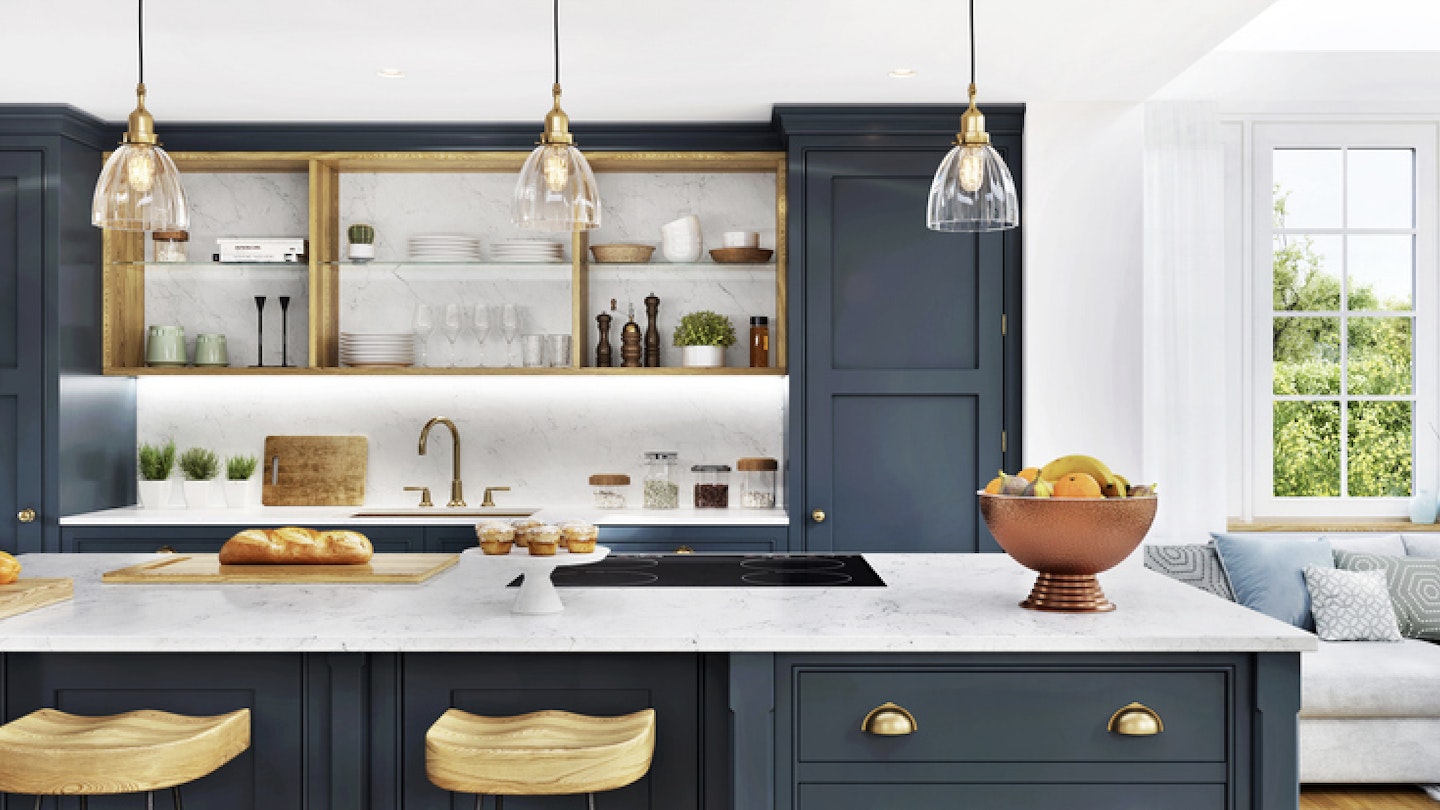
Cool Or Warm? Here Are The Best Kitchen Lighting Ideas
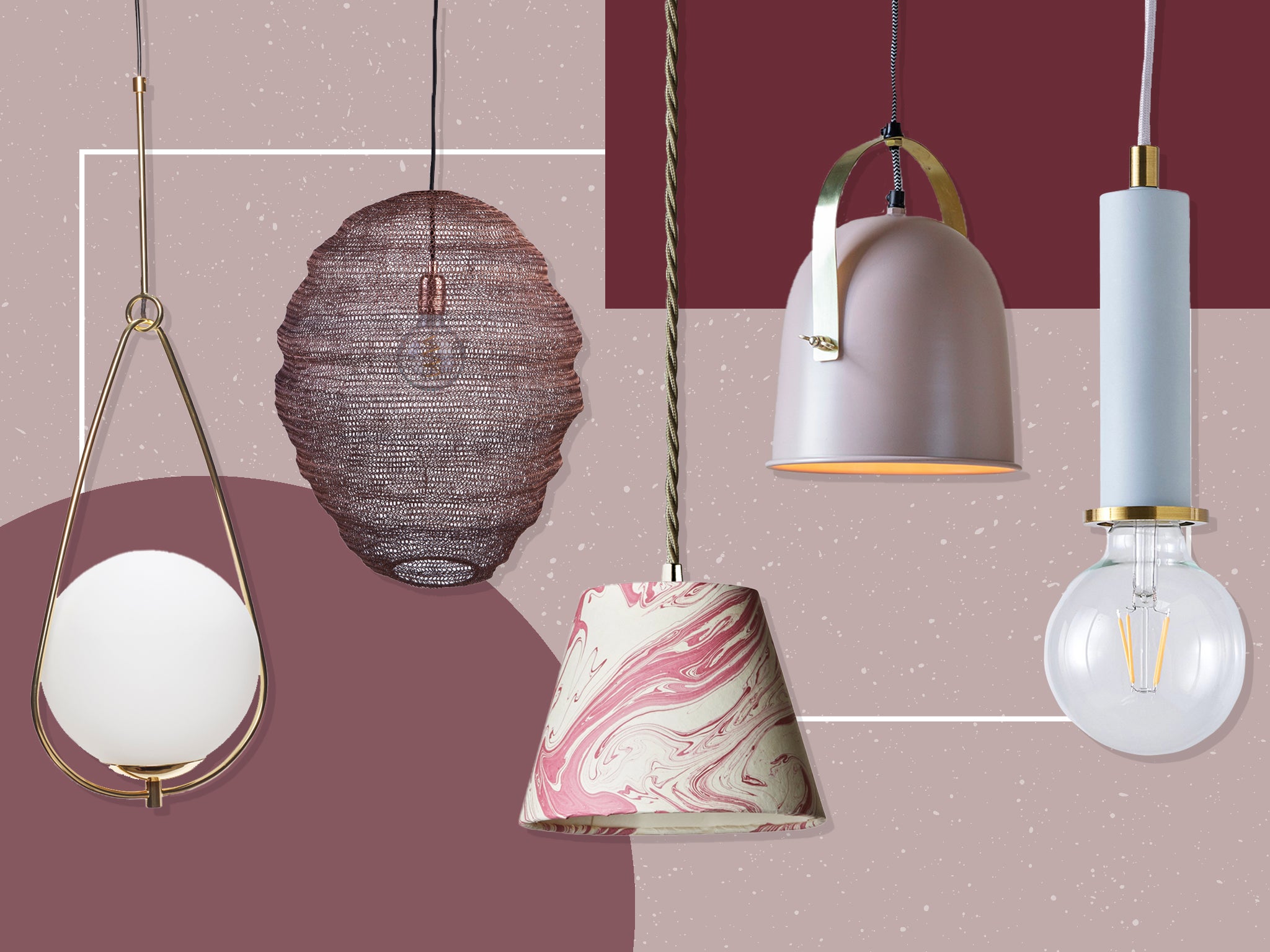
10 best pendants lights to illuminate your living space
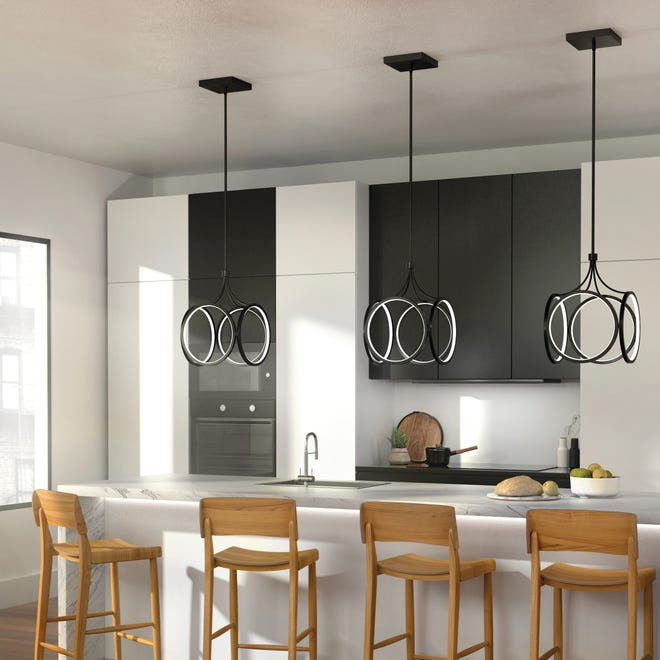
Homestyle: Lighting the way
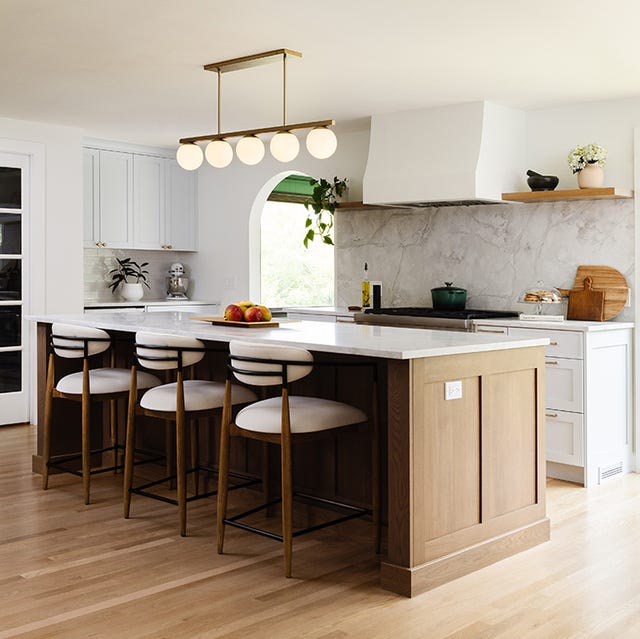
Try These Kitchen Lighting Ideas to Brighten Your Space

Latest Chandelier Trends For 2025: Elevate Your Interior Aesthetics