1/10
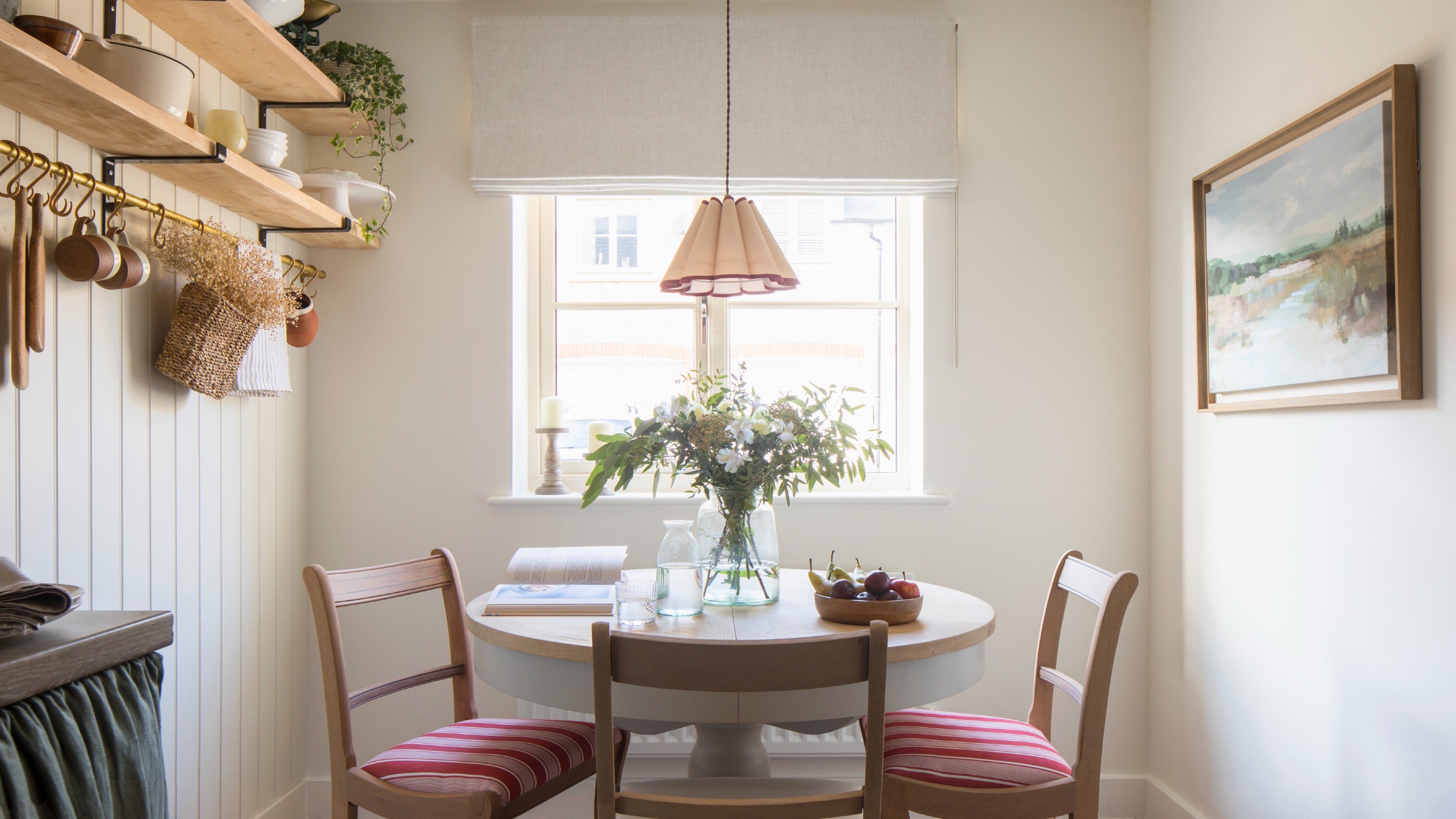
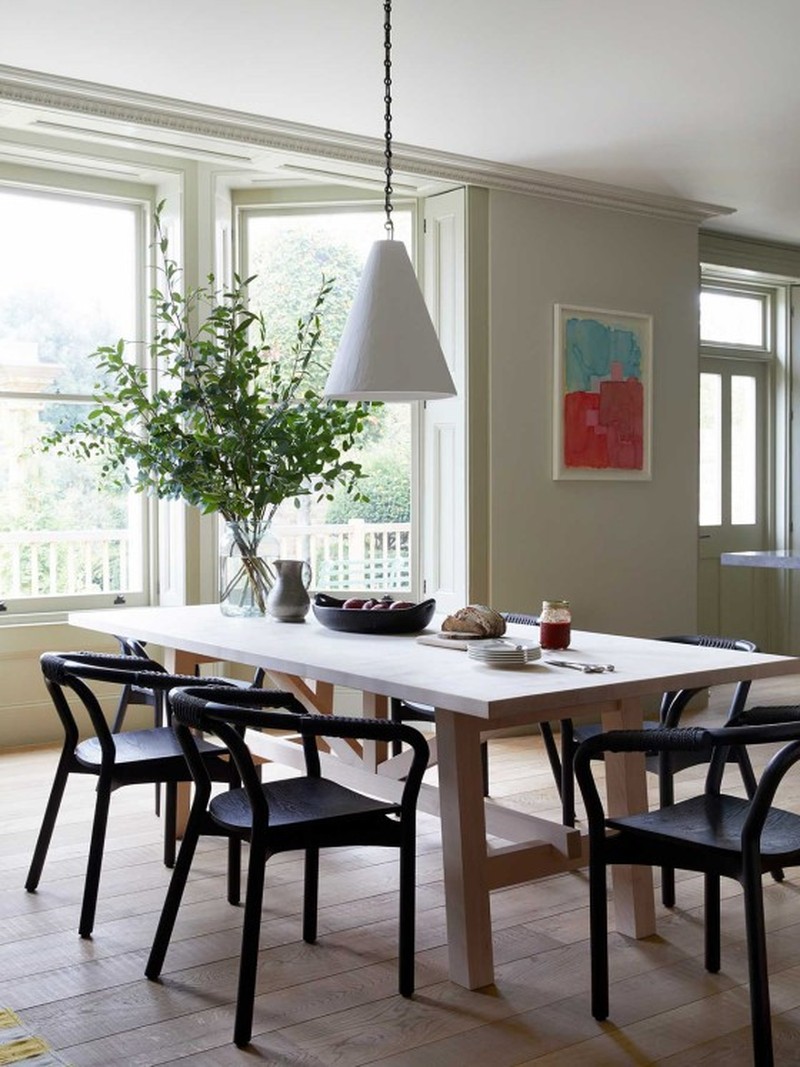
The 30-inch pendant light rule is the trick experts swear by
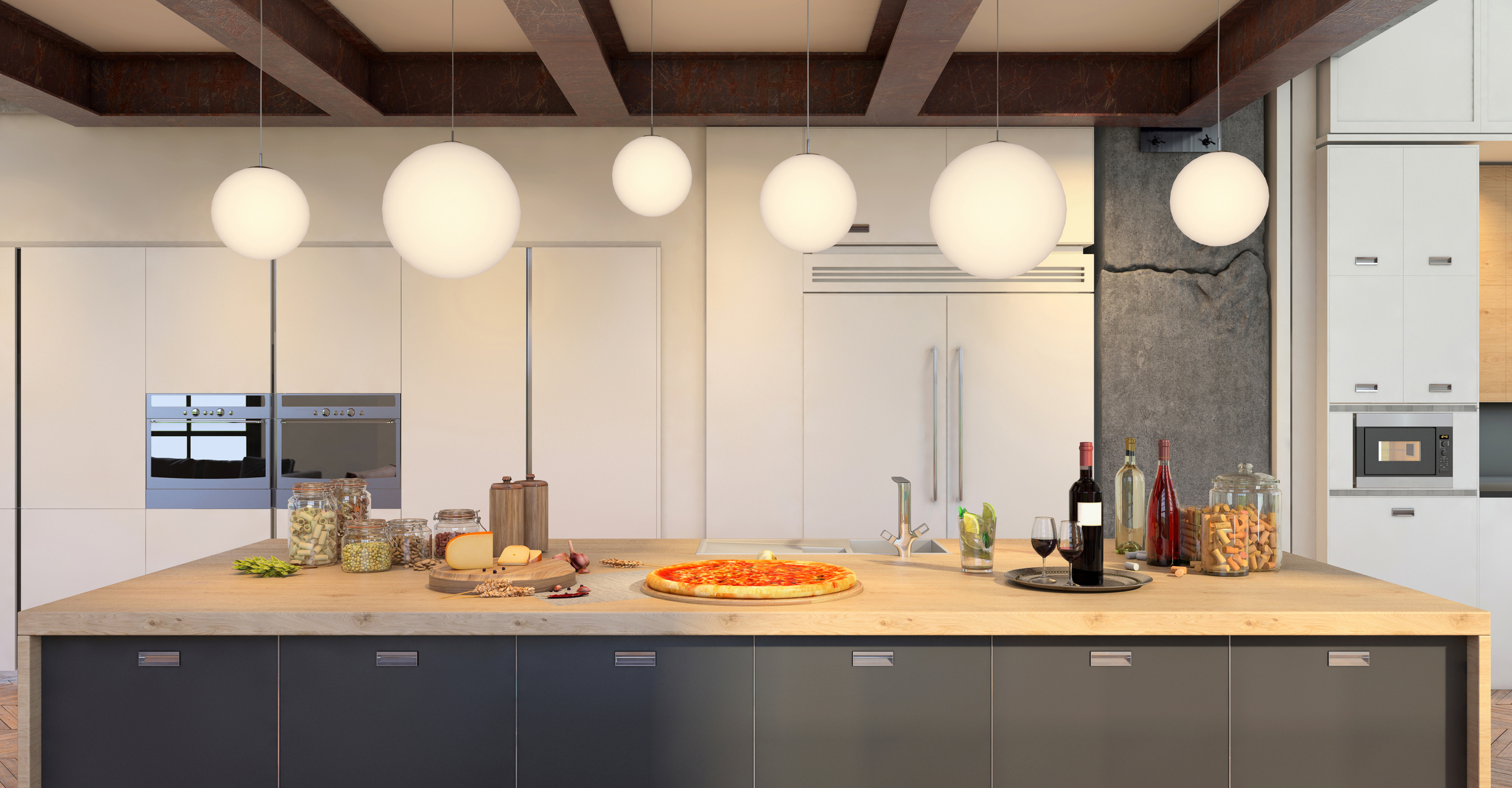
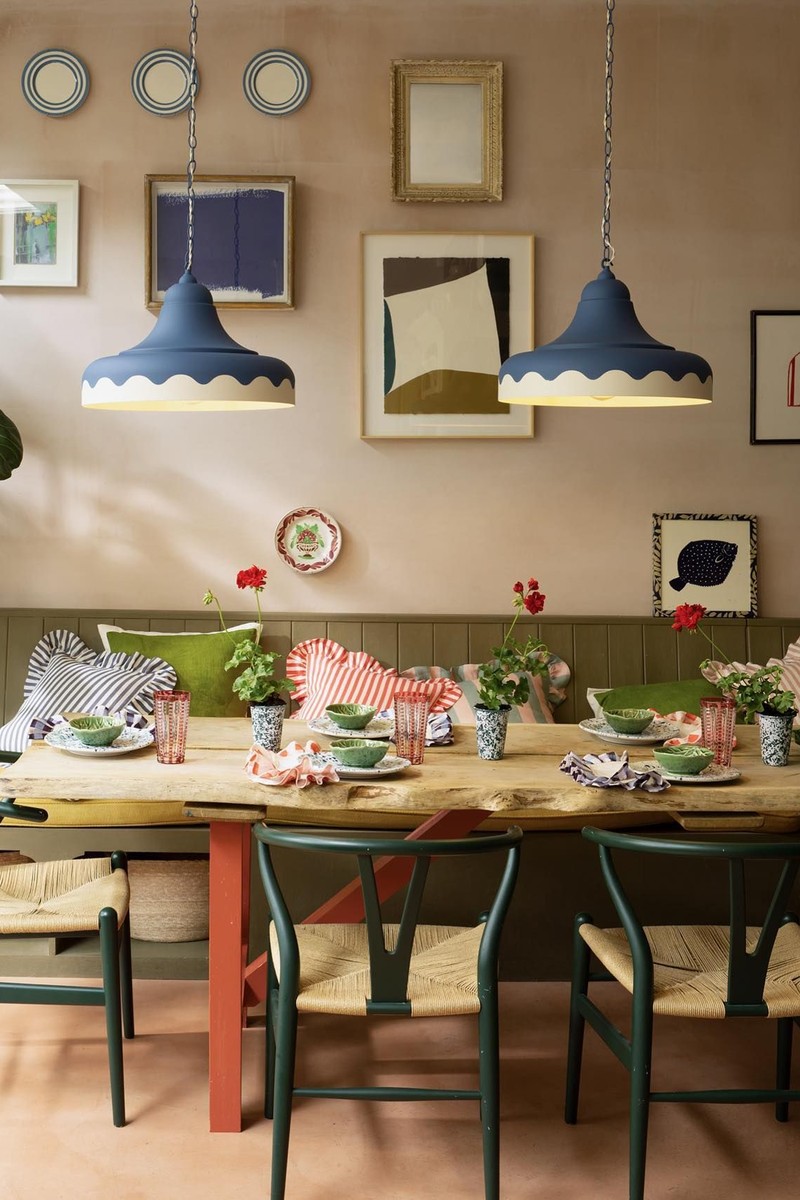
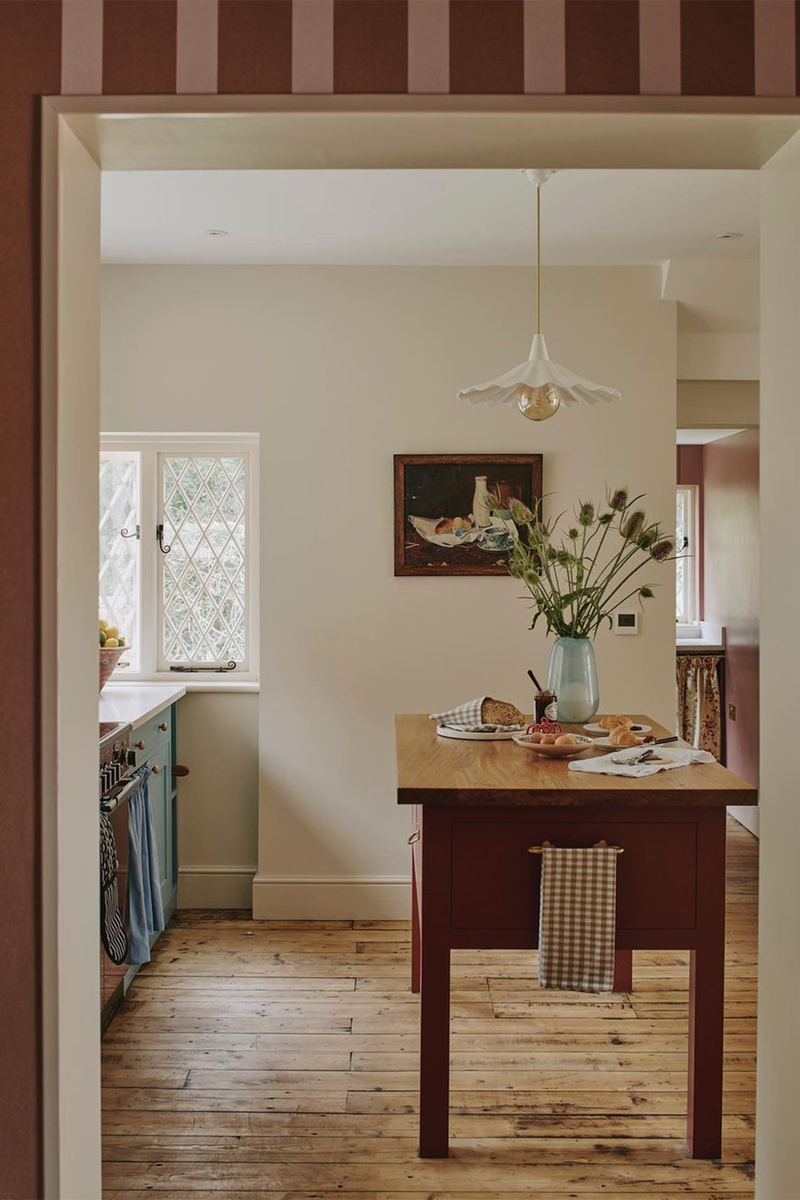
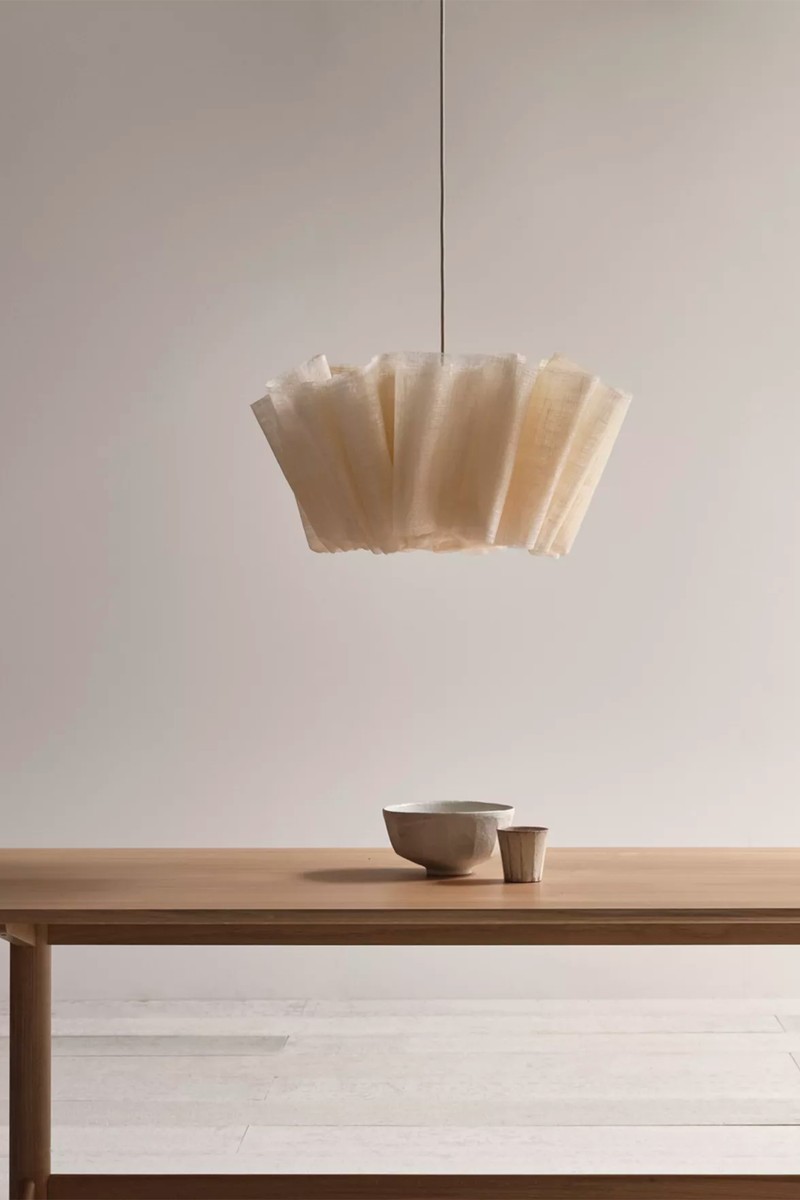
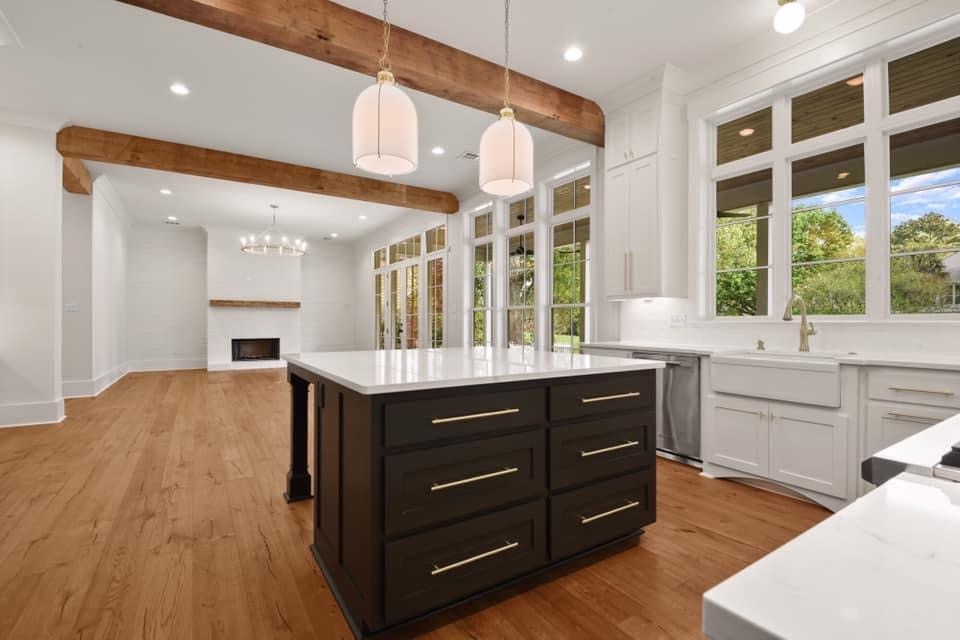
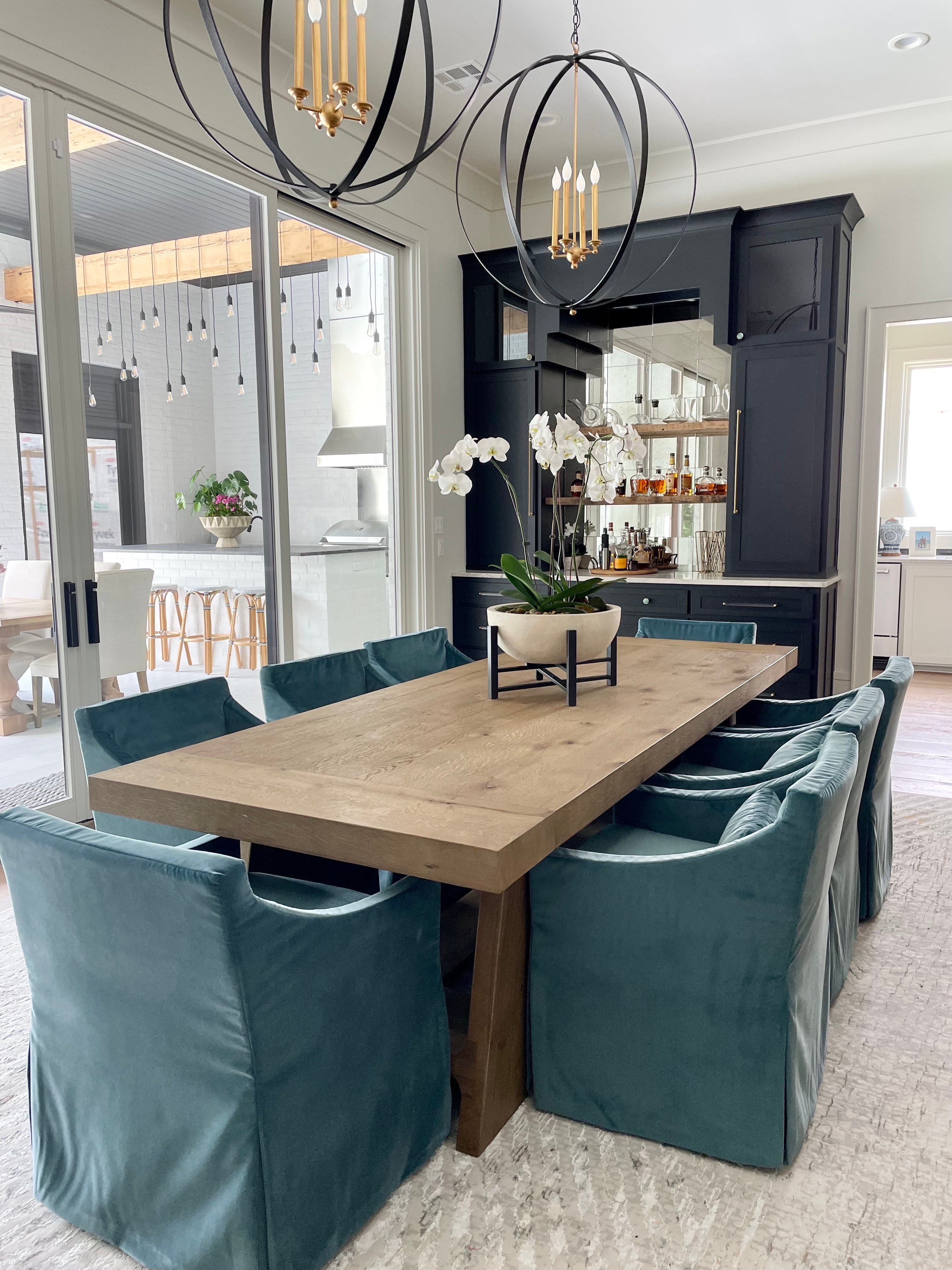
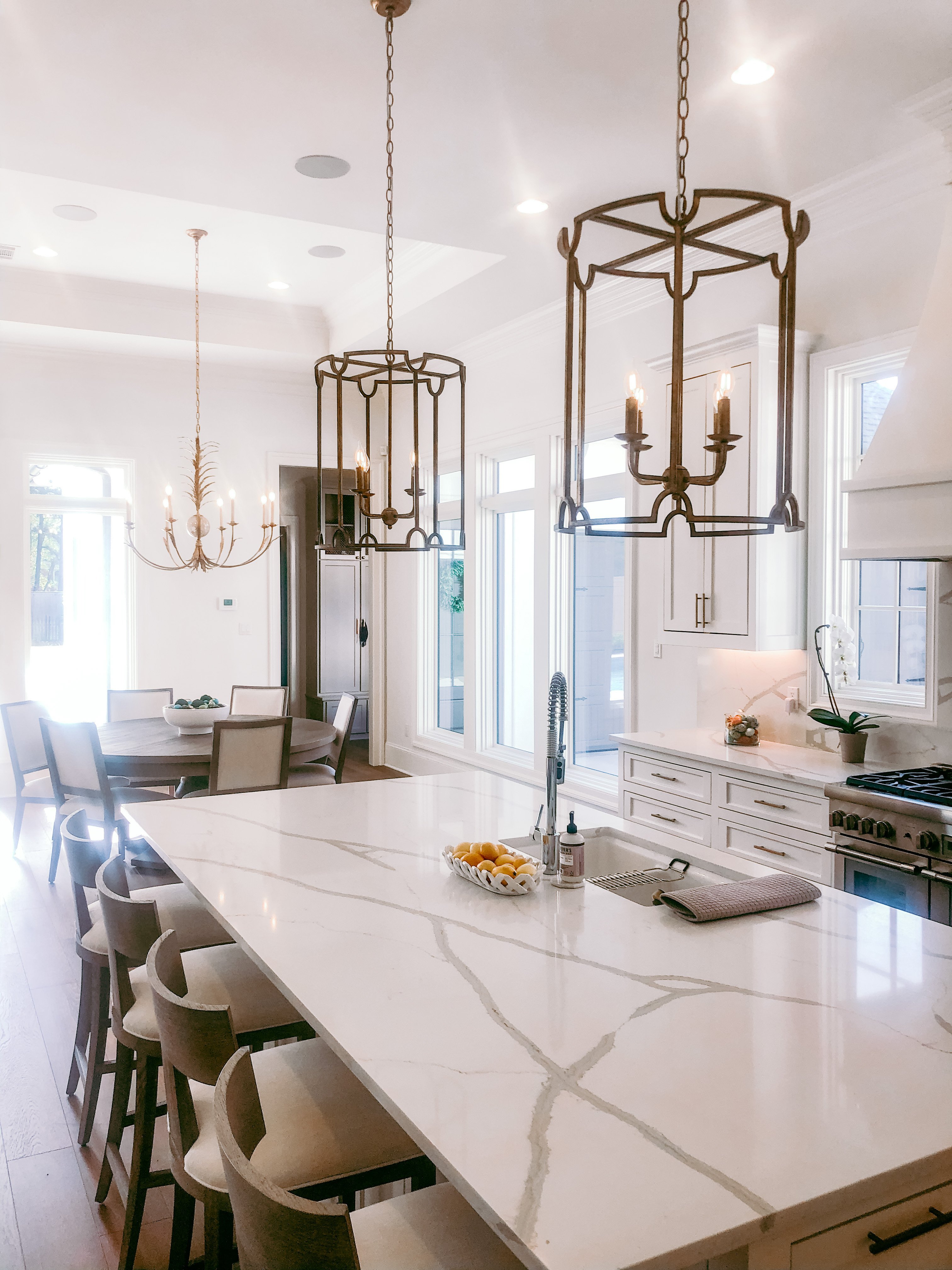
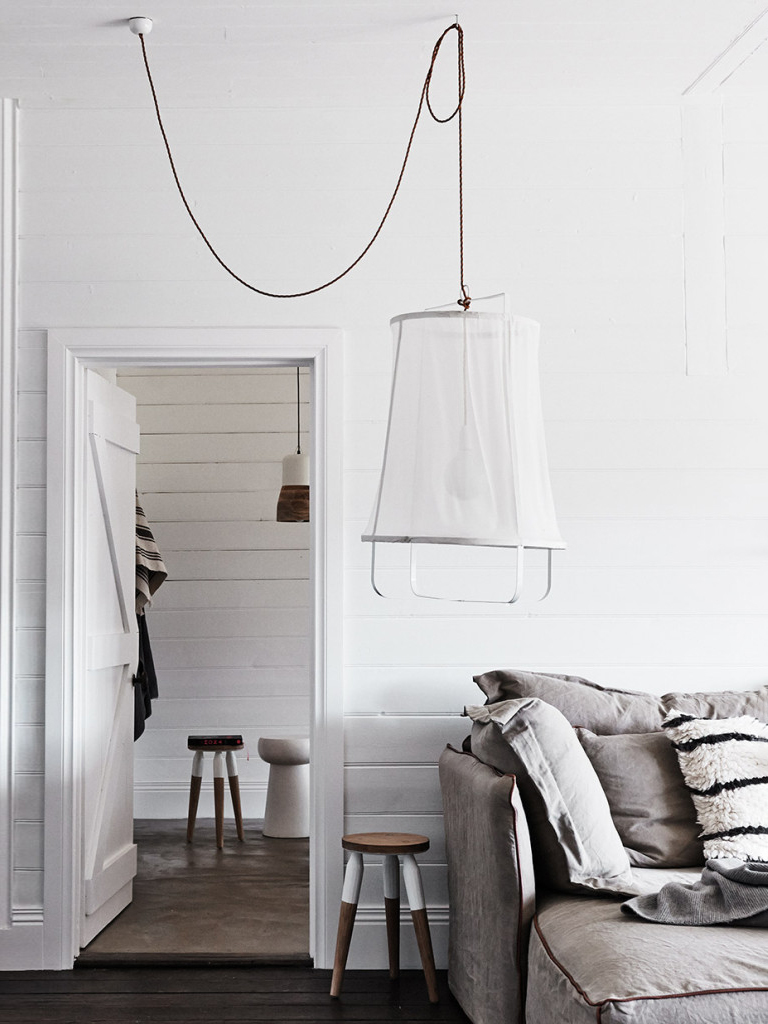
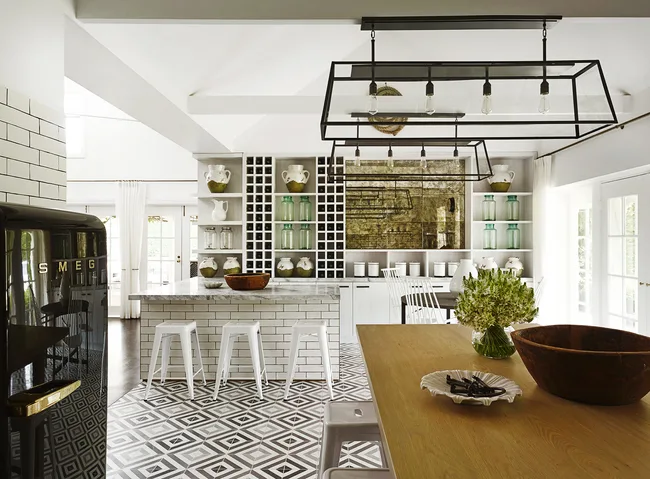
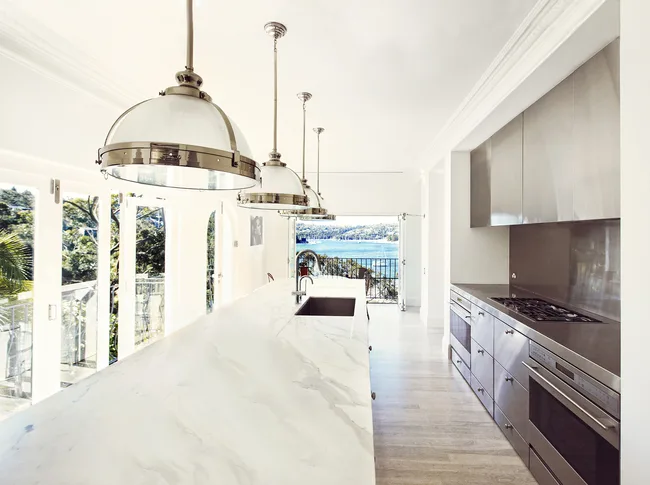
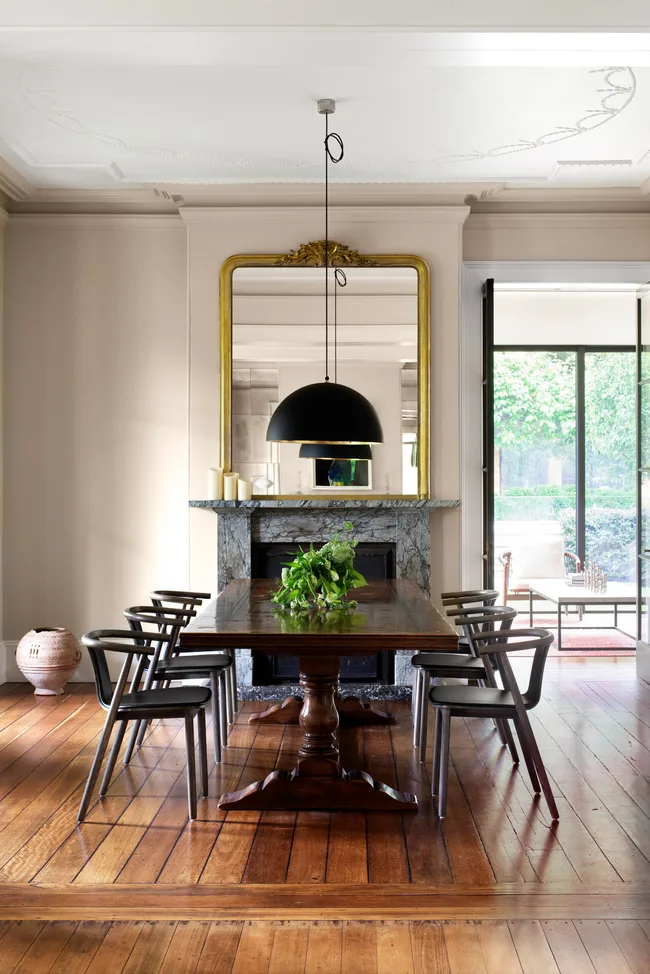
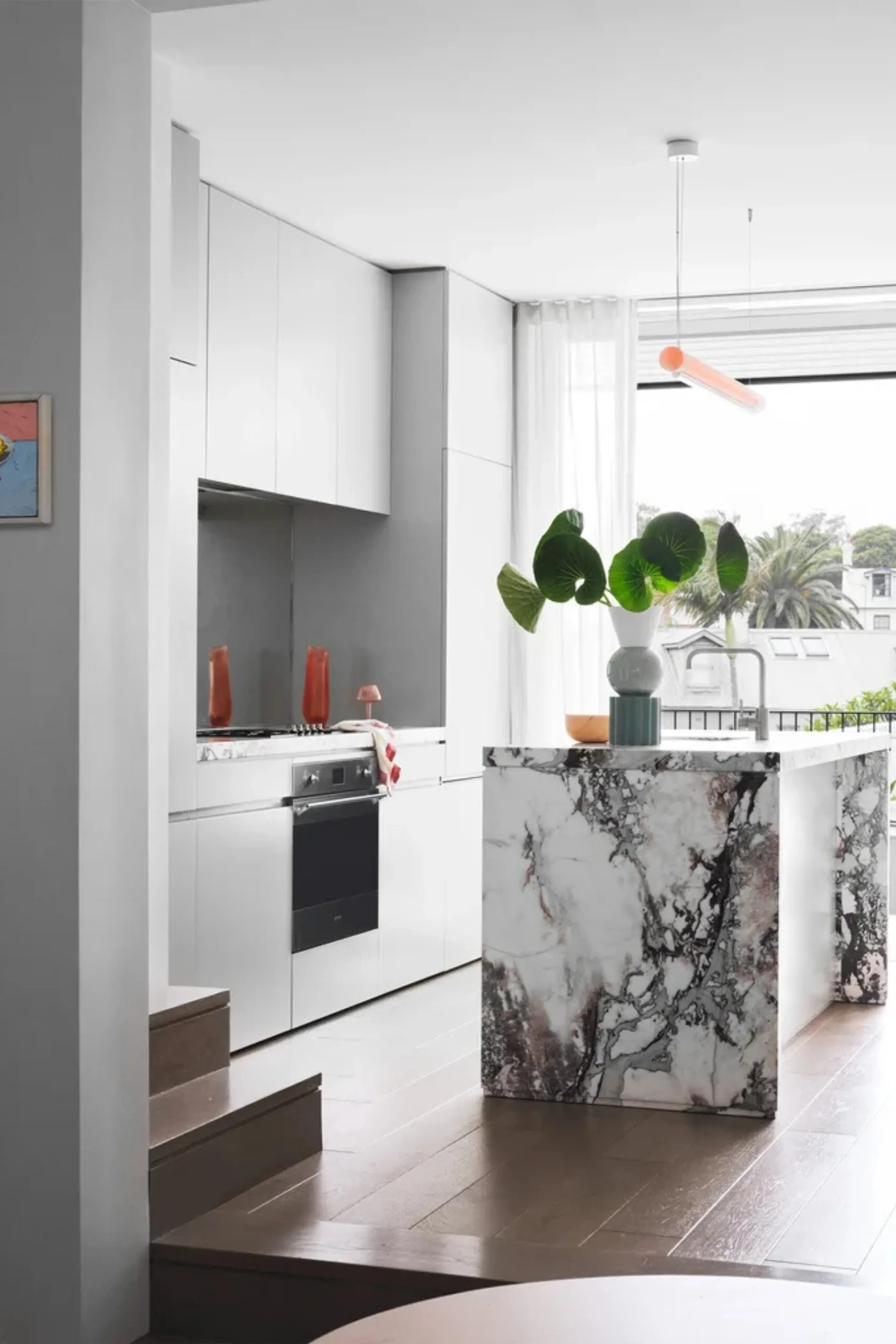
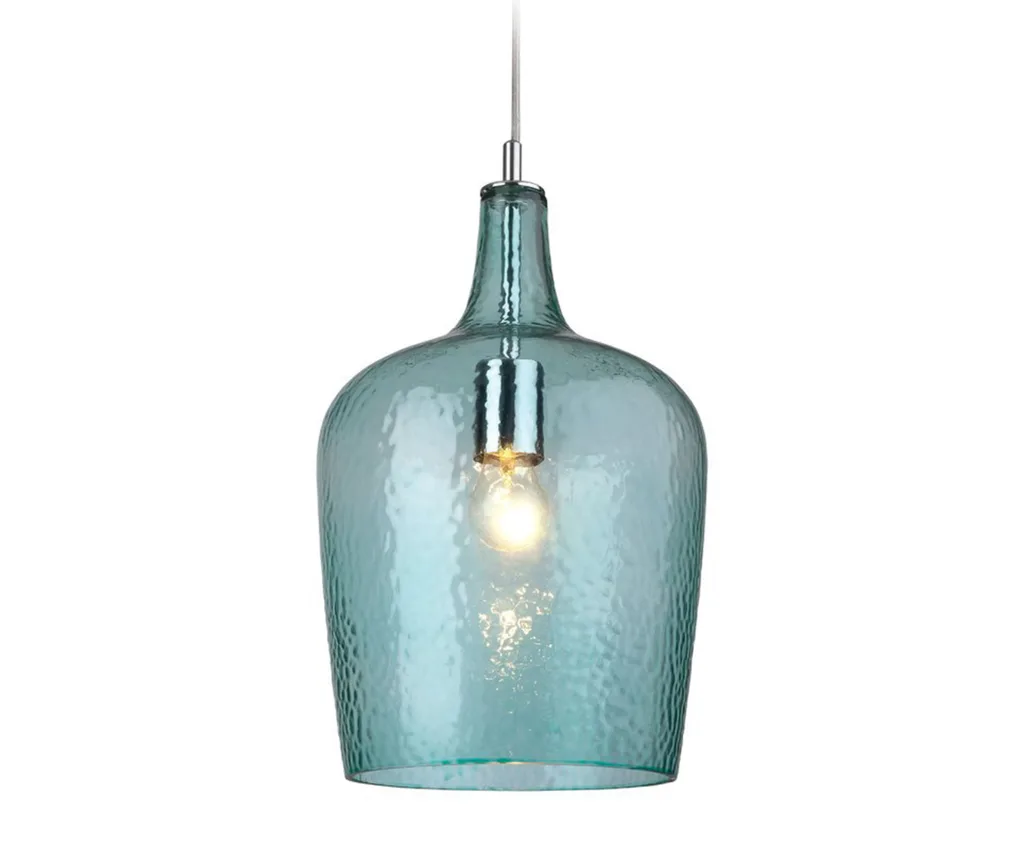
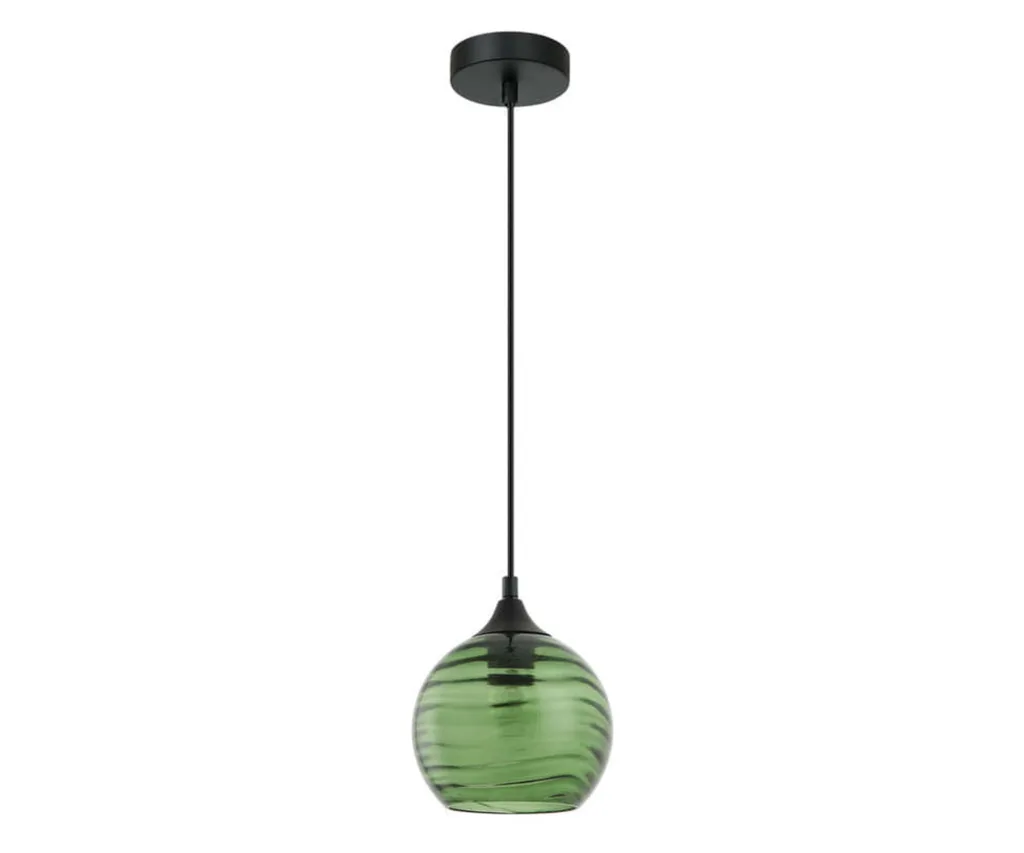
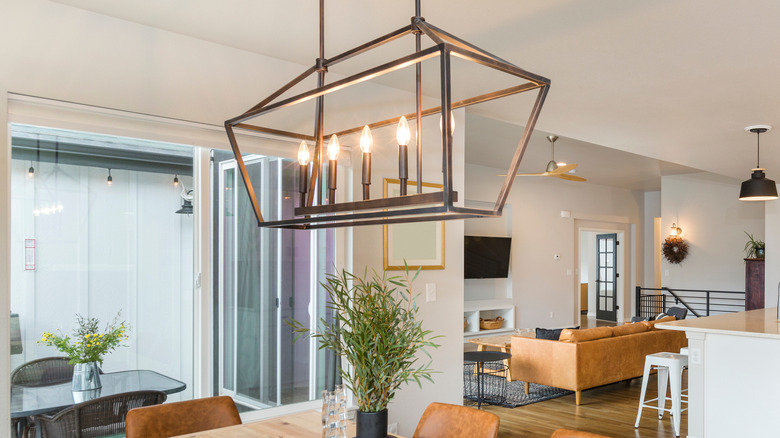
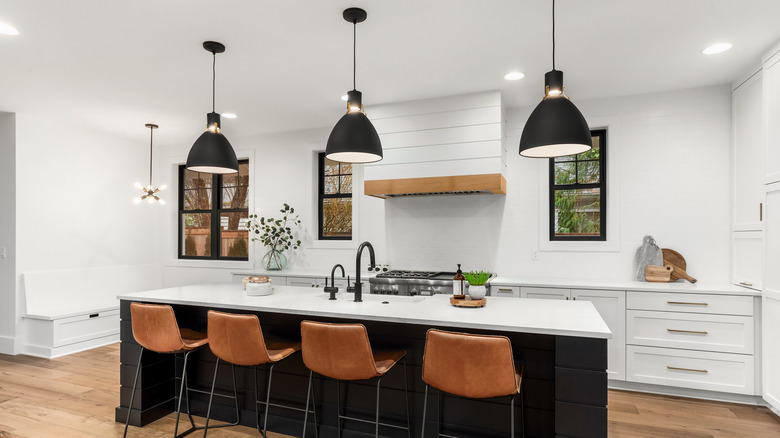
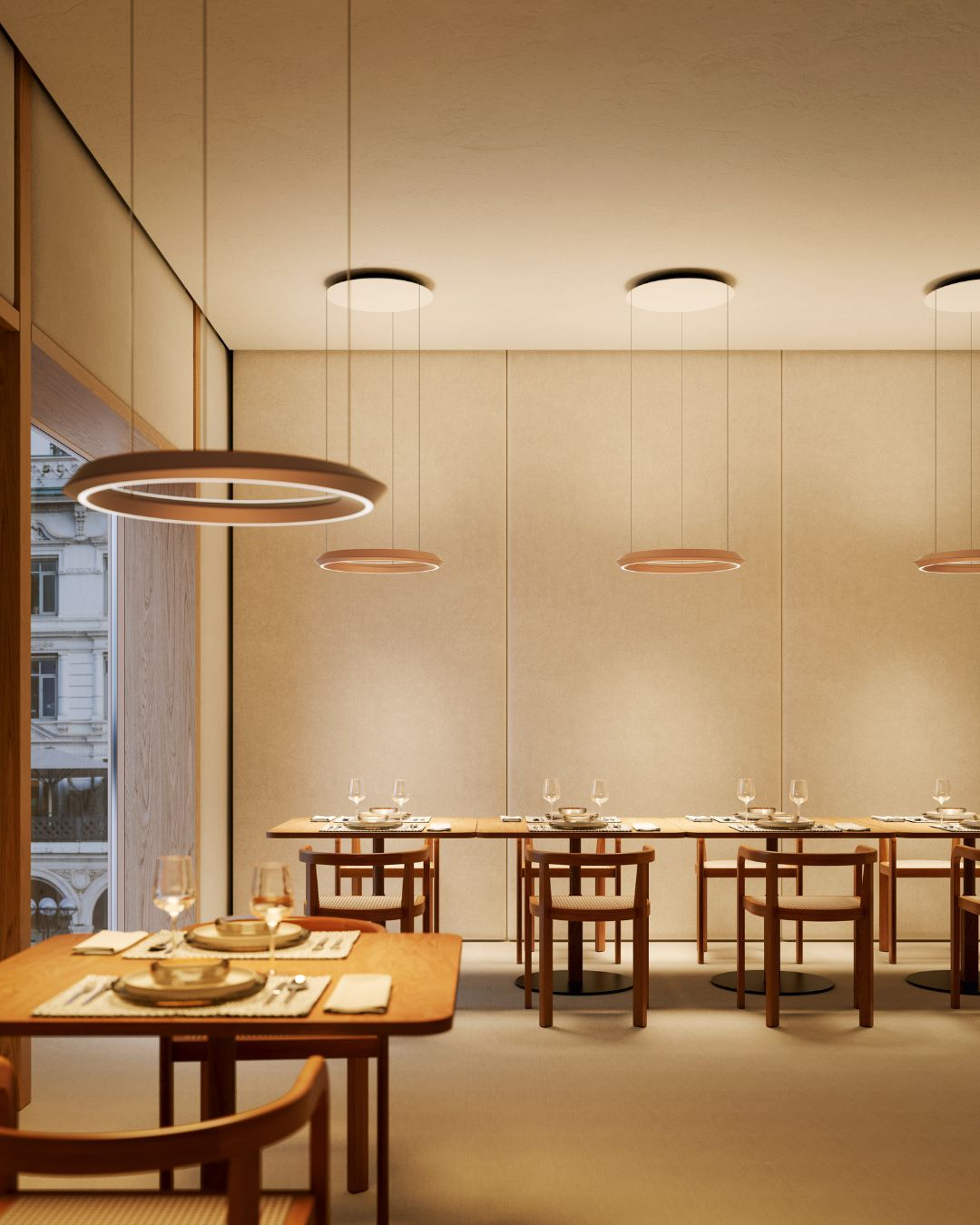
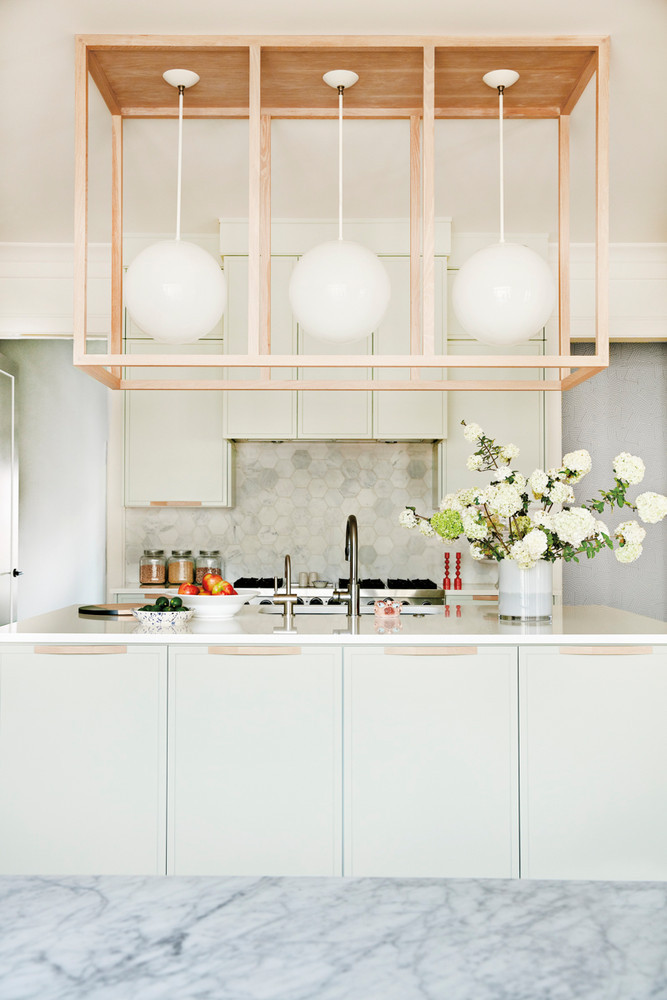
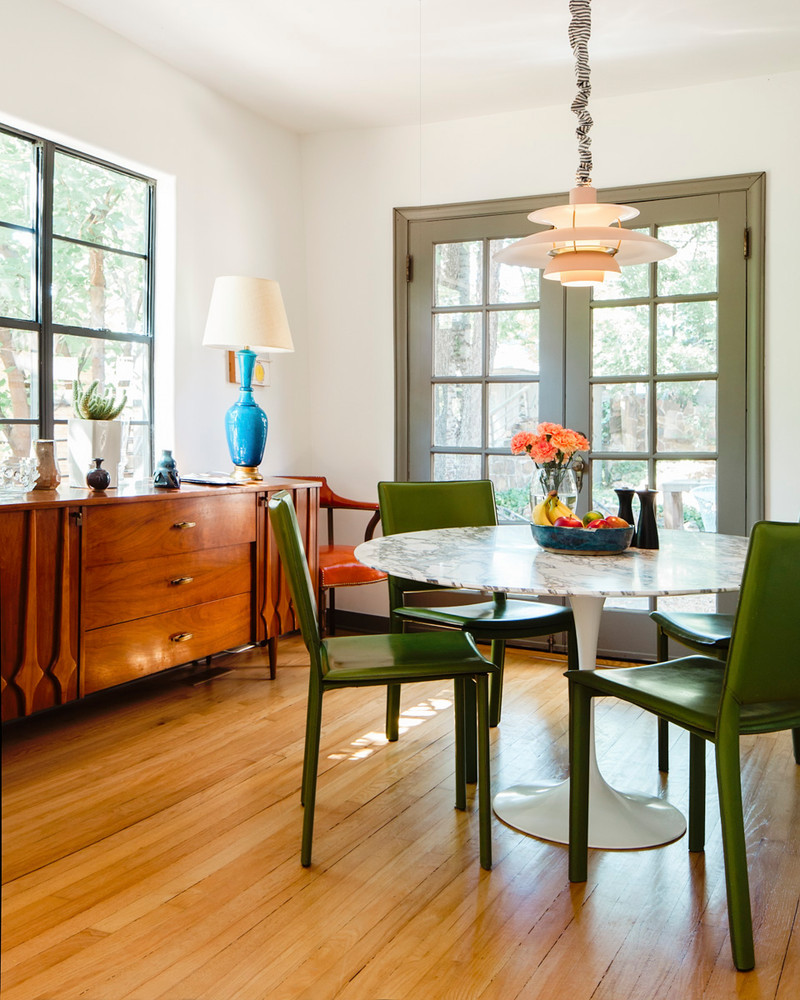
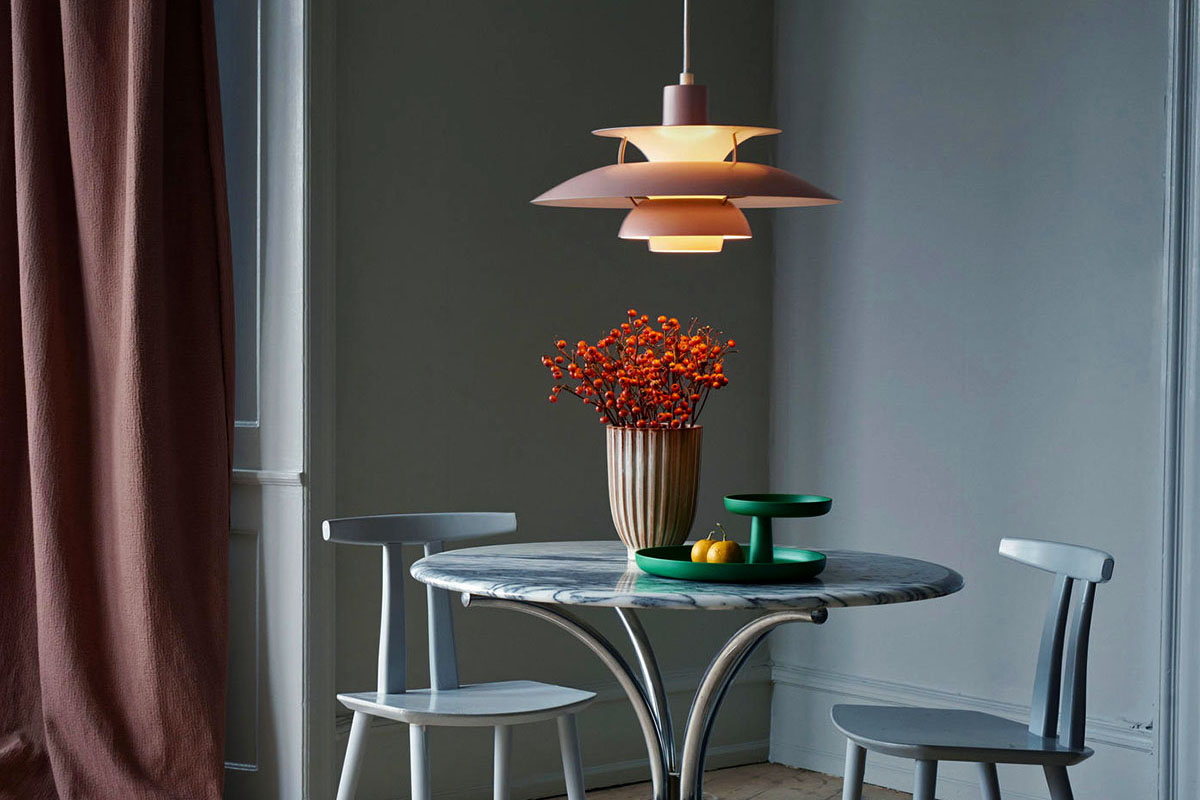
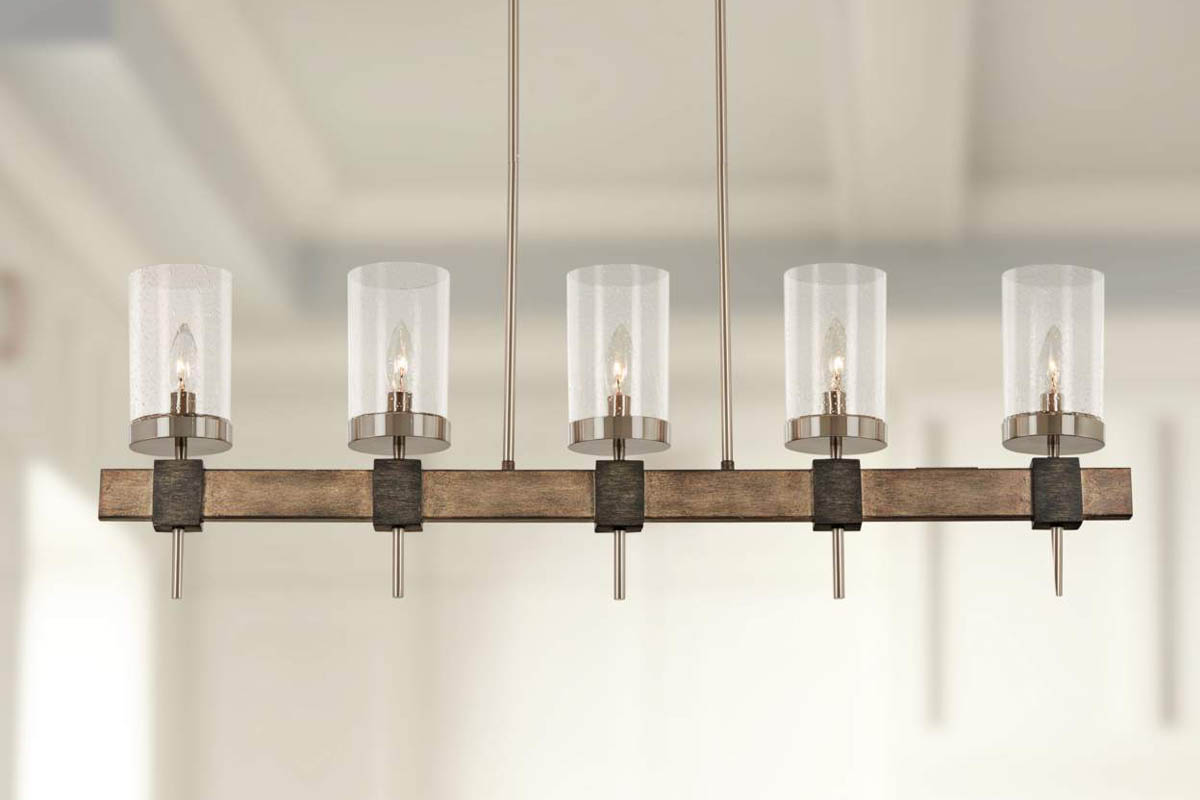
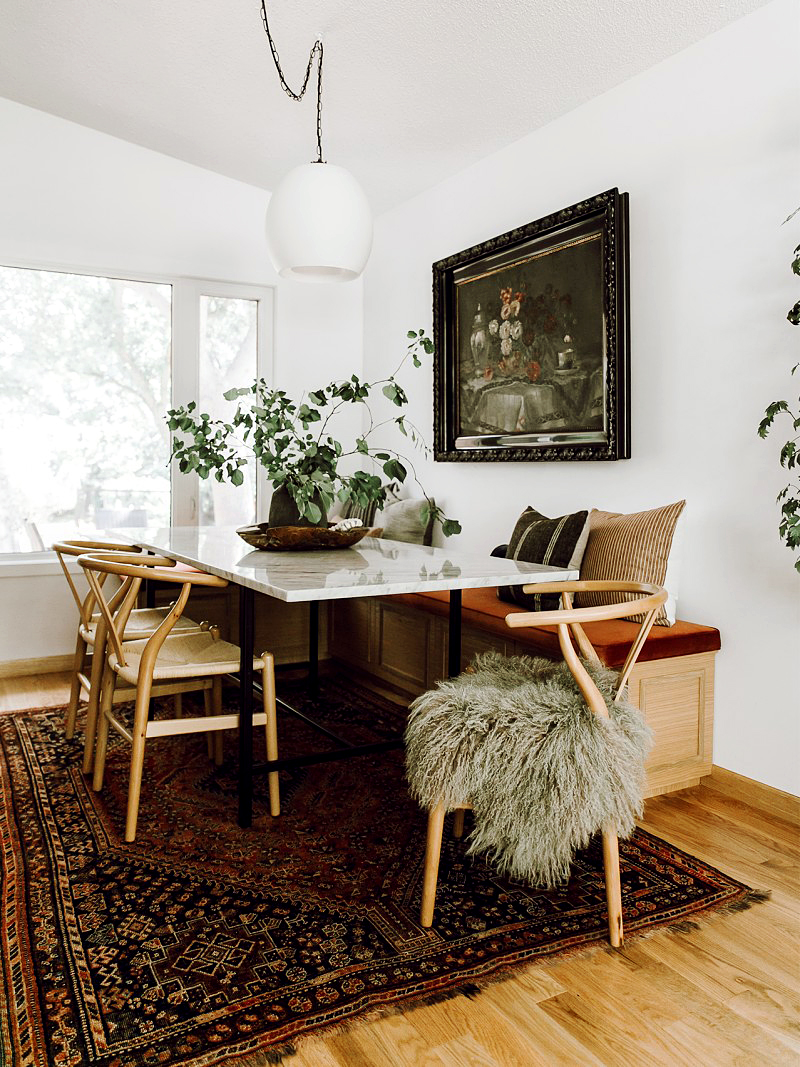
The article introduces the '30-inch pendant light rule,' a design principle used by interior and lighting experts to determine the optimal height for pendant lights above surfaces such as dining tables and kitchen islands. This rule suggests maintaining approximately 30 inches of space between the bottom of the pendant light fixture and the surface below it. The author, Sara Hesikova, discovered this rule through interior stylist Colin King's Substack and subsequently consulted other industry professionals to understand its application and significance.
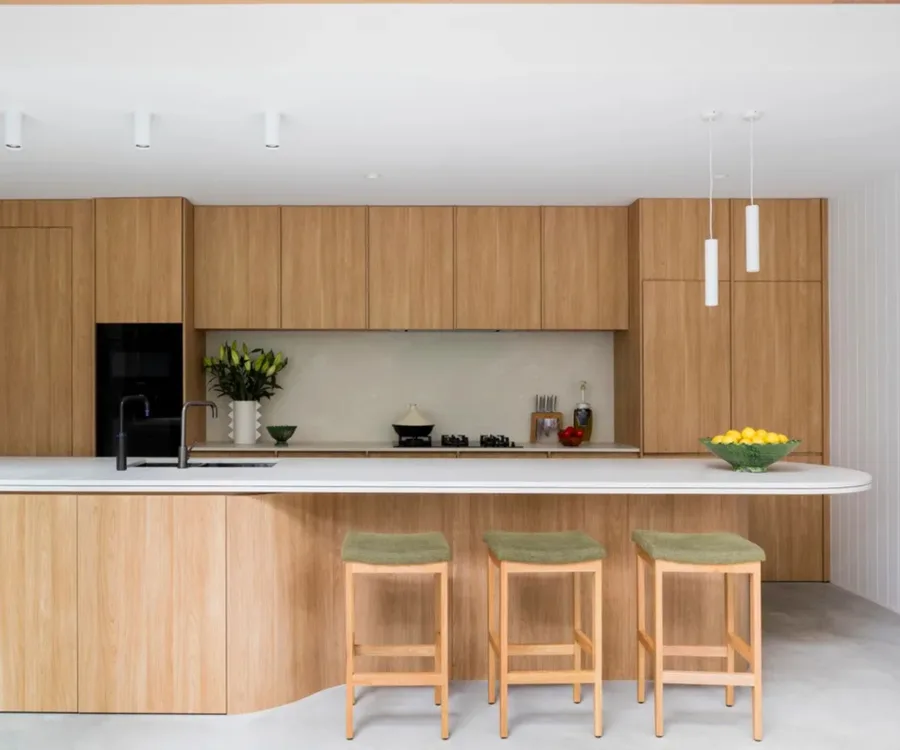
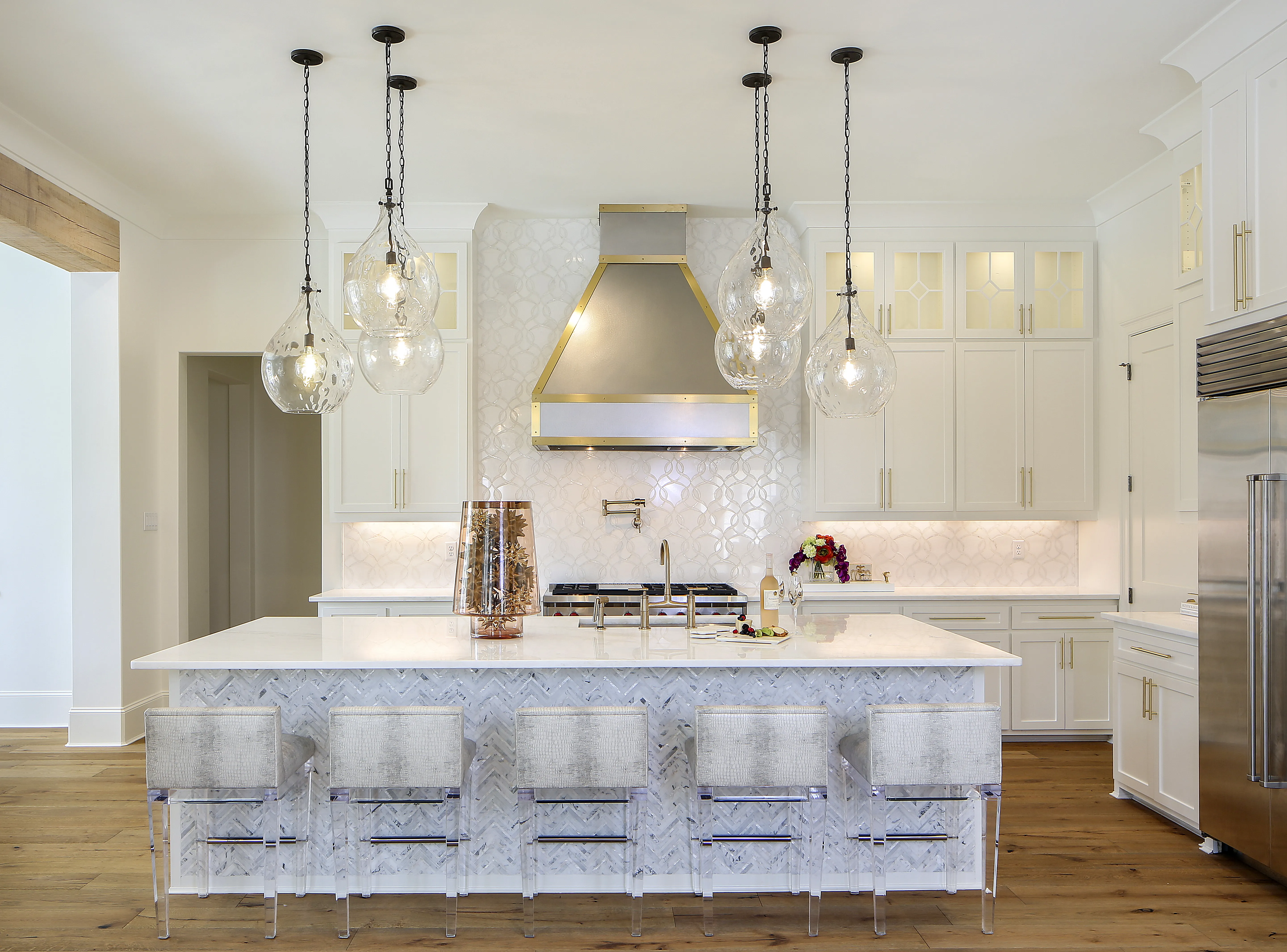
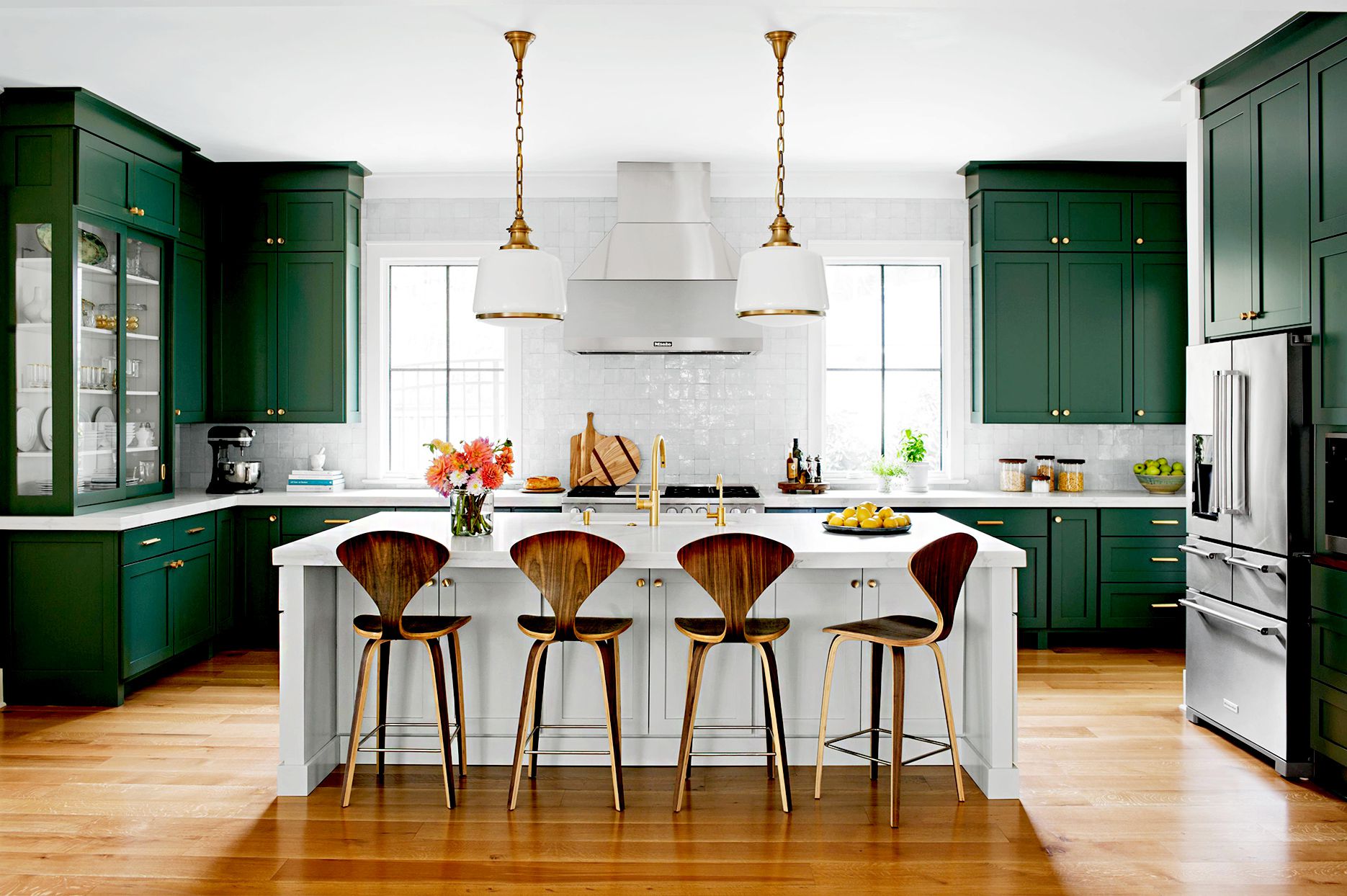
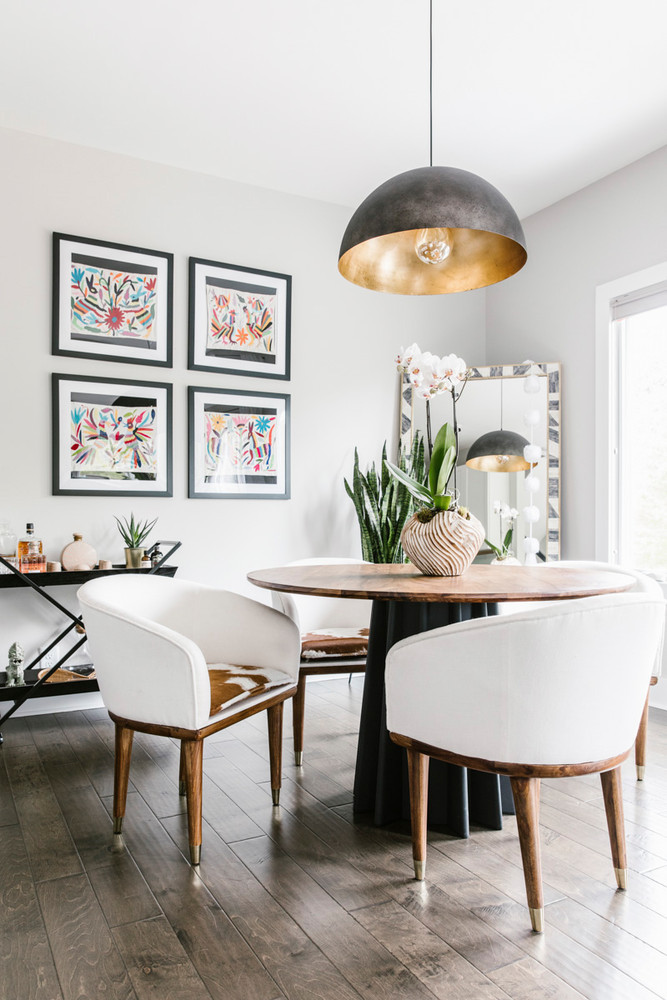
Experts confirm that this guideline is widely adopted within the industry, ensuring that pendant lights effectively illuminate the surface without obstructing views or conversation. Mara Rypacek Miller, founder of Industville, highlights that this height fosters integration and proportionality with surrounding elements like cabinetry and tables. James Kendall, operations director at KES Lighting & Home, further elaborates that the rule balances effective illumination with unobstructed sightlines.
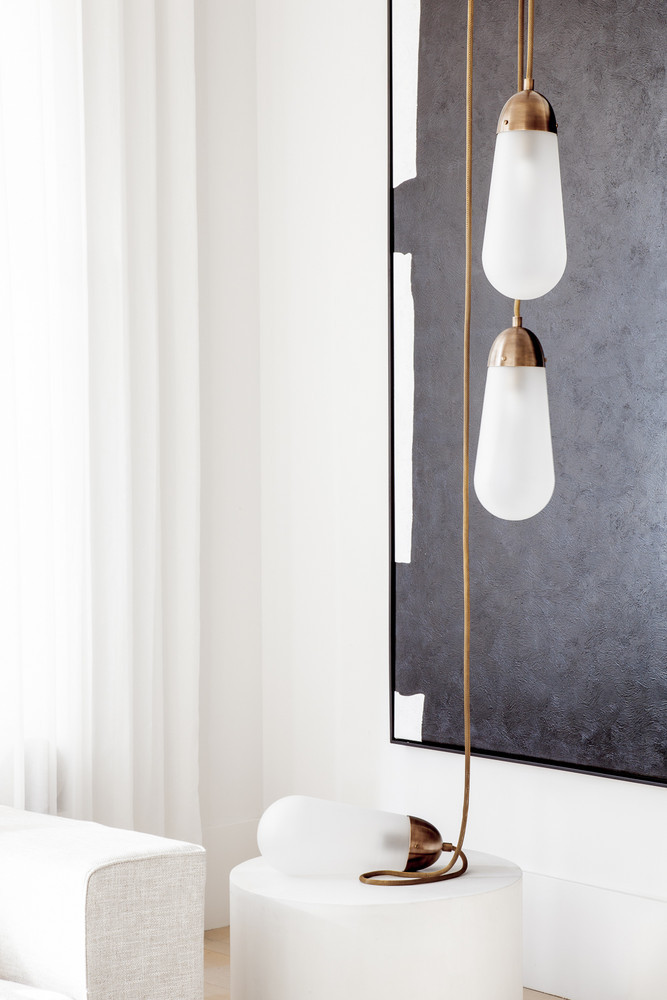
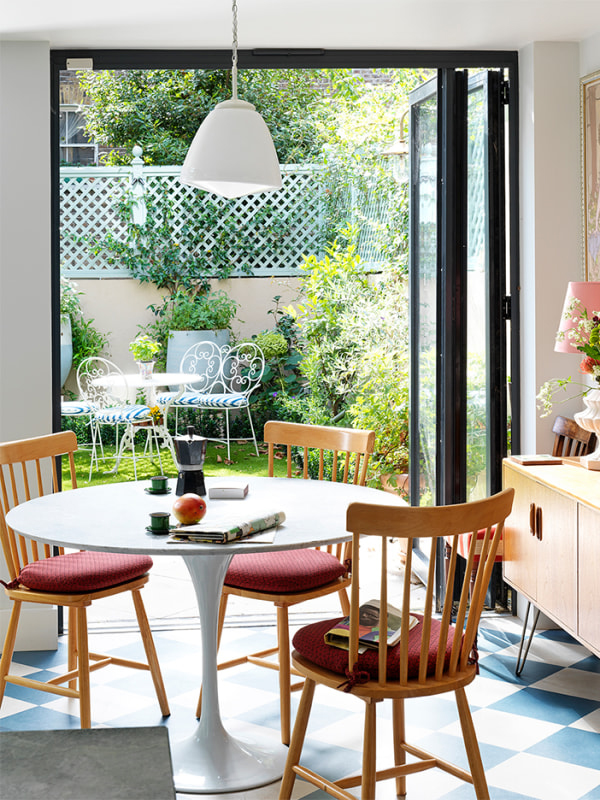
While commonly applied in kitchens and dining areas, the 30-inch rule can also be adapted for other spaces. Ally Dowsing-Reynolds, a lighting expert at Dowsing & Reynolds, notes its utility above console tables, bedside tables, and workstations. For desks or home office nooks, this formula provides effective task lighting and creates a cozy, zoned ambiance. Bedside pendants, hung at this length, can serve as a space-saving alternative to traditional table lamps.
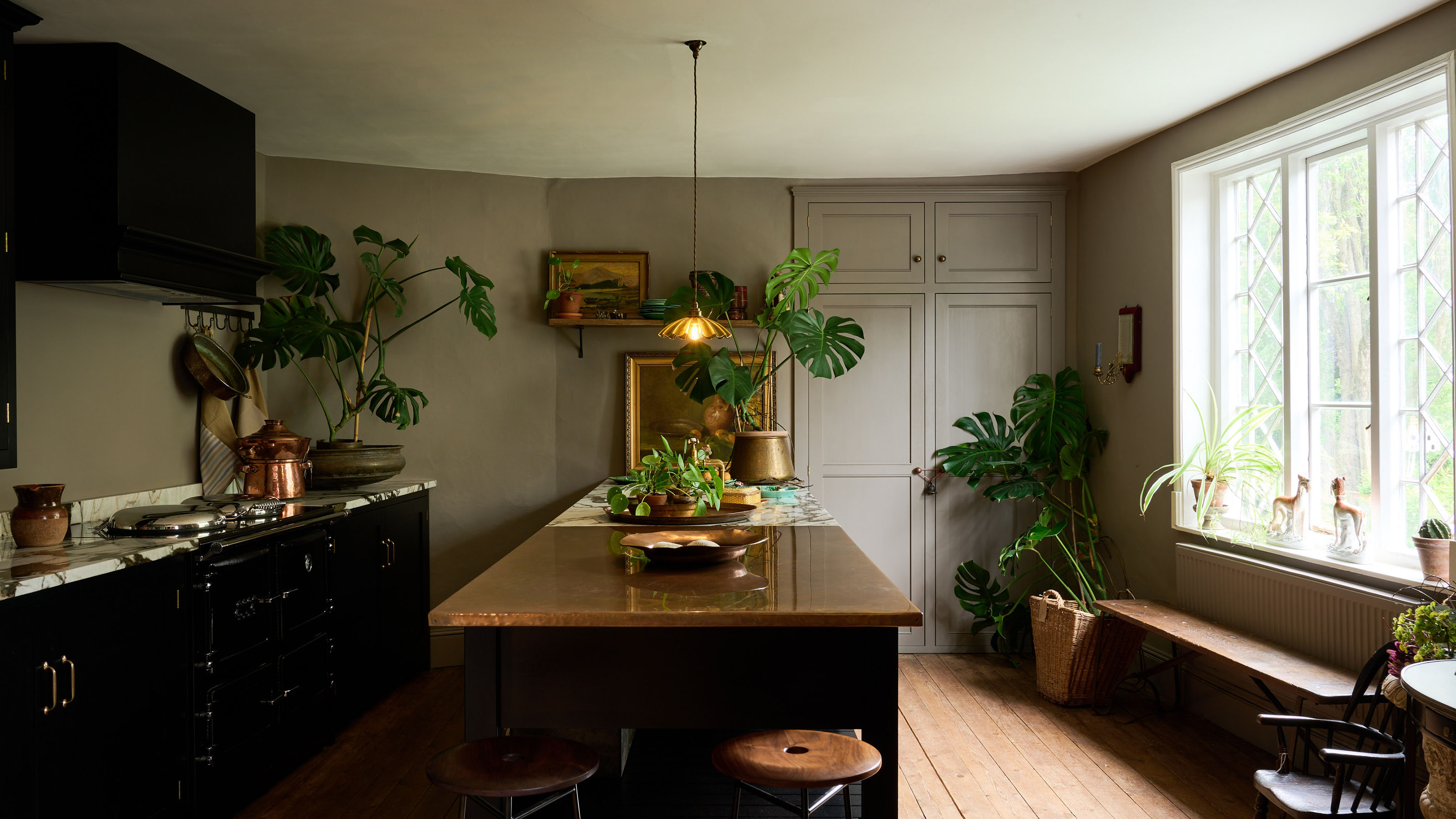
However, the article emphasizes that the 30-inch rule should be viewed as a guideline rather than a rigid command. James Kendall advises considering factors such as ceiling height, the size and scale of the pendant, and the height of individuals using the space. For example, in rooms with exceptionally high ceilings, a slightly increased drop for the pendant might be necessary to maintain visual balance and proportion. Ally Dowsing-Reynolds concurs, suggesting that for standard eight-foot ceilings, the 30-inch rule is reliable, but higher ceilings may require lower pendant placement for comfortable and functional lighting. The overall objective is to achieve proportion, balance, and the desired atmosphere within the room, ensuring that light is cast both downwards and upwards to brighten the ceiling and create a broader glow.
#PendantLighting #KitchenDesign #DiningRoomDecor #InteriorDesign #LightingIdeas #HomeDecorTrends #DesignPrinciples #PendantLighting #KitchenDesign #DiningRoomDecor #InteriorDesign #LightingIdeas #HomeDecorTrends #DesignPrinciples
0 comment in total
 No comments yet
You may also like

Overhead Lighting vs. Lamps: Experts Settle This Great Debate

20 Pendant Lights For Any Style

10 Best Pendant Light Fixtures for Your Home

Dunelm shoppers rave about 'fabulous' £30 string lights that 'brighten up' the garden
How To Use Pendant Lights In Your Home
A buyer’s guide to the best indoor kitchen and pendant lights (and beyond)
You Asked Our Style Director for the Best Pendant Light—He Answered
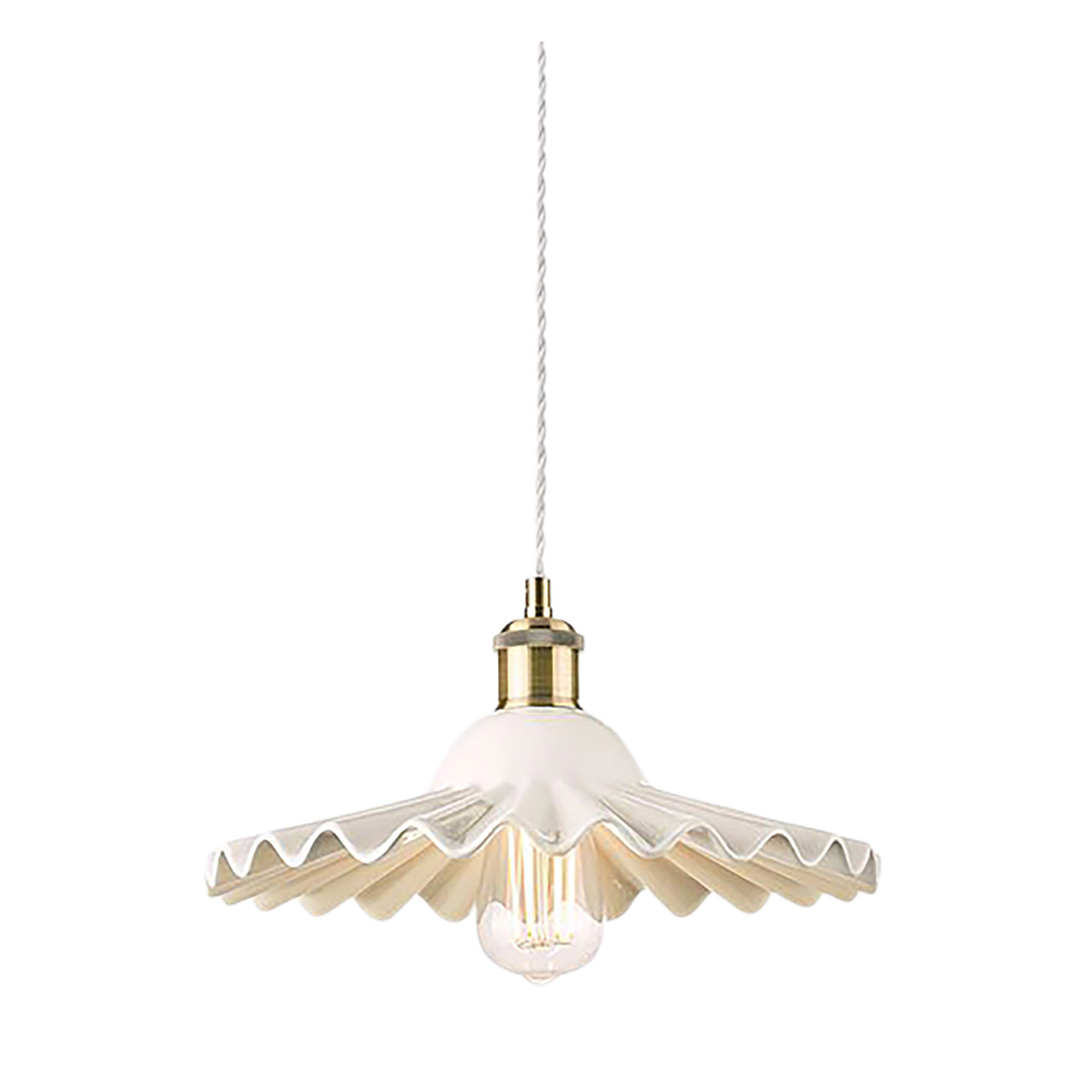
Simply frill-ing! The vintage French-inspired lighting trend you need to know about
These rules of thumb make hanging light fixtures easy
This Is Why Oversized Pendant Lights Are Stealing the Spotlight

Dynamic perspectives: a lamp that transforms with every angle

The Best Online Lighting Stores, Vetted

Renovators Swear by This Pendant Light Hack
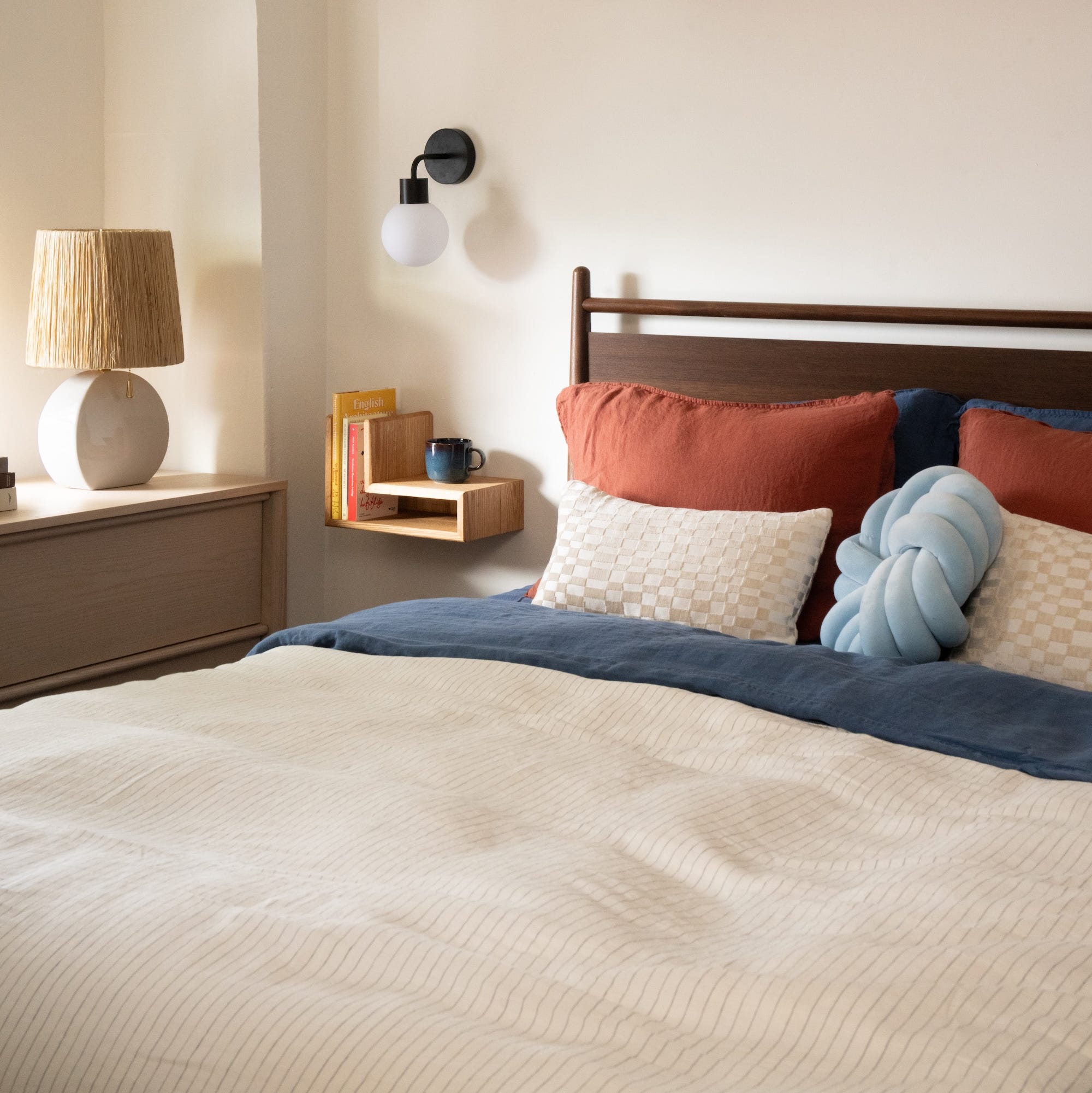
Adhesive Sconces Are Everywhere Right Now—And Designers Love These

8 Trending Statement Lights Everyone Is Obsessed With Right Now
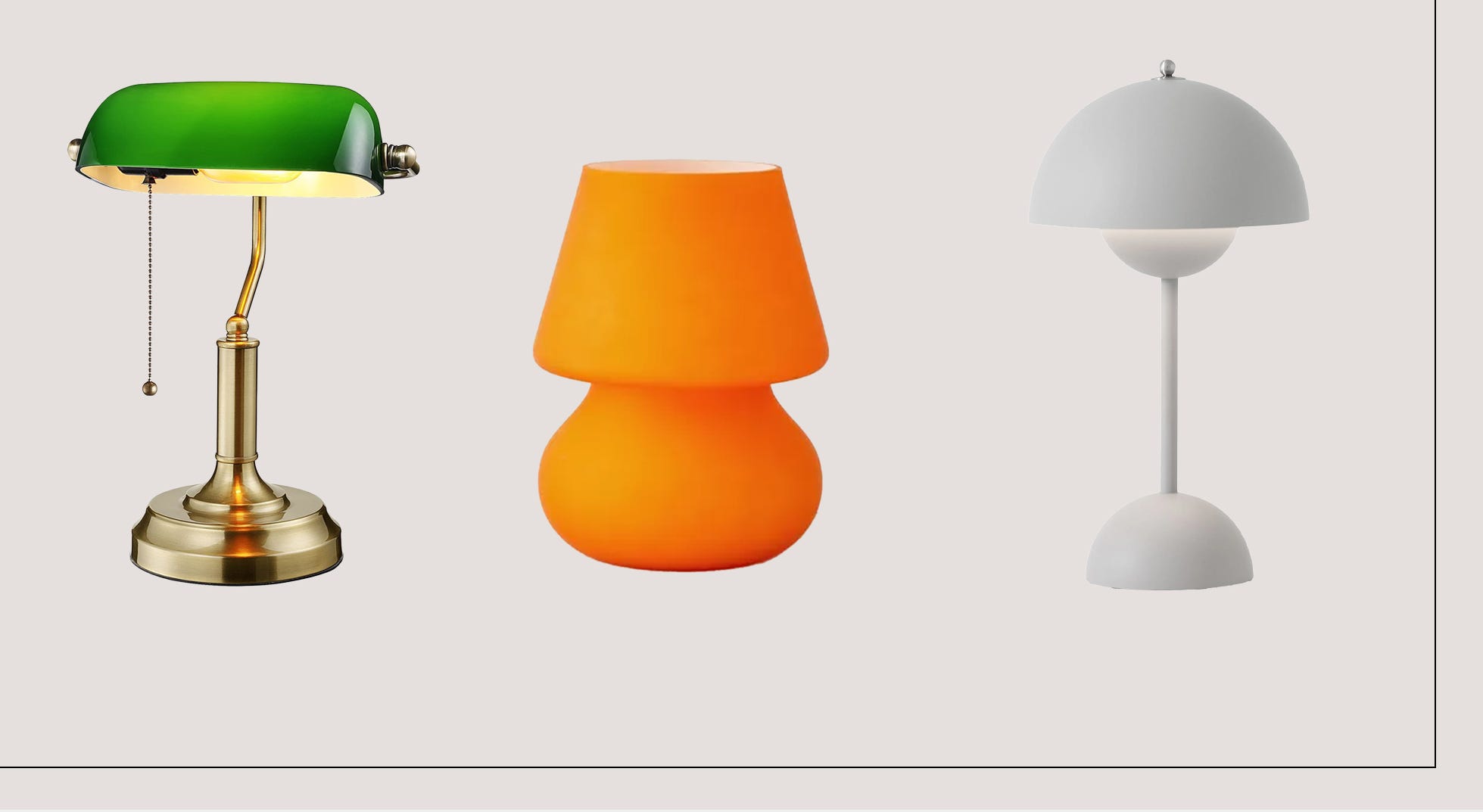
What Your Lamp Choice Says About Your Design Style
Meet Queue, A Linear LED Pendant System from Rich Brilliant Willing

The Top Pendant Light Trends That Are Taking Over 2022

Which BR30 LEDs flicker on dimmer switches? (GIFs)


Latest Chandelier Trends For 2025: Elevate Your Interior Aesthetics