1/2
Smart Faucets: What to Know
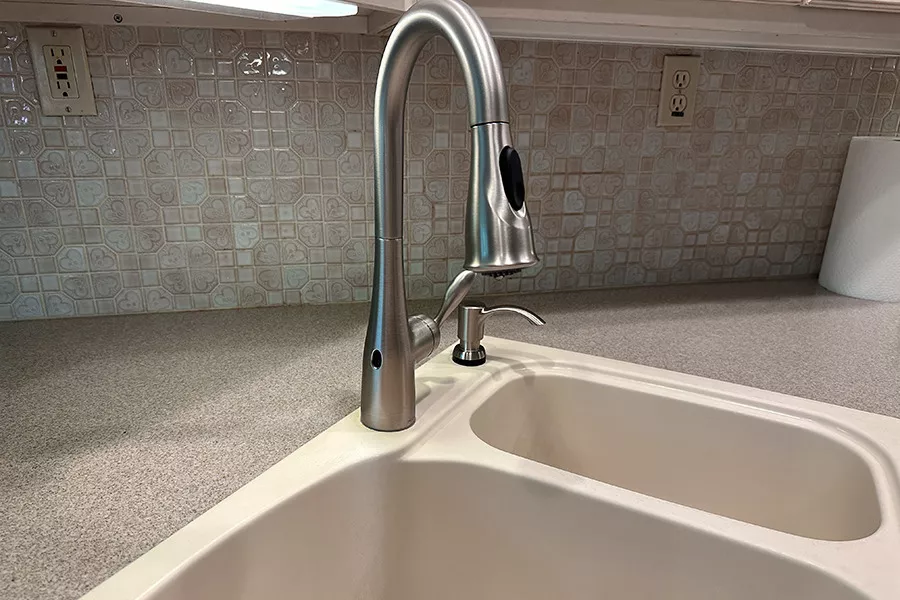
Smart faucets, an emerging innovation in residential kitchens and bathrooms, offer numerous benefits, including money savings, water conservation, and germ prevention. Unlike traditional faucets, smart faucets require an energy source, typically batteries or a power source under the sink. Joseph Wood, a master plumber and founder of Boston Standard Company, notes that battery packs can last between two and five years for an average family, with leading brands supporting AA or C batteries for extended life. Even if power is lost or batteries run out, smart faucets function as regular faucets until the power source is restored. A key component of smart faucets is the solenoid valve, a magnetic valve that controls water flow and can be activated with or without touch, similar to those found in electronic locks, cars, and washing machines.
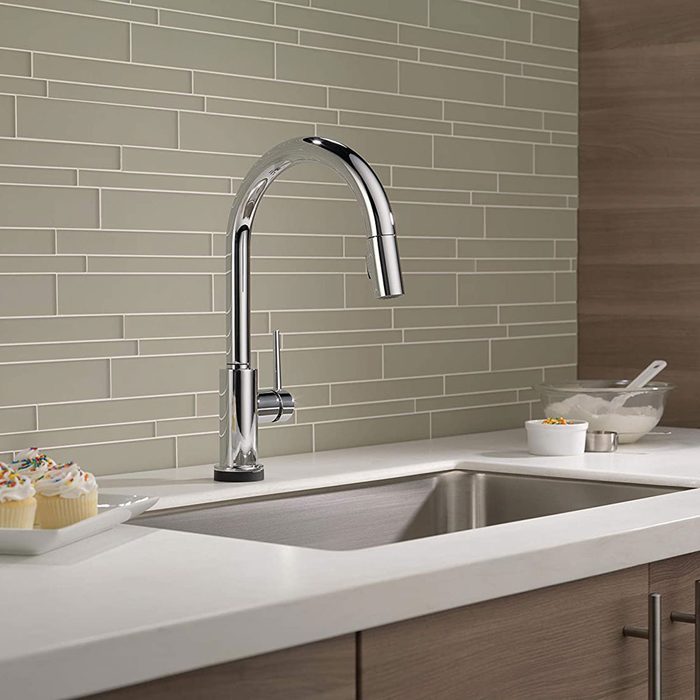
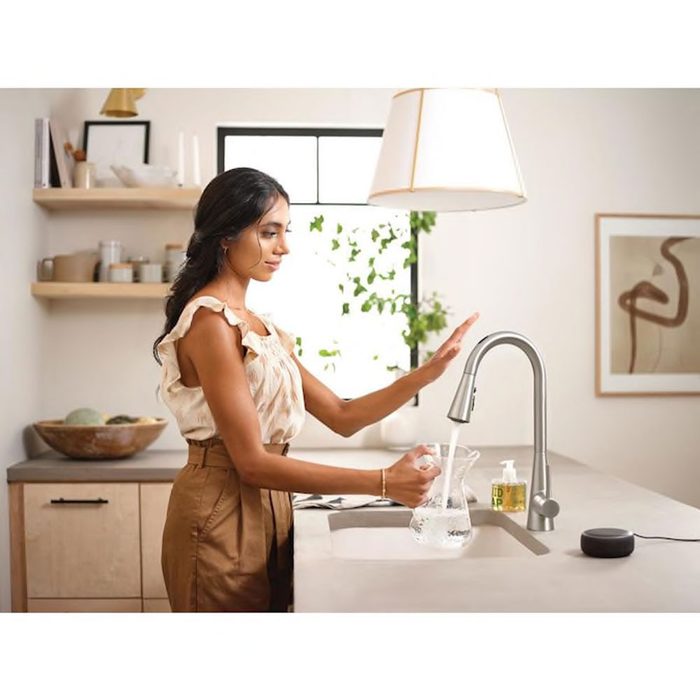
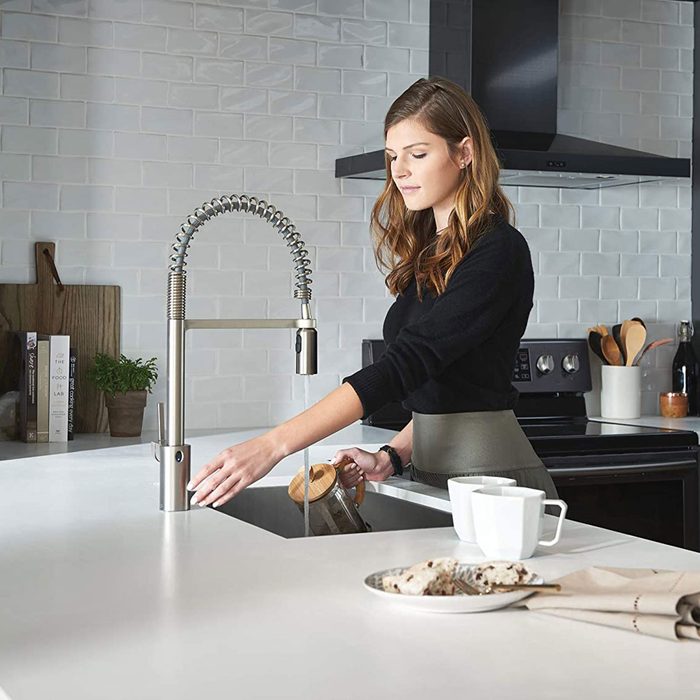
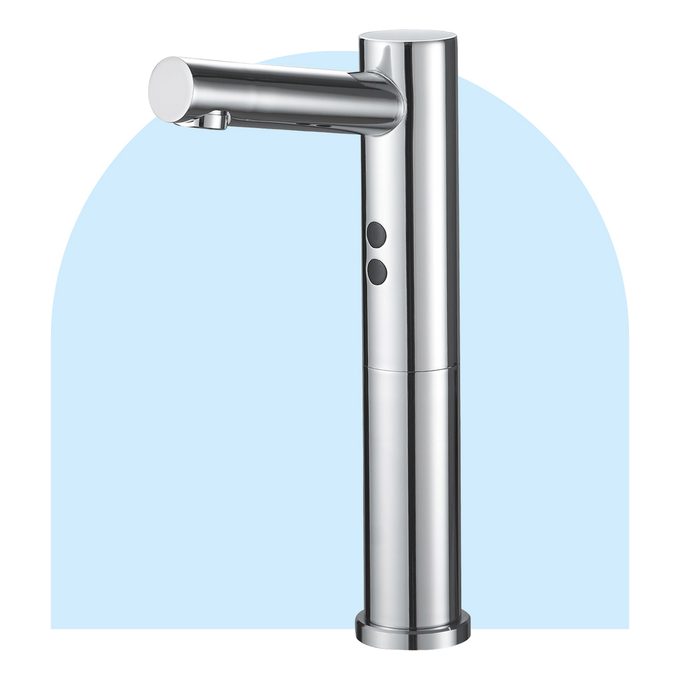
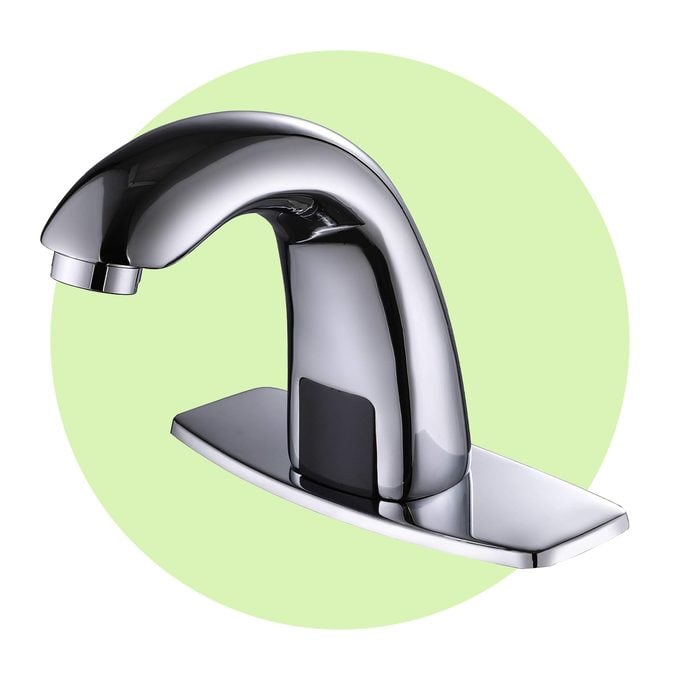
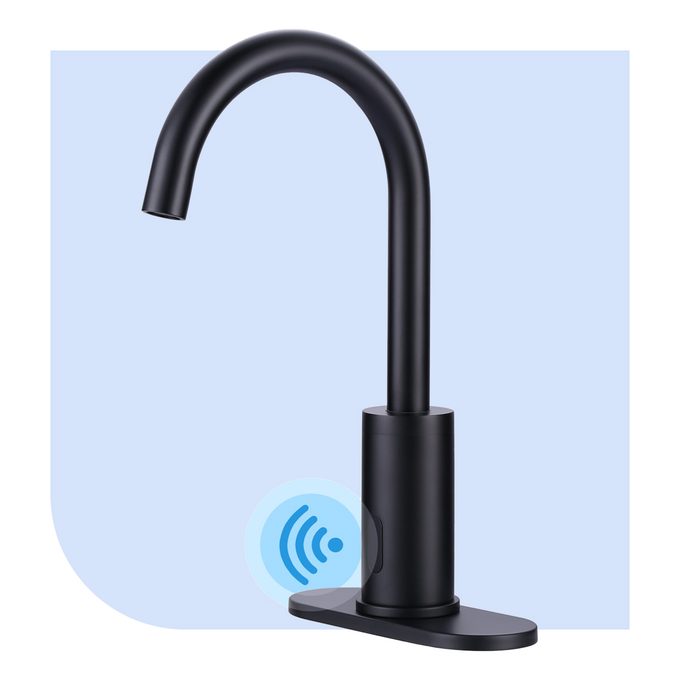
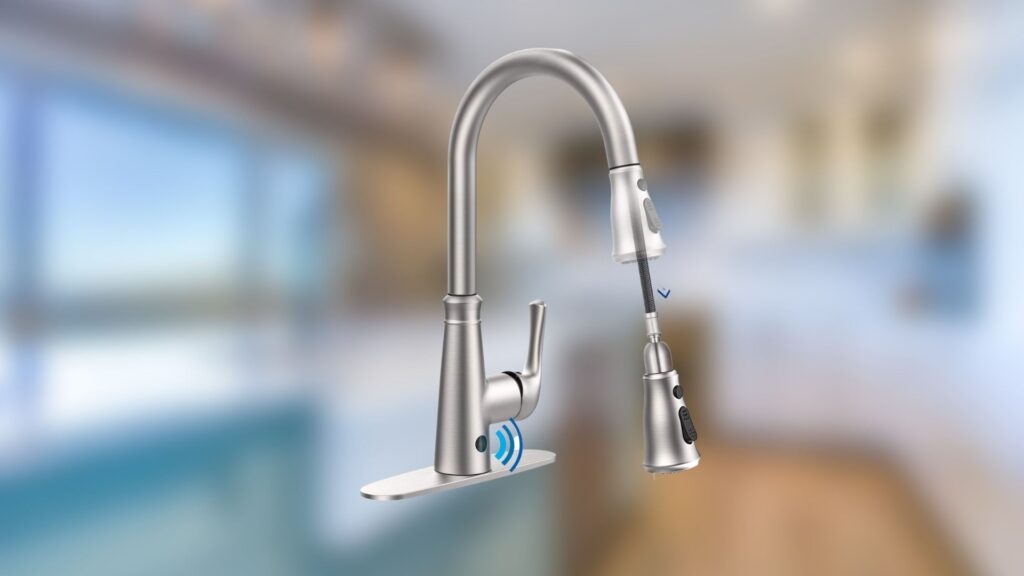
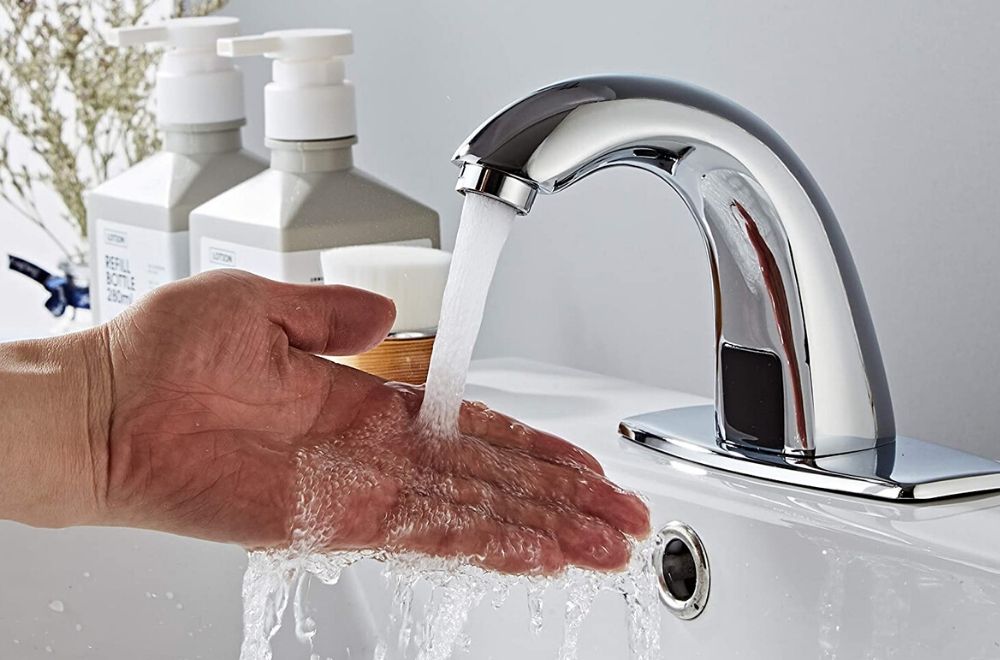
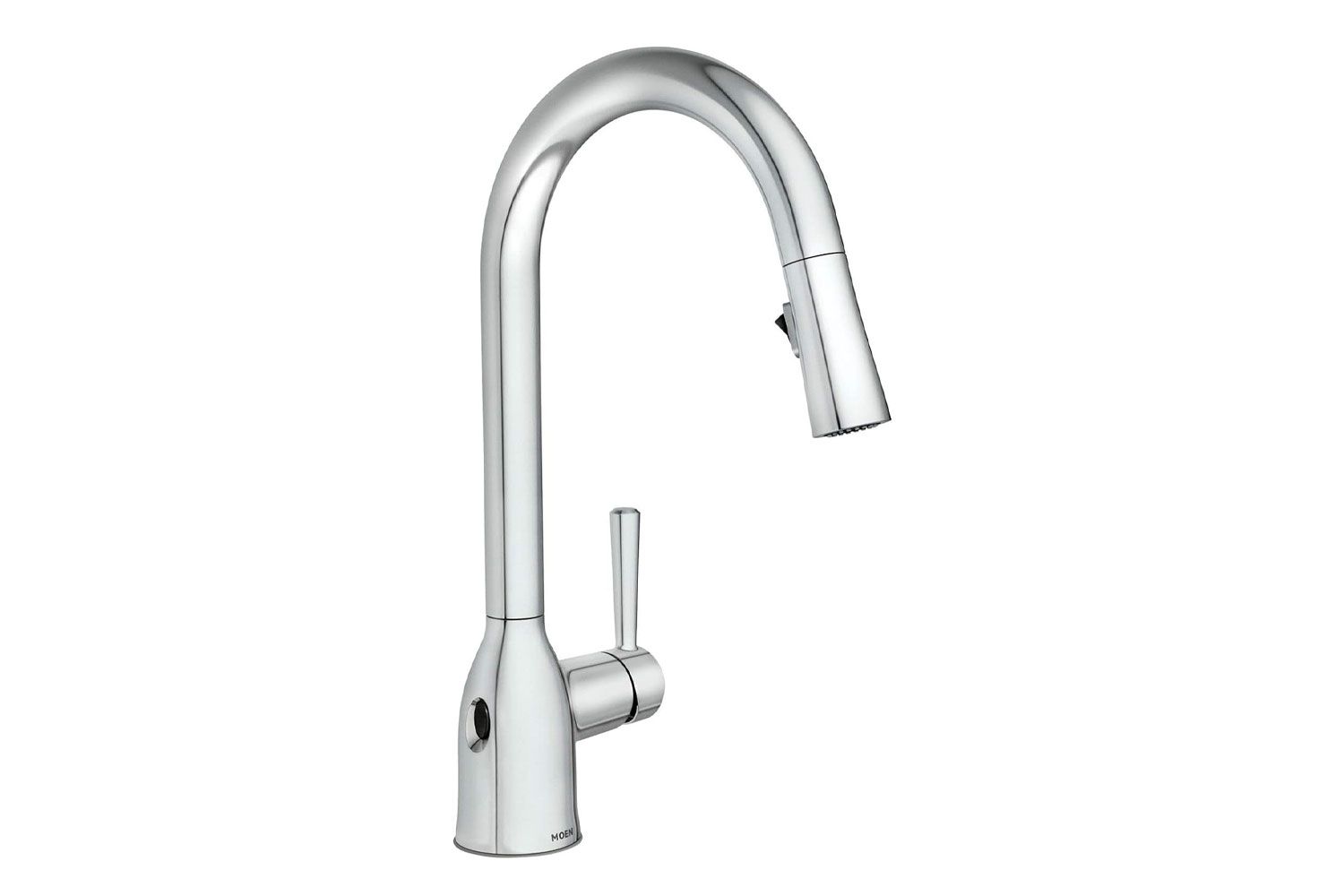
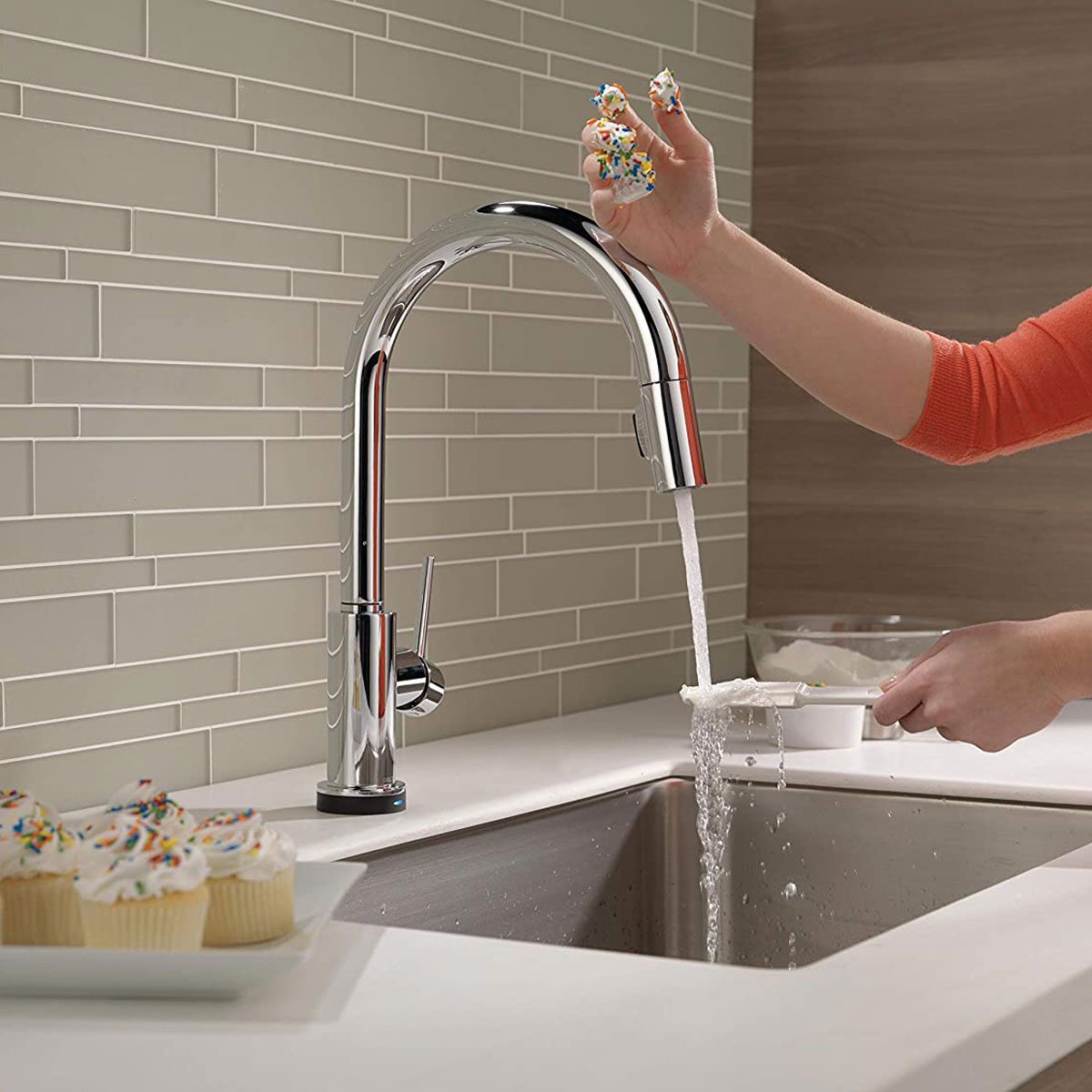
Smart faucet features extend beyond simple touchless activation. Touchless faucets, common in public restrooms and now gaining popularity in homes, allow users to turn water on and off without physical contact, which is beneficial for germ prevention and reduces cleanup time. There are two primary types of touchless faucets: voice-activated models that respond to voice commands, much like other smart home devices, and hands-free faucets that use infrared sensors to detect movement within a specific field. Additionally, some smart faucets are touch-activated, employing capacitance (the body’s natural current) to operate, allowing users to tap them with a wrist or elbow when their hands are dirty. Wood explains that the capacitance technology is similar to that used in smartphone screens and touch lamps.
Beyond basic activation, smart faucets offer advanced water delivery and monitoring capabilities. James Walsh, Vice President of Product Management for American Standard Fixtures, highlights models like the Beale MeasureFill Touch Faucet, which precisely dispenses specific amounts of water, up to 40 ounces, on demand, eliminating the need for manual measurement. Many smart faucets also include built-in shutoff timers, automatically turning off the water after a predetermined period, typically two to five minutes, preventing water waste if a faucet is left running or a user is distracted. Some models can even provide reminders to turn off water while brushing teeth and detect and respond to leaks.
Improved water quality control is another significant advantage. While any faucet can be fitted with a filter, smart faucets integrate filtering technology and often provide real-time analytics on water quality, informing users about filtered contaminants. Walsh mentions American Standard's Saybrook Filtered Kitchen Faucet, which effectively removes lead, chlorine, and Class I particulates. A button allows users to switch between filtered water for drinking and tap water for cleaning, with an LED indicator light signaling when the filter needs replacement.
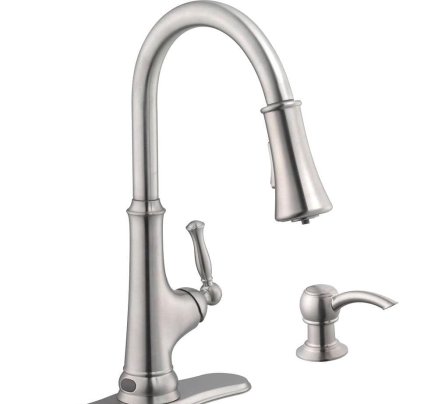
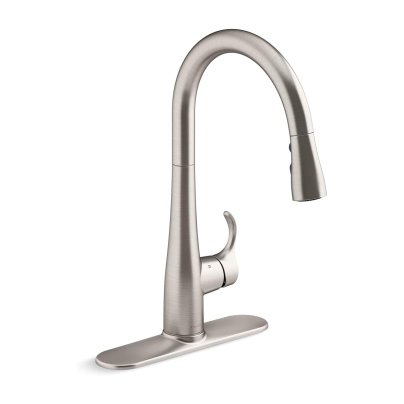
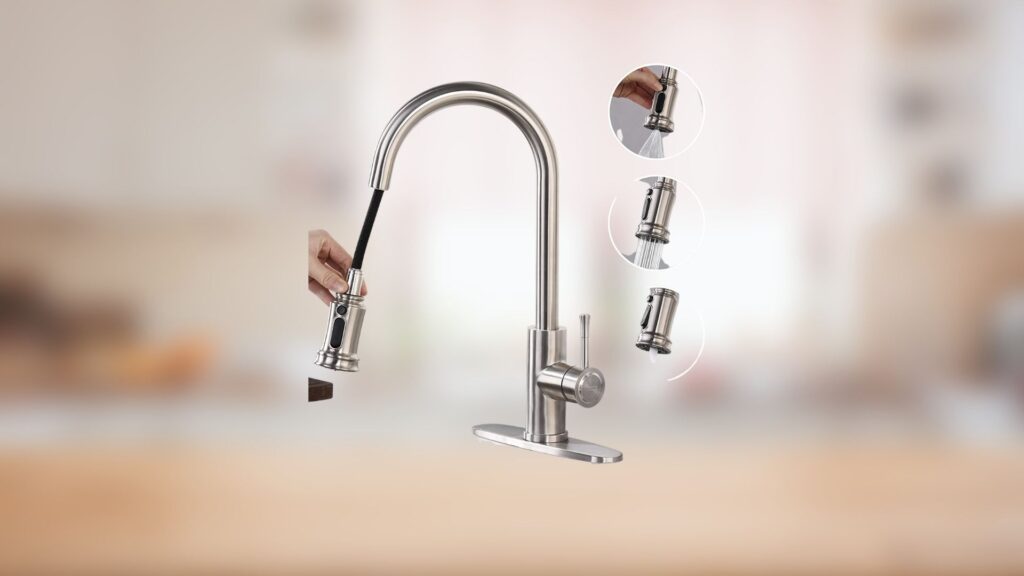
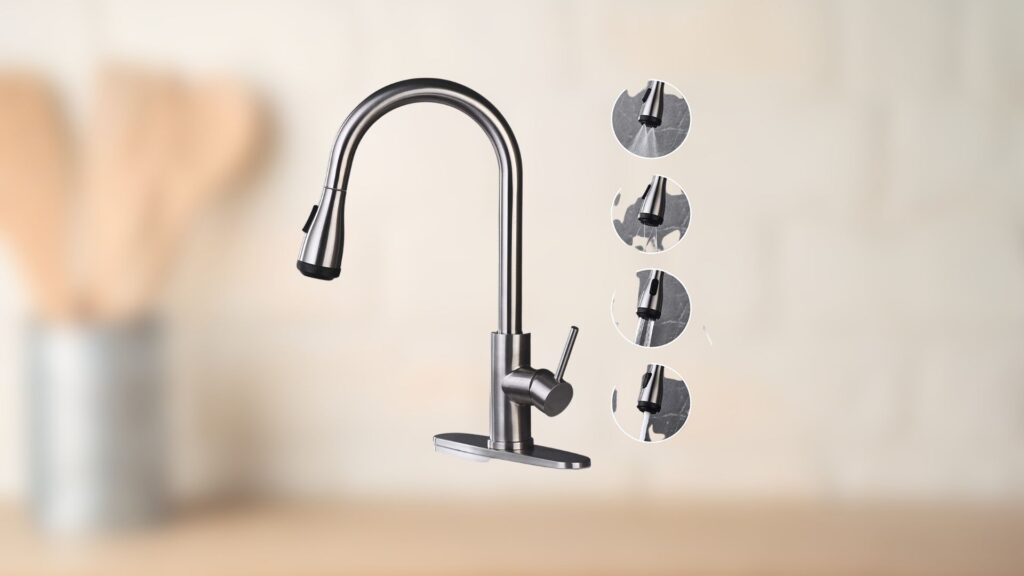
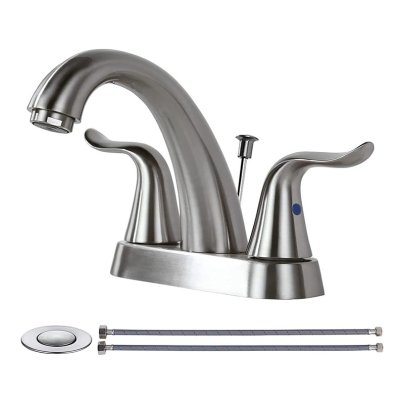
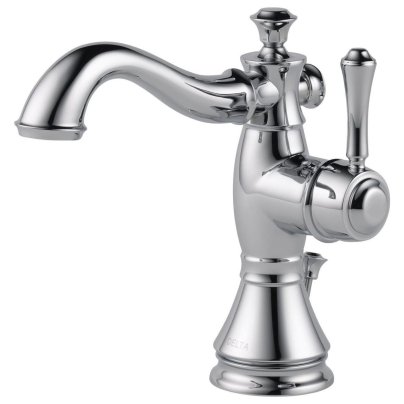
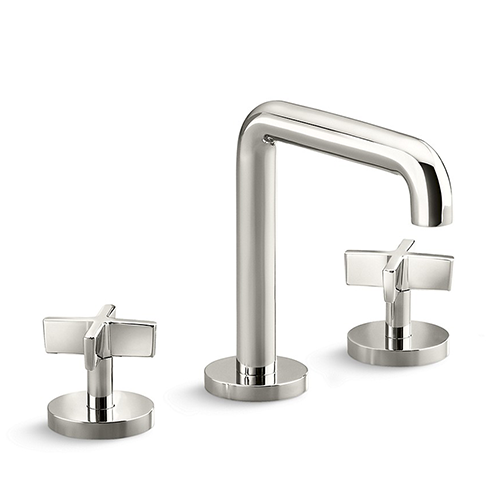
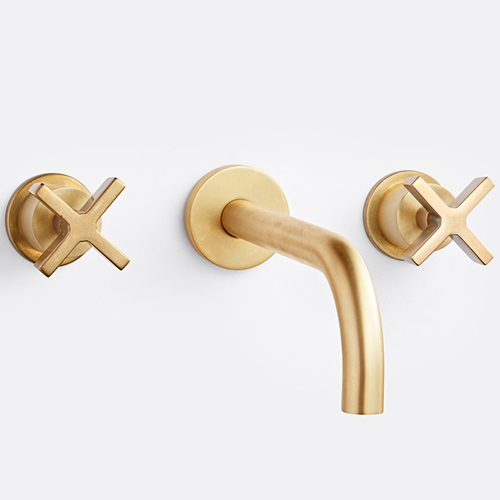
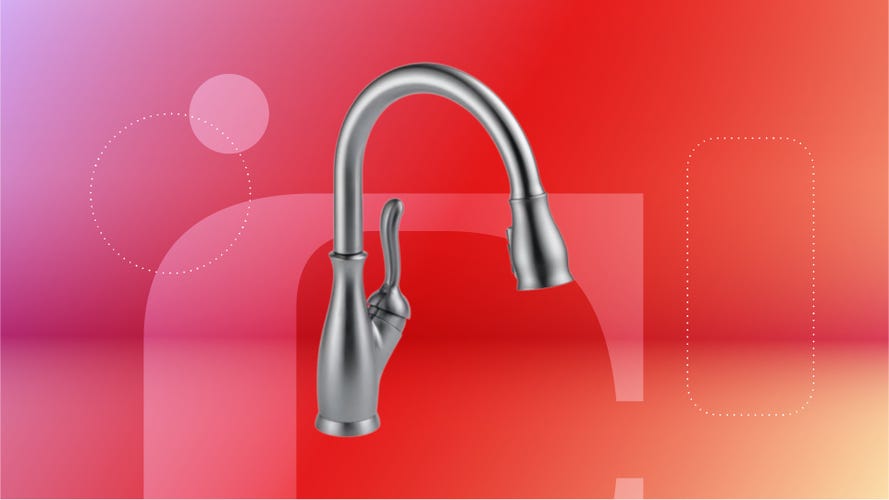
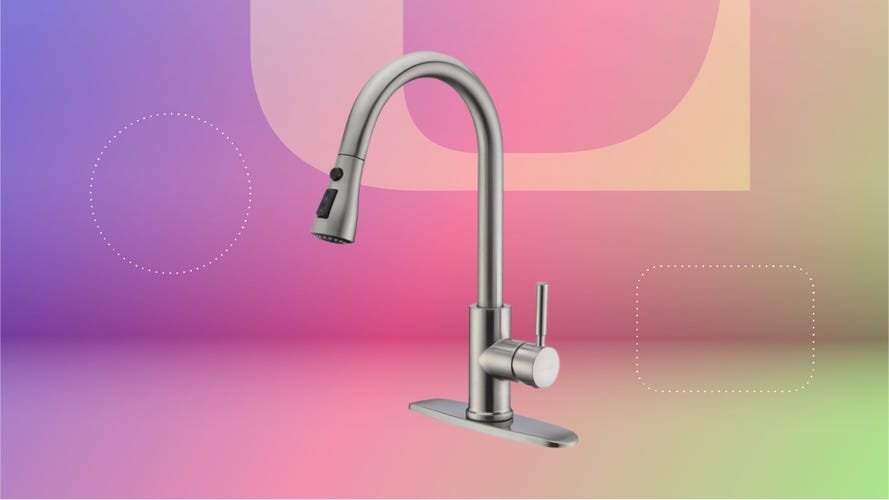
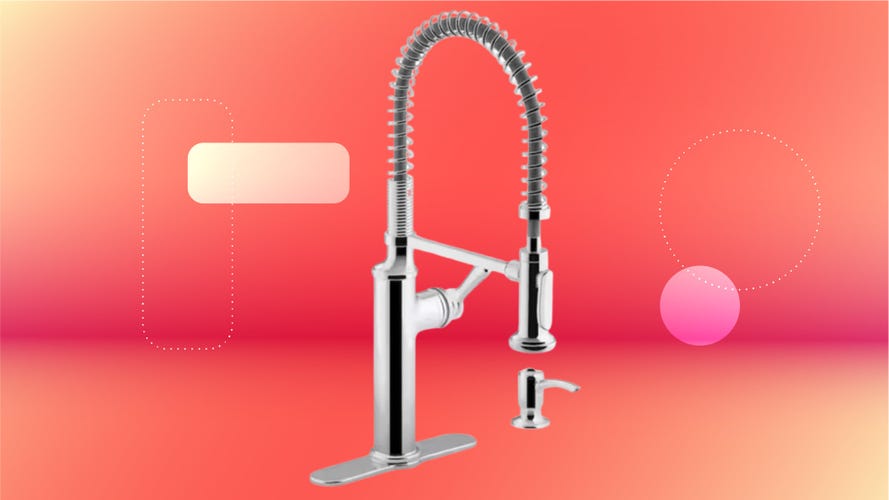
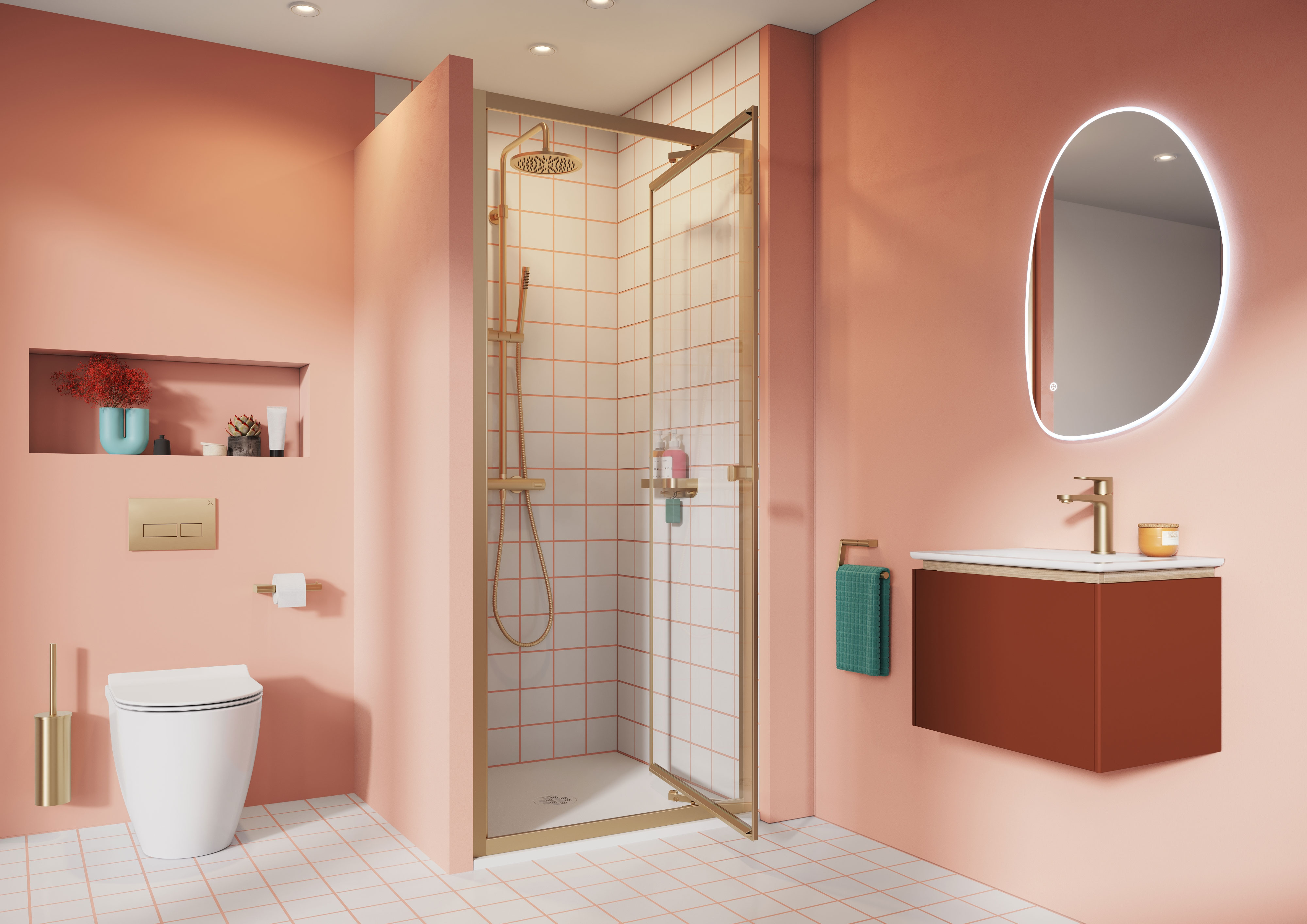
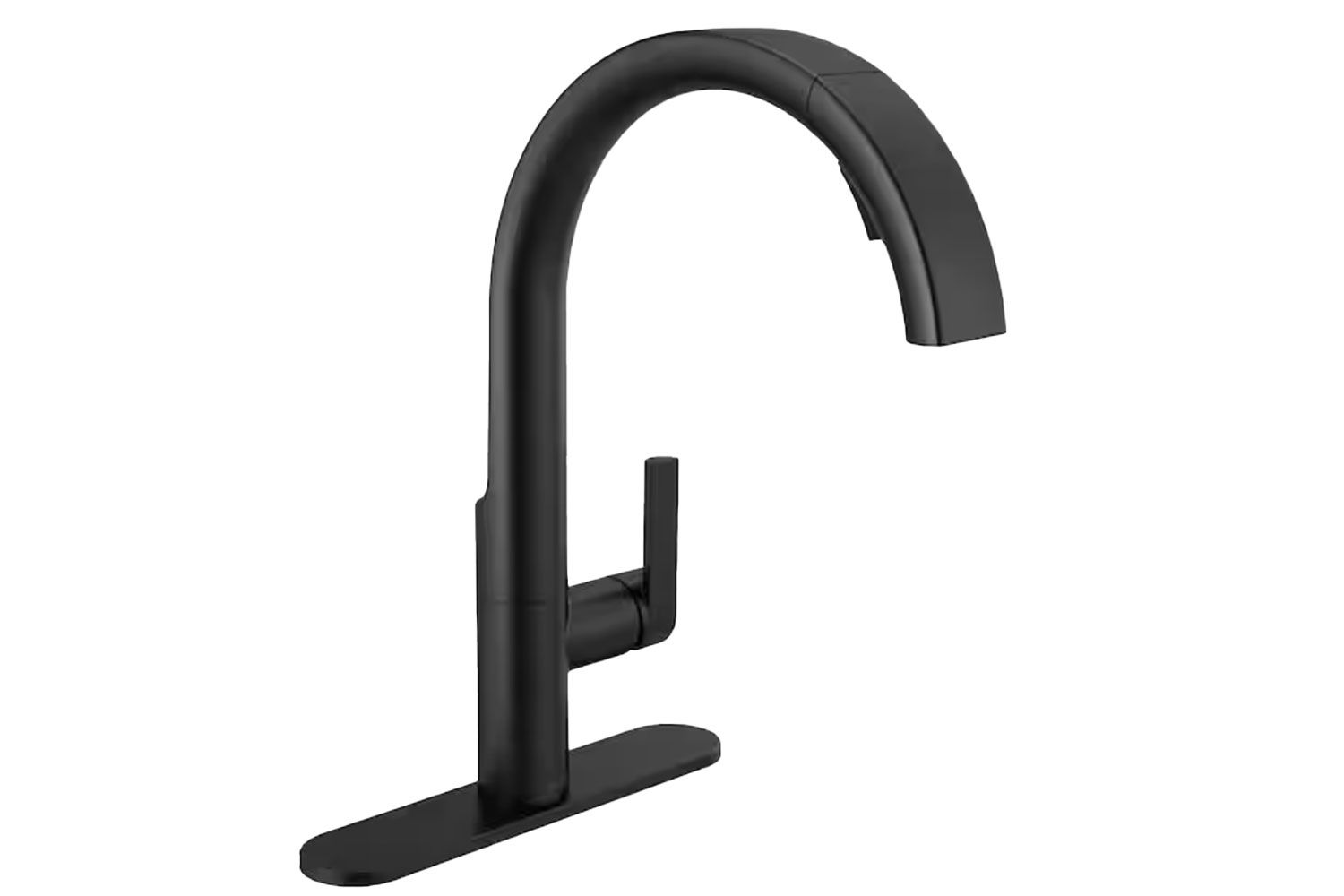
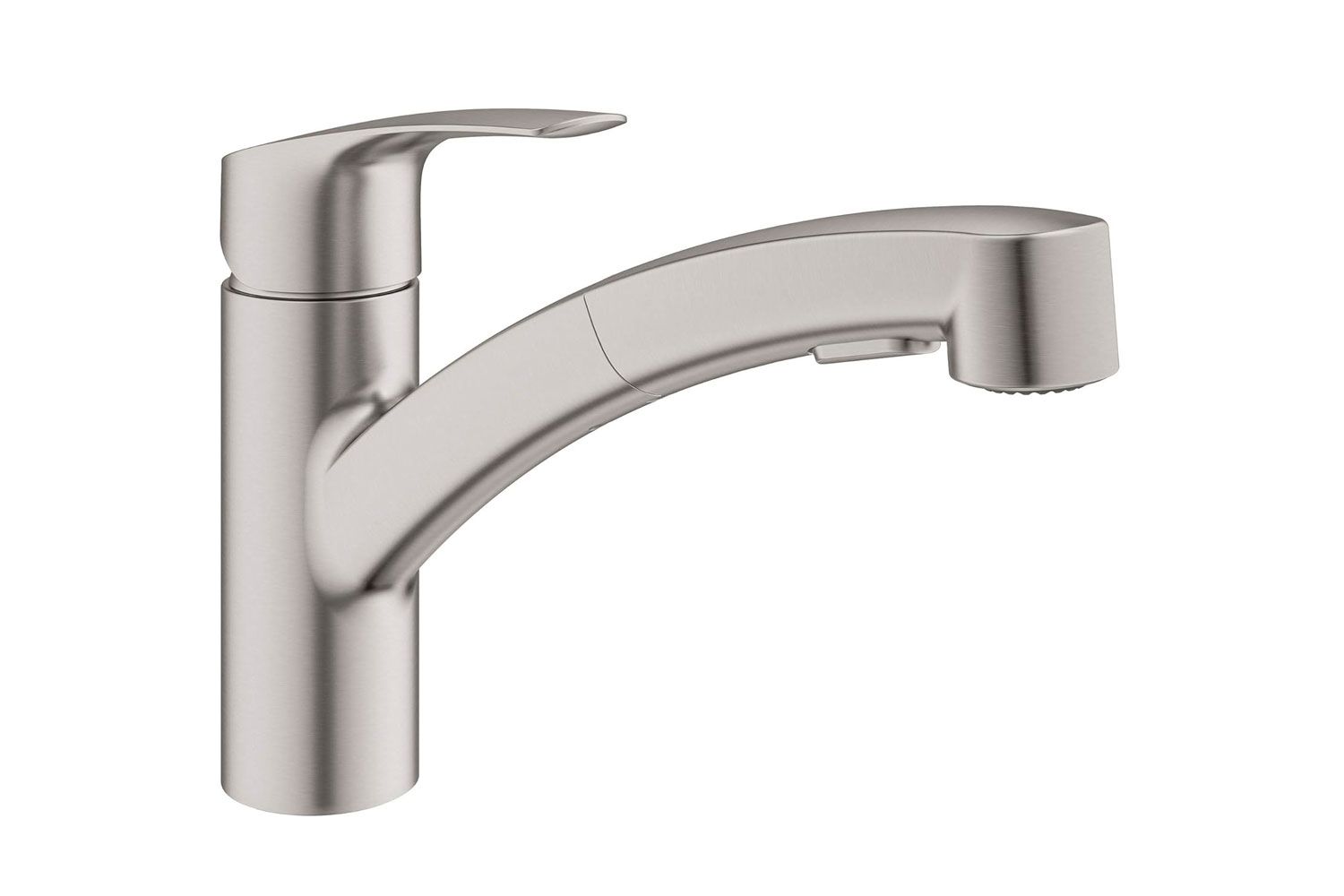
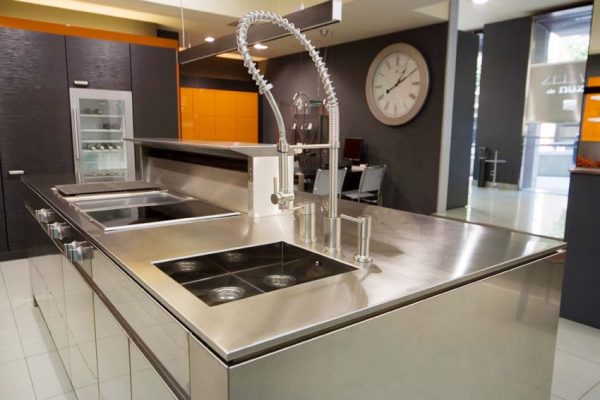
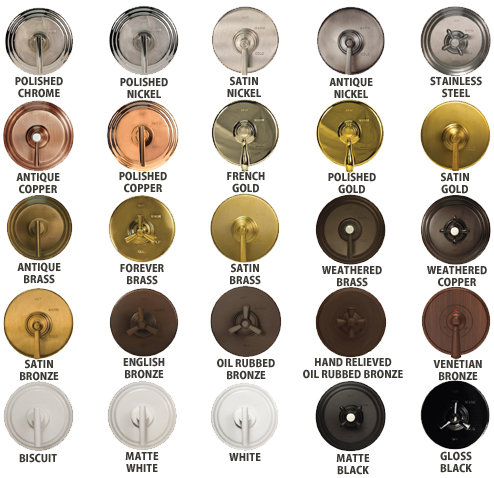
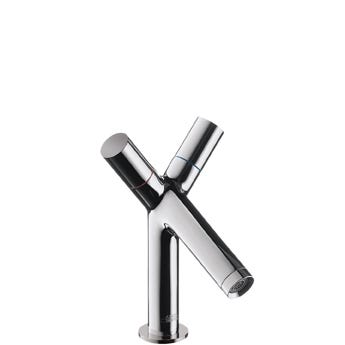
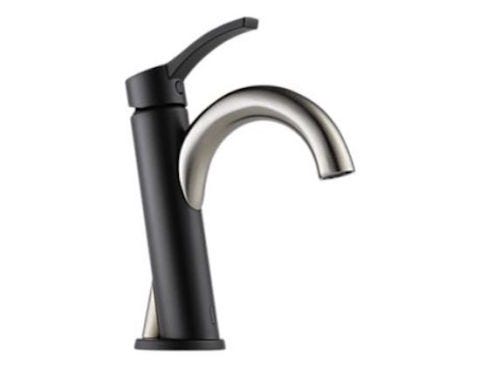
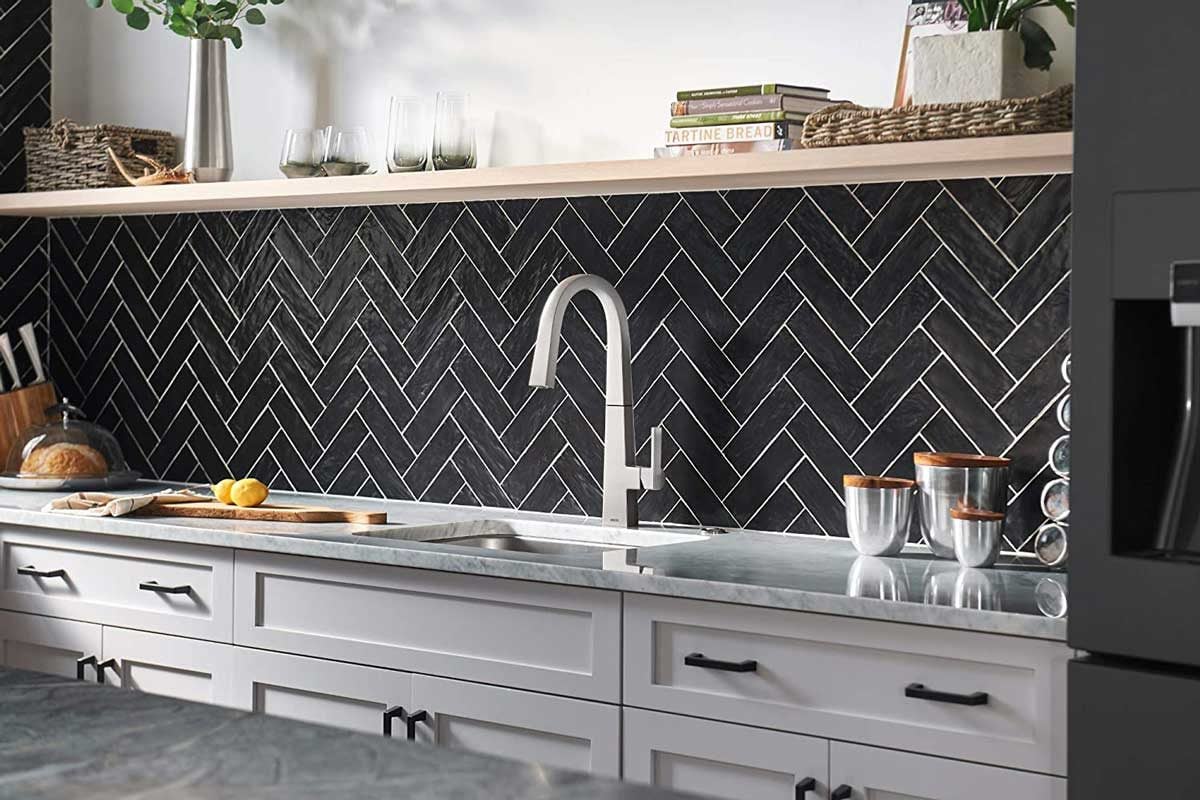
Smart faucet designs vary, ranging from affordable attachments that connect to existing faucets (often under $50) to full faucet replacements. Full smart faucets come in diverse styles, including chrome, brushed nickel, polished brass, brushed stainless, and black finishes, catering to various home aesthetics from modern to antique-inspired. While smart faucets typically cost more than traditional models, their benefits in cleanliness, water conservation, and efficiency make them an appealing option for those who embrace smart home technology and are willing to invest in advanced features.
#SmartFaucets #HomeAutomation #WaterConservation #TouchlessTechnology #SmartHomeDevices #PlumbingInnovation #HomeEfficiency #WaterFiltration #KitchenTechnology #SmartFaucets #HomeAutomation #WaterConservation #TouchlessTechnology #SmartHomeDevices #PlumbingInnovation #HomeEfficiency #WaterFiltration #KitchenTechnology
0 comment in total
 No comments yet
You may also like
6 Smart Faucets Worth Buying
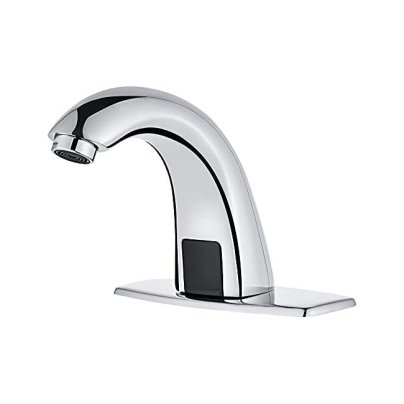
After Researching 20+ Bathroom Faucets, Our Favorite Offers Hands-Free Operation and is Easy to Install

Bathroom faucet trends – 8 designs, colors and finishes to pick for your next bathroom remodel

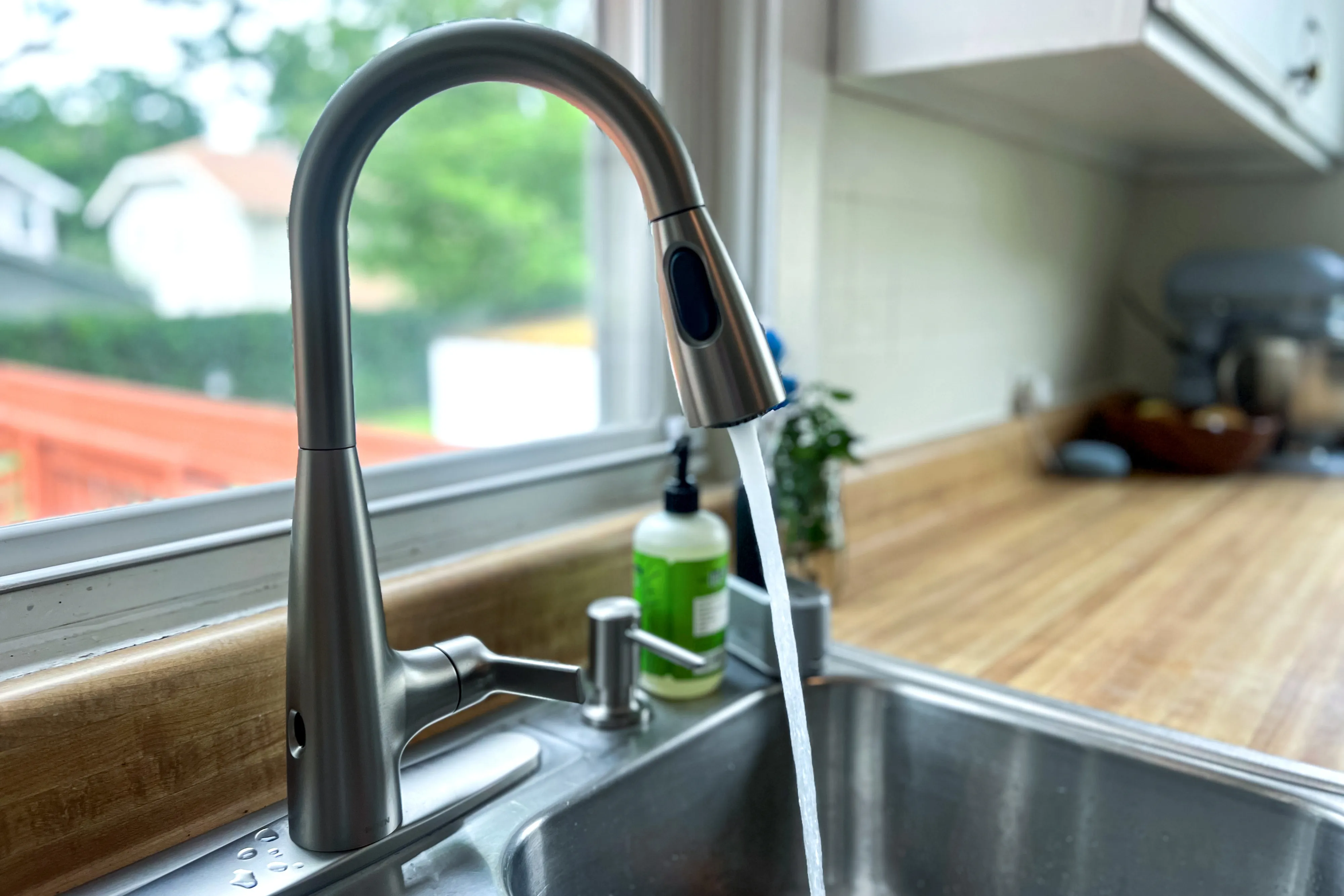
The 5 Best Touchless Kitchen Faucets for Cleaner Cooking, Tested by BHG
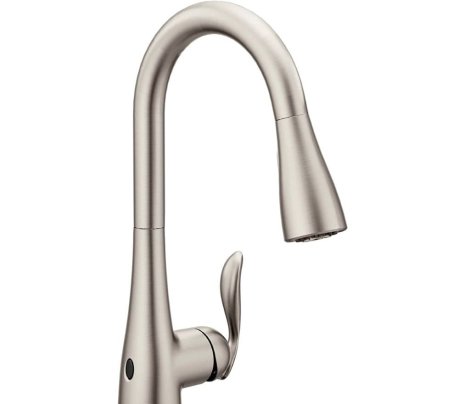
This Simple Kitchen Upgrade Helps Keep Germs From Spreading
From Finishes to Handle Styles, How Designers Pick the Best Bathroom Faucets

Hai Smart Showerhead: Turning Your Bathroom into a Spa Oasis

In The Design Studio: All the Things You Never Knew About Kitchen Faucets
Buyer’s Guide To Touchless Bathroom Faucets (Plus, Our Top 5 Picks)
Emerging Trends in Smart Plumbing and How to Implement Them
Planning a Kitchen Remodel? These Are the Best Kitchen Faucets We Tested

5 Smart Bathroom Tech Trends to Adopt in 2025 That Make This Space Such a Joy to Use
6 Plumbing Technologies That Will be in High Demand
Best Kitchen Faucets for 2026

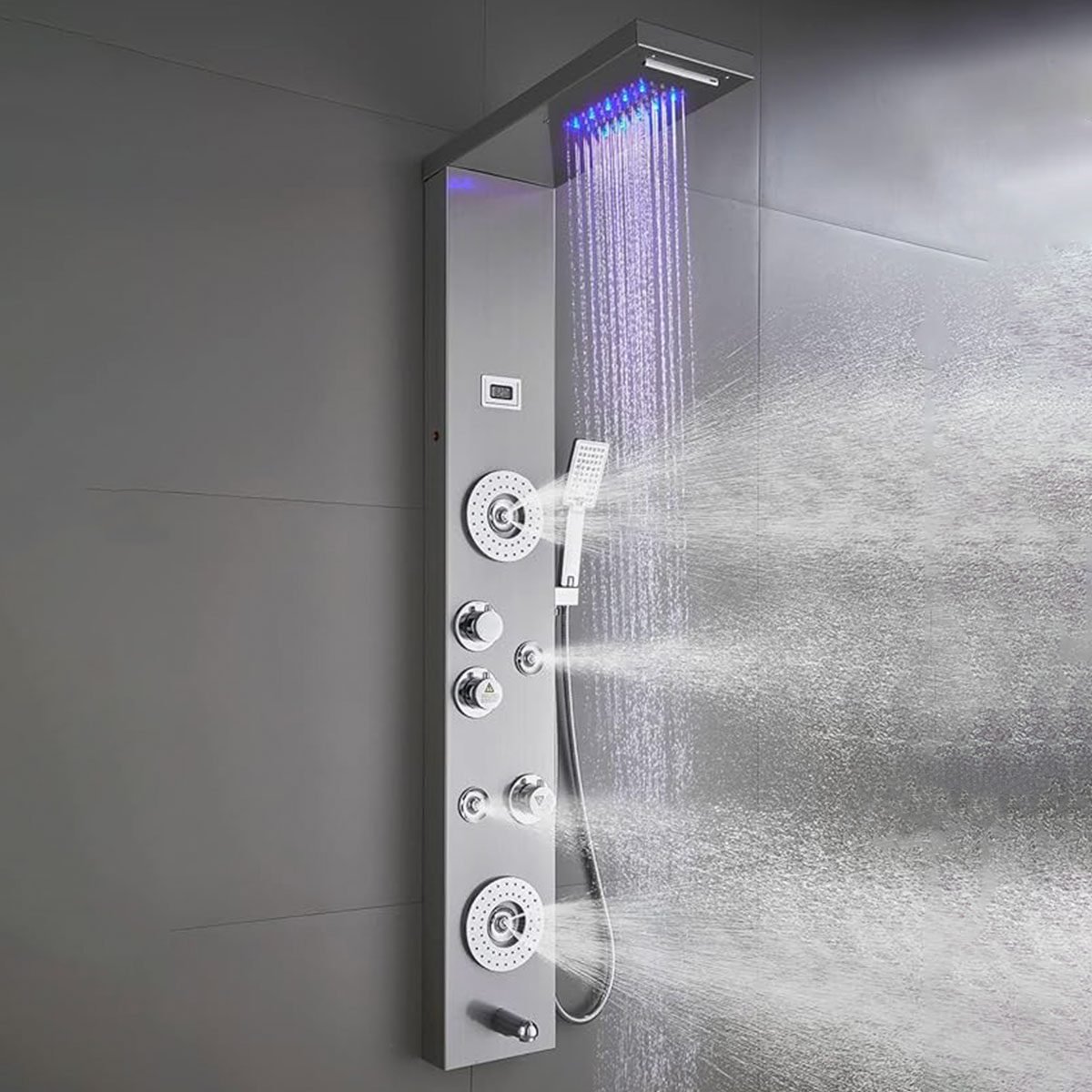
6 Best Smart Showers of 2025
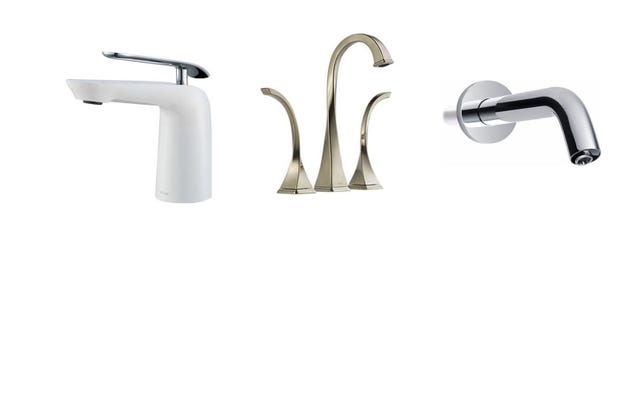
20 Bathroom Faucets That Prove It's All In The Details
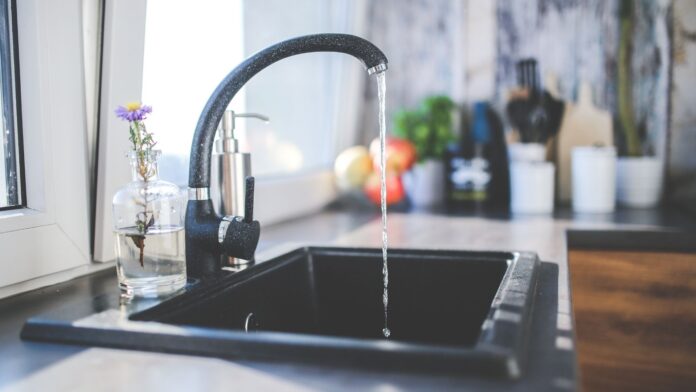
Top 13 best touchless kitchen faucets
The best smart technology for your bathroom remodel

Fair of Faucet: Cool New Trends for the Kitchen

Tangible Touches