1/2
How to Create a Cozy Breakfast Nook Without a Renovation
This article provides a comprehensive guide on how to create a cozy breakfast nook within a home without undertaking expensive renovations. It emphasizes that a breakfast nook serves as a versatile space for family meals, homework, or snacks, and can be achieved through thoughtful design choices and budget-friendly purchases. The article features insights from interior designers Mindy O'Connor, Gillian Gillies, and Melody Huber, who offer practical advice across several key aspects of breakfast nook creation.
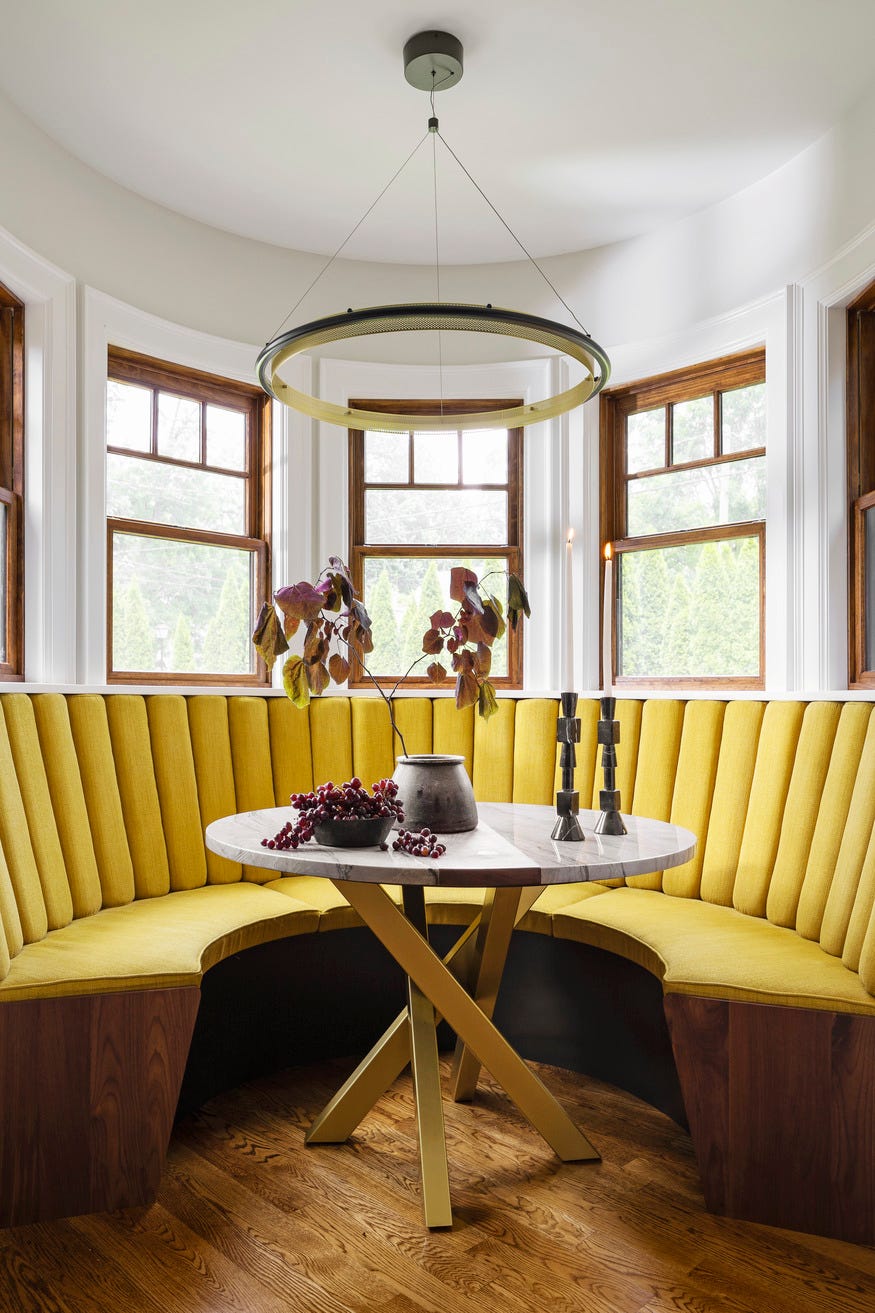
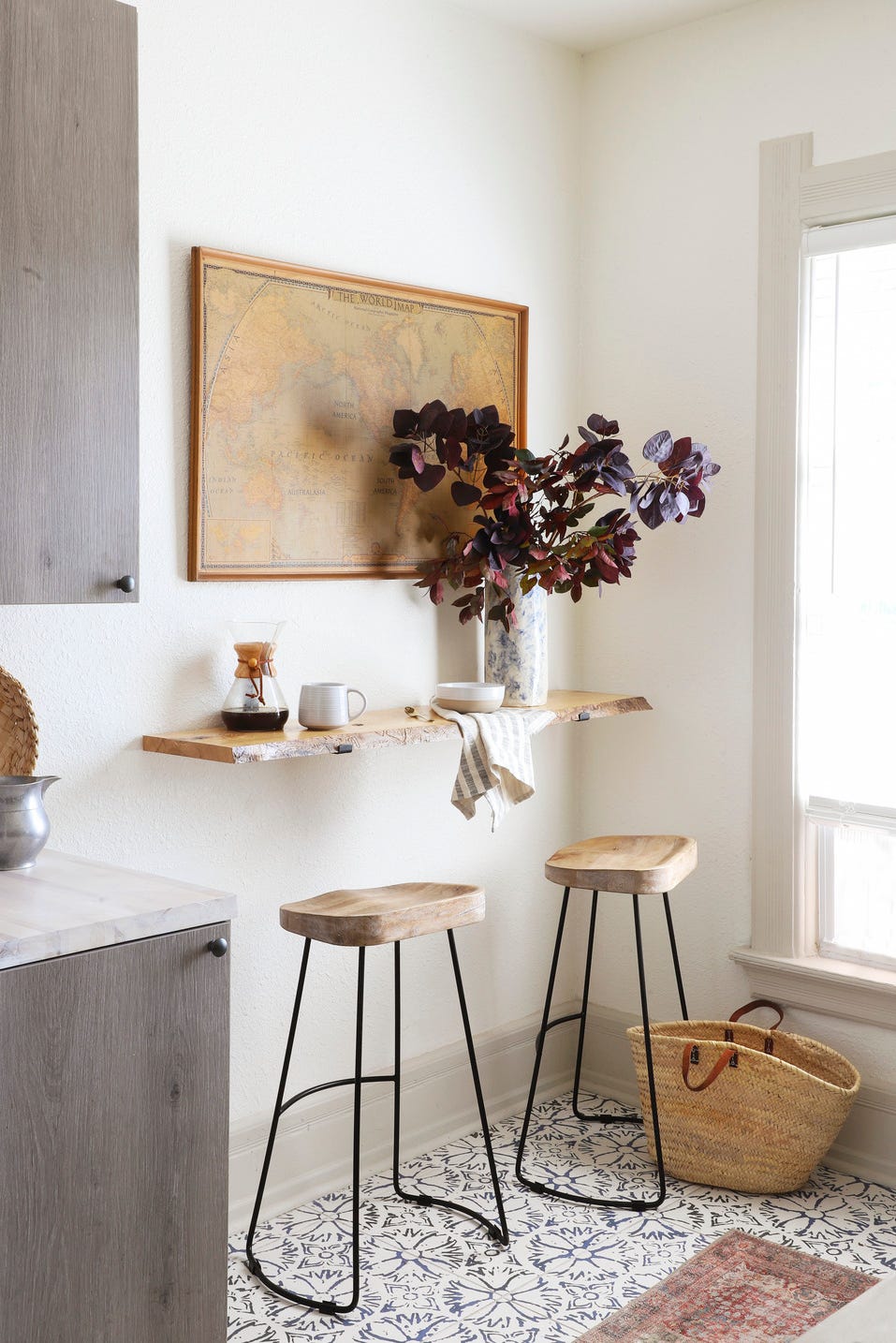
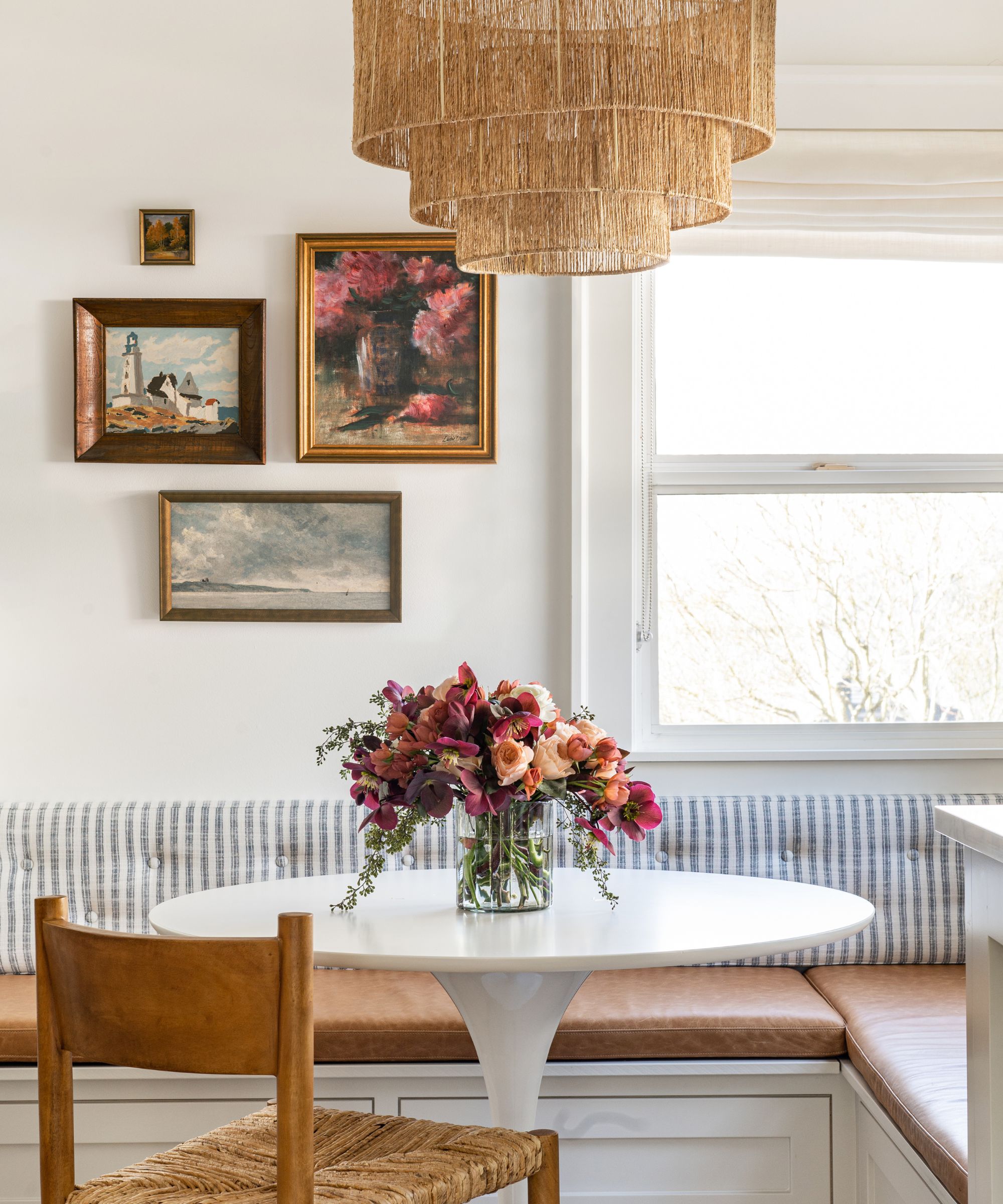
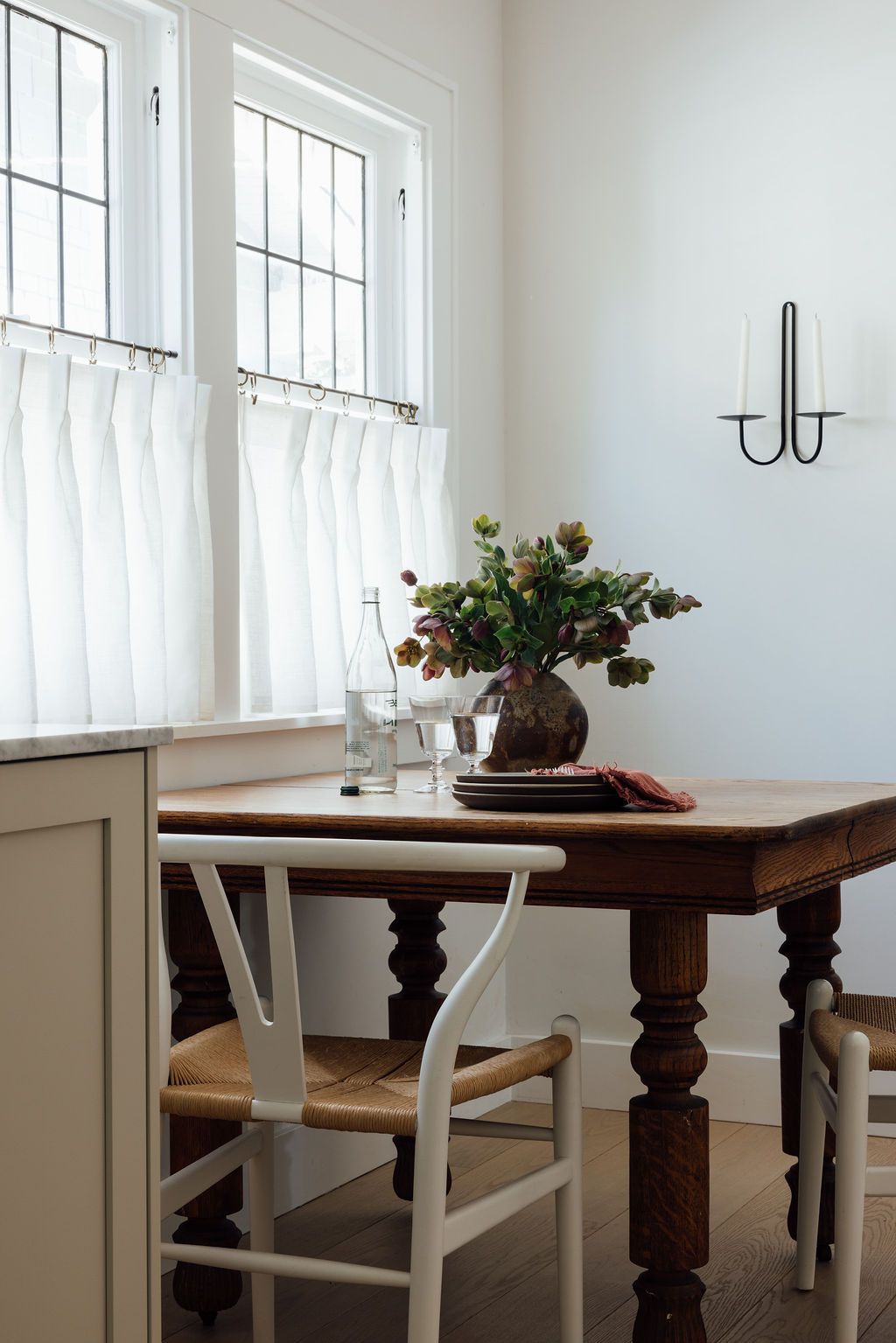
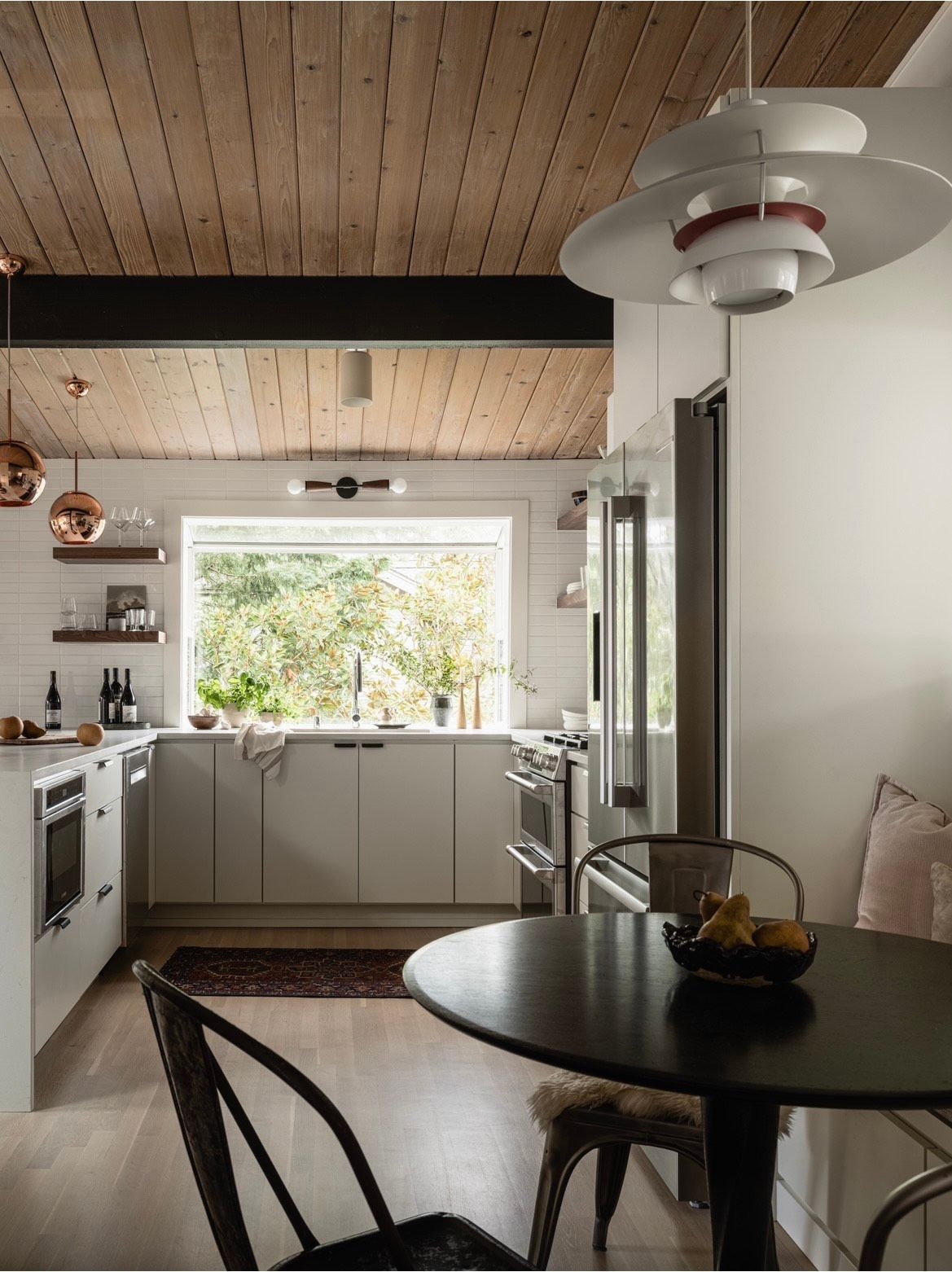
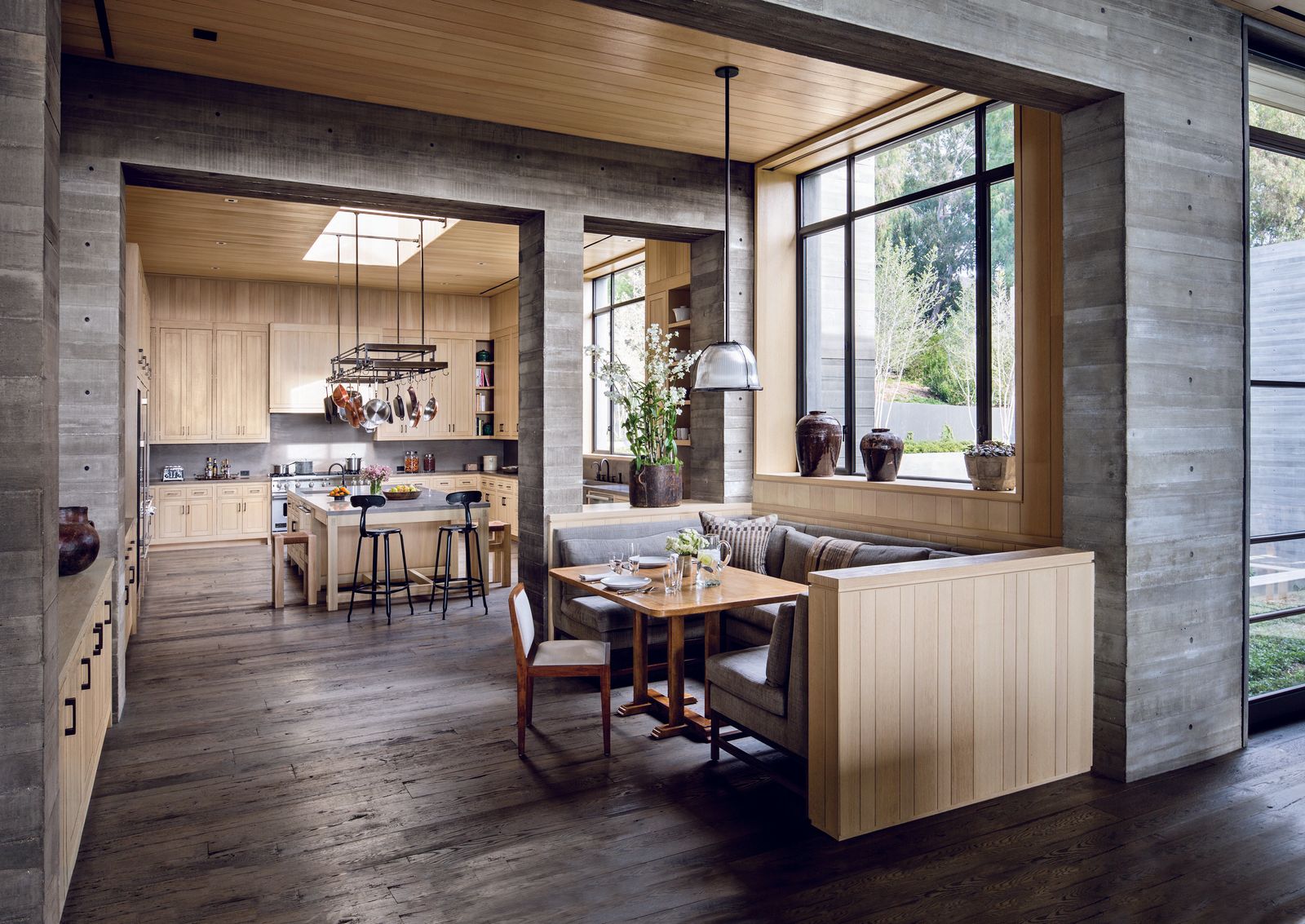
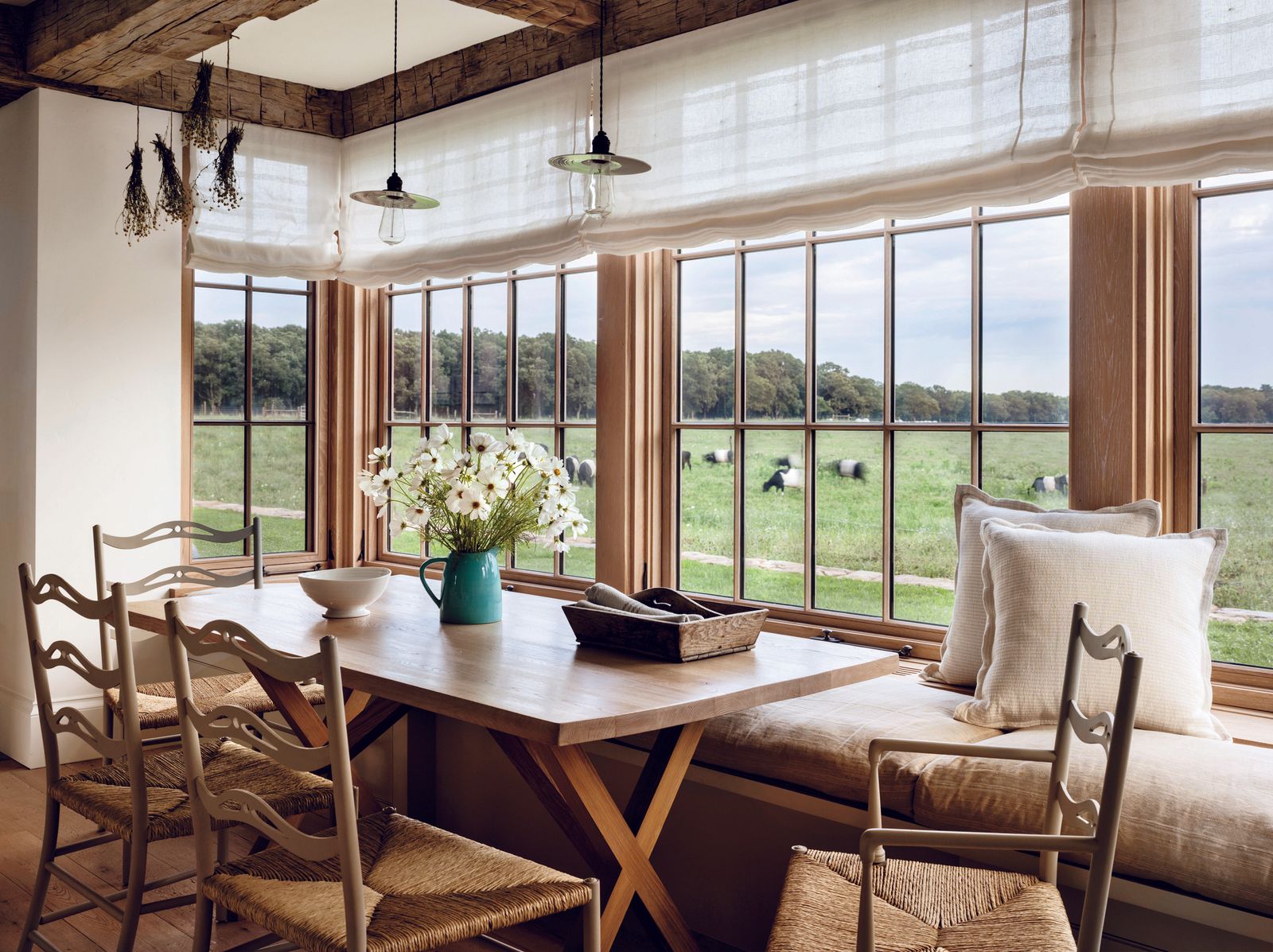
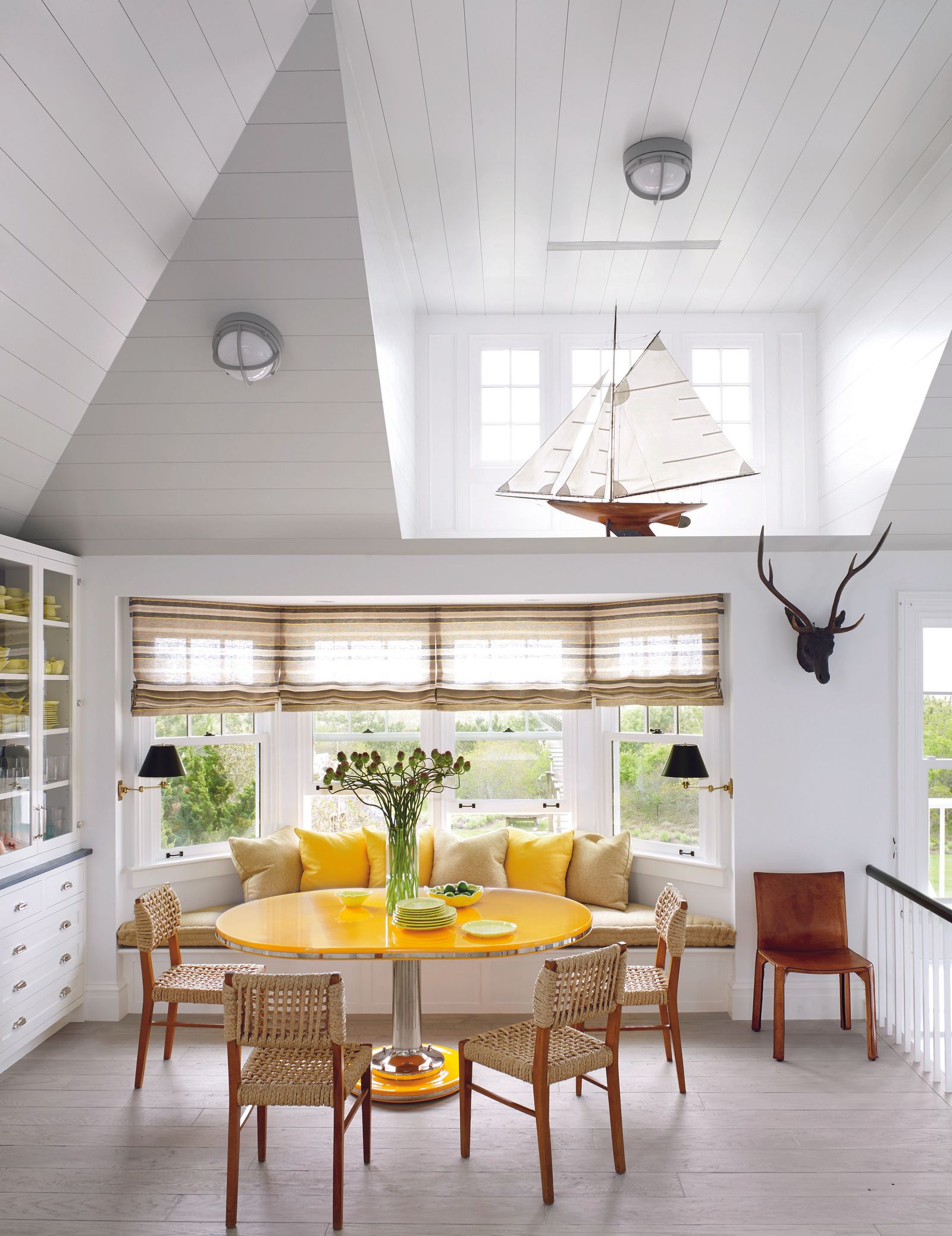
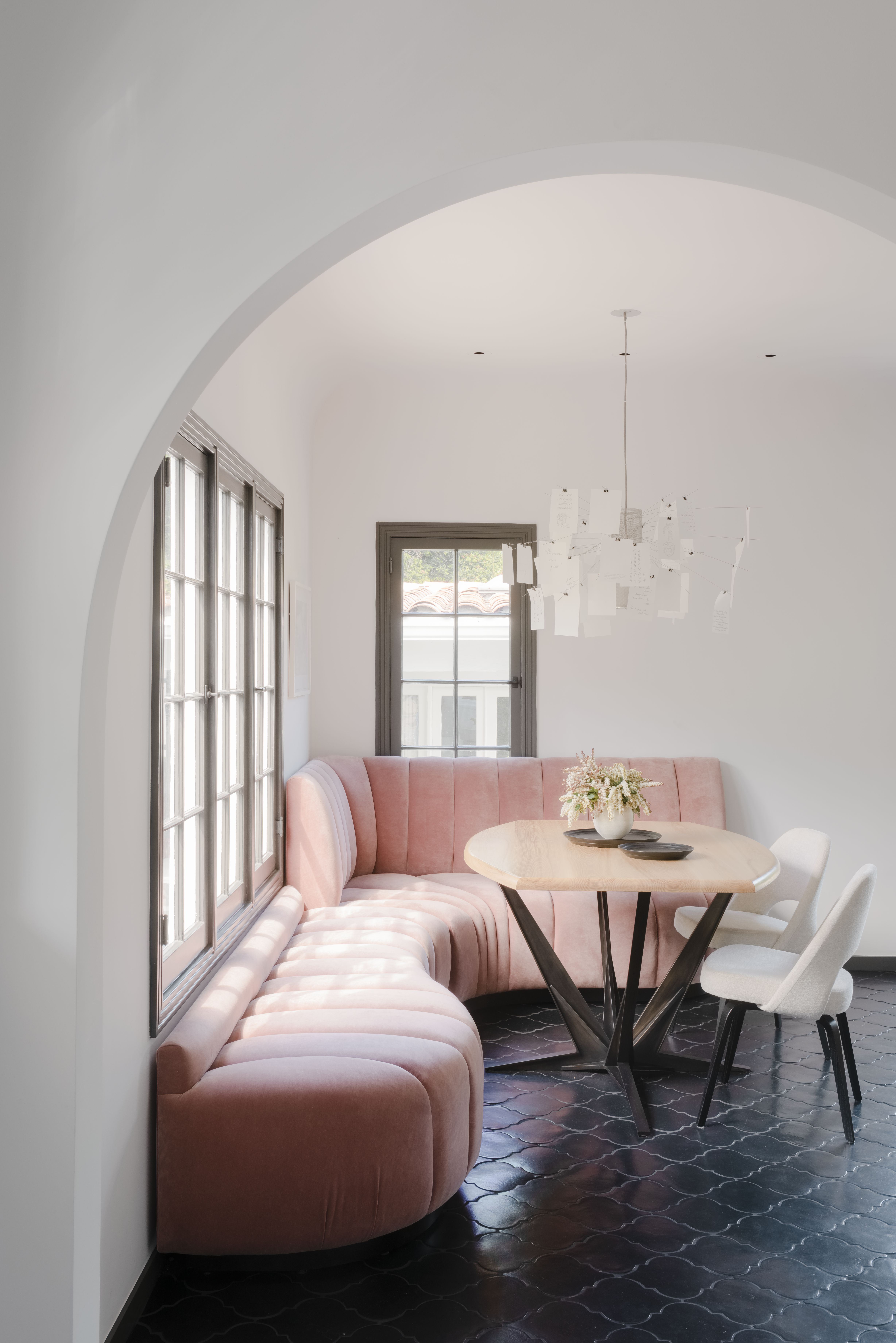
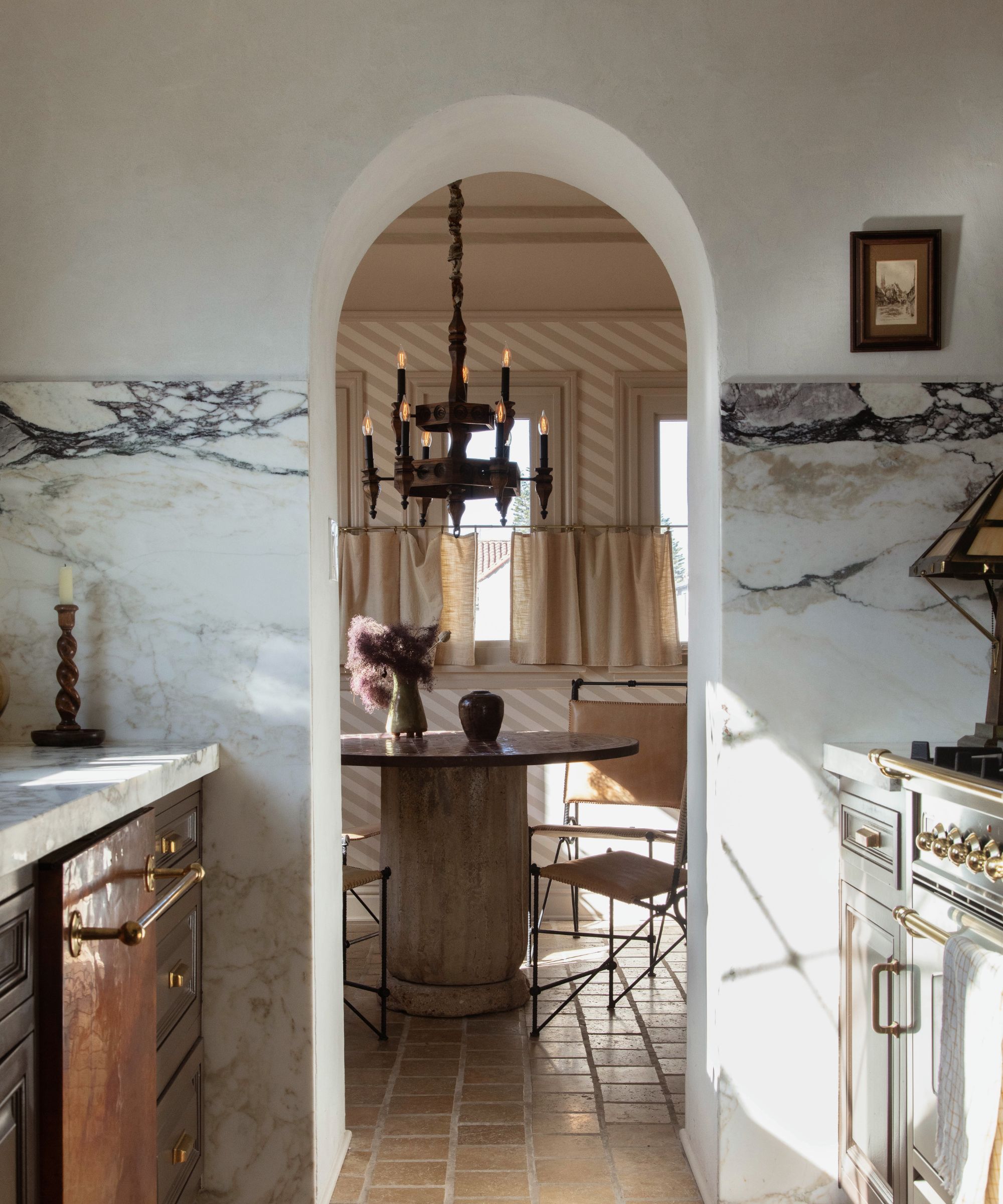
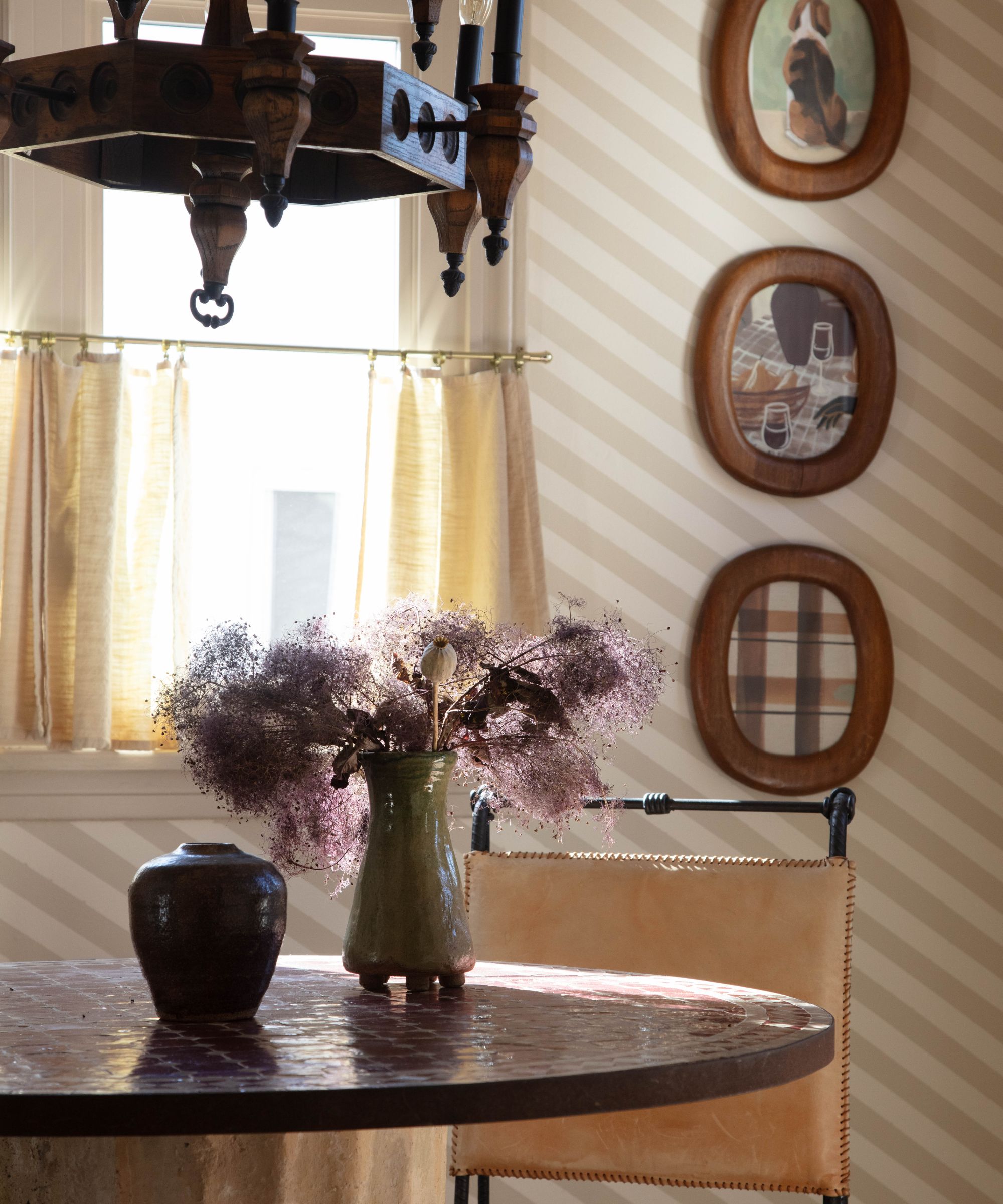
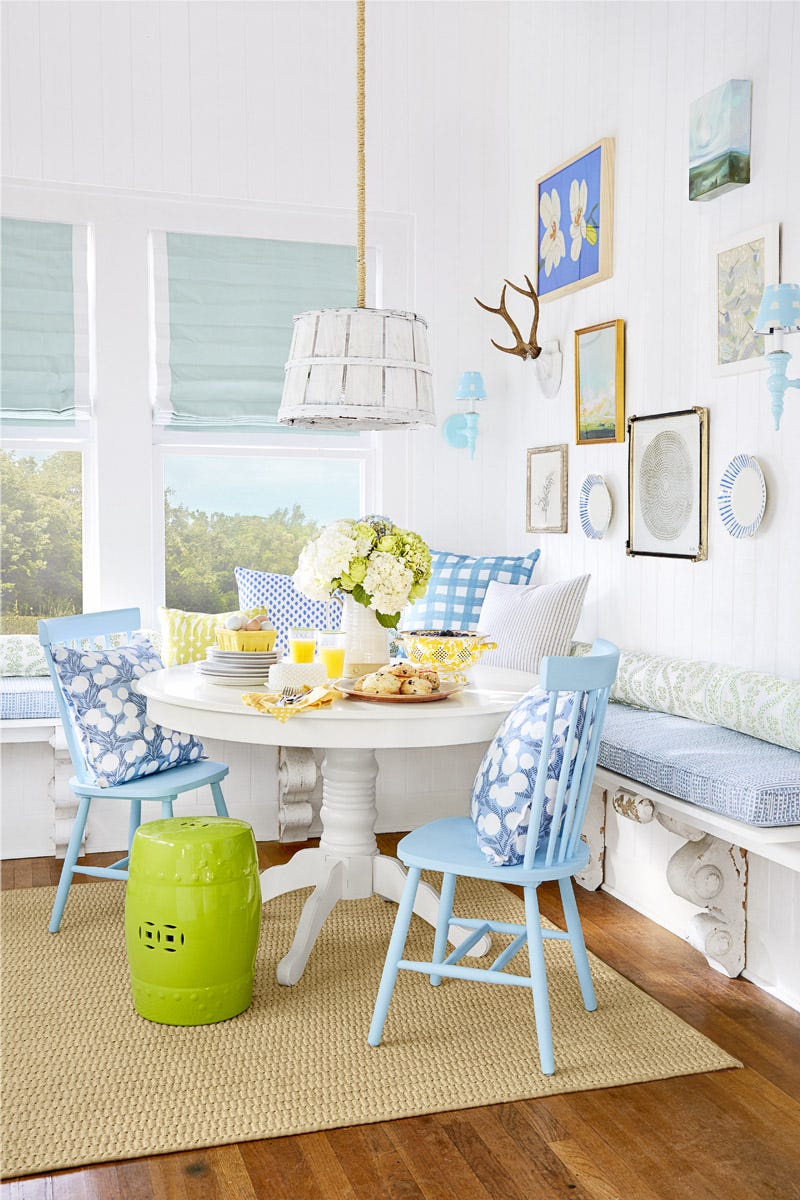
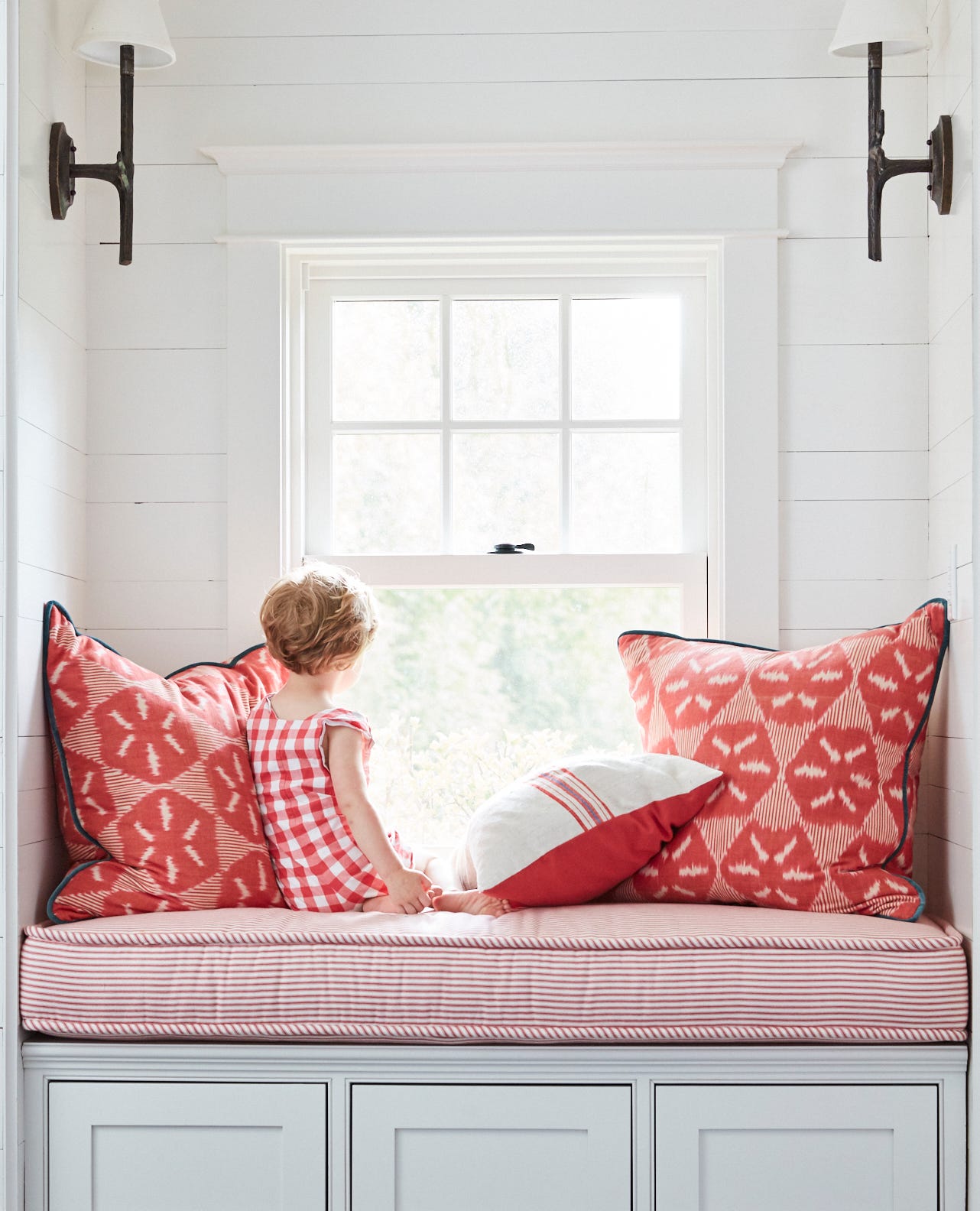
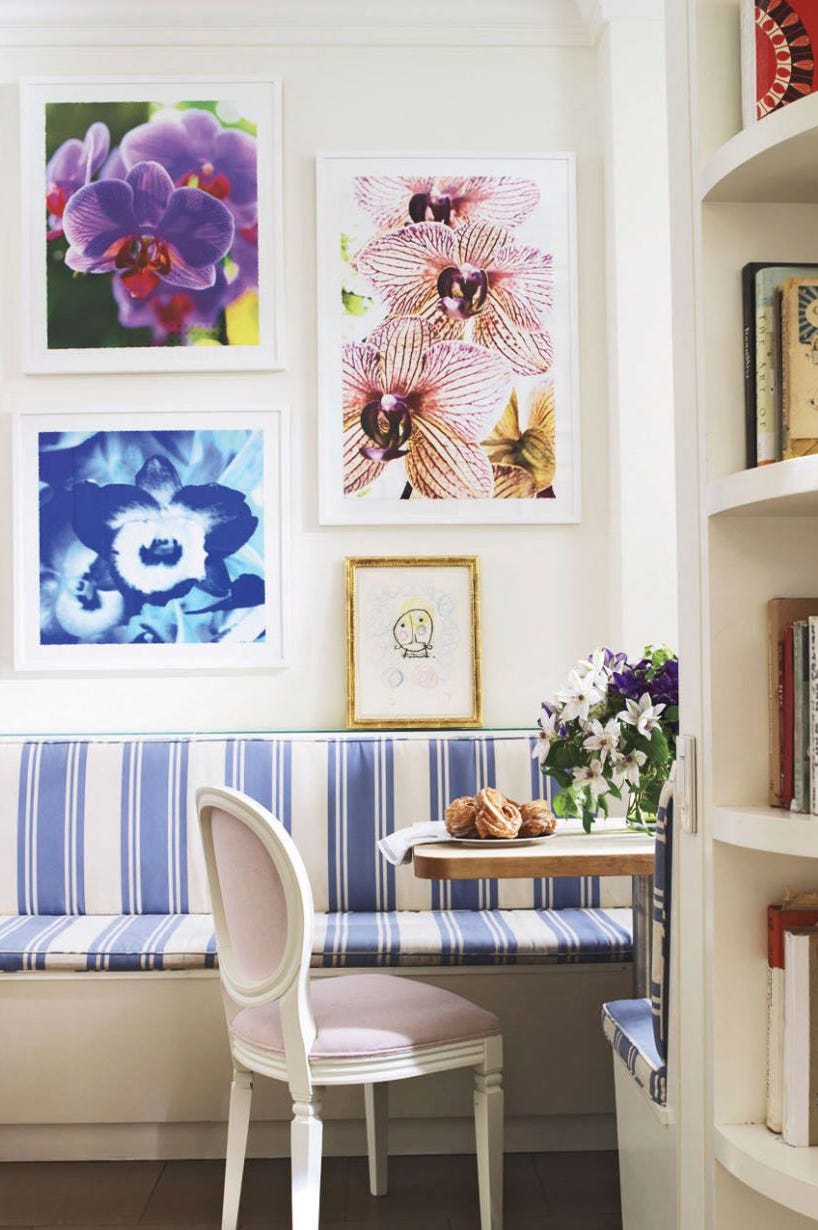
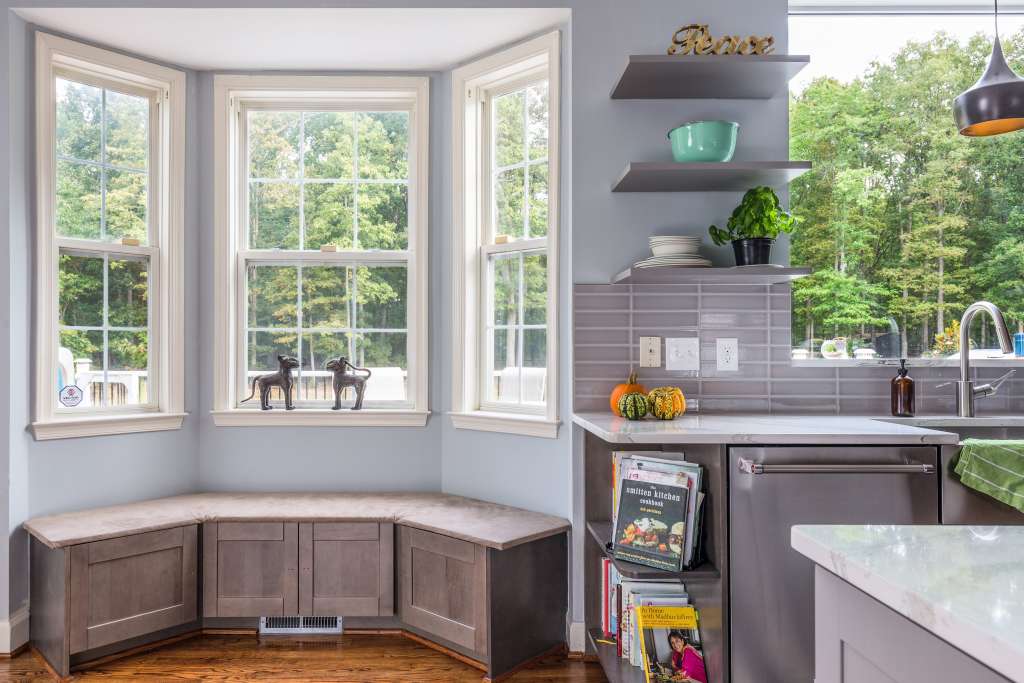
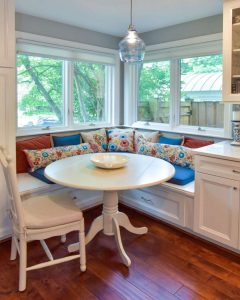
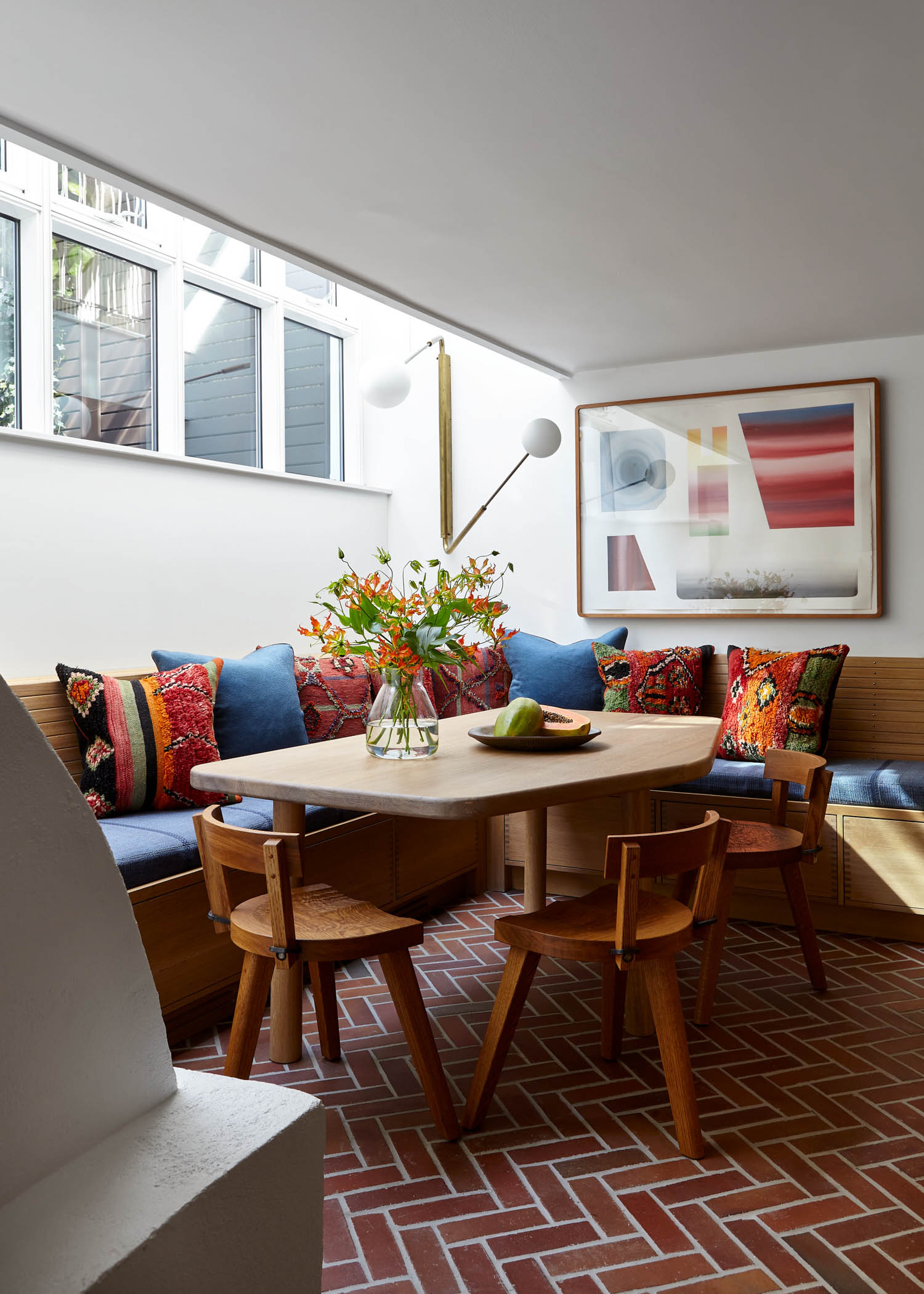
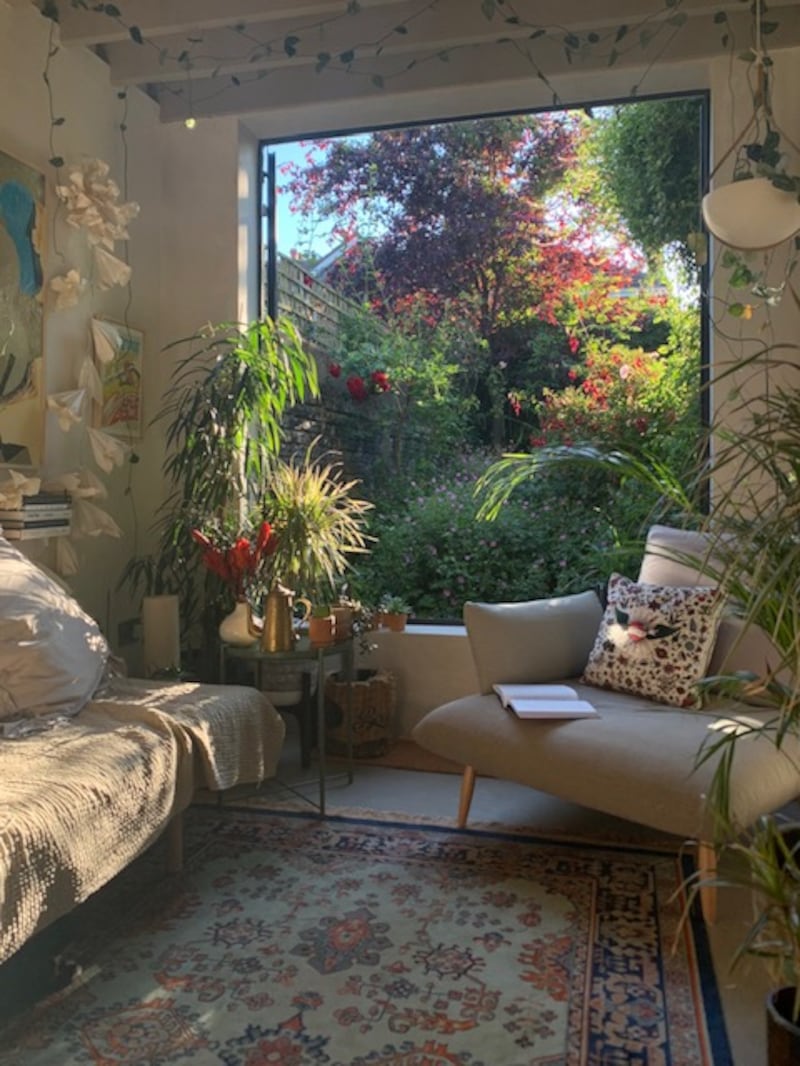
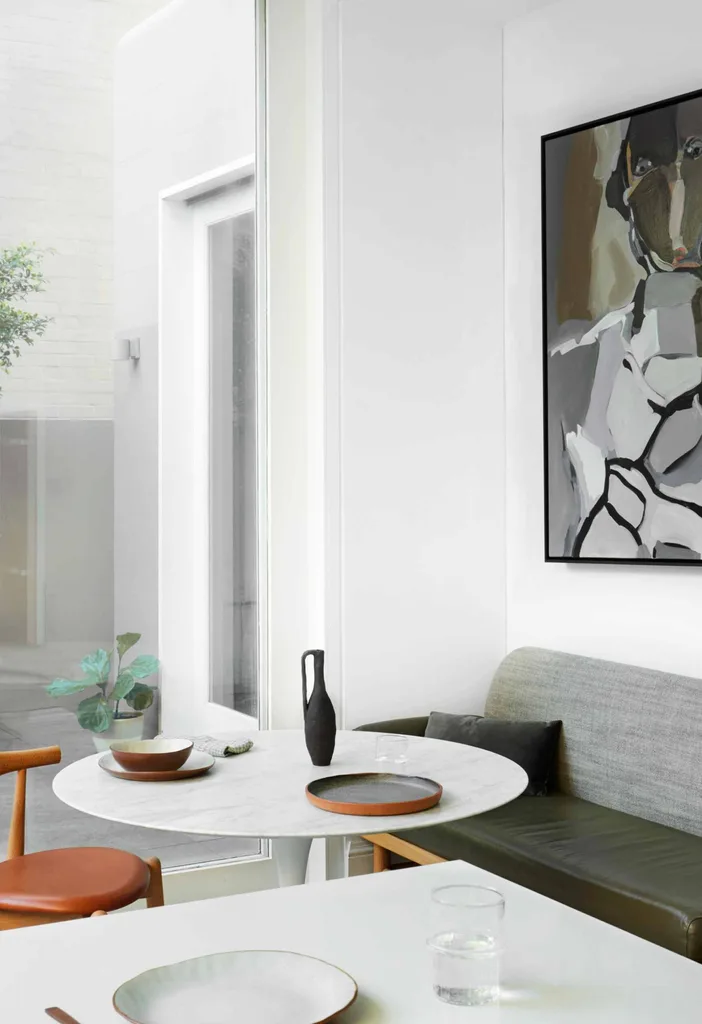
The first crucial step is selecting the appropriate location. Designers recommend choosing a corner, ideally one with at least one window, with two windows being even better. Natural light and views enhance the ambiance and make the space feel more open and efficient. If a windowed corner isn't available, leveraging wall space for tall, comfortable bench backs or decorative elements like artwork or wallpaper can create a similar inviting effect.
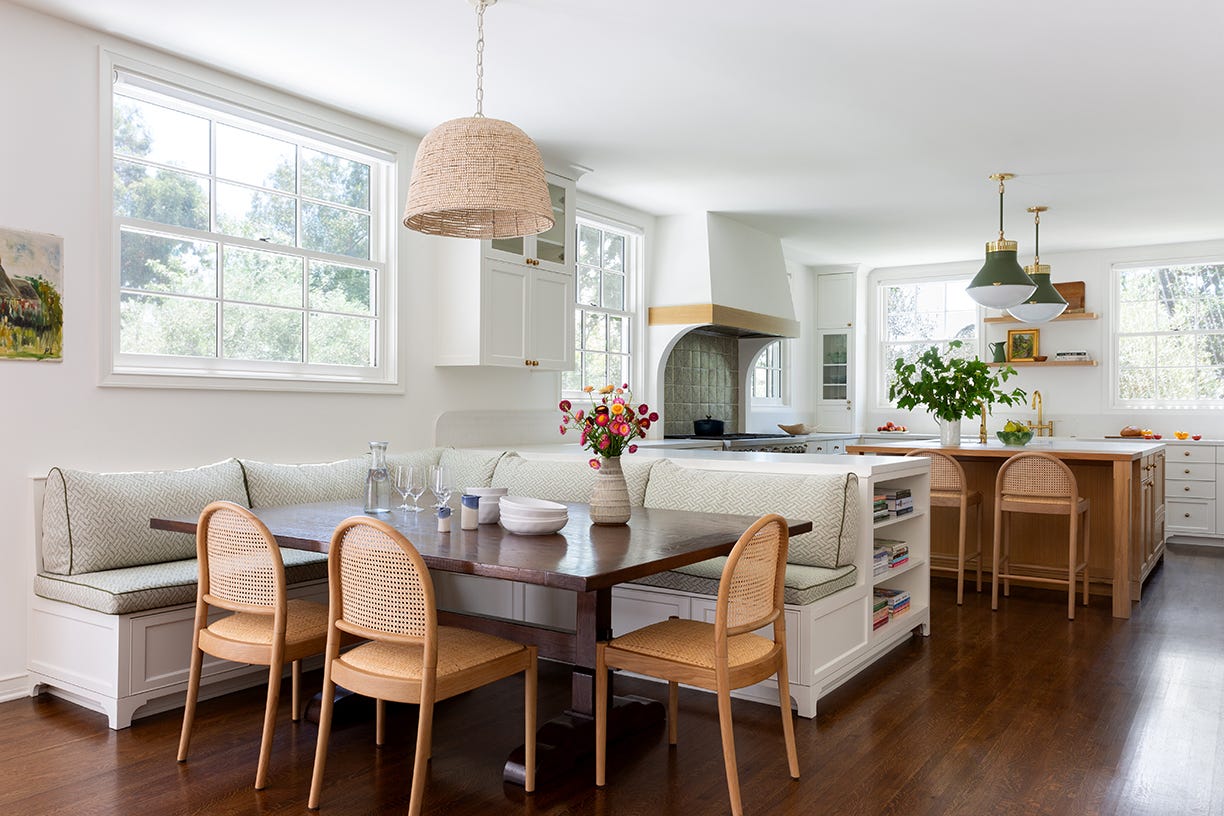
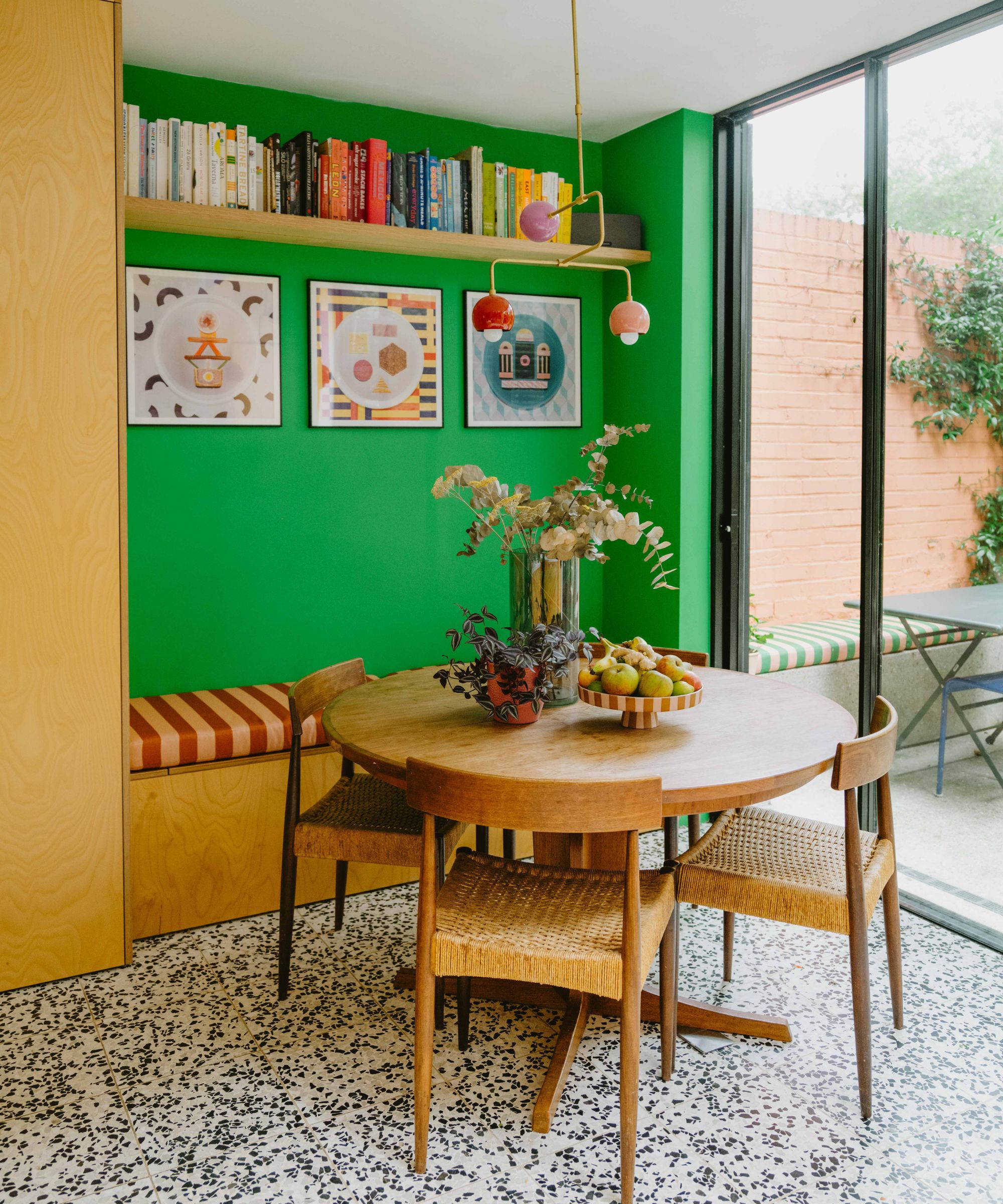
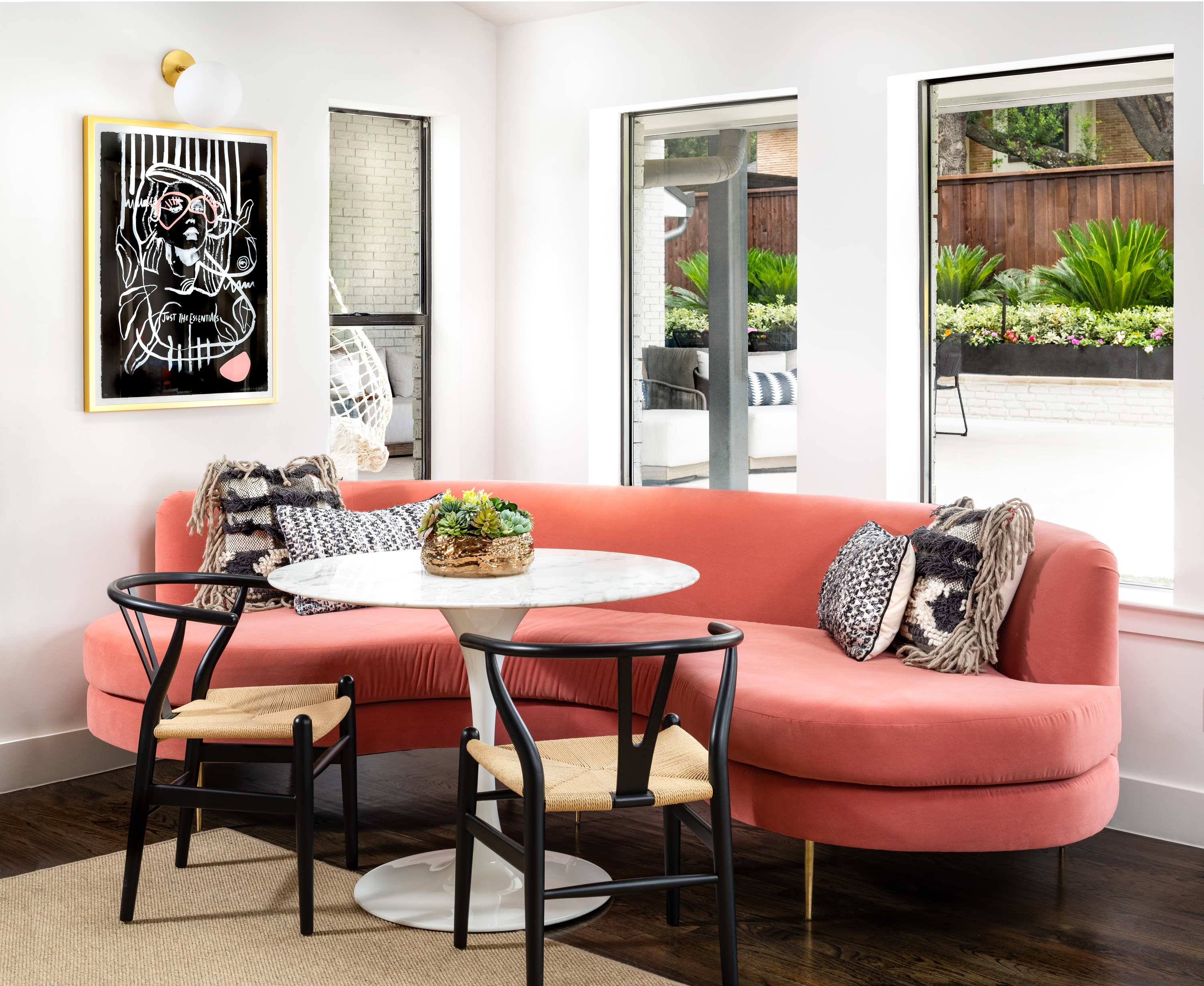
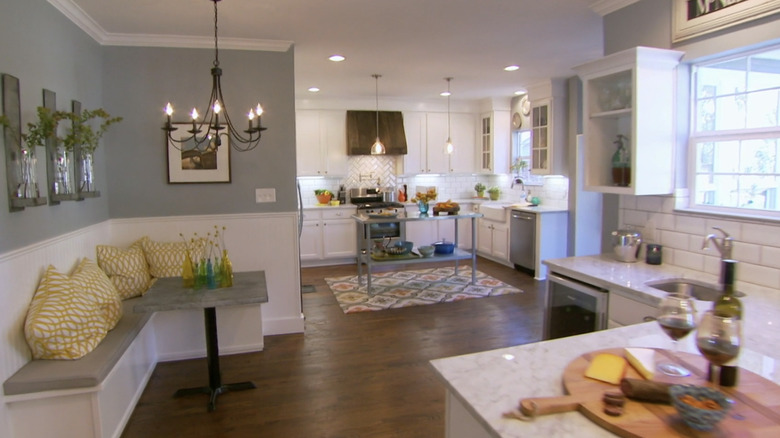
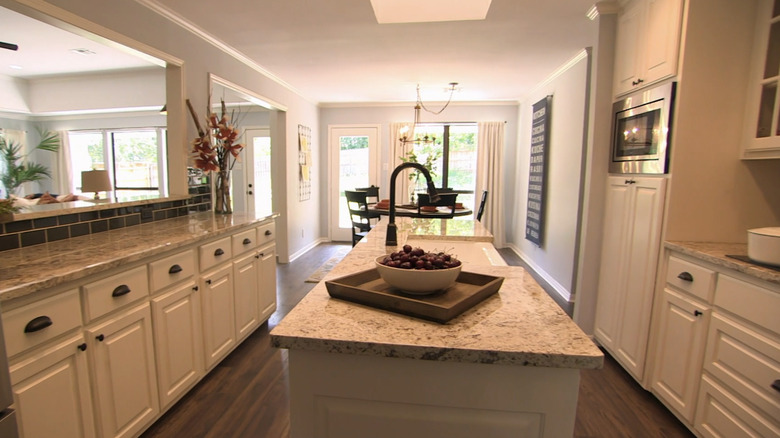
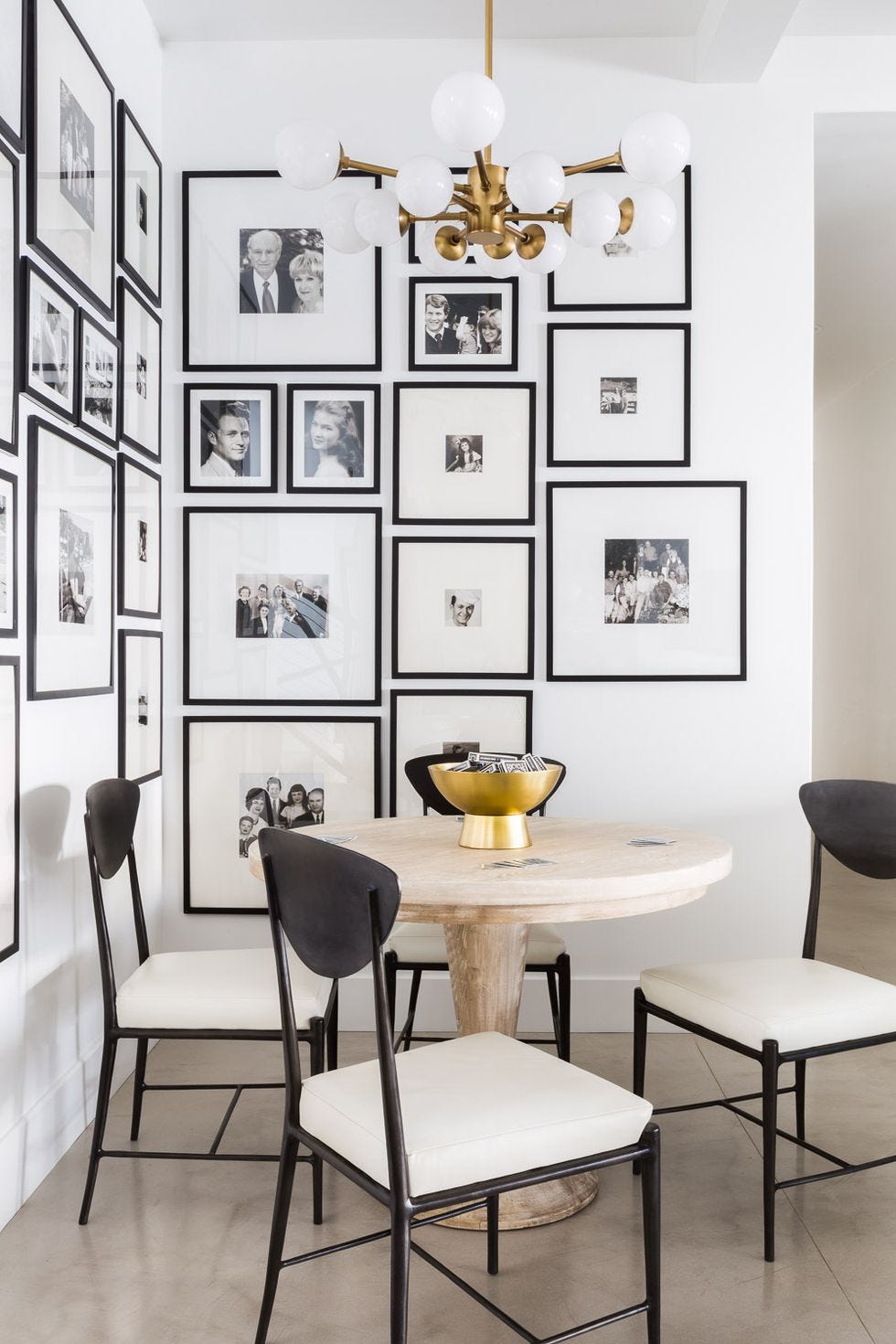
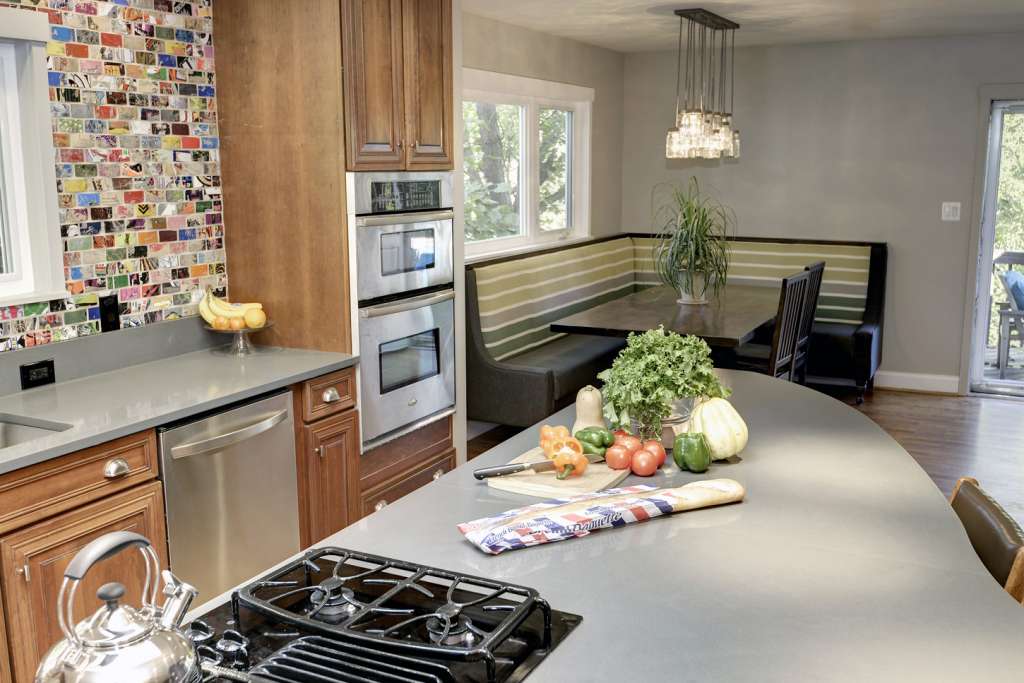
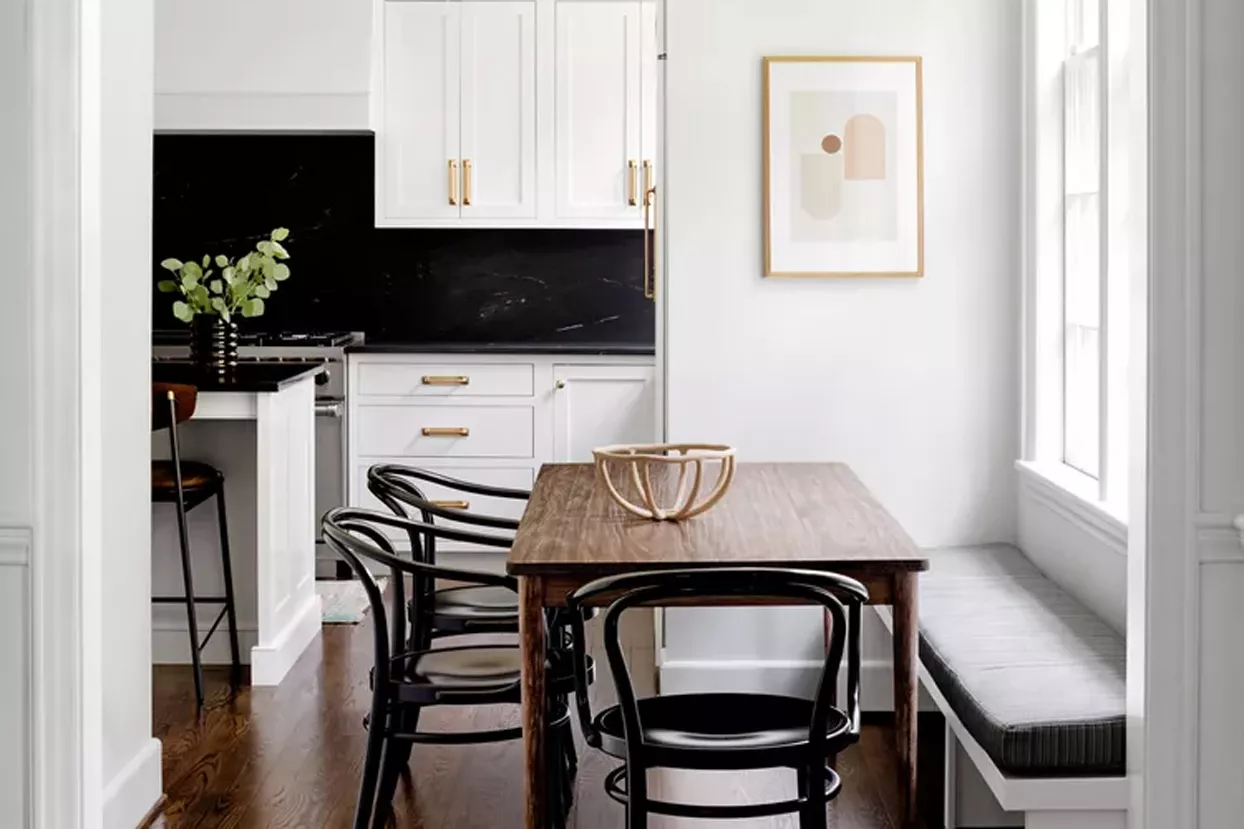
Next, the article advises careful consideration when choosing the table. While a single, long banquette table is a common choice for dining rooms, using two or three smaller tables can offer greater flexibility, allowing guests on the banquette side easier access. For more compact areas, a small round or square table is recommended, whereas a rectangular table is suitable for larger spaces. The table's style should also align with the kitchen's existing aesthetic; for instance, a wooden table suits rustic or farmhouse themes, while glass or metal tops complement modern designs.
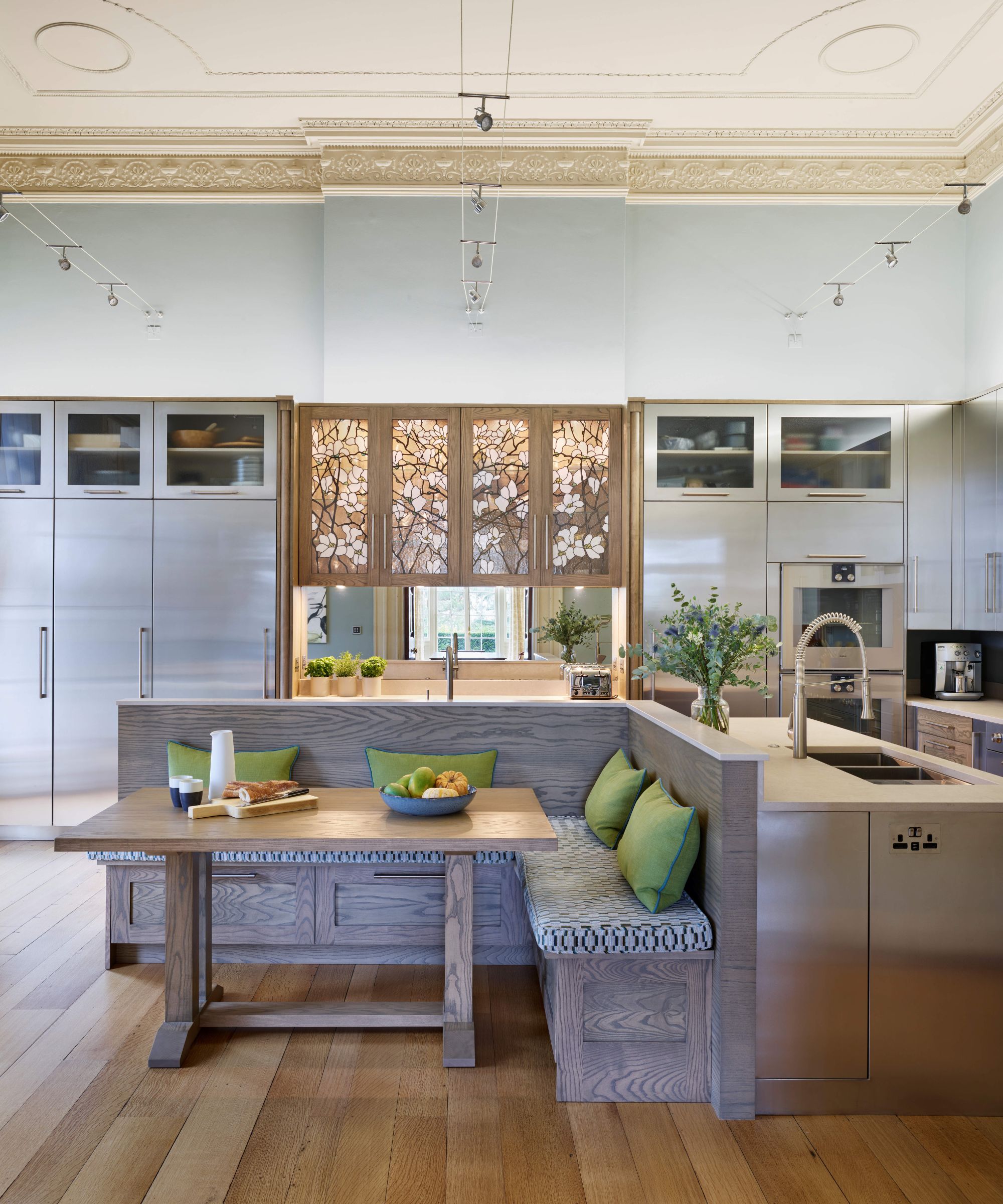
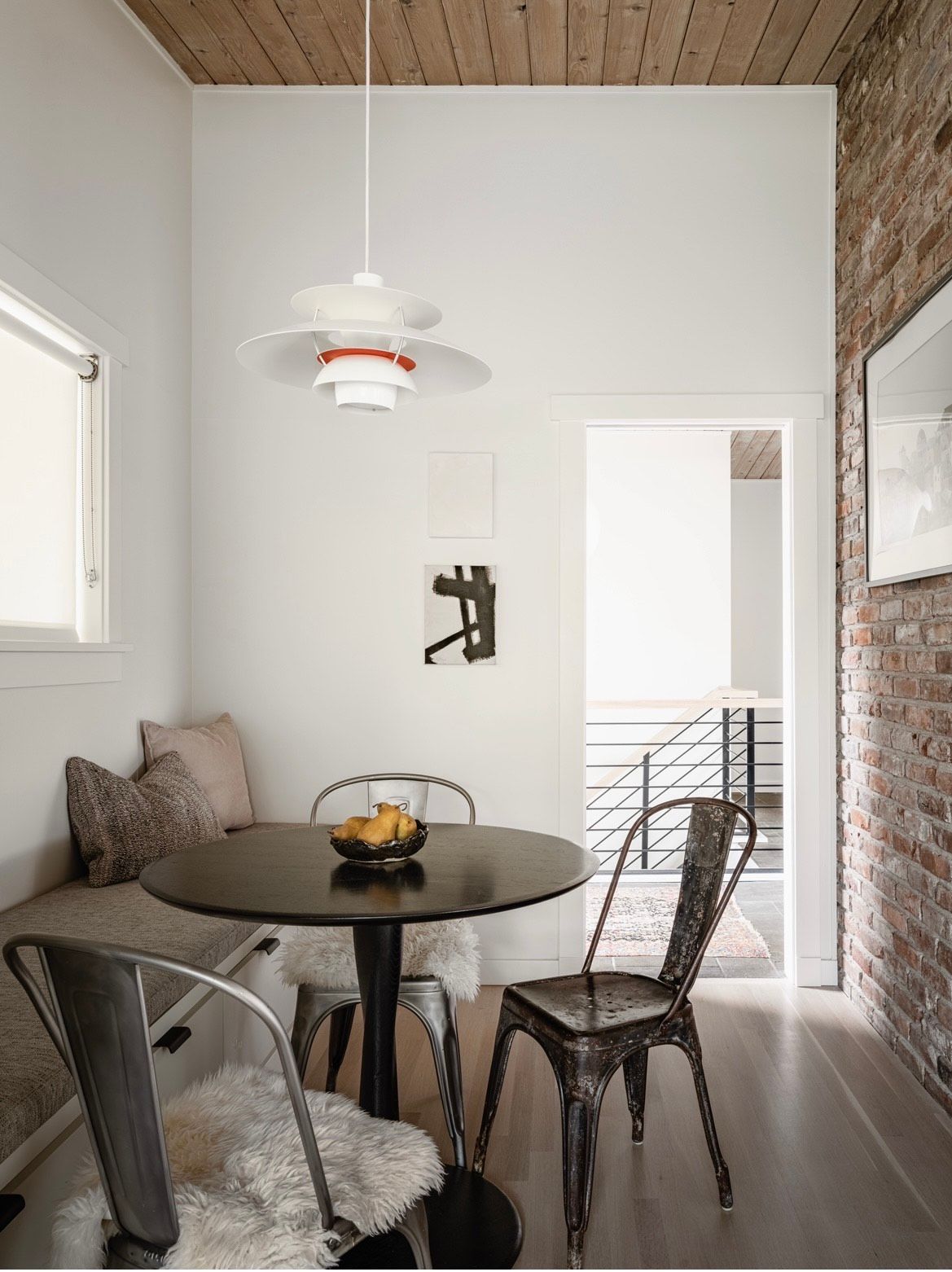
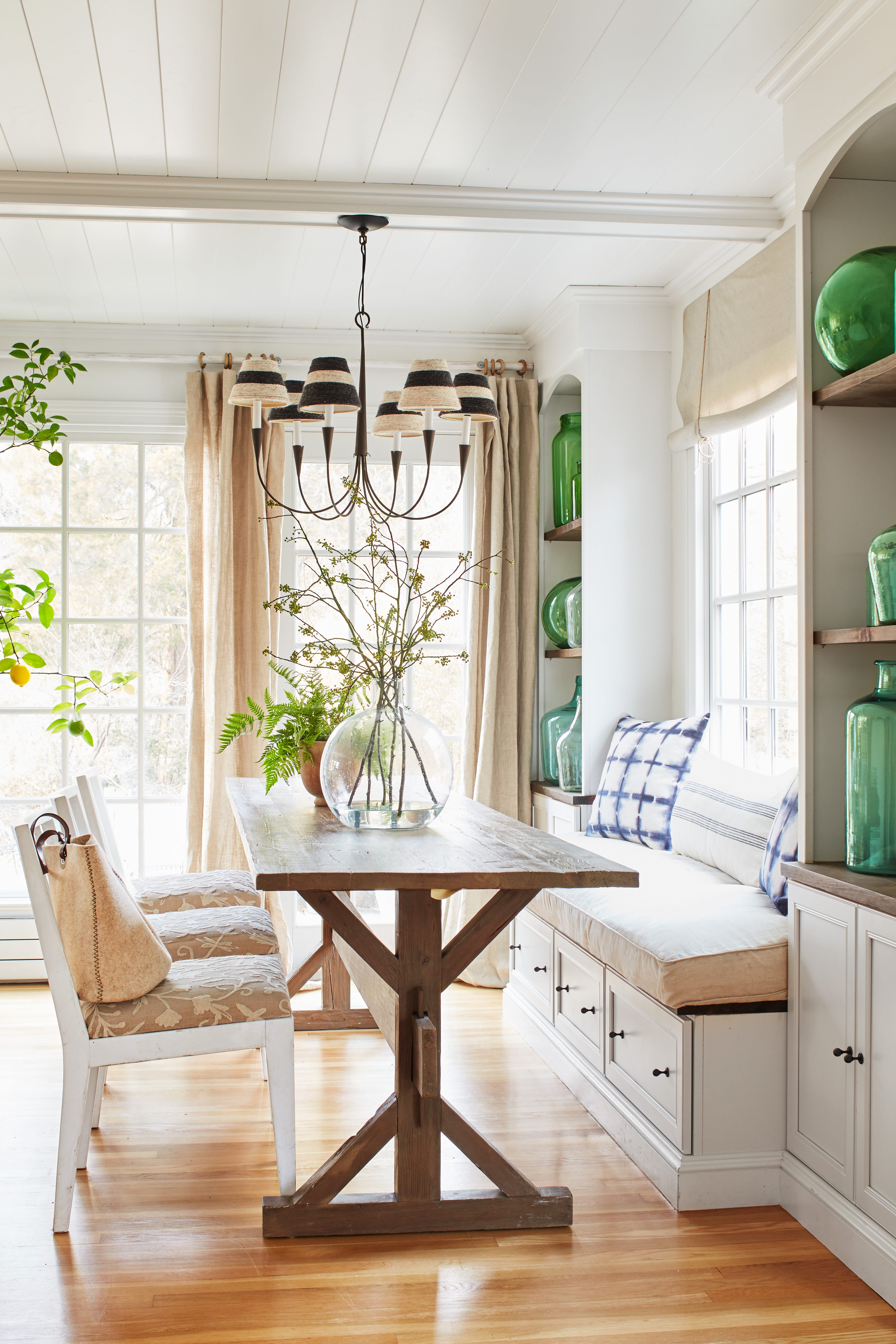
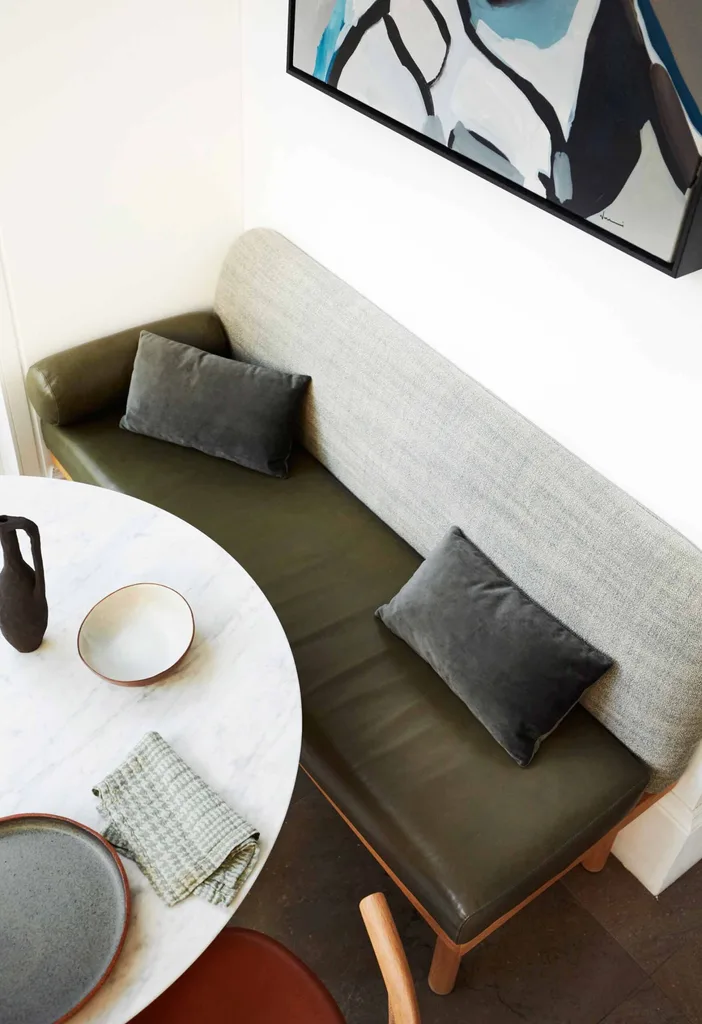
Seating selection is another vital element, focusing on comfort and space efficiency. The seating should harmonize with the overall décor of the room, as the breakfast nook is intended to be a practical and integrated space. Oversized chairs provide comfort and back support, which is beneficial if the nook is used for extended periods. Benches are highlighted as an excellent space-saving solution, as they can be tucked under the table when not in use. Wooden benches with cushioned seats are suggested for a traditional look, while chairs should match the table's style and finish.
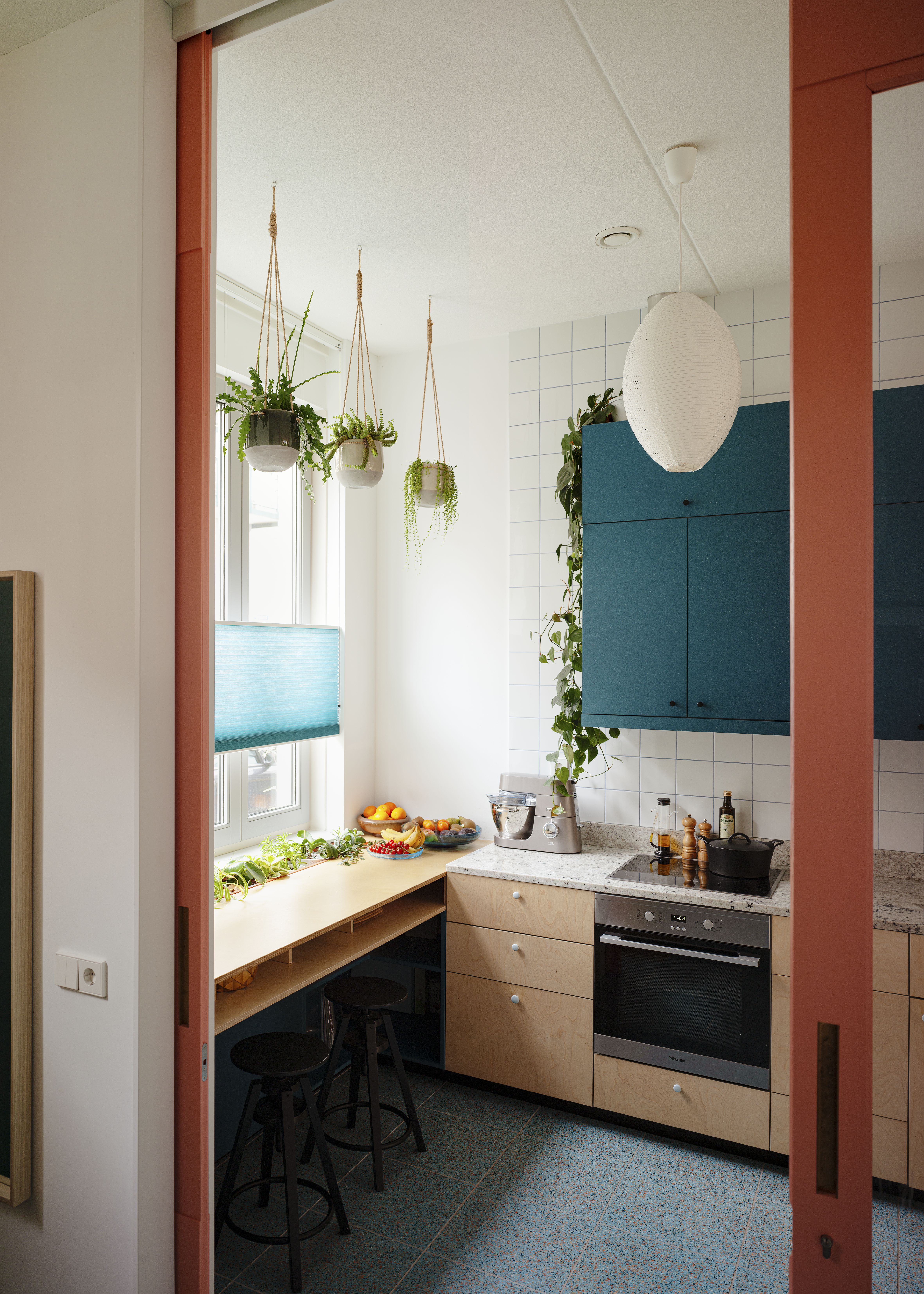
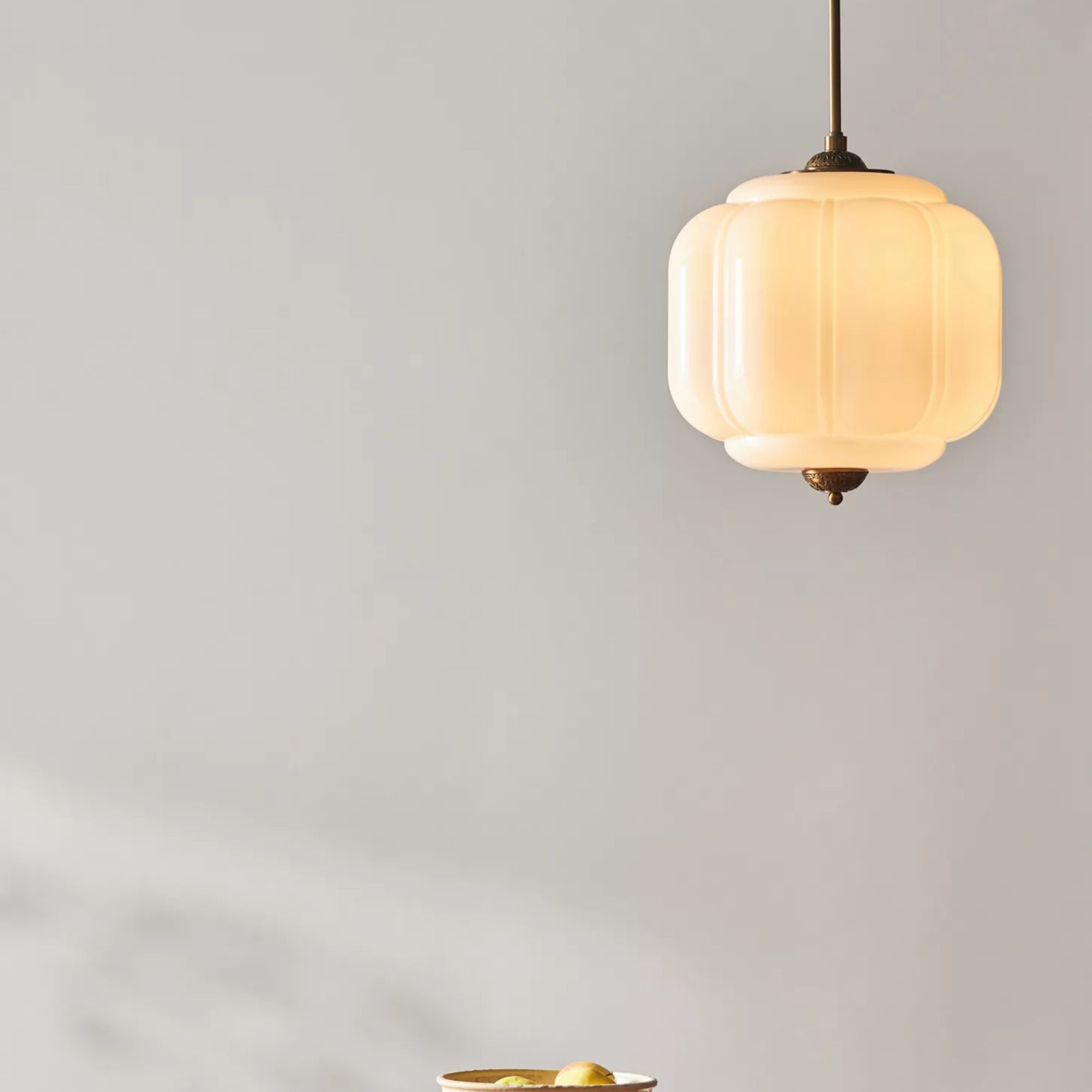
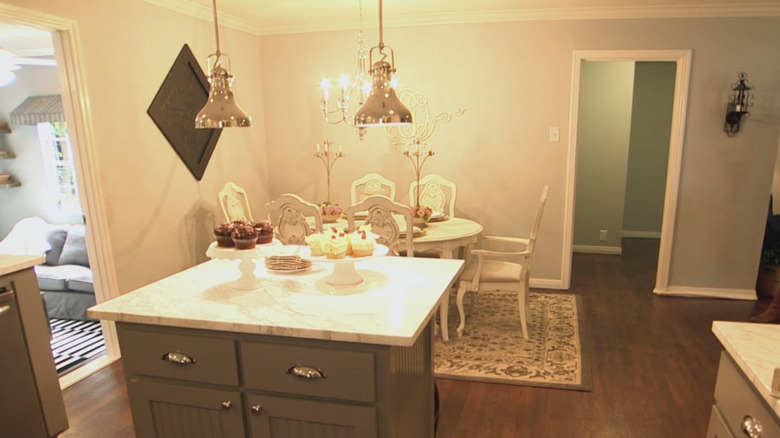
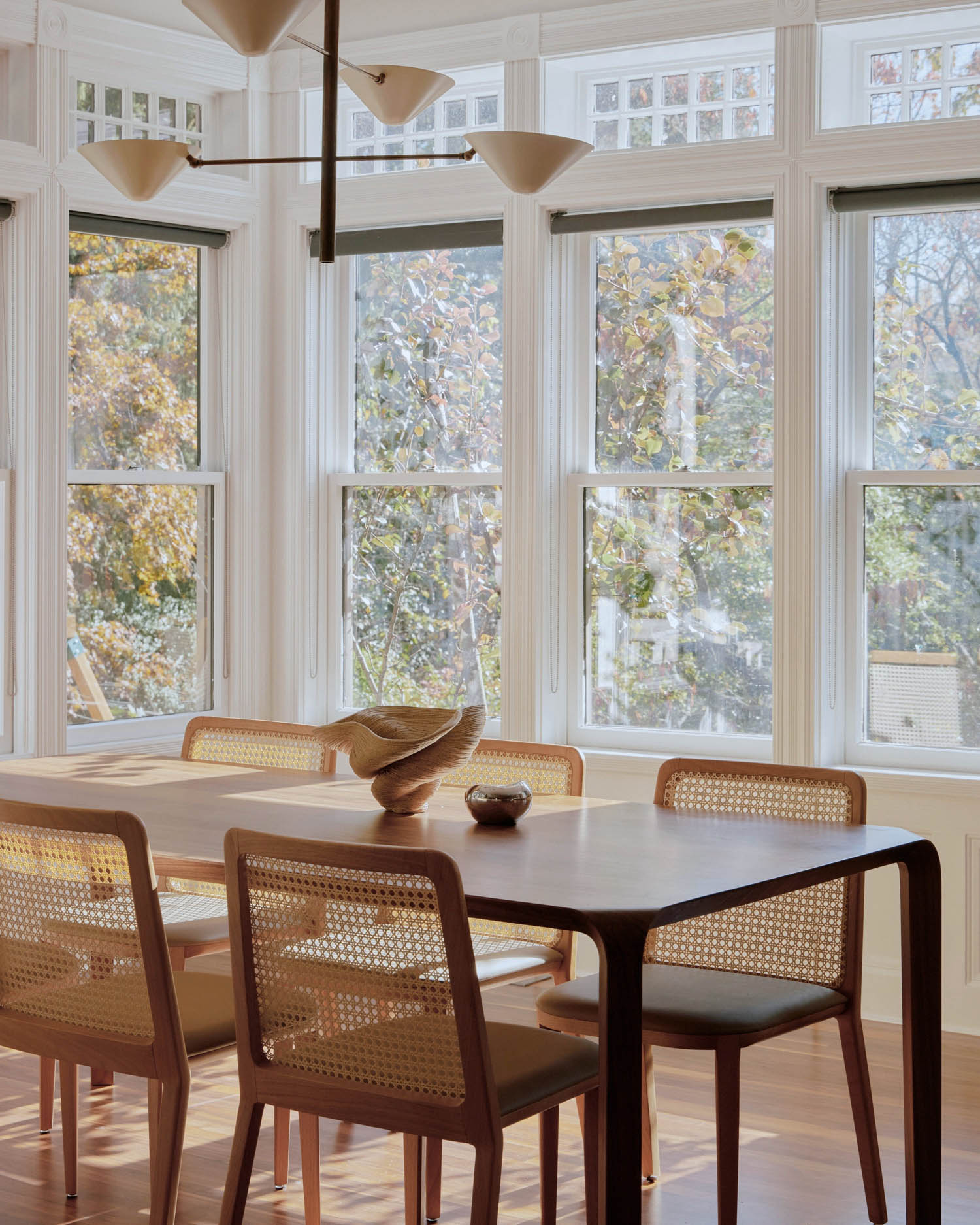
Lighting is given significant importance to ensure the nook feels comfortable and inviting. The article suggests avoiding harsh fluorescent lighting in favor of a mix of wall sconces and pendant lights. Task lighting can also be incorporated into wall sconces to provide dual functionality, making the nook suitable for activities like homework or crafts.
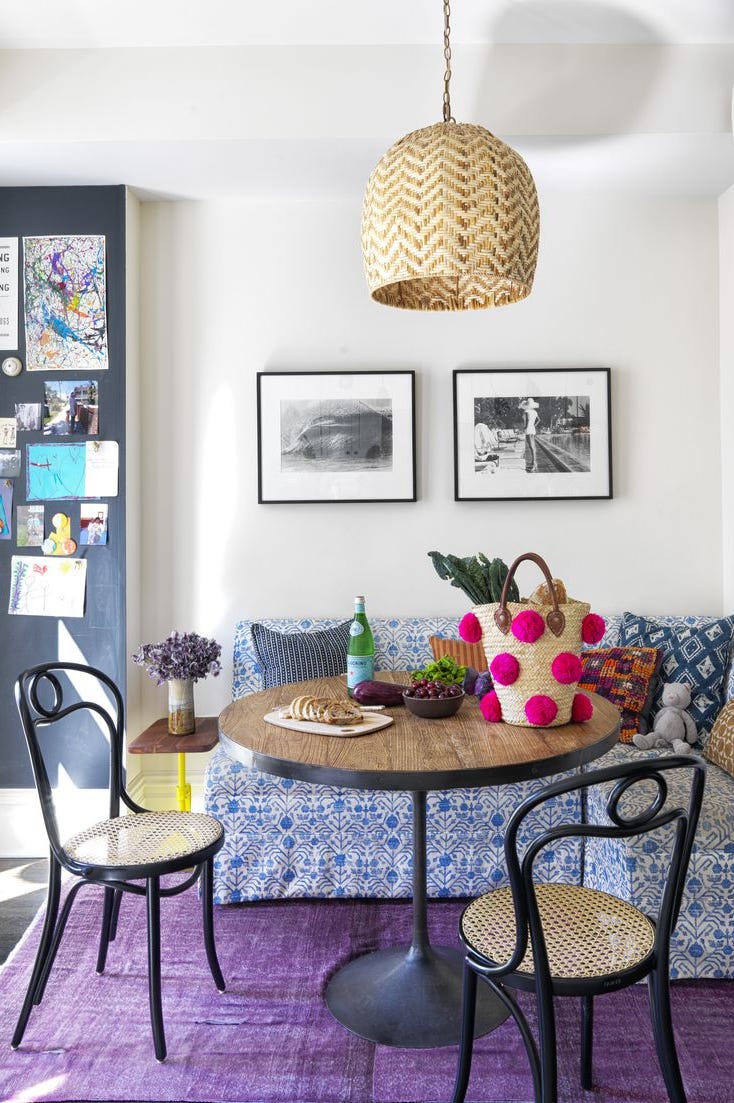
Finally, the article underscores the importance of practicality. Functionality should be a primary consideration when choosing furniture and decor. Incorporating storage solutions, such as drawers or baskets under benches or wall shelves, can help organize placemats, napkins, and other breakfast essentials. Ease of movement and access is also crucial, especially for busy mornings. The article recommends tables with smooth, tactile surfaces like wood or stone and suggests avoiding sharp corners to ensure safety and convenience. The article concludes by recommending complementary accents to seamlessly integrate the breakfast nook with the surrounding kitchen décor, such as using matching colors, patterns, and textures, or adding throw pillows, rugs, and soft drapes to enhance coziness.
#BreakfastNook #HomeDesign #KitchenDesign #DIYHomeProjects #InteriorDecor #SpaceSaving #LightingDesign #FurnitureSelection #BreakfastNook #HomeDesign #KitchenDesign #DIYHomeProjects #InteriorDecor #SpaceSaving #LightingDesign #FurnitureSelection
0 comment in total
 No comments yet
You may also like
25 Cozy Breakfast Nook Ideas That Pack Style Into a Small Space

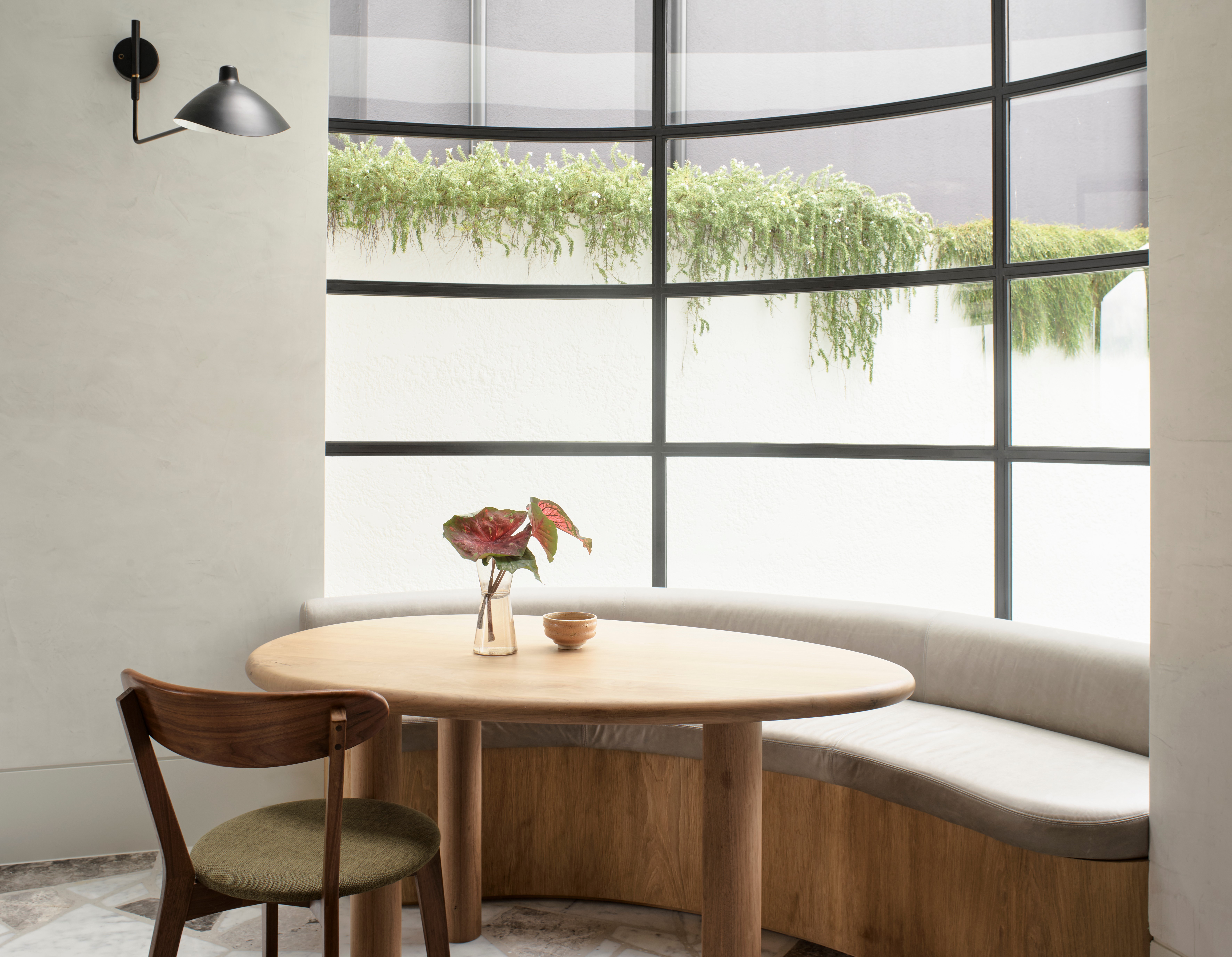
10 brilliant breakfast nook ideas that will make you want to get out of bed in the morning

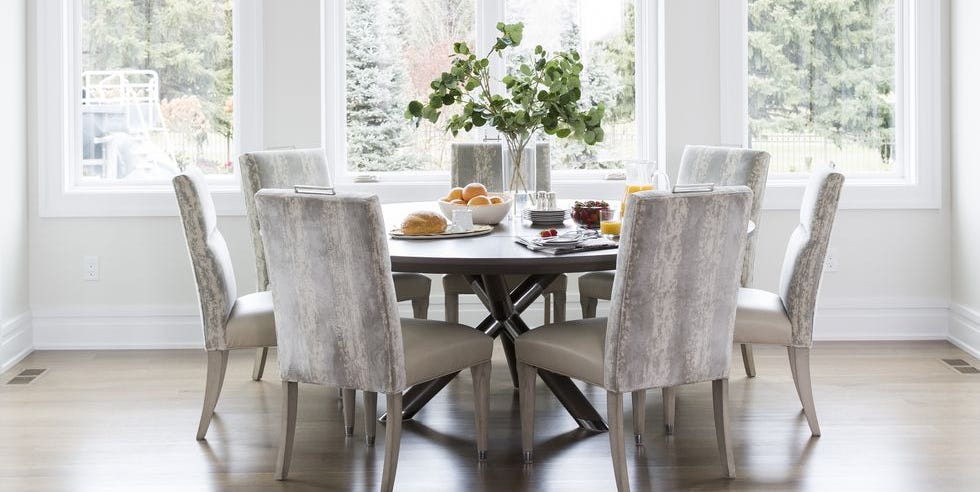
15 Breakfast Nooks That Are Full of Charm
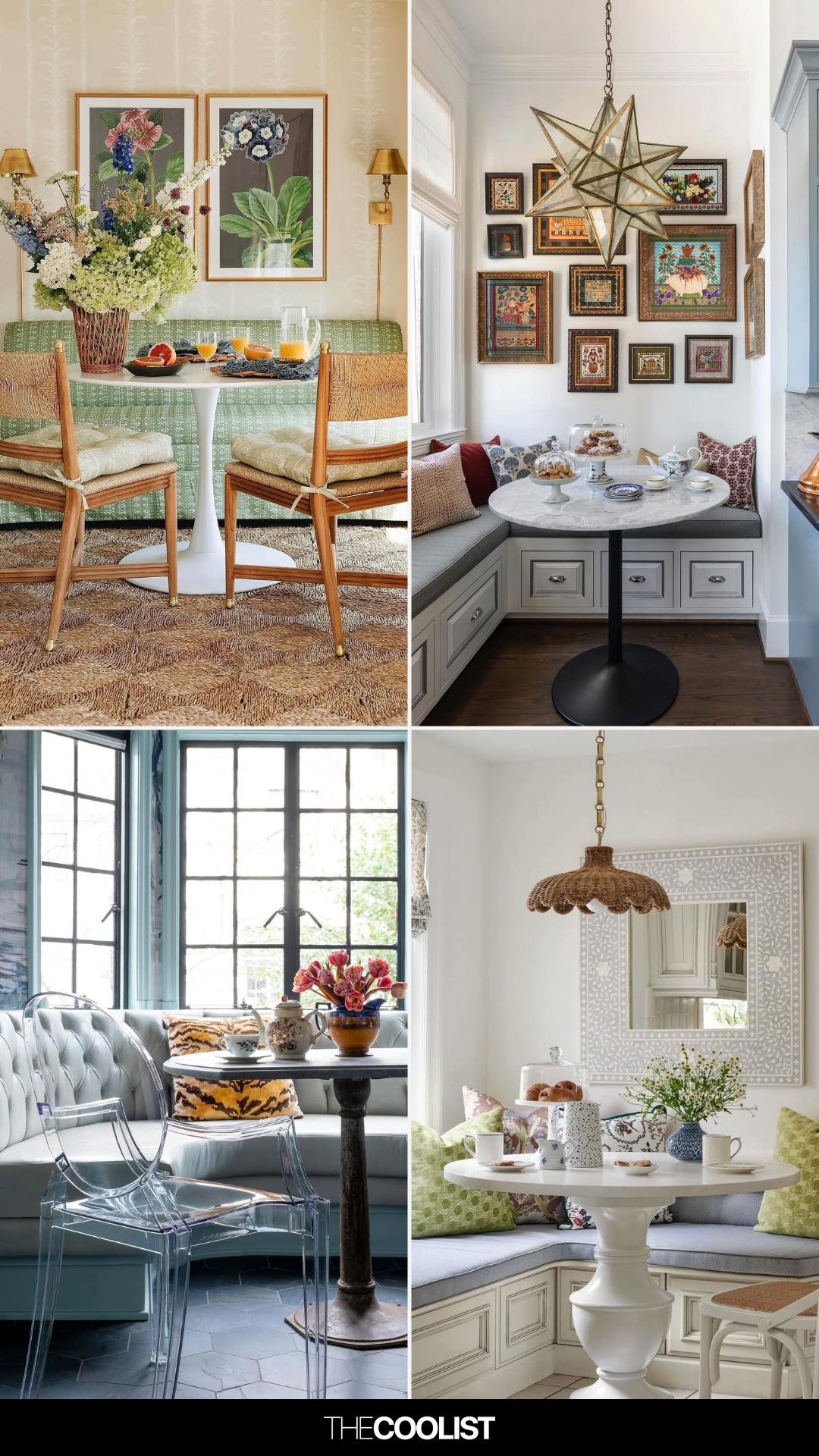
21 Smart + Stunning Small Breakfast Nook Ideas That Flex Both Form and Function
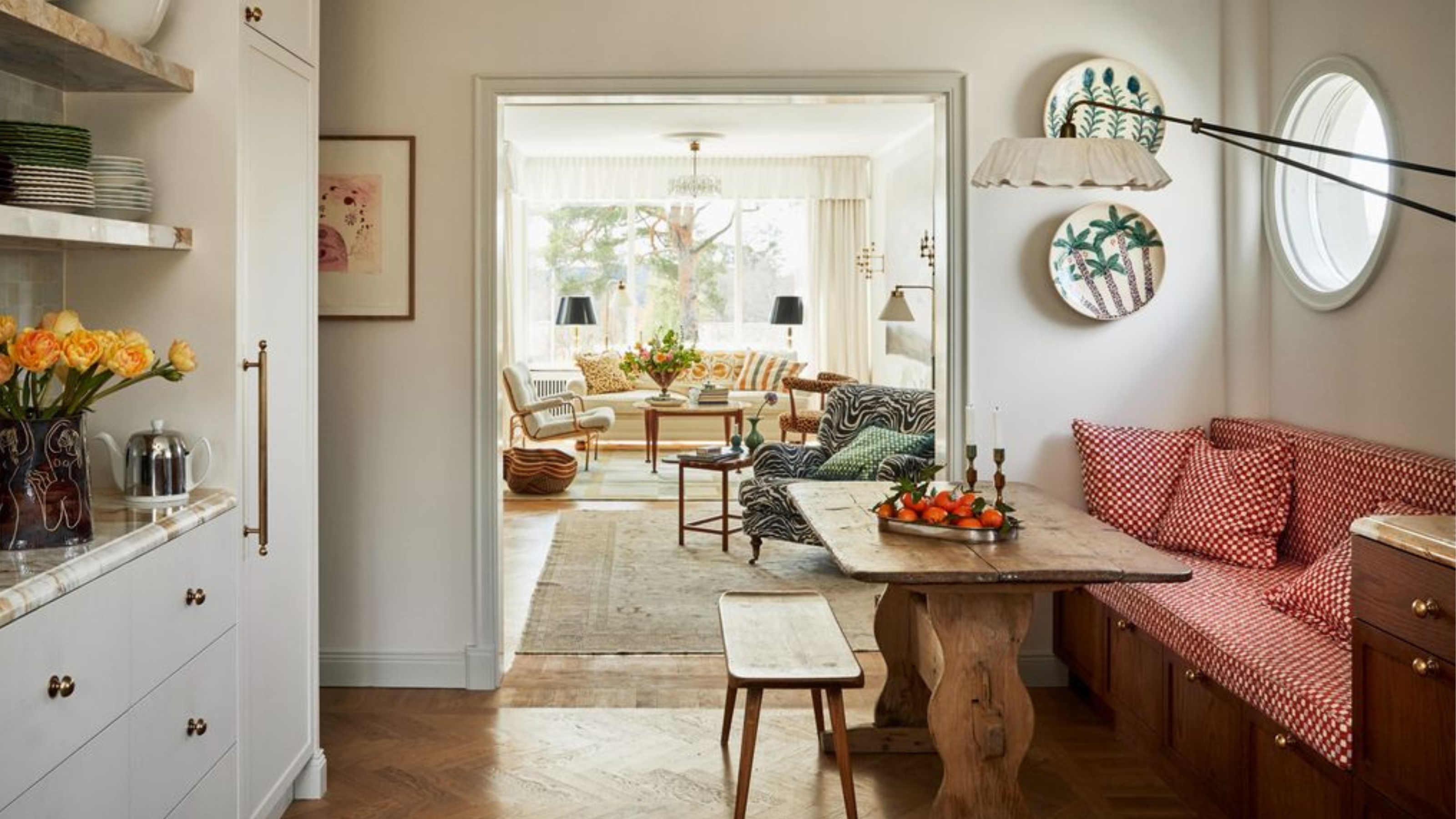
7 breakfast nook ideas for a relaxing start to the day

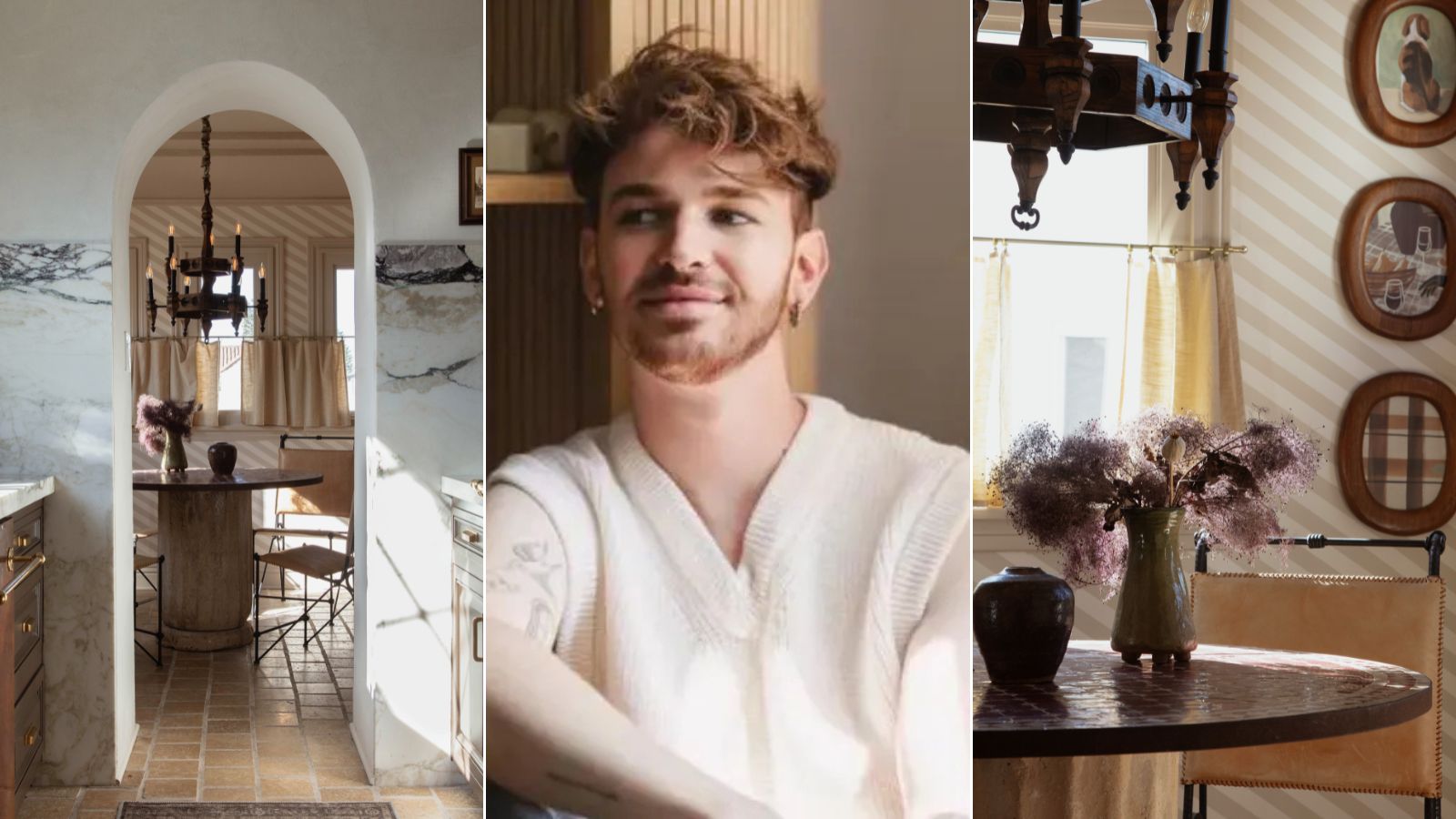
DIY striped walls transformed this space into a chic and calming breakfast nook

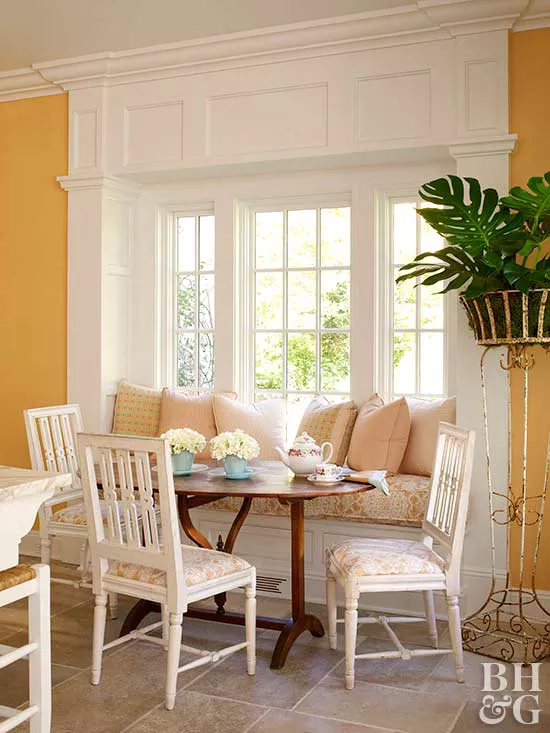
Space-Savvy Breakfast Nook Banquettes


How to create a book nook – your own cosy corner to read and escape
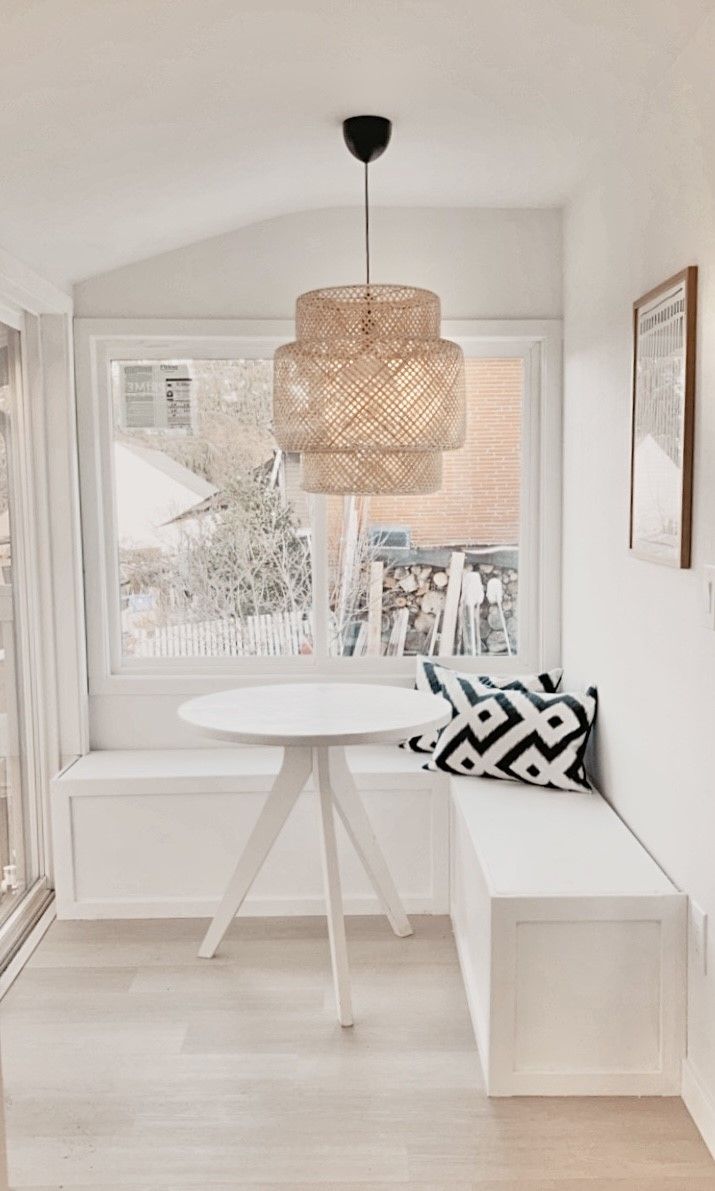
Extend your kitchen space with a cozy, multipurpose breakfast nook

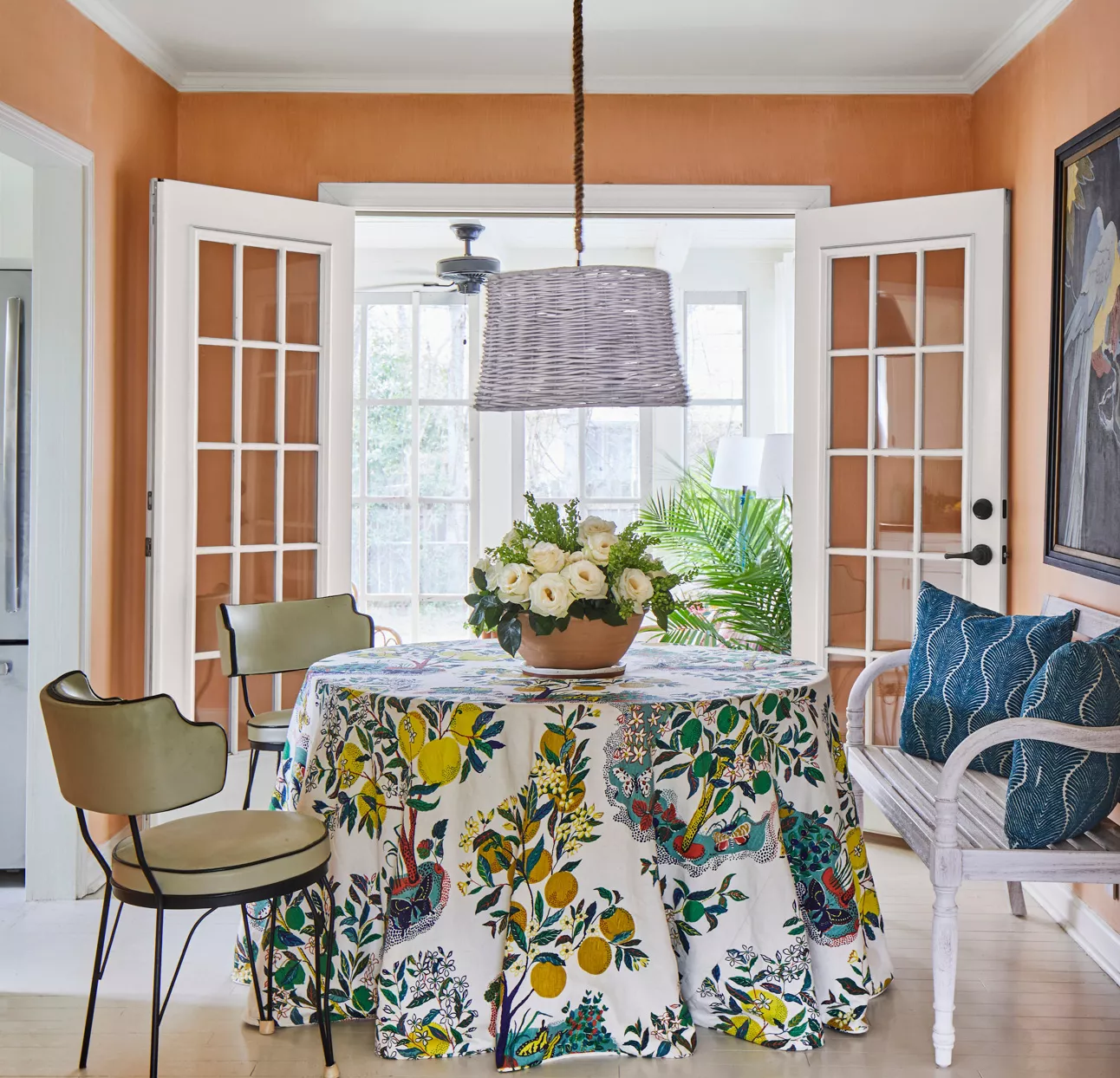
21 Breakfast Nook Ideas to Start Your Day in a Beautiful Space

In The Design Studio: Breakfast Nooks and Cozy Kitchen Seating
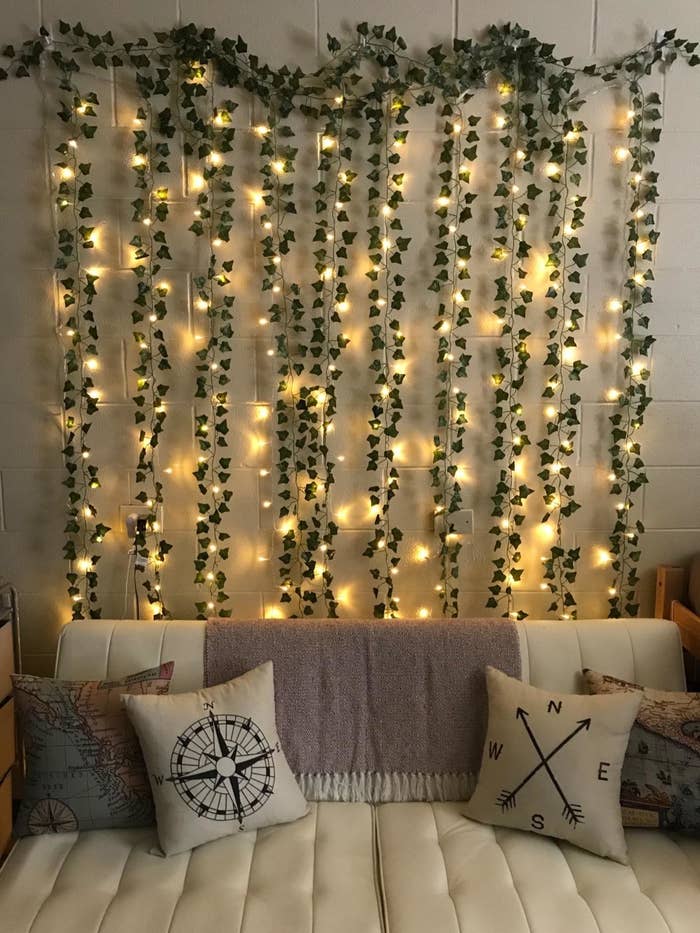
43 Cheap Bedroom Upgrades That'll Make You Never Want To Leave Your Room
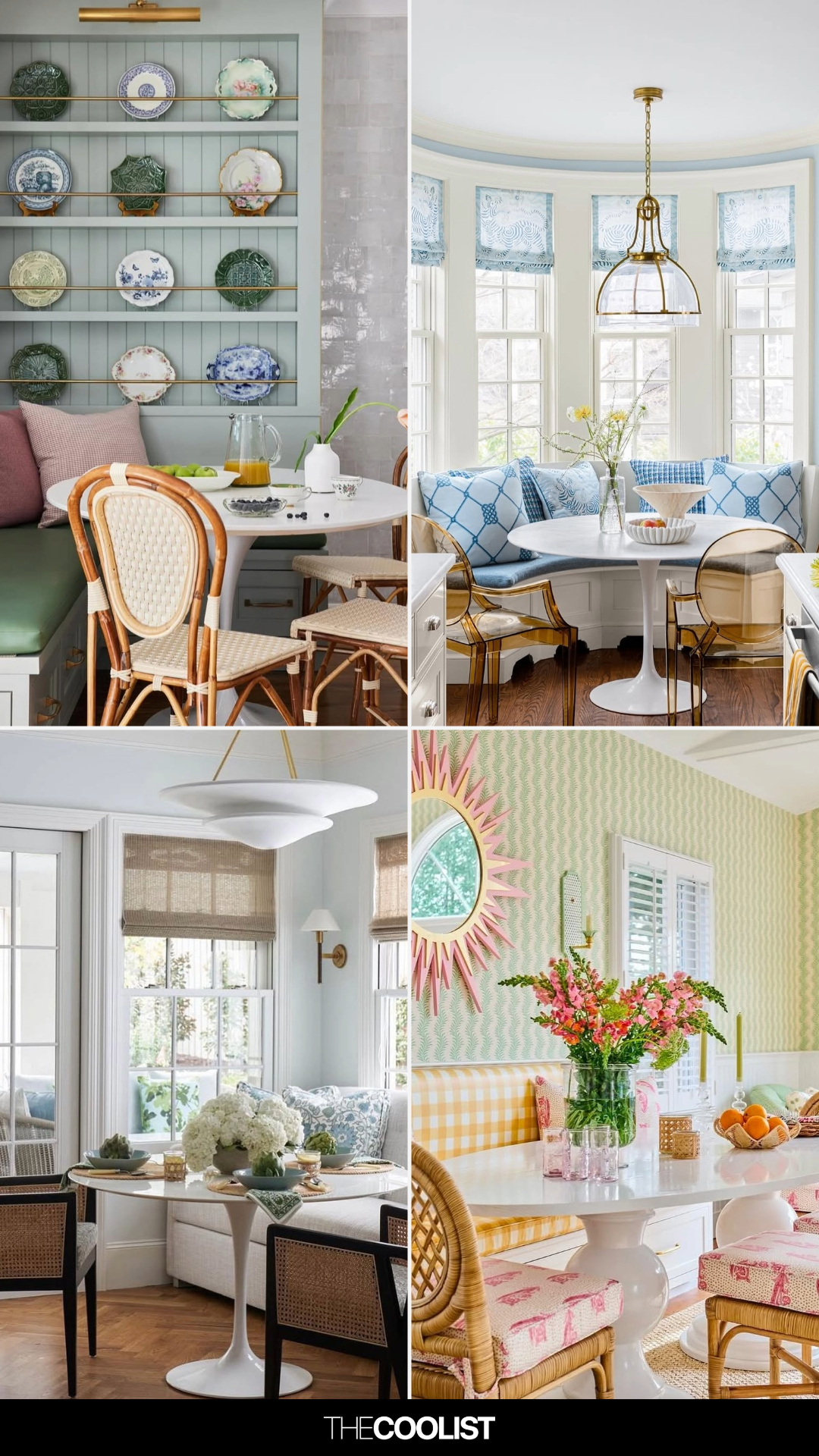
21 Breakfast Nook Ideas That Turn Mornings into Cozy, Stylish Moments
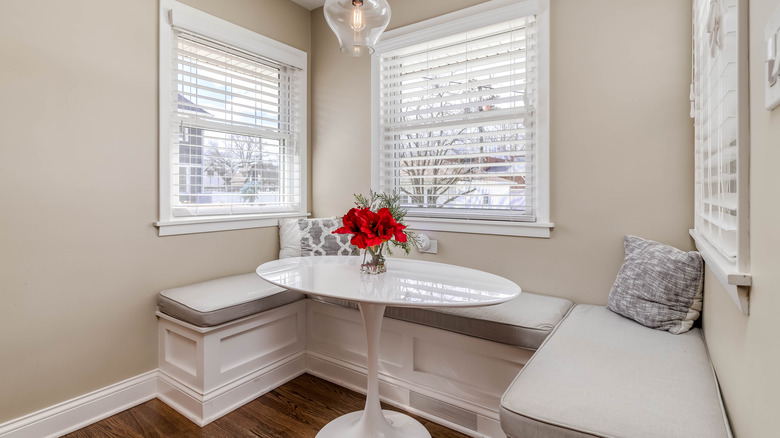
These Are The Best Breakfast Nooks Featured On Fixer Upper
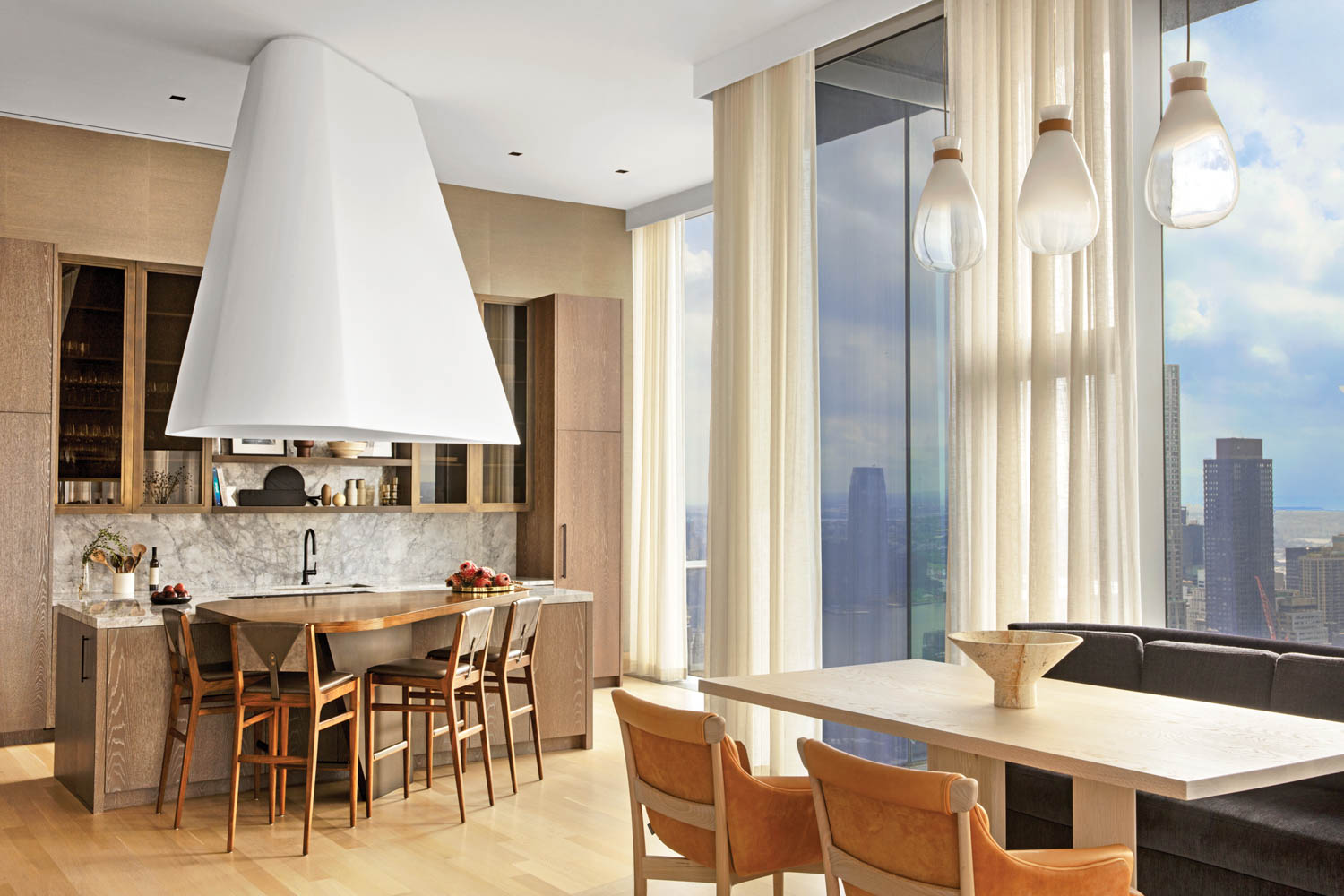
15 Chic & Cheerful Breakfast Area Ideas

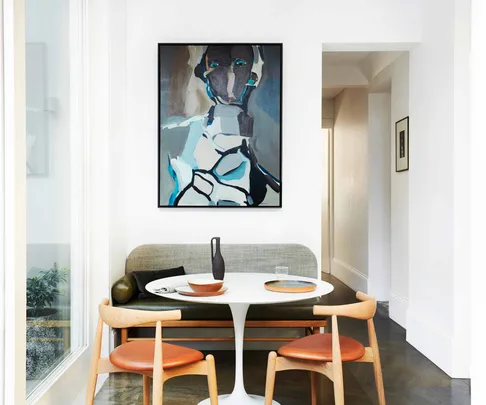
A clever new breakfast nook transformed this Sydney home

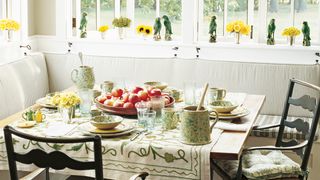
31 Breakfast Nook Ideas From the AD Archive

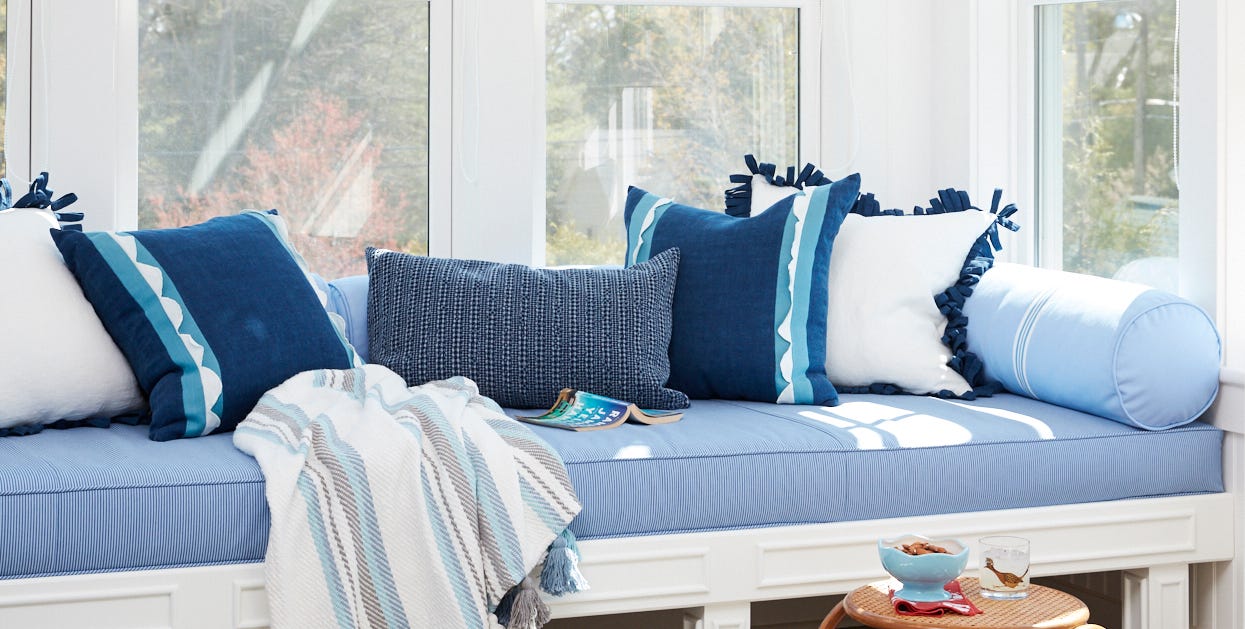
These Window Seat Ideas Will Turn a Tiny Nook Into Your Favorite Spot in the House
Create the Cozy Farmhouse Bedroom of Your Dreams
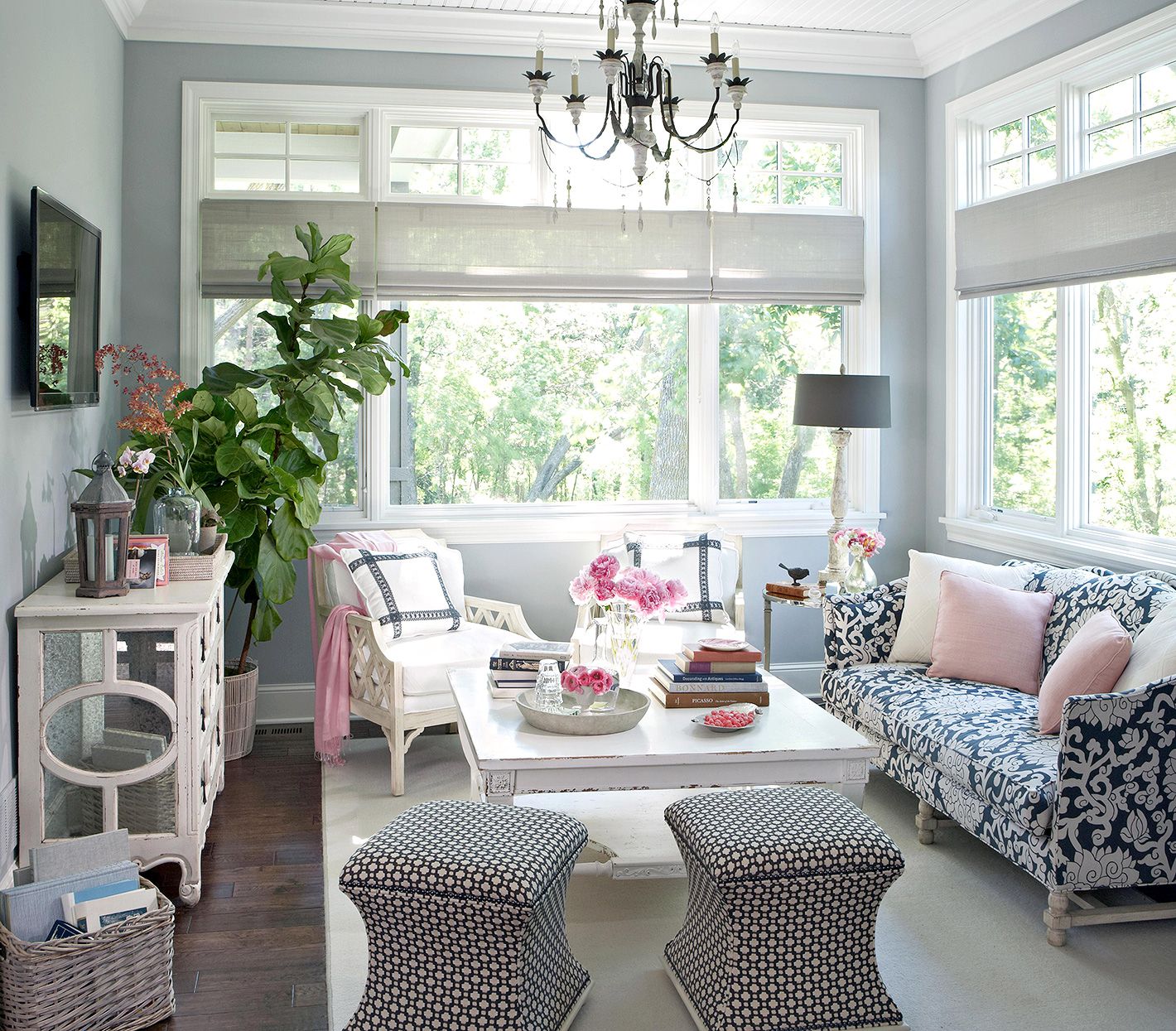
Morning Rooms Are the Best Way to Start Your Day—Use These Designer Tips to Set One Up