Should you stage your closets when selling your NYC apartment?
In the competitive New York City real estate market, closets are a highly valued amenity, often ranking in importance after kitchens and bathrooms due to the premium placed on storage space. However, when preparing an apartment for sale, closets are frequently overlooked in staging efforts. Many listing photos omit closet interiors, often because they are cluttered or overflowing, a common issue even after sellers attempt to declutter their homes. Professional organizers emphasize that this oversight sends a negative message to potential buyers.
Kadi Dulude, owner of Wizard of Homes, warns that buyers will inspect closets, especially those in bedrooms and hallways. If these spaces appear cramped or disorganized, it can create the impression that the apartment lacks sufficient storage, deterring potential buyers. Janine Sarna-Jones, founder of Organize Me, highlights that the objective of staging is to reduce visual clutter and convey a sense of order and meticulous maintenance. The aim is to create an impression that living in the apartment will allow for an organized and stress-free lifestyle, distinct from merely organizing for personal use. Staging for a sale focuses on buyer perception, making the closet appear functional and spacious.
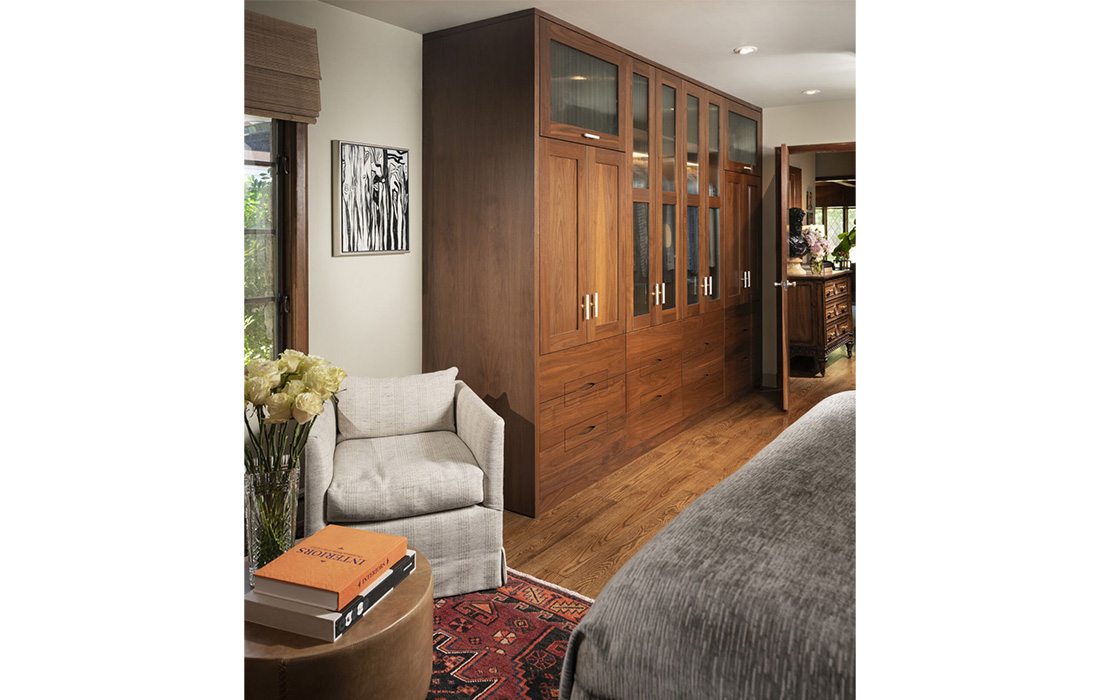
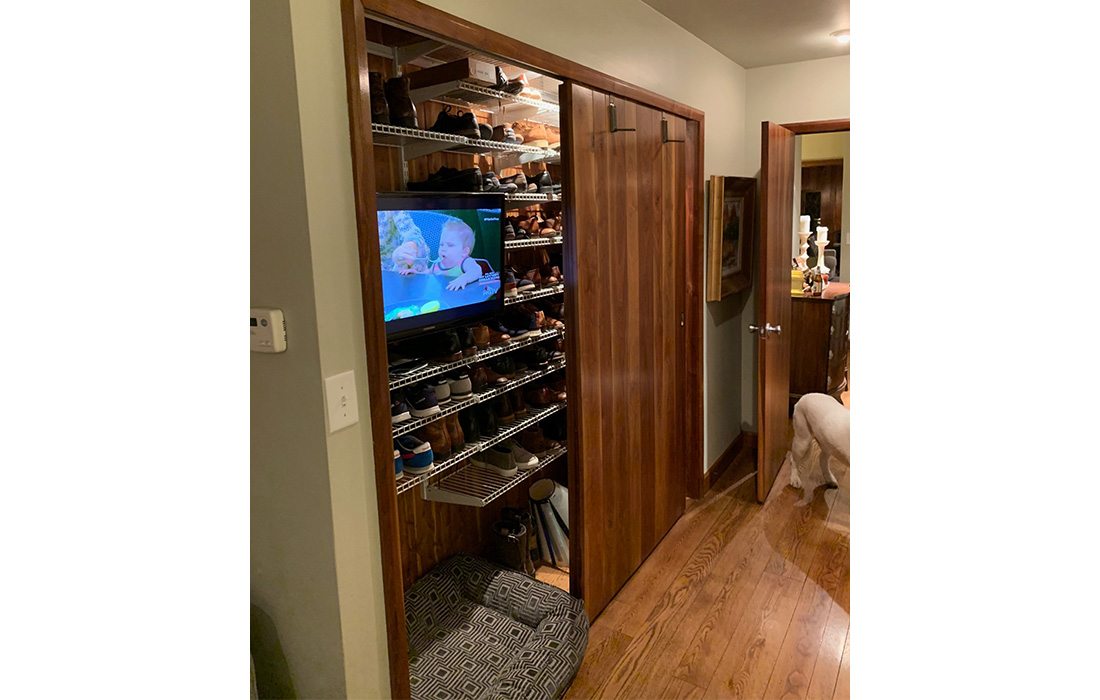
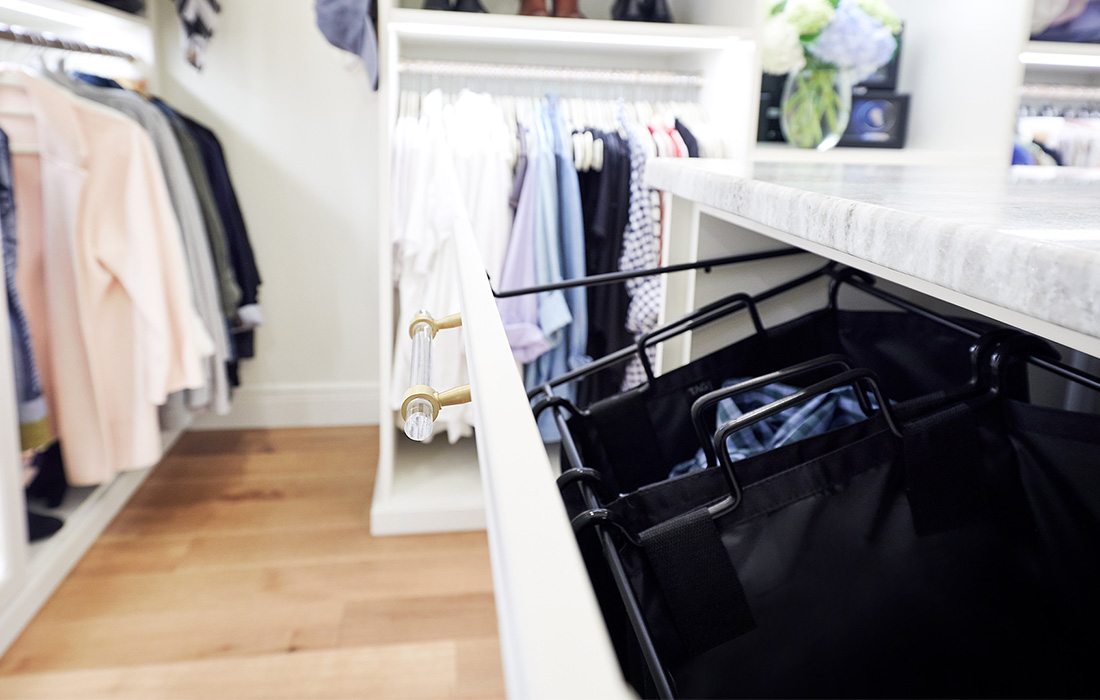
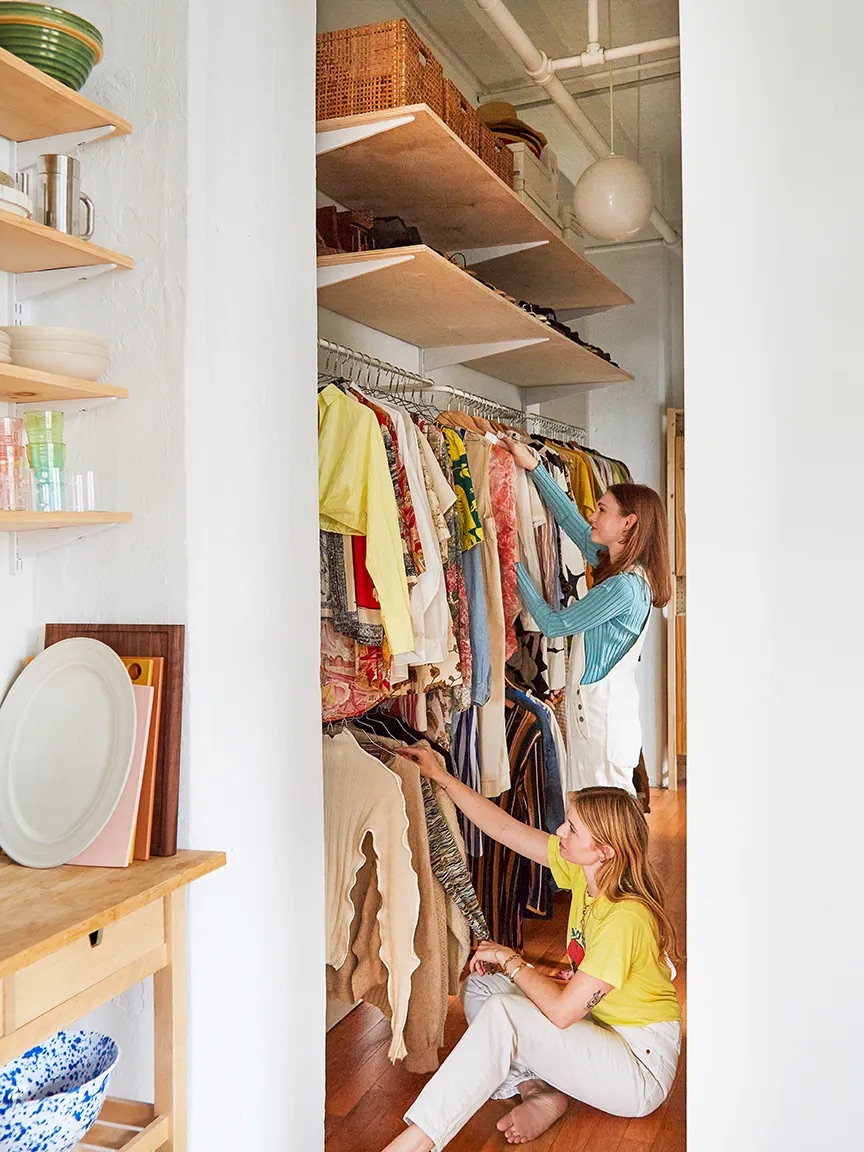
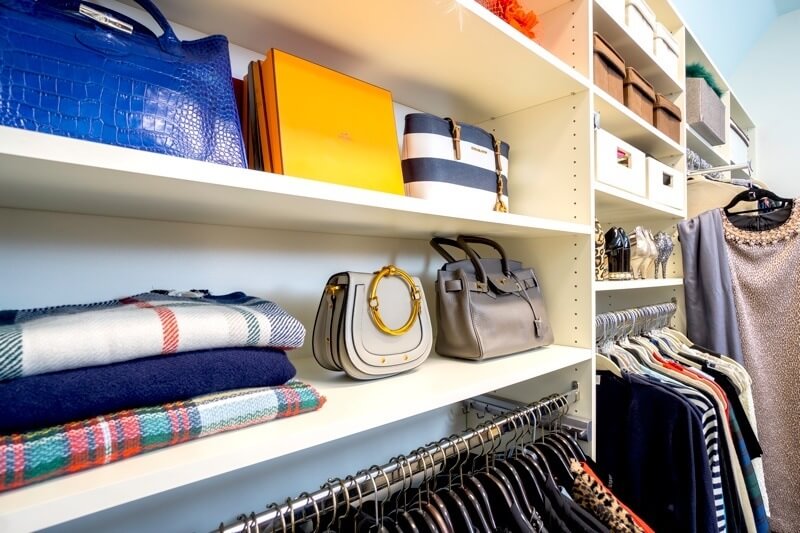
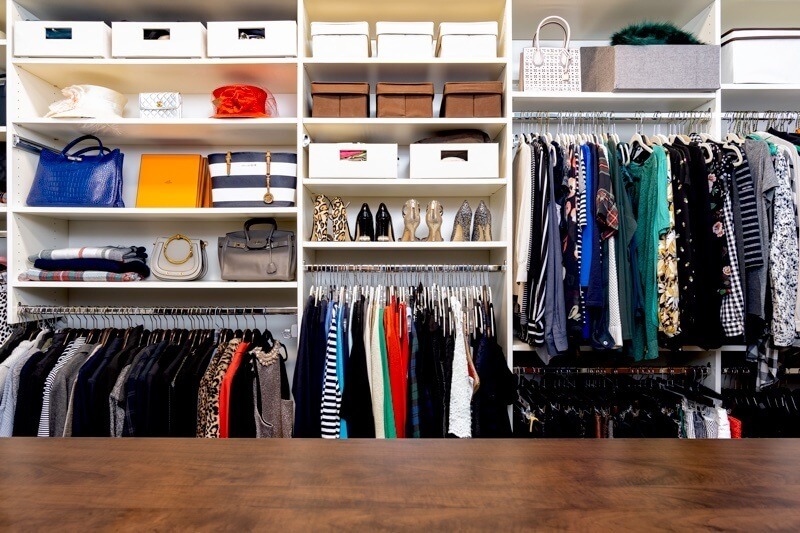
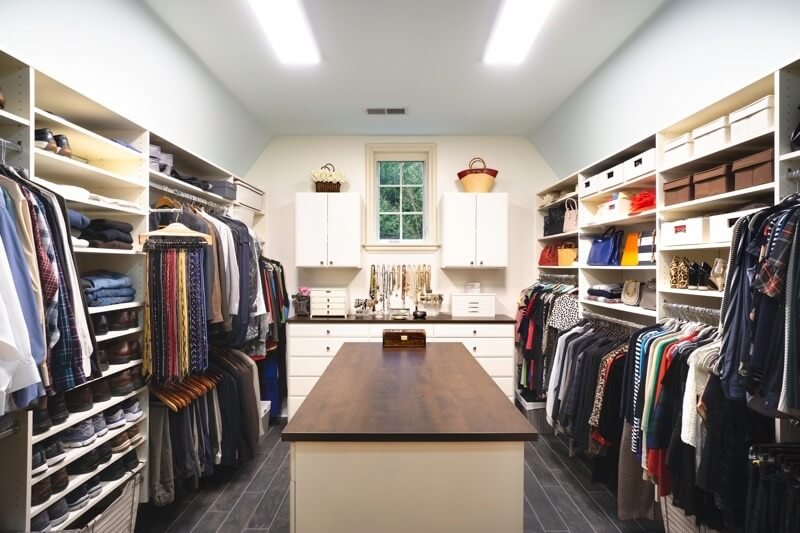
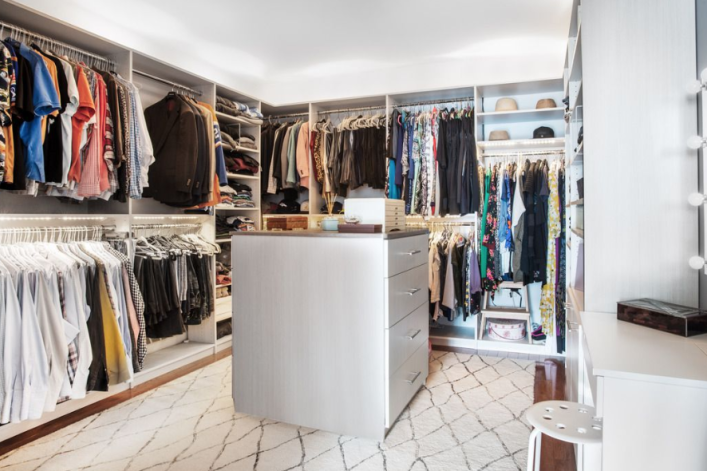
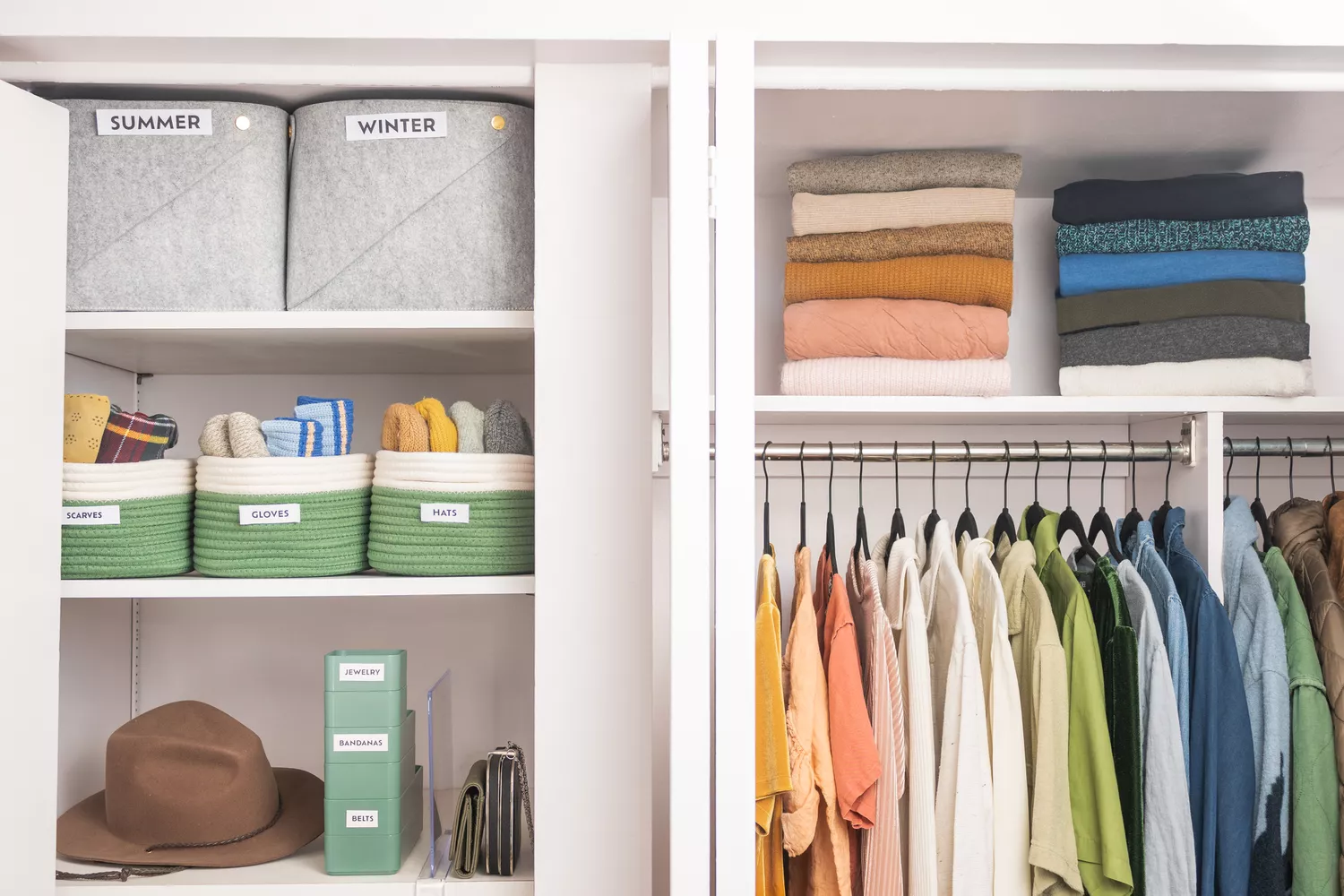
Experts provide specific advice for staging different types of closets. For bedroom closets, the recommendation is to significantly declutter and reorganize. Dulude suggests packing away out-of-season clothing and items not regularly used, keeping only a curated selection of outfits. Attractive shoe collections can be displayed if a proper shelving system is in place, but most shoes should be stored away. The master closet, in particular, should be staged to evoke a sense of desire and spaciousness. Sarna-Jones advises editing hanging clothes to ensure ample space, removing items from the floor, and placing them on shelves. Color-coding clothes and ensuring all hangers face the same direction can enhance the visual appeal, making the closet seem organized and airy. Lisa Zaslow, founder of Gotham Organizers, recommends grouping similar clothing types, arranging them by length and color, and perfectly folding sweaters. Displaying a few high-end designer shoes or attractive accessories can add perceived value to the apartment. Zaslow also cautions against storing unrelated items in closets, citing an instance where a slow cooker was found in a clothes closet, which could raise buyer concerns about kitchen storage or the seller's state of mind.
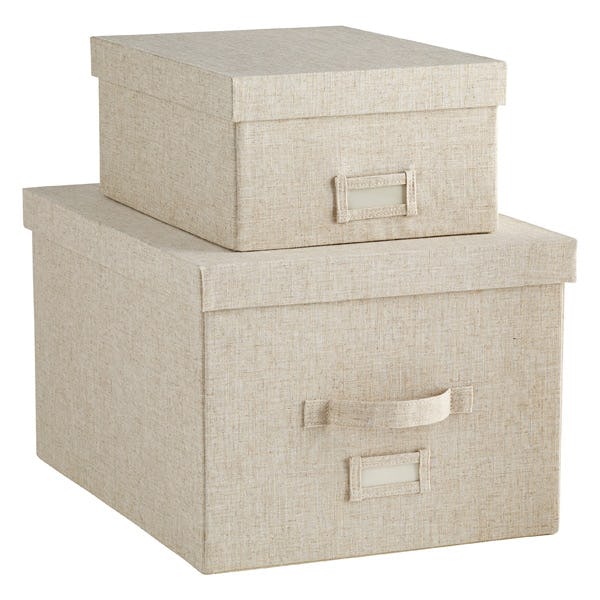
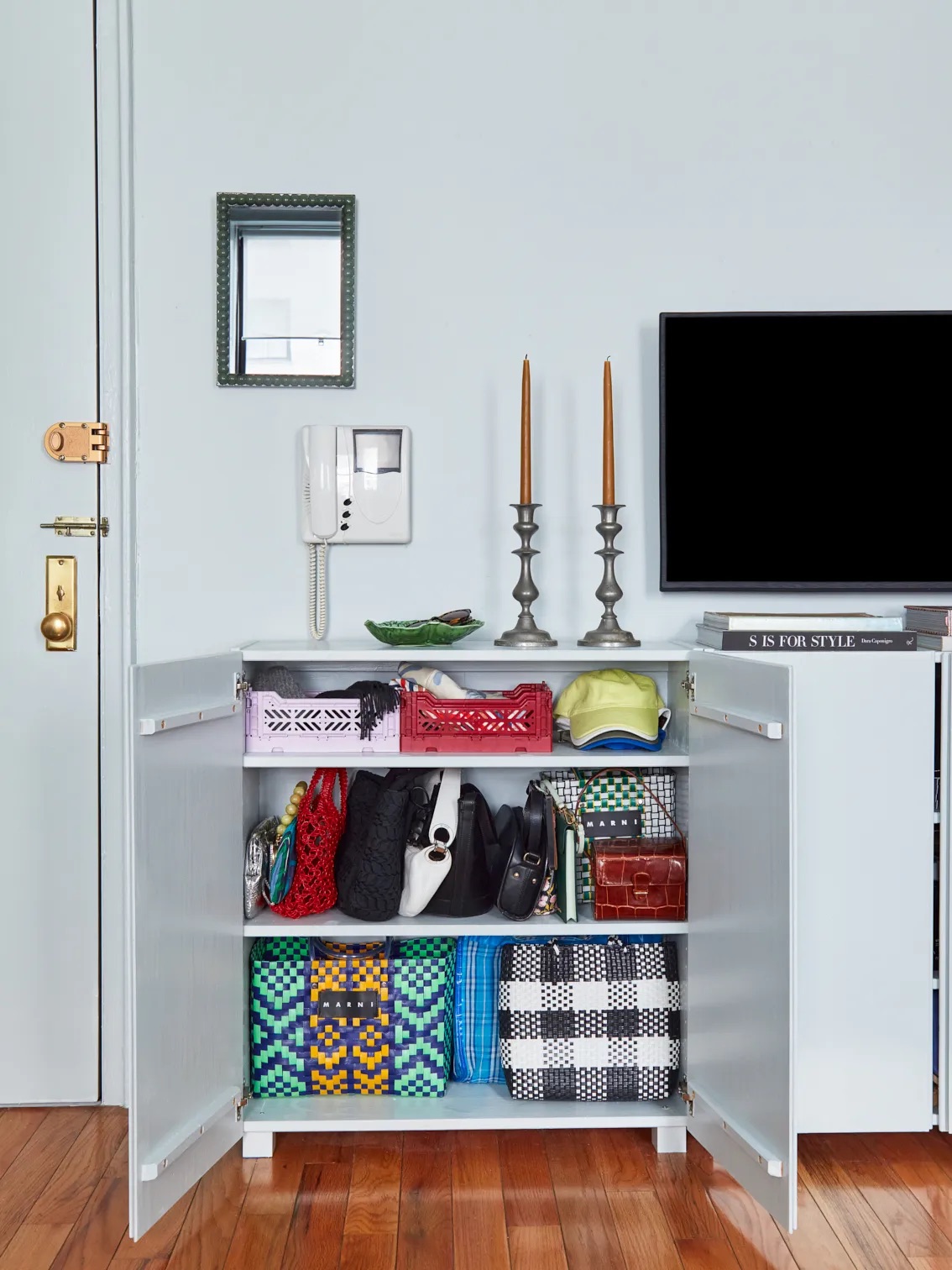
Beyond bedroom closets, other storage areas also require attention. Barbara Reich of Resourceful Consultants suggests treating a closet like a small room, advocating for visible walls to be wallpapered and light fixtures added to increase perceived value. She recalled a particularly impactful laundry closet with custom wallpaper that became a highlight of an apartment. For utility and coat closets, organization is key. Reich advises arranging coats by length and color, utilizing the space beneath shorter coats for shoe or accessory storage, and using monochrome white bins to neatly group cleaning products. Marty Basher, a home organization expert with Modular Closets, recommends removing at least 50 percent of closet contents and thoroughly cleaning the remaining space, including vacuuming corners, as buyers will often inspect these areas. If a closet appears dingy, a fresh coat of white paint can significantly brighten the interior and make it seem larger, especially for pantries.
Linen closets can benefit from a spa-like presentation. Basher suggests packing away unnecessary items, editing out worn-out sheets and towels, and coordinating remaining linens by color. For fitted sheets, he recommends storing them with their matching flat sheets and pillowcases inside one pillowcase for a tidy package. White baskets can store extra toiletries, demonstrating functionality, and a lavender sachet can maintain a fresh scent. For children's closets, Dulude advises donating or packing away toys not actively played with, emphasizing that children adapt well without an excessive number of possessions. Sarna-Jones recounted a case where a child's closet was used for overflow adult clothing, which was rectified by decluttering the master bedroom and returning the child's closet to its intended purpose, creating a sense of spaciousness in both areas. Ultimately, staging closets effectively contributes to a buyer's perception of overall space, organization, and the care taken in maintaining the home.
#ClosetStaging #HomeSelling #NYCRealEstate #StorageSolutions #HomeOrganization #ApartmentStaging #Decluttering #InteriorDesign #RealEstateTips #ClosetStaging #HomeSelling #NYCRealEstate #StorageSolutions #HomeOrganization #ApartmentStaging #Decluttering #InteriorDesign #RealEstateTips
0 comment in total
 No comments yet
You may also like
How to Make the Most of Your Closet Space
Ready to Swoon? More Than Closets Just Made the Closet of Your Dreams

6 Signs It’s Time to Reorganize Your Closet, According to Pro Organizers

Real Estate Pros’ Staging Checklist for Sellers
I Bested My Fashion Burnout With These Expert Closet Cleanout Tips

9 renter-friendly closet organization tips you need to try

Are open floor plans still in demand for NYC buyers?

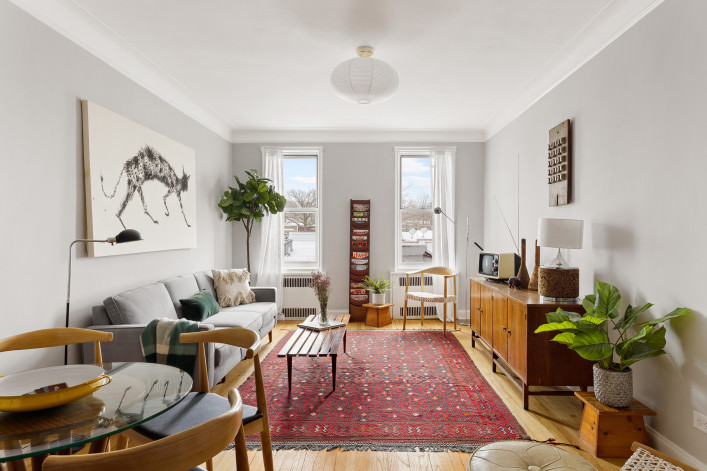
How much does it cost to stage your NYC apartment or brownstone?
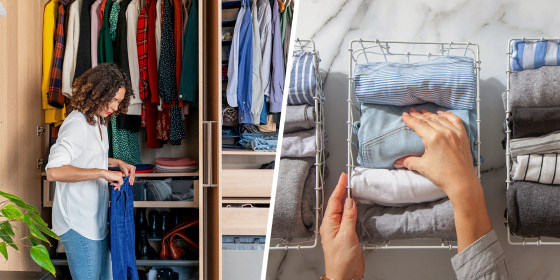
The best ways to organize your closet, according to a pro


What's the best shade of white to paint your NYC apartment if you're trying to sell?
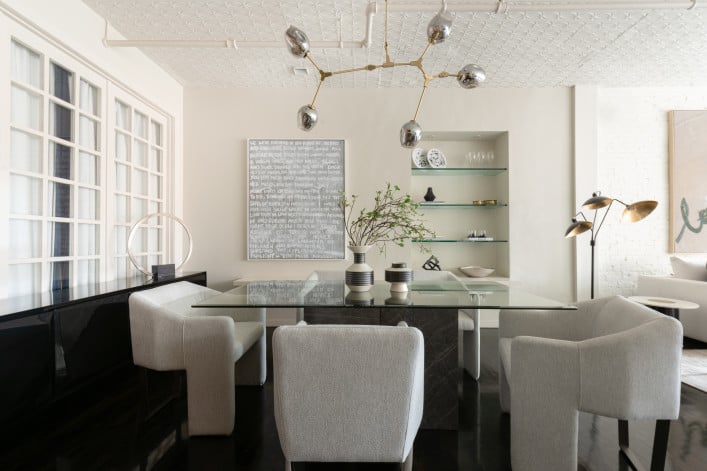
How to pick the right lighting for your NYC apartment if you're selling or renovating
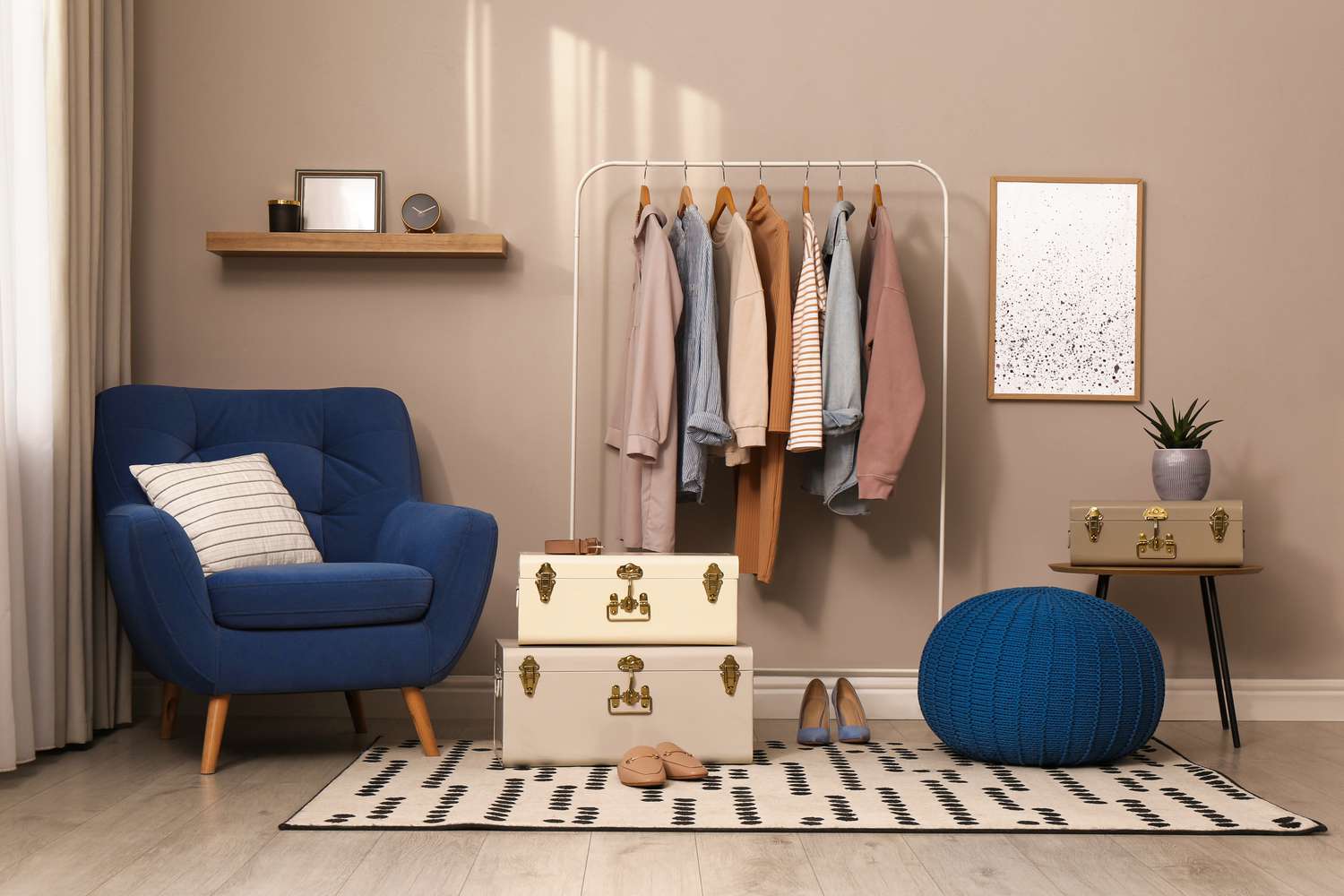
How to Store Your Clothes If You Don't Have a Closet
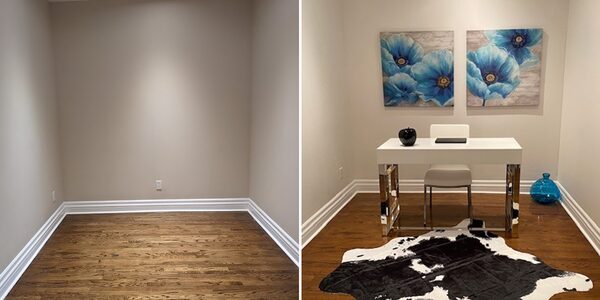
Should you stage your home when selling?

When Selling Your Home, Staging Matters

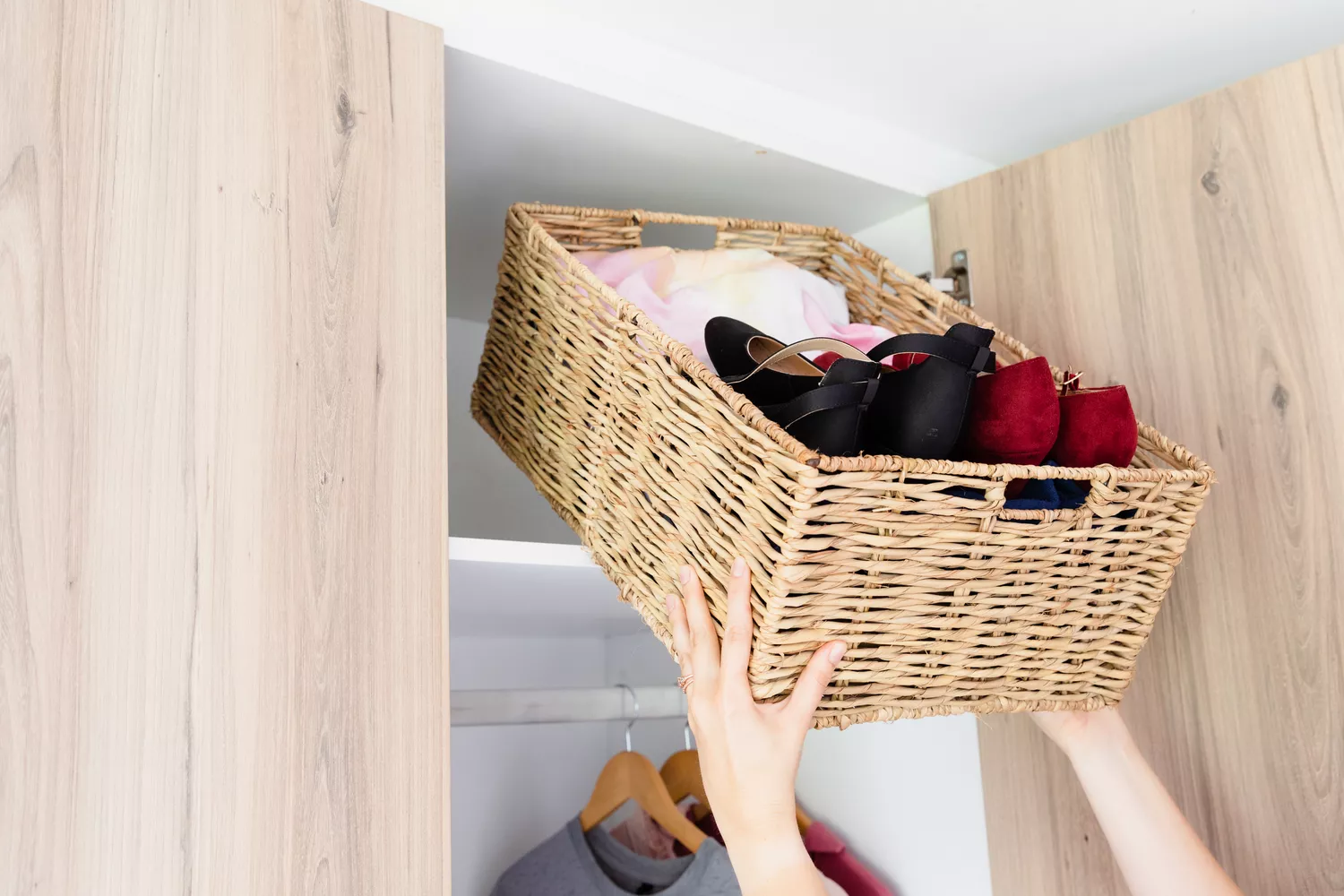
Organizers Say These 8 Things Don’t Belong in Your Closet — Here’s Why
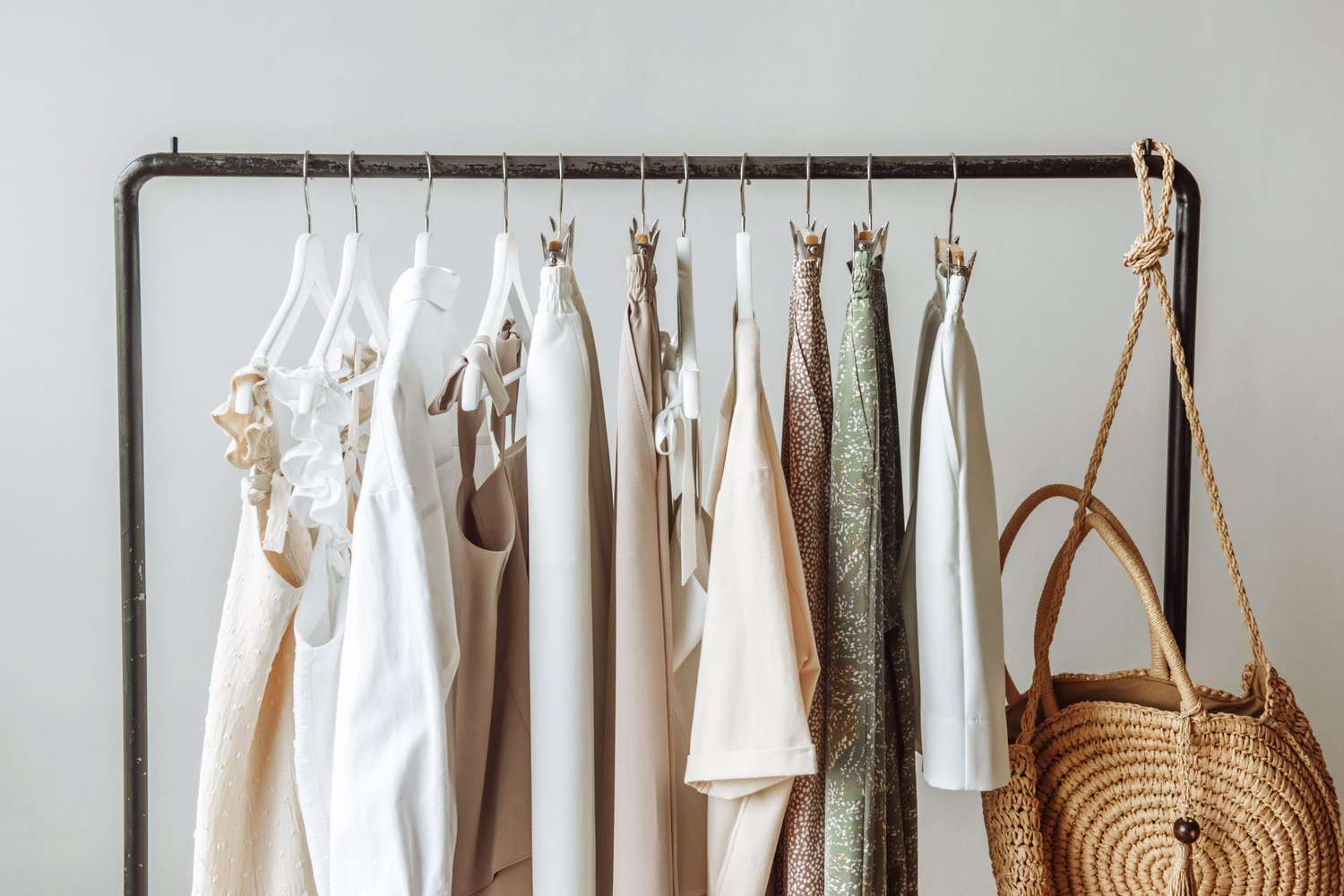
12 Items You Should Toss From Your Closet Right Now, According to Pro Organizers
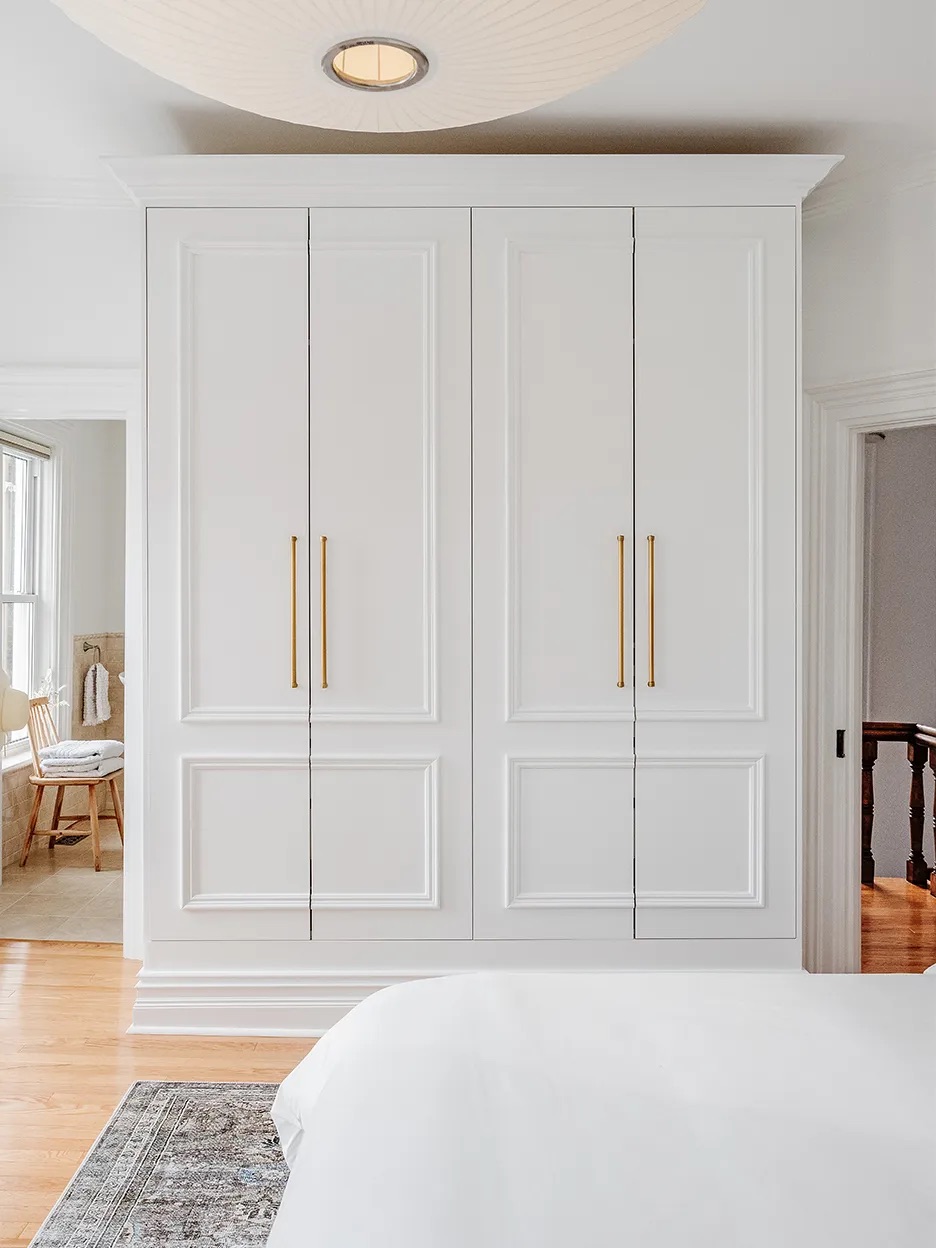
Where to Store Your Stuff When You Have Limited (or Zero) Closets

The (Very) Dated Closet Features Buyers Always Notice

No bedroom closet? No problem. Try these solutions for storing your clothes