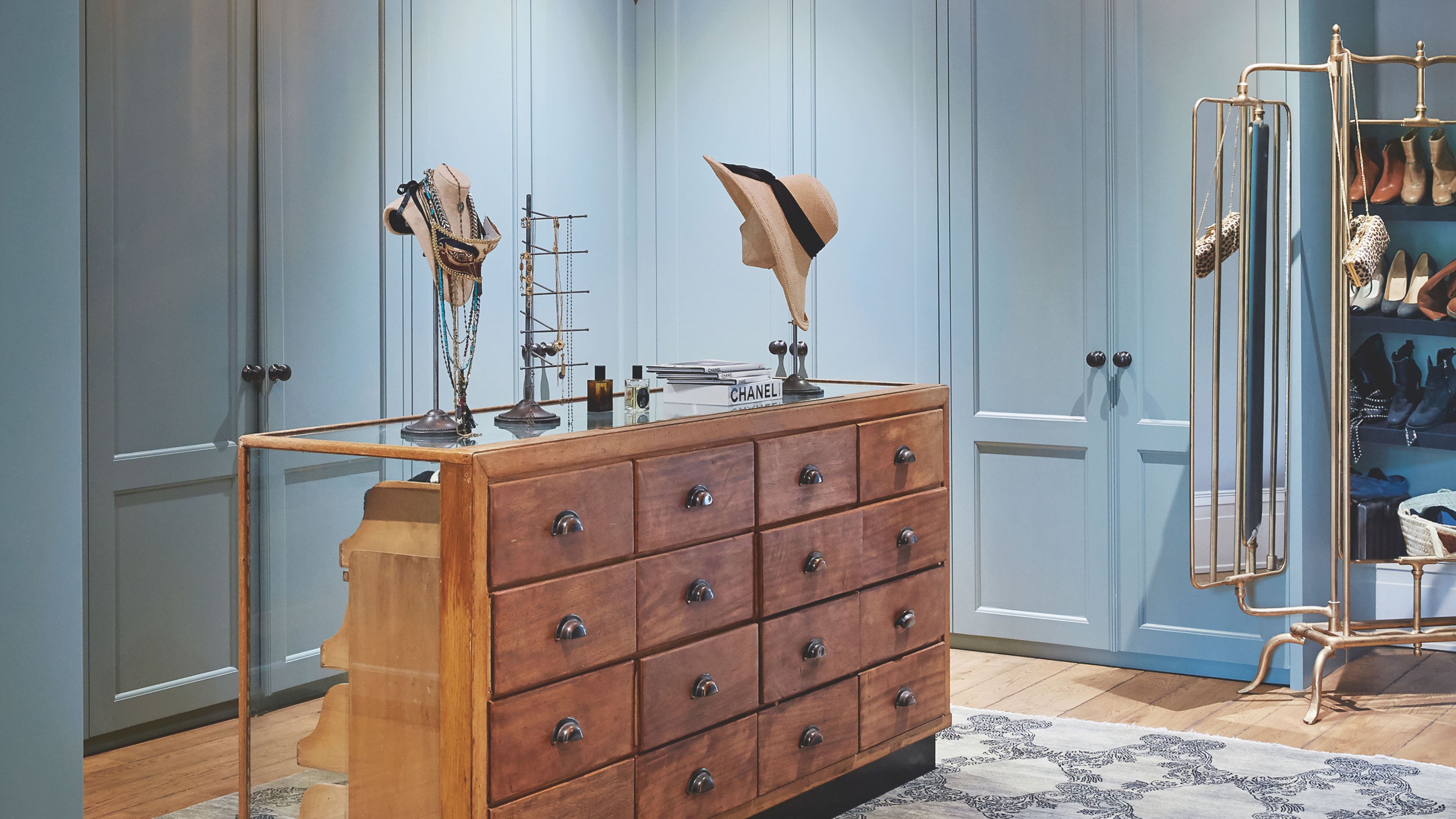
1/9
It's What's on the Outside That Counts — Here's How to Choose Your Closet Materials Wisely
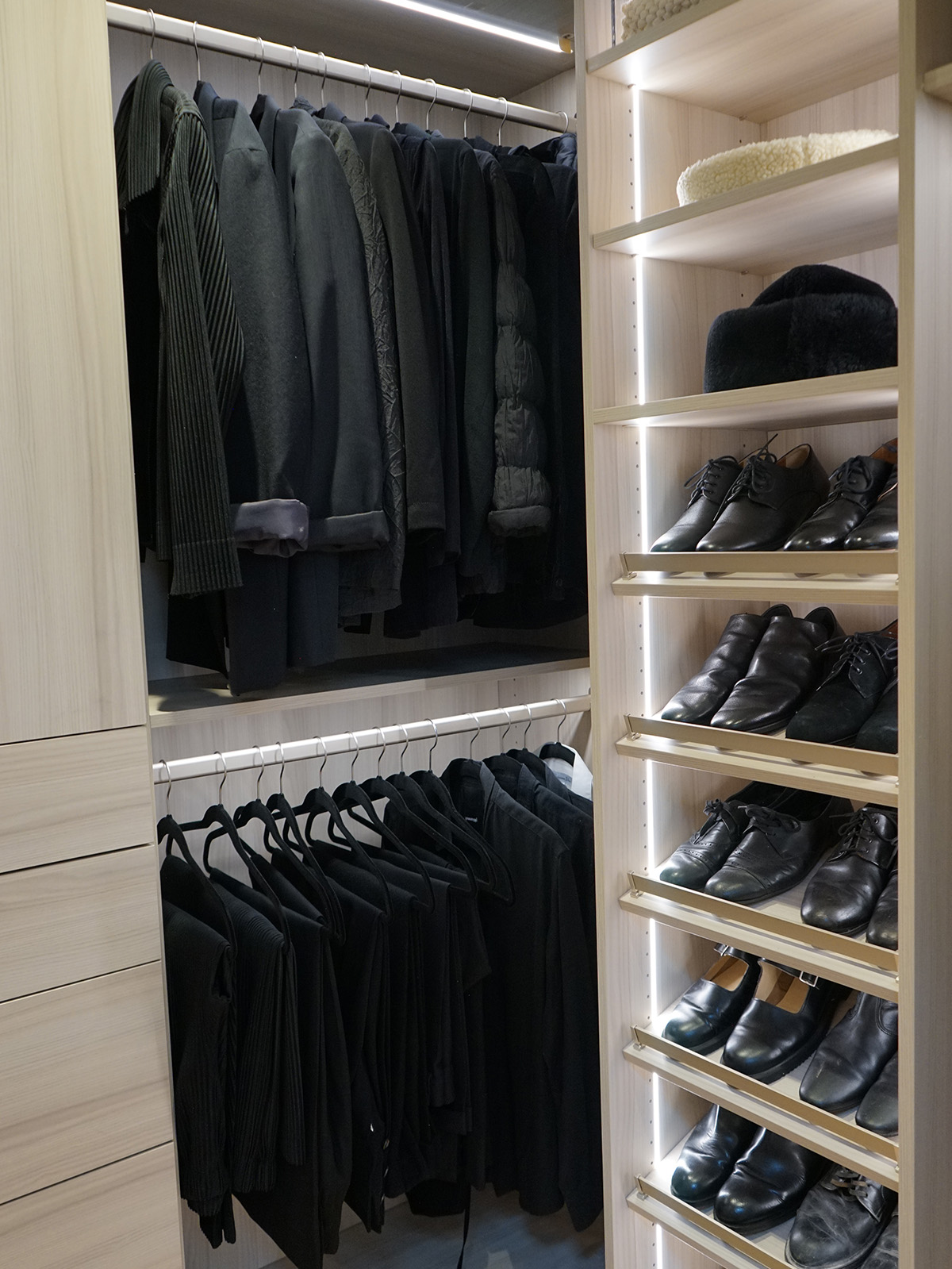
The selection of closet materials is a crucial decision that impacts not only the aesthetic appeal but also the longevity, maintenance requirements, and overall cost of a closet design. A wide array of materials is available, catering to various budgets and design preferences, from luxurious, high-end finishes to practical, cost-effective options. Understanding the pros and cons of these materials is essential for making an informed choice, ensuring that the finished built-in closet meets expectations.
Core structural materials for closets typically include MDF (medium-density fiberboard), particleboard, plywood, and solid wood. While MDF, particleboard, and plywood often serve as a base for various finishes, solid wood is frequently left in its natural state due to its inherent beauty. The choice of finish material significantly influences the closet's appearance and durability.
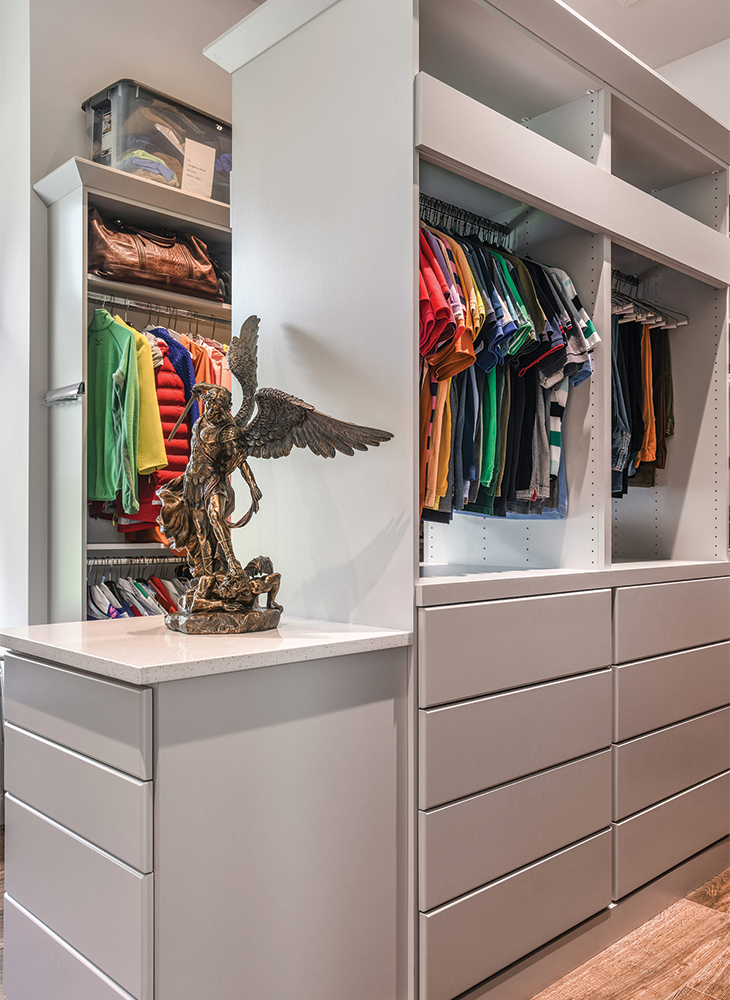
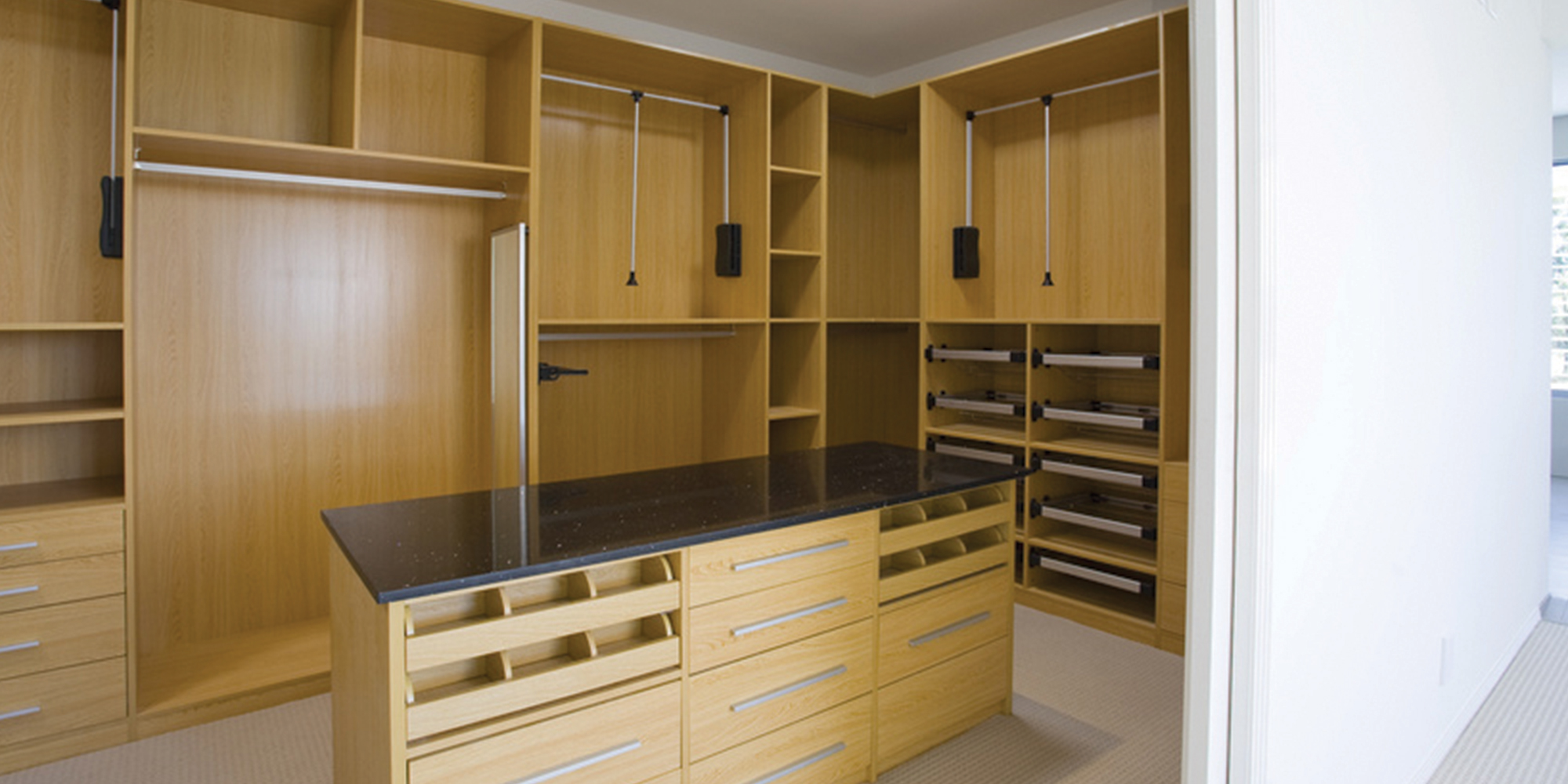
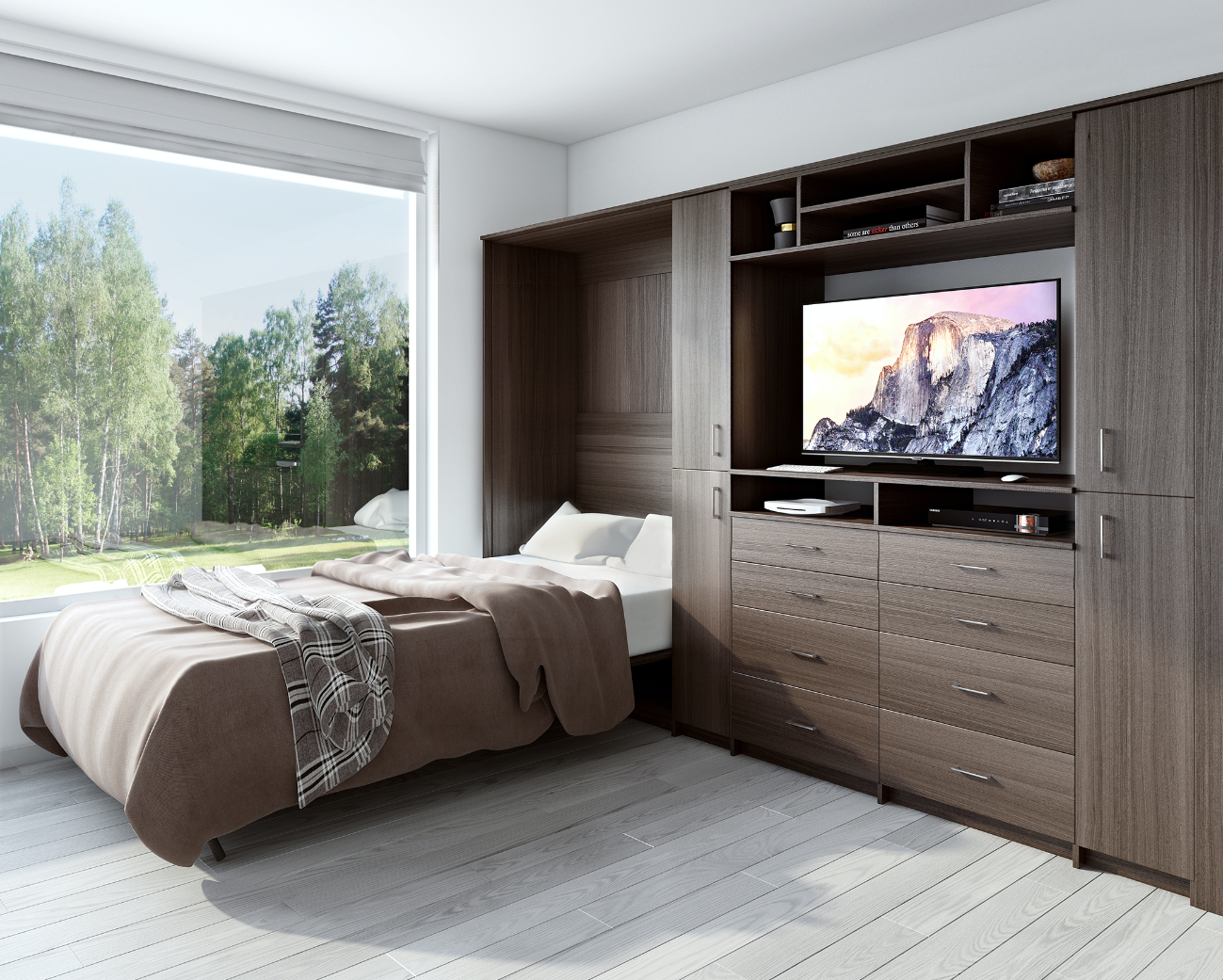
Melamine is a popular and budget-friendly choice for closet finishes. It consists of a plastic resin layer applied over a base material like MDF or particleboard, providing a smooth, easy-to-maintain surface. Melamine offers a diverse range of colors, finishes, and even wood grain patterns, making it versatile. However, despite its durability and affordability, melamine is not considered a high-end material and can be susceptible to chipping or scratching if mishandled. It is often recommended for utility closets or guest rooms where functionality takes precedence over luxury.
Veneer provides a middle-ground option, combining the aesthetic appeal of real wood with a more accessible price point than solid wood. It involves layering a thin sheet of real wood over a less expensive base material, offering a luxurious appearance and increased design flexibility due to the variety of available wood species. Despite its advantages, veneer can be prone to water damage and requires more careful maintenance to preserve its appearance. Improper application can also lead to peeling over time.
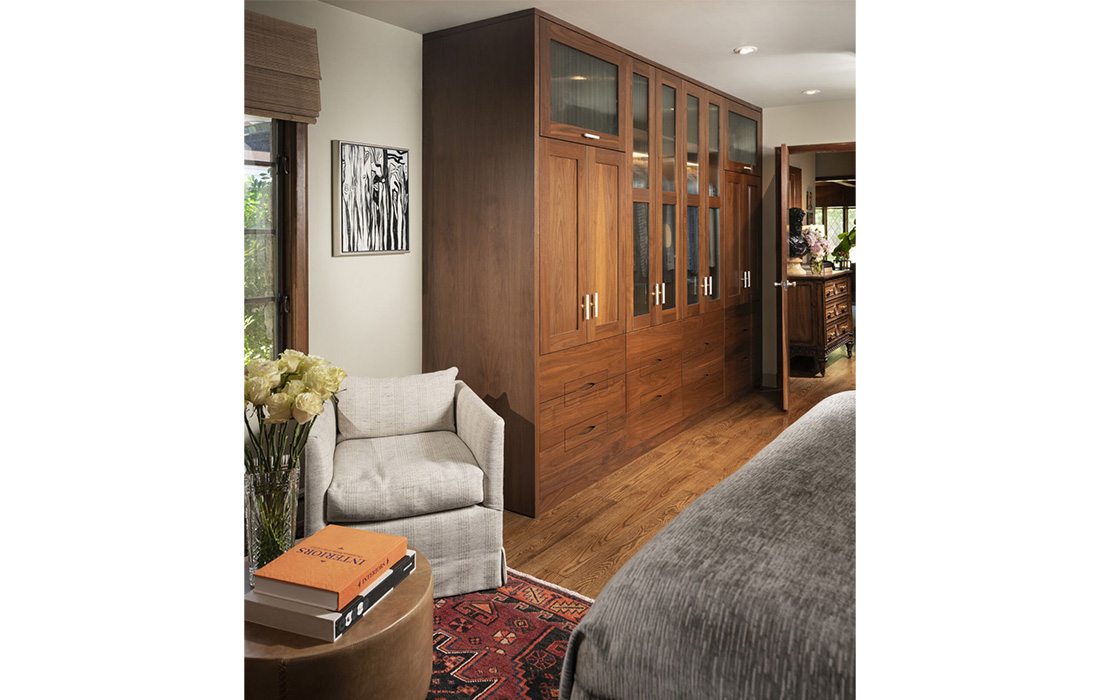
Solid wood represents the gold standard for luxury and durability in closet design. It imparts warmth, character, and a timeless appeal, potentially increasing the home's value. Solid wood is exceptionally durable and can be stained or painted to achieve a desired color scheme. It also has the advantage of being refinishable, allowing for restoration if wear and tear occur. However, solid wood is the most expensive option and requires regular maintenance. Its weight and susceptibility to warping or expanding in high humidity areas are also considerations.
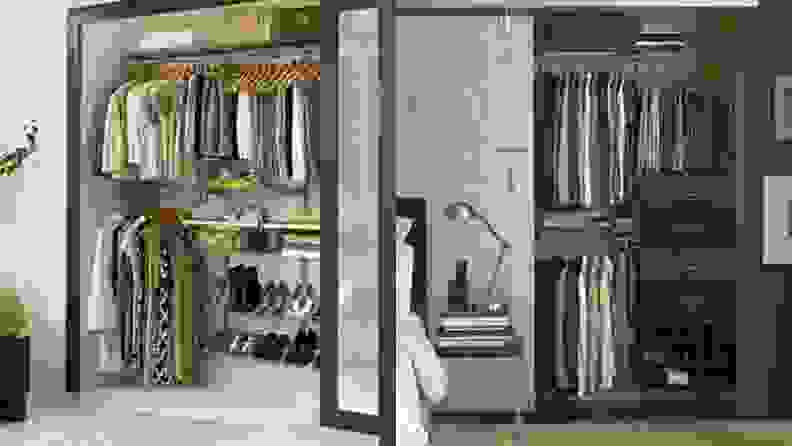
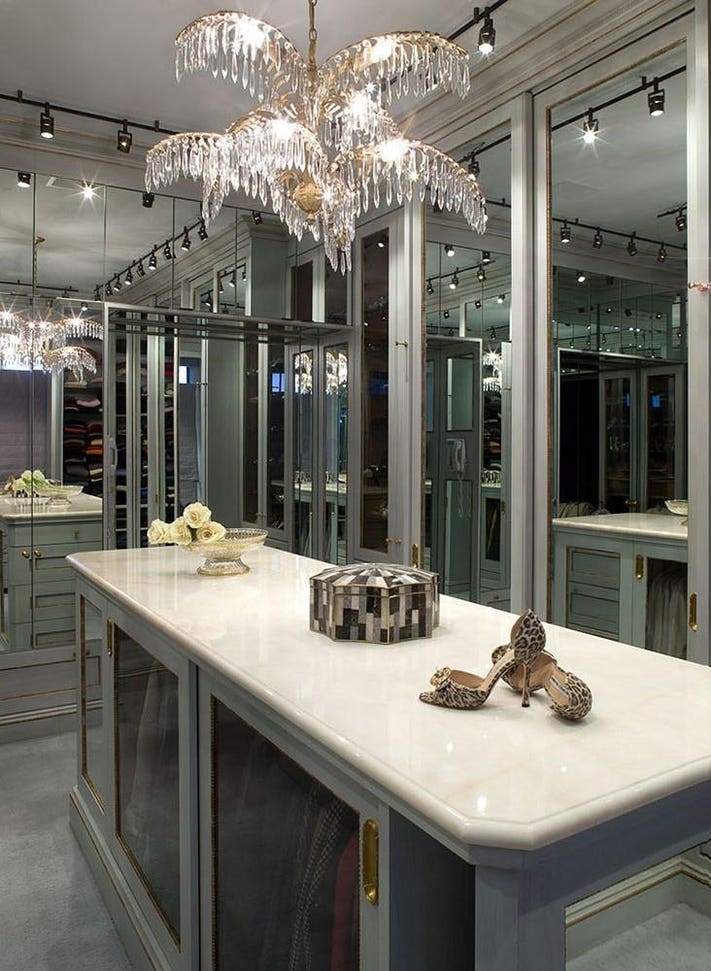
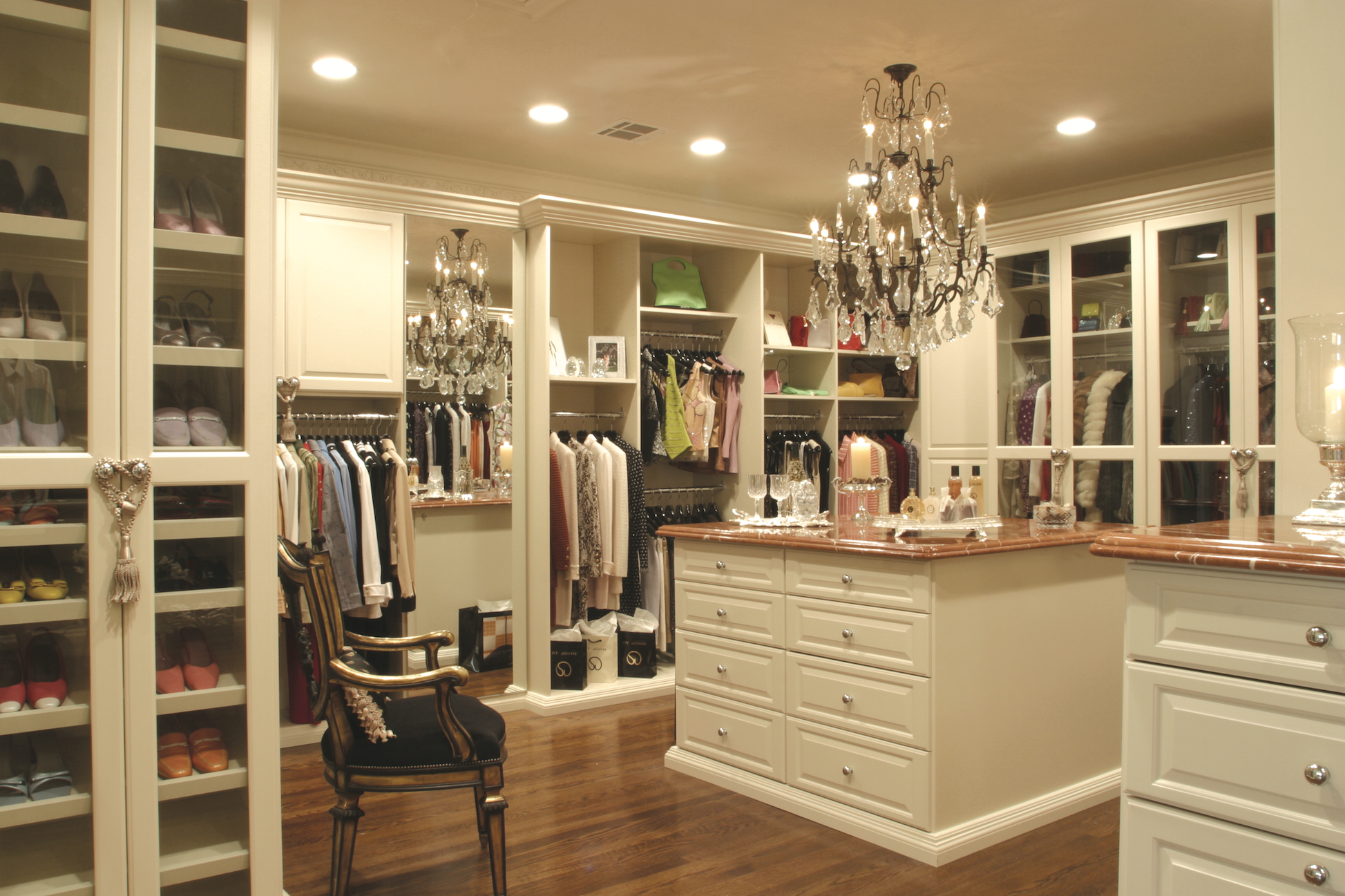
Glass offers a beautiful and boutique-like aesthetic for closet shelving and doors. Glass-fronted units can enhance the visual appeal of a space and provide opportunities for creative closet lighting, making it easier to locate items. The main drawbacks of glass are its requirement for meticulous organization to maintain a tidy appearance, as any clutter will be visible, and its tendency to show smudges and fingerprints, particularly when backlit. Therefore, a commitment to tidiness and regular cleaning is necessary.
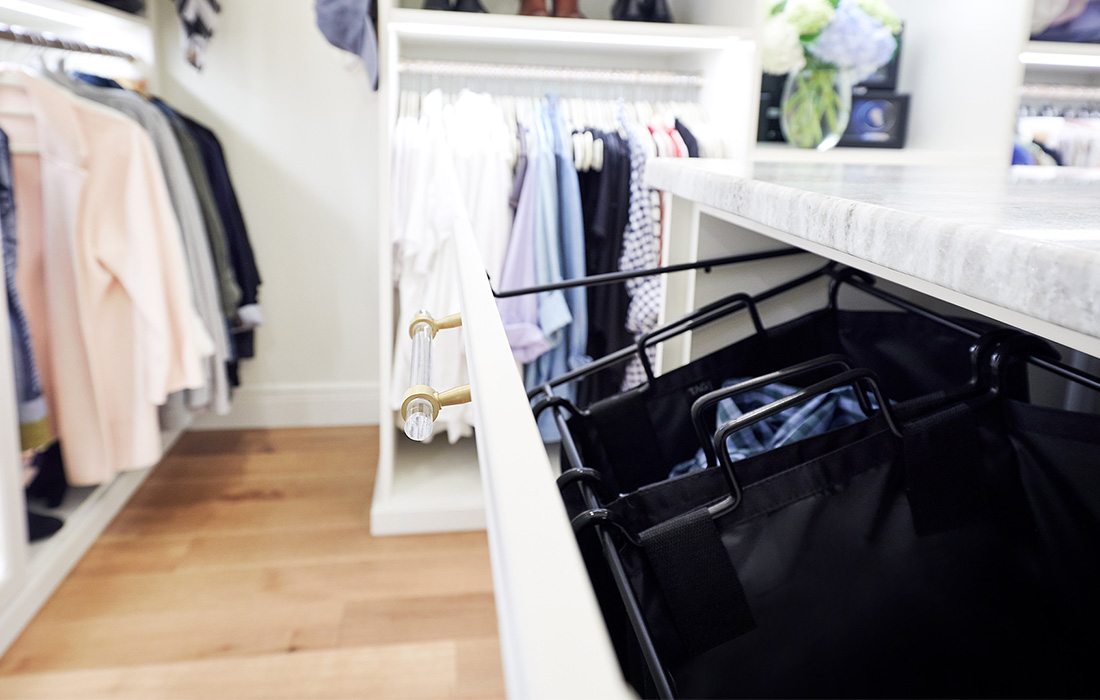
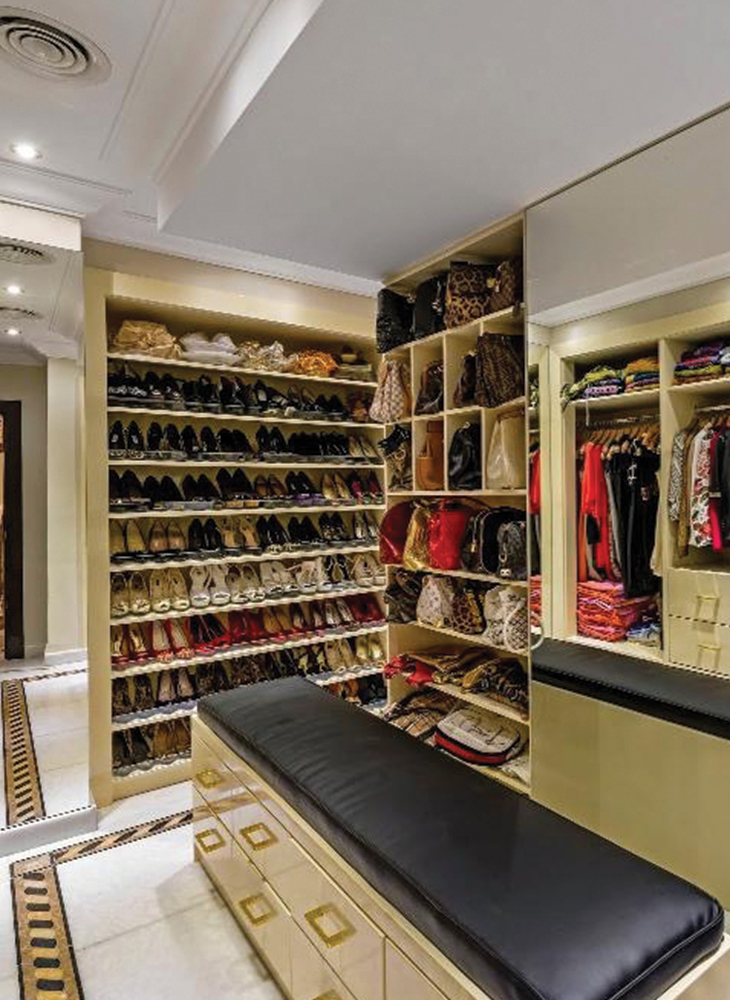
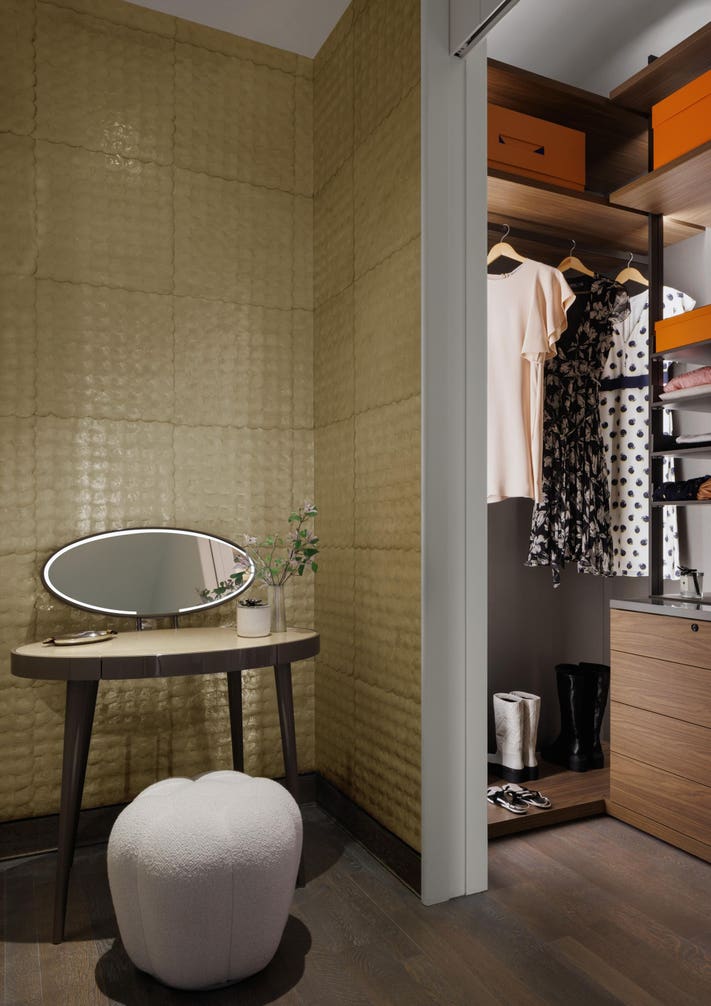
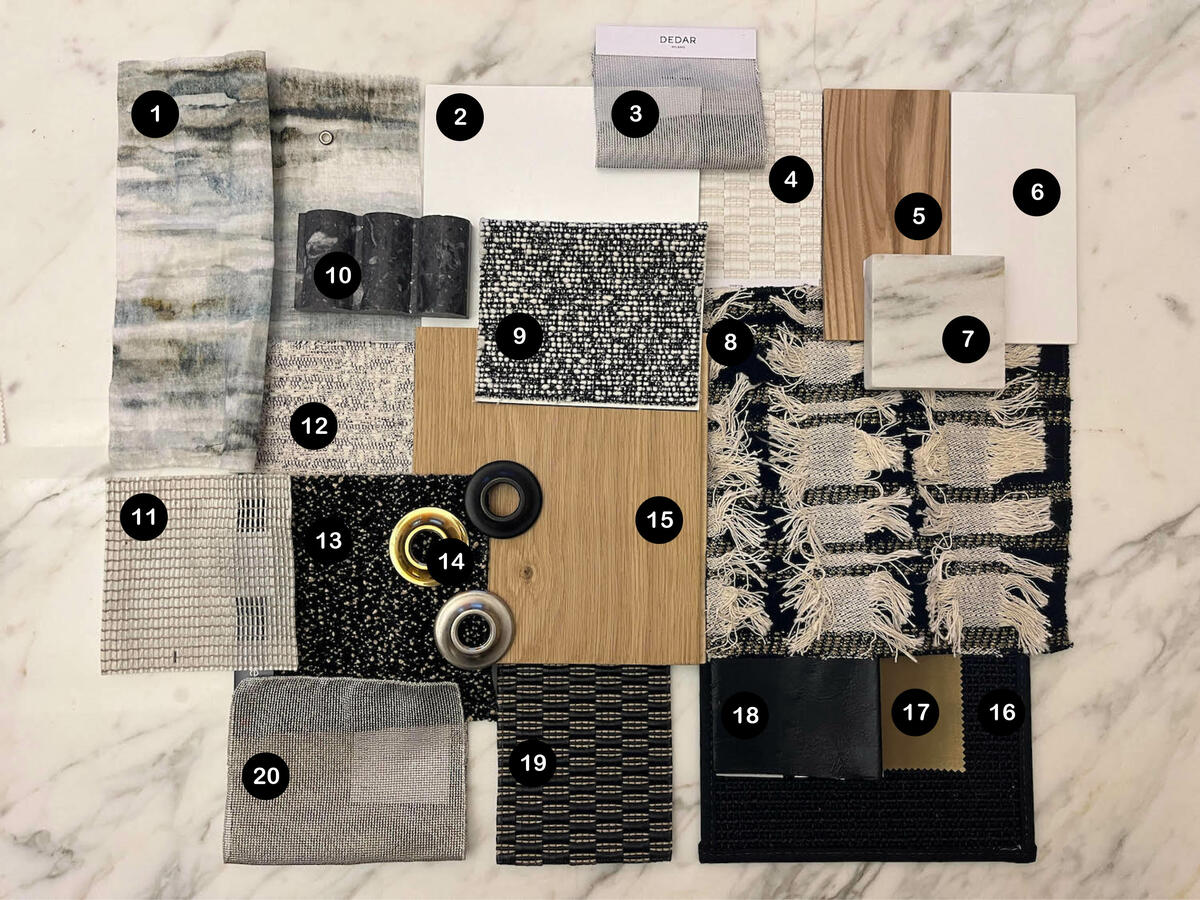
Mixing different materials is an effective strategy to create a sophisticated and individualized closet design while managing costs. Combining high-end materials with more affordable ones, such as using melamine for interior shelving and veneer or solid wood for more visible doors and drawers, can achieve an elevated look without excessive expenditure. For MDF closets, enhancements like quality hardware, trim, or paint can significantly upgrade their appearance, giving them a more expensive look without a substantial increase in cost.
#ClosetMaterials #HomeDesign #InteriorDesign #Melamine #Veneer #SolidWood #Glass #ClosetOrganization #BudgetFriendlyDesign #ClosetMaterials #HomeDesign #InteriorDesign #Melamine #Veneer #SolidWood #Glass #ClosetOrganization #BudgetFriendlyDesign
0 comment in total
 No comments yet
You may also like
Our Top-Tested Hangers Are the Simple Change Your Closet Needs

Home Inspiration - More Than Just a Closet

5 expert tips from local designers to maximize your closet space
12 Items You Should Toss From Your Closet Right Now, According to Pro Organizers
10 Must-Haves For an Organized Closet

The Best Interior Design Decisions Start In Your Closet, Says TC Chou

This Wardrobe Quiz will Give You a Tip to help You Organize Your Closet

I Spent a Year Designing My Closet—Here Are My Top 8 Organizing Tips

How to Make the Most of Your Closet Space

How to Finally Clean Out Your Closet (Published 2024)

Business Spotlight: Closets By Design

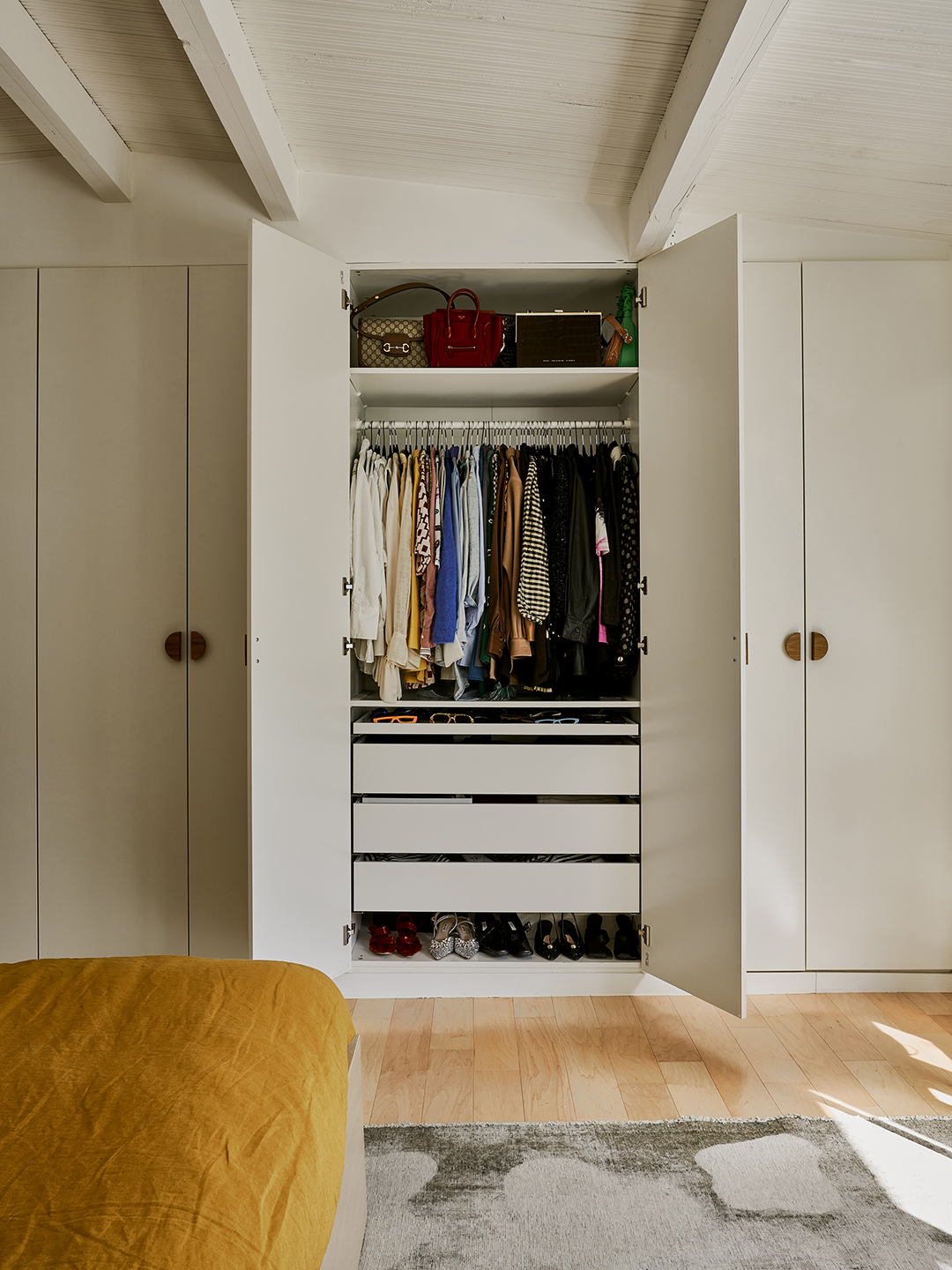
12 Products That Actually Work to Organize Every Closet in Your House

Closets By Design

The best ways to organize your closet, according to a pro

14 genius things you need to organize your closet

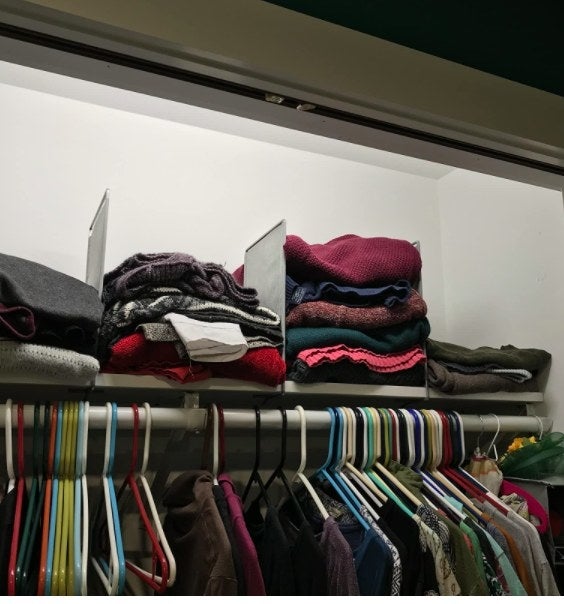
37 Closet Products That Keep All Your Clothes & Accessories Easily Visible
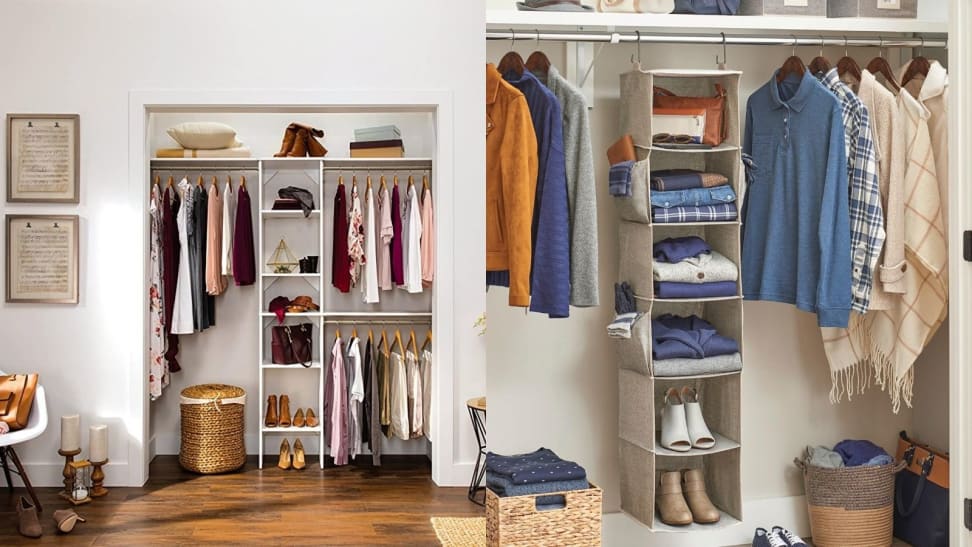
12 must-have products to keep your closet organized
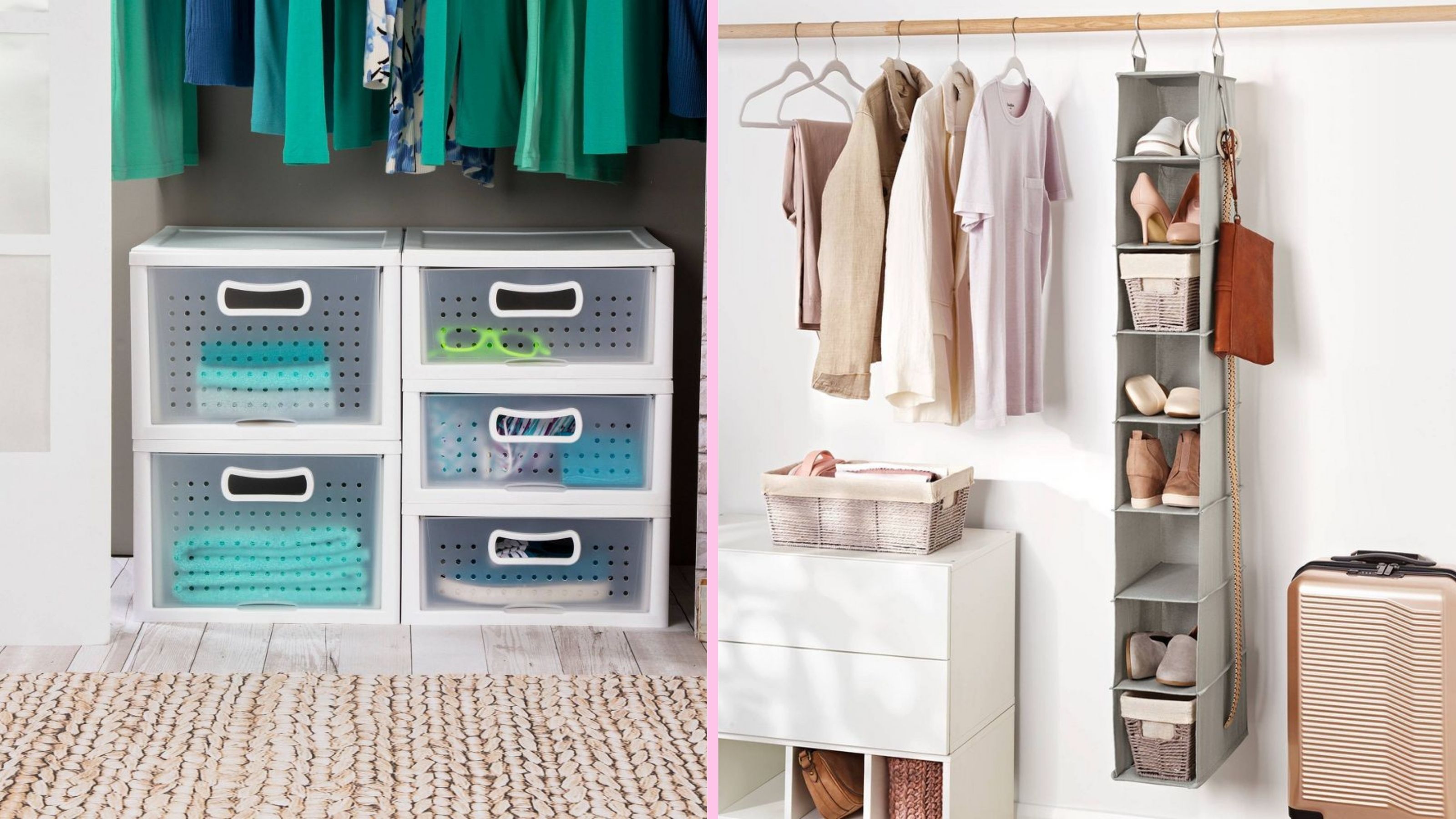
9 Target closet organizers shoppers always snap up to fix overflowing wardrobes

The Best Closet Storage, According to Professional Organizers

Jessica Shaw creates ‘beautiful tension’ with her mix of fringed fabric, metallic meshes and plaster wallcoverings