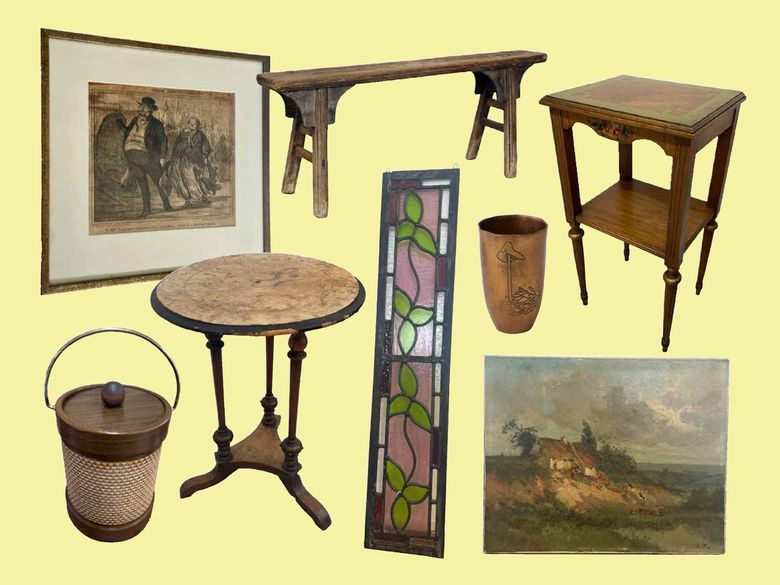
WA interior designers demystify home styles popular in the PNW
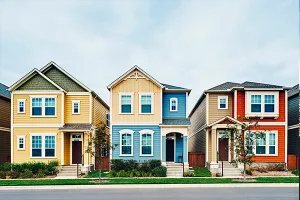
The article explores the diverse world of home design styles, comparing the overwhelming number of choices and emerging trends to the seasonal proliferation of pumpkin-flavored products. It acknowledges the potential for bewilderment when trying to emulate a specific design or define a personal style. To help navigate this complexity, four experienced interior designers from Washington state offer guidance on three popular aesthetics: Traditional, Northwest Contemporary, and Midcentury Modern. They share insights from their own projects, along with practical tips and product recommendations.
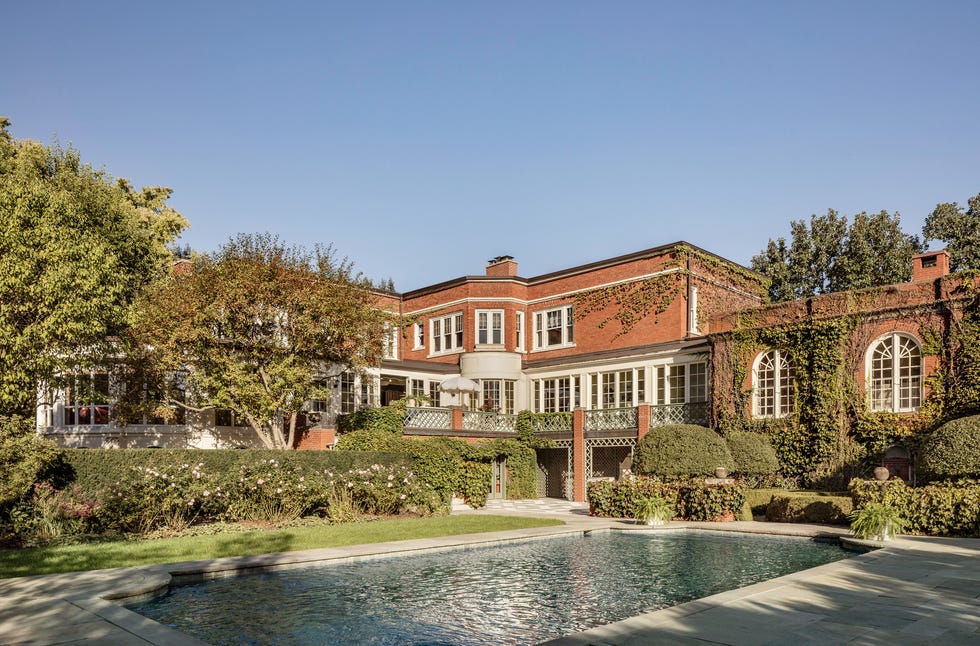
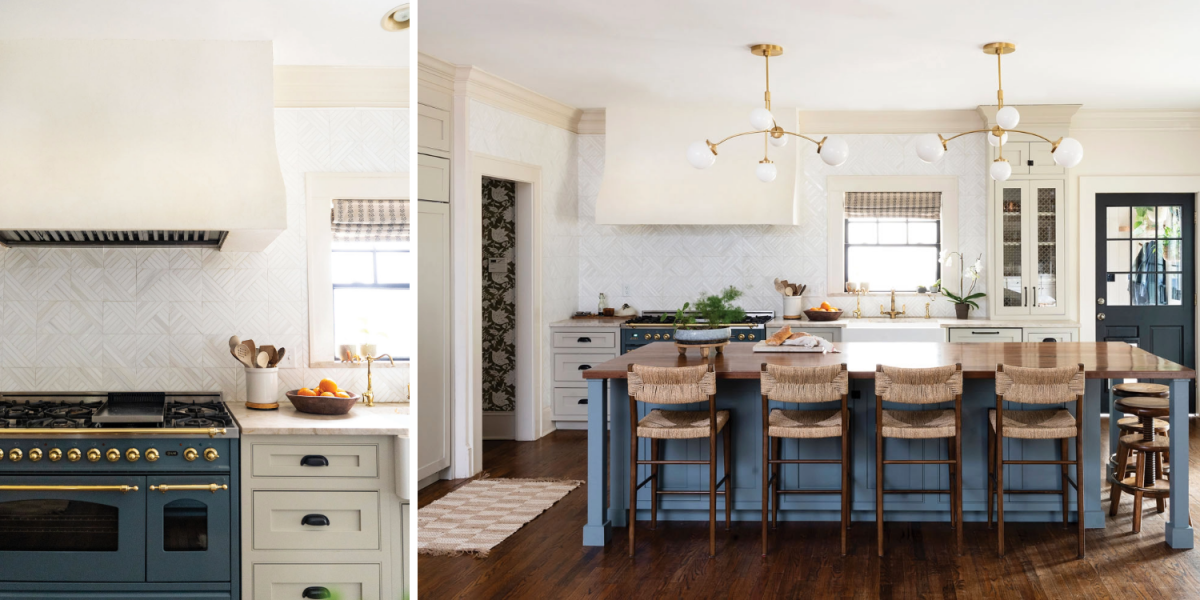
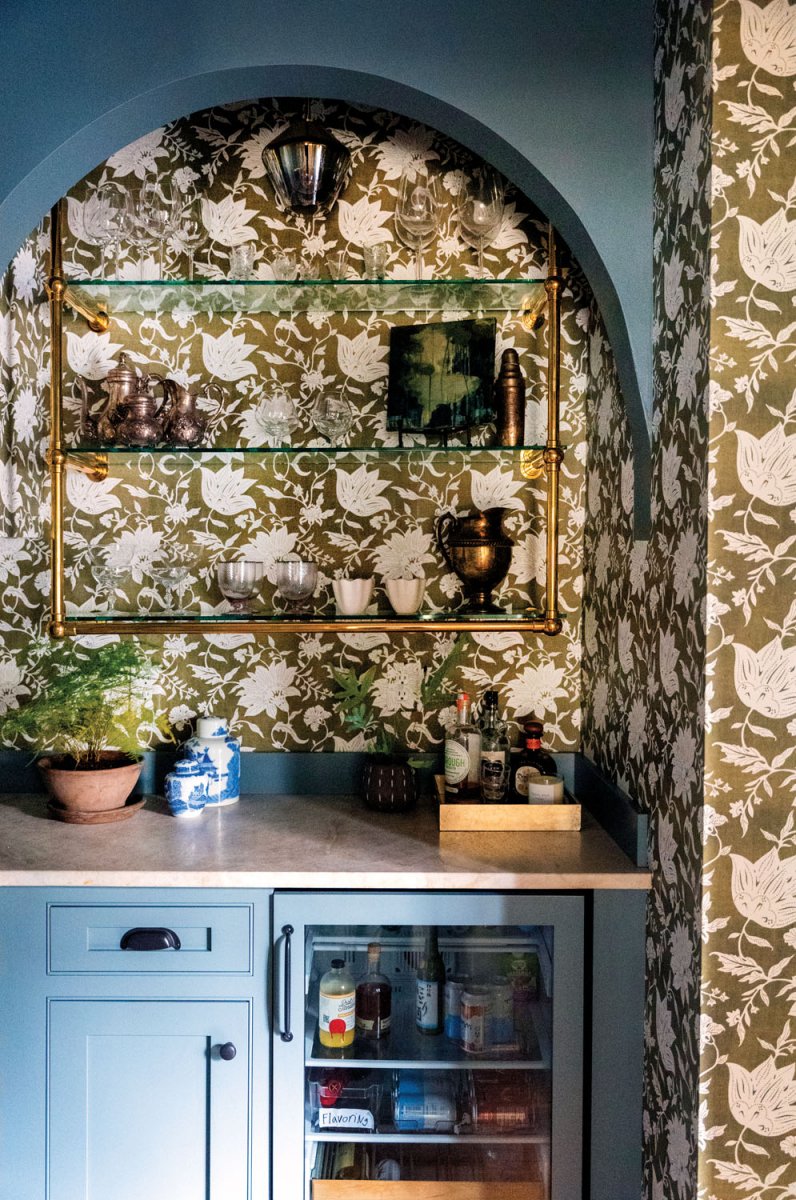
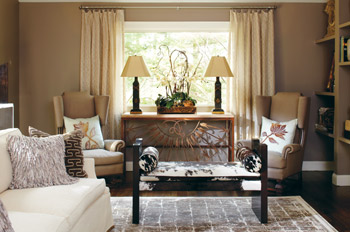
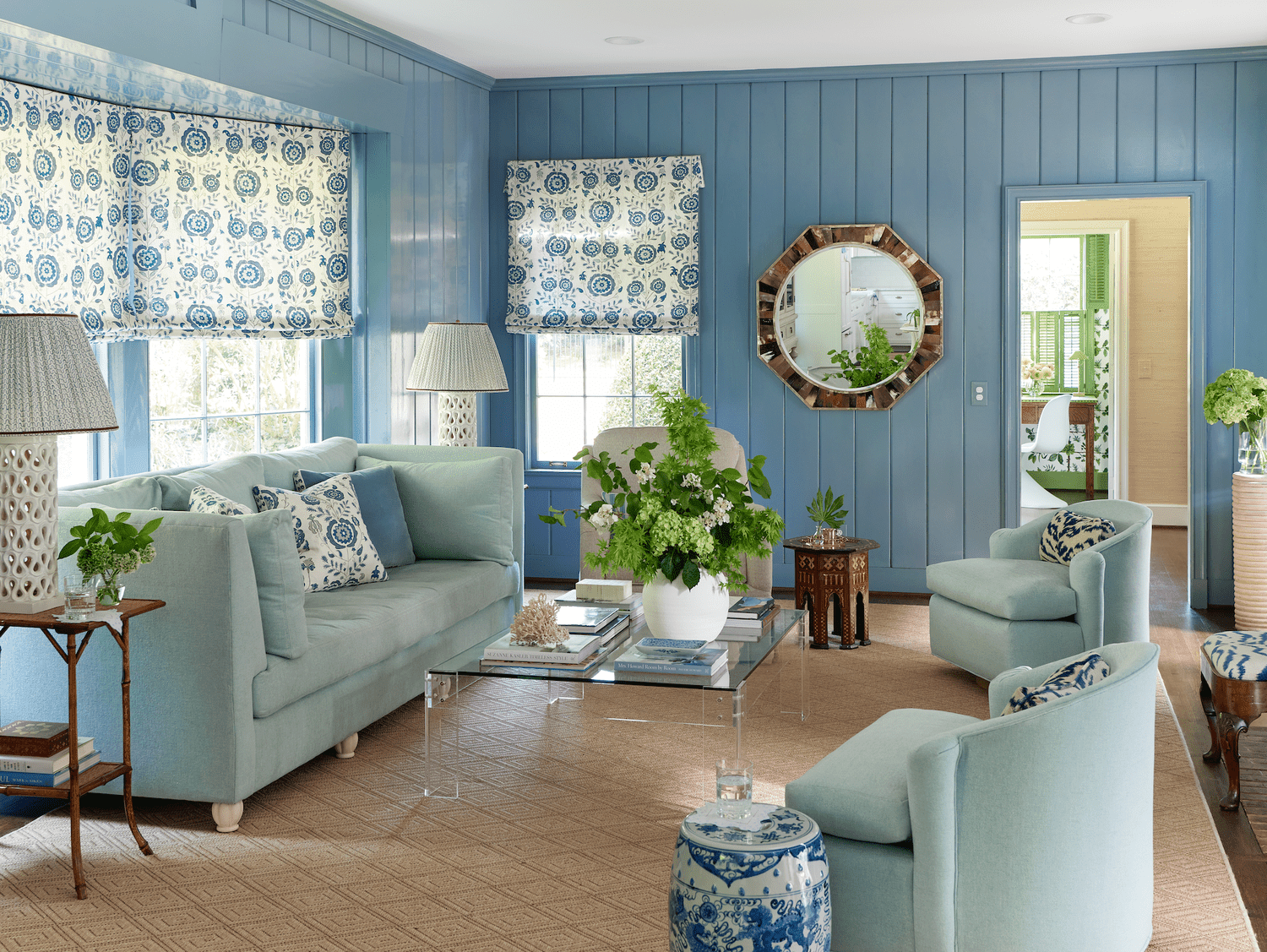
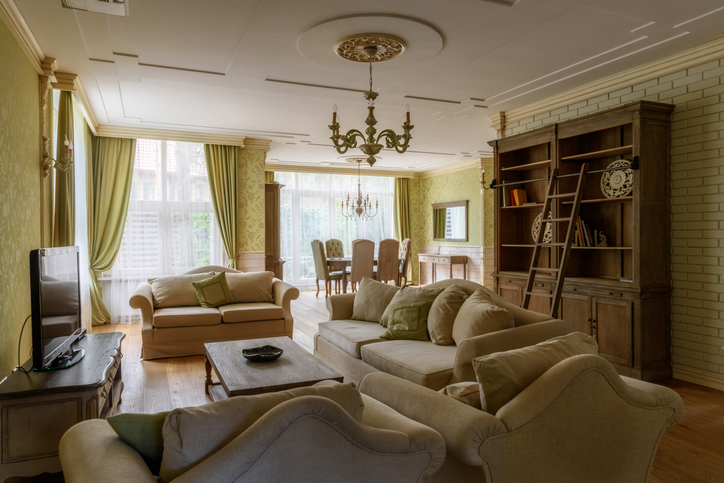
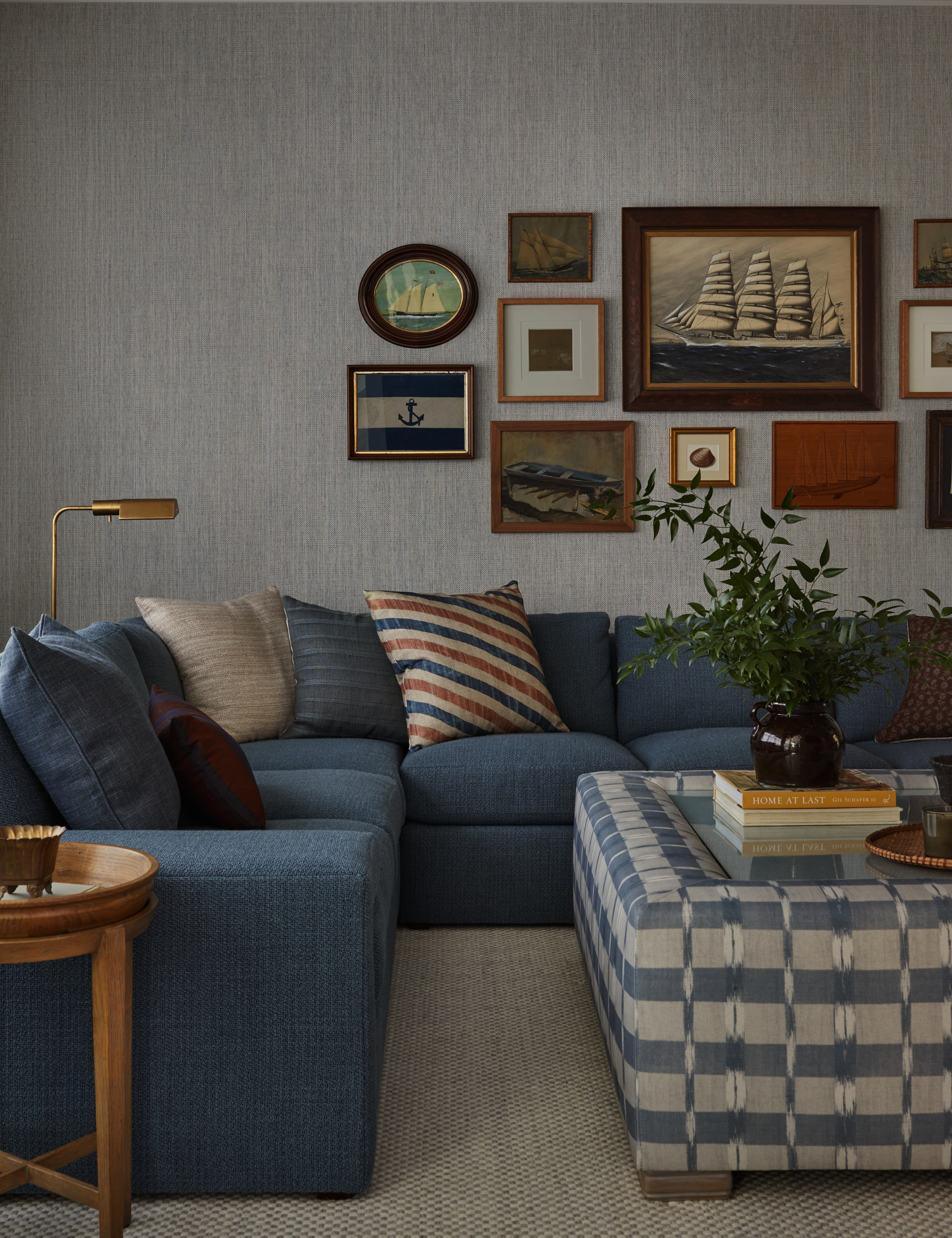
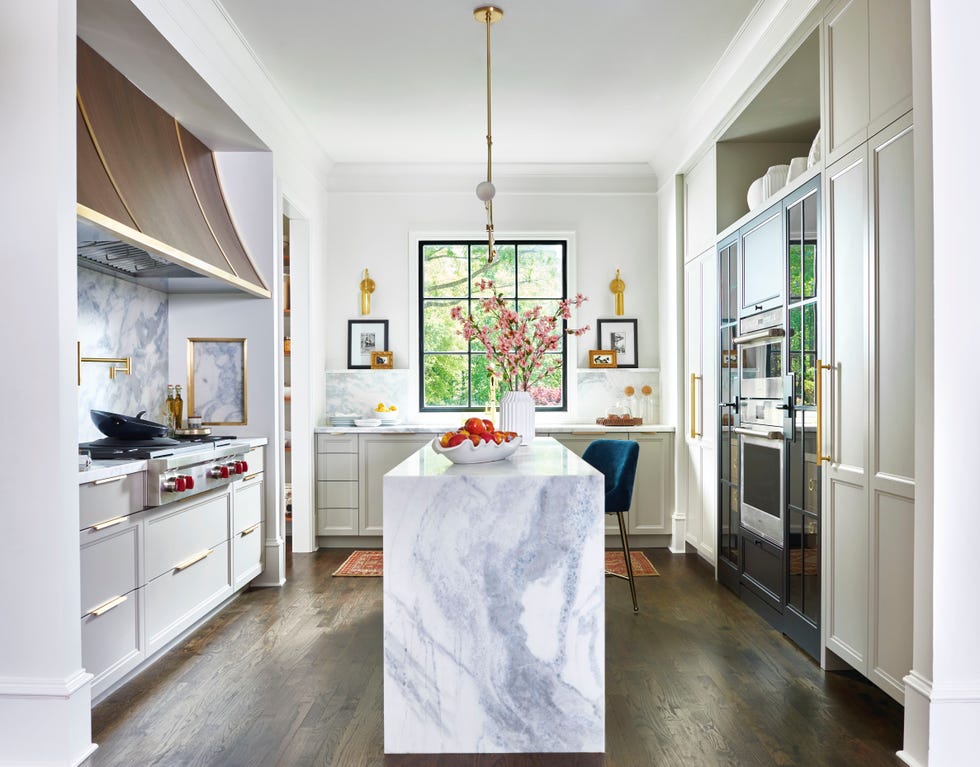
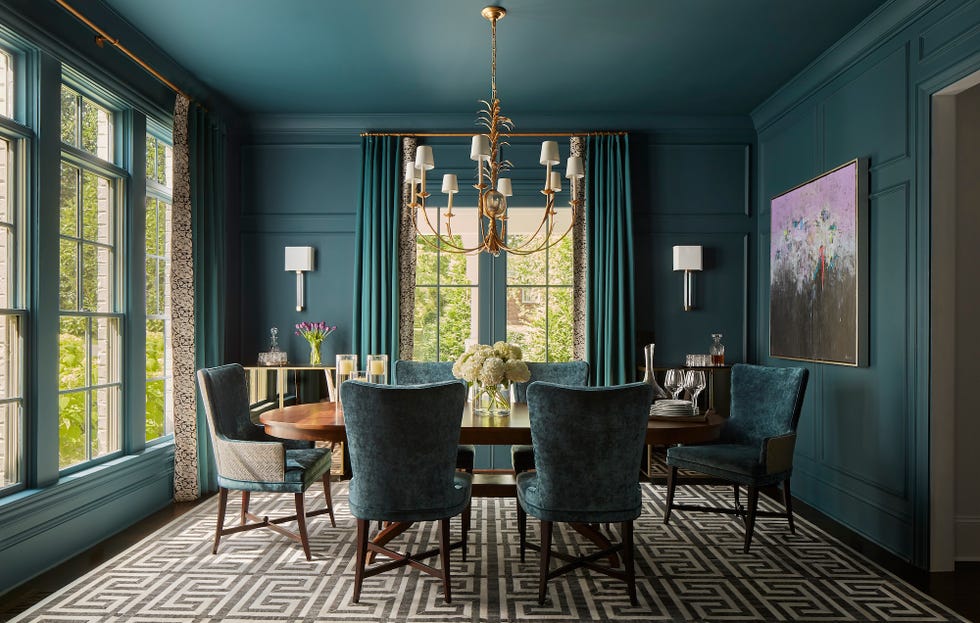
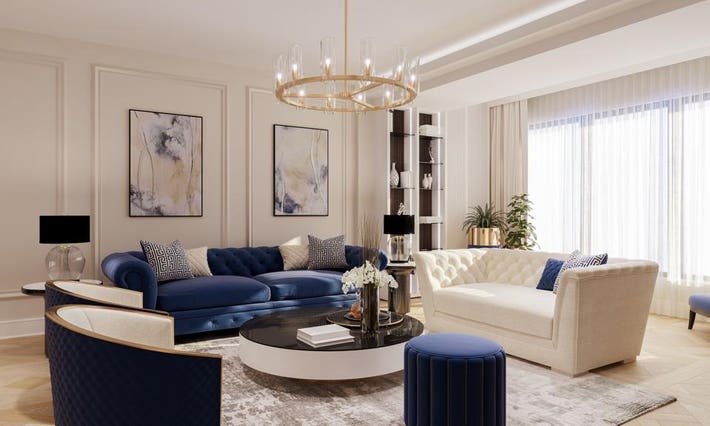
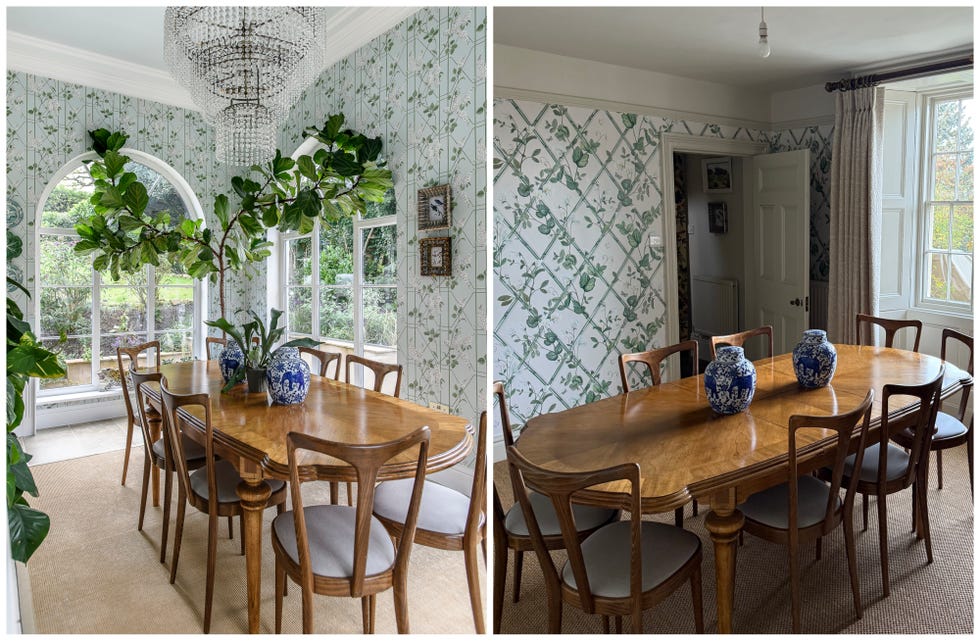
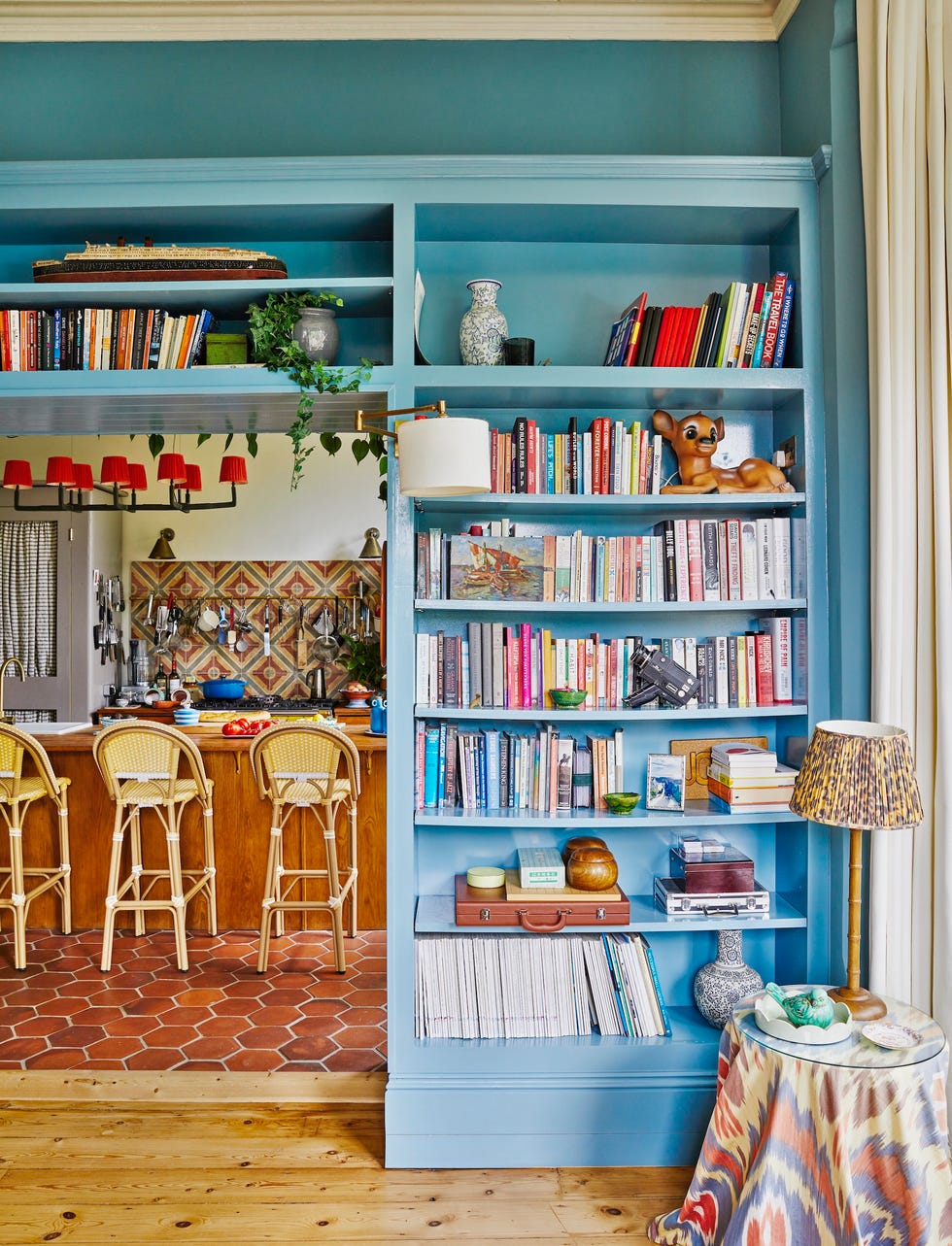
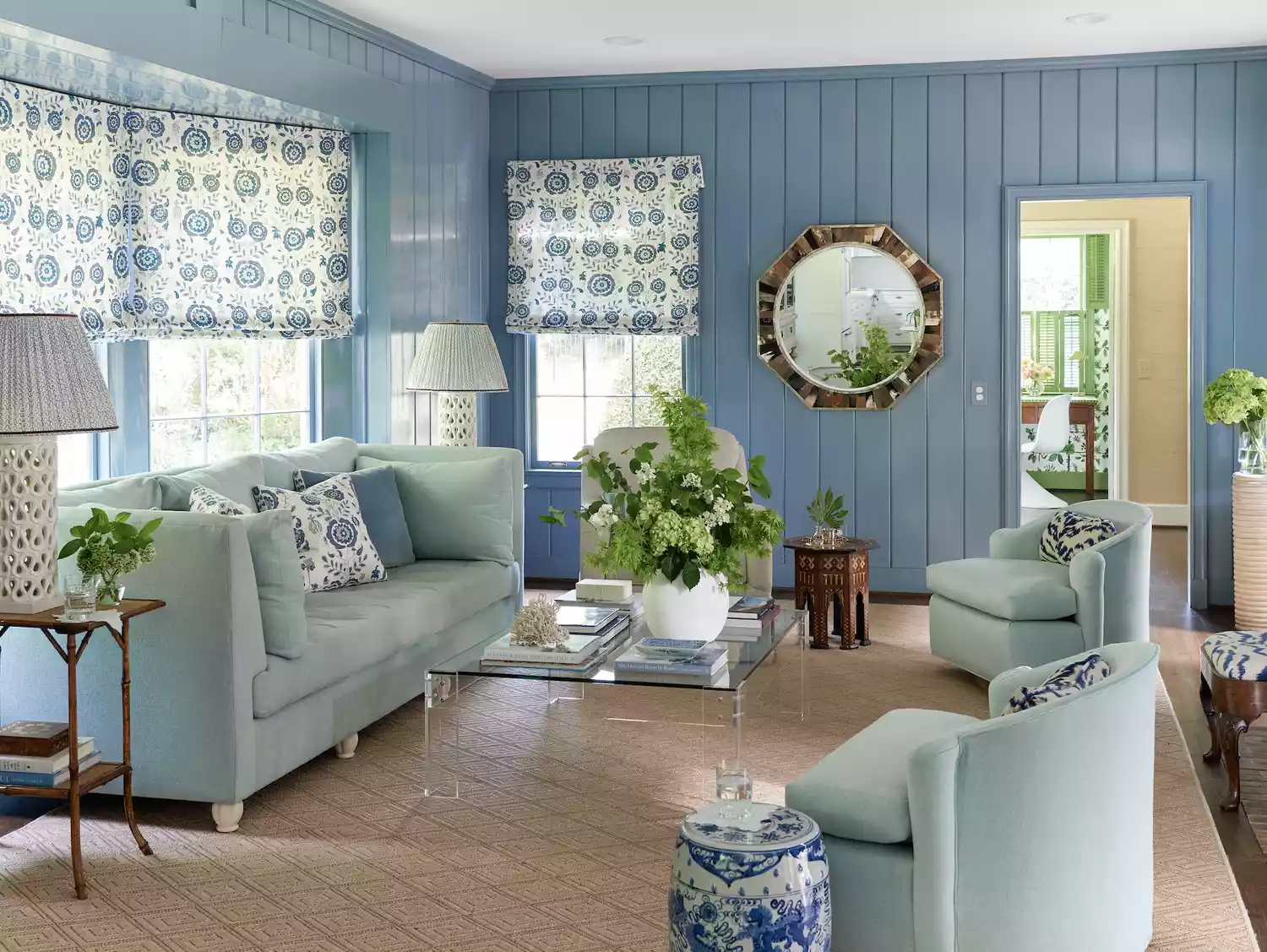
Hyrel Mathias of Hyrel Mathias Interiors discusses the Traditional style, using a 1912 Mount Baker Craftsman remodel as an example. She emphasizes the importance of respecting the historical era of a home, advising to listen to its existing architecture and focus on balanced blending rather than complete overhauls. Key elements include recognizing the original period, such as fir paneling and Art Deco lighting, to inspire color palettes and overall direction. Mathias notes that while architectural details should align with the home's period, furniture, accessories, and lighting offer flexibility for modern elements, color, and eclectic touches, creating a cohesive blend of antique and contemporary pieces. She cautions against incorporating overly trendy items like all-black or slim Shaker cabinetry, or black plumbing fixtures, as these might look out of place with the home's historical context.
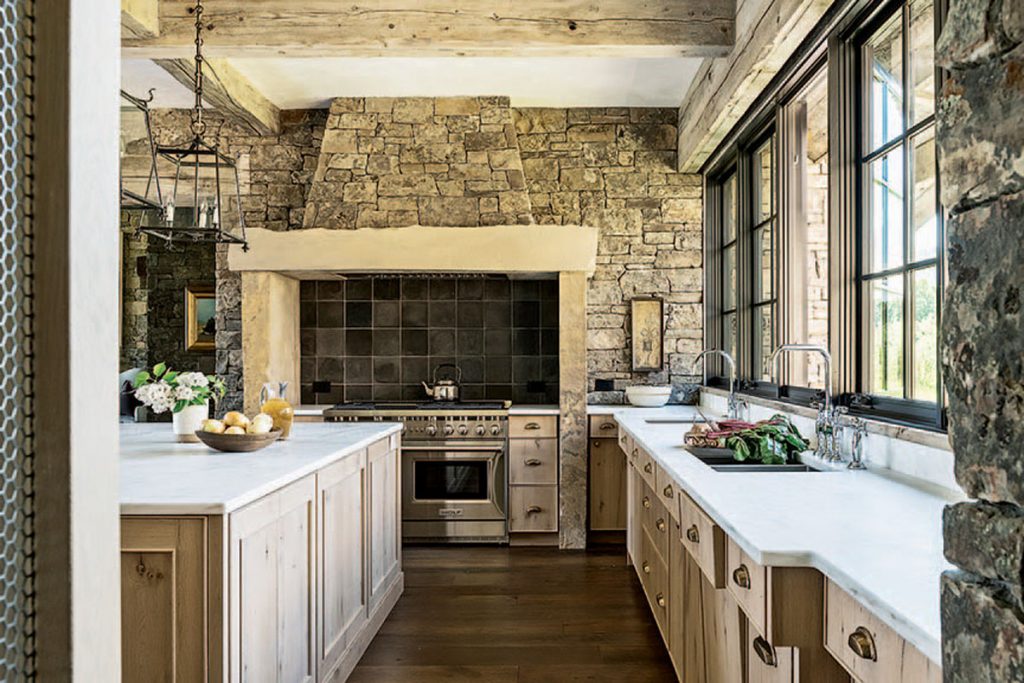
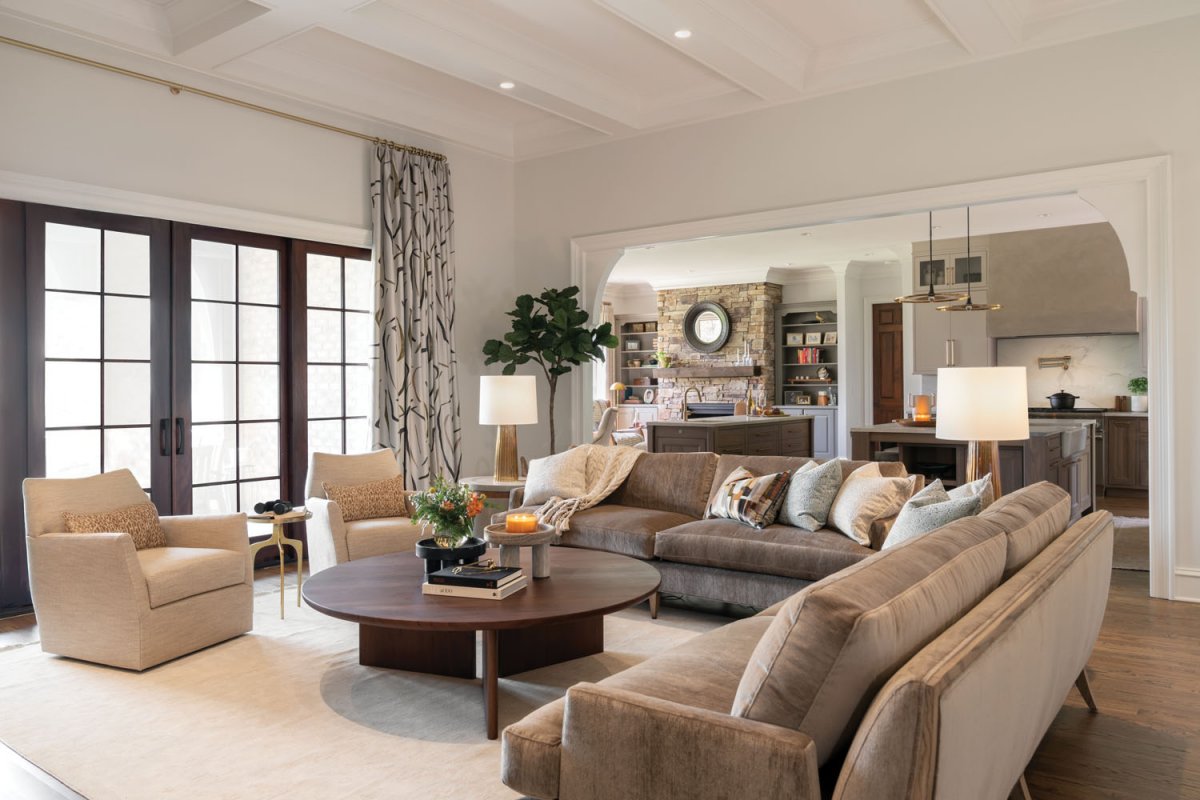
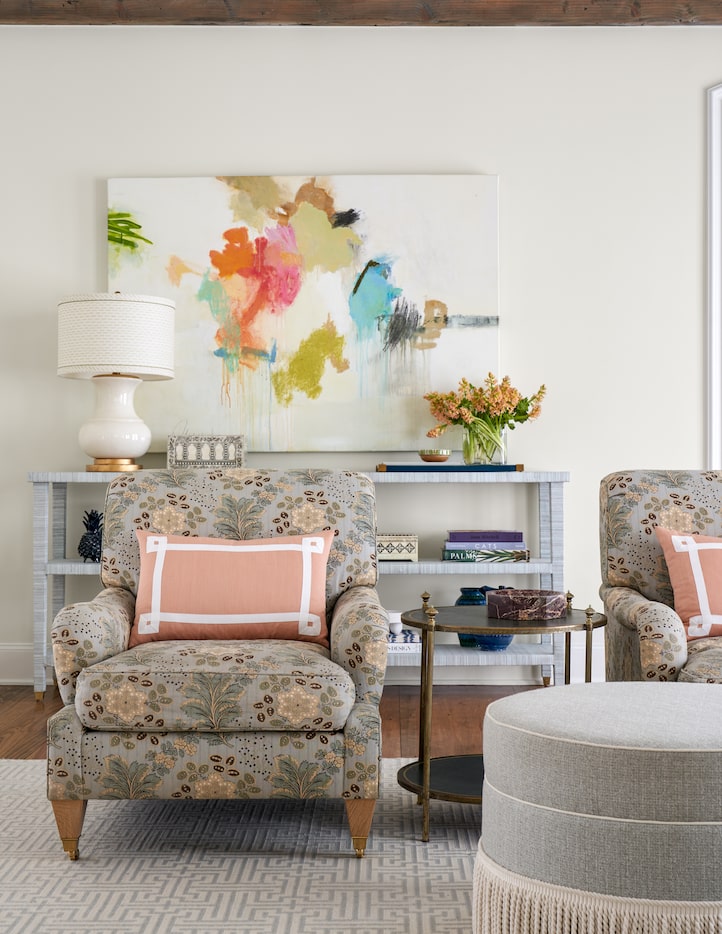
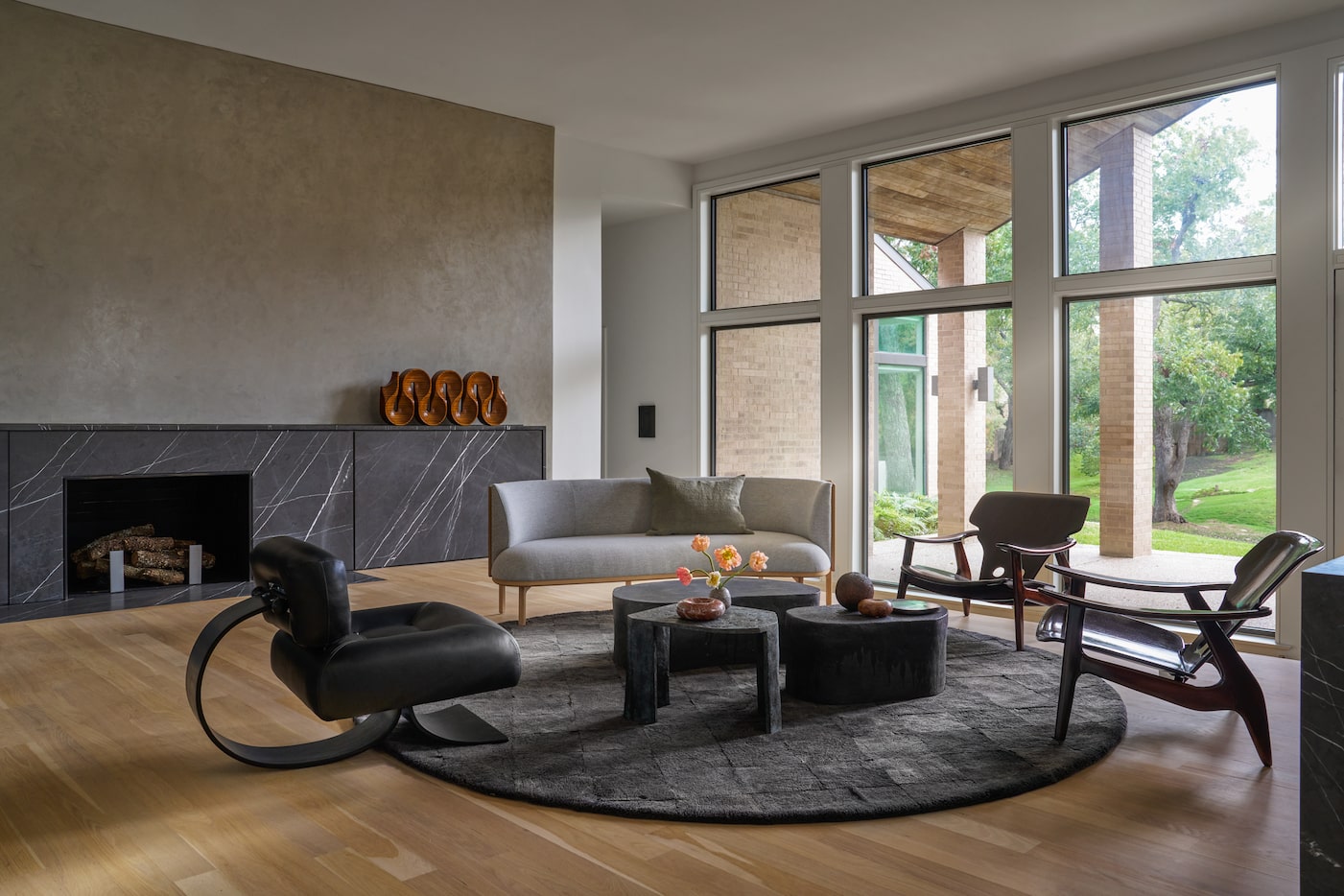
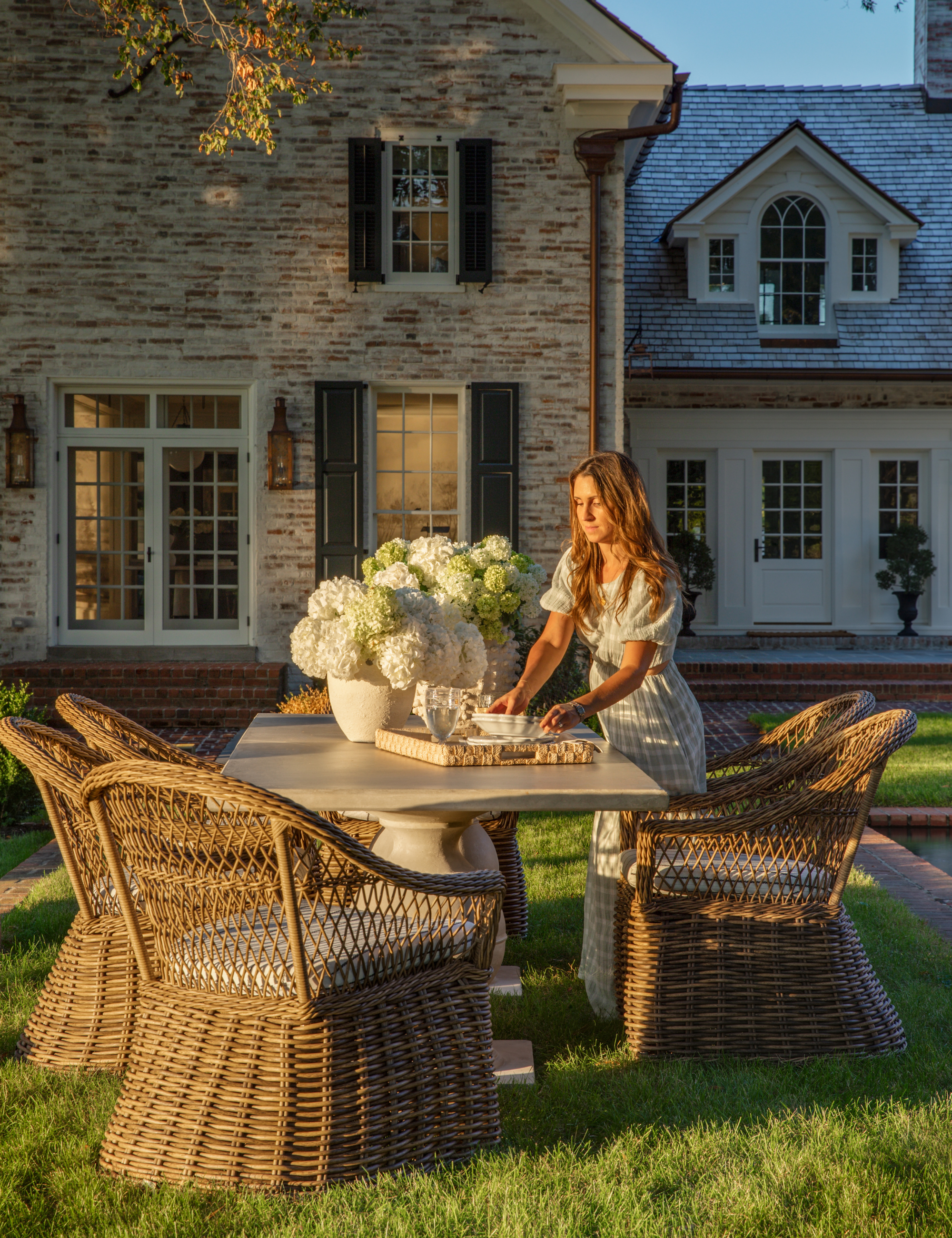
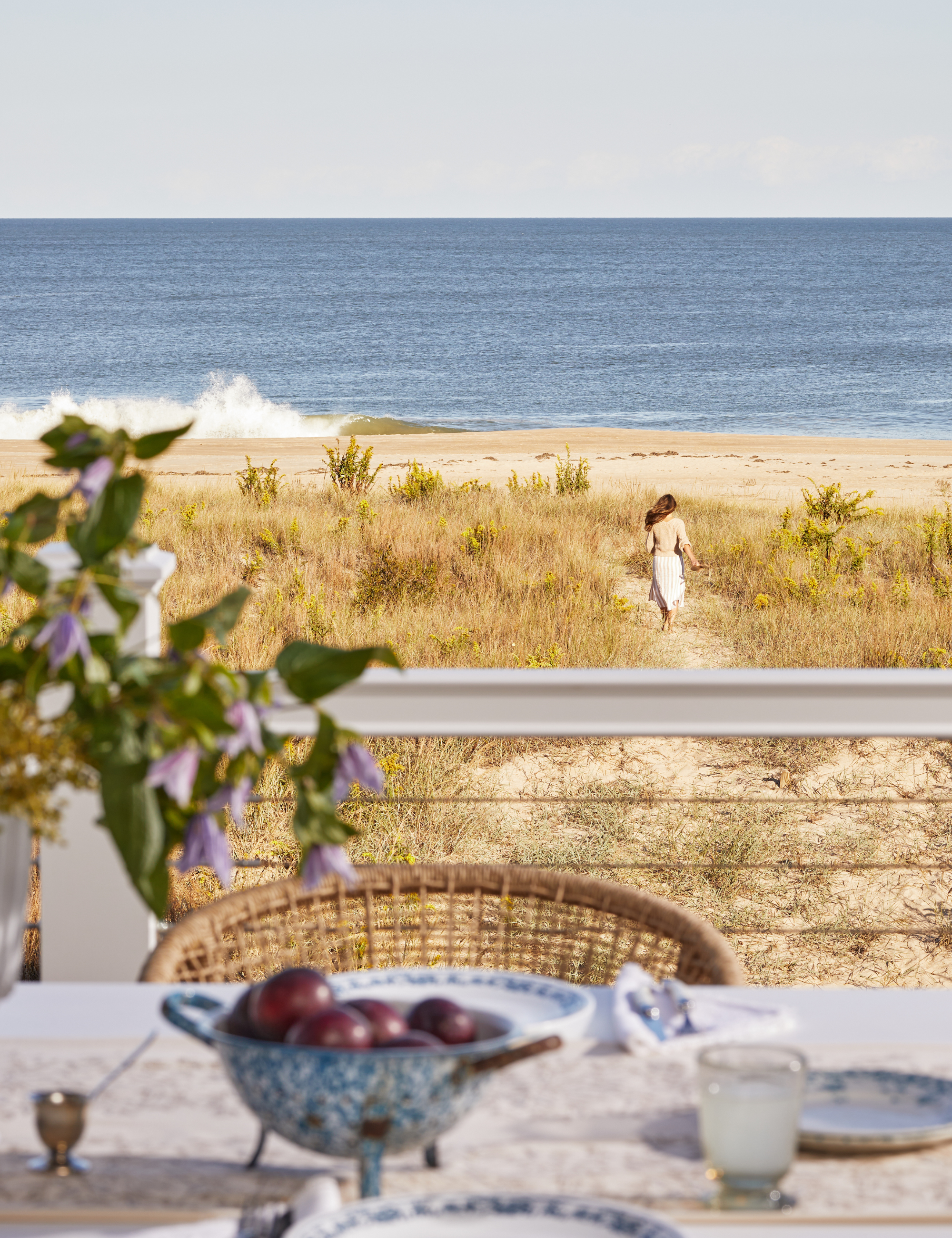
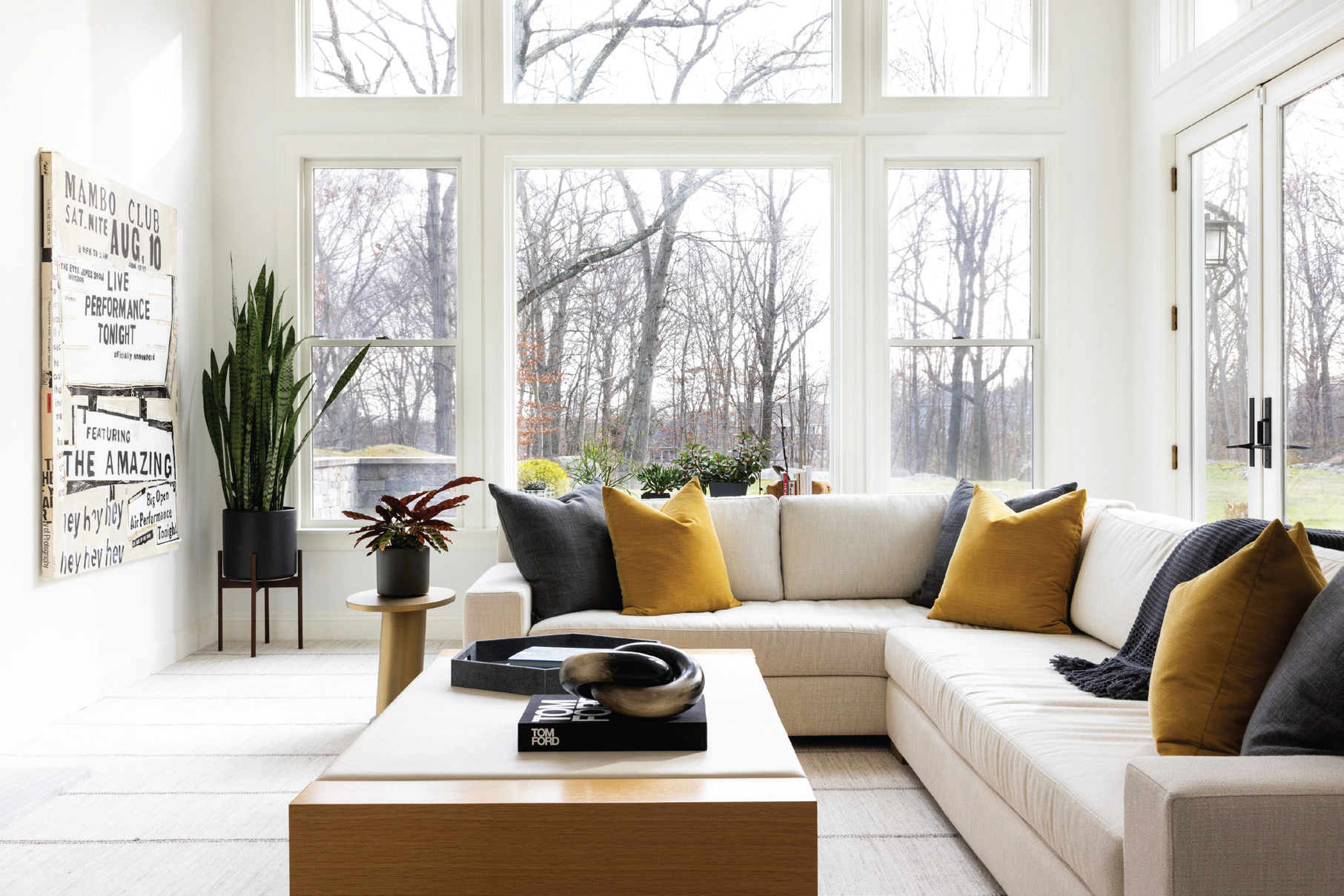
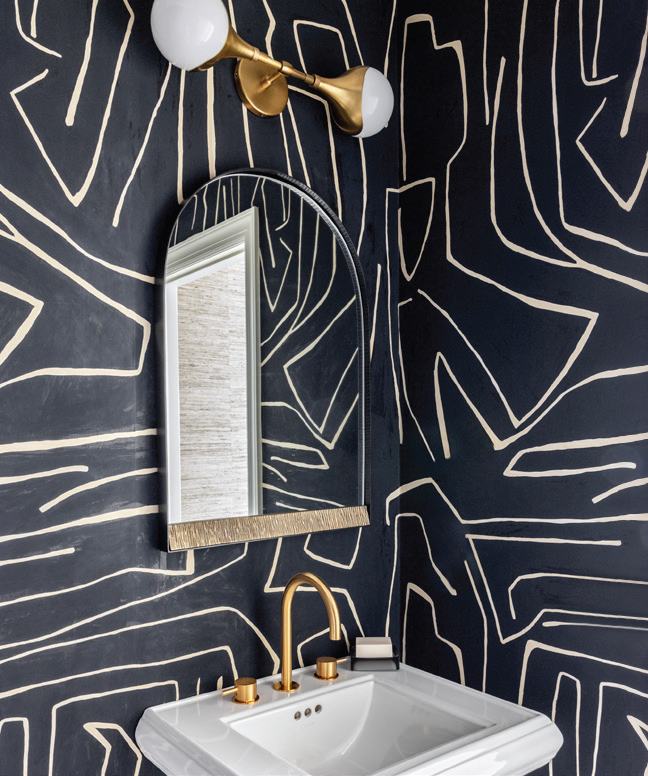
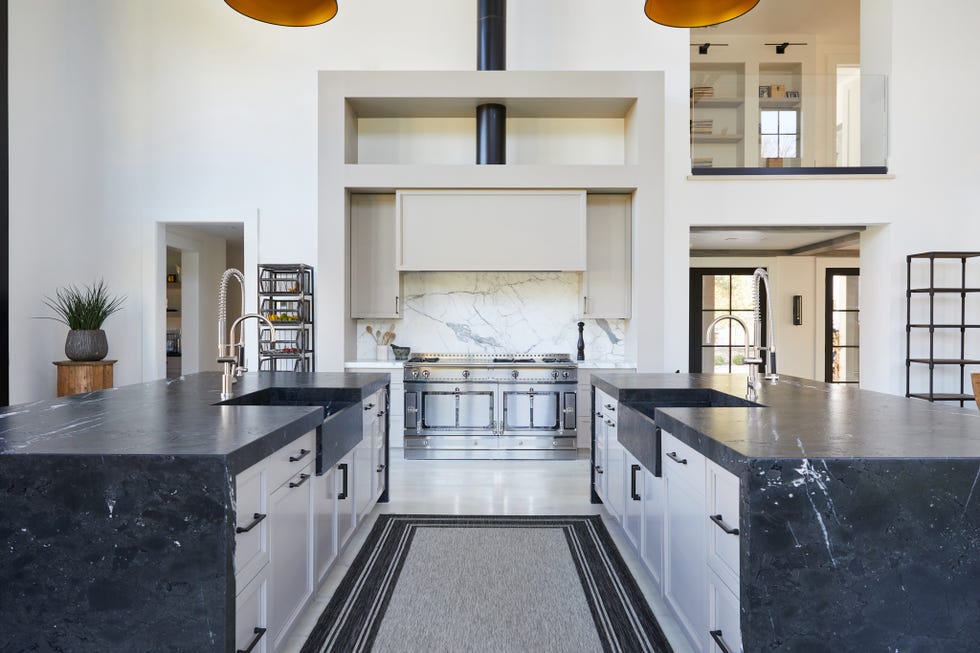
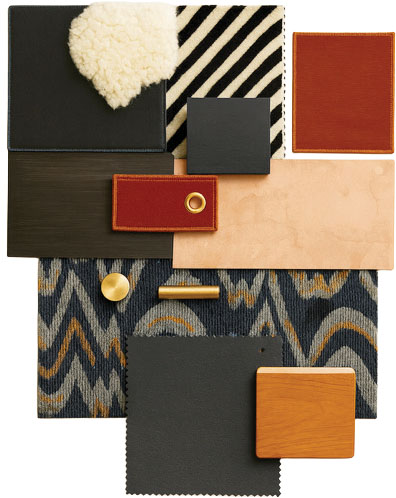
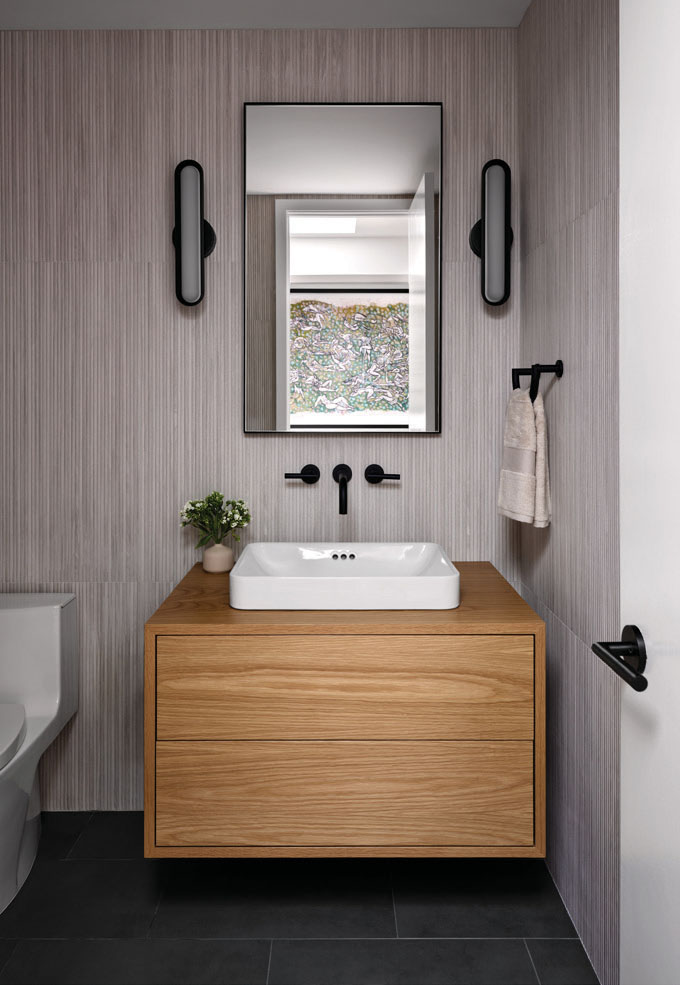
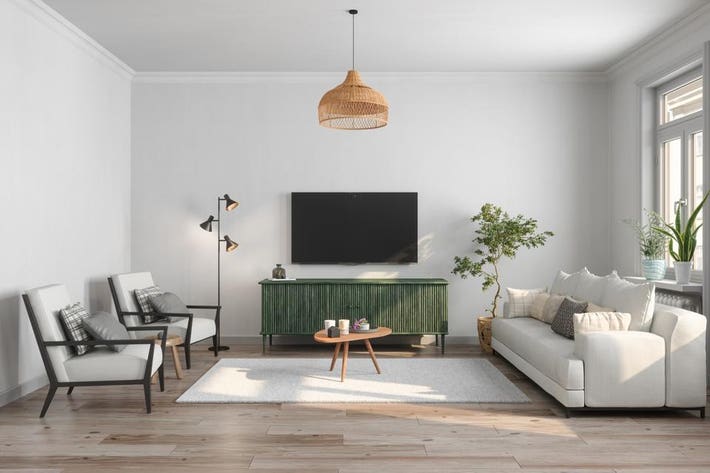
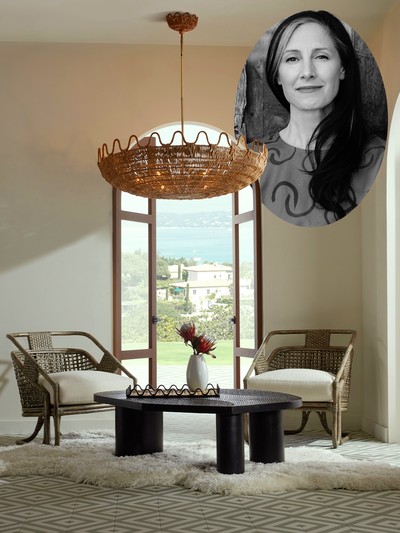
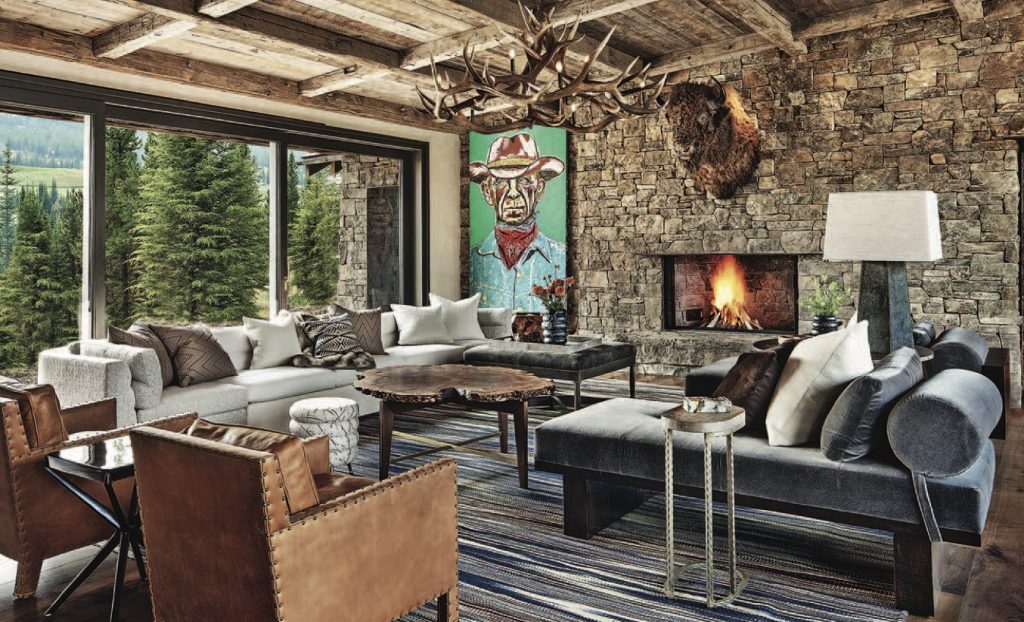
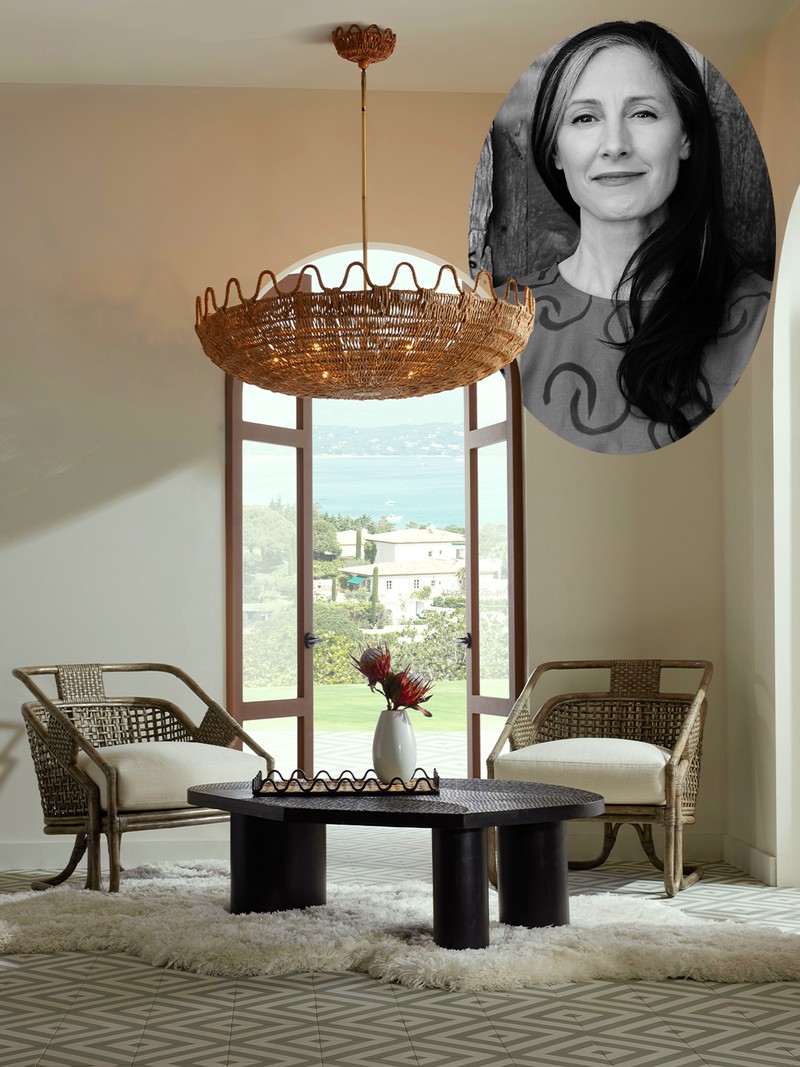
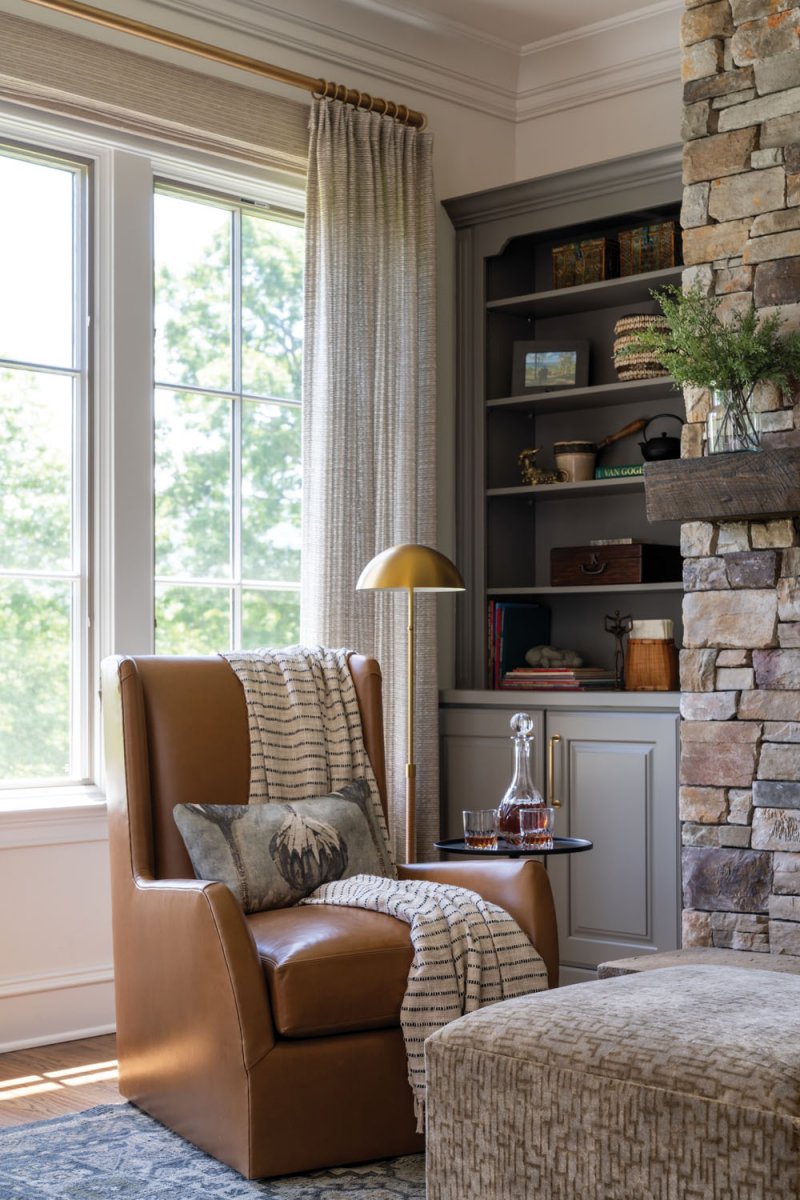
Aimee Meisgeier of AM Interior Design delves into the Northwest Contemporary style, inspired by a new beachfront home in Gig Harbor. This style is characterized by a connection to the Pacific Northwest and nature, featuring earthy, subtle, and moody tones, along with natural materials like stone, wood, and leather. The contemporary aspect focuses on modern warmth, using elements like timeless black-framed windows rather than cool, sterile steel. For concrete, she recommends warmer, browner tones like greige. Furniture in this style prioritizes minimalist lines with a cozy, laid-back feel that invites lounging. Meisgeier suggests thoughtful mixing and matching of patterns and textures, such as florals and stripes, ensuring they are mature rather than whimsical, and incorporating natural elements like cane, rattan, or rush. She strongly advises against cool gray tones, especially given the region's climate, instead favoring colors with brown, green, or red undertones that evoke warmth and hope. Subtle blues, moody greens, and colors like ochre, goldenrod, and cognac caramel are preferred over bright or hyper-saturated hues.
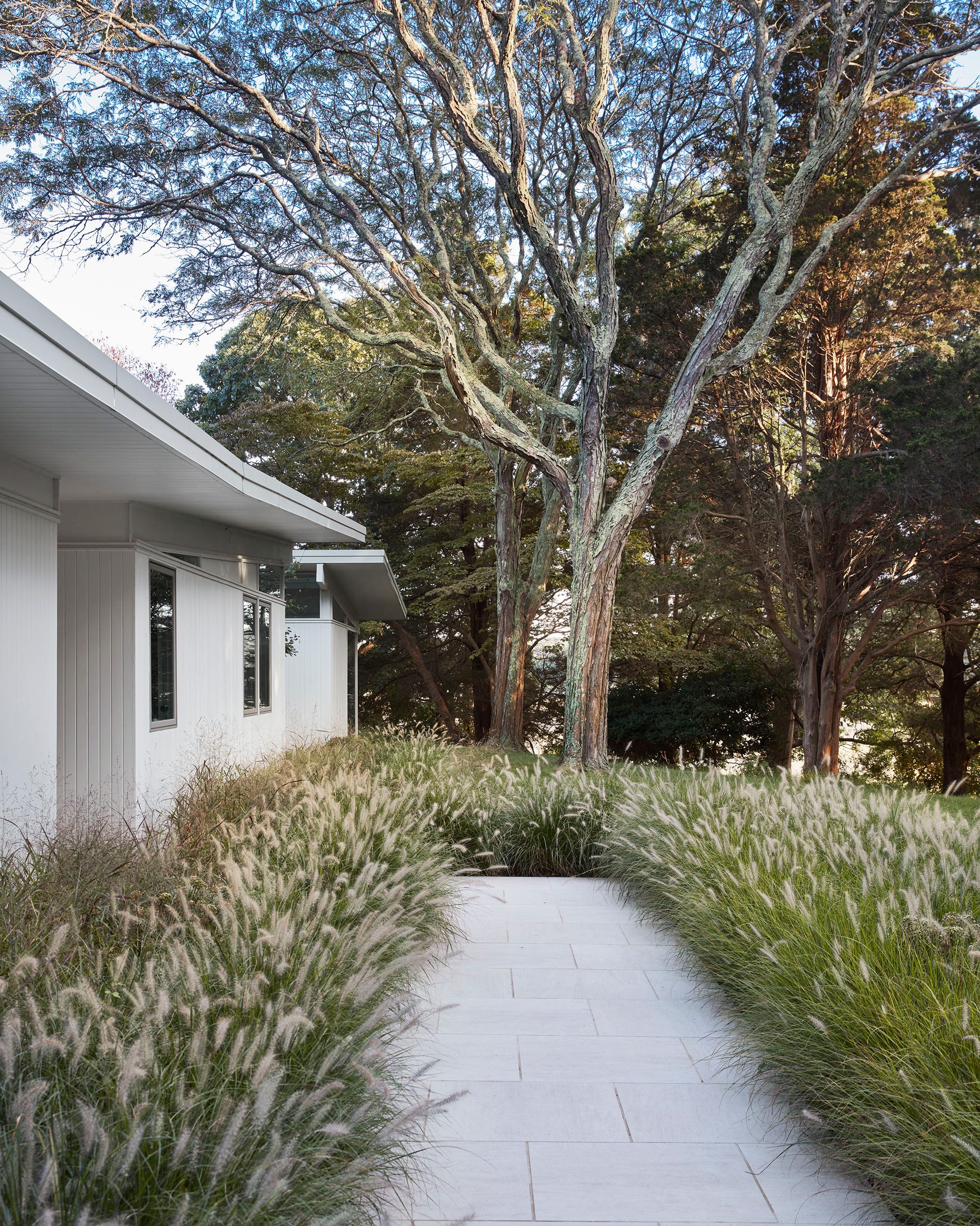
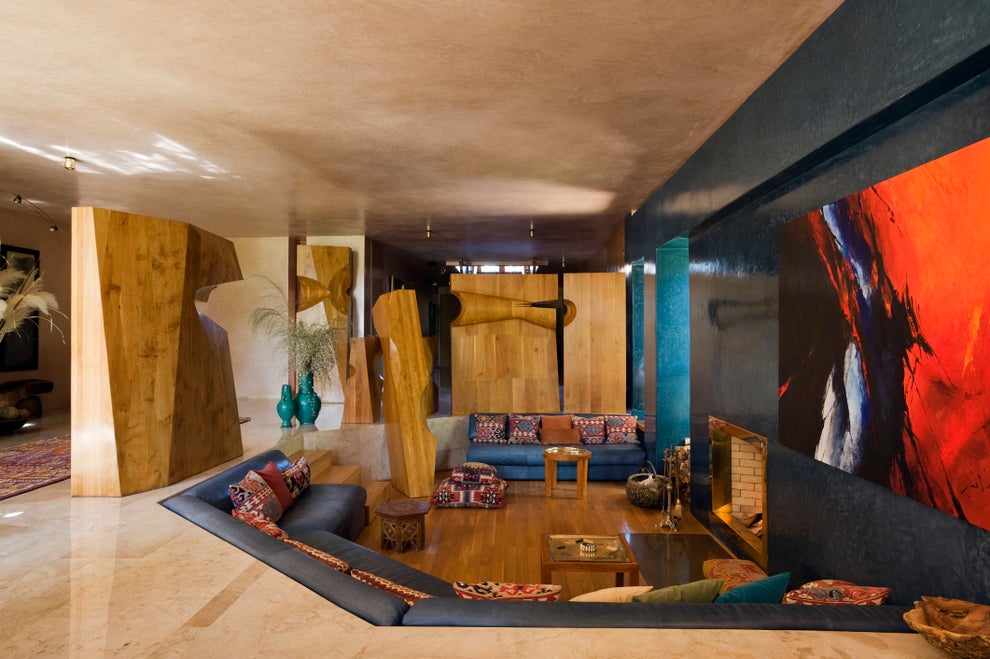
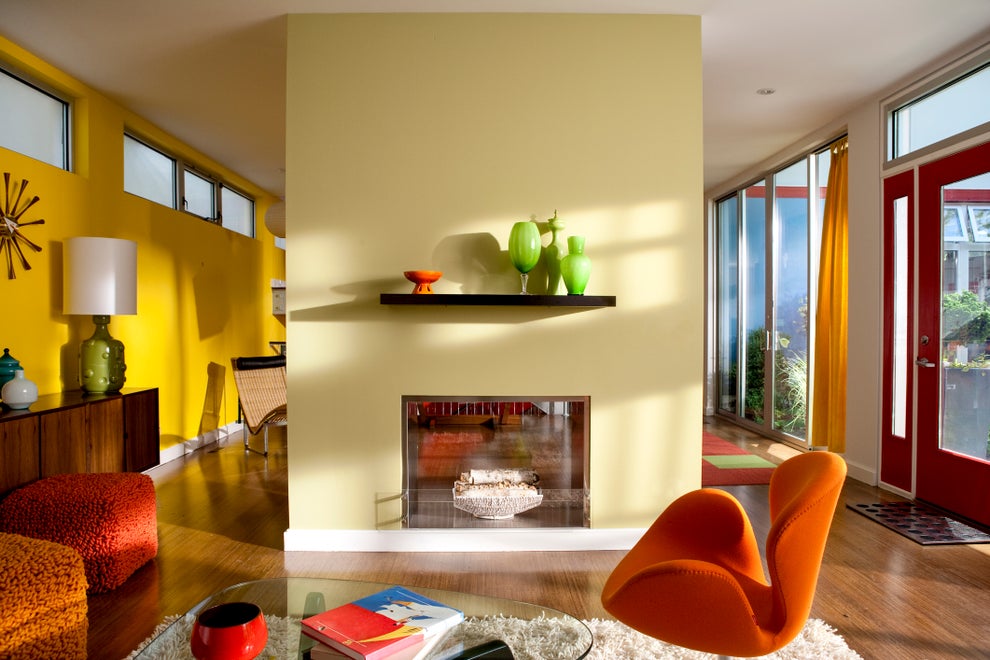
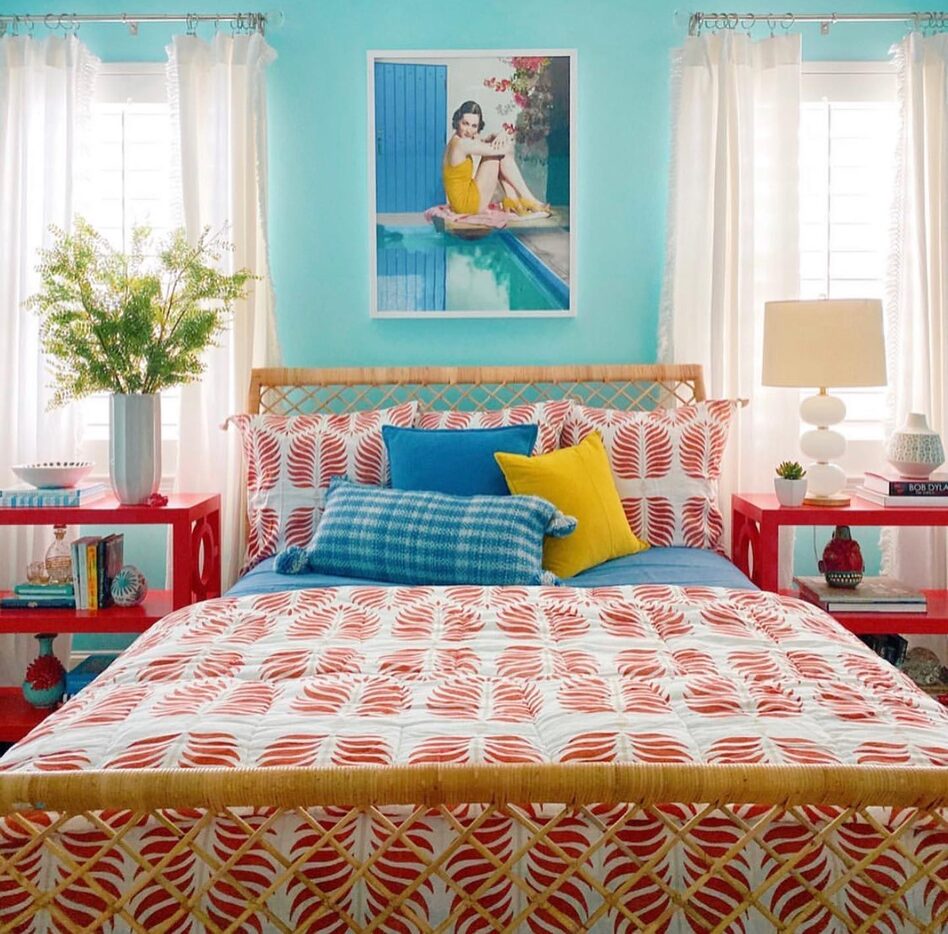
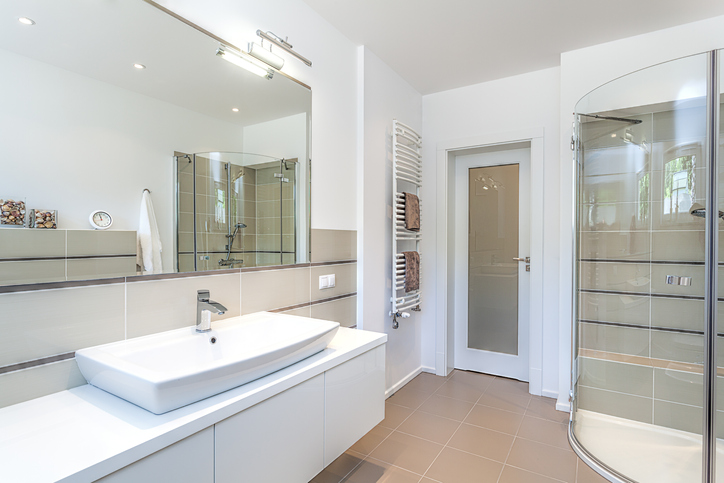
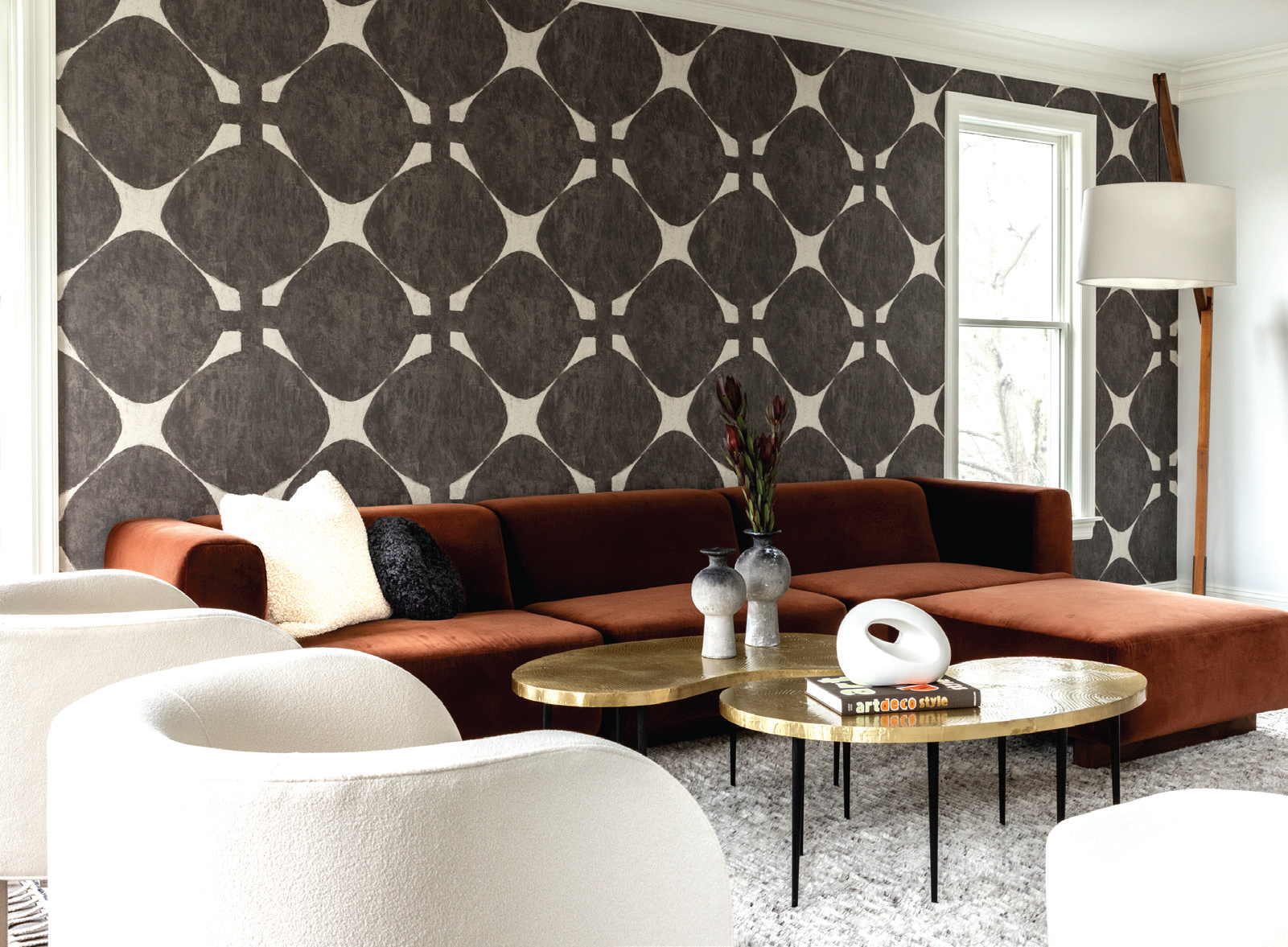
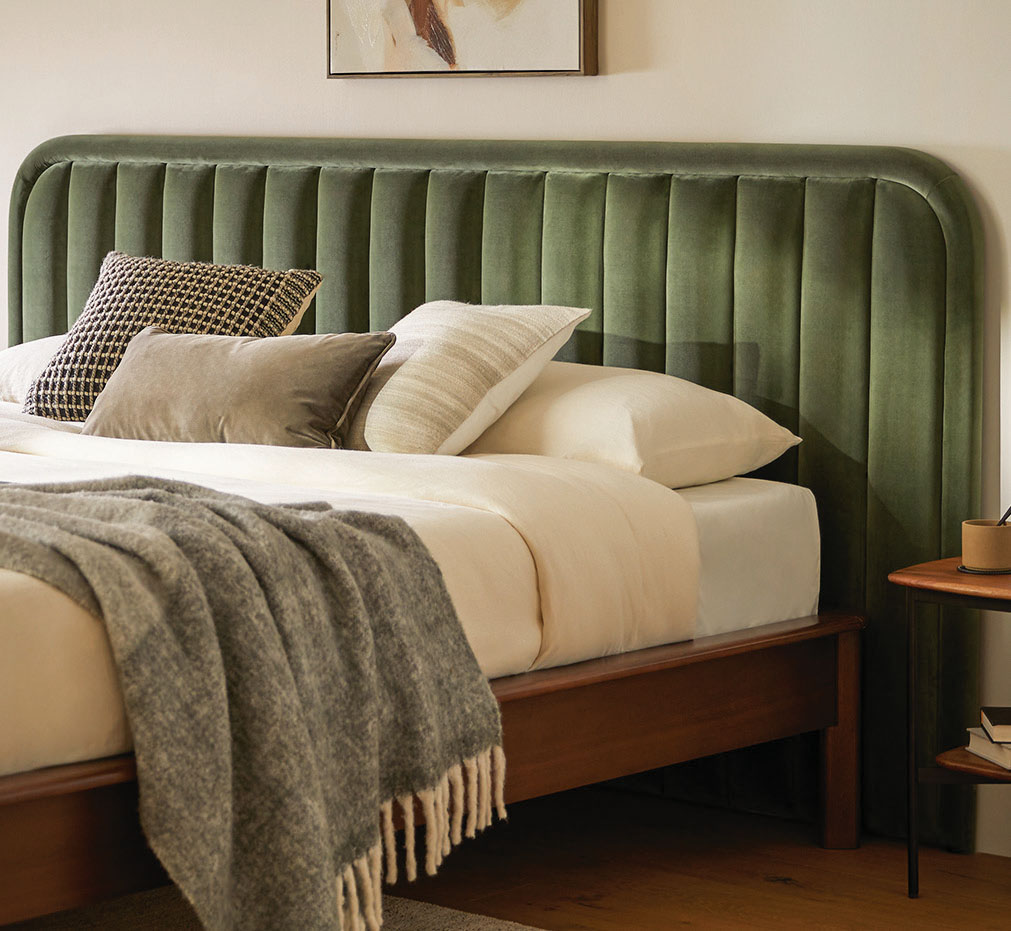
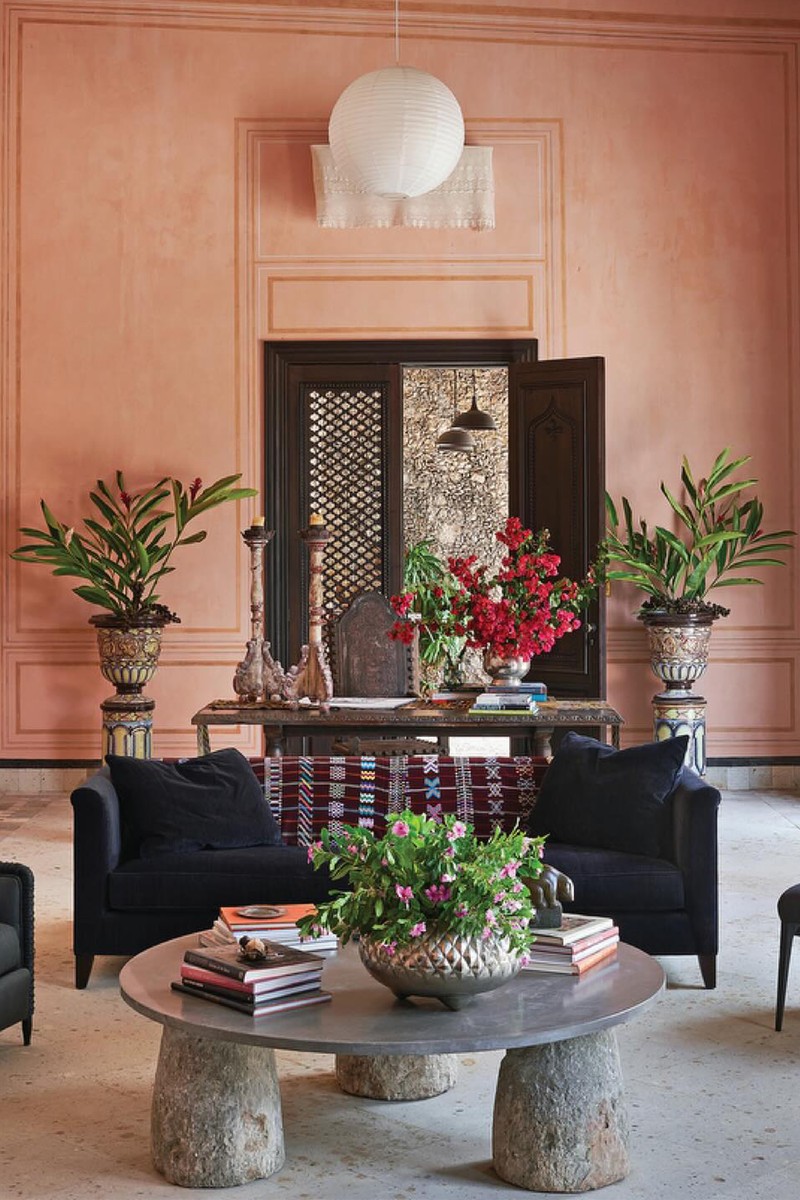
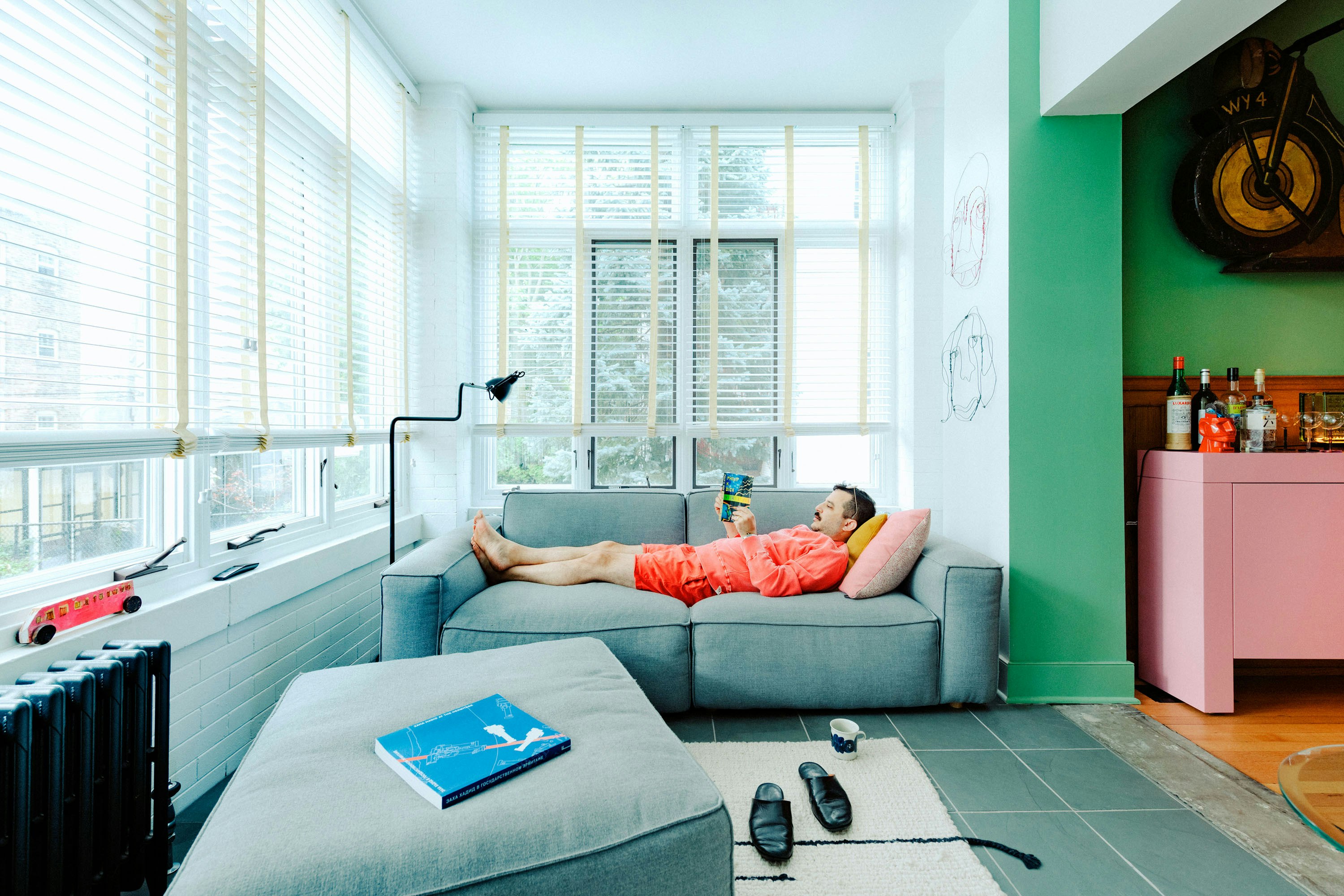
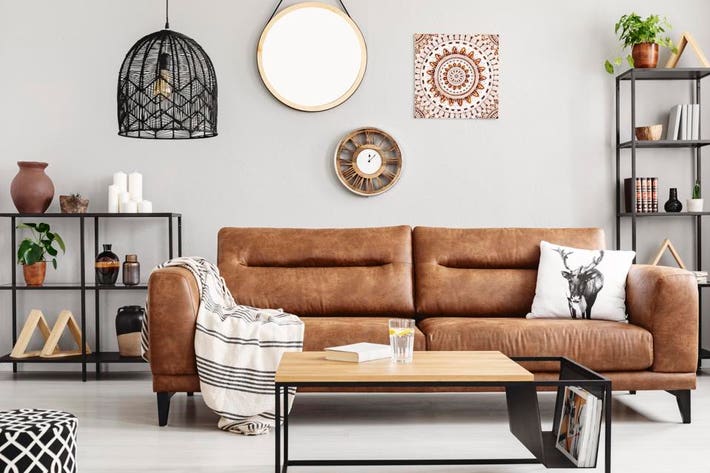
James Fung and Whitney Maehara of NB Design Group explore Midcentury Modern design, drawing inspiration from a new Madison Park home. They define the 'midcentury' period roughly from the mid-1940s to 1970, highlighting its evolution as a reaction to previous ornate styles, focusing on function, simplicity, and curvature in forms. Signature elements include clean lines, built-ins, warm woods (especially bent wood), and other organic, honest materials, fostering a sense of warmth through colors and textures, often with comforting tufts. The designers explain that the broad range of the midcentury aesthetic allows for significant flexibility in adaptation, often incorporating vintage pieces and artwork to create a layered, rich aesthetic, as seen in the Palm Springs-inspired Madison Park project. They note that the layering of pieces that don't perfectly match contributes to the style's casual feel. They advise against using primary colors, favoring instead slightly desaturated hues with neutral undertones, such as burnt orange and sky blue, which blend more harmoniously than vibrant, unadulterated bright colors.
#InteriorDesign #HomeDecor #DesignStyles #TraditionalDesign #NorthwestContemporary #MidcenturyModern #HomeRemodel #DesignTips #WashingtonDesigners #InteriorDesign #HomeDecor #DesignStyles #TraditionalDesign #NorthwestContemporary #MidcenturyModern #HomeRemodel #DesignTips #WashingtonDesigners
0 comment in total
 No comments yet
You may also like
6 "Essential" Architecture Trends Design Lovers Need to Know

R5 Designers at Home

This West Harrison Home Design Is Filled With Creative Spirit
Editor’s Letter: The Tyranny of Taupe

Our Favorite Western Interiors of 2021

Find a Dallas-area interior designer who specializes in your personal home style

People Are Sharing Why These Universally Despised Design Trends Work Quite Well In Their Homes
10 Interior Design Mistakes Experts Avoid In Their Own Homes

11 Home Design Trends That Need A Major Revival In 2024 To Infuse Some Personality Back Into Our Homes

Have We Gone Too Far With Decorating Trends?
10 Horrifying Home Design Trends: 2023 Edition
Copy-And-Paste Interiors: Repeating A Look Isn’t Lazy — It’s Clever
The Houston Estate
10 Horrifying Home Design Trends: 2022 Edition
Is It Time to Shut the Door on Open-Concept Living?

A Cool Interior Designer Talks Style, Inspiration & More
In with the New: Experts share modern, vogue choices in the world of home and design
'It's where heritage tradition meets the barefoot ease of living near the water' – this is how to nail the 'Eastcoastal' aesthetic, according to a designer who lives it year-round

Which Home Design Trends Are Hot on the Horizon in Westchester?

Sorry, but These Design Trends Will Be Outdated in 2025