1/2
15 Brilliant Ideas for Organizing Small Pantries
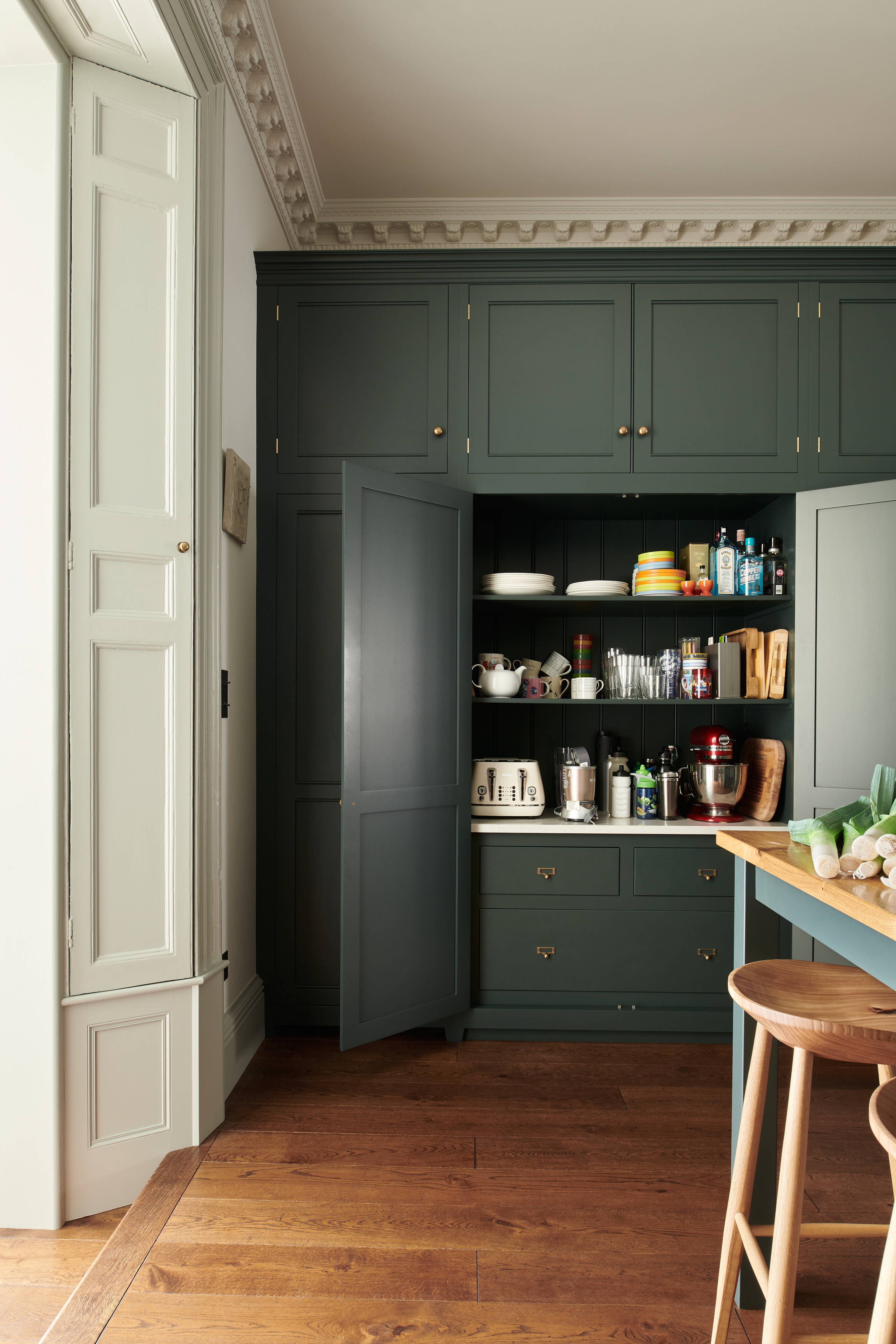
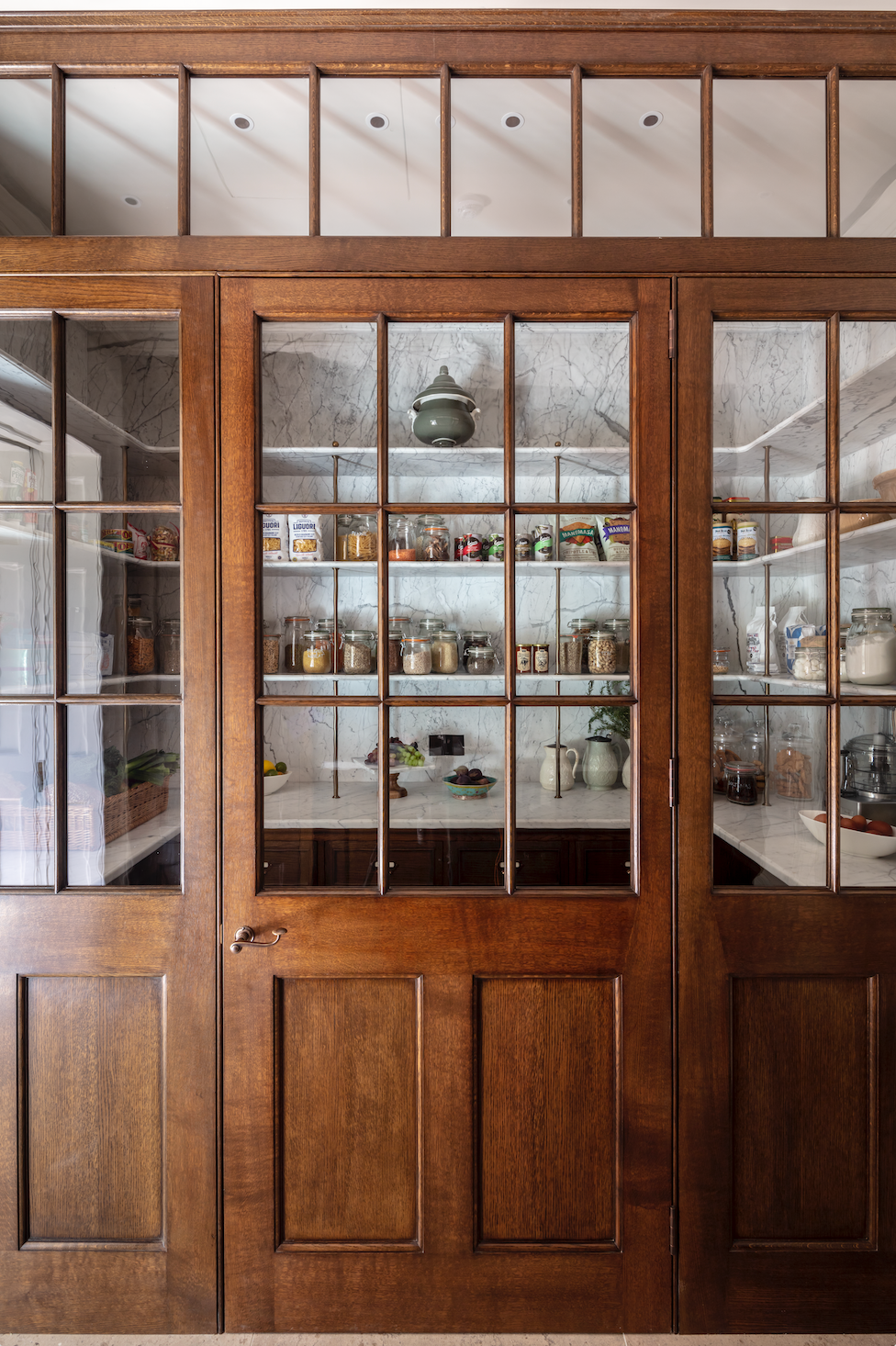
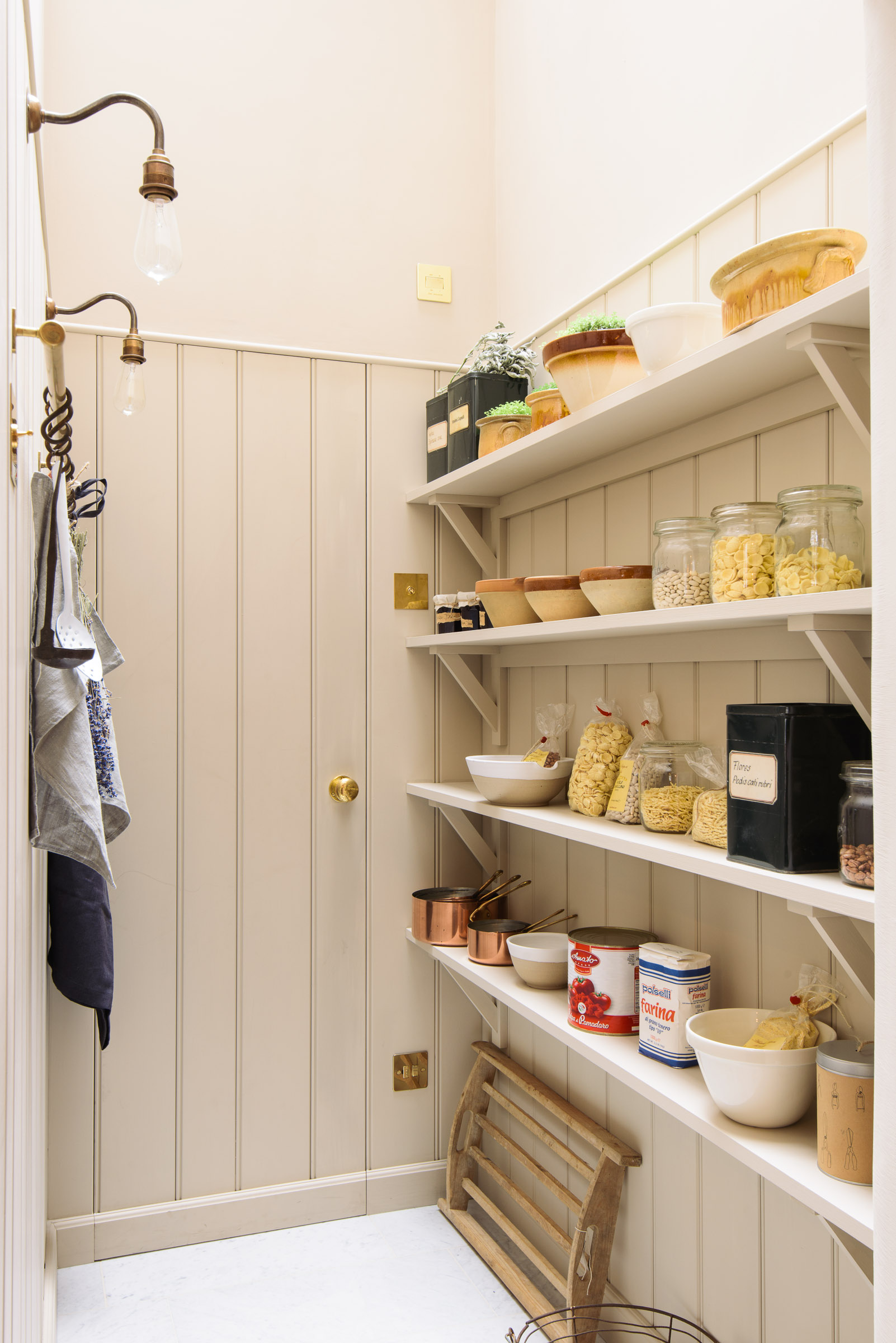
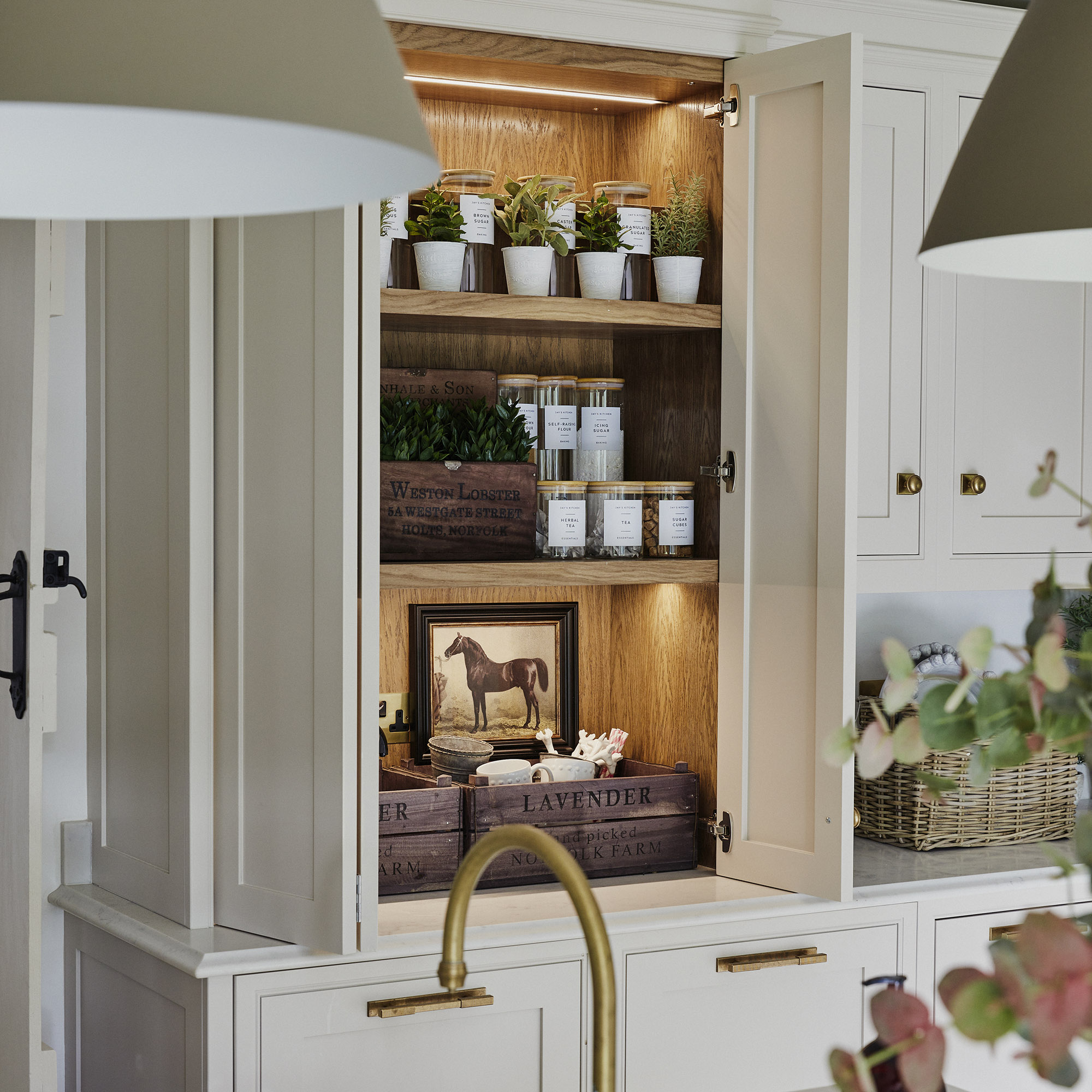
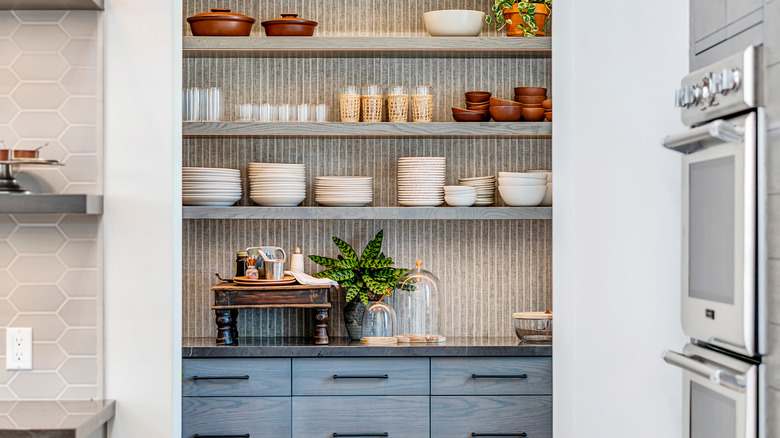
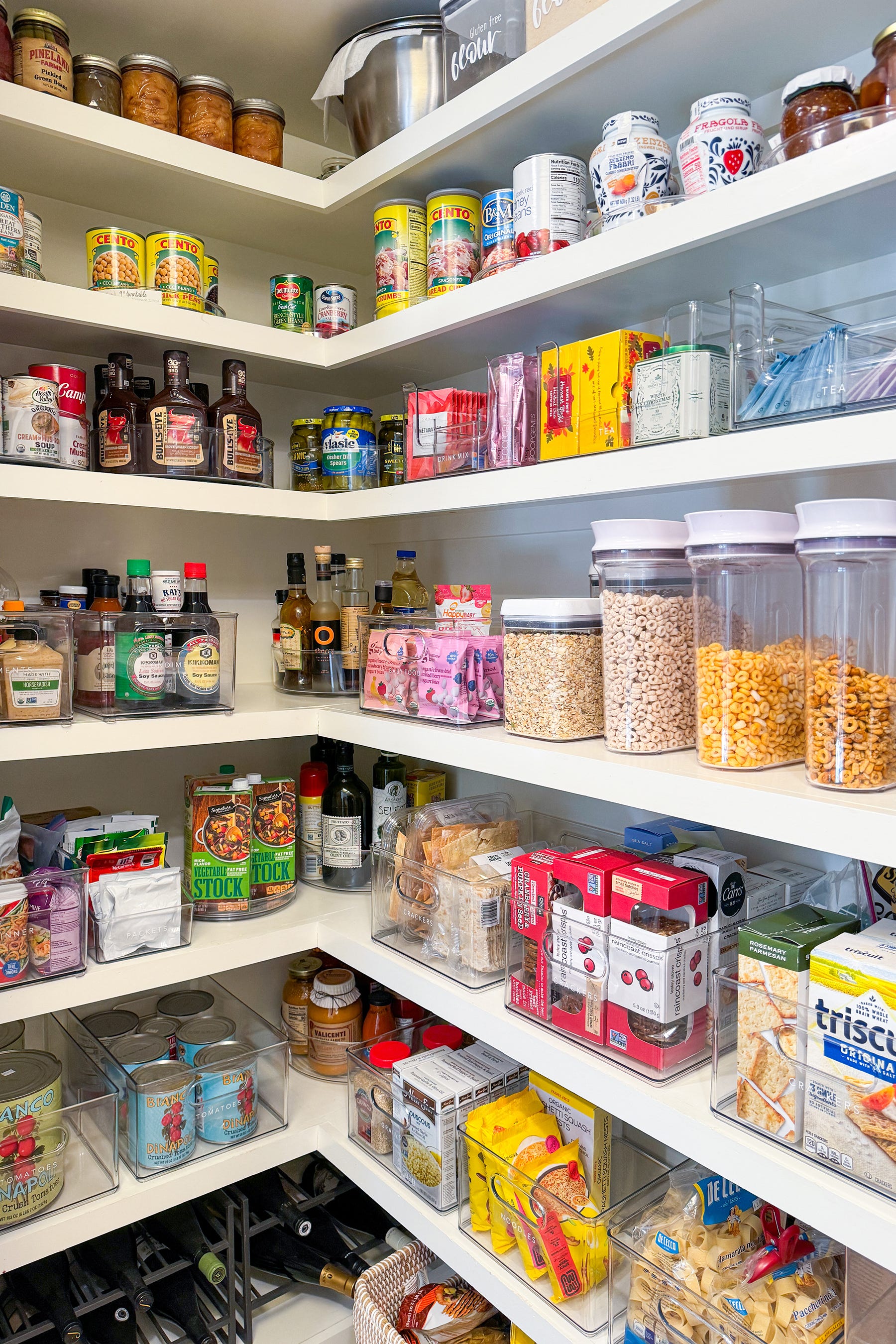
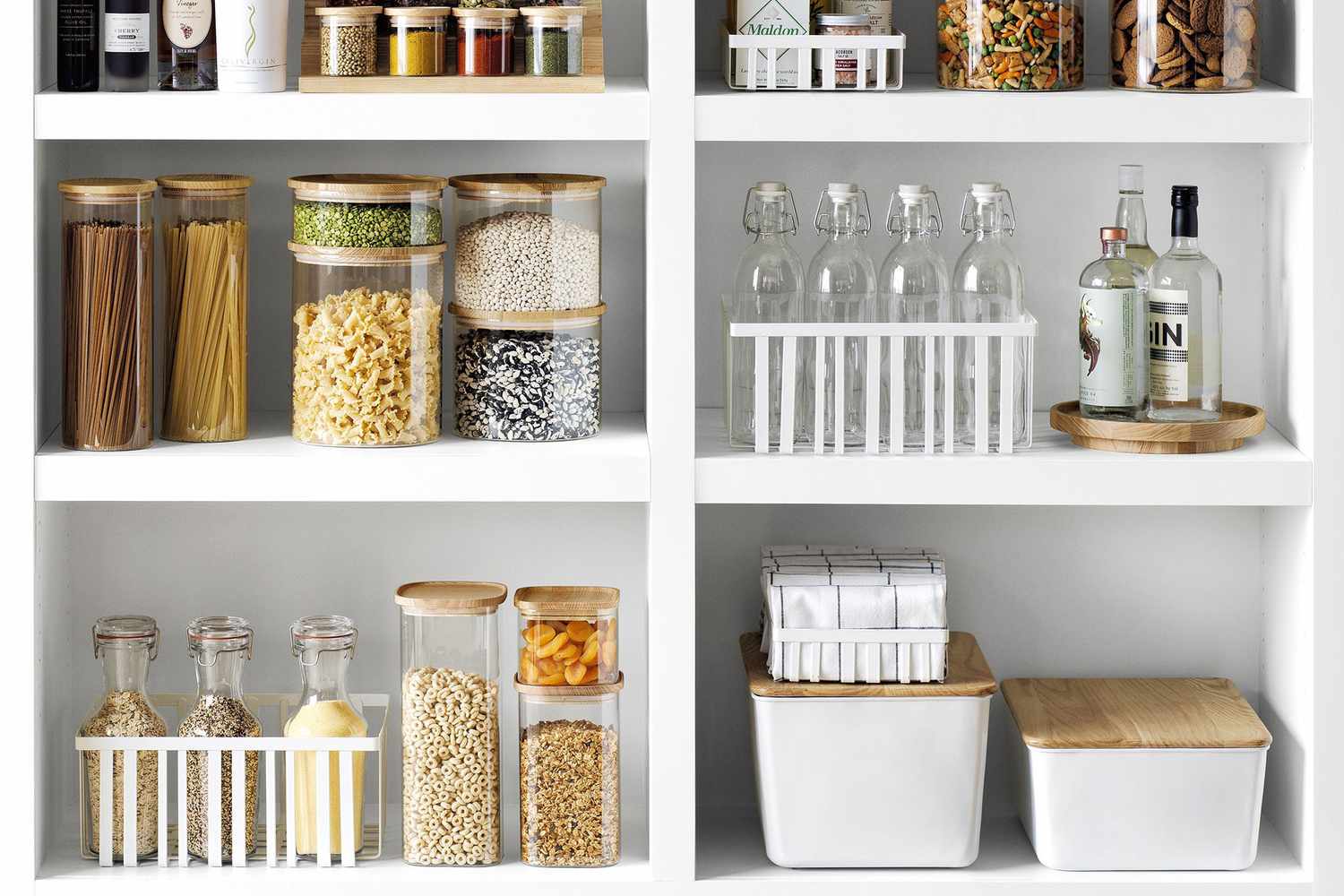
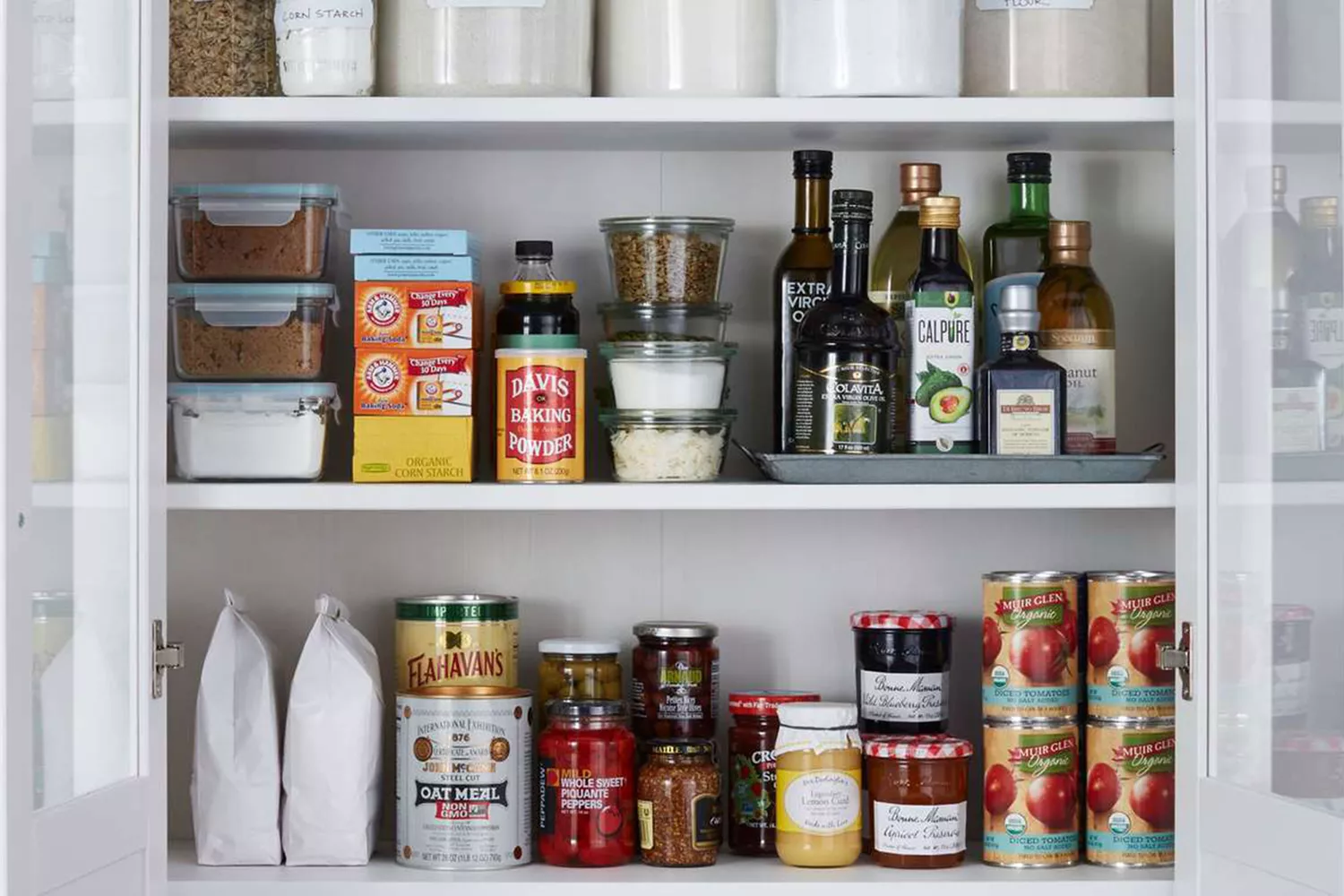
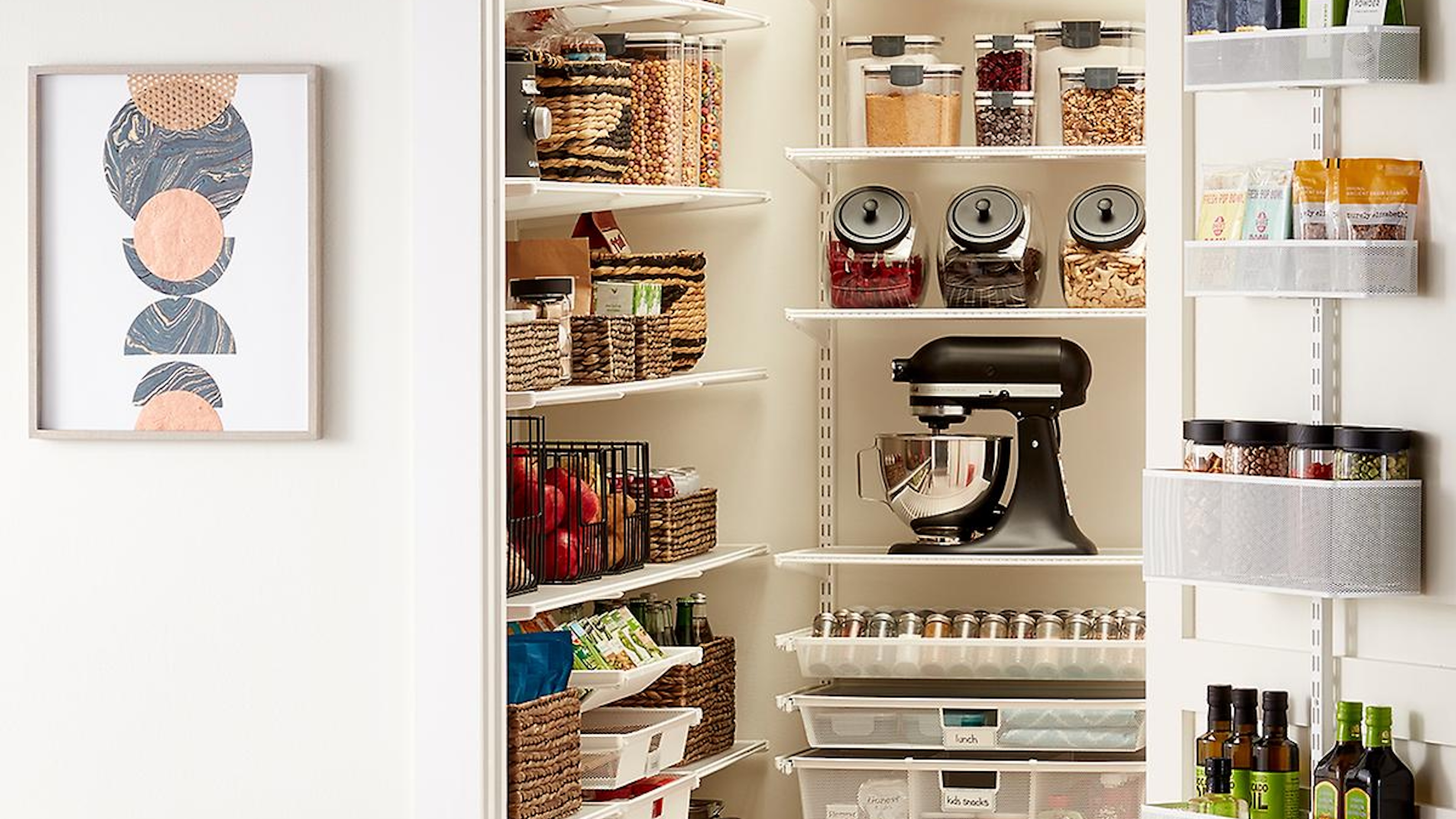
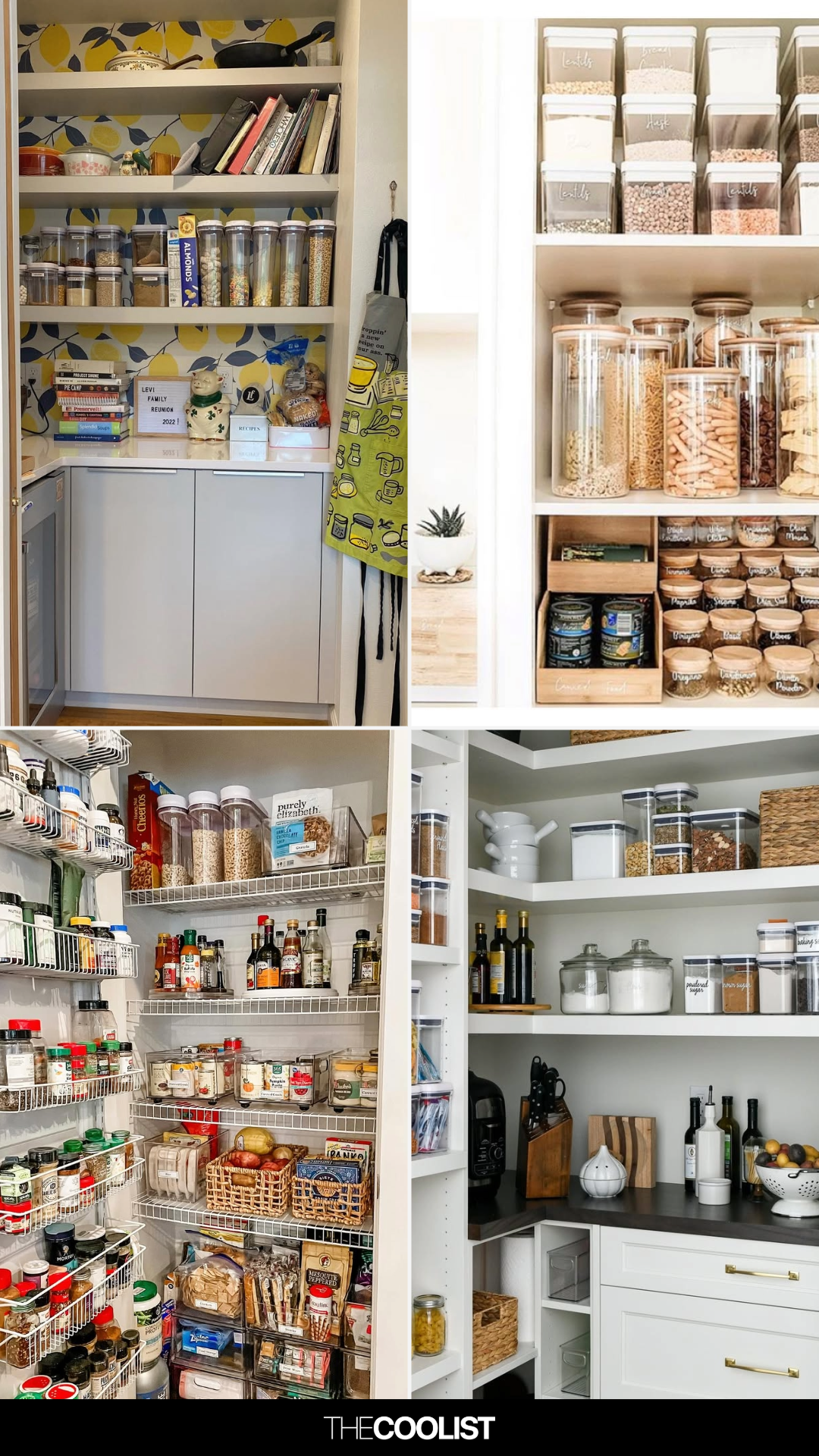
Organizing a small pantry effectively can transform a kitchen space, making cooking easier, preventing duplicate purchases, and ensuring food items are used before their expiration dates. Professional organizers Nikki Bell, Darla DeMorrow, and Libra McGinnis offer practical solutions for maximizing limited pantry real estate. One key strategy is utilizing turntables or lazy Susans to keep items visible and accessible, particularly for taller products that might otherwise get pushed to the back. These can also help group similar items, such as oils, together for efficiency.
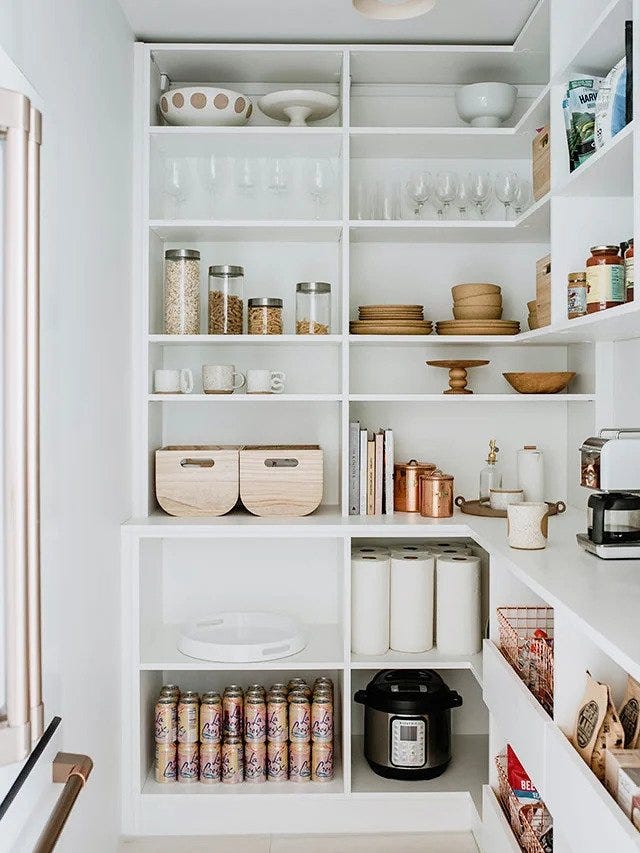
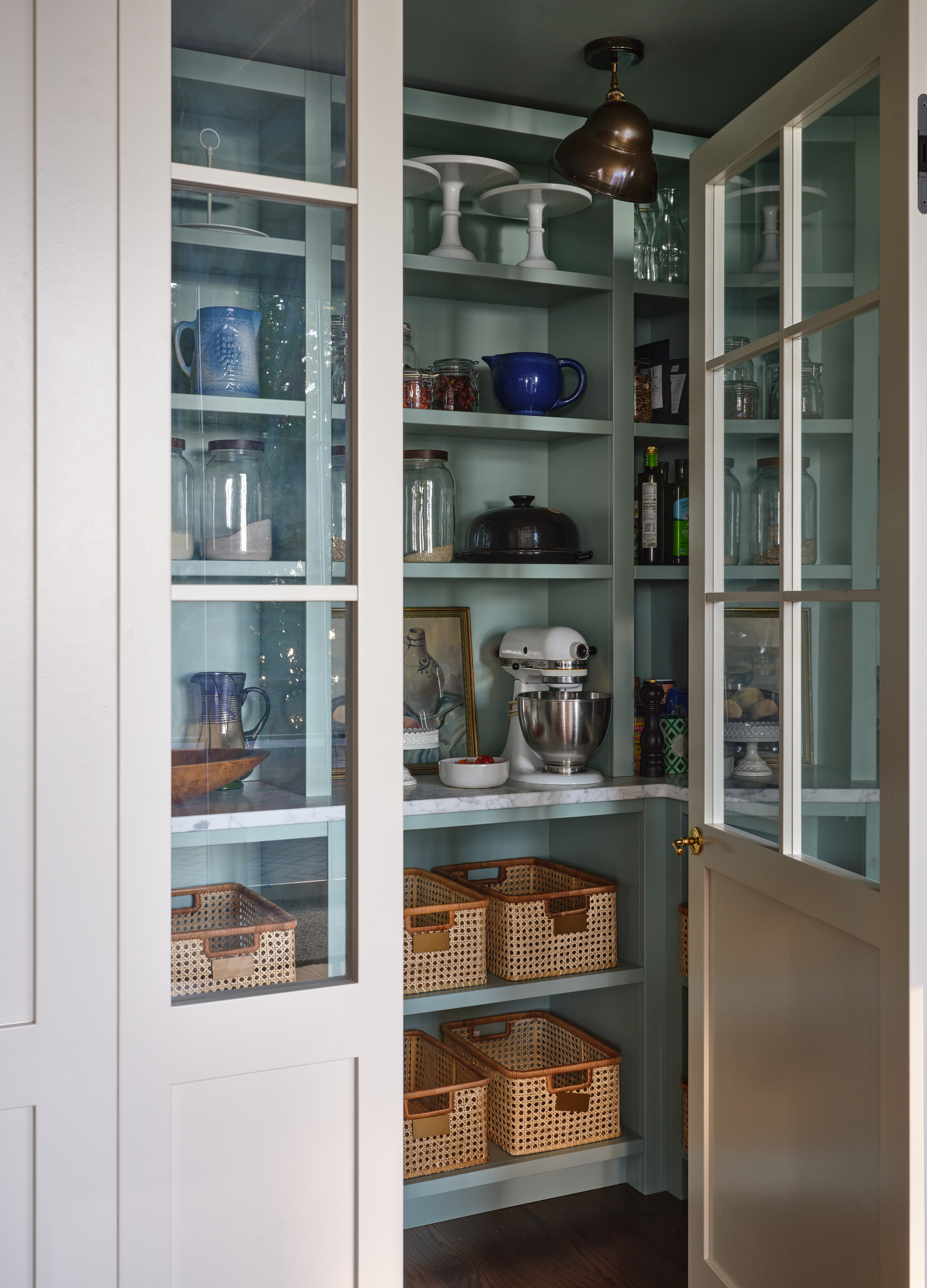
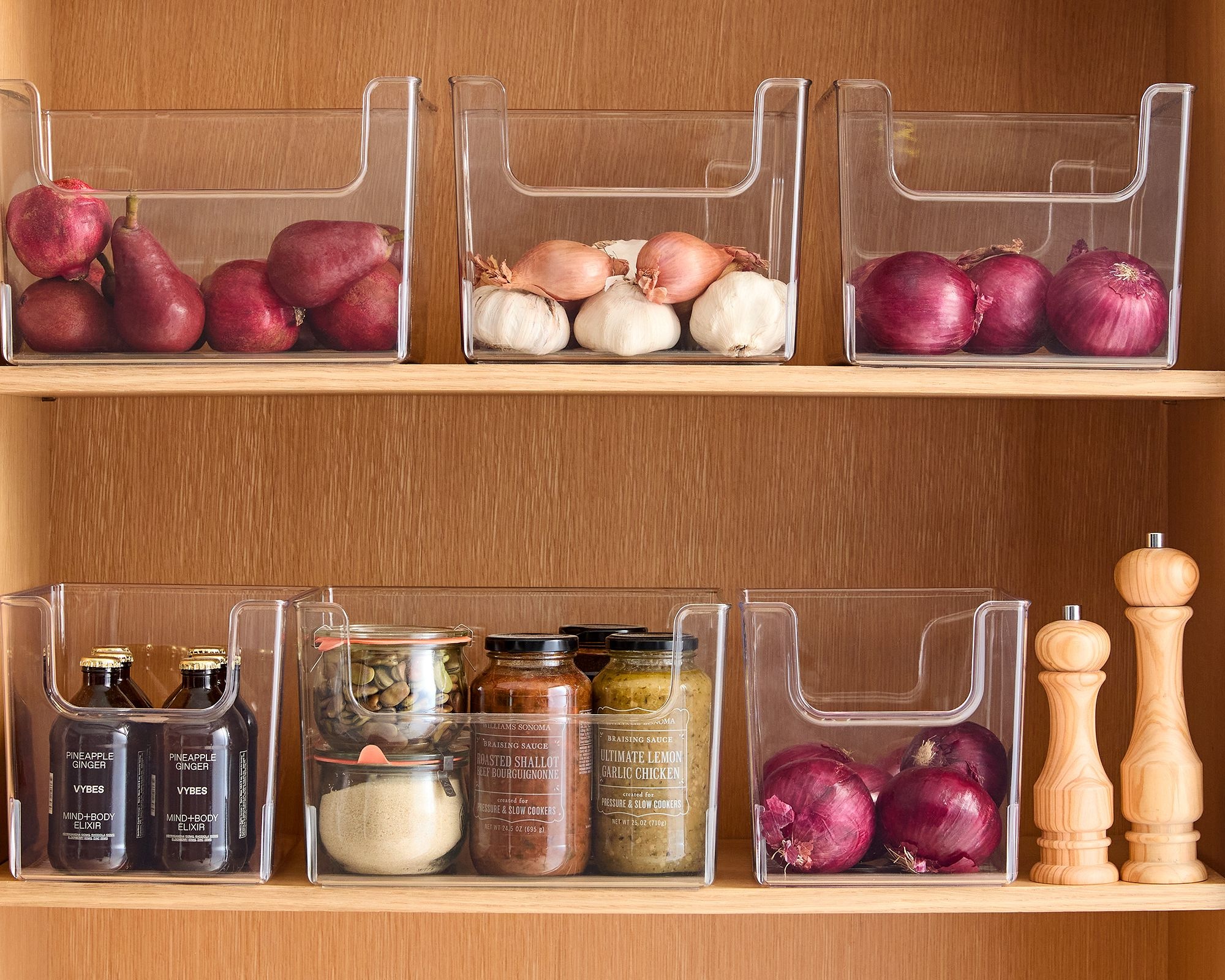
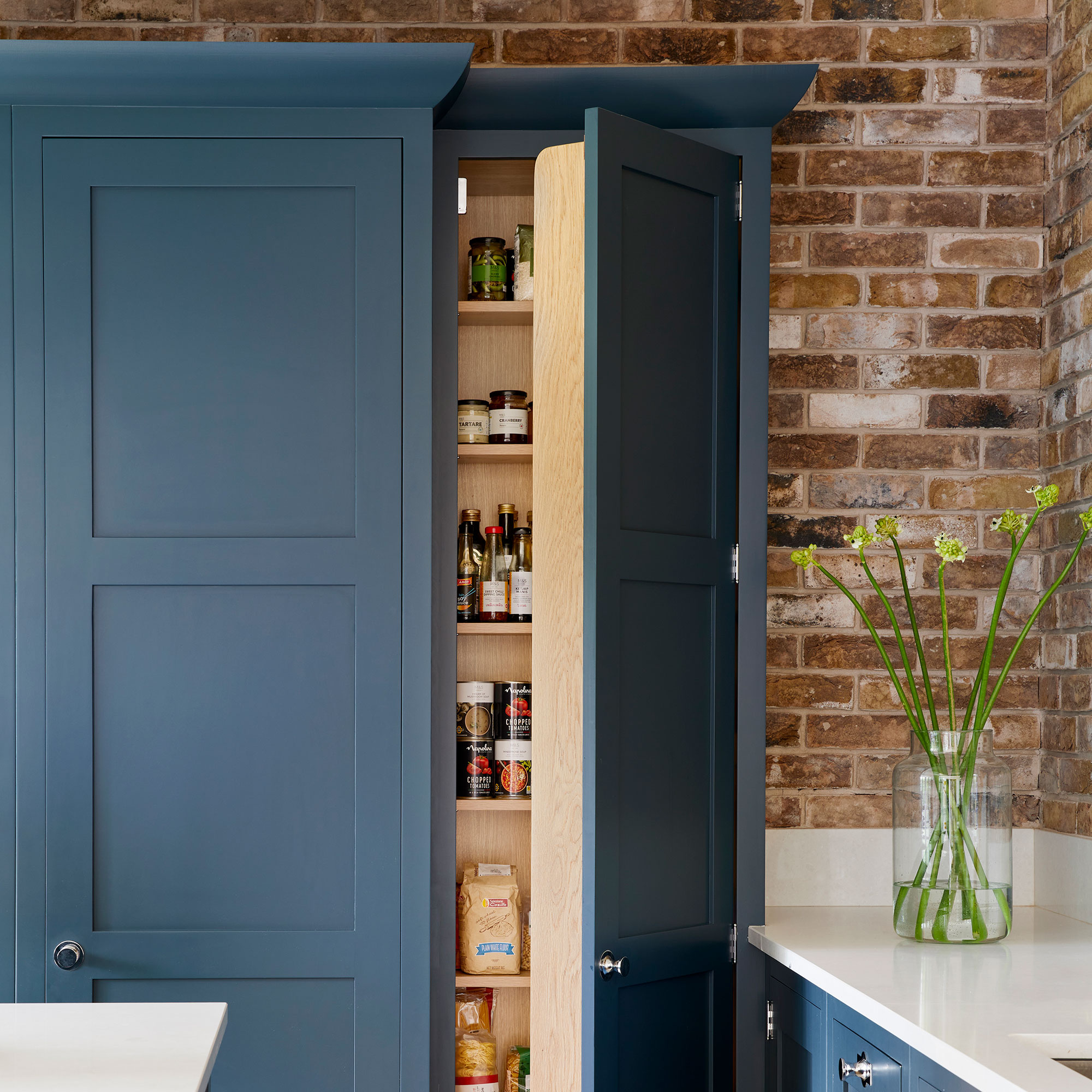
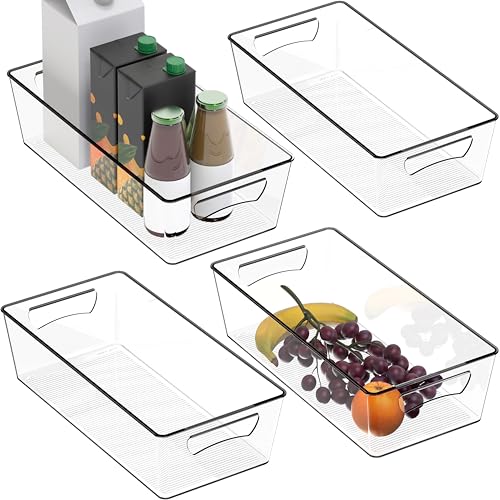
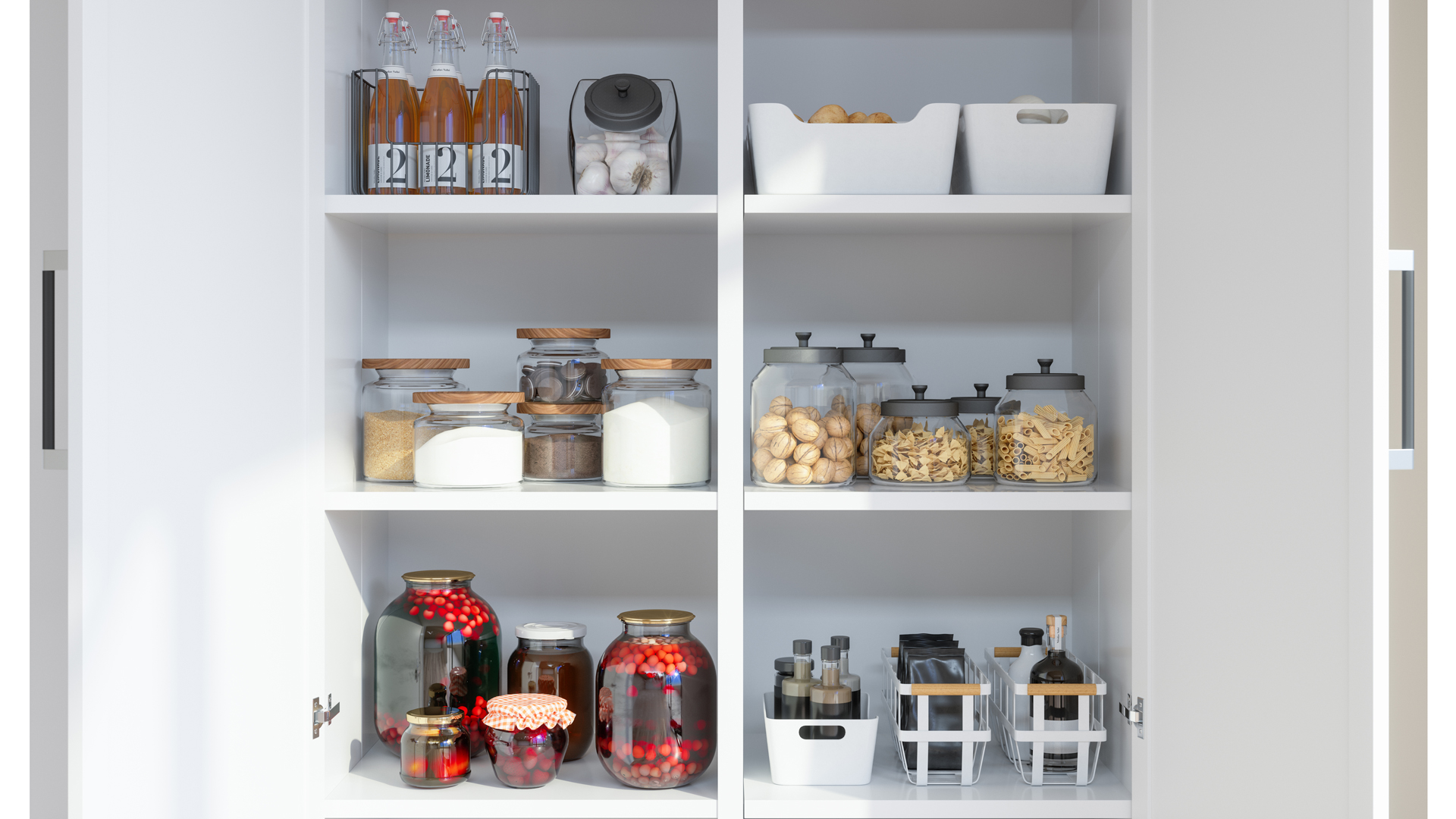
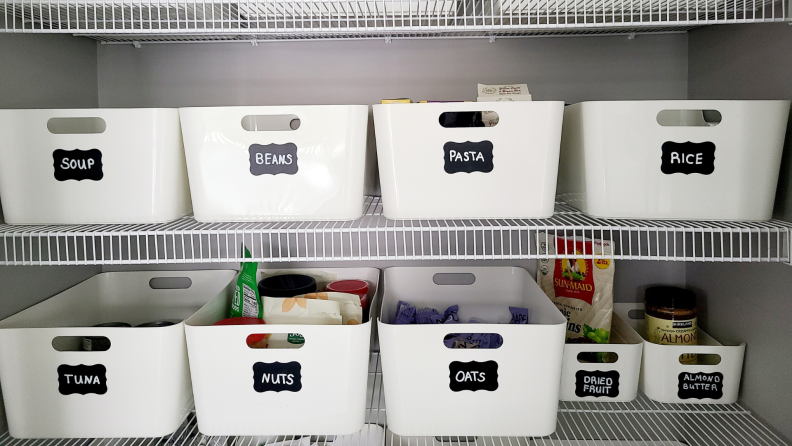
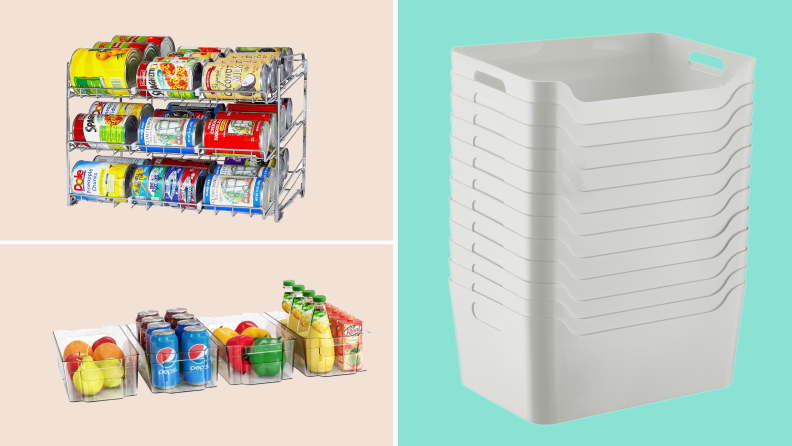
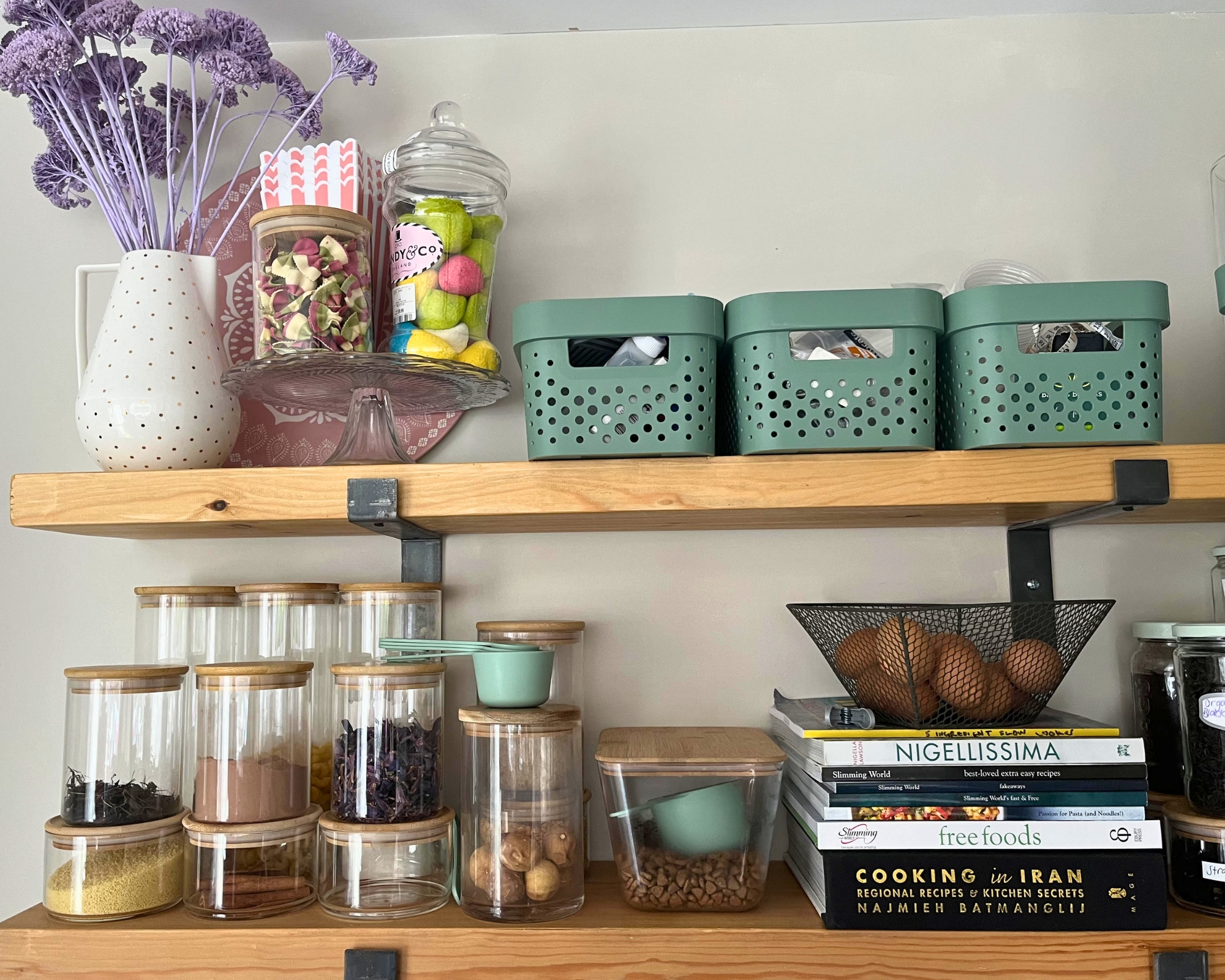
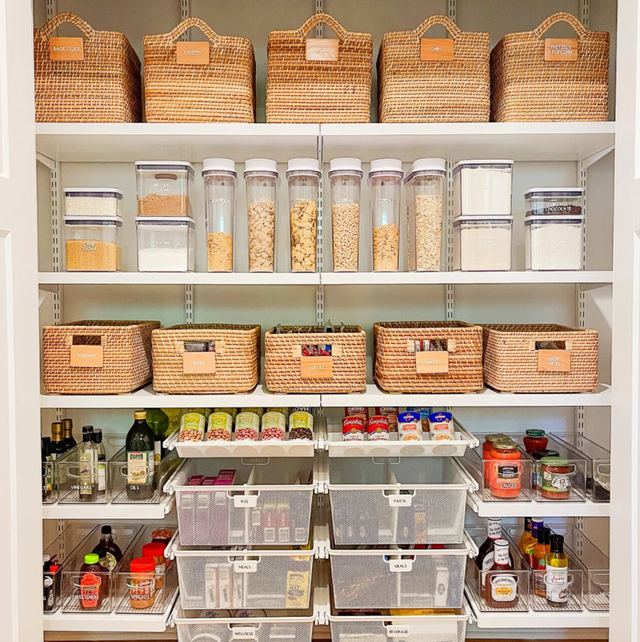
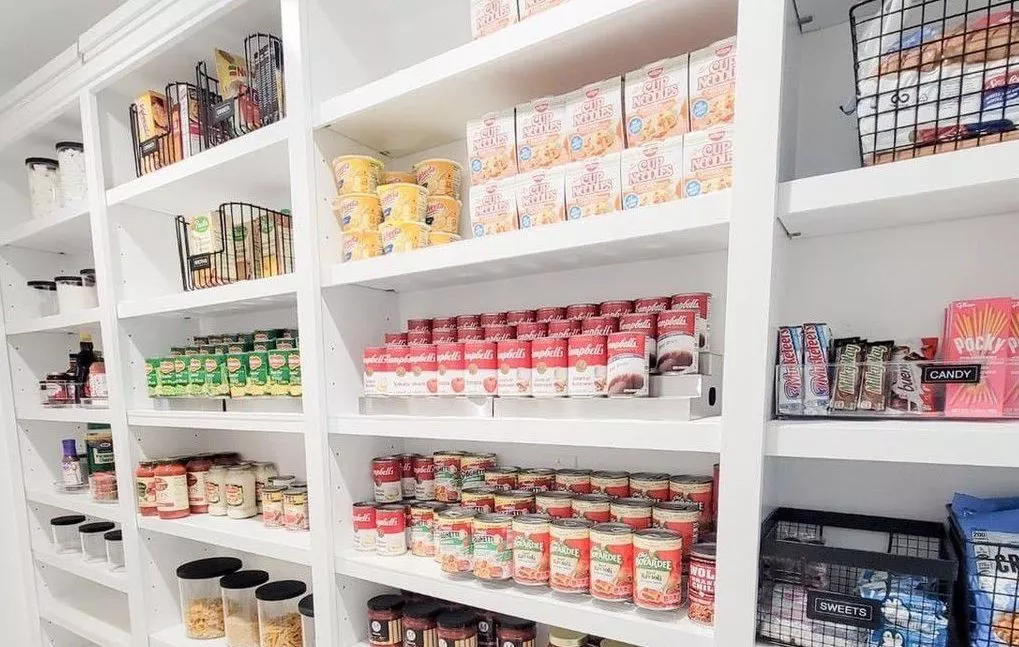
Adjusting the height of pantry shelves is crucial for optimizing vertical space. This allows for stacking products or positioning items at a more convenient height, especially for children. Clear bins are recommended over opaque ones because they allow contents to be seen at a glance, indicating when a refill is needed and contributing to a cohesive aesthetic. When adjustable shelves are not an option, stacking canned goods can help utilize vertical space, though it is advised to keep stacked items at eye level or below to prevent accidents.
Categorizing foods is essential for streamlining meal preparation and inventory management. The method of categorization should align with individual needs and eating habits; for example, grouping breakfast items together if that suits the household's routine. The "first in, first out" (FIFO) method is another valuable technique, involving placing newer groceries behind older ones so that older products are used first, minimizing waste.
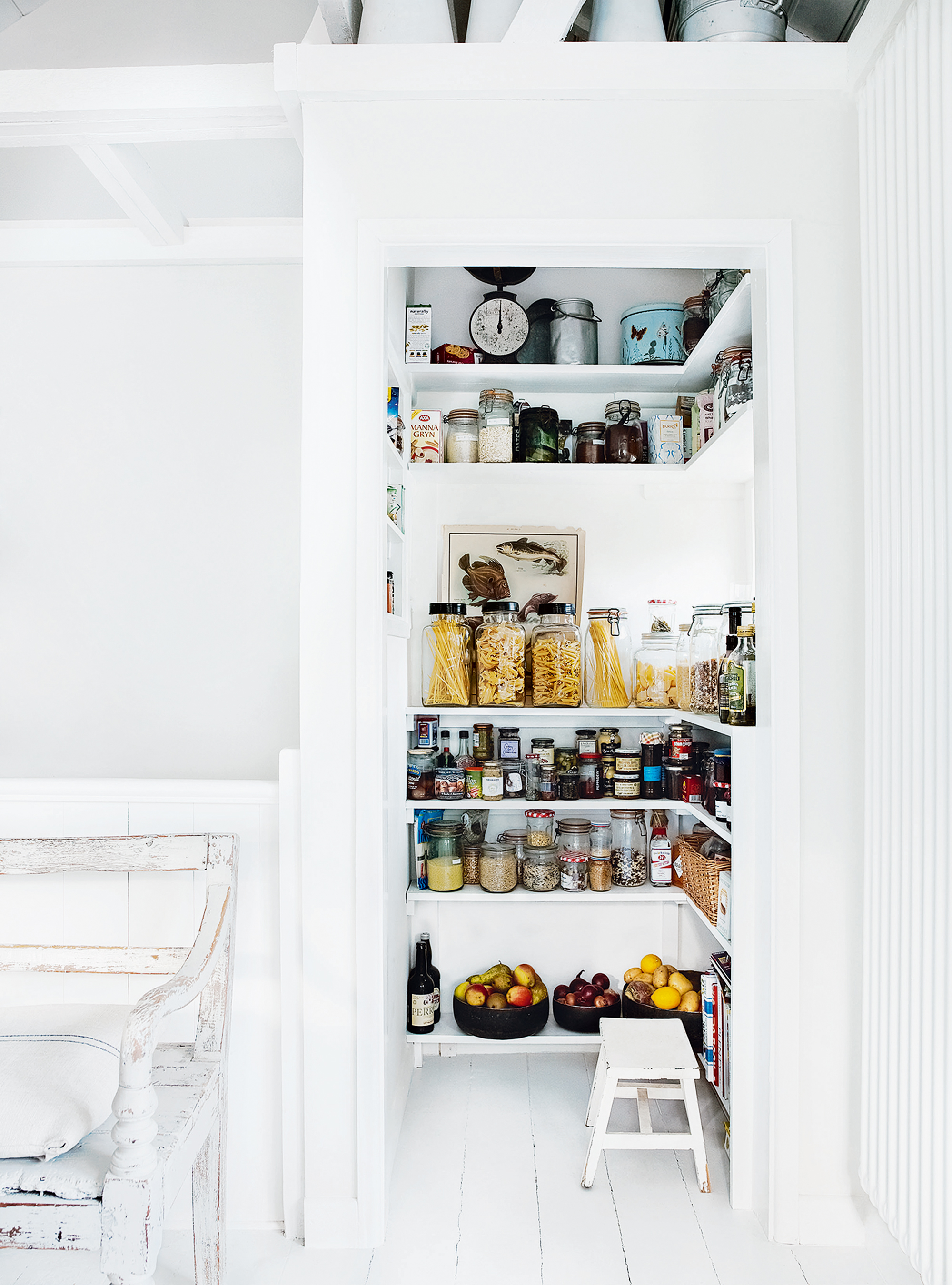
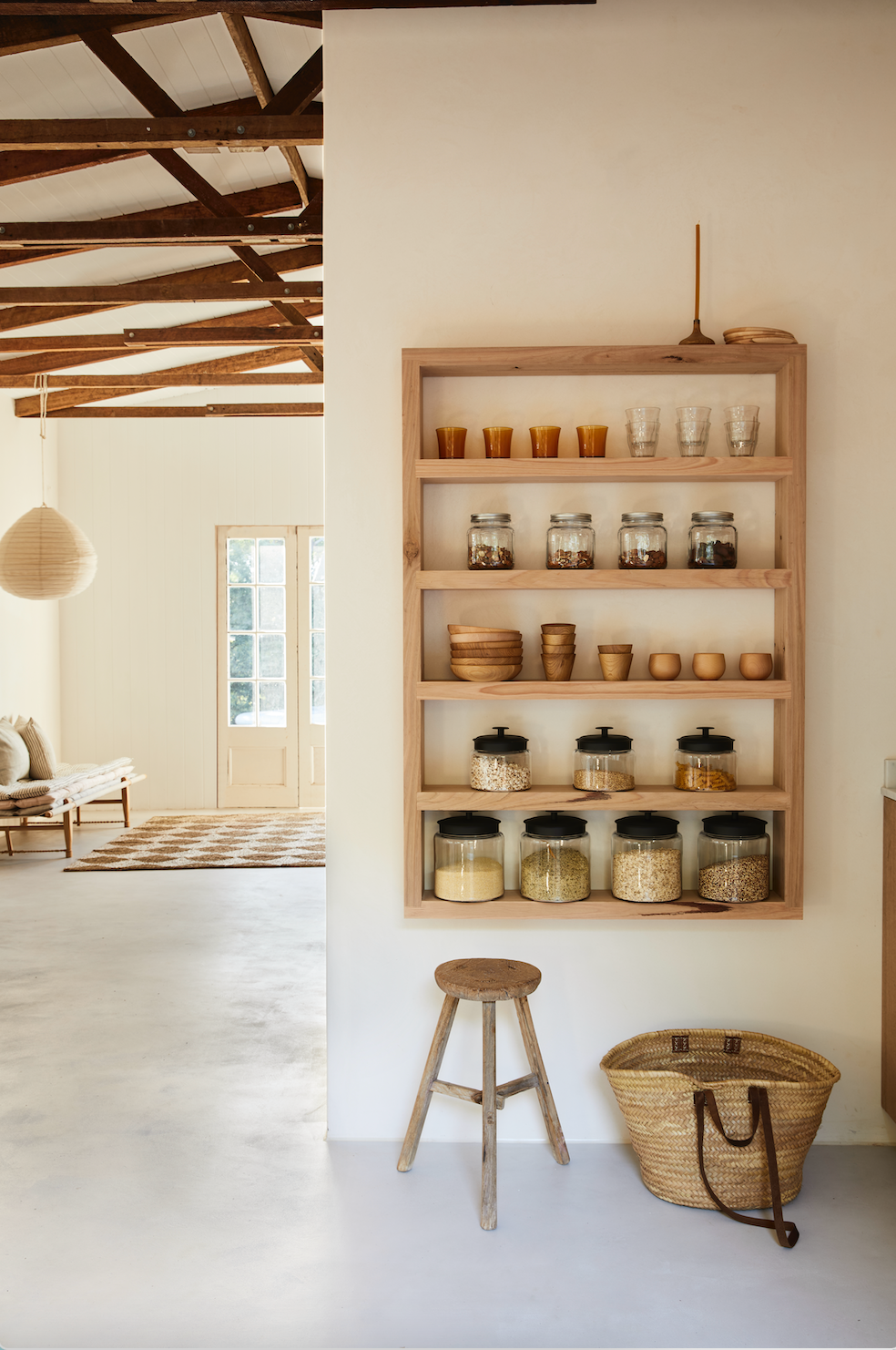
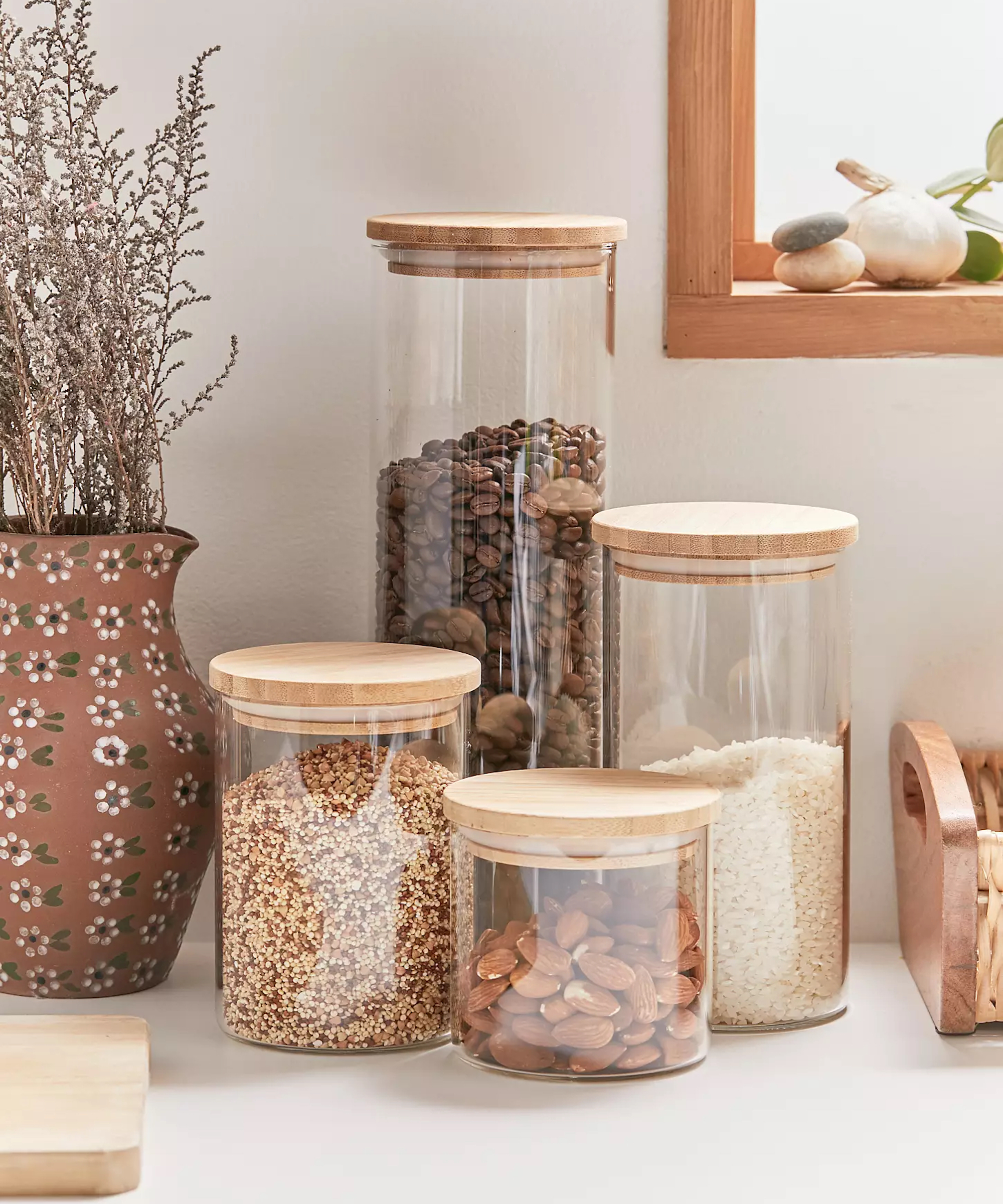
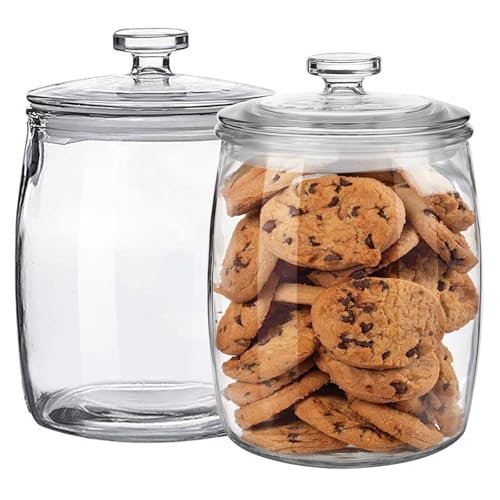
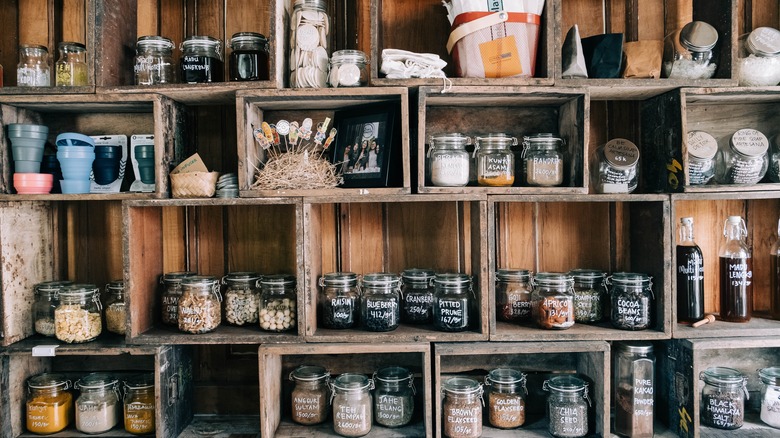
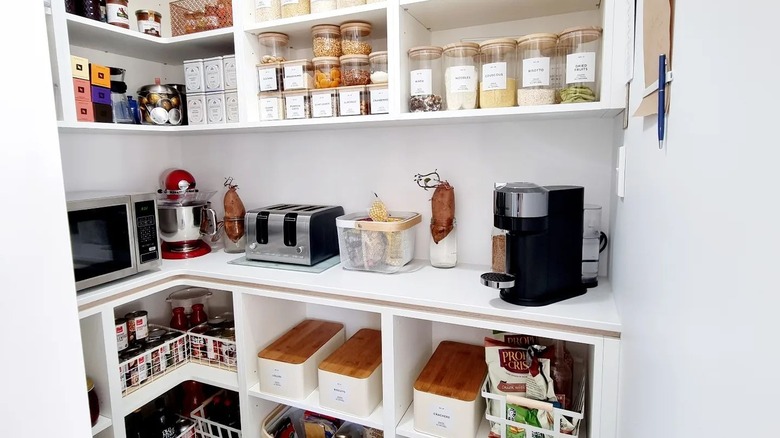
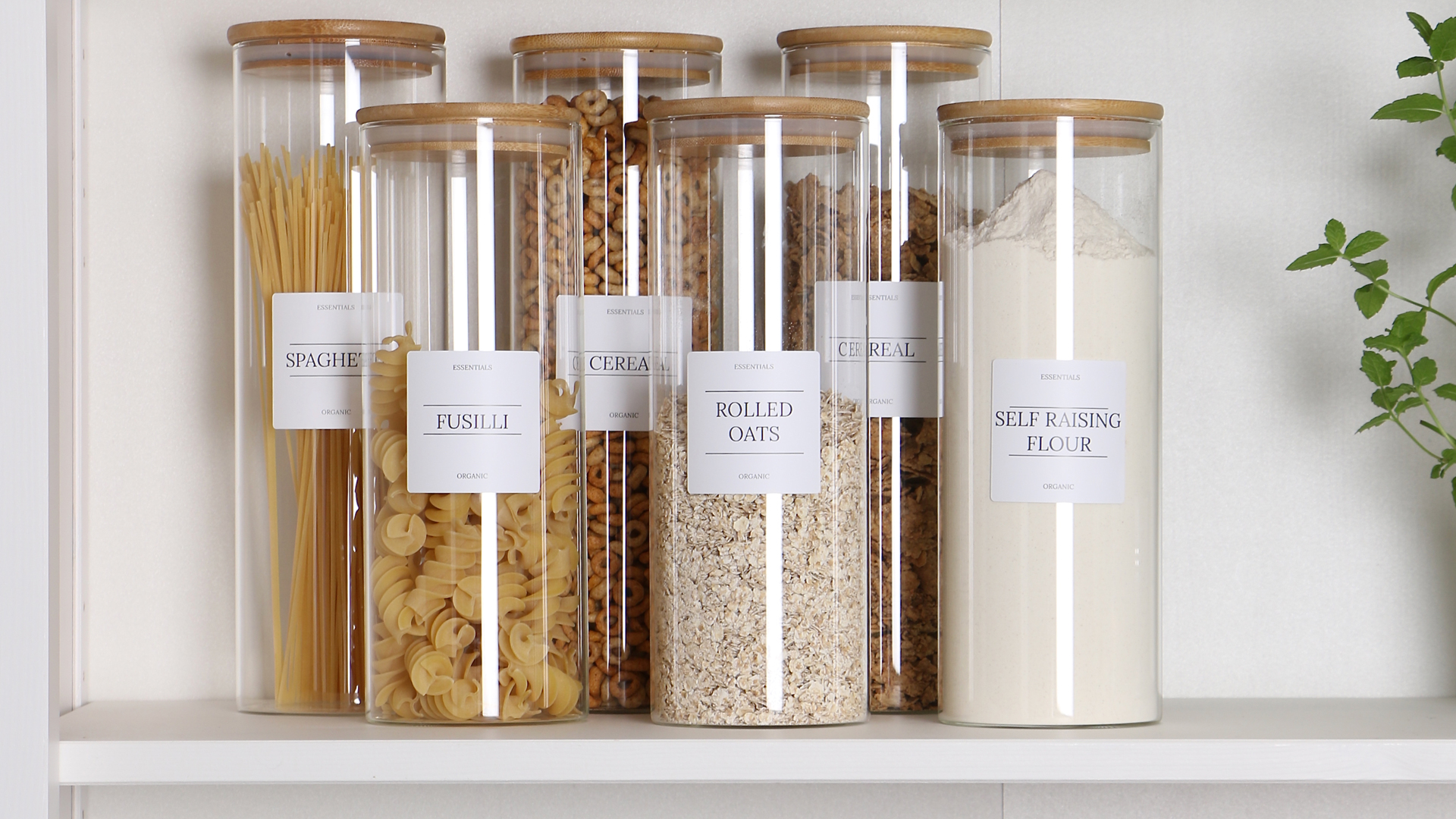
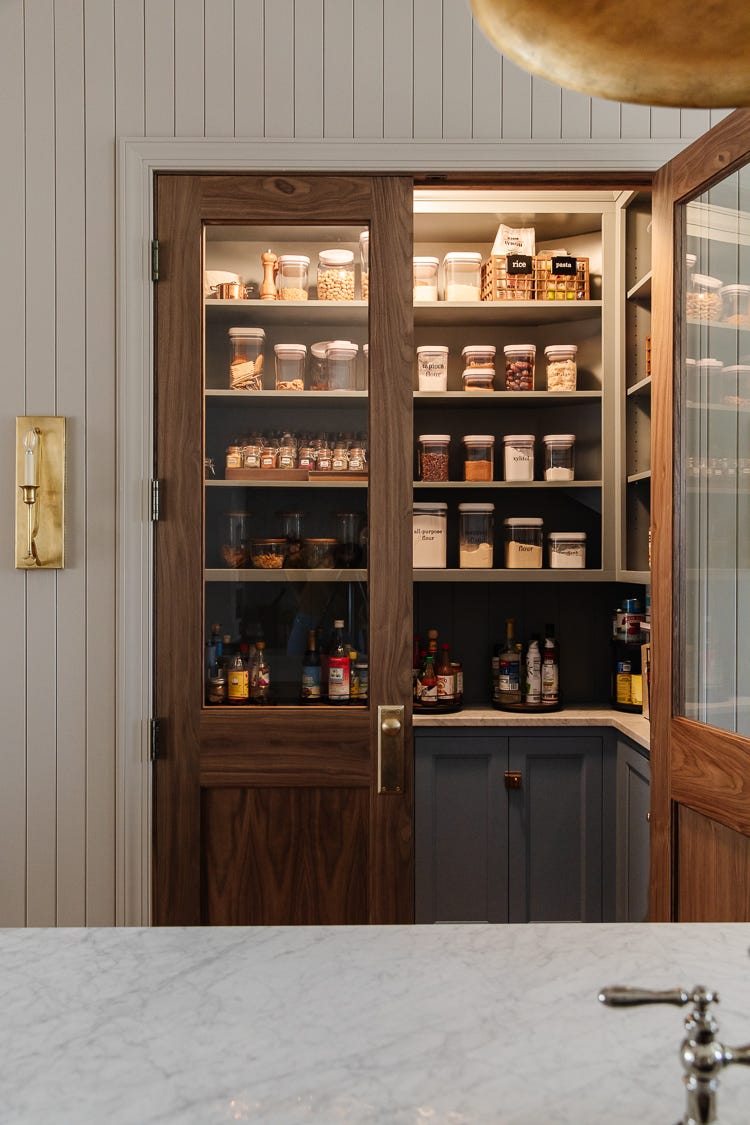
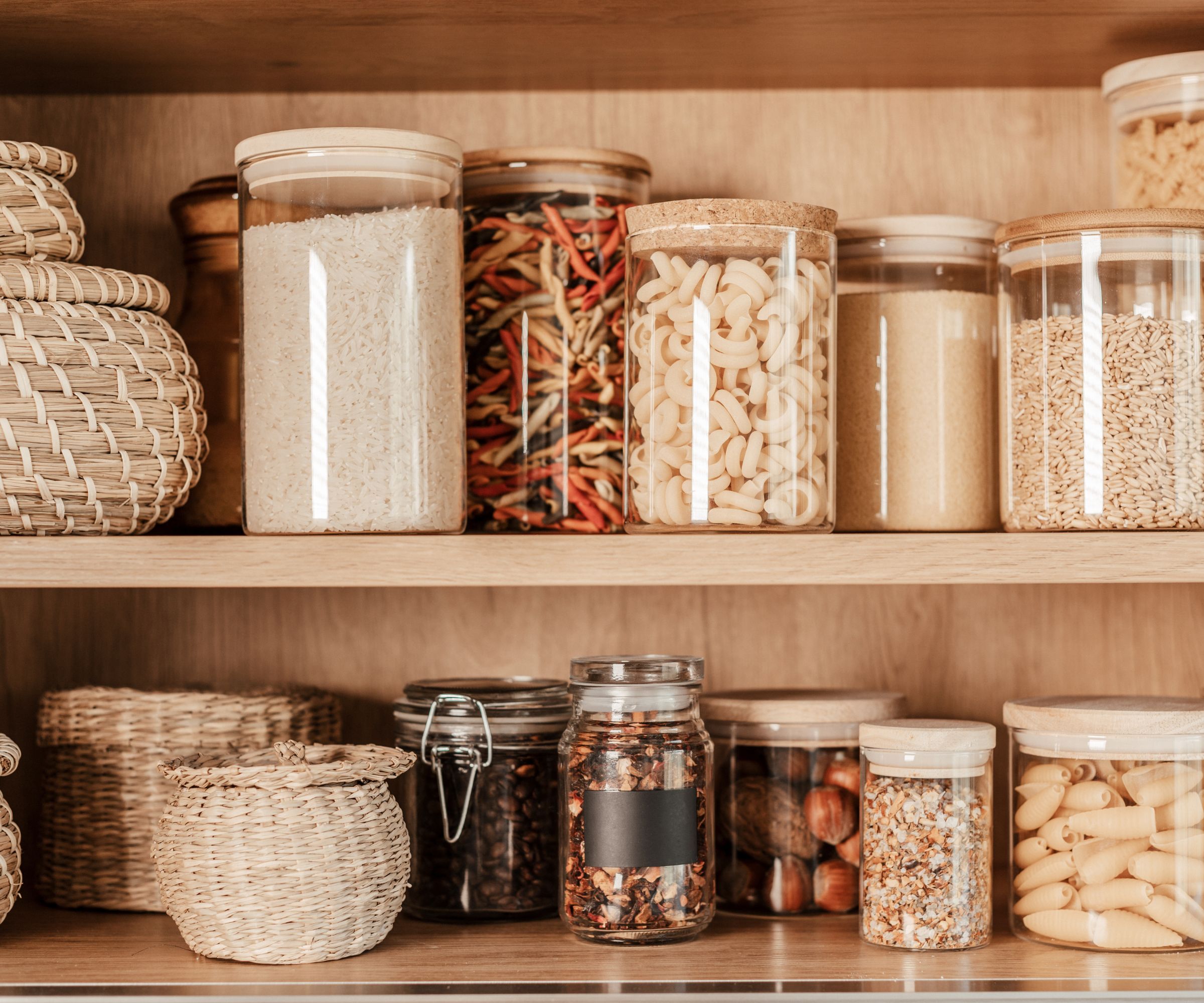
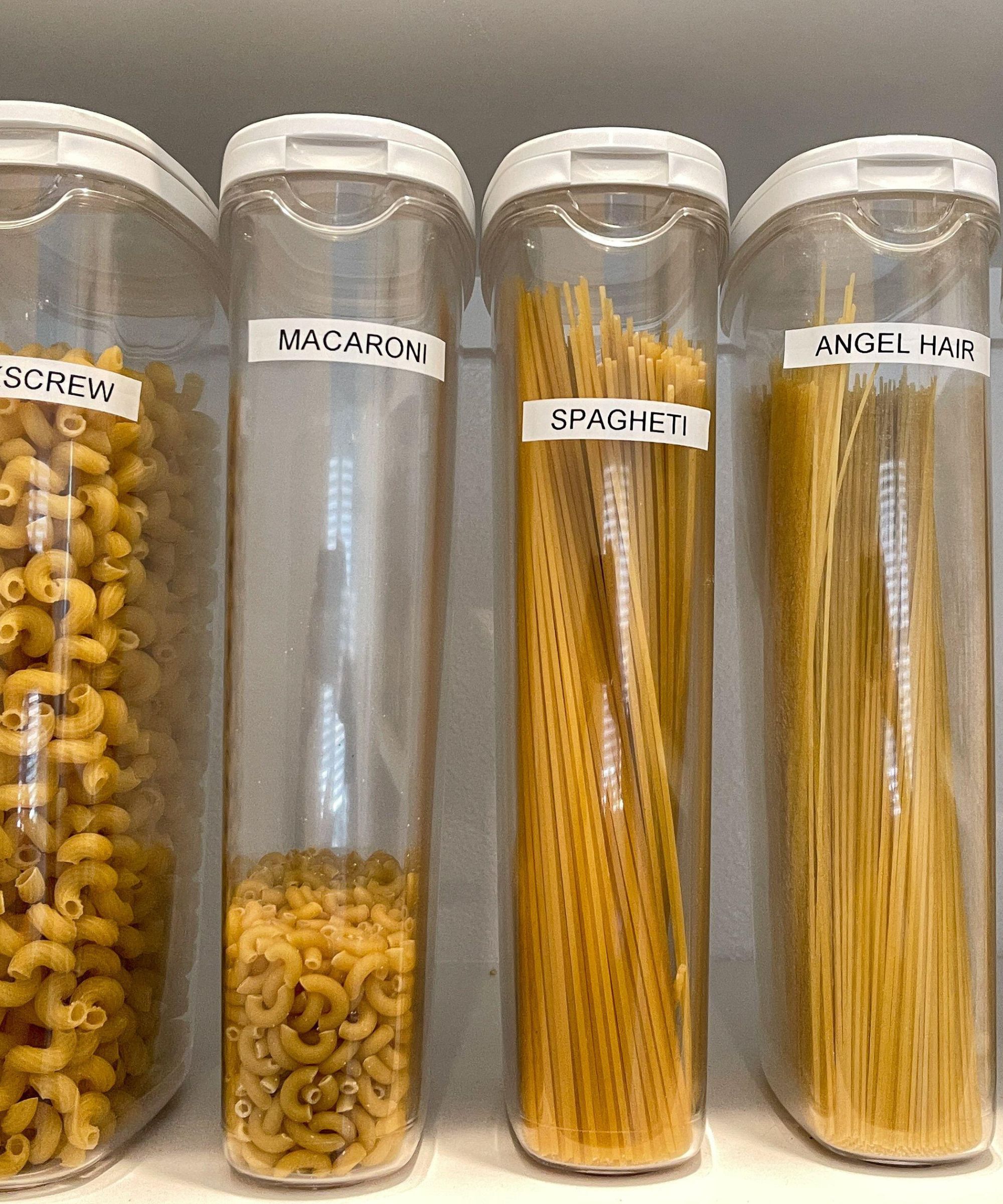
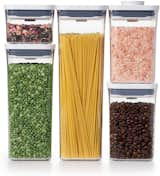
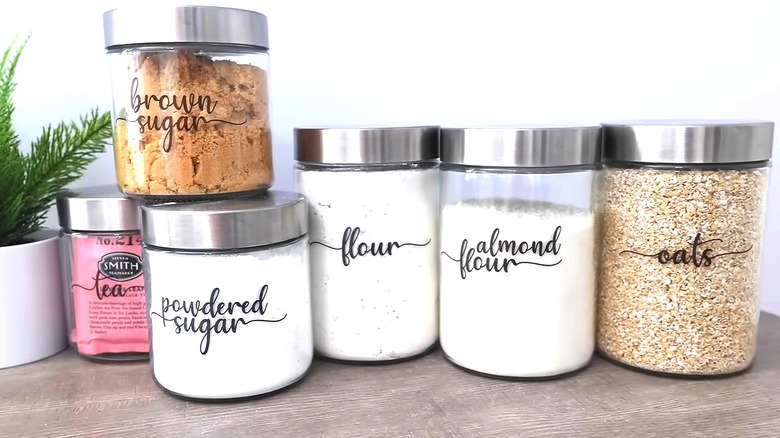
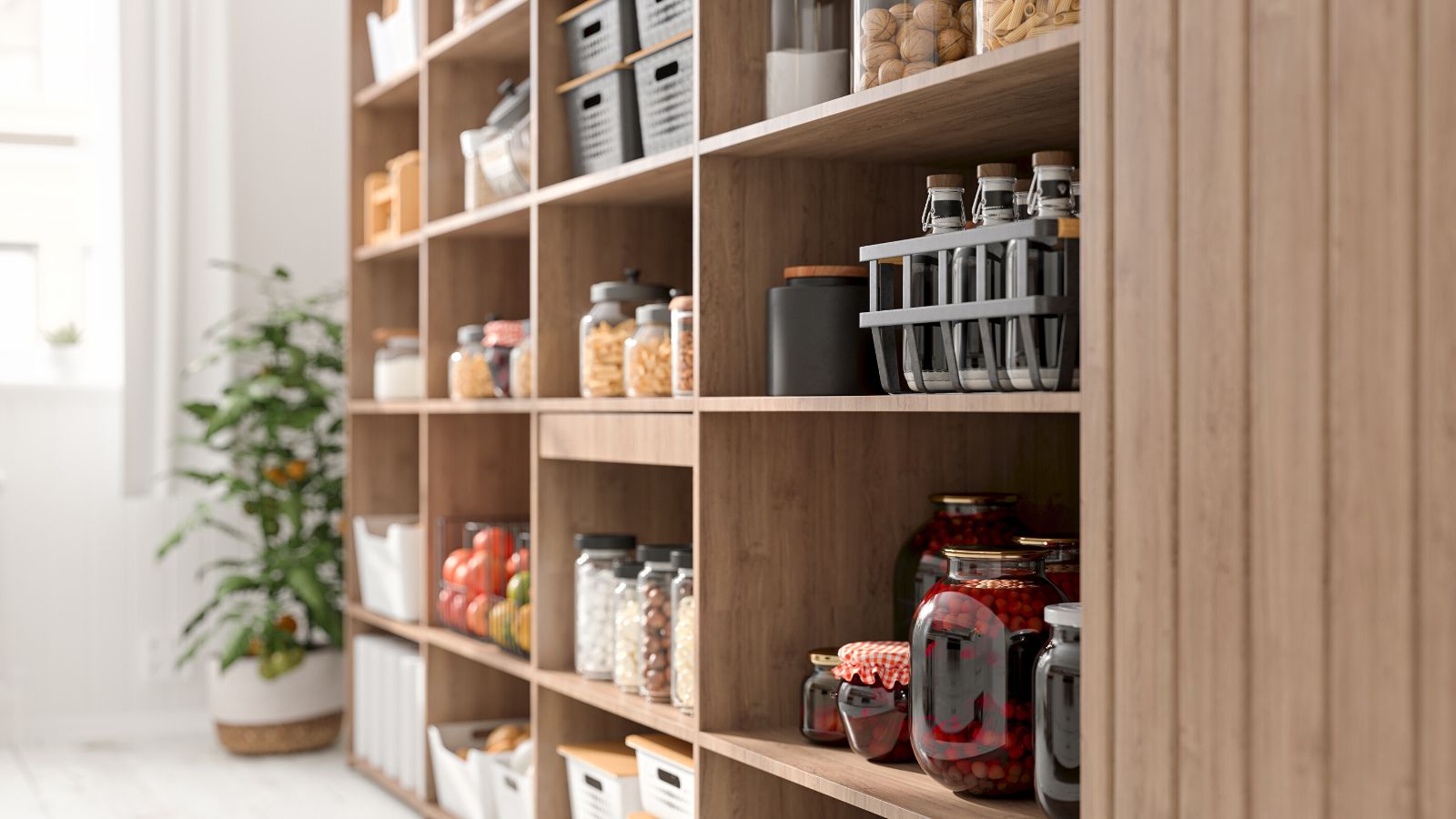
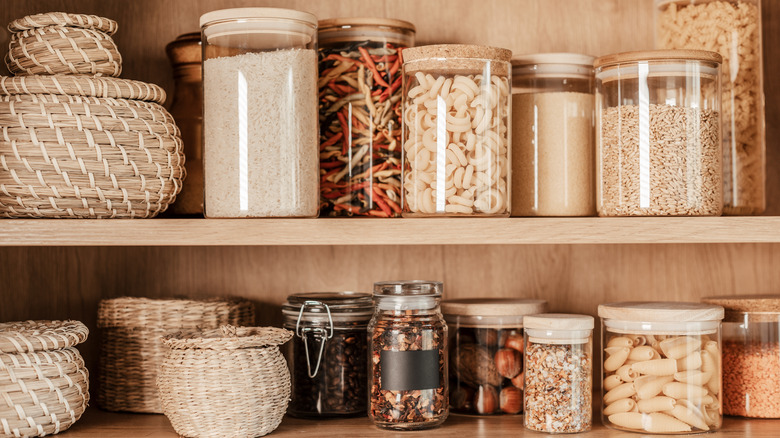
Decanting, or transferring foods from their original packaging into uniform, clear containers, offers several benefits. It helps in quickly identifying when an item needs to be restocked, preventing over-purchasing. It is important to transfer expiration dates to the new containers. Keeping commonly used items together further enhances efficiency, allowing for quick access during daily routines, such as packing a child's lunch.
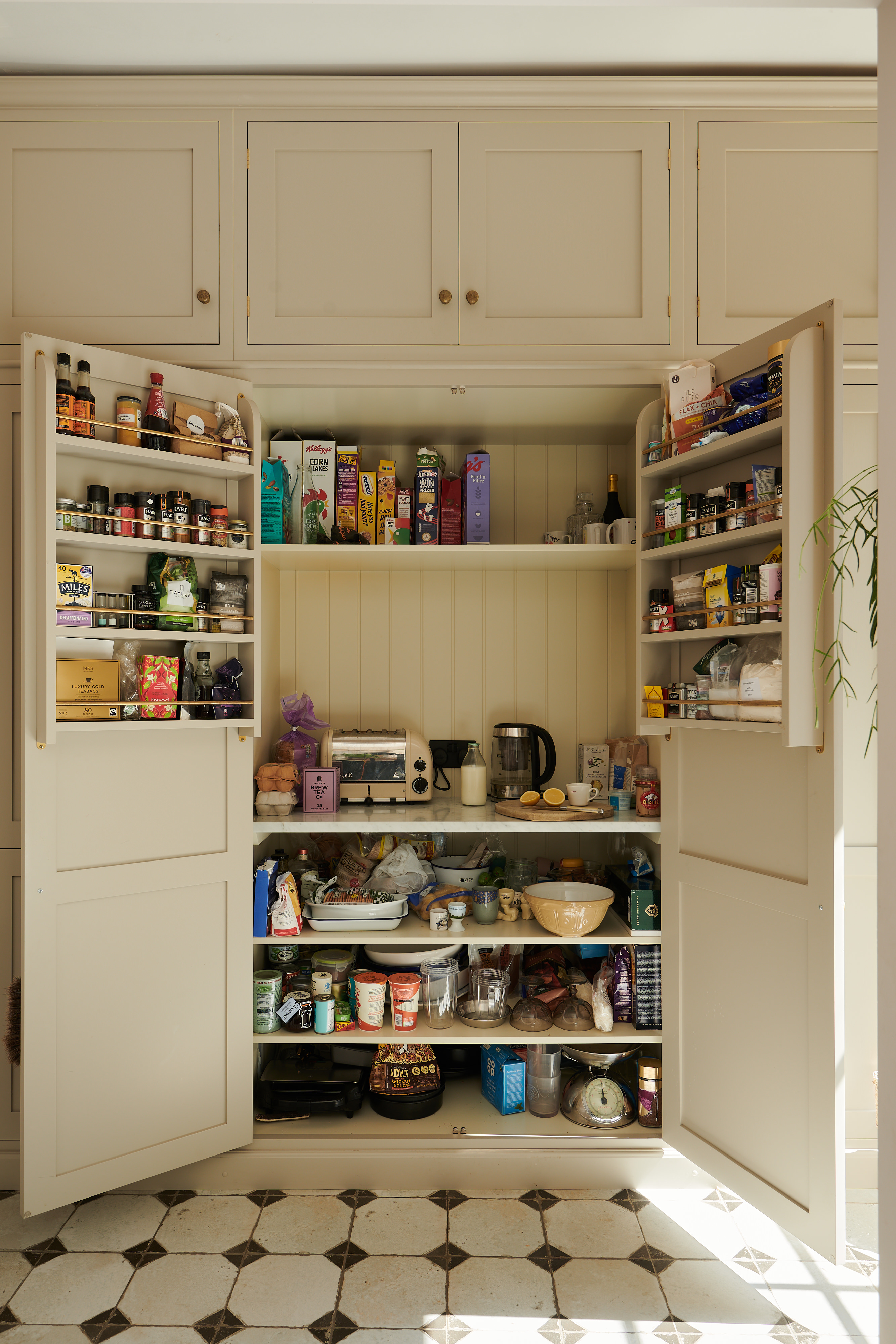
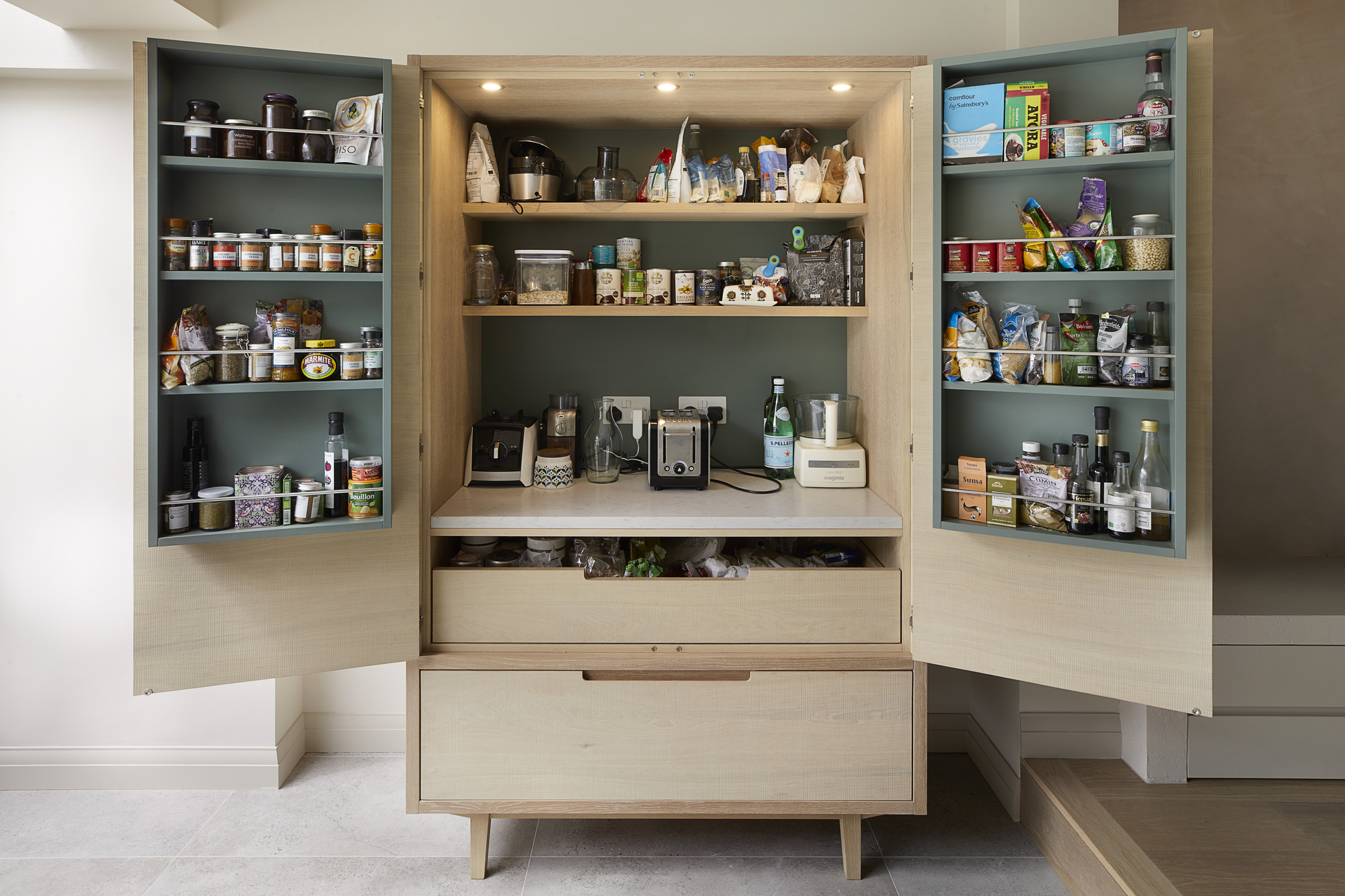
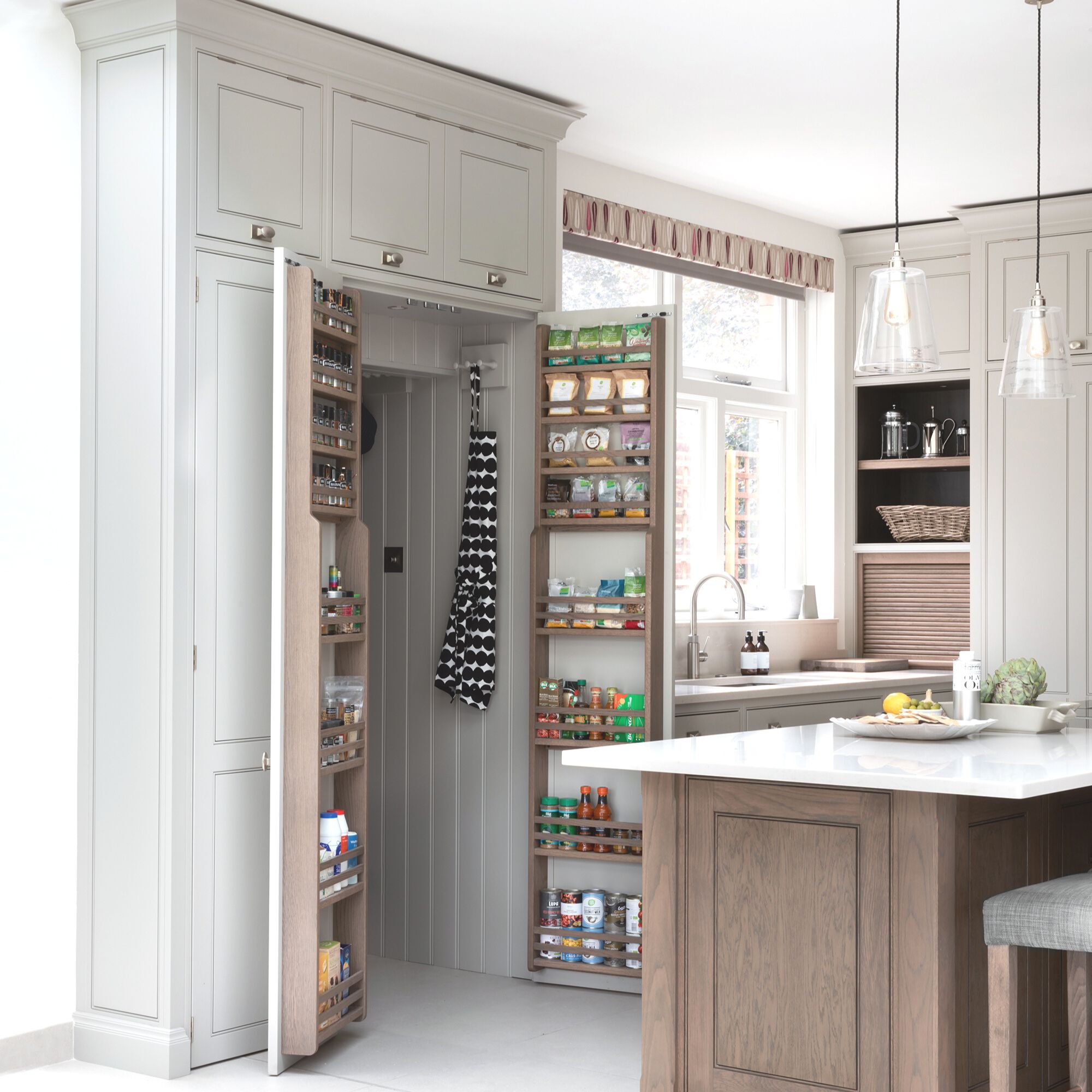
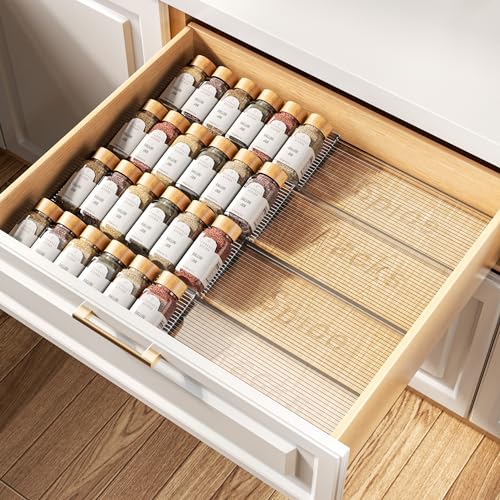
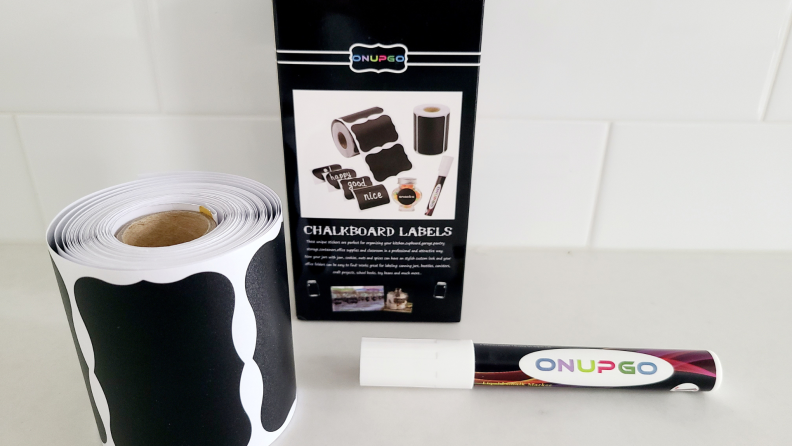
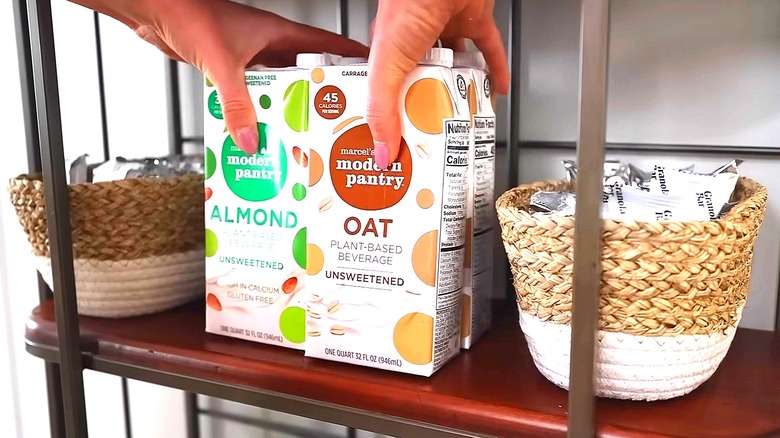
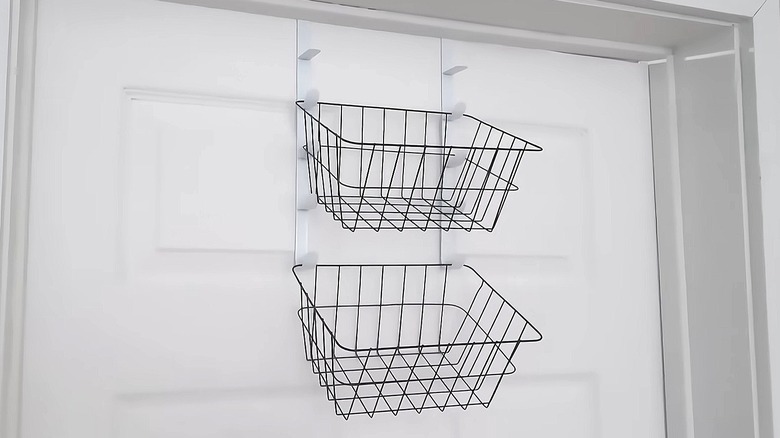
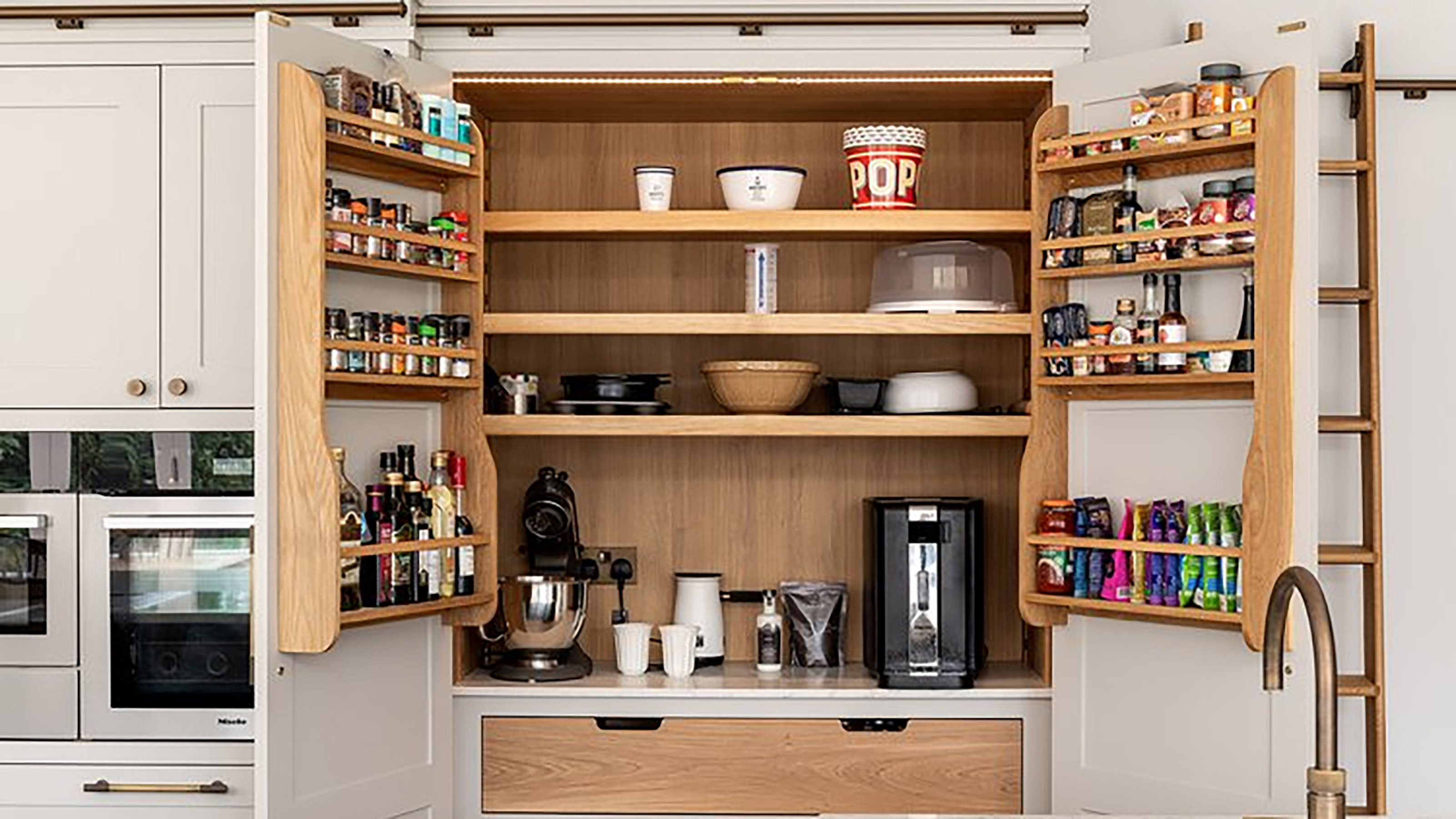
For pantries with drawers, dividers are effective for organizing smaller packages like teas, coffee pods, or snack bars. While not everything needs a label, dry goods that can be easily confused, such as powdered sugar and flour, should be clearly marked. Stackable drawers provide additional vertical storage for snacks in bulky packaging like popcorn or fruit cups. Over-the-door storage solutions can significantly increase available space, accommodating spice racks or larger canisters, depending on door clearance.
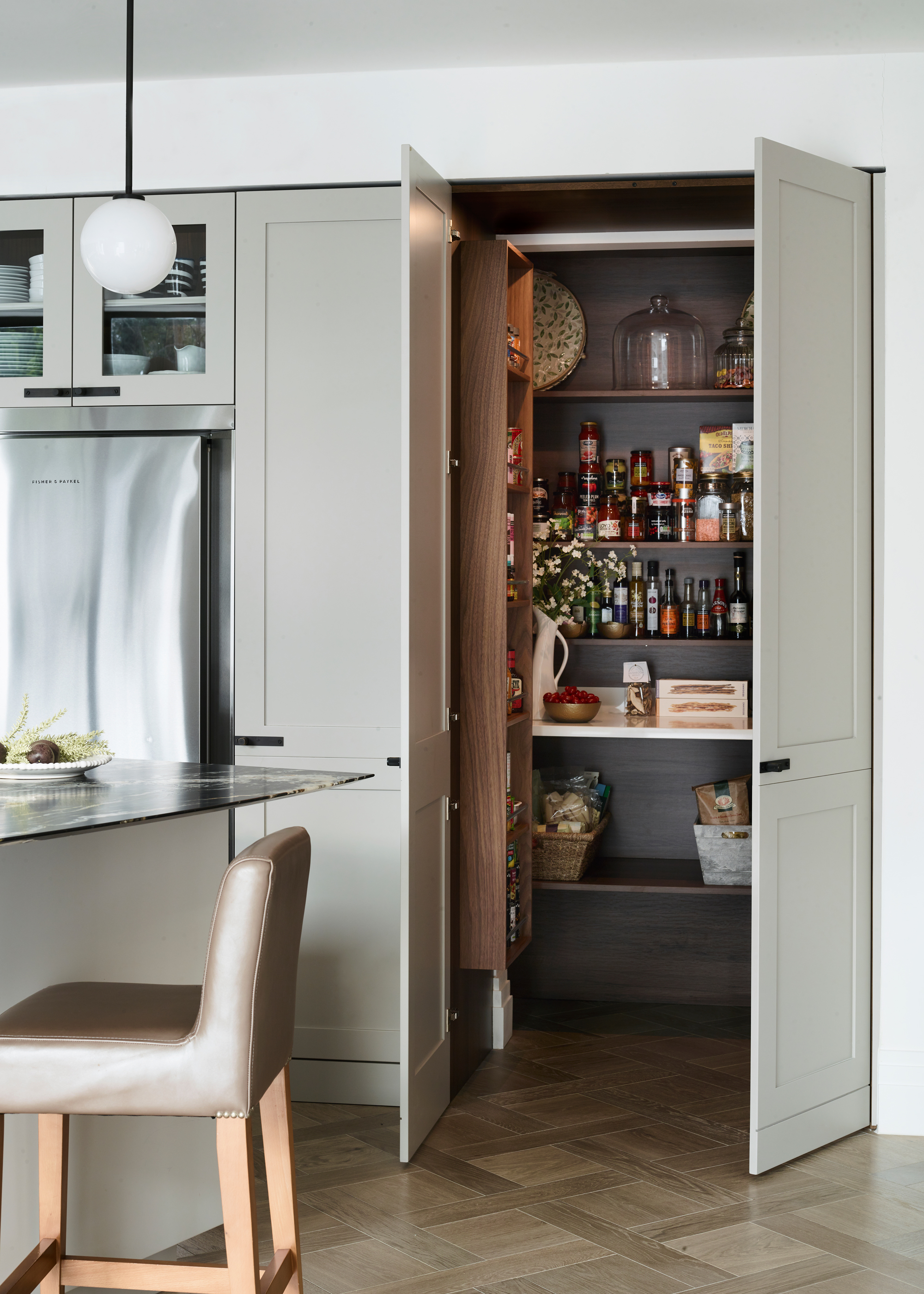
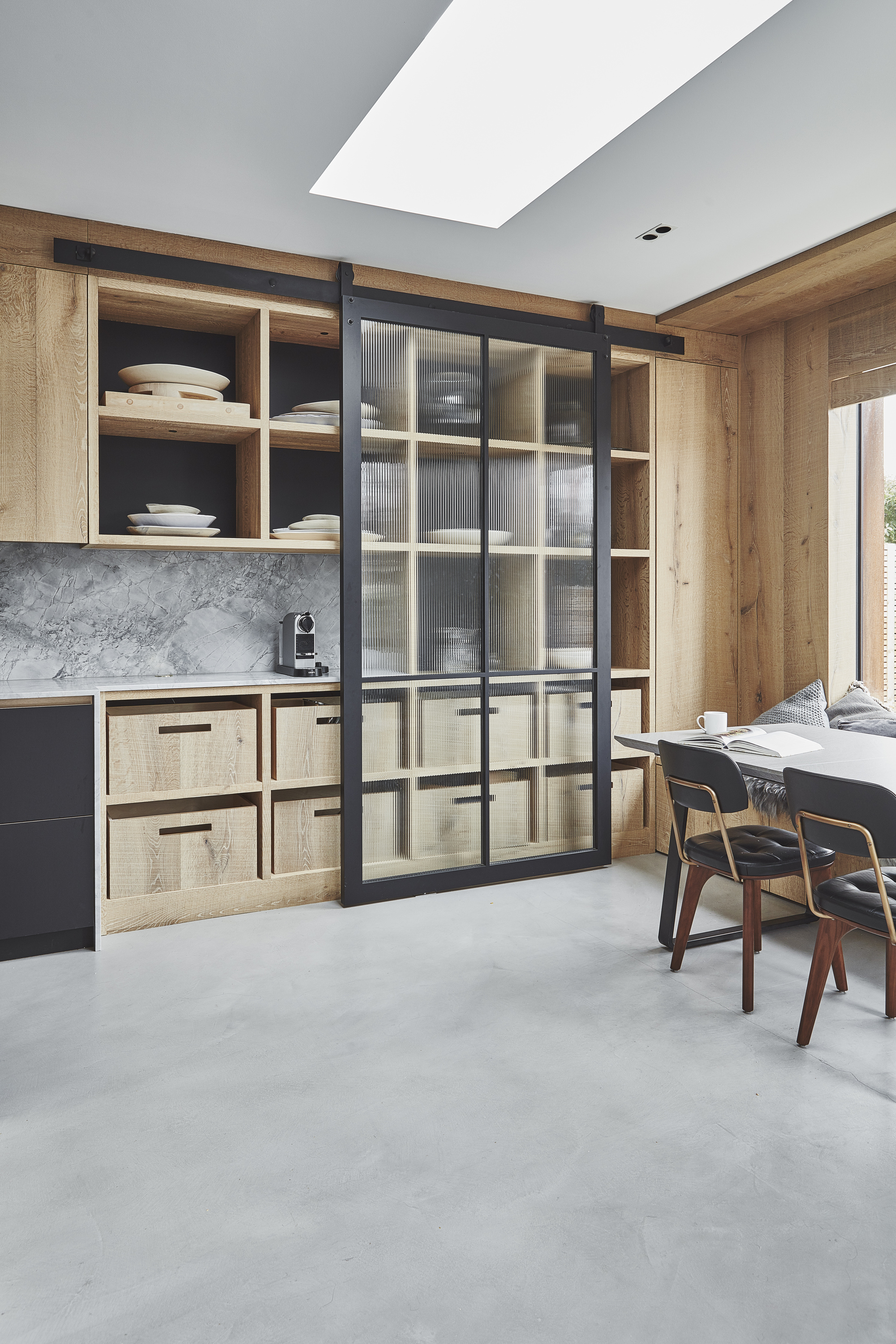
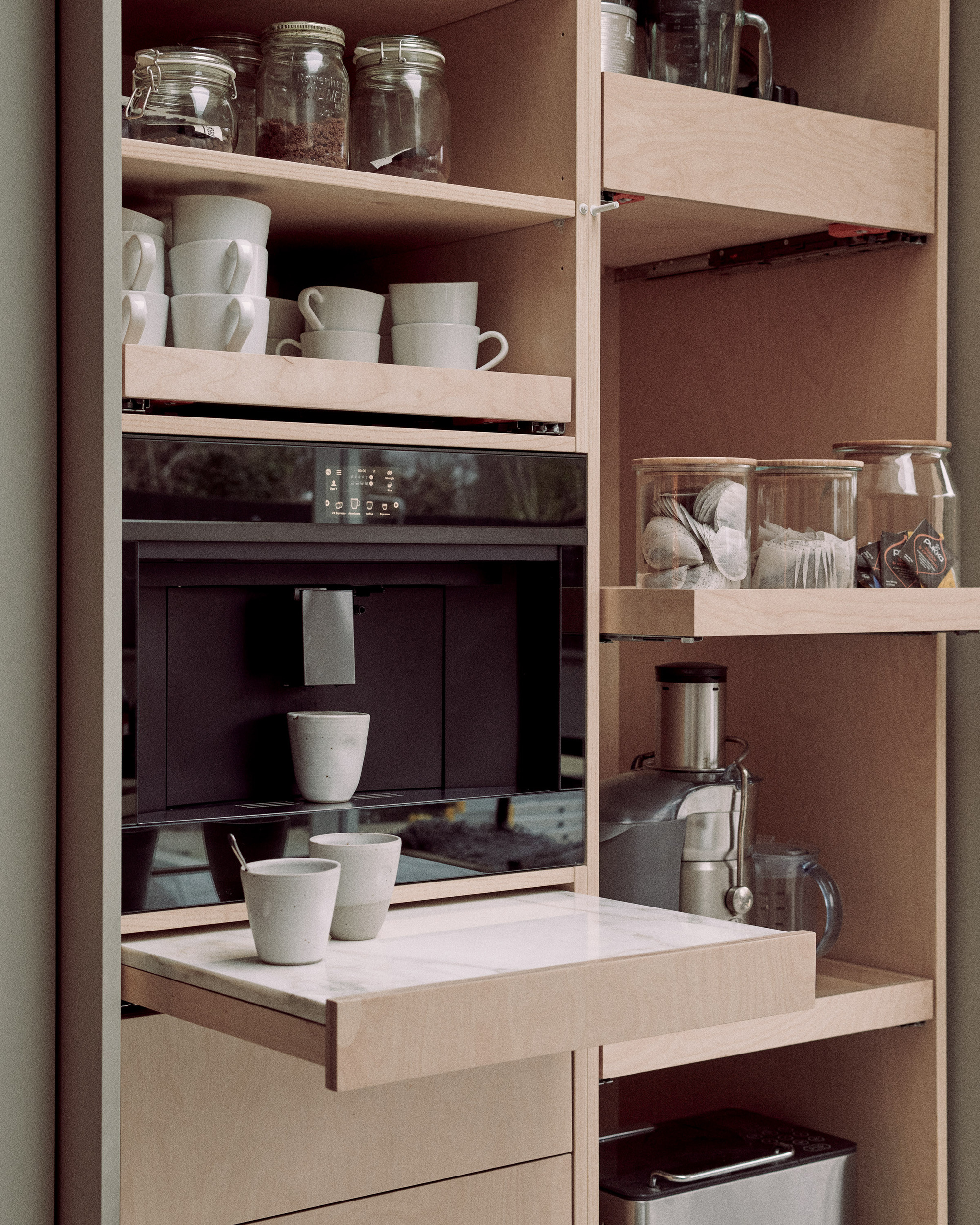
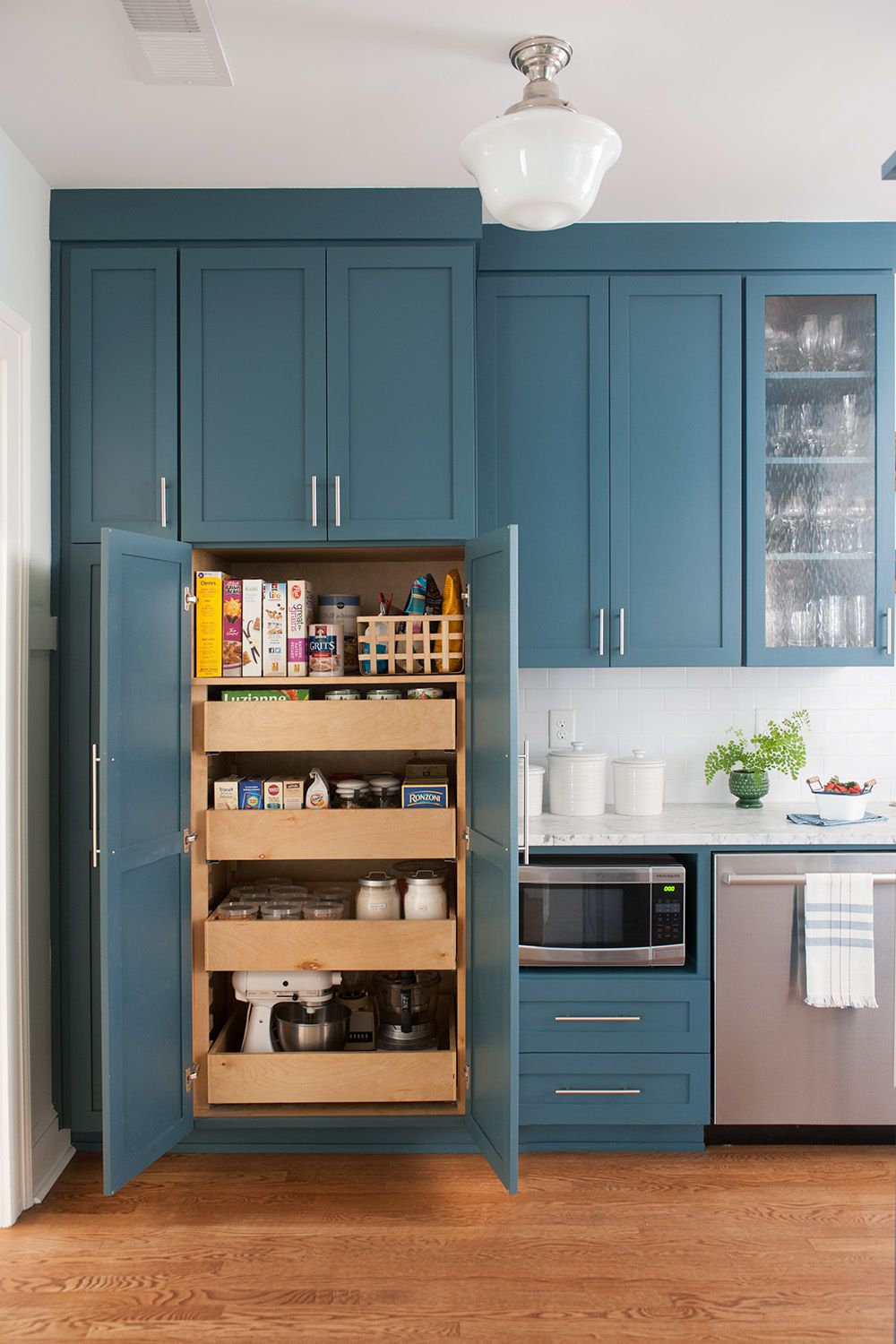
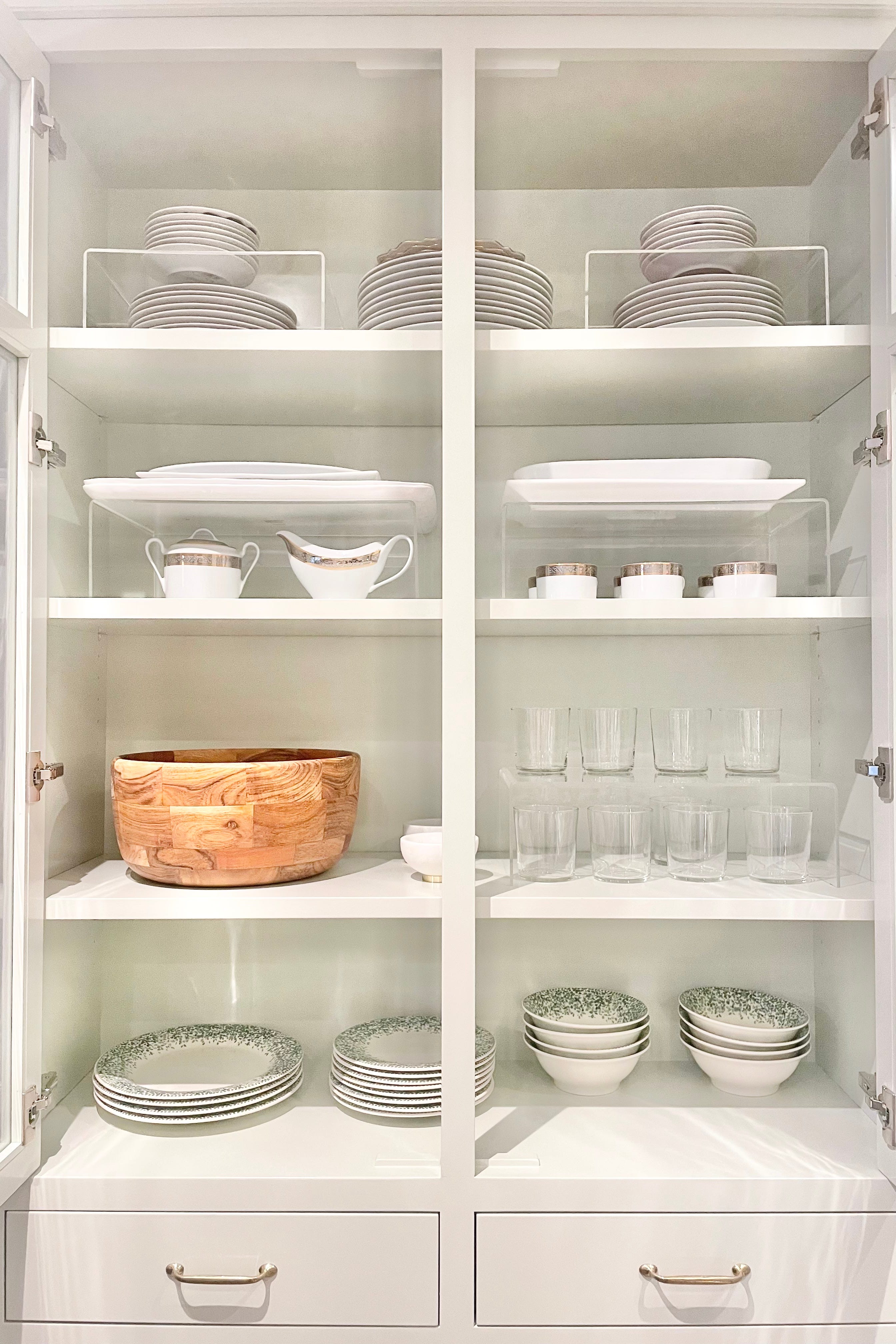
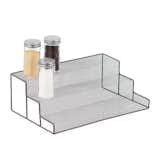
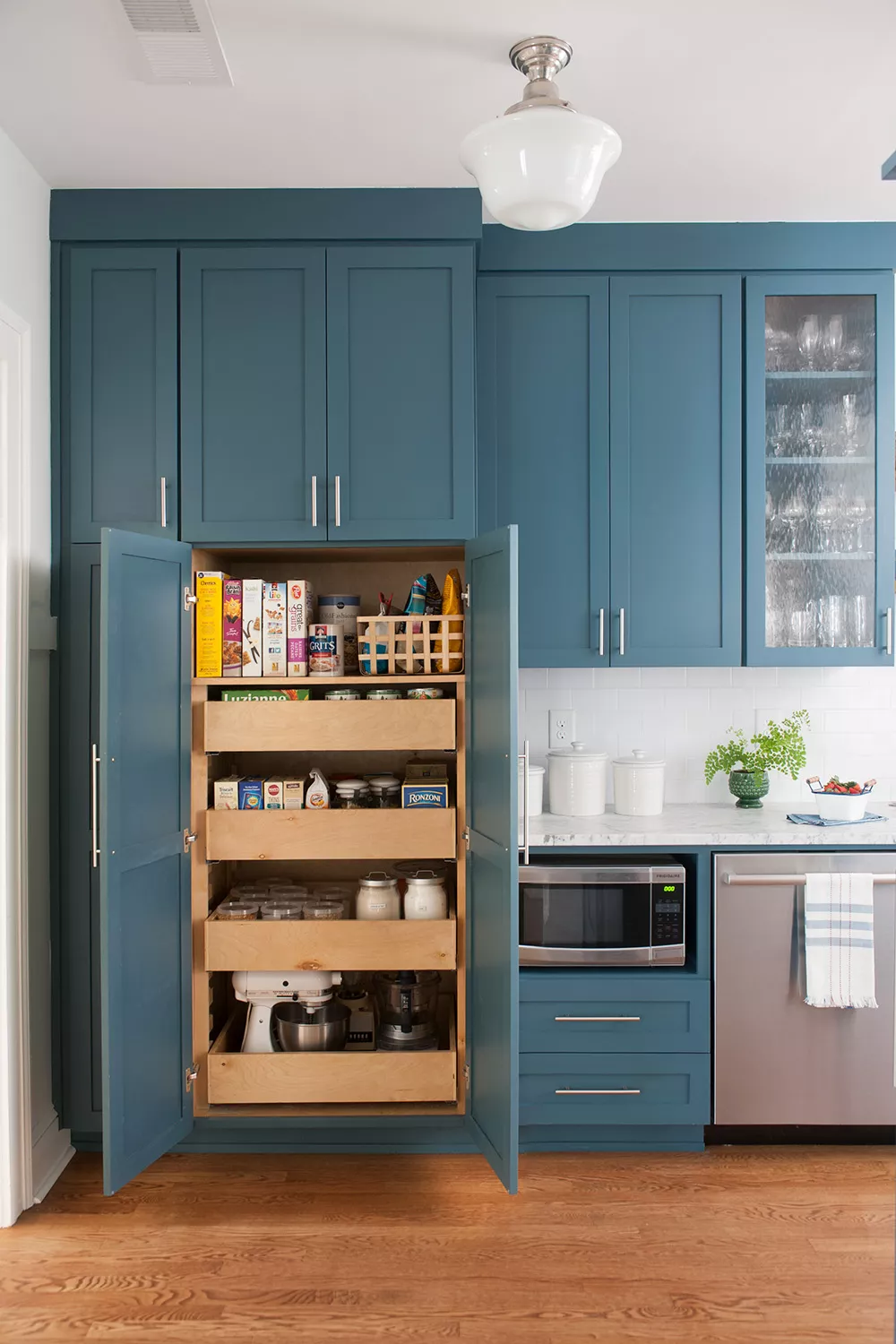
Installing pull-out or sliding shelves eliminates hard-to-reach areas, making all items visible and accessible without having to rummage through the pantry. For beverages, specialized drink organizers for cans or bottles can save space and prevent items from toppling over. Lastly, using risers on shelves can elevate items, creating clear sightlines and facilitating the organization of cans and spices into neat, visible rows. These strategies collectively contribute to a highly functional and organized small pantry.
#PantryOrganization #SmallSpaceSolutions #HomeStorage #KitchenOrganization #DeclutterYourHome #StorageIdeas #HomeImprovement #EfficientLiving #SmartOrganizing #PantryOrganization #SmallSpaceSolutions #HomeStorage #KitchenOrganization #DeclutterYourHome #StorageIdeas #HomeImprovement #EfficientLiving #SmartOrganizing
0 comment in total
 No comments yet
You may also like
10 pantry organization ideas to maximize even the smallest of spaces

10 small kitchen pantry ideas for stunning storage — you won’t want to miss this

How to organize a pantry: 23 expert tips and design ideas

18 of the Best Pantry Storage Ideas for Creating a Tidy Space
22 Perfectly Pinterestable Pantry Organizing Ideas

7 small pantry ideas that prove every size kitchen can have organisation goals
28 Small Pantry Ideas to Free Up Space in Your Kitchen

7 types of storage you should never use in a pantry – they'll make utilizing this space well 10 times harder, pros say

6 Stylish Small Pantry Ideas — Including a Genius One Hidden Behind the Kitchen Backsplash
27 Small Pantry Ideas That Quietly Turn Clutter Into Calm—Without the Remodel
This mom organized her pantry for under $150—you can, too


I Turned My Chaotic Pantry Into an Oasis of Organization

23 Pantry Organization Ideas That Maximize Space and Efficiency
Easy pantry organization ideas with must-have Amazon finds

The Genius Way to Organize Your Pantry Without Spending a Ton of Money

Say Goodbye To Pantry Clutter With These 18 Affordable Dollar Tree Solutions

Perfect pantry ideas for an organized and space-saving kitchen
30 Perfectly Organized Pantries To Inspire A Tidy Kitchen
These Are the BEST Pantry Organization Ideas, According to Experts

These 20 Pantry Closets Are Organization Goals