
I'm bringing Halle Bailey's closet organization rule into my tiny bedroom: It's all about knowing what to hang up and what to fold
In a recent exploration of effective closet organization, the strategic method employed by actress Halle Bailey for managing her wardrobe has emerged as a particularly practical and adaptable solution, especially for smaller living spaces. This approach centers on a clear distinction between garments that should be hung and those that benefit from folding, a principle that significantly enhances both the accessibility and tidiness of a closet.
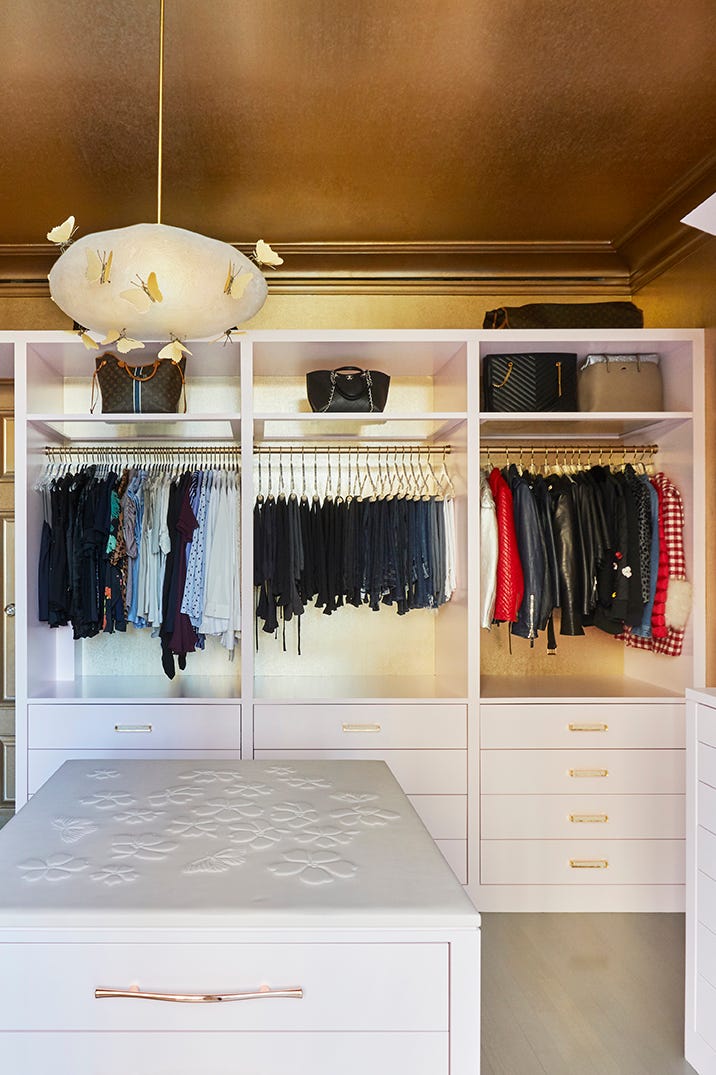
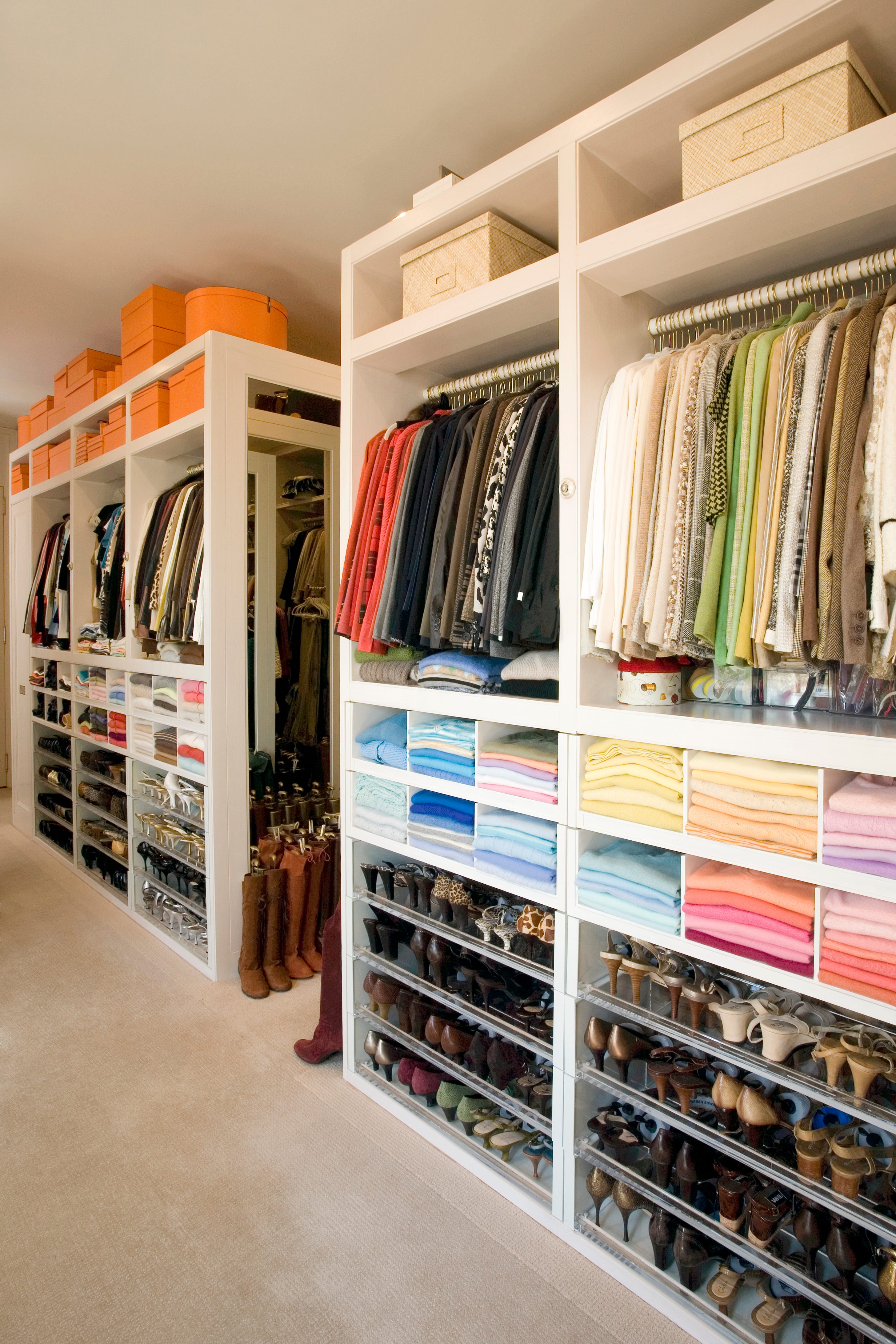
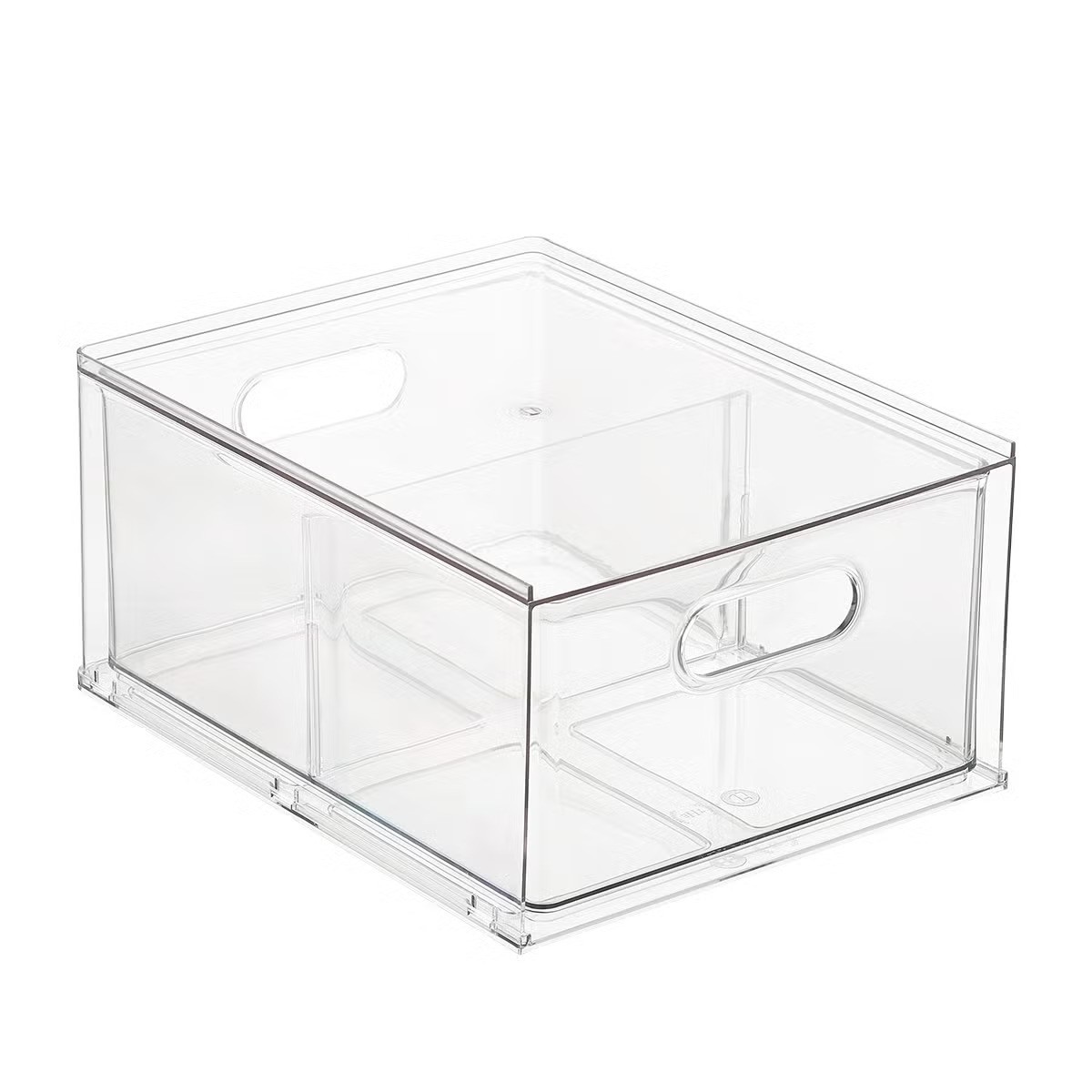
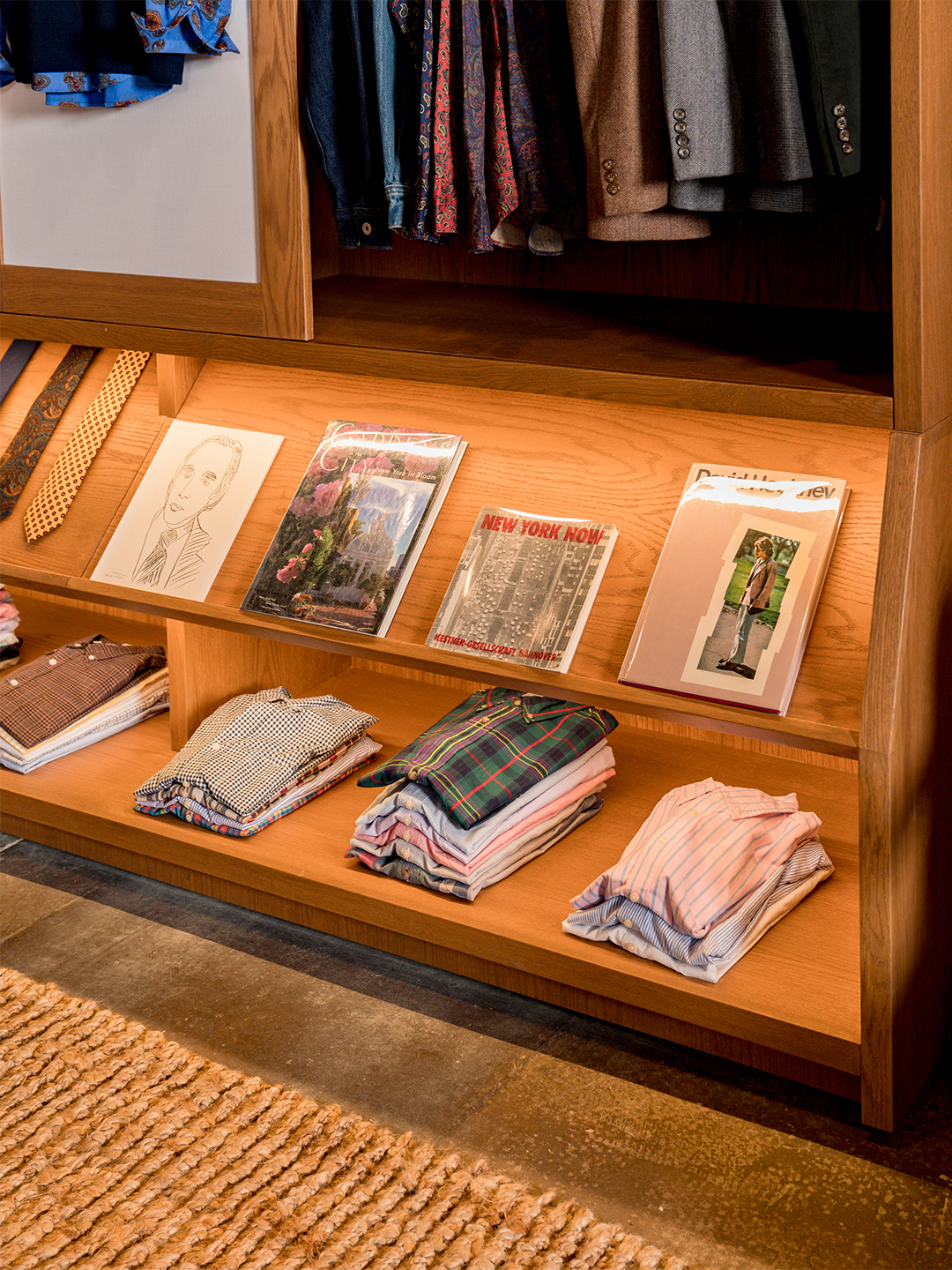
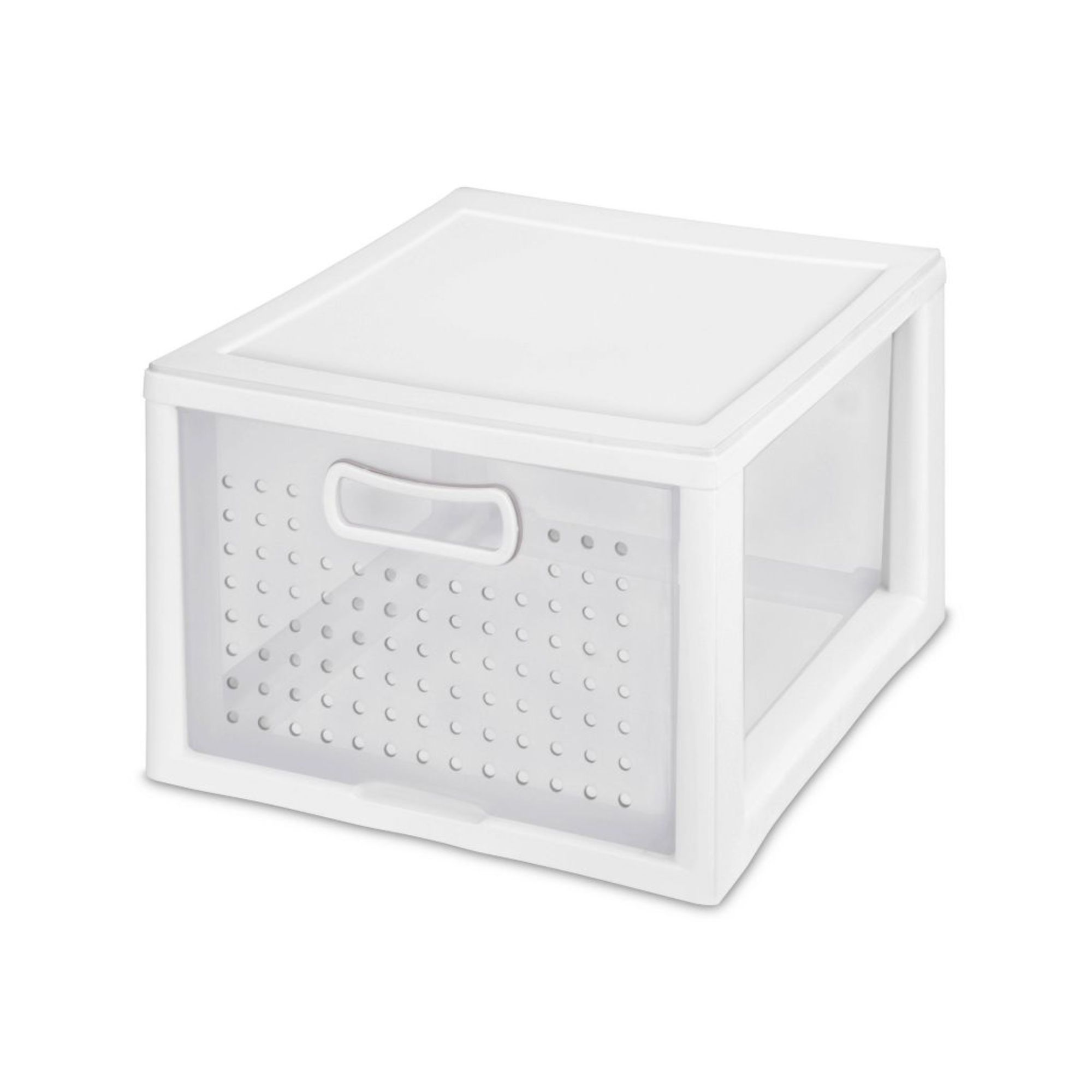
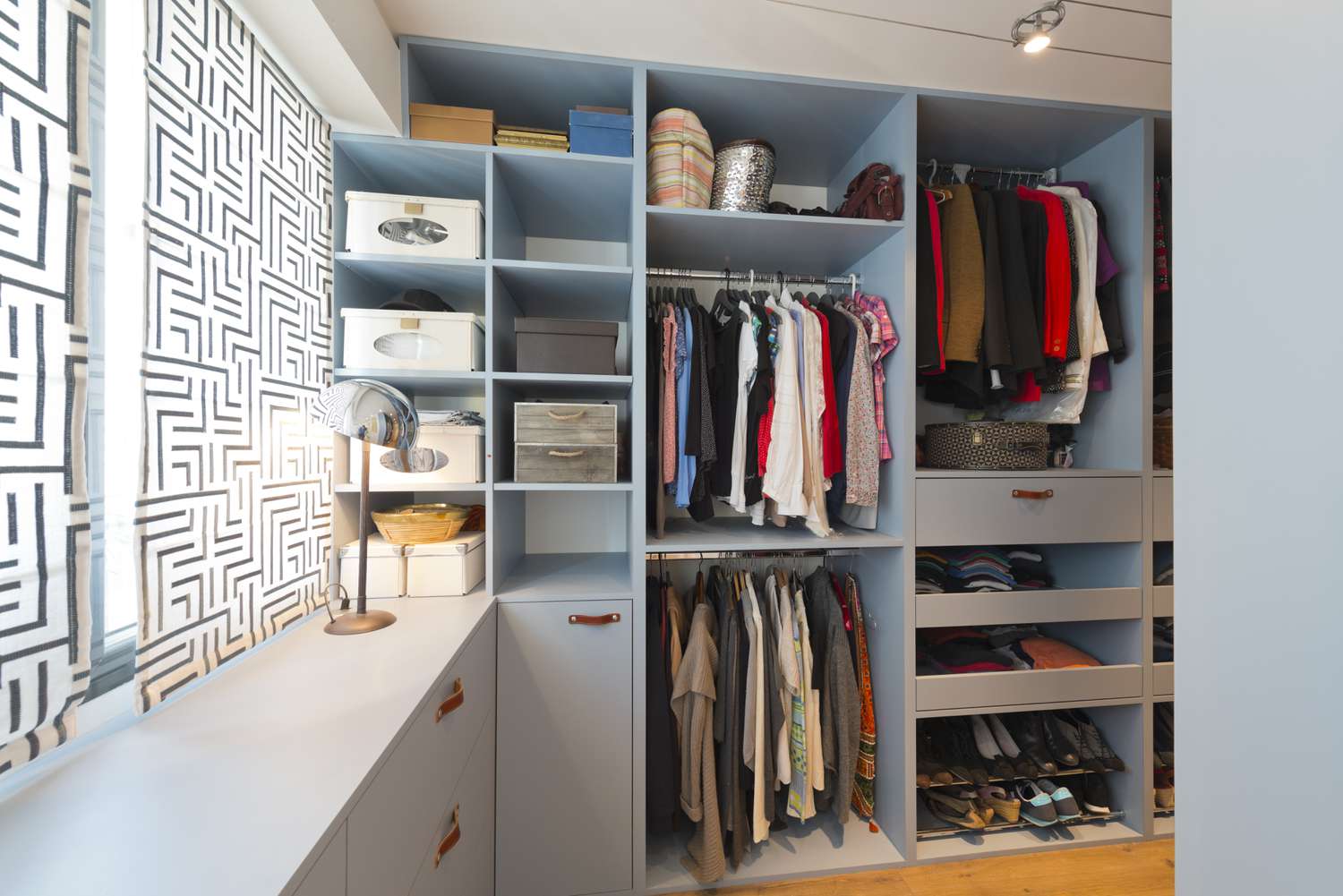
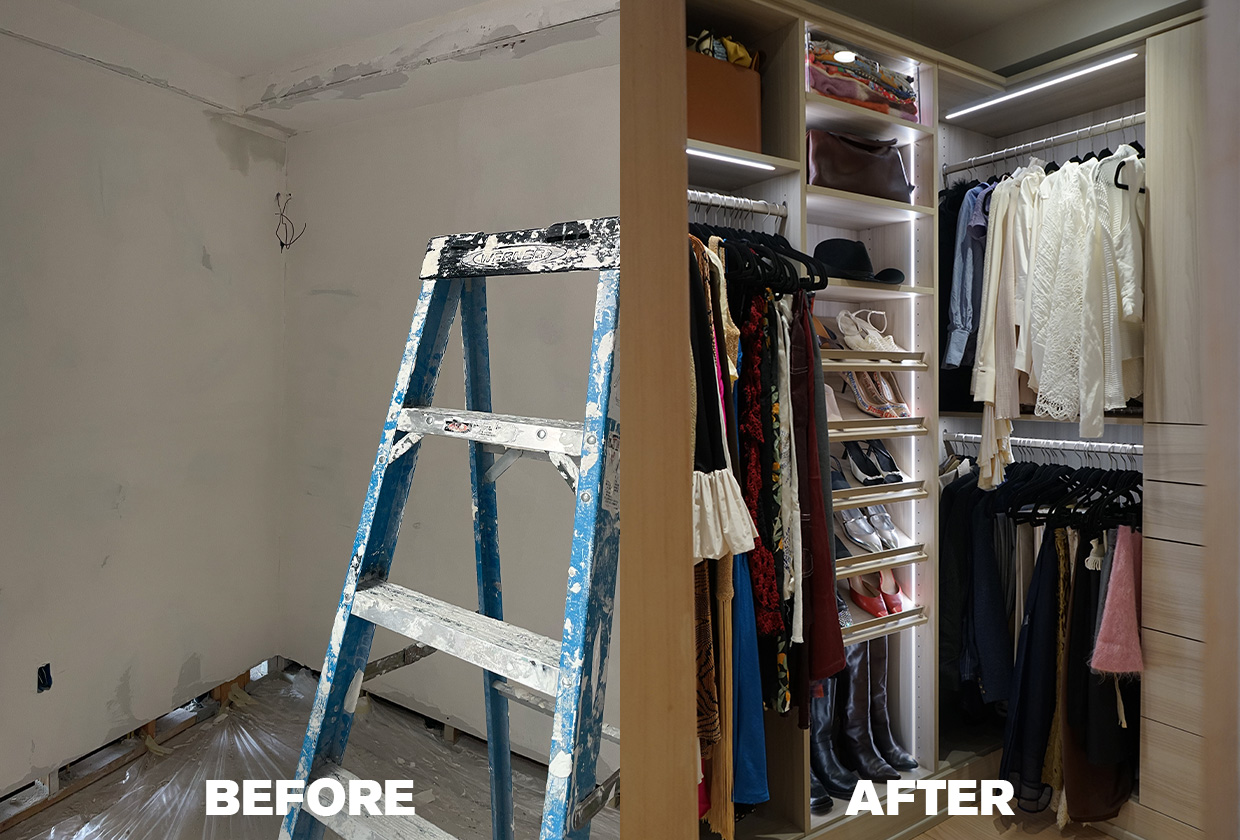
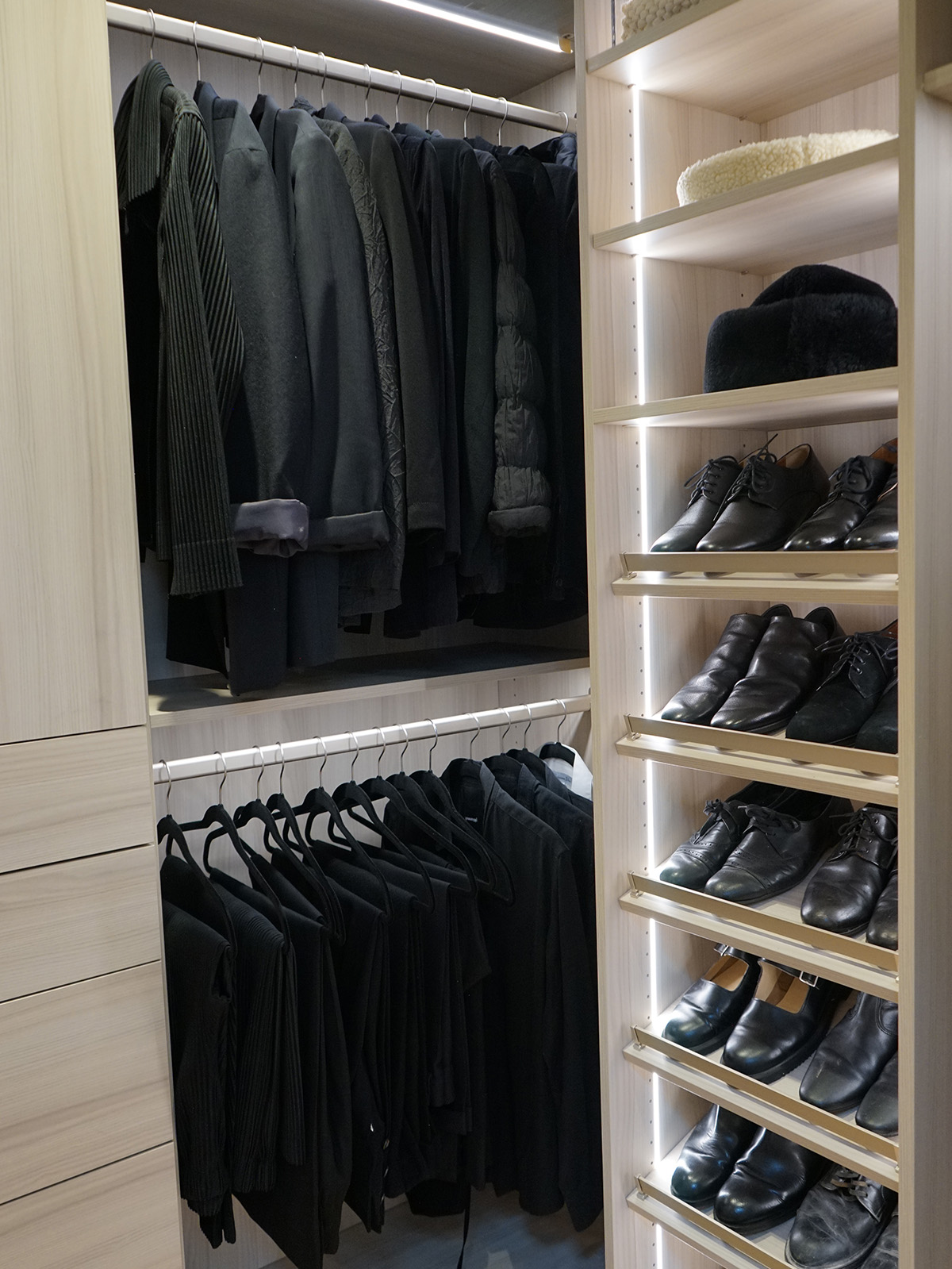
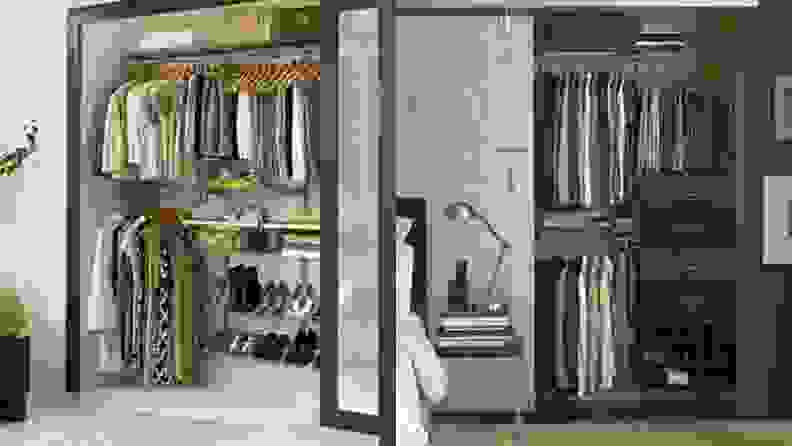
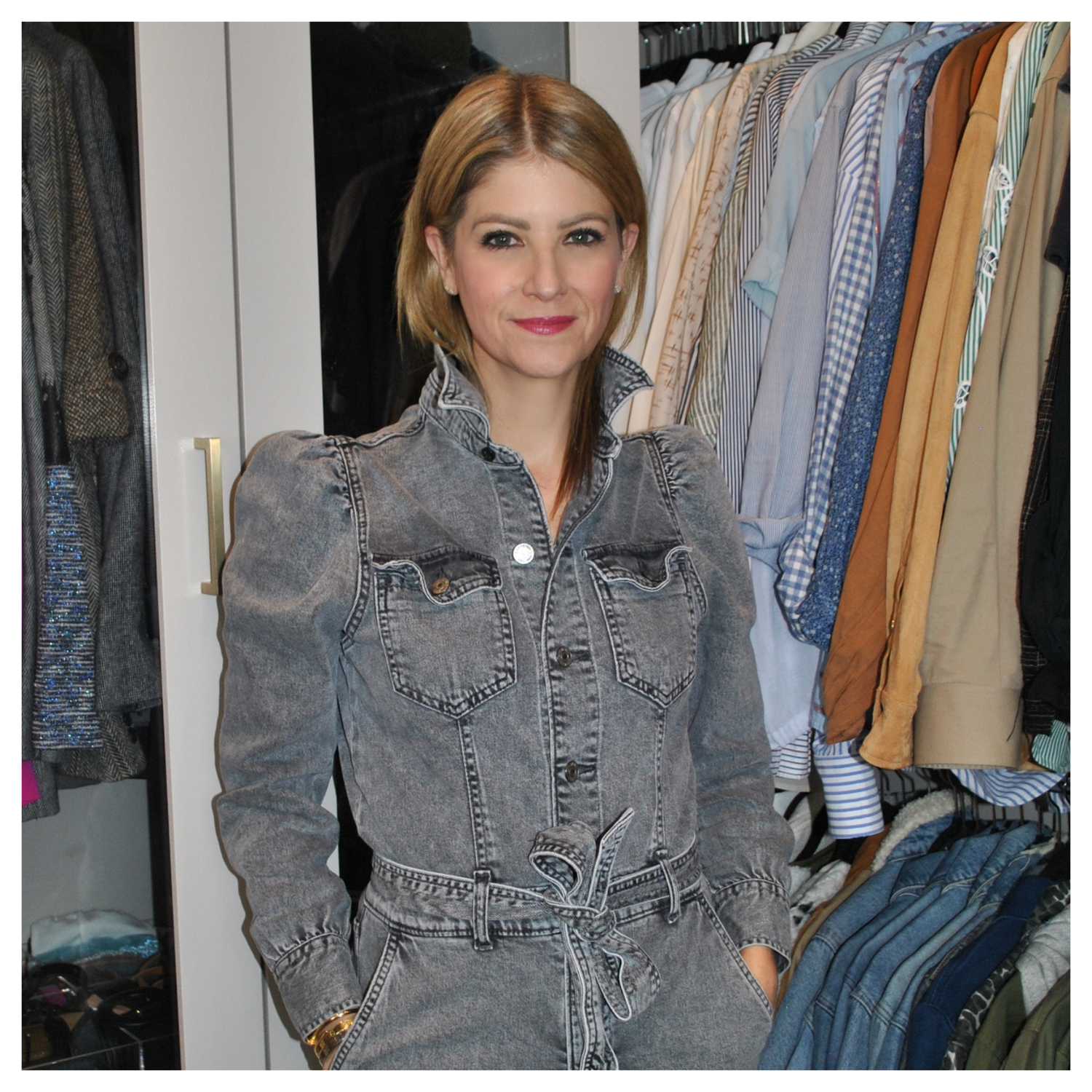
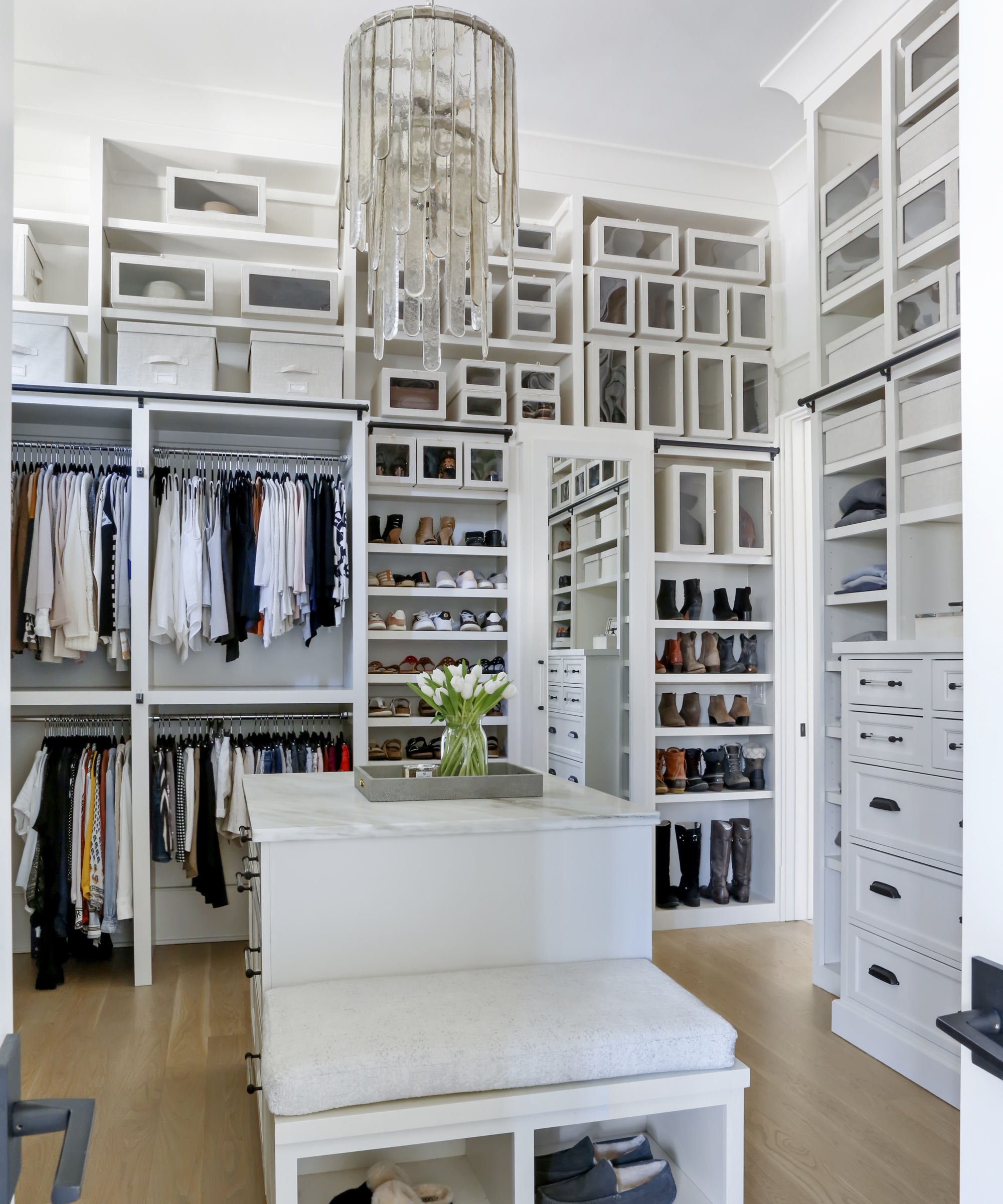
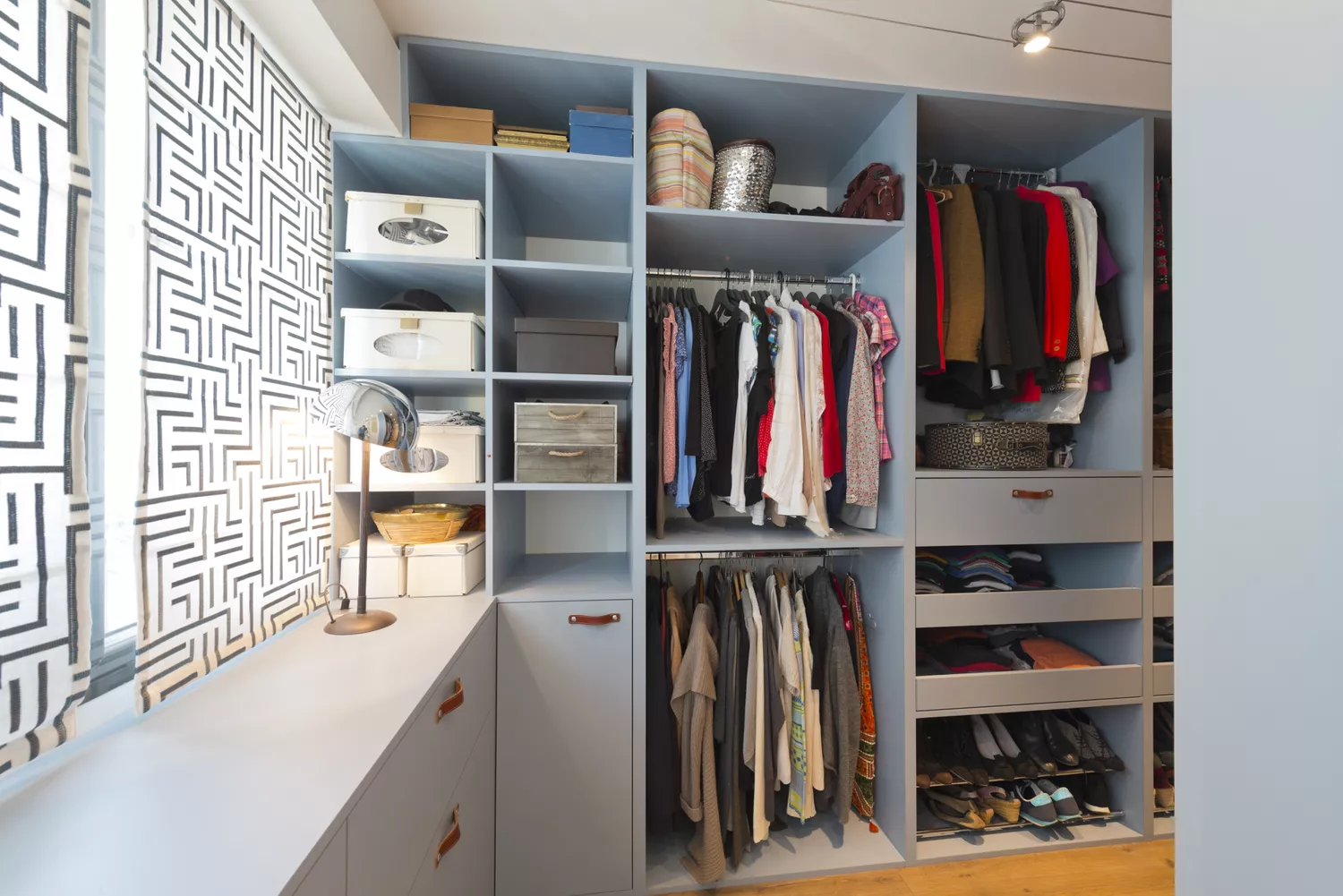
Bailey's personal closet, which has garnered attention for its efficiency, exemplifies a thoughtful integration of various storage components. It features a harmonious blend of pull-out drawers, open shelves, and traditional clothing rails. This multi-faceted design allows for different types of clothing and accessories to be stored in a manner that best preserves their condition and makes them easy to retrieve. The pull-out drawers are ideal for items that are prone to stretching or creasing when hung, such as knitwear, t-shirts, and activewear. These drawers facilitate a folded storage method, preventing damage and maximizing space within a compact area.
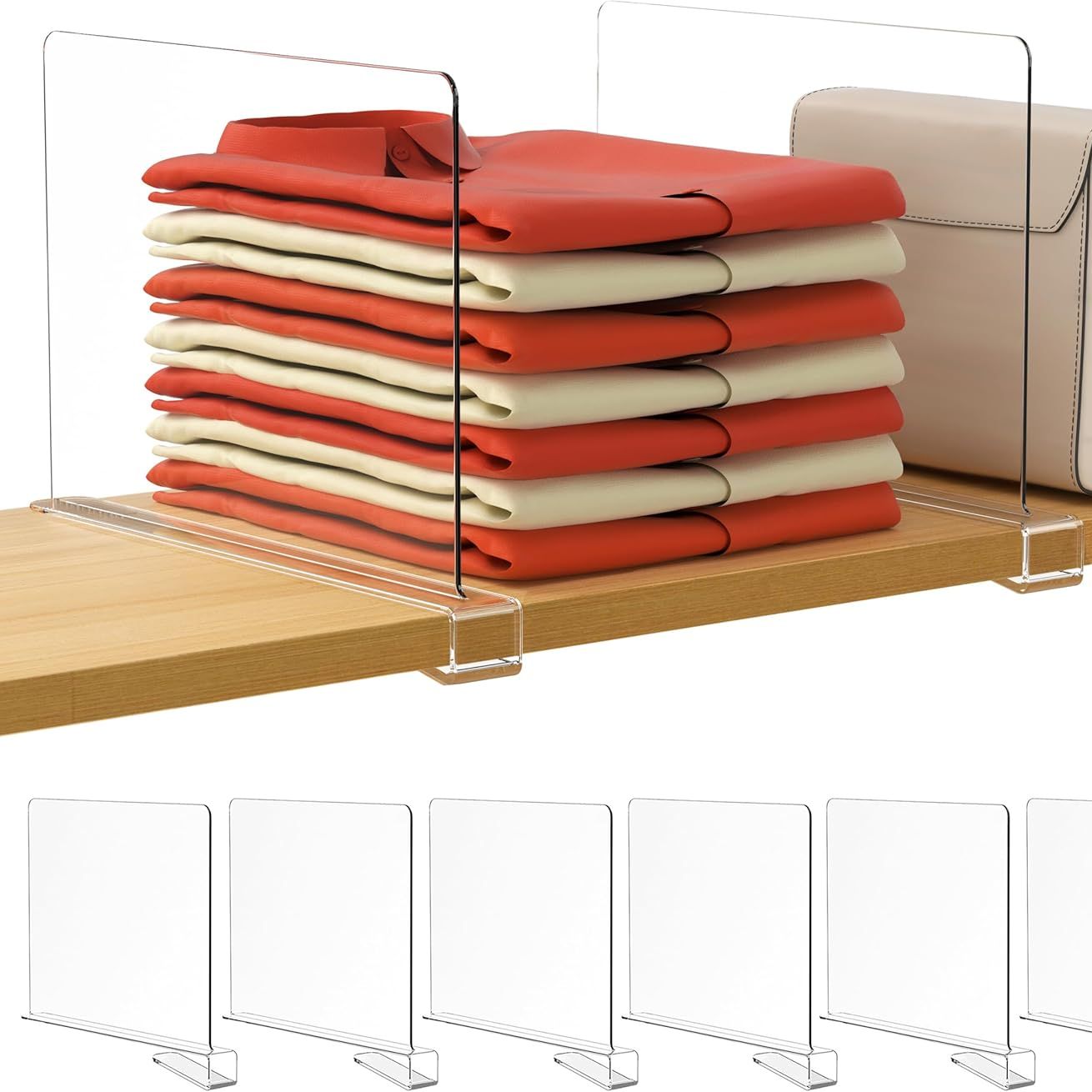
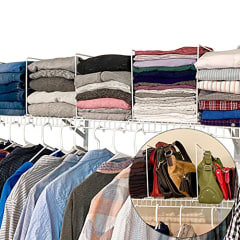
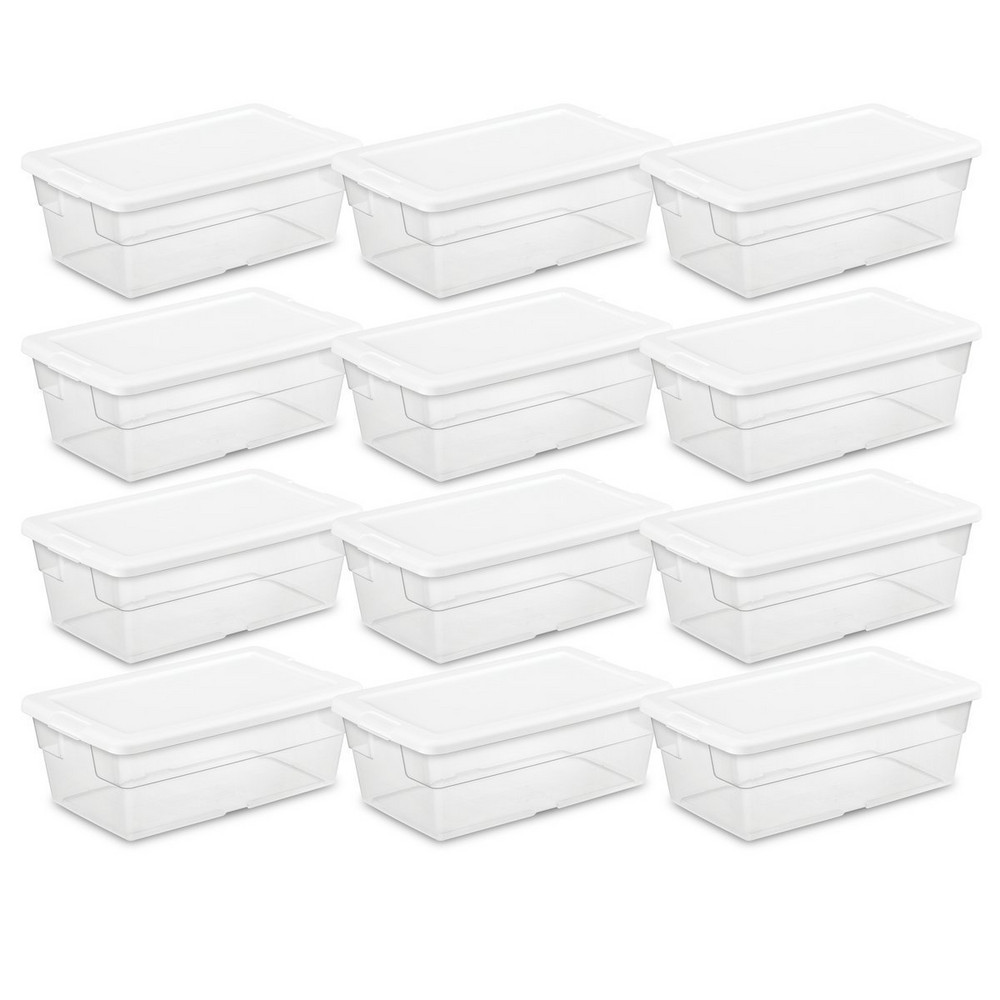
Open shelves, another key element in Bailey's system, offer a versatile solution for storing a range of items. These can include folded garments, stacked accessories like handbags or hats, and even small storage bins for miscellaneous items. The open nature of these shelves provides visual access to contents, reducing the time spent searching for specific pieces and promoting a more organized appearance. For individuals with limited space, these shelves can be utilized for items that are frequently used, keeping them readily available without cluttering the main hanging area.
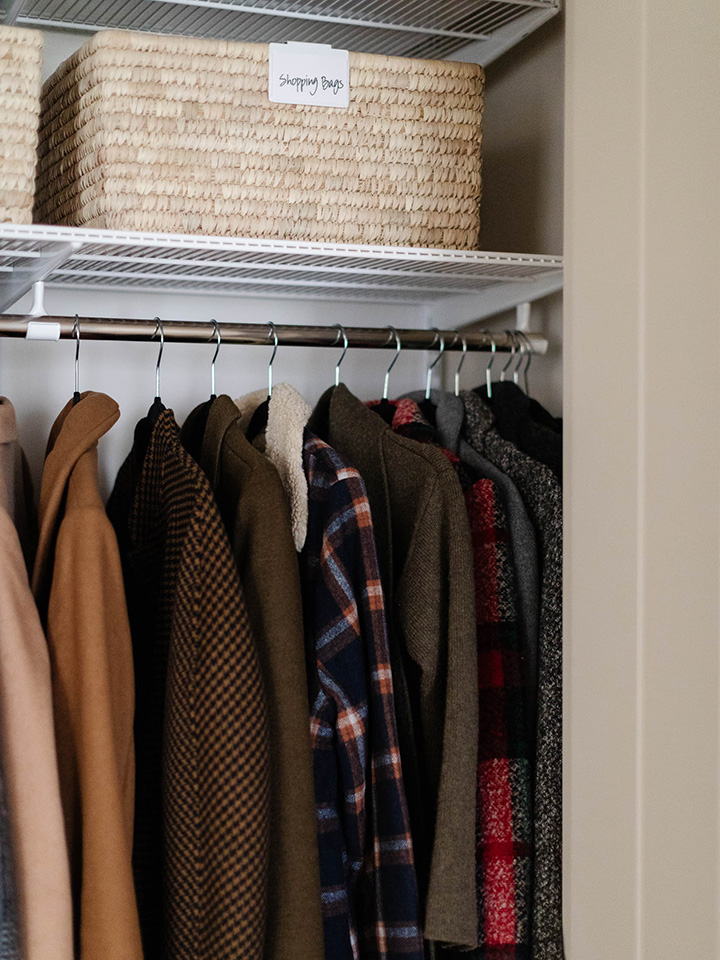
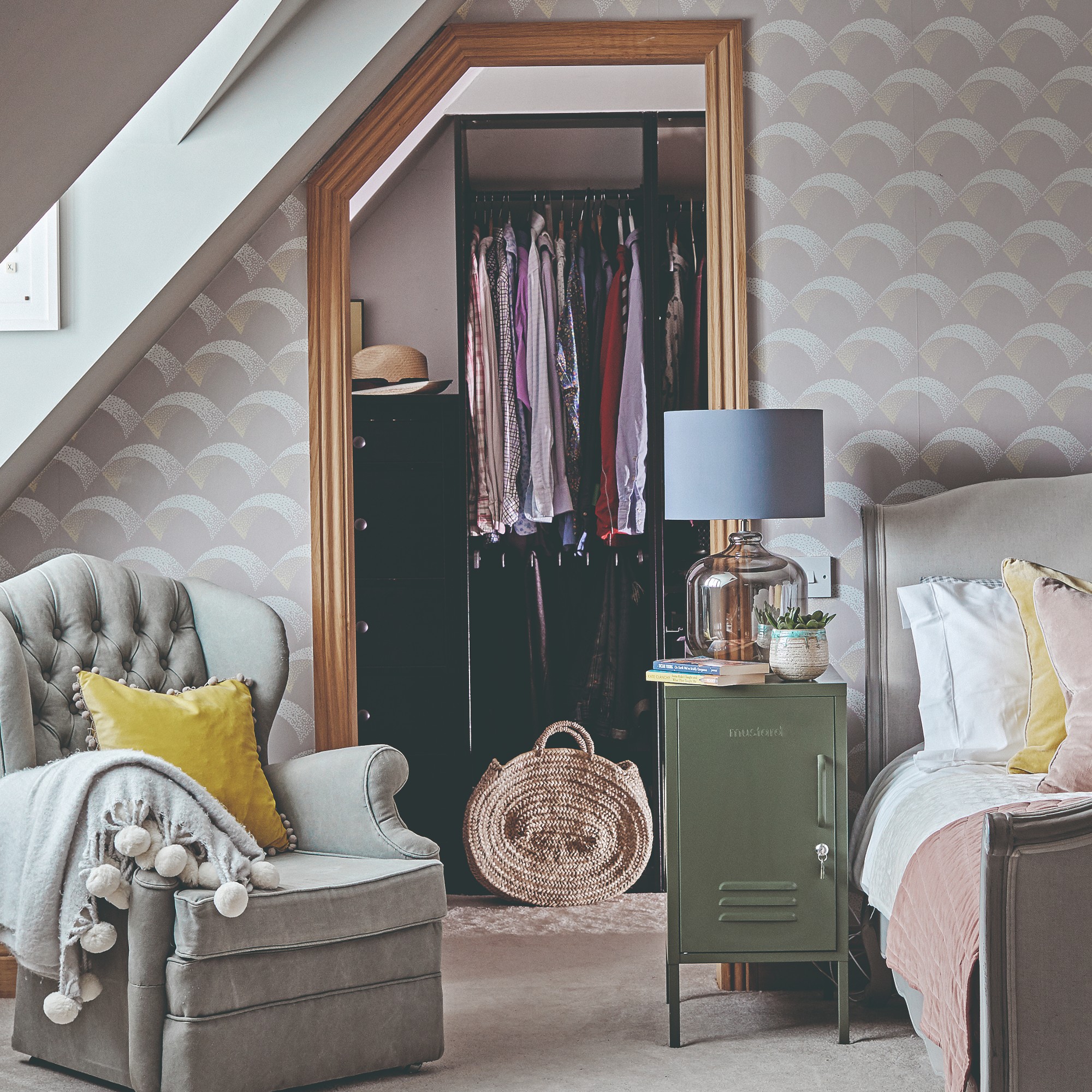
Crucially, the clothing rails are dedicated to items that require hanging to maintain their shape and prevent wrinkles. This typically includes dresses, skirts, jackets, blouses, and trousers. By allocating specific hanging space for these garments, Bailey's method ensures that they remain in pristine condition, ready to wear. This also prevents overcrowding on the rails, a common issue in smaller closets that can lead to wrinkled clothes and a chaotic environment. The deliberate separation of hanging and folded items is not merely about aesthetic appeal; it is a functional strategy that optimizes the longevity of clothing and streamlines the daily dressing process.
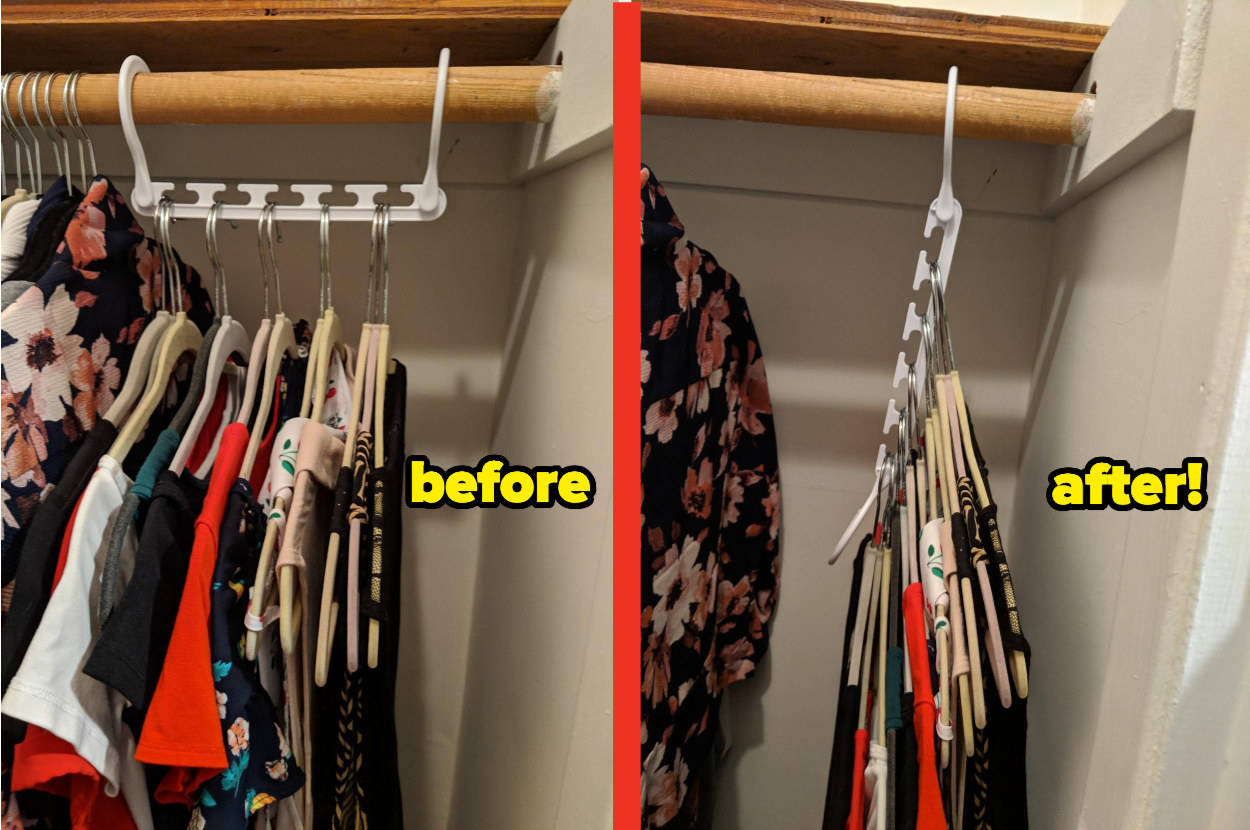
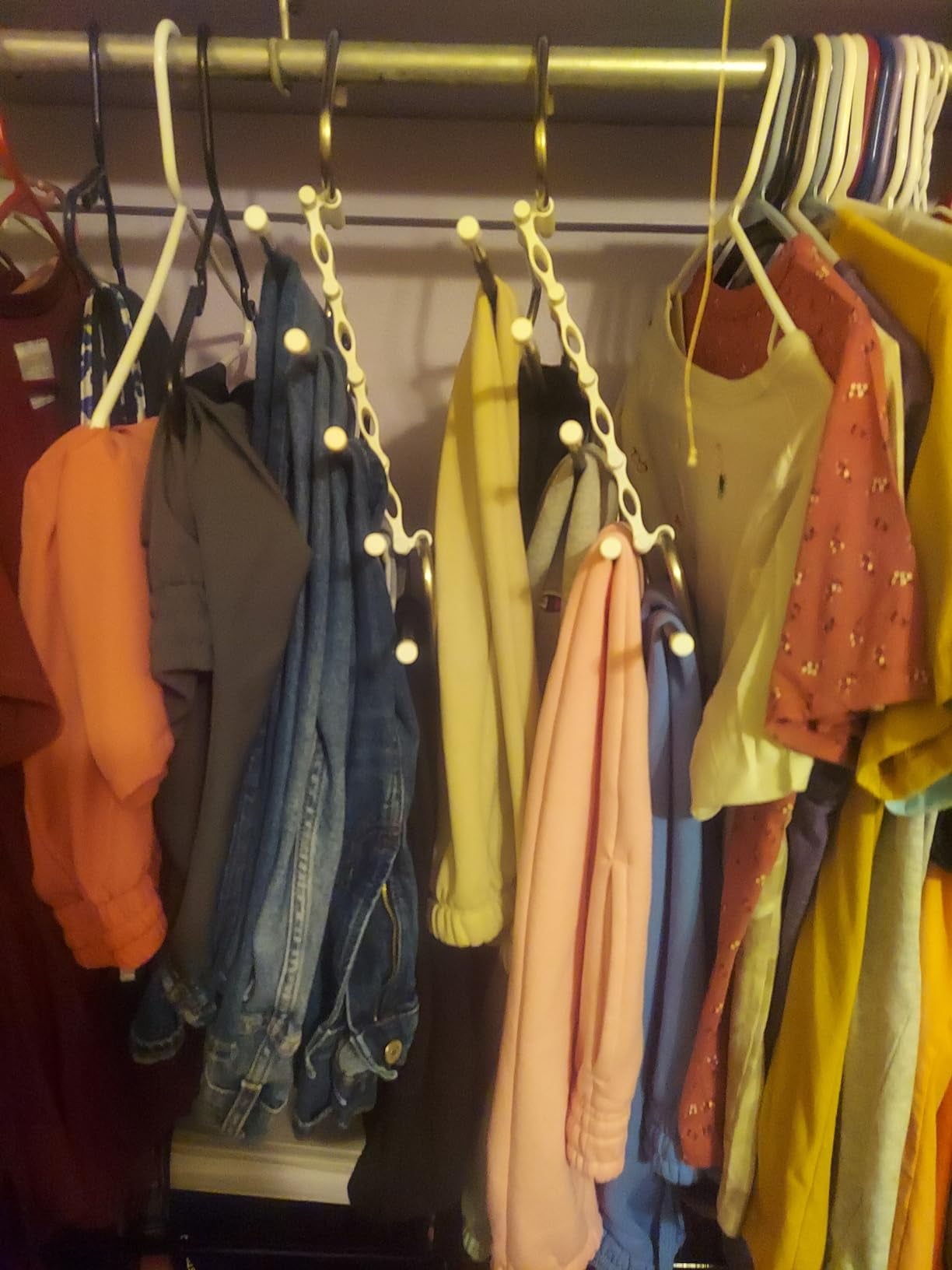
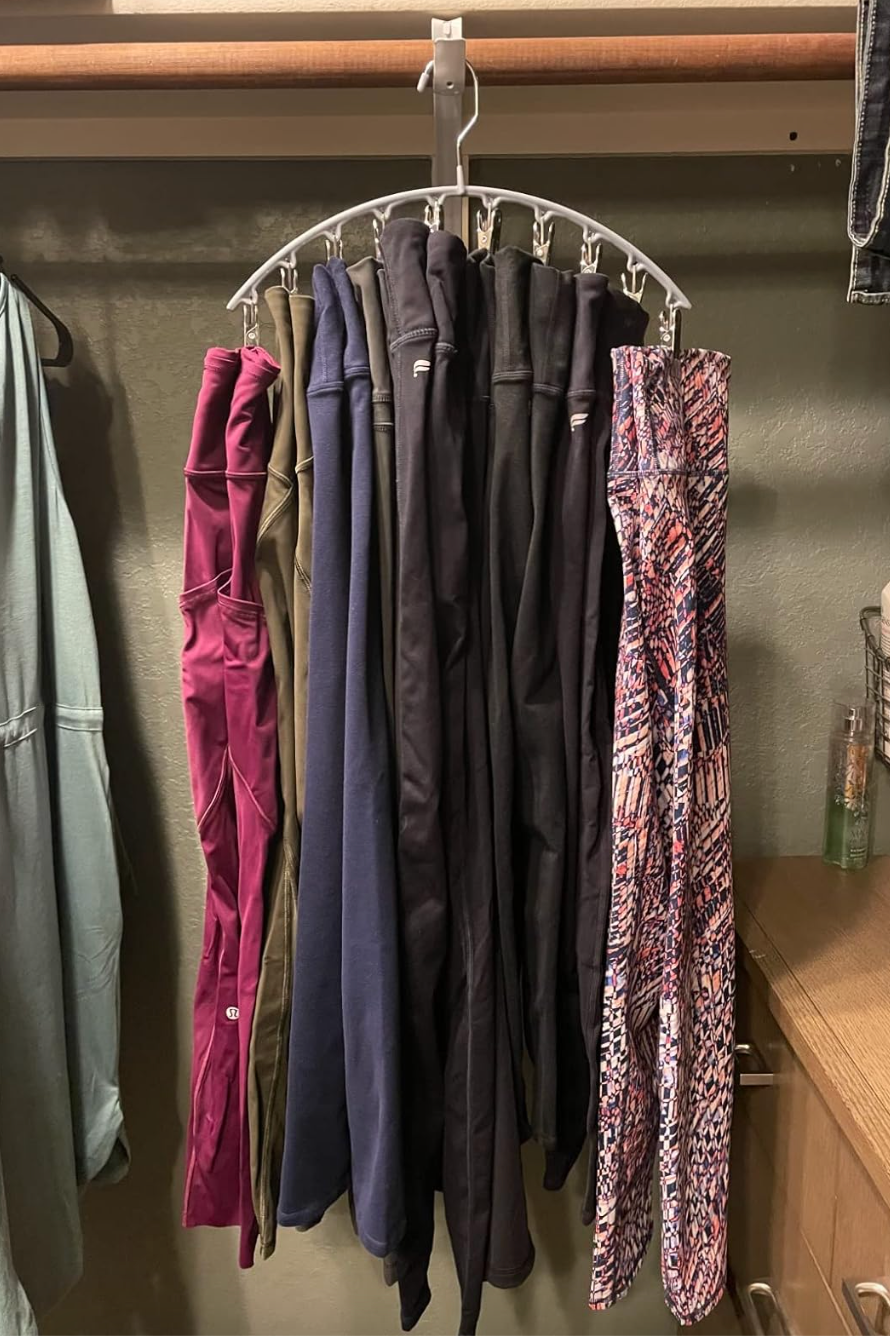
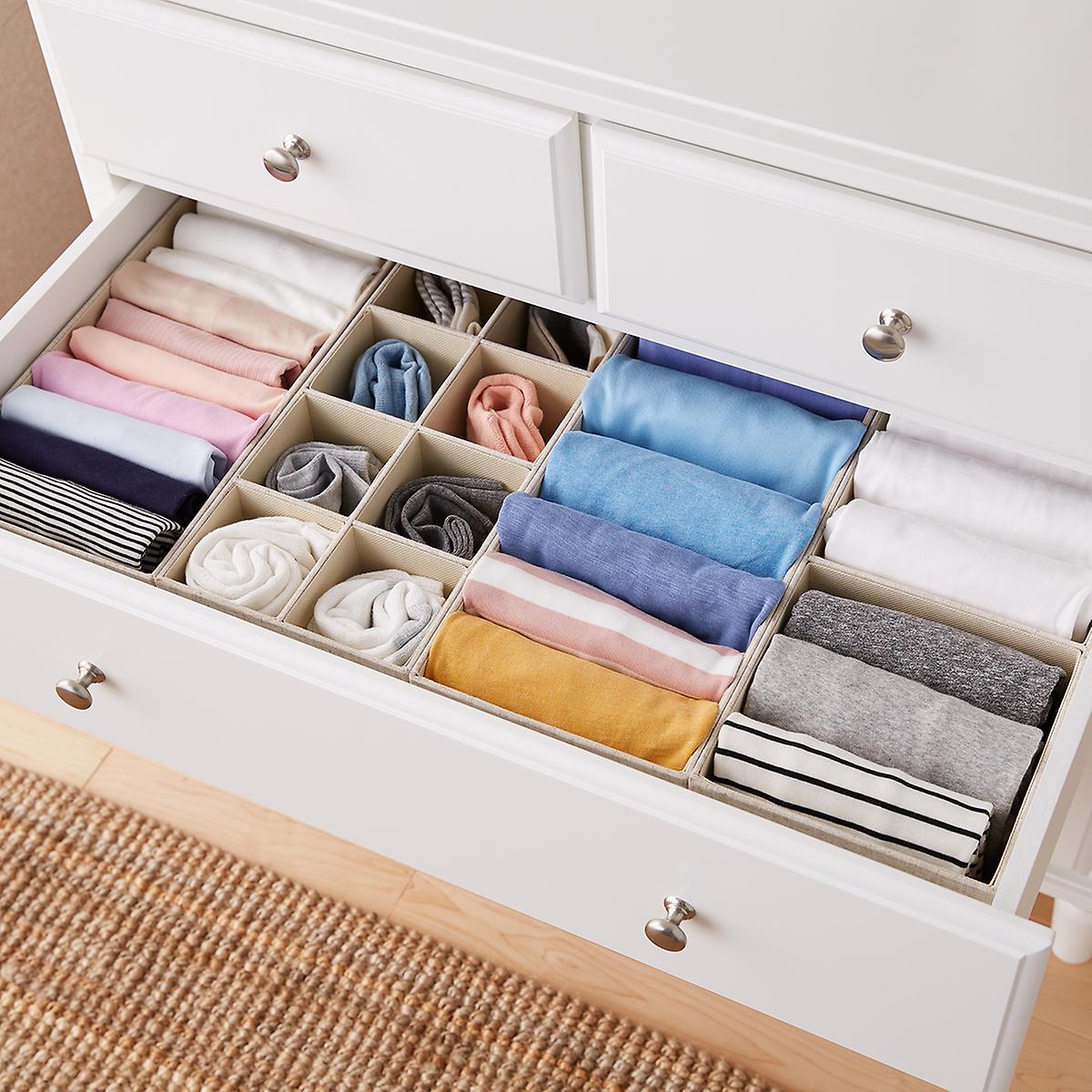
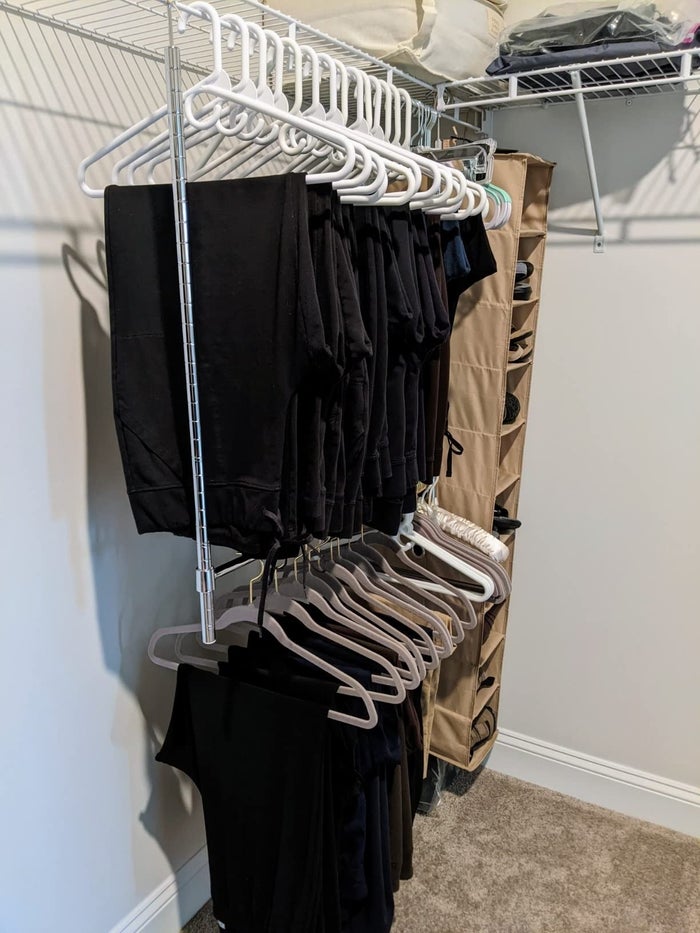
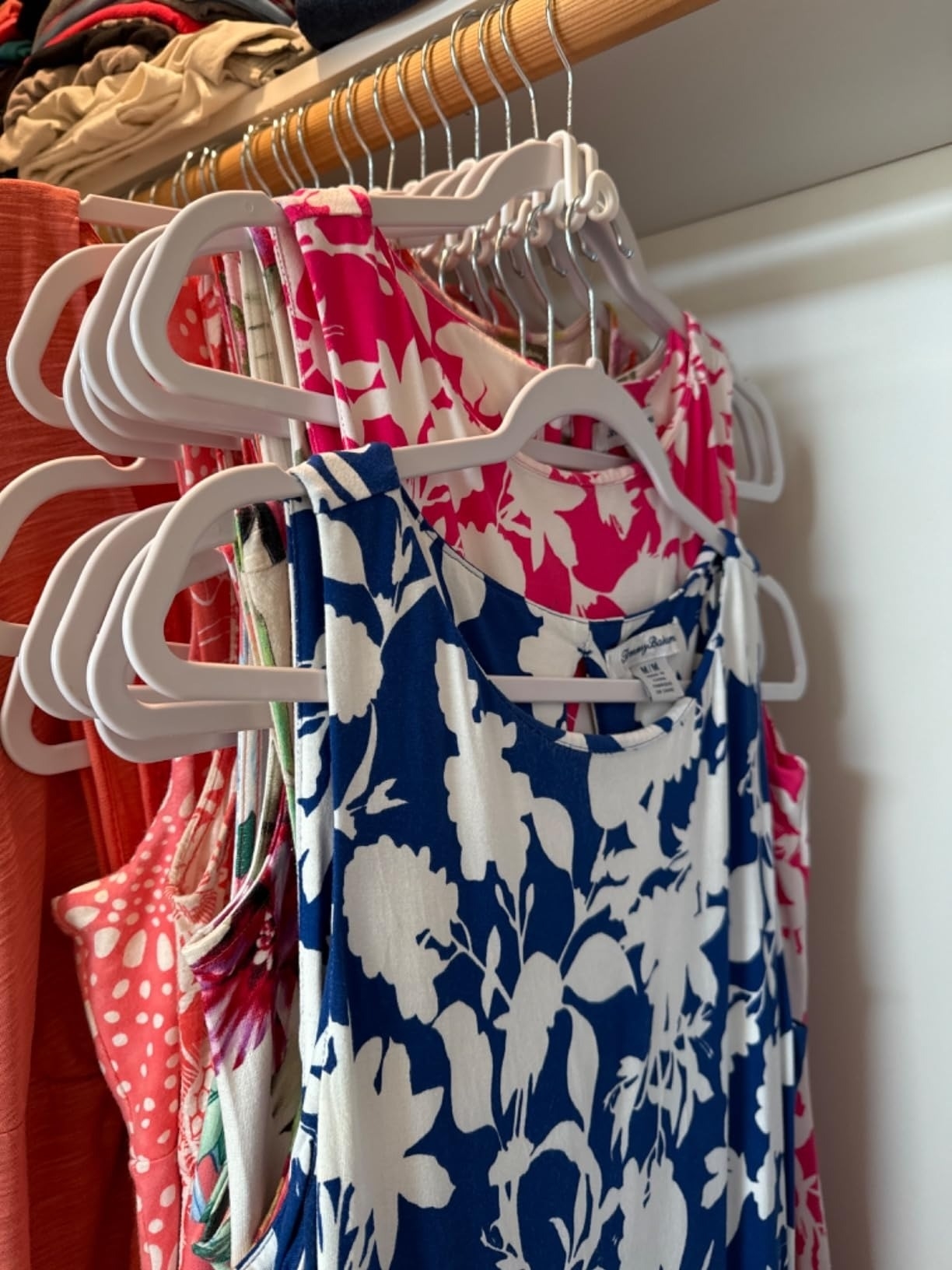
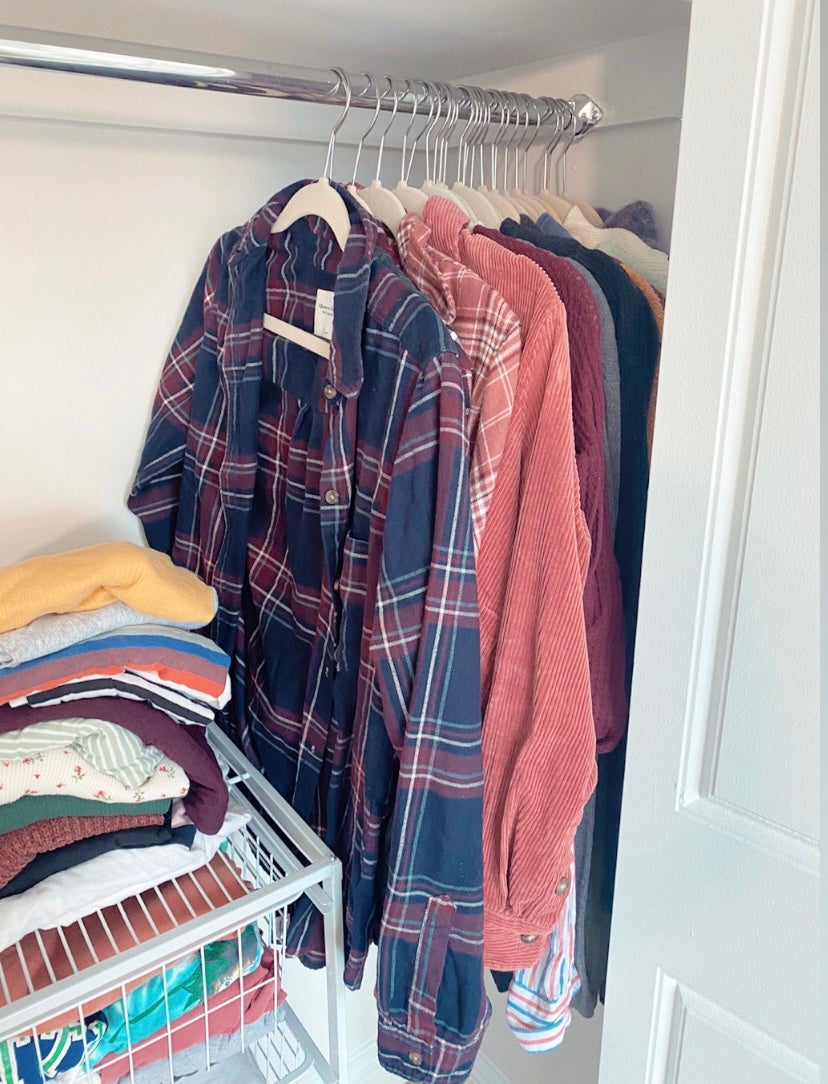
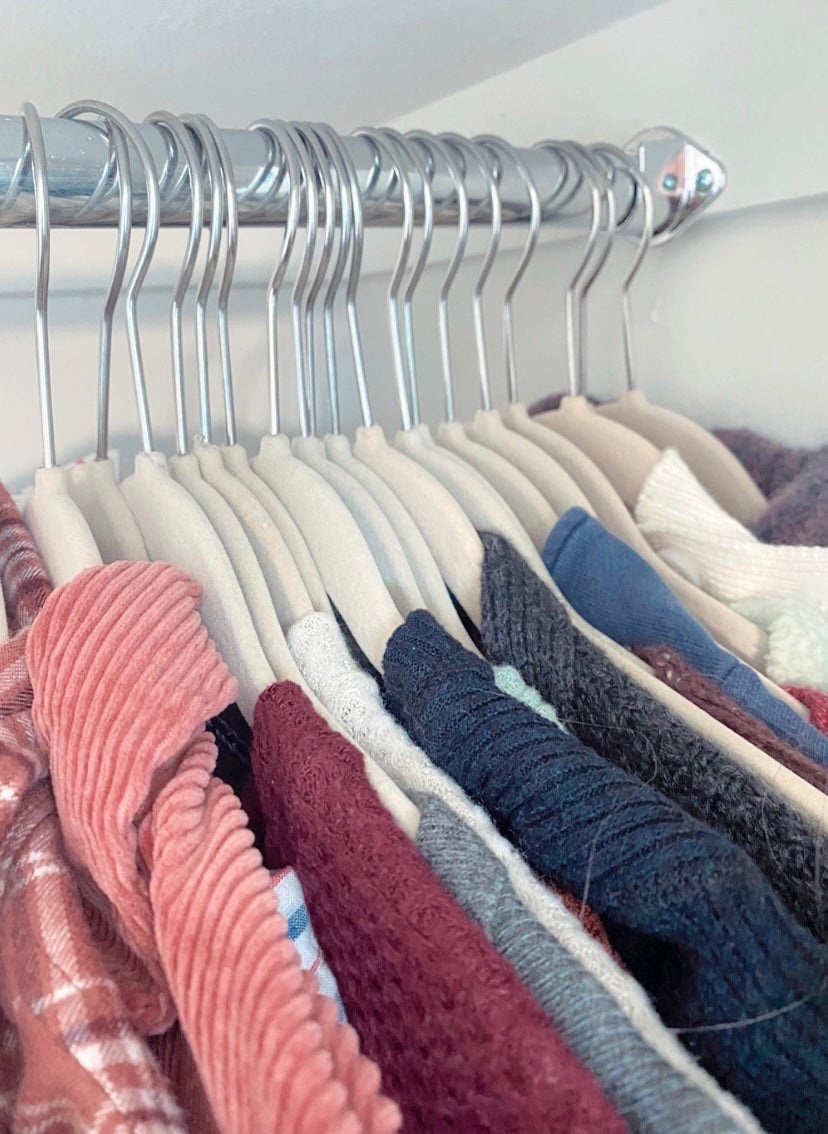
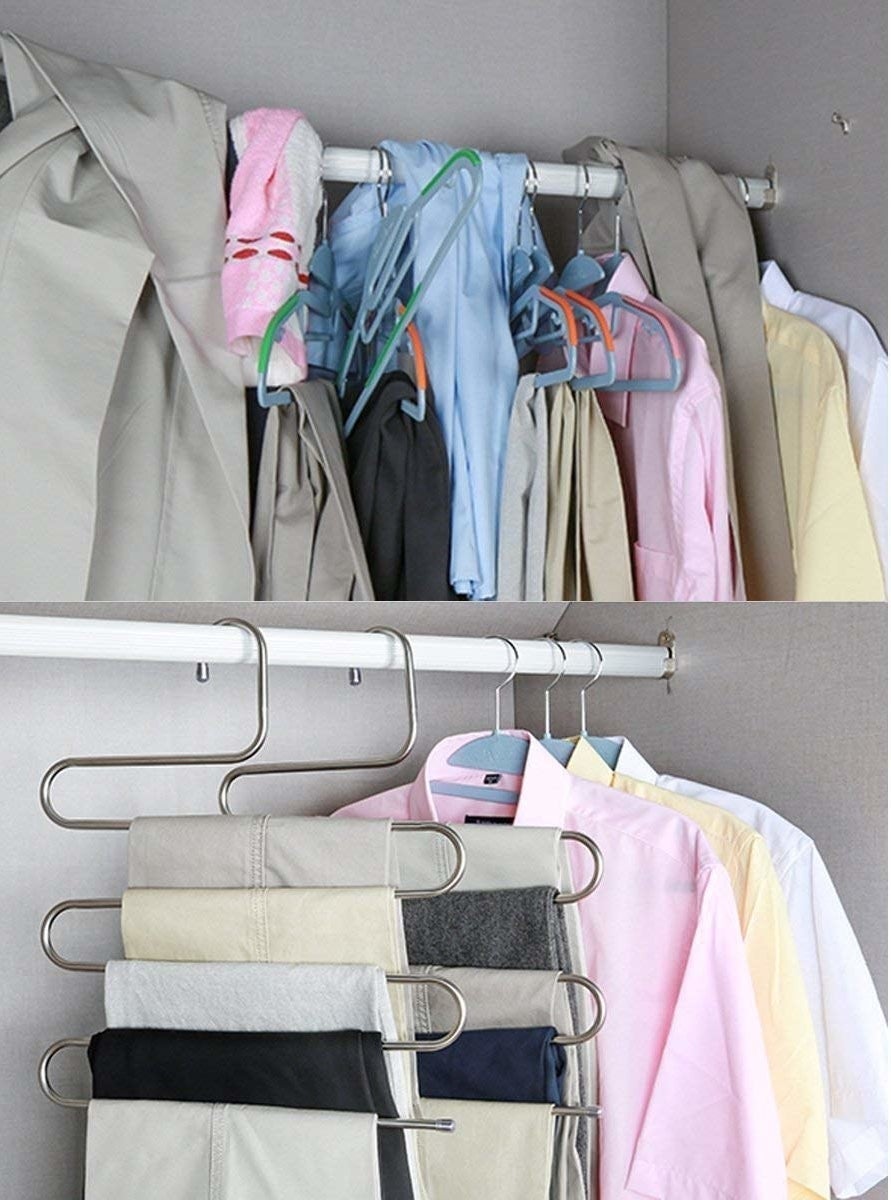
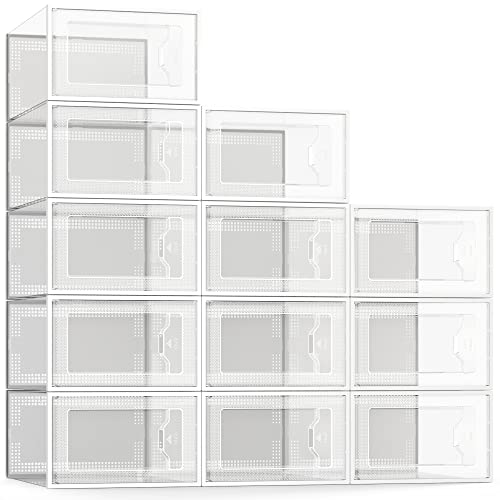
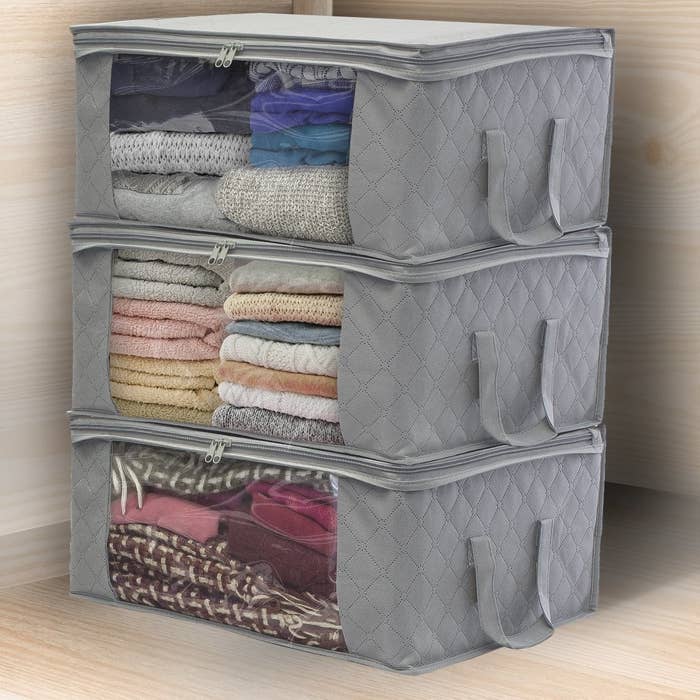
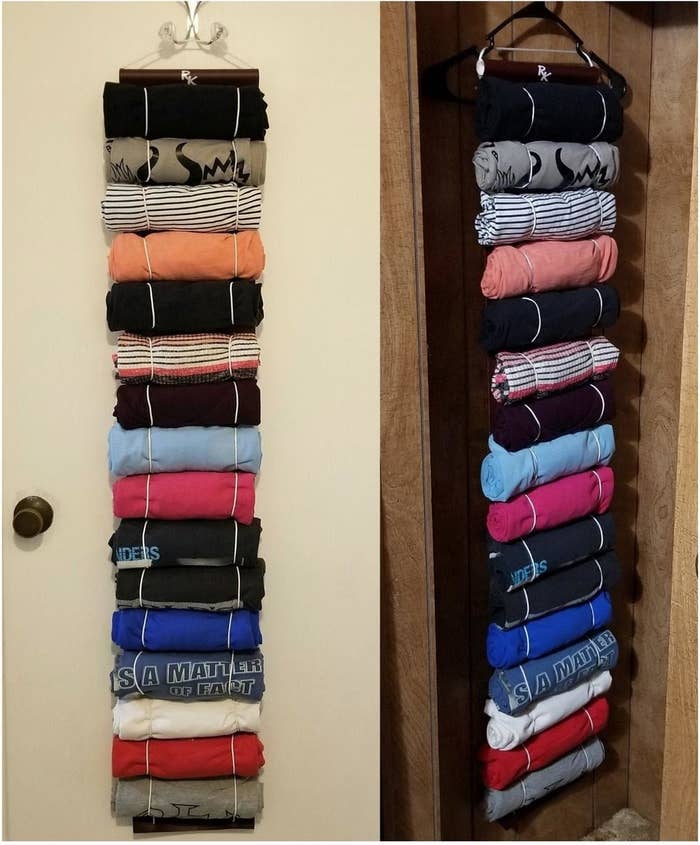
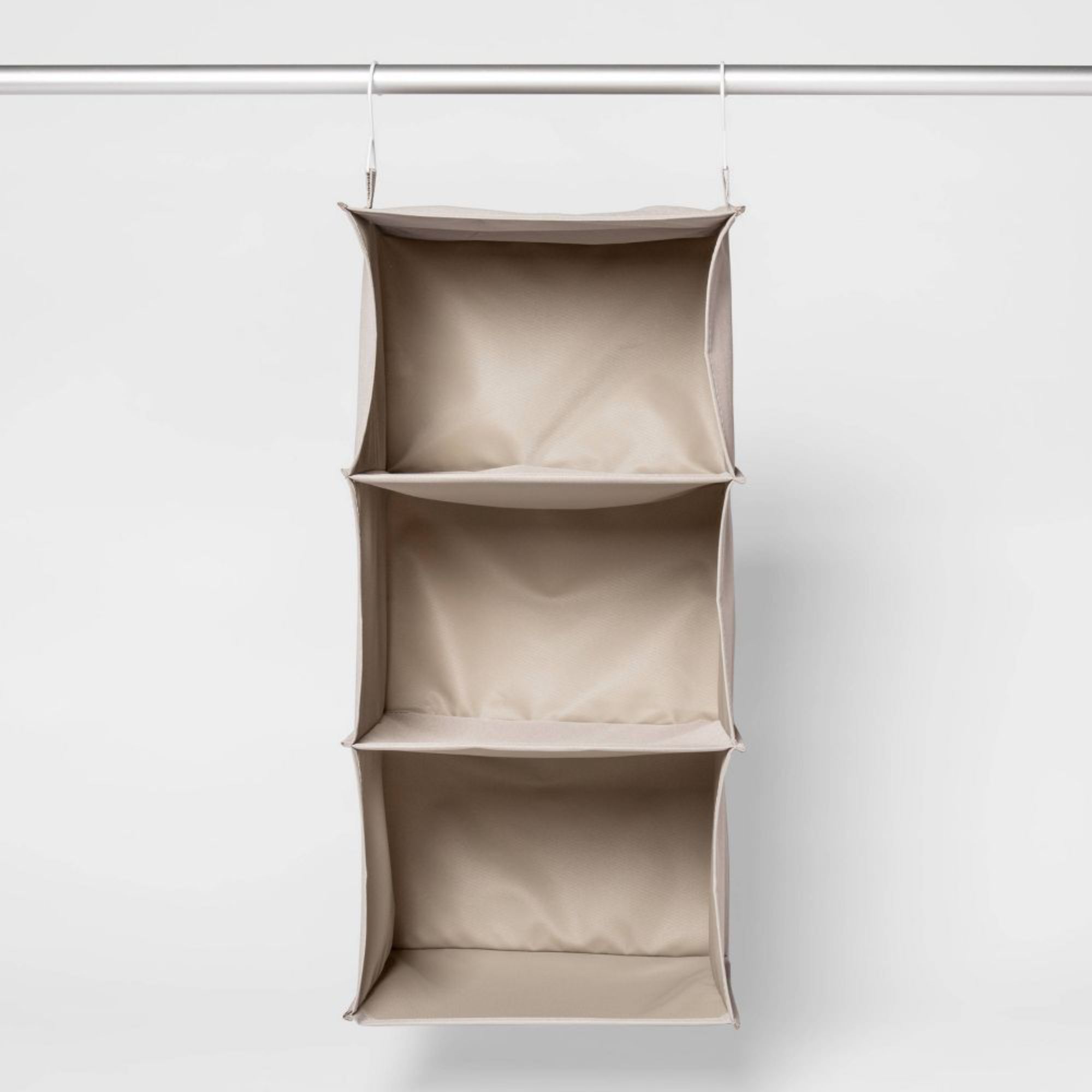
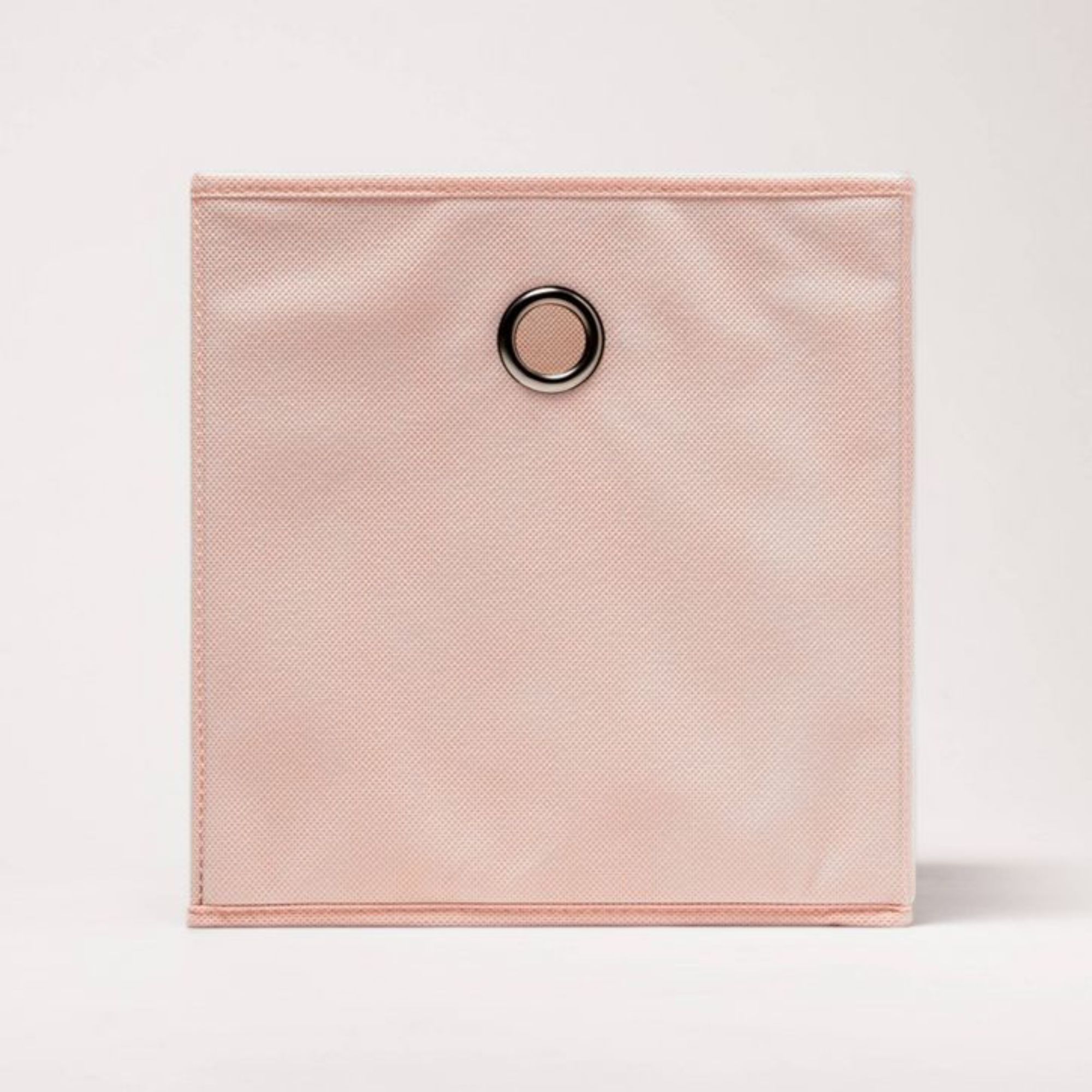
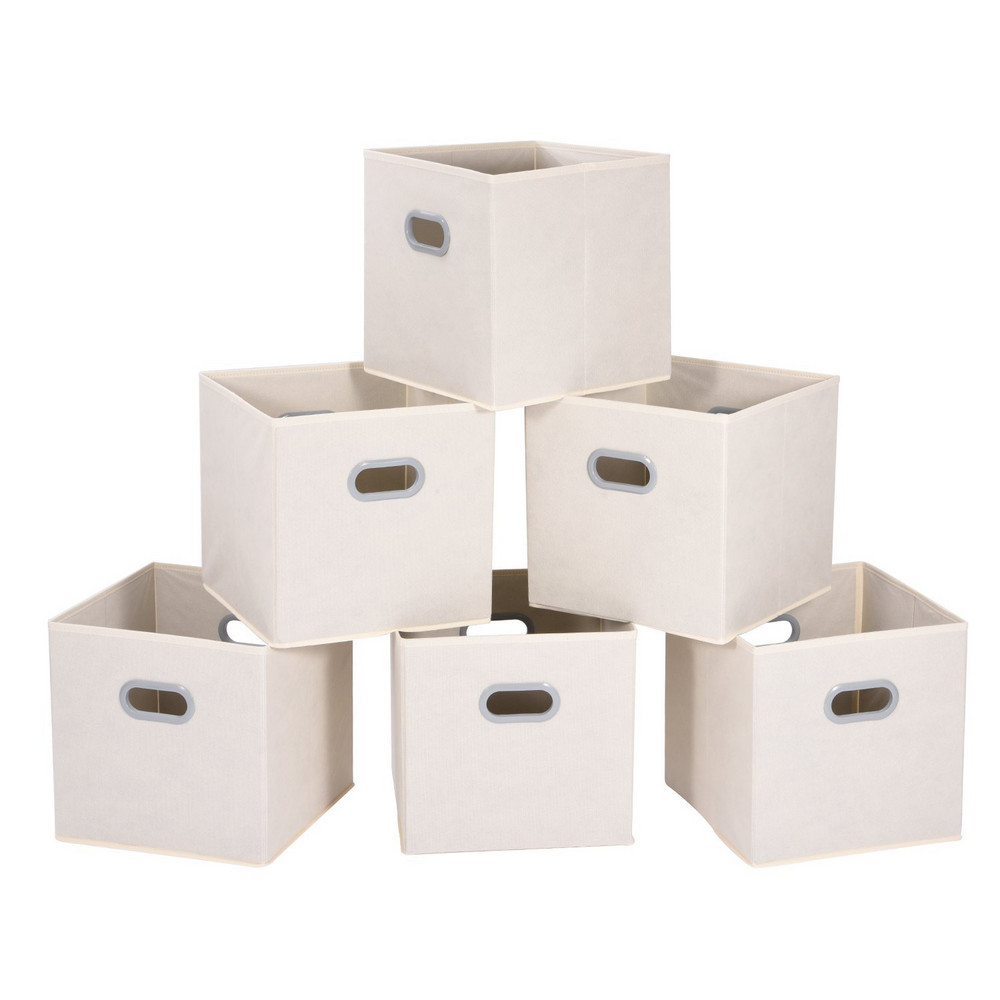
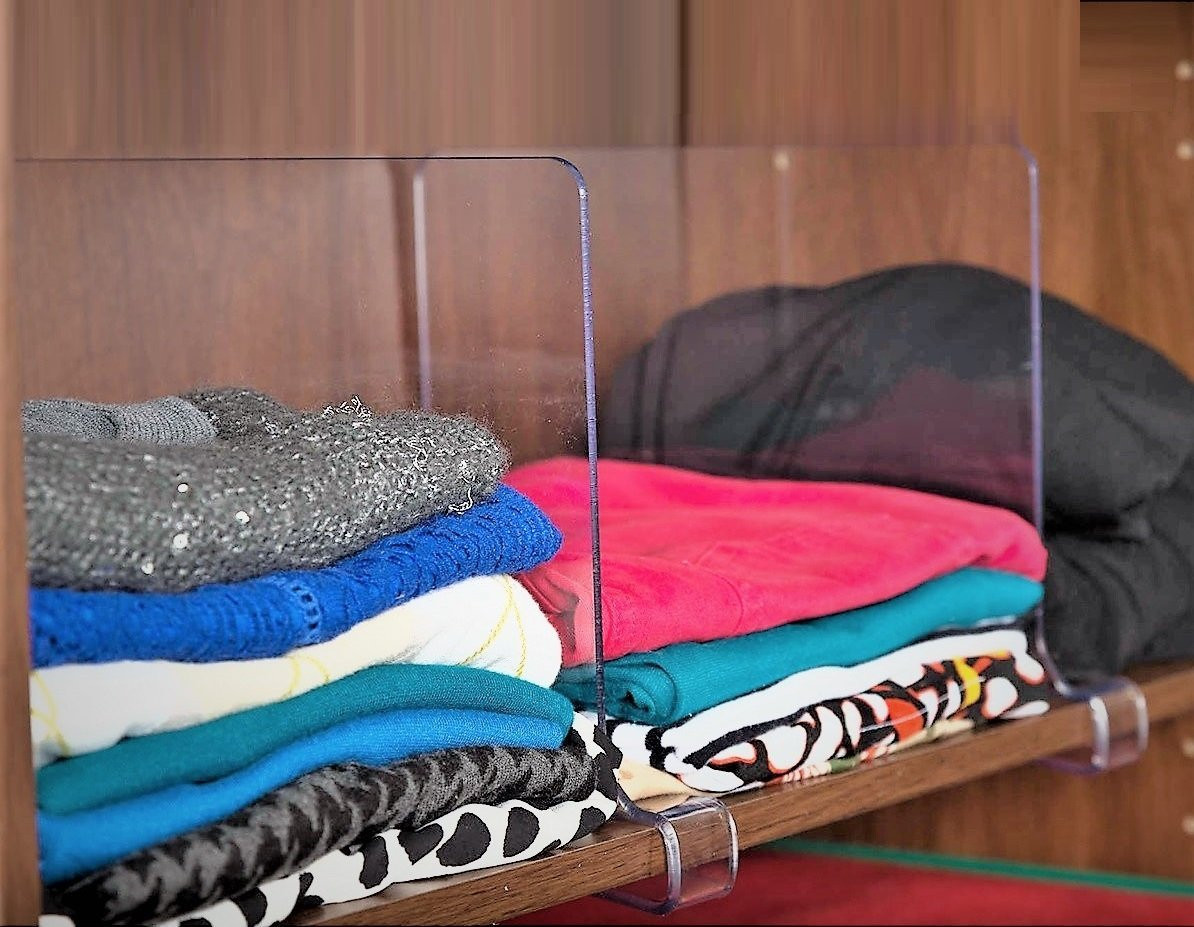
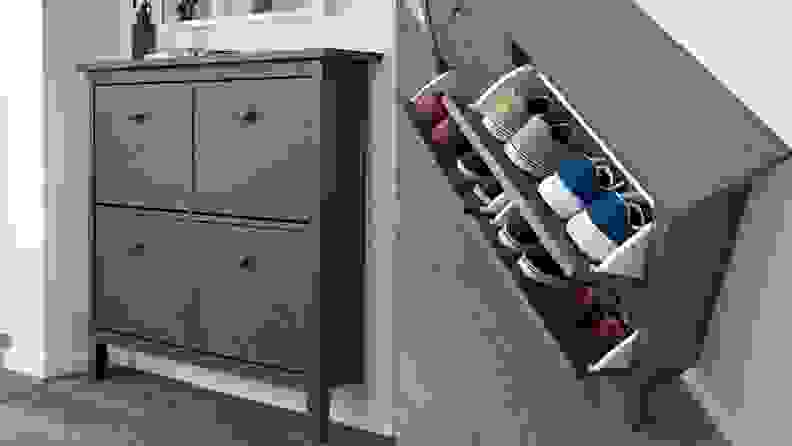
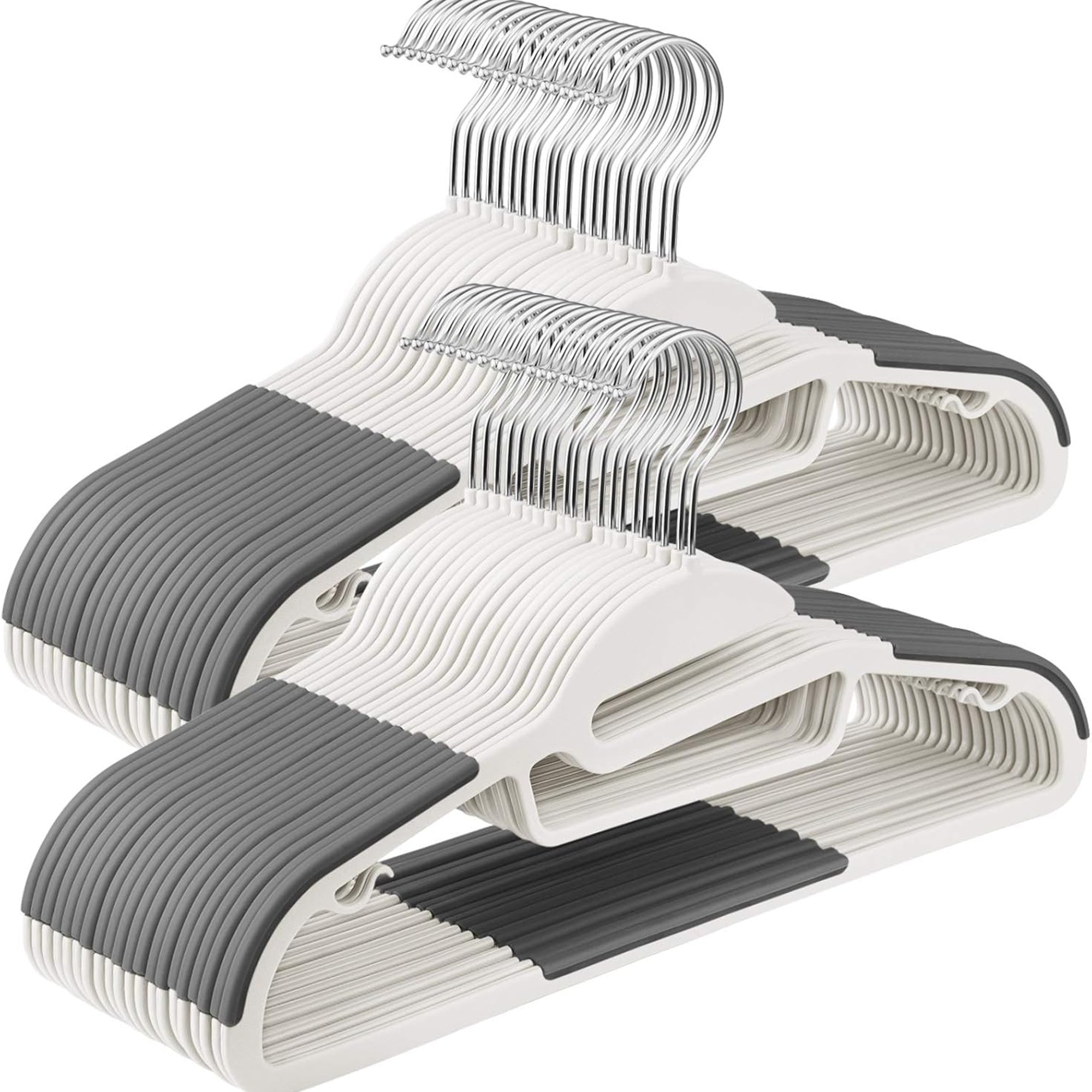
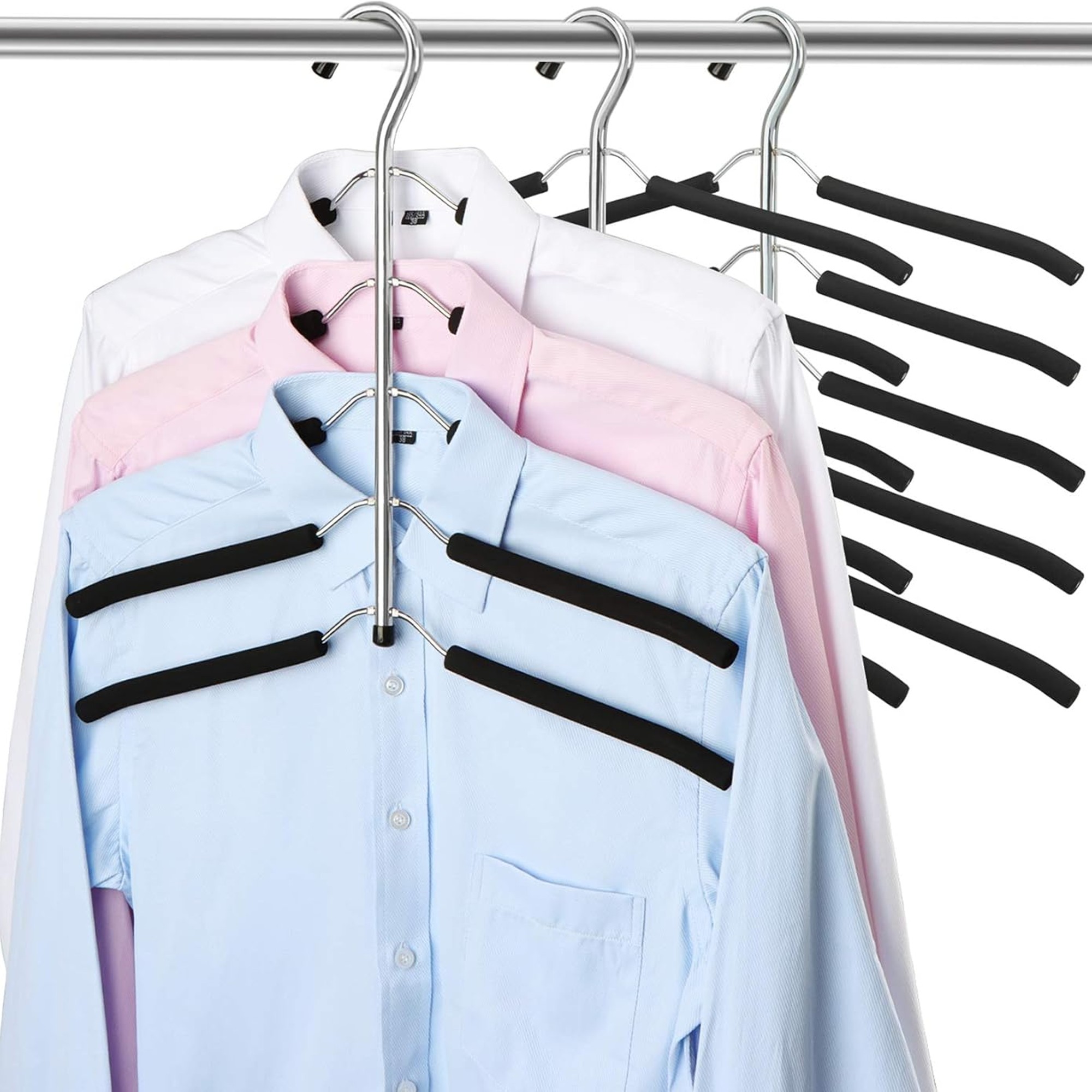
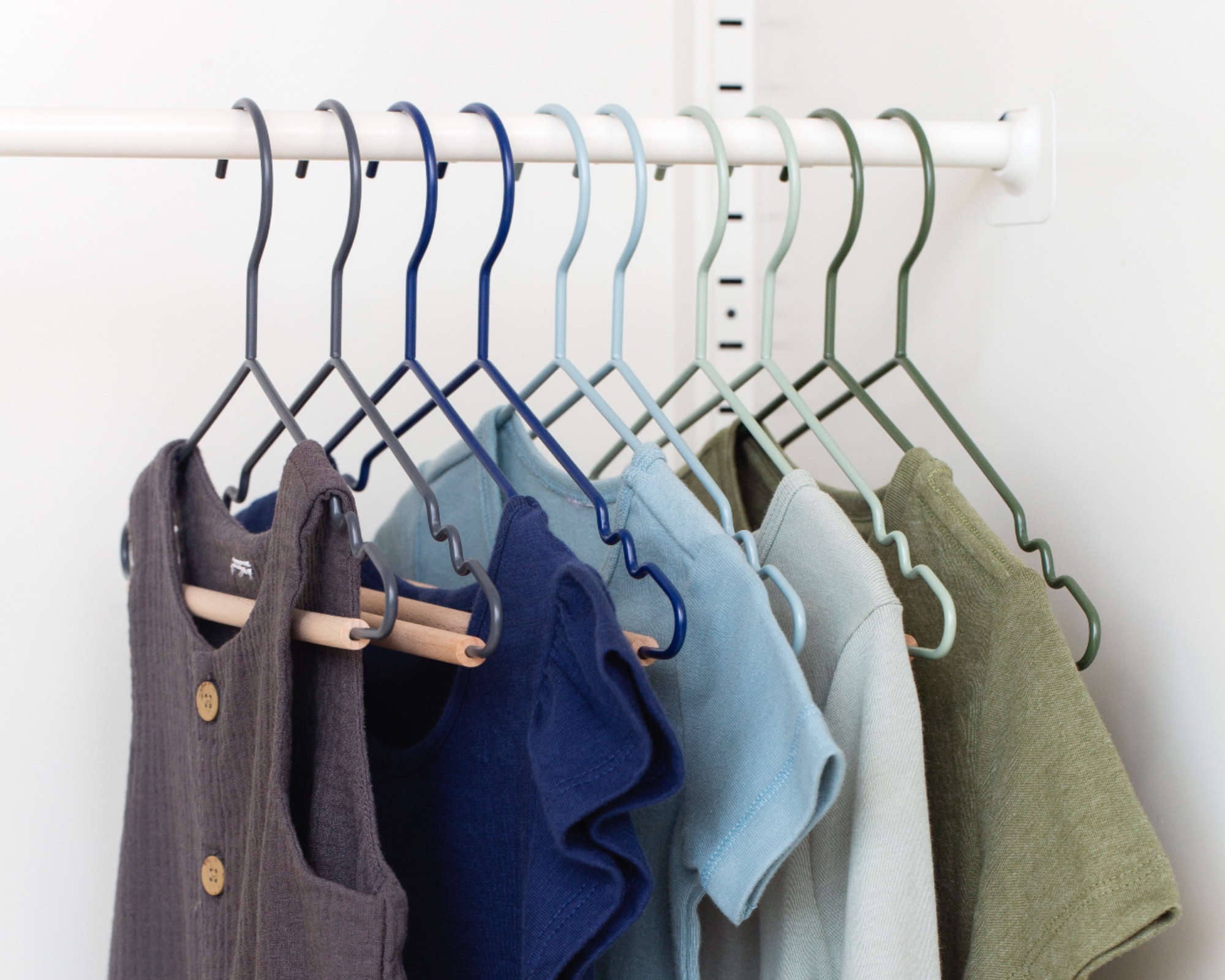
Adopting this organization rule into a tiny bedroom necessitates careful planning and selection of storage units. For instance, in a small space, a minimalist approach to clothing can complement this system. Investing in slimline hangers can free up significant rail space, while drawer dividers or collapsible storage cubes can further organize folded items within drawers or on shelves. Vertical space can be maximized by installing additional shelves or using multi-tiered hanging solutions. The core idea remains to assess each garment and determine its optimal storage method—hanging or folding—based on fabric, style, and frequency of use.
Ultimately, Halle Bailey's closet organization philosophy offers a practical framework for anyone looking to optimize their wardrobe storage, particularly in confined spaces. By thoughtfully categorizing clothes for hanging or folding and integrating diverse storage solutions like drawers, shelves, and rails, it is possible to create a highly functional, accessible, and neat closet environment that makes the most of available space.
#HalleBailey #ClosetOrganization #SmallSpaceLiving #BedroomDesign #HomeOrganization #WardrobeManagement #InteriorDesign #StorageSolutions #HalleBailey #ClosetOrganization #SmallSpaceLiving #BedroomDesign #HomeOrganization #WardrobeManagement #InteriorDesign #StorageSolutions
0 comment in total
 No comments yet
You may also like
32 Things To Transform Your Closet Organization In 2025, So You Can Actually See What You Own


Victoria Beckham’s Clothing Storage Is the Most Impressive I’ve Ever Seen – Her Unorthodox Closet Organization Protects and Showcases Her Wardrobe in Style

9 Target closet organizers shoppers always snap up to fix overflowing wardrobes

The Top 3 Organization Tips We Learned From Amber Lewis’s Hall Closet Redo
9 Foolproof Tips for Organizing Your Closet, from Melanie Charlton Fowler
33 Best Closet Systems of 2025, According to Experts

15 Of The Best Closet Organization Ideas, According To An Expert

Shared Closet Organization FAQs Answered By the Experts

If Not Now, When? 27 Things To Finally Organize Your Closet
12 Items You Should Toss From Your Closet Right Now, According to Pro Organizers
I Spent a Year Designing My Closet—Here Are My Top 8 Organizing Tips

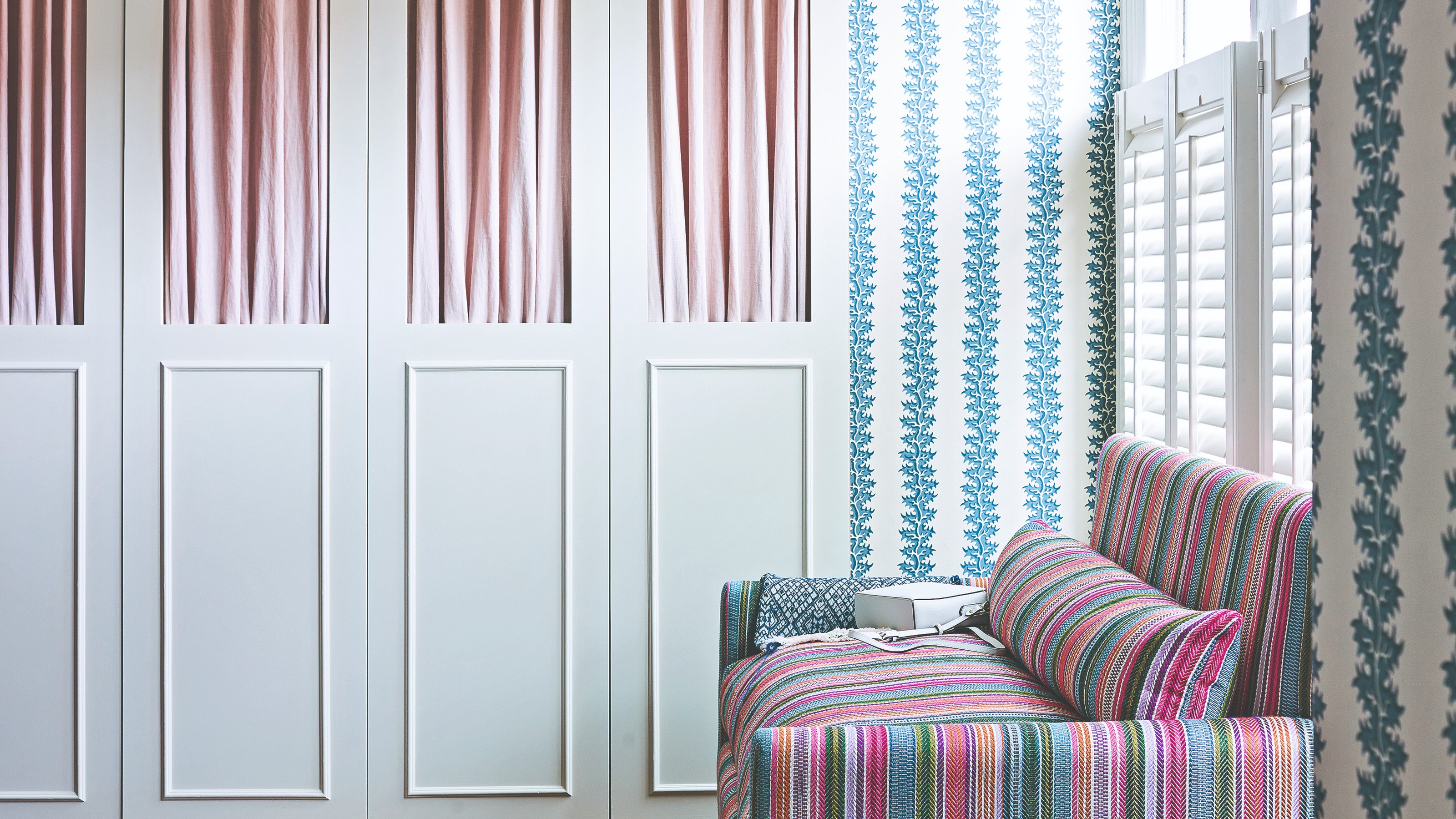
Wardrobe storage ideas – 17 ways to keep your closet neat, organised and easily accessible

The Home Edit's Clea and Joanna on the Biggest Closet Organizing Mistake They See People Make
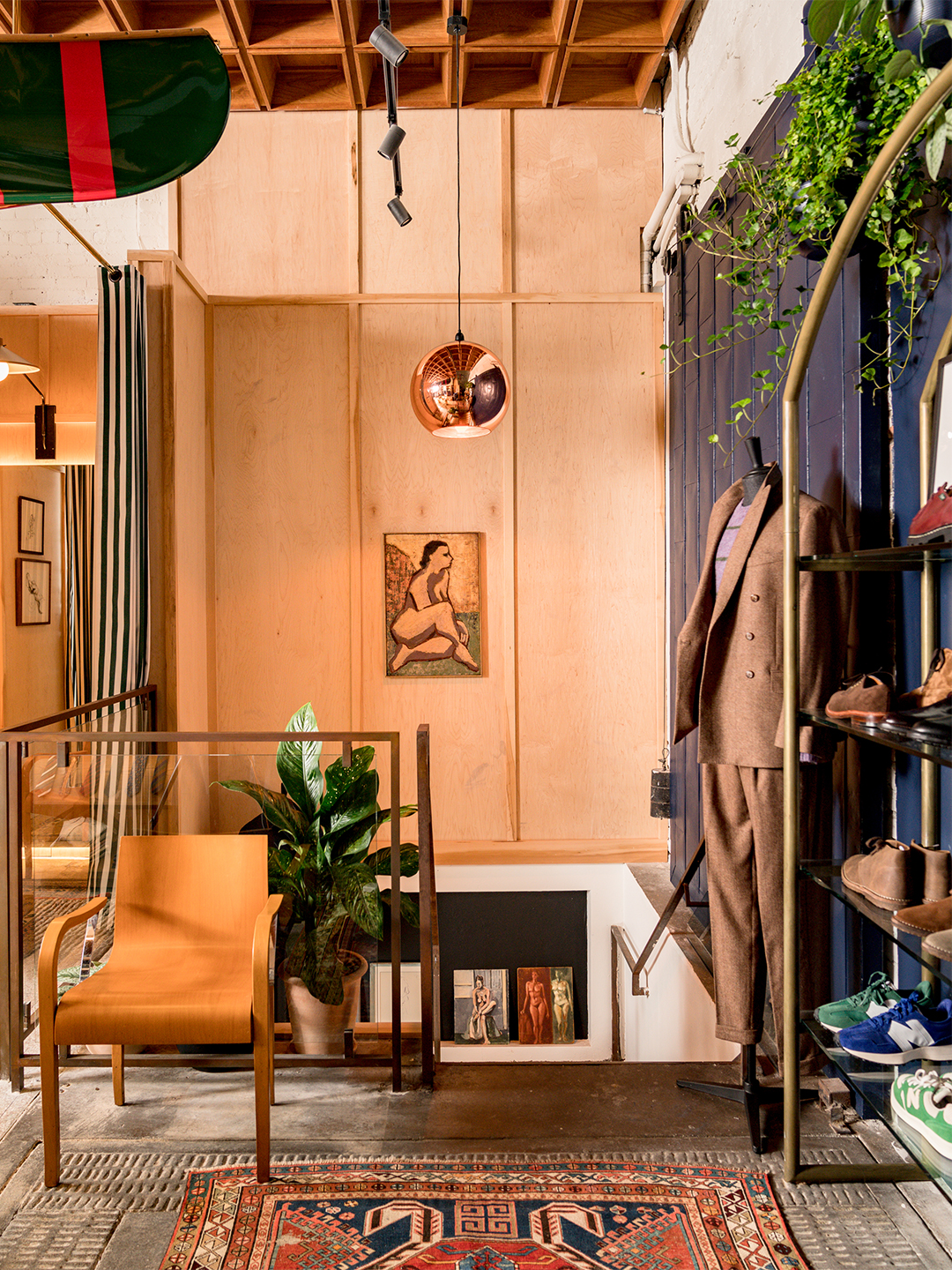
J.Crew’s Newest Store Is Packed With Real-Life Closet Organizing Inspiration
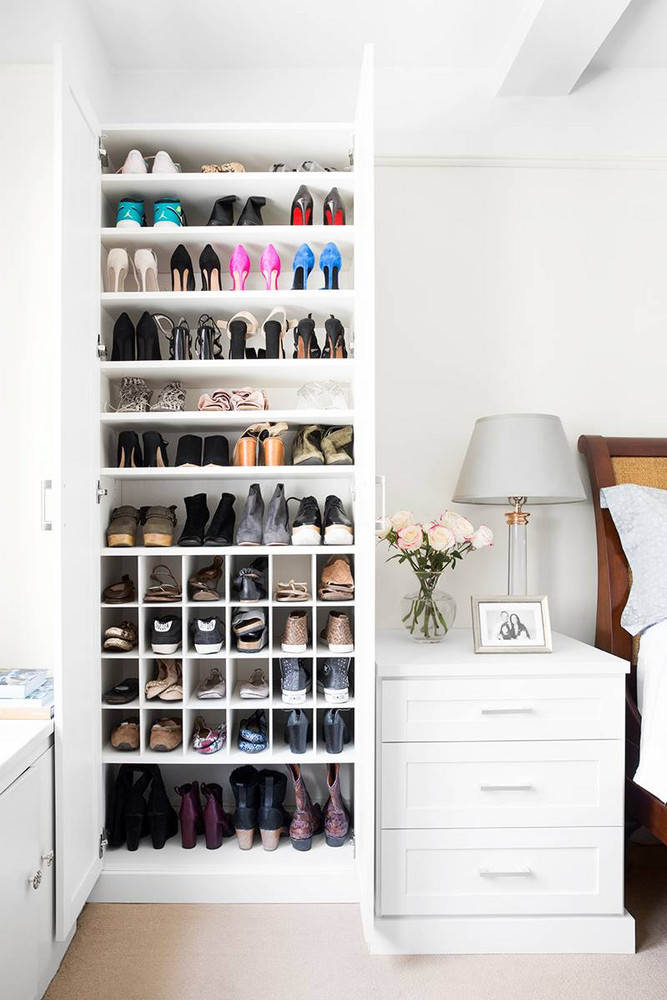
10 Must-Haves For an Organized Closet
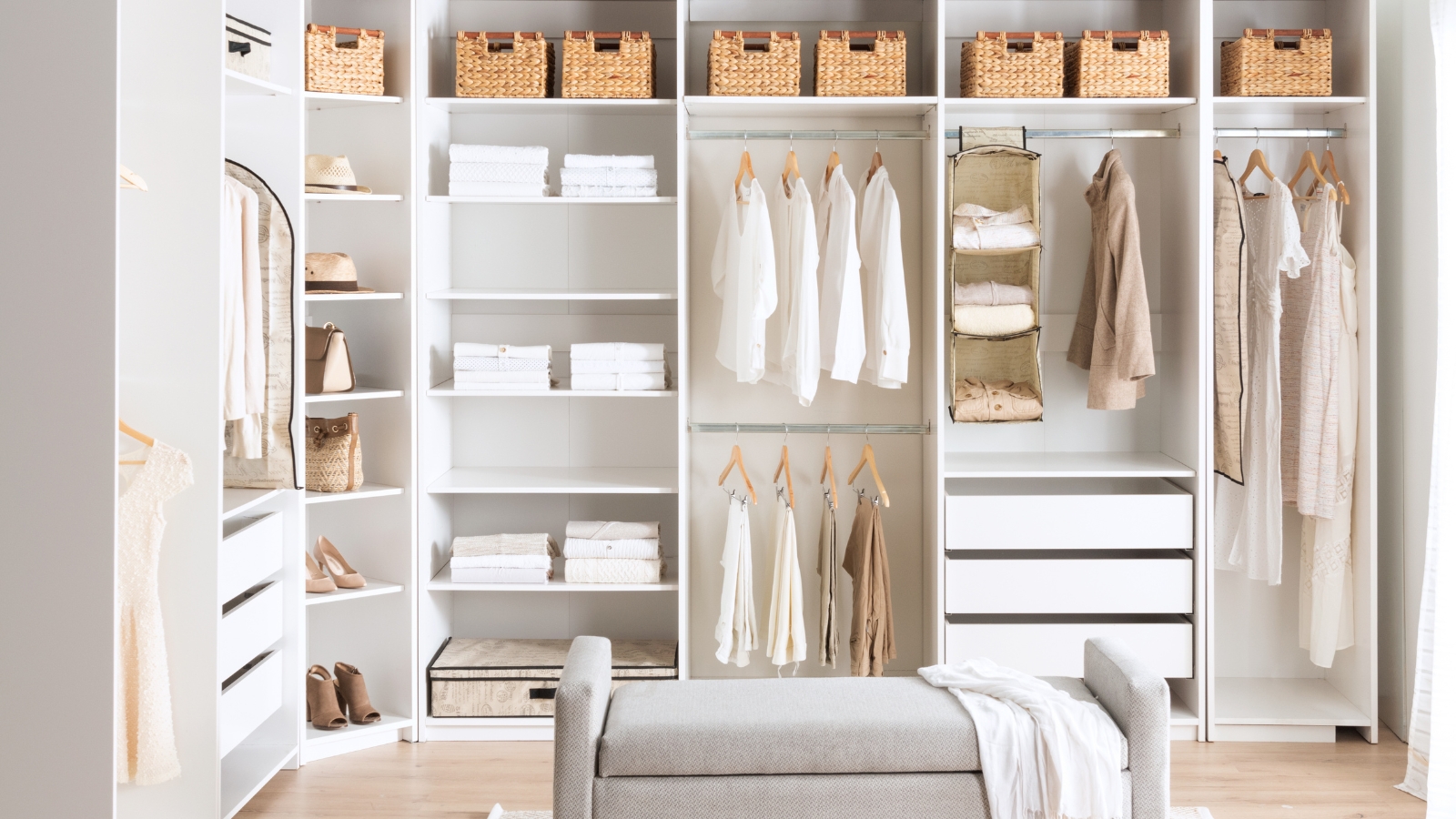
7 things the most organized people have in their closets – and what they always do first
39 Things To Make Every Corner Of Your Bedroom A Little More More Organized
25 Organization Products That'll Basically Double The Space In Your Closet
12 must-have products to keep your closet organized

How to Finally Clean Out Your Closet (Published 2024)