1/10
Eight living areas that make a feature of exposed rammed-earth walls
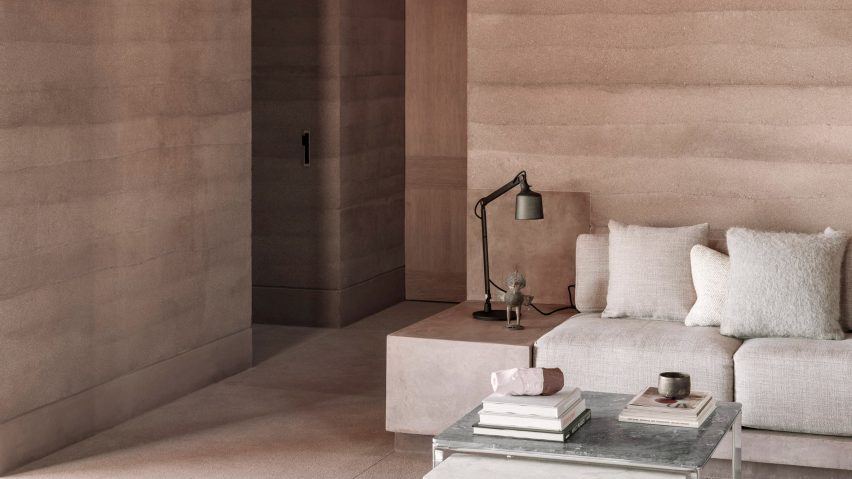
This lookbook showcases eight diverse living room interiors that highlight the aesthetic and functional qualities of rammed-earth walls, a traditional low-carbon building method. Rammed earth is created by compacting layers of soil, which can include aggregate, sand, silt, clay, and gravel, into formwork to create solid walls. While traditionally used in its raw form, modern applications often stabilize the earthen material with binders like cement to enhance strength while preserving its characteristic appearance.
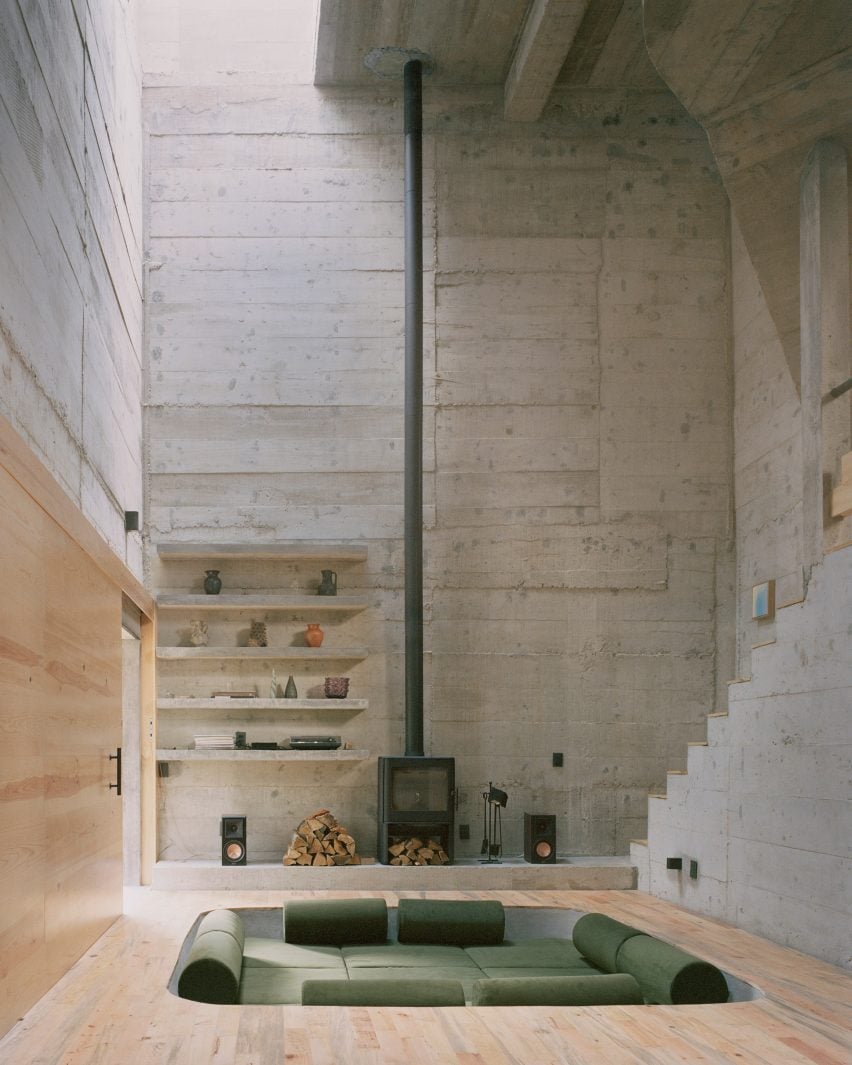
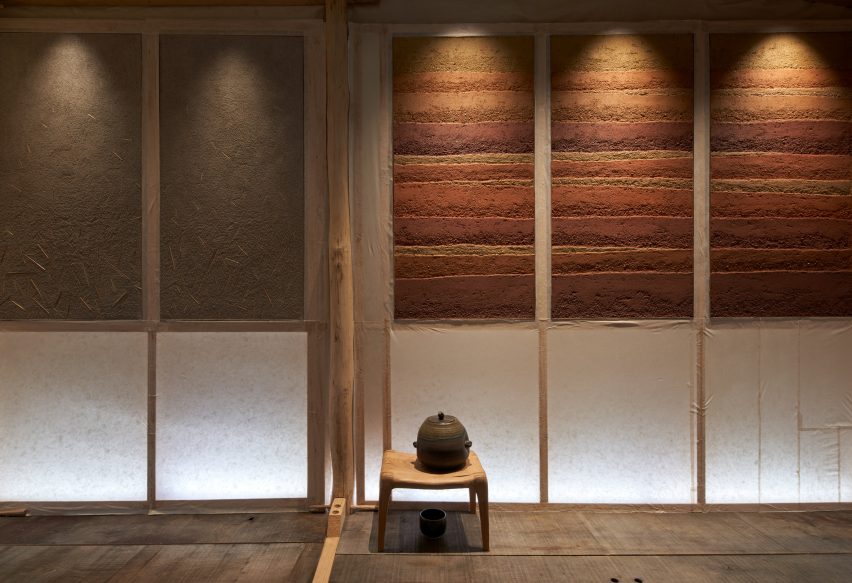
The featured examples demonstrate the wide range of colors and textures inherent in rammed-earth walls, dictated by the local soil composition. These variations include warm oranges, deep browns, cool greys, pinkish hues, and sandy tones. The layered compaction process results in distinct striped patterns, making these walls visually striking focal points within homes. Beyond their aesthetic appeal, rammed-earth walls possess high thermal mass, a property that helps regulate indoor temperatures, keeping spaces cool during hot days and warm during cooler nights, which is particularly beneficial in diverse climates.
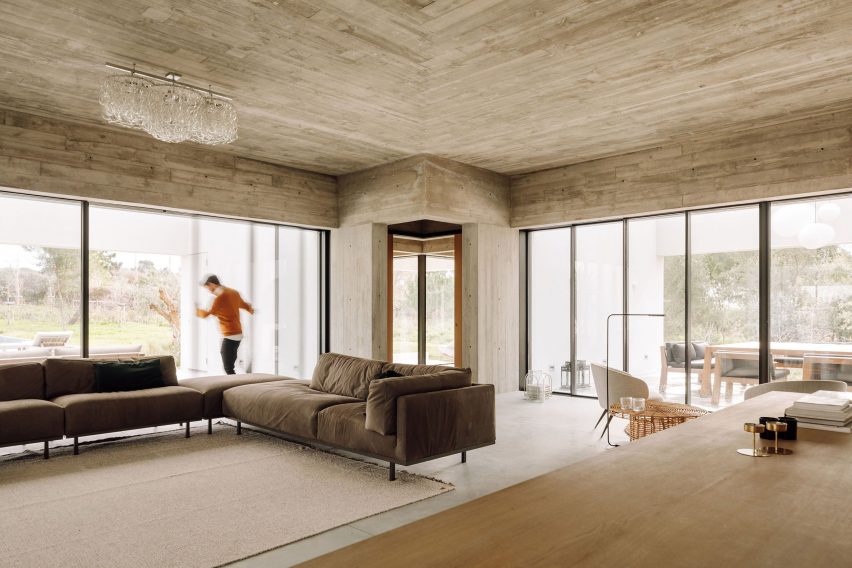
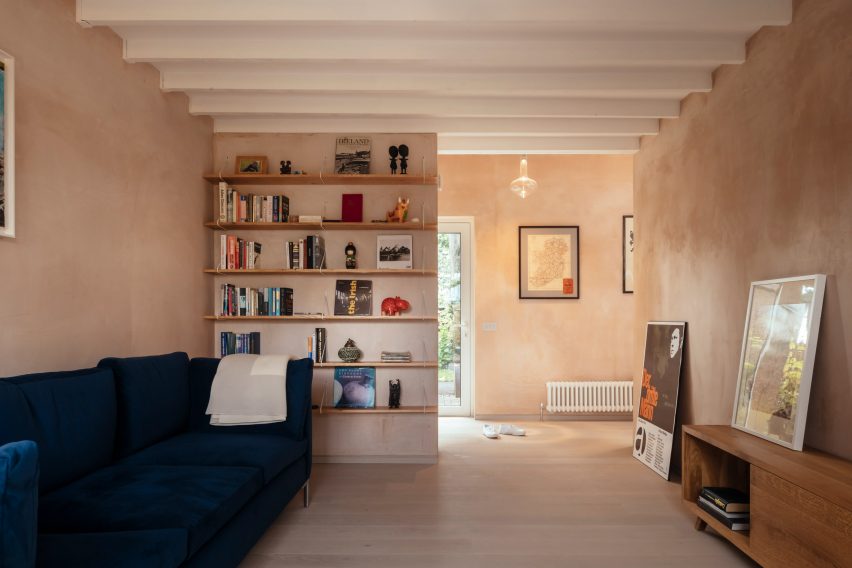
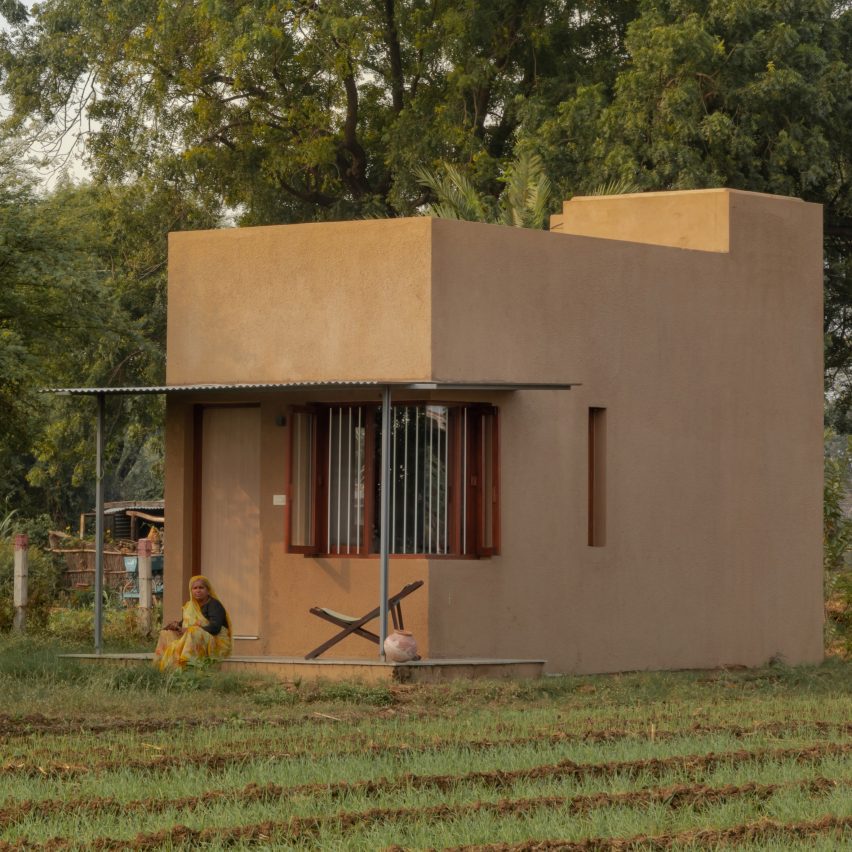
Each project illustrates a unique approach to incorporating rammed-earth into living spaces. Hybrid House in India, designed by Sketch Design Studio, integrates vernacular building techniques with exposed rammed-earth walls that exhibit a pinkish tone due to the high clay content in Rajasthan's soil. PPAA's Vipp Todos Santos guesthouse in Mexico utilizes thick rammed-earth walls to blend the structure with its natural surroundings and provide passive cooling. Arquipélago Arquitetos' House in Cunha, Brazil, features rammed-earth walls on a concrete foundation, extending into the interior to form elements like an open-plan kitchen wall and built-in living room storage, complemented by timber accents.
Studio Asaï's Tembo Tembo lodge in South Africa draws inspiration from termite nests, using locally sourced rammed earth mixed with a sealant for both exterior and interior surfaces, including a living room that pairs earthy tones with dark green furnishings. Neil Architecture's Casa di Campo in Australia showcases a four-meter-high external rammed-earth wall exposed in the living room, contrasting its rough, grey texture with smooth wood and tiled elements. Déchelette Architecture's Casa Franca in France presents a three-story monolithic rammed-earth facade in Paris, with the living area set back to create an outdoor terrace clad in aluminum.
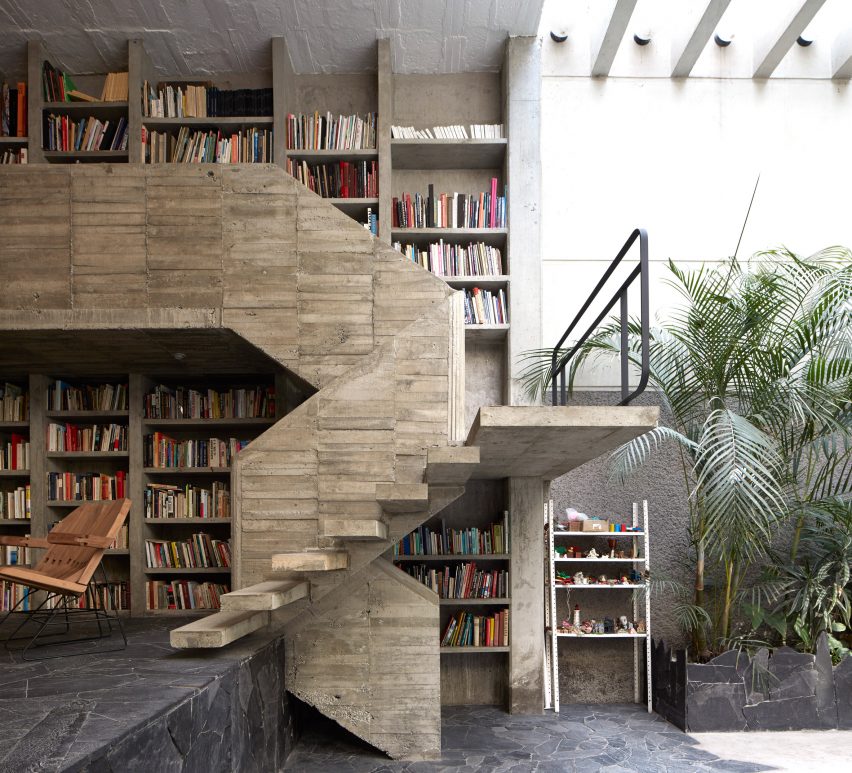
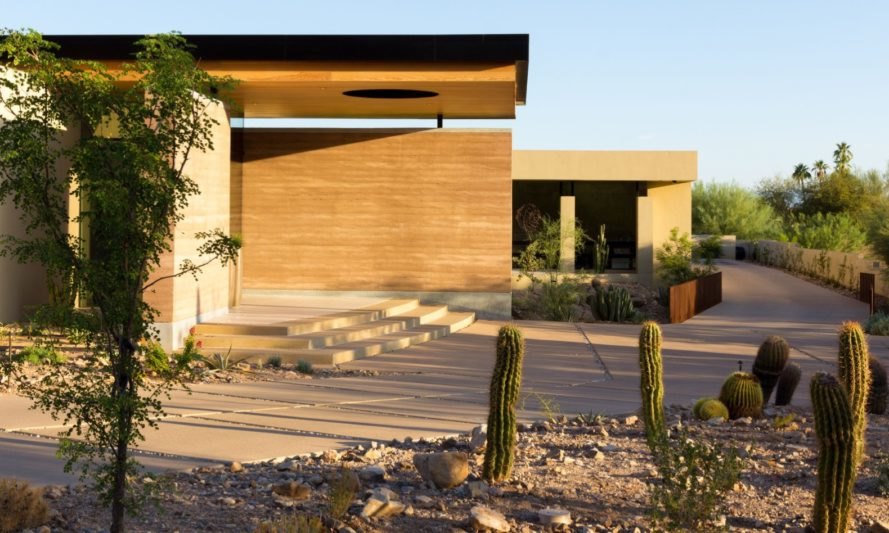
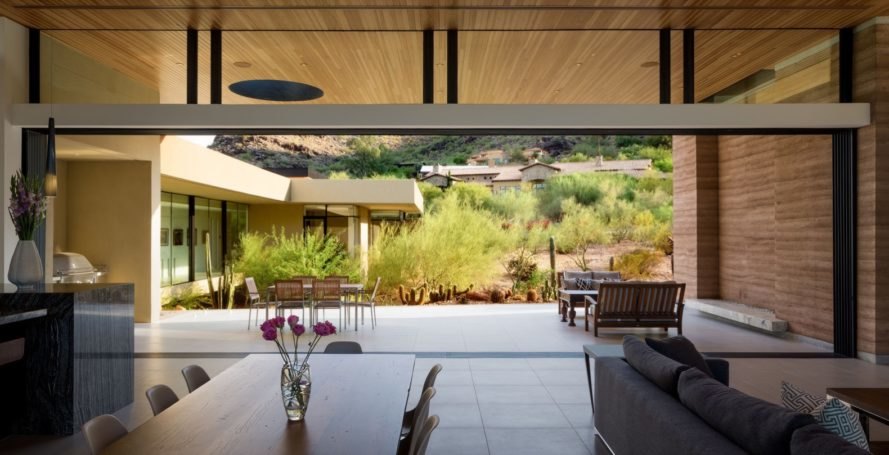
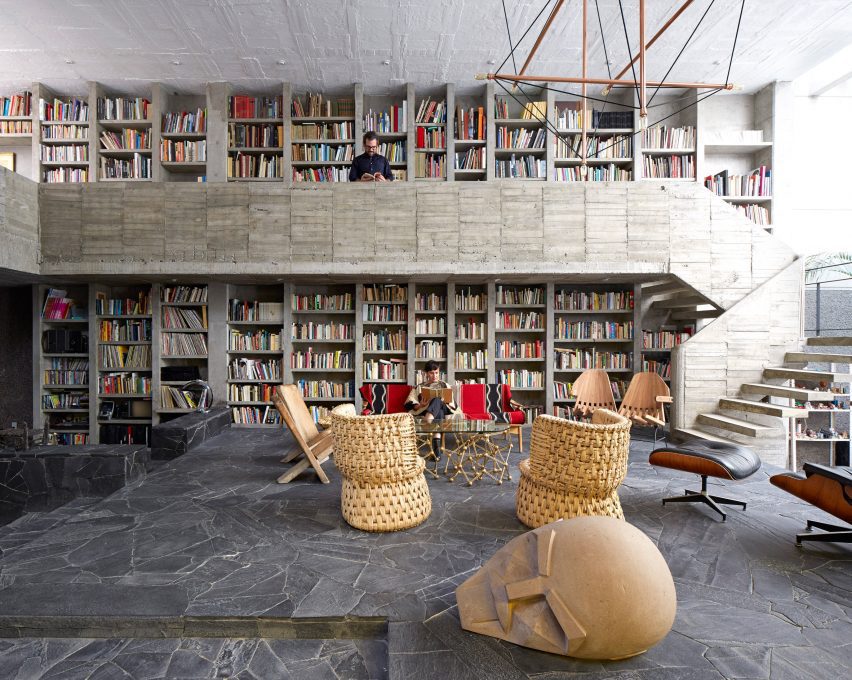
Lake Flato's Marfa Ranch in the US features two-foot-thick sandy-hued rammed-earth walls built around a central courtyard in the desert grasslands of Texas, with living spaces opening to outdoor areas via weathering steel sliding doors. Finally, Di Frenna Arquitectos' Espacio Kaab in Mexico, designed to appear as if rising from the ground, incorporates rammed earth alongside stone, woven carrizo, and stucco. Its living room boasts a dramatic grey-toned striped rammed-earth wall with an integrated bookshelf. These projects collectively demonstrate how rammed-earth walls can contribute significantly to both the visual character and environmental performance of contemporary living spaces.
#RammedEarth #LivingRooms #InteriorDesign #SustainableArchitecture #ThermalMass #ResidentialArchitecture #BuildingMaterials #ArchitecturalFeatures #Lookbooks #RammedEarth #LivingRooms #InteriorDesign #SustainableArchitecture #ThermalMass #ResidentialArchitecture #BuildingMaterials #ArchitecturalFeatures #Lookbooks
0 comment in total
 No comments yet
You may also like
Eight stylish living rooms where board-marked concrete adds character
Eight homes with kitchens that double as partition walls

Eight living spaces with industrial Crittal-style windows
Soaring Ceilings & Wrapped Windows
Eight homes with hardwearing and decorative terracotta floors
Eight interiors that are stepped up by the addition of ladders
The Dirt on Mudrooms
Ten interiors with textured wall finishes by Clayworks that create visual interest
Eight living spaces anchored by statement fireplaces
6 homes with walls that have the exposed brick look
Eight minimalist bedrooms lined with exposed concrete surfaces
Ten living rooms that use concrete to create textural interest
Feature walls frame out spaces, add interest to rooms

Rammed earth walls tie modern home to the desert landscape
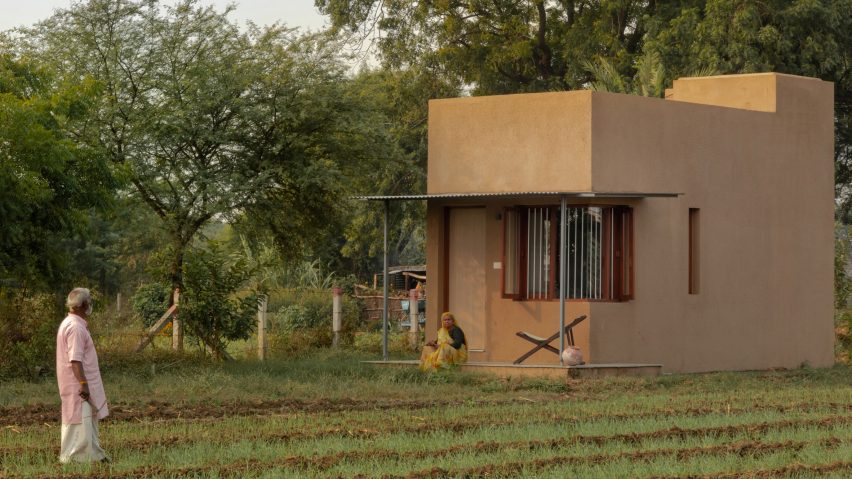
Eight monolithic houses coated in earth-toned plaster and render
Rammed Earth Walls Tie This Eco-Friendly Home to the Desert

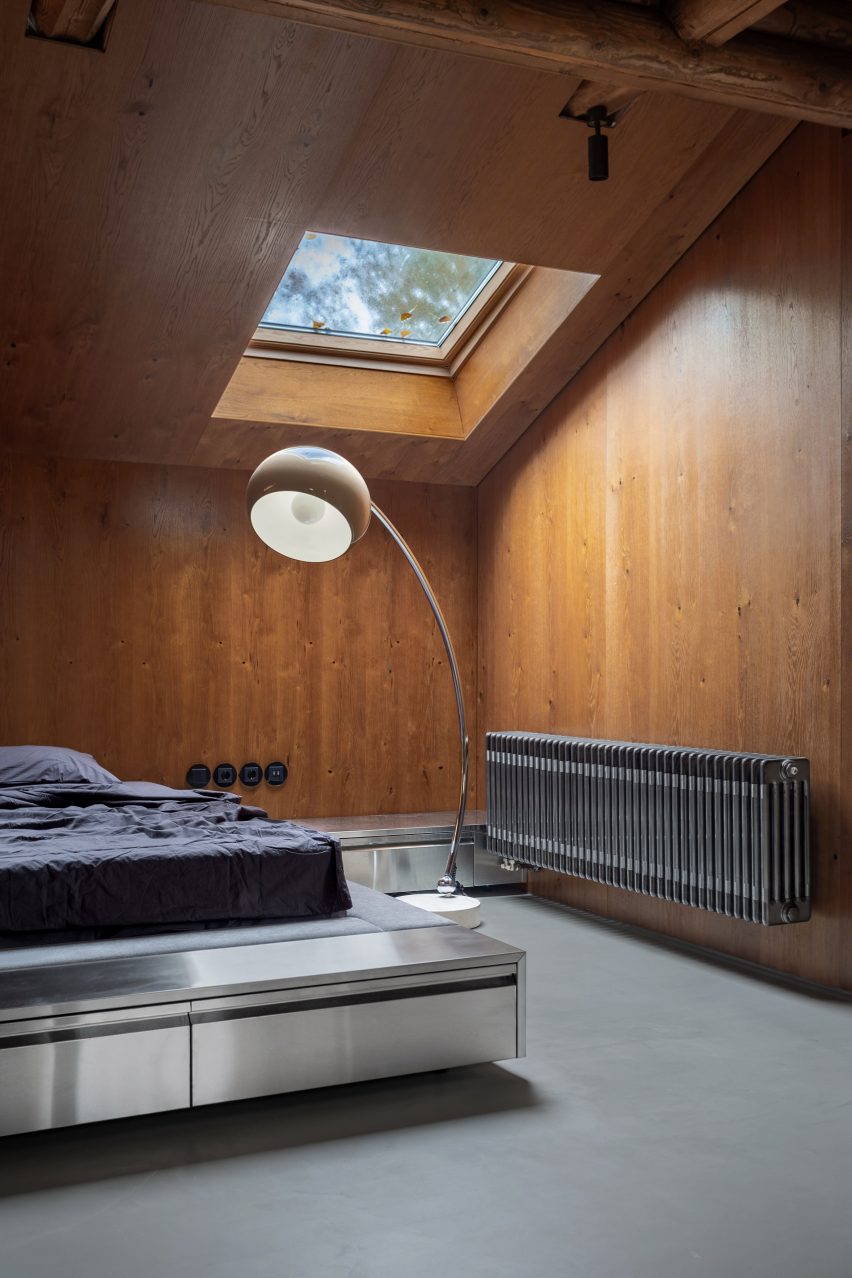
Eight living spaces that go heavy on metal furniture
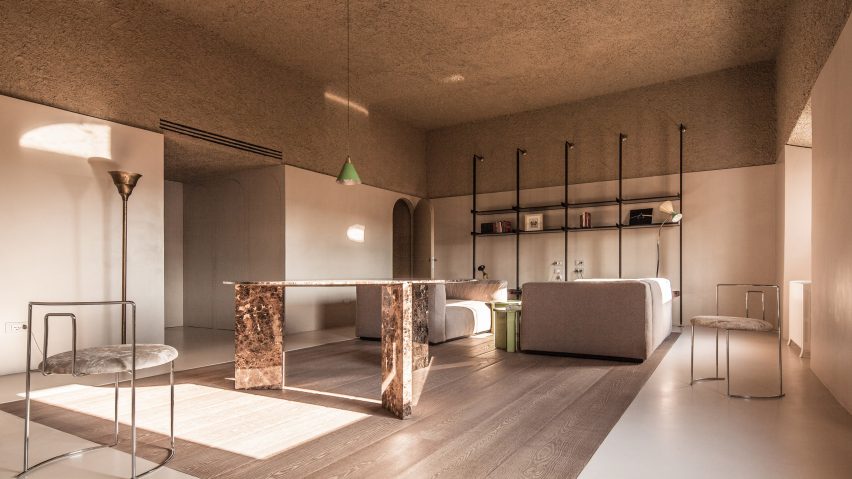
Ten residential interiors showcasing exposed plaster walls
Eight concrete kitchens with raw and tactile surfaces
Textured Walls Are The Latest Interiors Trend For Adding Warmth To Your Space