1/4
All My Favorite Interior Designers Keep Using 'Soapstone' Countertops in Their Projects — But What Actually Are They?
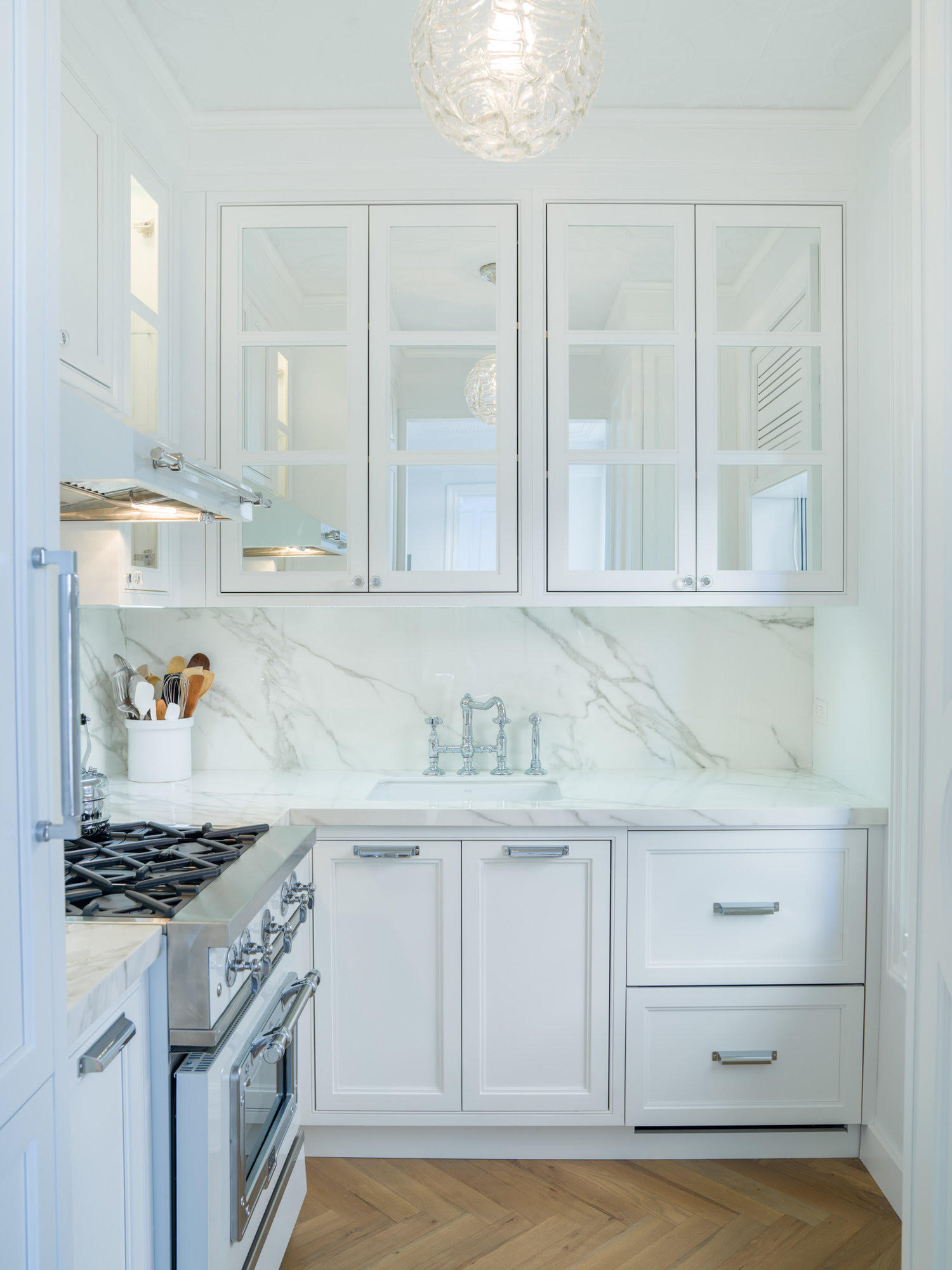
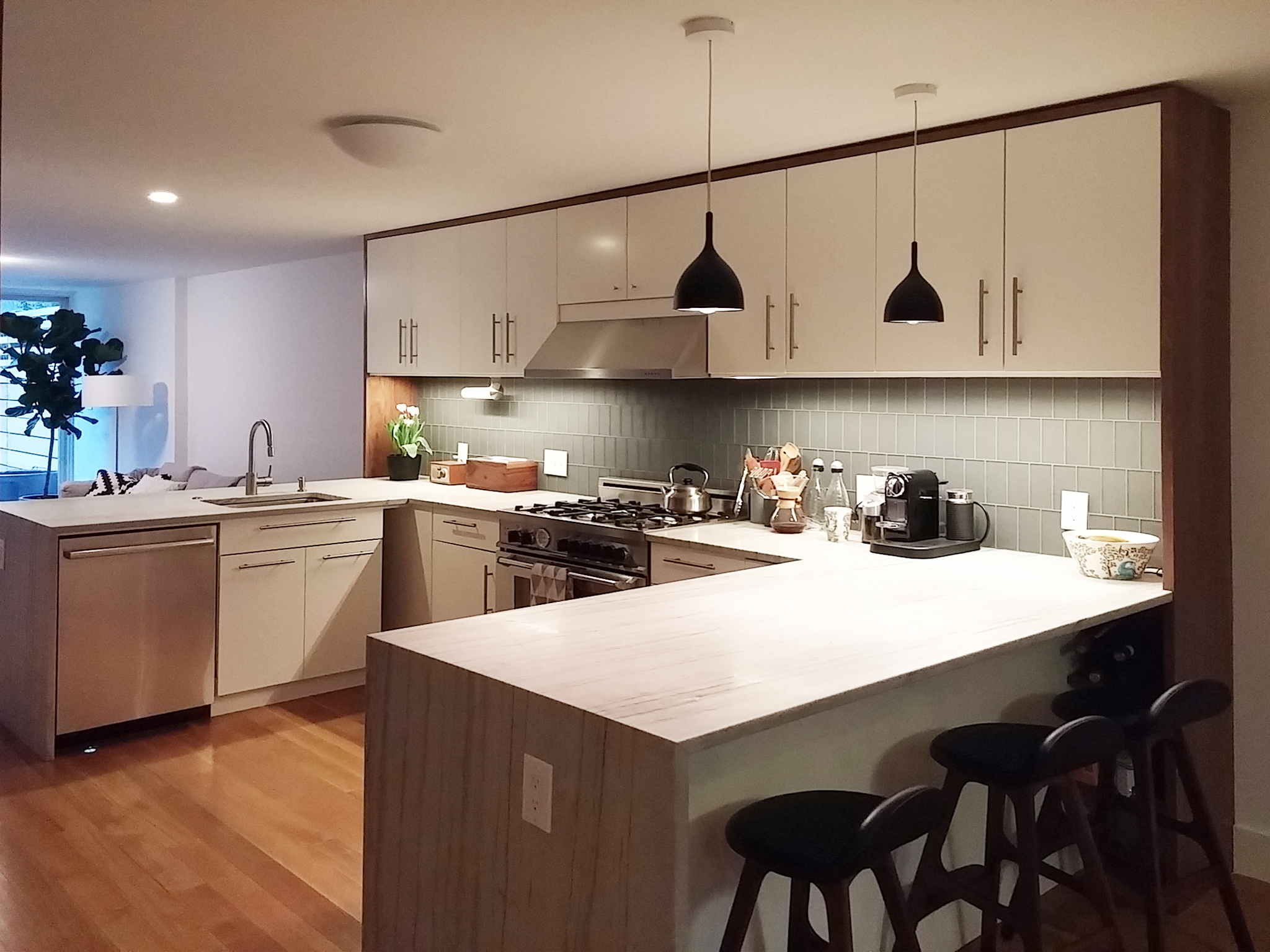
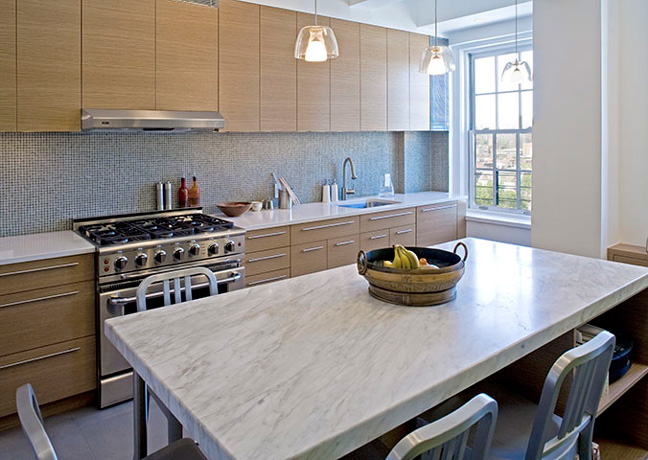
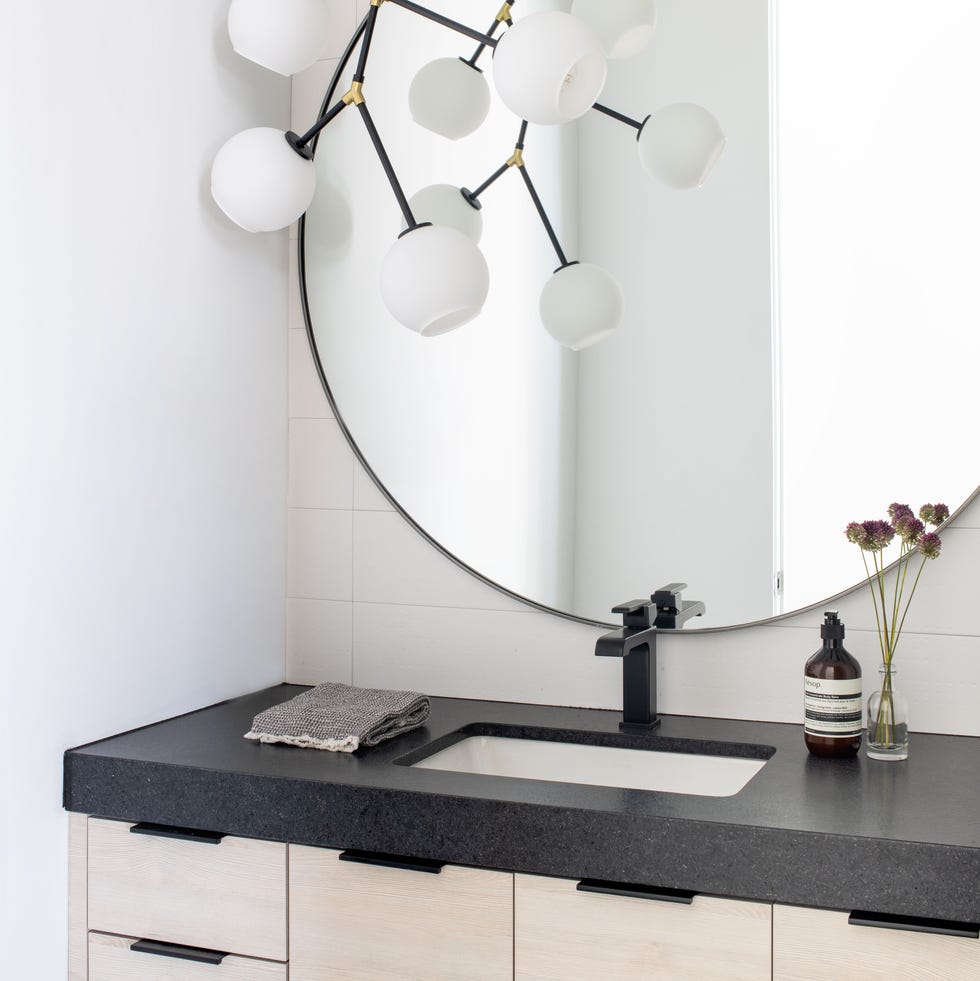
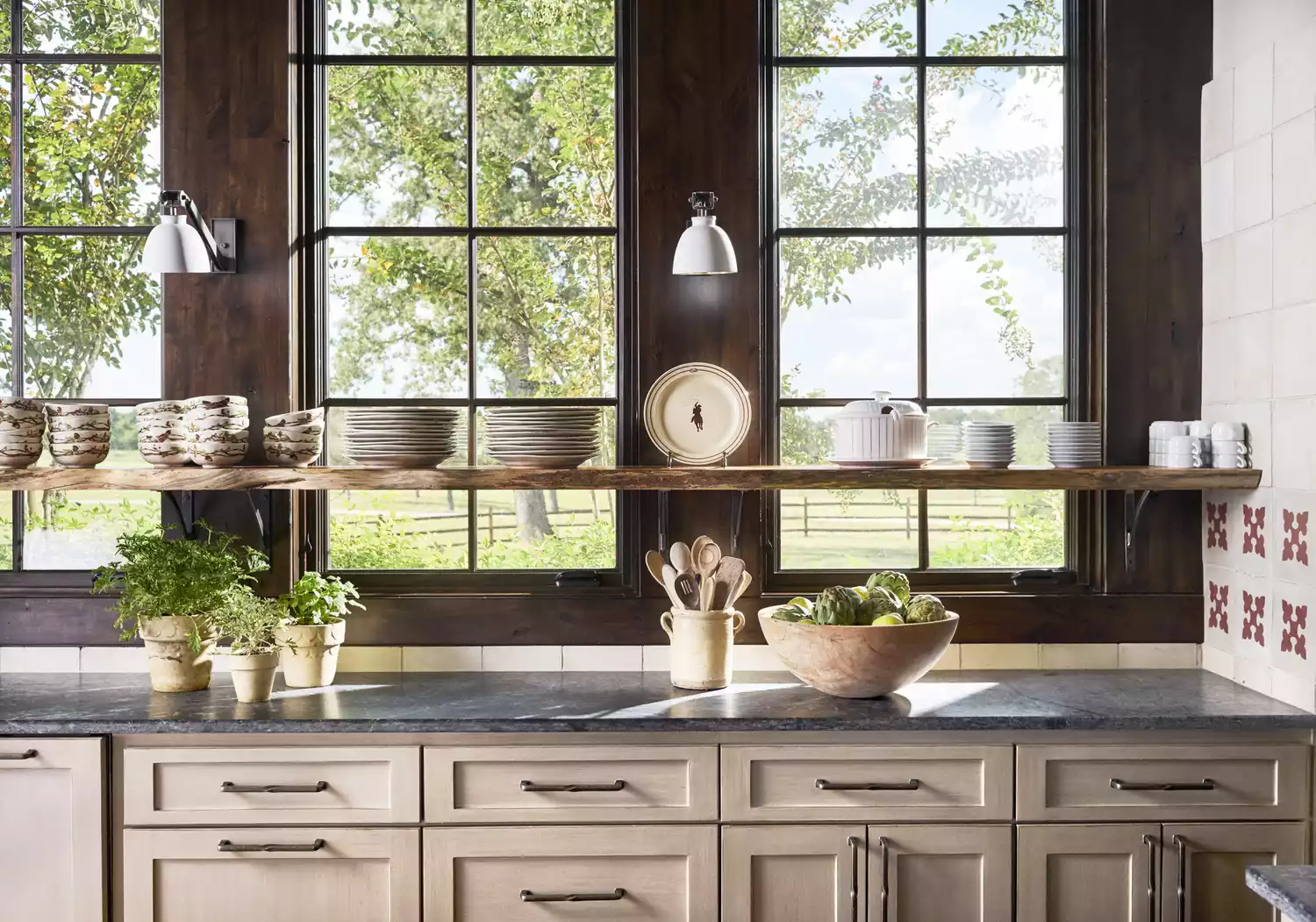
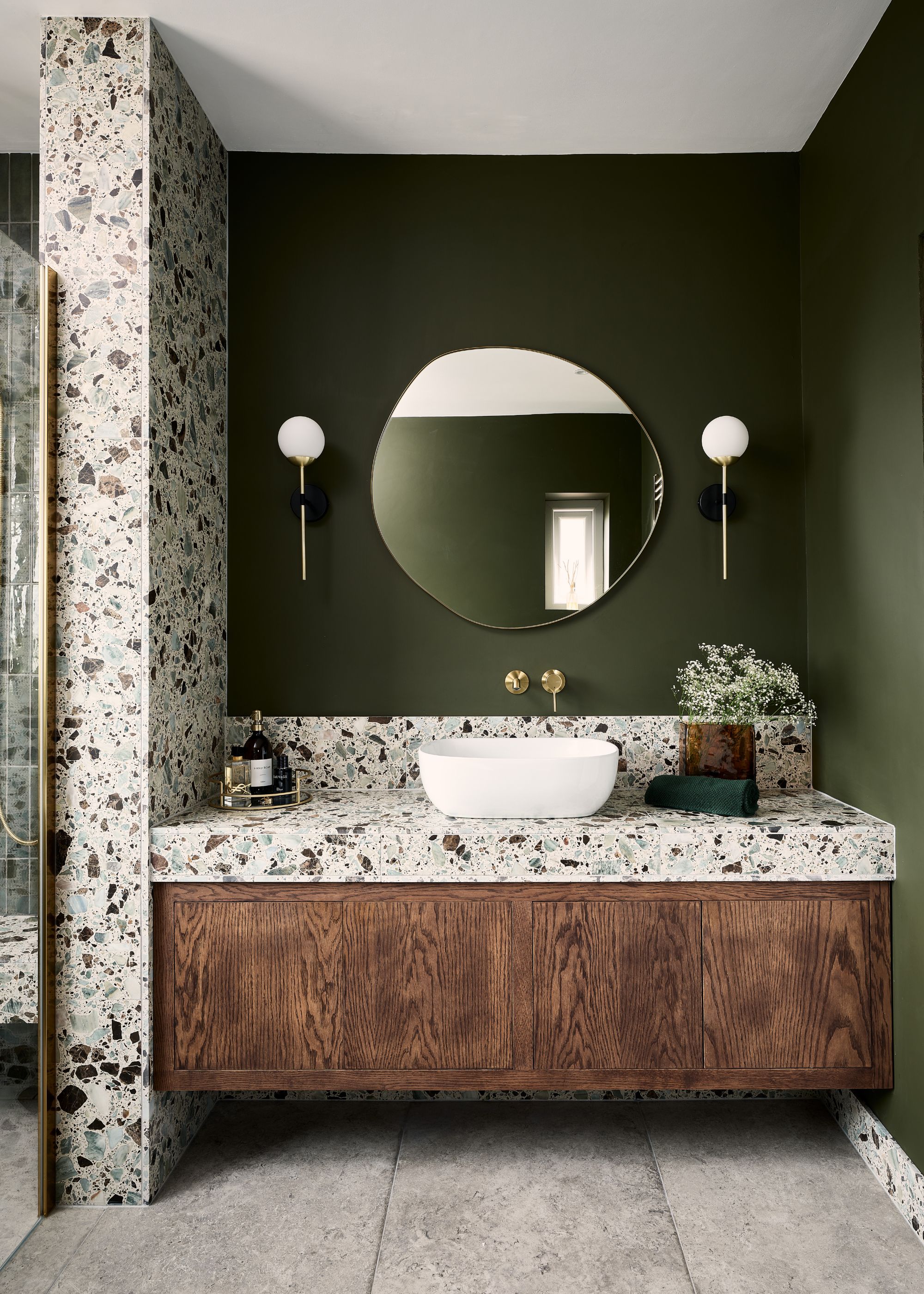
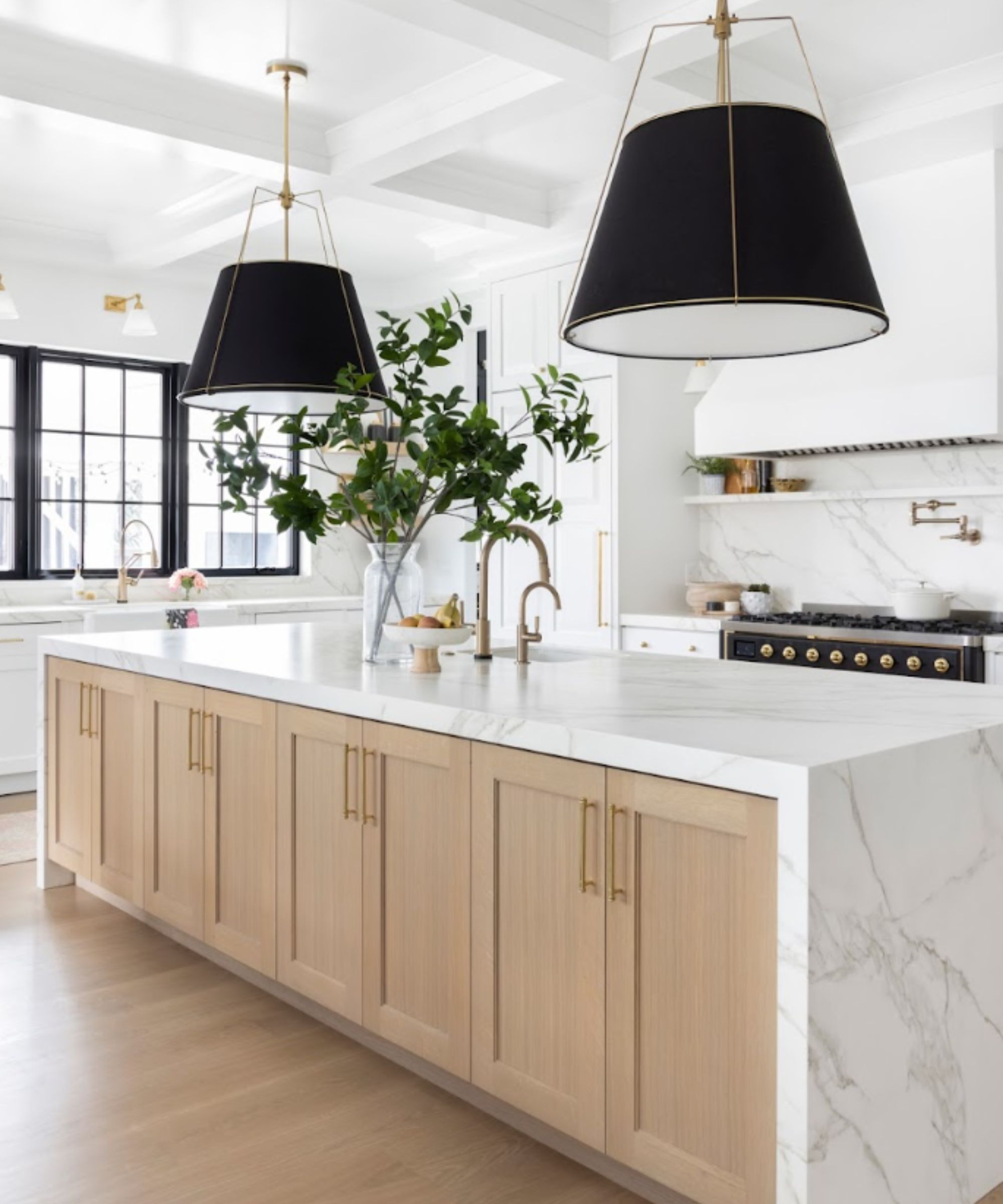
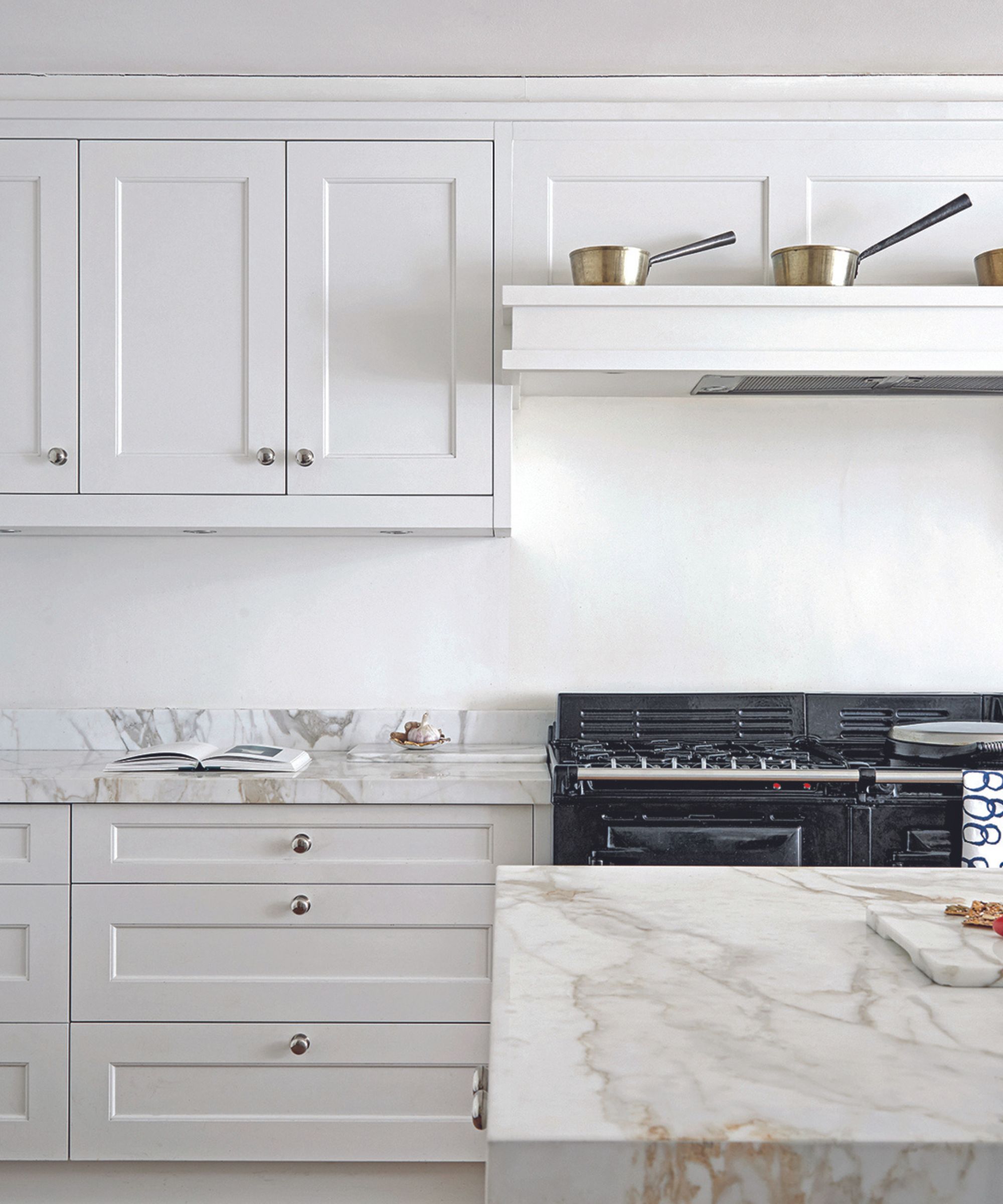
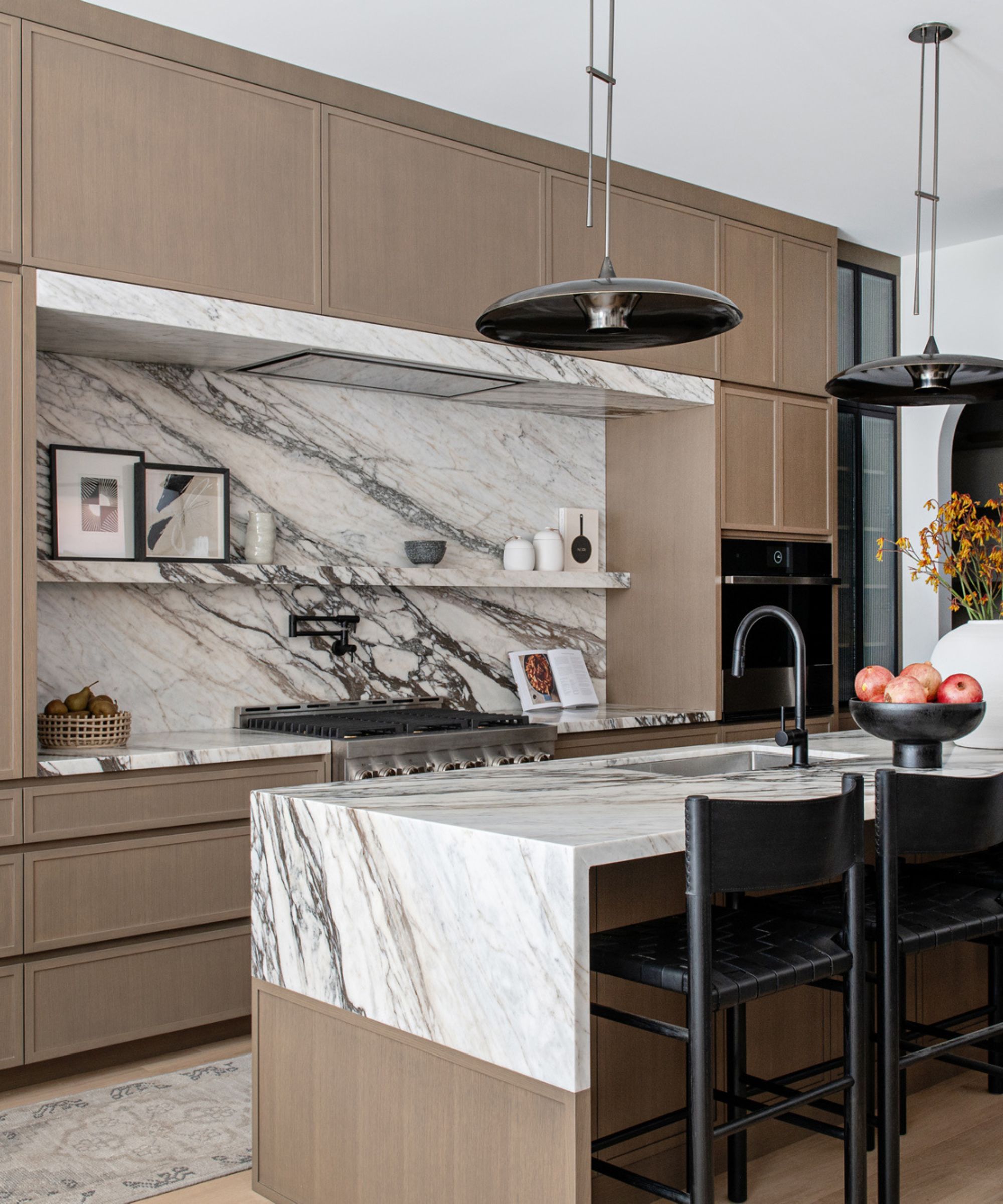
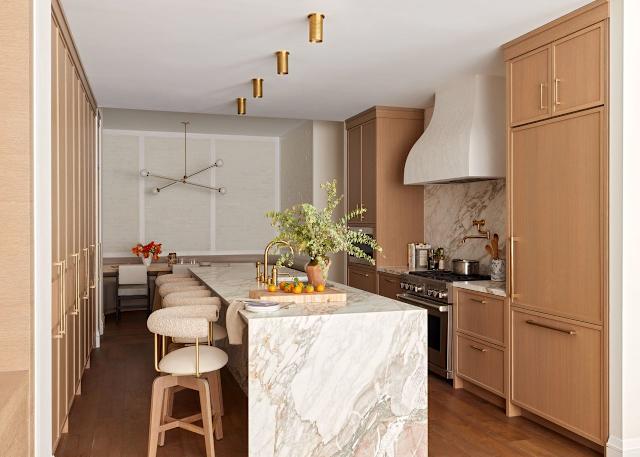
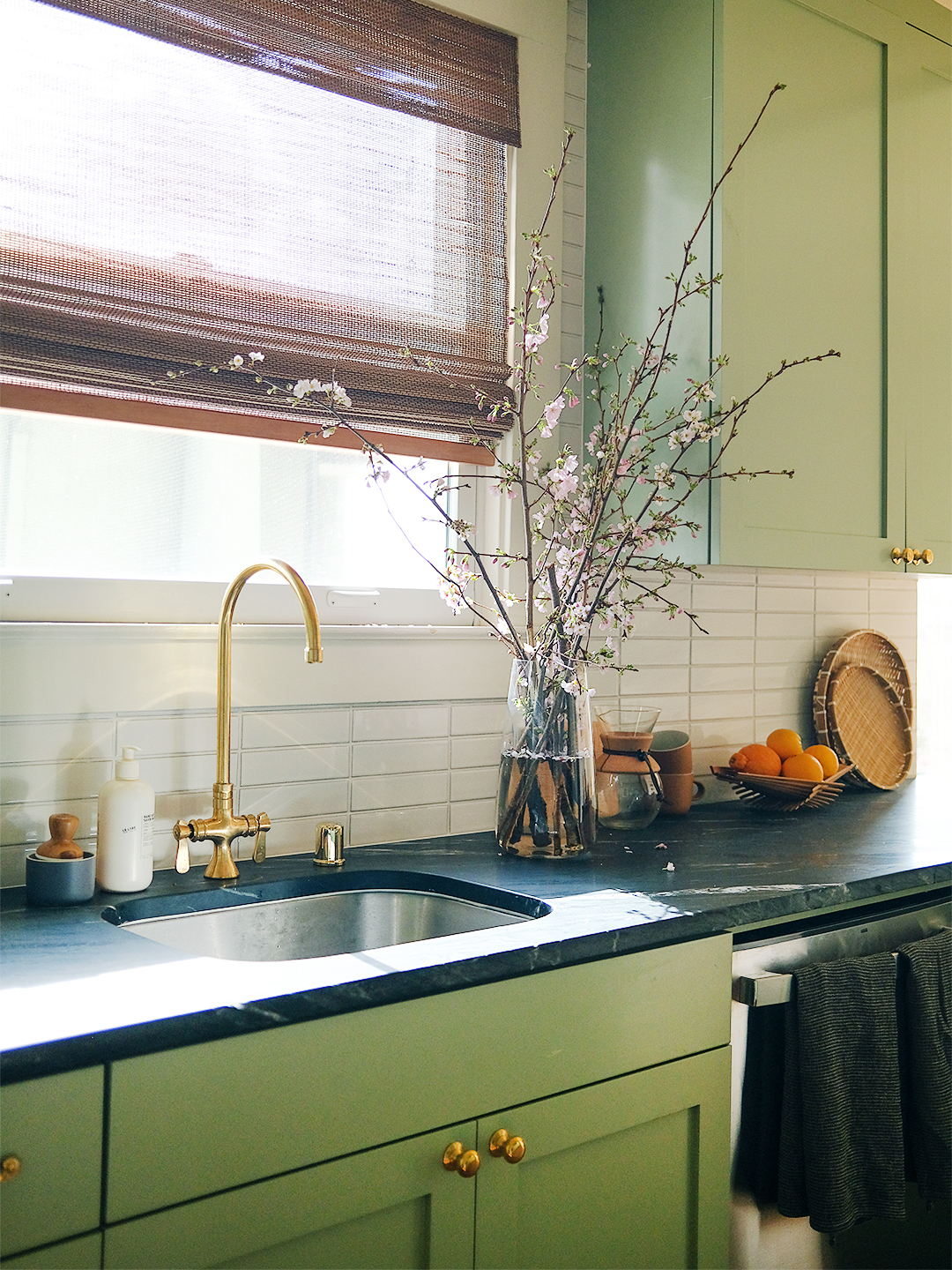
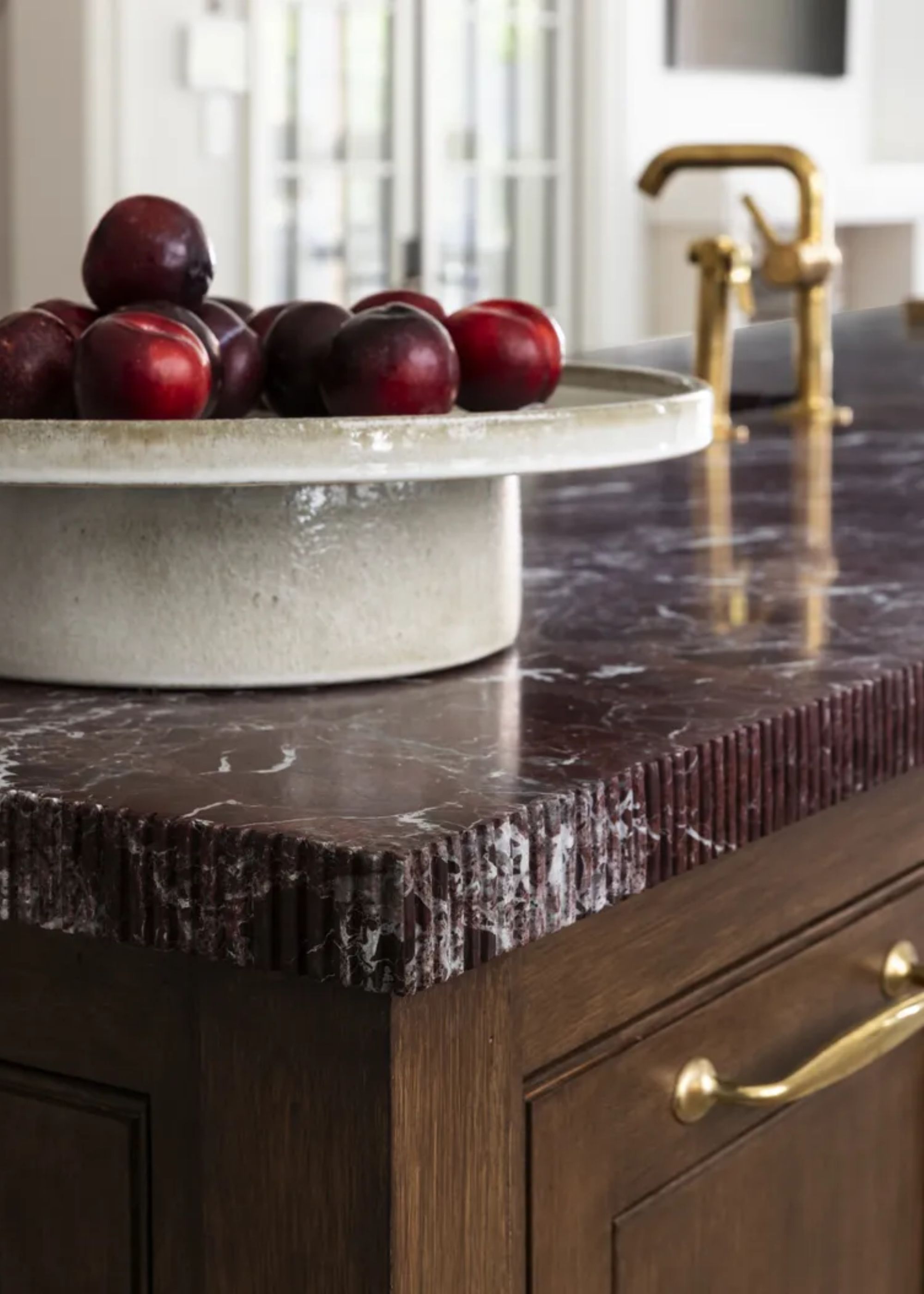
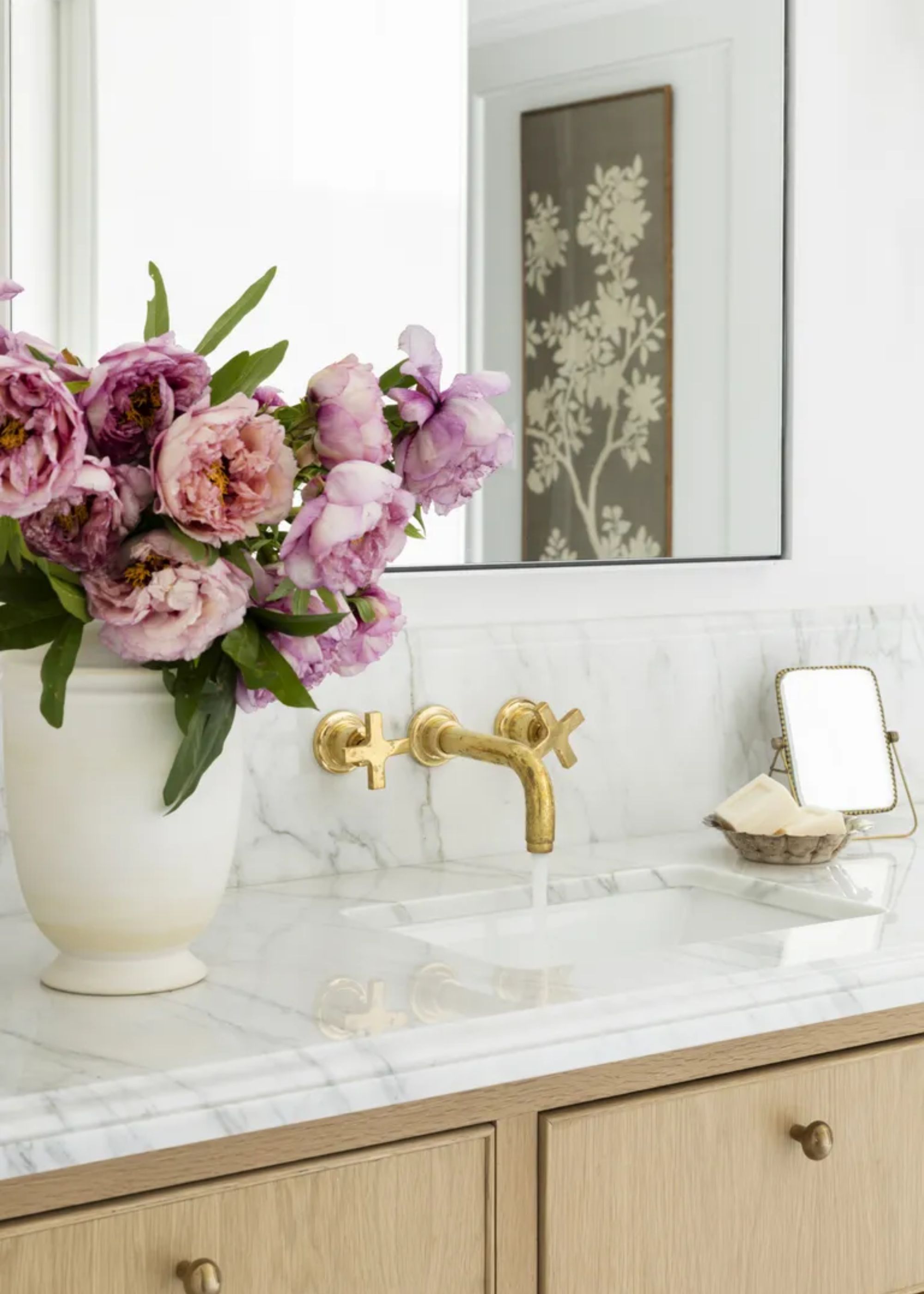
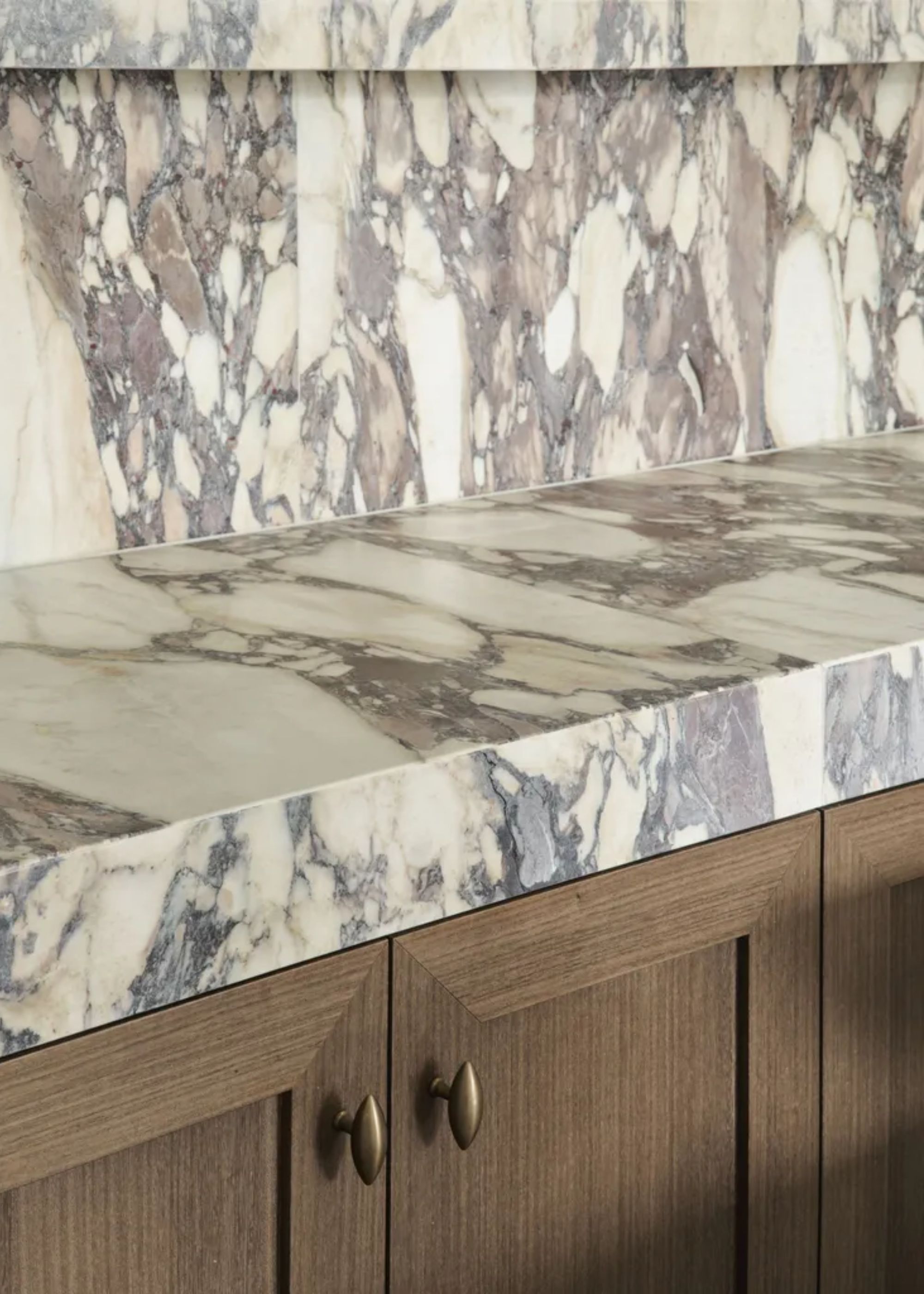
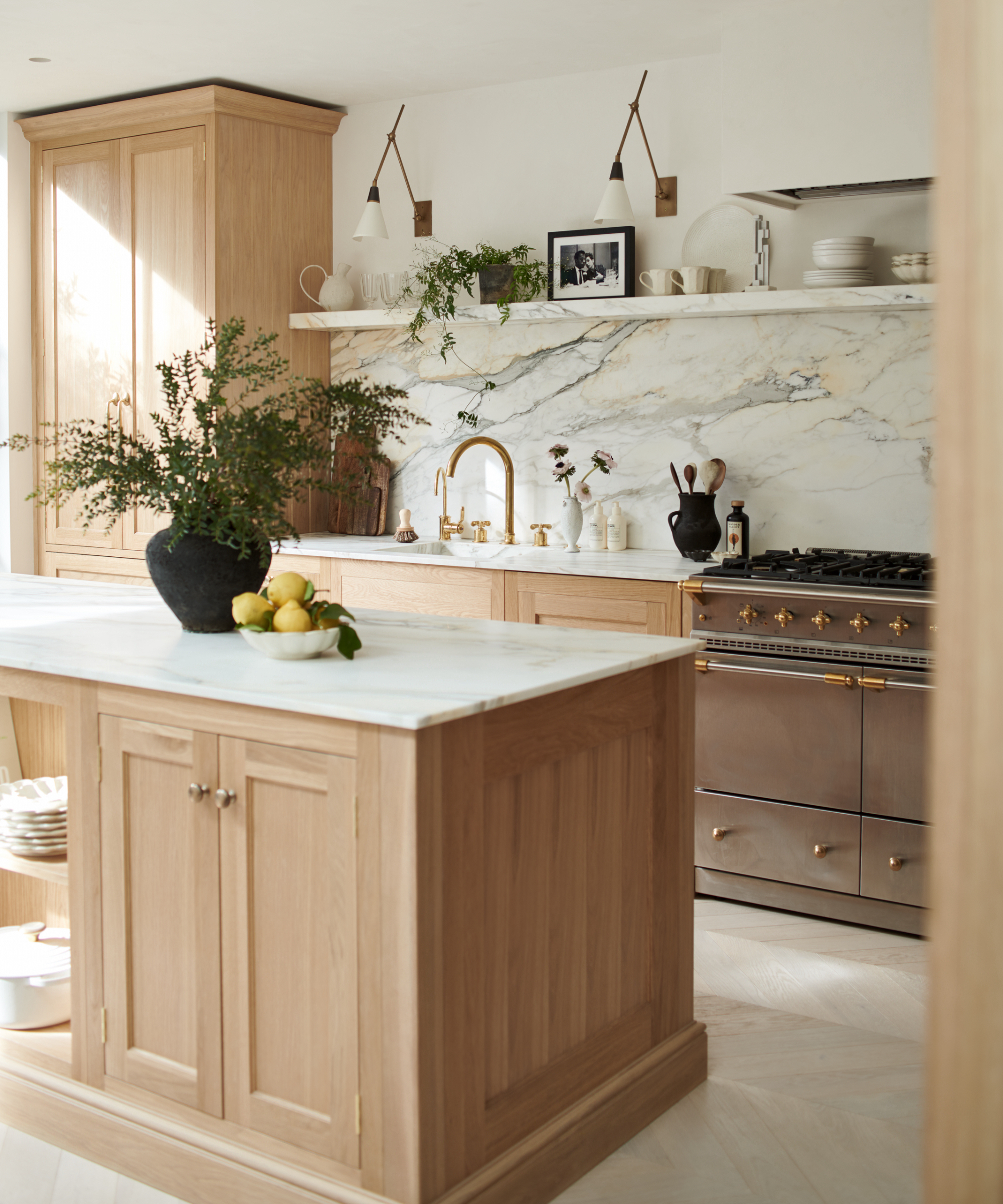
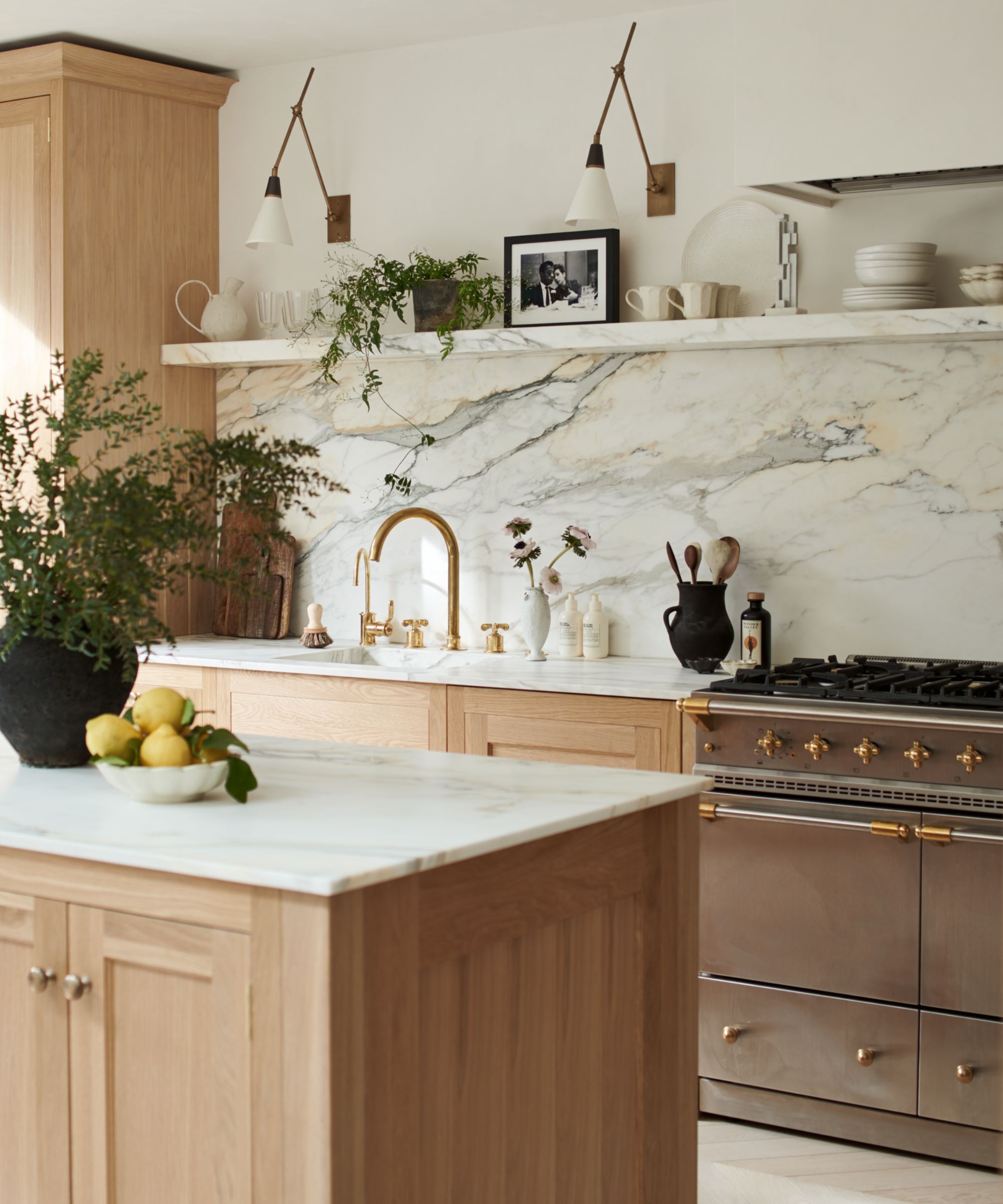
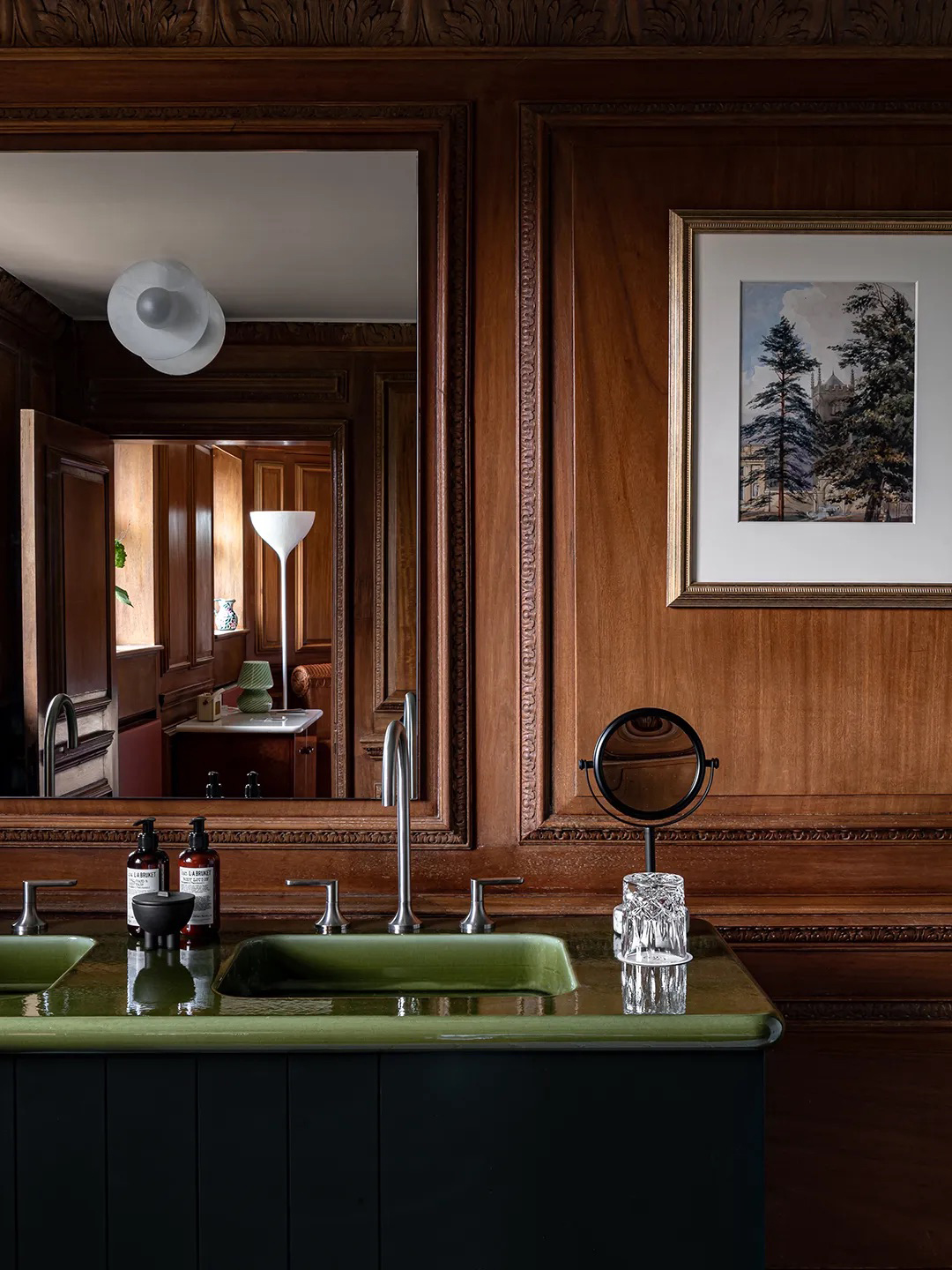
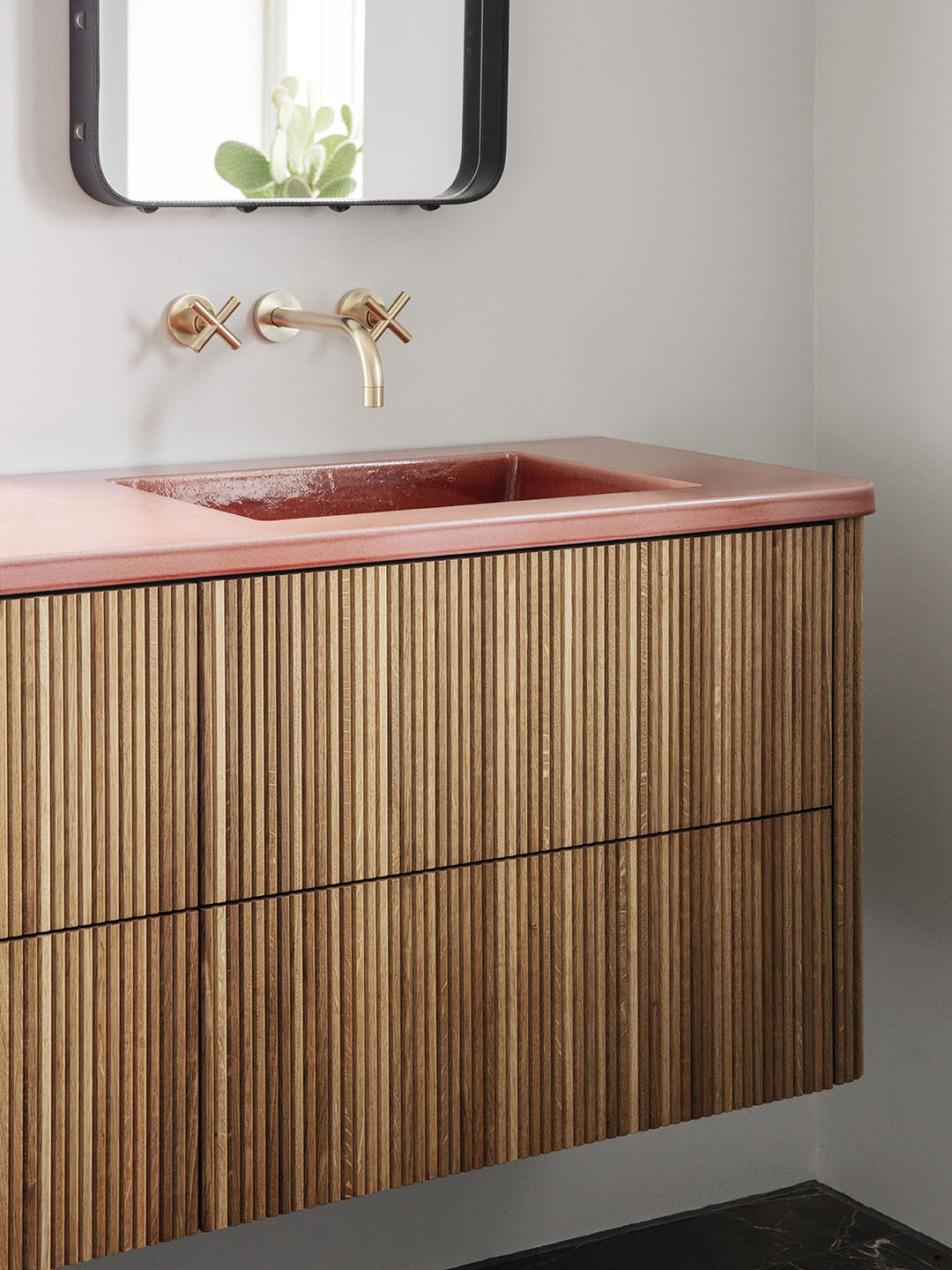
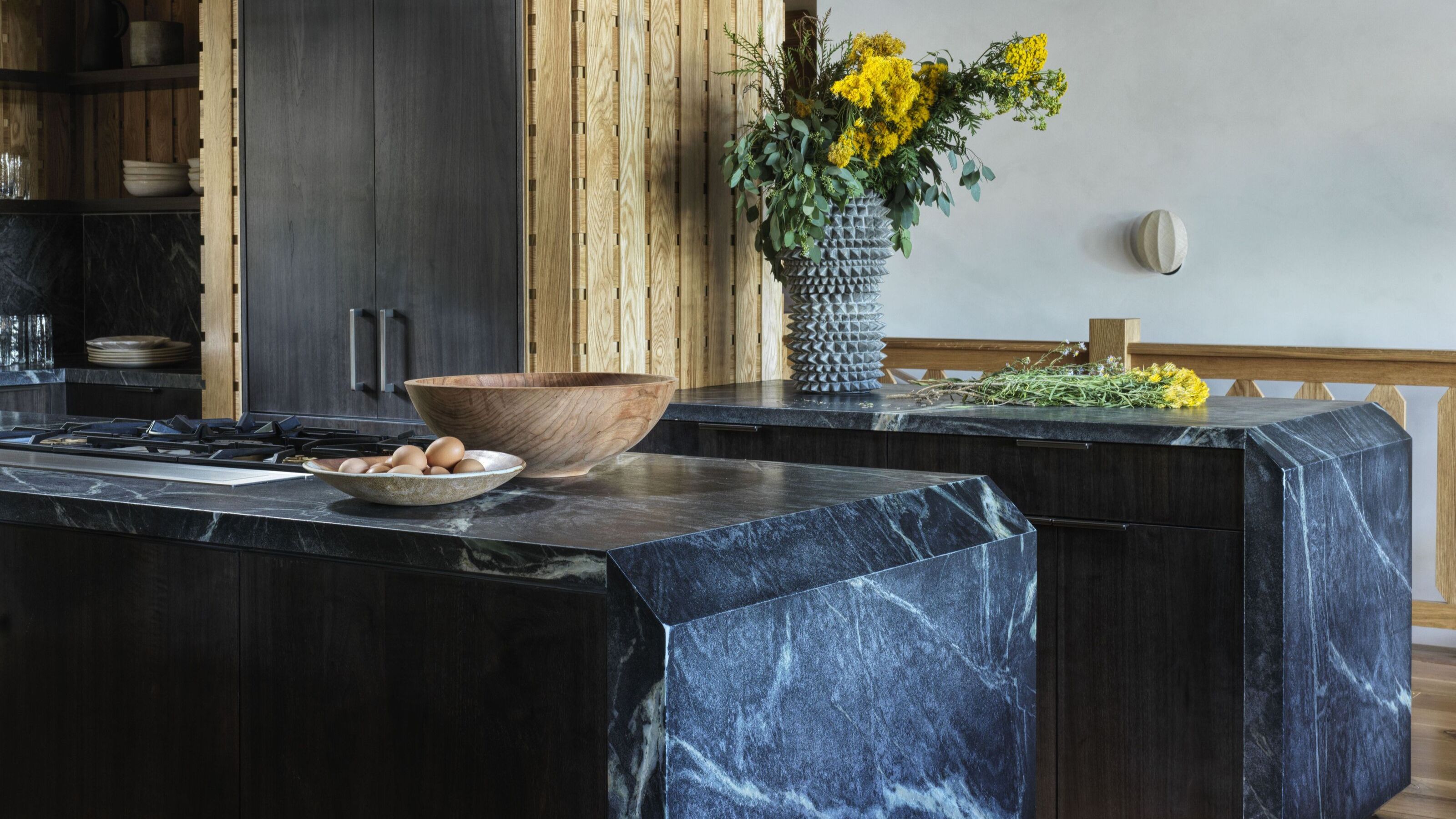
The article explores the increasing popularity of soapstone as a material for kitchen and bathroom countertops, providing a comprehensive overview of its characteristics, applications, and considerations for homeowners. It highlights soapstone's role in modern home design, emphasizing its ability to add texture, dimension, and character to a space while avoiding a dated appearance. The discussion initiates with the premise that while there's no universally 'right' or 'wrong' material, durability and strength necessitate careful selection, positioning soapstone as a prime candidate due to its robustness and non-porous nature.
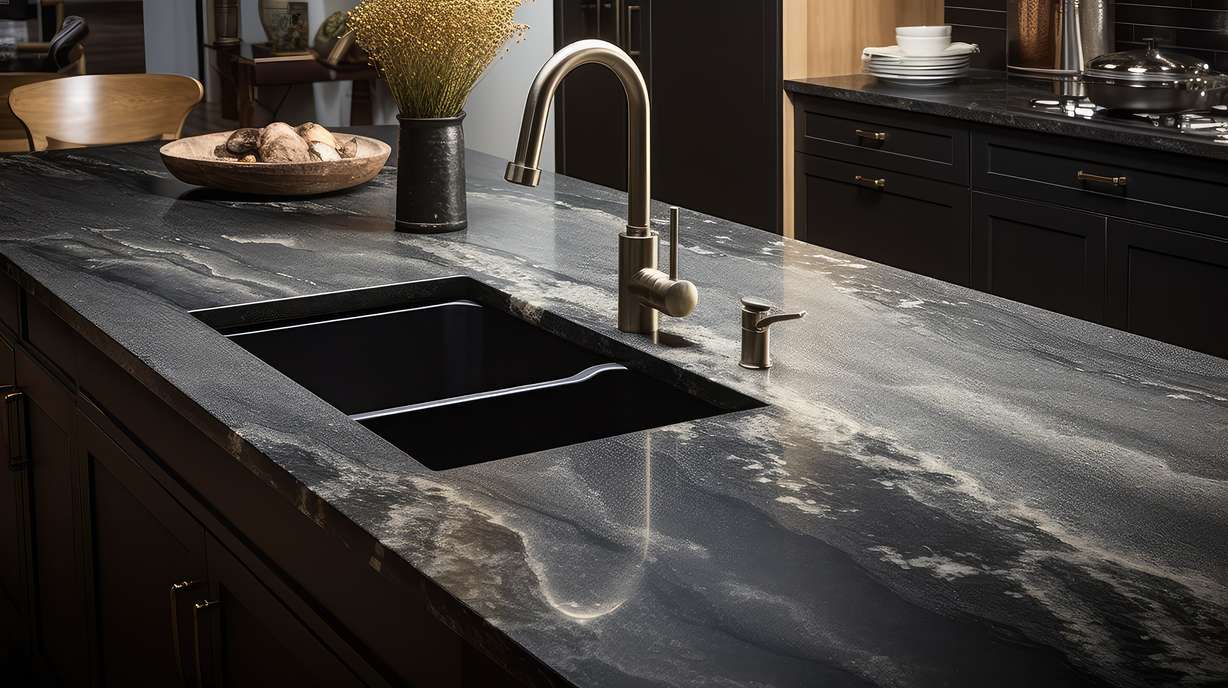
Soapstone is defined as a soft rock primarily composed of talc, a hydrated magnesium silicate clay mineral. Its hardness is directly related to its talc content; higher talc content results in a softer, soap-like feel, which gives the stone its name. Conversely, soapstone with a lower talc content can be as hard as granite, making it suitable for various structural and decorative applications beyond countertops, such as fireplace mantels. This dual nature allows for its use in both intricate carvings by artists and as a sturdy surface in high-traffic areas.
The material's versatility extends to its aesthetic contribution, as it develops a unique patina over time. This aging process is often enhanced by regular oiling with mineral oil, particularly during the first year after installation, which helps in deepening its color and character. This evolving aesthetic is a significant draw for many designers and homeowners seeking materials that mature gracefully with their living spaces.
Key advantages of soapstone include its inherent durability, non-porous surface, density, and heat resistance, making it an excellent choice for environments like kitchens and bathrooms that are prone to spills, heat exposure, and frequent use. Its non-porous quality means it doesn't require sealing, unlike many other natural stones, simplifying a part of its maintenance routine. This also contributes to its hygienic properties, as it resists staining and bacterial growth.
However, the article also addresses the potential drawbacks of soapstone. Despite its overall durability, its relative softness, especially for varieties with higher talc content, makes it susceptible to scratches. While some minor scratches can be buffed out or naturally integrate into the stone's developing patina, this characteristic requires homeowners to be mindful of its care. The need for regular mineral oil application to maintain its appearance and encourage patina development is another aspect of its upkeep. The material is ultimately described as appealing to a specific aesthetic preference, suggesting it may not be suitable for everyone despite its many benefits. The article concludes by reaffirming soapstone's durability for kitchen counters, especially those with lower talc content, while still advising the use of cutting boards to prevent unnecessary damage.
#Soapstone #KitchenCountertops #BathroomDesign #InteriorDesign #HomeMaterials #NaturalStone #Durability #HomeDecor #Soapstone #KitchenCountertops #BathroomDesign #InteriorDesign #HomeMaterials #NaturalStone #Durability #HomeDecor
0 comment in total
 No comments yet
You may also like
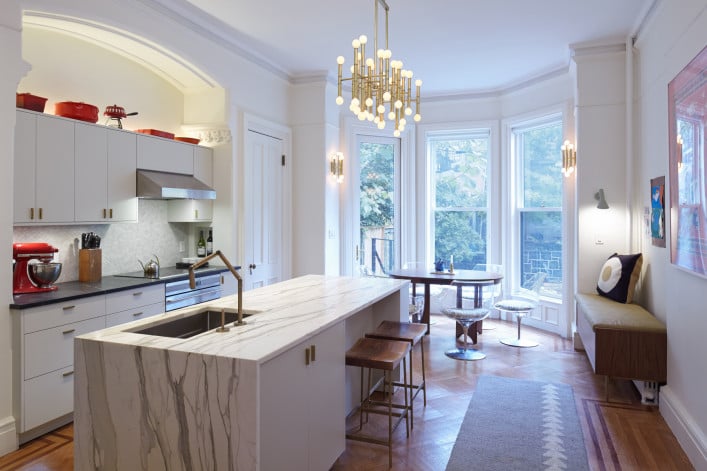
6 great alternatives to marble and granite for your NYC kitchen renovation: quartz, quartzite, porcelain, soapstone & more
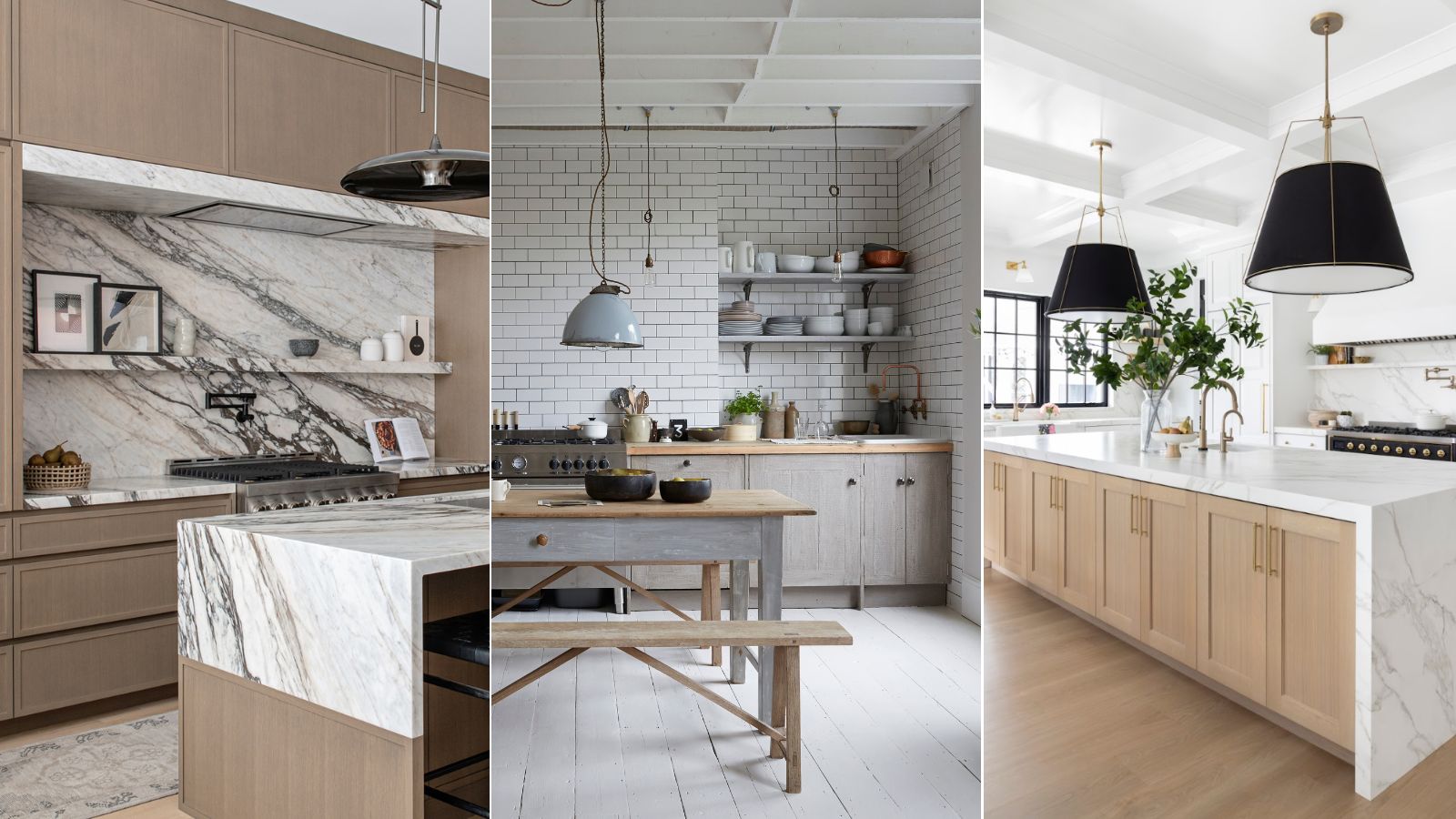
What's replacing granite countertops? These are the materials interior designers want to see more of

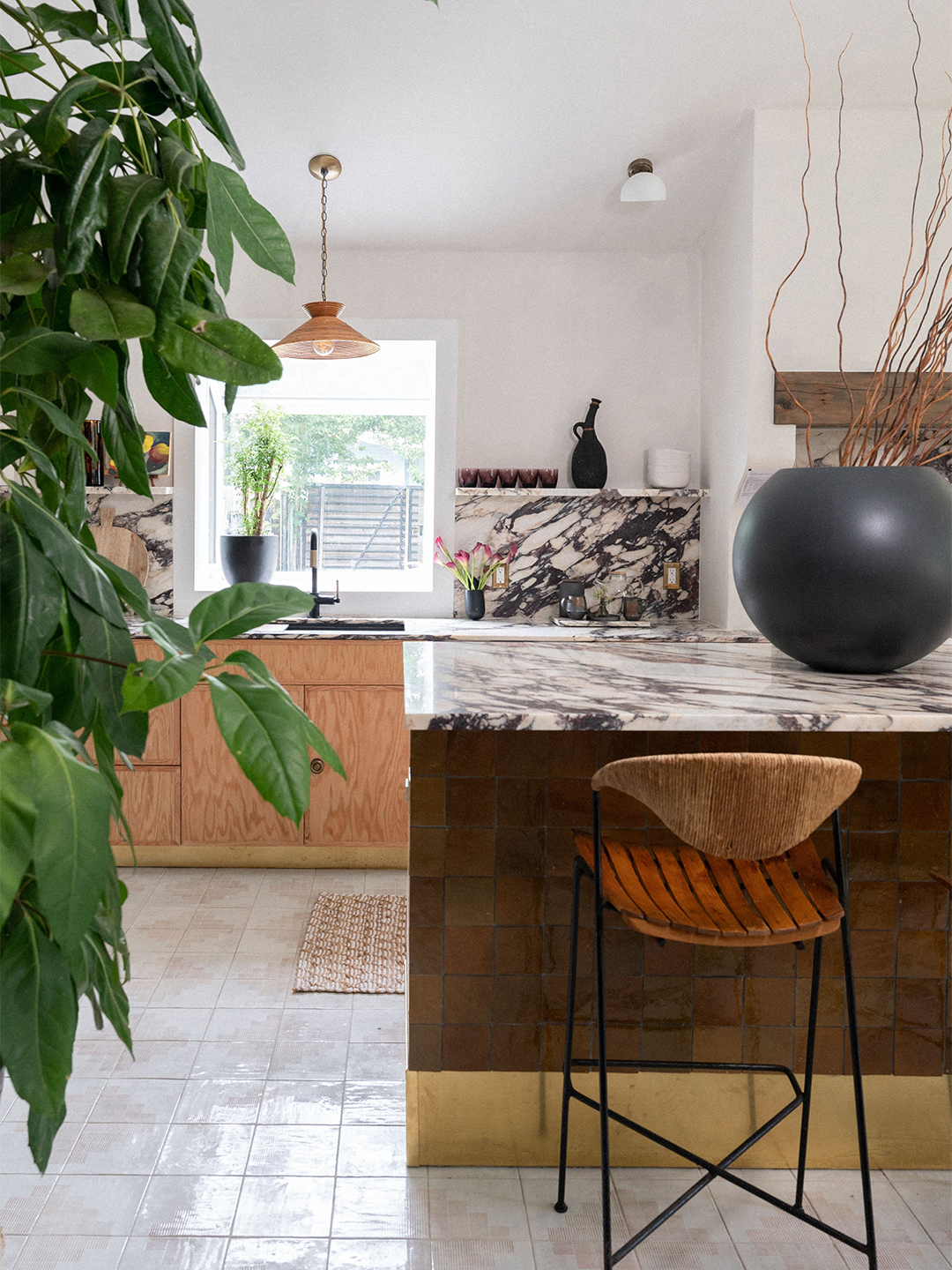
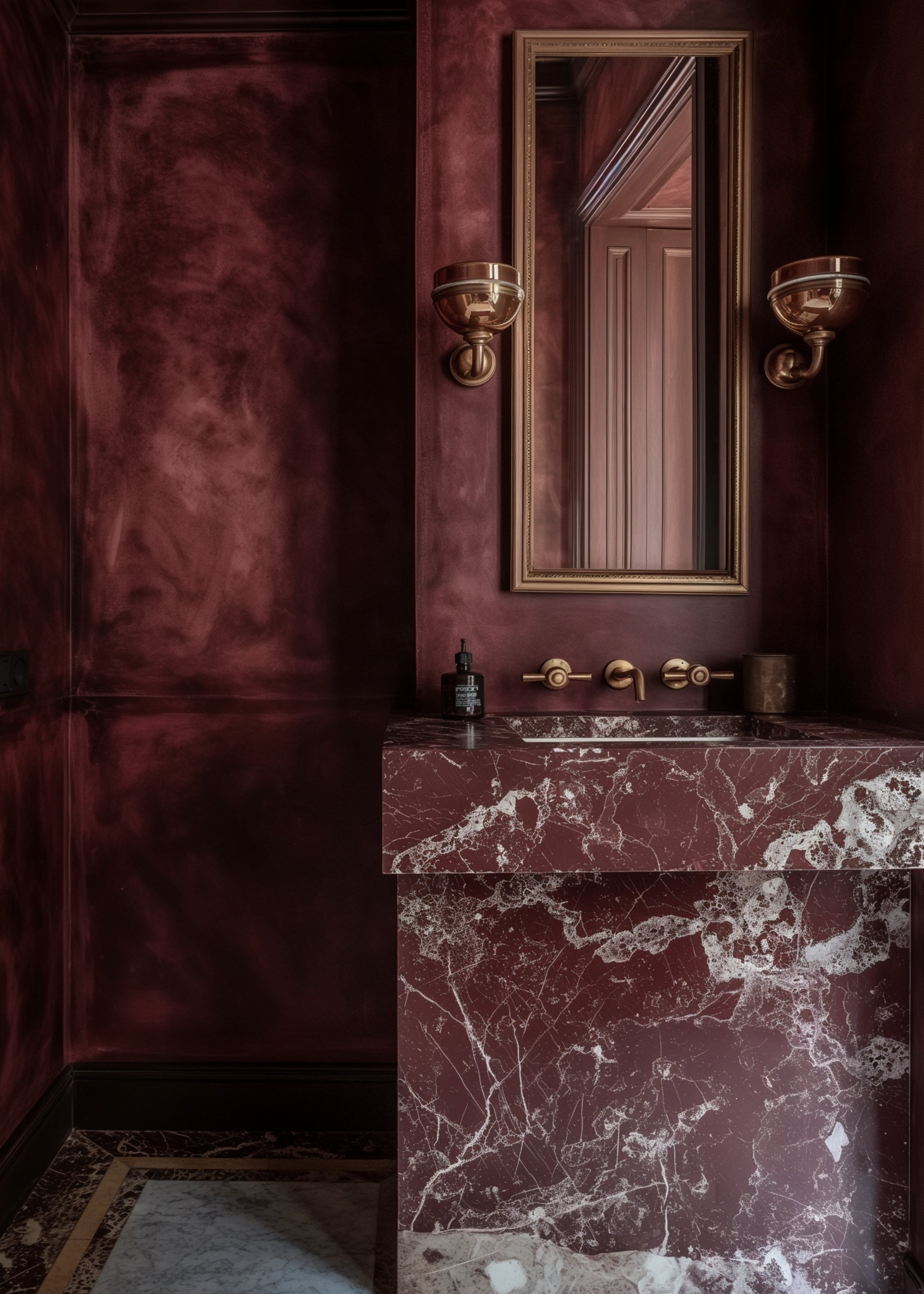
Burgundy Marble Counters Are In, But Designers Also Love These 4 Stones

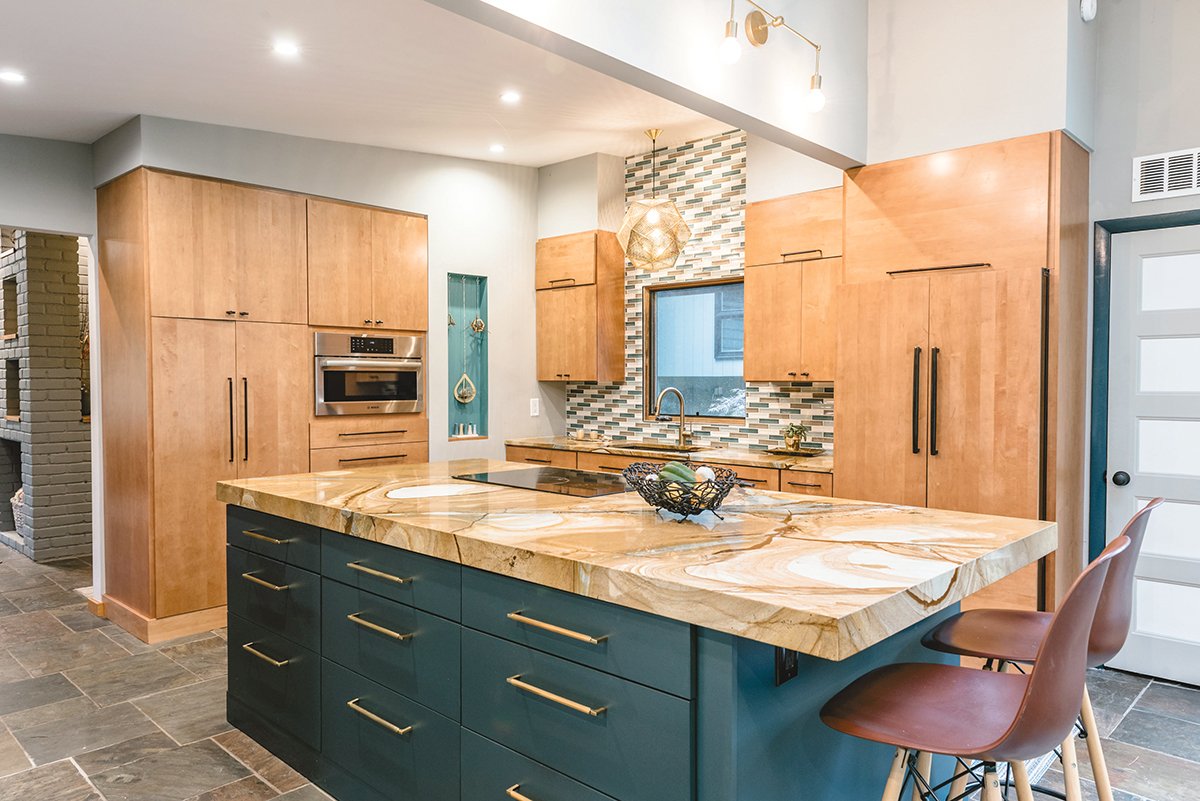
Designers Talk ’tops

7 Material Options for Your Bathroom Countertops
Top 10 Countertop Ideas to Transform Your Kitchen in 2025

14 Soapstone Countertops to Inspire Your Kitchen Design

5 kitchen countertop materials that are out of style for 2025, according to designers
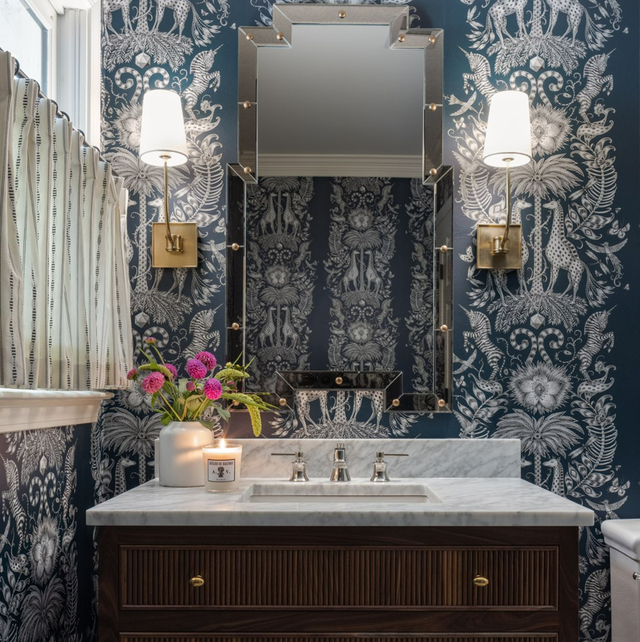
What Designers Call the "Little Black Dress" of Bathroom Countertops

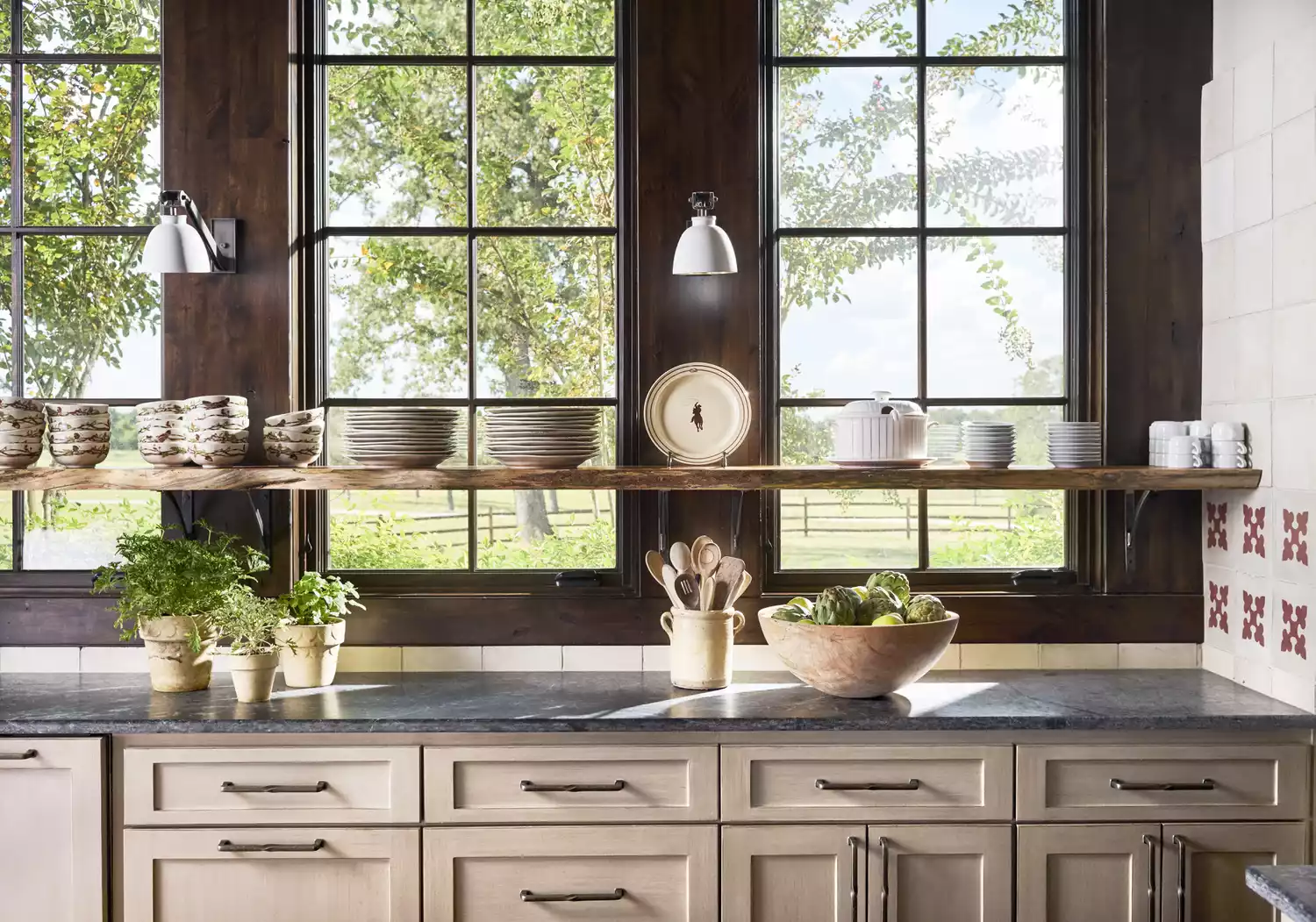
Soapstone Is the Most Popular Countertop for 2025—Here Are 9 Ideas to Inspire You

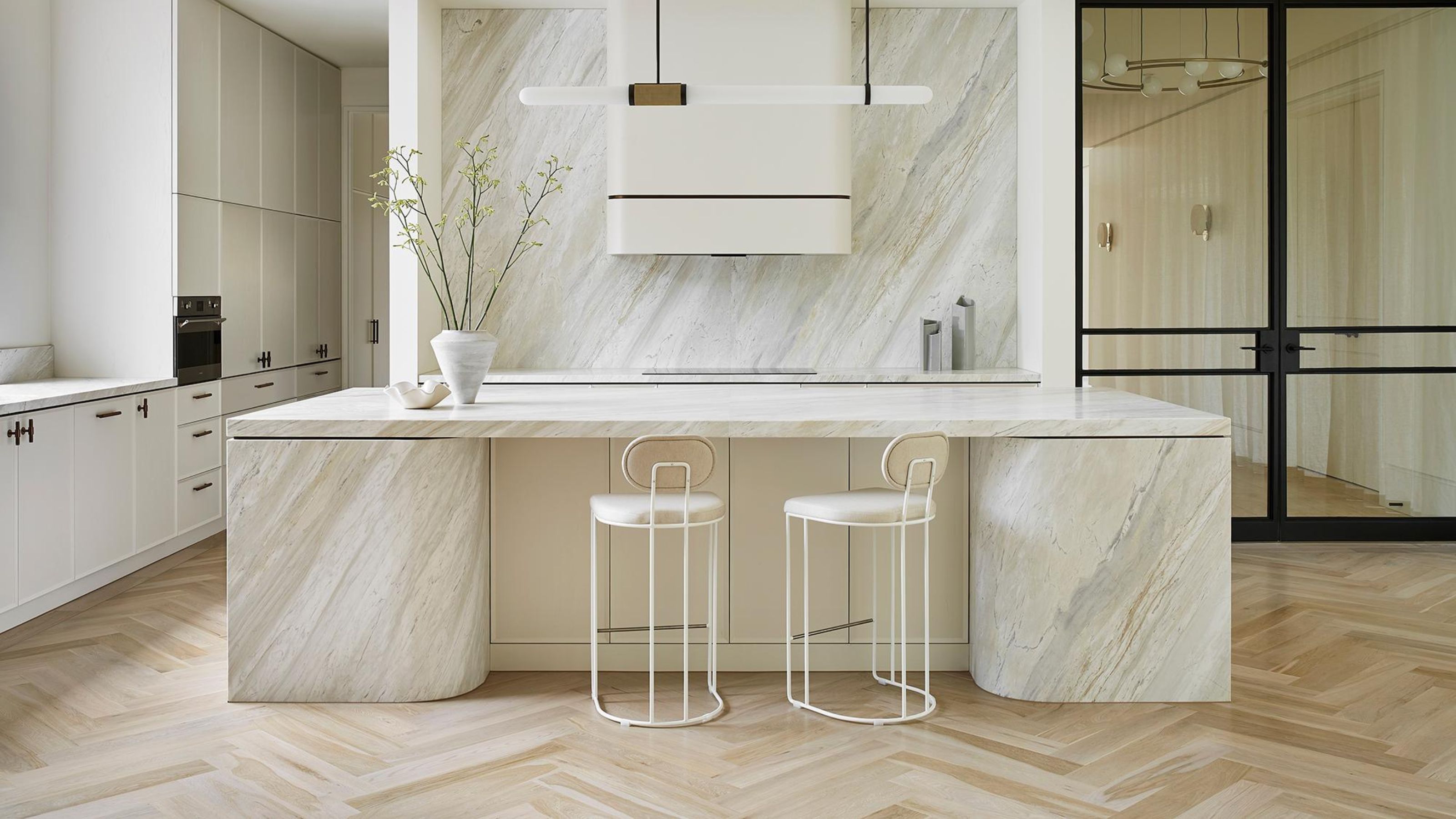
11 Countertop Ideas That You'll Find in the Best-Looking Kitchens
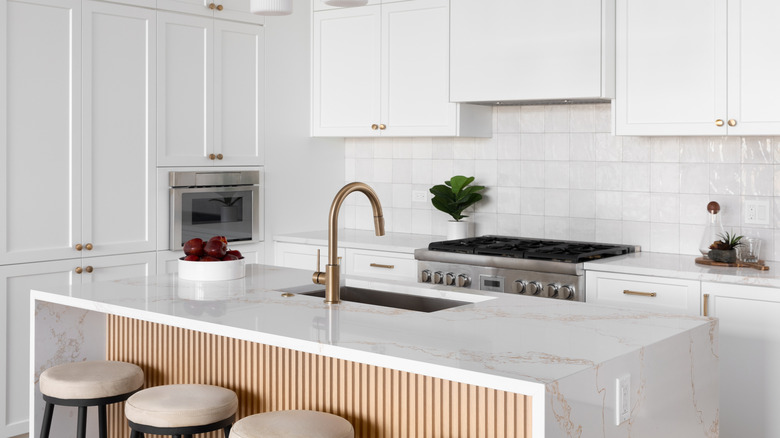
5 Outdated Countertop Trends To Avoid And 5 To Try Instead

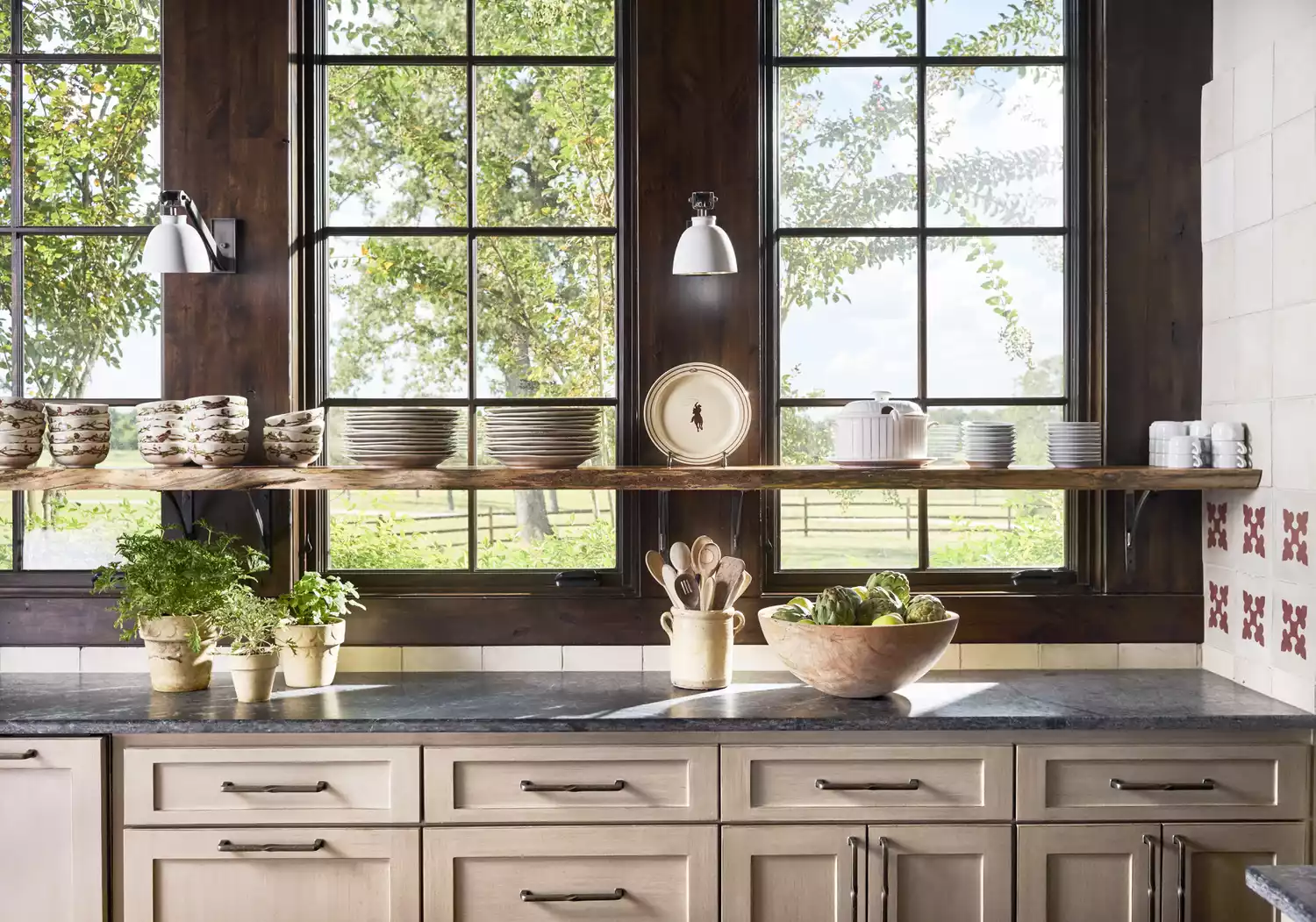
Soapstone Is the Most Popular Countertop Material for 2025—Here's How to Use It
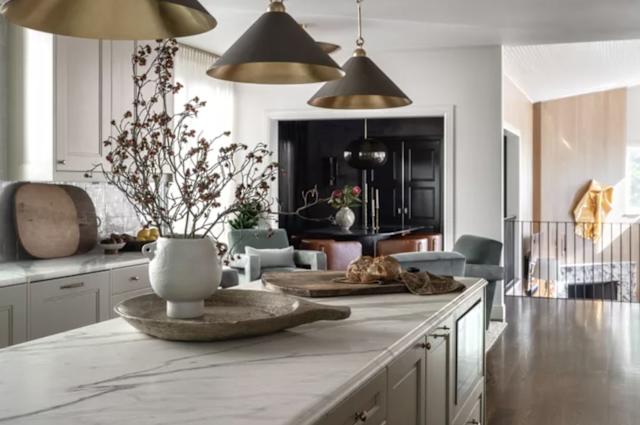
We Asked Designers What Kitchen Countertop Materials Are Out in 2026—Their Answers May Surprise You

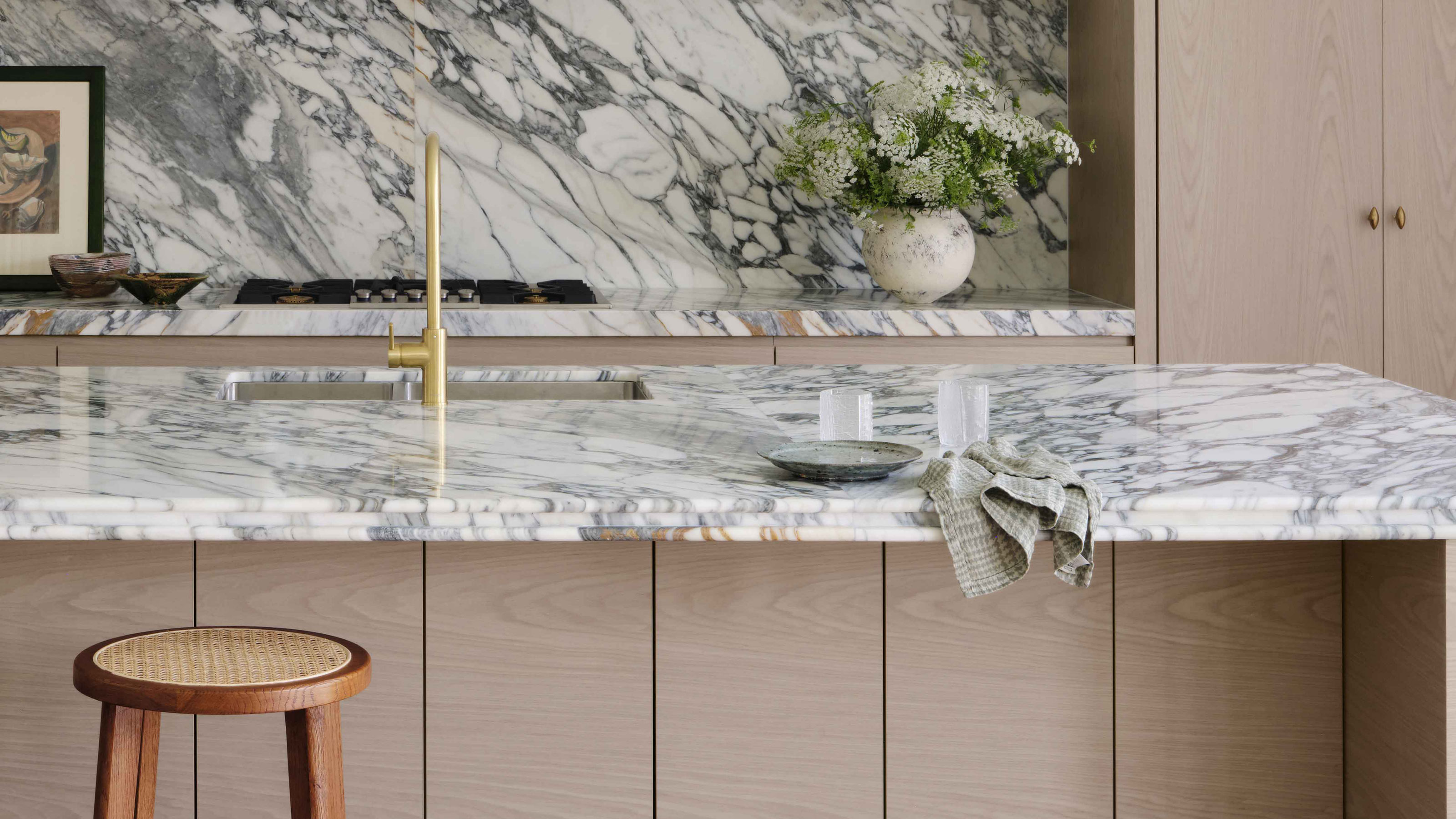
Countertop Edges: From Fluted to Ogee, the Range is Endless
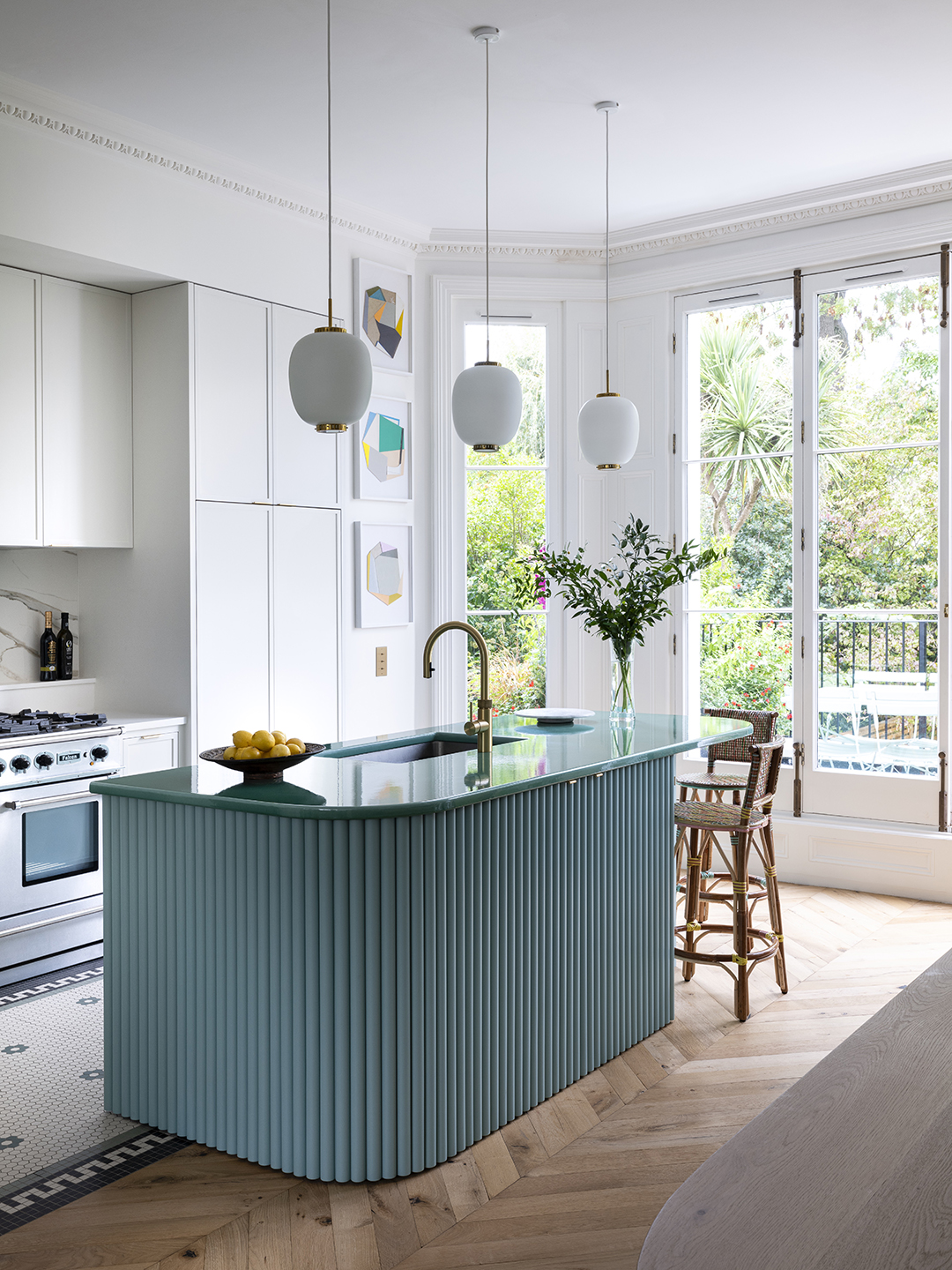
This Countertop Material Is More Durable and Colorful Than the Boldest of Marbles

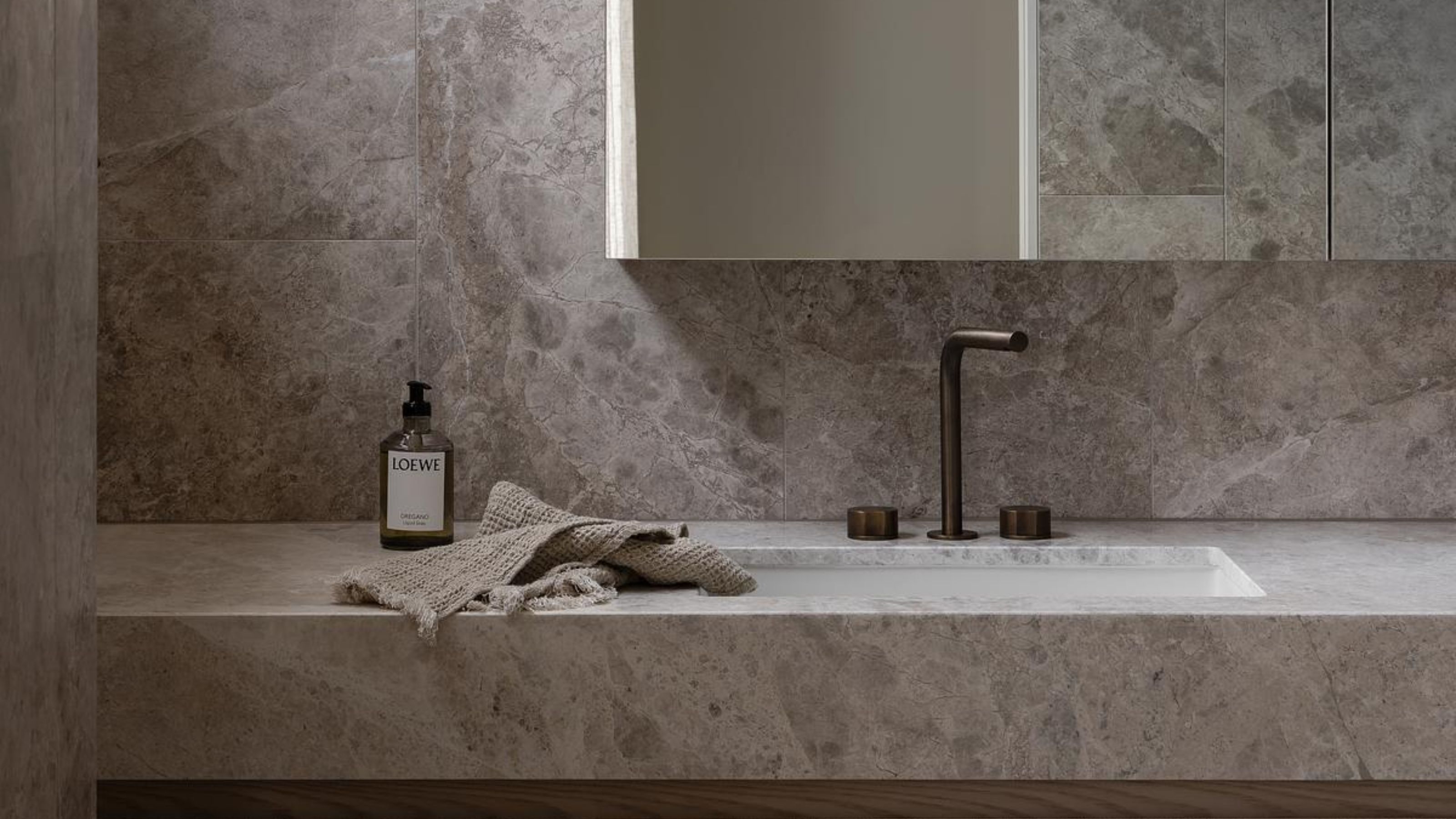
4 Countertop Materials to Avoid in a Bathroom and What to Use Instead in Your Next Renovation
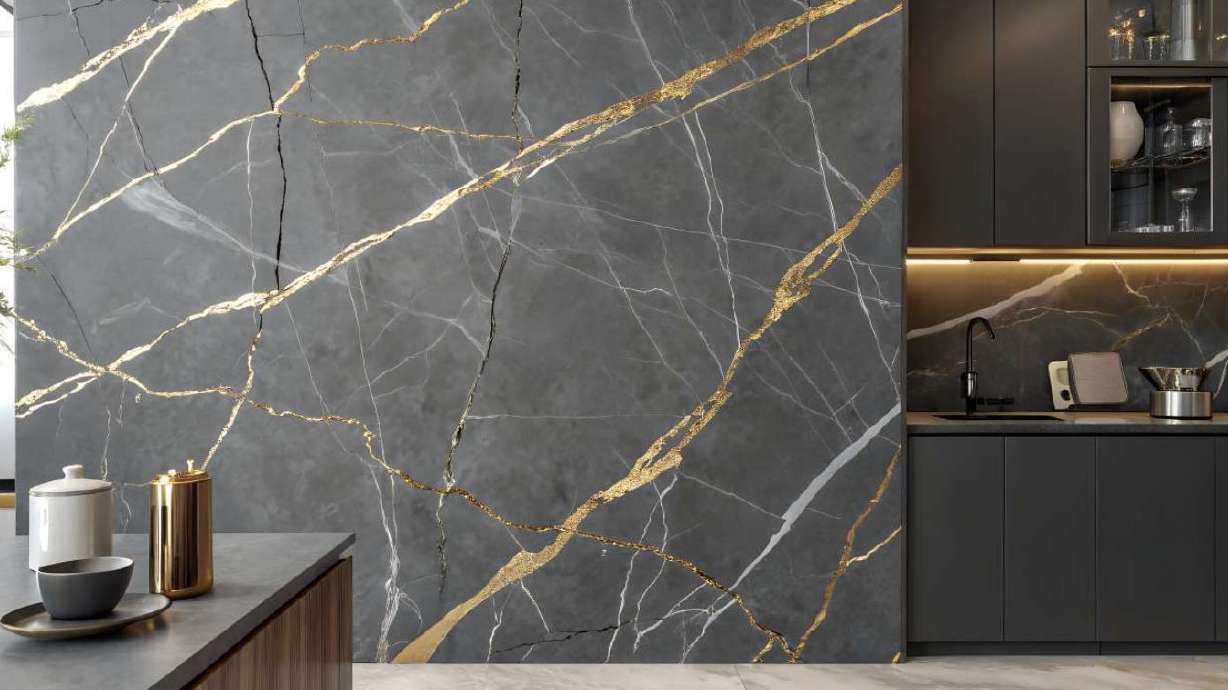
Countertop and solid surface trends: Texture, sustainability, and drama

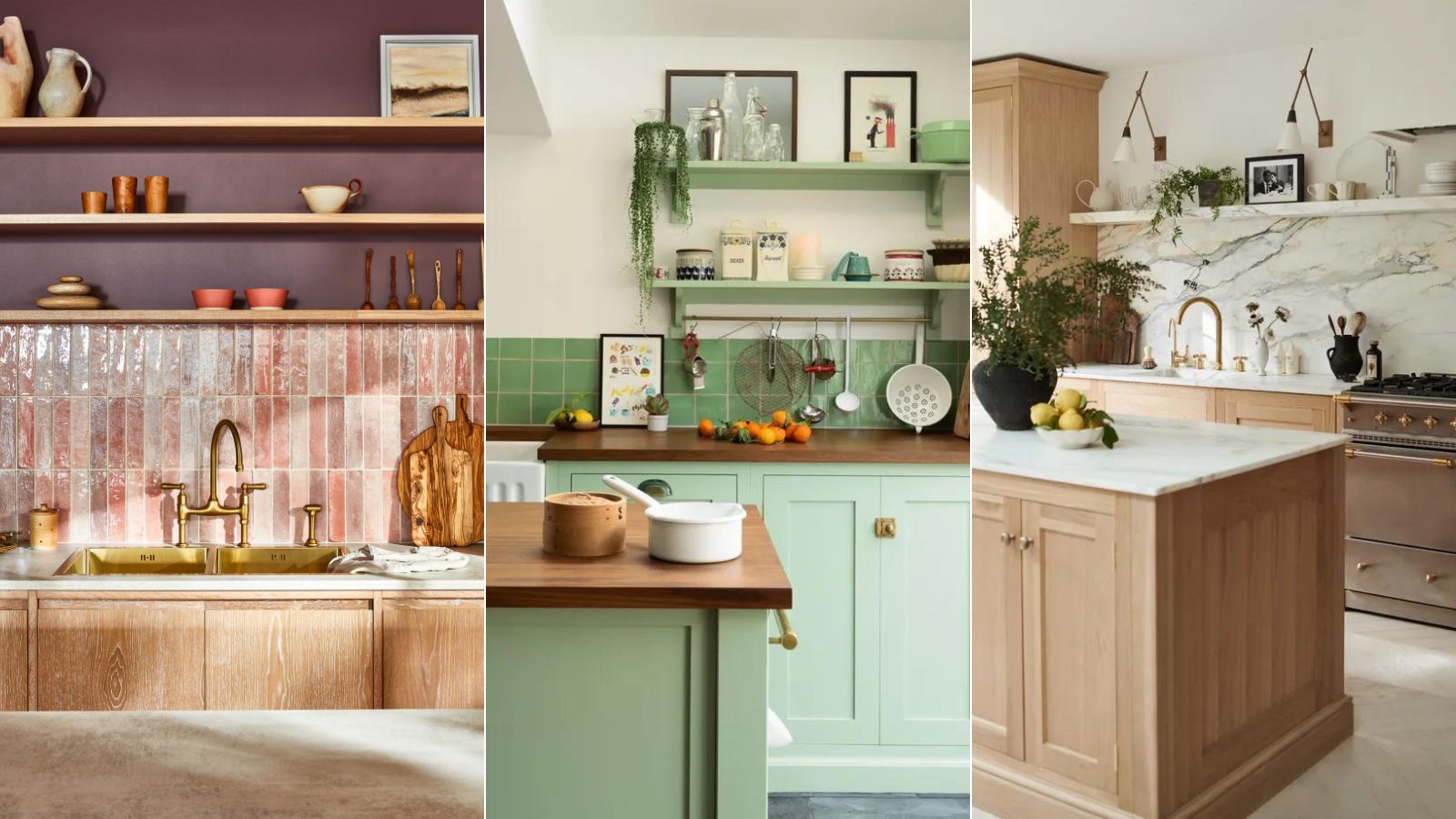
6 kitchen styles going out of fashion in 2024, according to experts who have seen it all
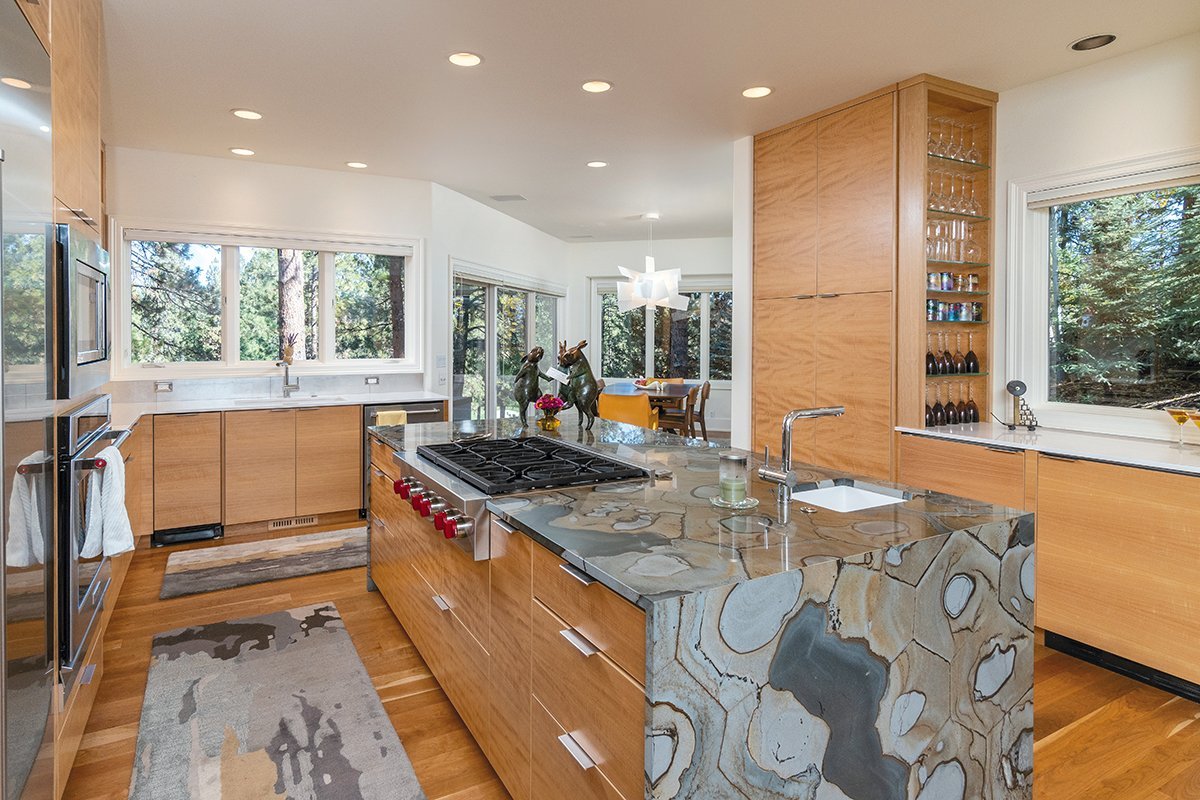
Profiles: Kudos to Countertops