Charrette or Enquiry by design
A Charrette, or Enquiry by Design, is a structured workshop designed to promote best practices and sustainable urban design principles. This iterative and interactive process facilitates the development of solutions for real-world planning and design challenges, encompassing aspects like land use, landscaping, architecture, and transportation. While primarily used in urban design and planning, its core principles can be applied to various program or service design scenarios.
Charrettes are effective in generating broad community interest and leveraging local knowledge and experience to understand urban design requirements. For instance, they can help communities better comprehend the implications of increasing high-density housing needs due to population growth, thereby fostering awareness and potentially reducing resistance to such urban development. These workshops also serve to alleviate public concerns by highlighting the features and benefits of high-density sustainable design.
The specific type of Charrette employed depends on the purpose, objectives, and key design elements. Different formats are available to support the iterative nature of the process and allow participants flexibility in their involvement. These can range from a half-day workshop focused on setting high-performance goals, to a mini-Charrette for developing strategies and identifying implementation issues, or a comprehensive two to three-day Charrette. The longer format aims to build an understanding of best practice and urban design principles, establish high-performance goals and strategies, and guide participants through the development of a sustainable design.
In response to contemporary challenges, particularly those requiring social distancing, traditional offline Charrettes have been successfully adapted to online formats, demonstrating their versatility and continued relevance. The time required for a Charrette can vary from four hours to several days, with preparation typically commencing at least eight weeks prior to the event.
Effective implementation requires careful planning. An awareness session for the multidisciplinary team is crucial to ensure a balance between task completion and fostering positive relationships with participants. Support staff, including facilitators and note-takers, are essential. It is also imperative to clearly communicate the level of influence participants will have in the decision-making process. Including decision-makers in the Charrette allows them to respond to ideas, share their perspectives, and openly address disagreements. Provisions can be made for individuals unable to commit to the full duration, allowing them to observe the process at their convenience.
Optimal participation typically involves around 20 individuals. Before the Charrette, a workshop plan should be prepared eight weeks in advance, including venue booking, equipment arrangements, and the assembly of a multidisciplinary team with defined tasks and responsibilities. All communication materials, such as invitations and documents, need to be prepared, distributed, and promoted, with registration monitoring and reminders sent closer to the event.
During the sessions, participants should be greeted, and introductions facilitated between the design team and attendees. Adhering to the workshop plan is key. At the conclusion, participants should be thanked, informed about how their input will be utilized, and updated on the project's next stages. Following the sessions, feedback should be provided to all participants on how their contributions have shaped the designs. Information regarding decisions made and the future use of the designs must also be communicated.
Necessary resources include a multidisciplinary team, workshop materials such as information, plans, designs, maps, display boards, computers, design software, data projectors, screens, flip charts, whiteboards, workspace, and stationery. A spacious venue capable of accommodating maps, plans, recording paper, and catering is also required, along with technical support staff. Promotional and informational materials are vital for attracting participants. Evaluation methods include verbal feedback at the end of the Charrette or written evaluation forms. Post-session debriefs with facilitators and the multidisciplinary team, incorporating participant feedback, are crucial for refining future Charrettes. Assessing the design process stage and the overall acceptance of workshop outcomes by both the team and participants helps determine any necessary follow-up work.
To enhance the Charrette experience, it is advisable to review pre-sent materials at the beginning of the workshop for those who may not have received or read them. An ice-breaker activity can help establish working relationships among the team and participants. Regular breaks and varied activities are recommended to maintain high energy levels. Using clear and easy-to-understand language, especially from designers, helps participants focus on planning and design concepts. Preparing a Frequently Asked Questions (FAQ) sheet covering relevant legislation, technical, environmental, financial aspects, design trends, and emerging issues ensures that common queries can be addressed effectively. Participants should also be informed that ideas may evolve throughout the design process, as designers will conduct independent reviews at various stages. The facilitator must explain this process, and designers should transparently demonstrate how ideas have been incorporated or why they haven't, providing clear justifications.
#CommunityEngagement #UrbanDesign #SustainableDesign #WorkshopMethodology #CollaborativePlanning #PublicParticipation #DesignThinking #GovernmentInitiative #CommunityEngagement #UrbanDesign #SustainableDesign #WorkshopMethodology #CollaborativePlanning #PublicParticipation #DesignThinking #GovernmentInitiative
0 comment in total
 No comments yet
You may also like
DESIGN: Customized Compromise

Architect Sam Klopper talks accessible design that doesn’t feel “clinical or differentiated”


Meet Brittny Button | Interior Designer & Real Estate Investor
Universal Design and Visitability
Let the good times roll!
Best Industrial Design Student Work Spotted in 2022

How to make your architectural design dream a reality
Studio Job addresses the power of money in new Luxembourg installation


Strategy and design


Custom furniture is booming. Grant Trick knows why
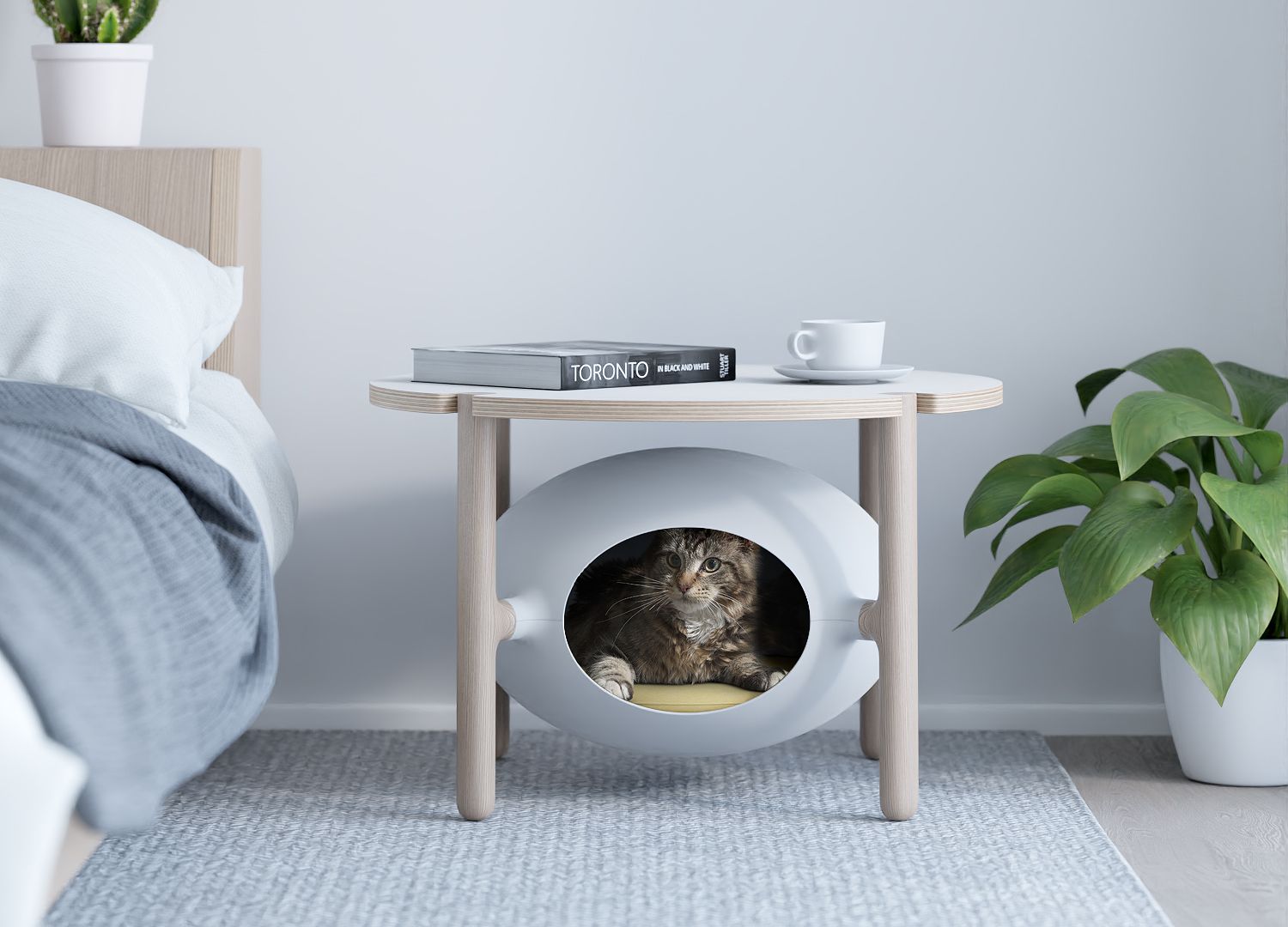
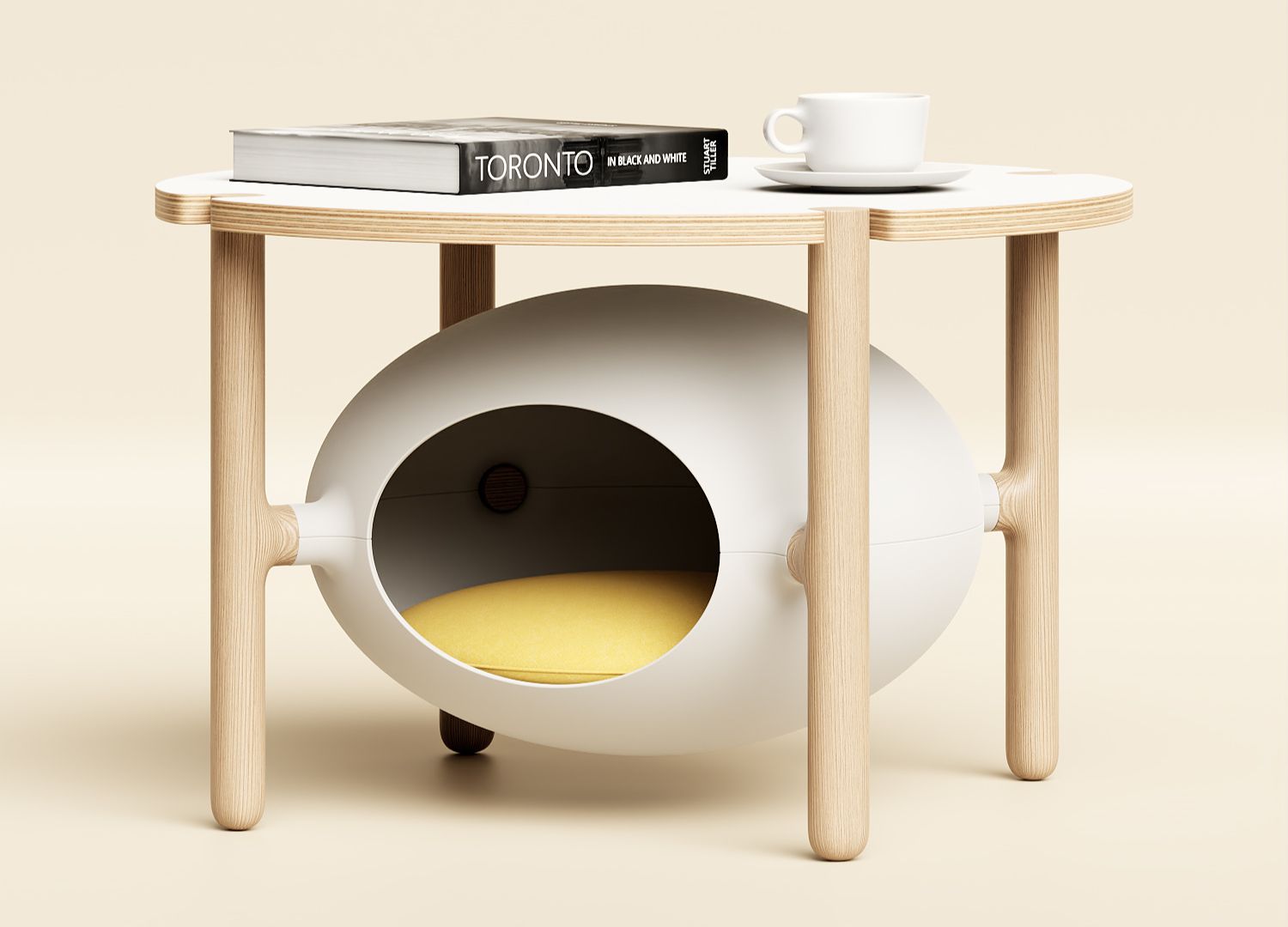
A contemporary coffee table for you but a cozy bed for your cat – meet Igloo

Lahoma Uses Parametric Modeling to Design Custom Furniture

The Crate And Barrel Interior Design Tool That Will Help Transform Your Home

These Jewelry Stores Extend the Design Concept Into the Restroom

DIFFERENT BY DESIGN
Exploring the Future of Millwork CAD Drawings in Furniture and Interior Design
Reflet by Claire Lavabre

"It’s all about matching the energy of a brand": A day in the life of interior designer Kirsty Vance

Inspiring Showrooms

Full-Service Interior Design