1/4
This is where to put a trash can in a small kitchen, according to designers
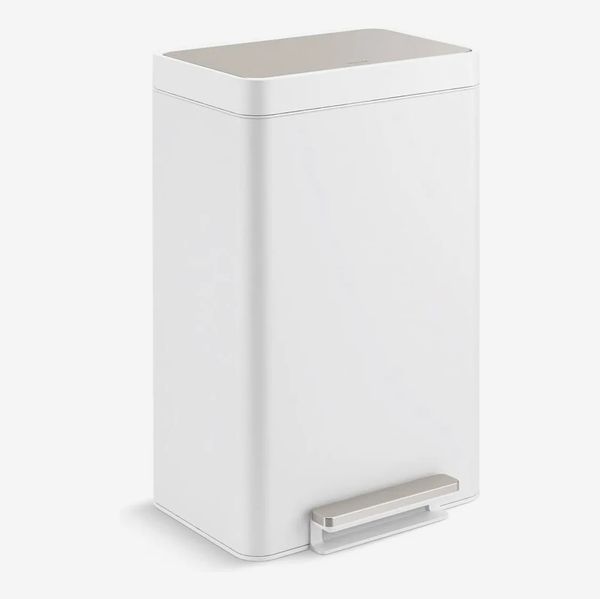
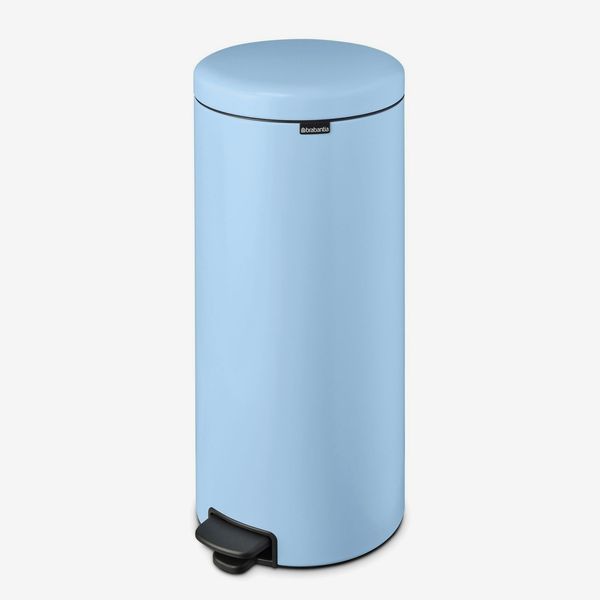
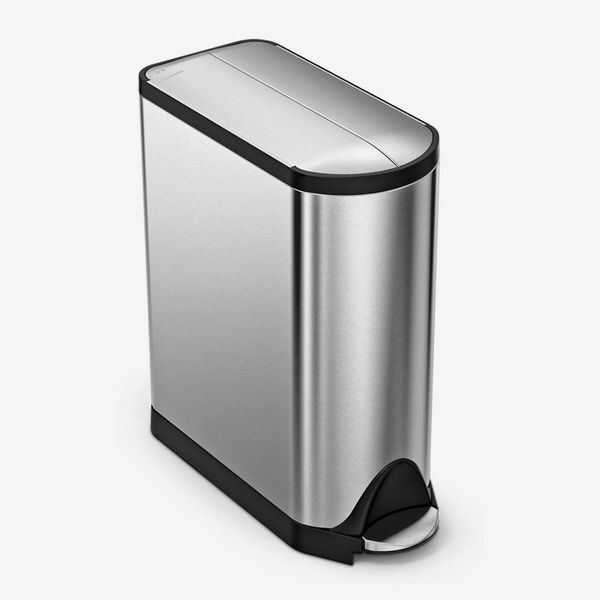
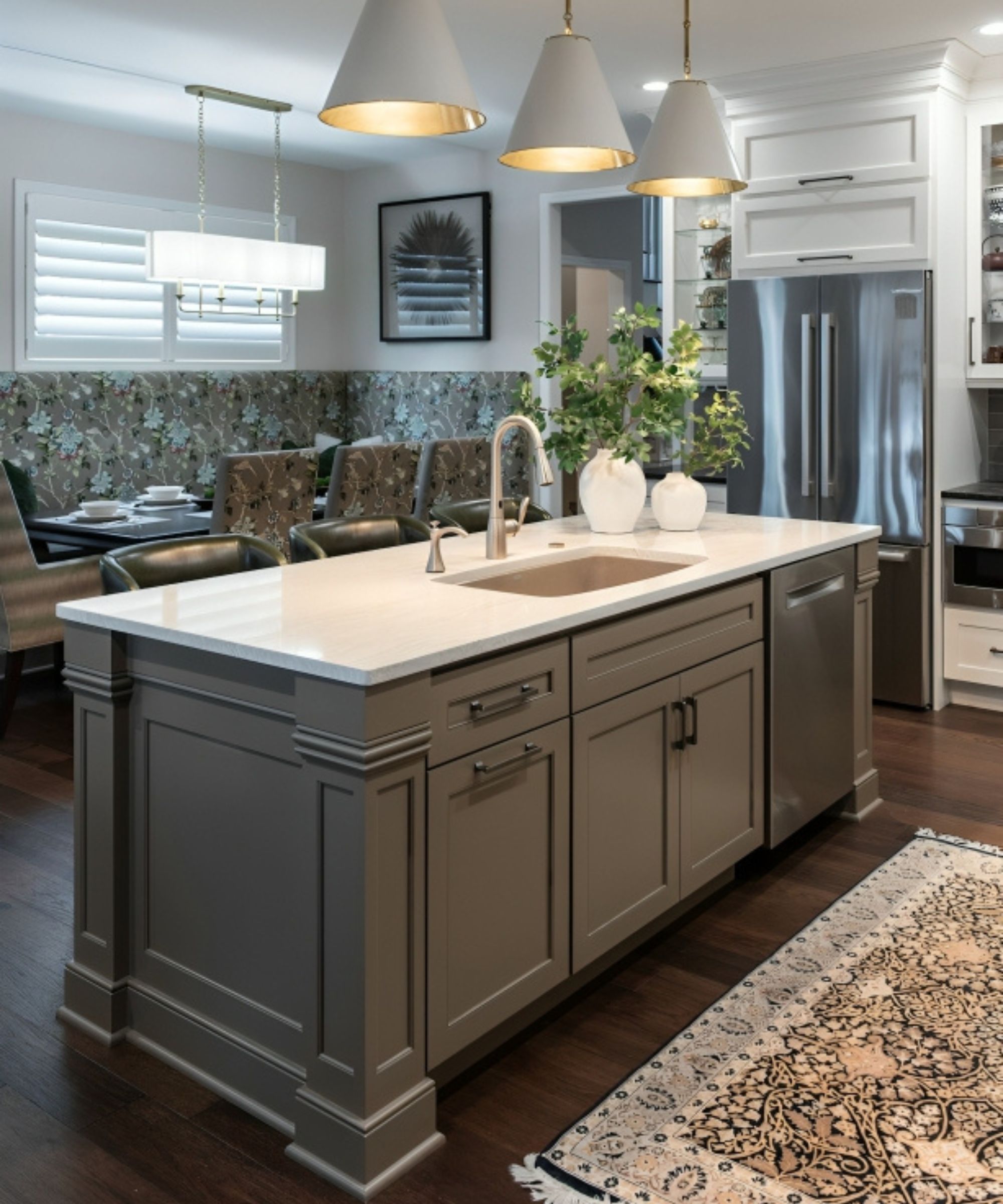
The location of a trash can in a small kitchen, often overlooked in the design process, significantly impacts the space's functionality and aesthetic. A well-placed trash can enhances the efficiency of daily kitchen tasks, from food preparation to post-meal cleanup, by minimizing unnecessary movement. Integrating the trash can effectively into small kitchen storage solutions contributes to a more organized and stylish environment.
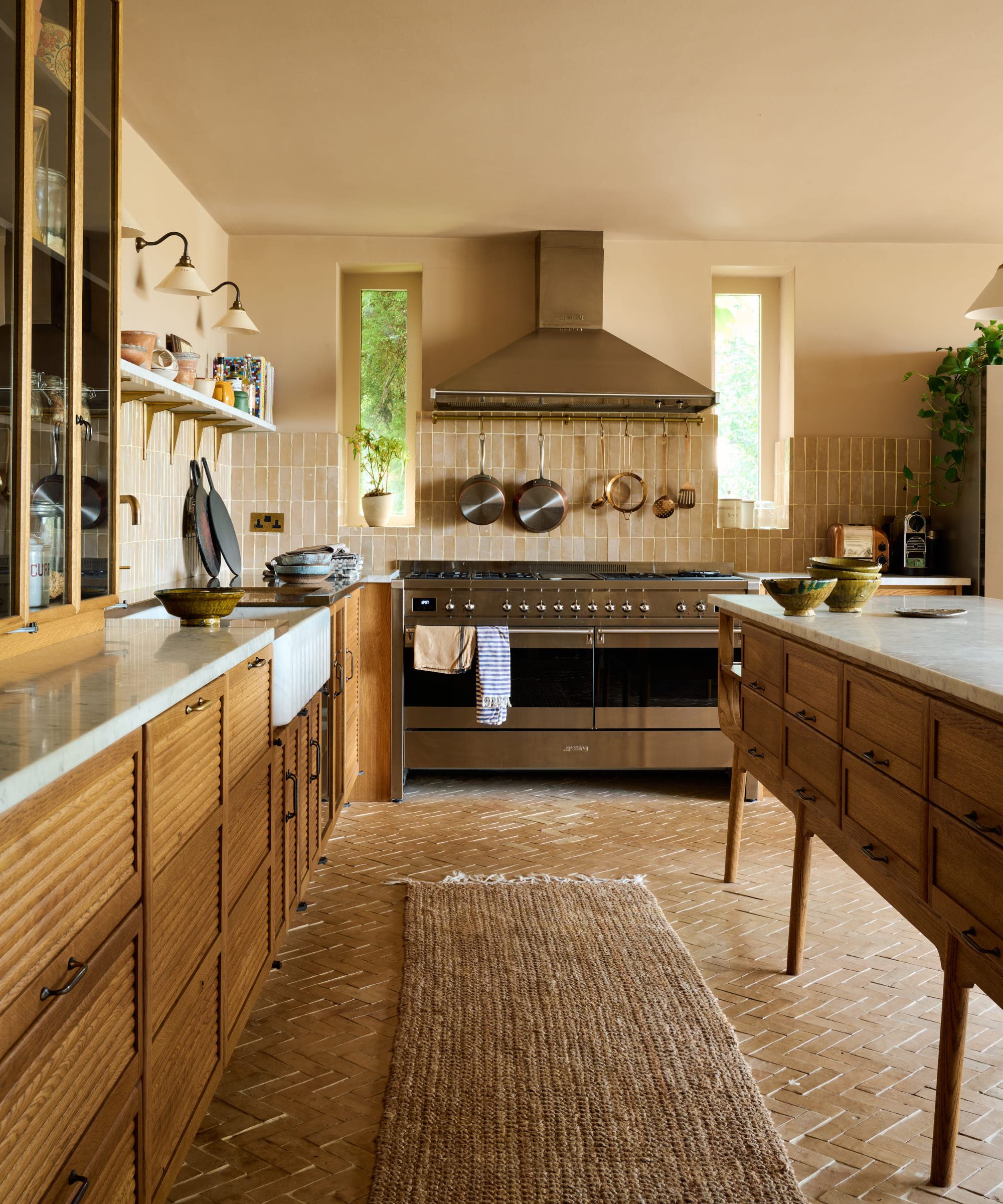
Designers emphasize positioning the trash can near the sink, dishwasher, and food preparation areas. This strategic placement allows for the immediate disposal of food scraps and packaging during cooking and facilitates easy plate clearing before washing or loading the dishwasher. This setup aligns with the concept of a functional kitchen triangle, reducing steps and improving workflow within the kitchen.
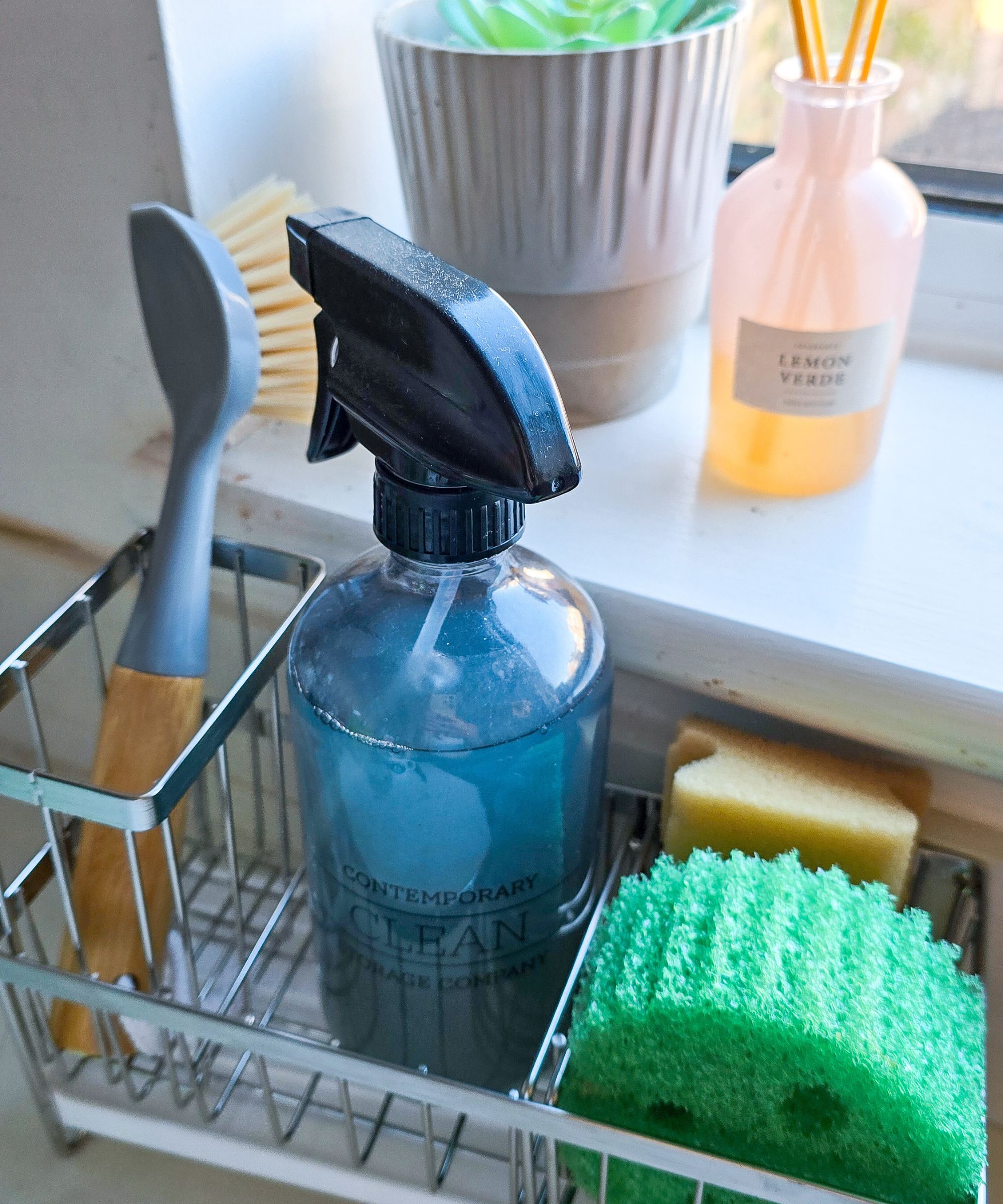
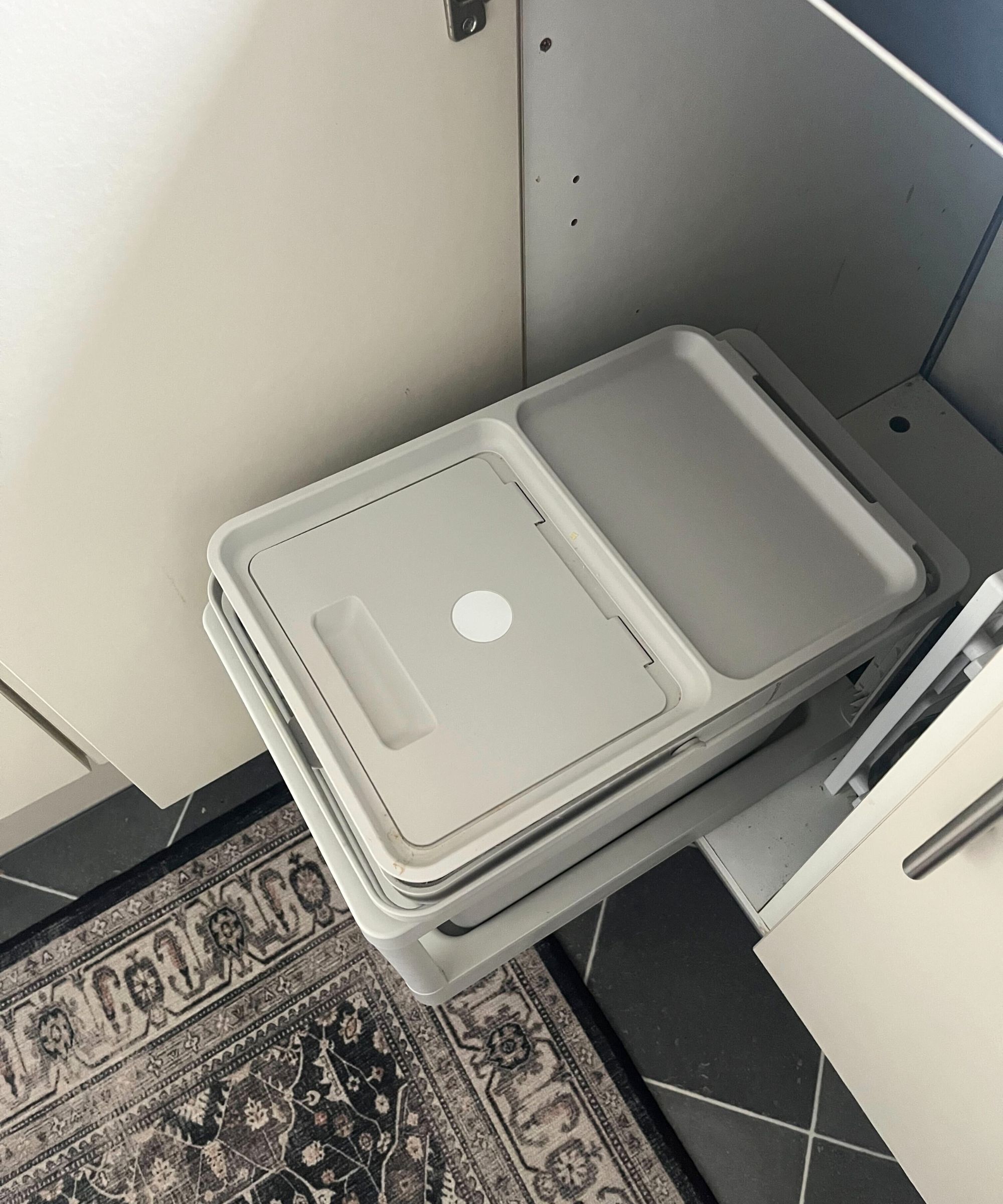
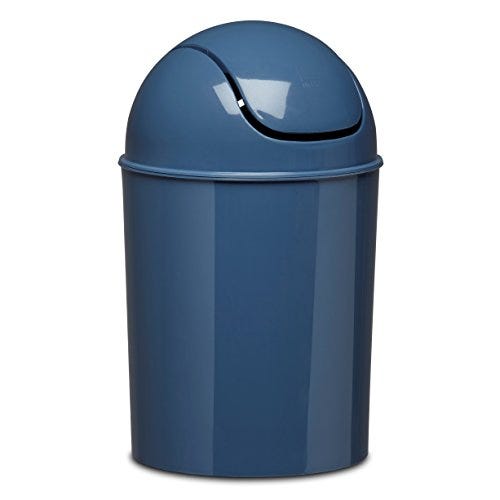
For concealed storage, placing the trash can under the kitchen sink is a popular choice. This method keeps the trash out of sight, helping to mitigate odors and maintain a tidy appearance. Attaching the trash can to the inside of a cabinet door, particularly under the sink, maximizes space and keeps it discreet. Using a lidded trash can is recommended for hygiene and to deter pests.
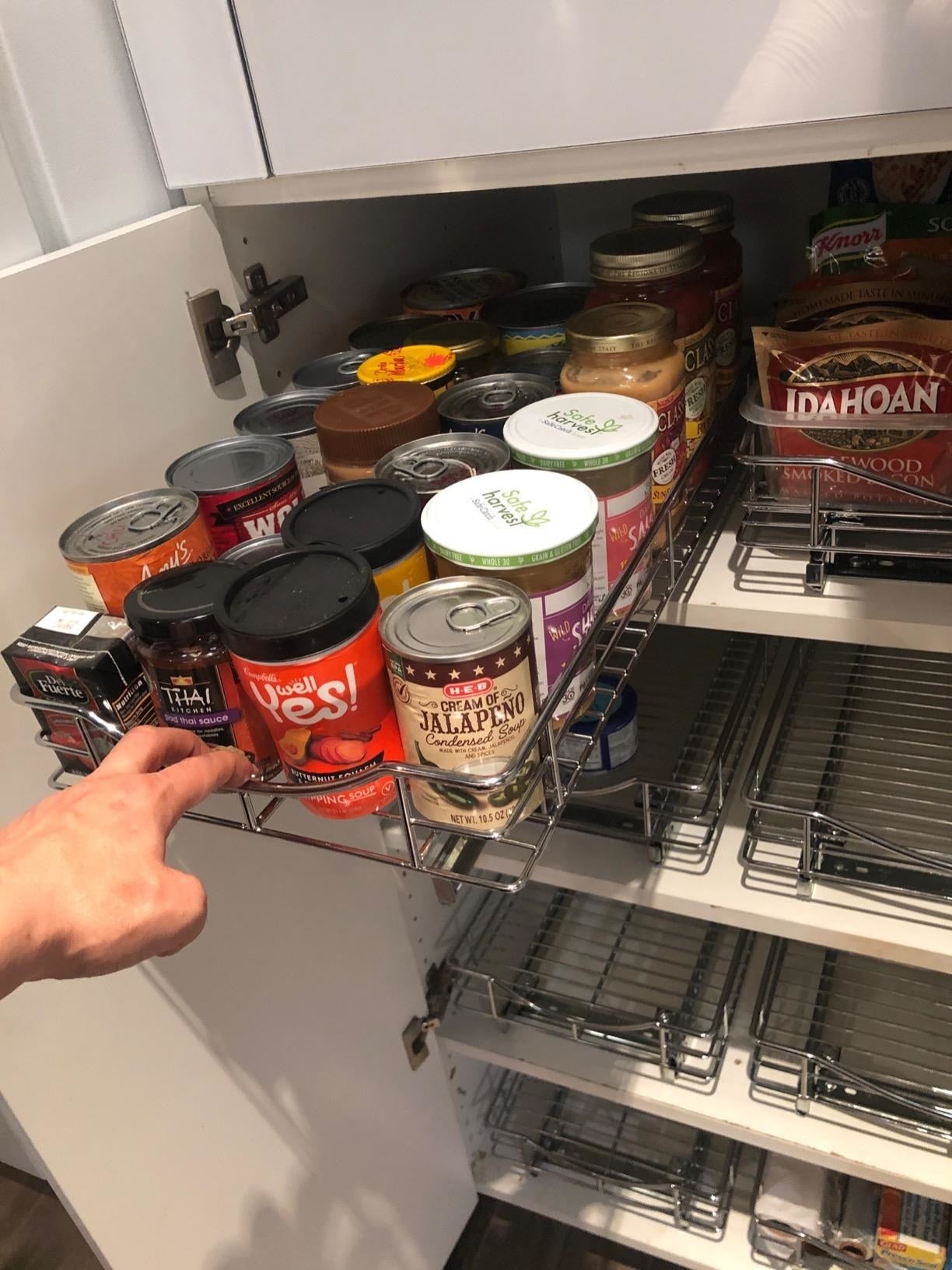
Tilt-out cabinets offer an integrated solution for hiding trash cans, making disposal easy and providing additional storage space for items like spare trash bags or odor eliminators. Some tilt-out designs also offer extra countertop space, which can be useful for cookbooks or small decorative items, although placing food items directly next to the trash is generally avoided. The material of the tilt-out cabinet can be chosen to match existing kitchen cabinetry for a cohesive look.
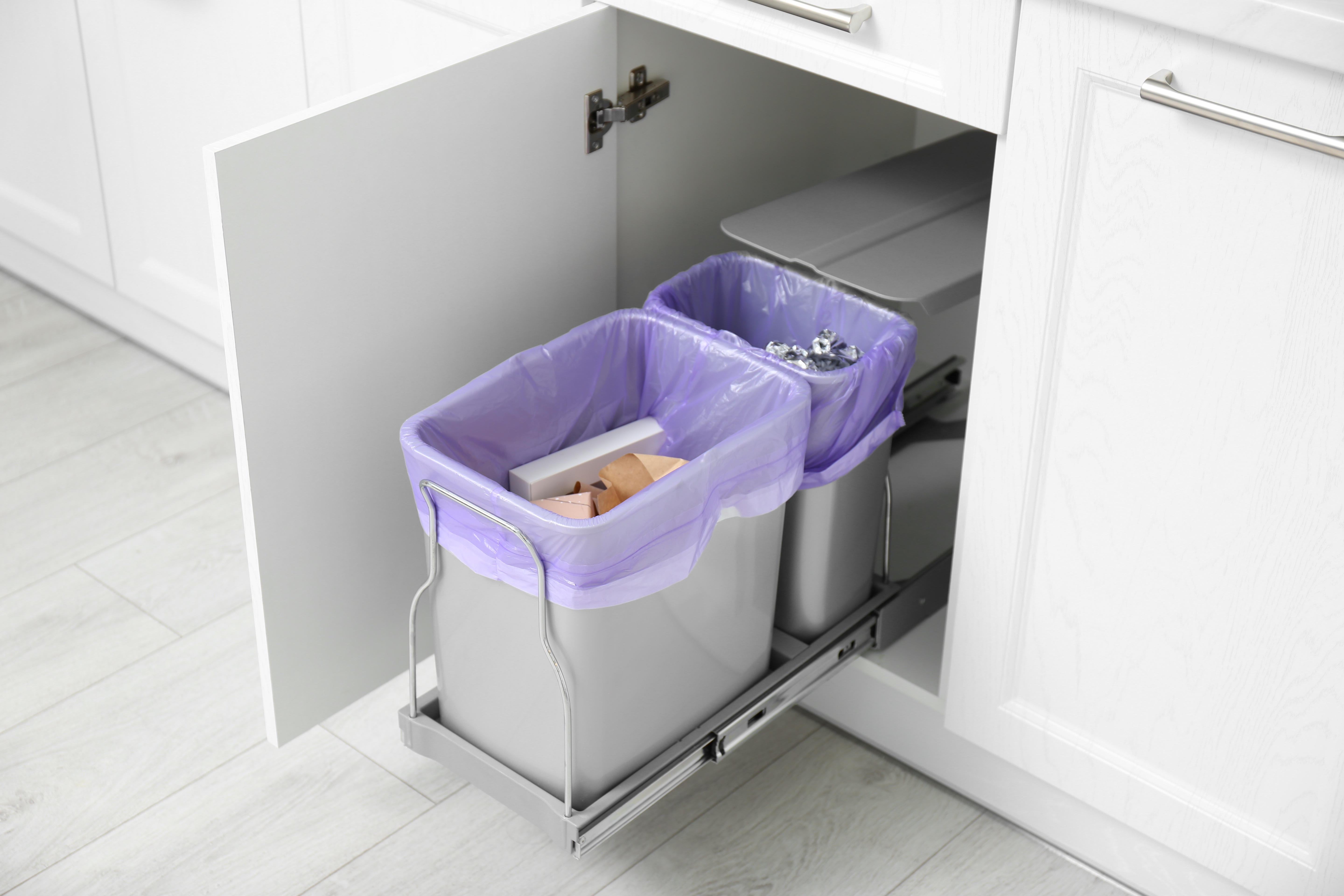
Incorporating a pull-out drawer for the trash can within the 'clean-up' zone of the kitchen is another recommended layout. This approach involves creating distinct kitchen zones—cooking, social, and clean-up—to optimize space and allow multiple people to use the kitchen simultaneously. Ideally, the waste pull-out is positioned on one side of the sink, with the dishwasher on the other, creating an efficient sequence for cleaning.
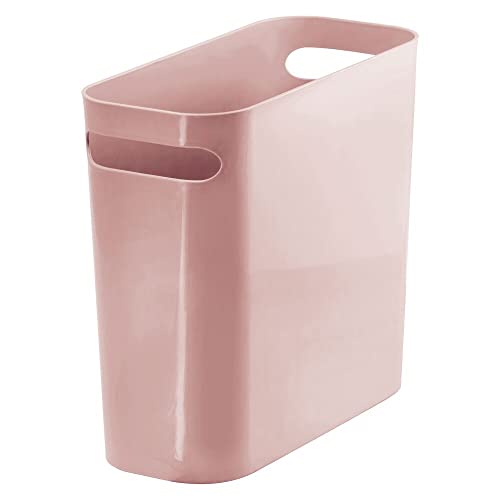
When built-in solutions are not feasible, tucking the trash can into an unused nook or corner is an effective way to minimize its visual impact in a small kitchen. This strategy prevents the trash can from being the focal point of the room and helps maintain an uncluttered aesthetic. Consolidating the main trash and recycling into one central location, even if it requires a short walk, is often preferred over scattering bins throughout the kitchen.
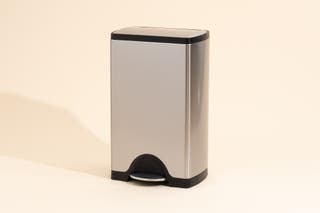
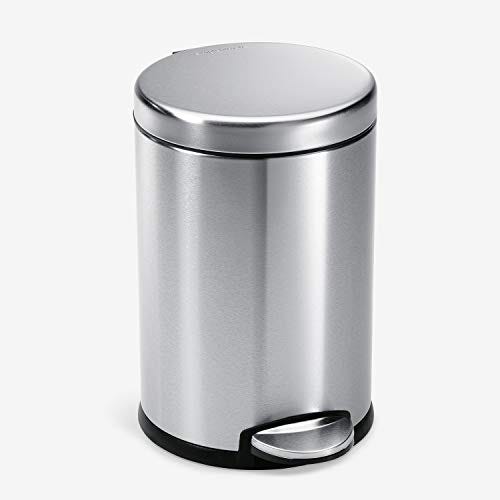
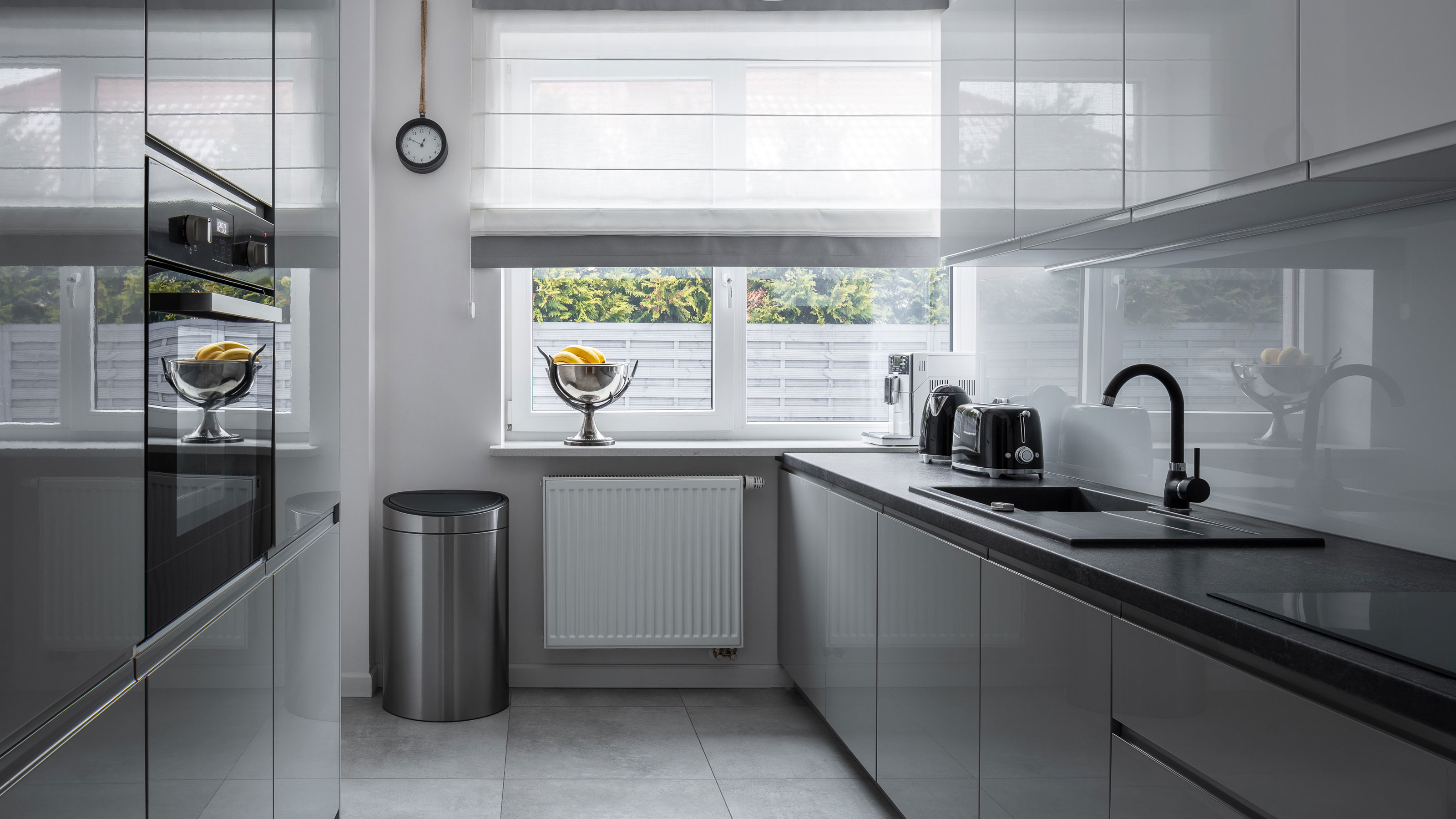
In galley kitchens, where space is particularly limited, placing the trash can under the sink or at the end of the narrow space is advisable. Proximity to the door simplifies trash removal, but aesthetic considerations are important to prevent it from being the first thing seen upon entering. A sleek, streamlined design in stainless steel or a complementary color can help integrate it visually.
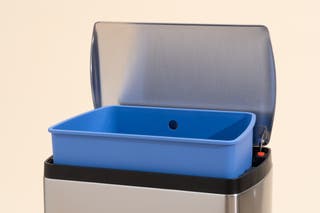
Innovative designs, such as multi-compartment trash cans, can further optimize waste management by separating recycling, food waste, and general waste in a single unit. For interim waste disposal during food preparation, a small food waste caddy can be used on the countertop or attached inside a cupboard door, streamlining the cooking process and keeping the main trash bin less frequently accessed.
#SmallKitchenDesign #KitchenStorage #TrashCanPlacement #HomeOrganization #InteriorDesignTips #FunctionalKitchens #SpaceSavingSolutions #KitchenLayoutIdeas #SmallKitchenDesign #KitchenStorage #TrashCanPlacement #HomeOrganization #InteriorDesignTips #FunctionalKitchens #SpaceSavingSolutions #KitchenLayoutIdeas
0 comment in total
 No comments yet
You may also like
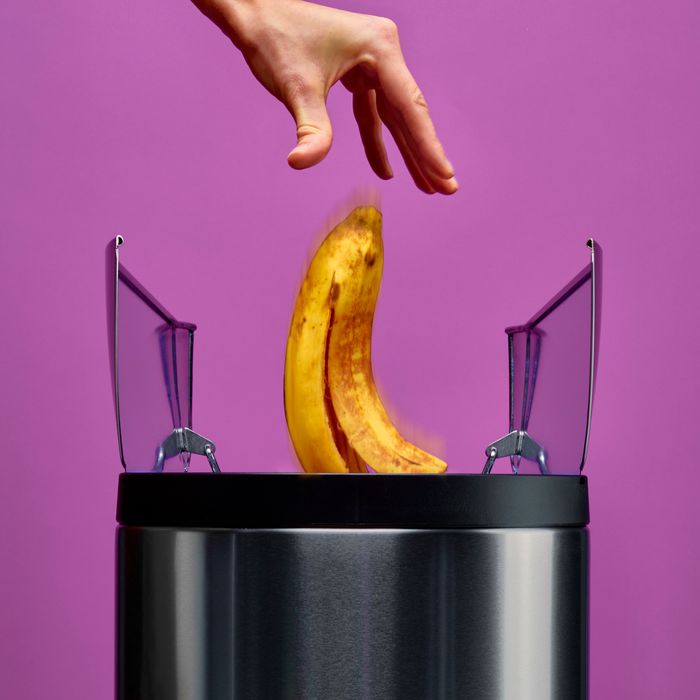
The 10 Very Best Kitchen Trash Cans
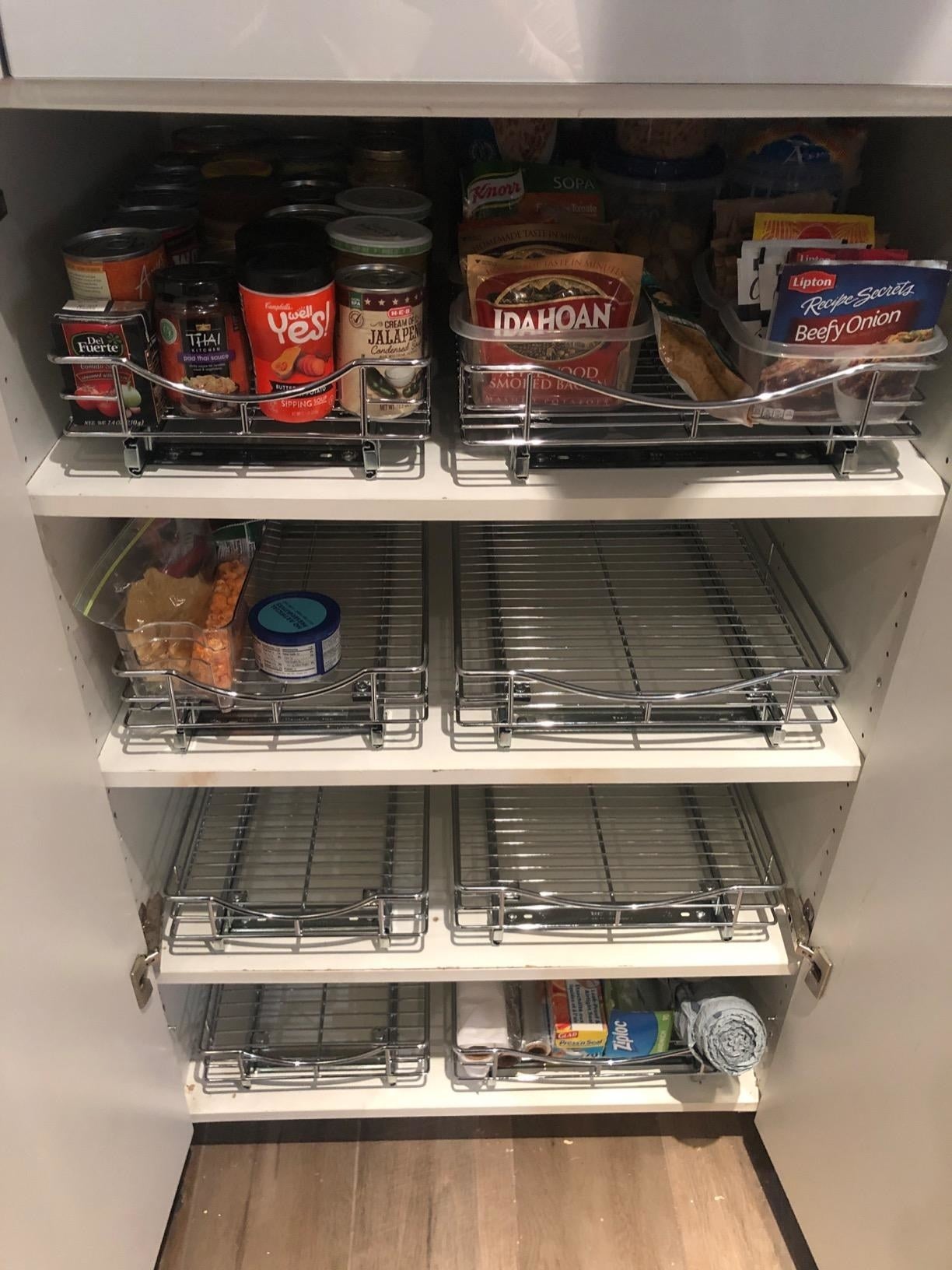
34 Products To Help You Get The Organized Kitchen Of Your Dreams In 2025

The 10 Most Stylish Bathroom Trash Cans on the Market

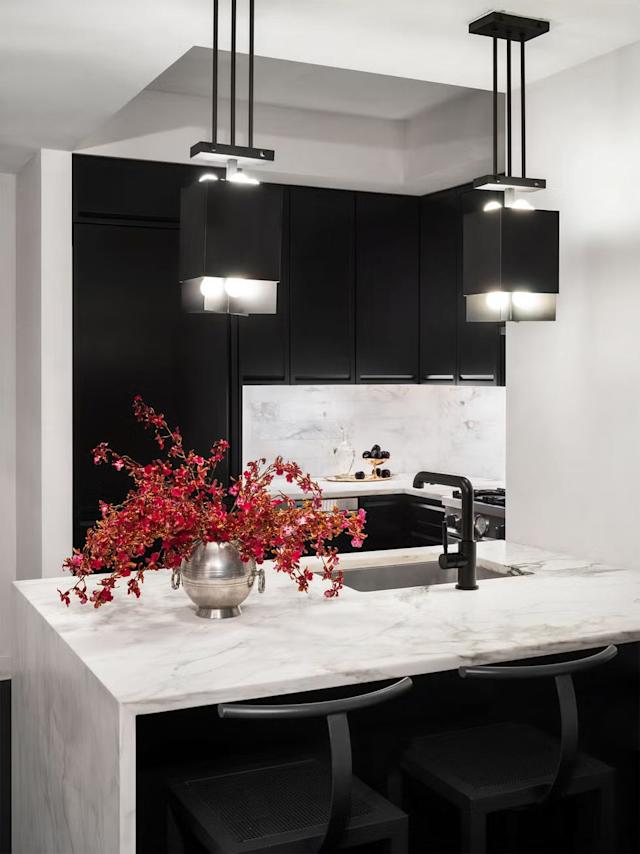
Small Kitchen Island Ideas That Think Big


The Tiny Cupboard

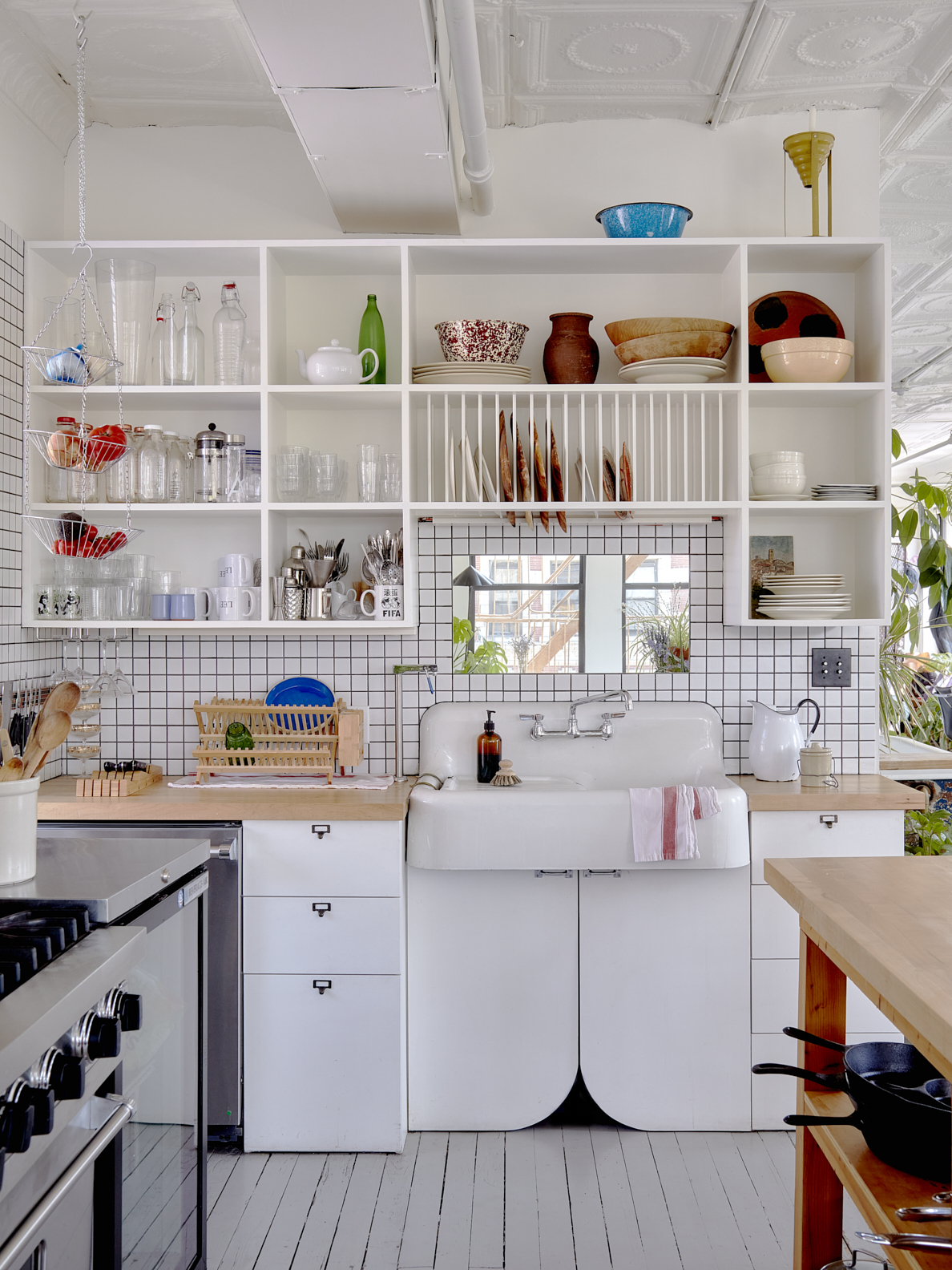
If You Dig Pegboards and Pot Racks, Then You’re Probably a Utility Kitchen Person

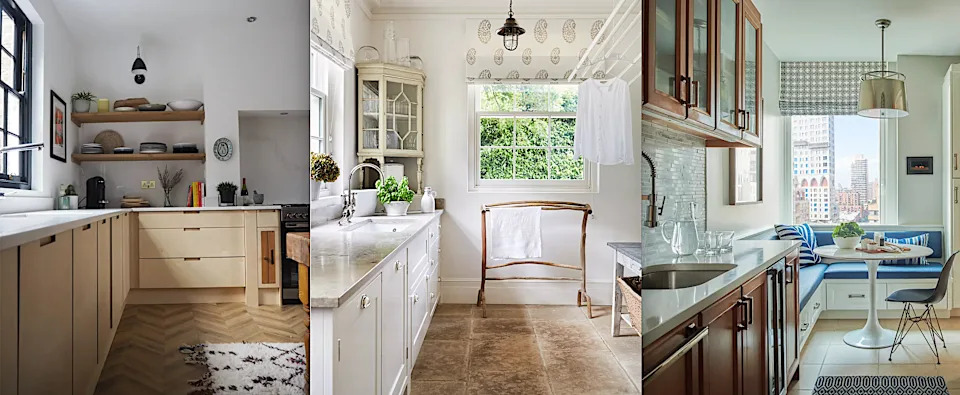
Small kitchen ideas – 23 beautiful designs for tiny kitchens

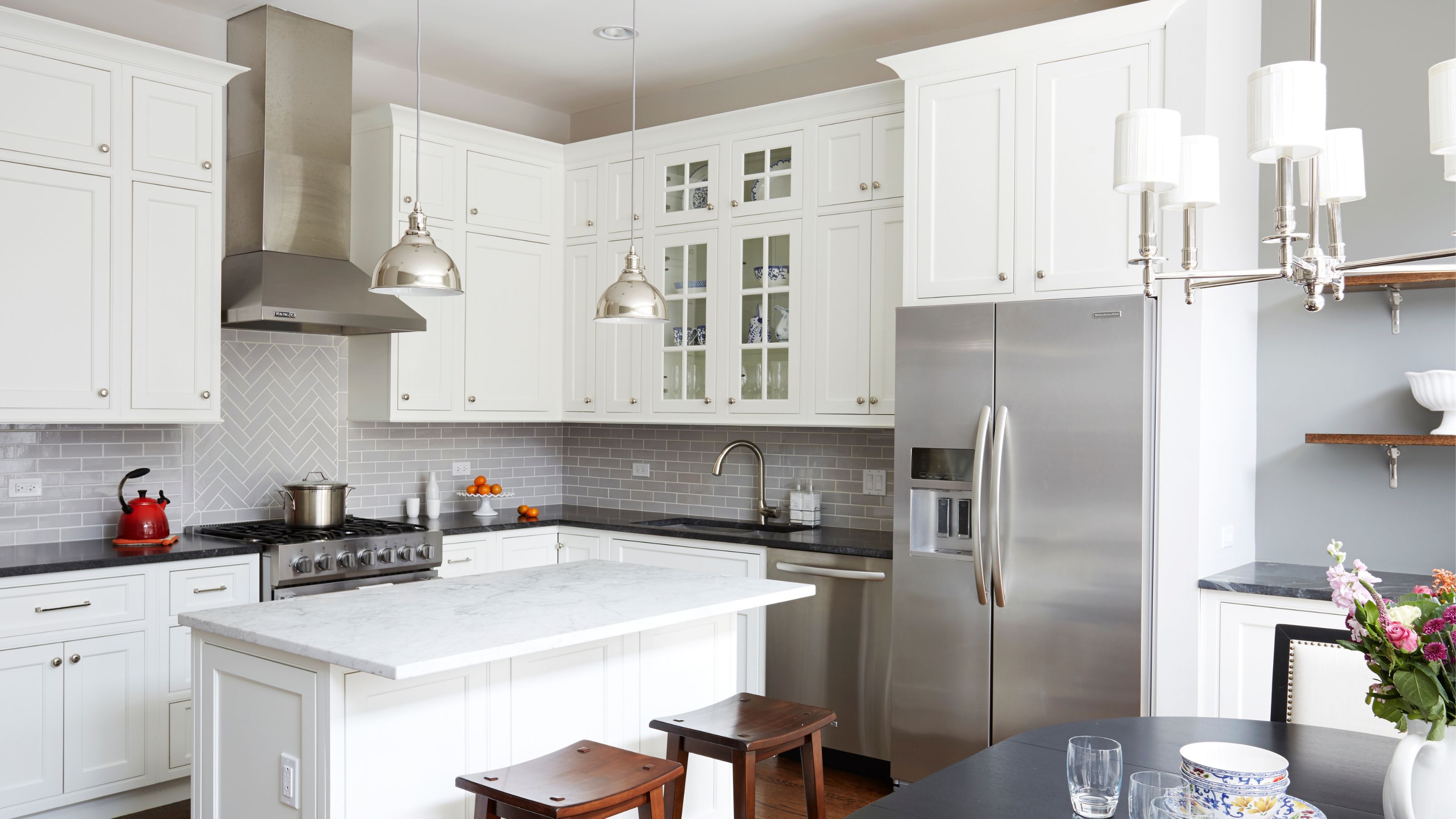
7 narrow kitchen island ideas that will work in even the smallest of spaces

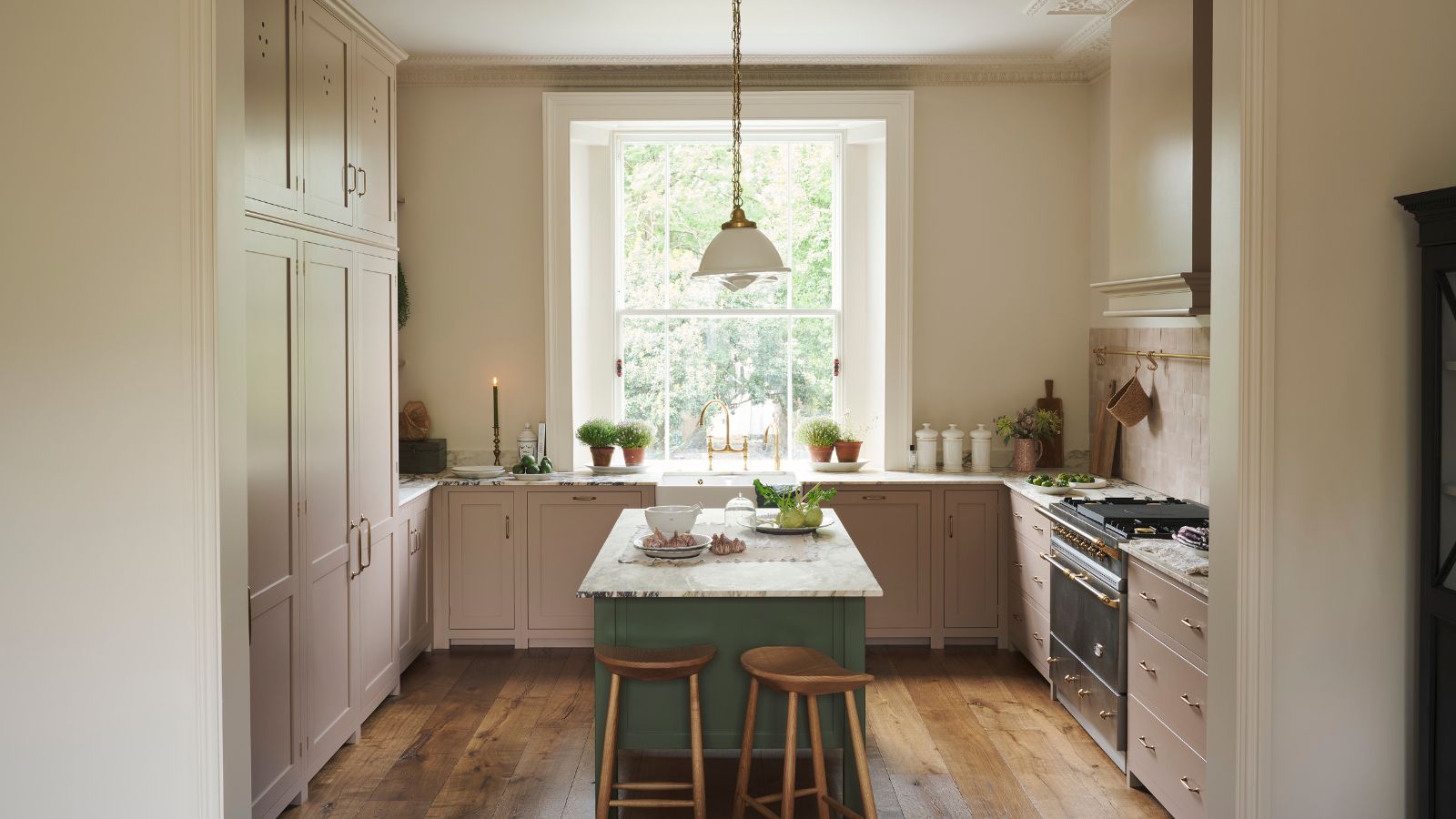
This bacteria-busting kitchen storage solution instantly tidied up my small sink area – it's chic and clever
Meet the Most Asked About Item in My Kitchen — and the Smallest

6 Things You Should Never Keep on Your Kitchen Counter

Experts reveal 7 narrow kitchen ideas they've used to get the best out of the space
23 Kitchen Trash Can Ideas for 2026 That Look Ordinary Until You Get to #13

The 6 Best Kitchen Trash Can of 2025 | Reviews by Wirecutter
14 Kitchen Islands That Will Improve Even the Smallest Kitchens
6 Kitchen Storage Cabinets for Small Spaces in 2025

A simple trash can swap eliminated odors and saved vital floor space in my tiny kitchen – and it's now on sale
7 narrow kitchen island ideas that will work in even the smallest of spaces

Our Favorite New Kitchen Accessories Will Keep You Organized This Year

Got My Kitchen Reviewed by an Interior Designer, Got Design Tips