1/8
Piet Hein Eek’s Work with Wood Scrap: “There Are No Poor Materials”
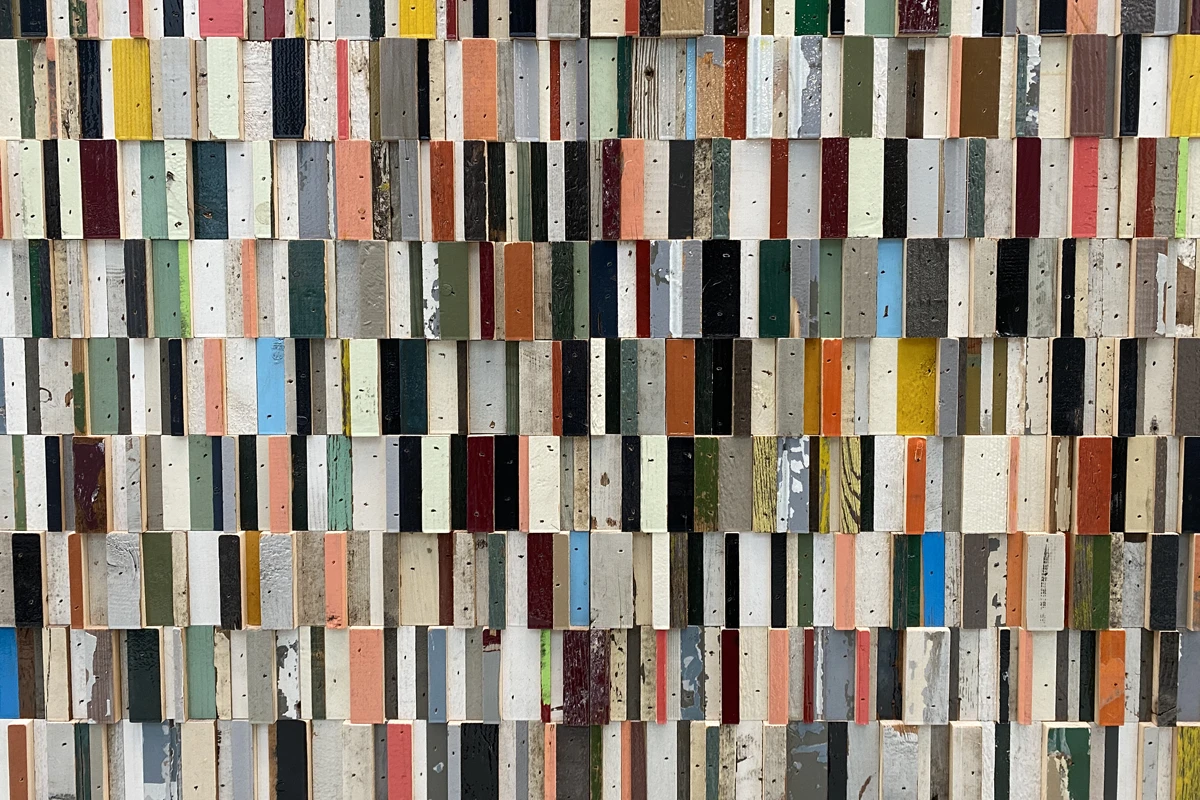
Piet Hein Eek, a Dutch designer, has built a global creative ecosystem centered on circular design, teamwork, and manufacturing integrity, primarily utilizing wood scrap. His design philosophy, rooted in a deep respect for materials, originated during his university days with the creation of the _Classic Cupboard in Scrapwood_ (1989). This piece, made from reclaimed lumberyard wood, challenged conventional design by retaining a raw, unfinished texture, a concept considered avant-garde at the time but now widely adopted in sustainable practices.
Eek's approach transcends simple recycling; it's a holistic perspective on sustainability that prioritizes respect, locality, and efficiency. He views all materials, whether new or salvaged, with equal regard, asserting that "There are no poor materials." His factory actively minimizes waste by transforming discarded materials into new objects, adhering to an economical, sustainable, and pragmatic principle of utilizing 100% of the material. This commitment stems from the recognition that economic and environmental challenges are intrinsically linked.
Unlike many designers who define a design and then seek resources, Eek built his own production facility, which dictates his creative process. This approach, while imposing certain limits based on available machinery, fosters efficient collaborations and bespoke commissioned projects. He analyzes a company's production capabilities before designing, adapting his ideas to their existing resources and knowledge.
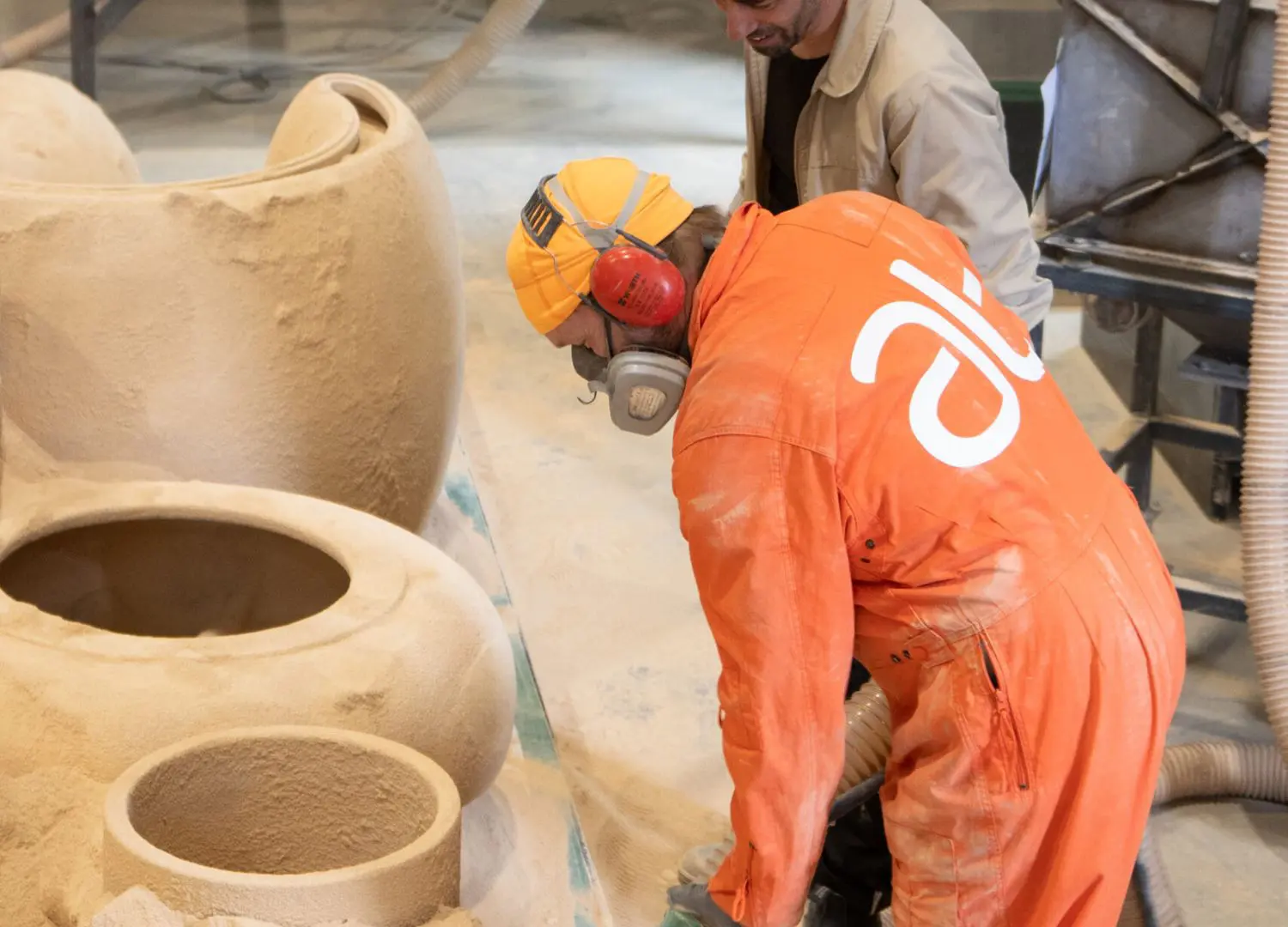
After graduating, Eek invested the proceeds from his early scrapwood pieces into establishing his workshop and acquiring the necessary machinery to replicate his designs. His studio has since evolved into an experiential complex, housing a shop, showroom, gallery, restaurant, event space, and his workshop. This hub employs around 200 people, providing a comprehensive design experience. The core of his production team includes a collaborator for technical drawings and material procurement, and over thirty craftsmen specializing in carpentry, steelwork, ceramics, upholstery, and printing.
Eek initially aimed to create high-quality, affordable pieces but recognized the challenges posed by rising costs and a changing economy. To address this, he developed an efficient production method for his small-scale, often single-piece, creations. This method, emphasizing technical skill and material knowledge, minimizes errors, reduces waste, and speeds up processes, aligning with his "best price" philosophy. He also adapts his design approach when collaborating with larger entities, such as IKEA, to optimize resources through large-scale production methods.
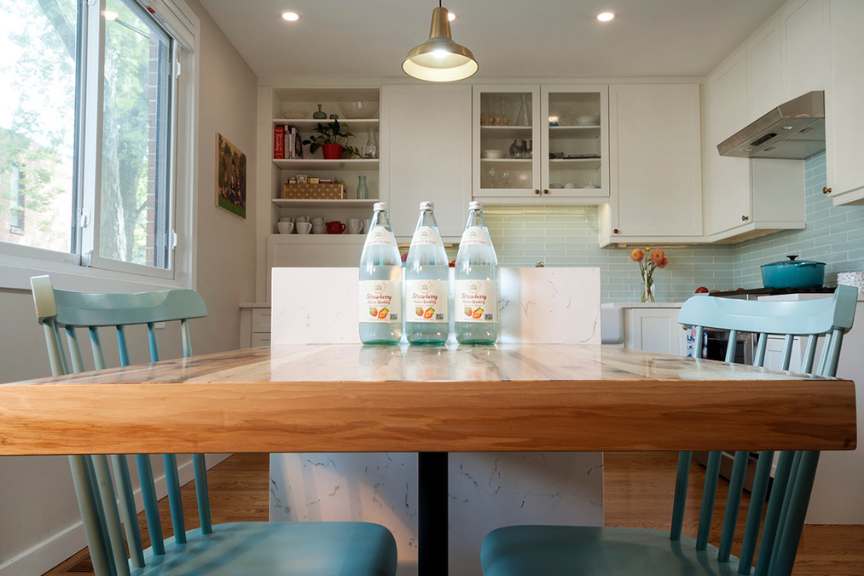
The _Masterworks_ (2024) project, developed with David Alhadeff of The Future Perfect gallery, exemplifies Eek's commitment to pushing manufacturing boundaries. These furnishings, including tables, mirrors, chairs, and cabinets, assemble recycled materials of various sizes into complex three-dimensional puzzles, requiring innovative solutions from his experienced team. This project underscores the importance of teamwork and the deep understanding his craftsmen have of his processes.
Eek also views design as having a political and societal role. He believes designers must consider the entire lifecycle of a product: who makes it, how, and where. He advocates for focusing on quality and creating durable objects that people value and are willing to invest in, arguing that this approach is more sustainable than promoting constant consumption. He critiques superficial environmental gestures, emphasizing that genuine sustainability requires a fundamental shift in habits and priorities.
#PietHeinEek #DutchDesign #CircularDesign #SustainableDesign #WoodScrap #MaterialRespect #DesignPhilosophy #Craftsmanship #ProductDesign #PietHeinEek #DutchDesign #CircularDesign #SustainableDesign #WoodScrap #MaterialRespect #DesignPhilosophy #Craftsmanship #ProductDesign
 No comments yet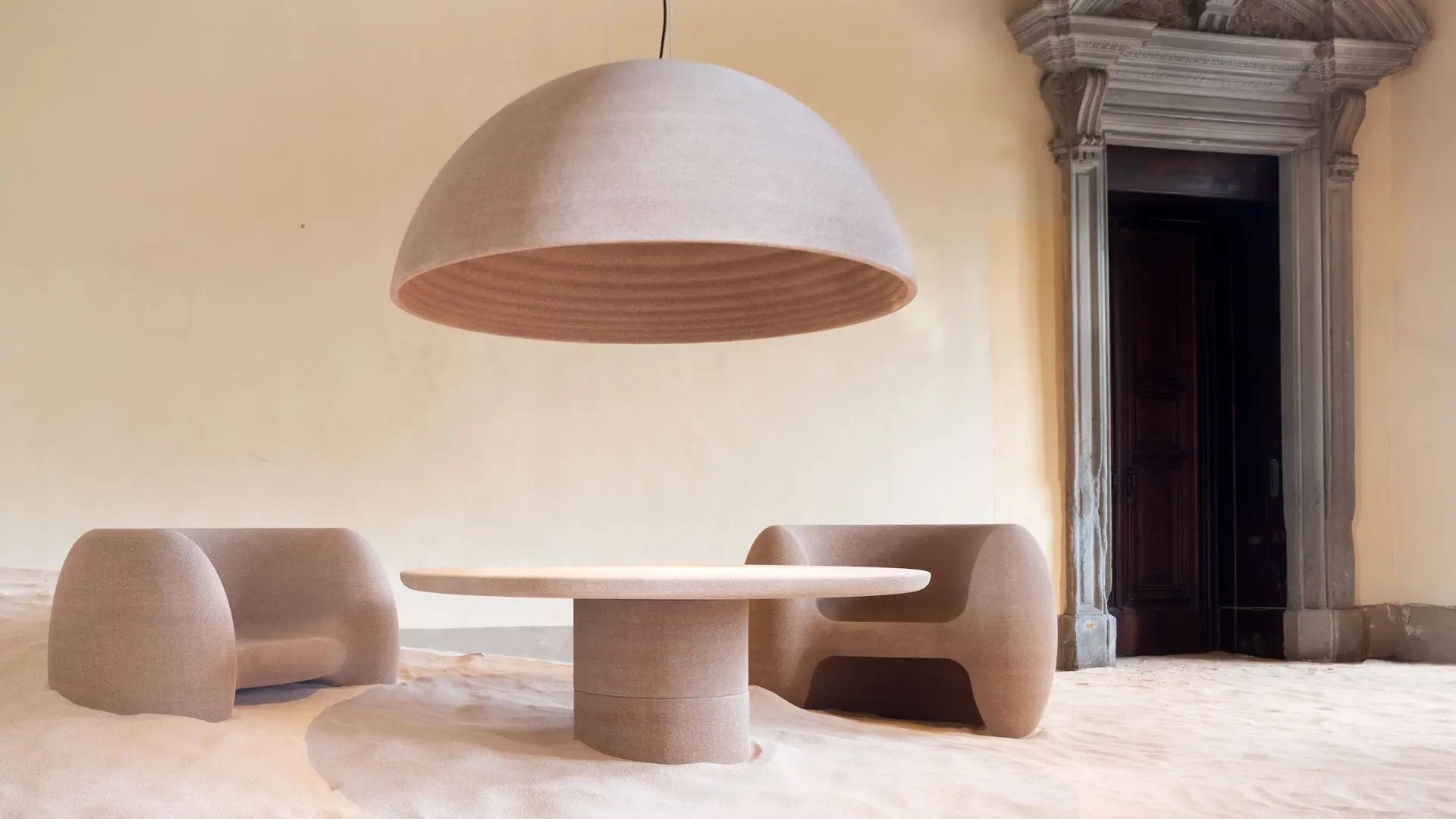
econitWood™ turns timber scraps into new material resources

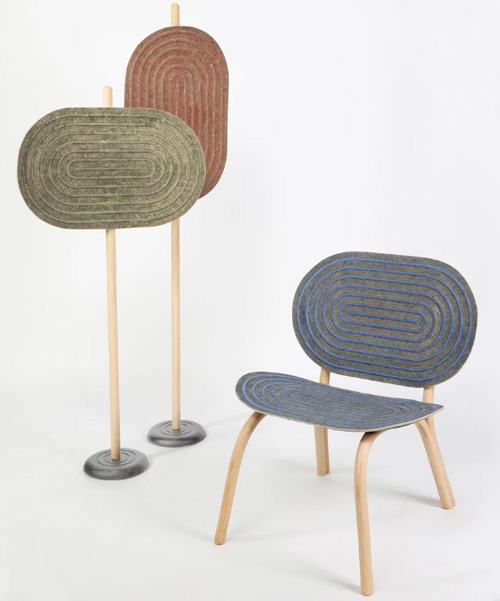
philipp hainke presses hemp and organic binder into furniture collection
Sustainable Material Spotlight: Reclaimed Wood