1/8
Song Dong’s Monumental Installations Mirror Memories, Globalization, and Impermanence
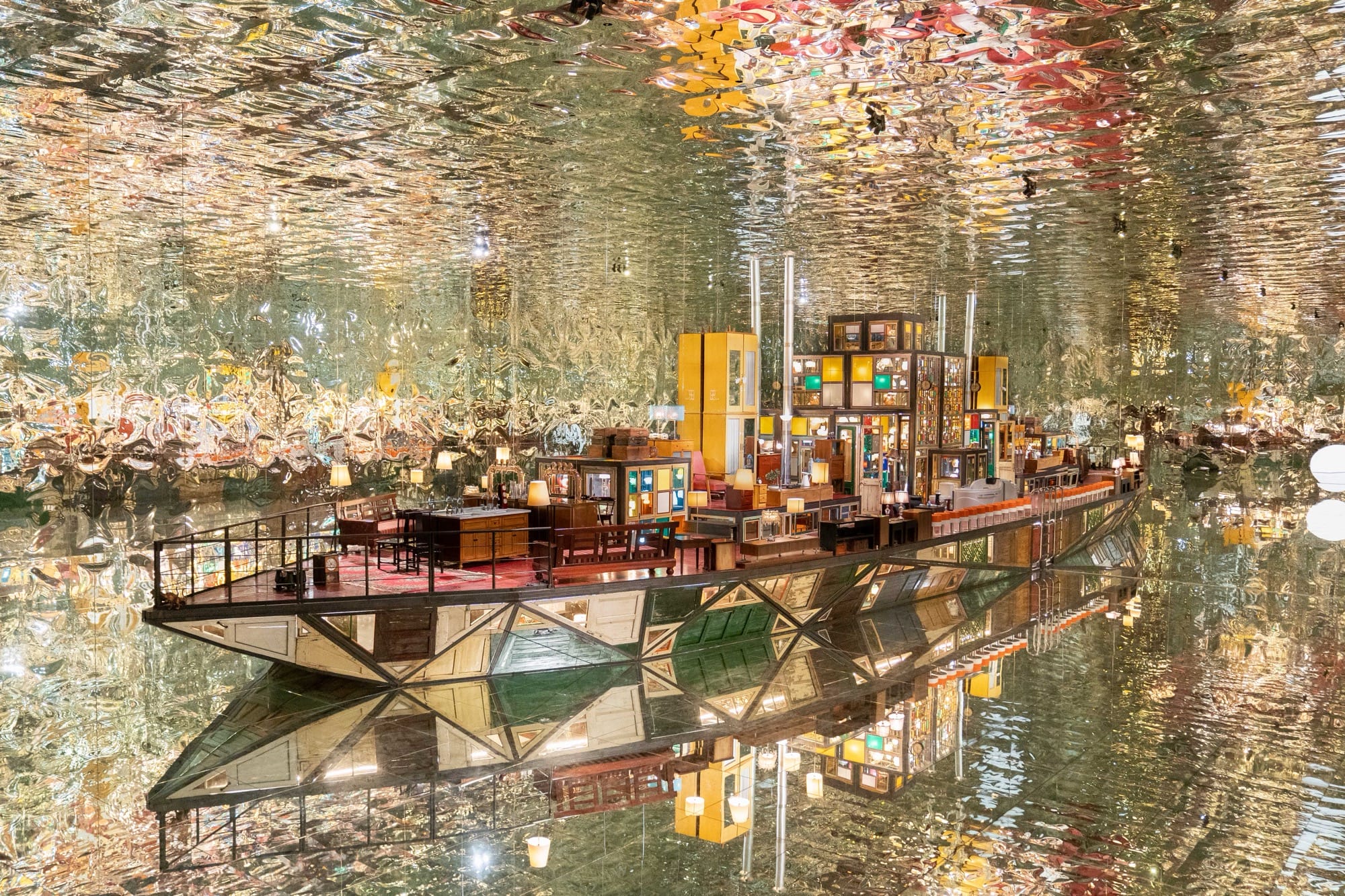
Chinese artist Song Dong's interdisciplinary practice, encompassing performance, sculpture, painting, video, and calligraphy, focuses on creating immersive installations that explore themes of memory, transition, and ephemerality. His works often feature mirrors, lights, and repurposed household furnishings on a grand scale, inviting viewers to engage with deeply personal and universally resonant concepts.
One notable example of his earlier work involves tabletop constructions resembling metropolitan skylines, crafted from edible treats. These structures were then dismantled by visitors, biscuit by biscuit, reflecting on themes of food scarcity from his childhood, as well as broader ideas of ephemerality and globalization. These playful yet profound pieces highlight the transient nature of existence and the impact of societal changes.
Another significant installation, “Waste Not” (2009), showcased initially in Beijing and later in major international institutions, delves into themes of consumption and impermanence. This piece incorporated over 10,000 items accumulated by his mother over five decades, transforming personal hoarding into a public act of “physical and psychological unpacking.” The installation presented a vast landscape of everyday commodities, from bottle caps and shoes to toothpaste tubes and metal pots, challenging viewers to consider their own relationships with material possessions and waste.
Song Dong’s structural installations frequently utilize discarded furniture, architectural elements, and quotidian objects salvaged from the streets of Beijing. These materials include old wooden windows, bed frames, doors, mirrors, lamps, color-coated glass, and porcelain. By collaging these remnants of people’s homes, he evokes notions of home, belonging, security, and migration, while simultaneously exploring the intricate relationships between memory and fact, humor and trauma. The installations become receptacles of collective history, inviting viewers to imagine the lives and stories associated with these objects, fostering shared experiences, and prompting contemplation about the future.
His recently commissioned piece, “Borrow Light,” showcased at the 36th São Paulo Biennial, exemplifies his current artistic direction. This installation features a mirrored environment abundant with lamps, creating an infinite reflective space reminiscent of Yayoi Kusama’s _Infinity Mirror Rooms_. “Borrow Light” draws inspiration from both carnival funhouses and traditional Chinese _feng shui_ principles, which use mirrors and windows to expand interior spaces and integrate the external world. The concept of “borrowing” is central to this work, symbolizing the inherent temporality of existence—from life’s cycles to humanity’s fleeting presence on Earth across evolutionary timescales.
This participatory experience encourages visitors to move through the space, their reflections illuminated and intertwined within the silvery, glowing light. Chairs and lamps, all borrowed from private homes, offer places for rest and contemplation, further emphasizing the idea of temporary use and shared resources. “Borrow Light” immerses the audience in an infinite universe, where personal images and minds merge in a dazzling display of light and reflection, prompting a deeper understanding of impermanence and interconnectedness.
#SongDong #InstallationArt #Memory #Globalization #Impermanence #FoundObjects #ParticipatoryArt #Mirrors #LightArt #SongDong #InstallationArt #Memory #Globalization #Impermanence #FoundObjects #ParticipatoryArt #Mirrors #LightArt
 No comments yet
Globally acclaimed artist and creator of new Parliament's iconic wall art on why sculptures are leading t

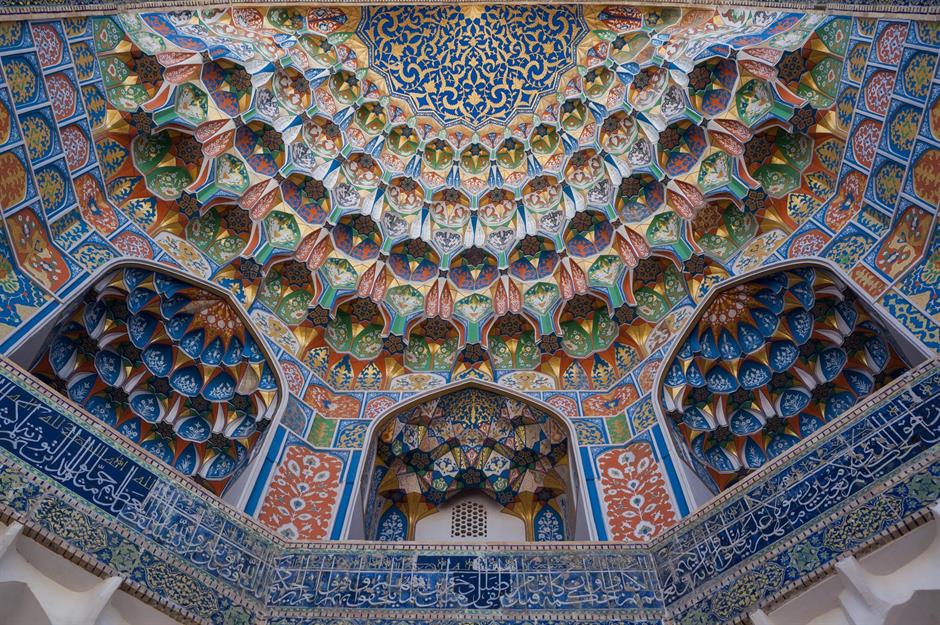
Look up: the world’s most jaw-dropping ceilings | loveexploring.com
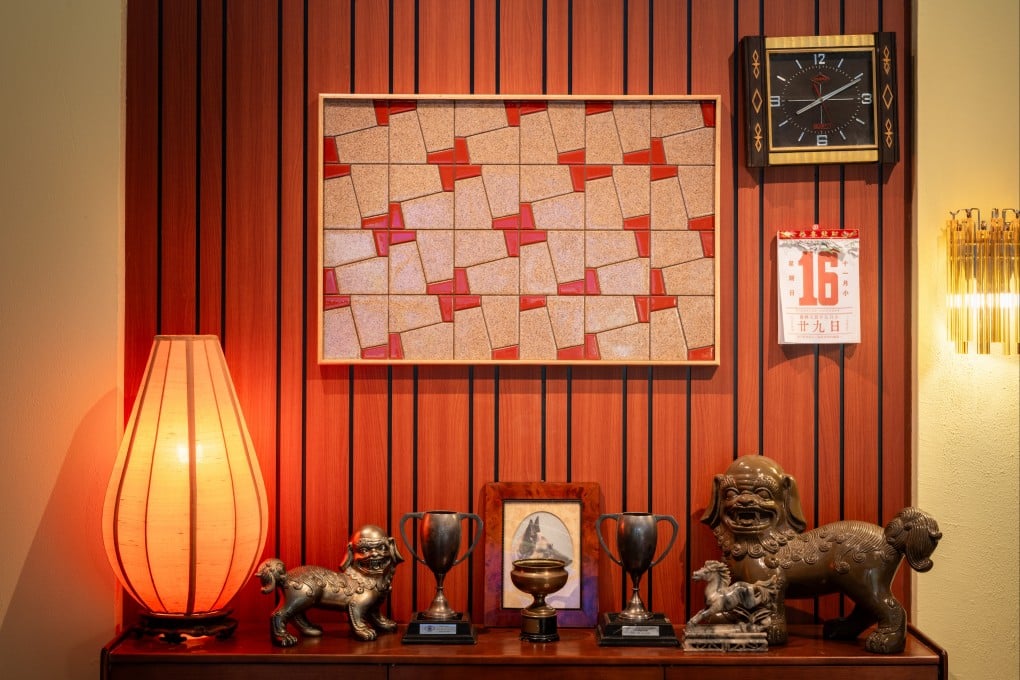
Hong Kong history, one tile square at a time

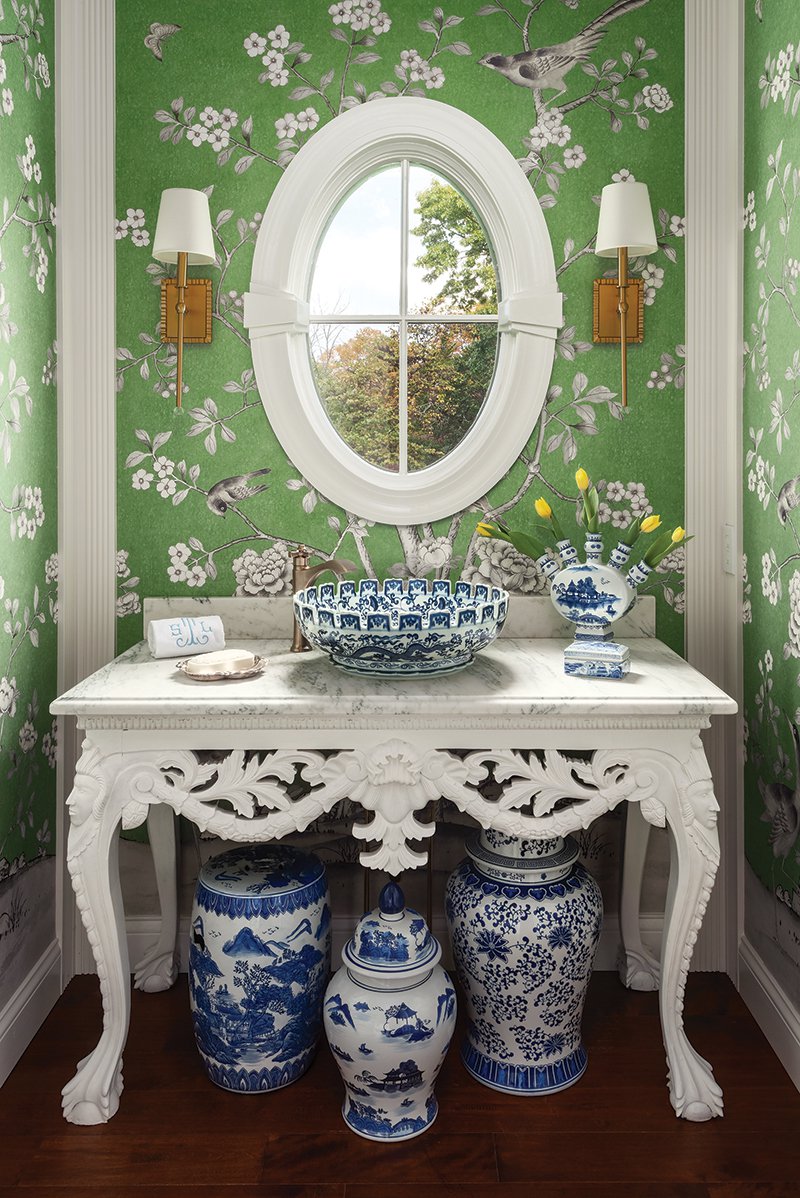
Chinoiserie has its roots in 17th-century Europe but is still gracing rooms around the world