




Are You a Minimalist, Maximalist, or Somewhere In-Between? Take Our Quick Quiz to Find Out
The article explores the evolution and current relevance of home decor styles, providing a framework for individuals to understand their personal aesthetic preferences. It begins by highlighting how external factors, such as the COVID-19 pandemic and the rise of social media, have significantly influenced interior design needs and inspirations. The pandemic, in particular, transformed homes into multifunctional spaces, shifting focus from mere aesthetics to creating emotionally supportive environments. This led to a preference for cozy, intentional spaces over large, open-concept layouts. Social media platforms like Instagram and Pinterest have democratized design inspiration, offering a vast array of global styles that can either empower or overwhelm homeowners.
The article then delves into three primary design personalities: minimalism, maximalism, and a blend of both. Minimalism, traditionally associated with starkness, has evolved into a softer, more intentional style that prioritizes functionality, purpose, and a calm, clutter-free environment. Contemporary minimalism emphasizes natural, earthy materials like linen, wood, and marble, and uses neutral palettes with subtle textures to create a lived-in yet curated feel. Key traits of a minimalist include valuing quality over quantity, being detail-oriented, mindful of waste, and appreciating simplicity and natural elements.
In contrast, maximalism is presented as an exuberant style defined by bold colors, rich patterns, and a personal narrative expressed through objects, art, and textures. It is not about clutter but about creating a biographical space filled with memory, emotion, and curiosity. Maximalism employs bold palettes, intentional pattern mixing, and a variety of textures such as velvet, lacquer, and brass. It encourages mixing media in gallery walls while maintaining a unifying theme. Maximalists are sentimental collectors who see objects as stories and embrace richness and contrast.
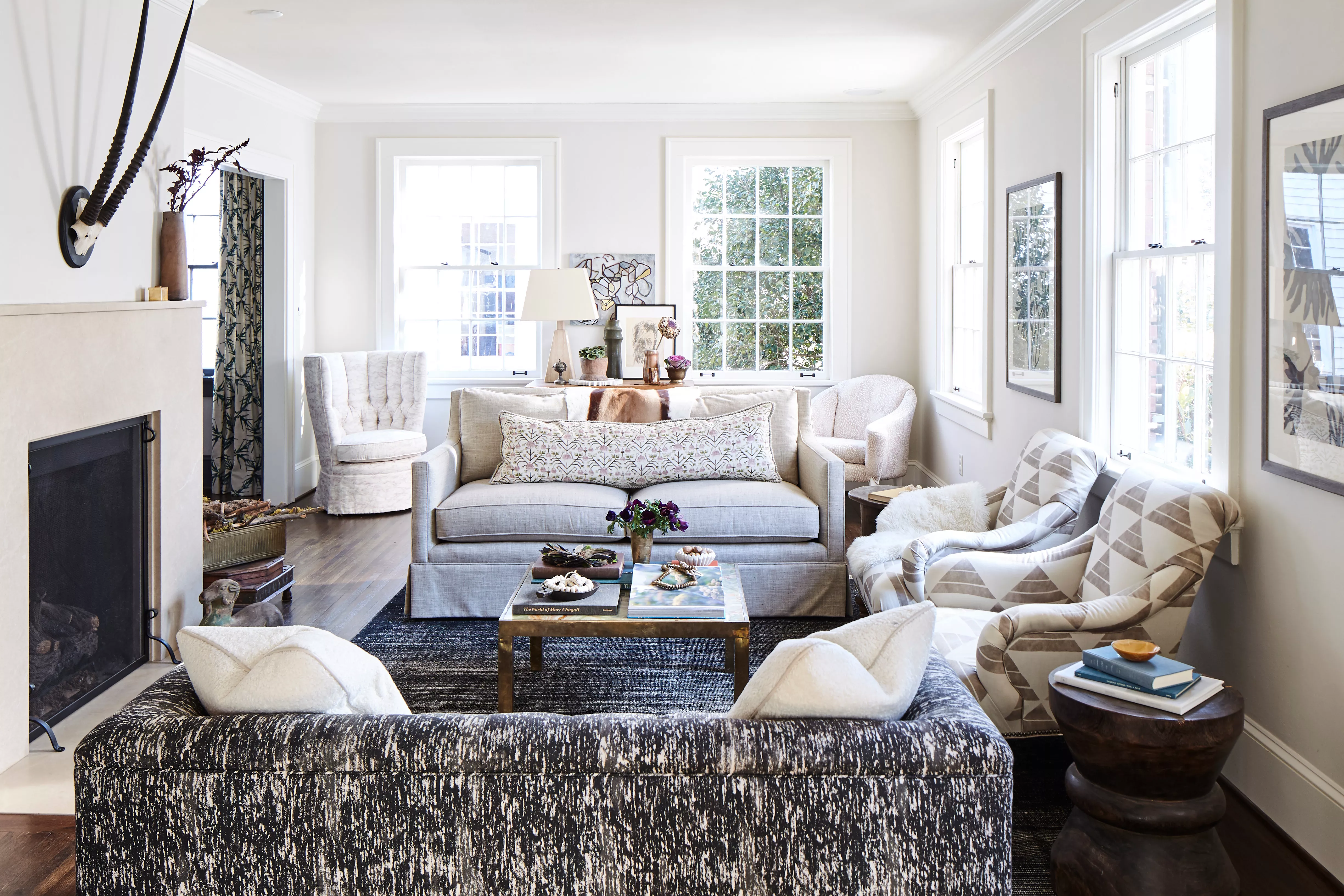
Finally, the article discusses the emerging middle ground, where individuals blend elements of both minimalism and maximalism. This blended style emphasizes flexibility and adaptability, allowing homes to evolve with changing preferences. It typically starts with neutral foundations—like hardwood floors or soft-toned walls—which serve as a canvas for bold accents and personal touches. This approach seeks balance, creating spaces that are functional, harmonious, and full of character without being extreme. Those who embody this style value comfort, functionality, storytelling without clutter, and thoughtful curation of pieces. They see style as an evolving process rather than a fixed concept.
The article concludes by advising readers that the most effective design style is one that genuinely reflects their personality and brings them joy. It encourages self-reflection, observing personal purchasing habits and clothing choices to uncover inherent style preferences. The experts suggest collecting images that resonate, analyzing recurring themes in color, texture, and mood, to fine-tune one's eye and confidently create a home that feels authentic and beautiful. Ultimately, a loved home is described as an ever-evolving space that tells a personal story.
#HomeDecor #InteriorDesign #Minimalism #Maximalism #DesignStyles #HomePersonalization #DecoratingTips #PostPandemicDesign #SocialMediaInfluence #HomeDecor #InteriorDesign #Minimalism #Maximalism #DesignStyles #HomePersonalization #DecoratingTips #PostPandemicDesign #SocialMediaInfluence
 No comments yet