1/2
How will you celebrate “Fix-A-Leak Week”?
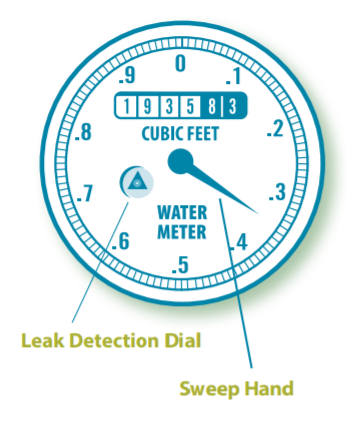
The EPA's annual "Fix-A-Leak Week," observed from March 15-21, highlights the importance of proactively identifying and repairing water leaks in homes. While not a traditional holiday, acknowledging this week can lead to significant savings and prevent potential damage. Leaks, even minor ones, can result in substantial water waste, with a faucet dripping once per second wasting over 3,000 gallons annually. Beyond environmental concerns, unresolved leaks can lead to costly water damage repairs, which homeowners' insurance typically covers only if they are "sudden and accidental," not if they stem from gradual problems or maintenance issues. Therefore, addressing leaks promptly is crucial.
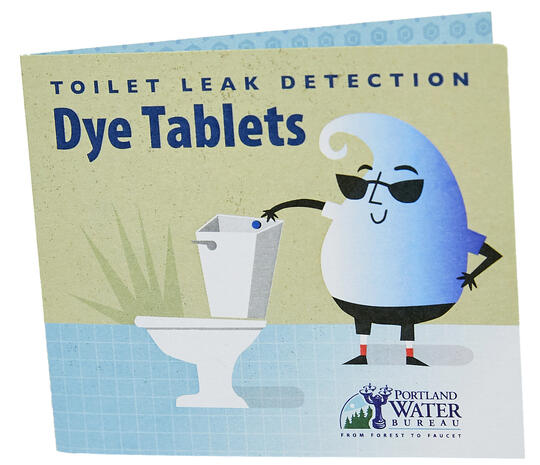
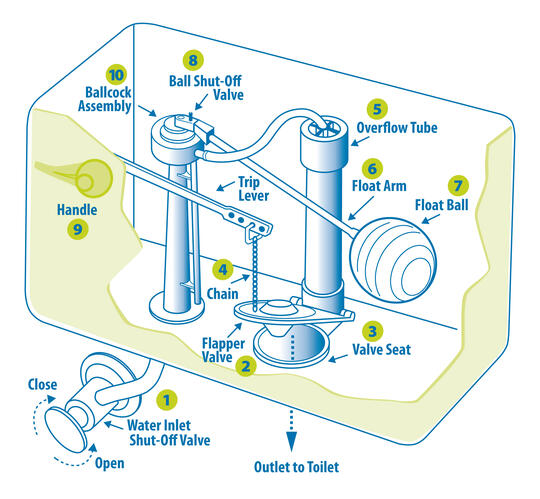
The article provides a room-by-room guide to identifying potential water waste and implementing water-saving measures. The bathroom is identified as the largest water consumer in a typical home, accounting for 42% of household water usage. Recommendations for the bathroom include turning off the tap while brushing teeth, prioritizing showers over baths (as showers use significantly less water—10 to 25 gallons compared to up to 70 gallons for a bath), and switching to WaterSense-labeled products. WaterSense toilets can reduce water per flush by up to 60%, faucets by 30% per minute, and showers by 40% per shower. A simple test using food coloring in the toilet tank can detect leaks. Upgrading to low-flow or dual-flush toilets, which use 1.3 to 1.6 gallons per flush compared to older models that use up to 7 gallons, is also suggested.
In the laundry room, which accounts for approximately 15% of home water consumption, efficiency can be improved by washing only full loads or adjusting water levels to match load size, using the shortest wash cycle possible, and avoiding the permanent press setting due to its warm and cold water usage and extra rinse cycle. The kitchen contributes about 13% to home water usage. To minimize this, it is advised to wash only full loads of dishes, scrape food waste into compost or trash instead of rinsing plates, and plug the sink when handwashing. A practical tip involves repurposing potable water used for rinsing fruits and vegetables or while waiting for hot water by collecting it for houseplants or gardens.
Outdoor water usage, particularly for houses, can be as high as 30% of total consumption. Strategies for reducing this include planting native, drought-resistant plants, and using WaterSense-labeled irrigation controllers, which can save up to 15% of water. The article emphasizes avoiding watering driveways and notes that a significant portion—30% to 60%—of domestic drinking water used for yards and gardens is often wasted through over-watering, evaporation, and misdirected sprinklers. For small garden areas, hand watering is recommended. Ultimately, dedicating time during "Fix-A-Leak Week" to inspect and repair leaks not only offers peace of mind but also yields long-term savings in time, money, and environmental resources.
#FixALeakWeek #WaterConservation #HomeMaintenance #WaterEfficiency #EPAWaterSense #HouseholdLeaks #SustainableLiving #PlumbingTips #FixALeakWeek #WaterConservation #HomeMaintenance #WaterEfficiency #EPAWaterSense #HouseholdLeaks #SustainableLiving #PlumbingTips
 No comments yet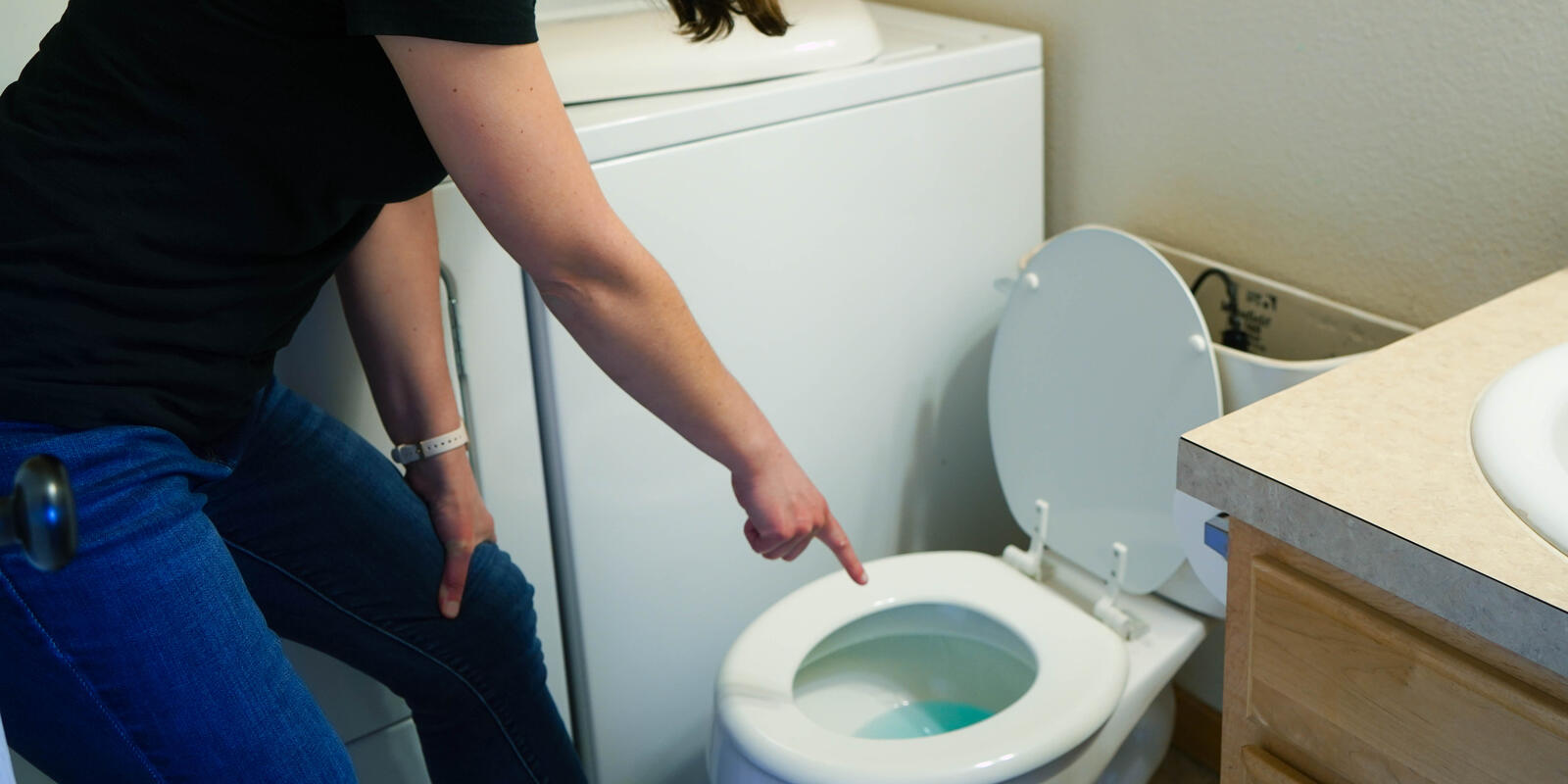
How to catch a running toilet
Save Water & Money – Fix a Leak Week & FREE Water Conservation Kits