1/2
Solved! Why Is My Sump Pump Running Without Rain, and What Should I Do?
A sump pump continuously running without rain often indicates an underlying issue that requires attention. While a constantly active sump pump is generally not normal, certain exceptions exist, such as living near a river, experiencing significant snowmelt, or having a smaller pump that cycles more frequently. However, in most cases, continuous operation suggests a problem that needs professional diagnosis and repair.
Several factors can cause a sump pump to run non-stop, even in dry weather. One common reason is external environmental conditions. A rise in the water table, the boundary between unsaturated and saturated soil, can occur due to factors like proximity to a body of water or recent frequent rainfall. An increase in groundwater from a broken pipe, nearby construction, or overflowing water sources can also contribute to the sump pump activating frequently. If these conditions are causing continuous operation, it is advisable to contact a plumber or basement waterproofing expert to prevent overheating or system breakdown.
Melting snow is another potential cause for a continuously running sump pump. When temperatures rise above freezing after a snowfall, the melting snow infiltrates the ground. While landscaping absorbs some of this water, any excess can trigger the sump pump. In this scenario, the sump pump's operation is beneficial as it prevents moisture from entering the home and compromising the foundation. The pump should ideally cease operation once all the snow has melted and the ground has dried.
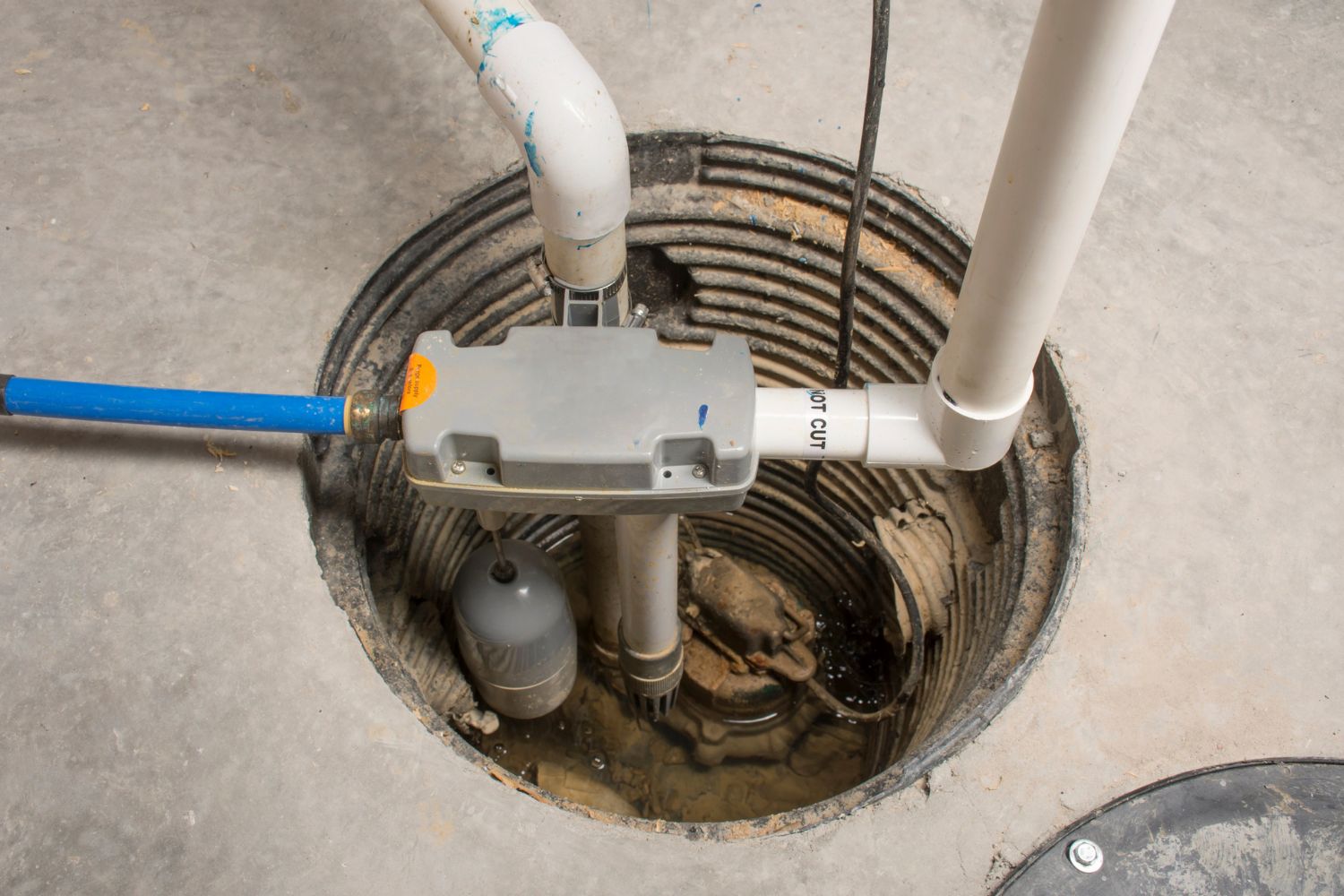
A faulty float switch is a mechanical issue that can lead to continuous sump pump activity. The float switch is designed to activate the pump when water levels rise in the sump pit and deactivate it when water levels recede. If the float switch is broken and does not return to its original position, the pump will continue to run even without water in the basin. Manual adjustment, applying lubricant, or professional replacement of the float switch can resolve this problem.
A clogged drain line is another common culprit. Over time, dirt and debris can accumulate in the sump pump's drain line, obstructing water flow. If water cannot drain properly, it builds up in the basin, causing the pump to malfunction or, in severe cases, overheat. Checking for and clearing a clogged drain line can restore proper function.
In the most critical scenarios, the sump pump itself may have failed. Sump pumps typically have a lifespan of 7 to 10 years, but inadequate sizing or poor maintenance can shorten this. If a homeowner suspects a failed pump, it is crucial to hire a professional for diagnosis, recommendation, and installation of a new unit. The cost of installing a new sump pump, averaging around $1,200, varies depending on the type of pump (pedestal or submersible), its size, and the labor involved. An expert can ensure the correct pump is selected and installed efficiently.
#SumpPump #HomeMaintenance #WaterTable #Groundwater #FloatSwitch #CloggedDrain #SumpPumpRepair #BasementWaterproofing #HomeSafety #SumpPump #HomeMaintenance #WaterTable #Groundwater #FloatSwitch #CloggedDrain #SumpPumpRepair #BasementWaterproofing #HomeSafety
 No comments yet
6 Best Sump Pumps to Flood-Proof Your Basement