1/4
Install Maven on Windows
Apache Maven is presented as the most popular build tool within the Java ecosystem, recognized for its robust dependency management capabilities and user-friendly simplicity. This combination makes it accessible to developers across all skill levels. The installation process for Apache Maven on a Windows operating system is straightforward, involving a few key steps. First, users need to download the Apache Maven zip file, which contains all necessary components for the tool. Following the download, the zip file must be extracted to a chosen directory on the user's system, such as a designated tools folder or program files location.
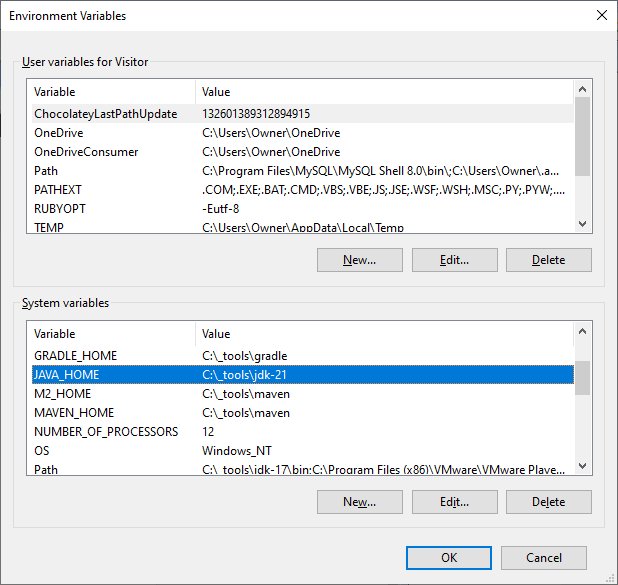
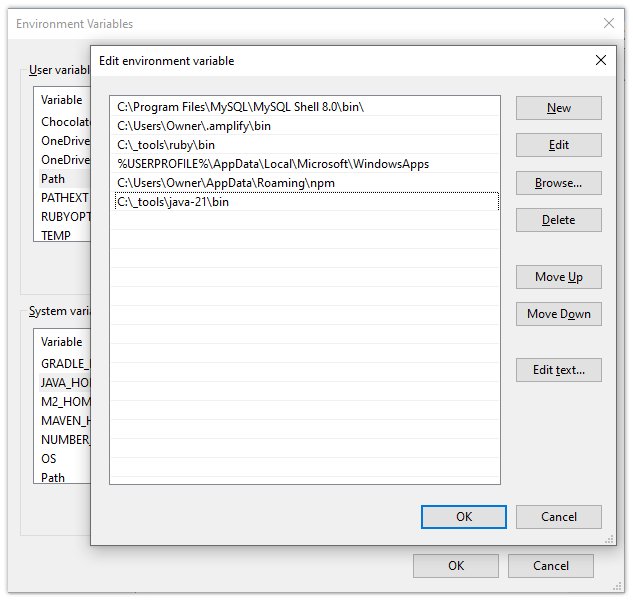
A crucial step in the installation is configuring the system's environment variables. Specifically, the `\bin` directory of the extracted Maven installation needs to be added to the operating system's `PATH` variable. This allows the command line or terminal to recognize and execute Maven commands from any directory. The article also mentions two optional environment variables, `MAVEN_HOME` and `M2_HOME`. Historically, applications would search for these variables to locate the Maven installation directory. However, this practice has become less common, making their configuration largely optional in modern setups. If these variables are configured, they should point to the root installation directory of Maven, not directly to the `\bin` subdirectory.
After completing these steps, the installation must be validated to ensure Maven is correctly set up. This validation is performed by opening a new terminal window and executing the `mvn --version` command. A successful installation will result in the command returning detailed information about the installed Maven instance, including its version number, and also display information about the Java Development Kit (JDK) being used. This confirmation indicates that Maven is properly integrated into the system and ready for use in development projects.
The author, Cameron McKenzie, is identified as a Java EE software engineer with two decades of experience, specializing in Agile development, DevOps, Spring, and container-based technologies such as Docker, Swarm, and Kubernetes. This background suggests a practical and expert perspective on software development tools and practices. The article is categorized under 'Development tools for continuous software delivery,' highlighting its relevance to modern software development workflows that emphasize automation and efficiency.
#ApacheMaven #WindowsInstallation #JavaEcosystem #BuildTools #DependencyManagement #EnvironmentVariables #SoftwareDevelopment #DevOps #CameronMcKenzie #ApacheMaven #WindowsInstallation #JavaEcosystem #BuildTools #DependencyManagement #EnvironmentVariables #SoftwareDevelopment #DevOps #CameronMcKenzie
 No comments yet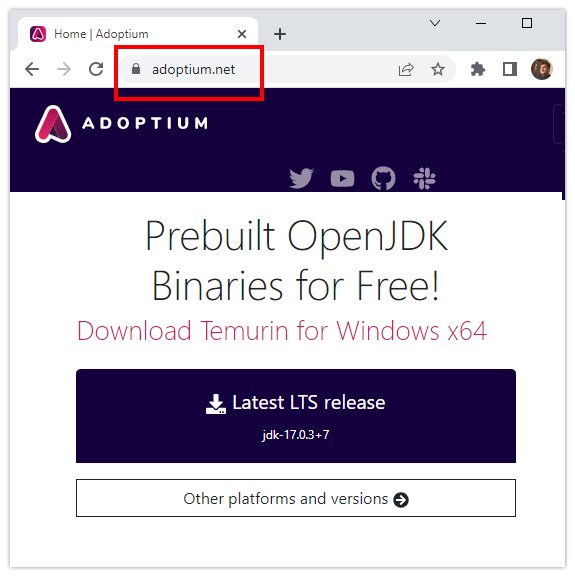
How do I install Java on Windows?
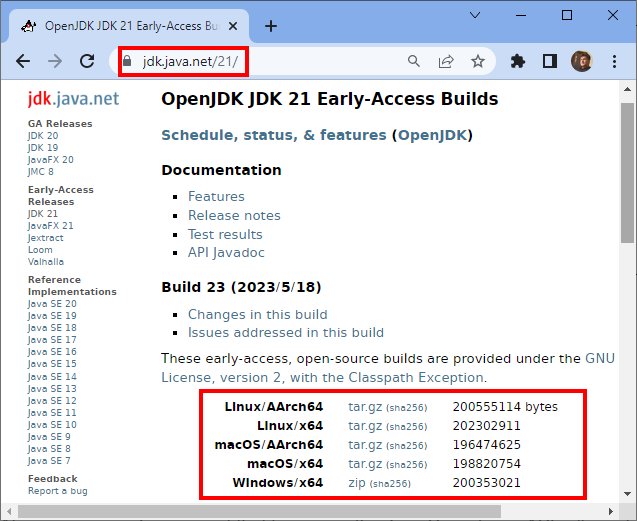
How to download and install Java 21 on Windows