
The Mt. Adams Retaining Wall Is Almost Done–Finally
The article details the protracted and costly history of the Mt. Adams retaining wall project in Cincinnati, Ohio, which began in 1969 and was nearing completion in 2018. The project was initiated to create exit ramps for the I-471 (Big Mac Bridge) connecting Newport and Cincinnati. Initially, engineers approved the soil stability, and construction began in 1973 with an expected completion by 1977. However, the removal of the western slope's toe led to severe landslides, cracks in homes, utility disruptions, and forced evacuations of residents on Baum and Kilgour Streets.
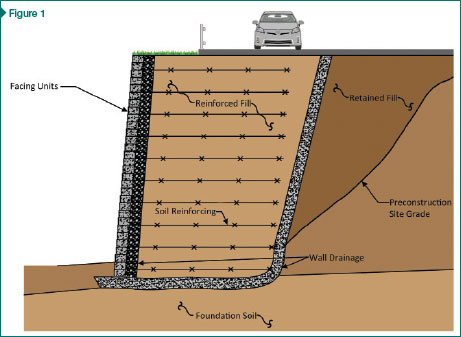
Several investigations followed, attributing the landslides to a combination of design flaws, construction issues, and natural factors. In 1974, two plans were proposed to address the problem, each estimated at $6.3 million. One involved purchasing and demolishing all properties on Baum and Kilgour Streets to build a modest retaining wall, while the other proposed a larger, 1,280-foot long, 100-foot deep wall to save most buildings. The city opted for the latter, but costs escalated rapidly. By 1975, the budget reached $10 million, and by 1979, it was $18.9 million. Despite the rising costs and a bid that was $4 million over budget, work on the wall began.
In June 1980, an article in The Cincinnati Enquirer confidently proclaimed that "Mt. Adams Isn’t Going Anywhere," showcasing the massive pillars and steel cables of the wall. However, just four months later, another landslide occurred, causing further damage, more evacuations, and halting all construction. Residents reported severe vibrations from pile-driving, and experts attributed the new slide to an unusually wet spring and a rare earthquake. This second disaster prompted Ohio Governor Jim Rhodes to request federal disaster funds, although local officials were skeptical due to FEMA's definition of a disaster.
Ultimately, it was decided that the best course of action was to finish the wall meticulously. This approach eventually stabilized Mt. Adams, allowing the construction of the Big Mac Bridge's approaches and ramps to resume. These were finally completed by 1985, more than a decade after the initial design and significantly over budget. The project's final cost reached $32.4 million, far exceeding the initial $6.3 million estimate, and resulted in the loss of almost all homes that the larger wall was intended to save. The article concludes by noting that while the project's physical completion was achieved, the ongoing maintenance of the wall's internal systems will be perpetual. The author highlights the significant transformation of the area and the historical lessons learned from this complex infrastructure project.
#MtAdams #RetainingWall #CincinnatiHistory #InfrastructureProject #Landslide #UrbanDevelopment #BigMacBridge #OhioDOT #JayGilbert #MtAdams #RetainingWall #CincinnatiHistory #InfrastructureProject #Landslide #UrbanDevelopment #BigMacBridge #OhioDOT #JayGilbert
0 comment in total
 No comments yet
You may also like

Our Block houses are FINALLY finished!

Mar 2023: New support beam makes wall history


Alaska: The Final (Architectural) Frontier

Sep 2024: Finally, a completed stairway


Mechanically stabilized earth walls

The Build Up
Earth Wall Builders Unite!

Raising the roof!

100 east 53rd street: foster + partners' slender new york skyscraper nears completion

Divine Design: Basement crosses the finish line