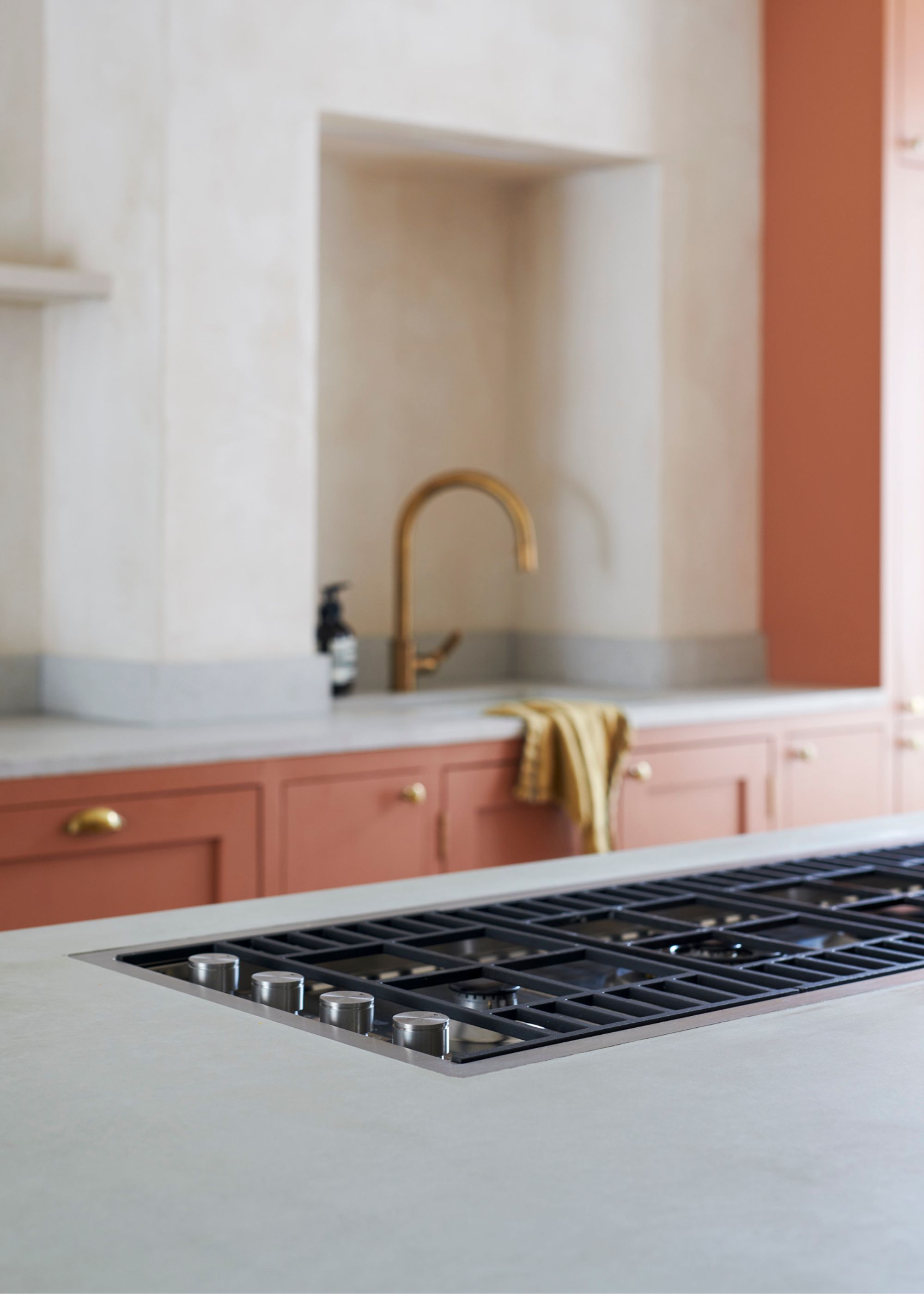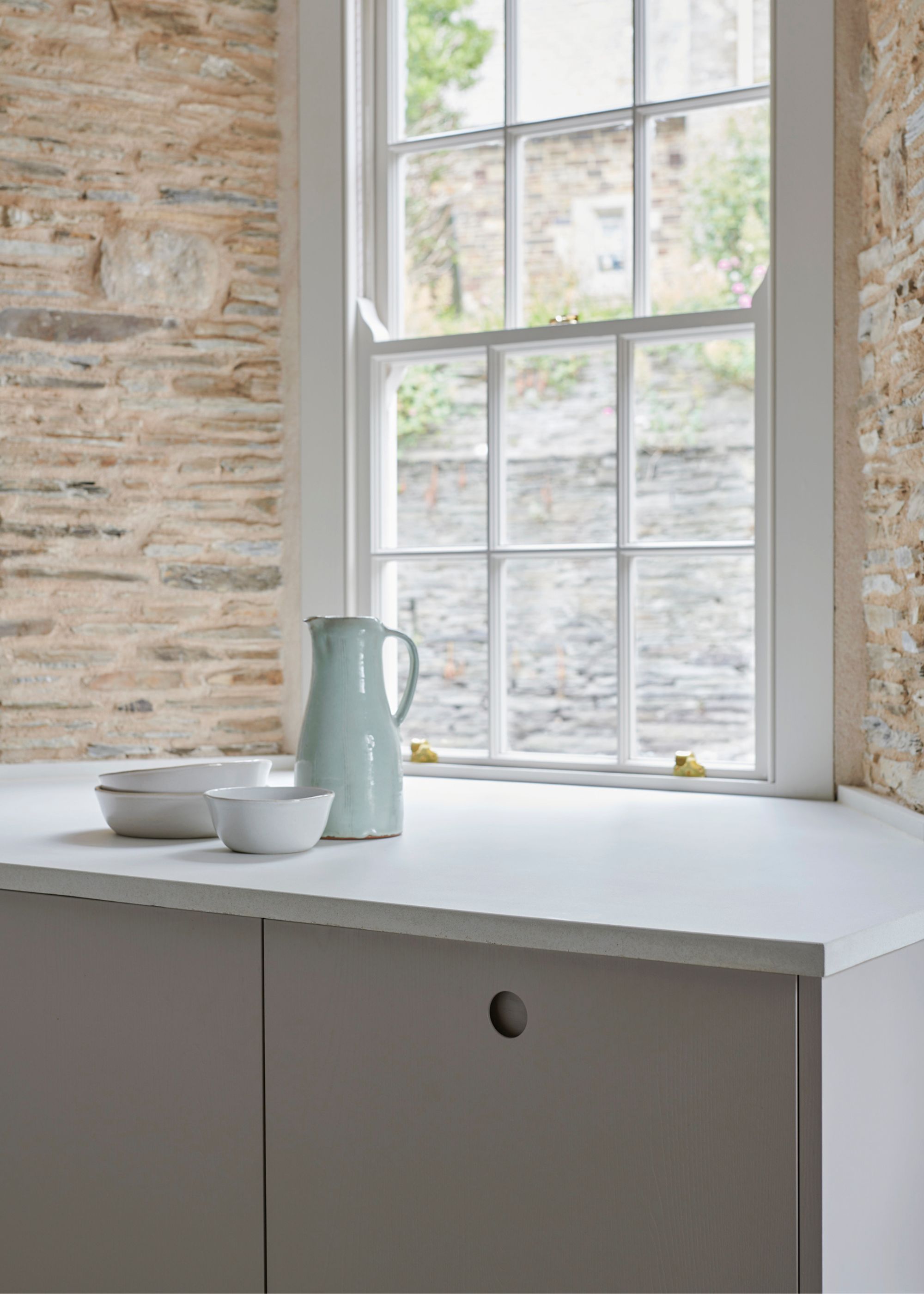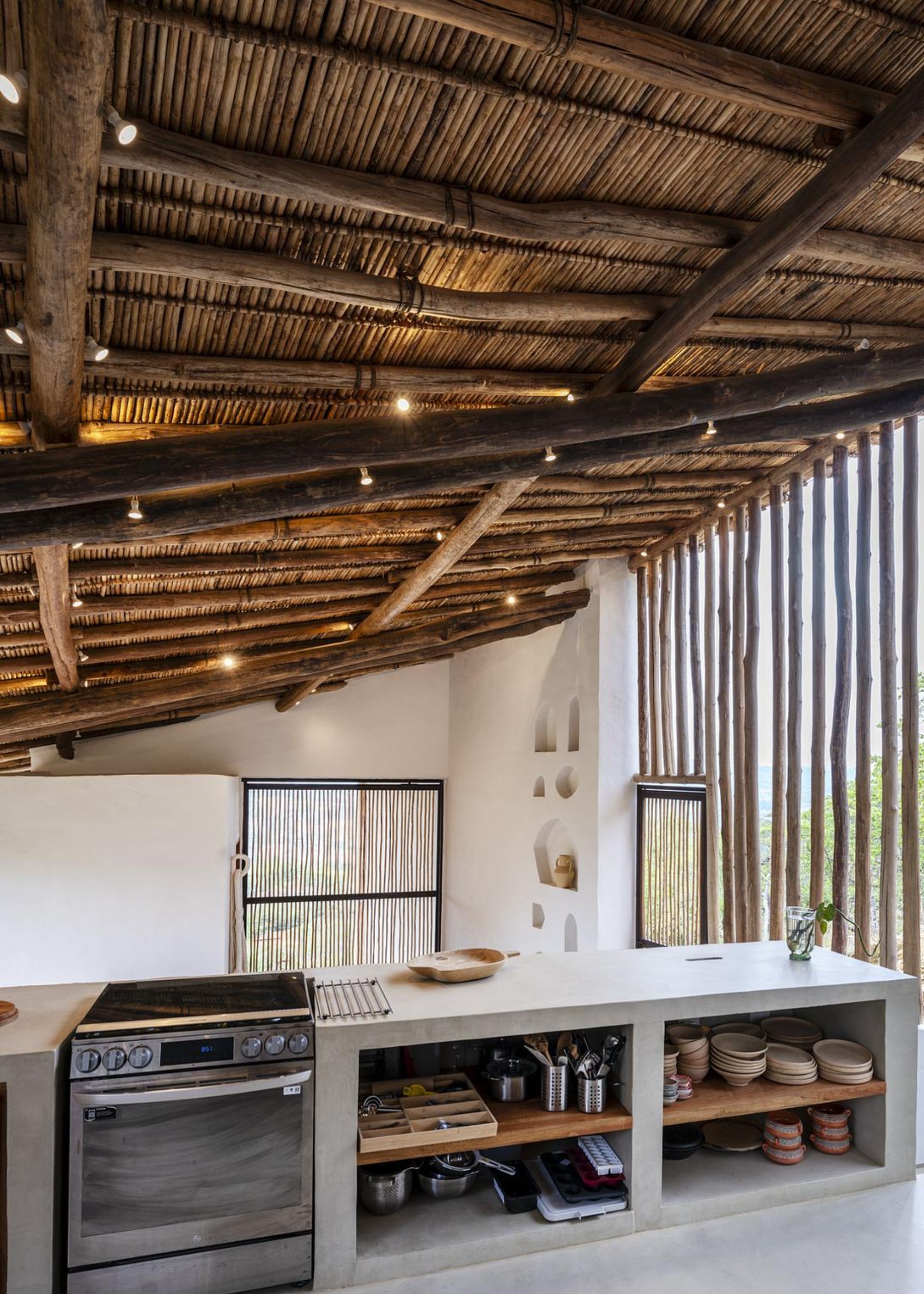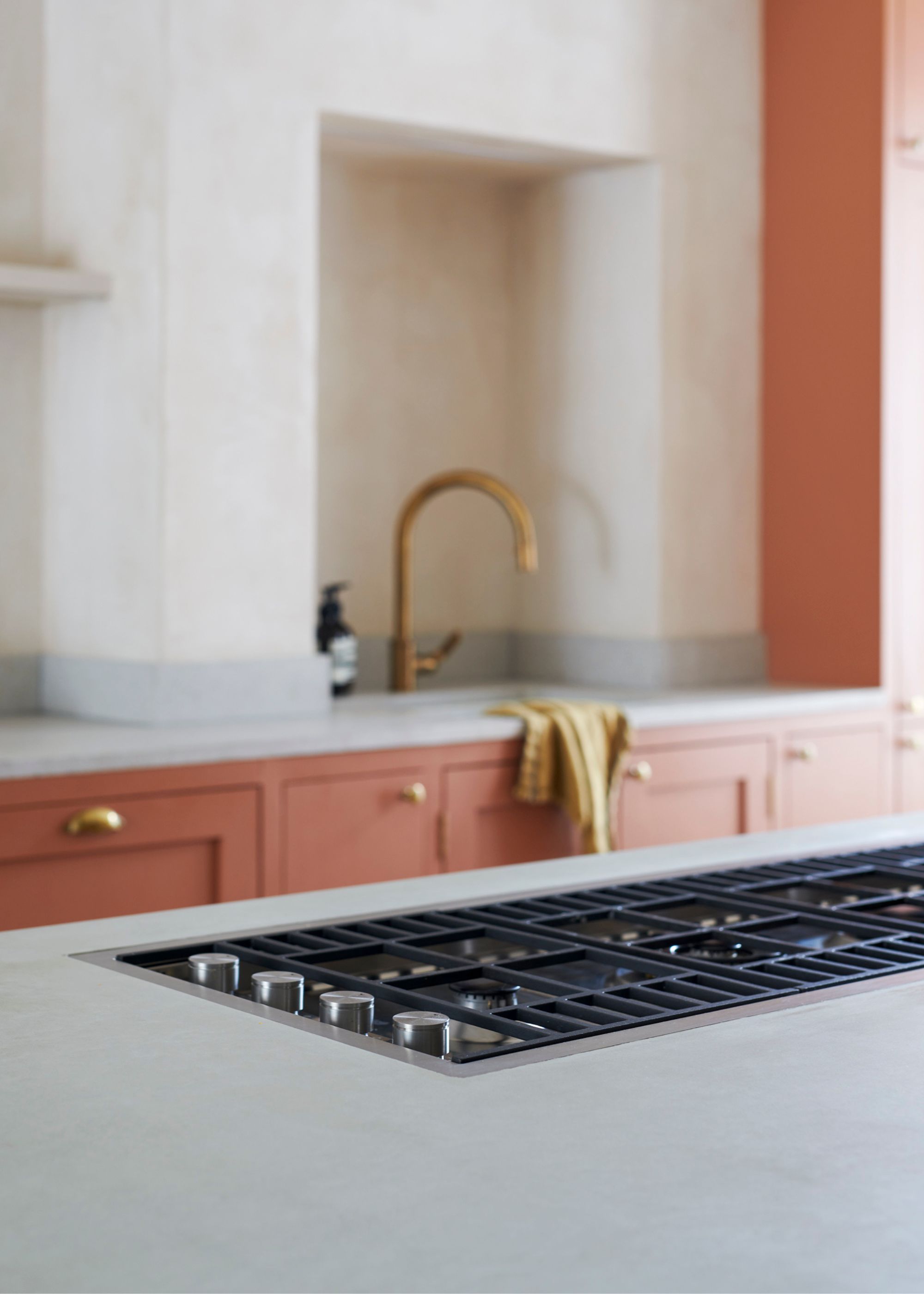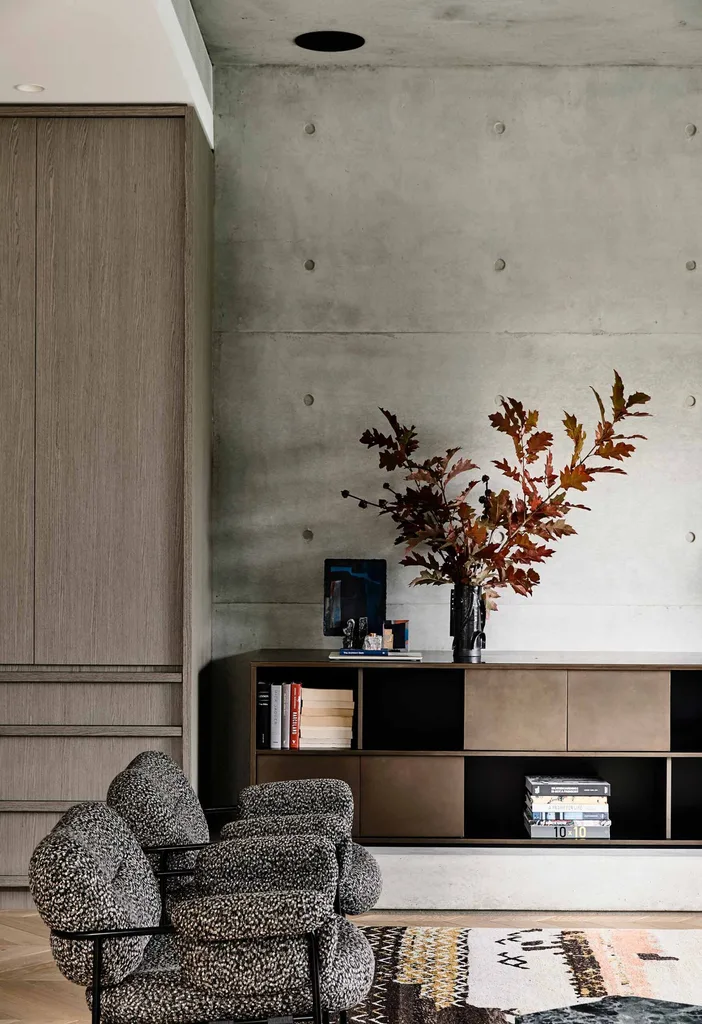
GFRC Offers New Design Options for Concrete Countertops
The field of decorative concrete has seen significant advancements in style, strength, and functionality over the years. Initially, concrete countertop mix designs were basic, and production involved lengthy curing times for traditional high-strength concrete mixes. This often resulted in production delays of up to two weeks between casting and finishing processes like honing, polishing, or sealing.
The introduction of Glass Fiber Reinforced Concrete (GFRC) has revolutionized the industry by significantly reducing production times and expanding design possibilities. GFRC is a high-strength, low-shrinkage concrete mix that incorporates a polymer modifier and alkali-resistant glass fiber strands. This process is exclusively used for precast operations, meaning forms are built before casting.
Traditional GFRC application involves a spray-on “Face Coat” followed by a “Backer Coat.” While many companies use the same mix for both, glass fibers are added to the backer coat, which is then applied by hand packing or specialized spraying over the partially set face coat. After curing, the piece is demolded and moved to the next processing stage.
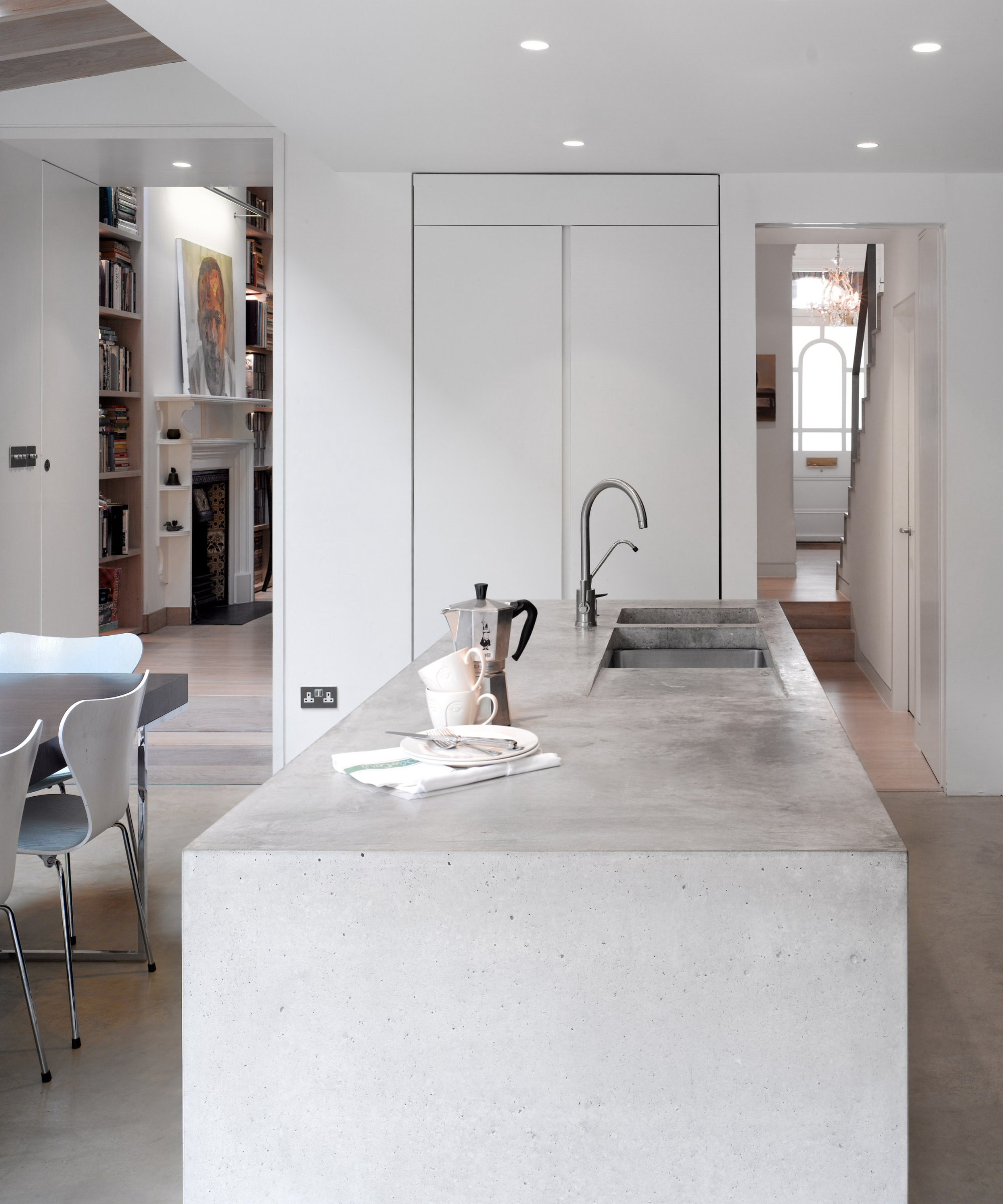
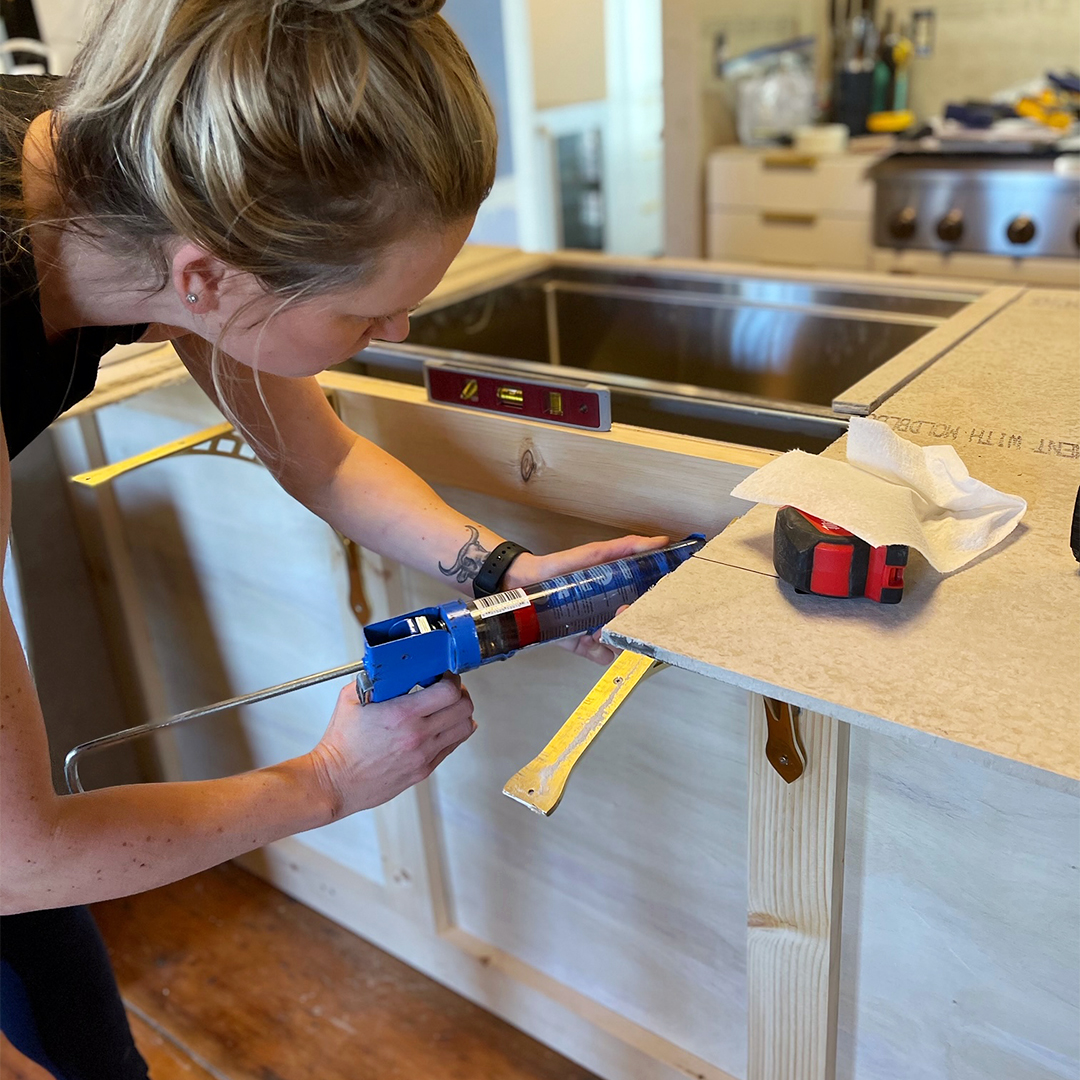
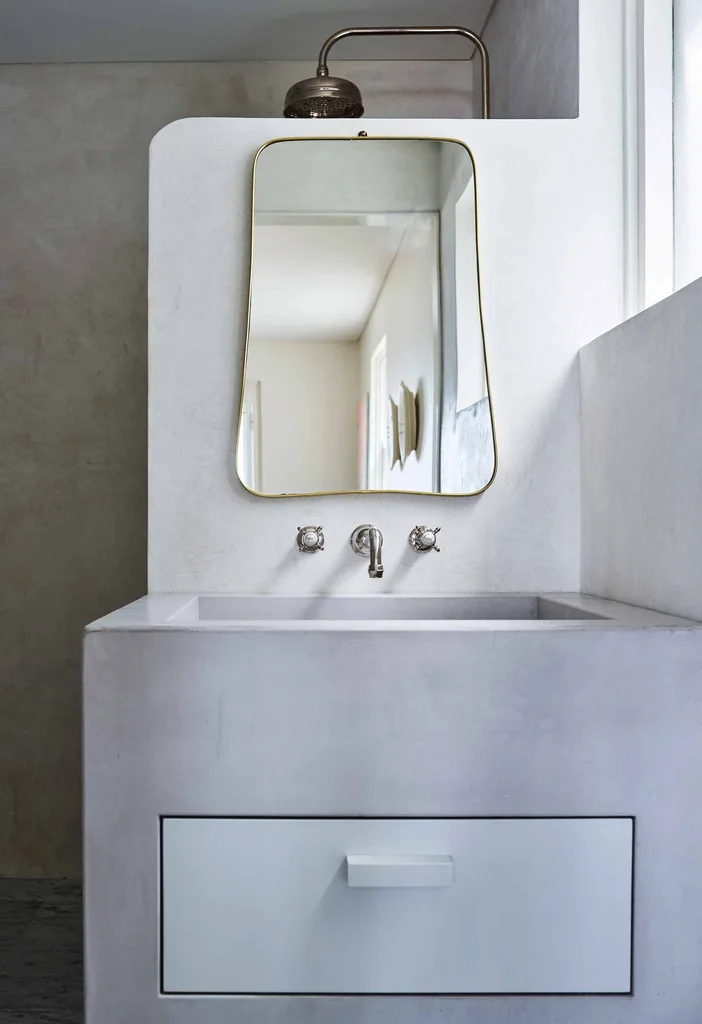
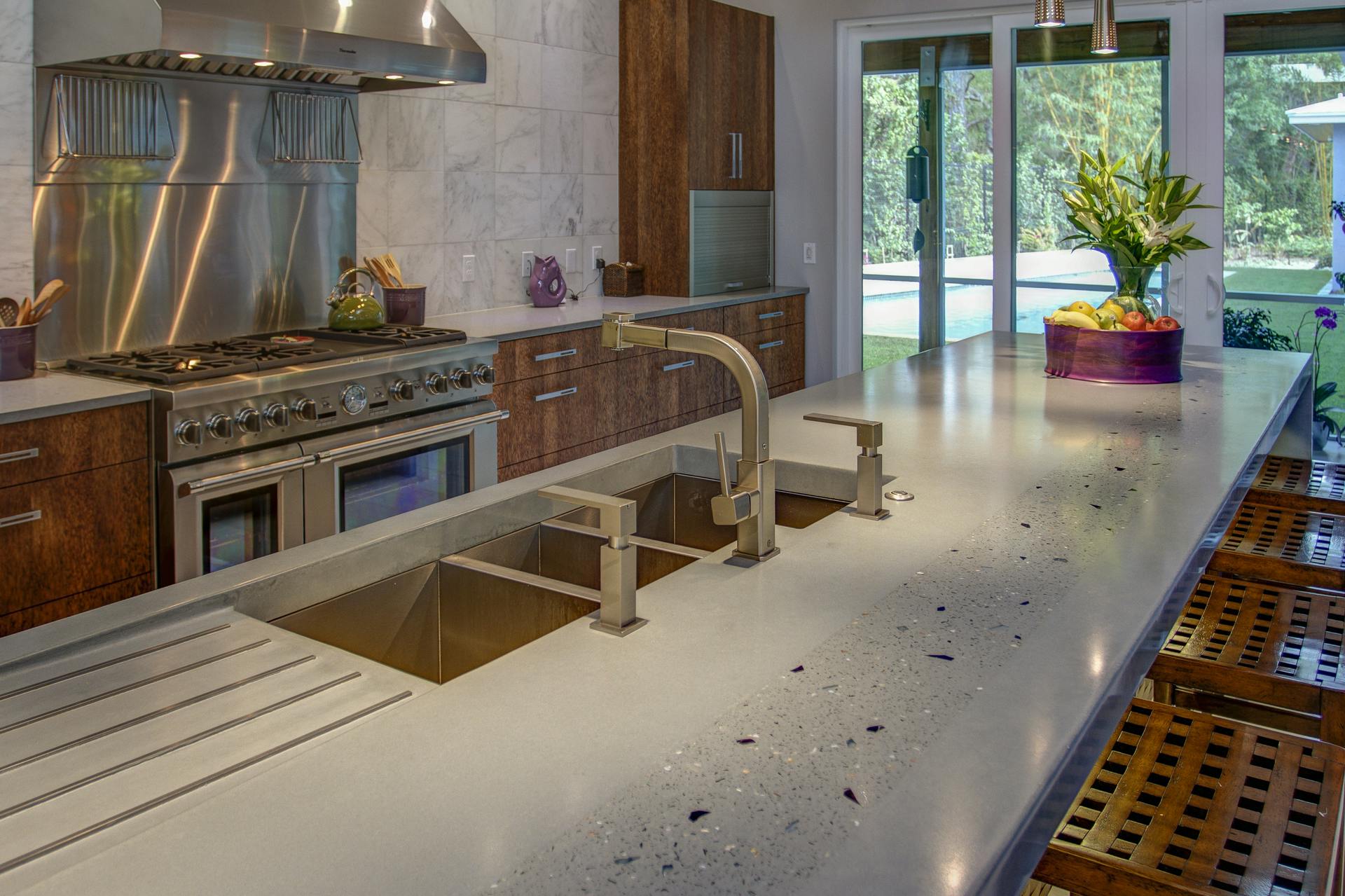
GFRC's ability to capture intricate details is a key advantage, directly influencing the final appearance. Forms can be designed to be smooth like glass, mimic natural textures such as rock or wood, or replicate the fine details of hand-carved art. Custom edge work for countertops can be achieved by using traditional Melamine for forms and sculpting clay to create unique profiles or even uniquely shaped sink basins. This method allows for rapid creation of custom edges and offers limitless design potential. The versatility of GFRC has also extended its use to outdoor applications, including exterior wall panels, waterfalls, and rock features.
The mix design for GFRC typically starts with Portland cement and finely graded crushed quartz in equal ratios. CSA cement is added to accelerate setting and curing, while silica fume, a fine pozzolan, further enhances strength. A low water-to-cement ratio is maintained using a high-range superplasticizer, and an acrylic polymer is the final admixture. The reinforcement is provided by ¾-inch alkali-resistant glass fibers, which are added after the cementitious components are thoroughly mixed to prevent their breakdown. Both liquid and dry versions of superplasticizers and acrylic polymers are available.
The application technique itself is straightforward, with the primary design innovation stemming from the forming process. Forms can be constructed from various materials, including Melamine lumber, fabric, and even gum rubber sheeting, enabling complex designs like flowing sink shapes. Before applying the GFRC mix, a light form oil or wax is used to prevent the mix from picking up excessive build-up from the form. The face coat is typically applied using a hopper gun powered by compressed air. Once the face coat has partially set, the backer coat, with added fibers, is mixed. This backer coat, resembling a cementitious fiberglass mix, is then either sprayed with a specialized gun or hand-packed and consolidated with a handheld roller. This streamlined process allows for the creation of flawless pieces much faster than traditional concrete casting methods, and any color or aesthetic can be integrated into the final product. Expert Bart Sacco of Kingdom Products highlights the boundless creative opportunities presented by mastering the GFRC process, allowing for finishes ranging from smooth, pinhole-free surfaces to rustic, wood-like textures, and even incorporating specialized minerals for a luminous effect.
#GFRCConcrete #ConcreteCountertops #DecorativeConcrete #ConcreteMixDesign #ConstructionTechnology #FiberReinforcedConcrete #PrecastConcrete #ArchitecturalConcrete #GFRCConcrete #ConcreteCountertops #DecorativeConcrete #ConcreteMixDesign #ConstructionTechnology #FiberReinforcedConcrete #PrecastConcrete #ArchitecturalConcrete
0 comment in total
 No comments yet
You may also like
Everything You Need to Know About Concrete Worktops

Outdated Granite Colors to Avoid for Kitchen Countertops — and What to Pick Instead for a Fresh Look
Are Granite Countertops Outdated?

The 1 Kitchen Countertop Trend We Hope Never Comes Back
This Underutilized Countertop Looks Great, but "It's Not the Material for Everyone" — The Pros and Cons of Concrete, Explained by a Specialist
These Are The Best Granite Countertop Colors

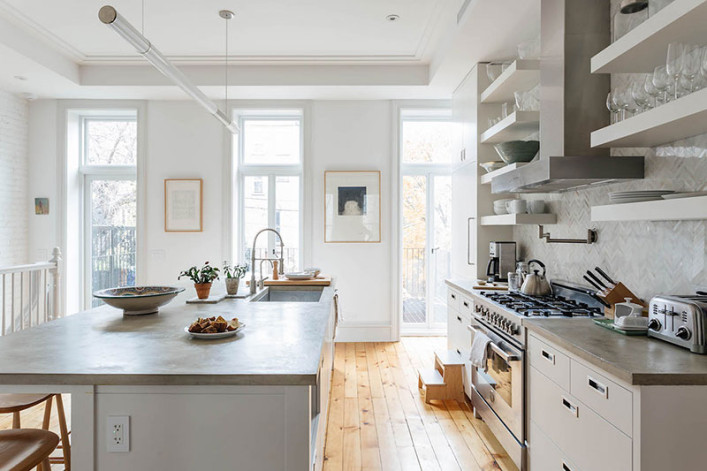
The pros and cons of putting a concrete countertop in your NYC apartment
What Designers Call the "Little Black Dress" of Bathroom Countertops

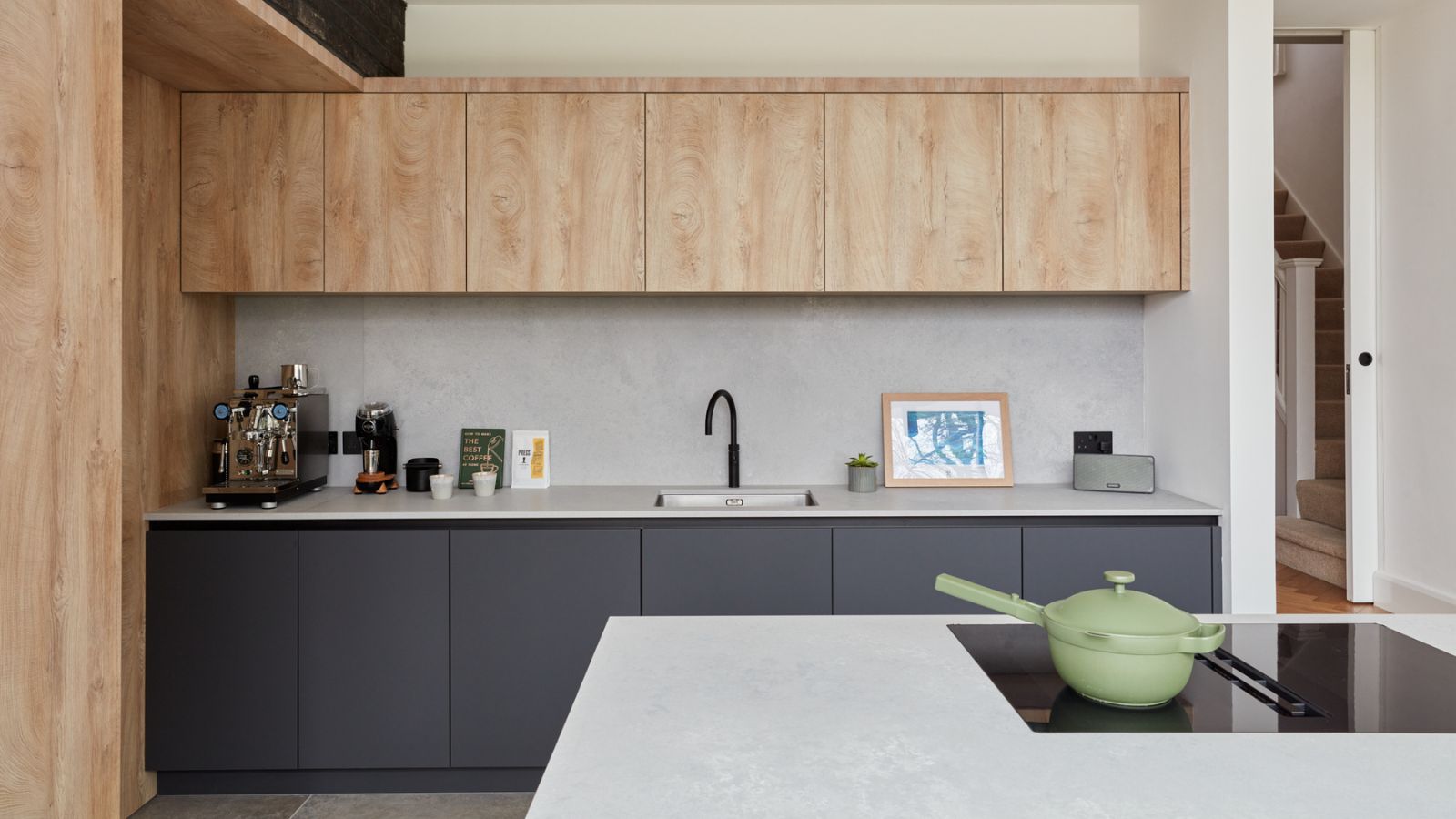
Are concrete kitchen countertops a good idea?

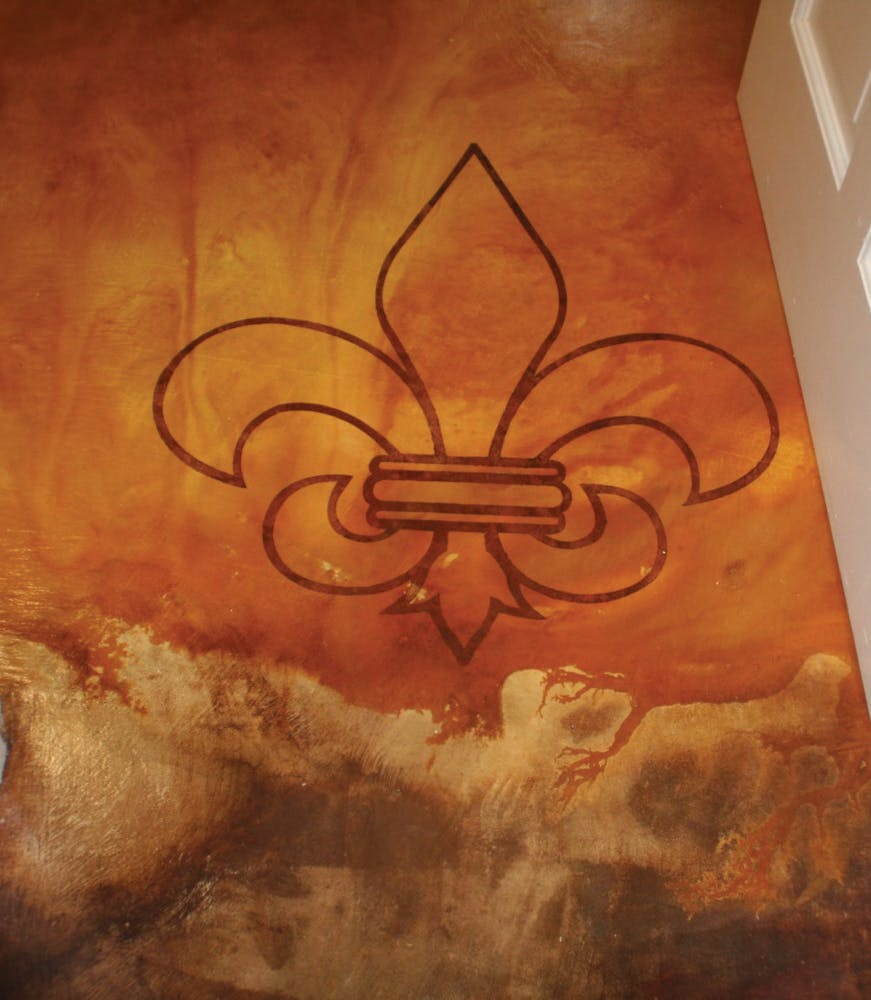
Decorative concrete contractor
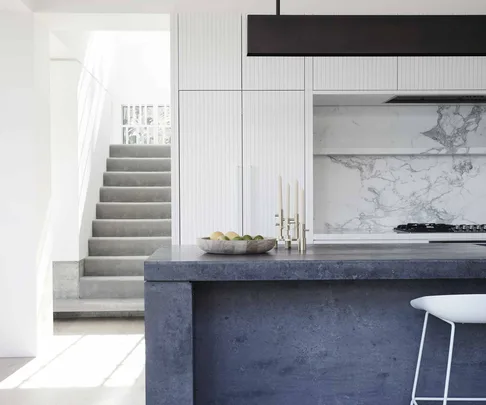
Concrete design ideas: how to make them work in any home

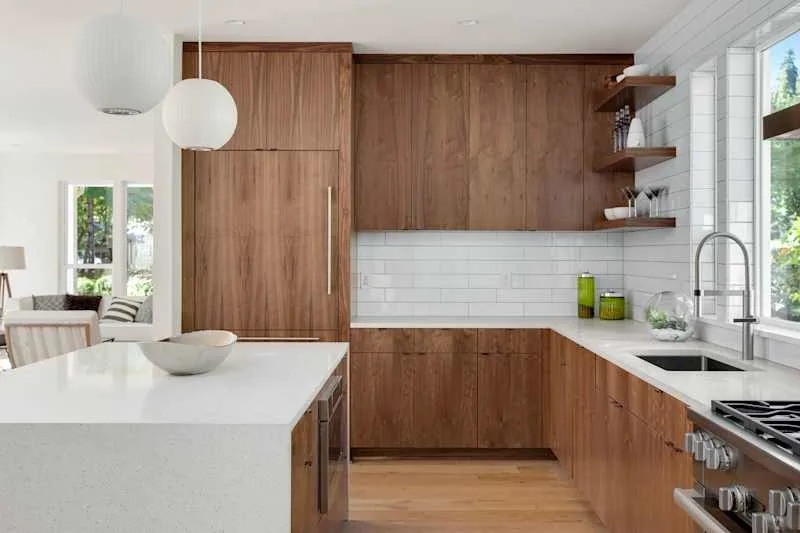
6 Kitchen Countertop Trends That Are on Their Way Out This Year (and What to Do Instead)
Decorative Contractors Get Creative with Concrete Countertops
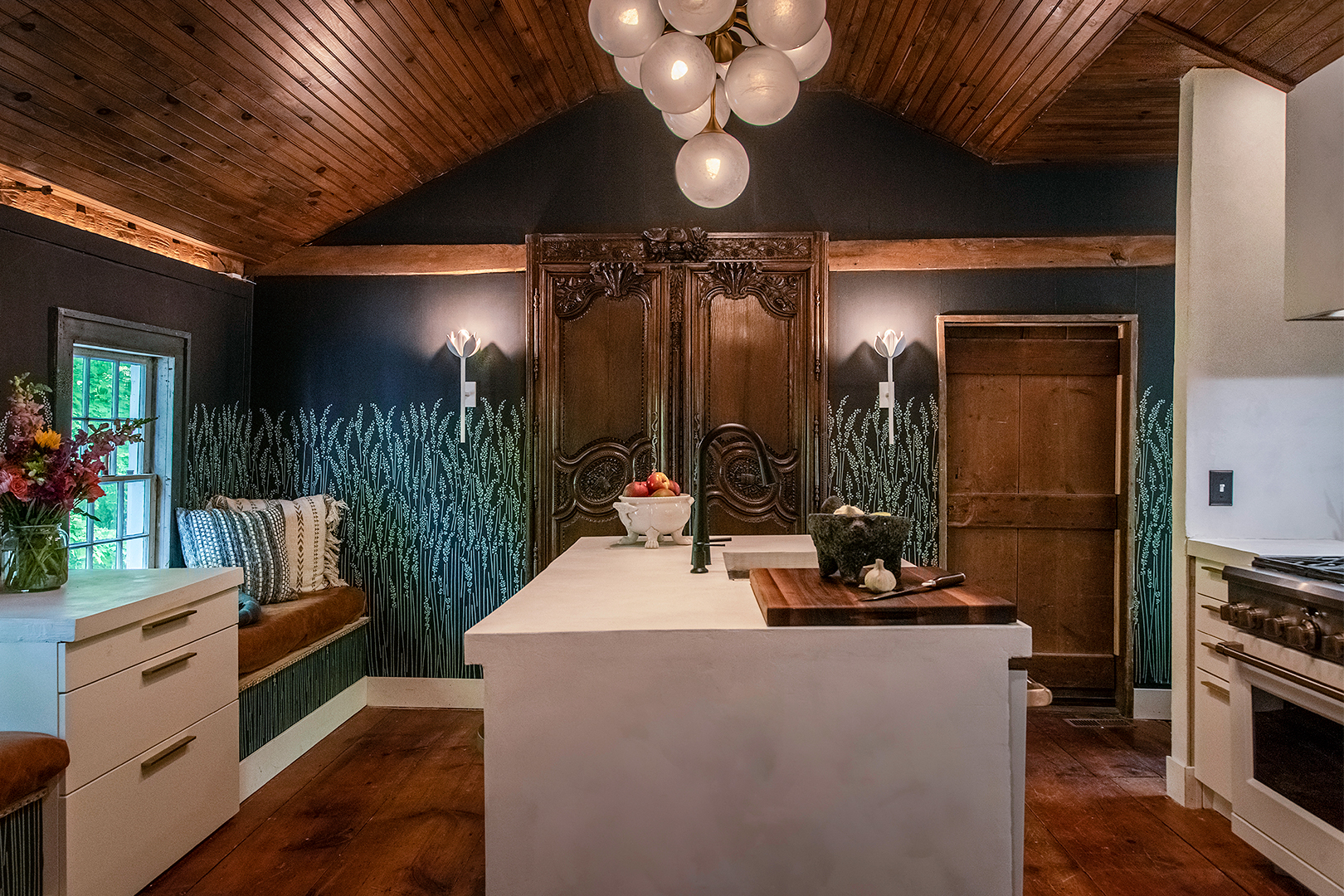
How to Cheat Your Way to DIY Concrete Countertops That Look Like Stone
4 Kitchen Countertop Materials About to Make a Comeback

Move Over Granite (and Quartz)! These Alternatives Are What We're Dreaming of For Design-Forward Kitchens
5 Outdated Countertop Trends To Avoid And 5 To Try Instead

Burgundy Marble Counters Are In, But Designers Also Love These 4 Stones

Countertop and solid surface trends: Texture, sustainability, and drama

The Once-Popular Kitchen Counter Style Real Estate Pros Say Is Outdated