1/2
Taryn Simon on the art of mourning and how social media is shaping grief
The article details artist Taryn Simon's groundbreaking artwork, "An Occupation of Loss," which brings together professional mourners from various cultures to perform laments. This unique installation, initially presented in New York in 2016, is now showcased in London. Simon’s work delves into the complex nature of grief, exploring how it is expressed and managed across different traditions and how modern platforms like social media are influencing contemporary mourning.
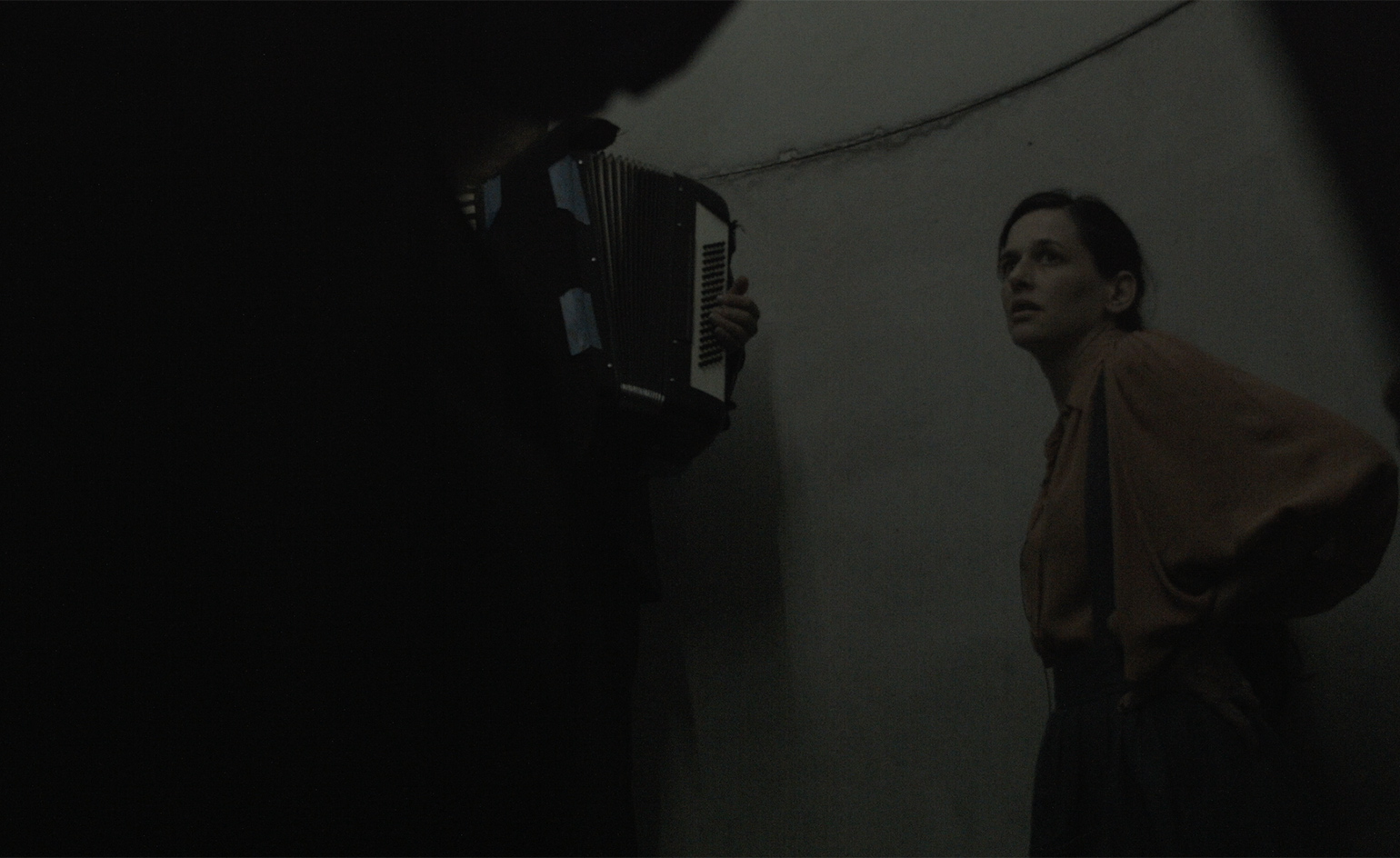
Simon explains that the project originated from her earlier work, "A Living Man Declared Dead and Other Chapters," where she first encountered professional mourners. She recognized that lament, as a form of expression that is neither purely music nor speech, and both spontaneous and scripted, necessitated a live performance medium. This led her to develop an installation that actively features these performers rather than documenting them through photography or text.
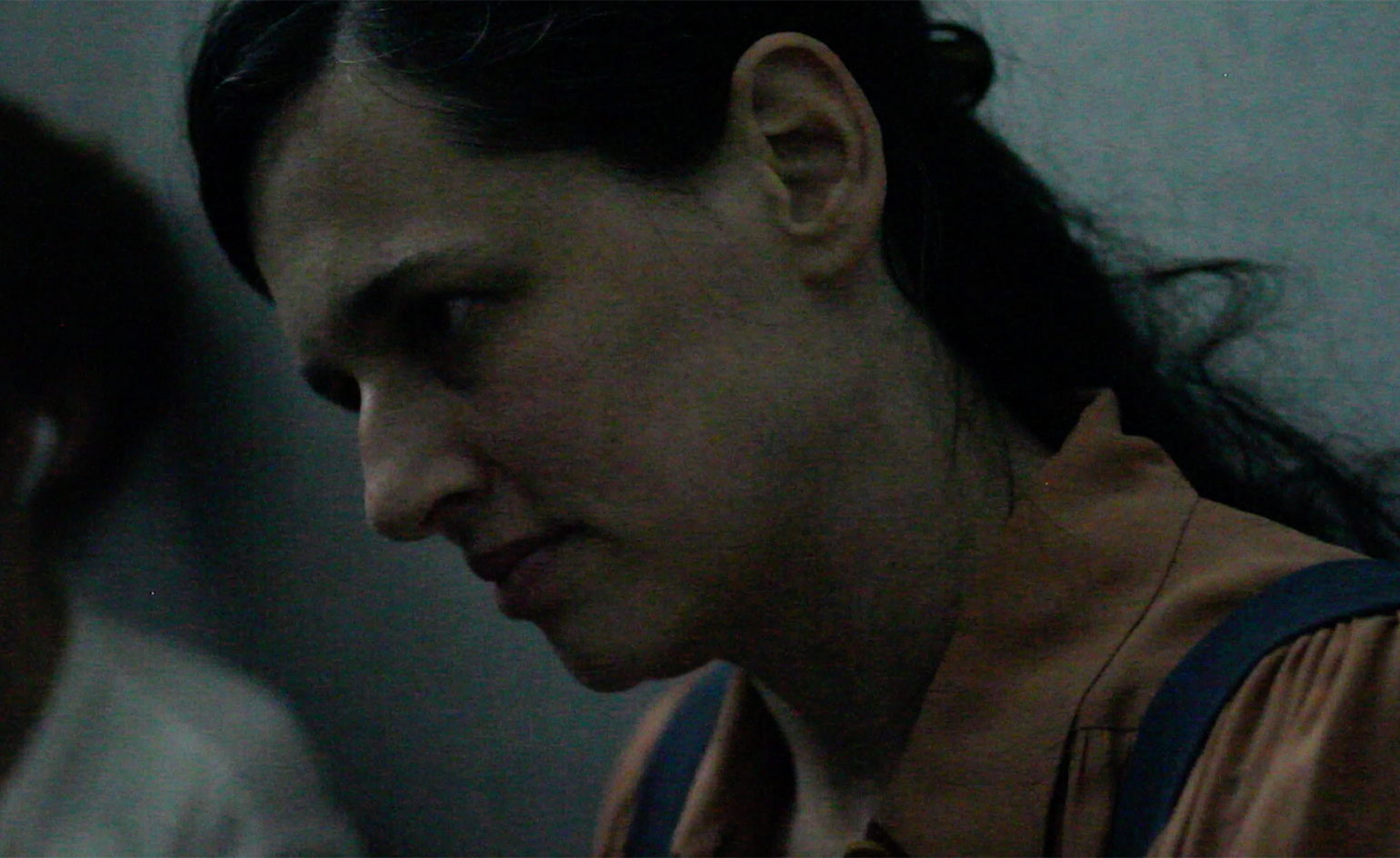
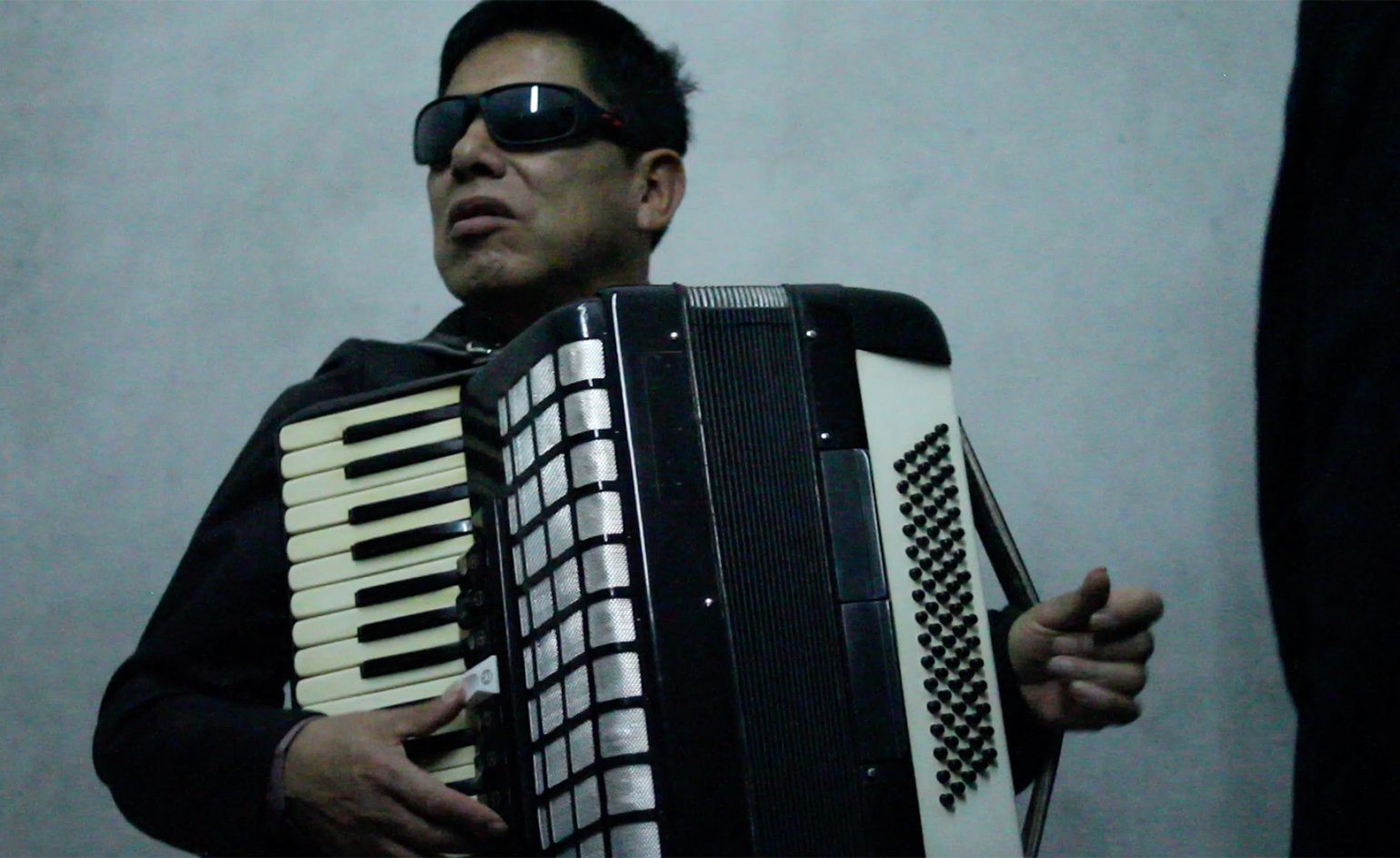
"An Occupation of Loss" features 21 mourners from around the world, each bringing their unique traditions of lamentation. These performances address a wide spectrum of grief, from personal loss and the spiritual guidance of souls to the profound sorrow stemming from war, displacement, and exile. The laments, many of which have roots in ancient pre-Christian and pre-Islamic traditions, are not presented as mere ethnographic curiosities but as living practices with contemporary relevance. Simon highlights that while the cultural contexts of these traditions vary, the underlying human experience of loss connects them.
Simon points out a parallel between these ancient traditions and the modern experience of grief in societies that, like contemporary London, often lack a dominant, organized religion. In such environments, the organization and expression of grief tend to become communal, national, or mediated through platforms like social media. She observes that platforms such as Twitter play a role in shaping and directing public expressions of grief, making them visible and shareable.
She emphasizes that both centuries-old laments and contemporary social media posts about grief serve as public demonstrations of emotion. These public displays hold significant authority and power, capable of challenging and influencing the structures that govern populations. Simon also underscores that the performance of laments is not a relic of the past; many of the traditions featured in her work are still actively practiced today, responding to current events. For instance, a Yezidi lament addresses recent mass killings in Sinjar, Iraq, and Ecuadorean laments are featured on national radio. One Chinese mourner in the installation even incorporates modern sound technology, including microphones and synthesizers, illustrating the evolution and adaptability of these ancient practices.
The London installation of "An Occupation of Loss" is housed in a subterranean, dodecagonal concrete space in Islington Green. Simon spent four years searching for this specific venue, drawn to its unique acoustic properties where sound travels and bounces in unusual, often disorienting ways. The center of the dodecagon remains empty, allowing viewers to project their own experiences of loss onto the space. The mourners perform within a series of hexagonal architectural interventions, which Simon describes as instrument-like, designed to encourage interaction and create an extreme bleed of sound. This cacophony is intended to reflect the multifaceted and often disorienting ways individuals encounter loss in the contemporary world.
Consistent with Simon's meticulous approach to documentation, the installation also includes an element of record-keeping. Visitors receive a booklet detailing the complex logistical challenges of bringing each performer to London, including visa applications, anthropological testimonials, and biometric appointments. This booklet serves as a counterpoint to the ephemeral nature of performance art, ensuring that the exhaustive process and the stories behind the work endure beyond the live exhibition. Despite the transient nature of performance, Simon admits to being "addicted" to it, acknowledging the intensity and eventual disappearance of such projects.
#TarynSimon #ArtInstallation #GriefAndMourning #PerformanceArt #CulturalTraditions #SocialMediaImpact #LondonExhibition #ContemporaryArt #TarynSimon #ArtInstallation #GriefAndMourning #PerformanceArt #CulturalTraditions #SocialMediaImpact #LondonExhibition #ContemporaryArt
 No comments yet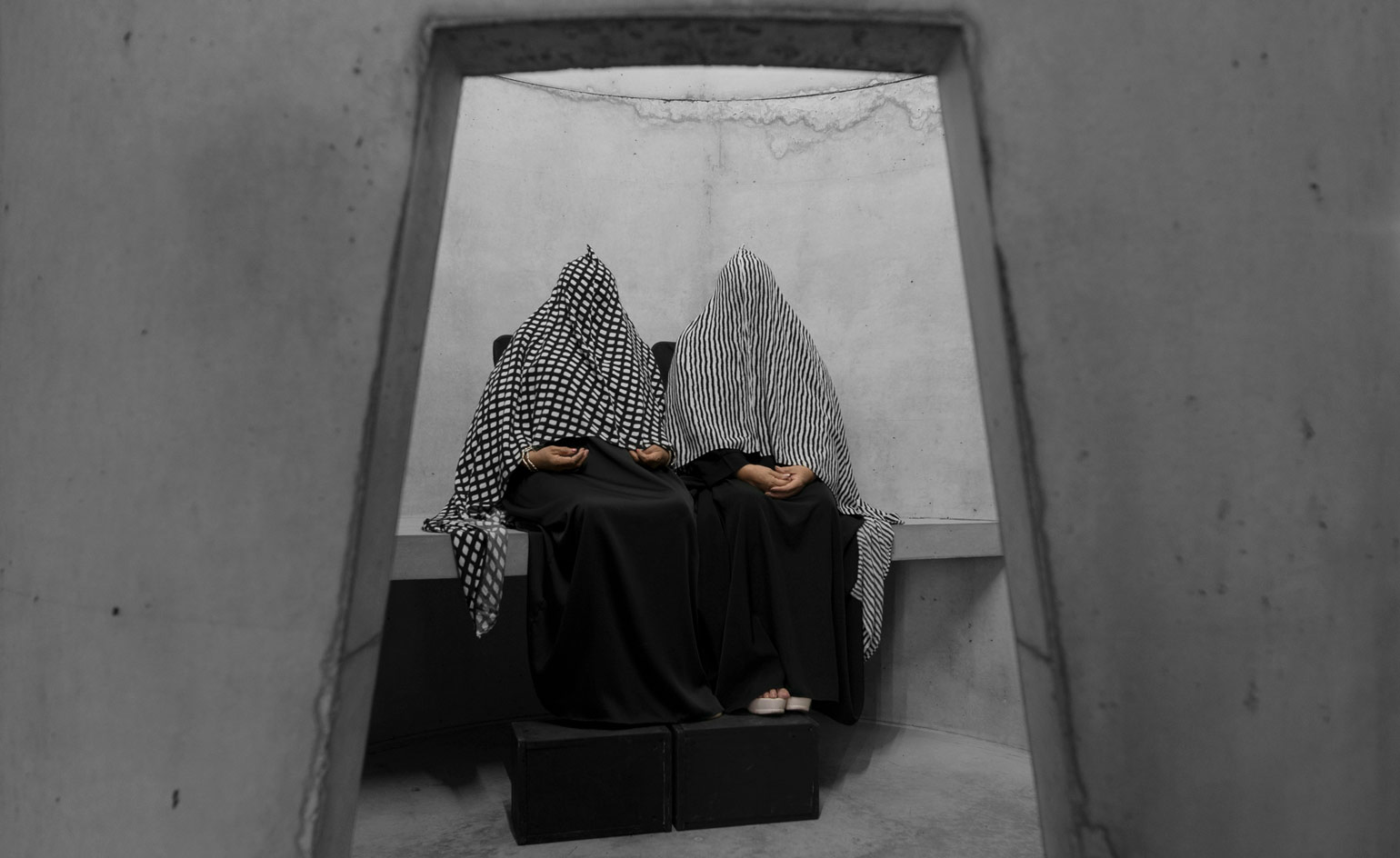
Taryn Simon to bring her seminal installation on mourning rites to London