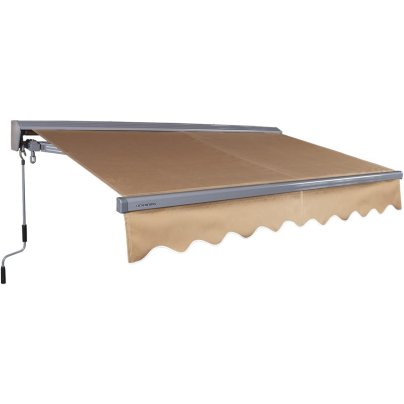
1/9
Upgrade Your Patio with the Best Retractable Awnings
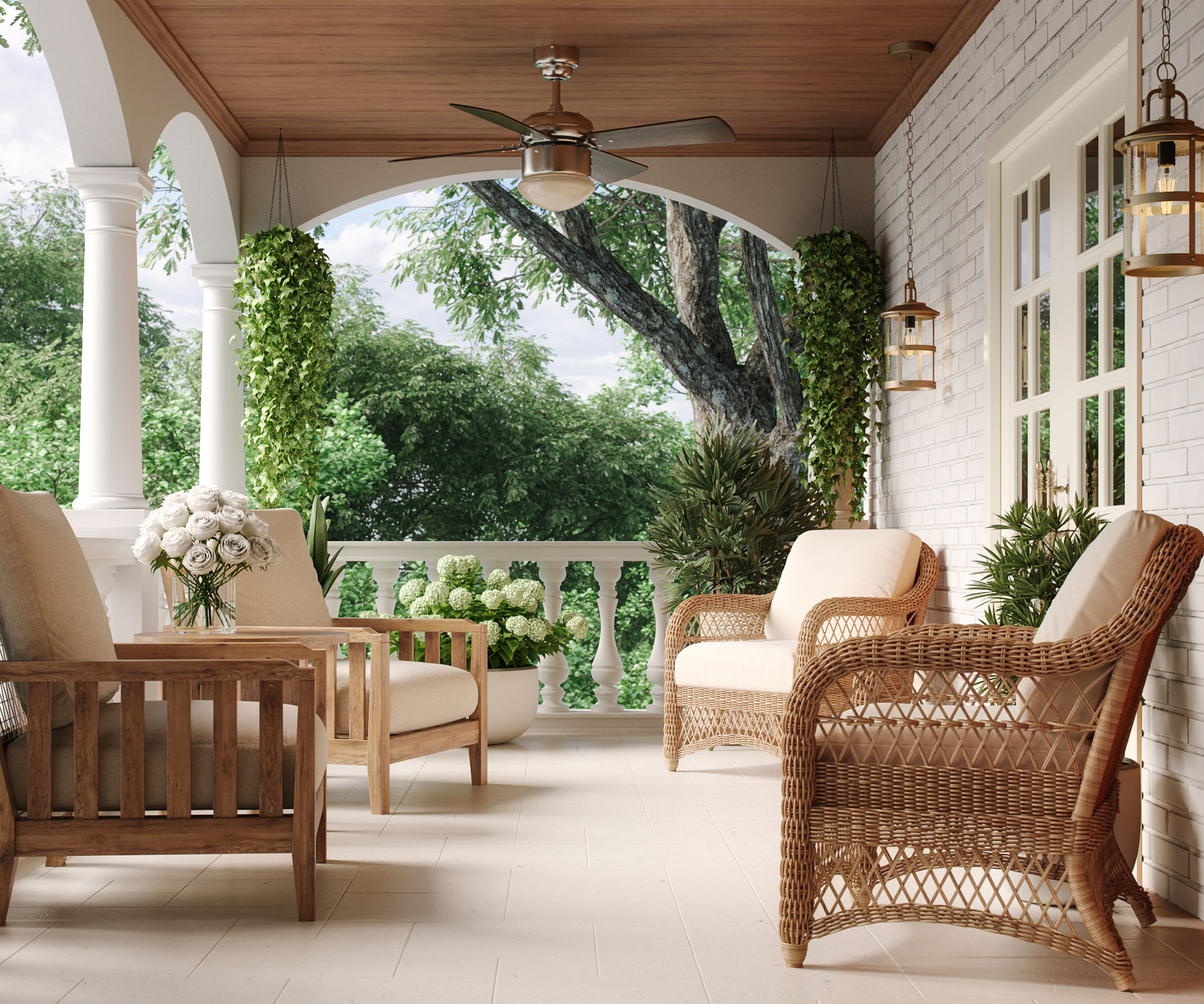
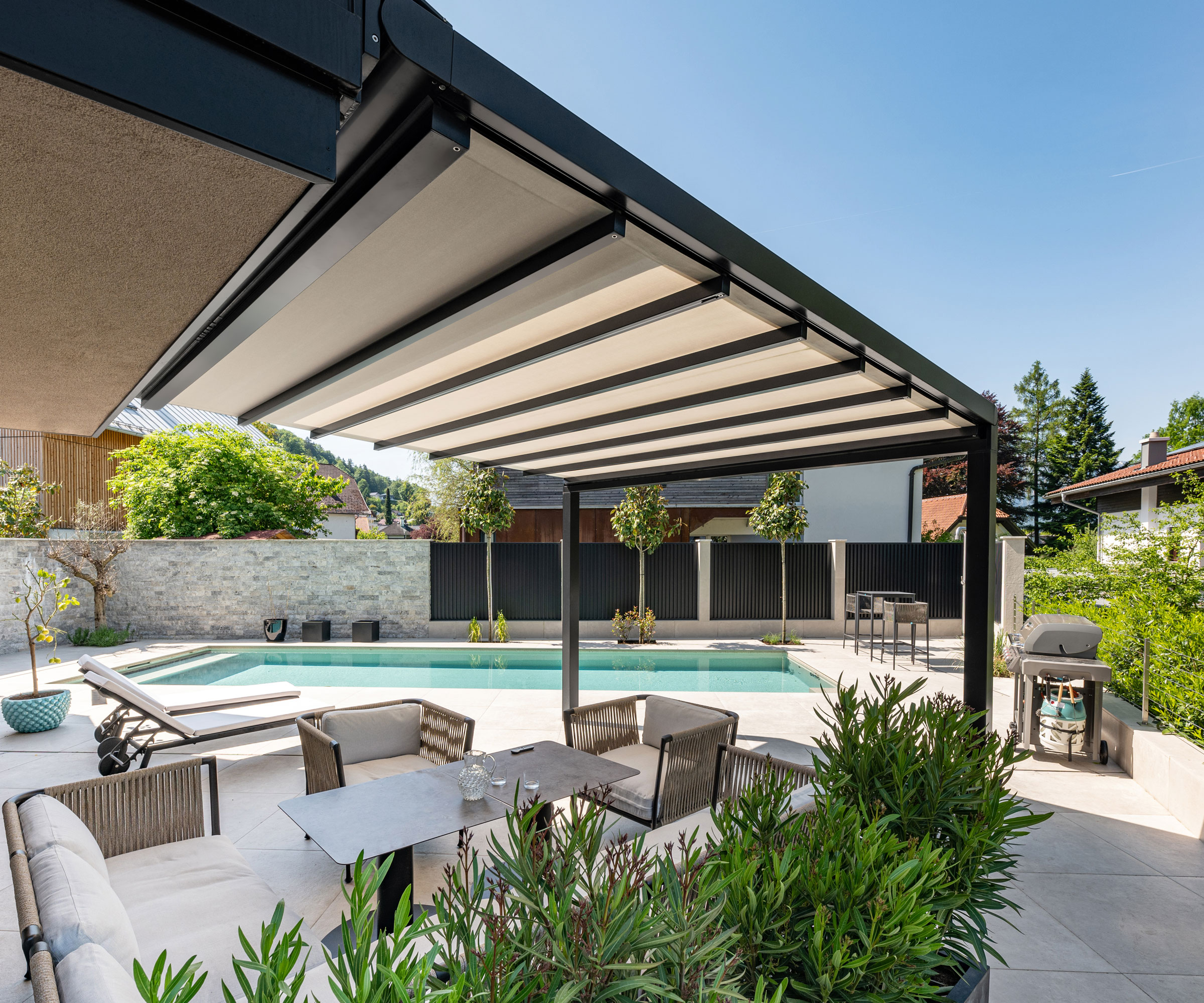
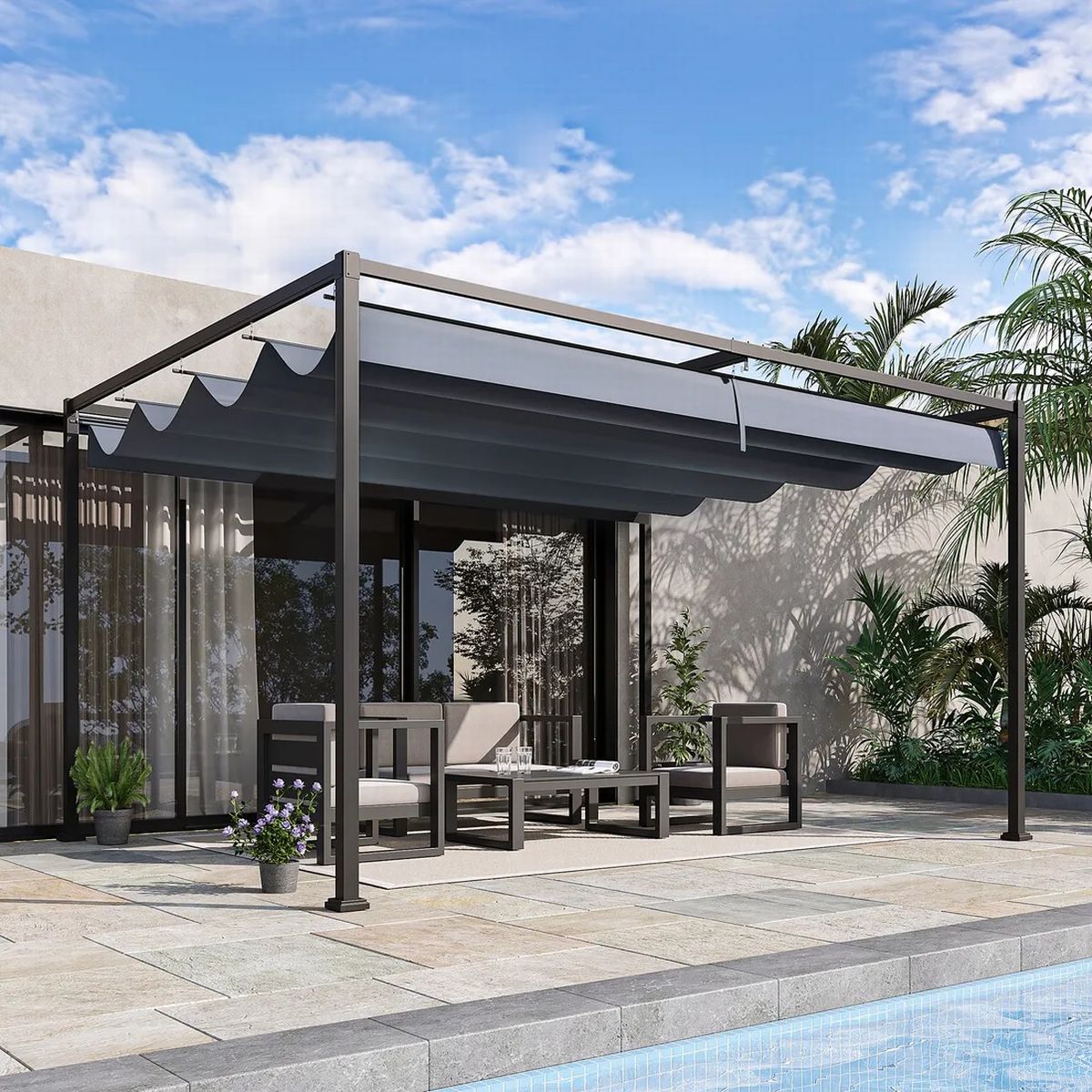
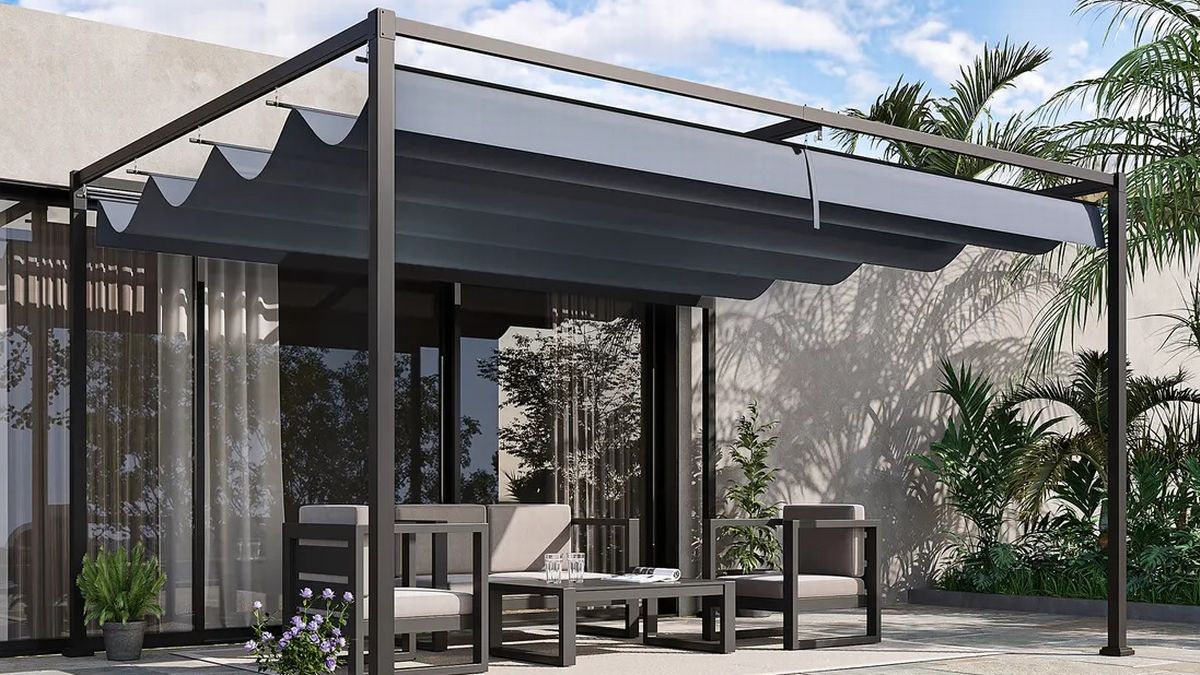
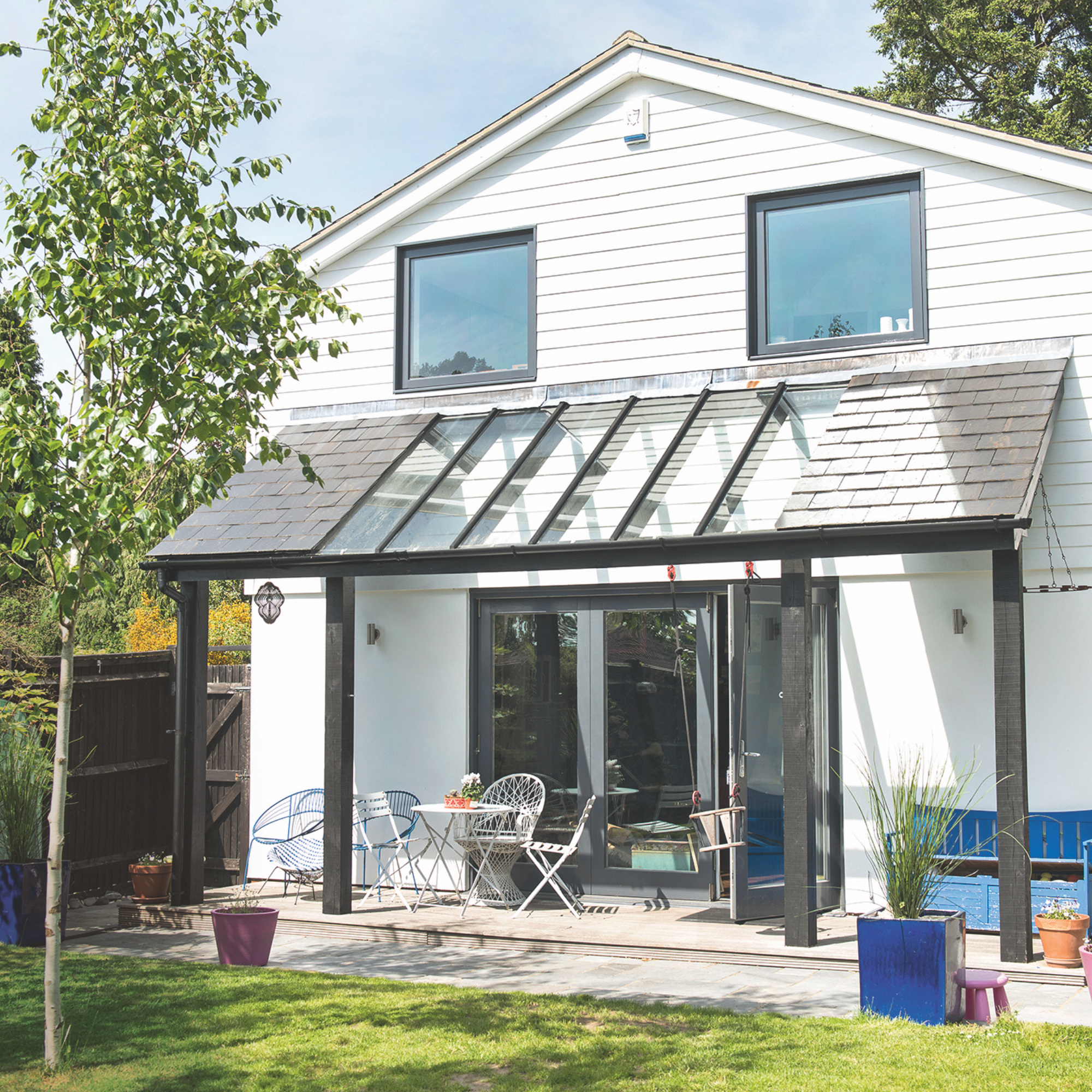
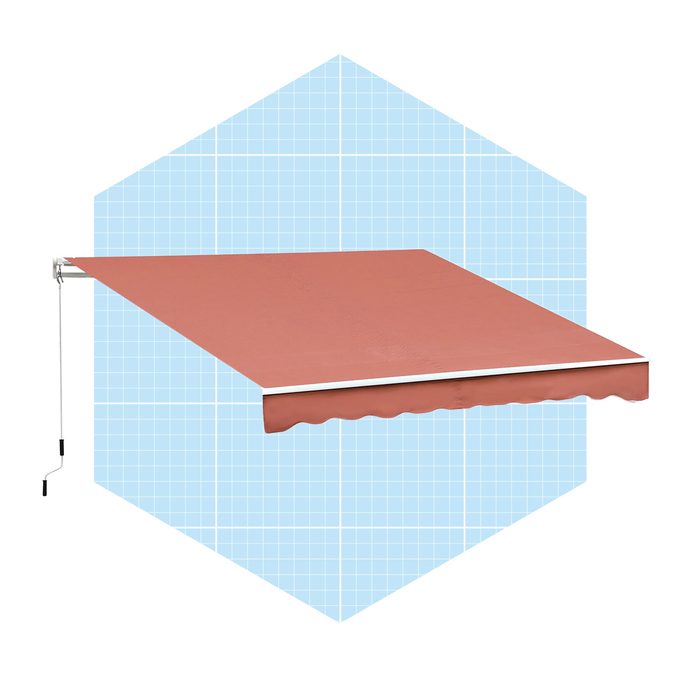
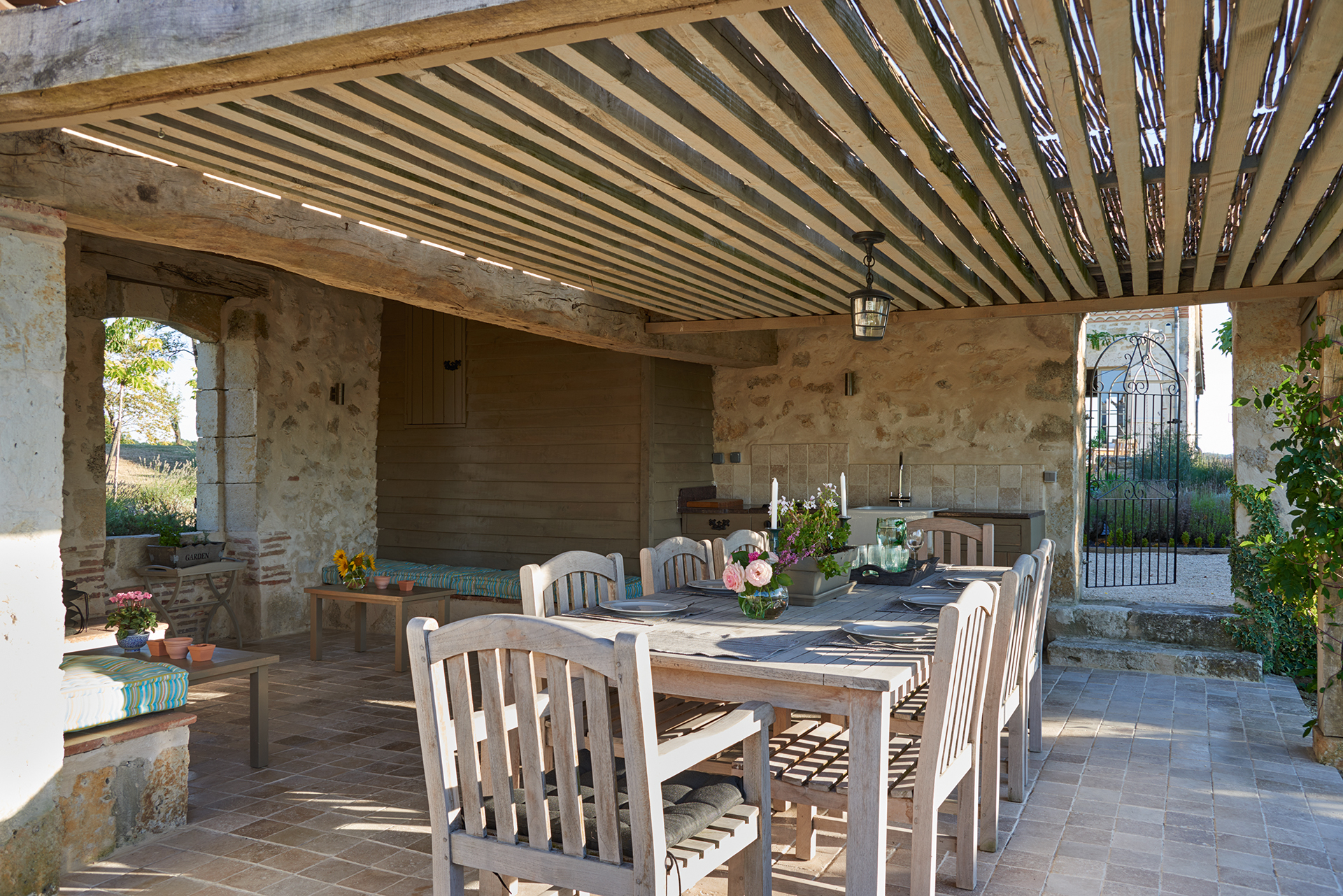
Retractable awnings provide flexible sun protection for porches, patios, or decks, enhancing curb appeal and offering immediate shade when needed. These awnings can be tucked away when not in use, protecting the awning material and allowing for full sunlight exposure. Selecting the best retractable awning involves considering its protective qualities, durability, and ease of use. Key features to evaluate include the extending mechanism (manual or motorized), fabric material, frame material, size, installation requirements, and additional smart functionalities.
Manual awnings, typically operated by a hand crank or pulley system, are generally more affordable and easier to repair, requiring no power supply, which offers greater flexibility in placement. Motorized awnings, while more expensive and requiring a power source, offer convenience through remote control operation and can come with advanced features like automatic weather sensors. These sensors can detect moisture levels, wind strength, and brightness, automatically extending or retracting the awning as conditions change. Some motorized options also support smartphone control, timers, and even integrated heaters for year-round use.
The fabric of a retractable awning is crucial for its performance and longevity. Common materials include canvas, polyester, PVC, and acrylic, each offering different benefits. Canvas is natural, affordable, and available in various patterns, but may require protective coatings to resist fading and mildew. Polyester is a water-resistant, lightweight synthetic that resists weather, time, and mildew. PVC offers excellent water resistance and is easy to clean, but has lower tensile strength. Acrylic fabrics, often specifically designed for outdoor use (like Sunbrella), are highly durable, and resistant to weather, mildew, and fading.
Frame materials are typically metal, with aluminum and steel being the most common choices. Aluminum is lightweight, strong, and budget-friendly, while steel is heavier, more expensive, but generally more durable. Both are often powder-coated to prevent rust. The size of the awning, including its width and projection, must be appropriate for the intended space, ensuring it doesn't obstruct or crowd the area. Wider awnings may require a more robust installation to handle increased pressure.
Installation of retractable awnings typically involves mounting to an exterior wall, soffit, or roof. DIY installation is possible with a helping partner and adherence to manufacturer instructions, but professional installation is recommended for optimal safety and longevity, especially given that different mounting surfaces (brick, stucco, cement, vinyl) require specific anchoring methods. Overall, a well-chosen retractable awning is a significant investment that provides years of sun coverage and enhances outdoor living spaces.
#RetractableAwnings #PatioUpgrade #OutdoorLiving #SunProtection #HomeImprovement #OutdoorFurniture #DIYHome #RetractableAwnings #PatioUpgrade #OutdoorLiving #SunProtection #HomeImprovement #OutdoorFurniture #DIYHome
0 comment in total
 No comments yet
You may also like
8 backyard covered patio ideas – expert approved ways to adapt your set-up for year round living
Stay Comfortable on Warm Fall Days With These 6 Retractable Screen Doors

The 5 best outdoor gazebos
Spruce Up Your Backyard With a Gazebo, Pergola, or Canopy From Wayfair
‘Very sturdy’ pergola with retractable canopy that ‘looks amazing’ has £110 discount
Best Outdoor Gazebos for Your Deck & Patio for Non-Stop Entertainment

21 Backyard Shade Ideas, From Pergolas to Decorative Foliage
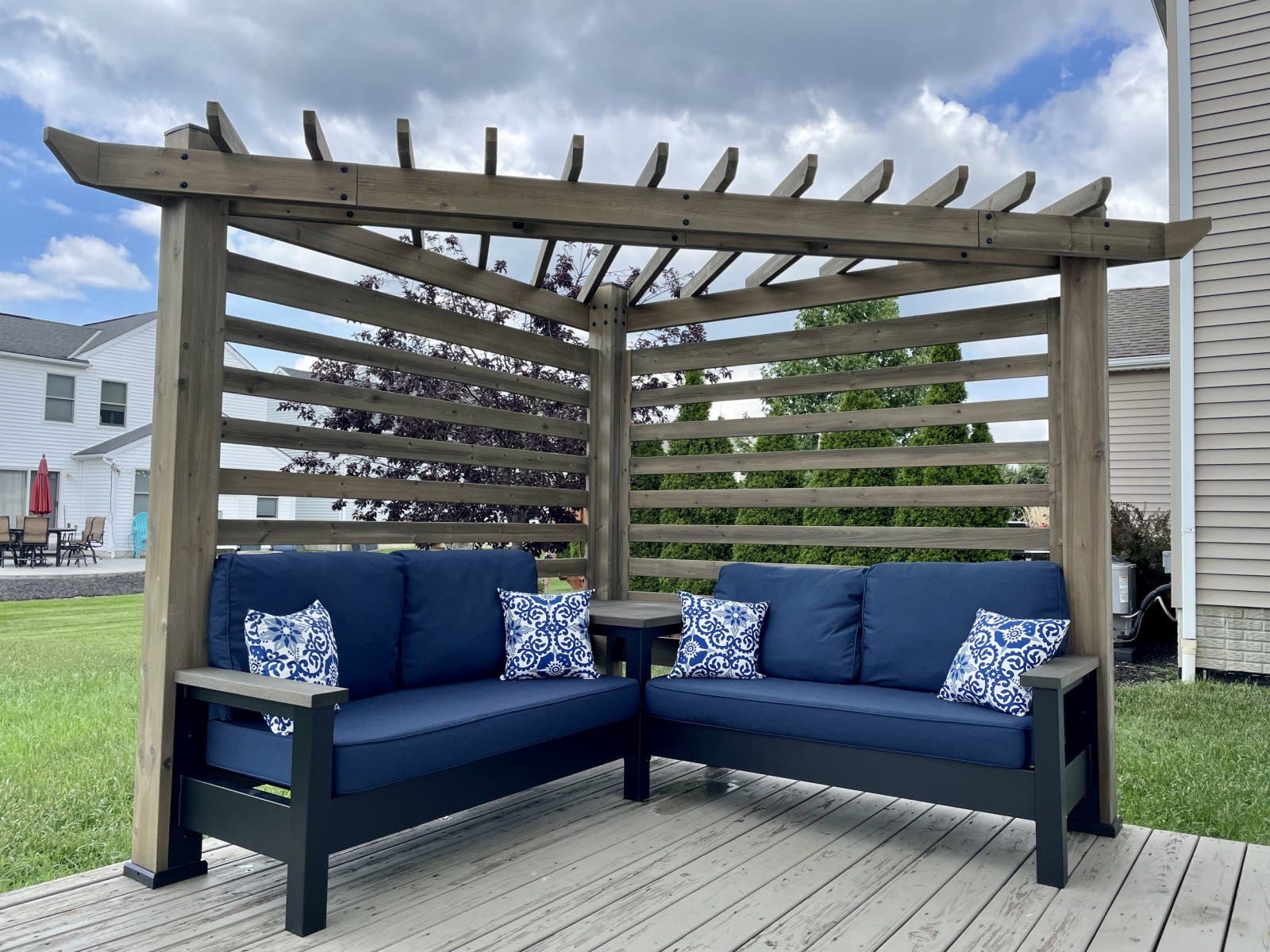
Backyard Discovery Laguna Cabana Pergola Review

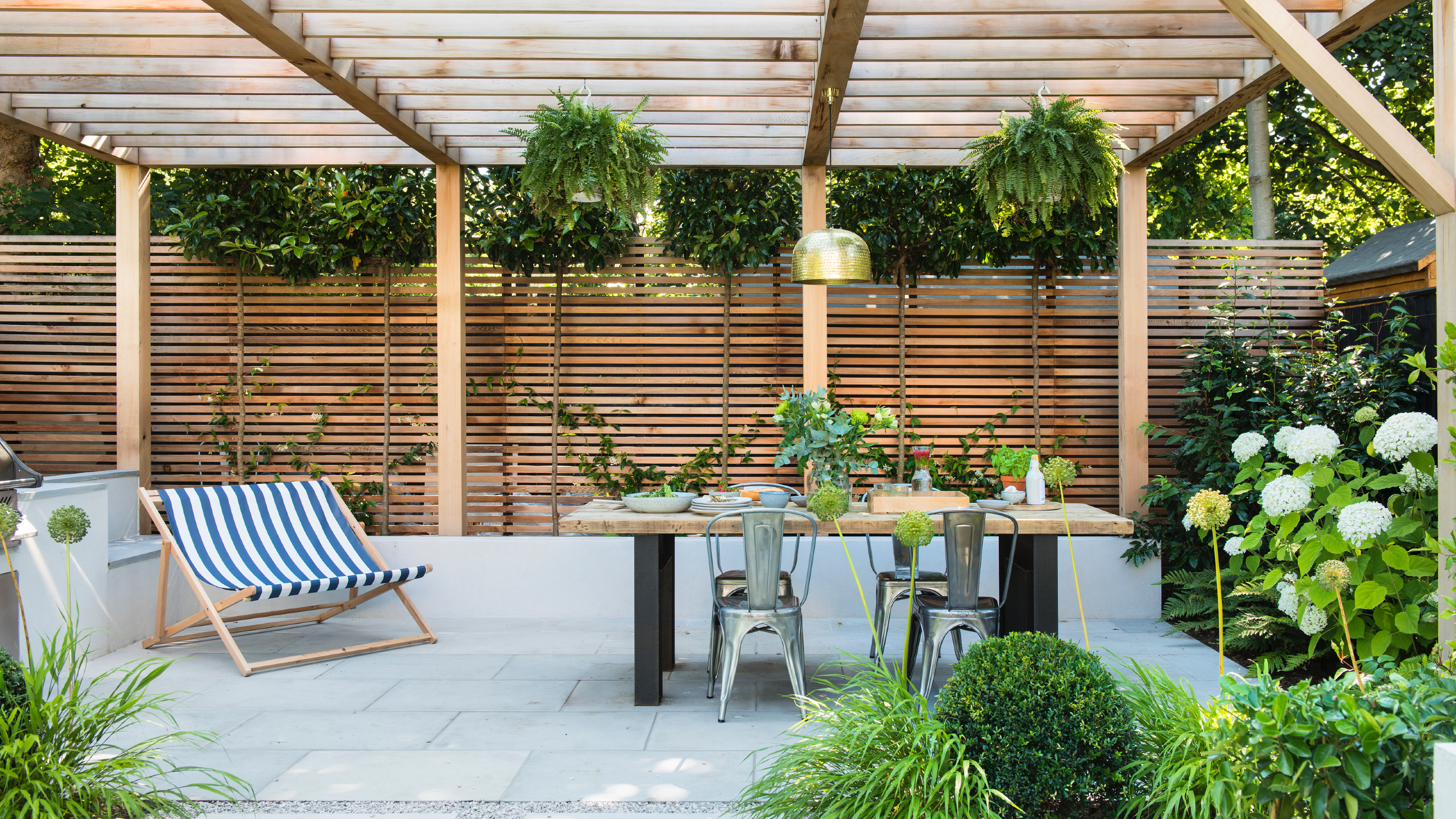
Patio cover ideas – 25 ways to keep your outdoor space sheltered
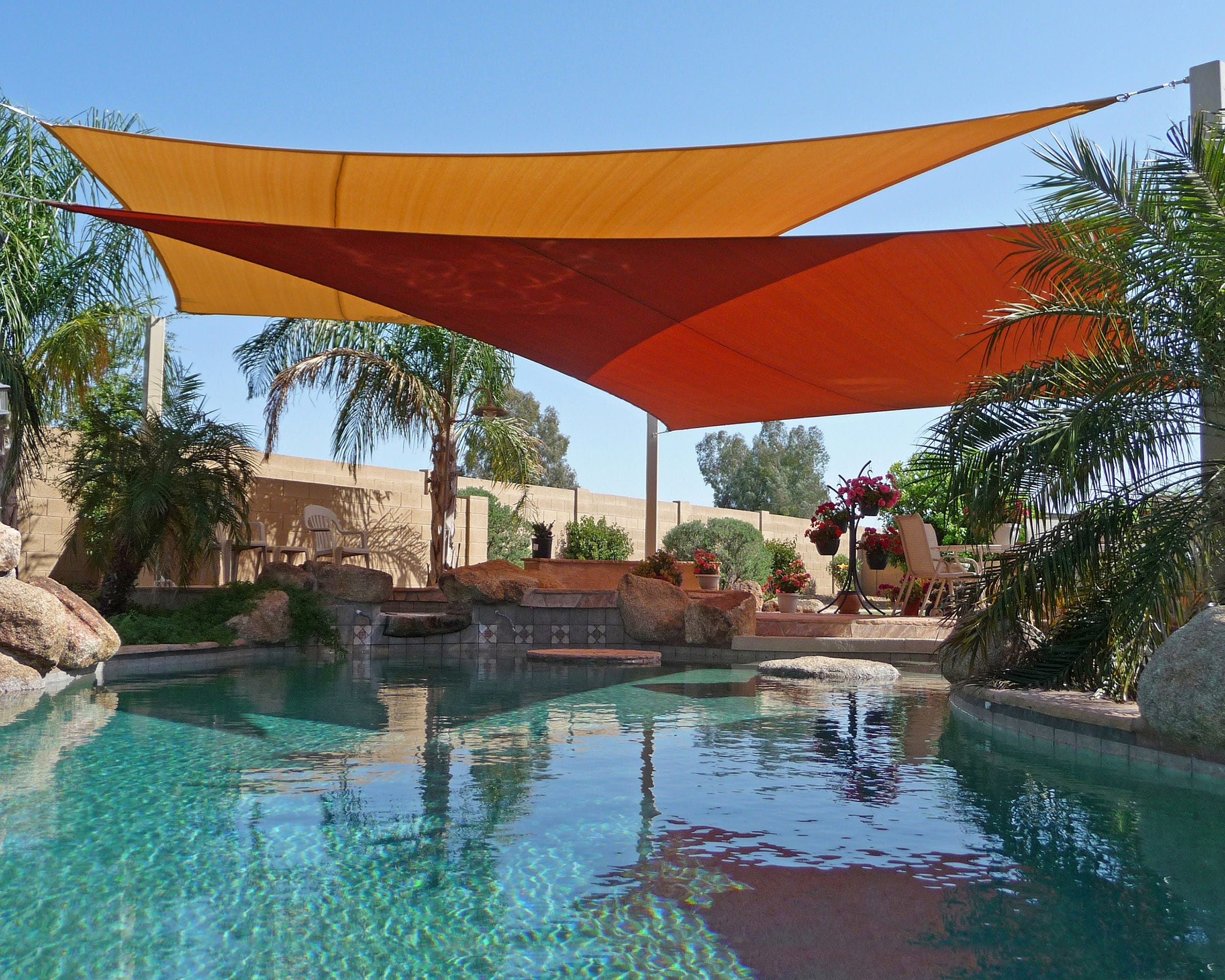
Made in the shade: Keep your outdoor living area cool with these innovative canopies and awnings
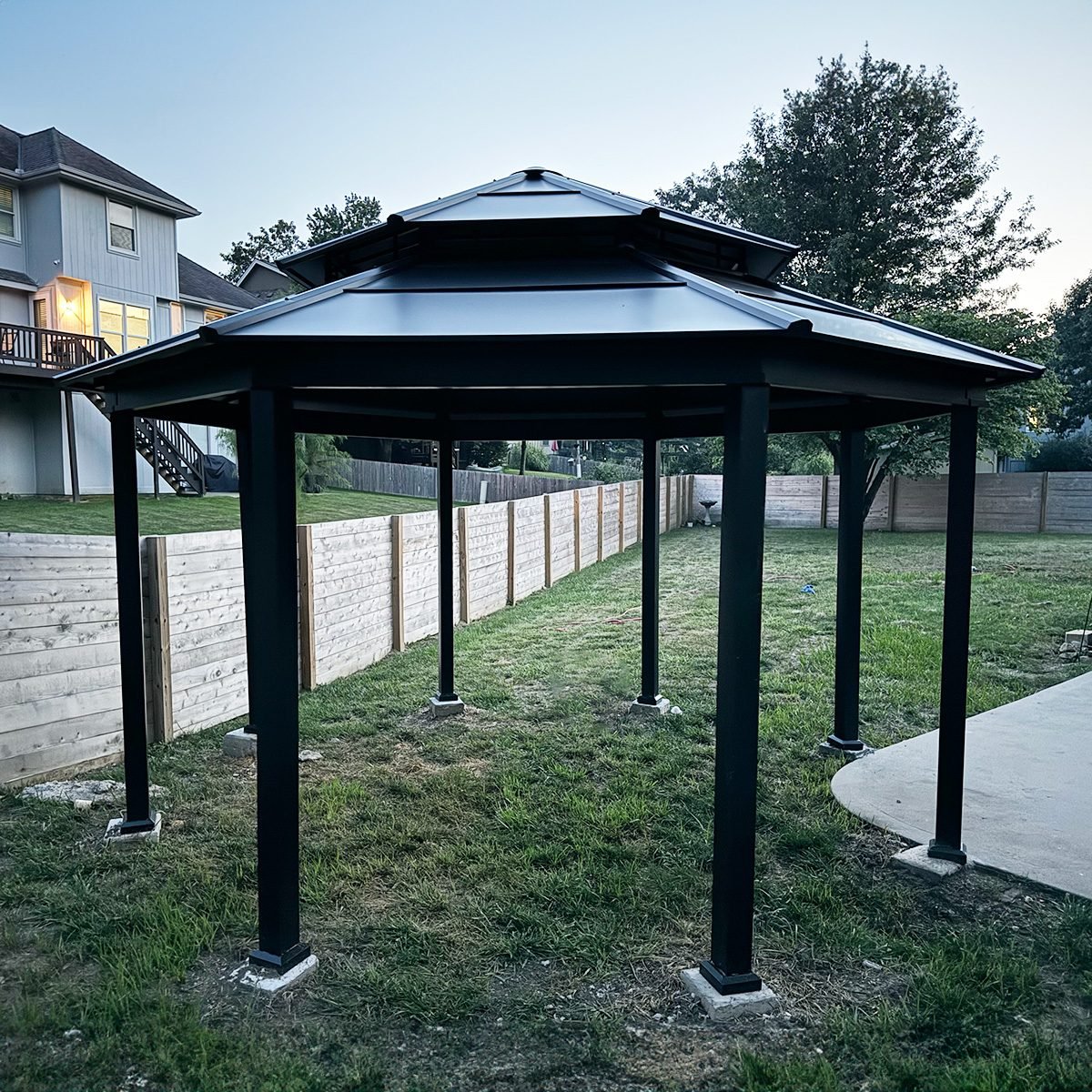
The 5 Best Outdoor Gazebos, Tested by Our Experts
8 Inspiring Rooftop Deck Ideas For Your Outdoor Space
Outsunny Retractable Awnings Review: Best Retractable Awning that Elevates Your Patio
Patio shade ideas – 11 stylish ways to stay cool this summer

Amazon Shoppers Are Obsessing Over This $200 Pop-Up Gazebo With Mosquito Netting


Gazebos
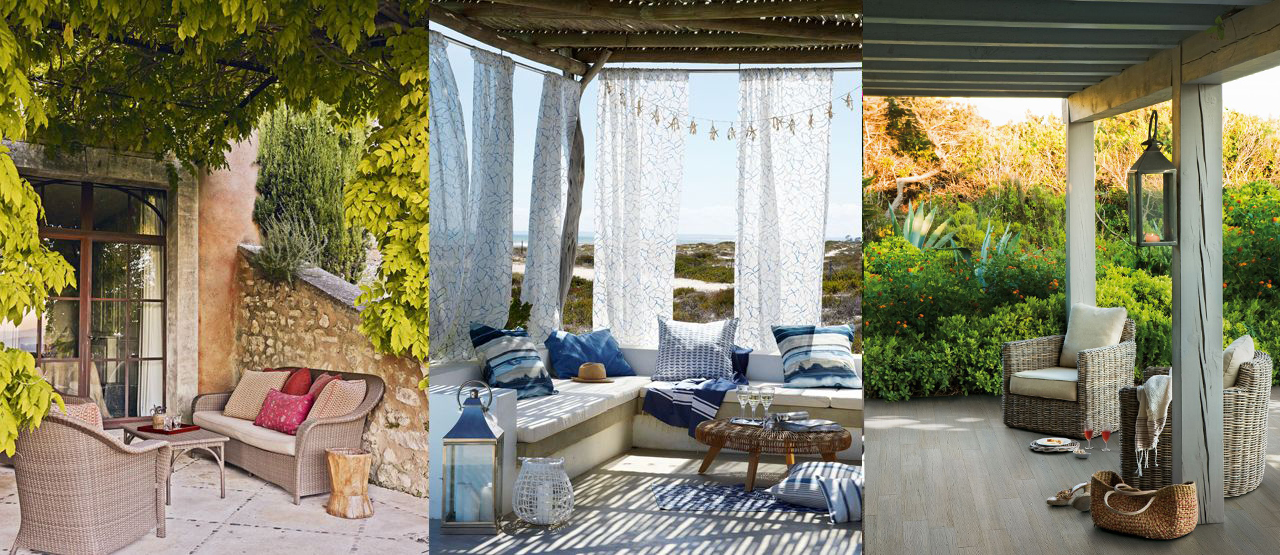
Pergola shade ideas – 10 ways to use a pergola for shade
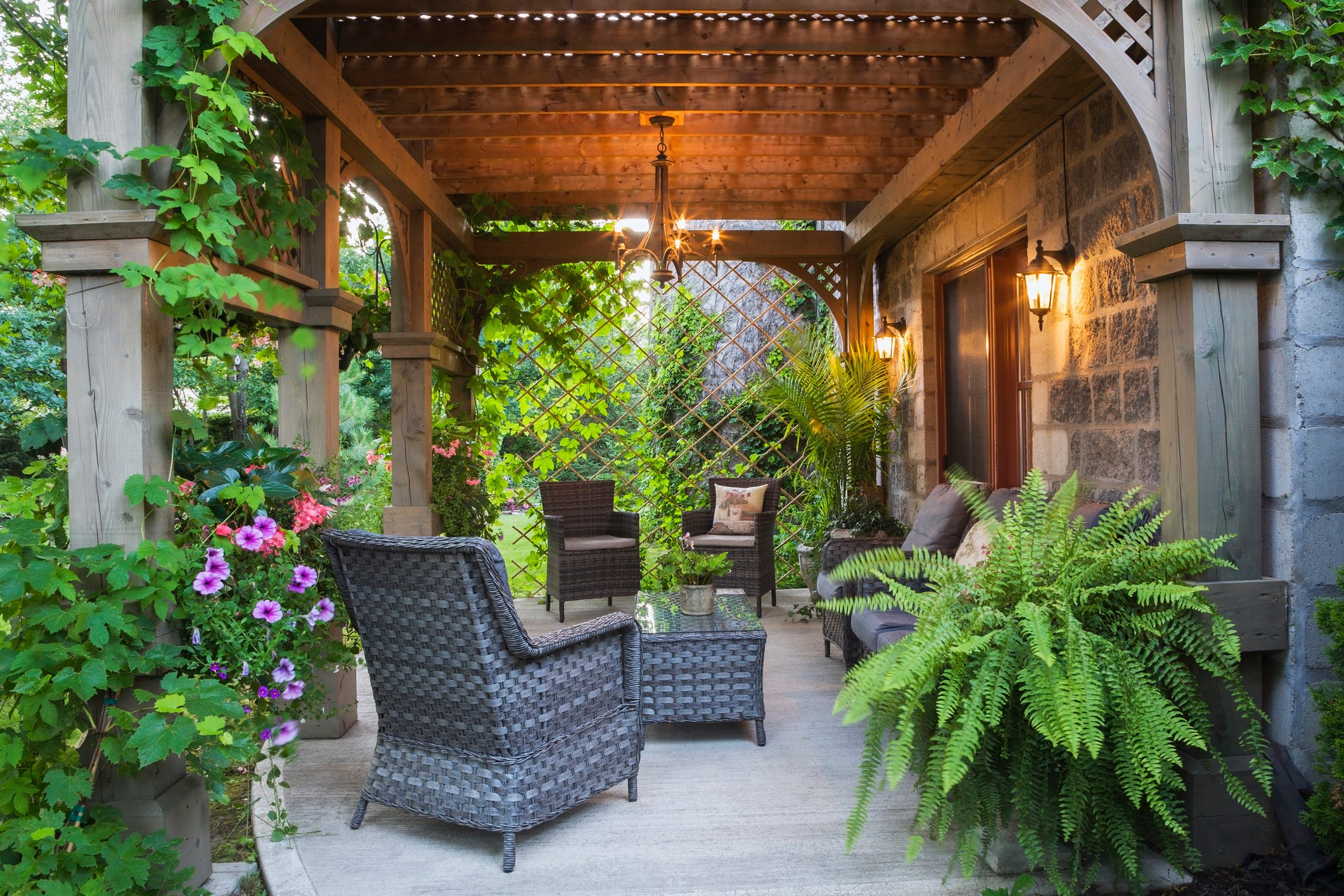
Try These DIY Patio Cover Ideas to Create Your Dream Outdoor Retreat

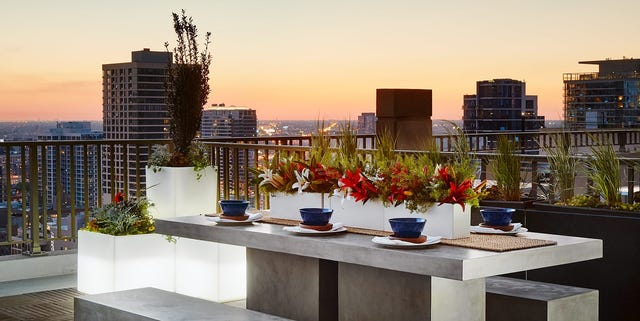
The 20+ Luxury Terraces and Rooftops of Your Summer Party Dreams
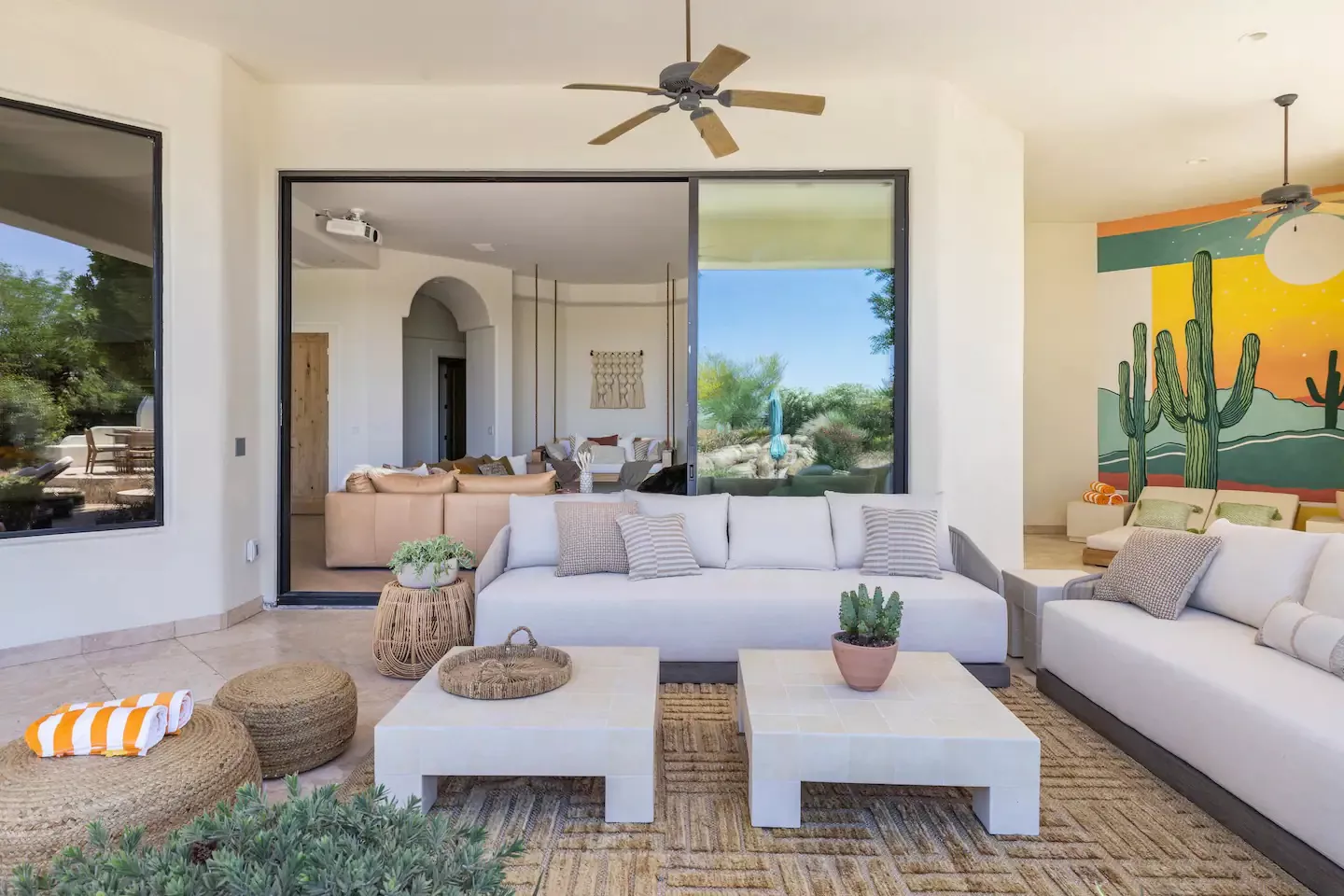
6 Patio Trends You're Going to See Everywhere in 2025, According to Designers