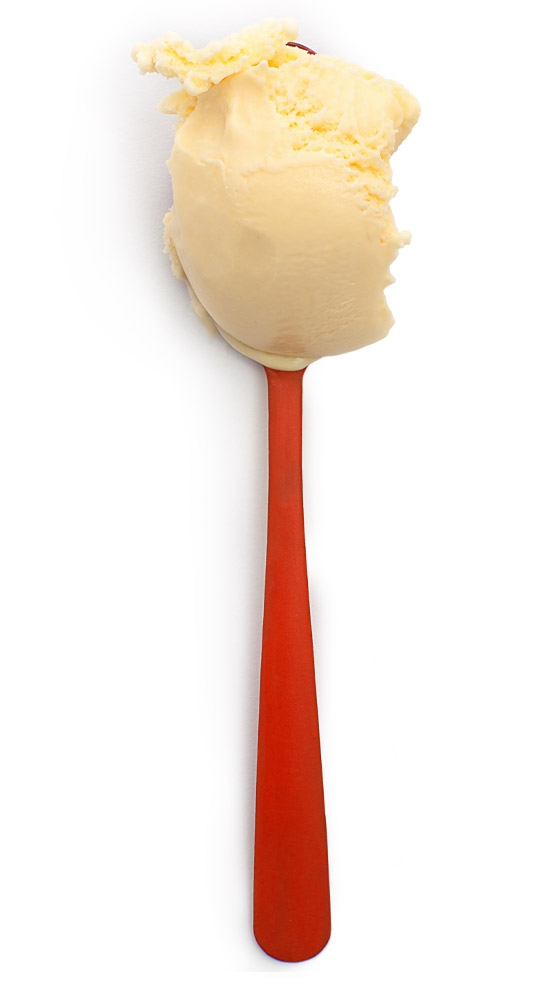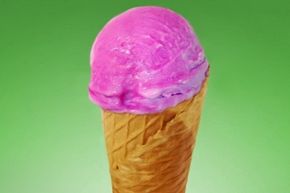
How Color-changing Ice Cream Works
The article explores the science behind color-changing foods, focusing on ice cream that alters its hue when consumed. It begins by establishing that visual appeal significantly influences food consumption, highlighting how novelty foods like color-changing ice cream capture consumer attention. The discussion differentiates natural color changes in foods, such as a ripening banana or browning steak, from engineered novelty changes seen in cereals, toothpastes, and cocktails, all rooted in basic comestible chemistry and food physics.
A key example discussed is Xamaleon, a tutti-frutti-flavored ice cream developed by Spanish physicist Manuel Linares, which changes color three times upon licking. The inventor attributes this phenomenon to temperature variations and the acids present in the human mouth, aided by a mysterious "love elixir." Understanding these color transformations necessitates a grasp of how colors are produced and altered in food.
The article delves into the fundamental principles of color perception, explaining that color arises from the interaction of visible light with the cones in our eyes. It details how plants derive their colors from natural pigments within their cells. Chlorophyll a, for instance, absorbs violet-blue and red-orange wavelengths, appearing green. Accessory pigments like chlorophyll b and carotenoids (e.g., carotene, lycopene) absorb different spectral ranges, contributing to the diverse colors of fruits and vegetables. Anthocyanins are highlighted as pigments responsible for the deep purples in grapes and blueberries, and for the vibrant reds and purples seen in autumn leaves when chlorophyll decomposes.
Molecular structure and composition are identified as critical factors determining a pigment's color absorption. The concept of covalent bonds and conjugated molecules, which feature chains of alternating single and multiple bonds, is introduced. Longer conjugated chains absorb longer wavelengths, such influencing colors like red and orange. Processes that can break these chains or rearrange molecules, such as changes in acidity or alkalinity (pH), can significantly affect a plant's color. The browning of sliced apples, for example, is attributed to the interaction of phenols, enzymes, and oxygen, which can be inhibited by the acidity of lemon juice that deforms enzymes. Similarly, the color of hydrangeas (blue or pink) is influenced by soil pH, which affects the plant's absorption of aluminum.
Finally, the article explains the role of pH in color changes, defining pH as a measure of hydrogen ion abundance. Acidic solutions (low pH) have an excess of hydrogen ions, while alkaline solutions (high pH) have an excess of hydroxide ions. Alkaline solutions tend to remove hydrogen ions from pigments, altering their molecular structure and, consequently, their absorption patterns and colors. Anthocyanins serve as a prime example, appearing red in acidic environments, blue in alkaline solutions, and violet in neutral conditions. This pH-sensitive property is leveraged in color-changing food patents, where a frozen dessert with low-pH pigment is mixed with a high-pH substance, causing a color shift. This mechanism provides a plausible explanation for Xamaleon ice cream's color-changing properties, especially given the involvement of mouth acids and temperature, which can impact the richness of anthocyanin colors. The possibility of using colorless anthocyanin solutions activated by specific chemicals for the "love elixir" is also mentioned, underscoring the complex chemistry involved in creating such novelty foods.
#ColorChangingIceCream #FoodScience #MolecularChemistry #FoodPhysics #Pigments #Anthocyanins #PHEffects #NoveltyFoods #EdibleInnovations #ColorChangingIceCream #FoodScience #MolecularChemistry #FoodPhysics #Pigments #Anthocyanins #PHEffects #NoveltyFoods #EdibleInnovations
 No comments yet
Kitchens the Color of Ice Cream: With Recipes to Match
Five cars that look like deliciously drivable ice creams
Ice Cream Coloring Pages: Add Your Favorite Colors to This 15 Images

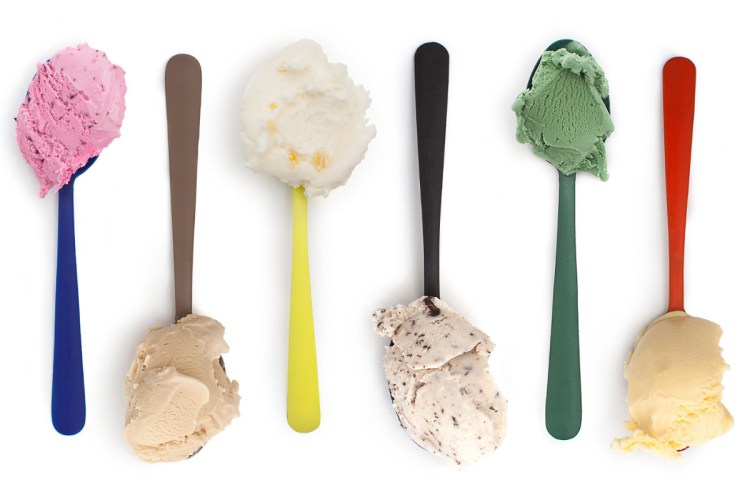
A Line of Ice Cream and Frozen Yogurt Flavors Inspired by Henri Matisse’s Cut-Outs

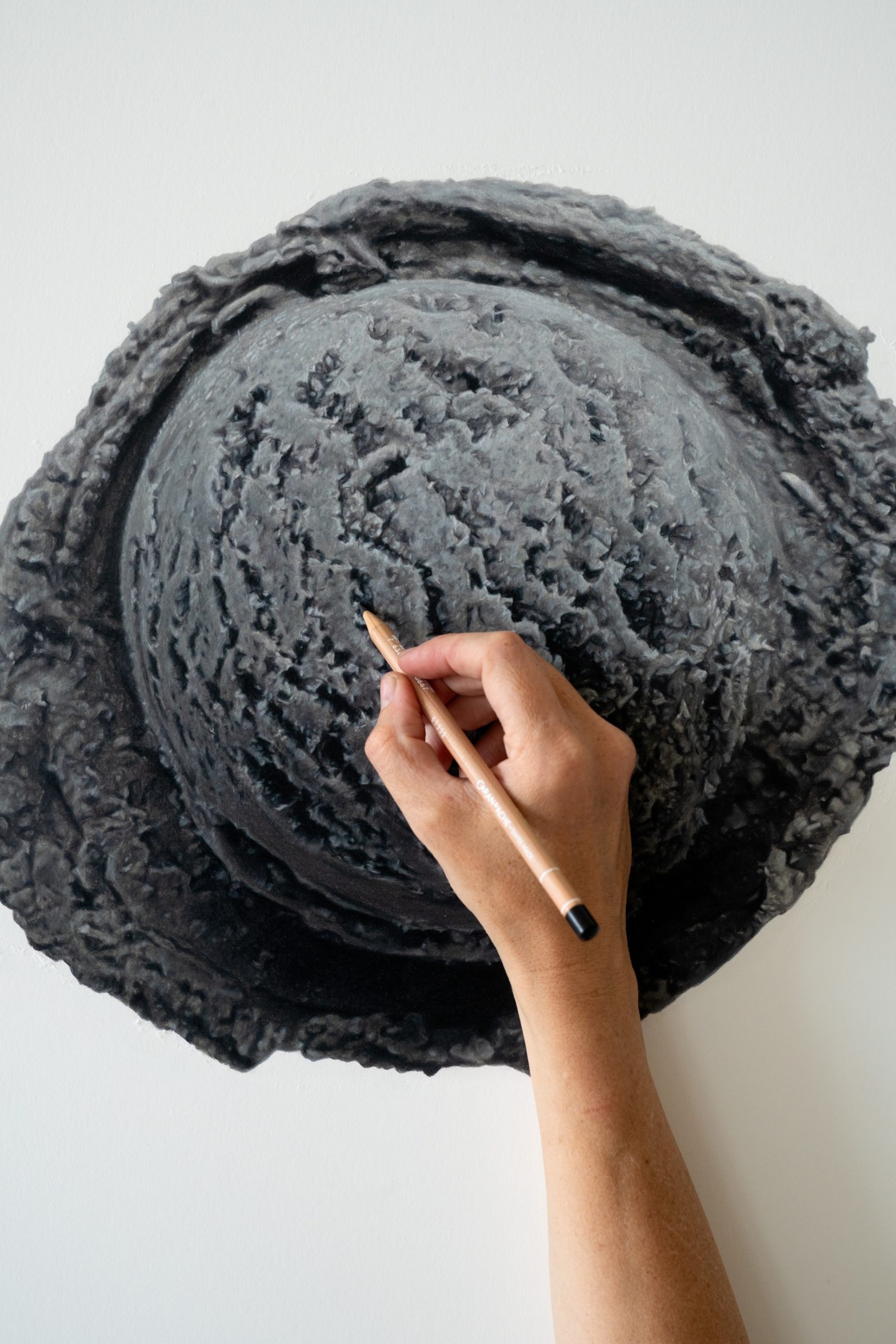
Jeni’s Ice Cream X Cj Hendry Explore the Art of Absence

23 Versatile Cream Paint Colors That Will Pair with Basically Anything

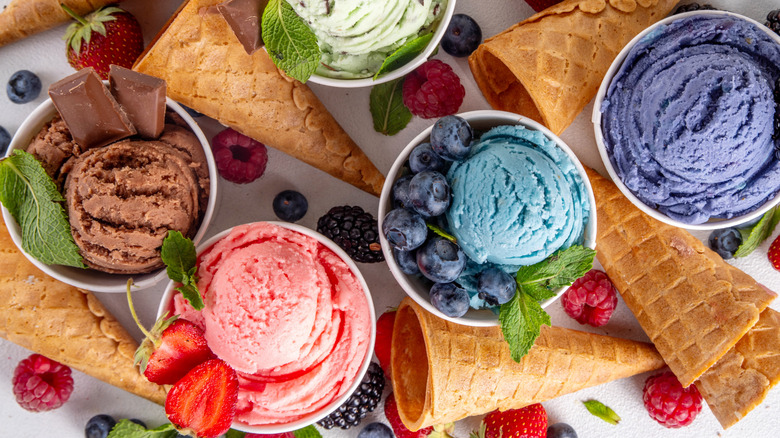
Florida's Best Ice Cream Comes From A Shop That Uses Plants To Color Its Creations


13 cream kitchen ideas that prove beige is back

This London Shed Will Change the Way You Feel About Ice Cream