1/12
Kelly Hoppen: I'll never give up taupe
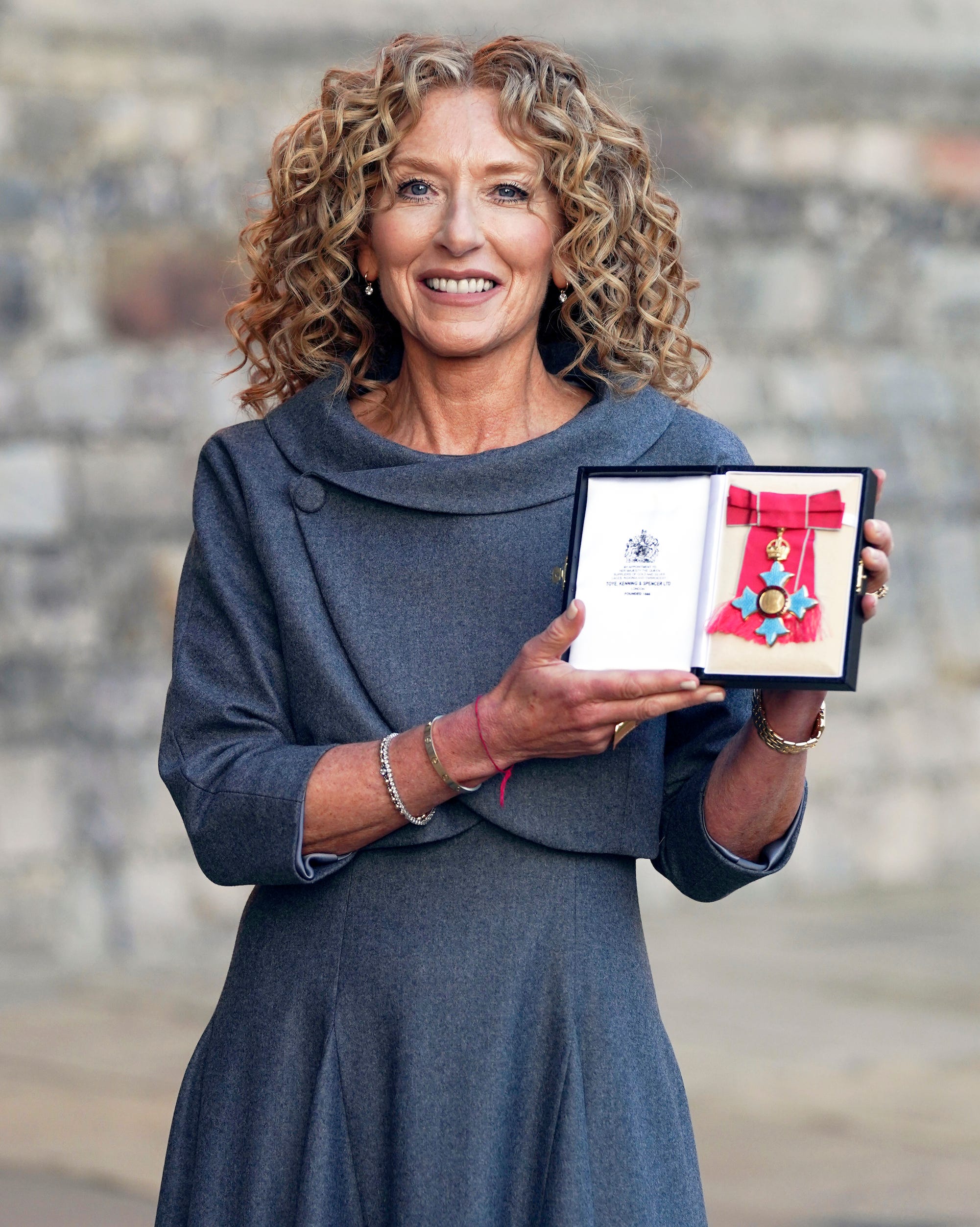
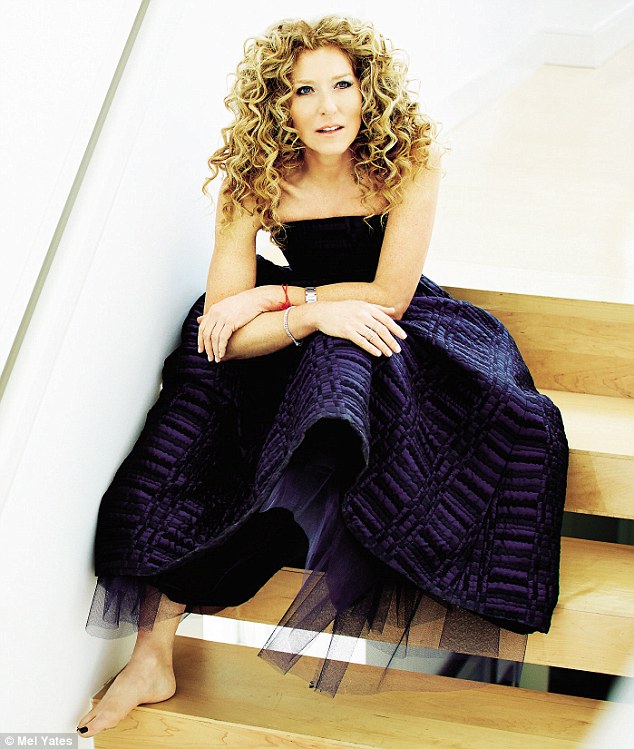
This article features an interview with renowned interior designer Kelly Hoppen, who is celebrating 40 years in the business. She discusses her journey into interior design, her design philosophy, and how she maintains her signature style amidst evolving trends. Hoppen shares that her interest in design began at a very young age. At 11, she was allowed to redecorate her childhood bedroom, opting for a modern, pop-art aesthetic with a cream shag-pile carpet, chocolate-brown felt walls trimmed with chrome, white shutters, and a silver Robin Day chair. She credits her bohemian London upbringing, surrounded by artists and creative individuals, for fostering her early design sensibilities, despite her mother’s self-proclaimed messiness.
Hoppen started her professional career at 16, securing her first project through her stepfather. Although it was a challenging experience, it provided invaluable practical exposure. At 17, she took on a significant project, designing a large house for Formula 1 driver Guy Edwards, which marked the true beginning of her career. She reflects on her teenage years, during which she bought and renovated her own apartment in Chelsea, establishing an office there shortly after. She emphasizes that her early style development was intuitive and driven by intrigue and experience, rather than merely imitating existing designs from books, which she observes as a common practice today. This organic approach allowed her to cultivate a distinctive and enduring style.
Regarding her client interactions, Hoppen explains that her role often involves translating a client's emotional desire for a space into tangible design elements. Many clients know how they want to feel in a home but struggle to articulate their specific design preferences. She describes this as an art form that requires deep understanding and a selfless approach to guide clients toward their vision while maintaining her high standards of style and beauty. She acknowledges that in her earlier career, she was more inclined to impose her ideas, but over time, her process has become more collaborative and ego-free.
She dismisses the influence of fleeting trends on her work, stating that her inspiration comes from diverse sources such as art, fashion, vintage items, music, people, and conversations. She believes that trends are transient and lack the substance necessary to significantly impact her design philosophy. Her consistent adherence to her core aesthetic, centered around neutrals, has been a key factor in her longevity and success in the industry. Despite her strong association with neutrals, Hoppen clarifies that she is not afraid of color and incorporates accents to enhance and sharpen neutral-toned rooms. She admires other iconic designers like David Hicks, John Stefanidis, Terence Conran, Philippe Starck, and Kelly Wearstler for their distinct and recognizable styles, asserting that owning a unique technique is crucial. Hoppen reaffirms her commitment to her signature neutral style, which has been successful for four decades and will continue to define her work.
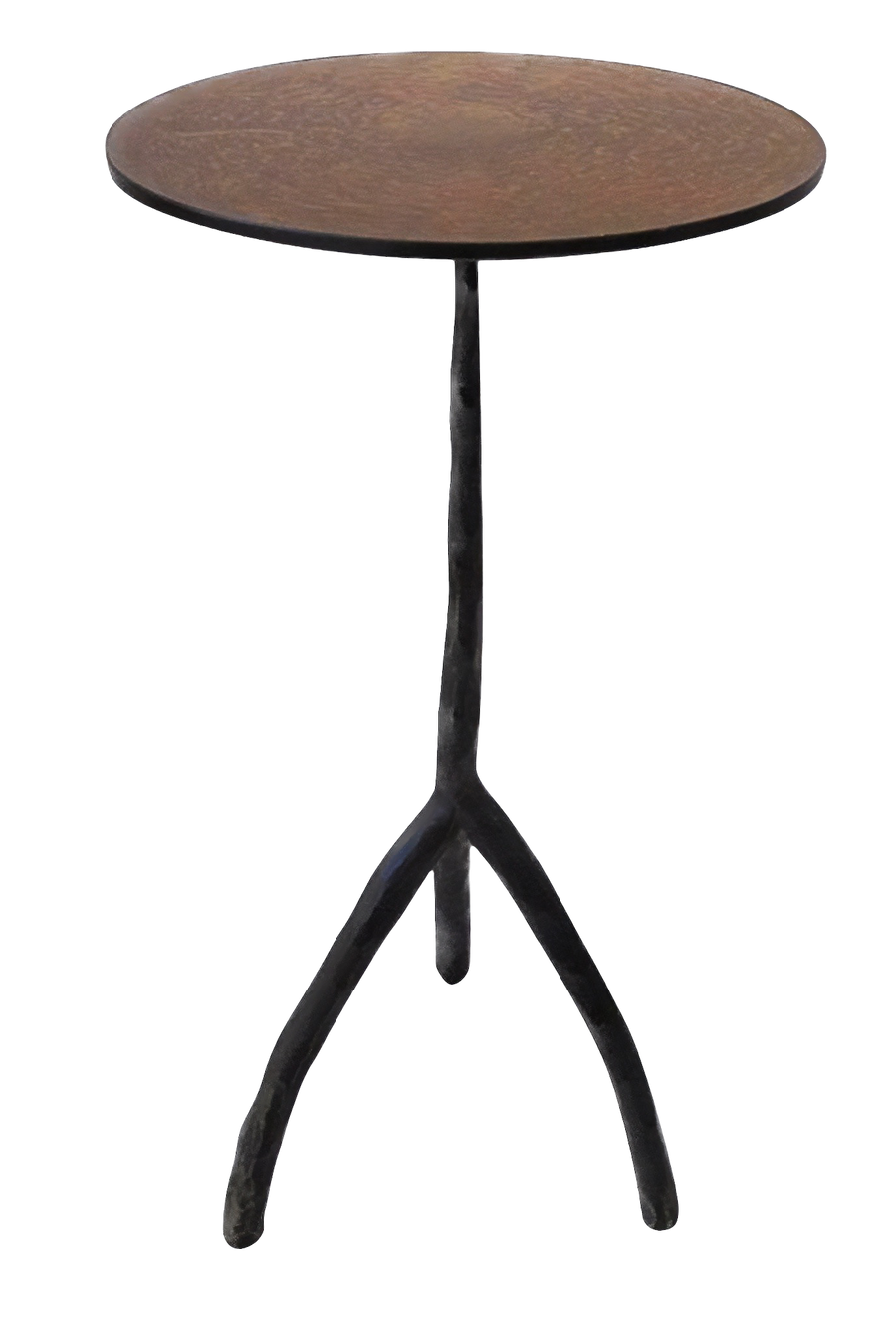
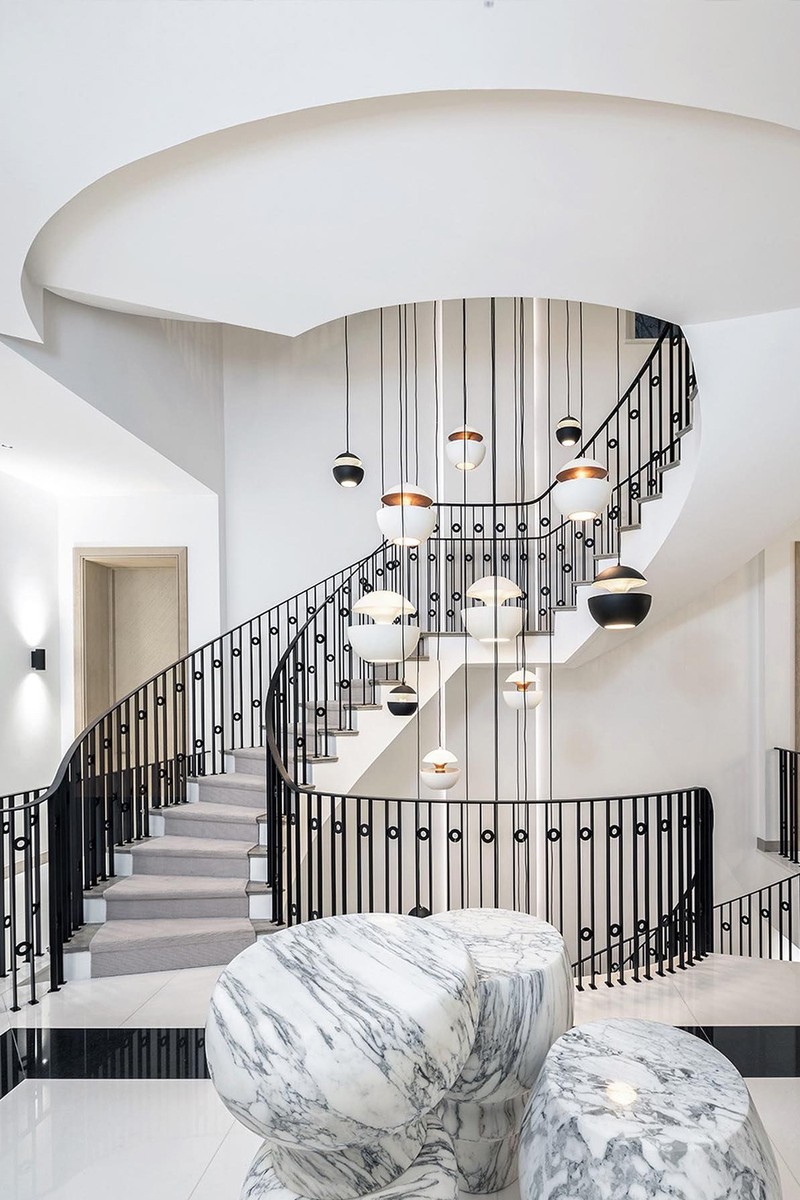
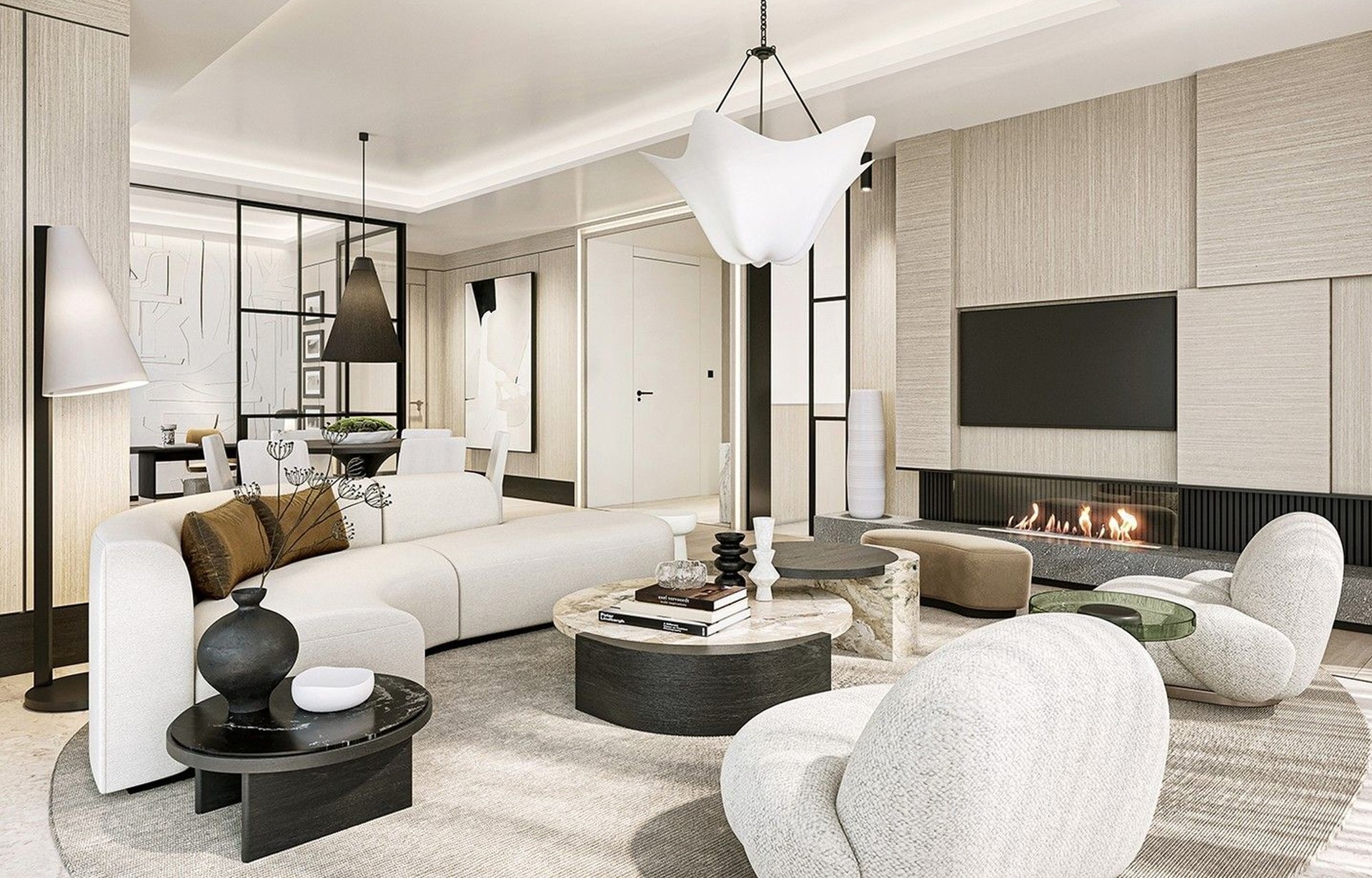
The article also provides glimpses into Hoppen's own home, illustrating her design principles. Her open-plan ground floor, a former auction house, features calm shades of taupe and white. Her dining area showcases her custom-designed stone table, complemented by furniture from designers like Christian Liaigre, Guillaume Alan, and Tom Dixon. In her bedroom, texture is paramount, with layers of linens, velvets, and silks set against taupe joinery and floorboards, featuring pieces from Christian Liaigre and Spencer Fung. Her dressing room includes vintage armchairs upholstered in pink-taupe silk velvet and glossy side tables by India Mahdavi. The guest bedroom follows a grey, taupe, white, and sea green theme, with a striped velvet runner and vintage bedside tables spray-painted in sea green lacquer. Her master bathroom, a personal favorite, features a lotus-inspired bathtub designed by Hoppen for Apaiser, set on a Calacatta marble plinth to create a floating effect, with a ceiling light sculpture by Niamh Barry. Her study combines modern and classic elements, including a Cassina armchair, Christian Liaigre coffee table, and her own desk, with a zebra rug and orange accents adding vibrancy. The entrance hall features striking black and white marble flooring with a custom lacquer table and bespoke pendant lights by Hervé Langlais.
#KellyHoppen #InteriorDesign #NeutralPalette #DesignPhilosophy #HomeDecor #ArchitecturalSpace #LuxuryInteriors #DesignInspiration #KellyHoppen #InteriorDesign #NeutralPalette #DesignPhilosophy #HomeDecor #ArchitecturalSpace #LuxuryInteriors #DesignInspiration
 No comments yet
Kelly Hoppen: 'I keep my walls white because I like art to breathe'


Joanna Gaines Says This Timeless Pink Paint Shade Will Never Go Out Of Style
In Conversation With… Kelly Hoppen

The bright colour ‘Queen of Neutrals’ Kelly Hoppen loves – and it’s totally not what you’d to expect
Why I'll Never Give Up My Neutral Color Scheme

The Vibrant Shade Of Blue Hilary Farr Says Will Never Go Out Of Style