1/8
7 Surprising Ways Halston Changed Interior Design Forever, According to the Director of the Hot New Netflix Series
The Netflix series 'Halston' has garnered significant attention from fashion and design enthusiasts, not just for its portrayal of 1970s fashion but also for its meticulous recreation of Halston’s personal and professional spaces. Daniel Minahan, the series' director, conducted extensive research over two decades to ensure the authenticity of these sets. This research included visiting Halston’s former homes and offices and interviewing individuals who knew him, such as Paul Rudolph, the architect behind Halston’s iconic midcentury townhouse on East 63rd Street.
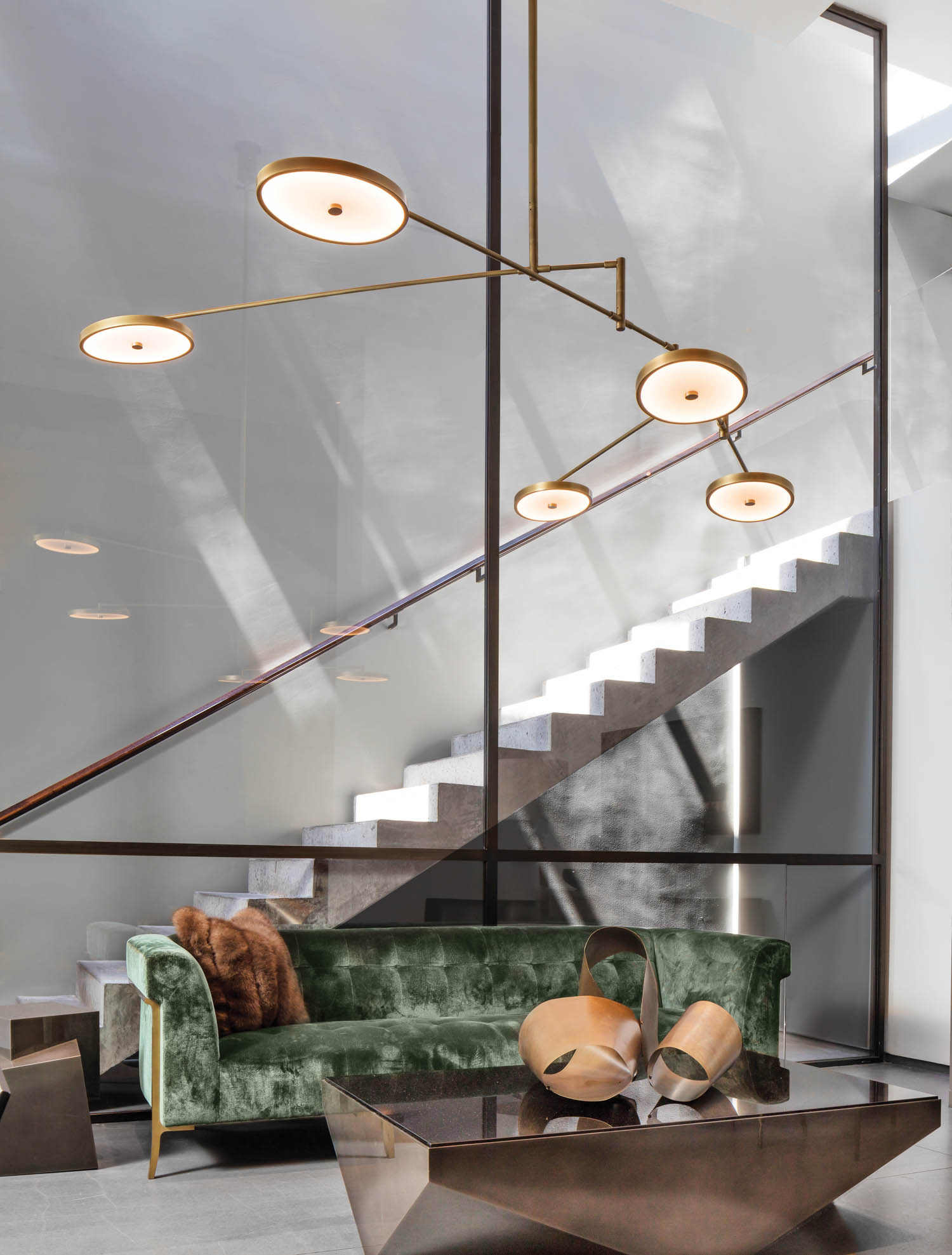
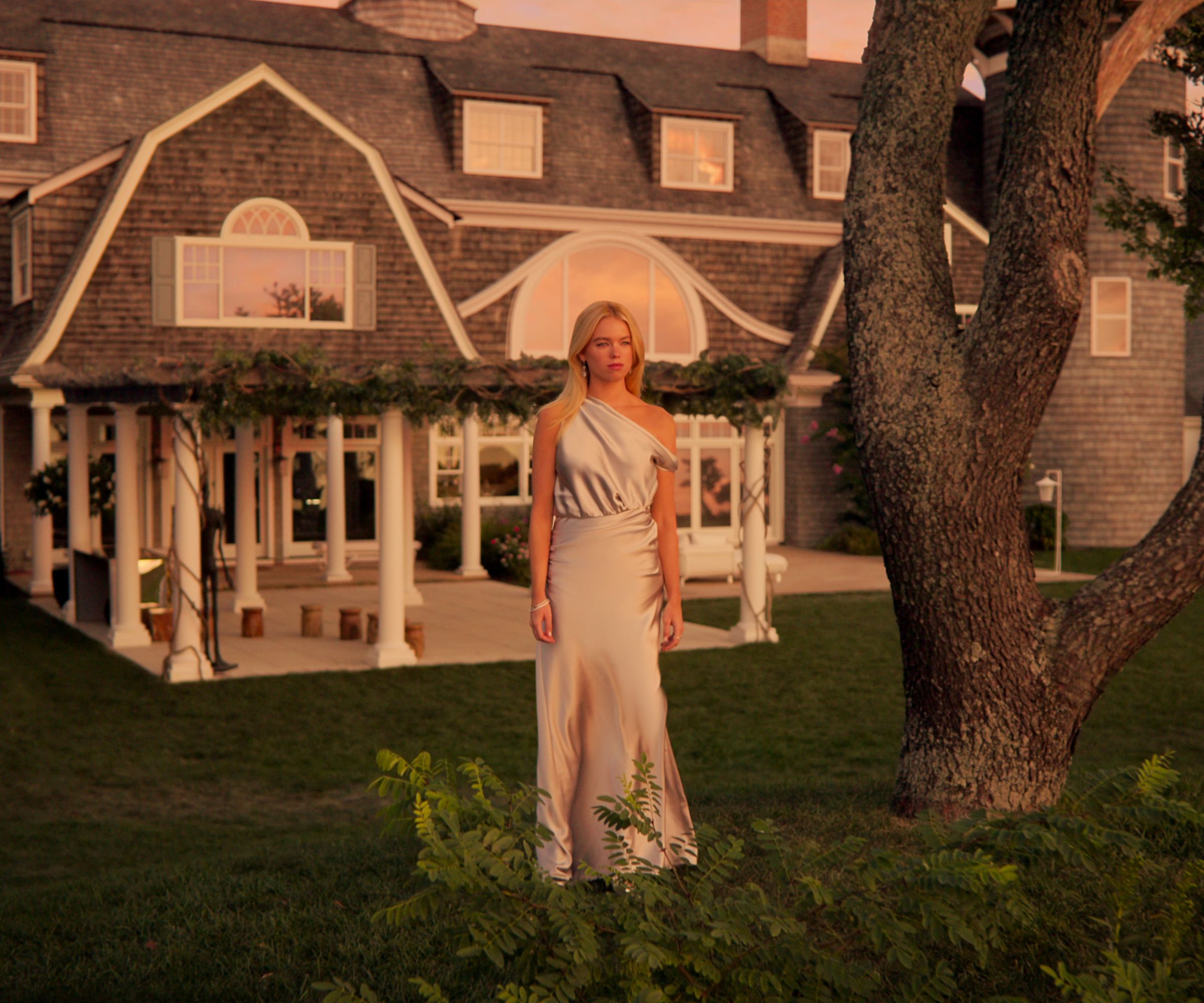
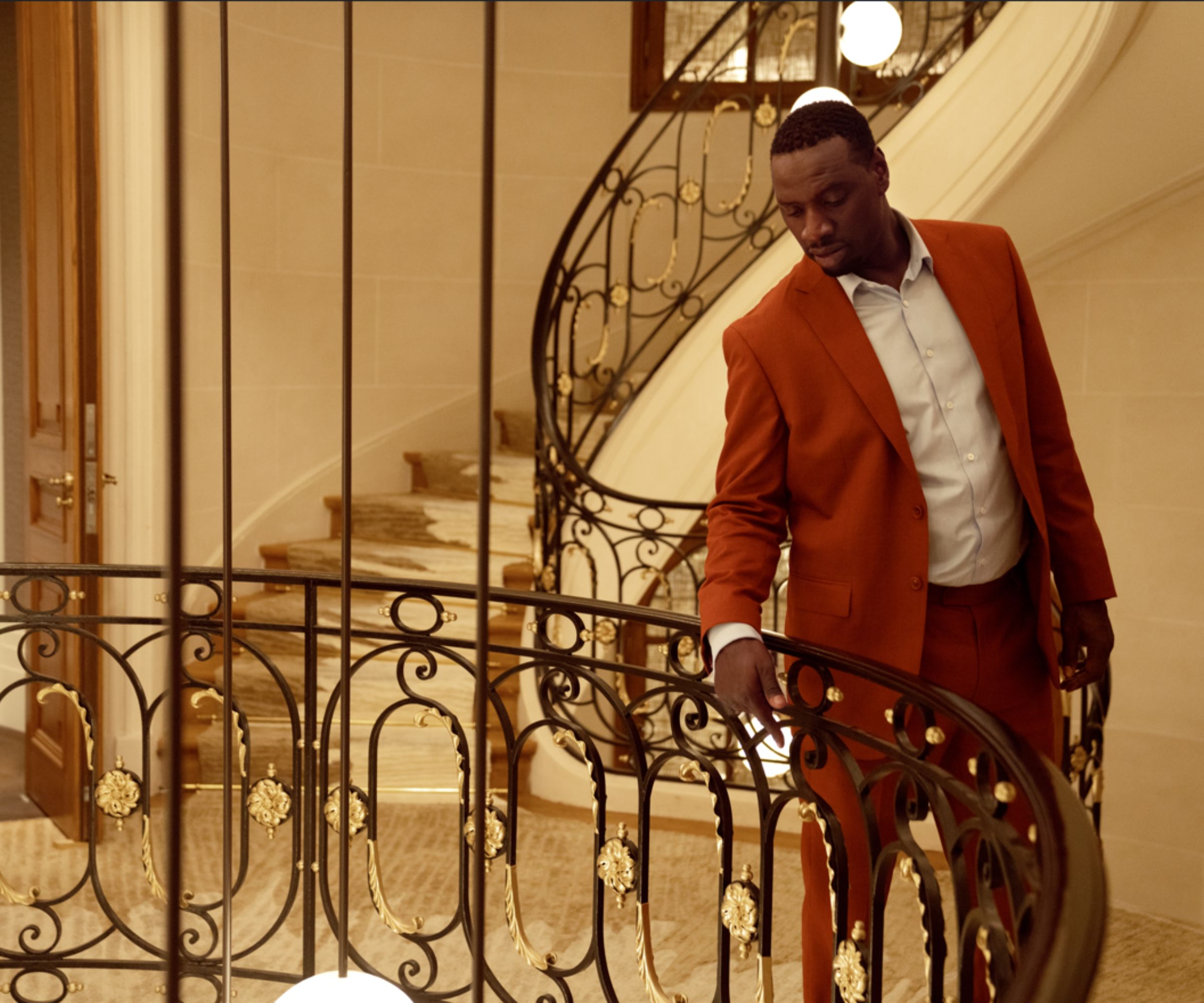
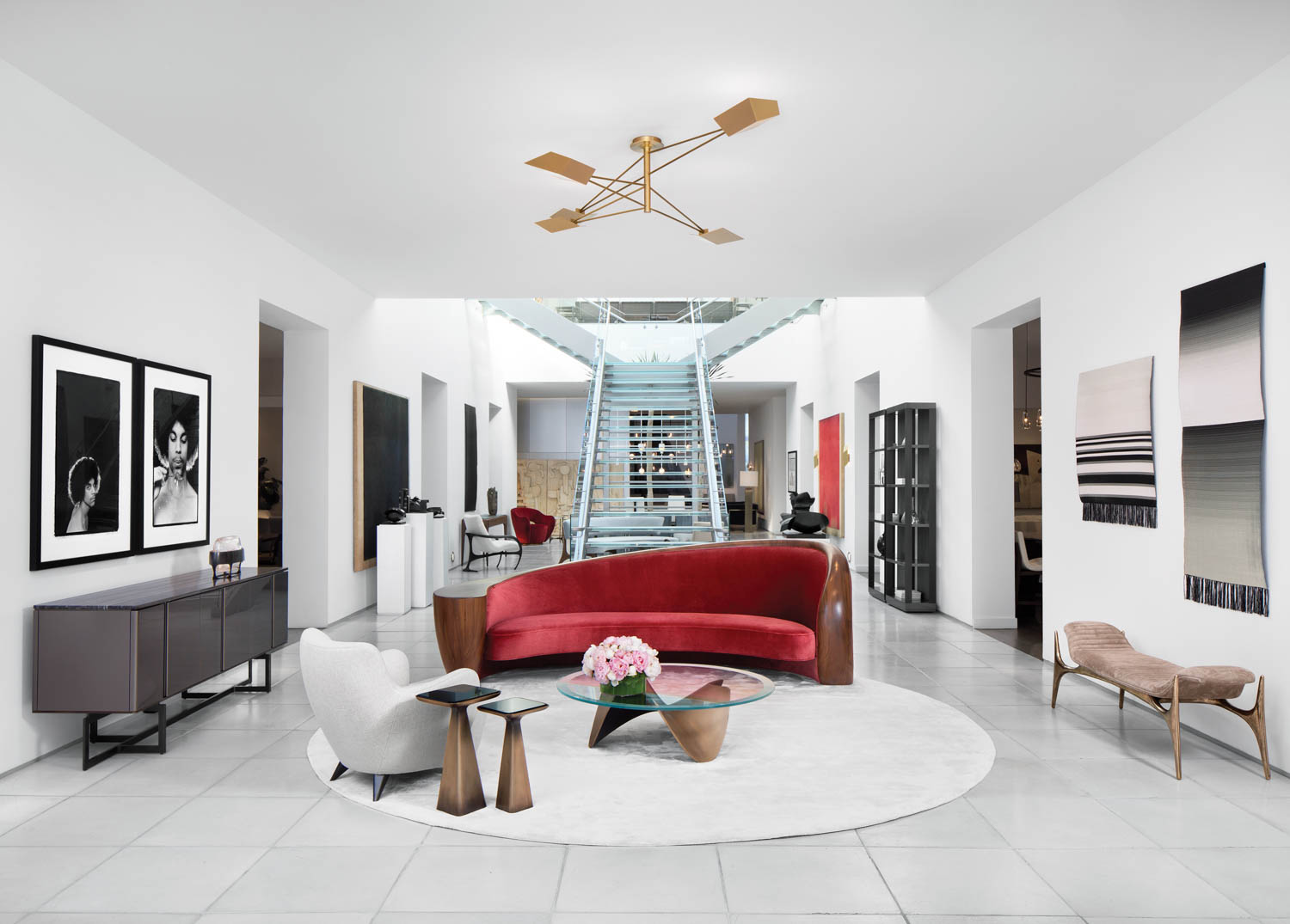
Halston’s influence on interior design is explored through several key aspects. His townhouse, originally a 19th-century carriage house transformed by Rudolph in the 1960s, served as a prominent backdrop. Halston himself played a crucial role in restoring the house to Rudolph's original modernist vision, adding industrial gray carpeting and a bamboo garden. This residence, famously acquired by fashion designer Tom Ford, featured white walls, steel beams, a 32-foot-high living room, and a floating staircase, all meticulously recreated for the series in a Brooklyn art dealer's home.
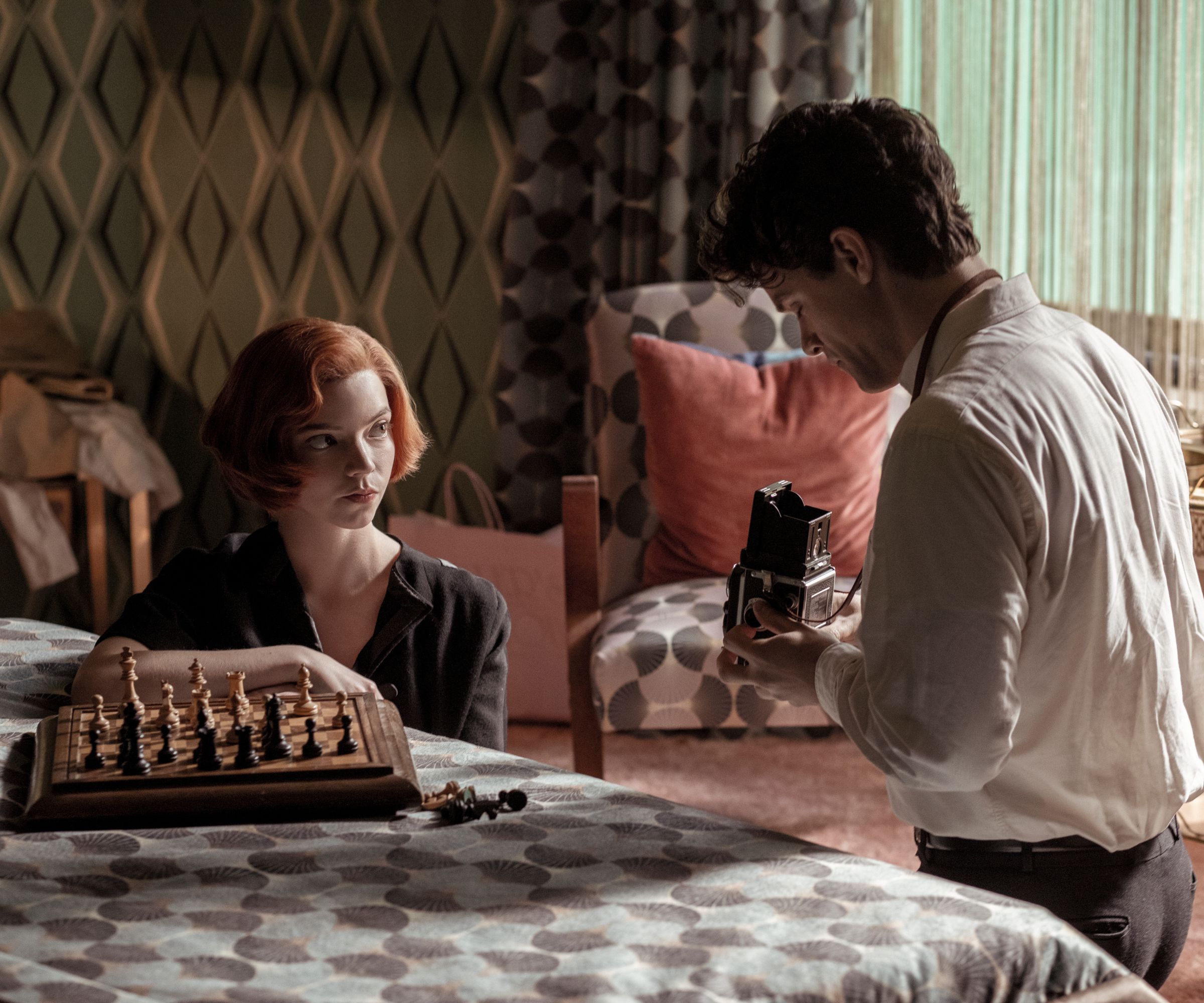
Halston also pioneered a form of 'haute DIY' with the help of interior designer Angelo Donghia. For his first studio and fashion show, Halston, working with a limited budget, used inexpensive batik fabric to create a 'rich hippie look' with pattern-on-pattern drapes, a testament to his resourcefulness and Donghia's creativity. This early studio, initially a raw, brick-walled building, was later decorated with sisal rugs, white Parsons tables, potted palms, and white orchids.
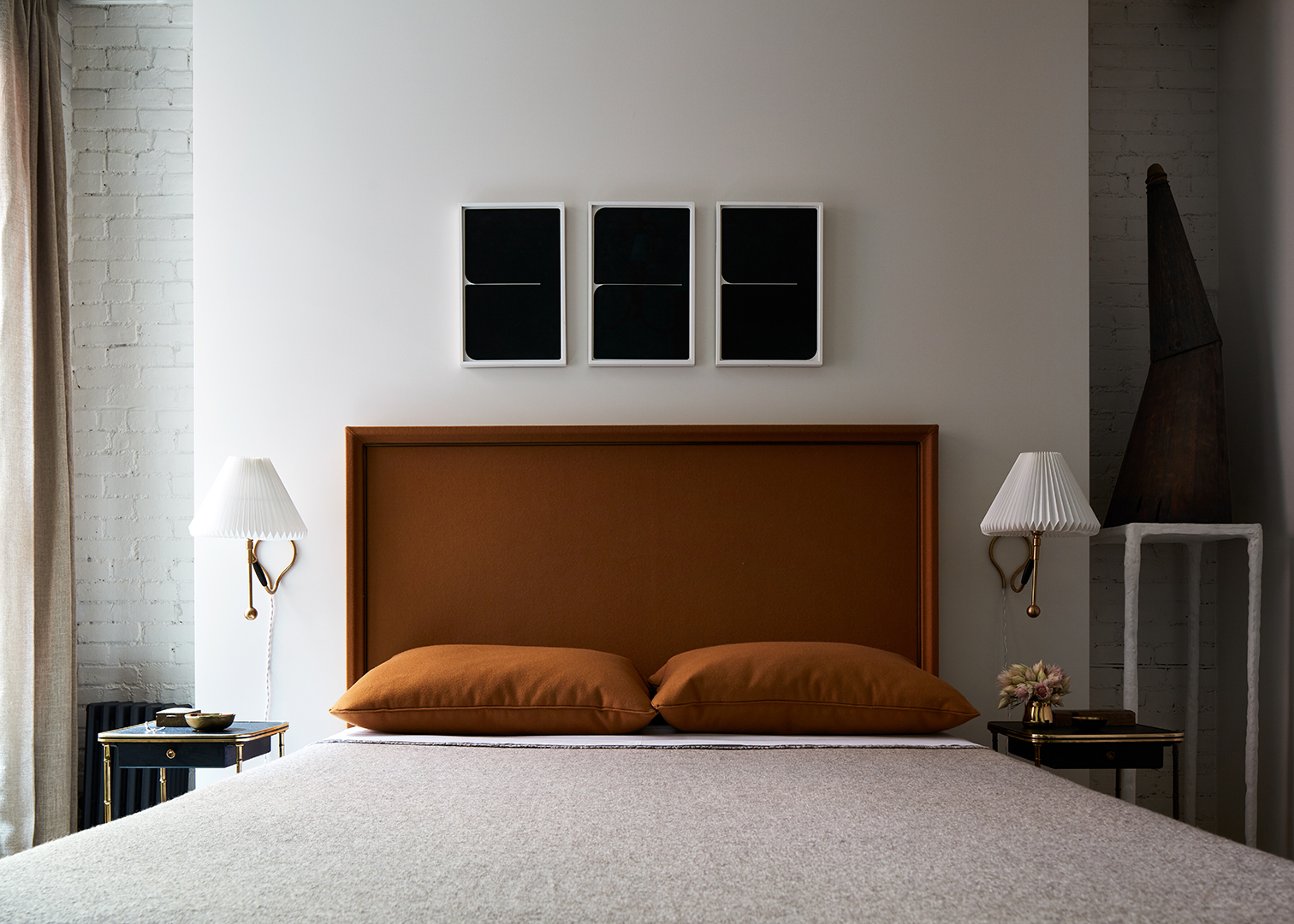
Following his bohemian phase, Halston became known for his rigorous minimalism, an aesthetic he applied consistently across his fashion designs and interiors. Influenced by Elsa Peretti’s simple personal style and minimalist artists like John McCracken and color field painters, his interiors were characterized by clean lines and an absence of unnecessary embellishment. This minimalist approach extended to his belief that rooms should flatter their occupants, using neutral palettes of white, gray, and black to create spaces where people looked their best, complemented by thoughtful lighting and comfortable furnishings like banquettes covered in gray wool jersey.
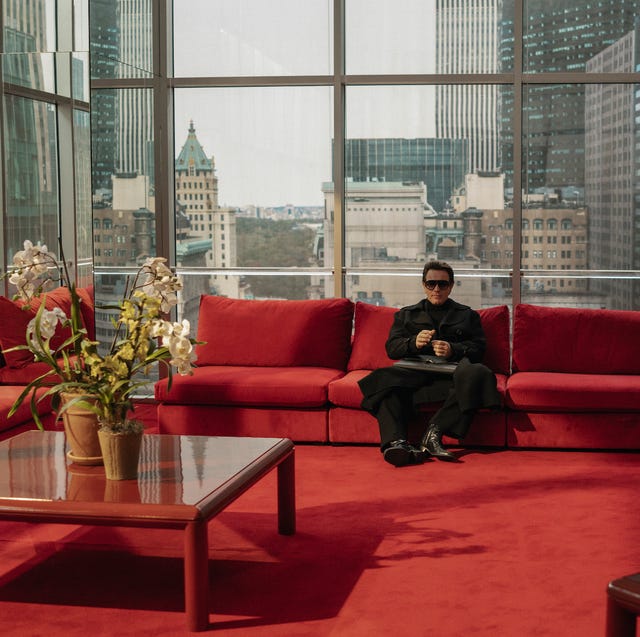
Red was a signature neutral for Halston, as exemplified by his Olympic Tower office on Fifth Avenue. This glass-walled space, designed by Skidmore, Owings and Merrill (SOM), was furnished with red lacquer tables, banquette seating, and wall-to-wall red carpeting featuring interlocking 'H's. Minahan's research, including speaking with the family of the original furniture maker, helped accurately recreate the cinnabar and vermillion shades of red used in this distinctive office. Halston’s Montauk compound, a property rented from Andy Warhol and Paul Morrissey, further showcased his redecorating prowess, where he installed signature banquettes and upholstered everything in white duck canvas. Notably, he pioneered the 'backwards book trend,' turning books around so only their raw pages were visible, to maintain a tonal, placid aesthetic.
Ultimately, Halston was a lifestyle brand. While he never had his own furniture line, he extended his design influence through numerous licenses, producing carpets for Karastan, linens, towels, and even designing airplane interiors for Braniff Airways, including seats in beige and taupe and uniforms for flight staff. This holistic approach to design and branding highlights his profound and lasting impact on American culture and aesthetics.
#Halston #InteriorDesign #NetflixSeries #Modernism #MinimalistDecor #LifestyleBrand #FashionInfluence #SetDesign #Halston #InteriorDesign #NetflixSeries #Modernism #MinimalistDecor #LifestyleBrand #FashionInfluence #SetDesign
0 comment in total
 No comments yet
You may also like
Interior Design Masters and 7 more shows to watch for homes inspiration

10 Interior Design Mistakes Experts Avoid In Their Own Homes

These Trendy Home Additions Will Look "Dated" in 2026, According to Designers

HGTV’s newest reality show star Ali Budd has one major home design tip
Holly Hunt: 2024 Interior Design Hall of Fame Inductee

I constantly return to these 10 Netflix shows for interior design inspiration – the unique sets are eternally stylish

The original 'Trading Spaces' designers, ranked

Jeffrey Alan Marks on the New Age of Interior Design

This Designer Renovated His Own House 3 Times—These Are the Lessons That Stuck | domino


The 100 Best Reality Shows About Interior Designers, Ranked
A Cool Interior Designer Talks Style, Inspiration & More
10 Horrifying Home Design Trends: 2023 Edition

The #1 HGTV Star Disappointed Fans Want Back: "Actually Had Some Talent"

Fluting: 9 times interior designers have inspired us with this key new look

Designers Reveal the Surprising Home Trend That's Taking Over Right Now

What’s Next for Our Homes? The 14 Defining Interior Design Trends That Will Shape the Way We Live in 2026

Before: I Asked an Influencer to Design My Living Room and She Didn’t Disappoint

If You're Obsessed with Fashion, You Need to See How a Designer Transformed This Home
Year in review: top 10 design stories of 2022, selected by Wallpaper* design editor Rosa Bertoli

The Great Interior Design Challenge is the splendid makeover that the interior design competition needed