
If there isn’t a window, it isn’t a bedroom
The article discusses the prevalent issue of windowless bedrooms in high-rise student apartments in Austin, particularly affecting University of Texas students. Many students in West Campus are living in rooms without natural light, which are nevertheless marketed and rented as bedrooms by developers. These units, while sometimes a cheaper housing option, are highlighted as having significant negative impacts on students' mental and physical well-being.
Psychology professor Samuel Gosling is currently conducting research into the psychological effects of physical spaces and architecture, noting a lack of systematic understanding among architects and builders regarding human needs in these environments. Windowless rooms can disrupt circadian rhythms, which are crucial for regulating sleep-wake cycles and overall health. Furthermore, access to natural light is linked to the prevention of various mental health issues, including anxiety, depression, stress, and sleep disorders. The absence of natural light can make occupants feel trapped and contribute to a sense of isolation.
Despite the Austin City Council voting in April 2024 to ban new windowless bedrooms in high-rise developments, a large number of existing units with windowless bedrooms continue to be occupied by students. These units, found in complexes like Yugo Austin Rio, Villas on Rio, Yugo Austin Waterloo, and Ion Austin, are still advertised as luxury living and command high monthly rents, often exceeding $1,000. This situation places financial pressure on students, who often feel compelled to accept substandard living conditions due to the high cost of housing in Austin's competitive student market.
Students like Lauren Wells, who lives in a five-unit apartment with a windowless bedroom at Yugo Austin Rio, describe the experience as living in a "dark, pretty much cave" without adequate lighting. She views this practice as a strategy by developers to maximize occupancy and profit, given Austin's expensive rental market for college students. The article argues that it is unethical for high-rise developers to market these spaces as proper multi-bedroom living situations when they lack fundamental amenities like windows. This practice is seen as potentially causing long-term negative impacts on students' health and overall quality of life. The author, Kayla Petry, emphasizes the need for developers to cease marketing these units as legitimate bedrooms.
#WindowlessBedrooms #StudentHousing #AustinRealEstate #MentalHealth #CircadianRhythm #UrbanDevelopment #StudentLife #HousingEthics #WindowlessBedrooms #StudentHousing #AustinRealEstate #MentalHealth #CircadianRhythm #UrbanDevelopment #StudentLife #HousingEthics
0 comment in total
 No comments yet
You may also like
Not Going Dark and Moody in Your Windowless Bathroom Is a Missed Opportunity

Awkwardly Placed Windows Are No Match for These Designer Tricks

24 Bedroom Curtain Ideas That Are Both Pretty and Practical

Interior designers share 6 things you should never have in your bedroom
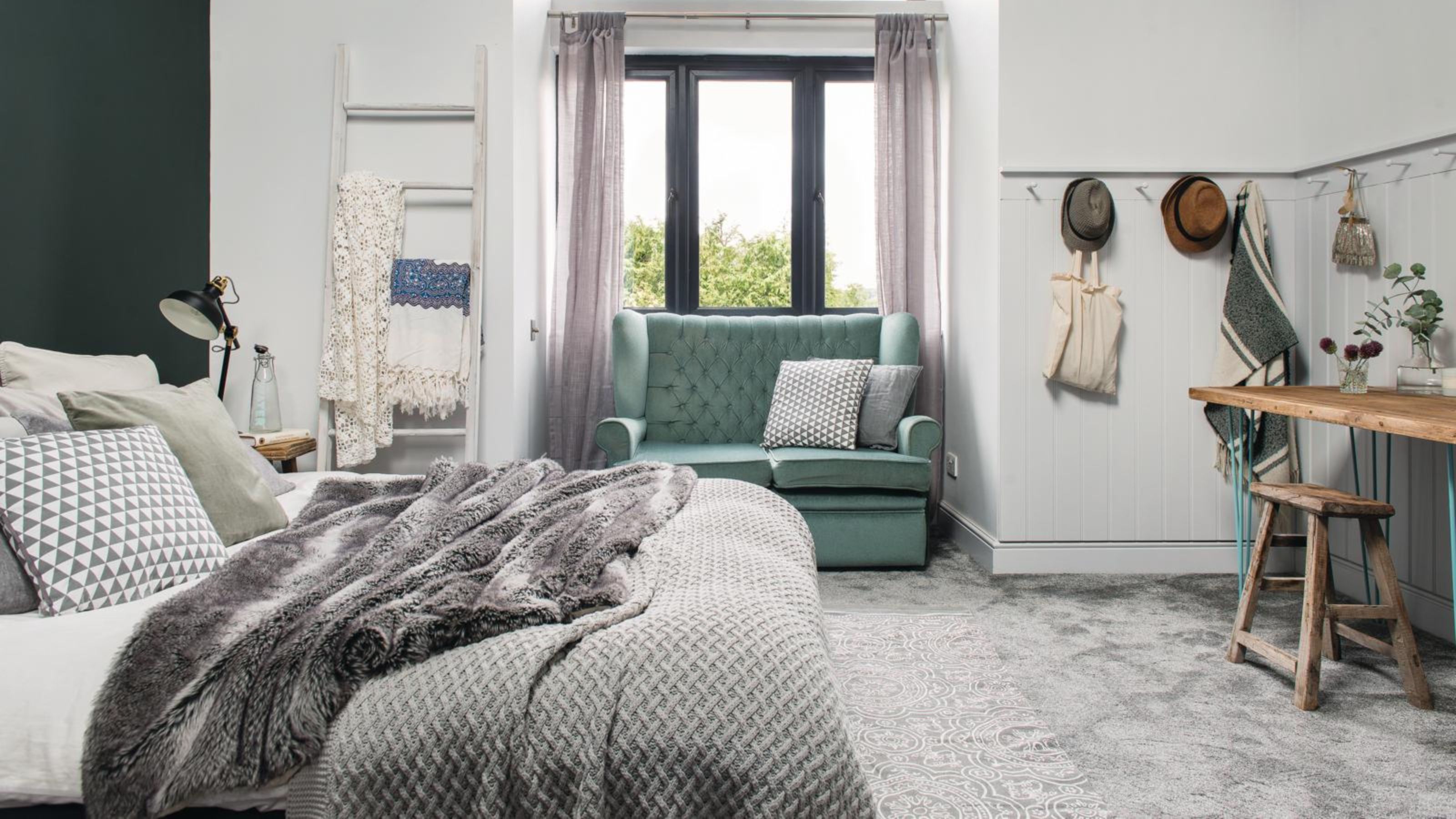
10 bedroom bay window ideas - clever ways to elevate this feature with lighting, furniture and window dressings

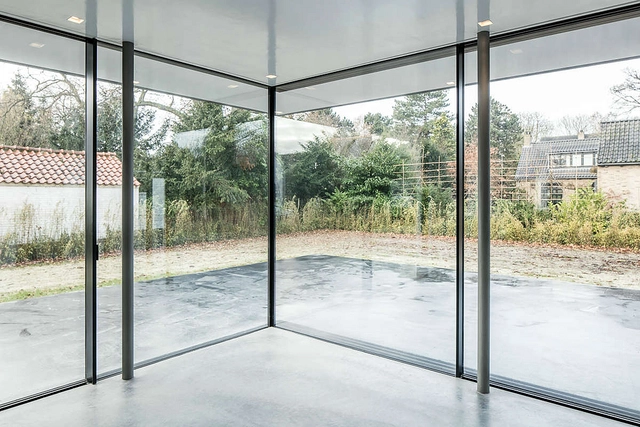
Corner Window - Double Sliding Corner from Orama Minimal Frames

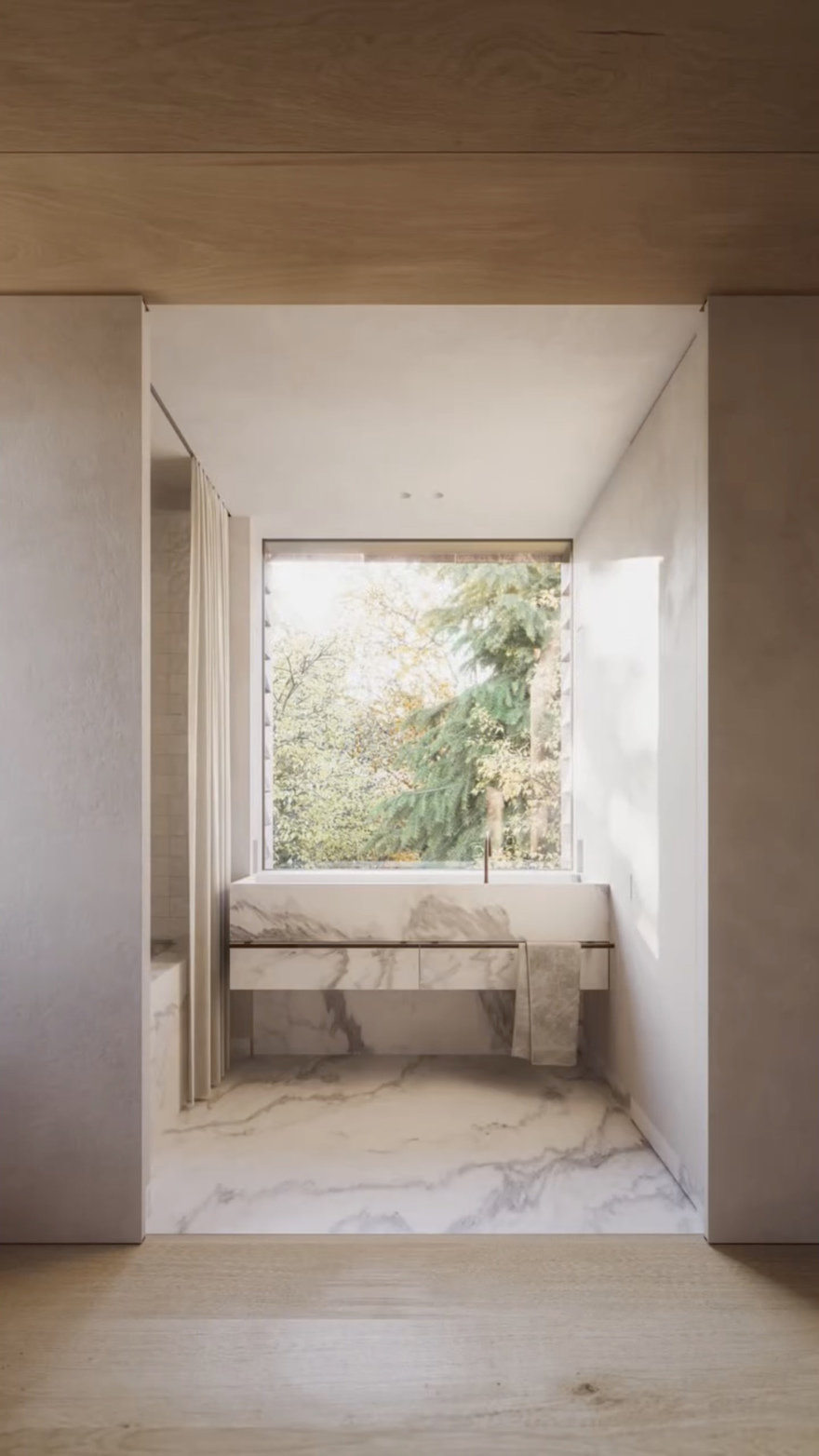
Clever Design Solution for a Bathroom with a Large Window, No Room for a Mirror

One Window, Three Ways
Small bedroom window ideas that will completely change the feel of your space, according to designers

Skip the Window Treatments, This Designer Says — Here's Why

Design pros reveal how to create a darker sleep sanctuary – here's why you should

17 homes with cosy window seats you’ll want to escape to

Window Dressing

5 Decor Ideas To Transform a Windowless Bathroom — "It'll Feel So Energizing"

7 best colours to paint a windowless bathroom that will transform the mood of a dark wash space
Sliding Window – Invisible Frame from Vitrocsa
Doors & Windows

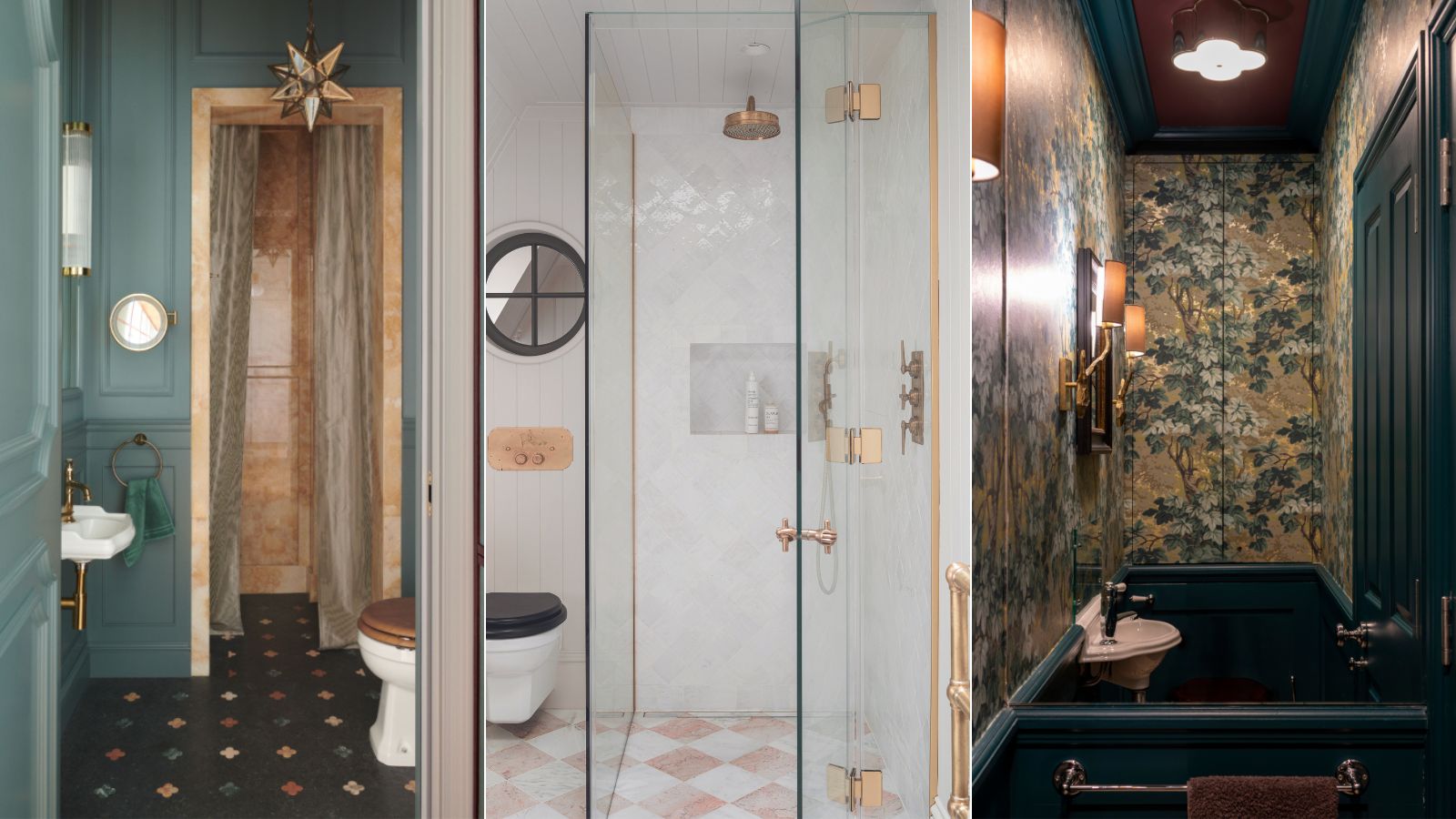
5 designer tips for decorating a windowless bathroom
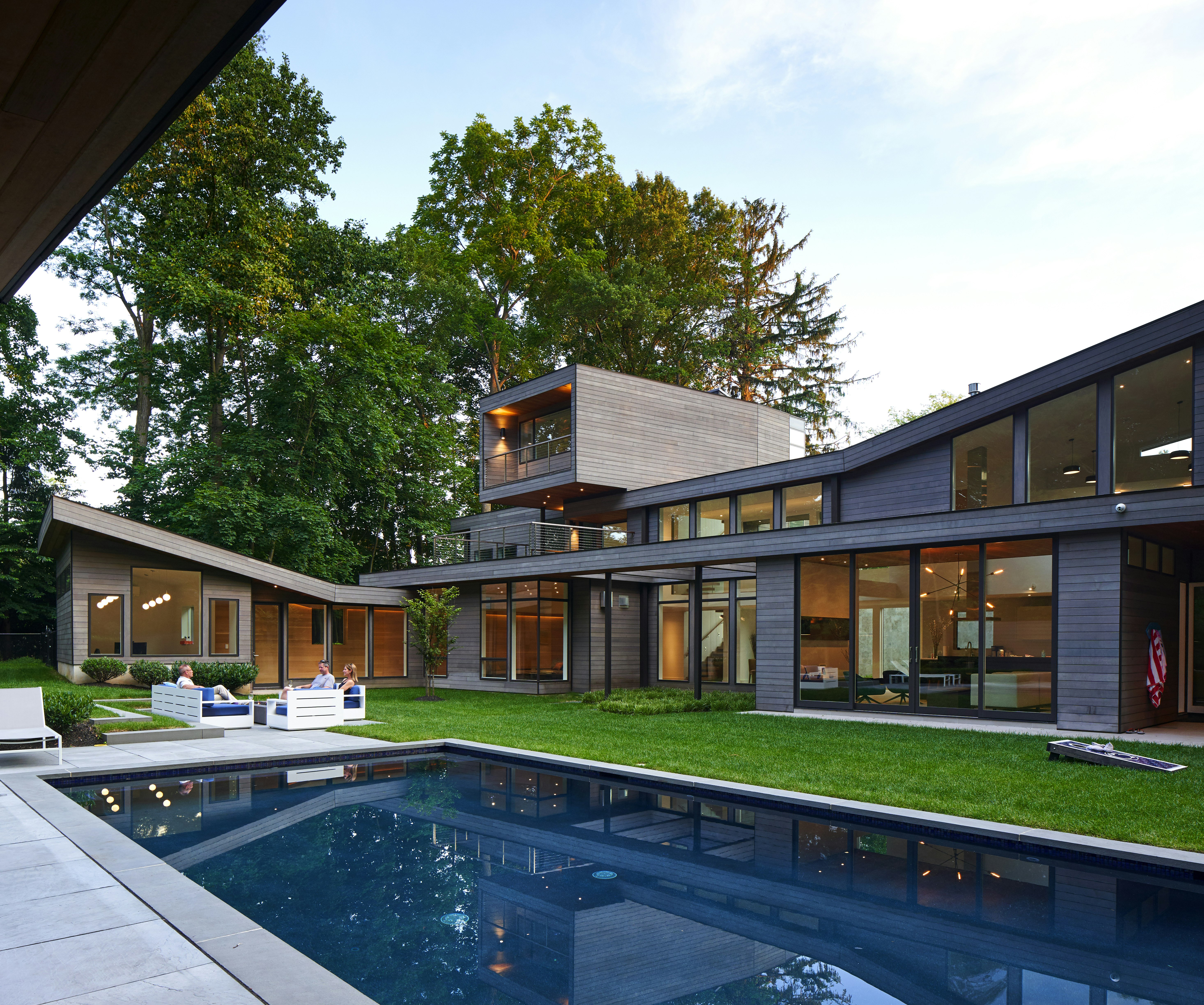
Walls of Windows Connect a Home With Earth and Sky

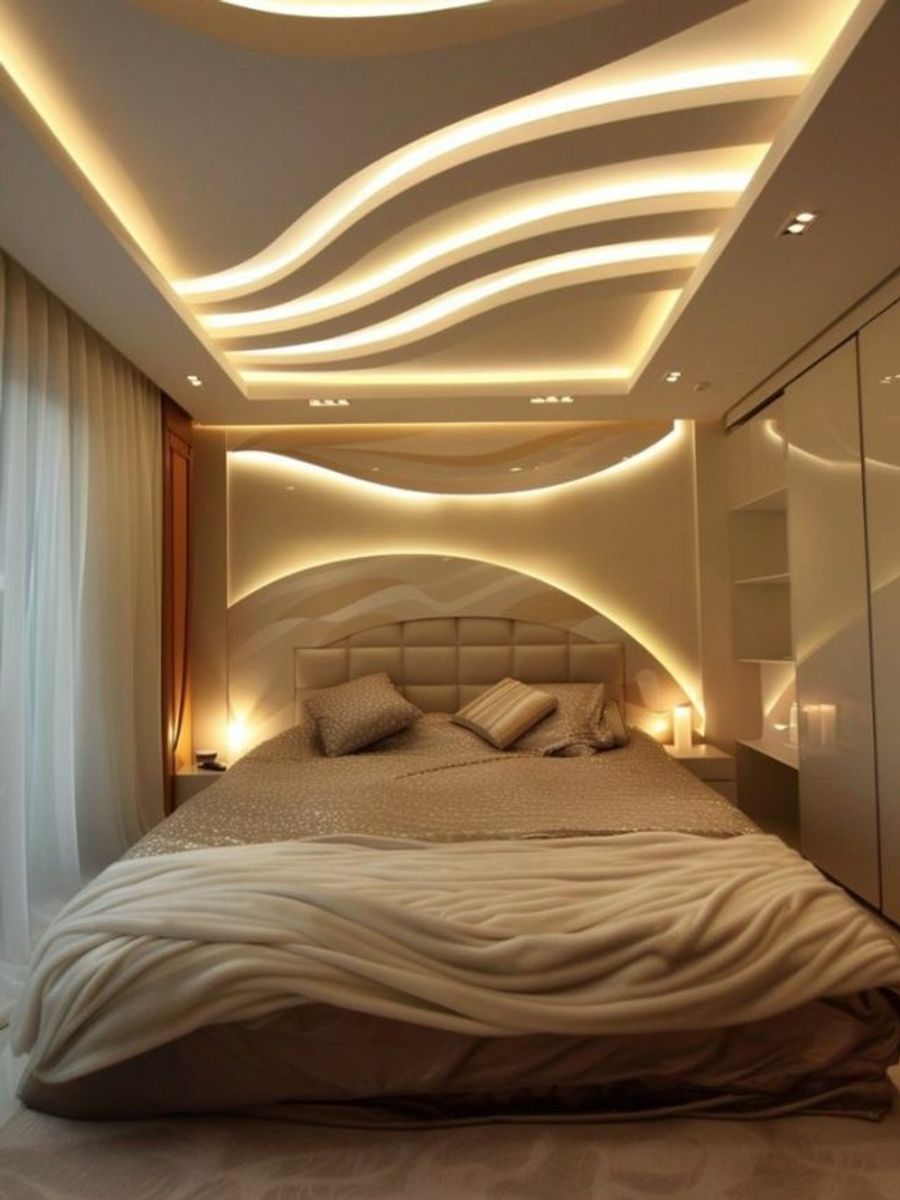
Latest Bedroom False Ceiling Ideas for Your Dream Home