1/2
Love Roses But Struggle to Help Them Flourish? Here are 21 Alternatives
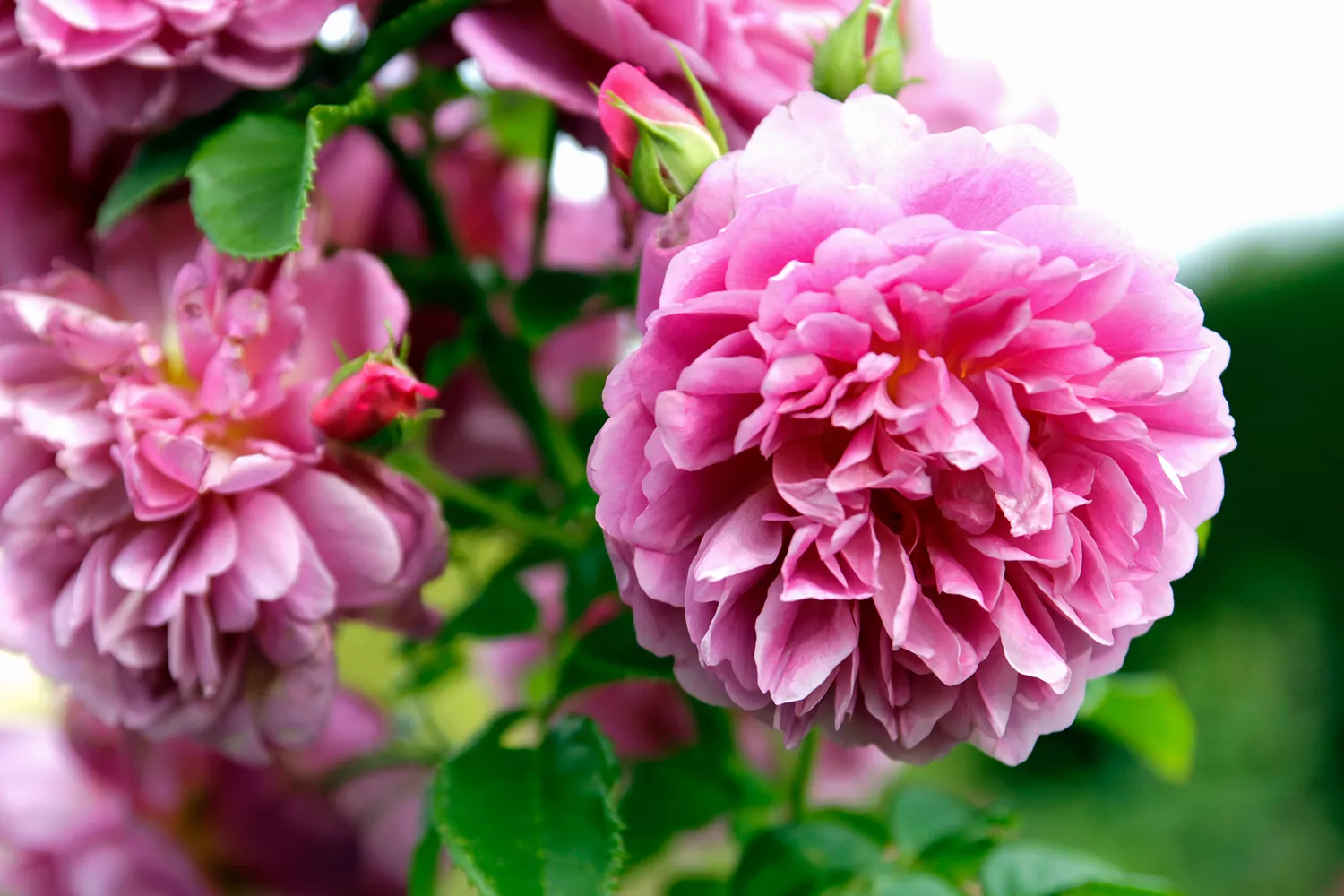
The article presents a comprehensive guide to 21 distinct types of flowers that visually resemble roses, offering gardeners alternatives that often come with broader care requirements, fewer or no thorns, and a more accessible price point. Each entry details the specific characteristics, care needs, and reasons why these flowers make excellent rose substitutes, catering to various gardening preferences and environmental conditions.
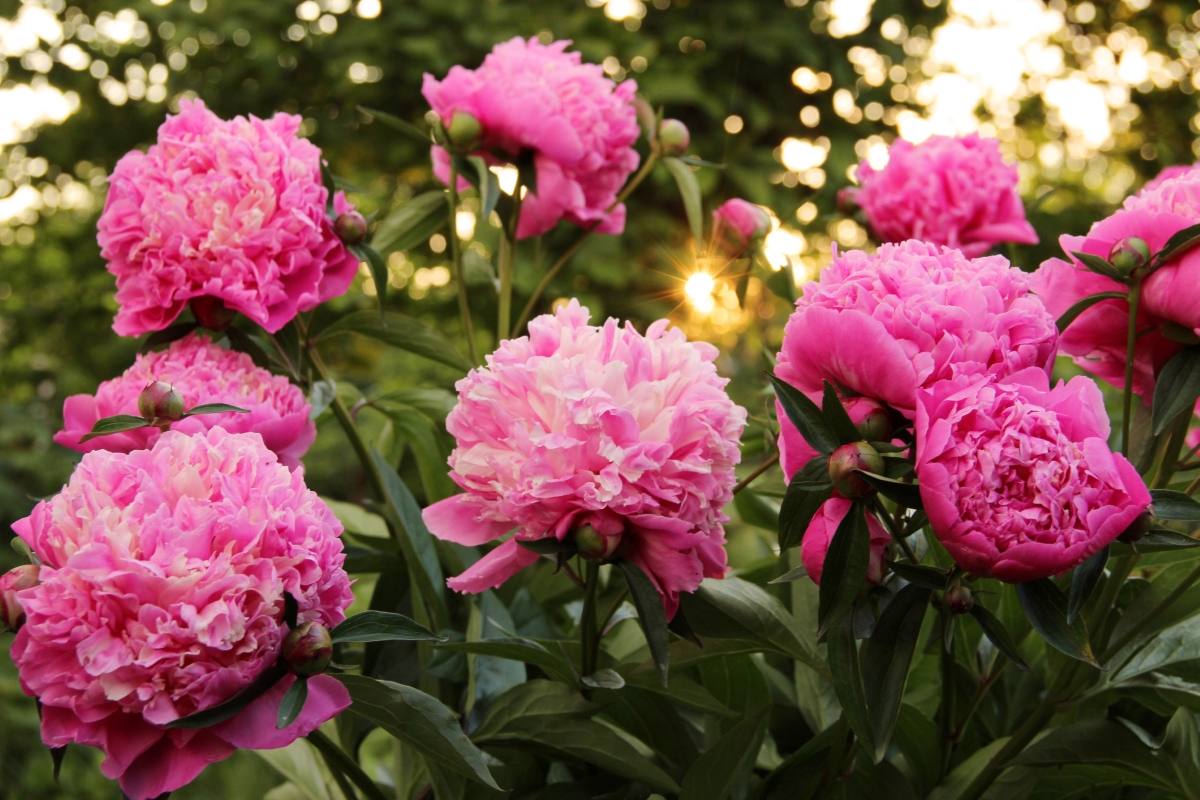
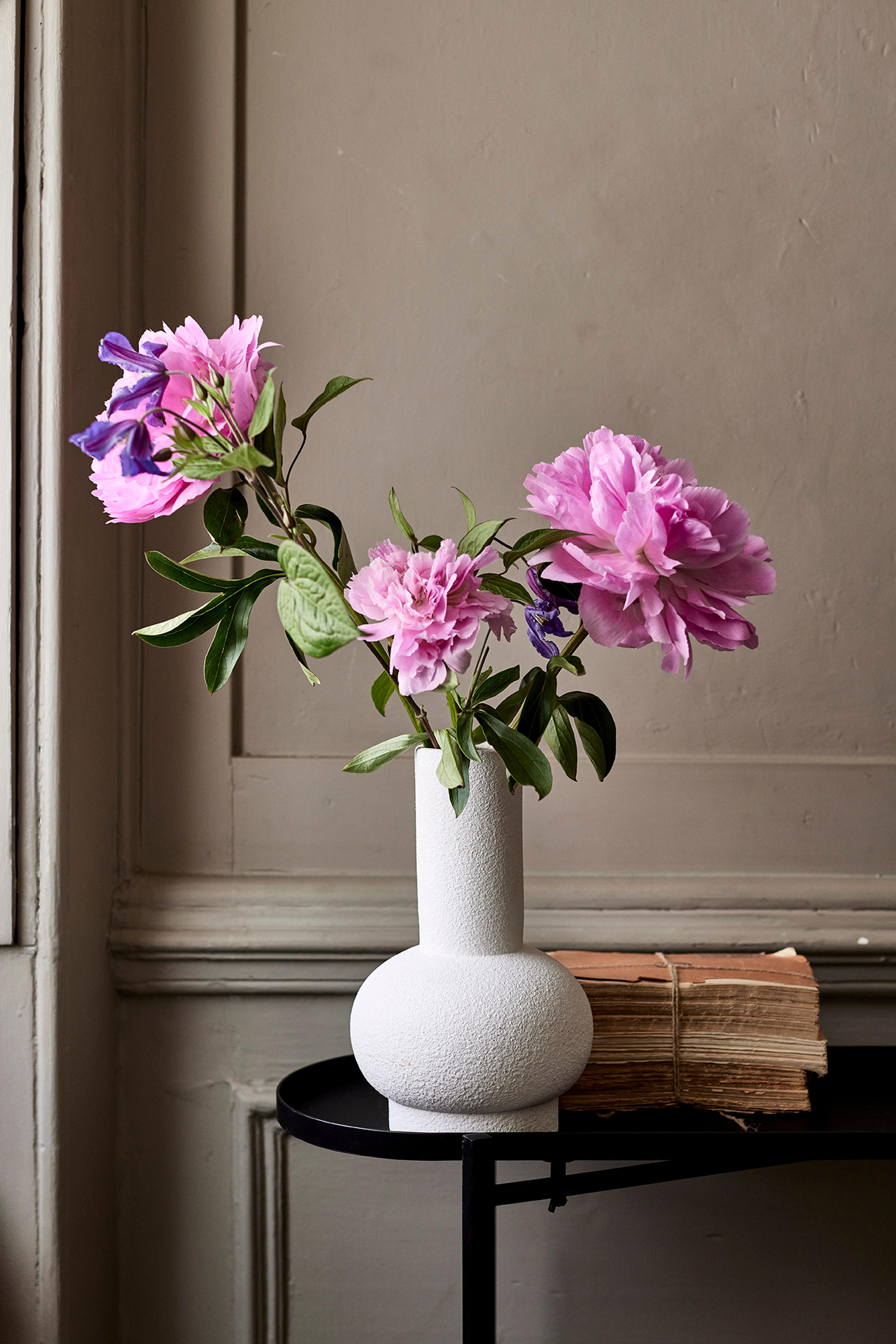
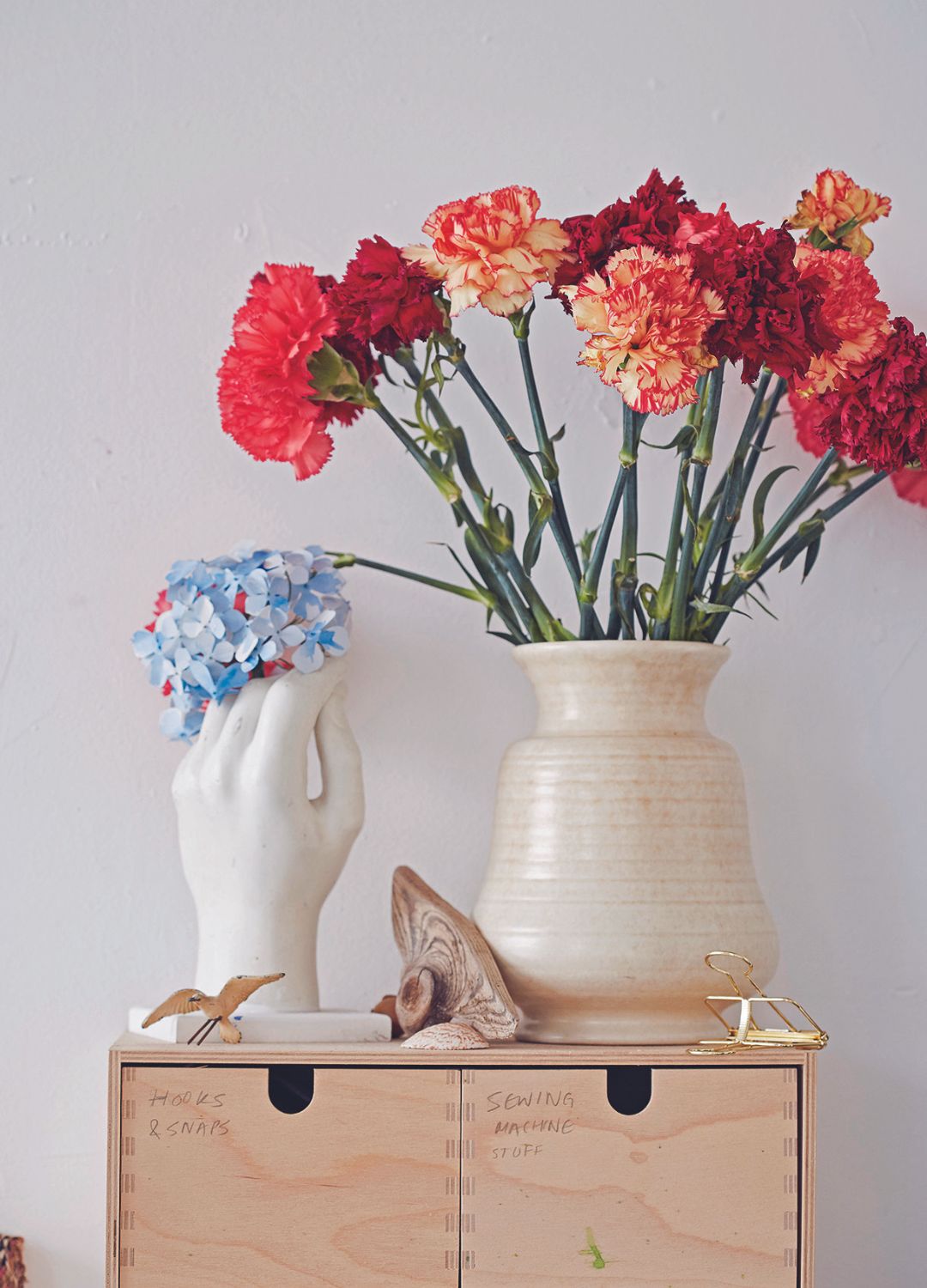
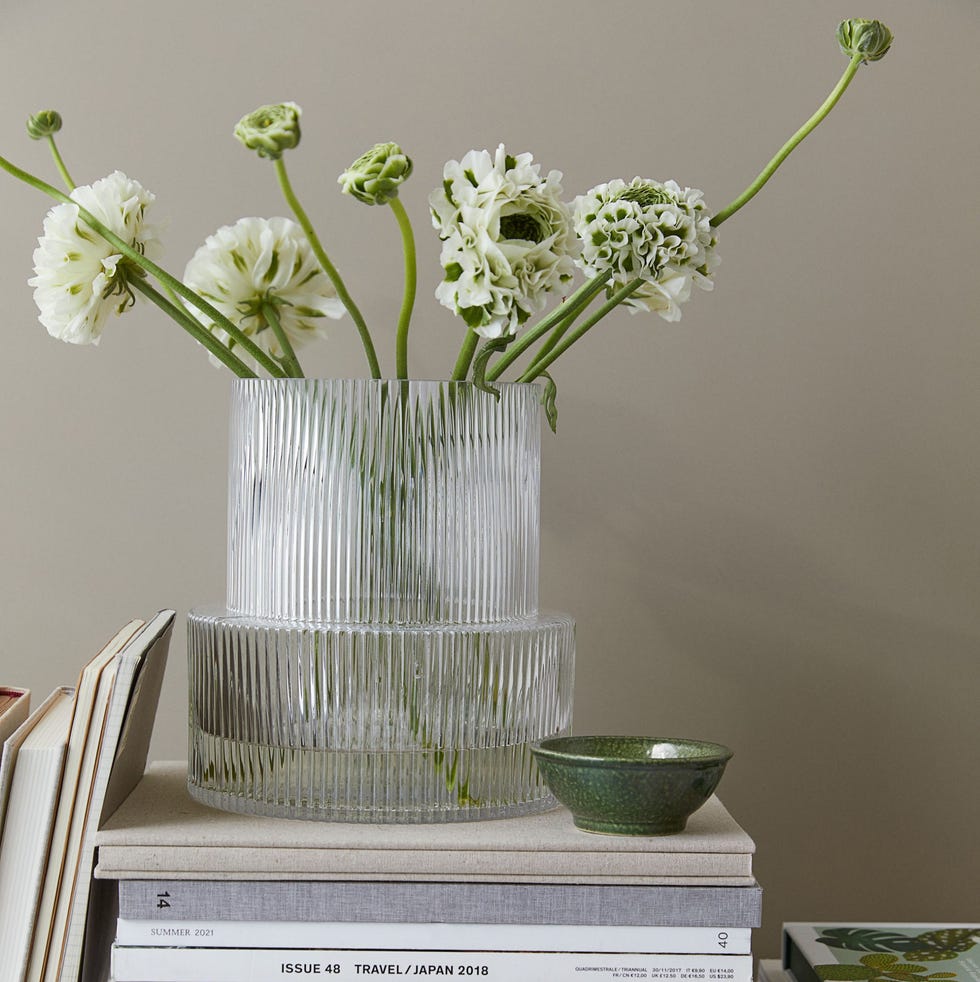
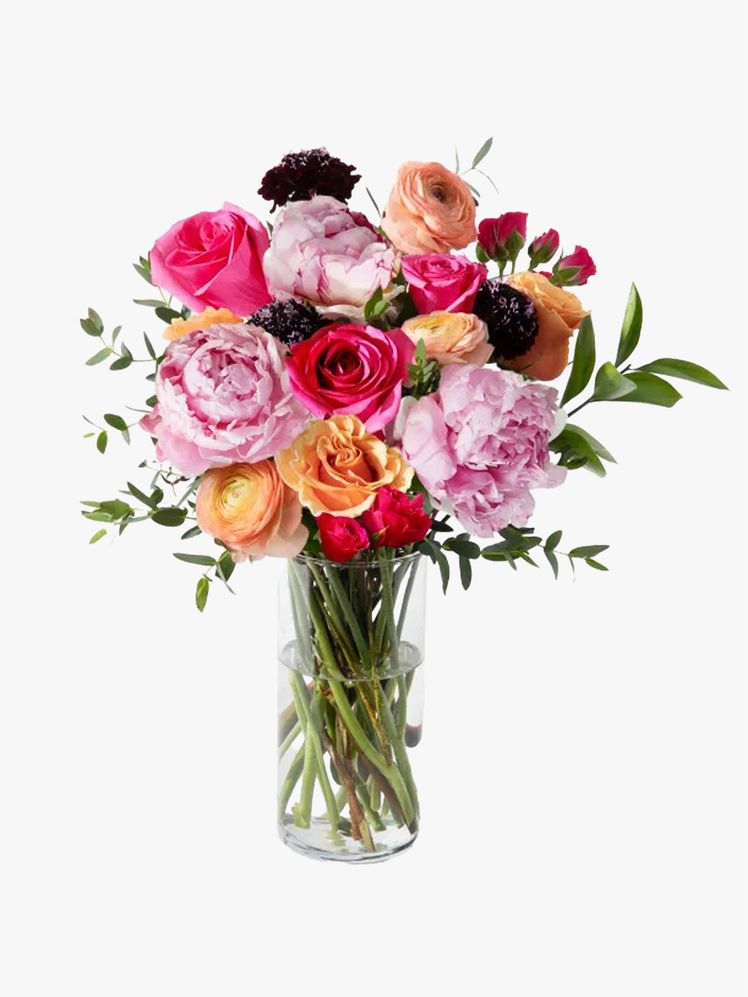
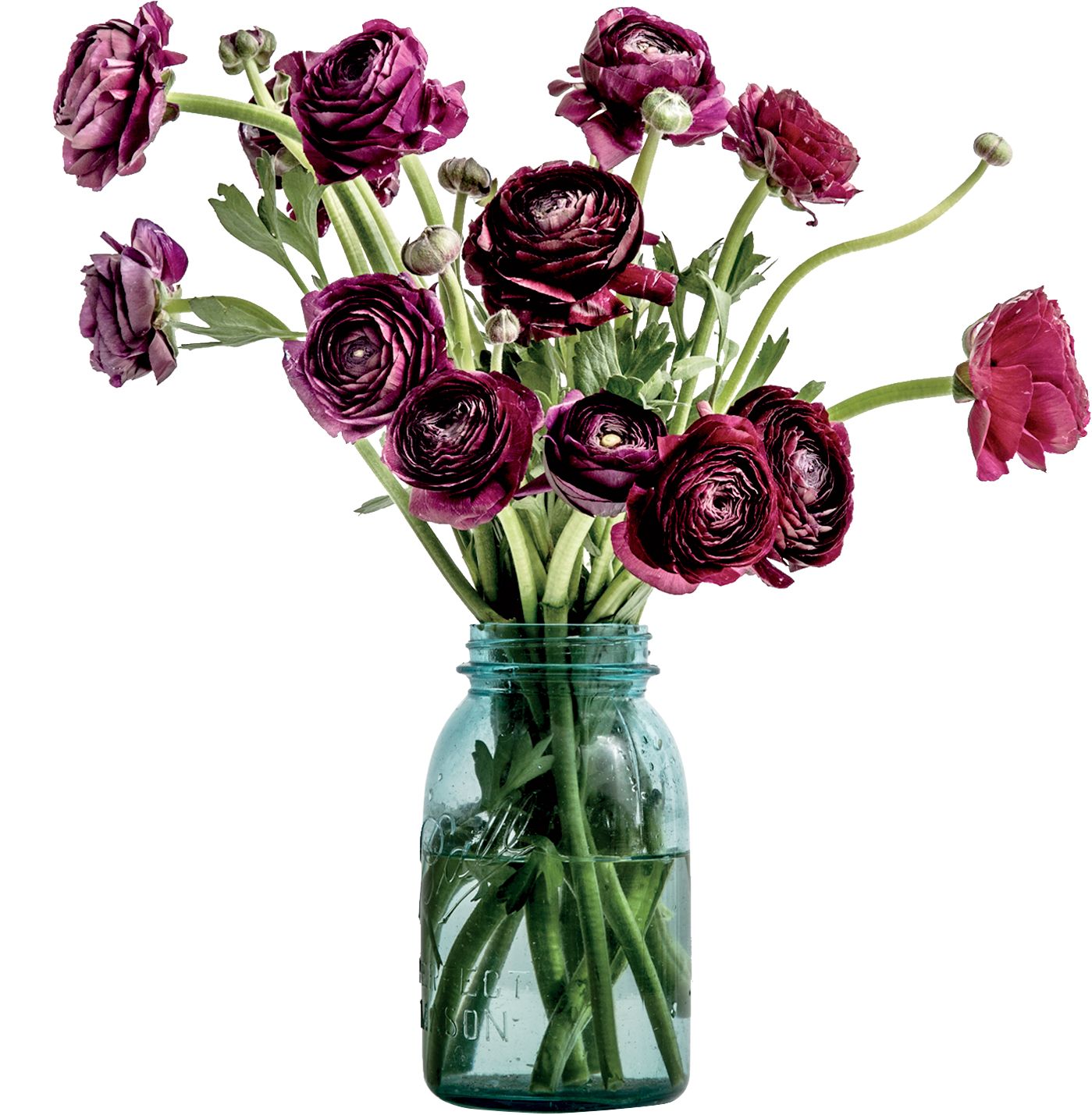
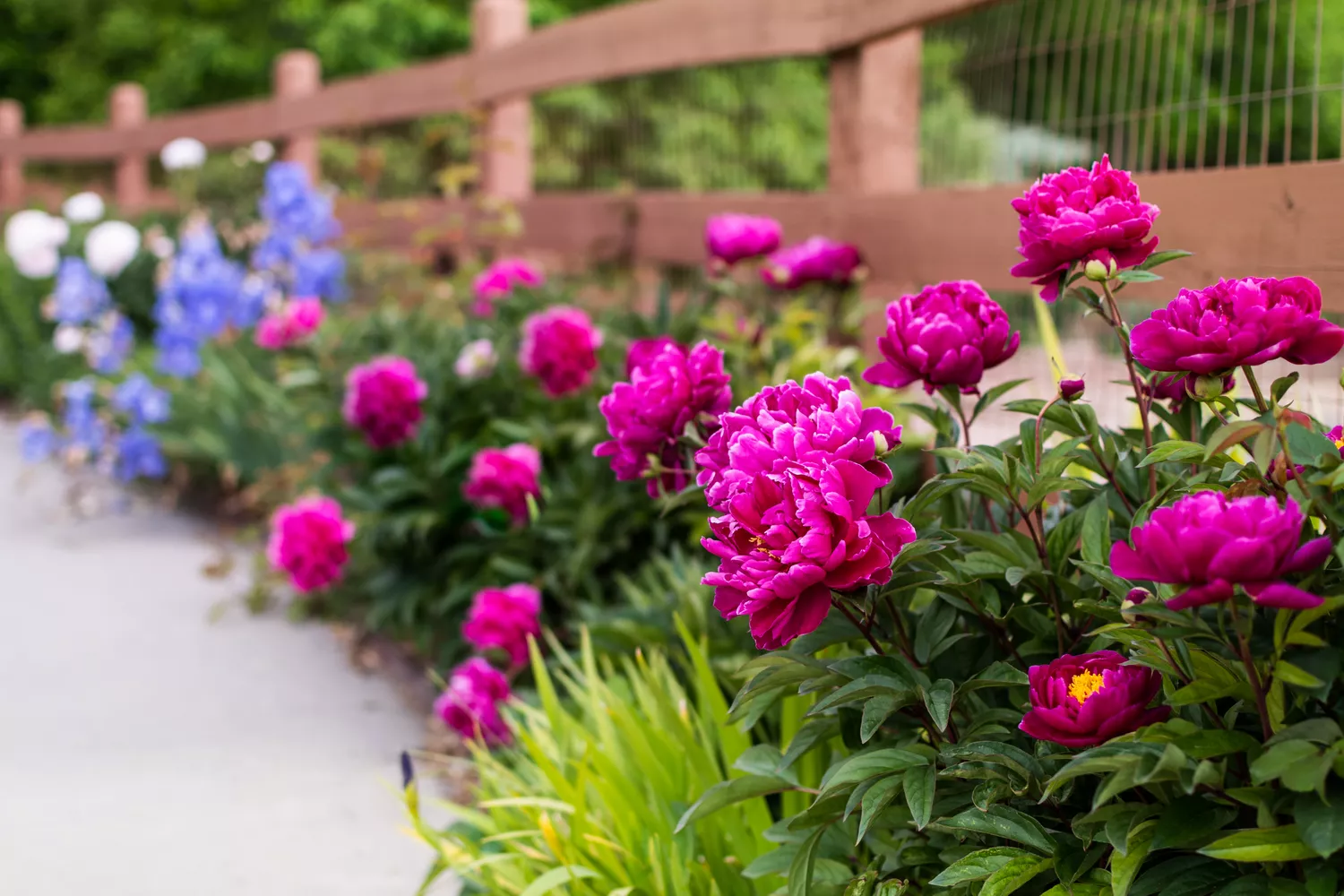
Beginning with Ranunculus, the guide highlights its double-bloom varieties in diverse colors like pink, orange, red, and white, noting their popularity for cut flower gardens and early spring bloom. Peonies are introduced as another popular and fragrant option, with 33 species, emphasizing showier varieties like 'Pink Hawaiian Coral' for their ruffled petals and large blooms. Carnations are noted for their long-lasting vibrancy and layered, ruffled petals, along with their distinct spicy scent that contrasts with a rose's sweetness.
Double tulips are included for their fuller, rounded appearance, distinguishing them from standard tulips and offering a thorny-free early spring display. Gardenias, tropical evergreen shrubs, are recognized for their fragrant white flowers with spiraling petals, though they are acknowledged as high-maintenance, similar to some rose varieties. Camellias are compared to roses for their lush, petaled blooms in various colors and are highlighted for their suitability in warmer climates, though most lack fragrance. Lisianthus is praised for its ability to remain fresh for up to two weeks as a cut flower, with large, bell-like blooms that resemble roses, available in purple, pink, and white.
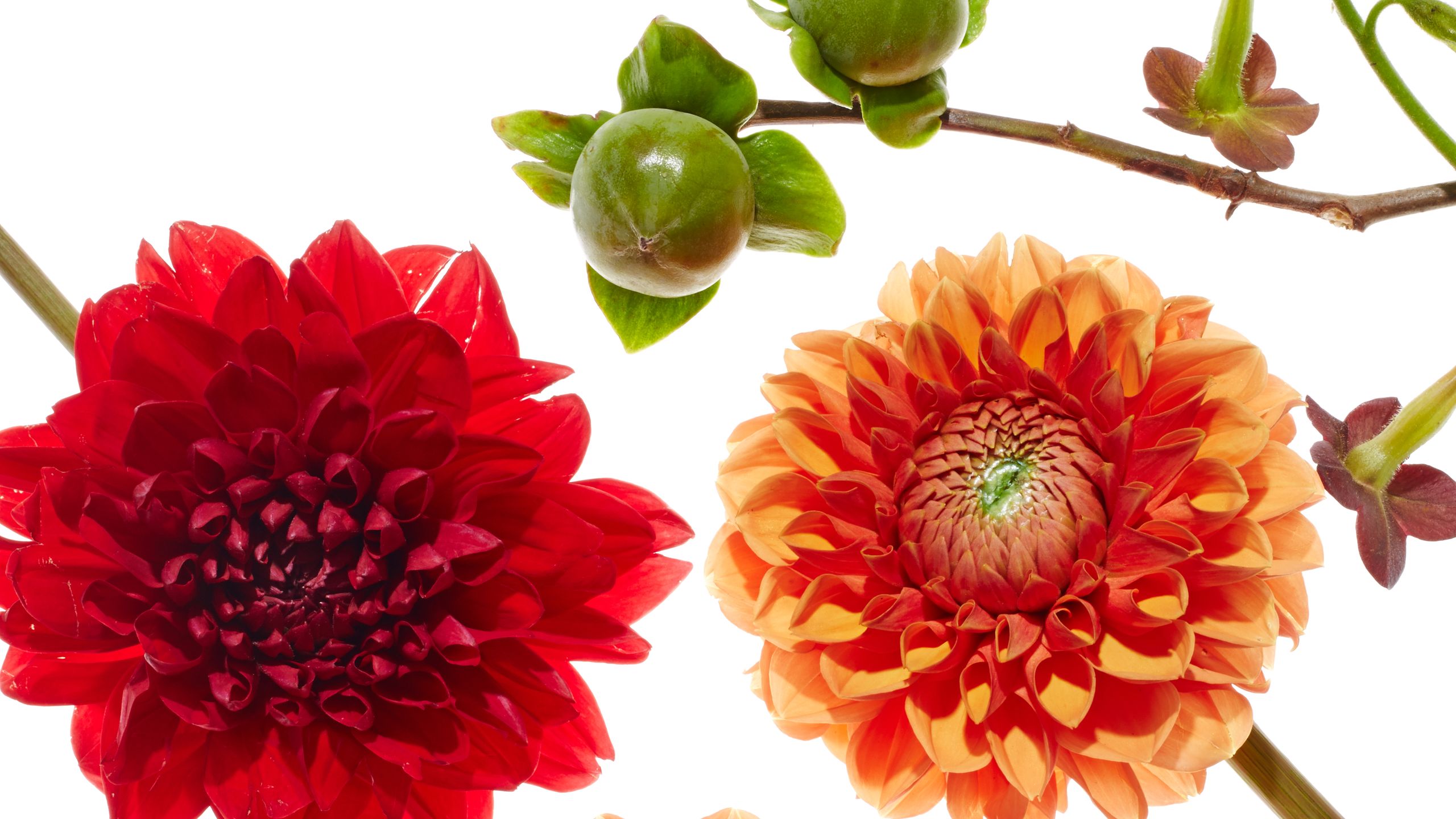
Dahlias, particularly "dinner plate" varieties, are featured for their large, showy blooms that can exceed 8 inches, drawing comparisons to roses. Begonias, especially hybrid tuberous types, are noted for their rose-like flowers with thin, ruffled petals in various colors, often grown as annuals despite being perennials. Anemones, specifically double anemones, are presented for their fuller appearance and ornate petal arrangements that mimic roses, with the 'Queen Charlotte' hybrid serving as an example. Cotton rose, a hibiscus variety, is described for its five large petals that change color from white to pink to red, offering a heat-tolerant alternative for tropical climates.
Moss rose, an annual succulent, is included for its drought and heat tolerance, featuring single, semi-double, and double blooms that open during the day and close at night. Daffodils, particularly double-petaled varieties like 'Sir Winston Churchill,' are shown to resemble roses with their frilly petals. Flowering quince, a relative of roses in the Rosaceae family, produces delicate blossoms along woody stems before foliage appears, with the 'Cameo' cultivar noted for its apricot-colored double blossoms. Oriental poppies, especially semi-double or double bloom varieties, are mentioned for their showy petals and vibrant hues.
Double impatiens are presented as a shade-loving option with more petals and a showier appearance than standard impatiens, suitable for locations where roses typically wouldn't thrive. Japanese rose, another member of the Rosaceae family, is recognized for its vigorous blooming in shady conditions, producing yellow flowers with five petals. Million bells (Calibrachoa) are included for their petite, 1-inch blooms with double petal arrangements, ideal for container gardens due to their trailing growth habit. Rhododendrons are valued for their prolific blooming and clusters of flowers, with the Catawba rhododendron being a notable example for its abundant pink blossoms. Gloxinia, a compact flowering houseplant, features double-bloom varieties with bell-shaped flowers and ruffled petals strongly resembling roses. Finally, Azaleas, part of the Rhododendron genus, are highlighted for their smaller foliage and five stamens, with options like the Stewartstonian azalea and Bloom-a-Thon azalea offering double flowers in various vibrant colors.
#Garden #FlowerGardening #RoseAlternatives #PlantCare #FloralDesign #HomeGardening #OrnamentalPlants #Garden #FlowerGardening #RoseAlternatives #PlantCare #FloralDesign #HomeGardening #OrnamentalPlants
0 comment in total
 No comments yet
You may also like

Lavender Alternatives — 6 Other Purple Flowers That Are Just as Beautiful (and Smell Just as Good)

5 Unexpected Ways to Display Flowers, No Vase Required

How to grow passion flowers – for a spectacular and other-worldly flowering climber

13 Long-Lasting Cut Flowers for Beautiful Bouquets

15 Cut Flowers to Grow for Stunning Homemade Bouquets

These Pink-Blooming Beauties Are the Ultimate Yard Upgrade
20 Climbing Plants We Can't Get Enough of for Any Trellis, Pergola, or Fence
The Best Flower Delivery Services & Subscriptions For The Ones You Love

4 Floral Arrangements To Hold You Over Until Spring
19 Fragrant Flowers That Will Make Your Garden Smell–and Look—Amazing
Gardening experts reveals how to make your cut flowers last longer
Steal These Florists' Tips to Create Better Bouquets at Home
How to Keep Roses Alive and Looking Their Best For as Long as Possible
8 Best Online Flower Delivery Services For A Fresh Bouquet Every Time

21 Winter Flower Arrangements That Might Rival Your Tree This Year
7 Flower Subscription Services Perfect for You (or Your Best Bud)

Flower home decor ideas – 12 blooming looks that'll add instant cheer to your home

How to make cut flowers last longer – 7 expert tips for getting the most out of your bouquet

Floral room decor ideas – 22 ways to decorate with this springtime favorite

9 Fragrant Flowers to Plant in Spring for a Beautiful, Sweet-Smelling Garden