1/6
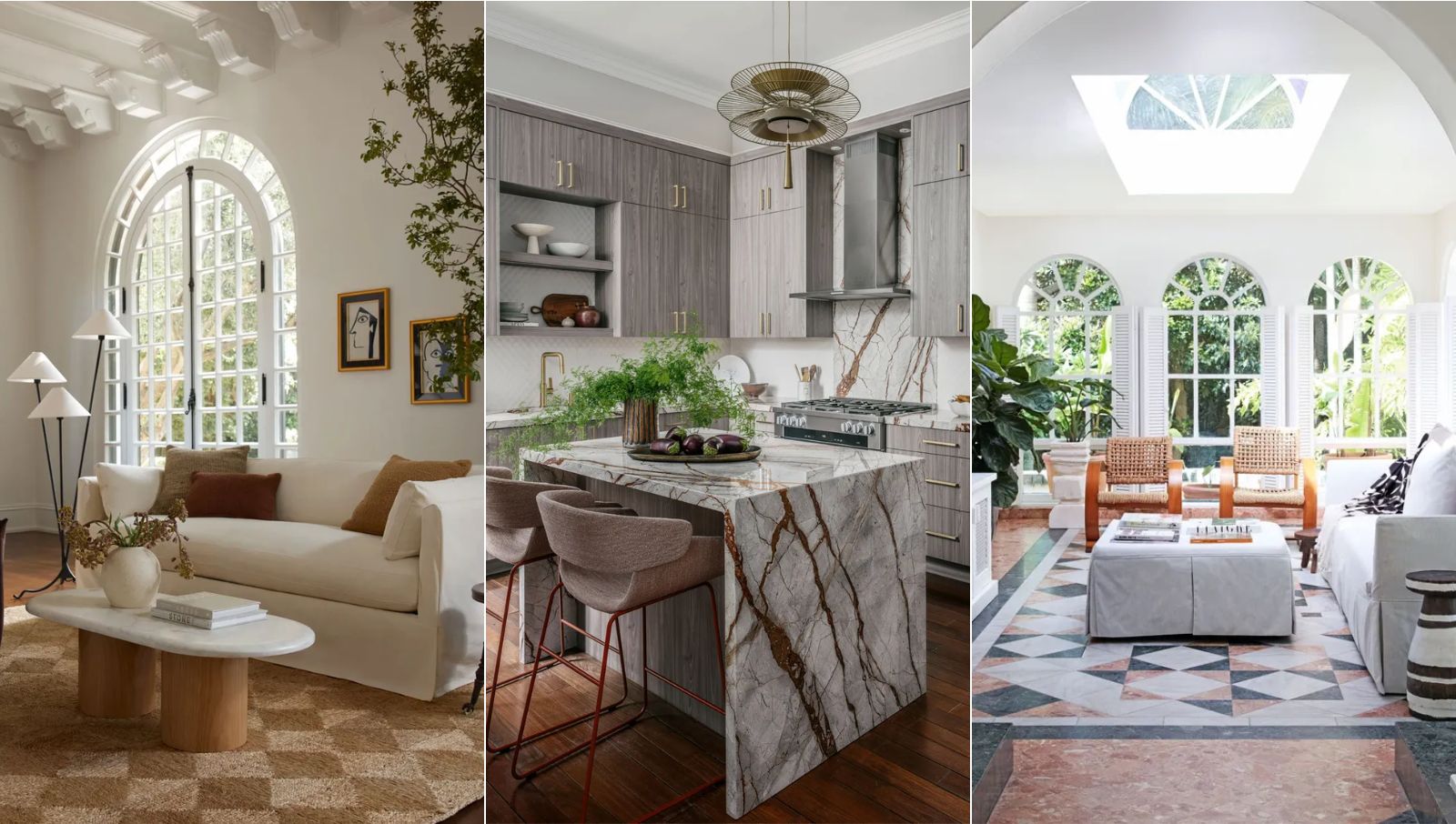
What alternatives to marble are there? The 5 trending materials you should also consider for countertops and more
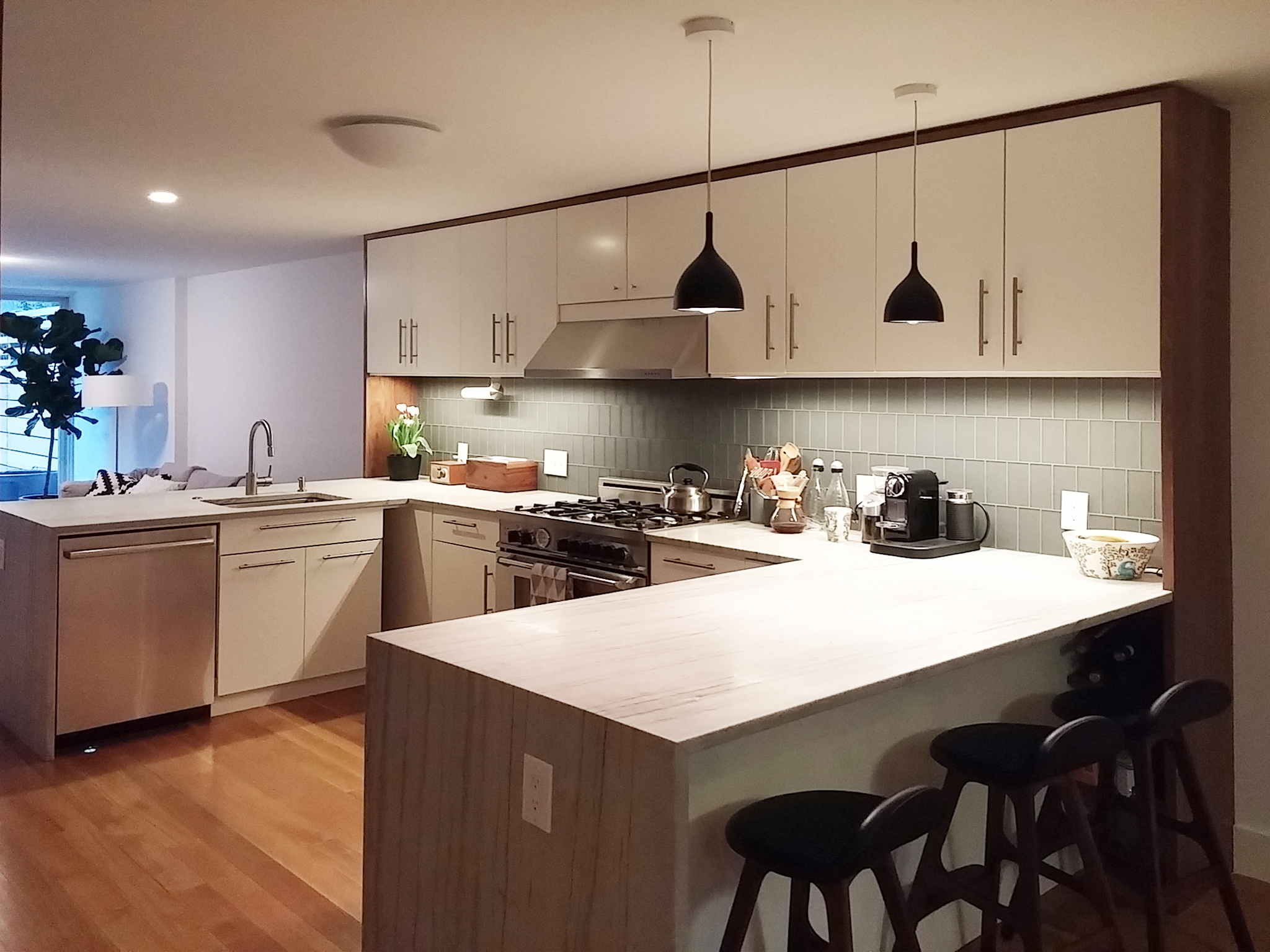
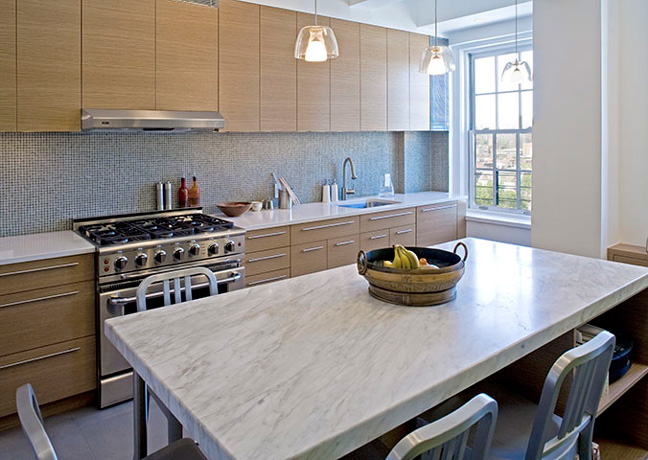
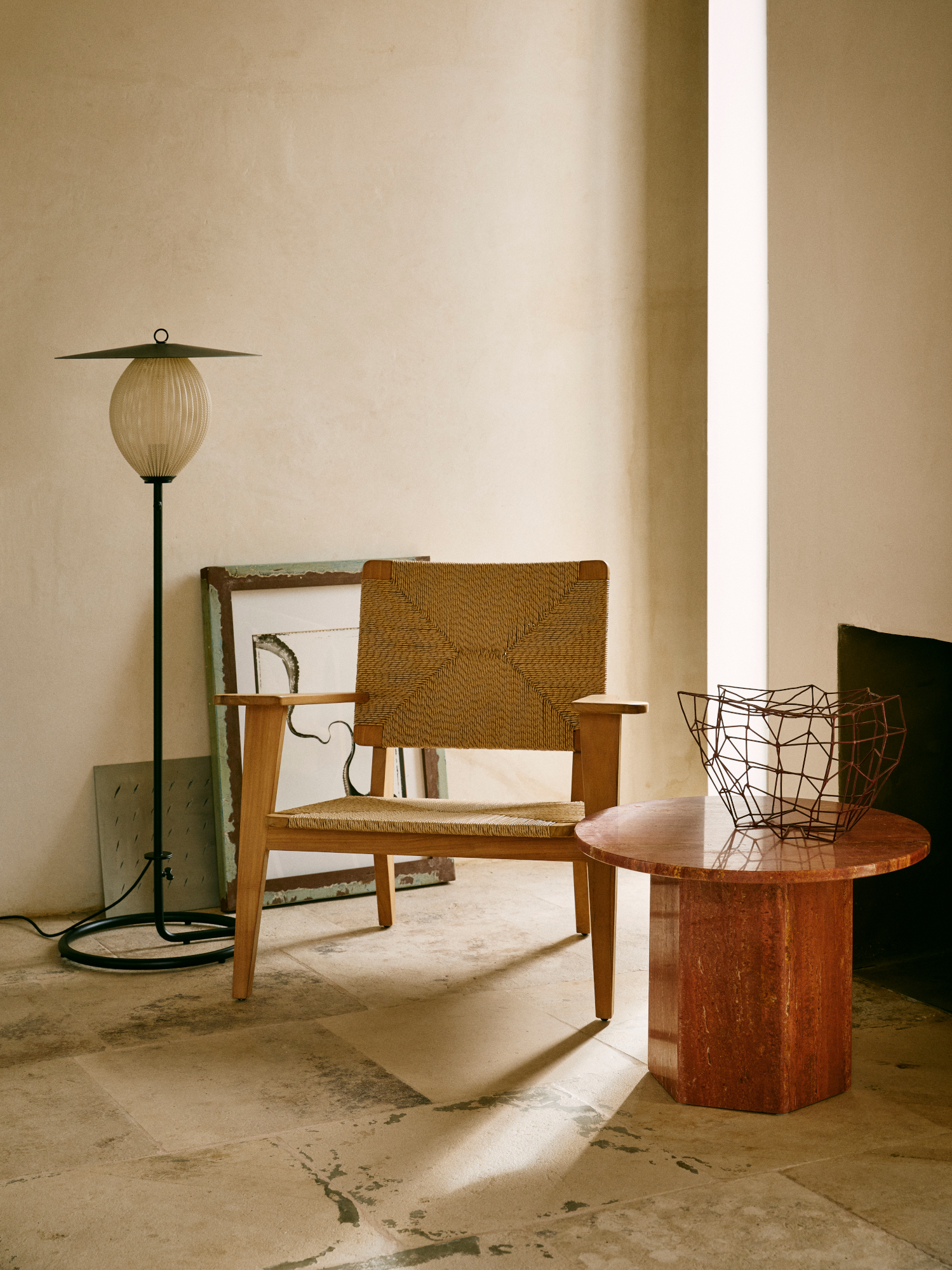
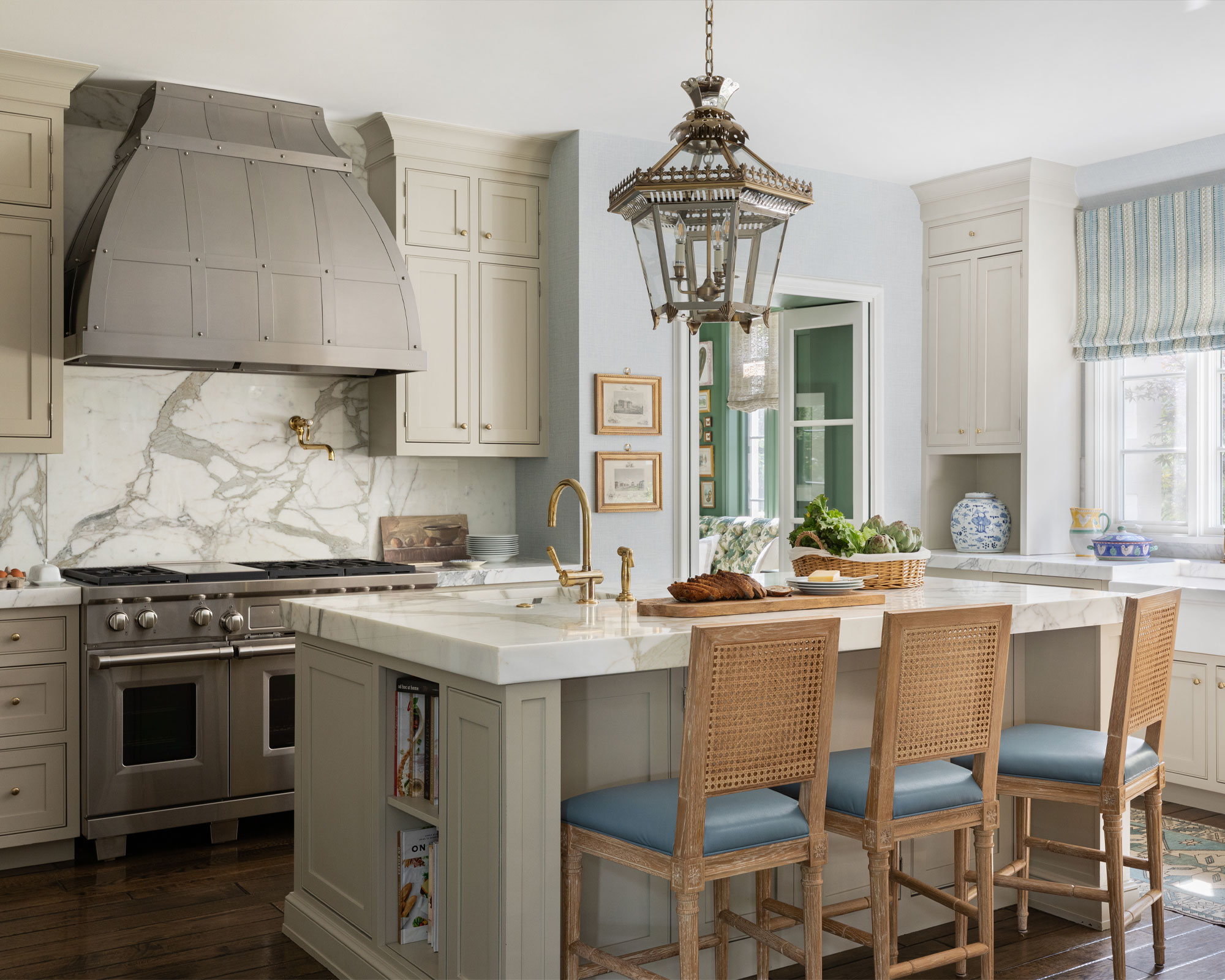
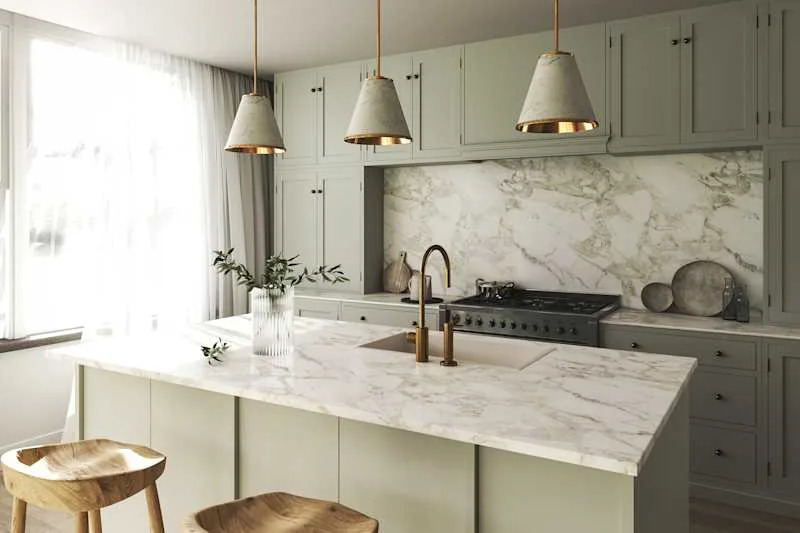
Marble is a popular material for homes, but this article explores five trending alternatives that offer unique qualities for countertops and other surfaces. The author, Luke Arthur Wells, a freelance design writer, shares insights from experts on onyx, quartzite, quartz, granite, and soapstone, highlighting their aesthetic appeal, durability, and practical applications. The article aims to inform readers about materials that can provide the glamor and drama of marble while also offering enhanced practical qualities.
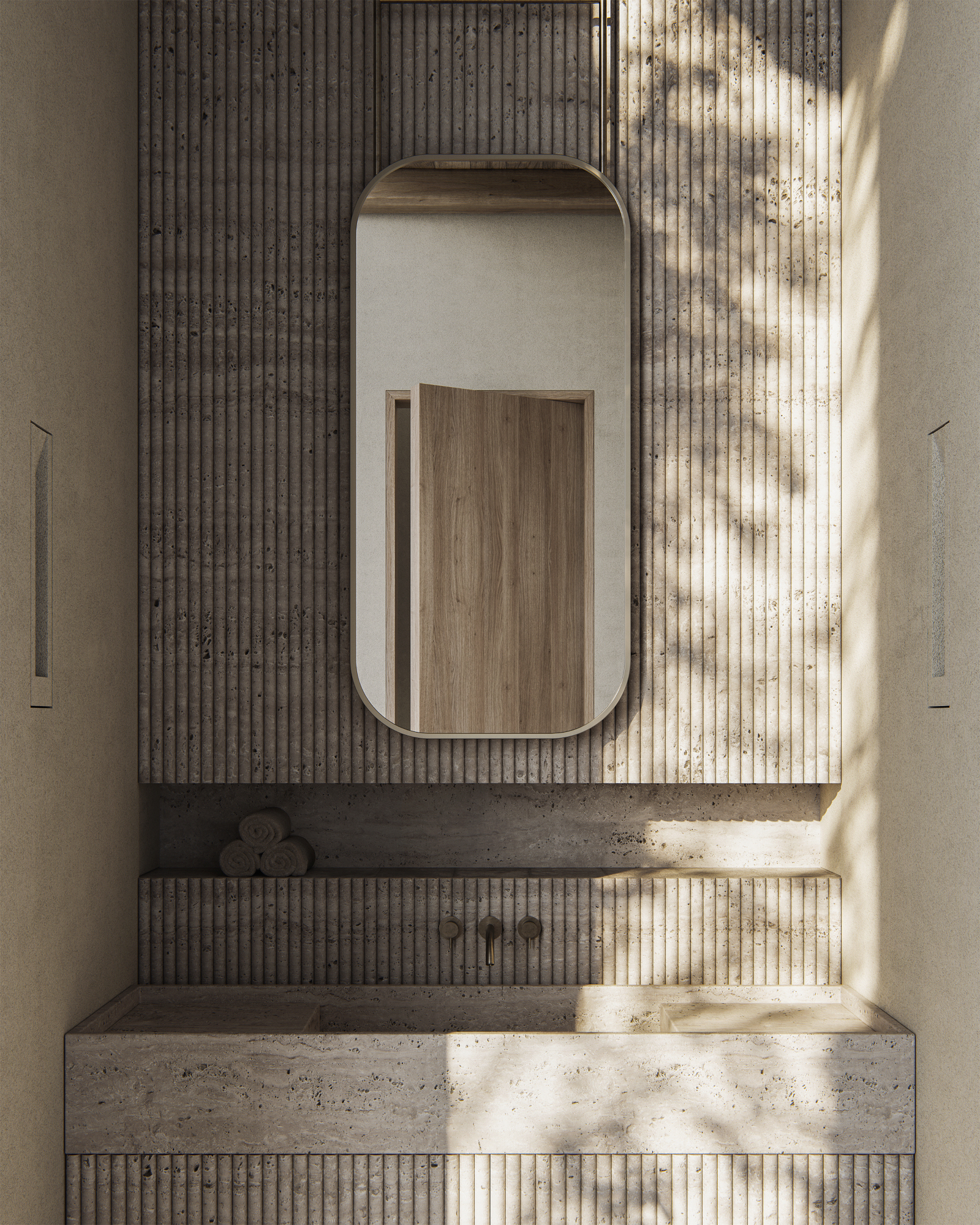
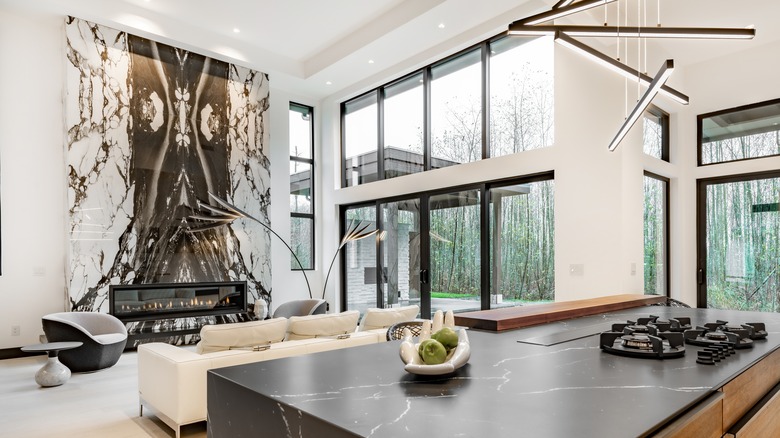
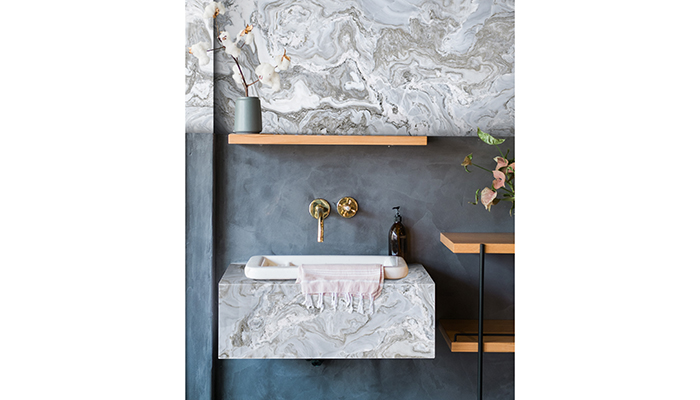
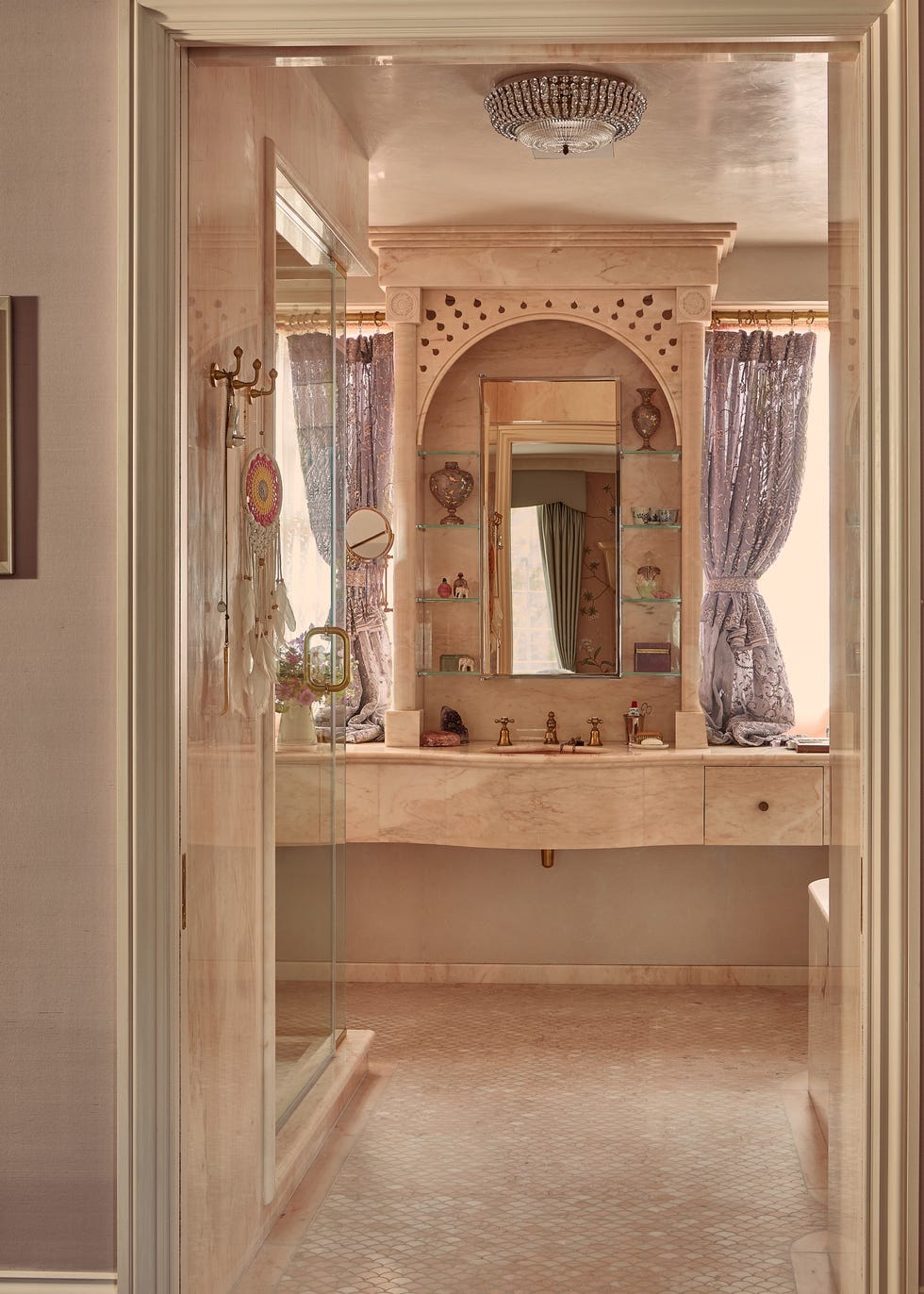
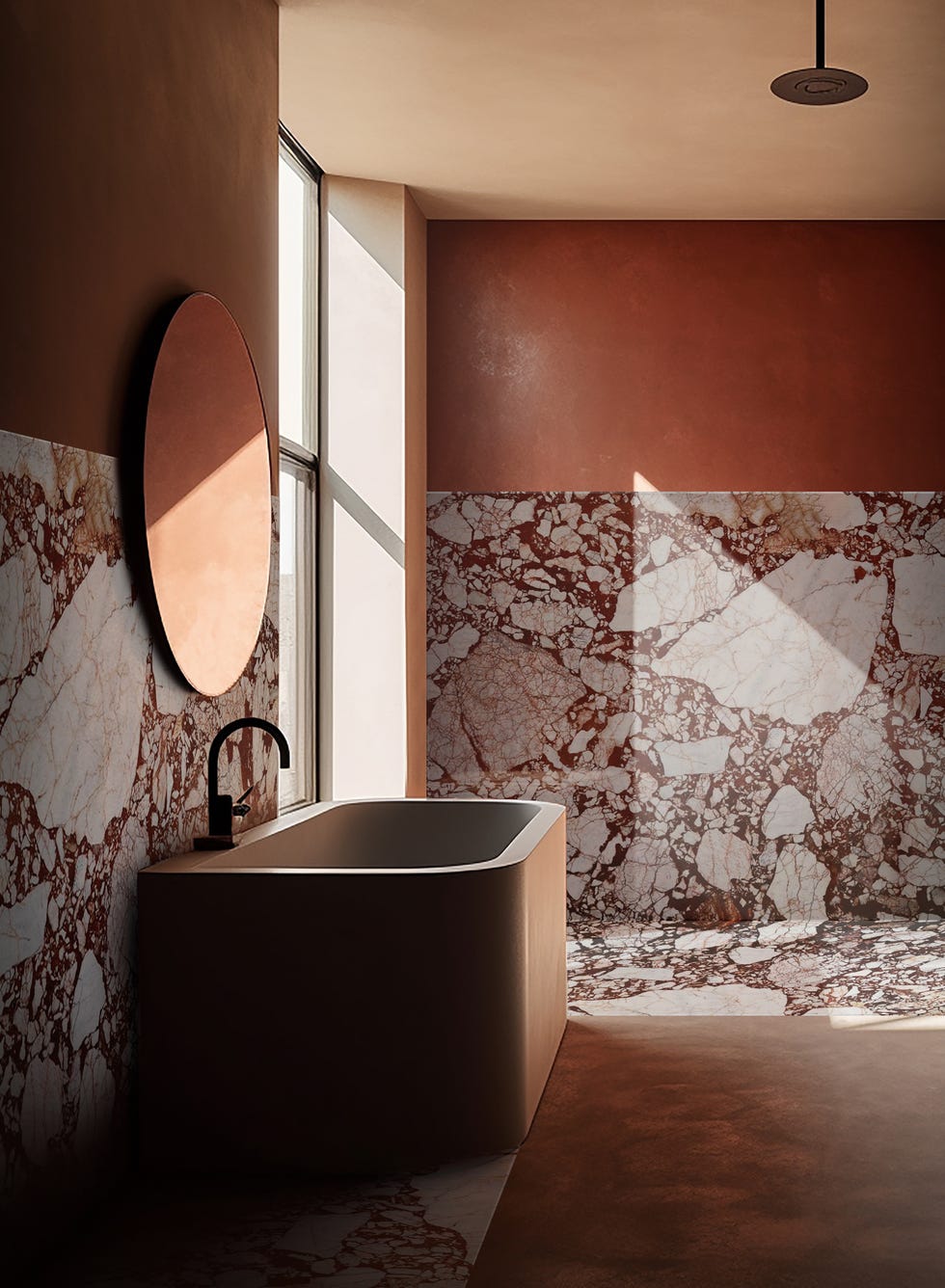
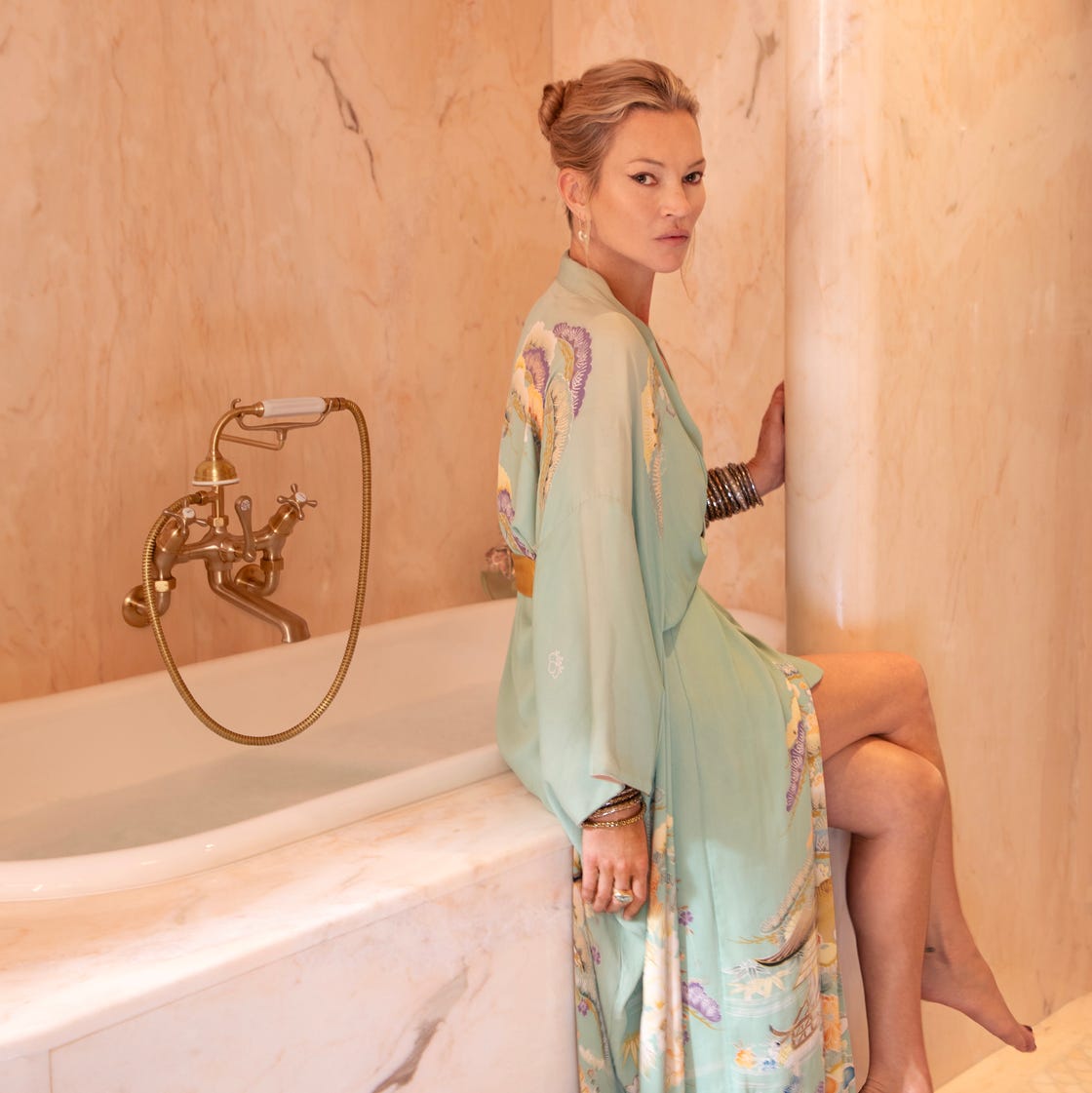
Onyx is presented as a material that can capture the dramatic swirl of marble with a lightness and ethereal quality. Yasmine Saleh Ghonie, director of YSG Studio, notes onyx's spiritual significance and its ability to diffuse light beautifully. However, onyx is also described as porous and fragile, making it less suitable for high-traffic areas like kitchen counters or shower walls due to its susceptibility to staining and wear. It is best used in decorative applications or areas with less exposure to wear and tear, such as vanity ledges in bathrooms.
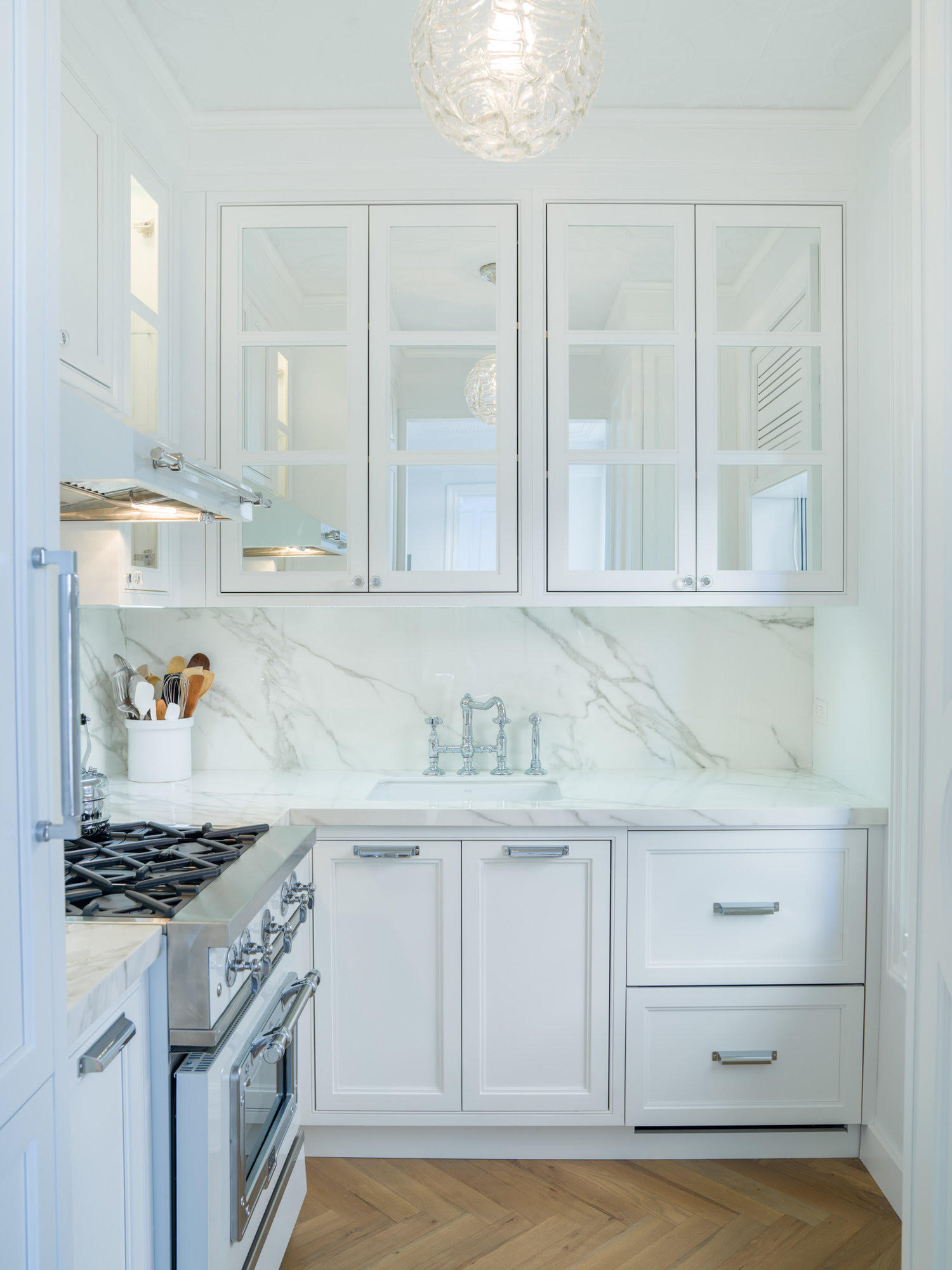
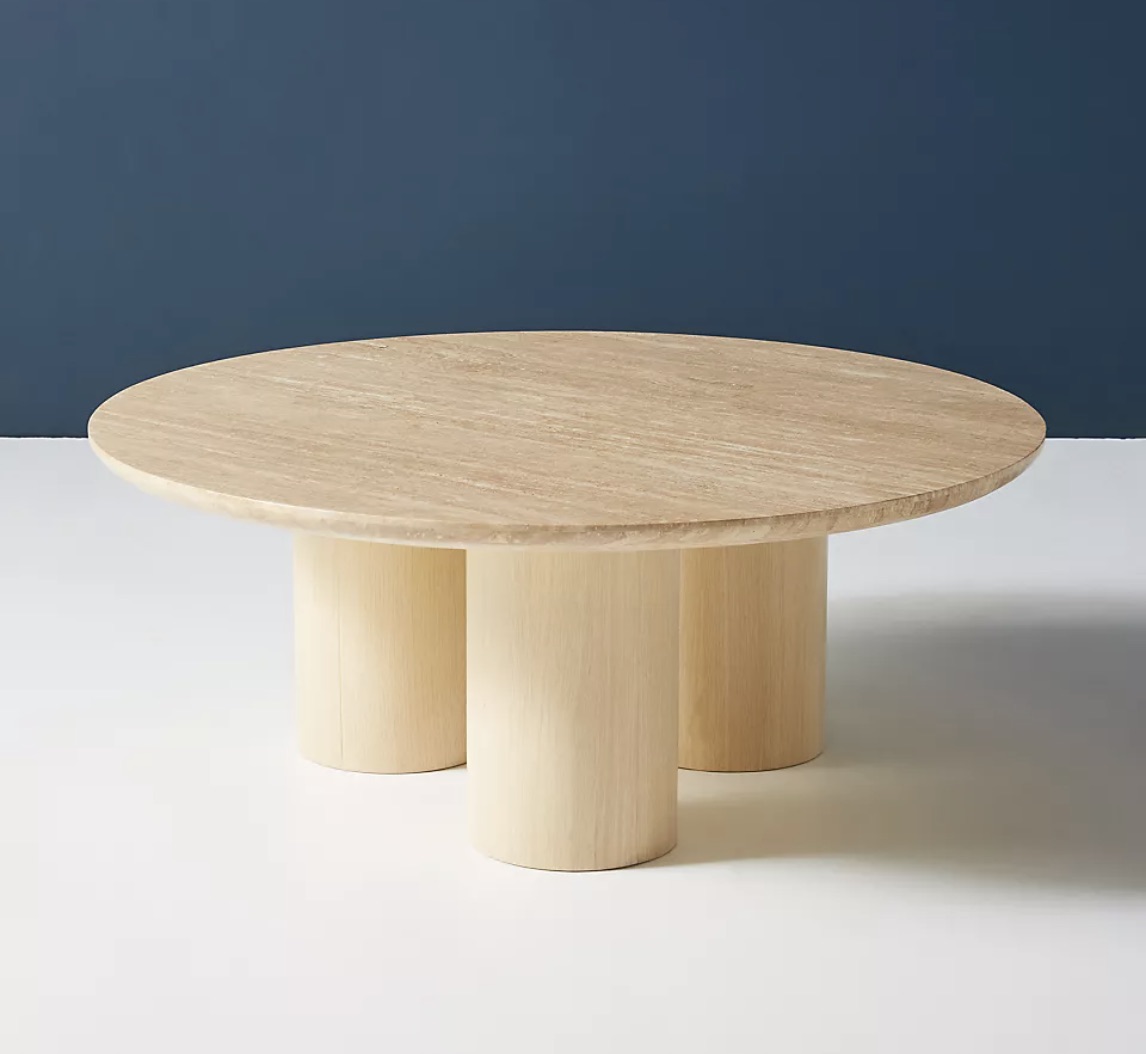
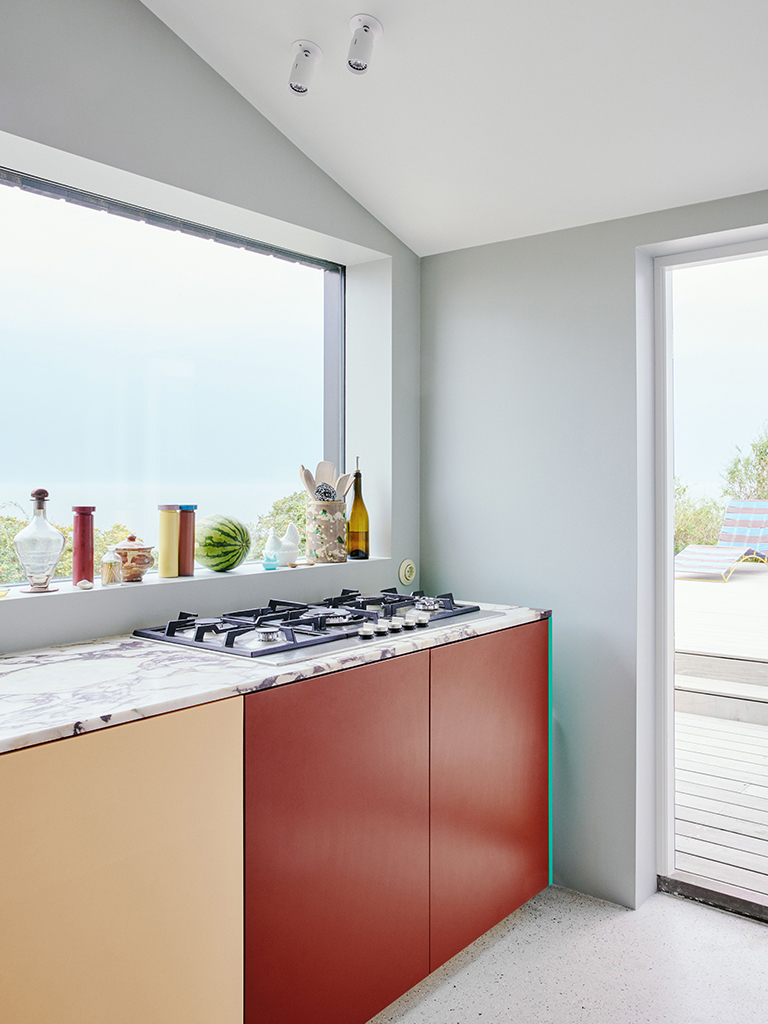
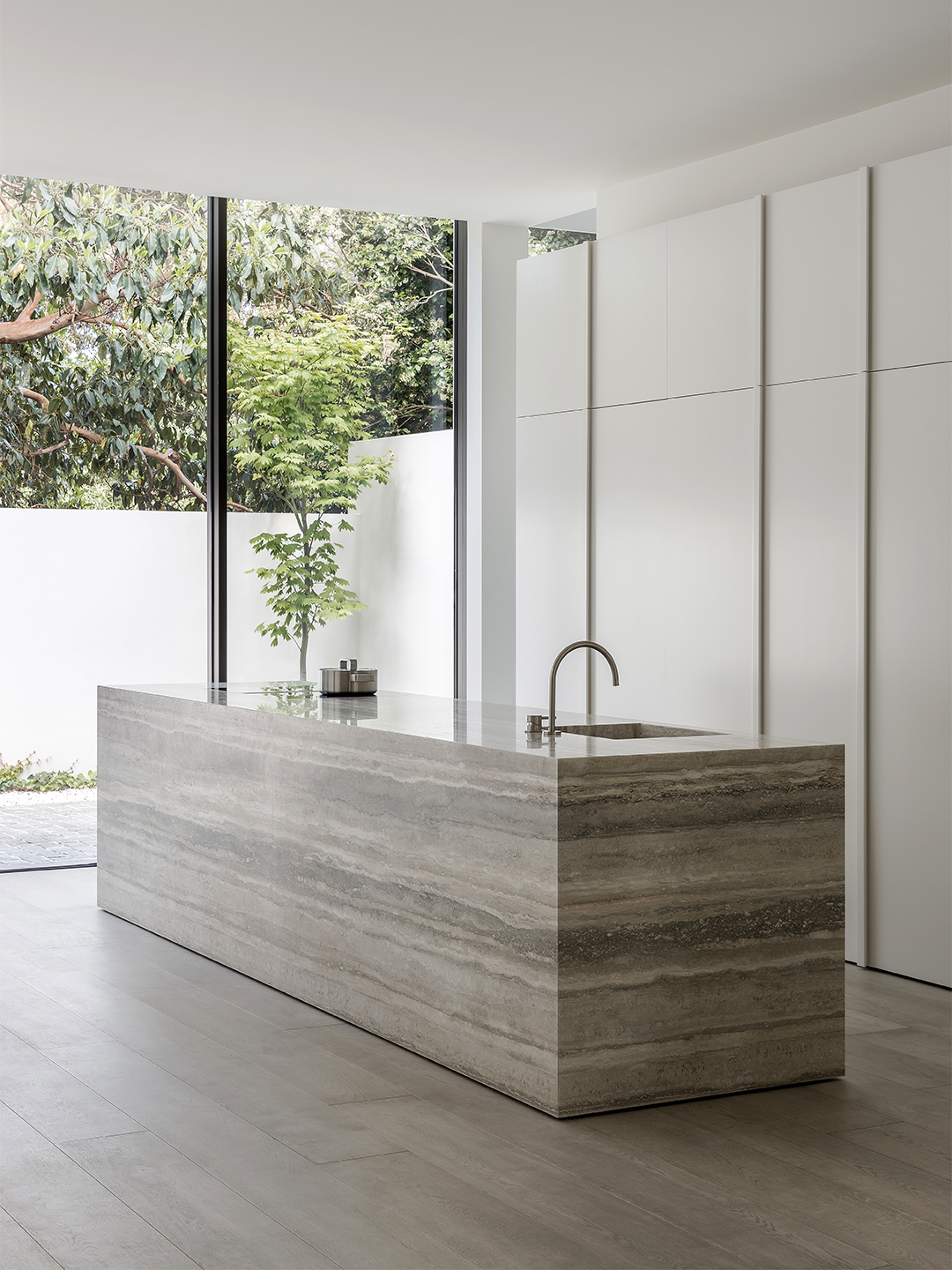
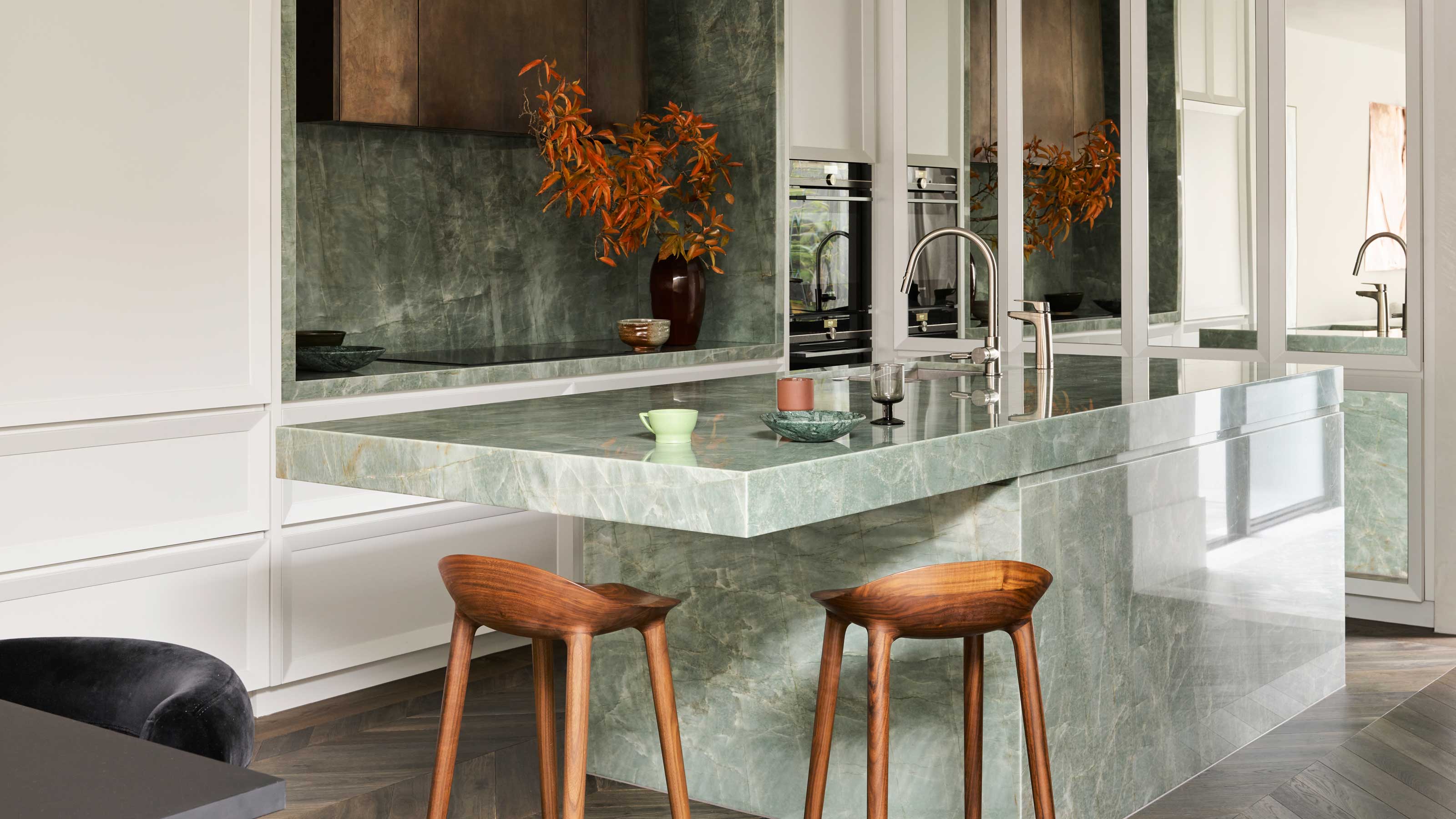
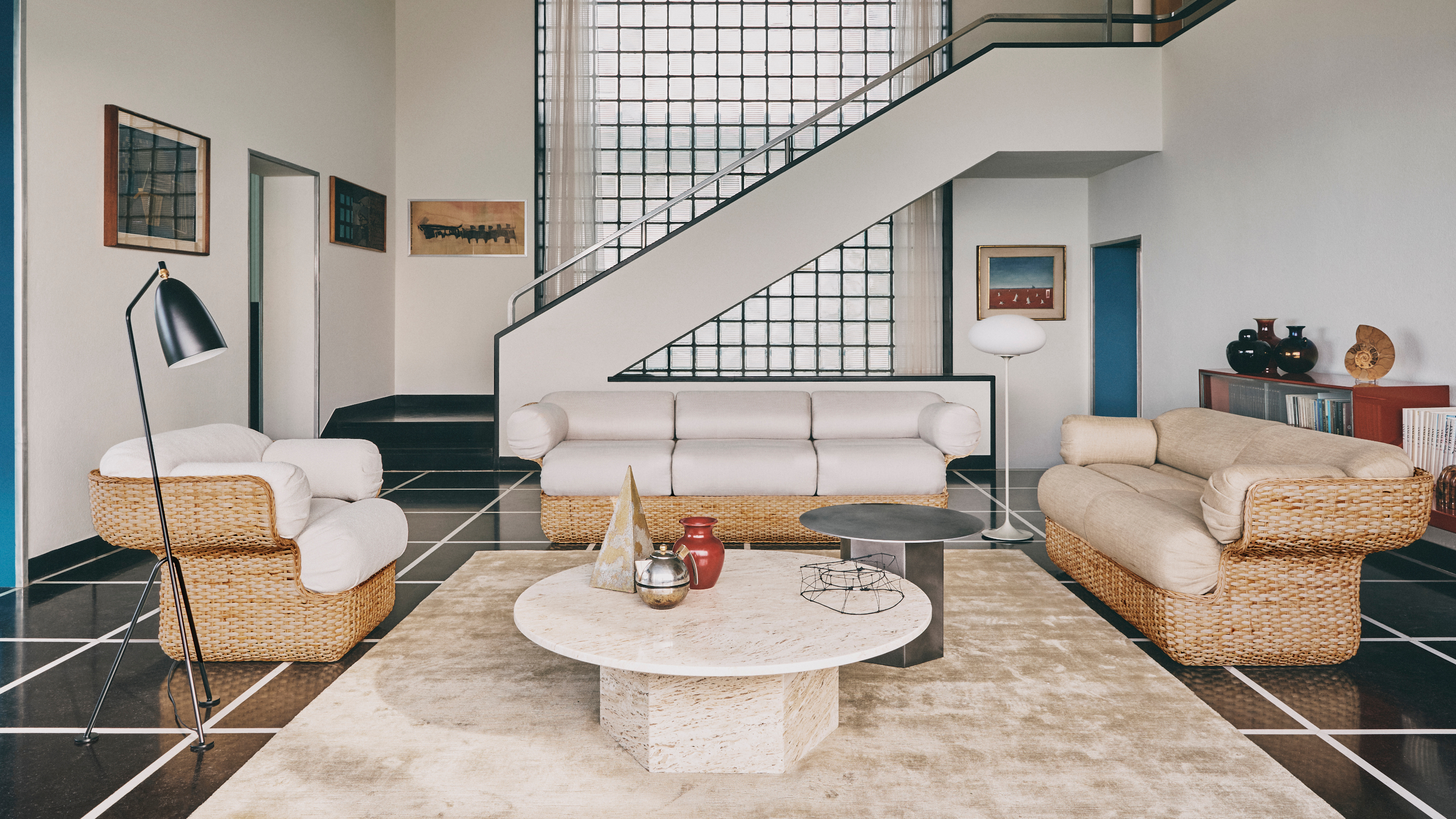
Quartzite, a natural stone, is introduced as a durable alternative that combines the aesthetic qualities of marble with the functional strength of granite. Architect Dieter Vander Velpen explains that quartzite is formed by volcanic action, making it exceptionally strong, resistant to citric acids, and heat-resistant, ideal for cooking areas. Quartzite also offers a softer, more ethereal patterning compared to marble, and comes in a wide variety of colors and unique patterns sourced globally.
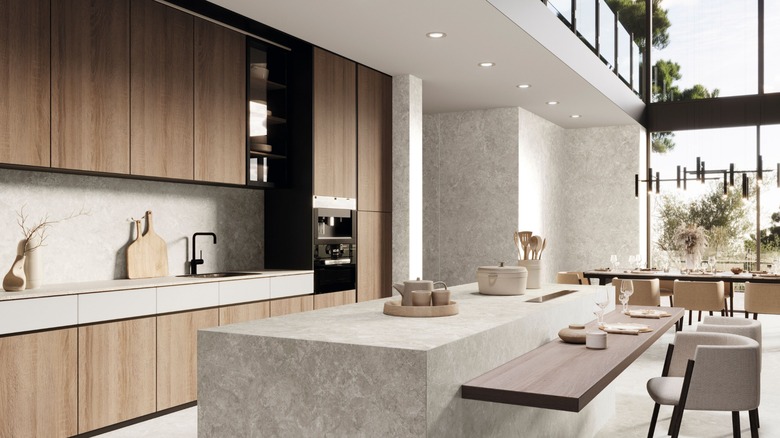
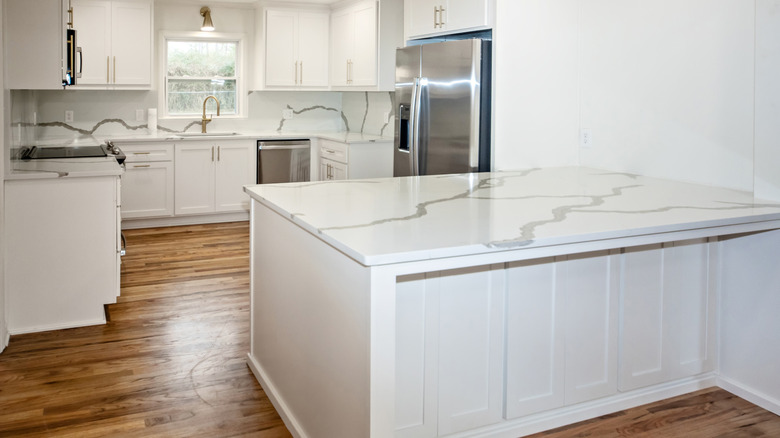
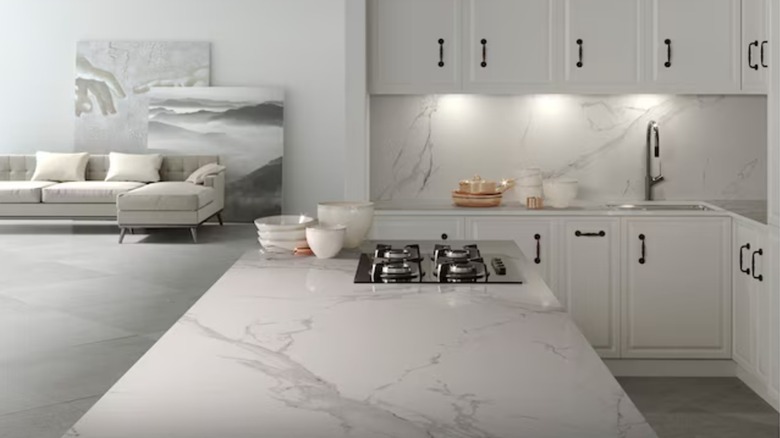
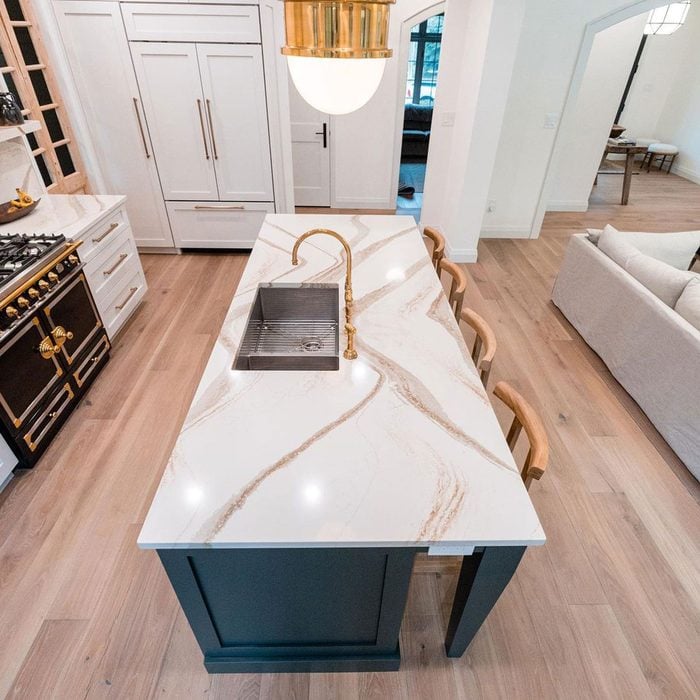
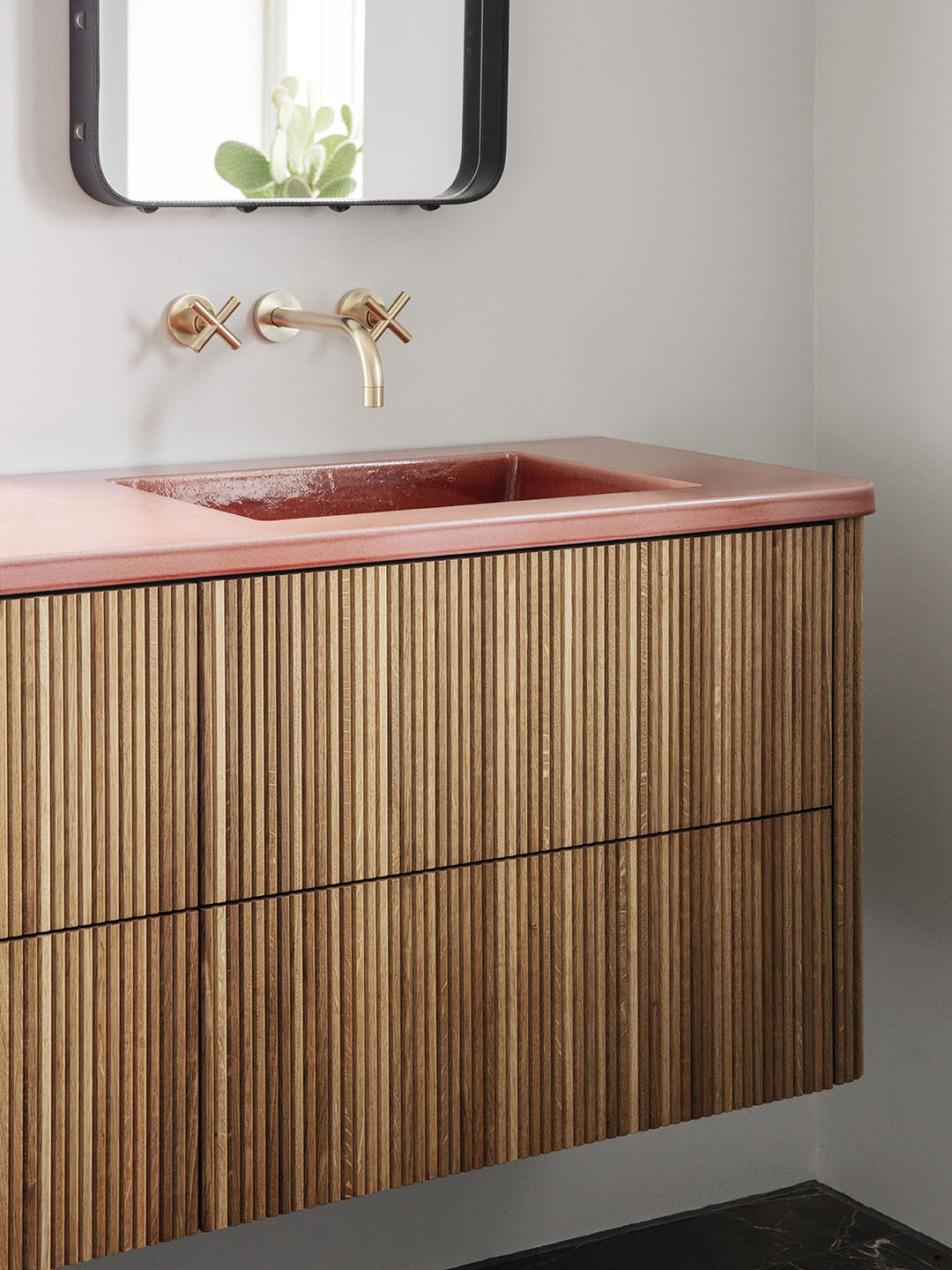
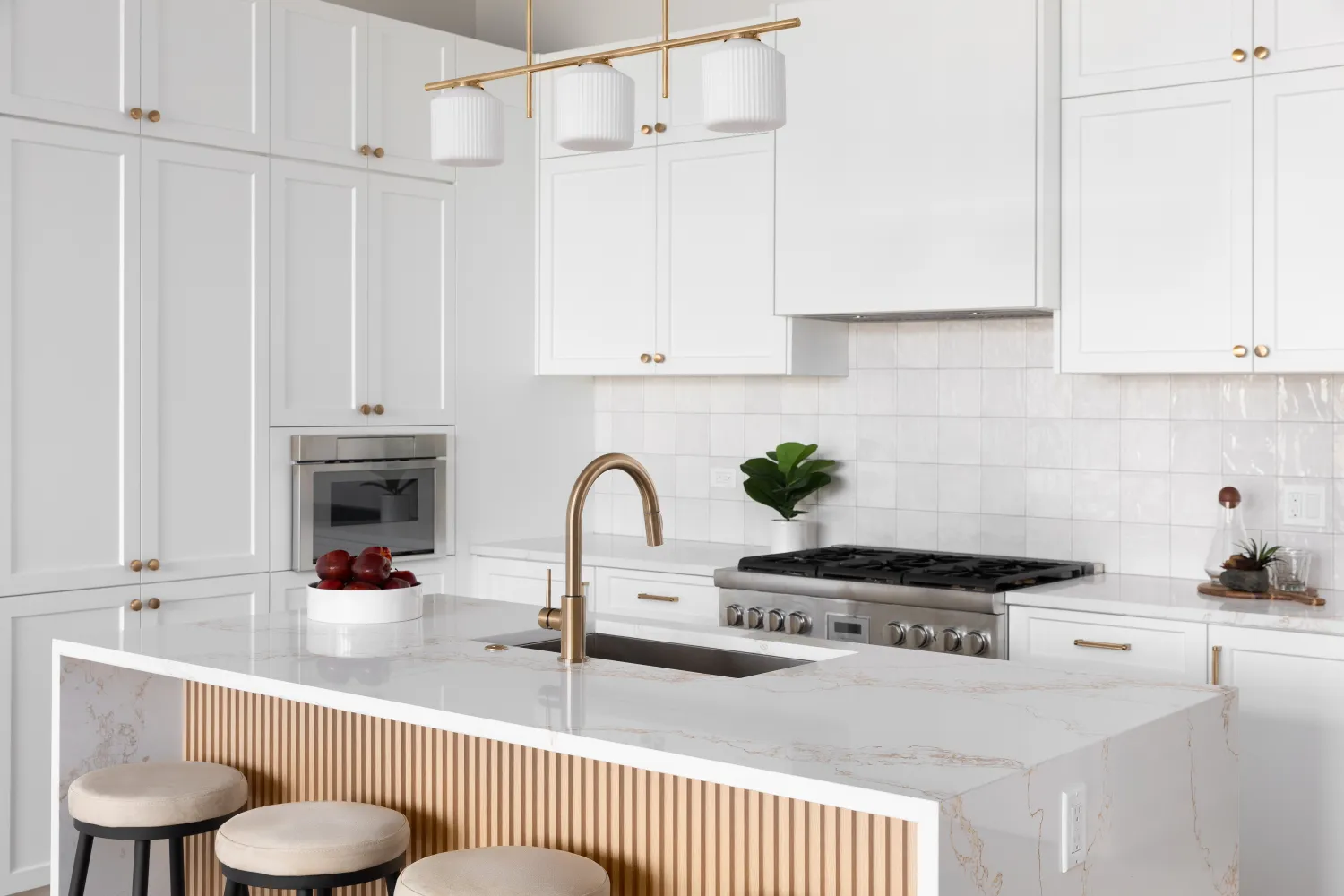
Quartz, an engineered stone surface, is highlighted for its superior durability and low maintenance. It is resistant to stains, scratches, chips, and water damage, and possesses anti-bacterial properties. A key advantage of quartz is its consistent availability in various patterns and colors, as manufacturers can replicate many natural stone looks, including marble. However, its design options are limited to what manufacturers produce, potentially offering less natural variation than natural stones.
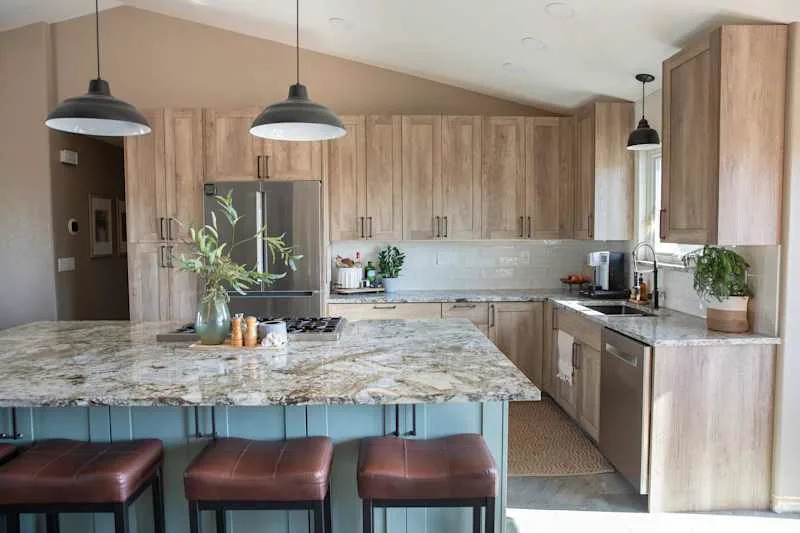
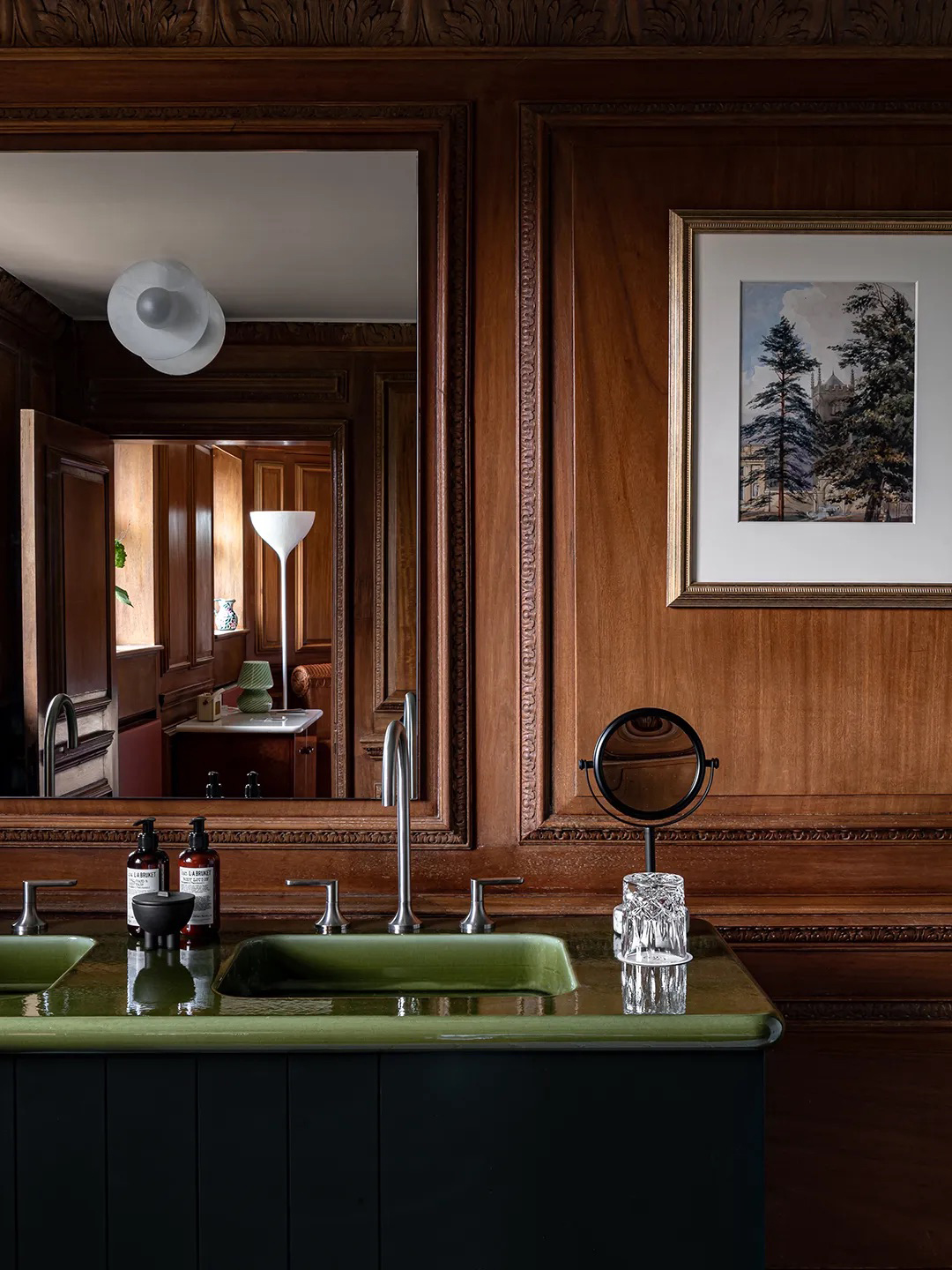
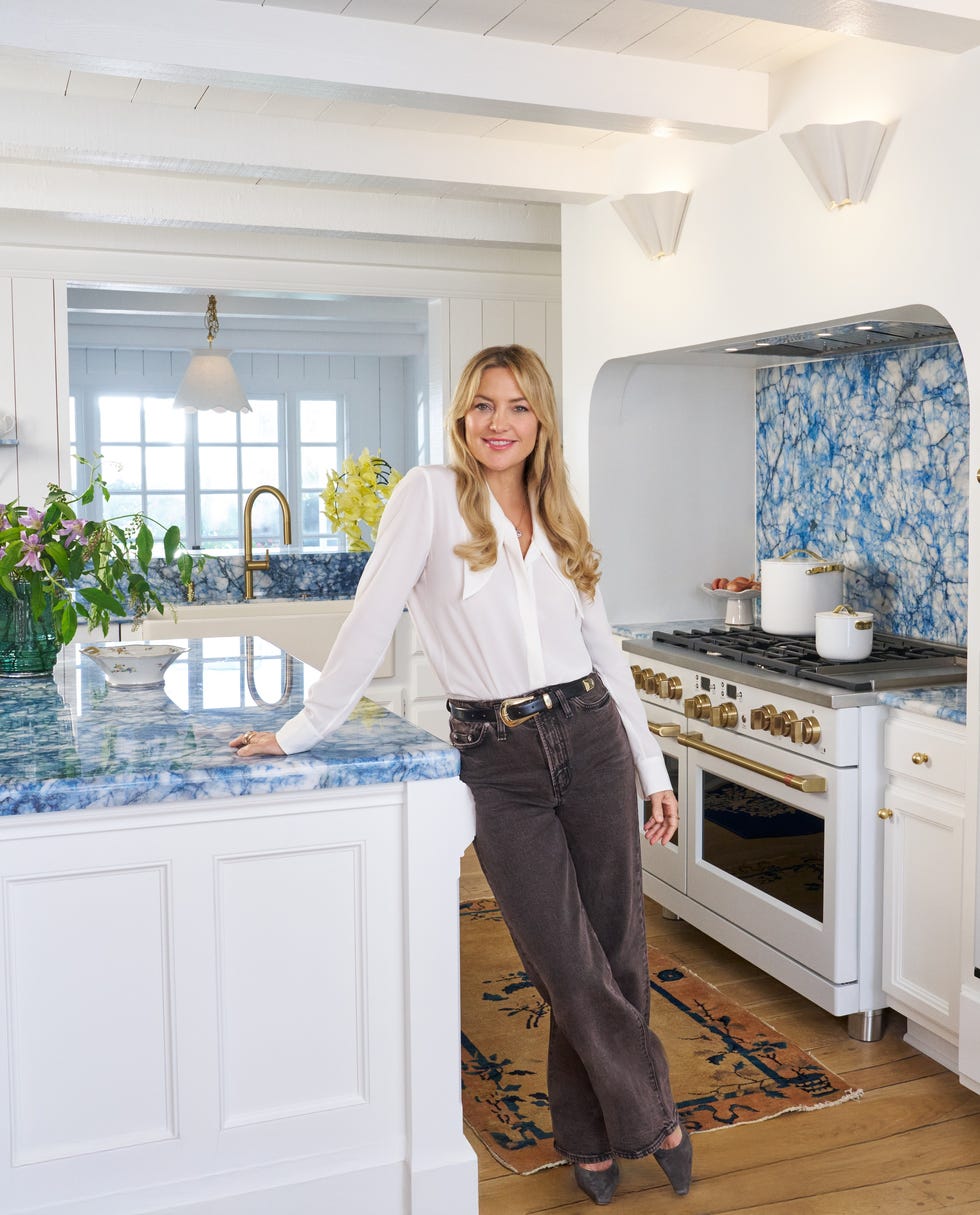
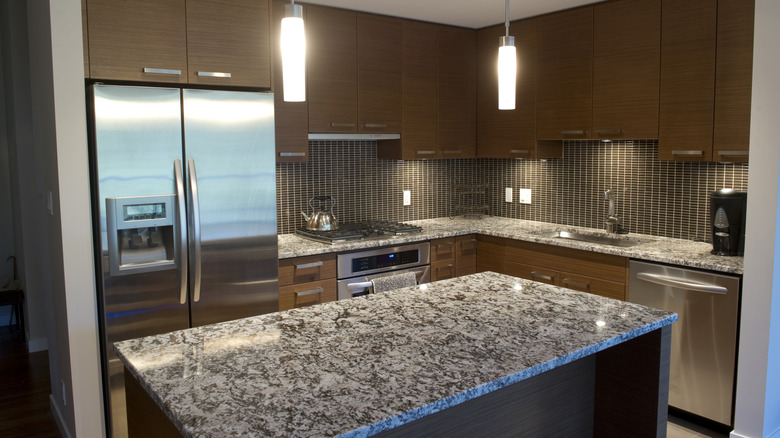
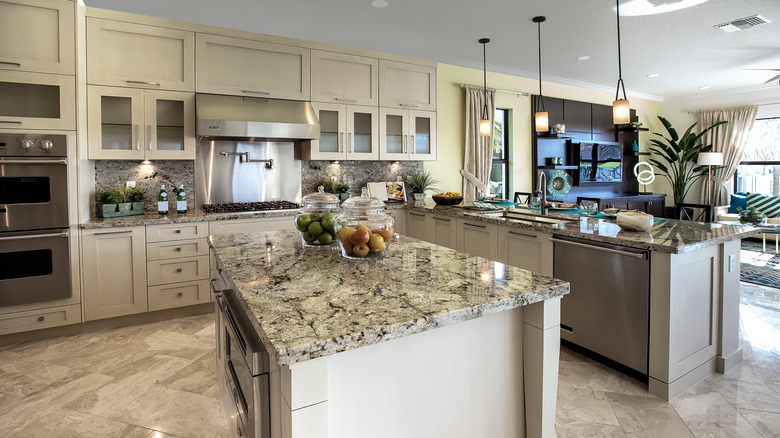
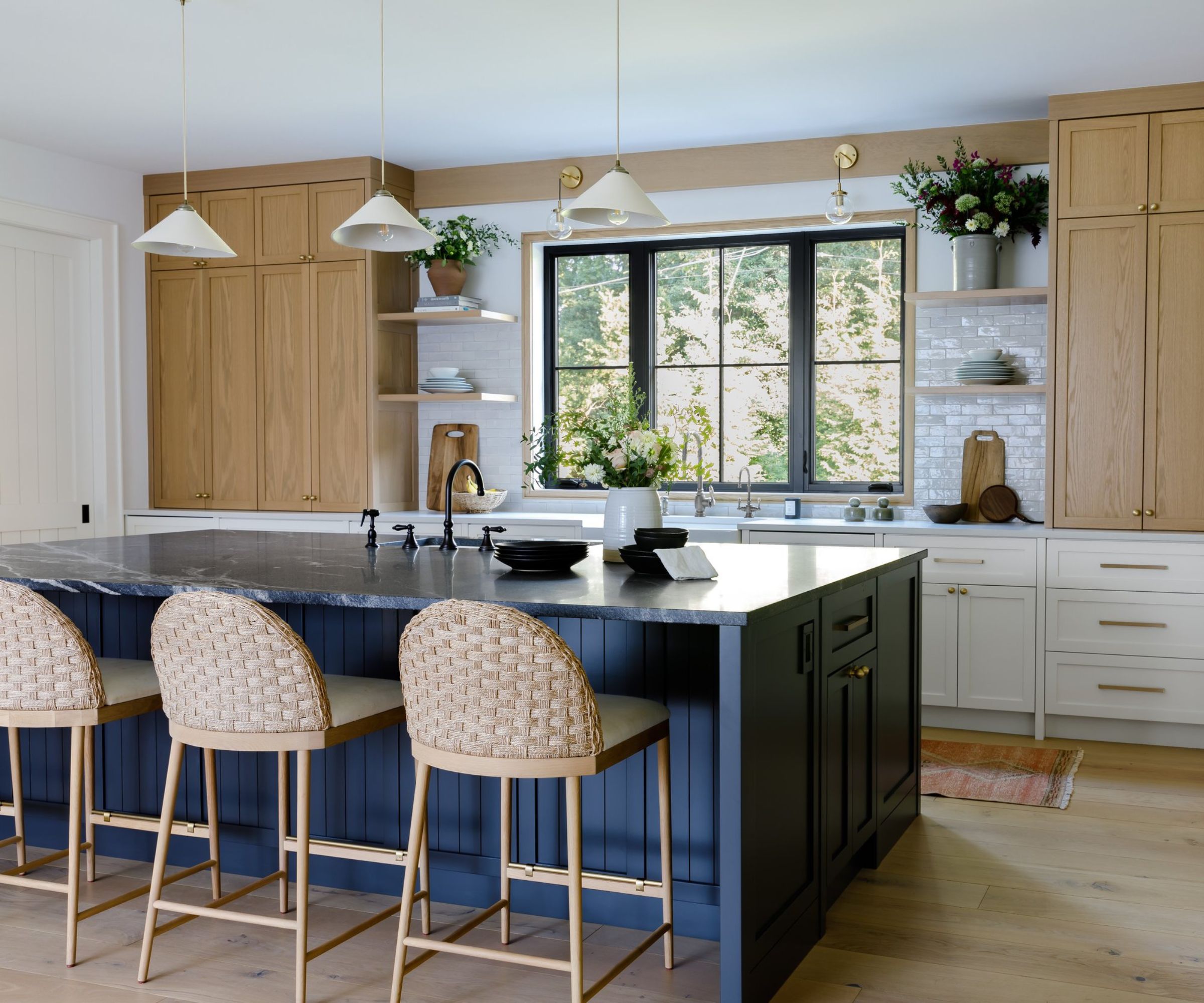
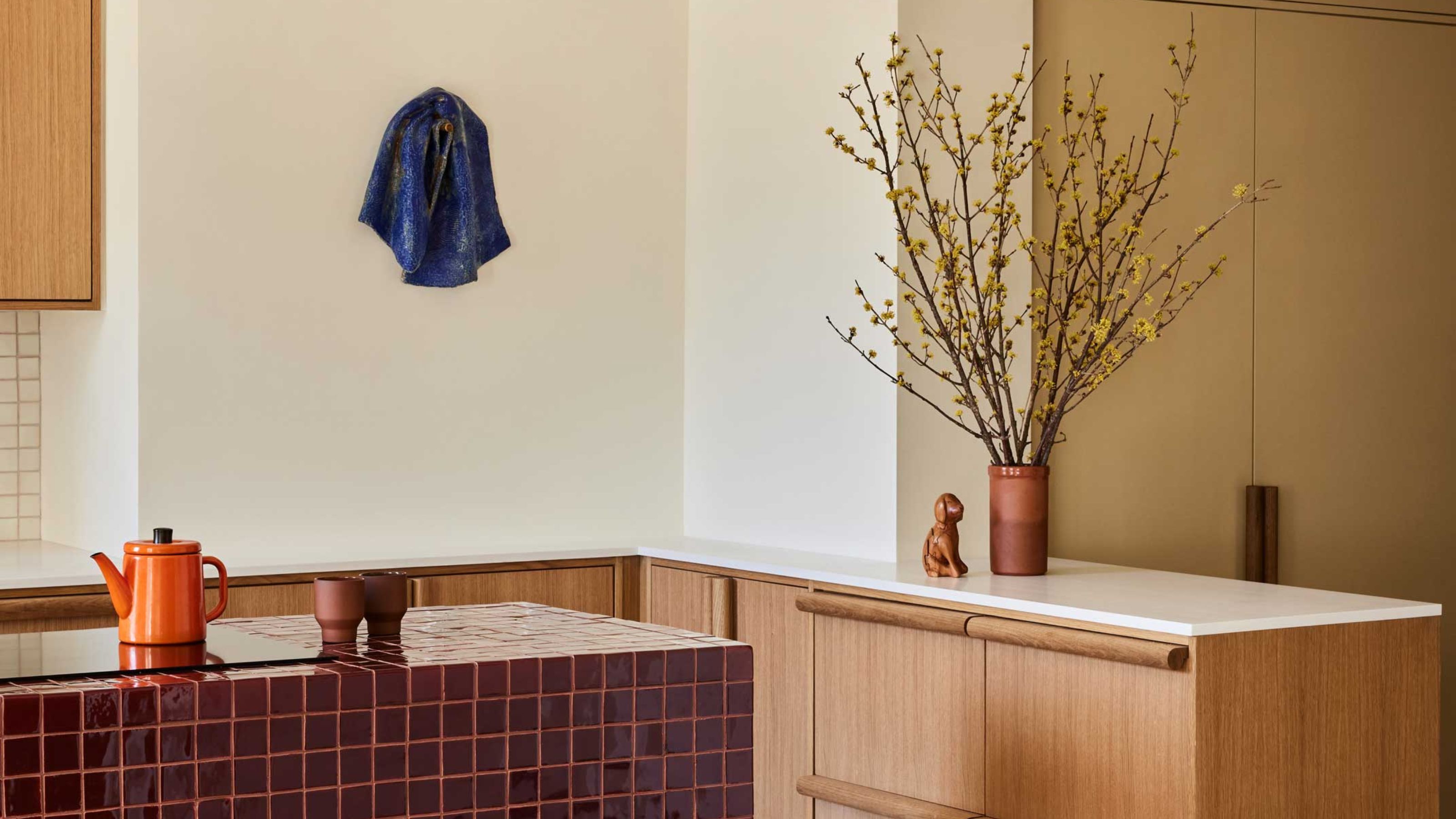
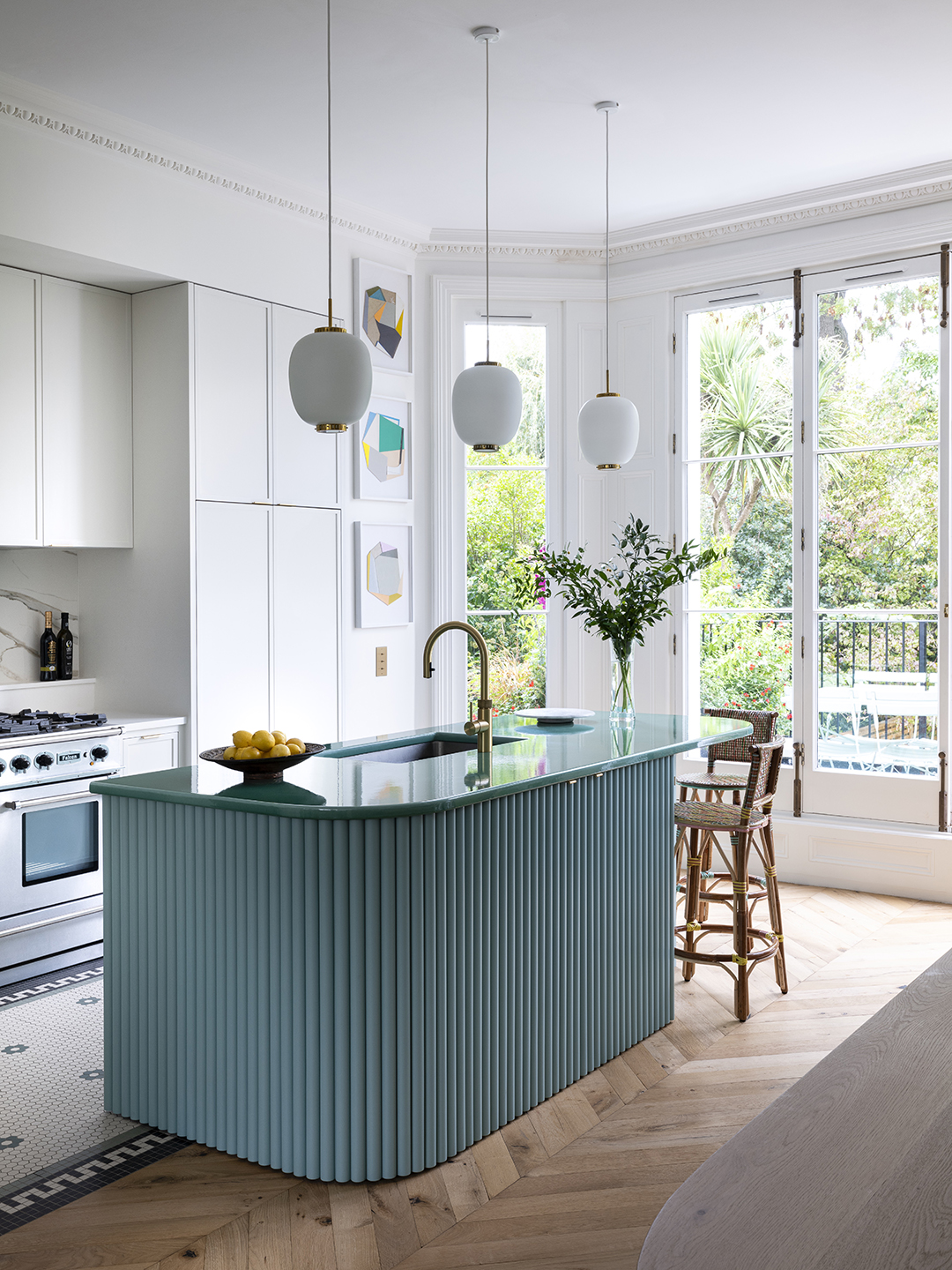
Granite, a long-standing popular choice for countertops, is re-evaluated beyond its dated associations. The article emphasizes the vast diversity within granite, including marble-like designs and unique colors, as exemplified by a Lapis blue granite kitchen island designed by YSG Studio. Granite is noted for being significantly more durable than marble, offering greater resistance to chipping, cracking, and staining.
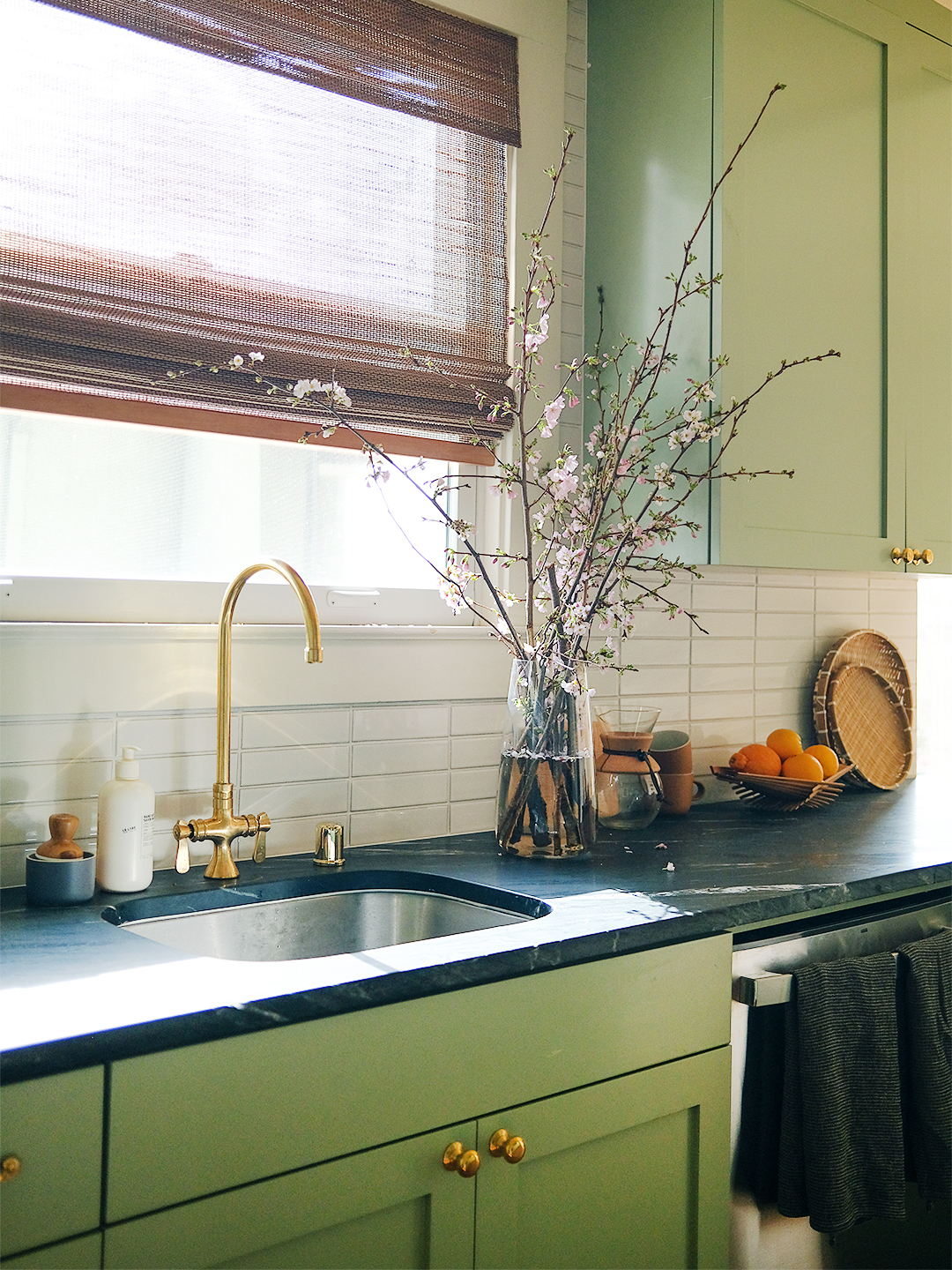
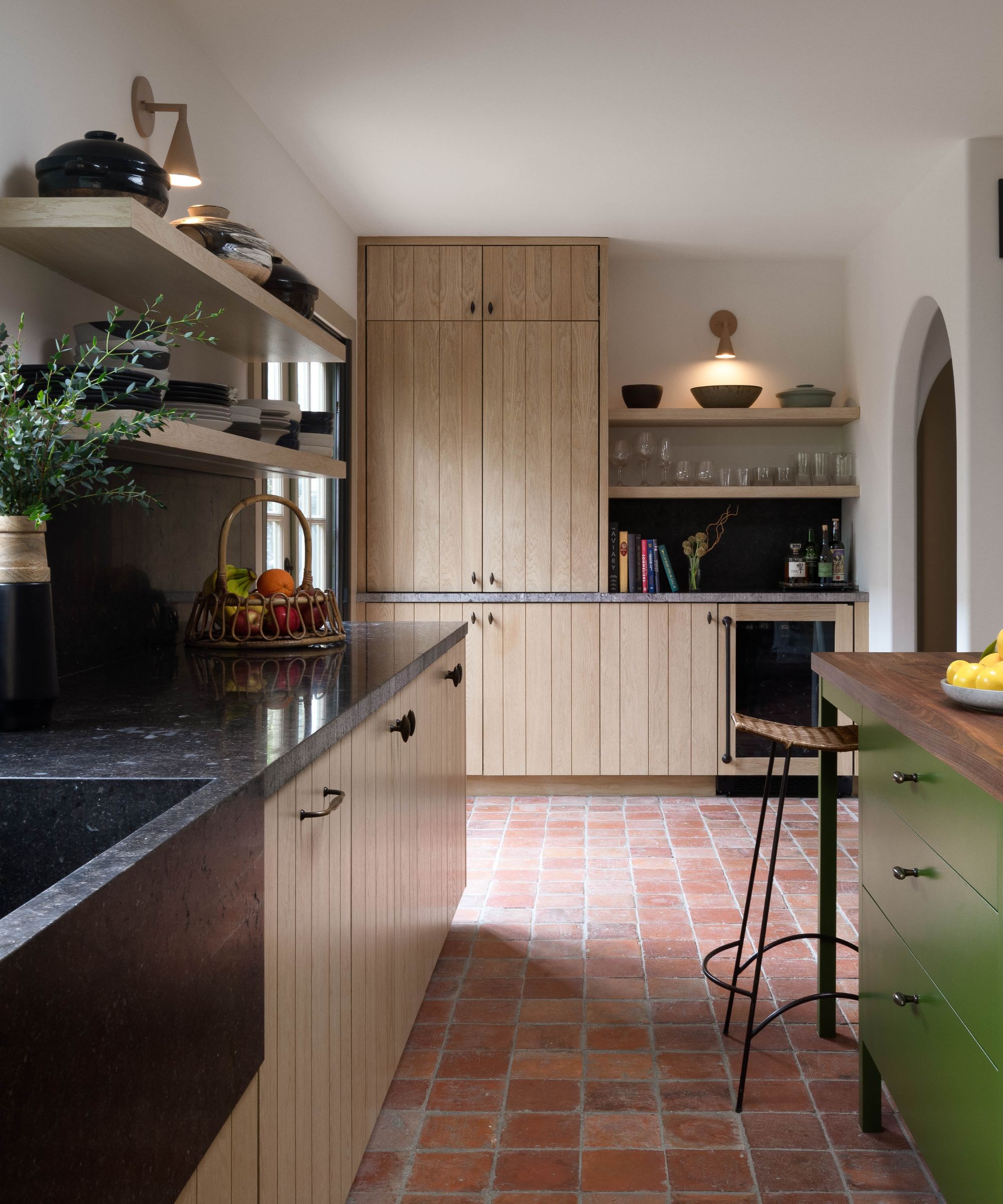
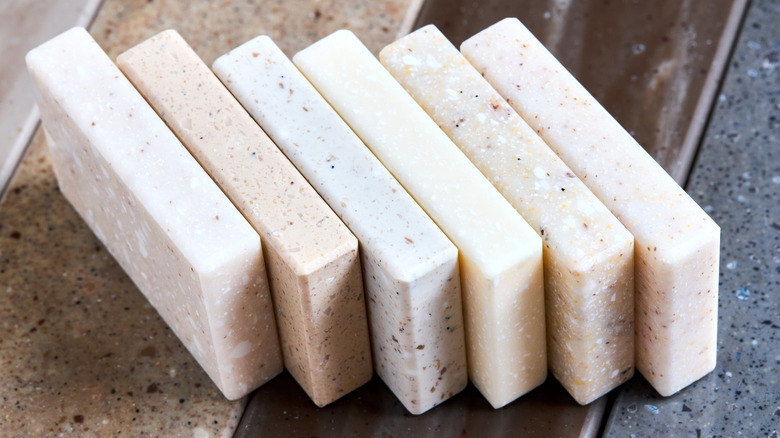
Finally, soapstone is discussed as an excellent alternative for those seeking black kitchen countertops. Interior designer Leslie Murchie Cascino of Bonnie Wu Design praises soapstone for its heat resistance and rich color variations, from deep greens to charcoals and blacks. Soapstone is non-porous, making it resistant to staining and water damage. However, it develops a natural patina over time, which requires regular oiling to maintain an even appearance, and sourcing large slabs can be challenging, often necessitating visible joins in countertops.
#MarbleAlternatives #CountertopMaterials #InteriorDesign #HomeRenovation #KitchenDesign #BathroomDesign #NaturalStone #EngineeredStone #MaterialDurability #MarbleAlternatives #CountertopMaterials #InteriorDesign #HomeRenovation #KitchenDesign #BathroomDesign #NaturalStone #EngineeredStone #MaterialDurability
0 comment in total
 No comments yet
You may also like
7 Stunning Countertops That Mimic The Beauty Of Marble (And 2 We'd Avoid)
What's replacing granite countertops? These are the materials interior designers want to see more of

Move Over Granite (and Quartz)! These Alternatives Are What We're Dreaming of For Design-Forward Kitchens
Goodbye Granite: These Countertop Materials Are The New Favorite (And They Aren't Marble)

6 great alternatives to marble and granite for your NYC kitchen renovation: quartz, quartzite, porcelain, soapstone & more
6 Kitchen Countertop Trends That Are on Their Way Out This Year (and What to Do Instead)
Are Marble Countertops Officially Out of Style? Interior Designers Weigh In

Inside The Coloured Marble Craze Celebrities Love — And How To Get The Look At Home

What's replacing marble? Designers agree on the next big design trend we'll all be using instead
Designers No Longer Love This Kitchen Countertop Material—Here's What to Use Instead
Is marble still on trend? Interior designers have their say
Granite Vs Marble Countertops: Which Is Best For Your Kitchen?

The Stunning Interior Design Trend That's Here To Stay In 2025

Bathroom focus: How the marble look is key to creating boutique style
The Worst Thing About Every Popular Kitchen Countertop Designers Don’t Tell You
This is the One Material Designers Are Choosing Over Marble in 2026
Burgundy Marble Counters Are In, But Designers Also Love These 4 Stones

18 Awesome Countertops That Aren’t Granite

This Countertop Material Is More Durable and Colorful Than the Boldest of Marbles

Why You Really Don't Want Marble Countertops In Your Kitchen