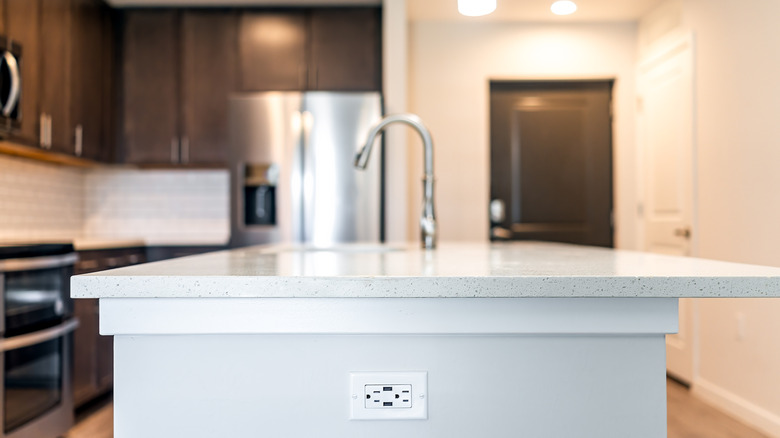
1/13
Say Goodbye To Island Side Outlets: Here Are The 12 Options You Can Use Instead
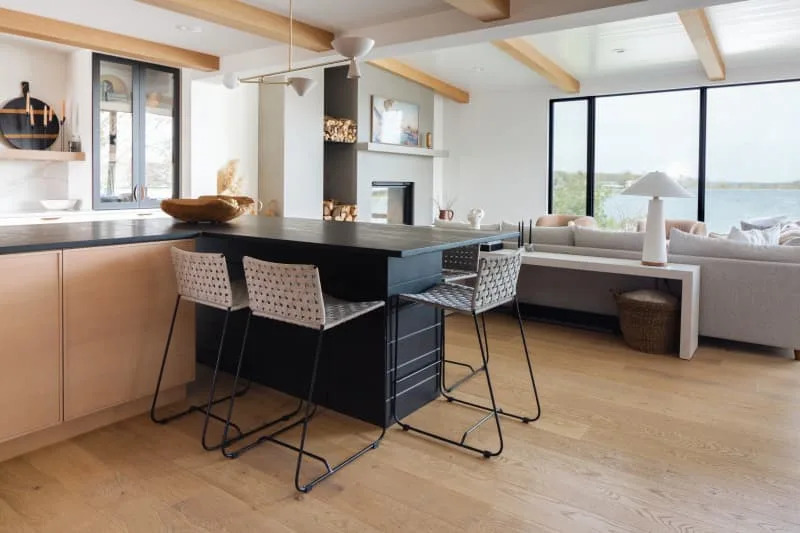
The National Electrical Code (NEC), updated every three years by the National Fire Protection Association (NFPA), frequently revises safety standards to address fire and electrical hazards. Recent changes in the 2023 NEC have rendered electrical outlets installed on the sides of kitchen islands non-compliant, as they were identified as potential hazards, particularly for children and pets who could snag or pull out cords. This shift from previous NEC recommendations, which in 2017 encouraged island outlets to reduce extension cord use and in 2020 specified outlet density based on work surface area, necessitates homeowners to consider alternative, compliant solutions. The article explores 12 options for integrating electrical access into kitchen islands that adhere to the new guidelines.
One popular alternative is the use of pop-up rectangular outlets. These fixtures offer multiple sockets, USB ports, and an on/off switch, providing a seamless look when not in use. While highly functional and featuring a push-to-open mechanism, their custom nature often requires professional installation, leading to a higher cost. Similarly, circular pop-up outlets provide a discreet solution but also come with a significant cost and the risk of liquid spills. Flat outlets, which sit flush against the countertop, offer a more affordable and easier-to-install option, requiring only a cut into the countertop material. They effectively keep cords out of reach and can be further secured with protective covers.
For islands with multiple tiers, split-level island outlets can be integrated into the vertical area between the two levels, offering easy access while keeping cords away from potential hazards. Another approach for two-tiered islands involves placing power strips in the crease between the tiers, ensuring compliance as long as they are above the main work surface. Column or post outlets provide a hidden, code-compliant solution, with outlets installed no higher than 20 inches above the work surface within an existing or newly added column. While adding new columns can be costly, this option avoids cutting into countertop material.
More advanced solutions include custom power tracks, particularly gaining international traction, which allow for individual socket control and adjustable arrangement along a rail, providing greater customization than traditional power strips. For those seeking non-permanent or more budget-friendly options, portable power blocks can be used, although they require charging and can occupy countertop space. Outlets can also be discretely hidden within false cabinet doors or inside drawers, provided they are above countertop level and permitted by local regulations. However, the practicality of drawer outlets depends on usage and the items stored.
Finally, the 2023 NEC mandates a provision for future outlet installation, often met by installing a junction box in the back of cabinets. This ensures future connectivity and compliance without requiring an immediate outlet. As a last resort, or for those on a budget, moving outlets off the island entirely and concealing them under upper cabinets provides a practical and seamless solution. The article stresses the importance of adhering to the current NEC 2023 code when renovating or designing kitchen islands, advising homeowners to either implement compliant solutions or keep outlets off the island until further code updates are released by the NFPA.
#KitchenRemodel #ElectricalSafety #HomeImprovement #BuildingCodes #KitchenDesign #OutletAlternatives #InteriorDesign #SmartHome #KitchenRemodel #ElectricalSafety #HomeImprovement #BuildingCodes #KitchenDesign #OutletAlternatives #InteriorDesign #SmartHome
 No comments yet
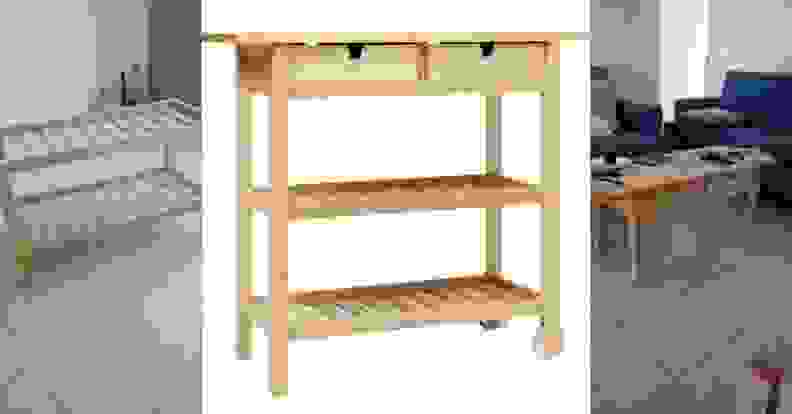
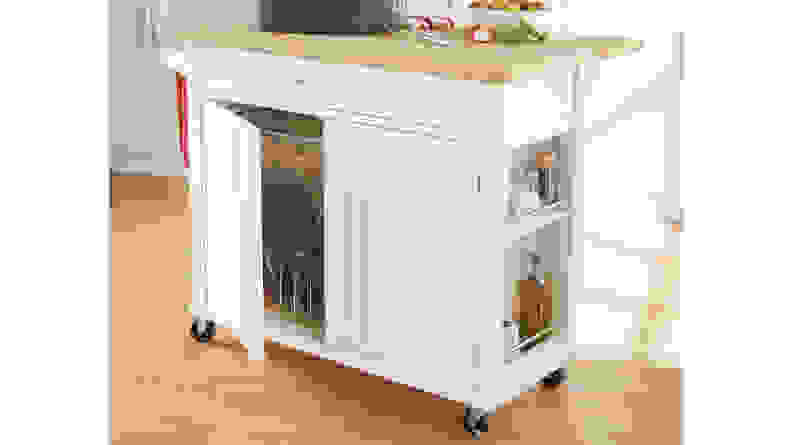
These 10 portable islands give you the extra counter space you need


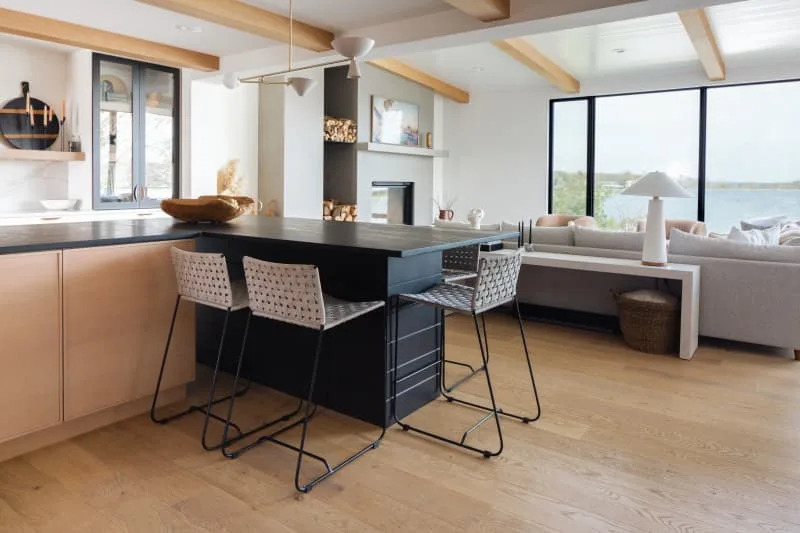
Forget seating, this is how you should be making the most out of your kitchen island in 2025
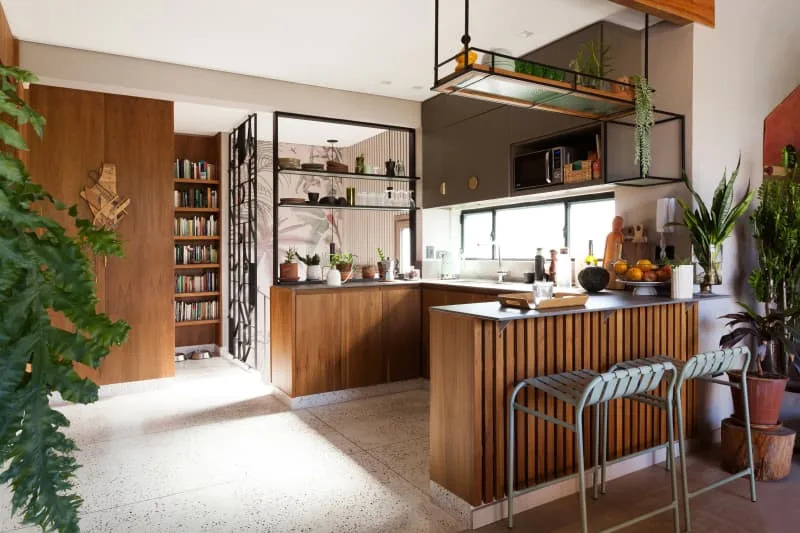
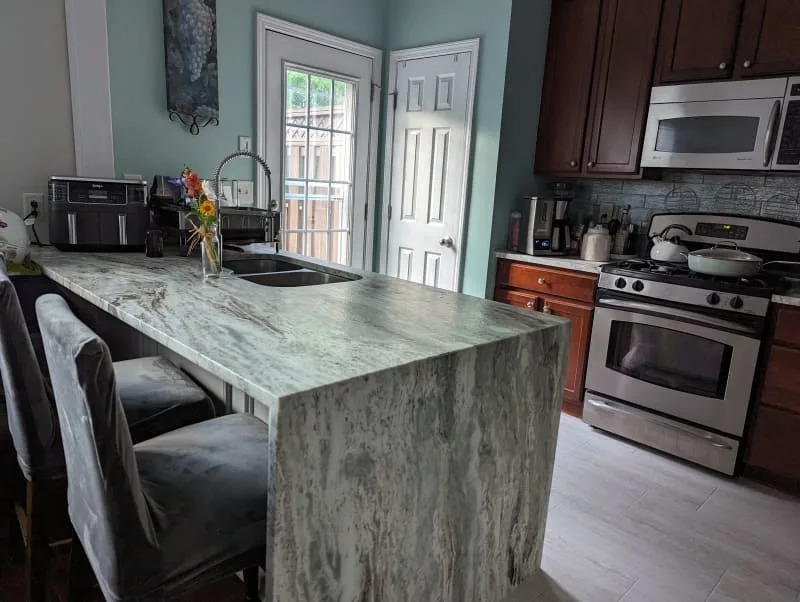
12 Stunning Kitchen Peninsula Ideas That’ll Convince You to Replace Your Island
12 Stunning Kitchen Peninsula Ideas That’ll Convince You to Replace Your Island


Get rid of that kitchen island with these clever alternatives


Tired of the Barn Door Trend? These Alternatives Are on the Rise