




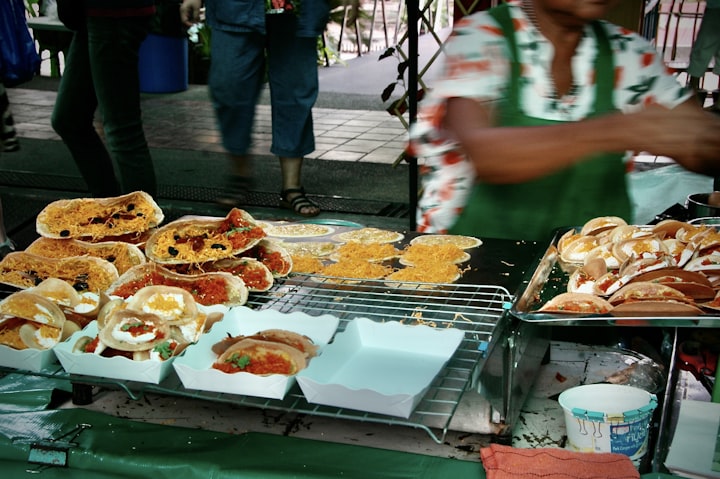
The Future of Street Food: How Mobile Kitchens Are Transforming the Global Food Scene
The article explores the evolution and impact of mobile kitchens, specifically food trucks and trailers, on the global food scene. These mobile units have transitioned from simple snack wagons to sophisticated, fully-equipped businesses offering gourmet, artisanal, and fusion dishes. This shift is driven by their affordability, which provides entrepreneurs with an accessible entry point into the food industry without the prohibitive overhead of traditional brick-and-mortar restaurants. Technological advancements in design and manufacturing are central to this transformation, enabling the creation of efficient and customizable mobile kitchens.
The design of modern mobile kitchens prioritizes efficiency, workflow optimization, and safety. Layouts are carefully planned to ensure chefs can move seamlessly between preparation, cooking, and service areas, integrating ergonomic considerations, proper ventilation, and adequate storage solutions. These design principles allow for smooth operations even during peak hours and offer flexibility for menu changes and seasonal experimentation. Customization is a key aspect, allowing owners to tailor their mobile units to reflect unique brand identities and culinary concepts, ranging from espresso machines to specialized BBQ setups. This bespoke approach helps food trailers stand out in a competitive market, transforming them into creative extensions of a chef's personal culinary journey.
The enduring popularity of street food is attributed to its accessibility, authenticity, and the direct connection it fosters between consumers and independent chefs. Social media plays a significant role in amplifying this appeal, enabling food truck owners to promote their offerings, share daily locations, and cultivate a loyal customer base. Behind the scenes, these vendors rely on custom-built mobile kitchens that adhere to stringent health codes, maximize operational efficiency, and support extended operating hours. This infrastructure allows a new generation of agile, design-savvy entrepreneurs to thrive and redefine modern, convenient dining.
Innovation in mobile food trailers extends beyond basic equipment to include sustainability initiatives. Builders are incorporating energy-efficient appliances, eco-friendly materials, and solar-powered systems to reduce environmental impact and lower long-term operating costs. This commitment to practicality and environmental consciousness attracts younger entrepreneurs seeking to build ethical and profitable businesses. Mobile kitchens also exert a significant cultural impact, serving as creative incubators for chefs to experiment with new flavors and concepts before potentially establishing permanent locations. They contribute to community building by bringing people together at various events and festivals, offering diverse culinary experiences that celebrate local and global identities.
Looking ahead, the future of street food appears promising, supported by growing urban populations and advanced digital marketing tools. GPS applications, event organizers, and social media platforms enable entrepreneurs to effectively reach a wide customer base. The success of aspiring owners largely depends on selecting high-quality, reliable, and compliant mobile units. Manufacturers continue to innovate, empowering small businesses to launch with confidence and style. Ultimately, the mobile kitchen movement is not merely a trend but a reflection of a broader shift in how people connect through creativity, culture, and cuisine, empowering individuals to transform their culinary passions into successful entrepreneurial ventures on the open road.
#MobileKitchens #StreetFood #FoodTrucks #CulinaryInnovation #Entrepreneurship #SustainableFood #FoodIndustry #Customization #CommunityDining #MobileKitchens #StreetFood #FoodTrucks #CulinaryInnovation #Entrepreneurship #SustainableFood #FoodIndustry #Customization #CommunityDining
 No comments yet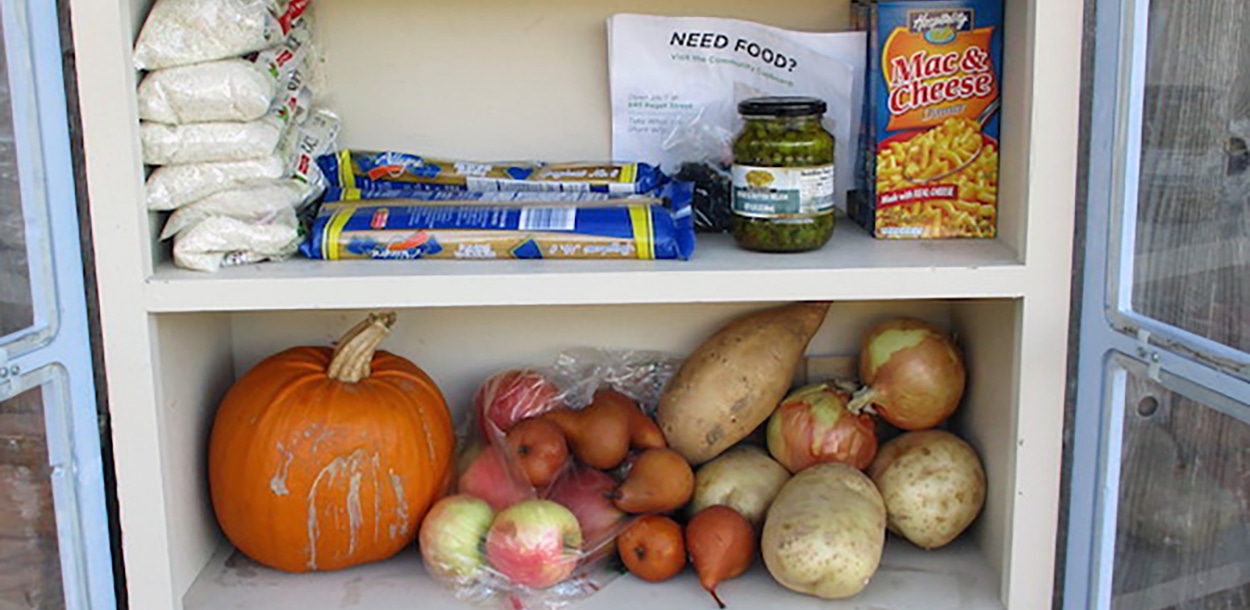
Community cupboards feed neighborhoods despite legal hurdles


This Week in Food News: Patio Official

Modular Kitchen Market Size, Share, Demand | CAGR of 5.3%