1/10
Utility room organization ideas – tips for a neat and efficient space
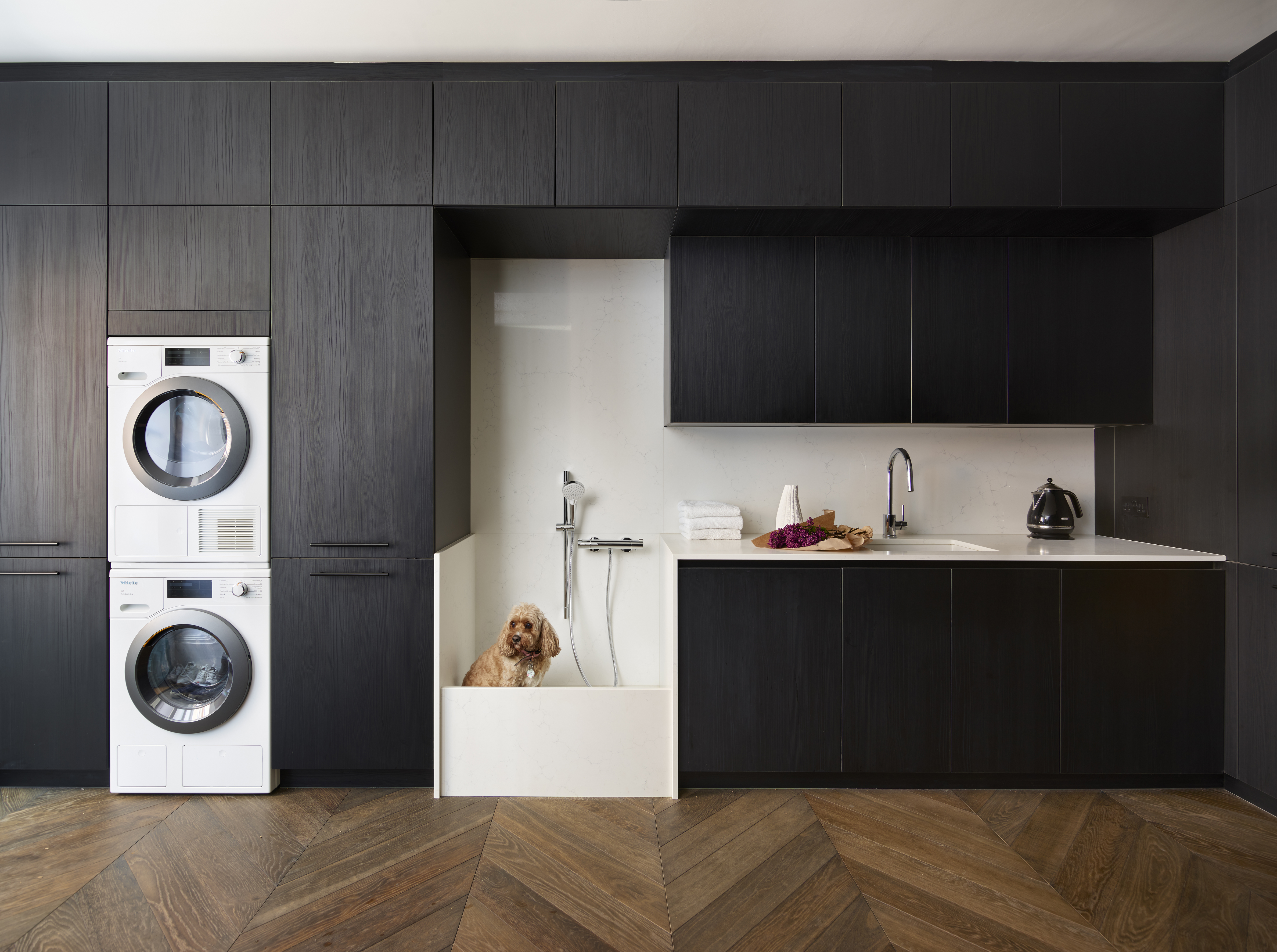
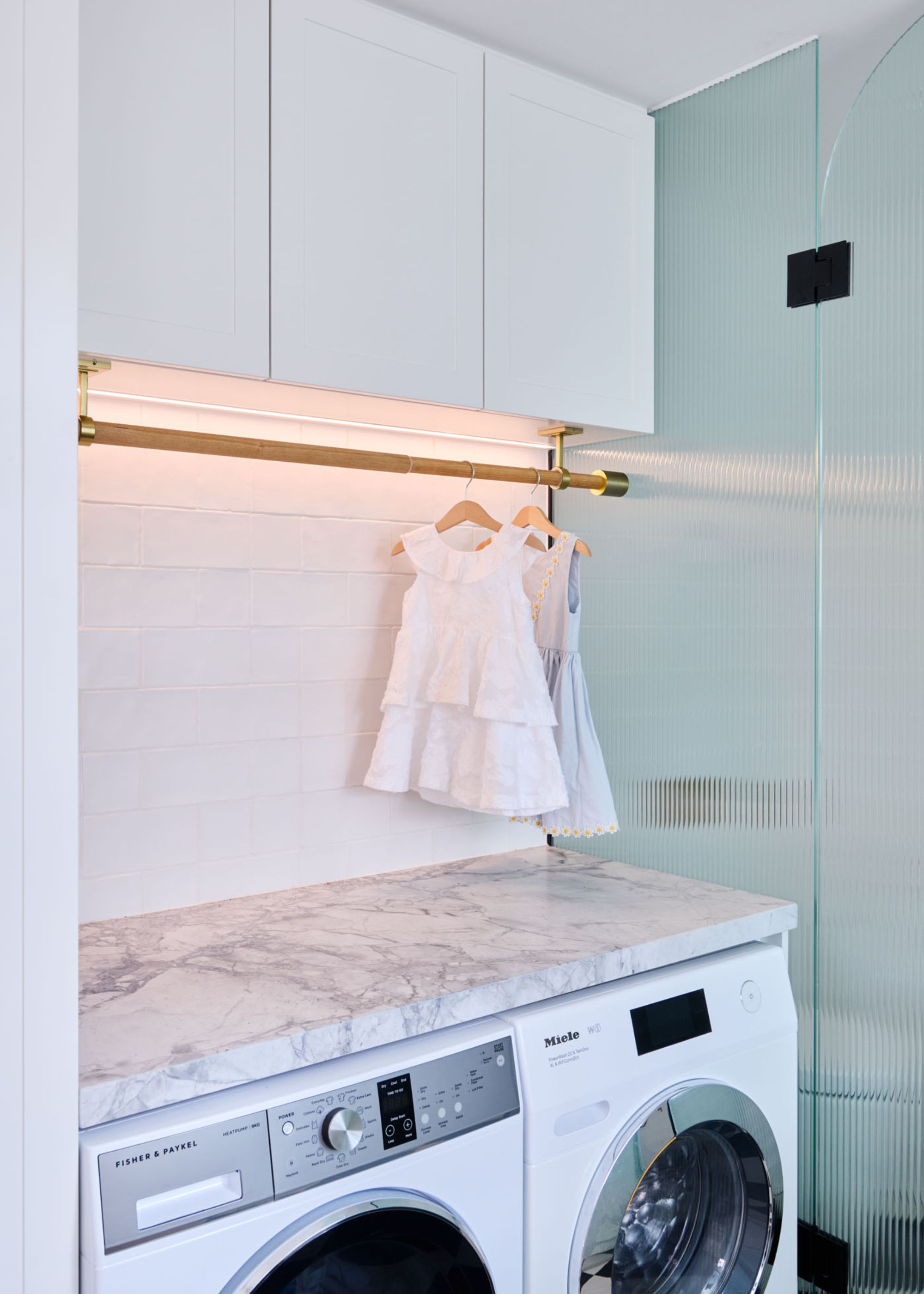
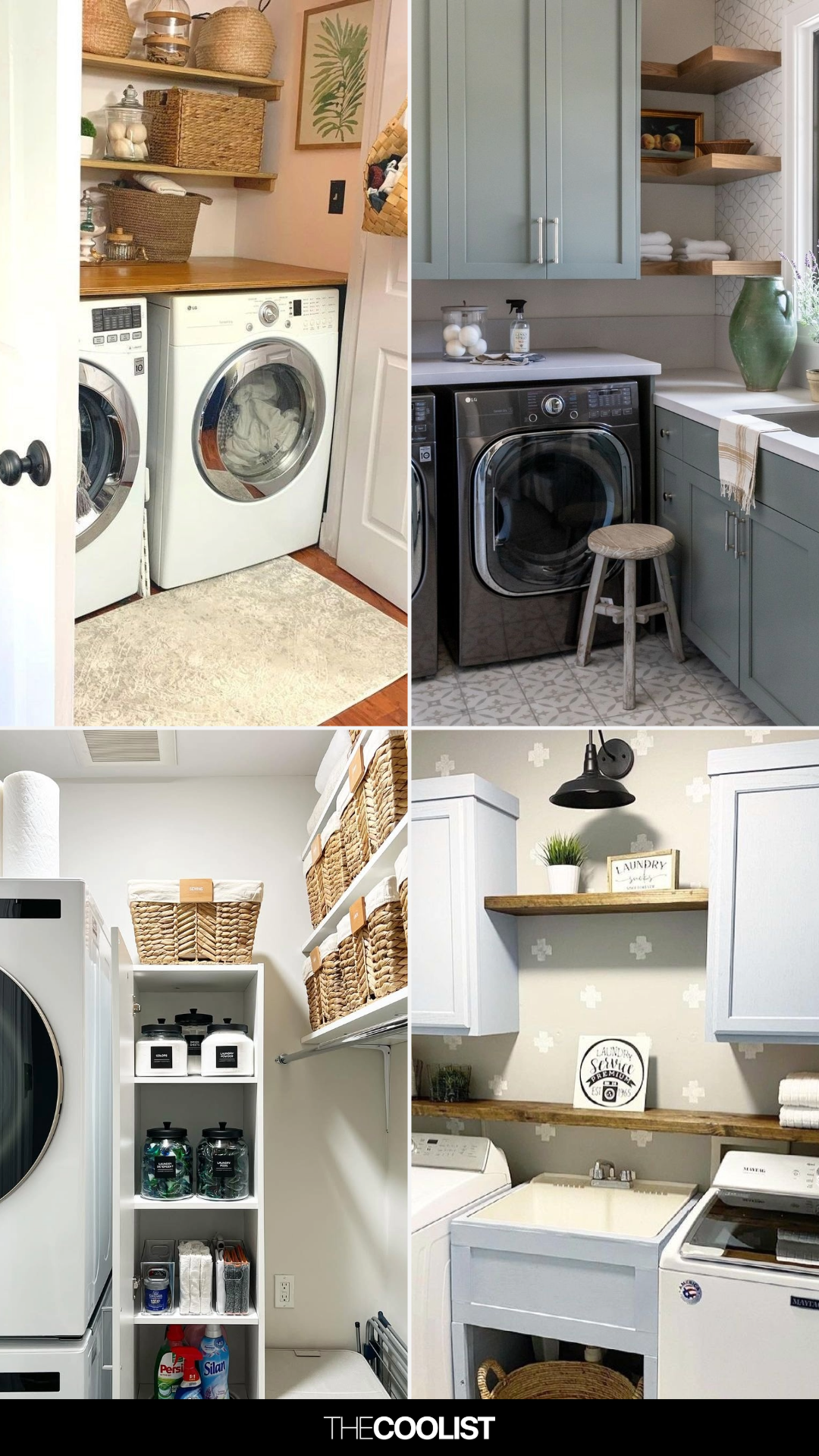
Utility rooms, often serving multiple functions like laundry, cleaning supply storage, and sometimes a mudroom, can quickly become disorganized. Effective organization is crucial for these hard-working spaces. The initial step in organizing a utility room involves decluttering: removing all items, sorting them, and deciding what to keep, relocate, donate, recycle, or discard. This process ensures that only necessary items remain.
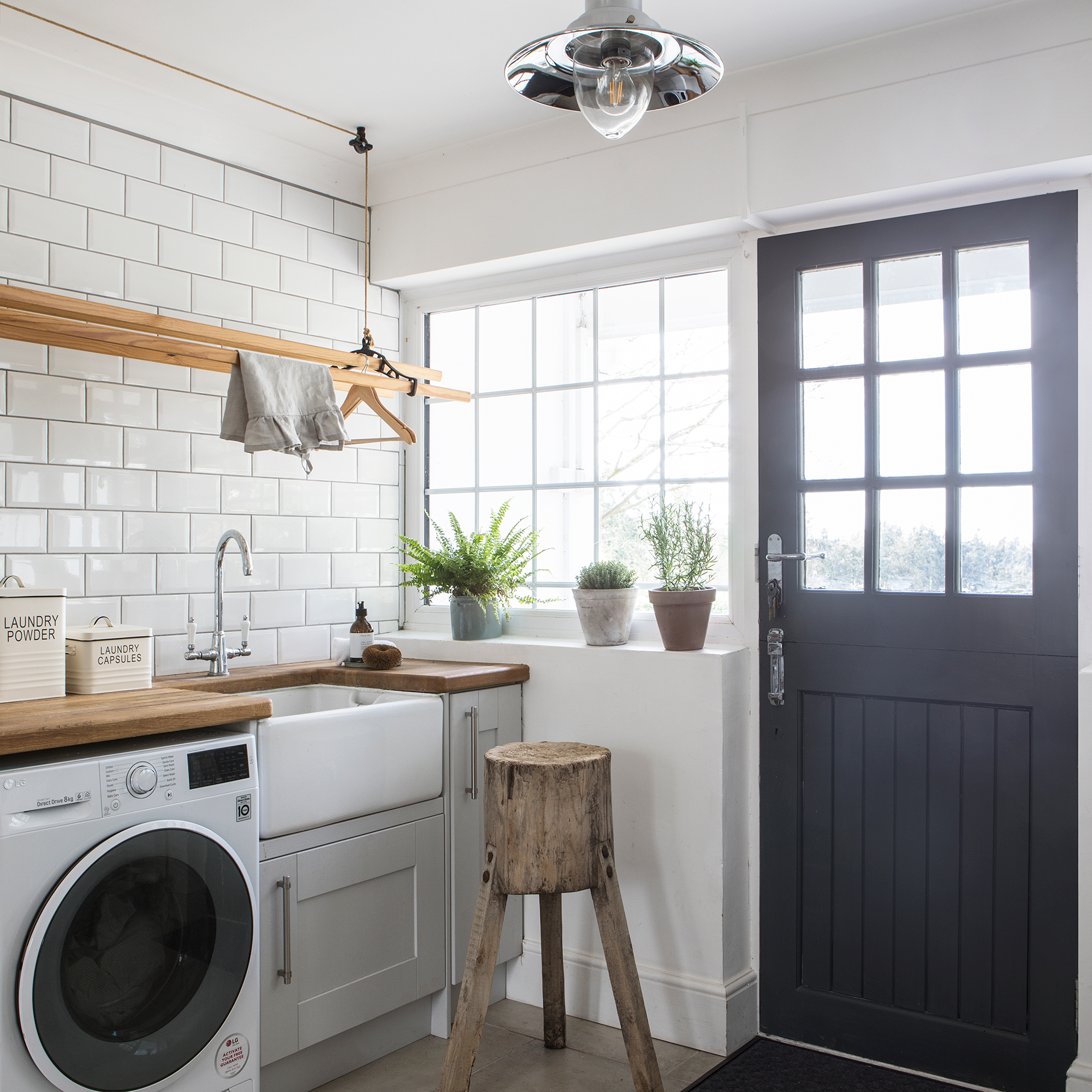
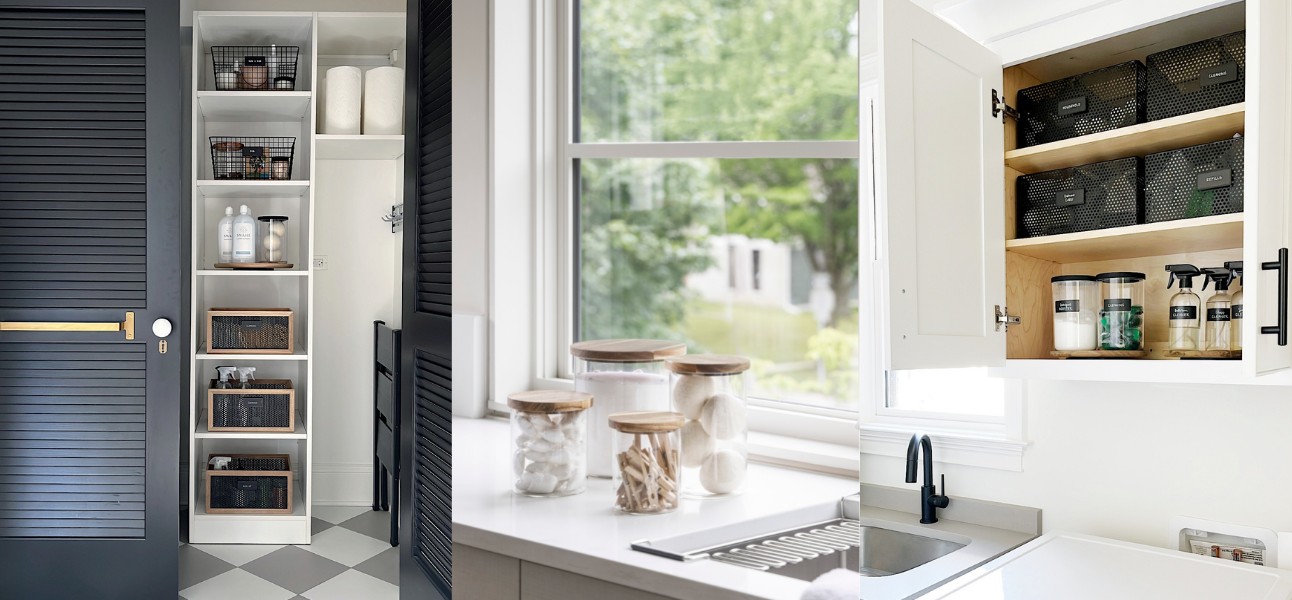
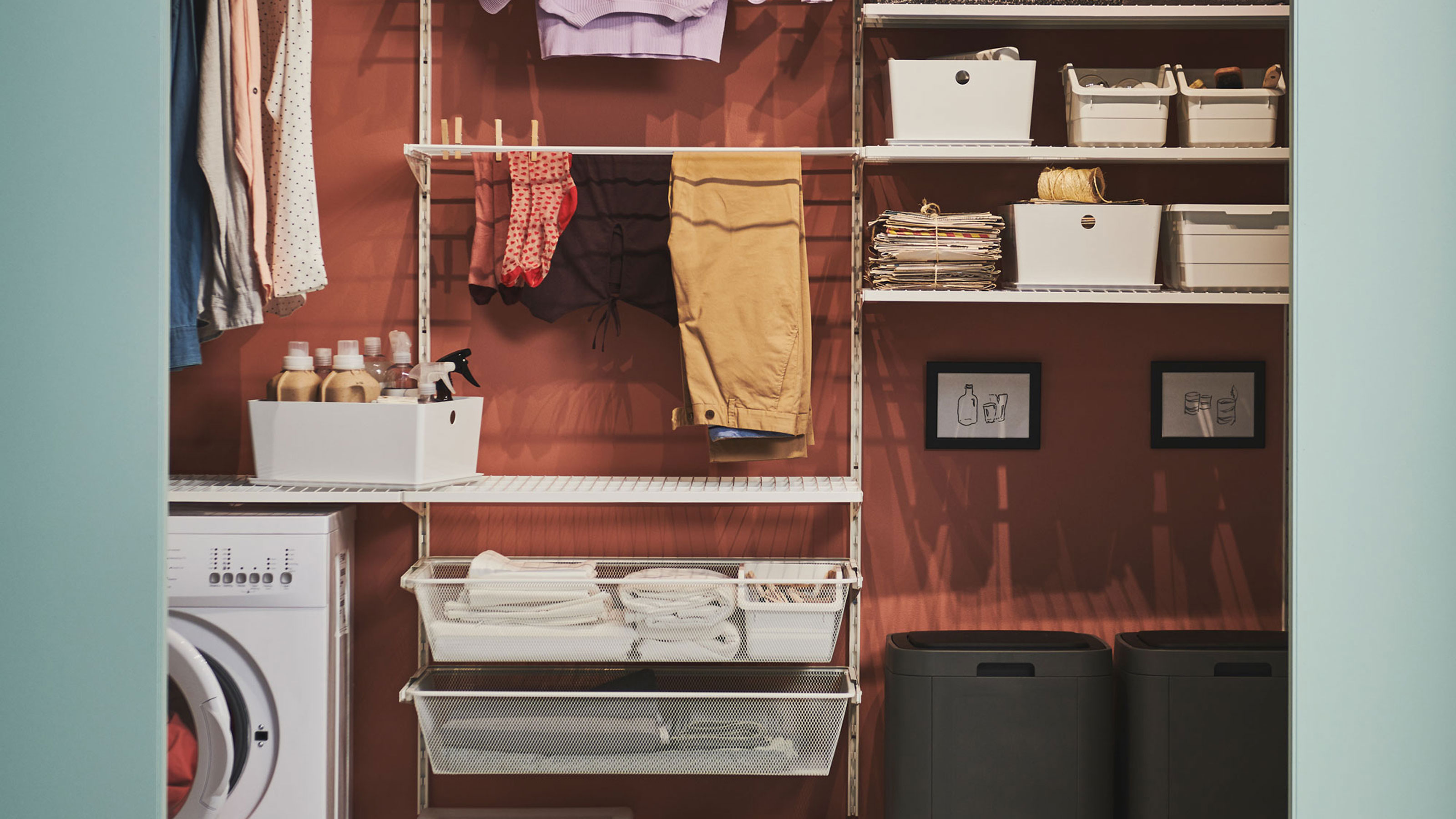
Once decluttered, the next step is to categorize items and establish specific zones. For example, cleaning supplies should be grouped together in one area, laundry items in another, and overflow pantry storage in a separate section. It is important to place frequently accessed items in easily reachable areas, often referred to as “prime real estate” zones. If countertops are utilized for storage, they should remain uncluttered to maintain their functionality as workspaces.
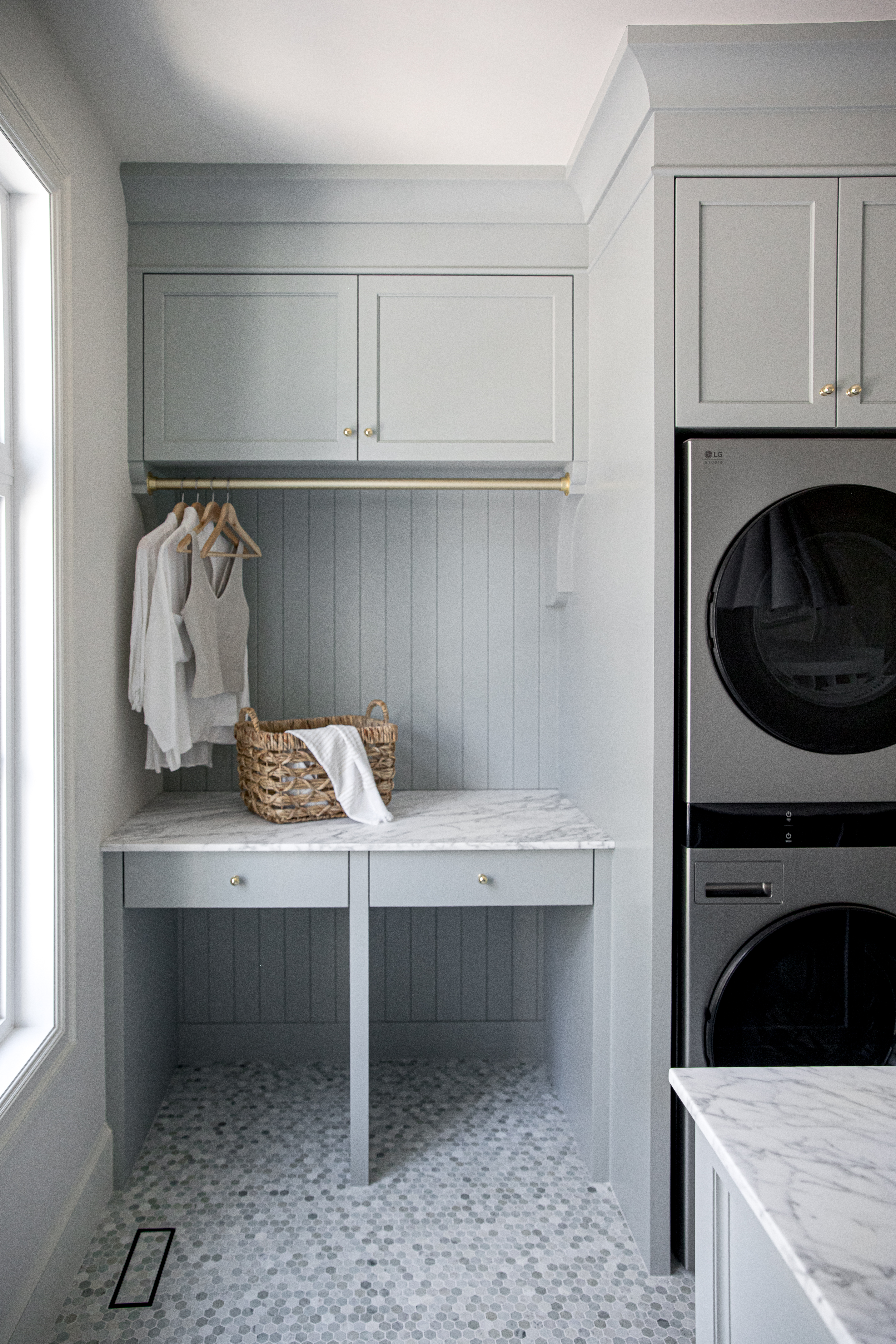
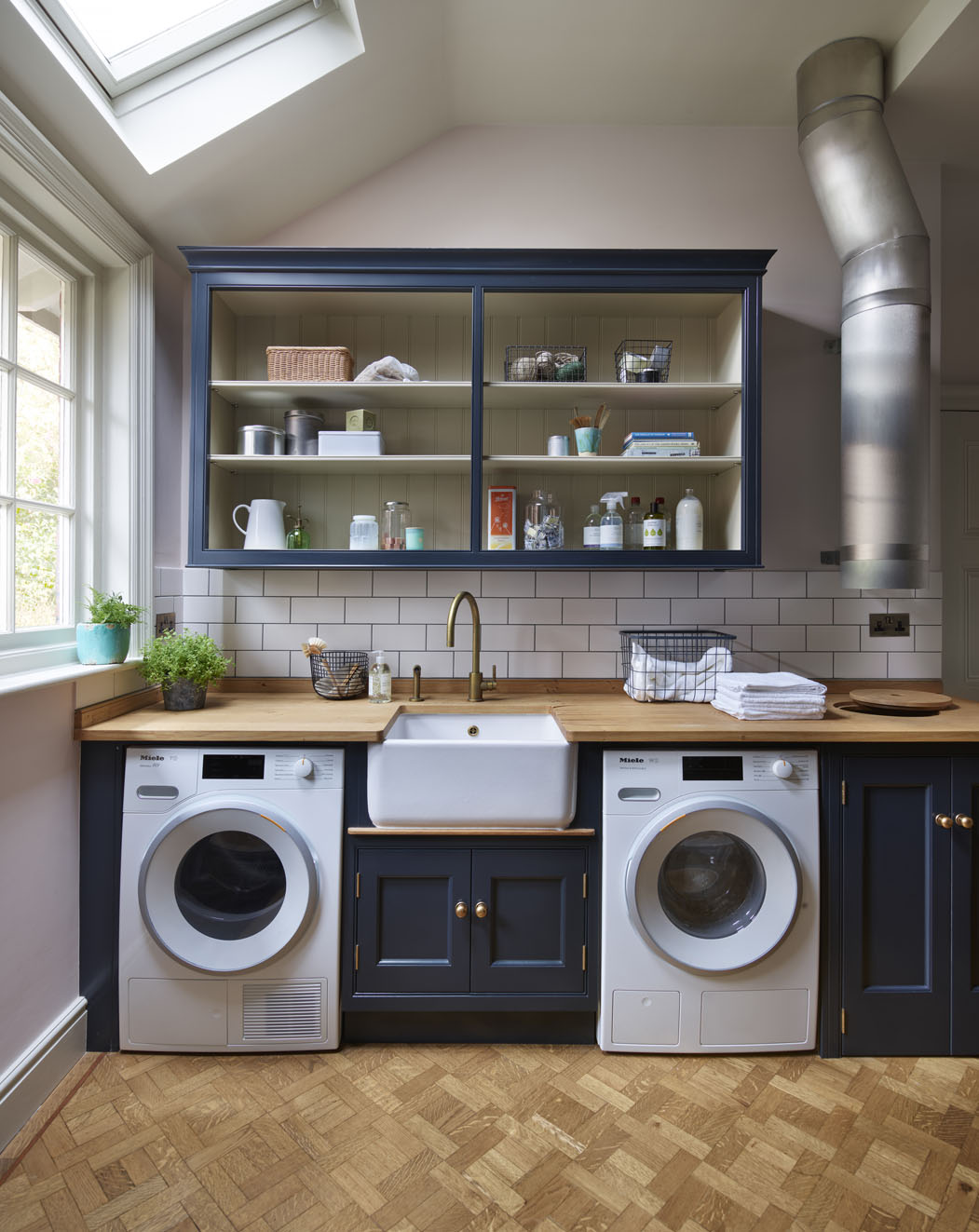
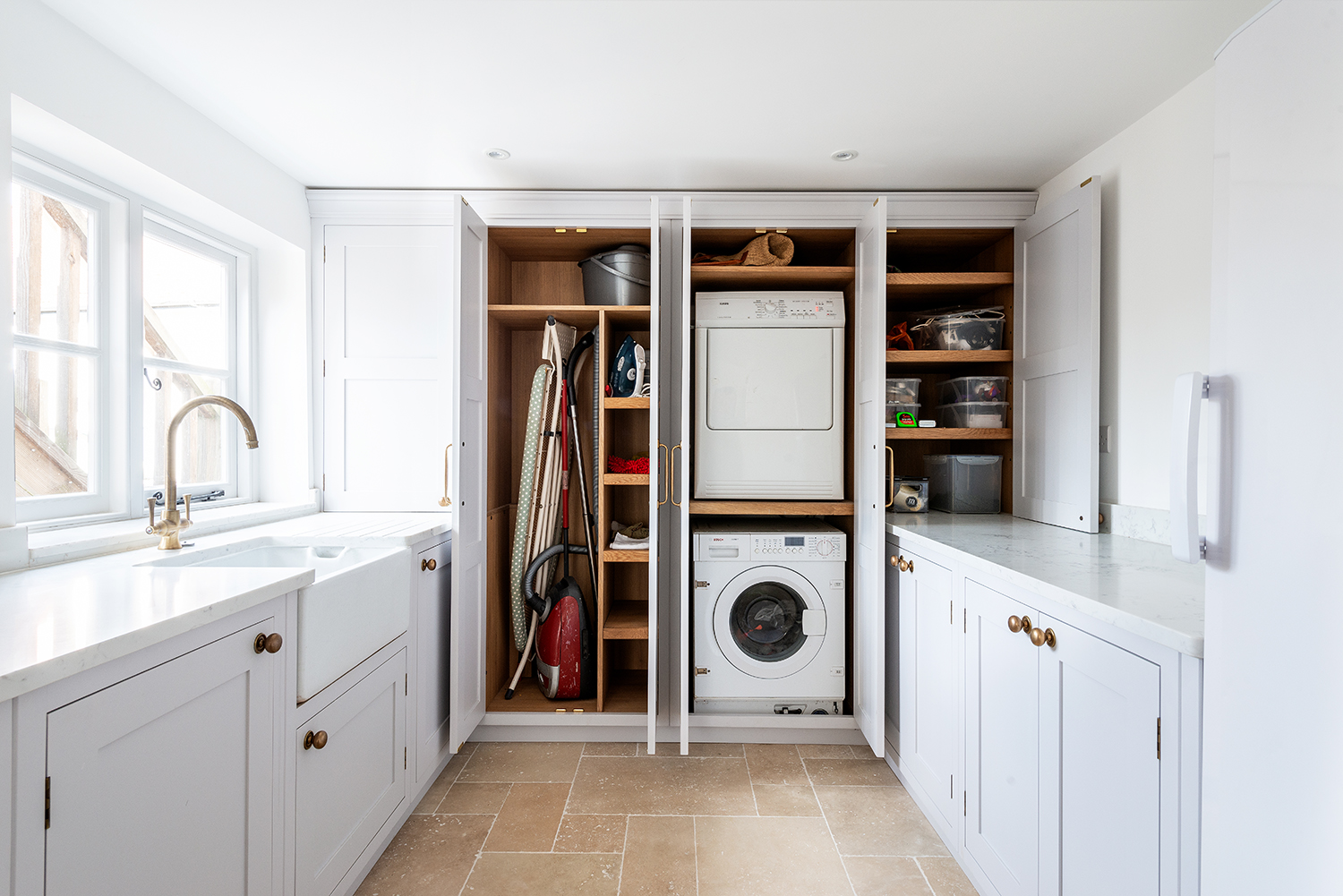
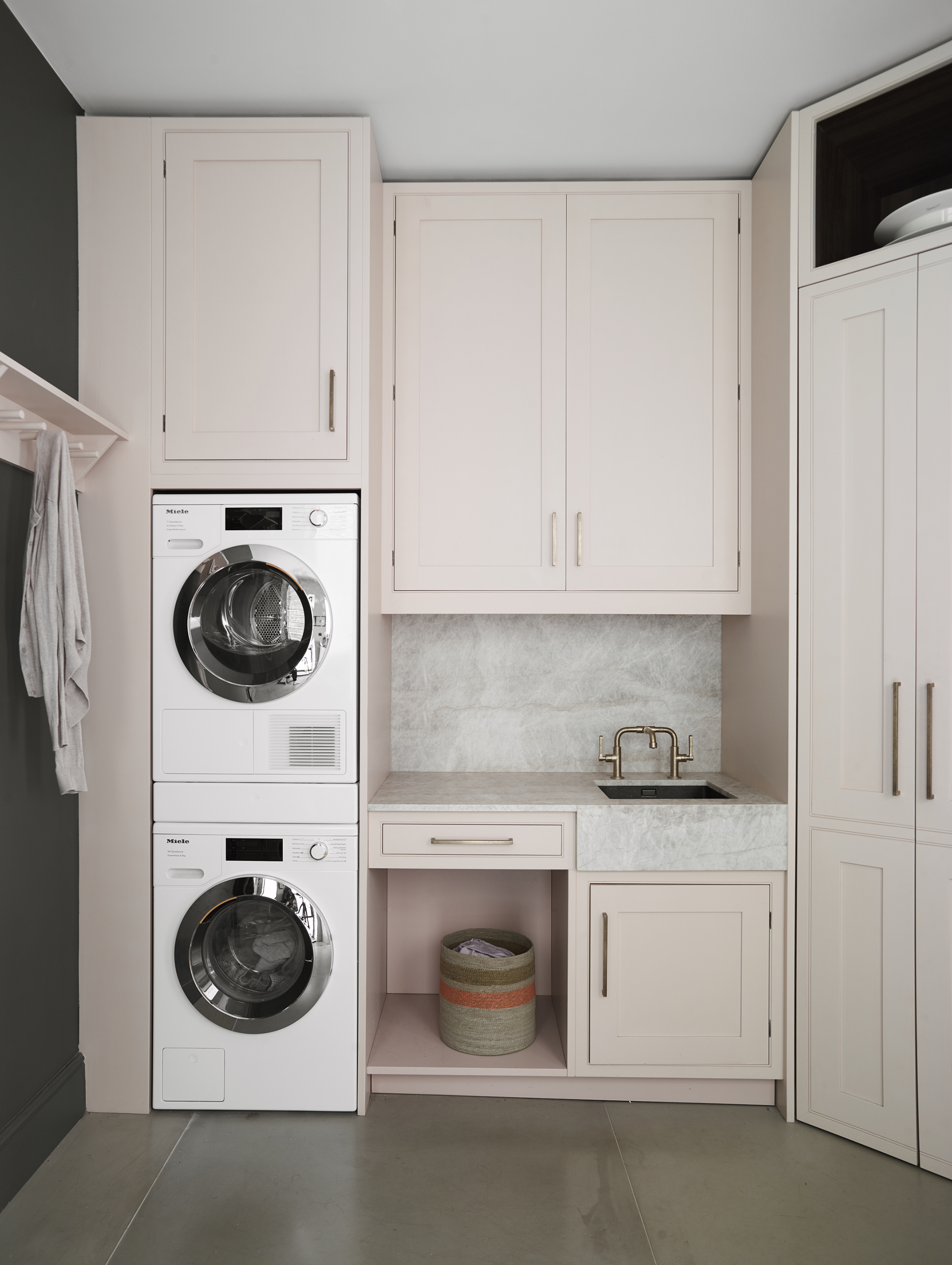
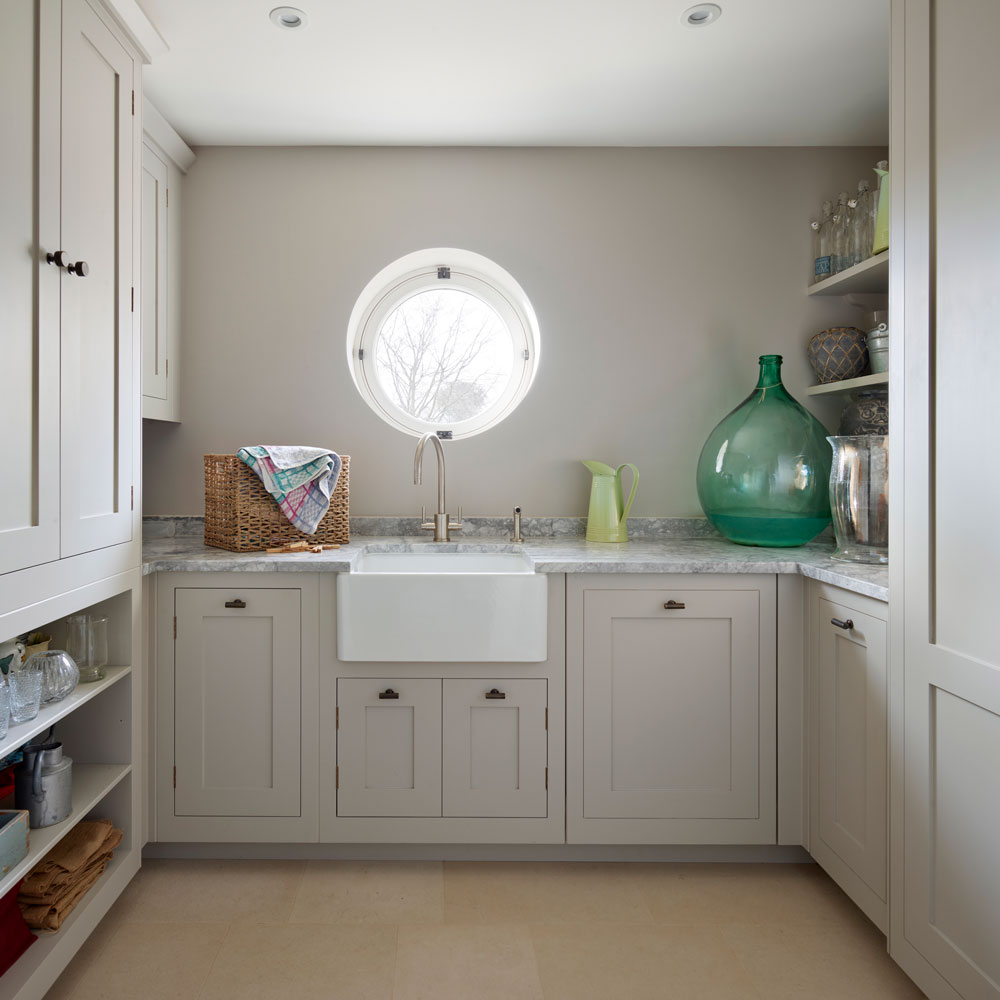
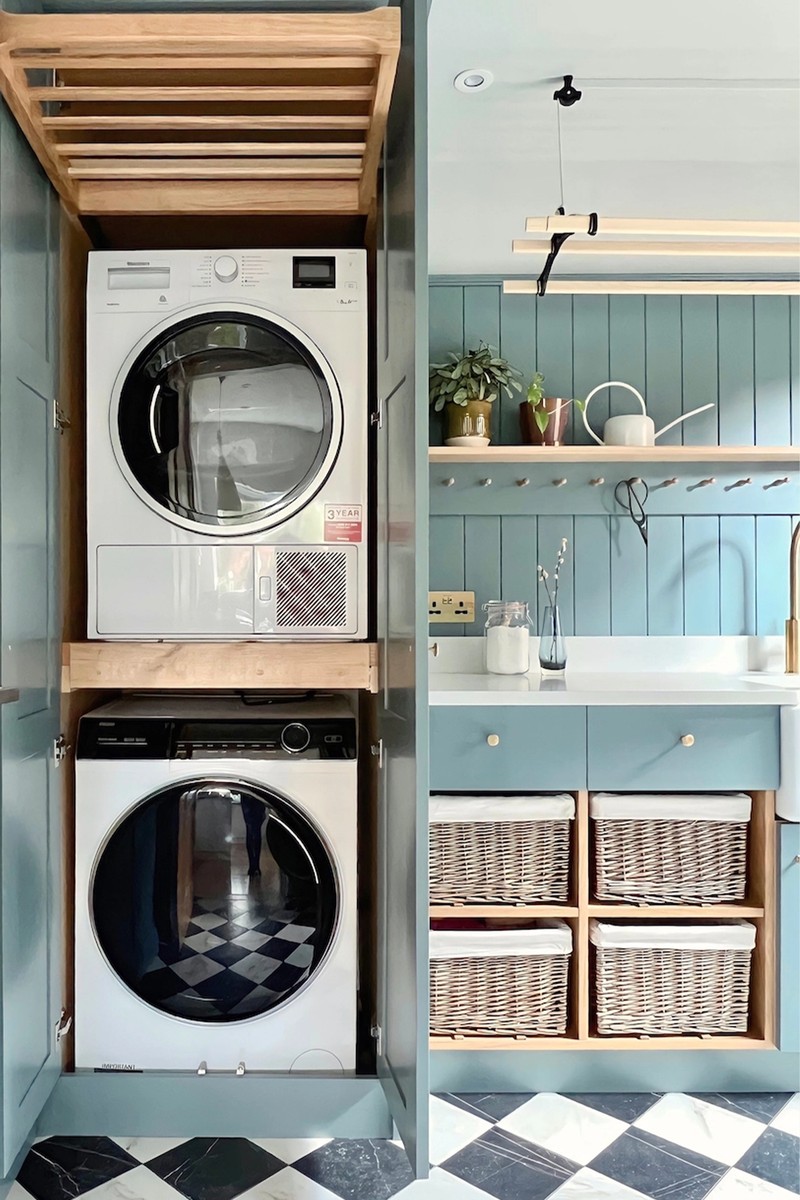
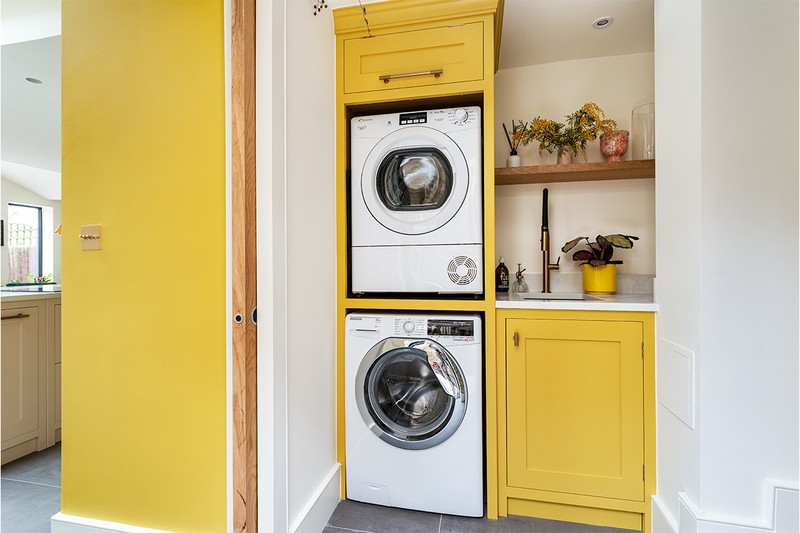
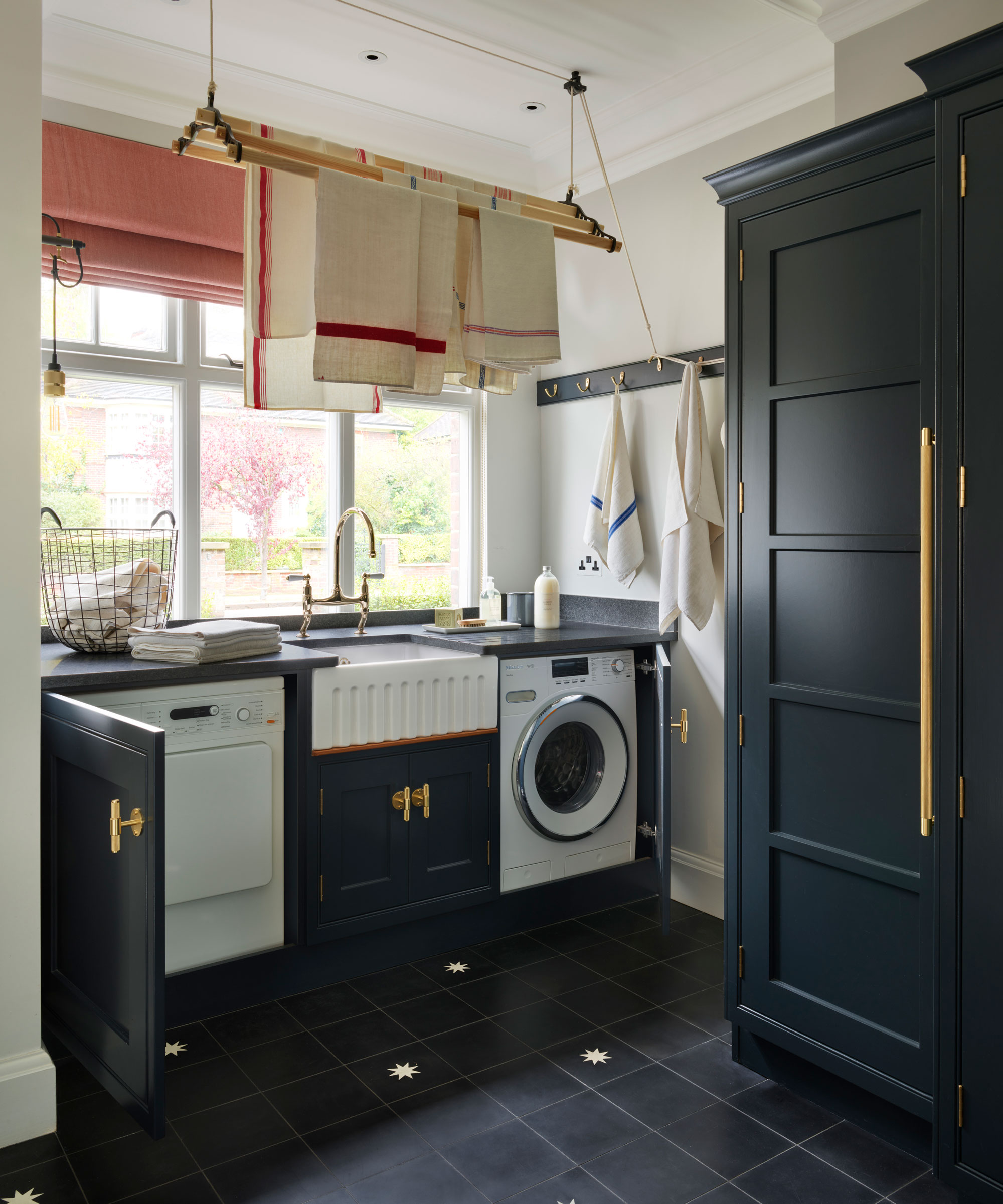
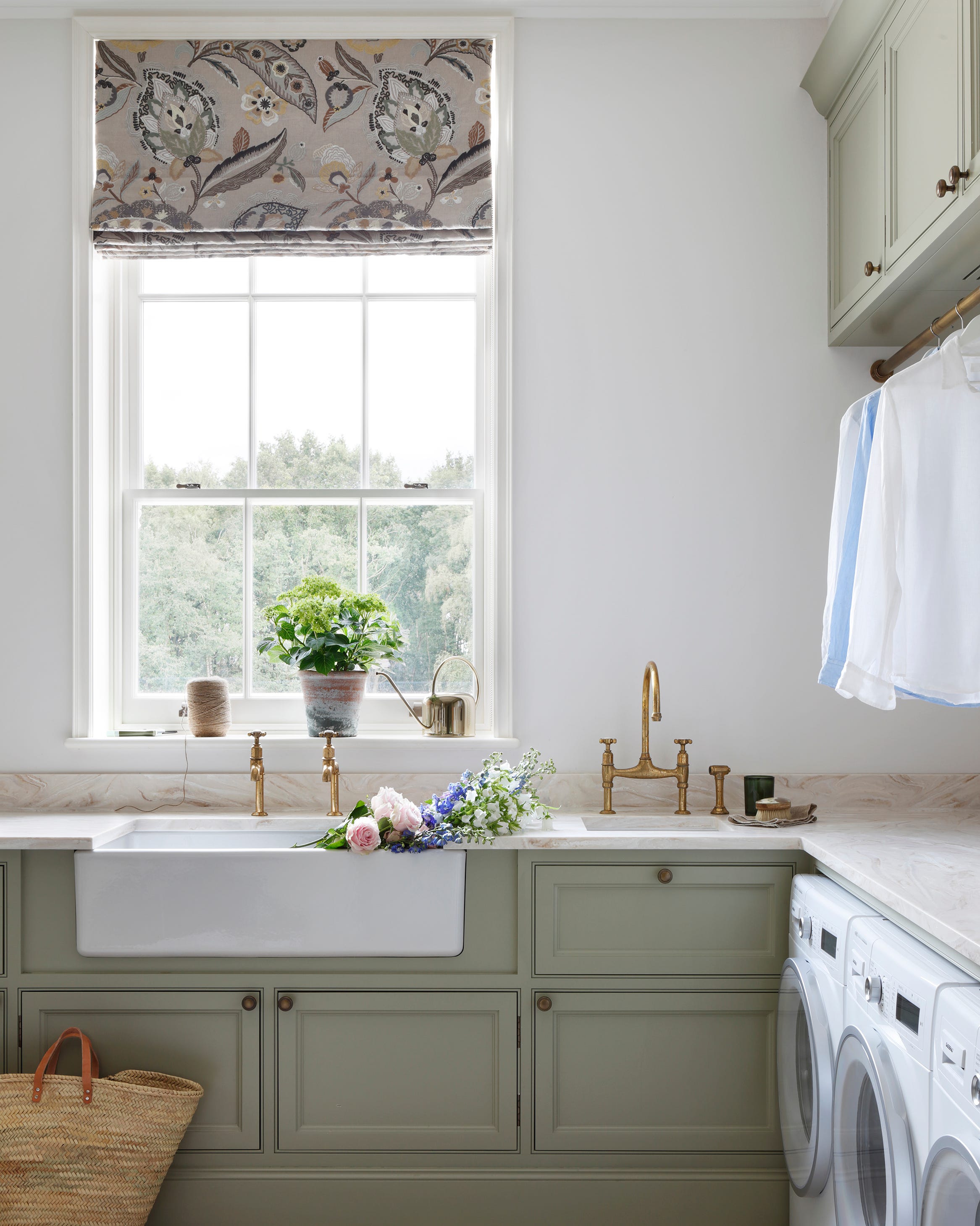
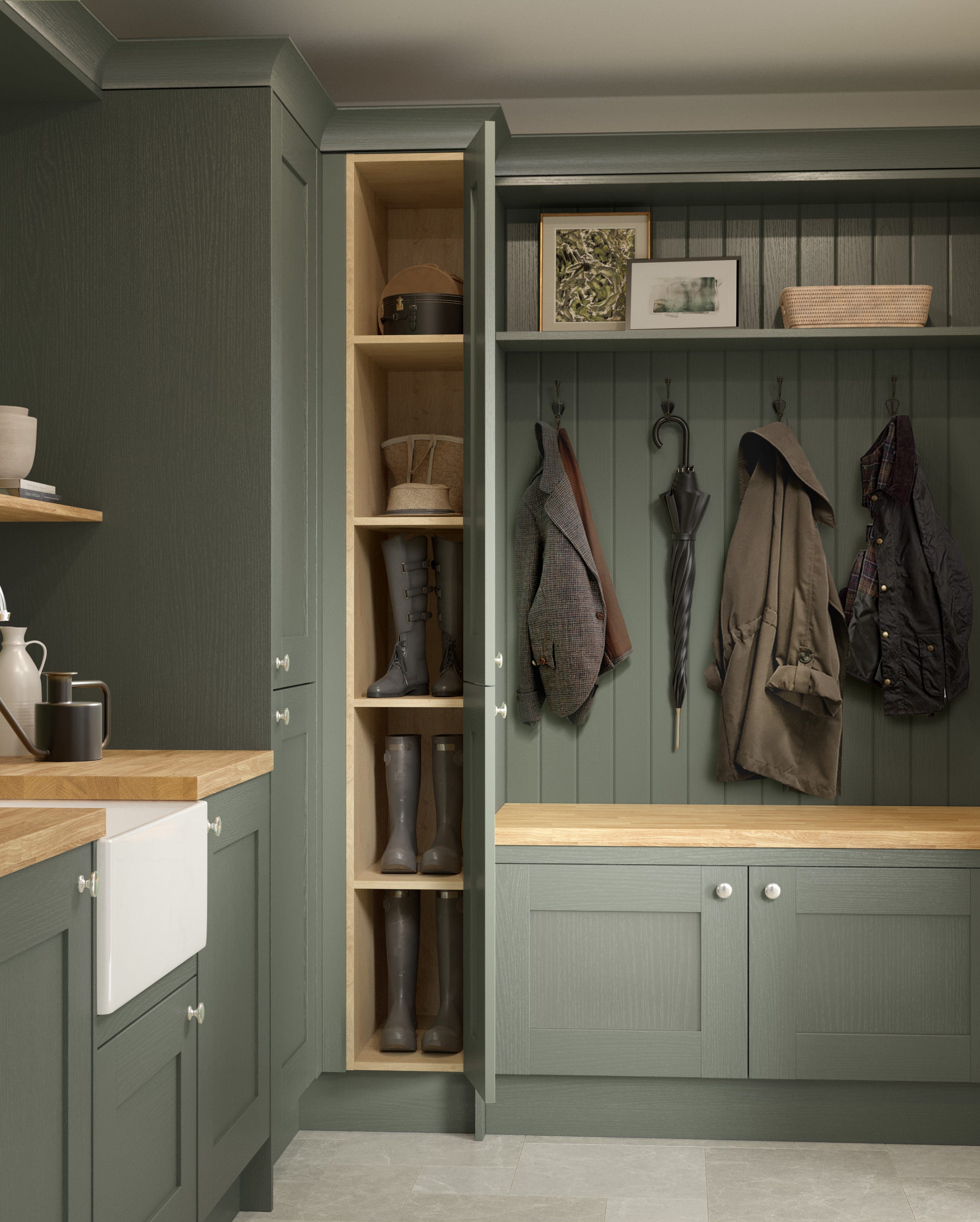
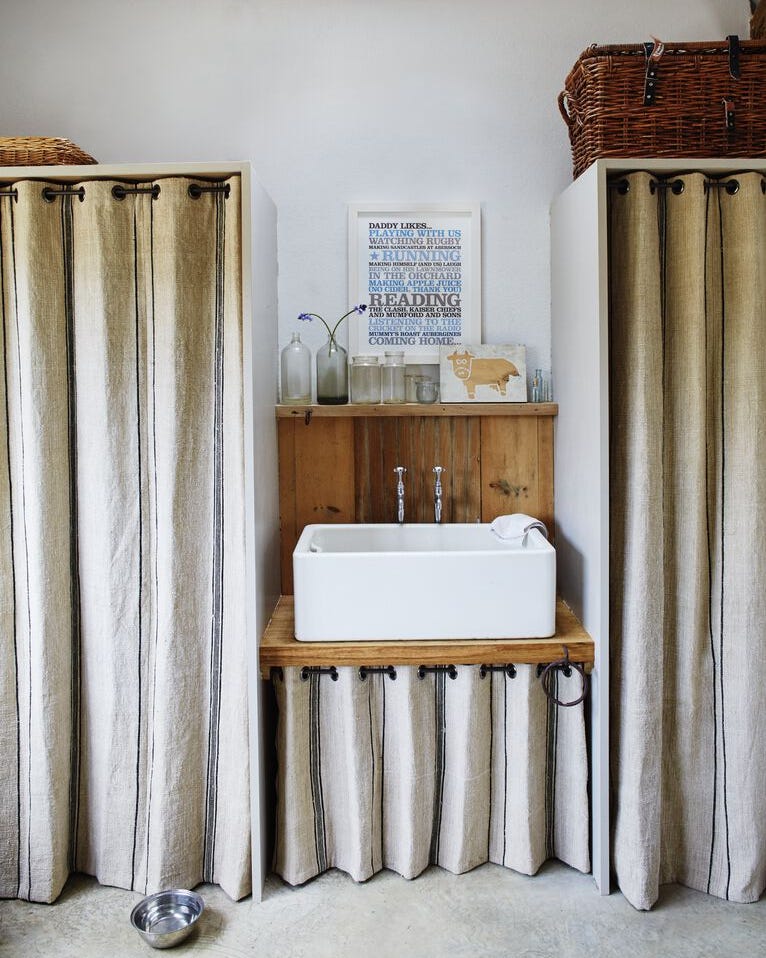
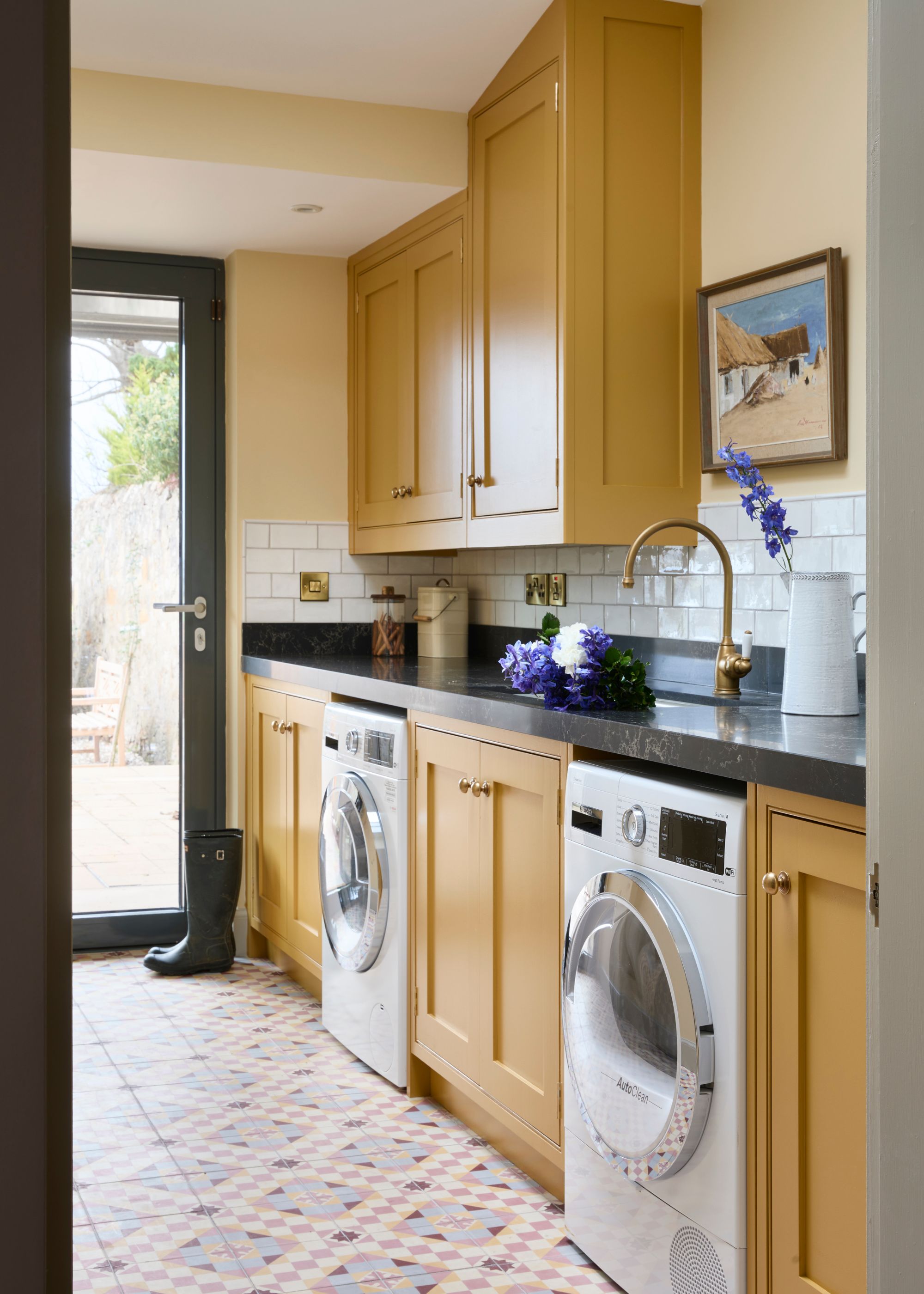
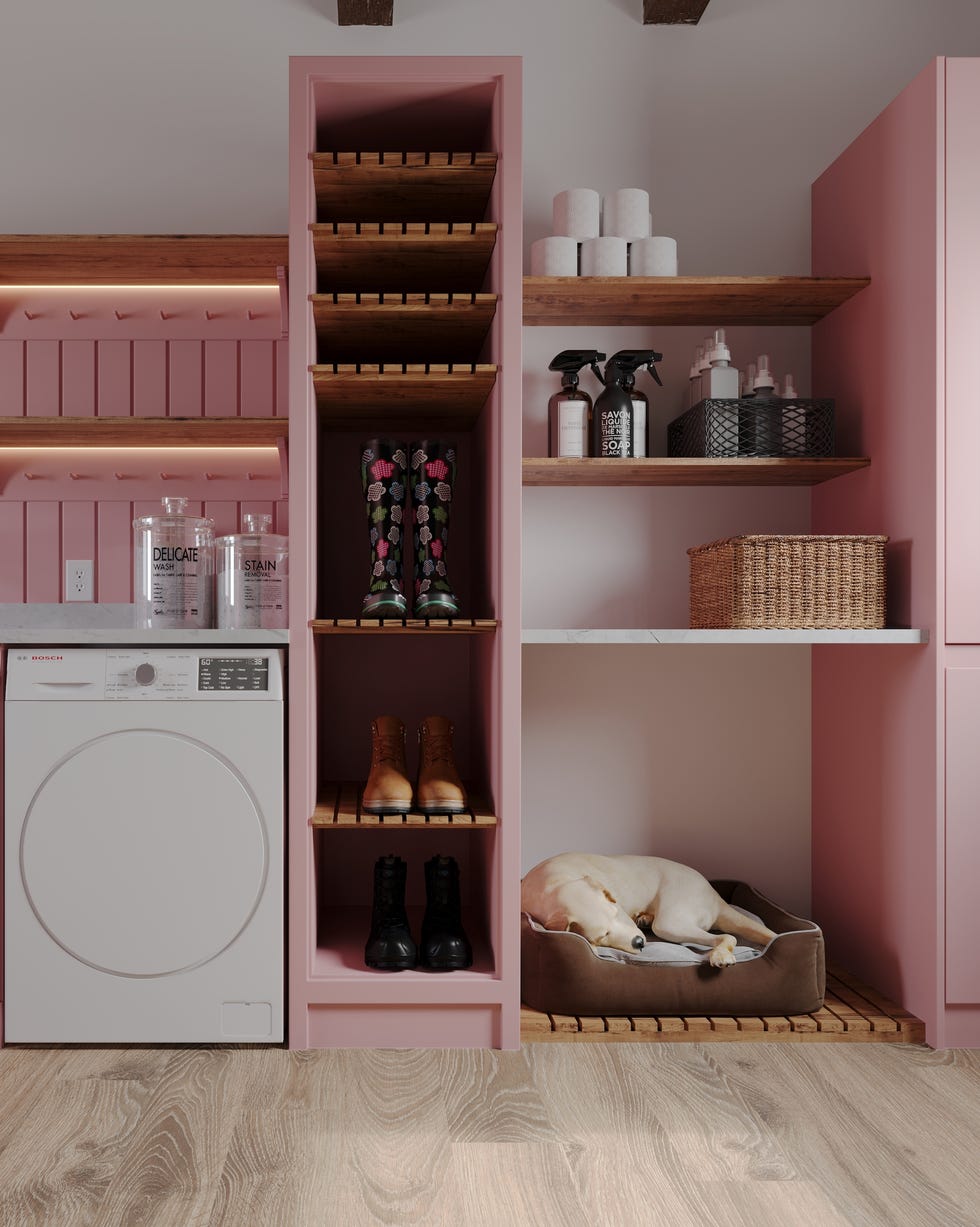
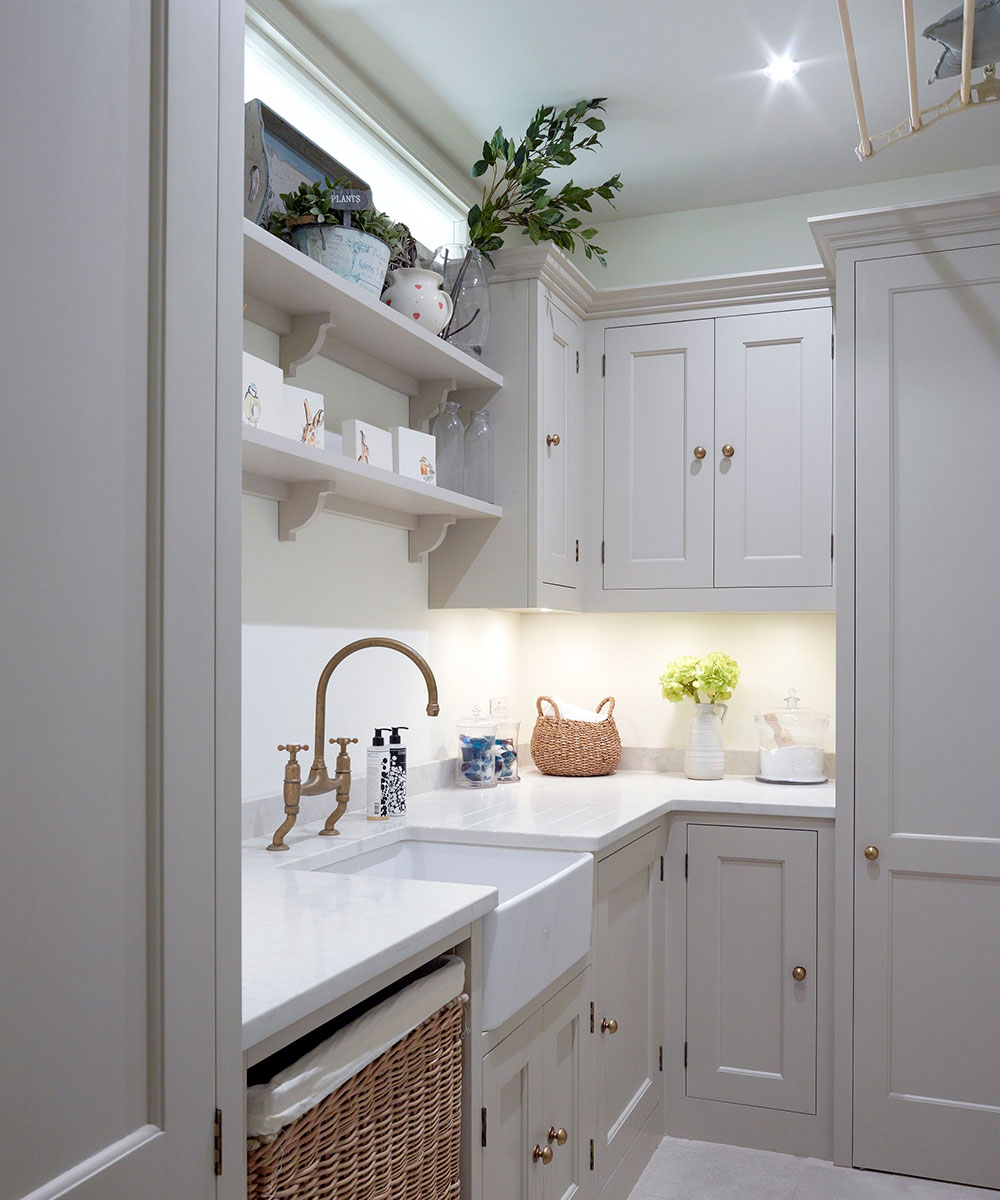
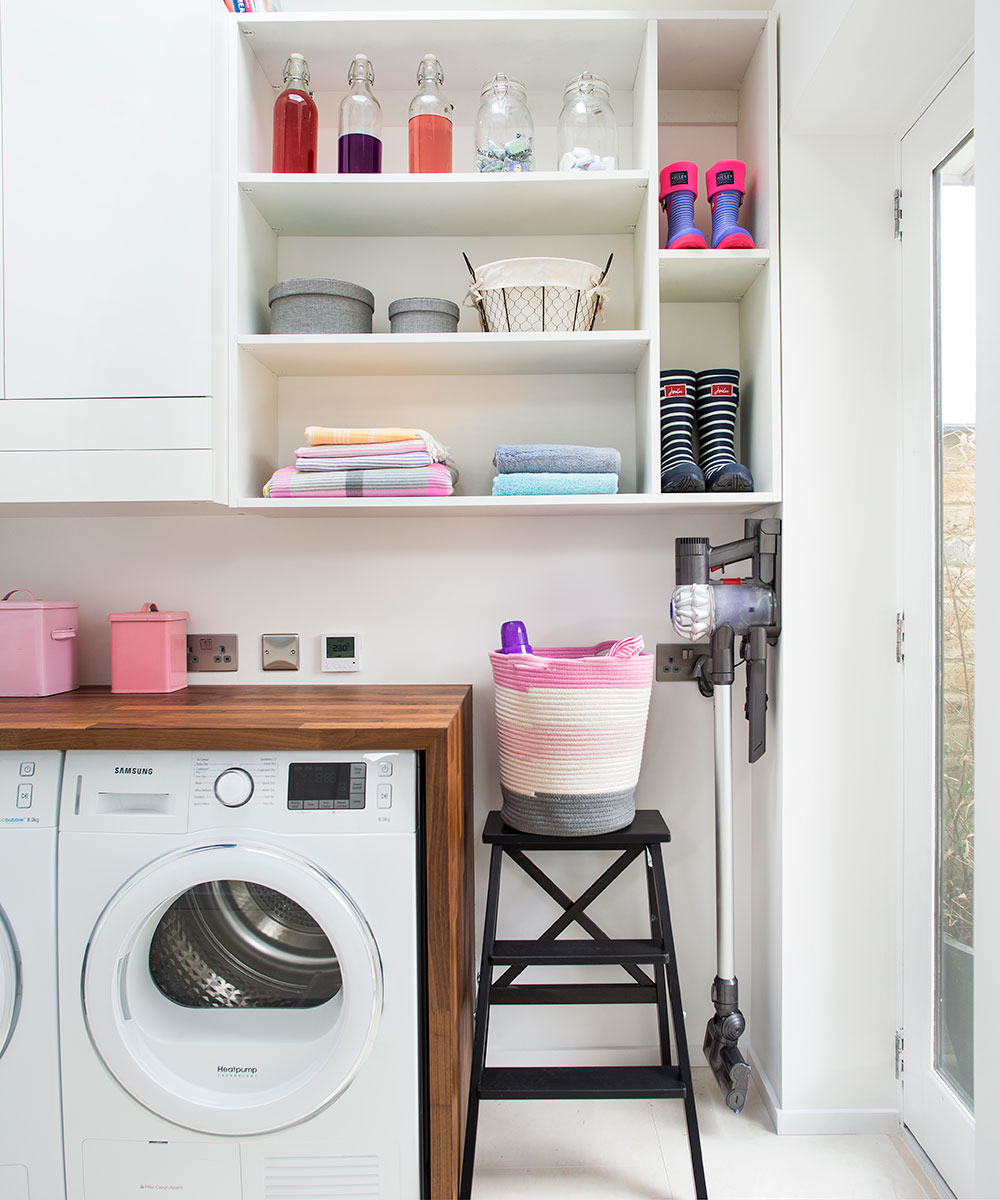
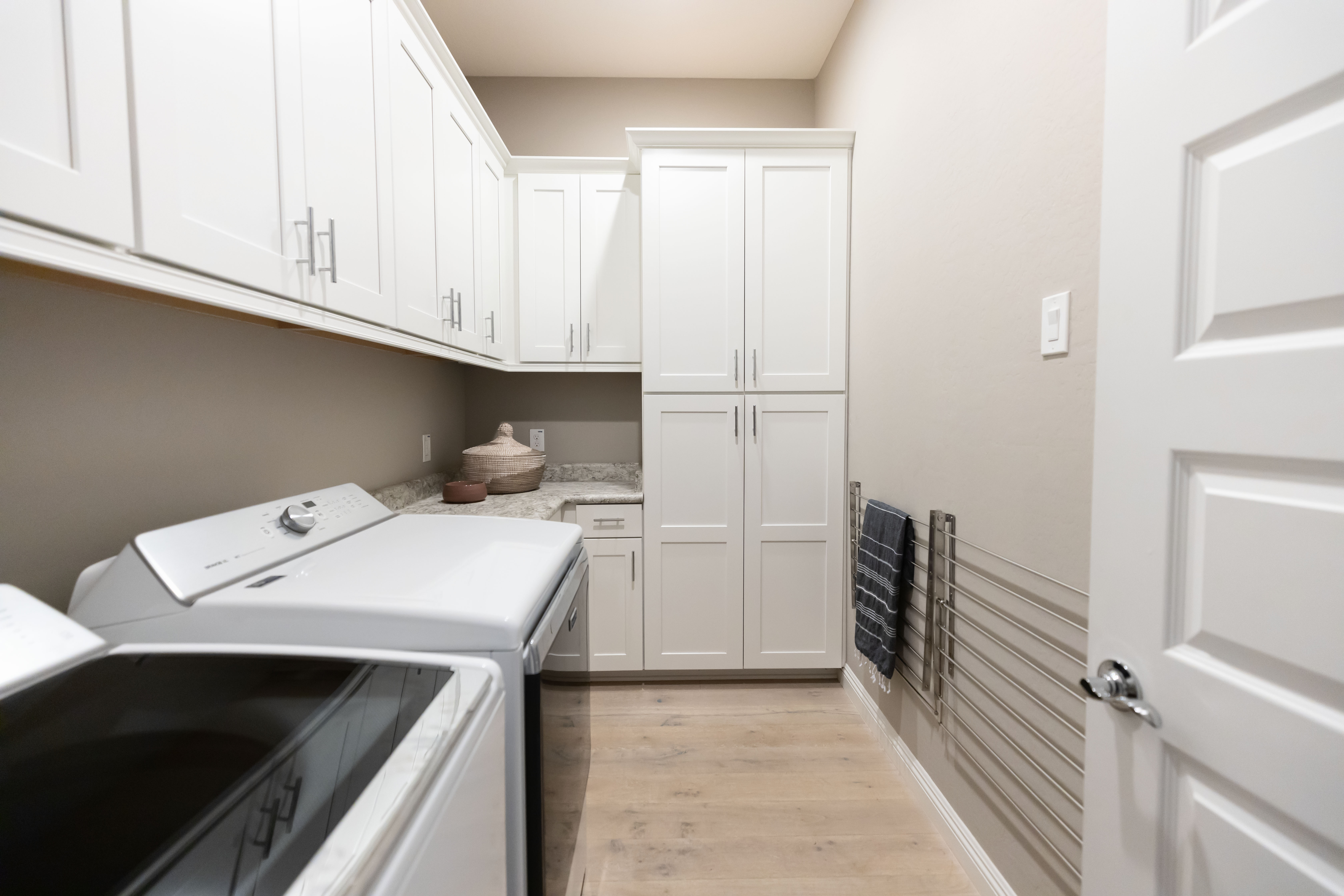
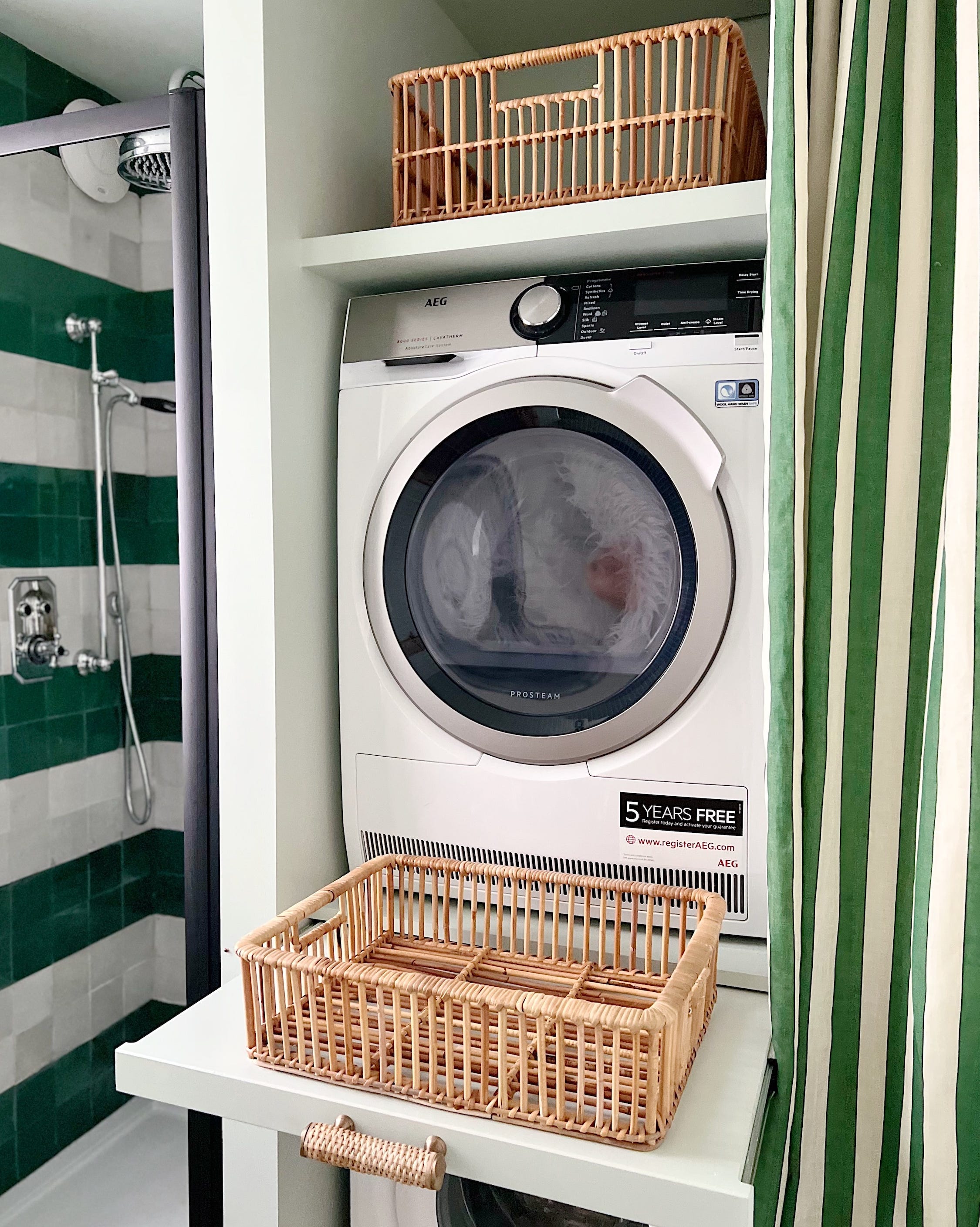
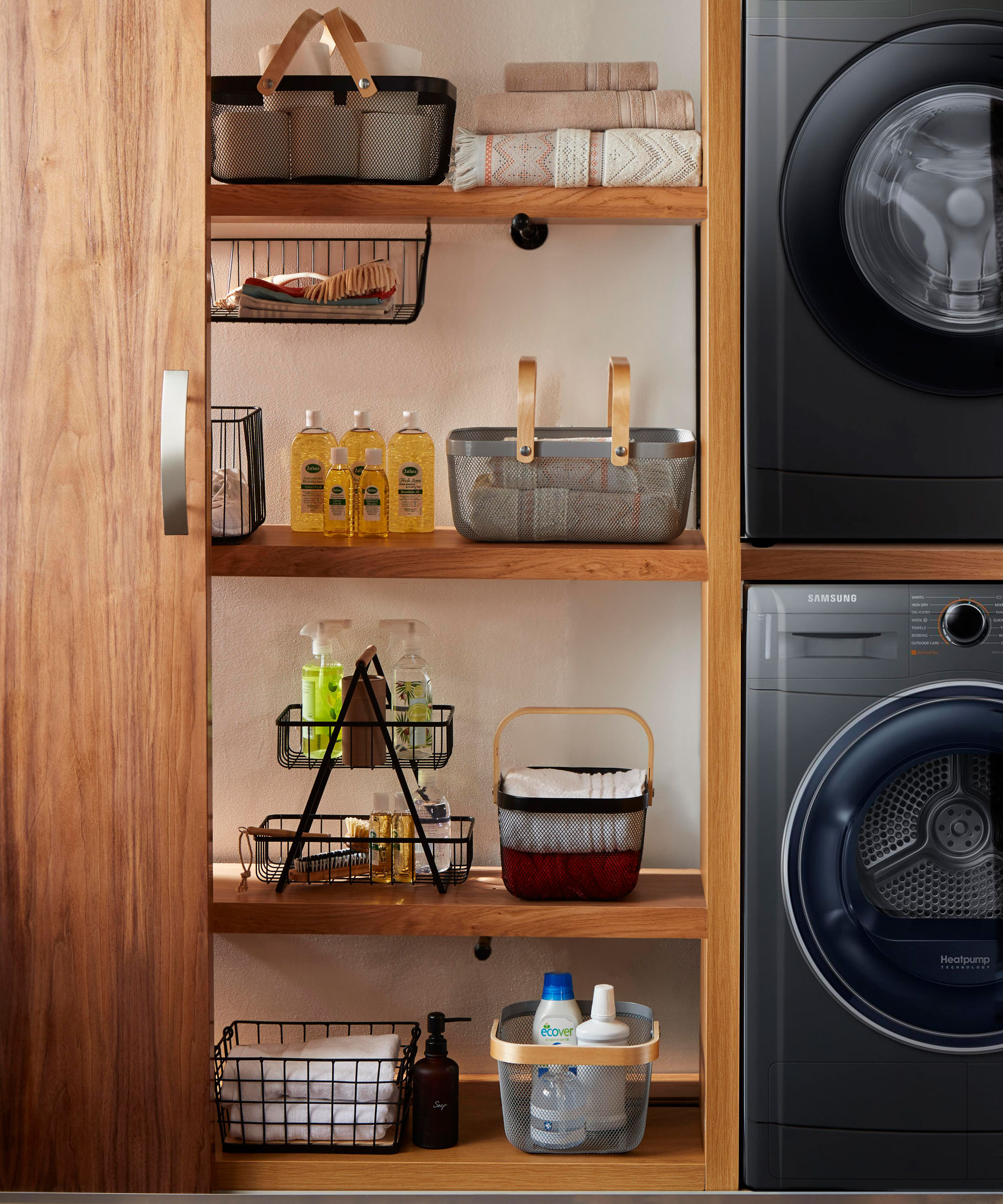
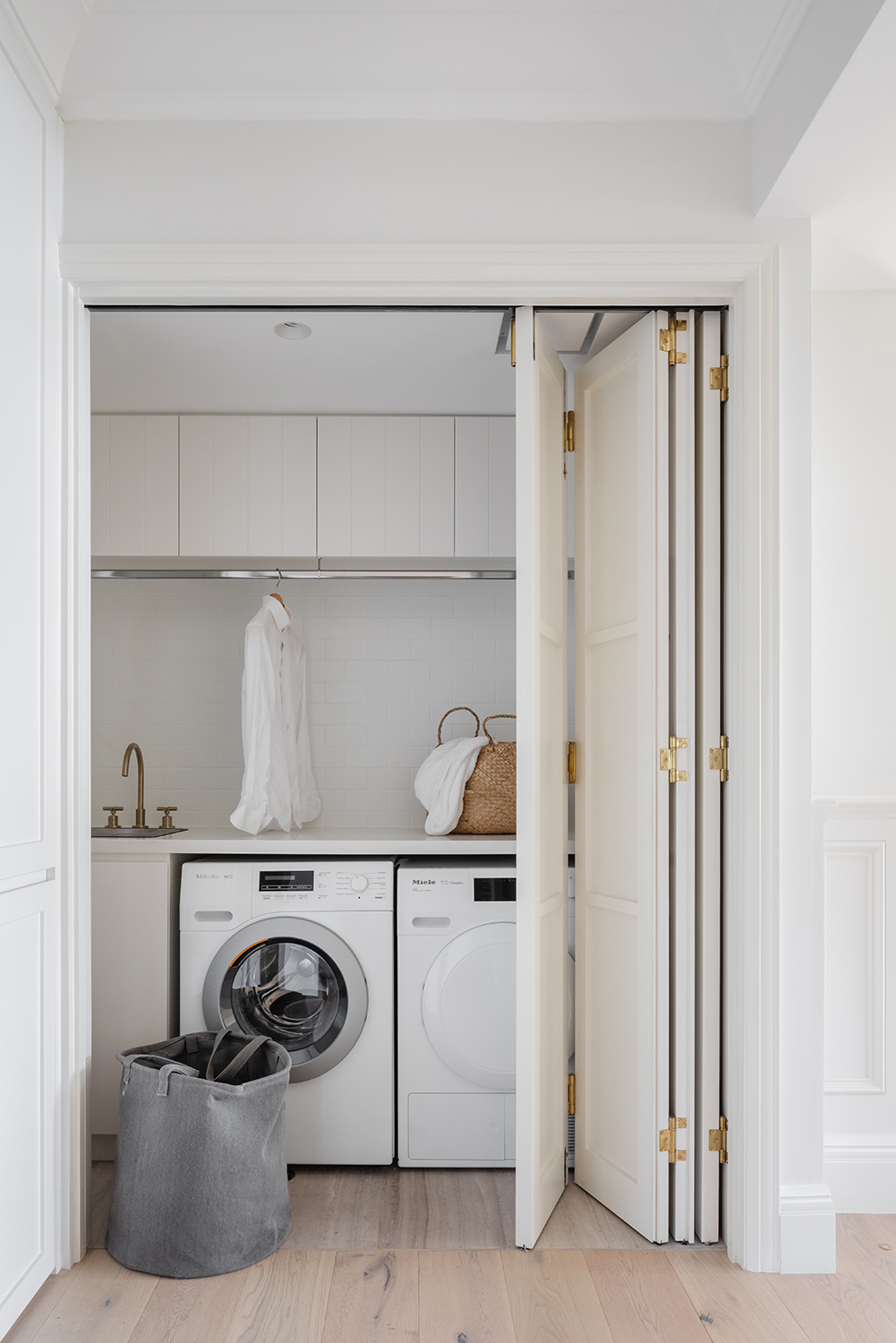
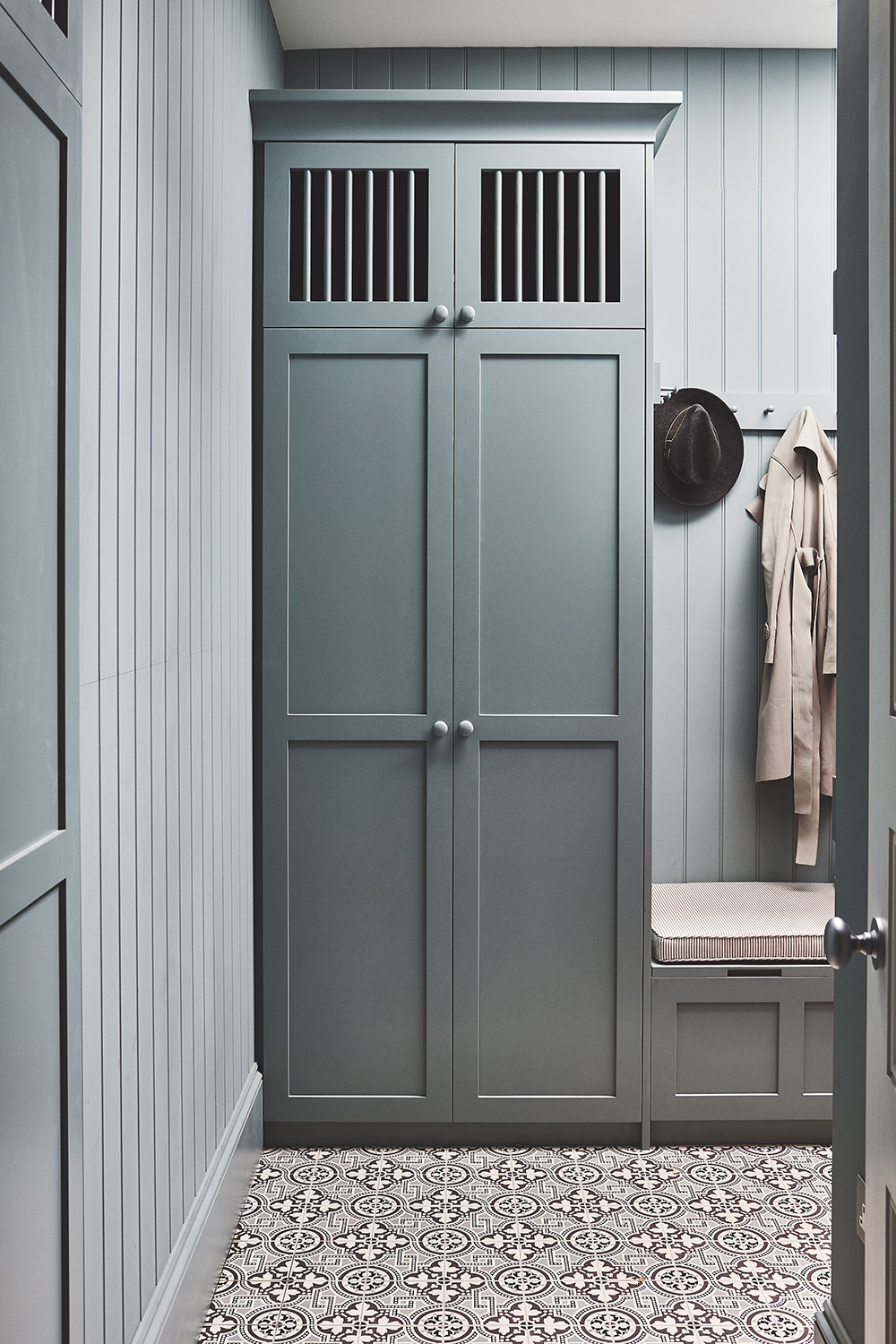
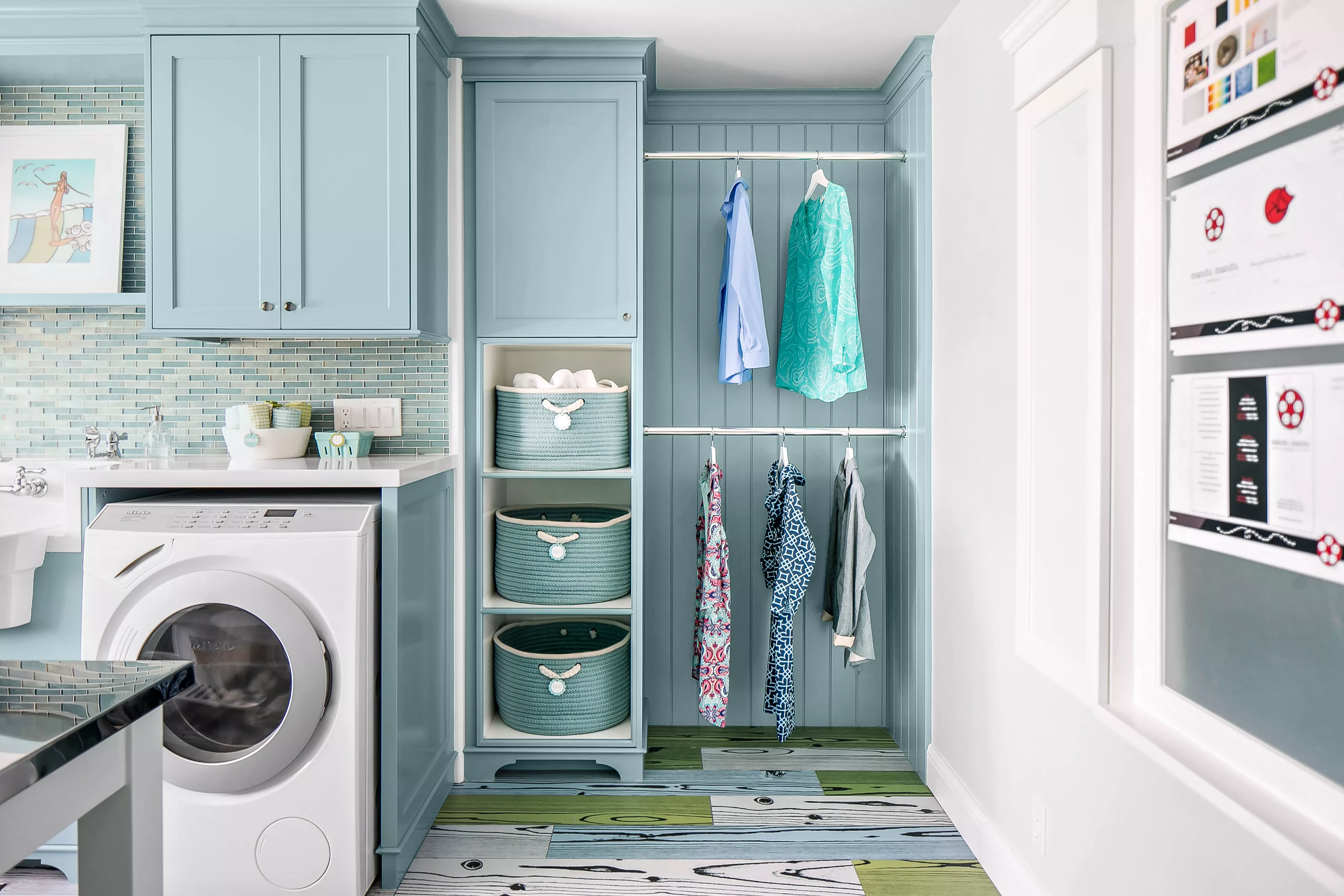
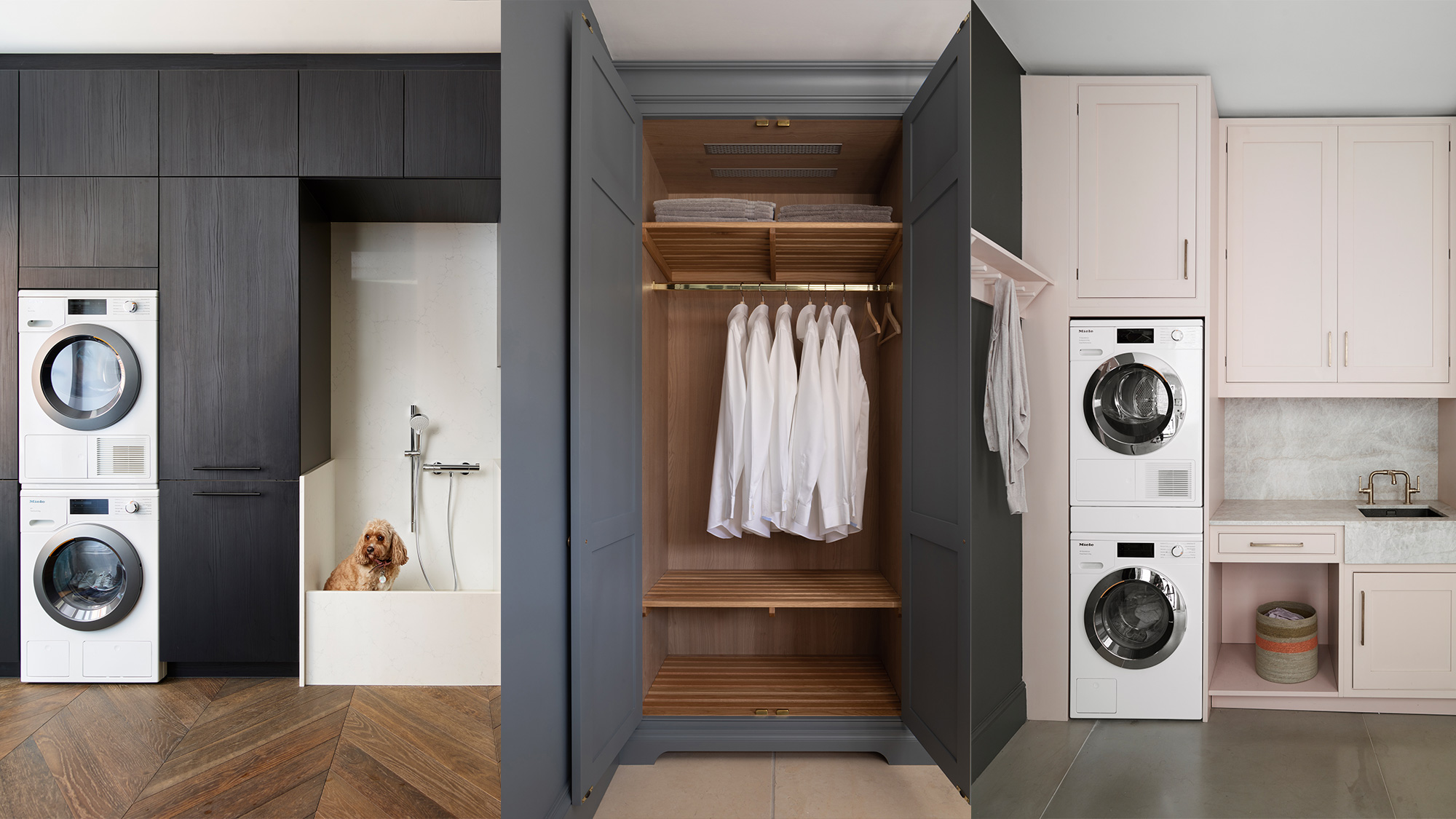
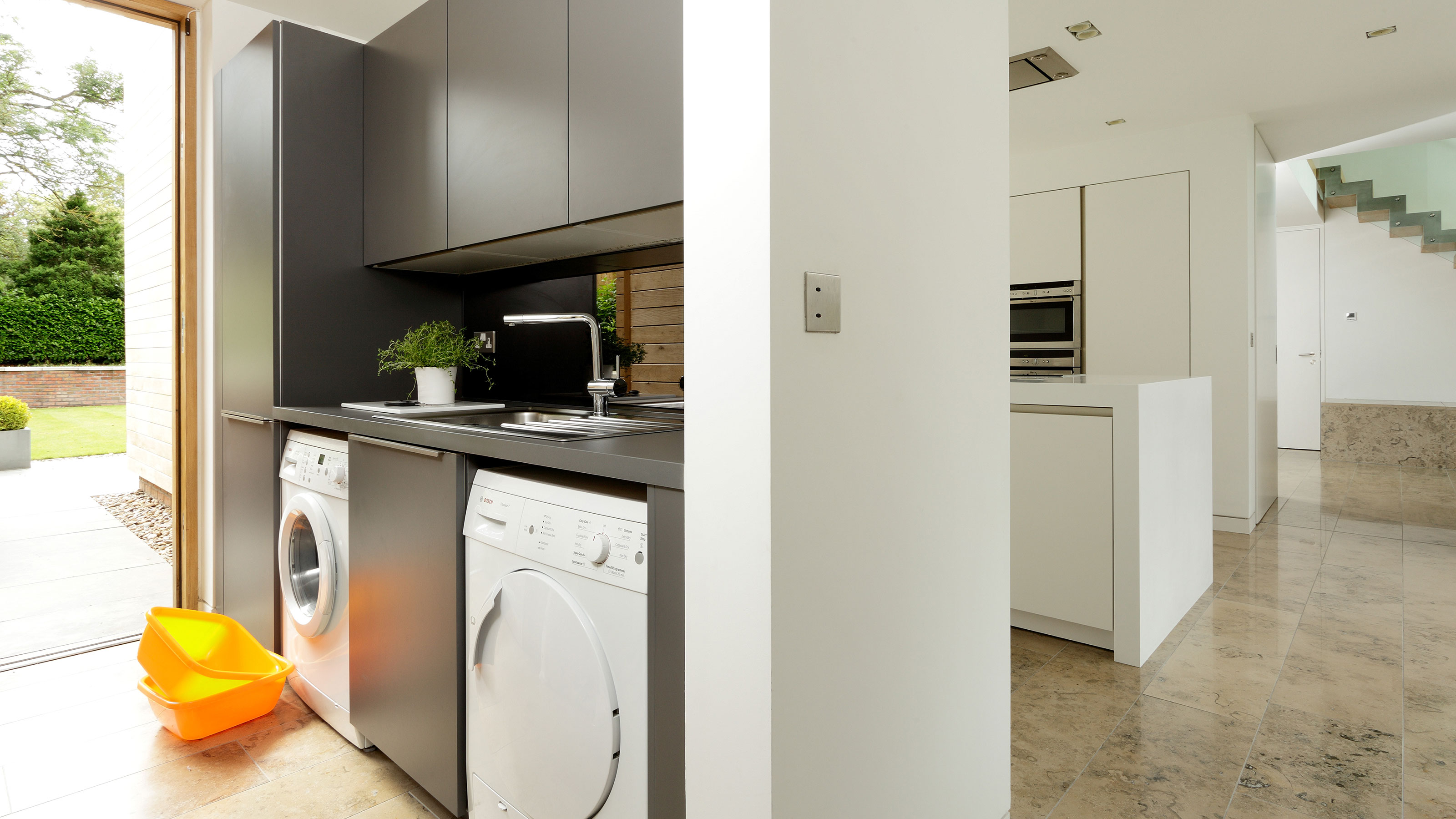
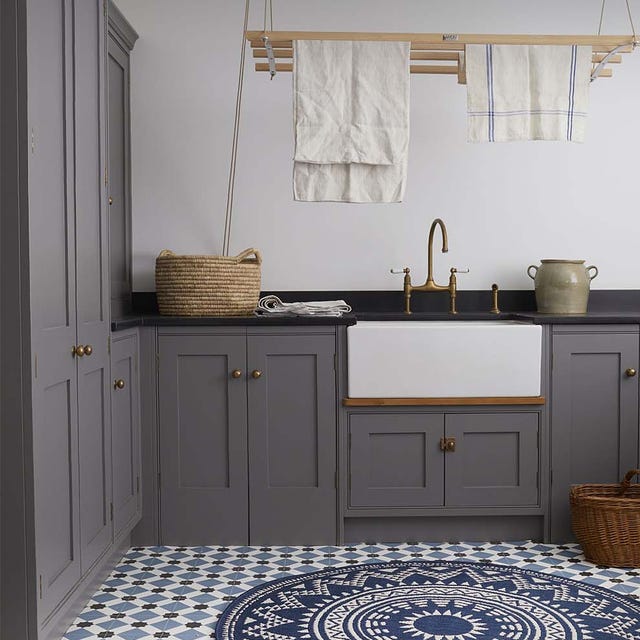
Implementing “boundaries” for items is essential to keep them contained and orderly. This can involve using spring-loaded drawer dividers and multi-purpose drawer inserts for a customized organizing solution. Baskets with dividers are effective for storing various household goods and tools, while glass jars are suitable for decanting items like laundry detergent pods, offering both aesthetic appeal and practical tracking of supplies. Closed storage, such as built-in or freestanding cabinets, is highly recommended to conceal smaller items and prevent visual clutter. Cabinets can be installed above appliances, or narrow floor-to-ceiling units can maximize corner spaces. Even open shelving can benefit from baskets to hide contents.
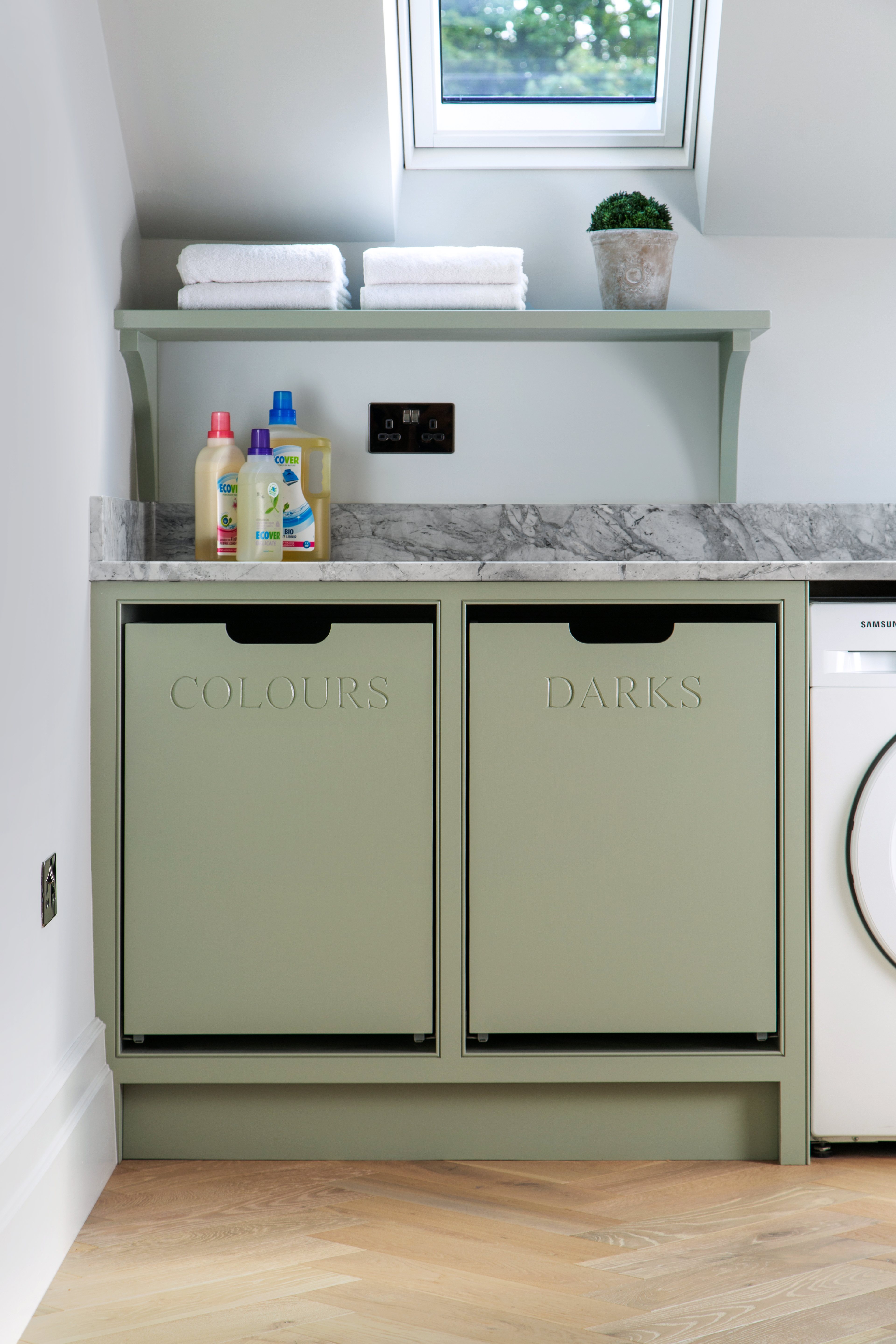
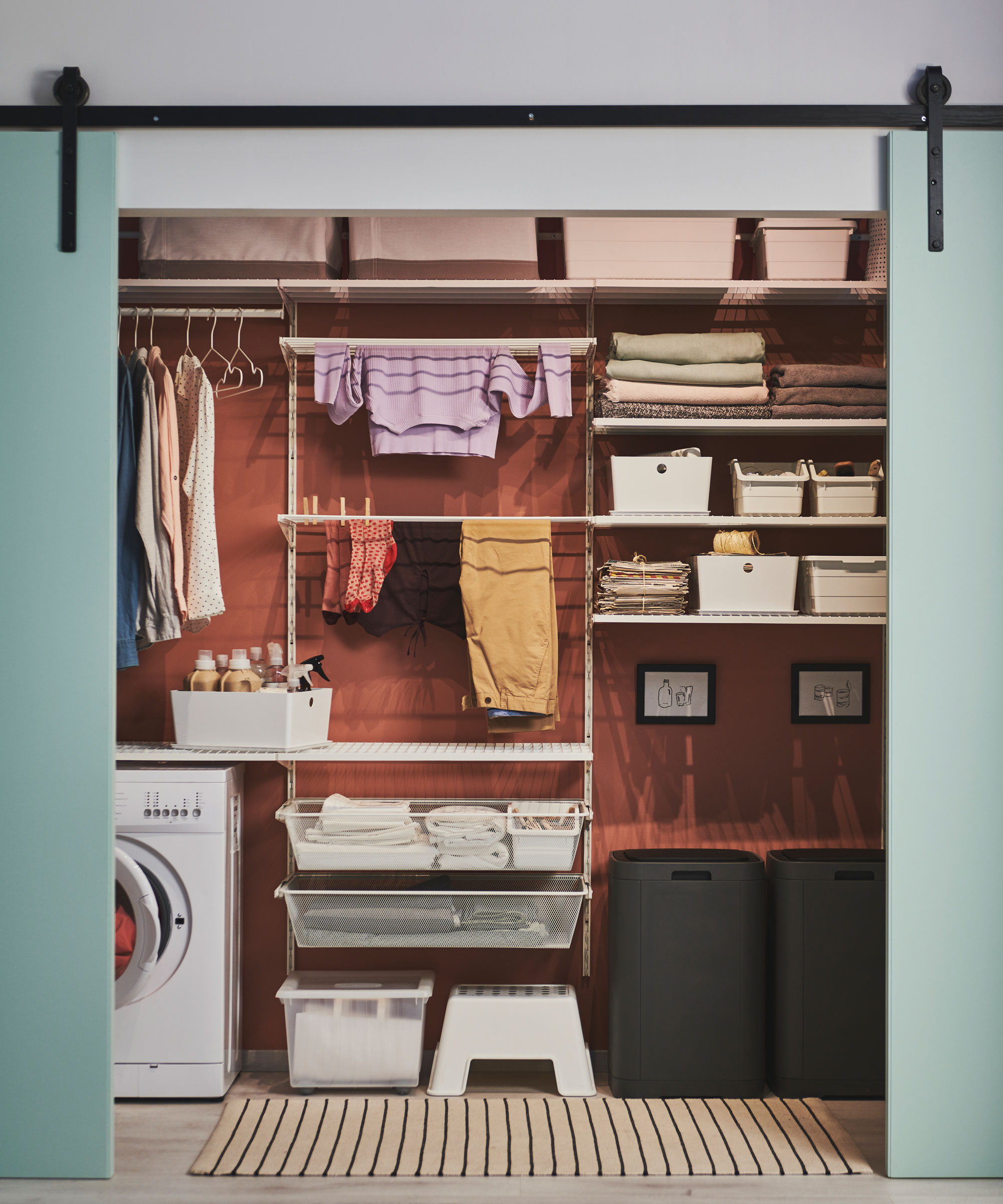
Maximizing vertical space is a key strategy. Behind-the-door storage racks can transform unused space into functional storage for cleaning supplies, pantry items, gift wrap, or even coats and shoes. Labels are indispensable for maintaining long-term organization. They create a system where every member of the household knows where items belong, ensuring that tidiness is sustained. Without labels, even the most meticulously organized space can revert to disarray.
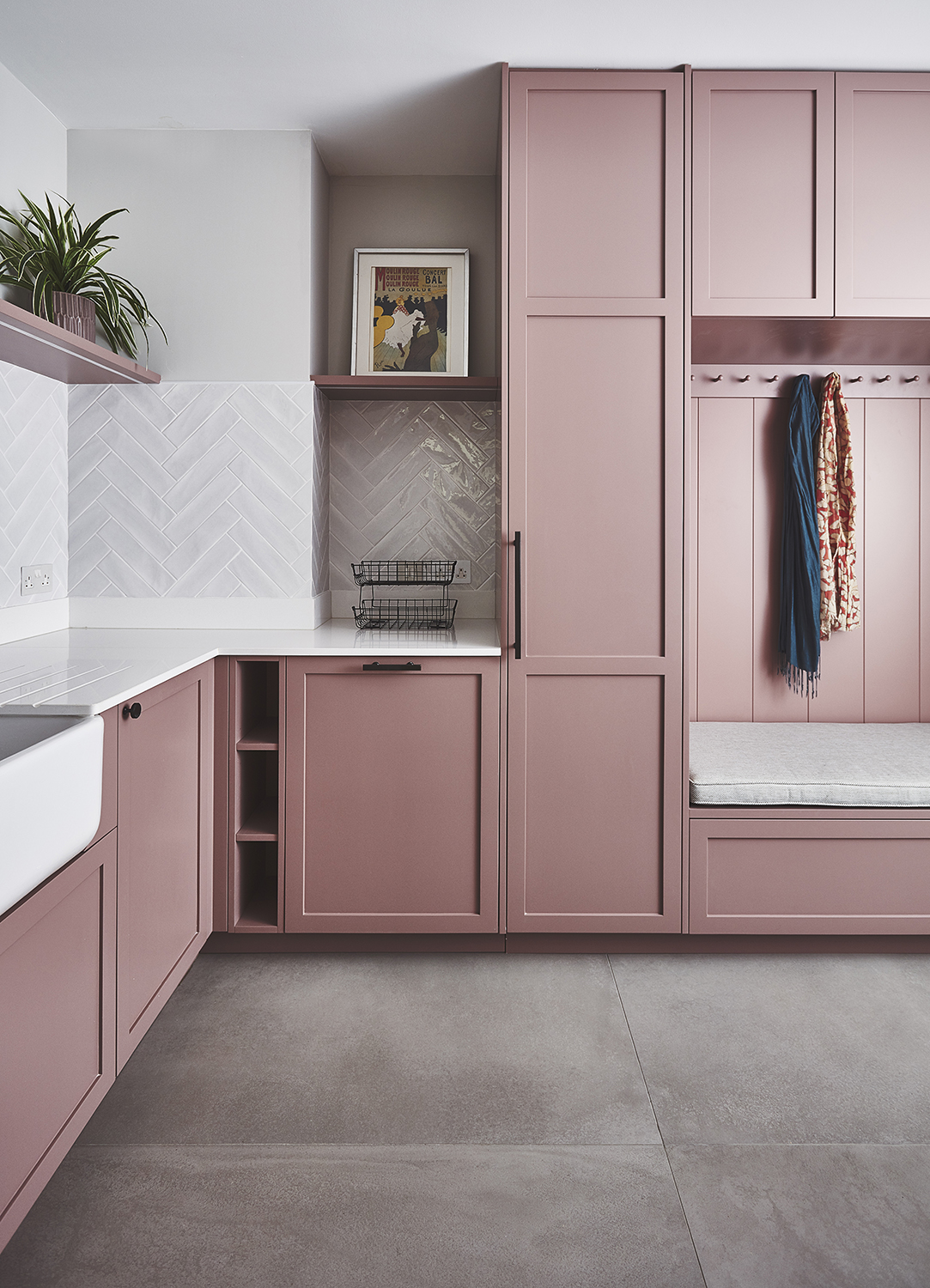
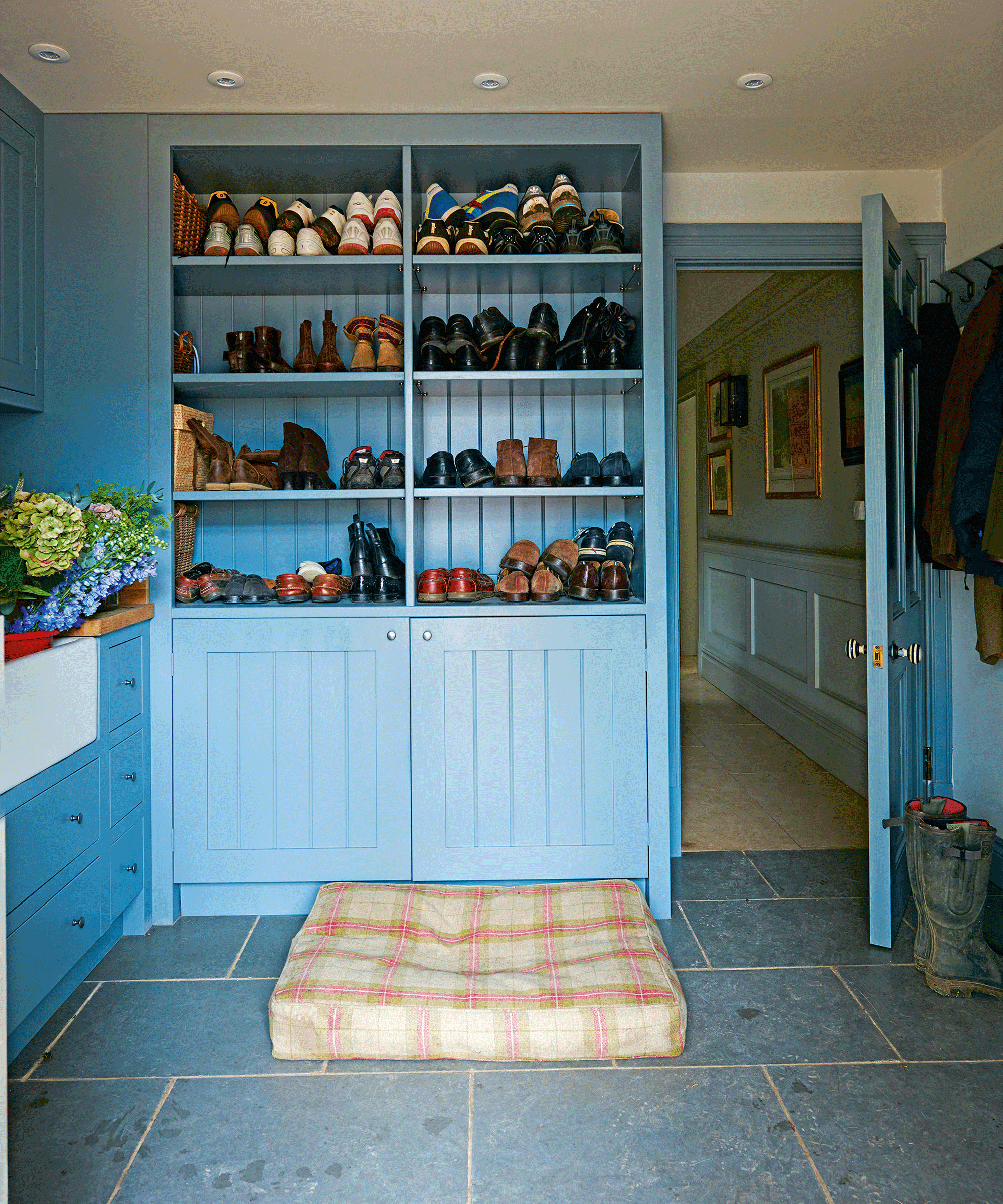
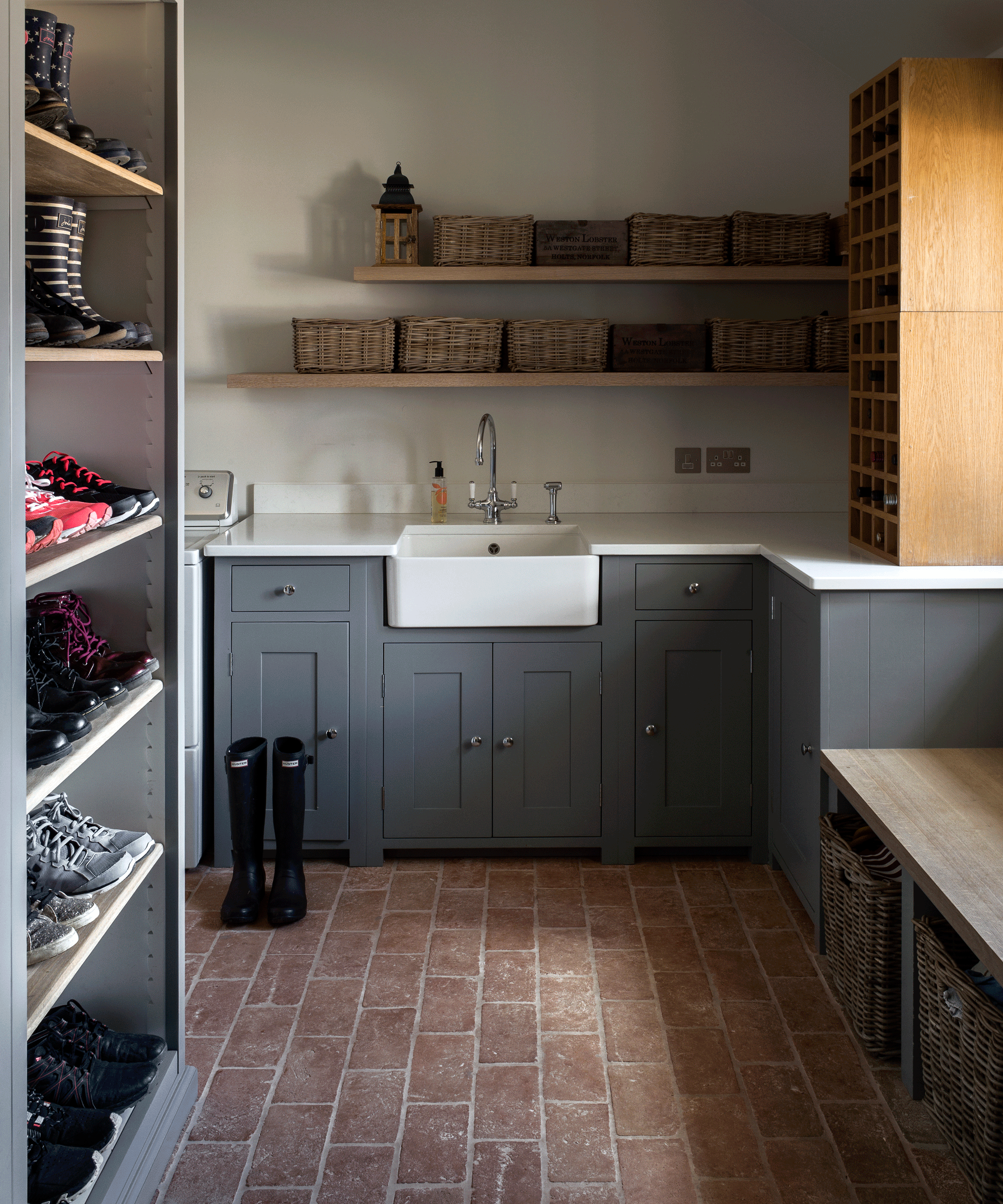
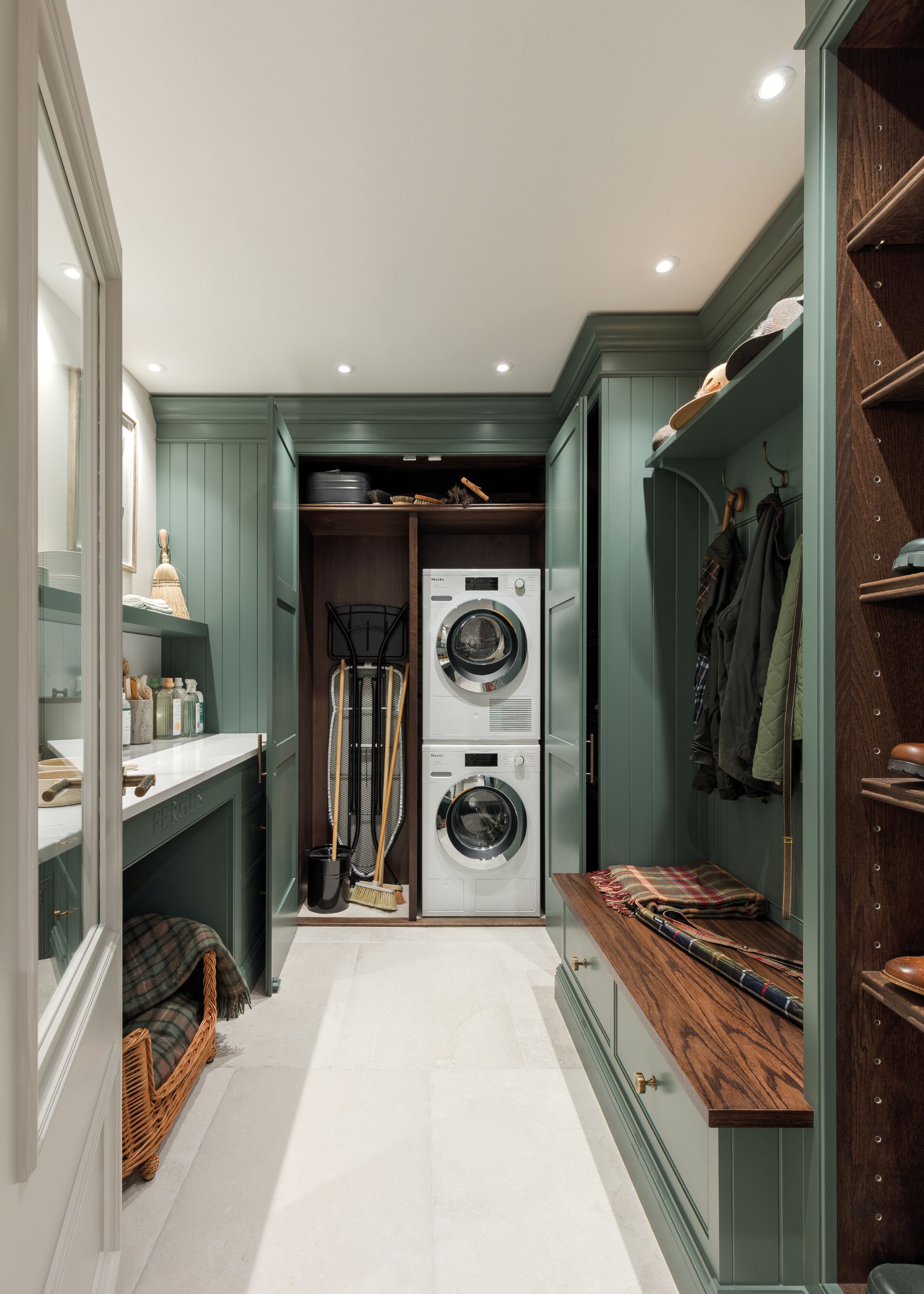
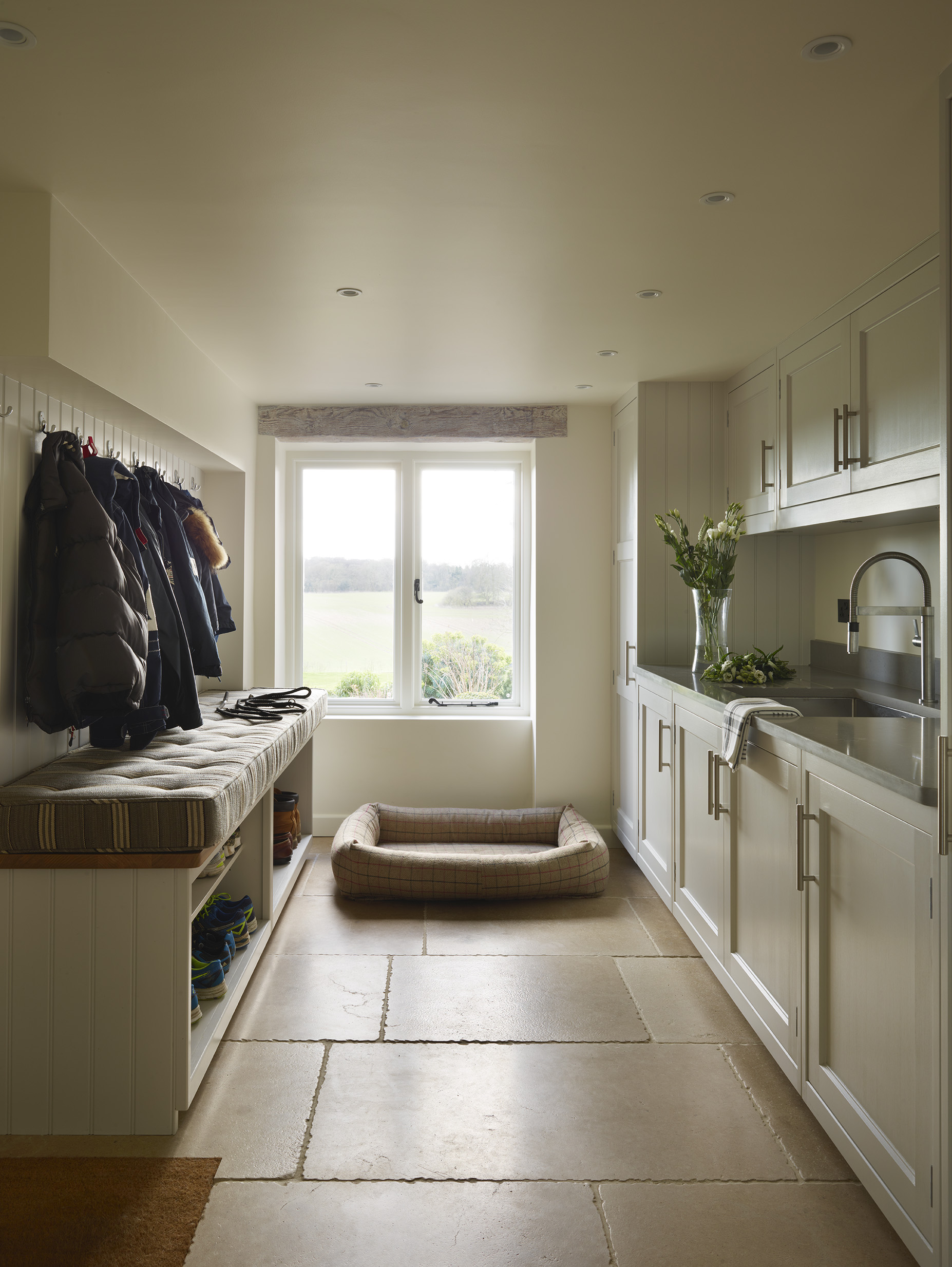
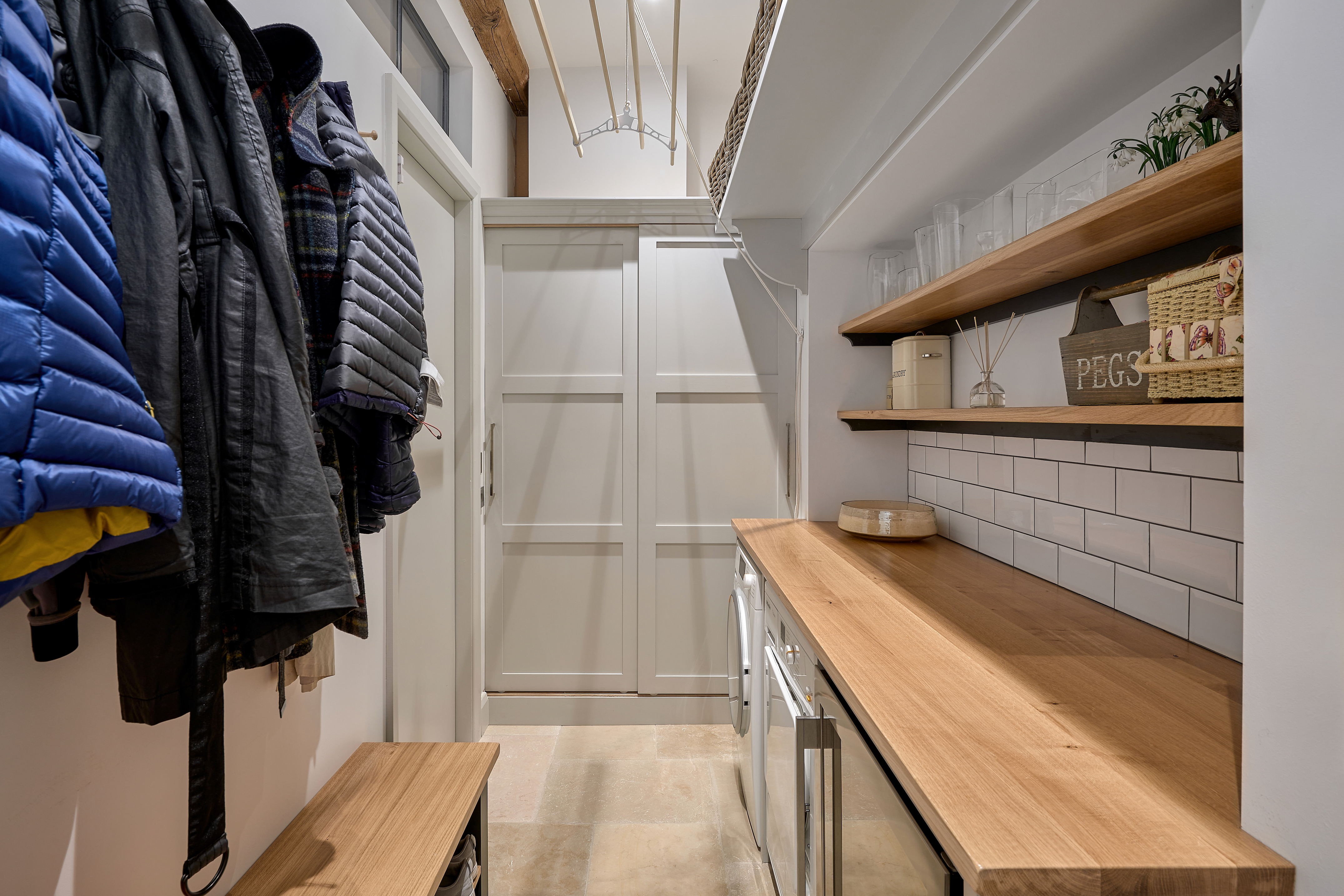
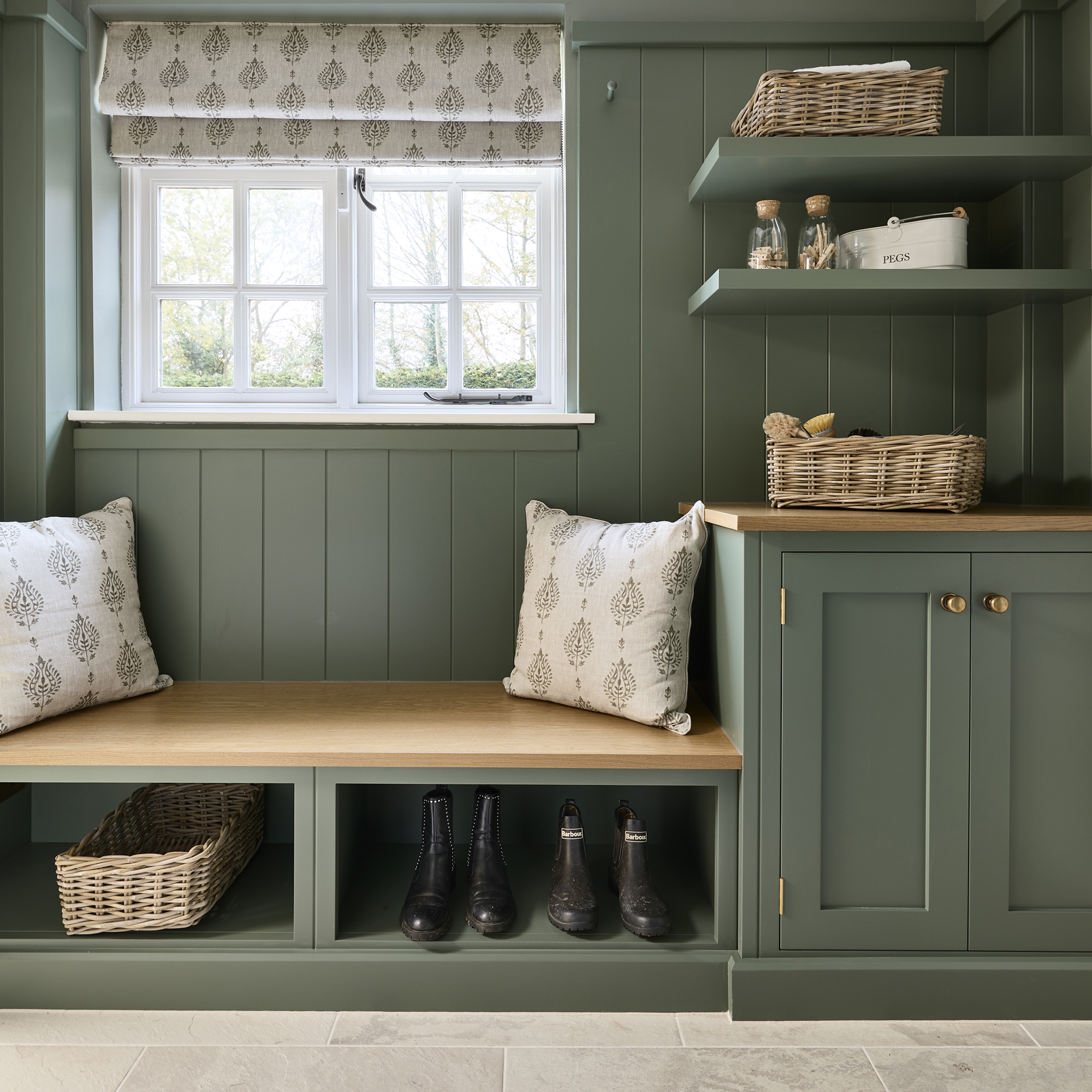
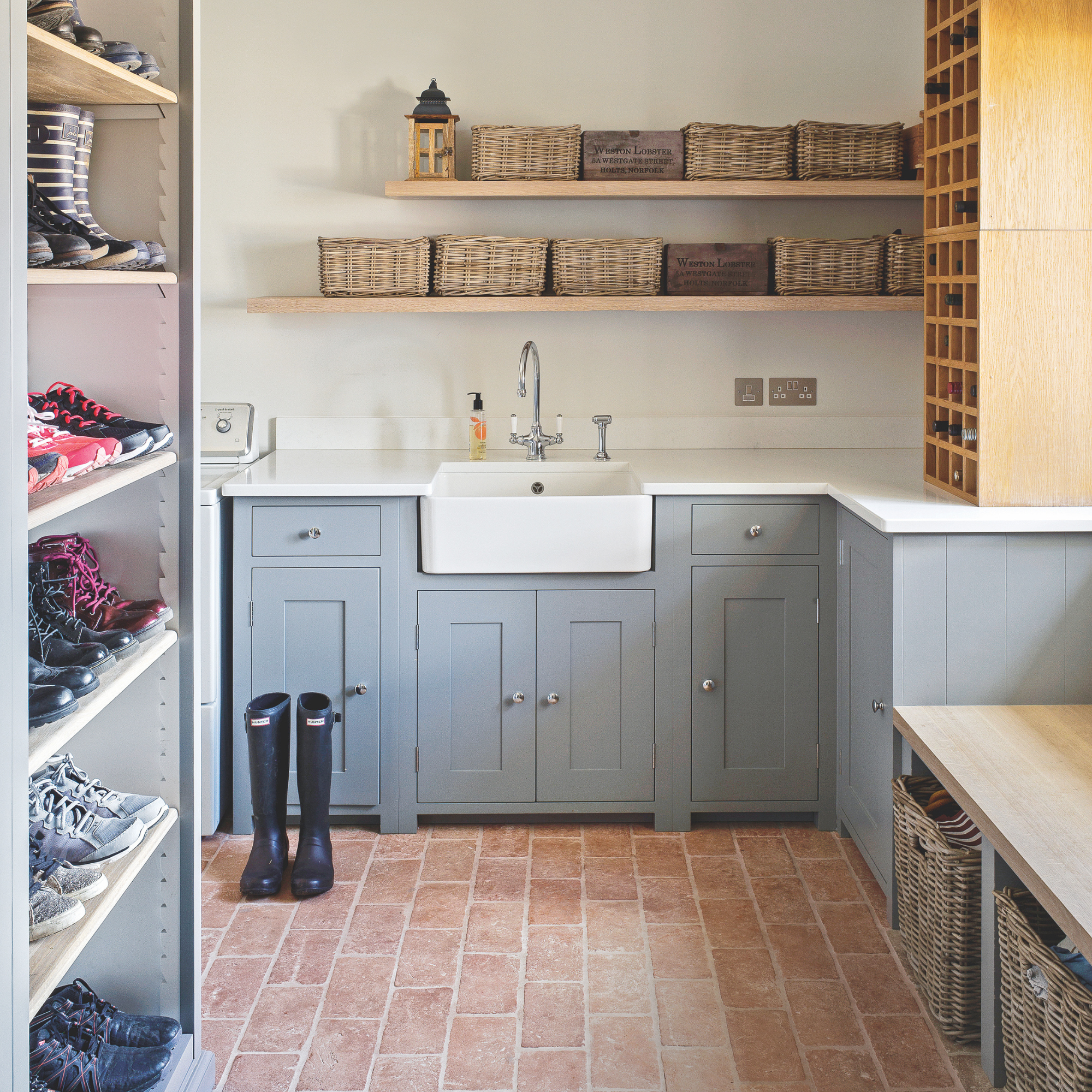
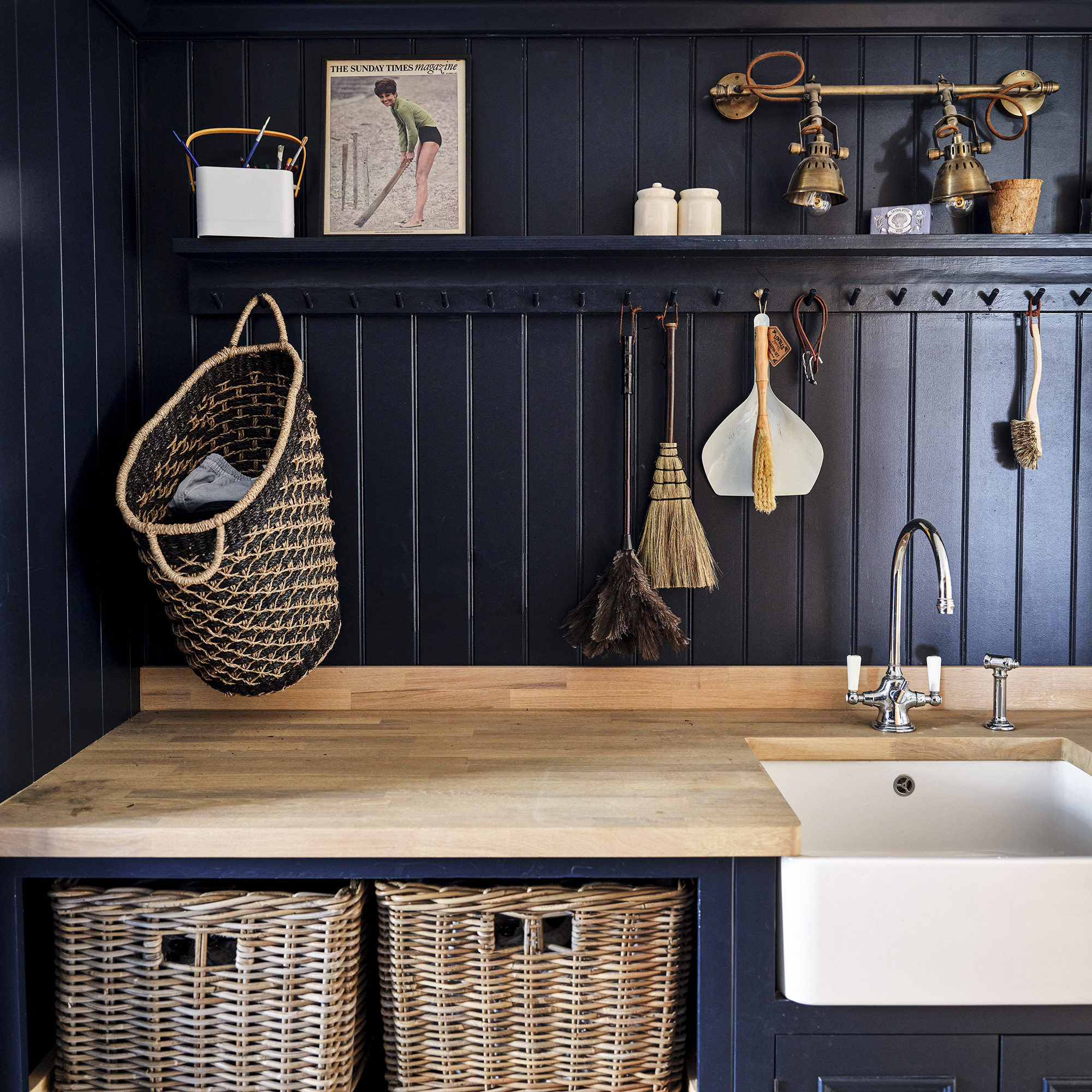
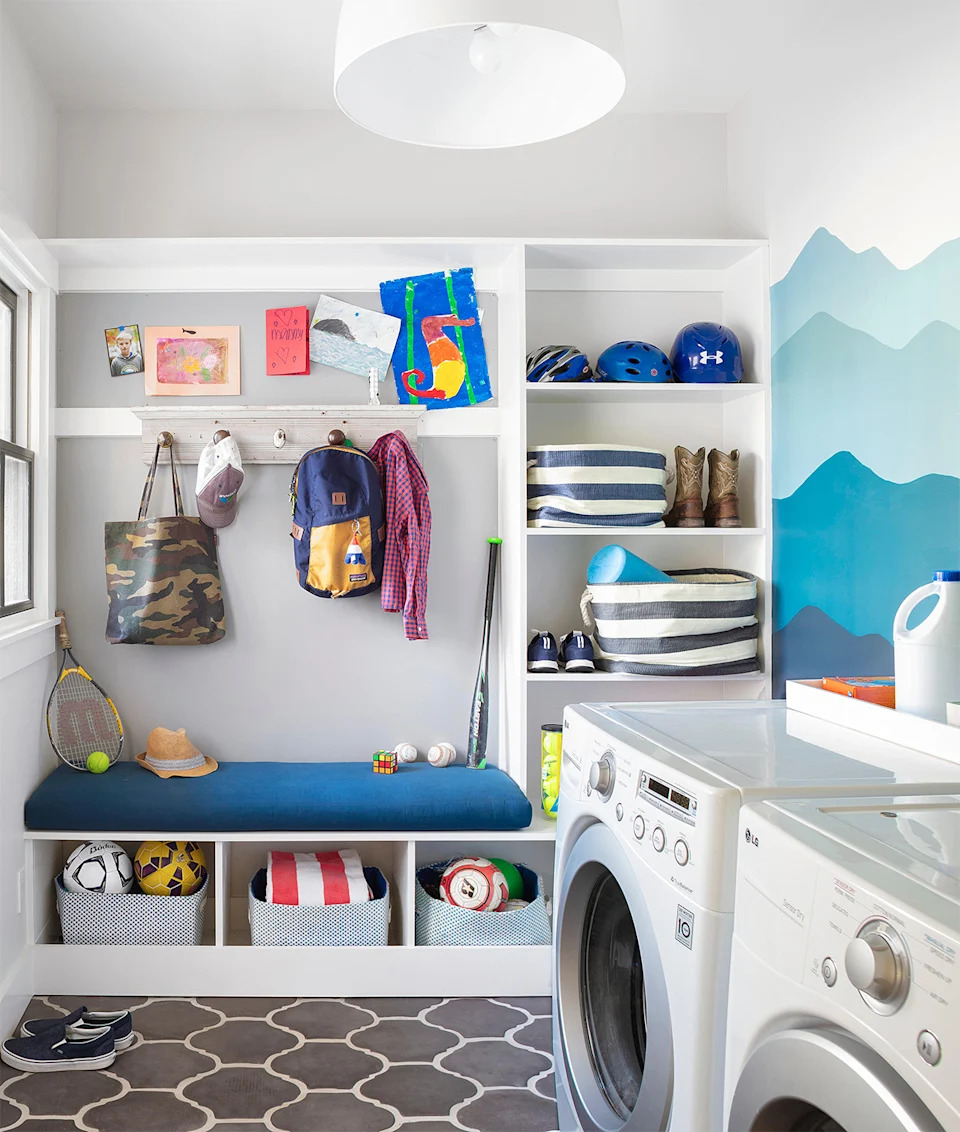
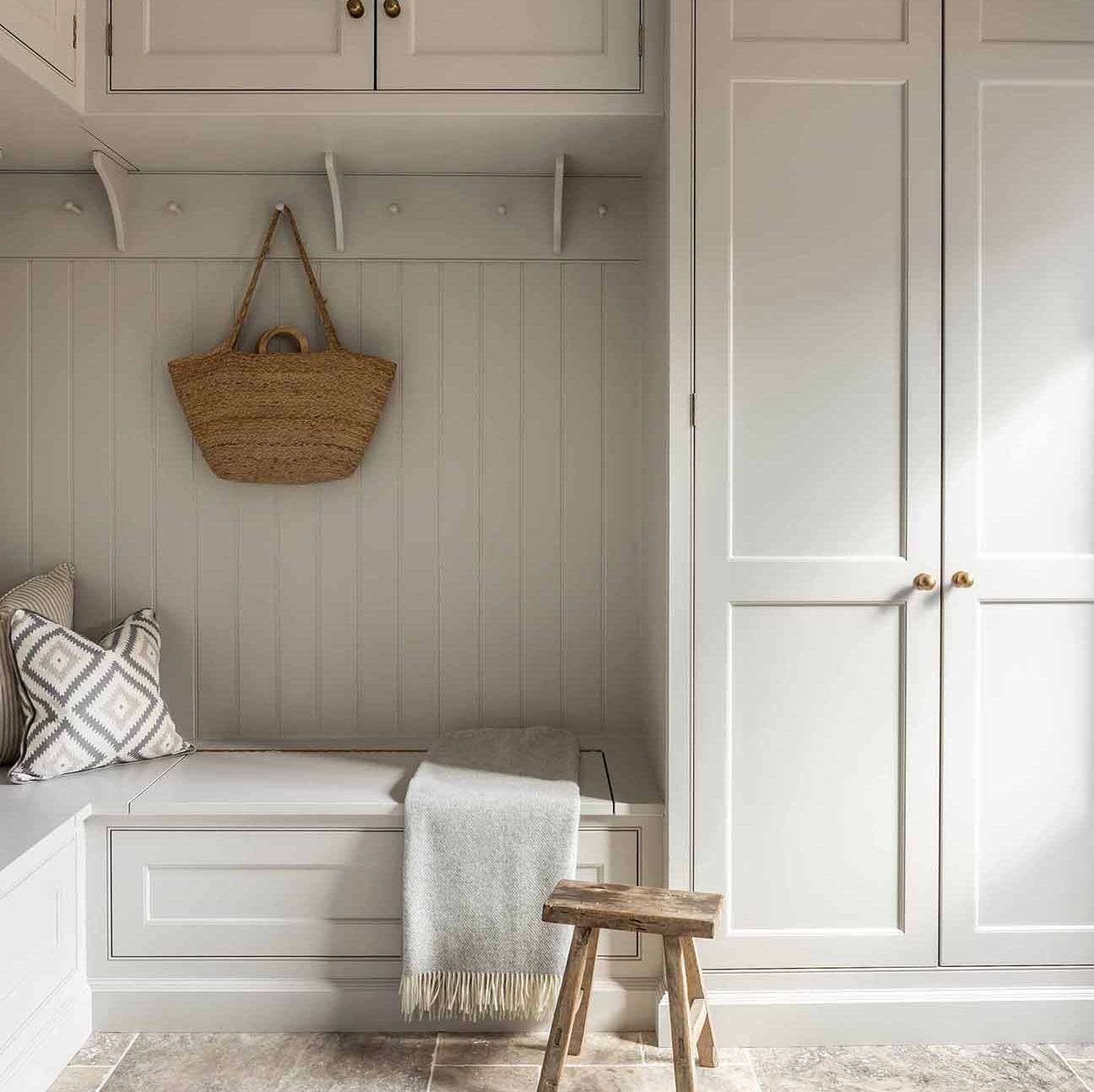
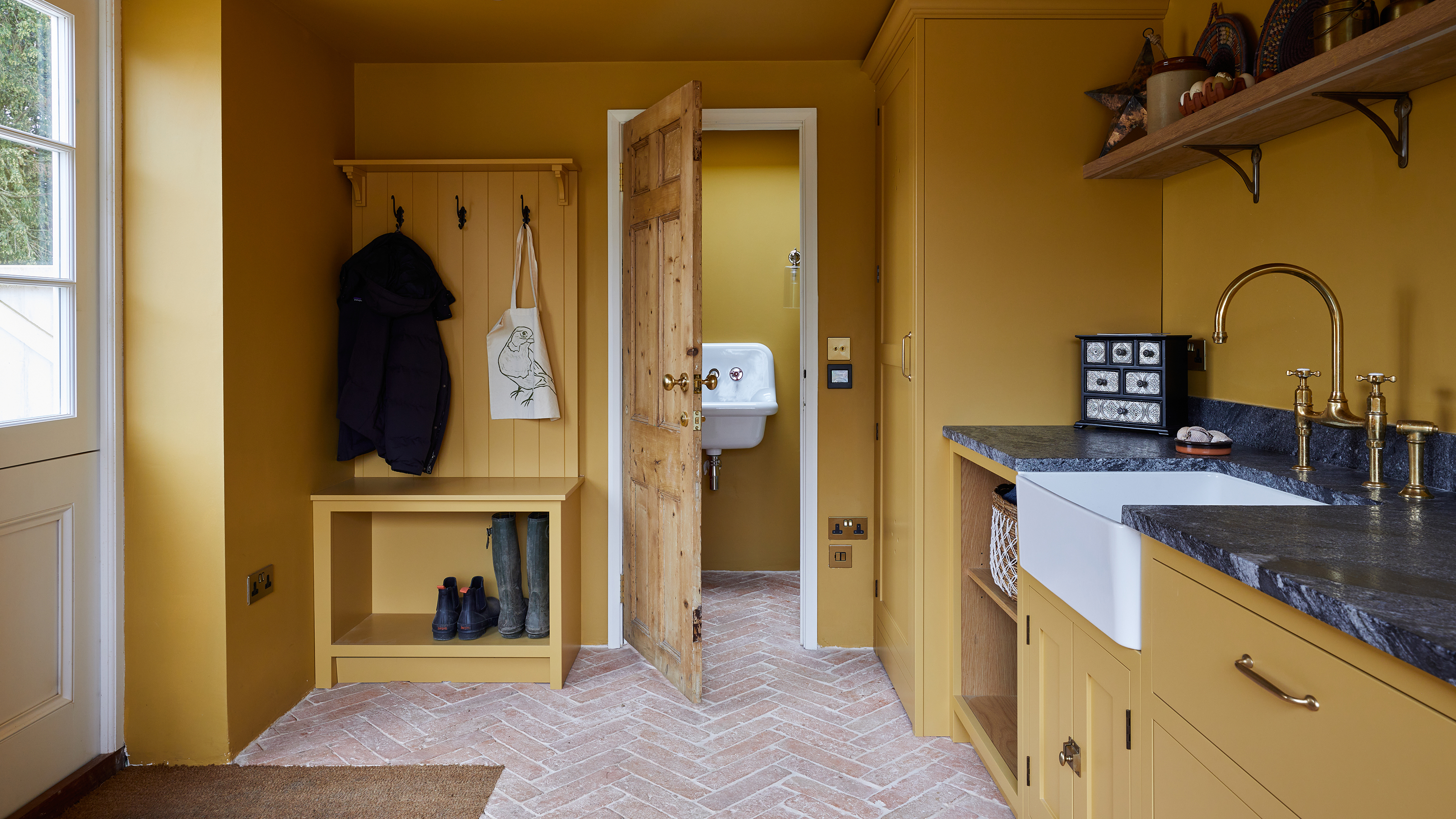
For utility rooms that double as mudrooms, a storage bench provides a practical solution for sitting while putting on shoes and simultaneously storing them. In other utility rooms, a bench can serve as a makeshift ironing board or hold cube storage bins. Lazy Susans are useful for cabinets and shelves prone to clutter, making items easily visible and accessible. Hooks installed along a wall offer a home for various items that might otherwise end up on the floor, such as mops, brooms, coats, and backpacks. This is particularly beneficial for small utility rooms. Organizing under the sink with racks and wipe-clean containers also helps keep supplies visible and tidy.
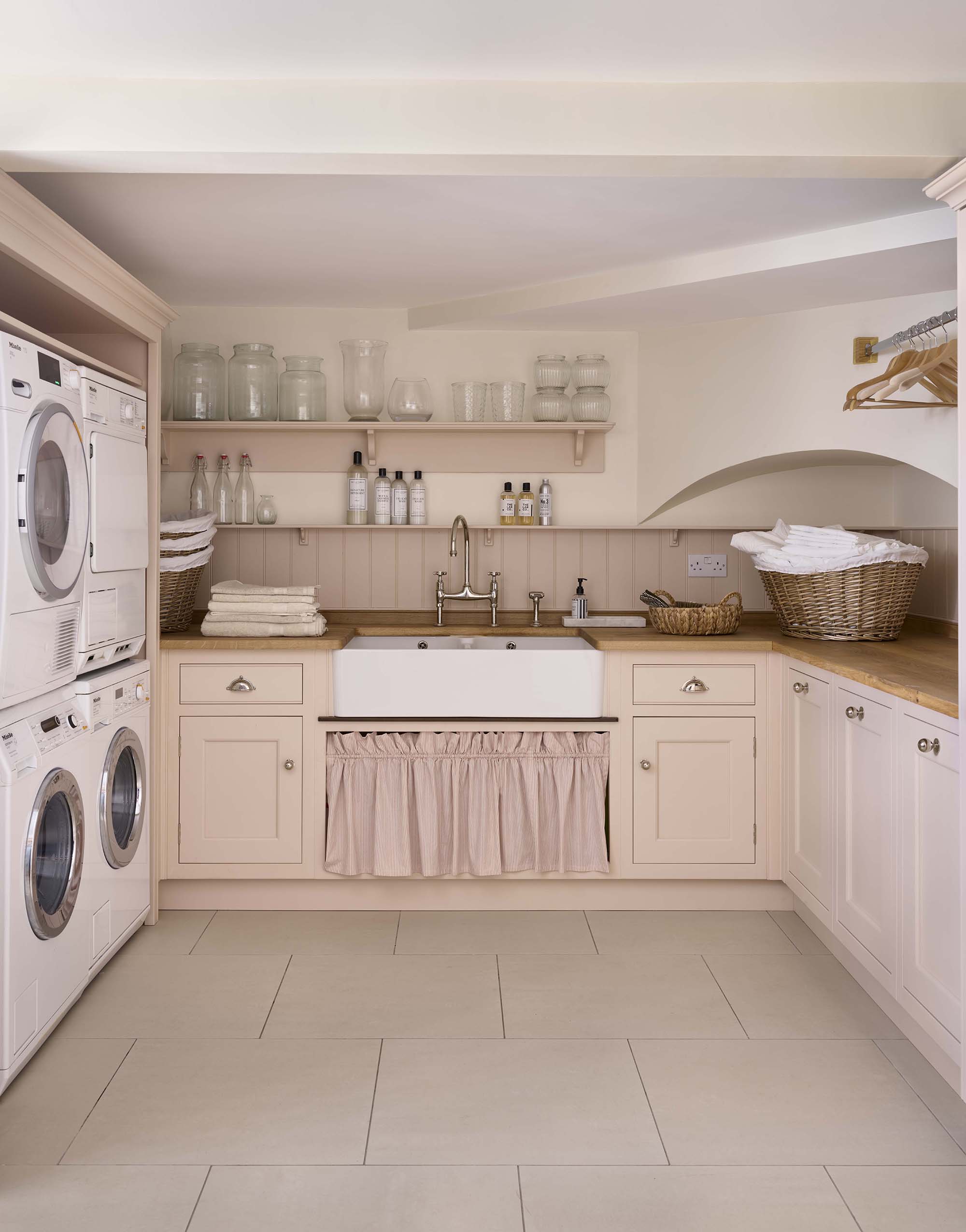
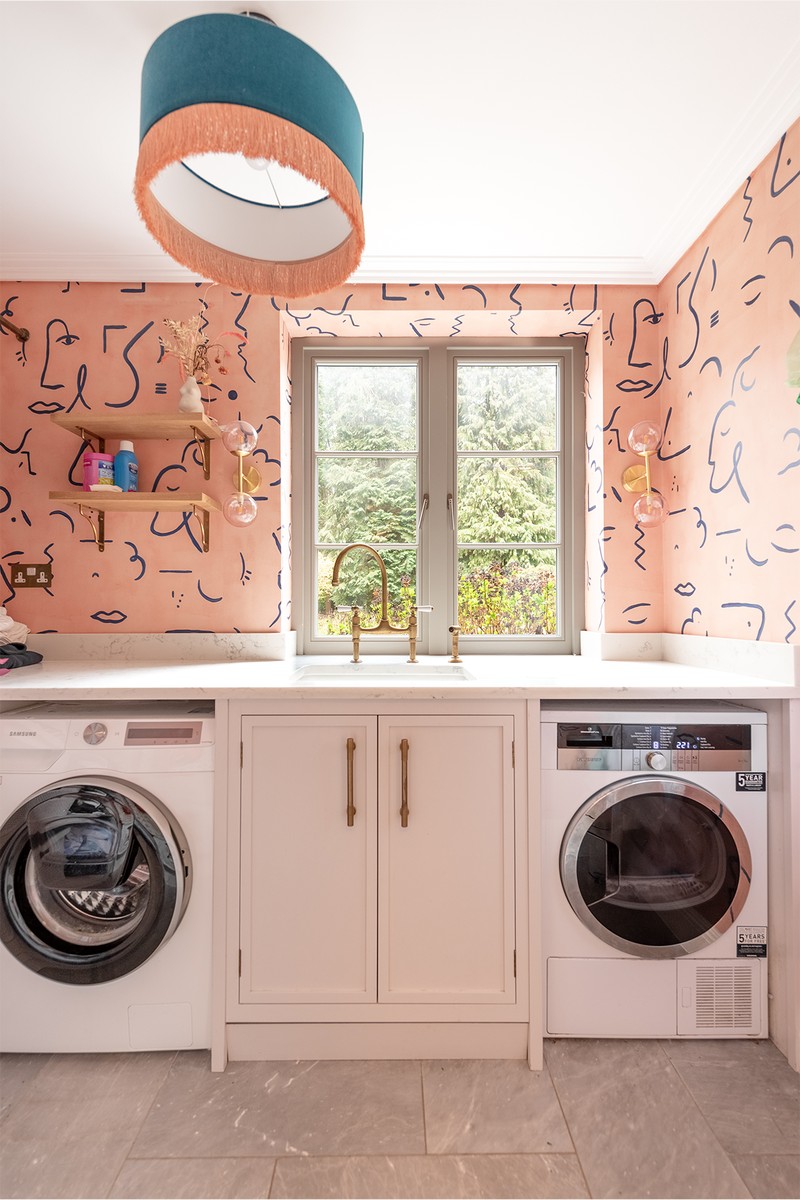
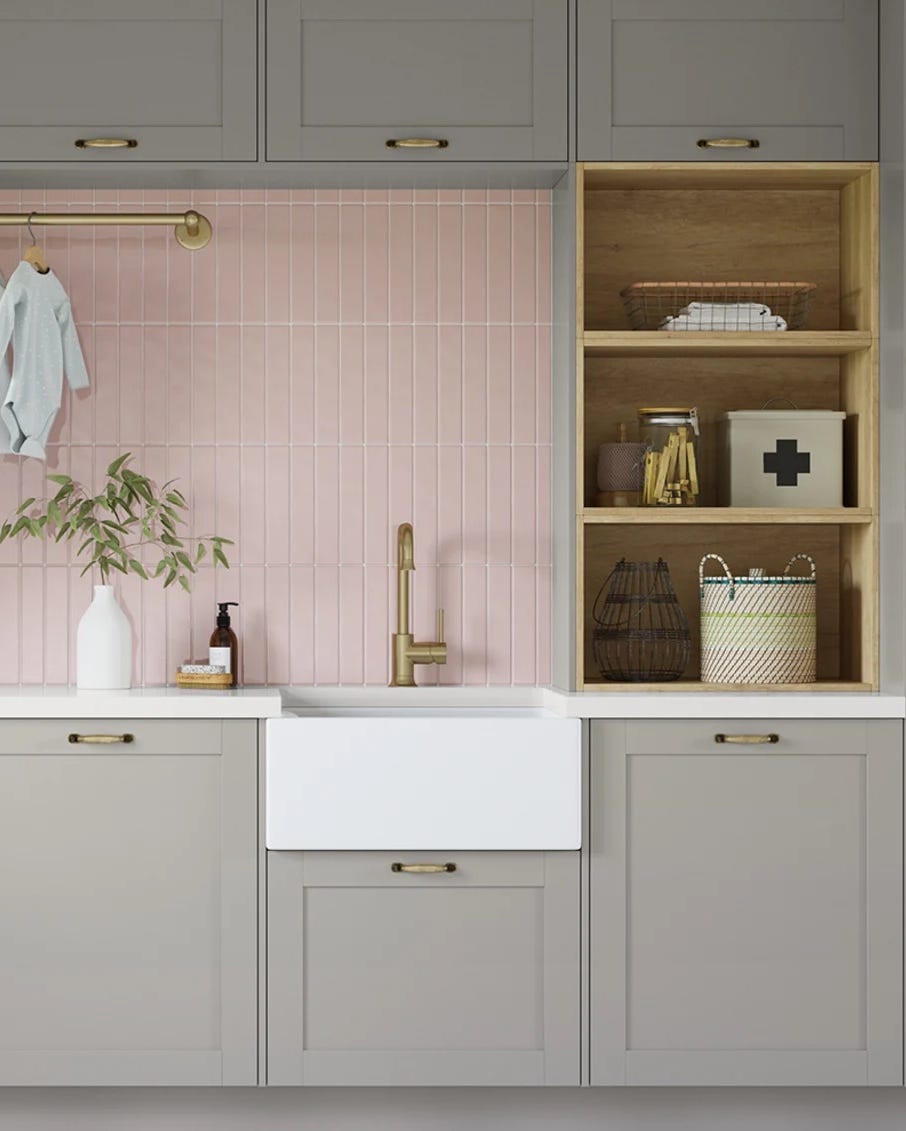
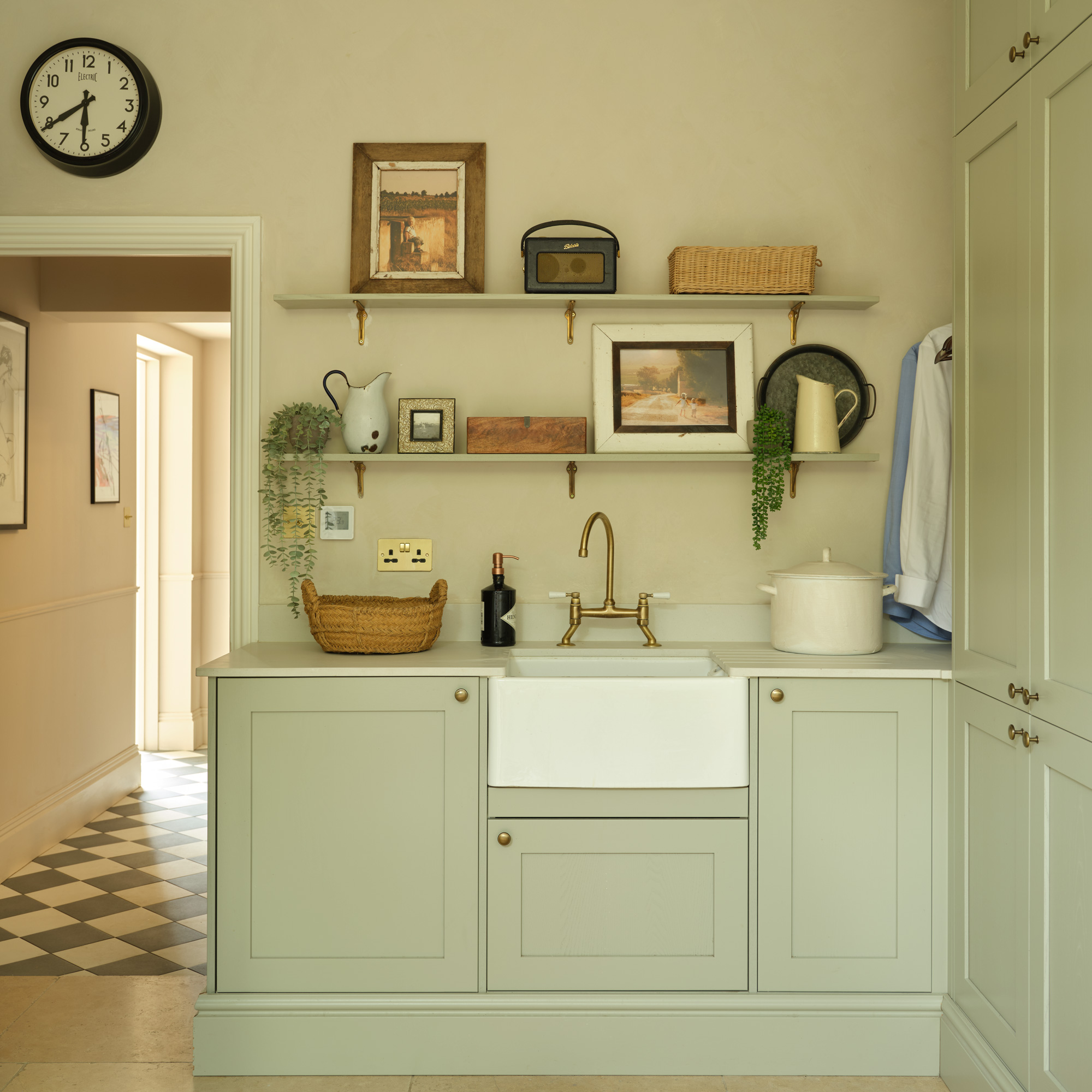
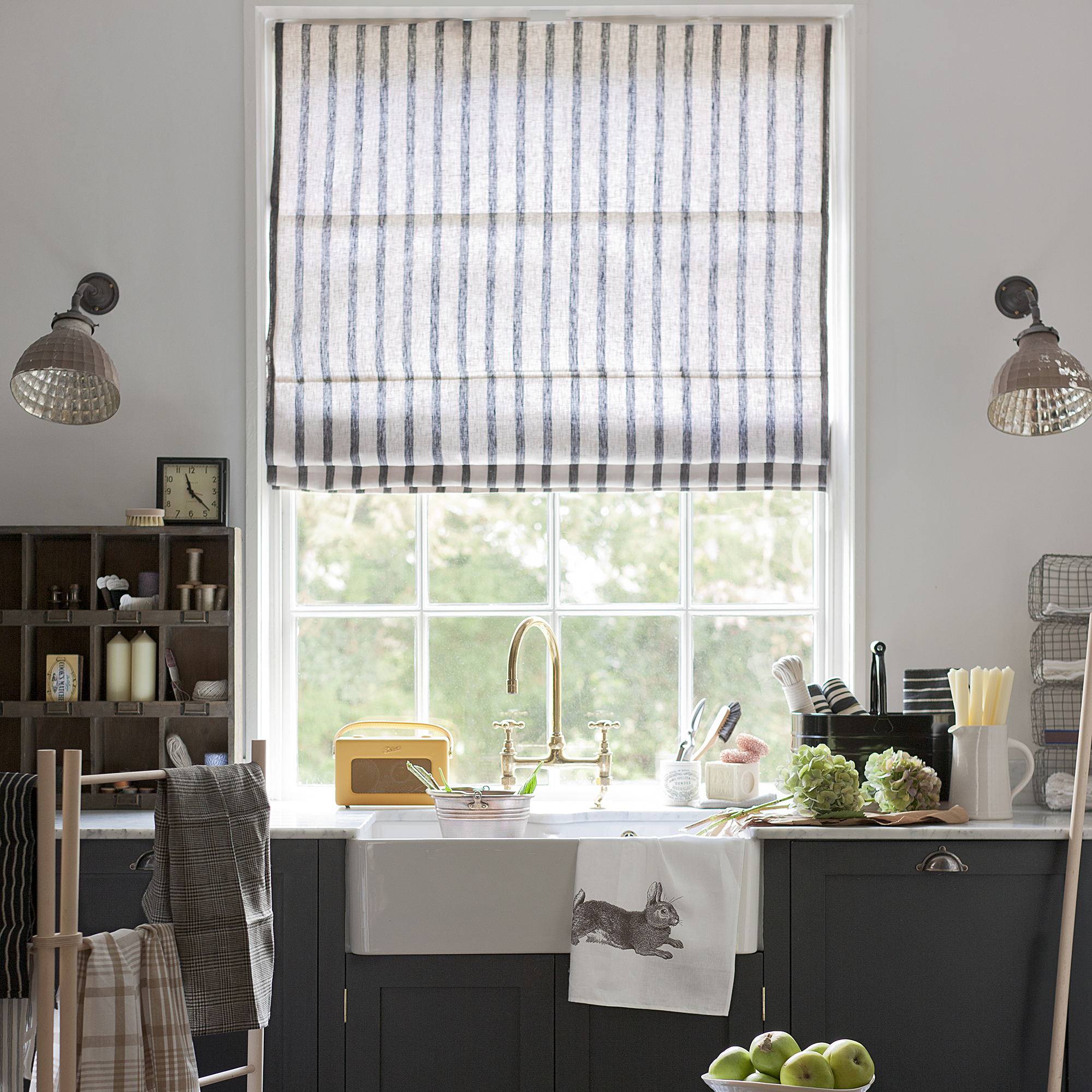
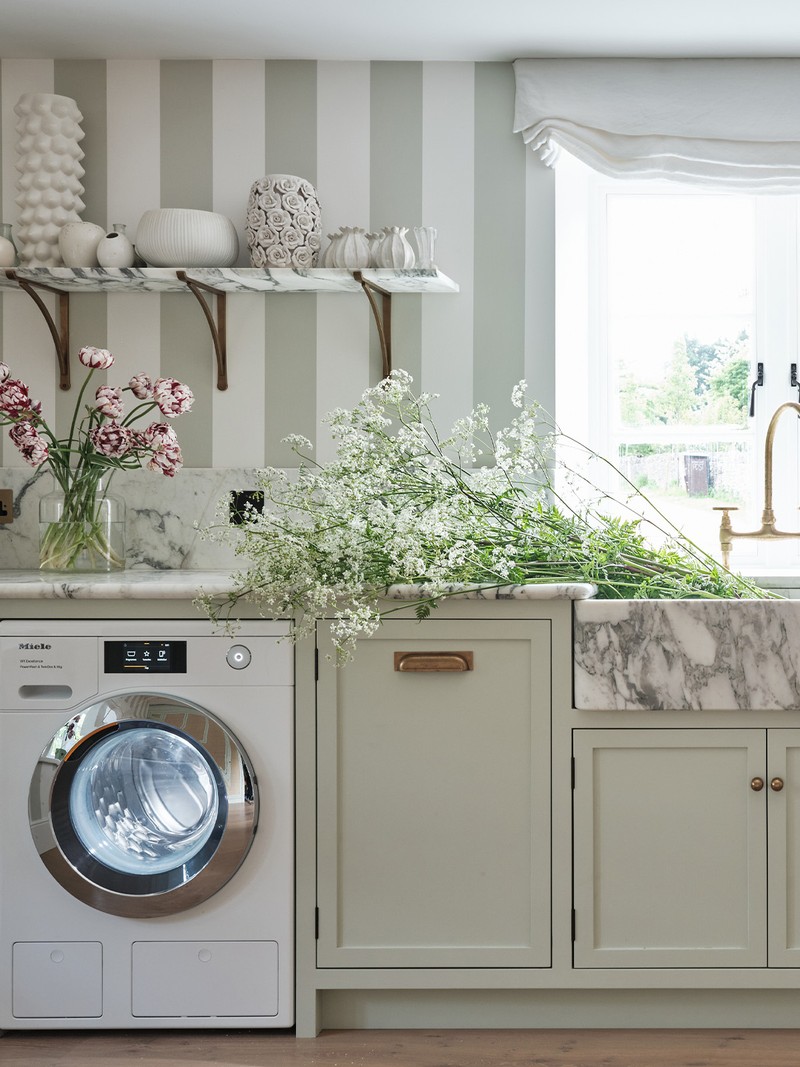
To enhance the aesthetic of a utility room, especially one with open shelving, decanting cleaners and laundry supplies into matching glass jars and bottles creates a cohesive and orderly appearance. Finally, regular maintenance is crucial. Even the best organizational systems require periodic touch-ups. If a system proves difficult to maintain, it may indicate a need to adjust categories or simplify the arrangement. Utility rooms typically store large cleaning essentials, extra pantry items, outerwear, and laundry supplies. For rooms without cabinets, shelving is the primary option for vertical storage, complemented by hooks and floor storage solutions like cubbies or lidded bins.
#UtilityRoomOrganization #HomeOrganization #InteriorDesign #StorageSolutions #DeclutteringTips #LaundryRoom #MudroomDesign #Cabinetry #SpaceMaximization #UtilityRoomOrganization #HomeOrganization #InteriorDesign #StorageSolutions #DeclutteringTips #LaundryRoom #MudroomDesign #Cabinetry #SpaceMaximization
0 comment in total
 No comments yet
You may also like
How to Organize a Utility Room — 17 Ideas for a More Streamlined Space

Utility room ideas – 38 inspiring ways to create a practical, stylish and organized space
9 Utility room design mistakes and how to avoid them
13 Mudroom Laundry Room Ideas That Pull Double Duty

Utility room design - expert tips for whether you have a whole room or are turning a closet into an organized haven
21 utility room ideas to make the most of extra space
26 Laundry Room Organization Ideas for a More Functional Space

A 'bootility room' is the key to containing back-to-school mess – you won't go back to a regular utility room
Modern utility room ideas – 10 ways to a sleek, efficient and organized space
20 Bathroom Organization Ideas That Will Create a Space for Everything
Narrow utility room ideas – smart tactics for awkward layouts
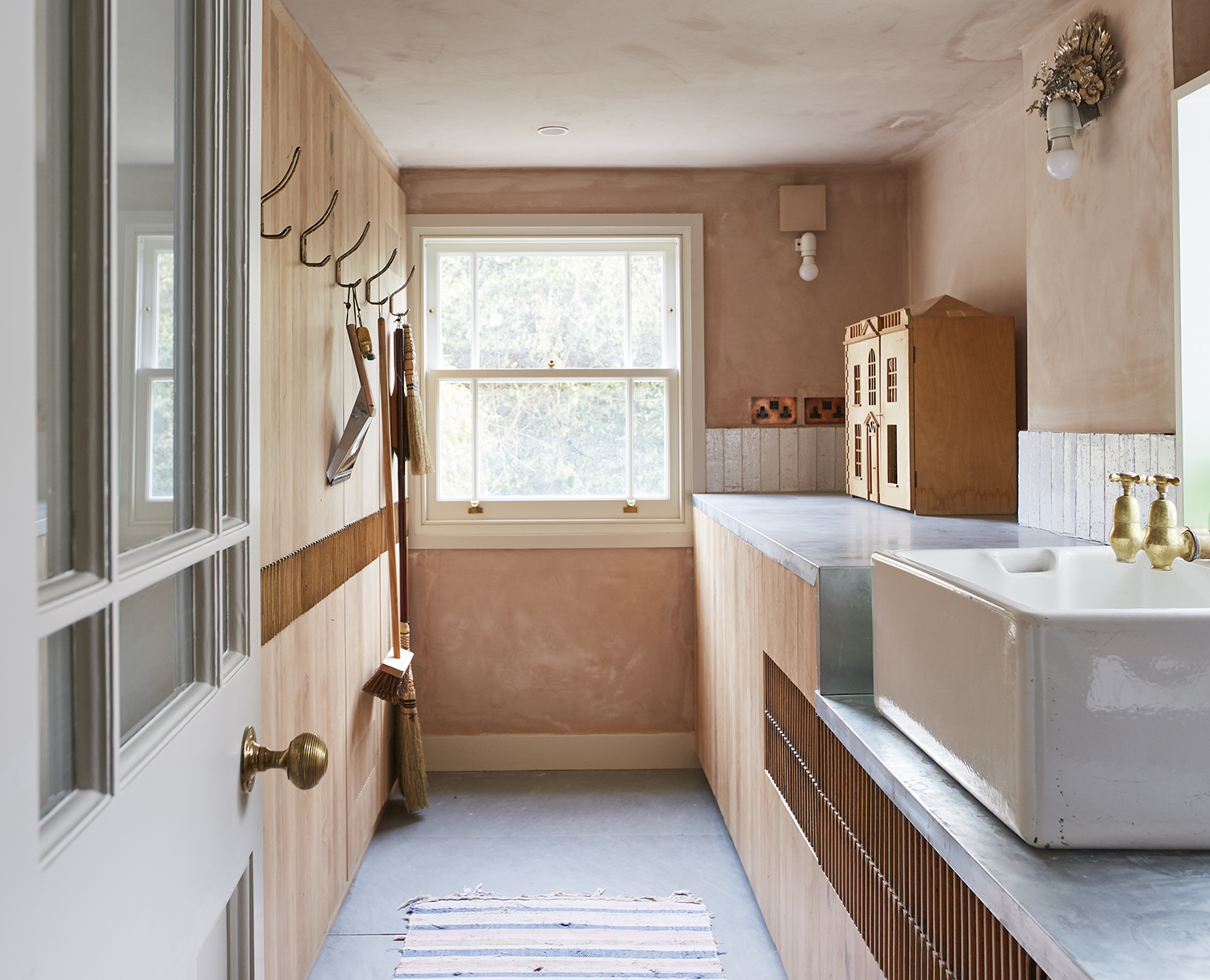
10 narrow utility room ideas - designer advice for getting a lot from a small space

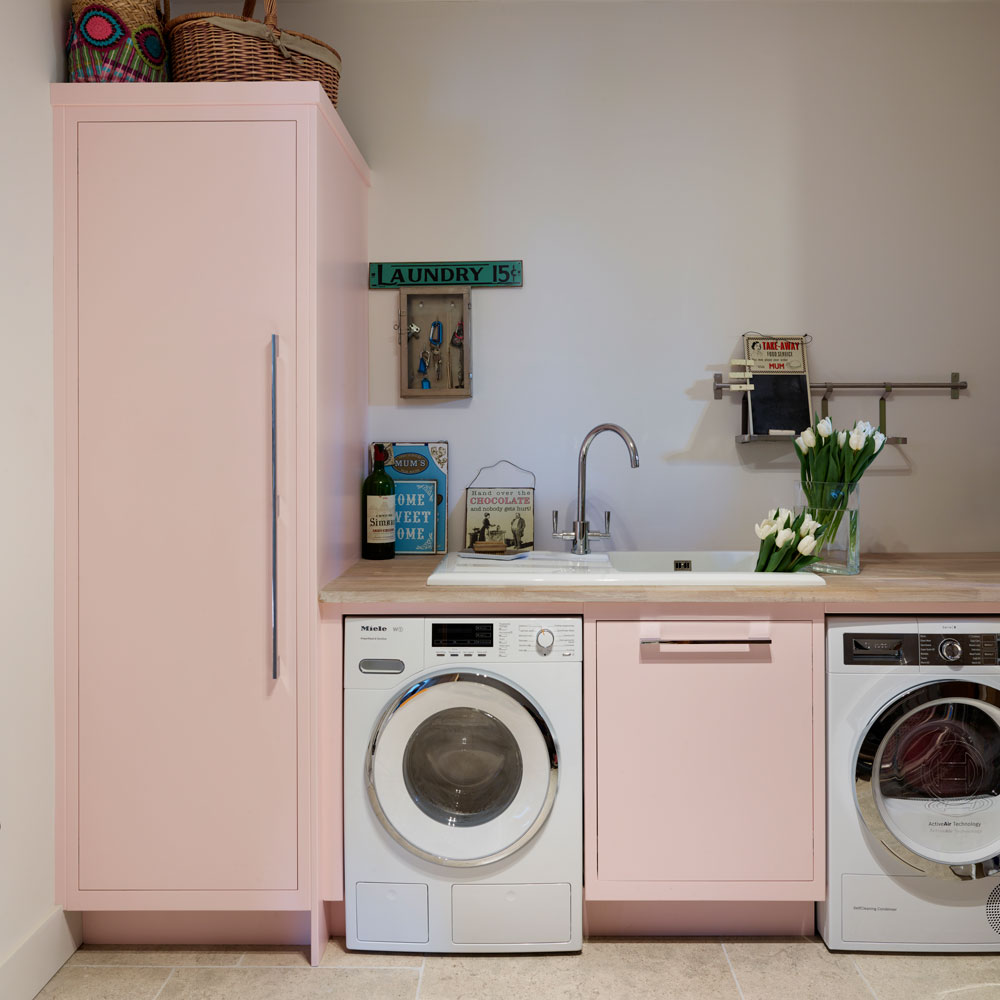
Nearly 70 per cent of us wish we had this room in our homes, but don’t. Are you one of the lucky ones?
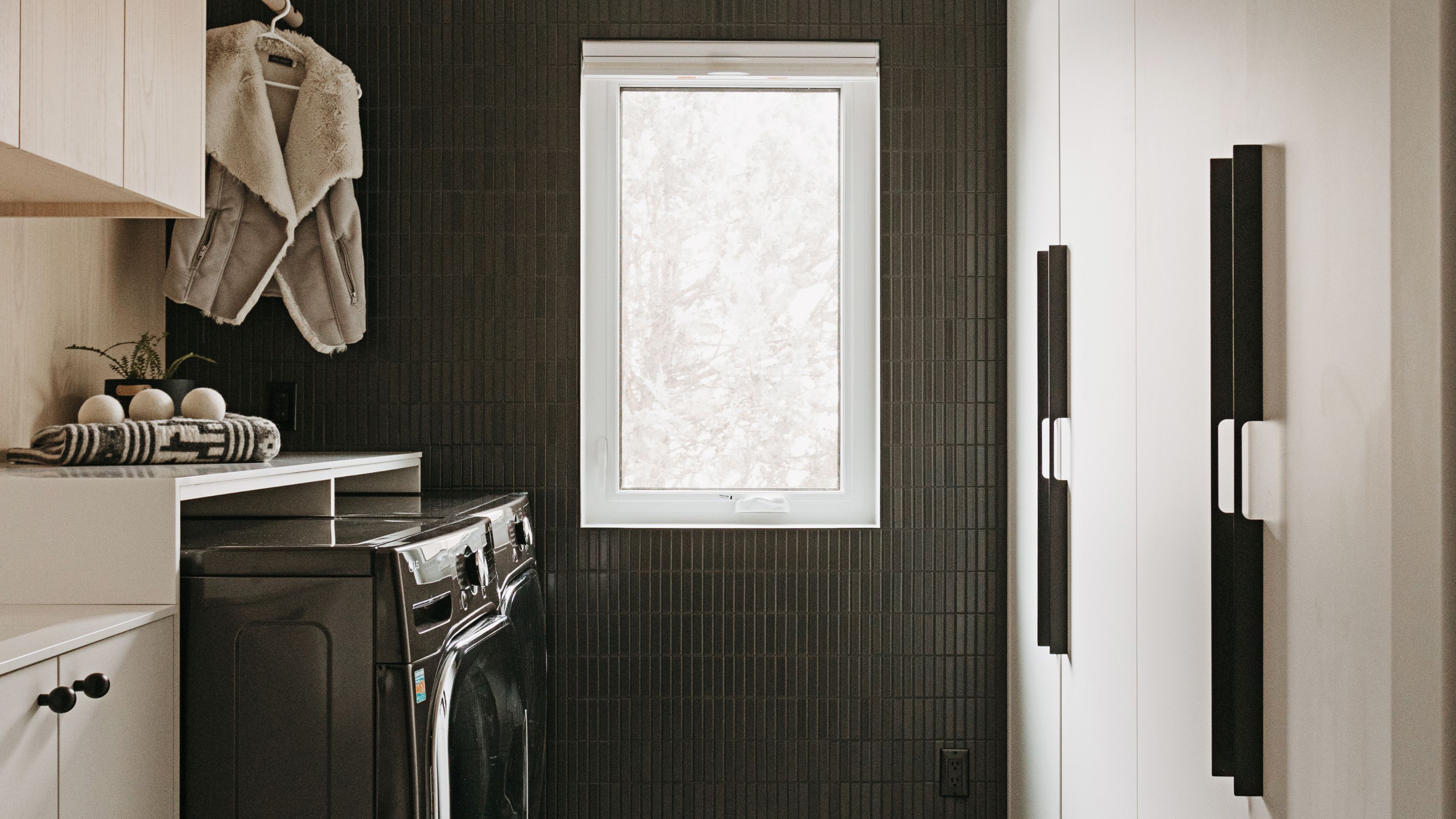
Utility Room Ideas — 11 Ways to Style Up Even Your Home's Hardest Working Room
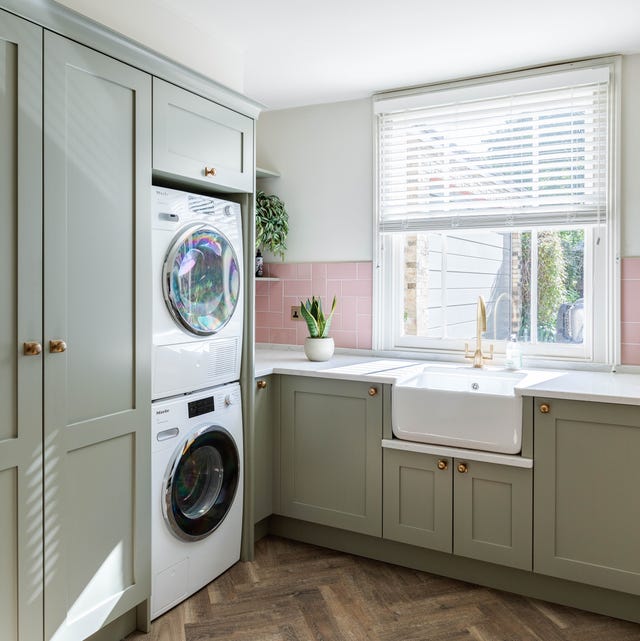
Utility Room Ideas: 31 Ways To Design This Multifunctional Space

18 Utility room lighting ideas to achieve a light and bright space
How To Plan A Utility Room

The biggest utility room trends of 2024
Lynsey Crombie reveals what every organised utility room should have

20 Laundry Room Organization Ideas That Maximize Space and Efficiency