Interior designers share the 11 things in your living room you should get rid of
Living rooms, intended as spaces for relaxation and socializing, can often become cluttered and crowded, diminishing their appeal. This article, featuring insights from interior designers Julie Assenberg, Rachel Street, and Amira Johnson, outlines eleven common items and design choices that contribute to disorganization and outdated aesthetics in a living room, suggesting alternatives to create a more inviting and functional environment.
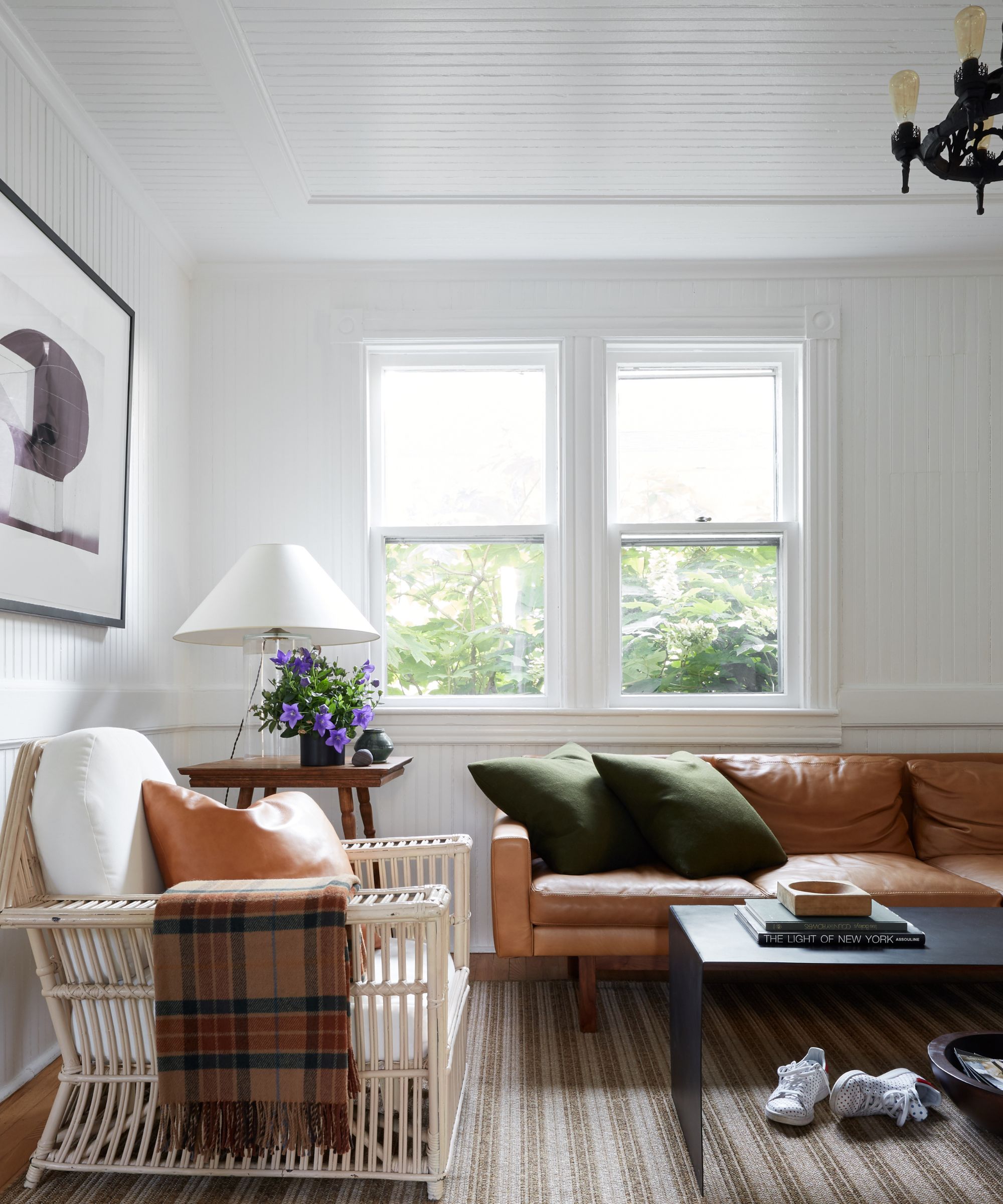
One primary recommendation is to eliminate general clutter. Assenberg emphasizes the importance of a clutter-free living room, suggesting that items like shoes, coats, toys, and backpacks should have designated storage areas outside of this central space to maintain an orderly appearance and allow for spontaneous entertaining.
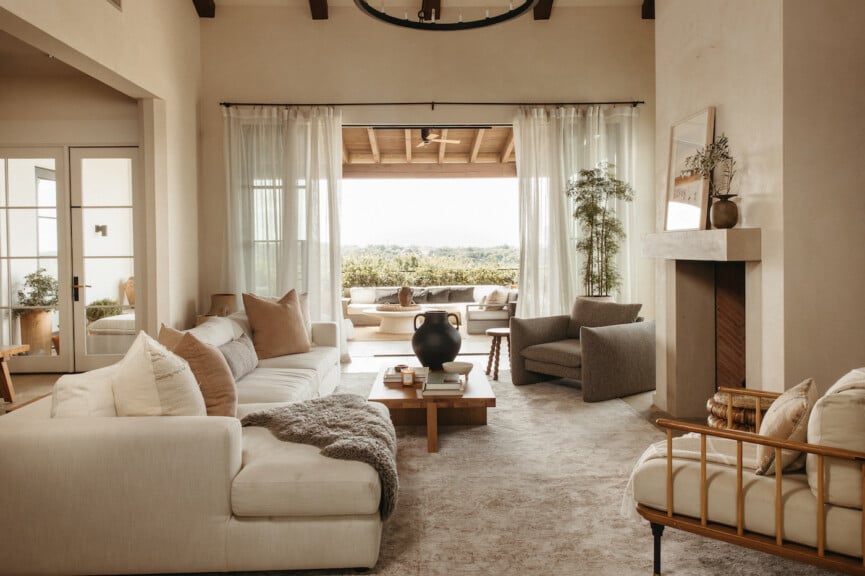
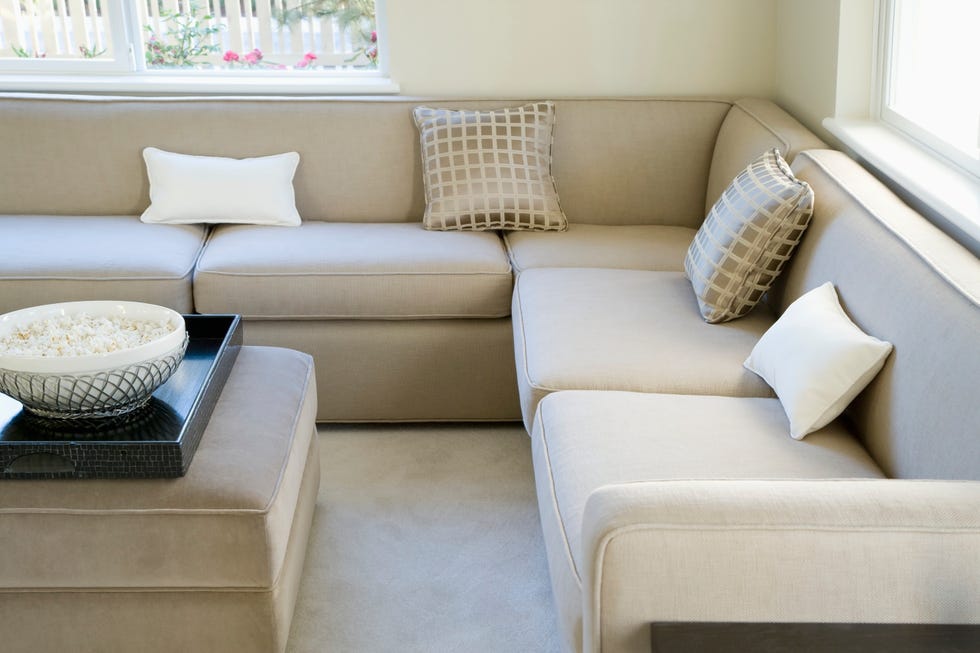
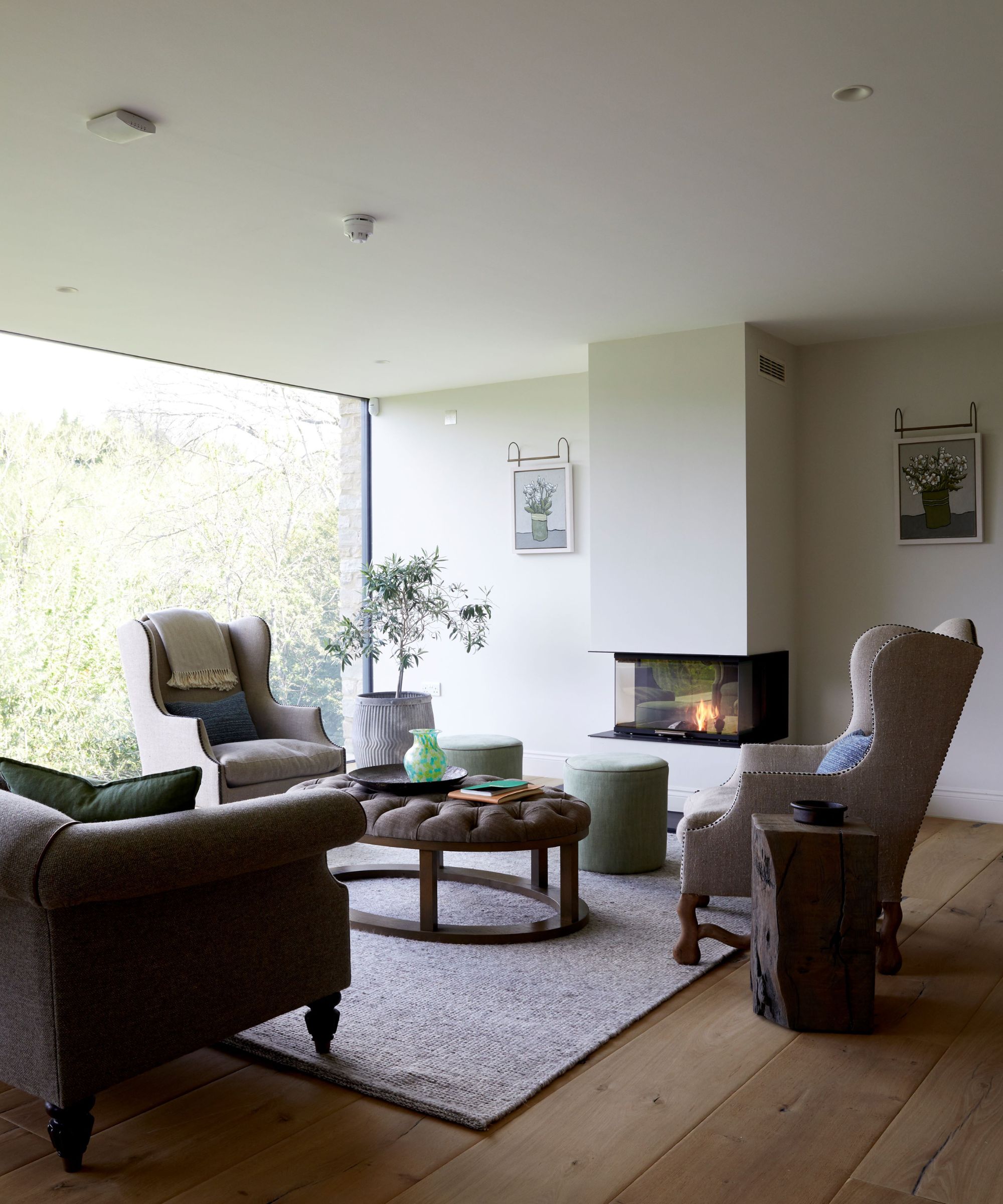
Oversized furniture is identified as another element to remove. Street notes that large, bulky pieces can make a room feel dated and cramped, particularly in smaller homes. She advises opting for smaller, more proportionally sized furniture with clean lines to open up the space and create a modern feel.
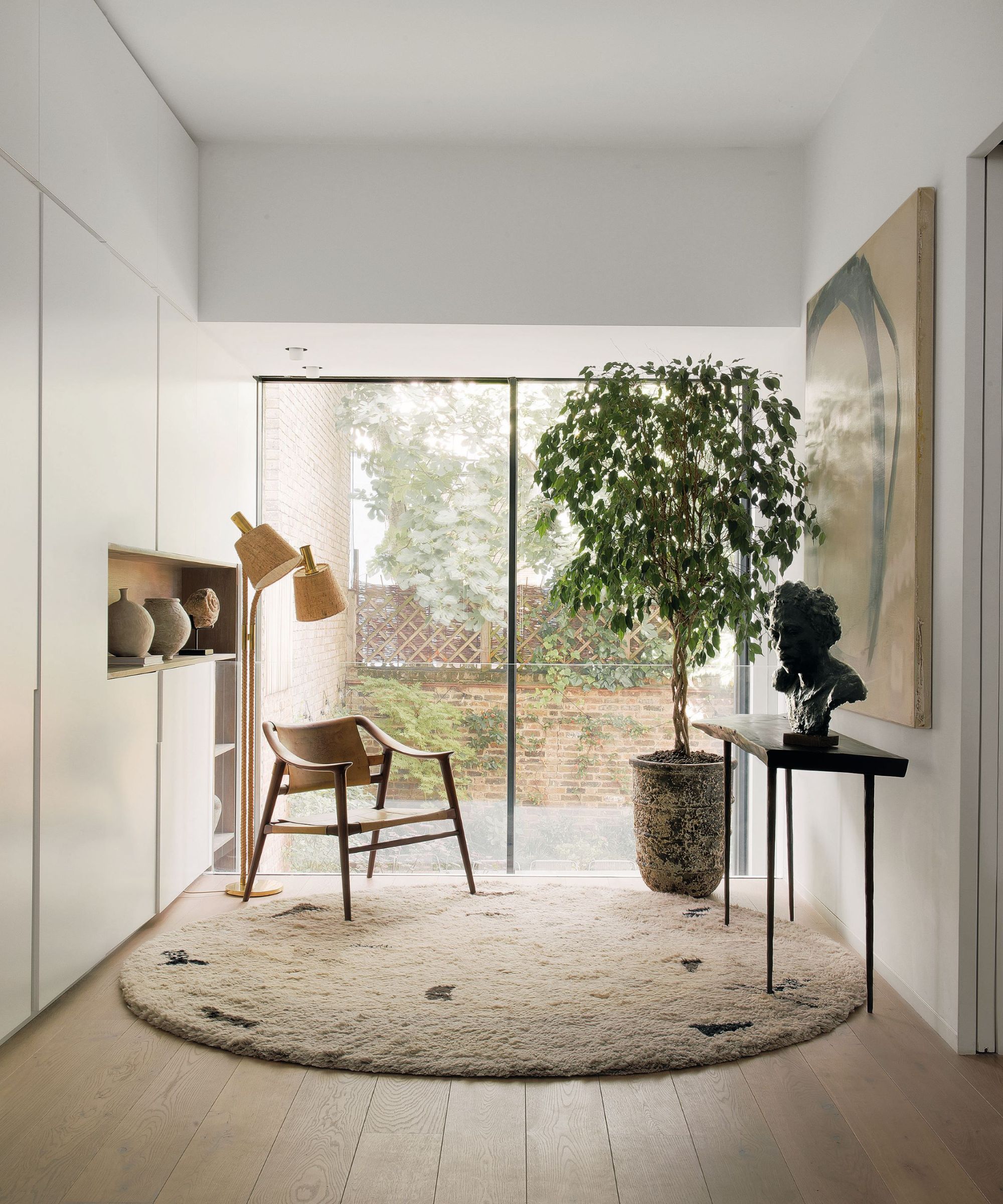
Fake plants and flowers are also on the list of items to discard. Assenberg views plastic plants as tacky and deceptive, arguing they do not bring life to a home. Instead, she suggests foregoing greenery if real plants cannot be maintained due to lack of a green thumb or insufficient natural light.
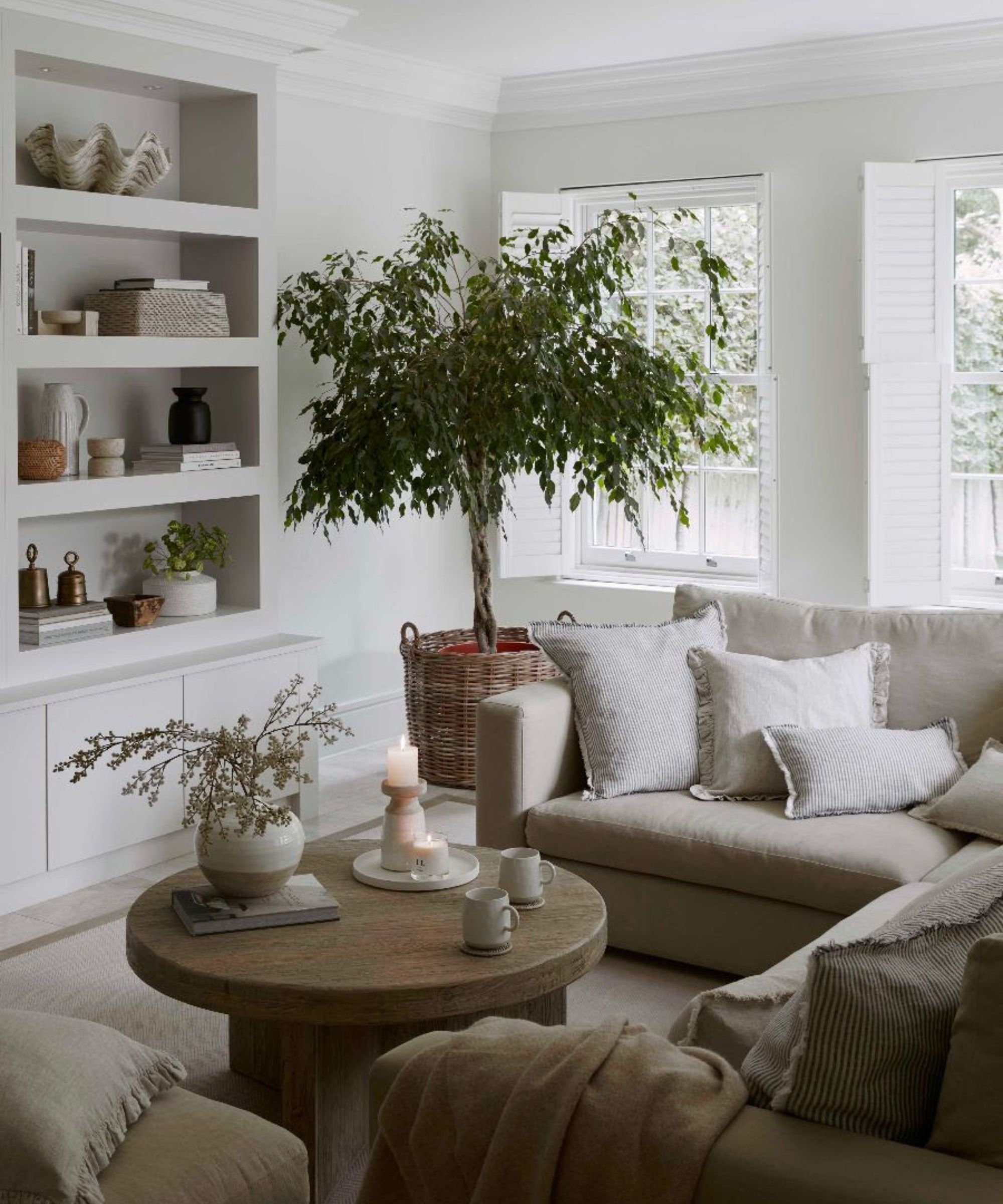
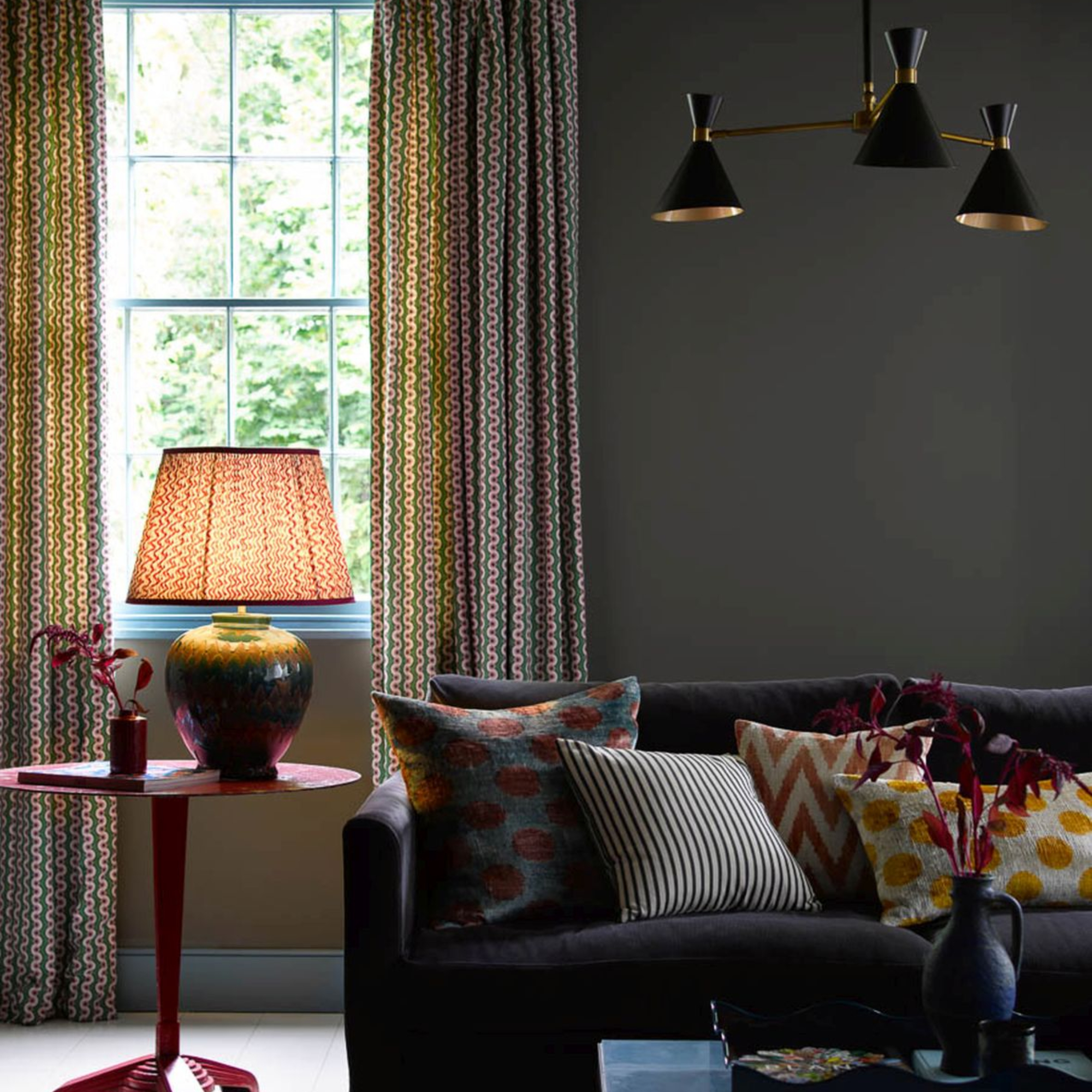
An excessive number of throw pillows can contribute to a cluttered look. Street recommends limiting throw pillows to just a few for comfort and choosing options with machine-washable covers to ensure they remain clean and presentable without overwhelming the sofa or chairs.
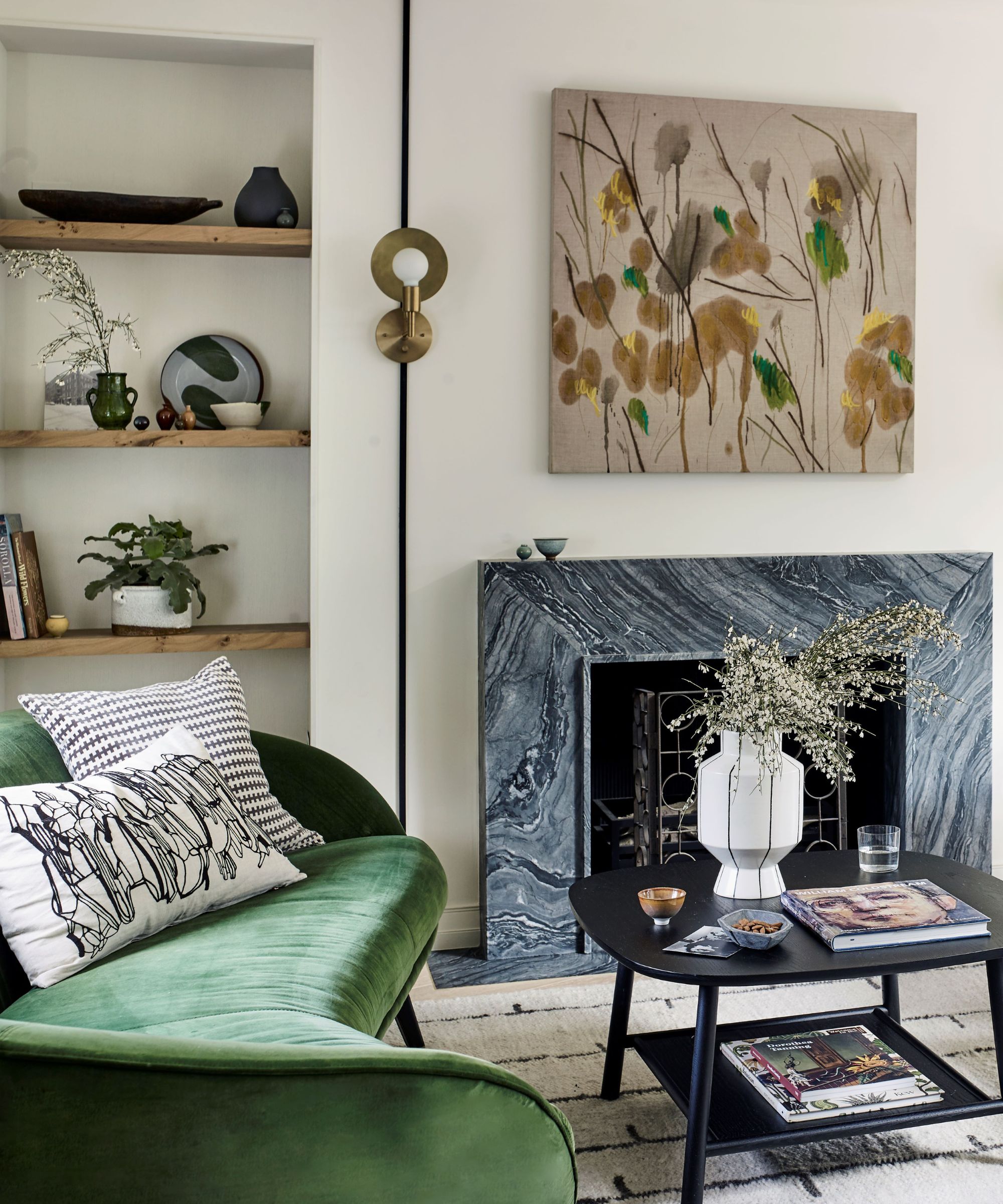
Mass-produced artwork is another item interior designers suggest replacing. Assenberg advocates for investing in original art pieces, even just one for the living room, to add character and soul. She advises relocating cheaper prints and mass-produced photos to less prominent areas like a basement, child's bedroom, or bathroom.
Beanbags, while cozy, are deemed unsuitable for living rooms by Johnson due to their space-consuming nature, difficulty in arrangement with other furniture, and tendency to look worn quickly. She recommends structured, square-shaped furniture for living rooms and reserving beanbags for children's bedrooms or playrooms.
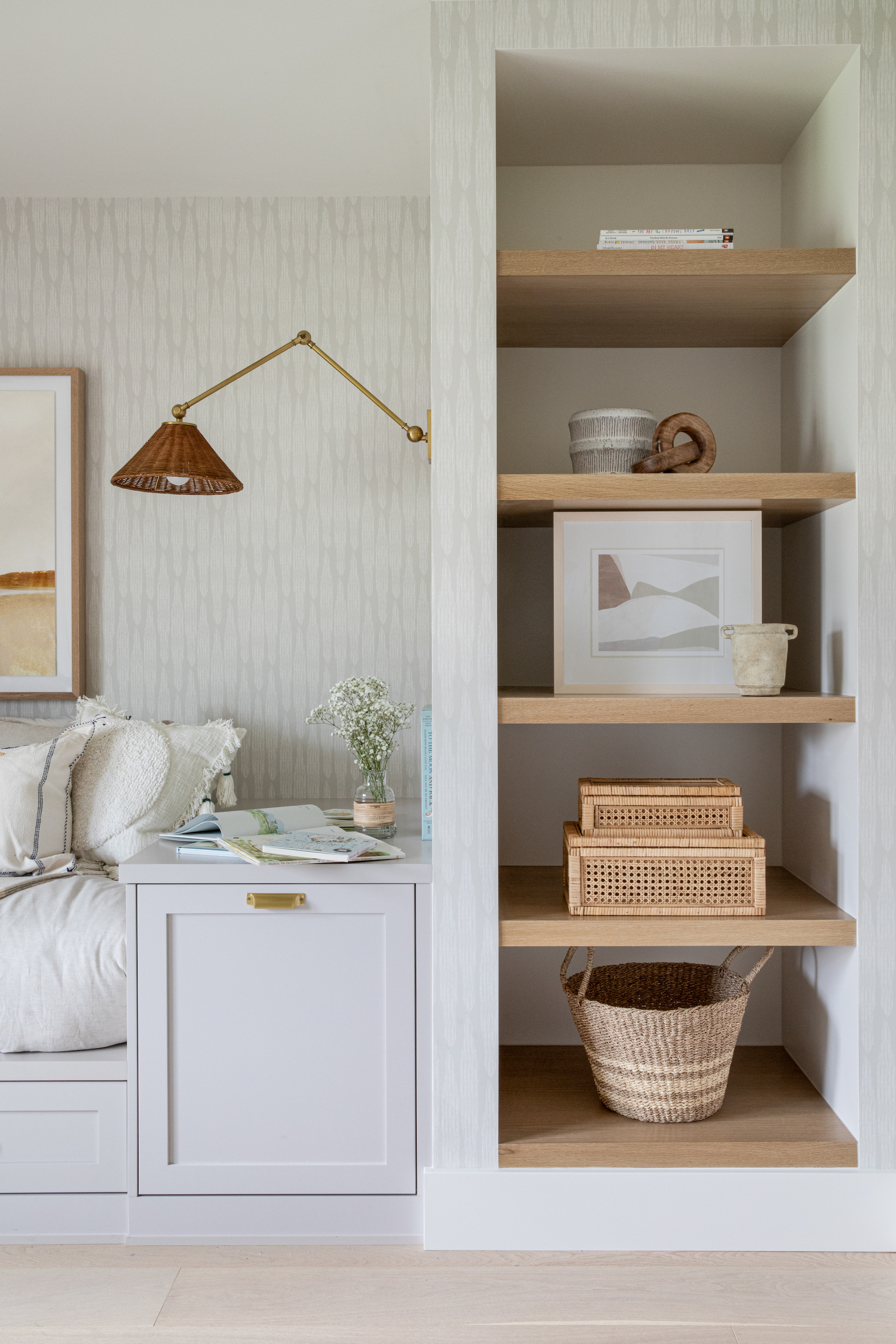
Outdated media collections, such as large DVD and CD collections, are also highlighted for removal. Street suggests digitizing these collections and donating physical copies to reclaim valuable shelf space and reduce clutter. This also applies to old VHS tapes and other outdated electronics.
Stacks of magazines and catalogs are identified as common sources of clutter. Street points out that these often accumulate unread, and she advises recycling them to free up coffee table space and instantly lighten the room's visual weight.
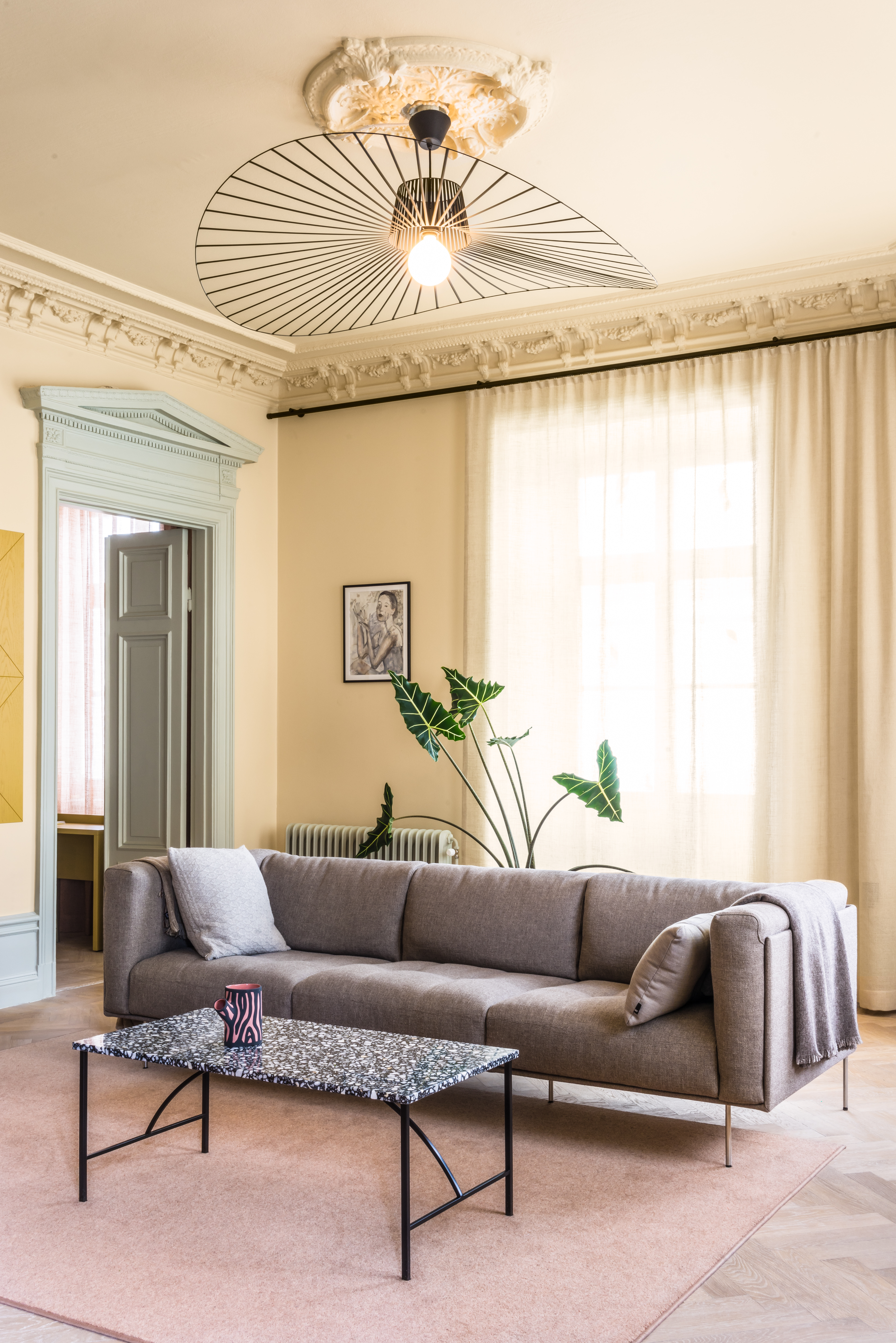
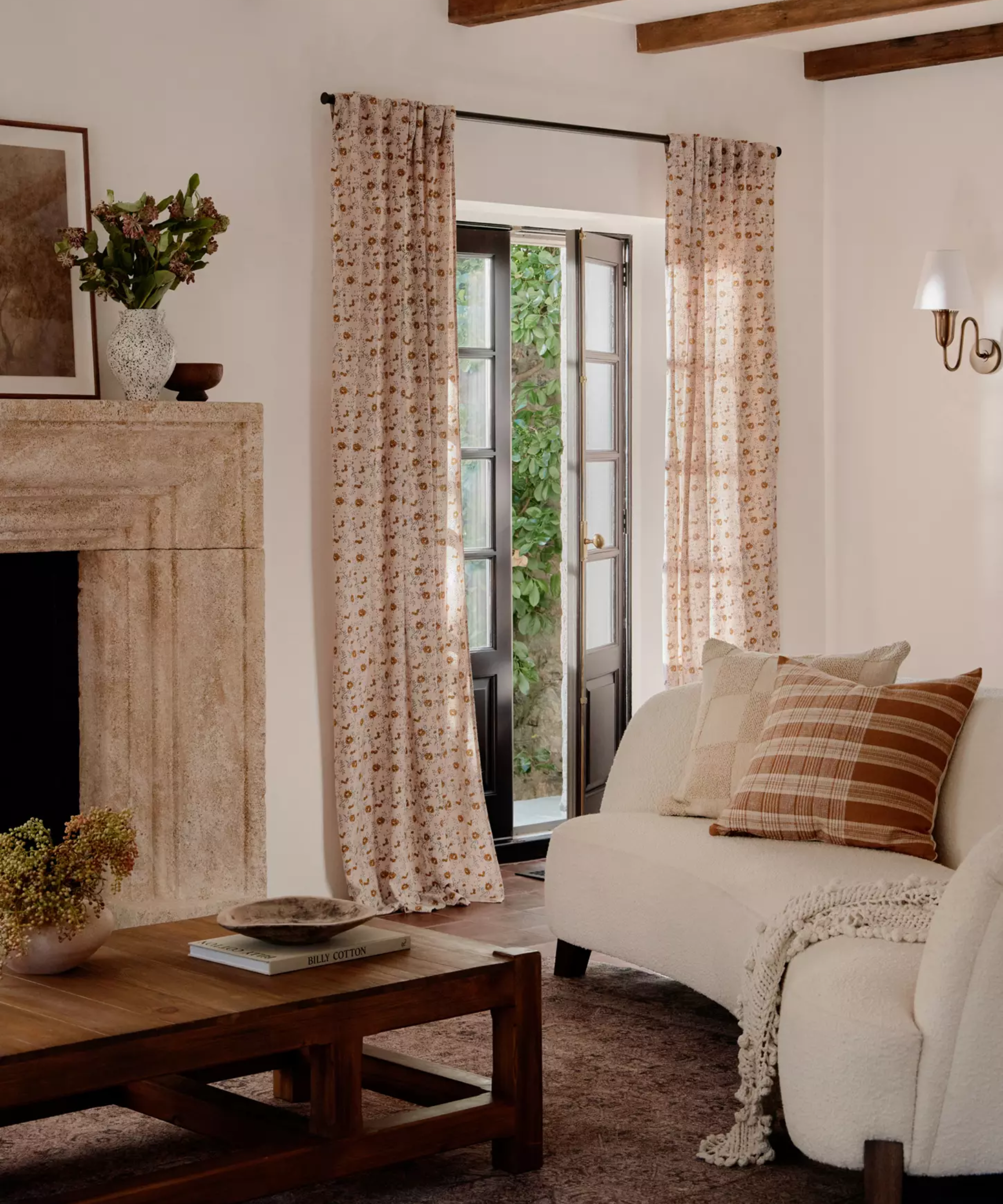
Frilly, heavy draped curtains are considered relics of the past. Street explains that these outdated window treatments can make a home look old-fashioned and block natural light, which is crucial for making a space feel larger and more modern. She suggests simpler, neutral-colored curtains with clean lines.
Regarding knickknacks and mementos, Johnson advises limiting their display to a select few favorites. To prevent clutter, she suggests rotating these treasured items every few months, keeping the display fresh without overwhelming the space.
Finally, the article addresses vintage items and hand-me-downs. Assenberg acknowledges the value of certain antiques but advises parting with items that are disliked or excessively worn. She suggests either replacing these with new pieces or reupholstering them if the budget allows, giving them a renewed purpose and appearance.
#InteriorDesign #LivingRoomDecor #HomeOrganization #ClutterReduction #FurnitureSelection #HomeImprovement #DeclutteringTips #DesignTrends #InteriorDesign #LivingRoomDecor #HomeOrganization #ClutterReduction #FurnitureSelection #HomeImprovement #DeclutteringTips #DesignTrends
0 comment in total
 No comments yet
You may also like
Items to get rid of in your living room – 10 things decluttering experts want to clear out
Warning: These Living Room Ideas Will Make You Want to Redecorate
Designers Say This Is the #1 Living Room Mistake Everyone Makes

12 things to get rid of in your home, from an interior designer
4 Outdated Living Room Trends Designers say you Should Move on From — and What to Replace Them With

5 Things Designers Quietly Declutter Living Rooms Before Winter

Interior designers reveal the 12 things in your home you should get rid of
6 decor essentials that I'm taking when me when I downsize
12 bedroom trends interior designers wish would disappear
10 Things To Keep Out Of Your Living Room, According To Designers
5 Pieces of Decor You Need to Remove From Your Kitchen Today — "They're Bulky and Eyesores," Say Designers

Living room design ideas: 11 ways to furnish and decorate your space
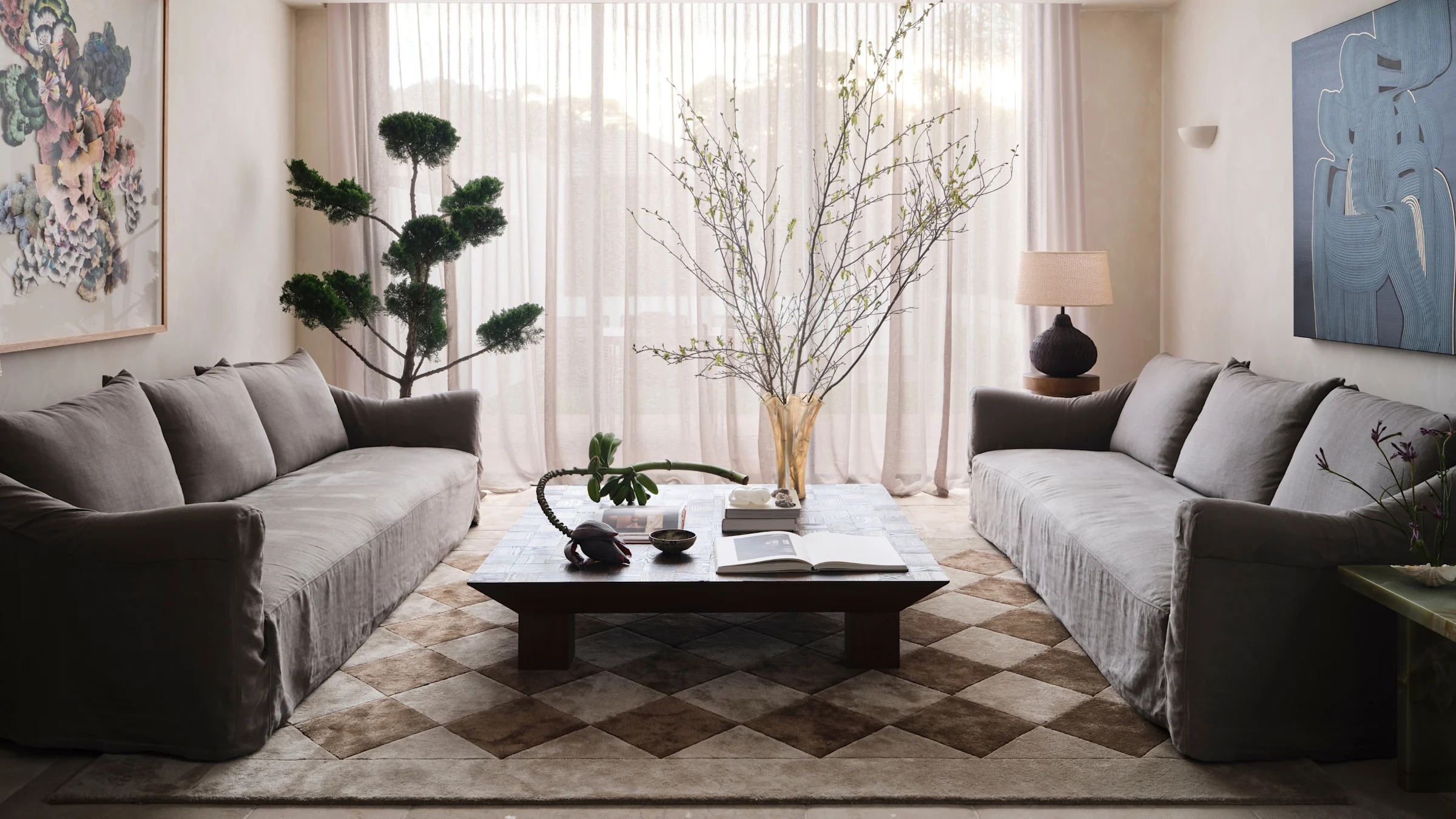
5 Decor Items You Need to Remove From Your Living Room — Designers Say They're Dating Your Space

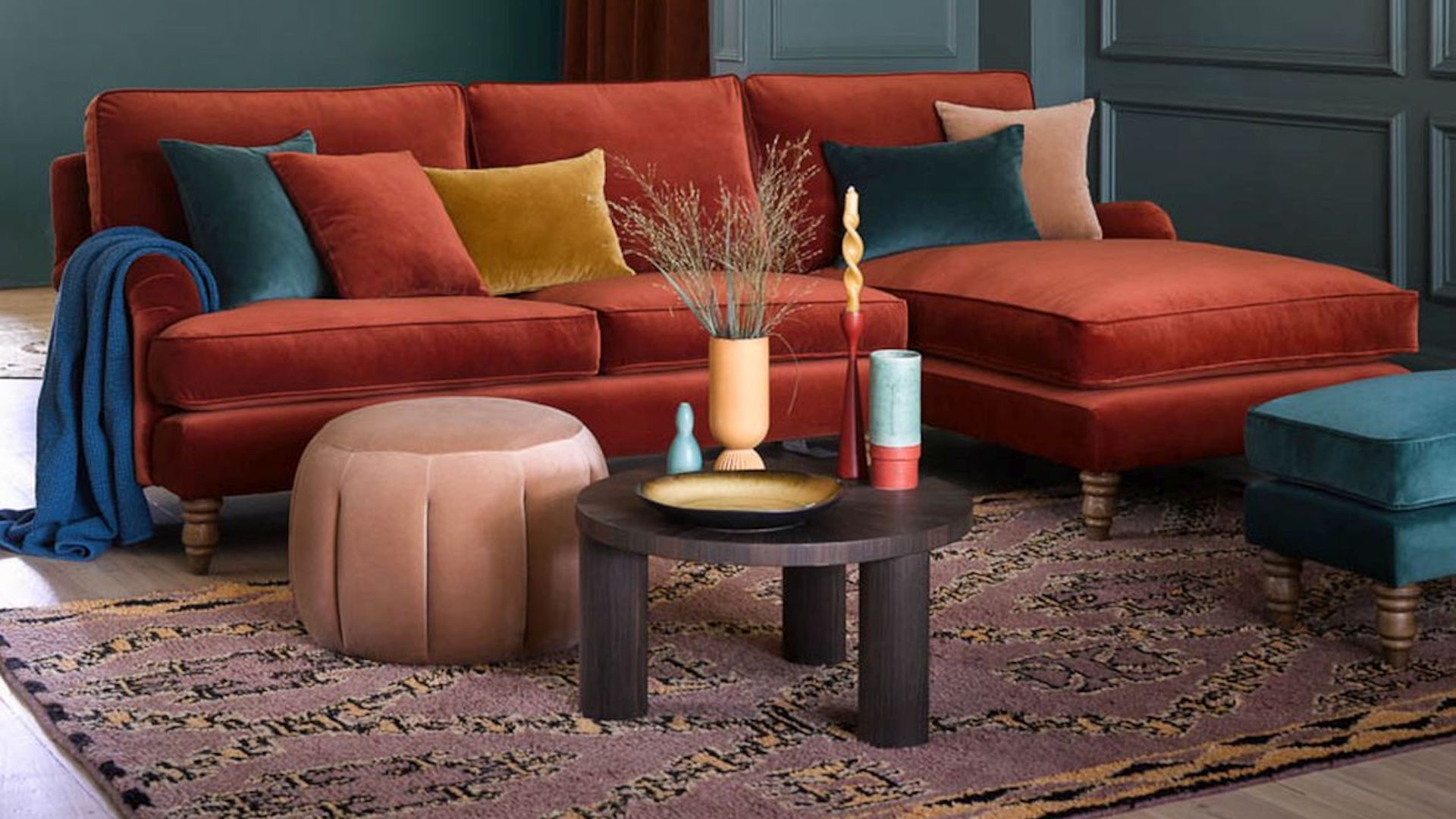
10 common living room design disasters experts warn against falling for
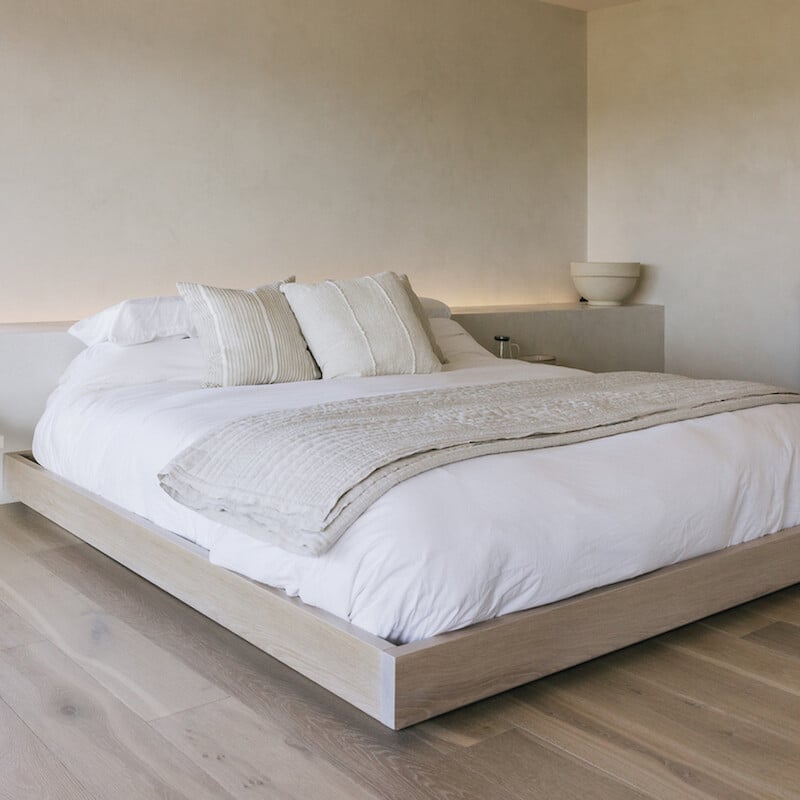
5 Things to Banish From Your Bedroom for a Fresh, Clean Start
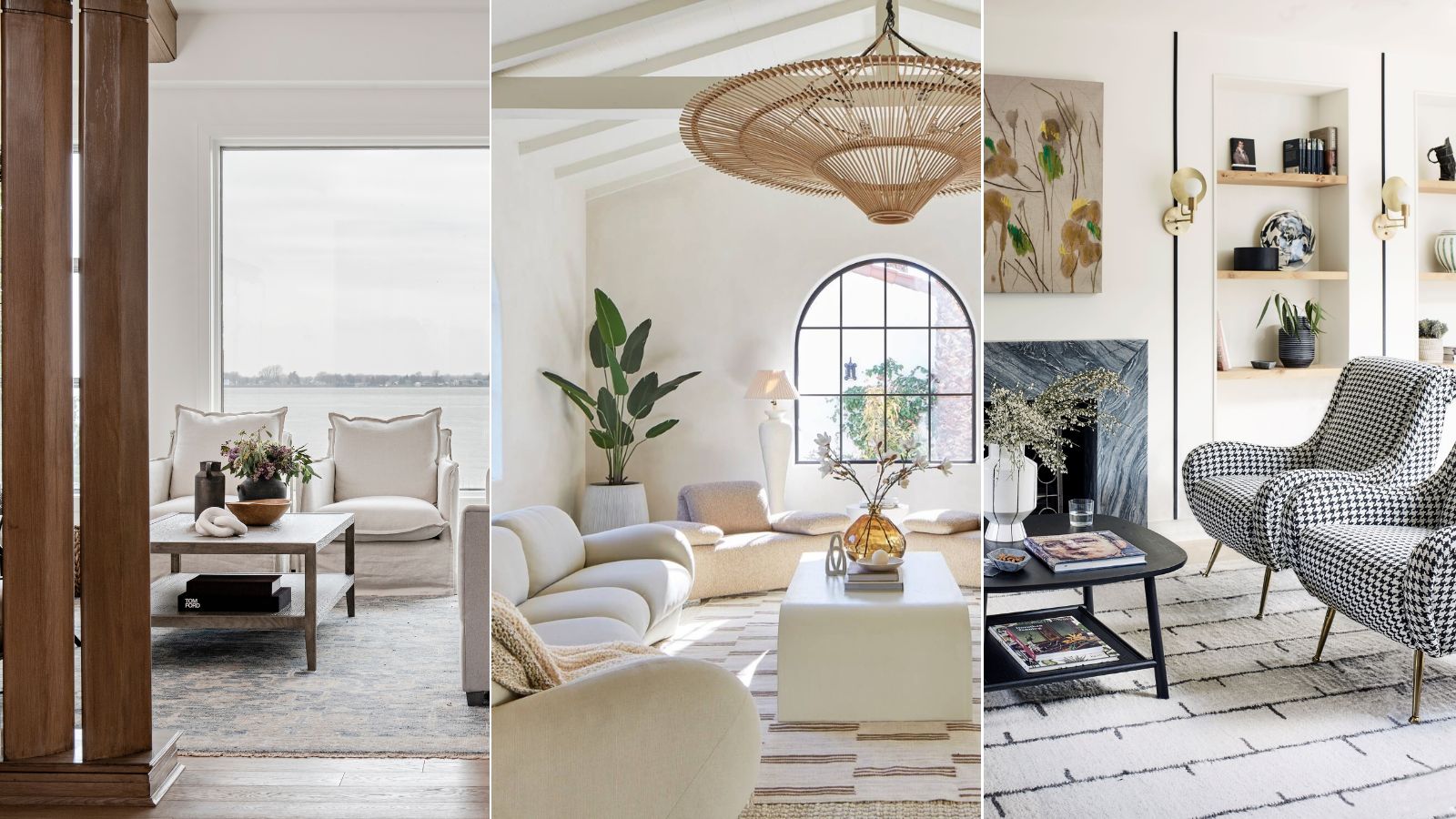
Designers swear these 8 living room layout hacks will instantly elevate your space, no matter what the size
4 Outdated Colors Designers say you Should Steer Clear of When Decorating a Living Room
4 things to get rid of in your kitchen cabinets — experts say ditch these items right now

9 CONTROVERSIAL Decor Choices Designers Secretly Wish You’d Stop Making

Interior designers share the 10 things in your kitchen you should get rid of