1/13
12 fireplace hearth ideas – striking looks for your surround
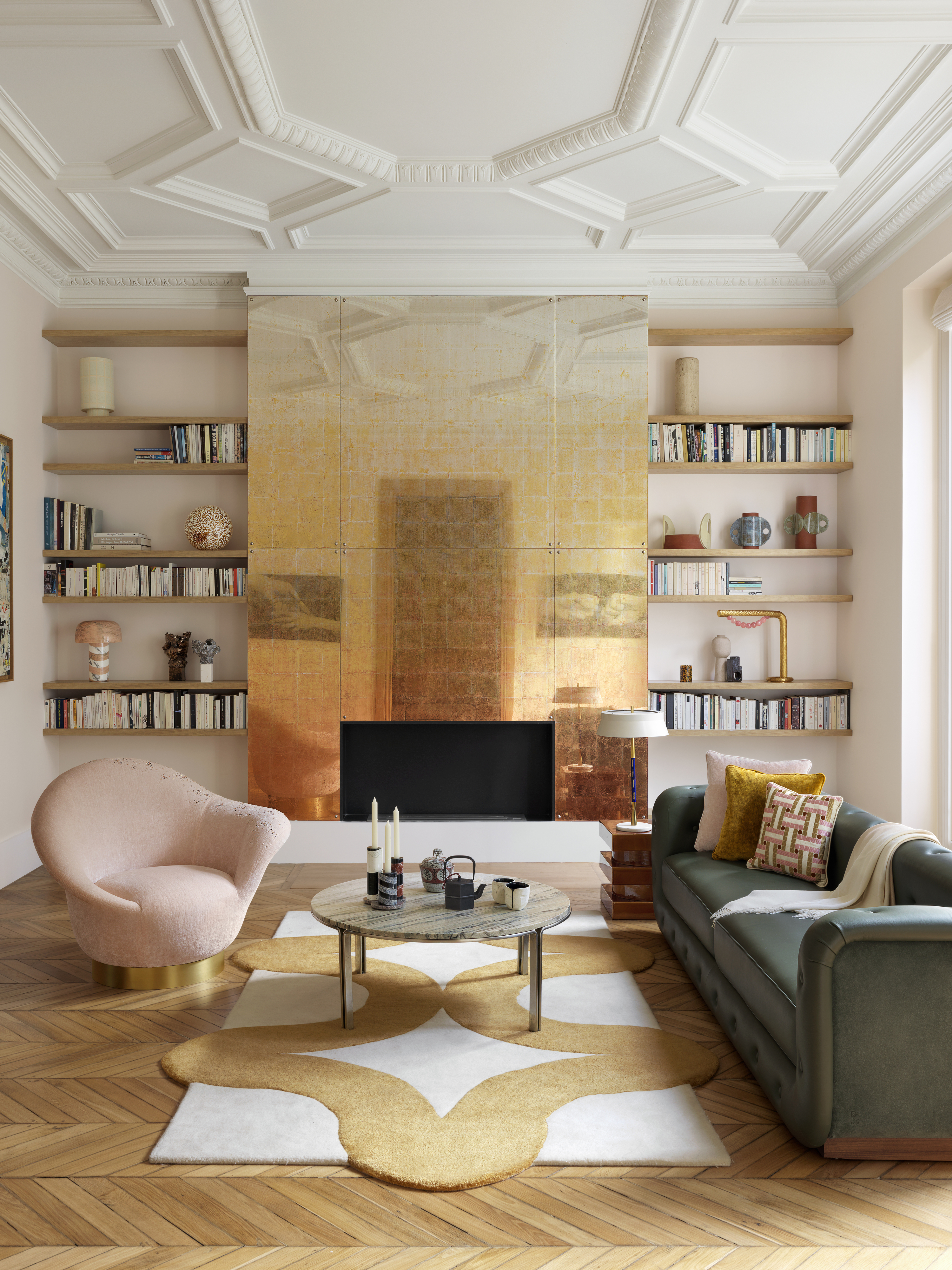
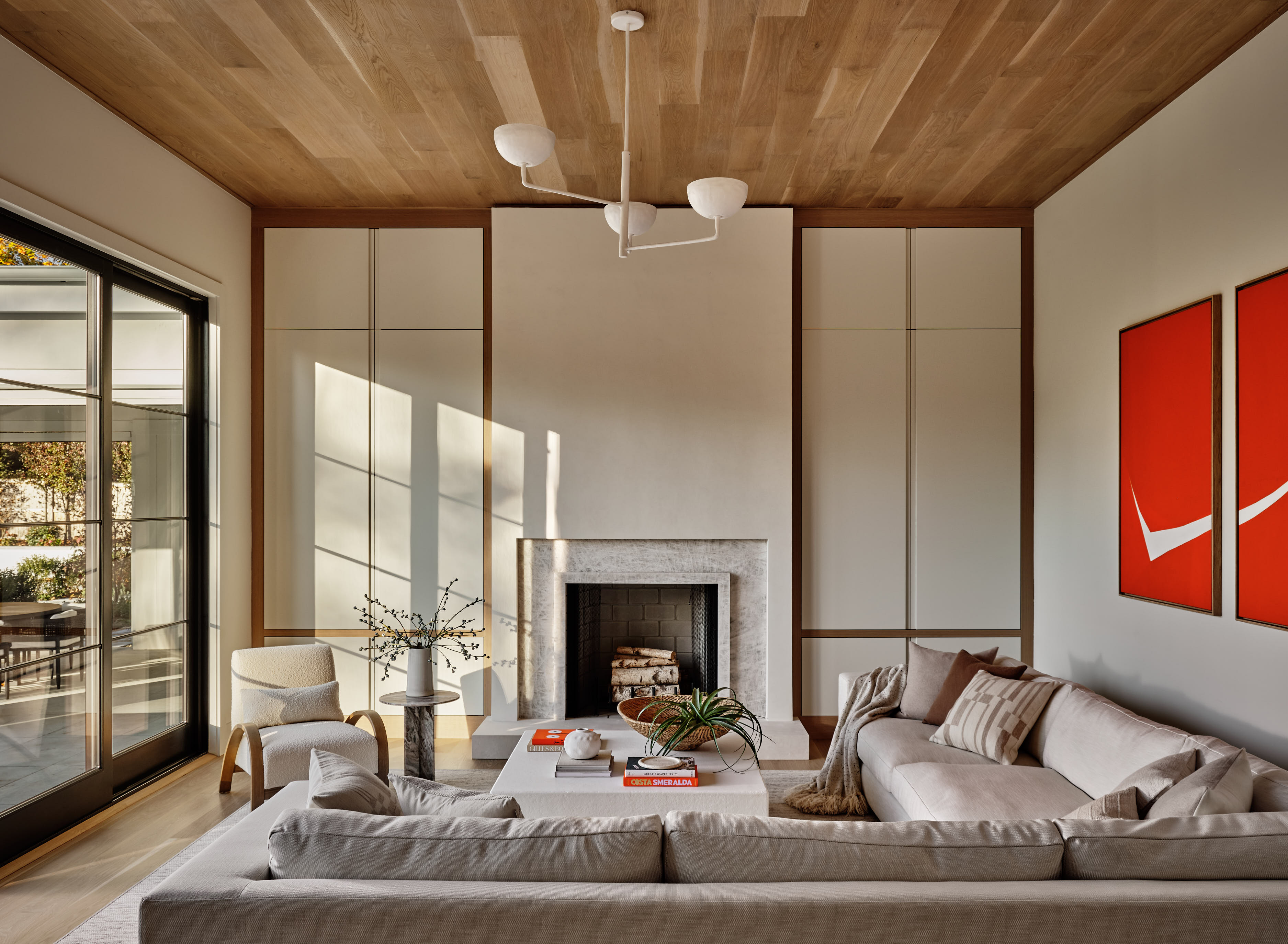
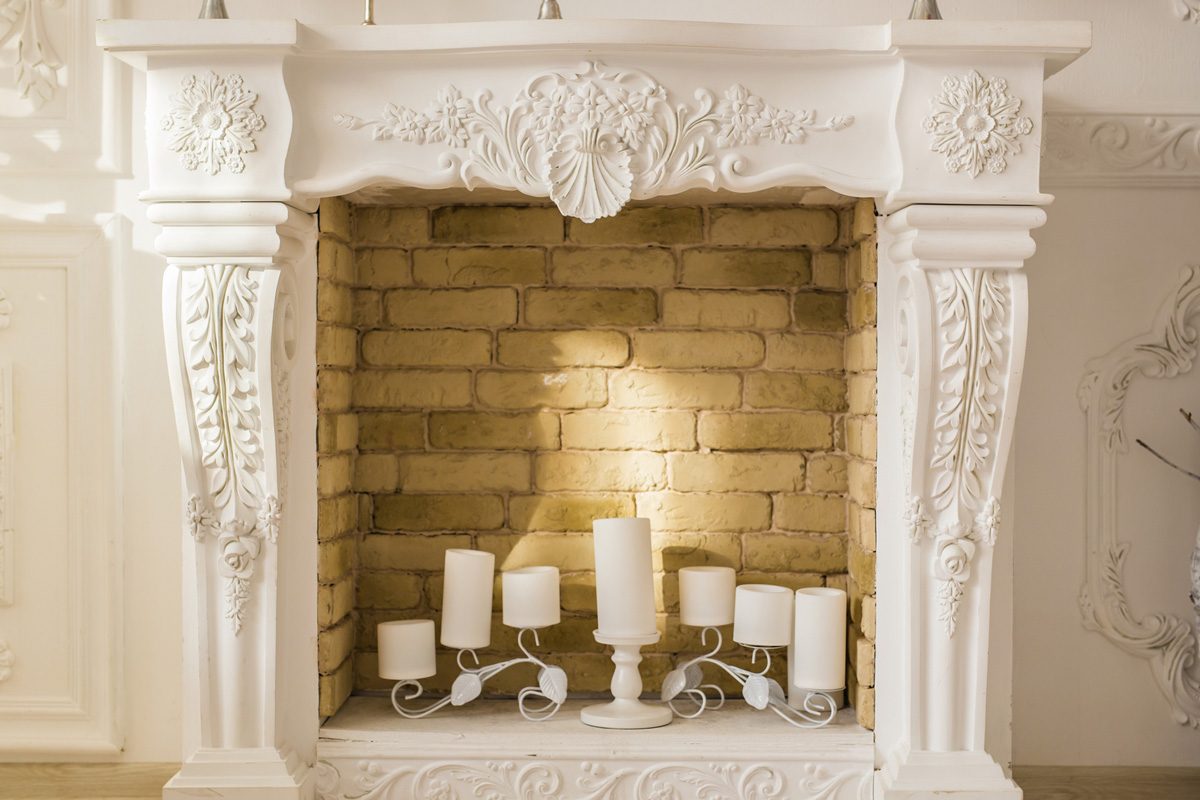
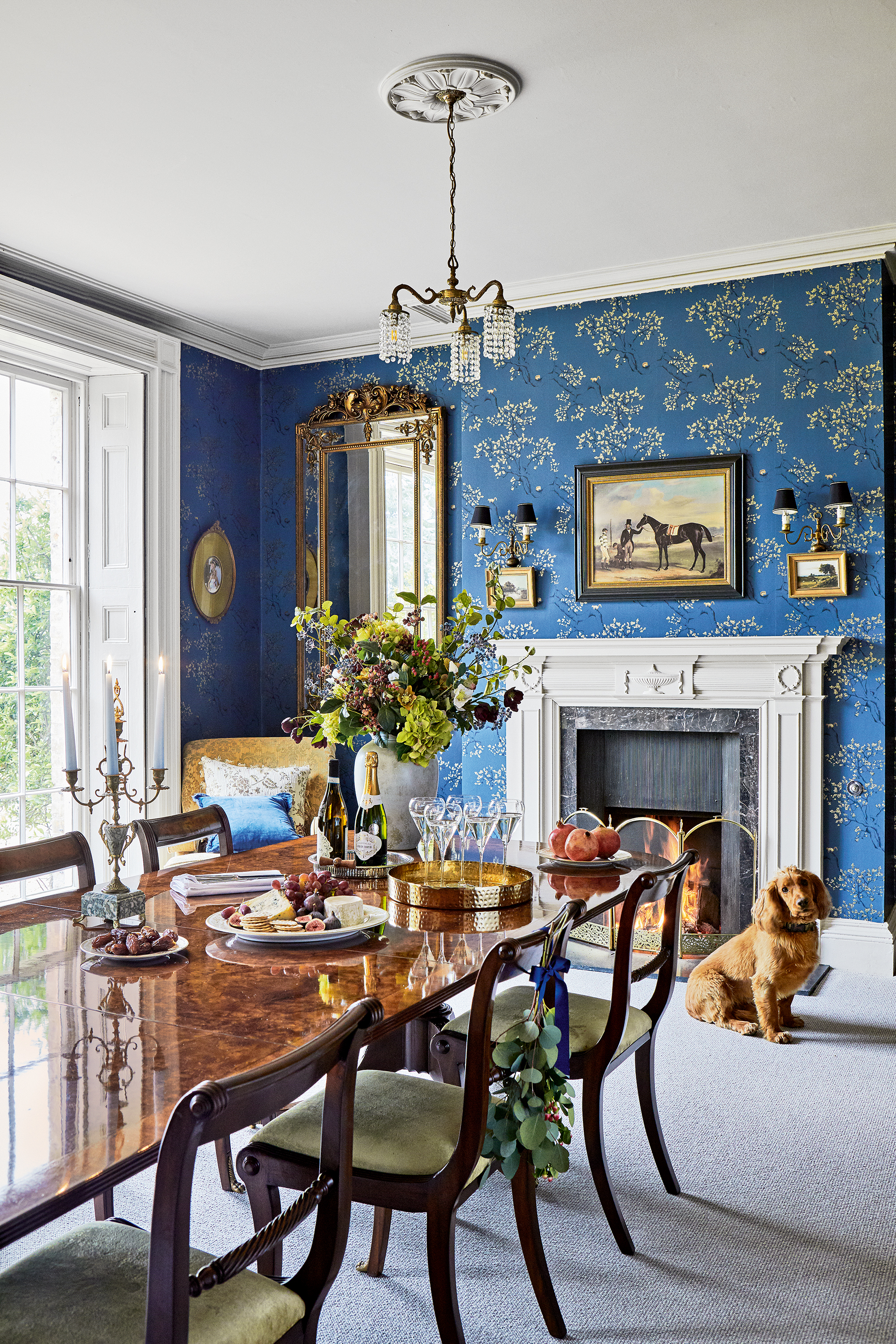
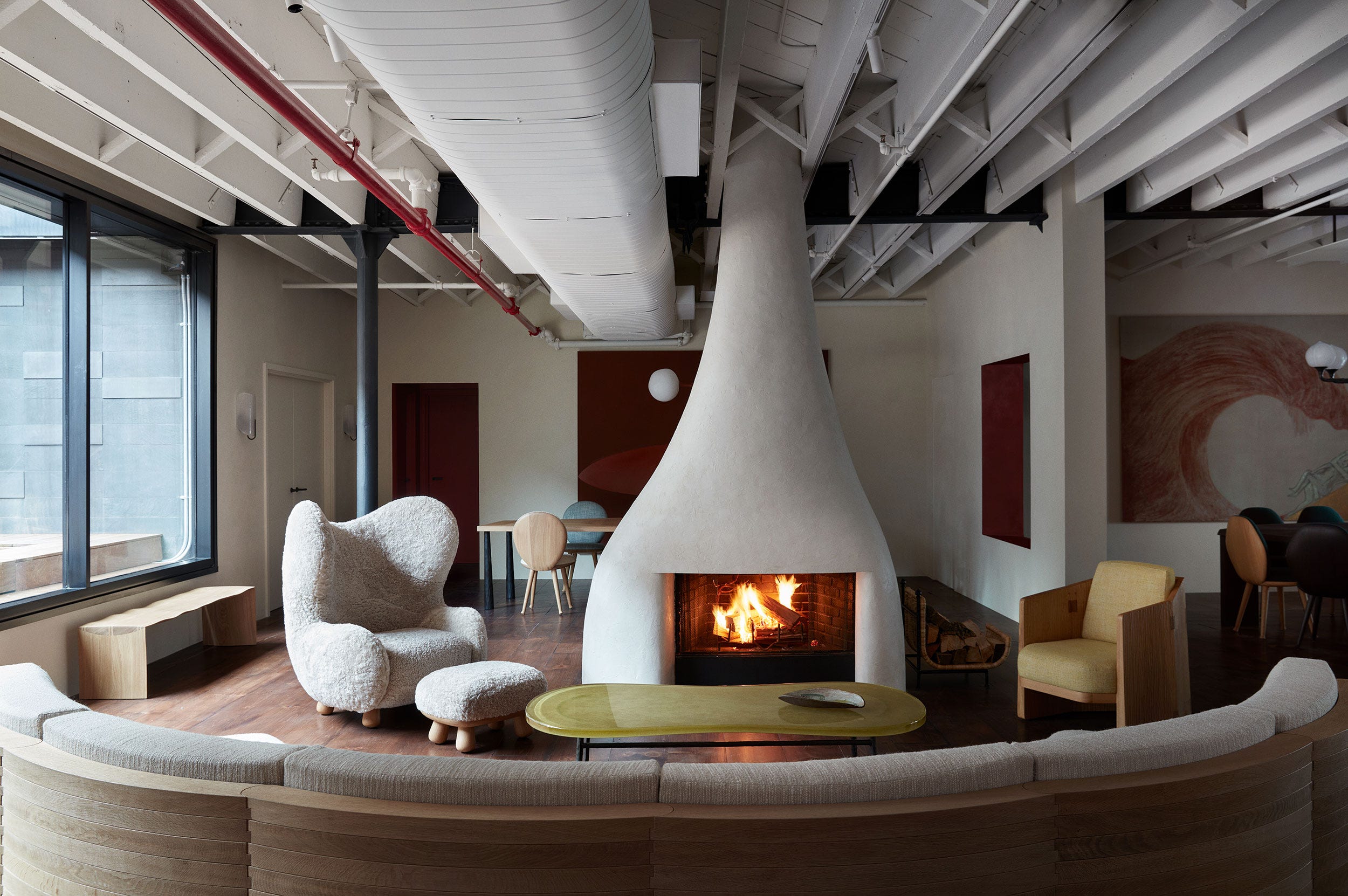
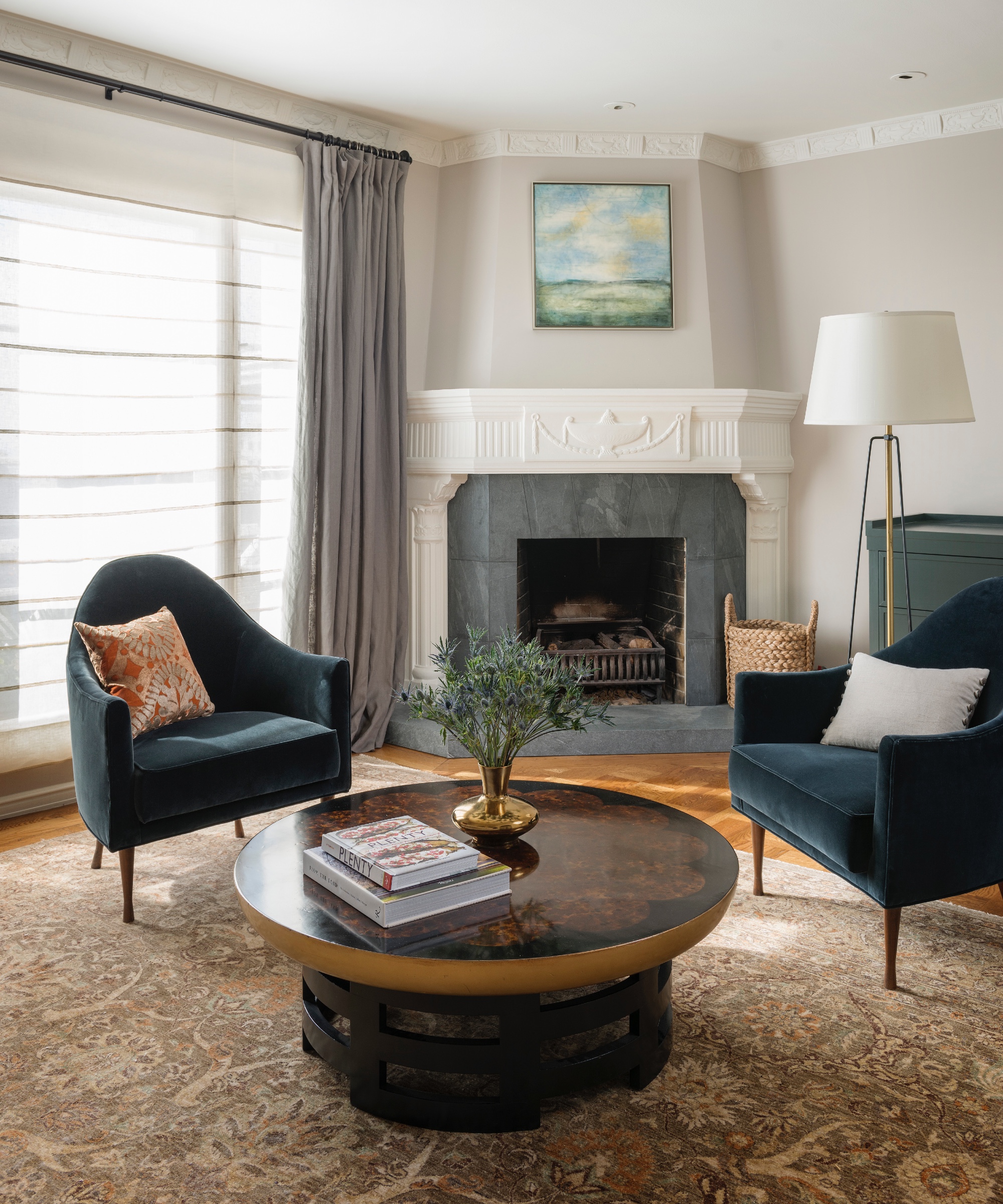
Fireplace hearths have historically served as the central gathering point in homes, offering warmth and comfort. Beyond their practical function, hearths are integral to introducing character and style into a living space, often providing additional seating in the case of raised designs. Even modern fireplace installations, which may not strictly require a hearth, frequently incorporate them for aesthetic purposes. Hearth designs can be styled year-round to enhance the fireplace's visual appeal, whether or not a fire is actively burning.
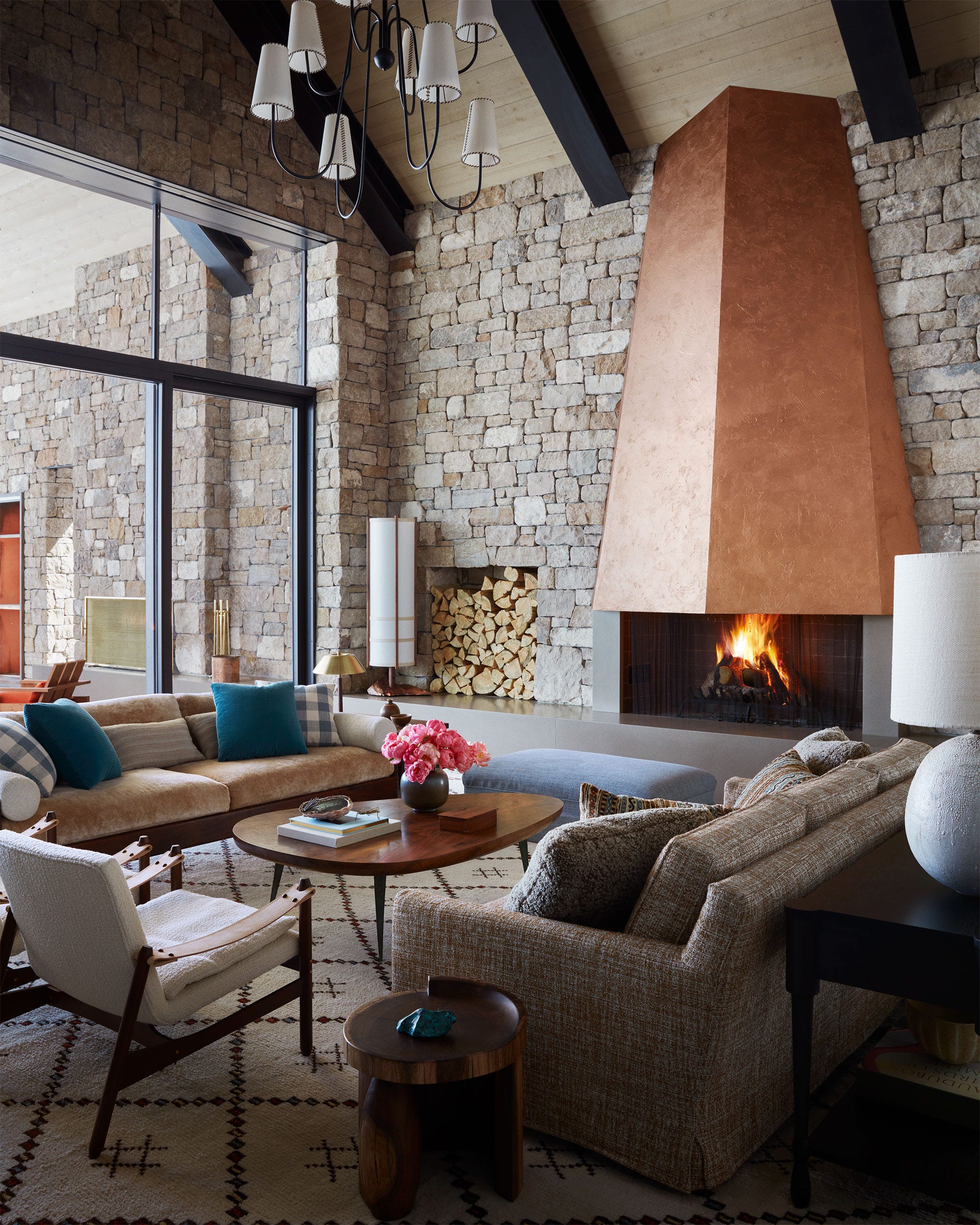
Selecting appropriate, non-combustible materials is crucial for solid-fuel burning fireplaces. Materials like brick and stone, with their natural textures and grains, can create an inviting atmosphere. While gas fires still require a hearth, electric fireplaces have fewer requirements, often not needing one at all. Despite this, many contemporary designs feature hearths as decorative elements. The article explores various approaches to fireplace hearth design, blending functionality with aesthetic appeal.
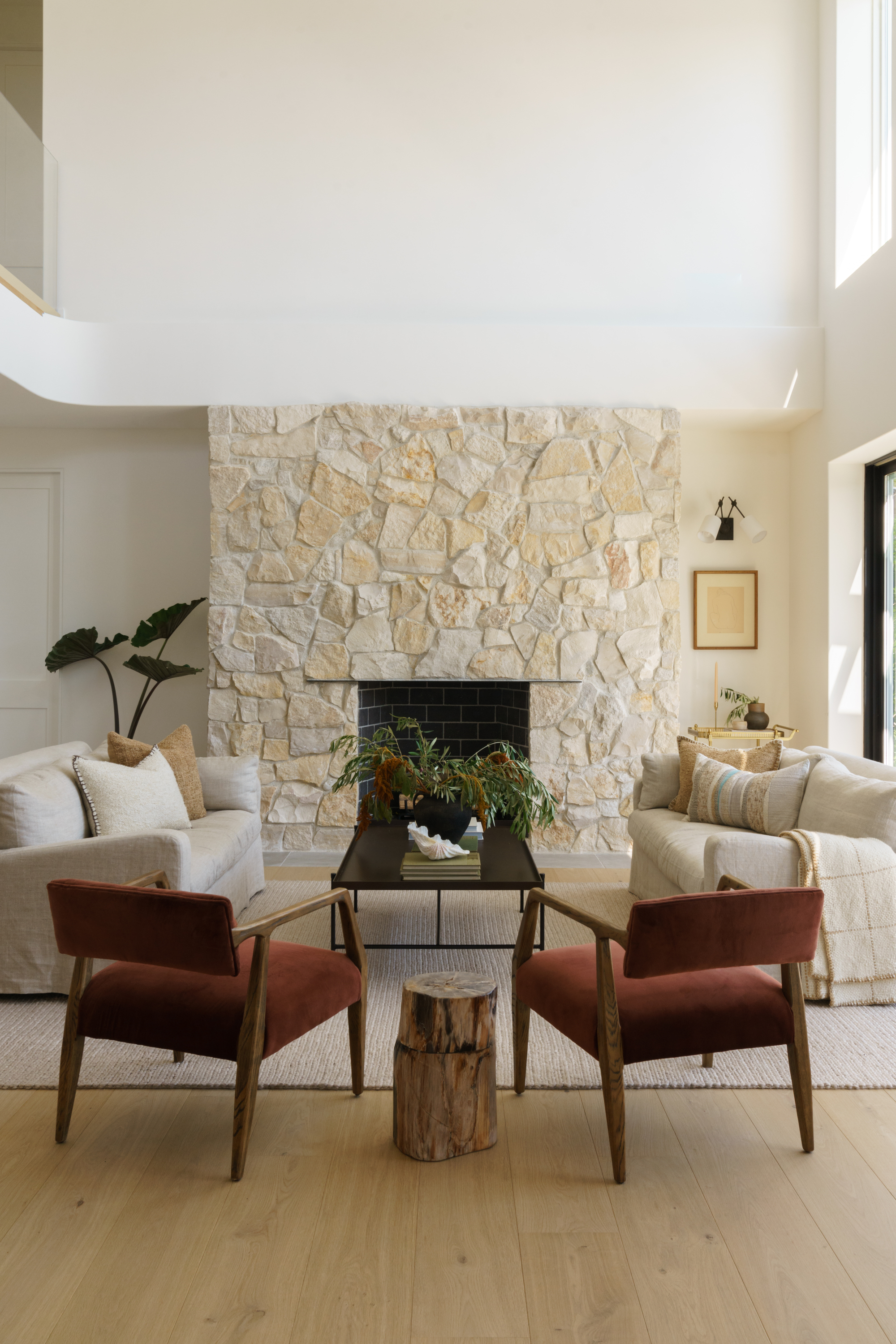
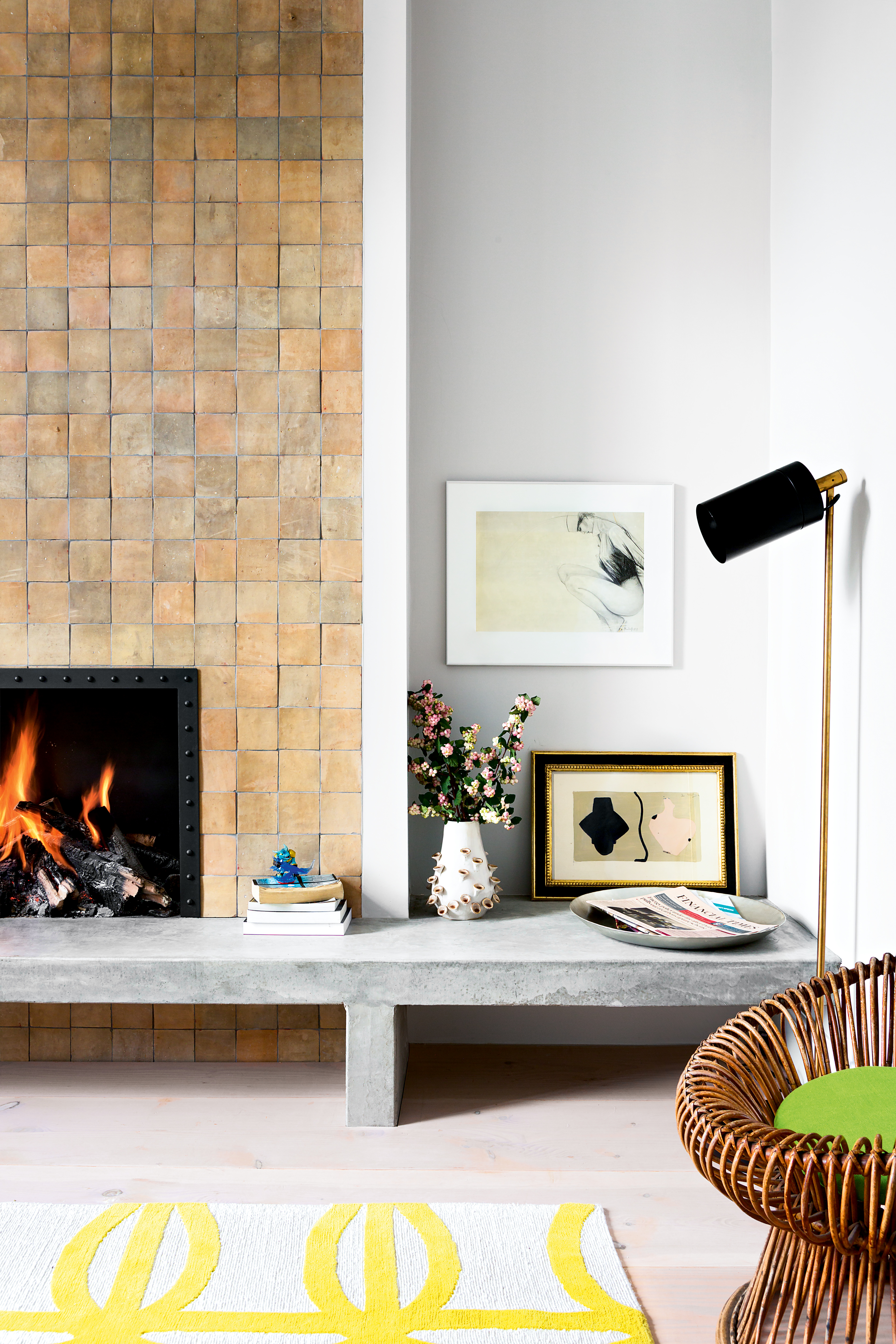
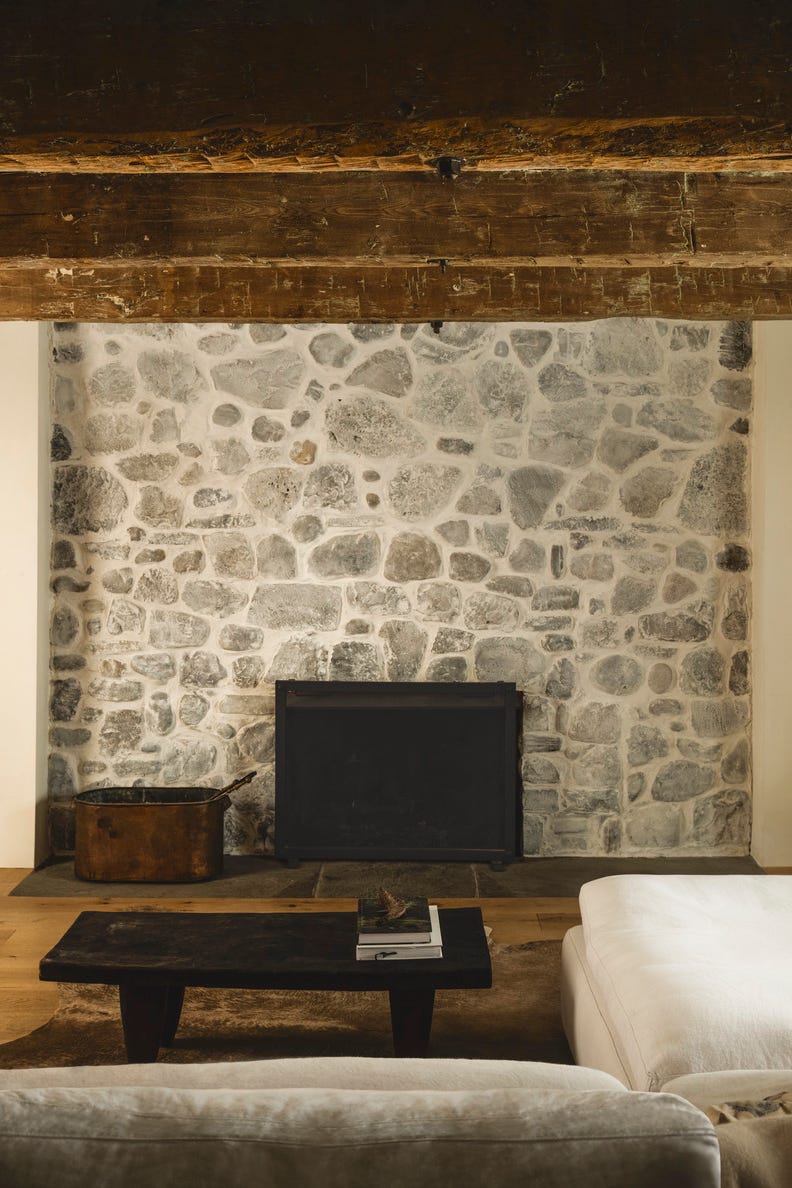
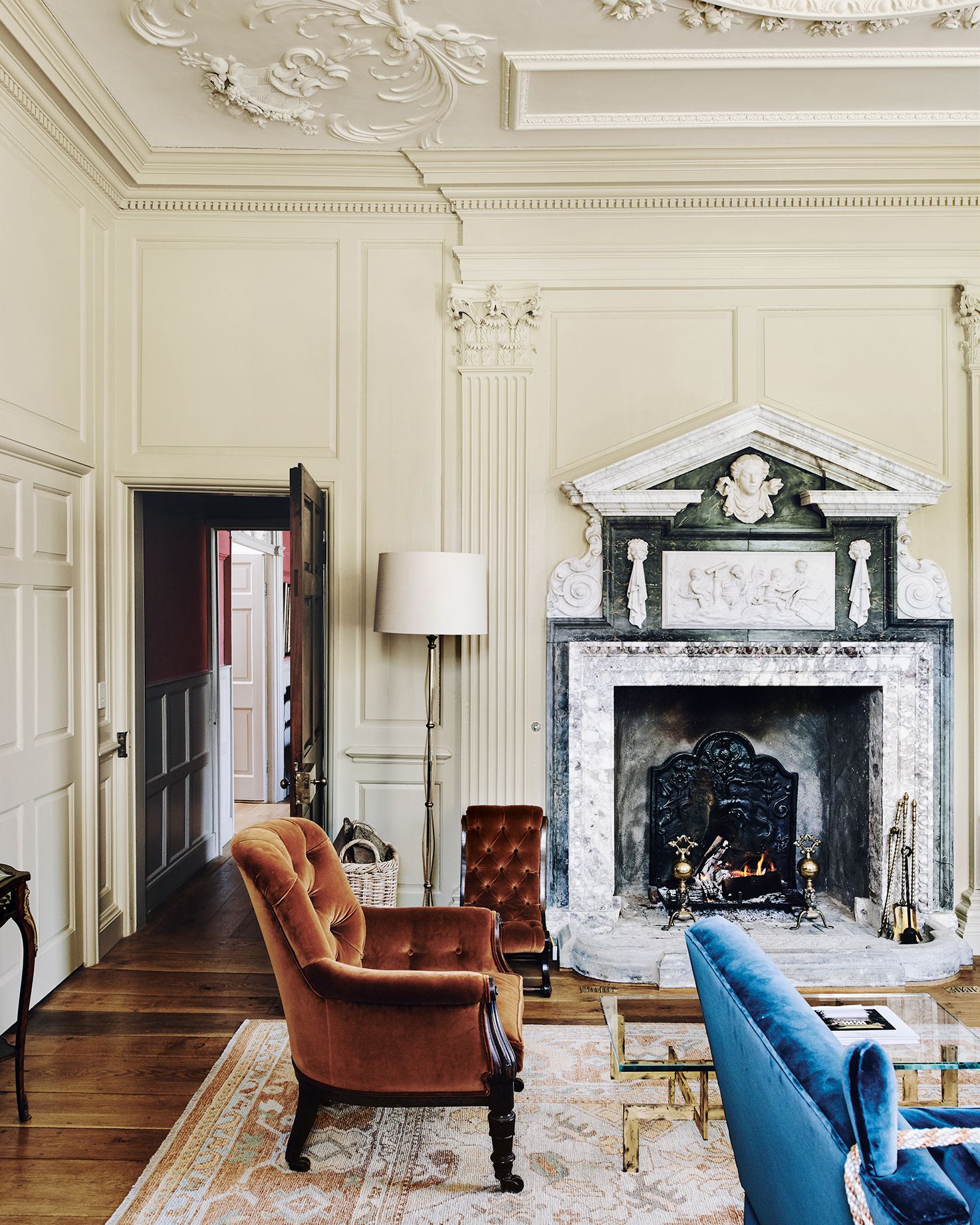
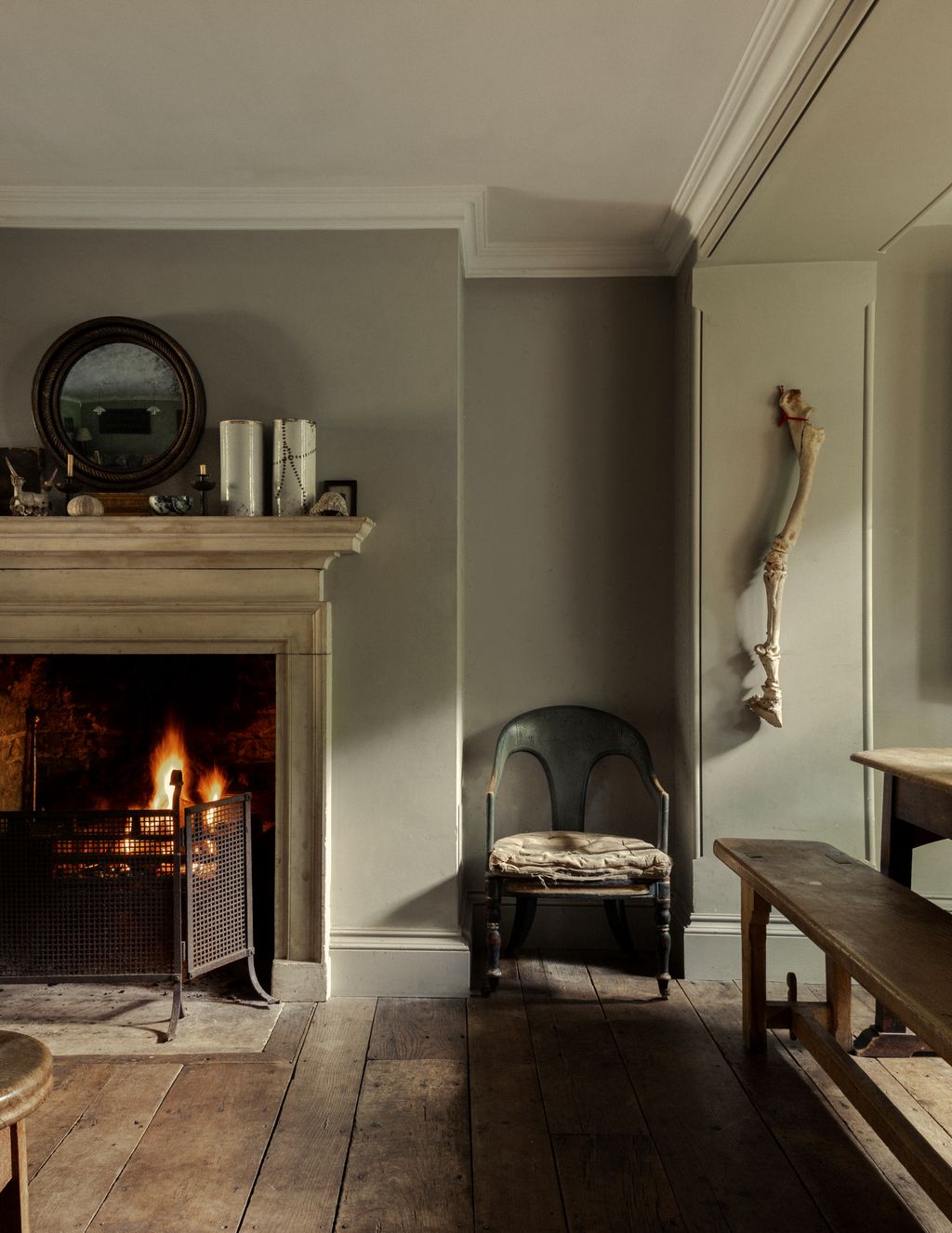
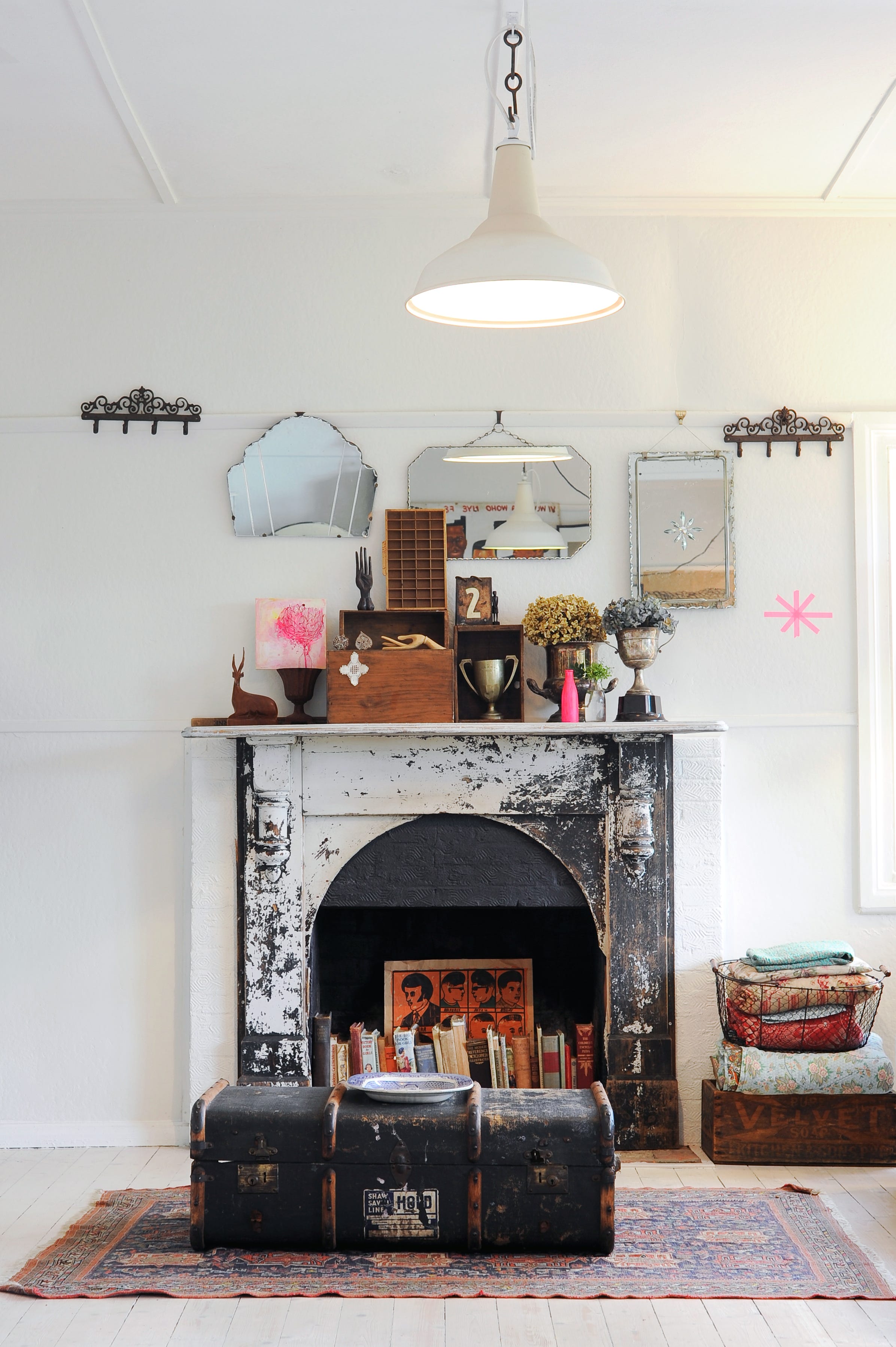
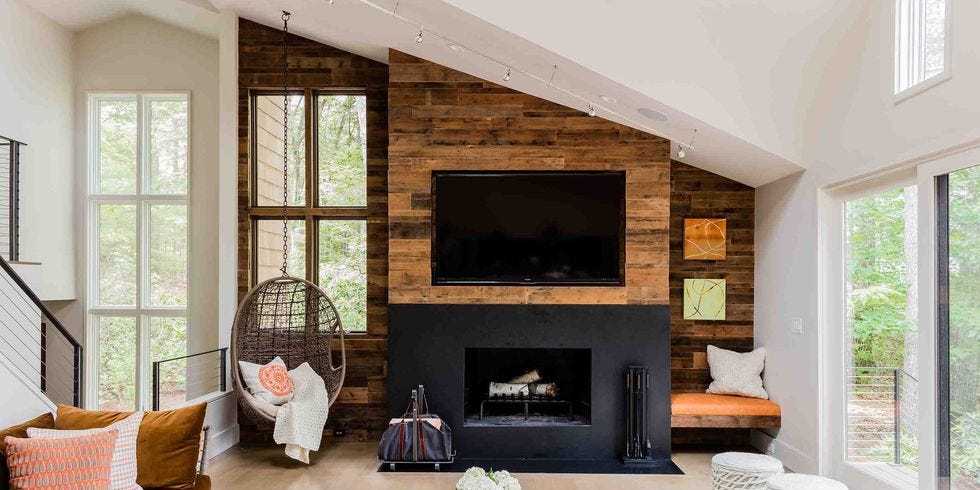
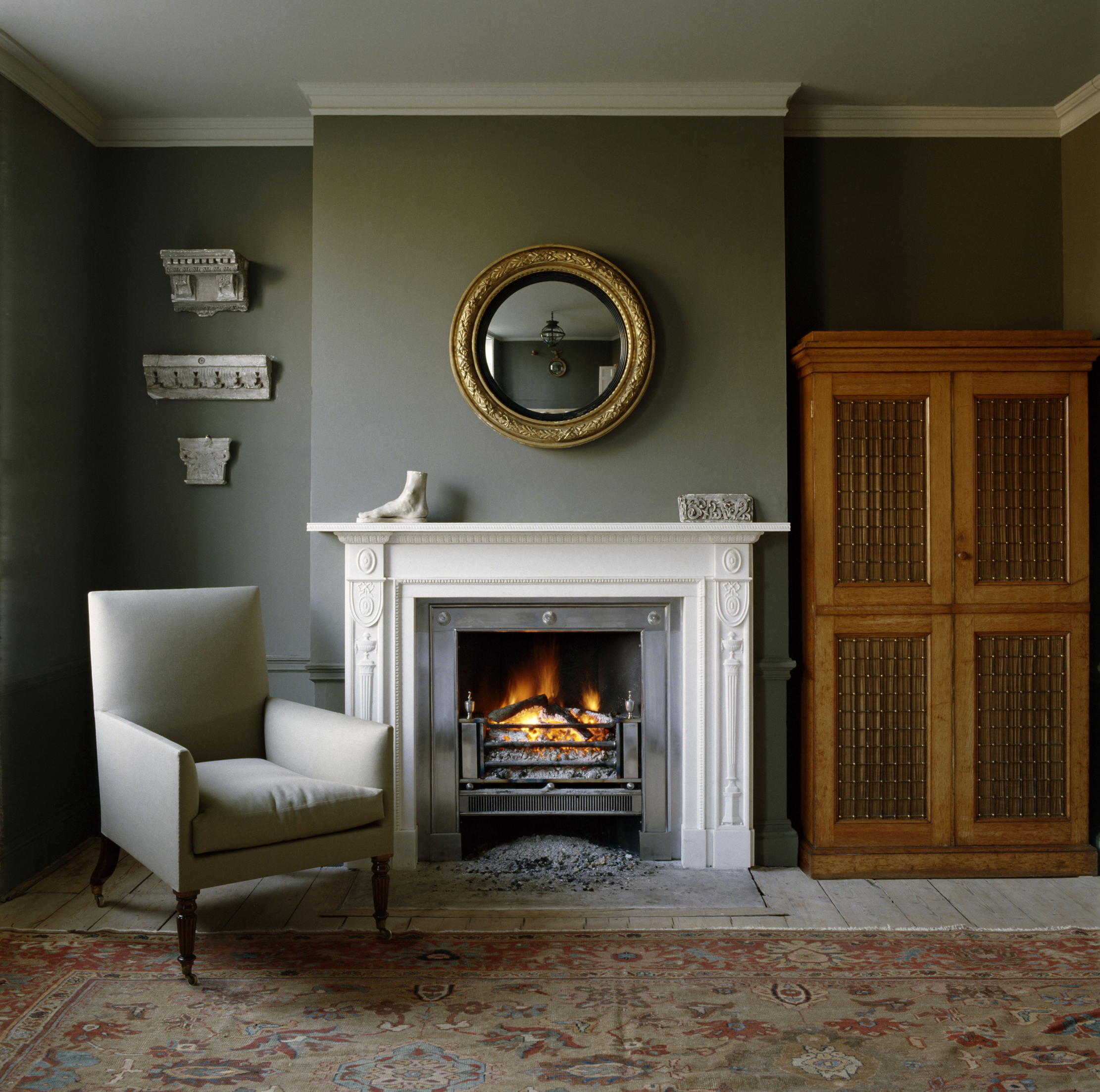
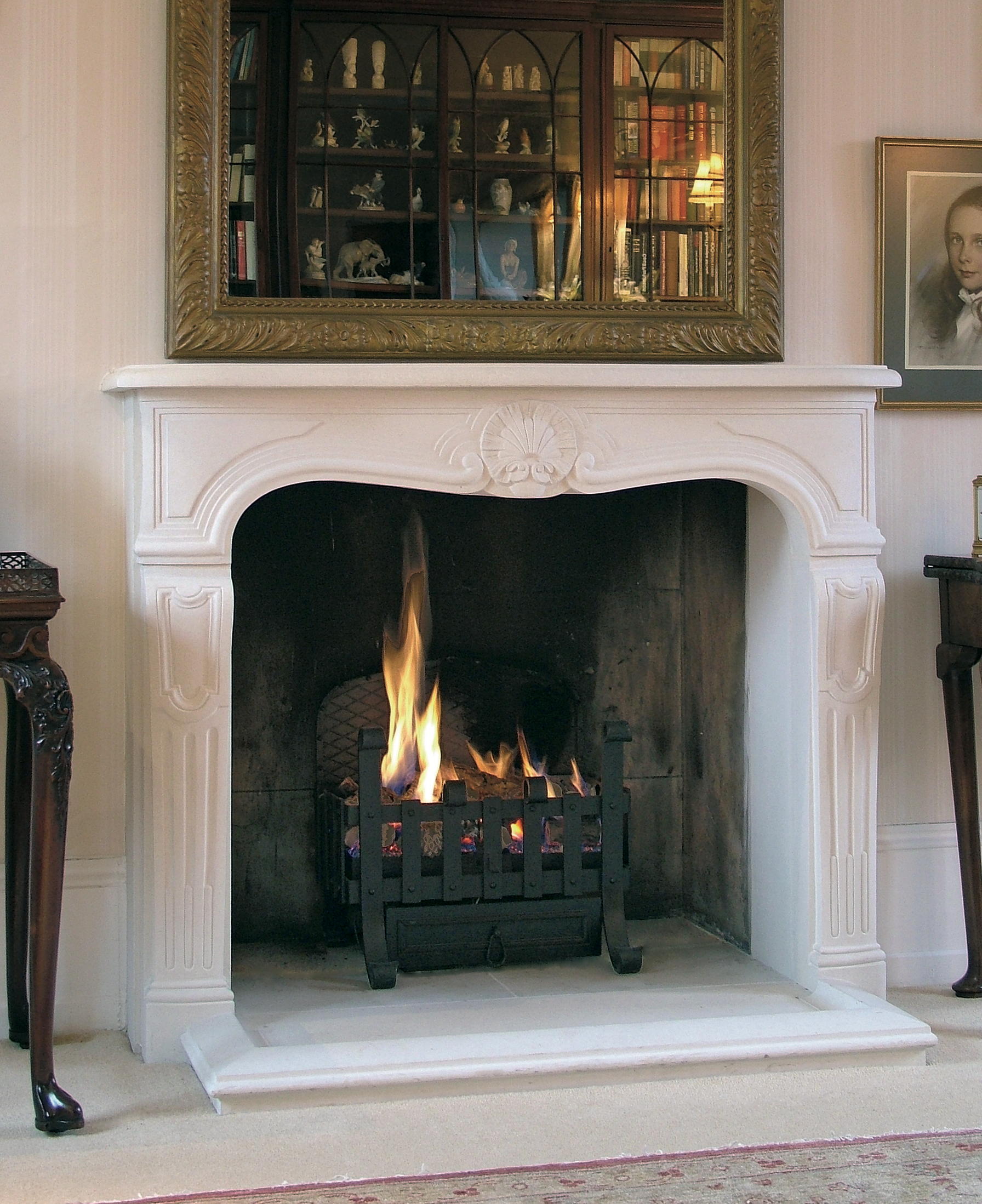
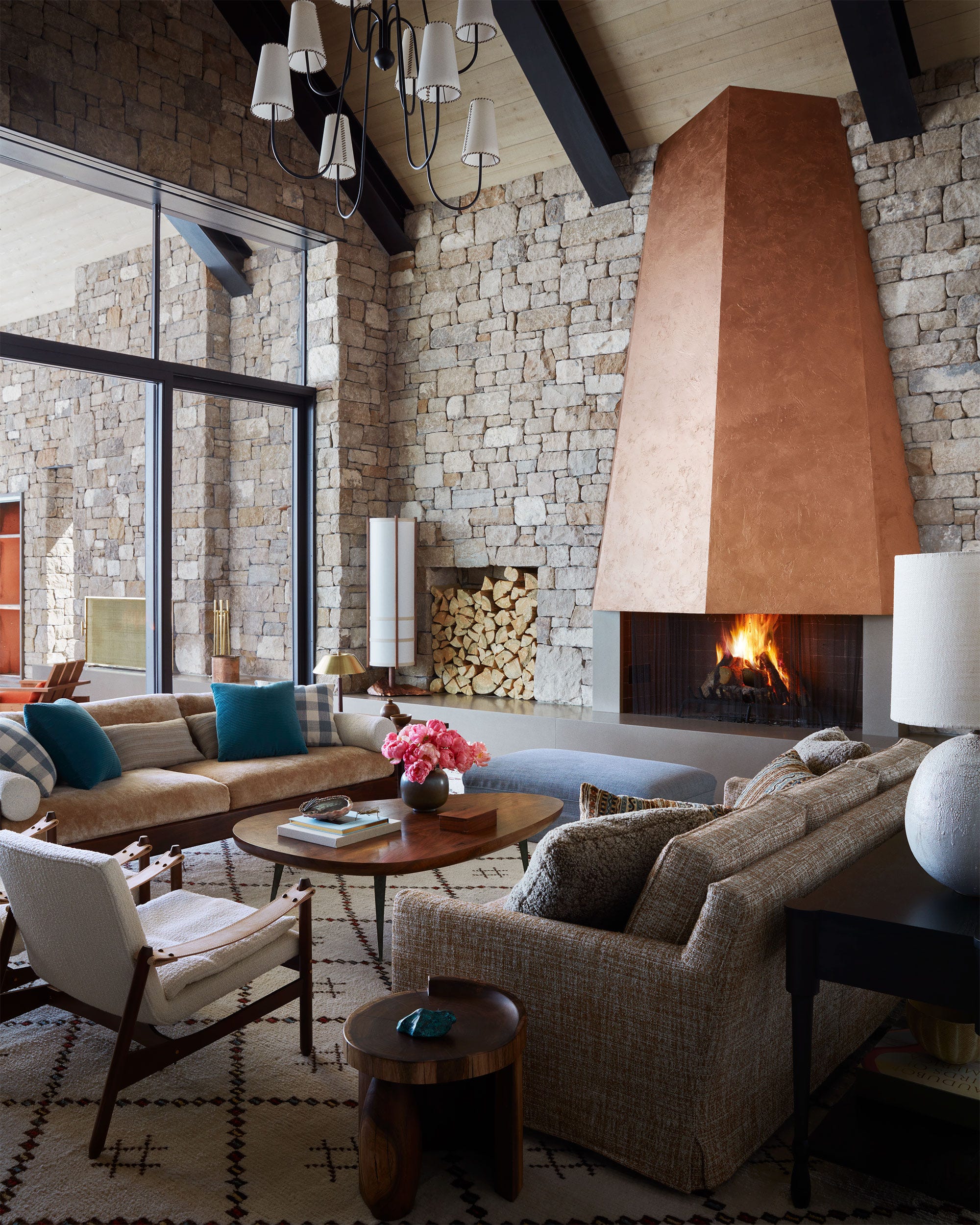
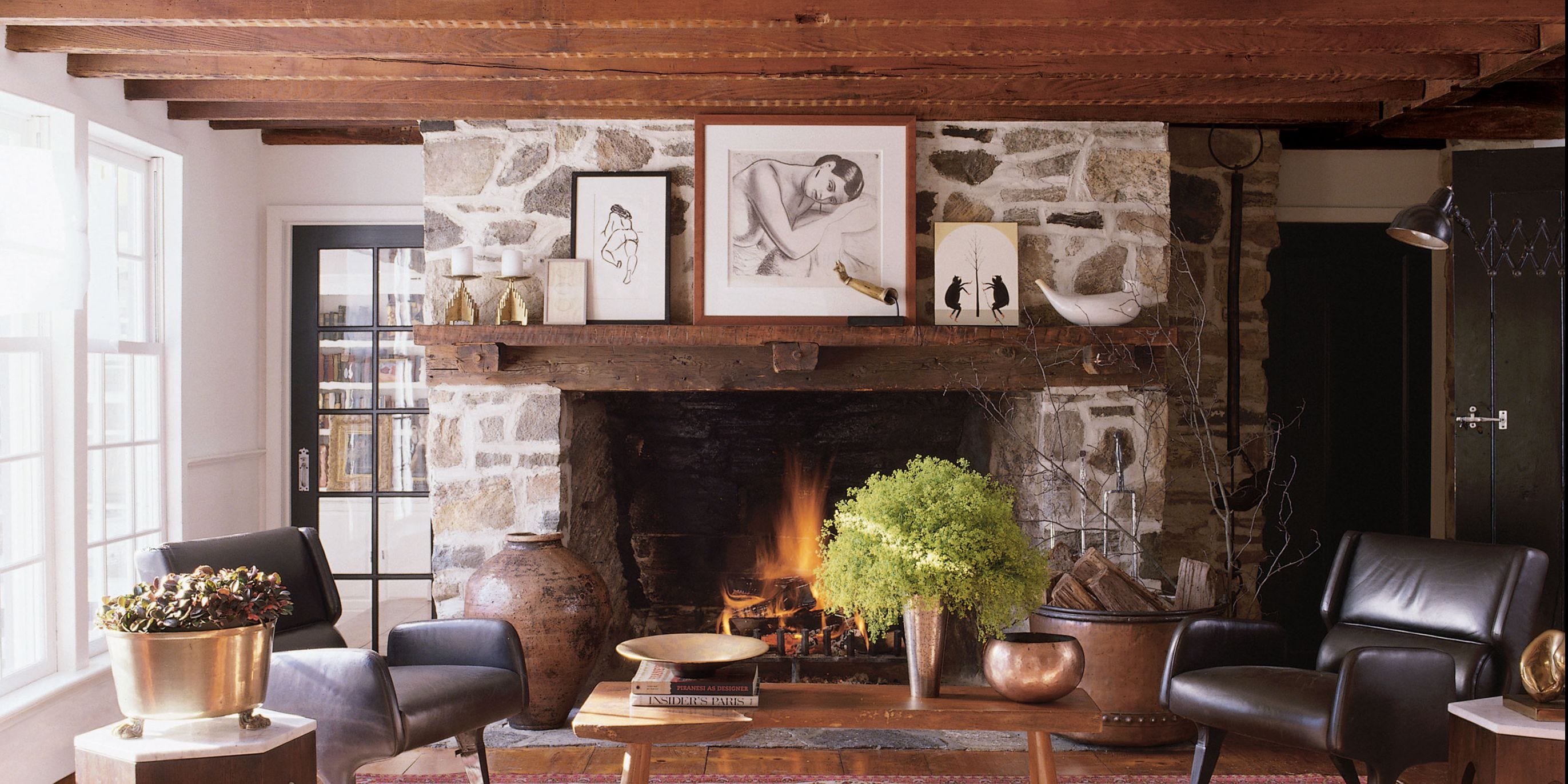
One design strategy involves mixing old and new elements. For instance, in traditional properties, retaining original flagstone surrounds and concrete hearths can provide a rustic anchor. Modern touches can be introduced by painting the room in neutral, warm hues to complement the existing fireplace palette. Another option is a raised hearth, which can evoke a cozy, cabin-like ambiance. White-washed stone is a practical and aesthetically pleasing choice for this style. When planning for extra seating, the height of a raised hearth is important, with 15 to 18 inches generally recommended for comfort and accessibility.
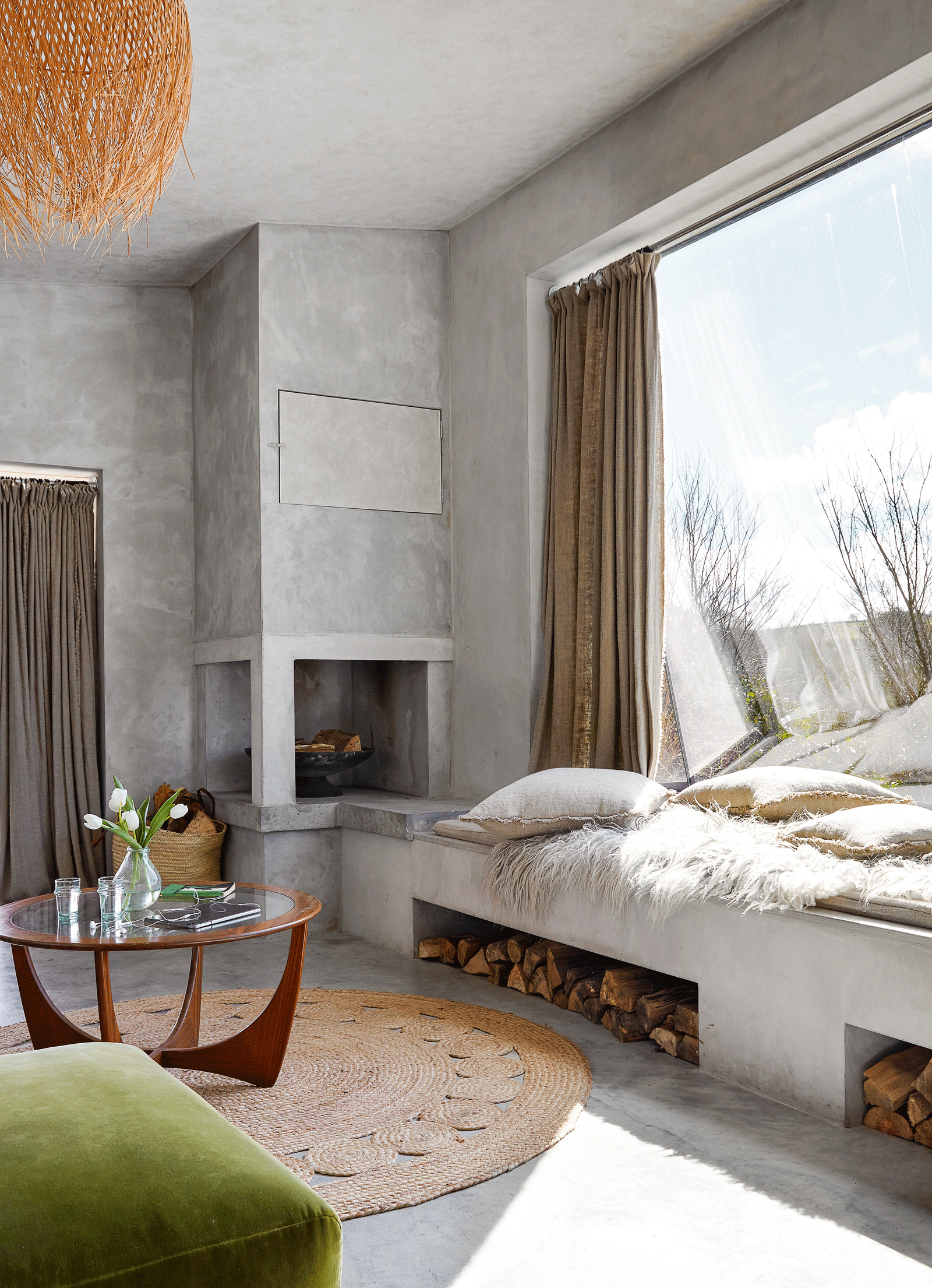
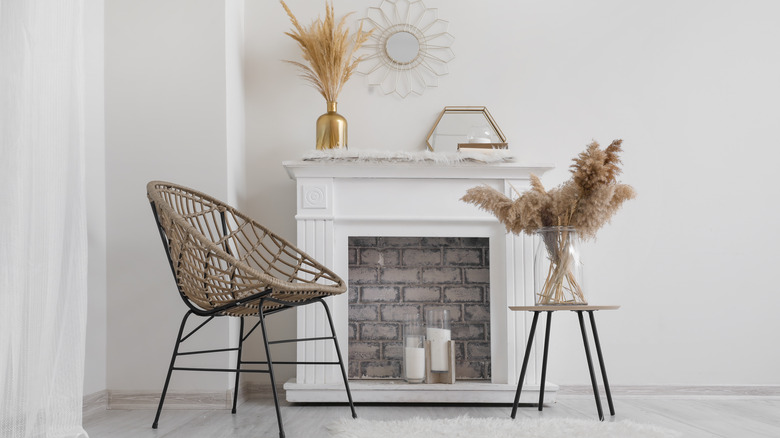
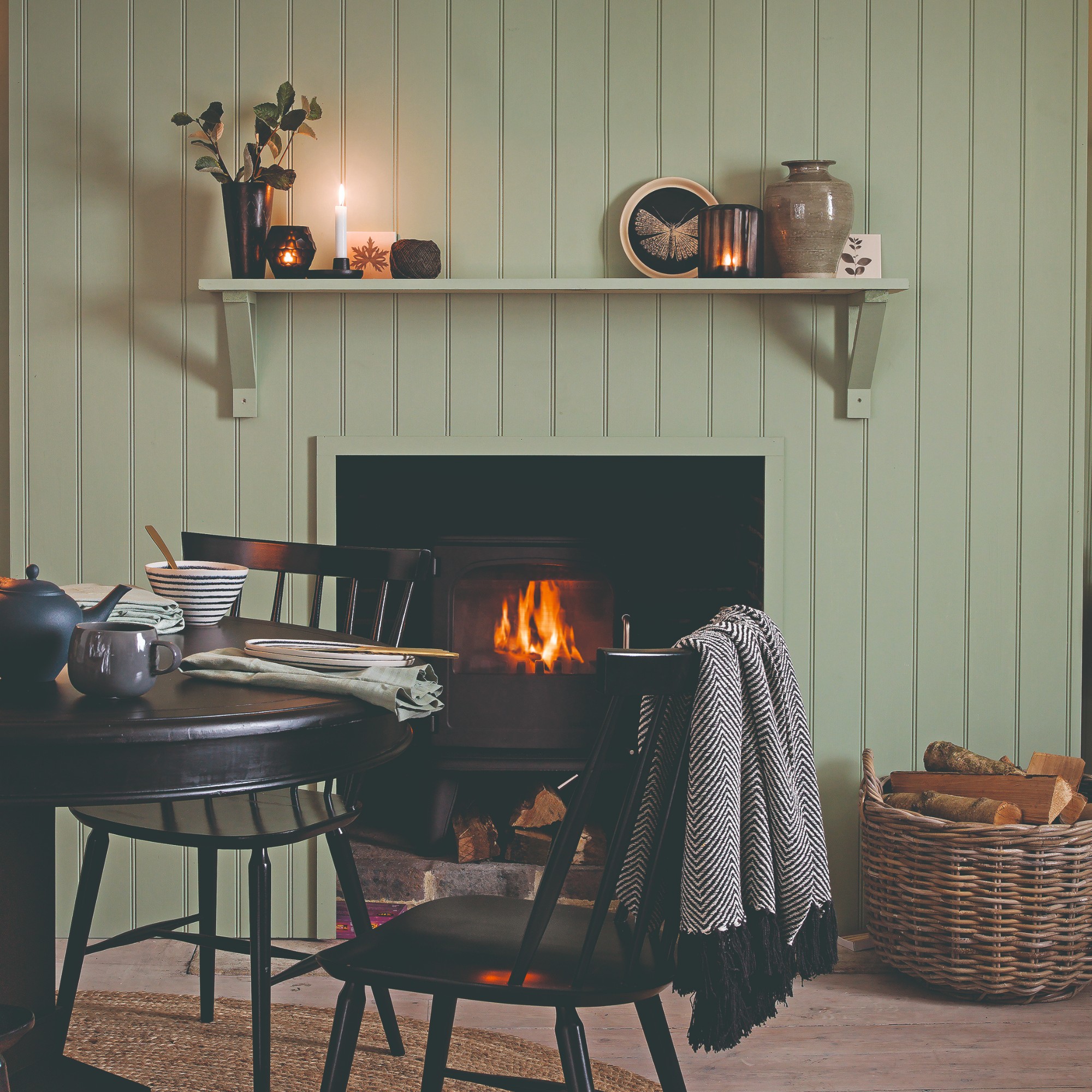
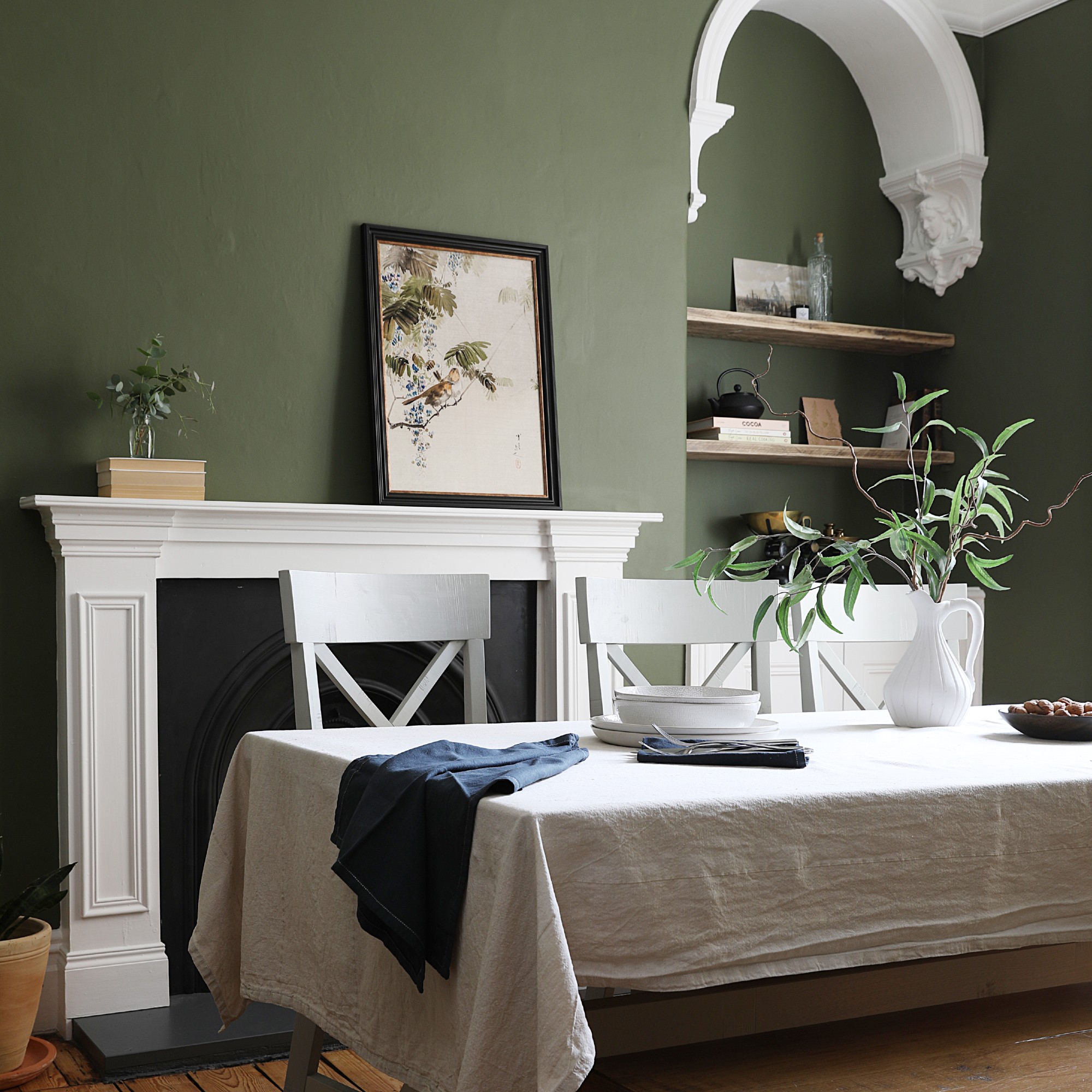
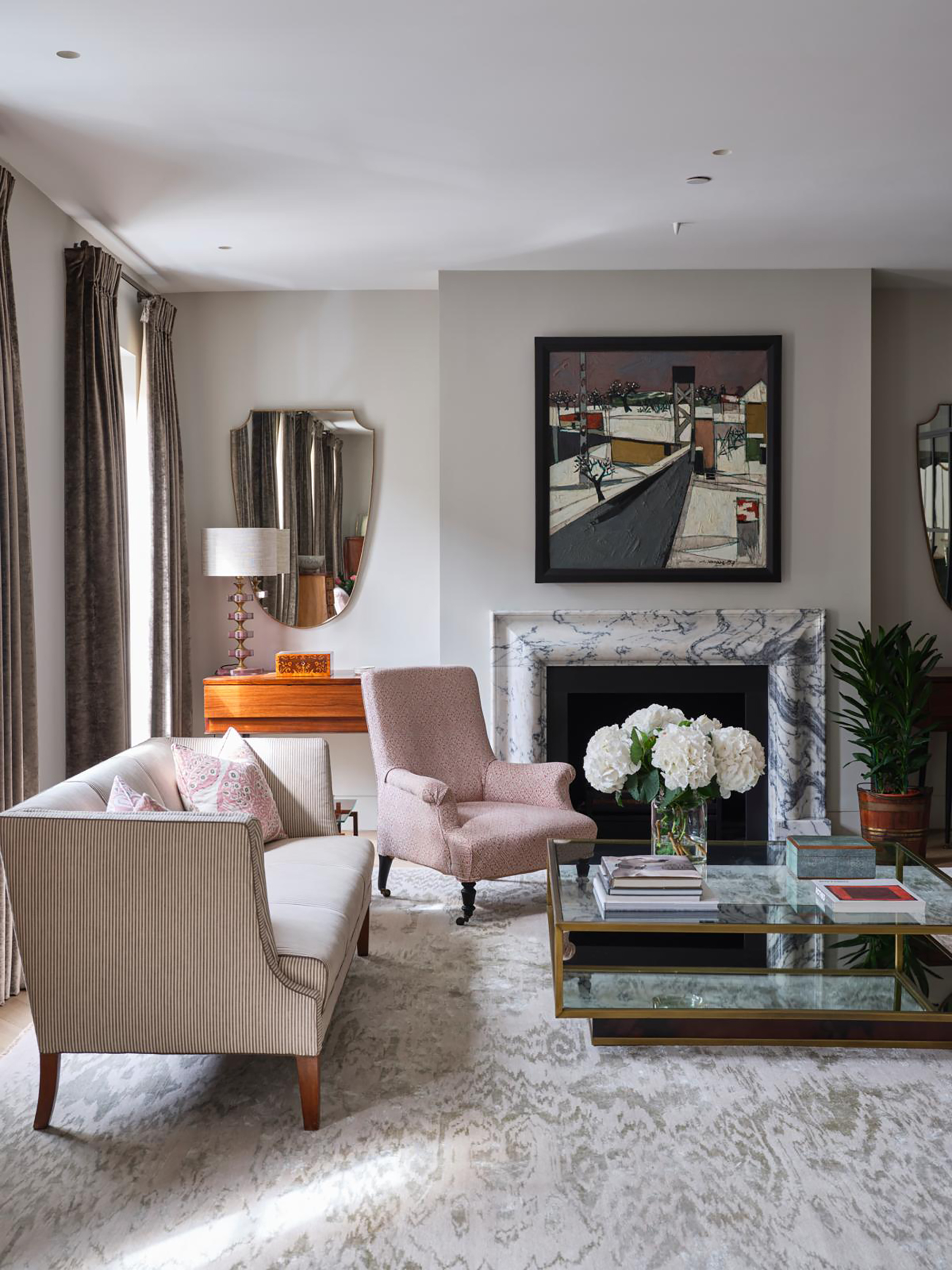
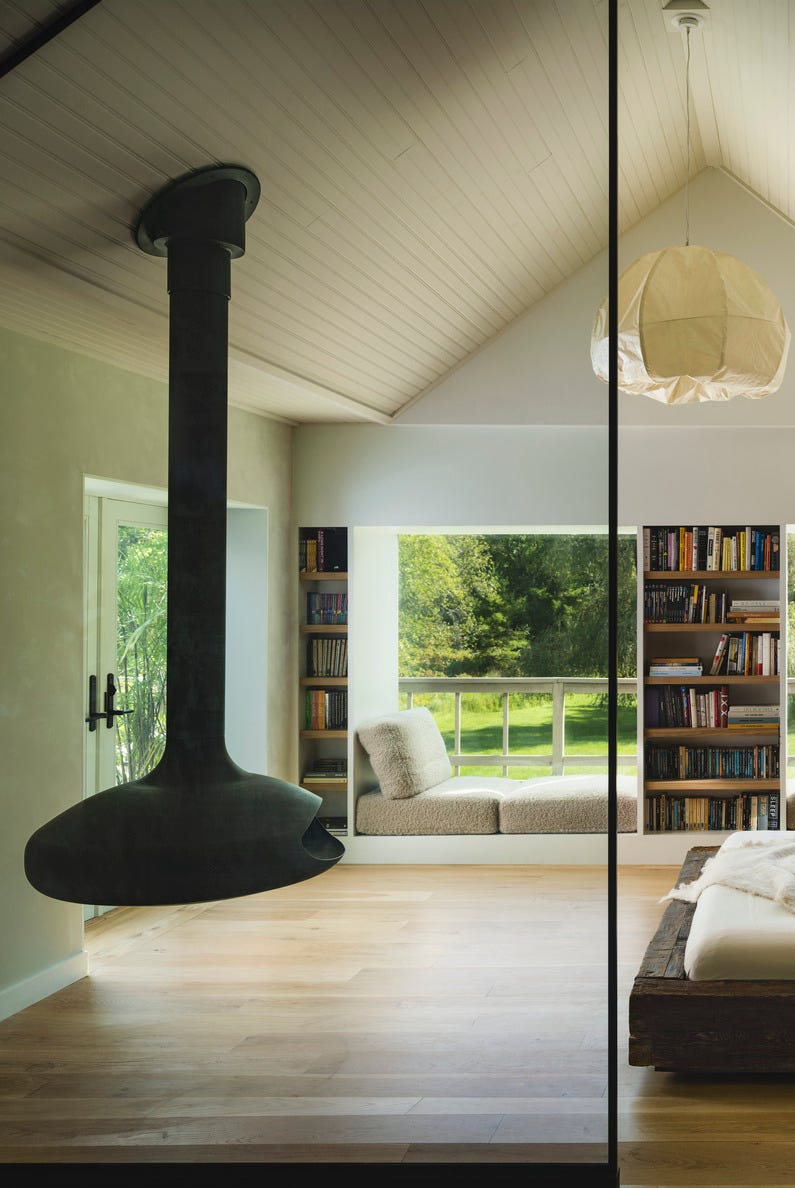
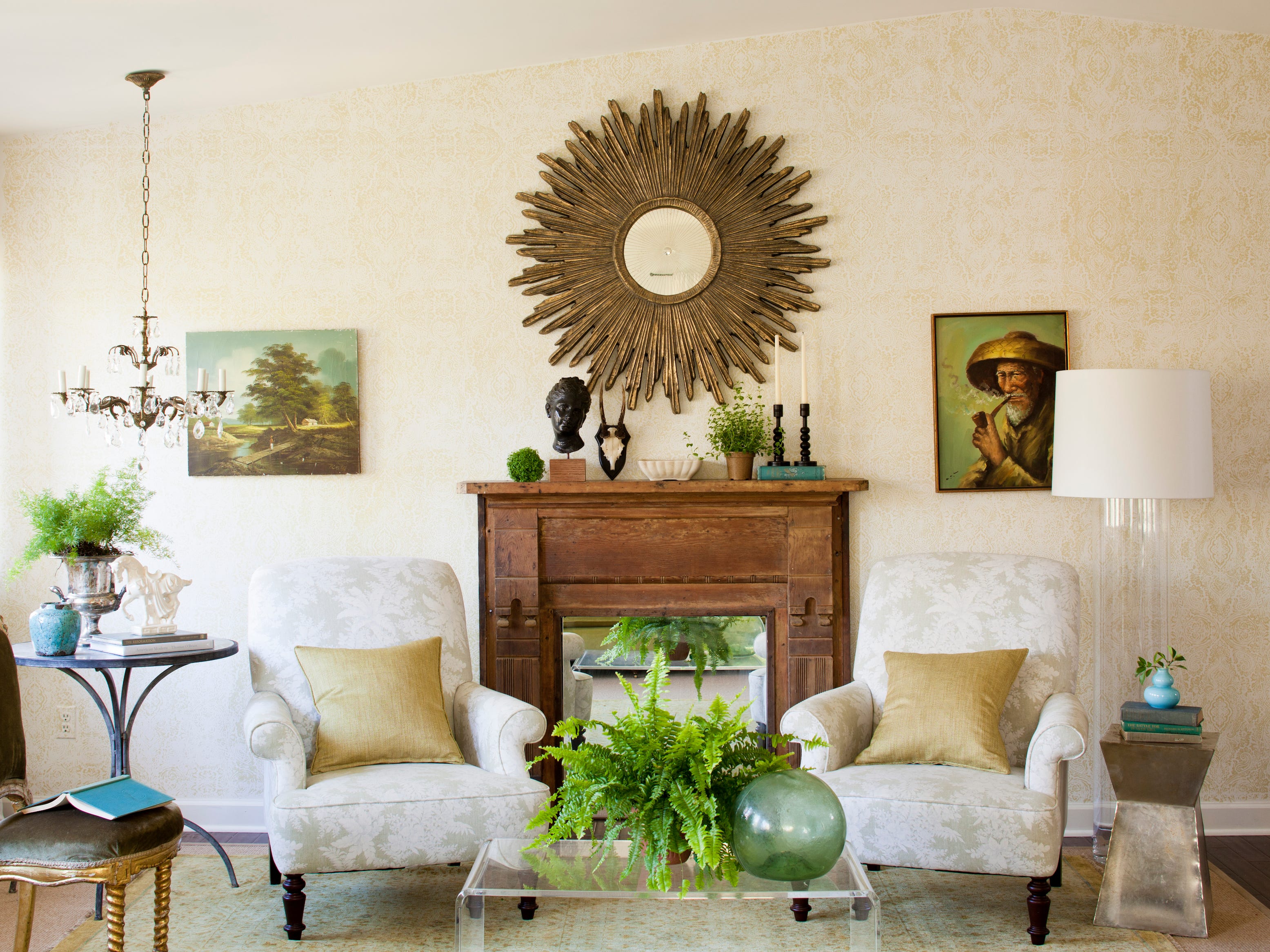
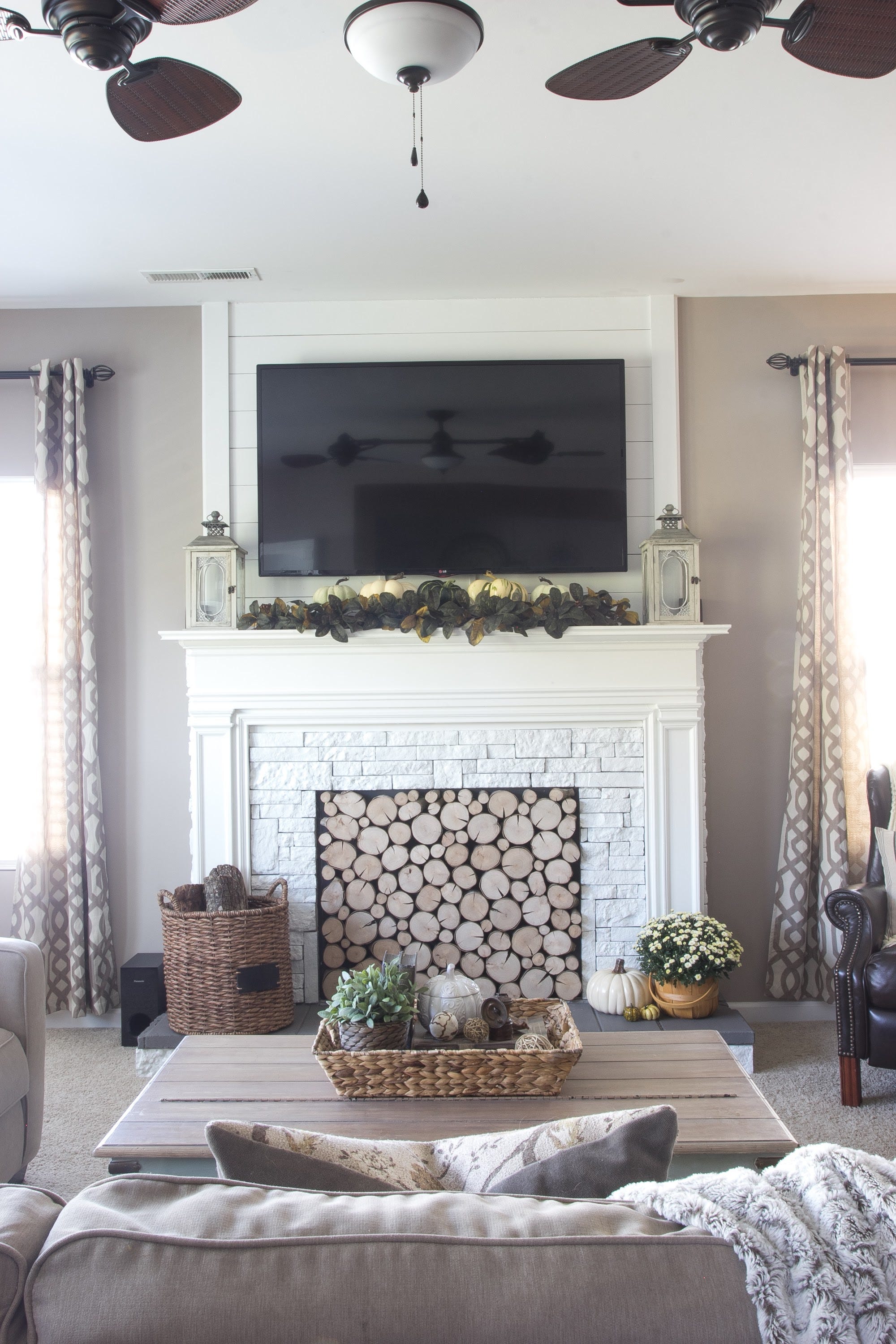
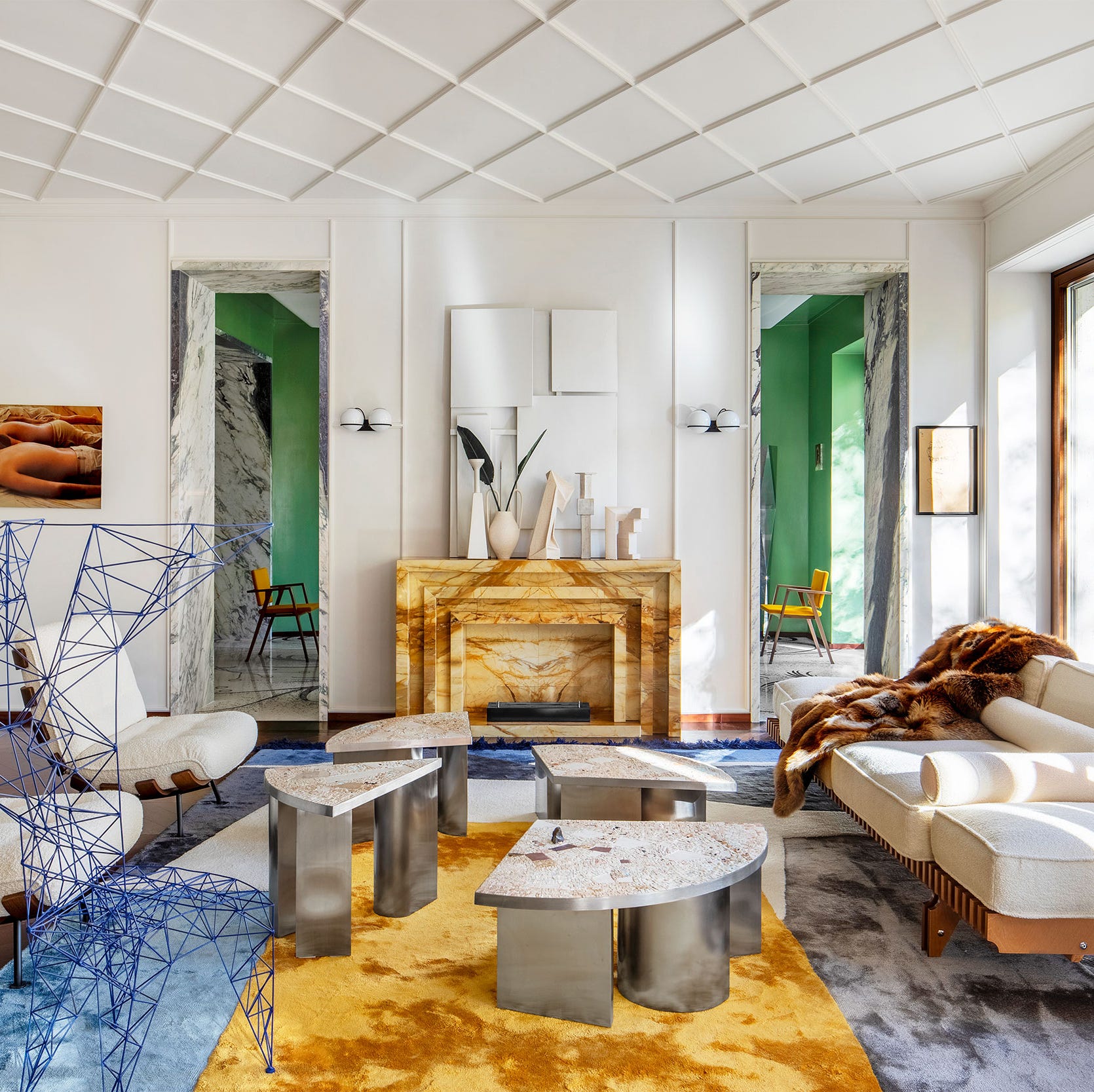
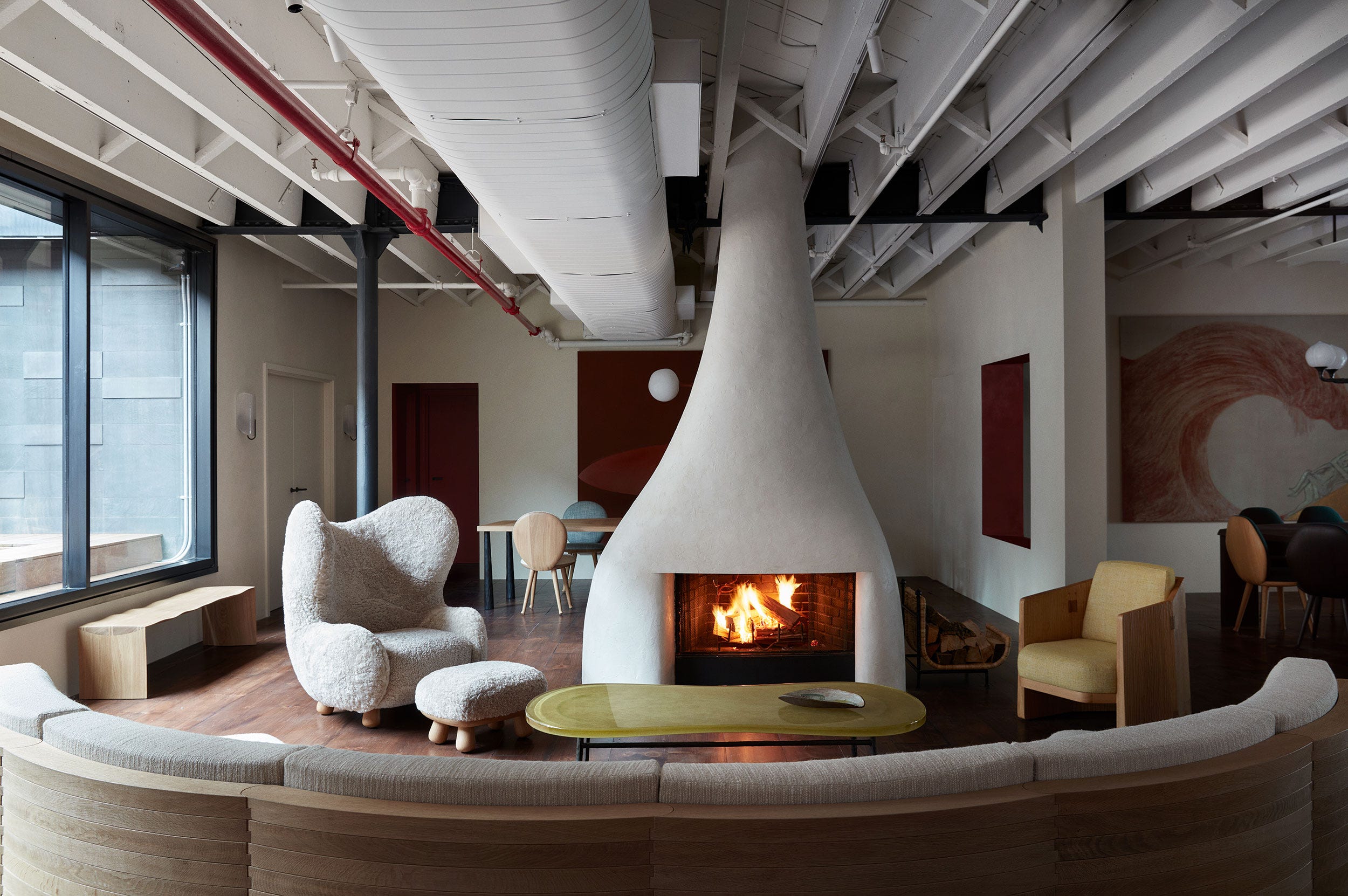
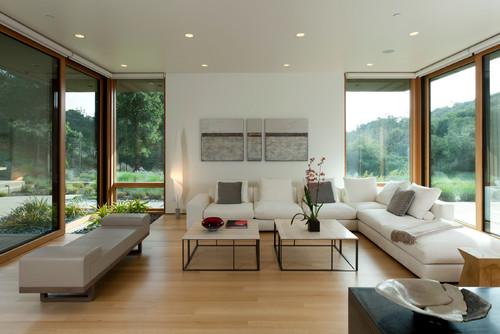
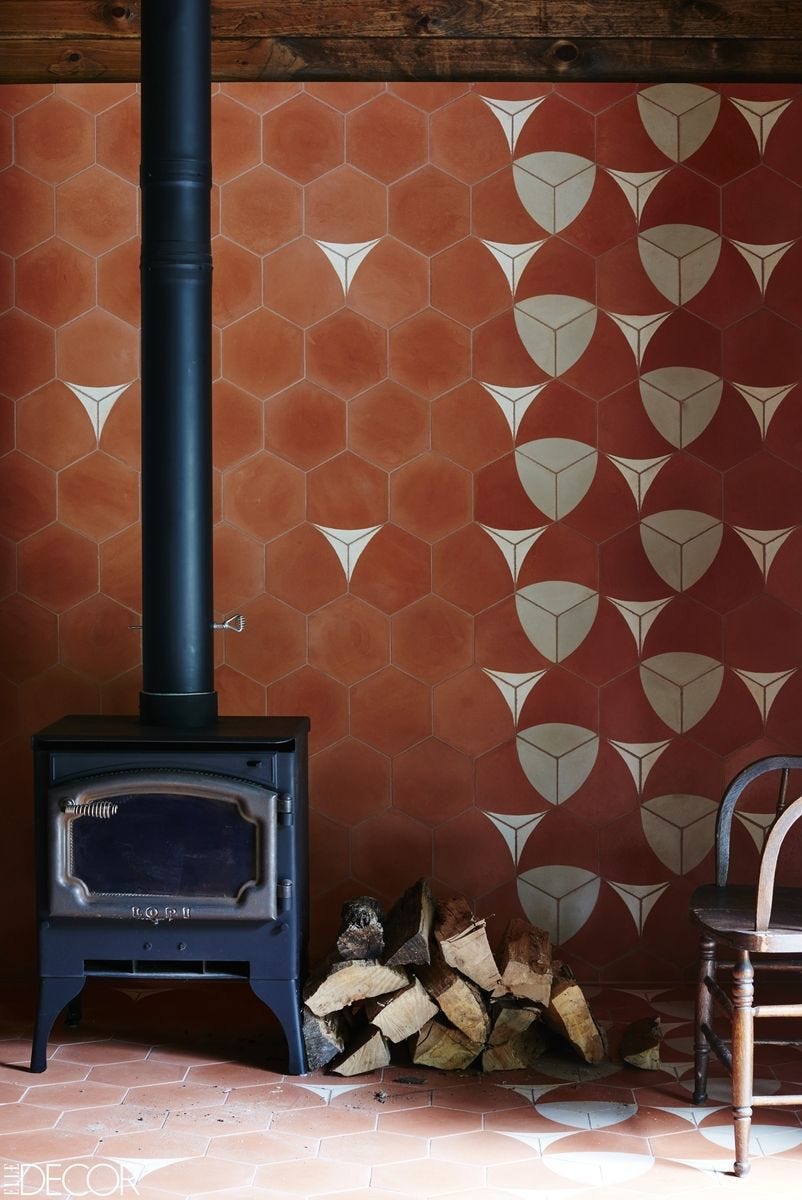
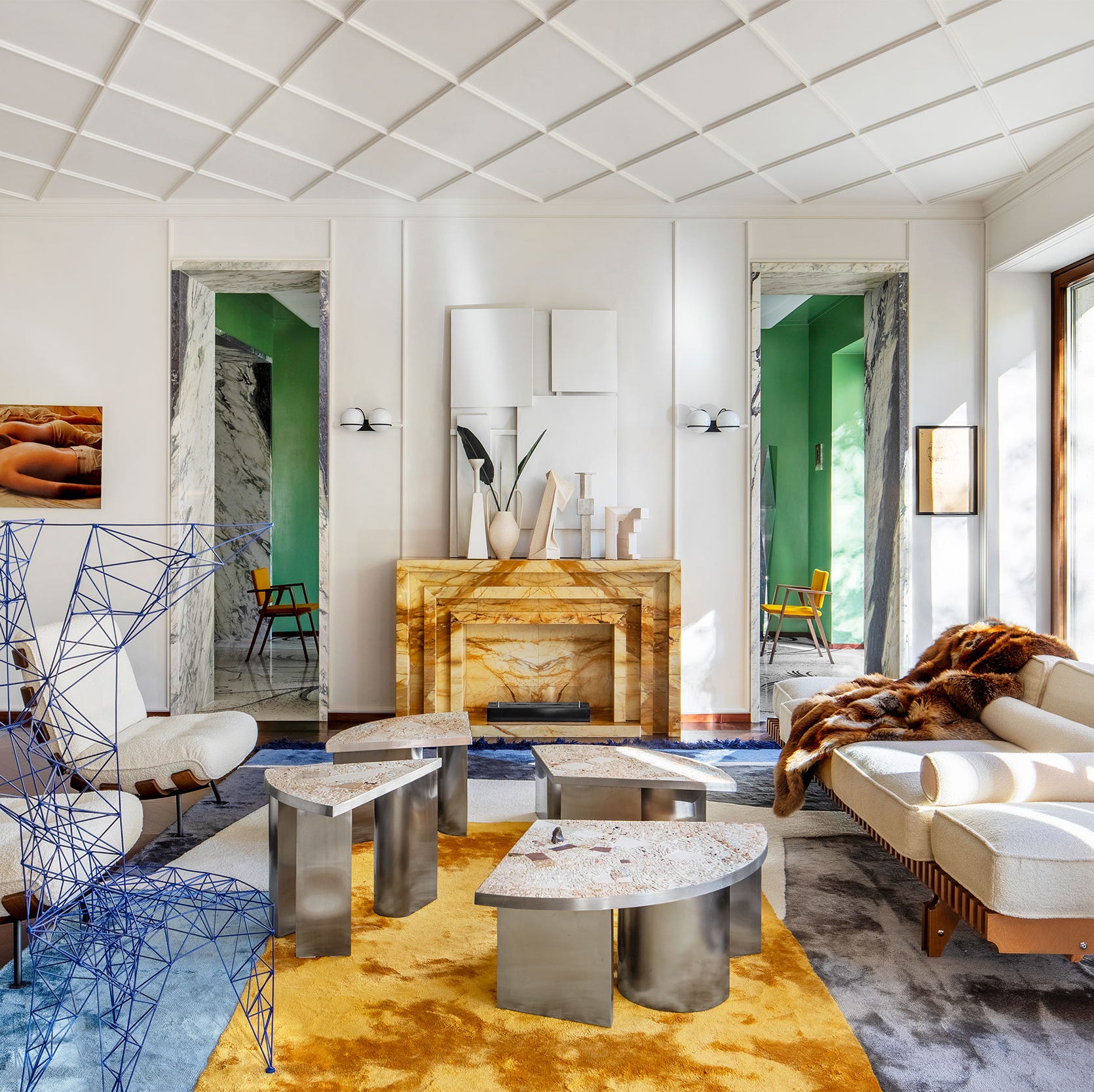
Maintaining color consistency between the hearth and surround can significantly impact a room's perceived dimensions. Matching colors, even with different materials, can make a space feel larger and more cohesive. Decorating the mantelpiece with items like vases and mirrors can further balance the look. For modern homes, flexible designs like free-standing stoves offer versatility, allowing for options such as traditional hearths or mounting on benches, often with integrated log storage or exposed flues. This flexibility enables complete transformation of the space.
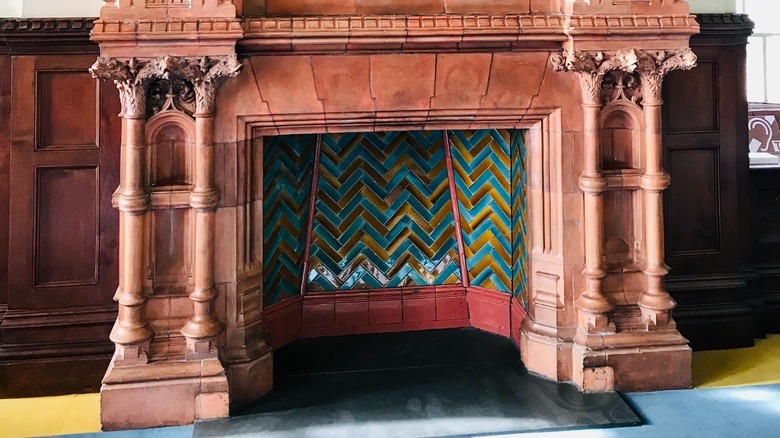
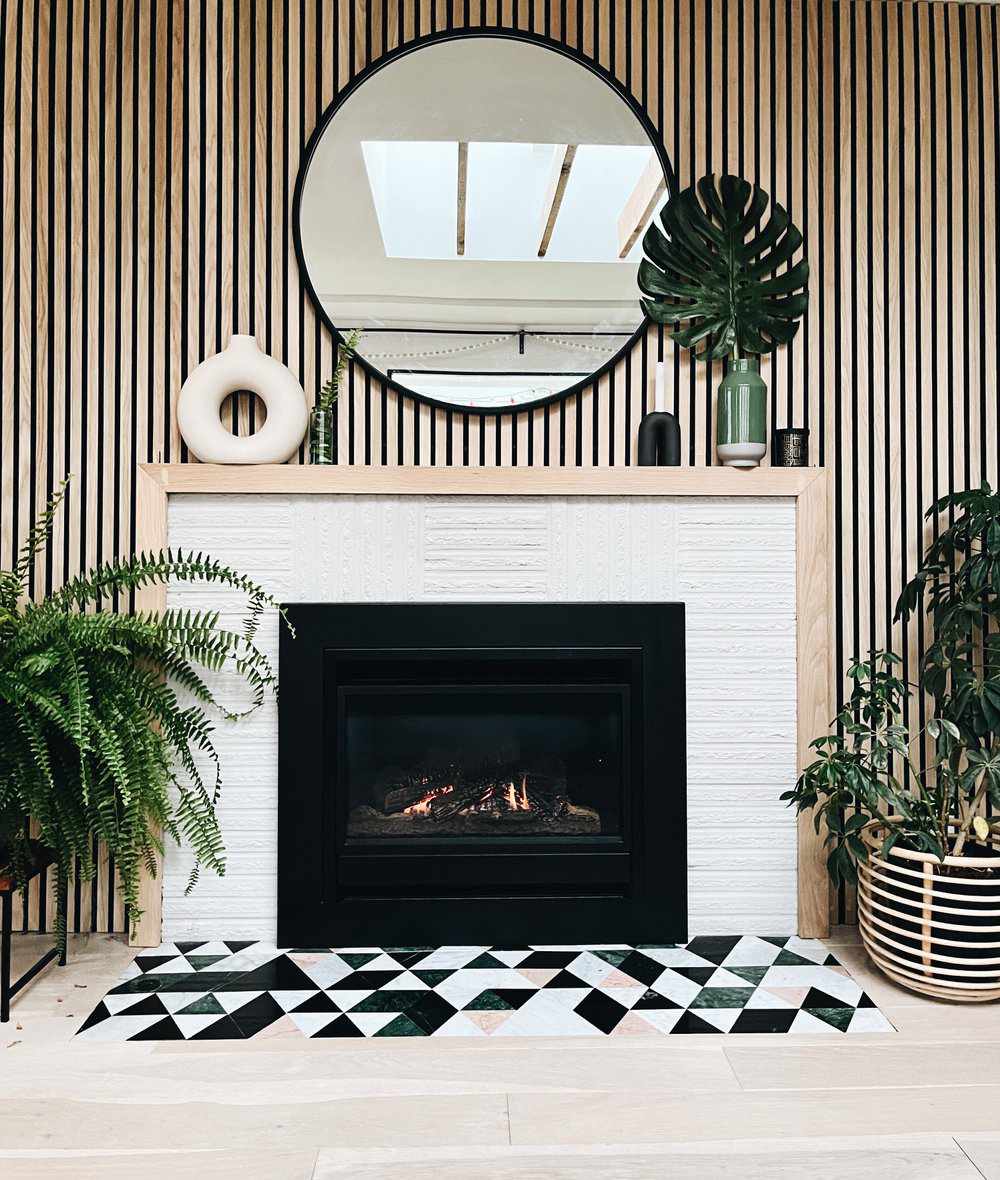
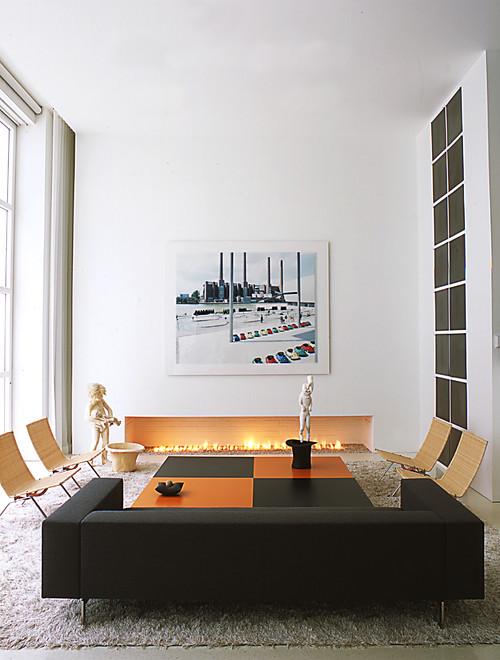
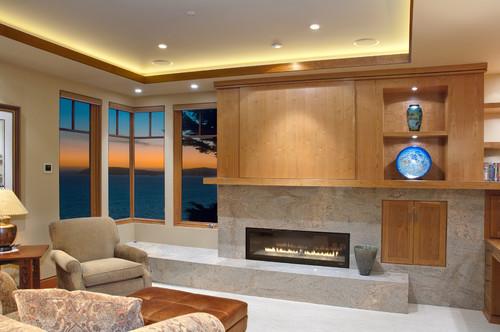
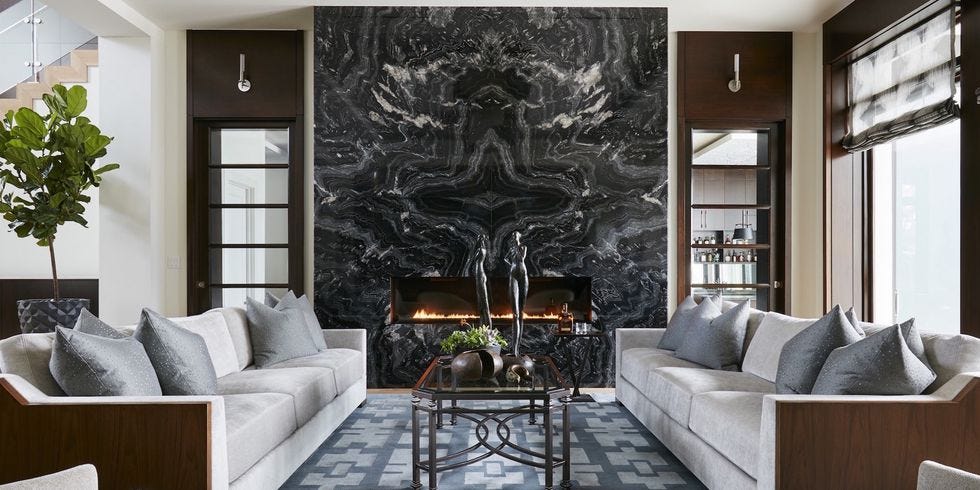
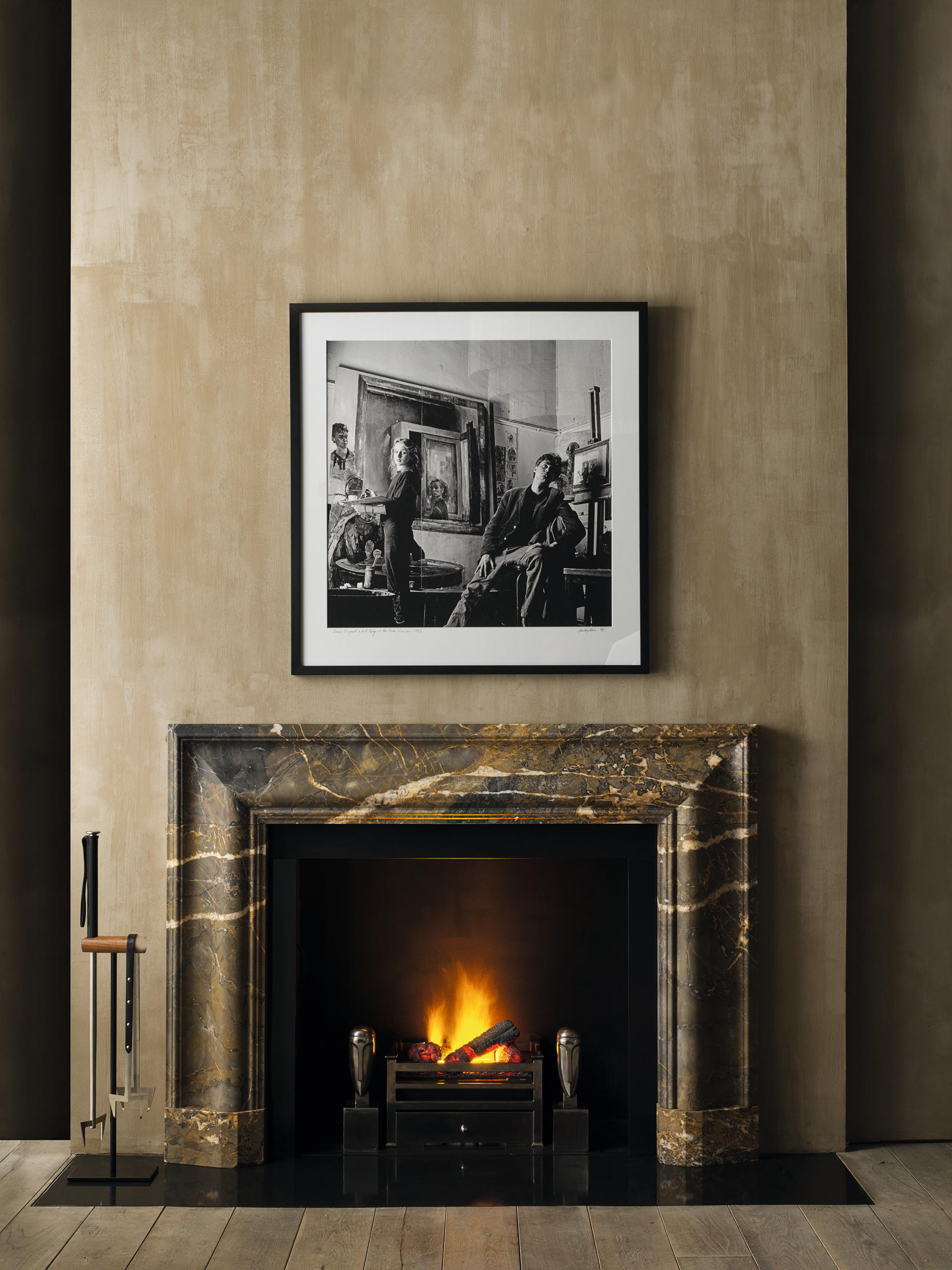
Flush hearths are a practical choice for smaller rooms, preventing the fireplace from protruding too much and improving spatial flow. This design also requires less material, making it a more budget-friendly option. For a bold look, dark materials like granite or slate can be used for hearths. Granite is durable and scratch-resistant, suitable for solid-fuel fires, but needs to be "slabbed" to accommodate expansion from heat. Slate offers a deep matte grey tone or a glossy black finish when polished. Patterned tiles are another popular choice for adding character and fun, whether in vintage or contemporary settings. Designers often pick out tile shades to create cohesion throughout the room, using neutral fireplace surrounds to highlight the subtle pattern. For DIY enthusiasts, peel-and-stick tiles offer a temporary, cost-effective solution, though they are generally not suitable for hot surfaces.
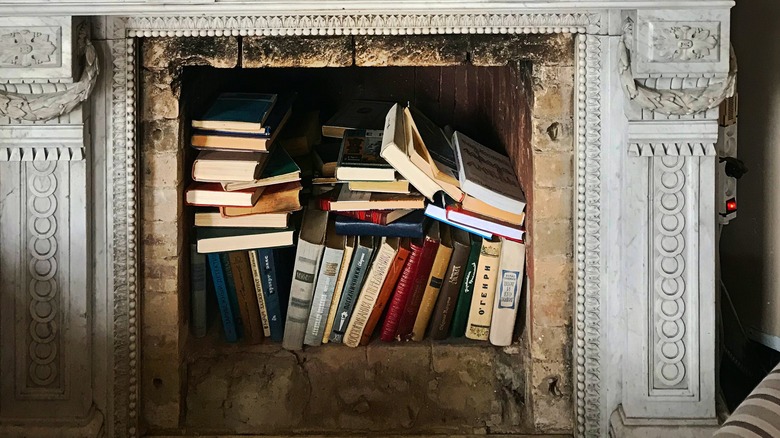
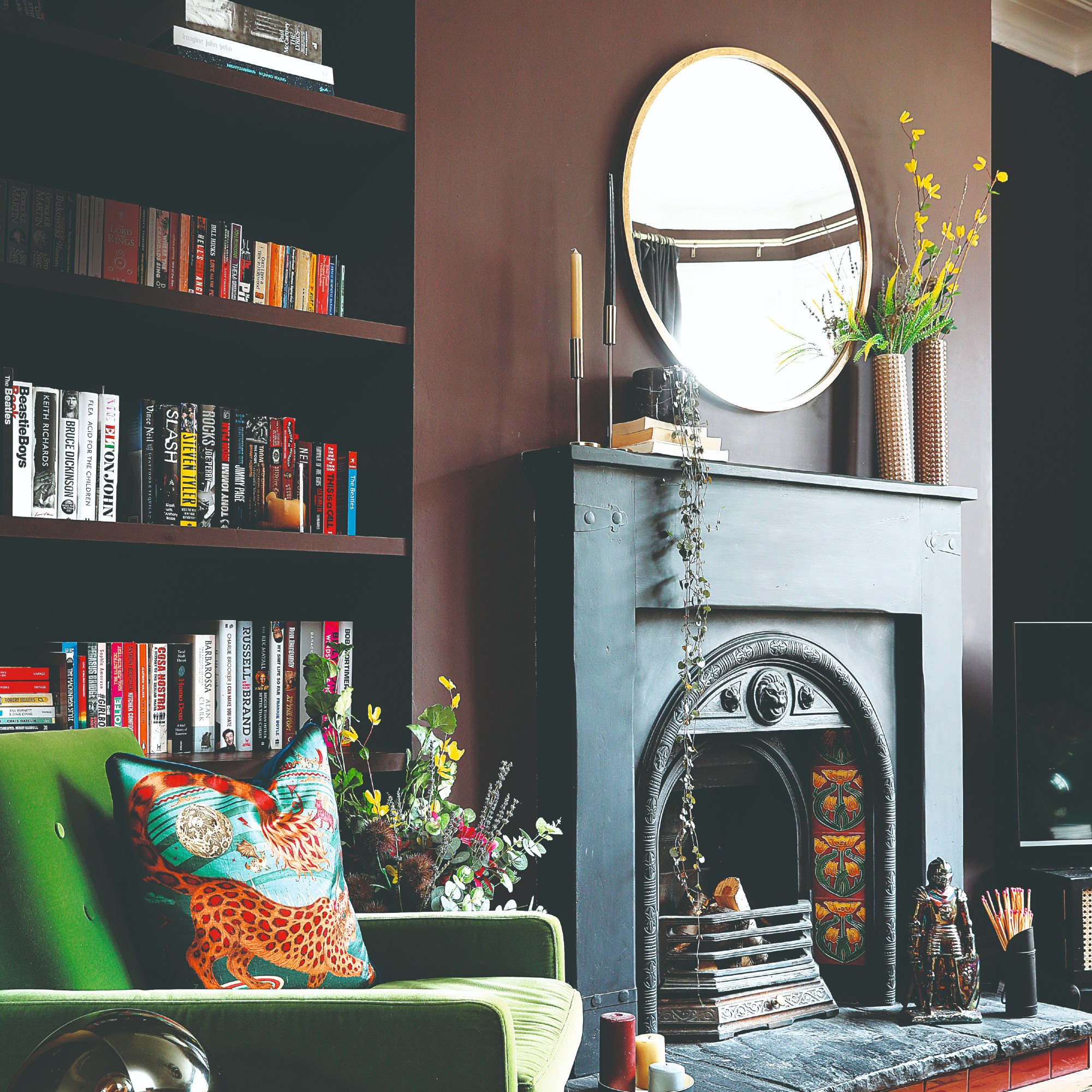
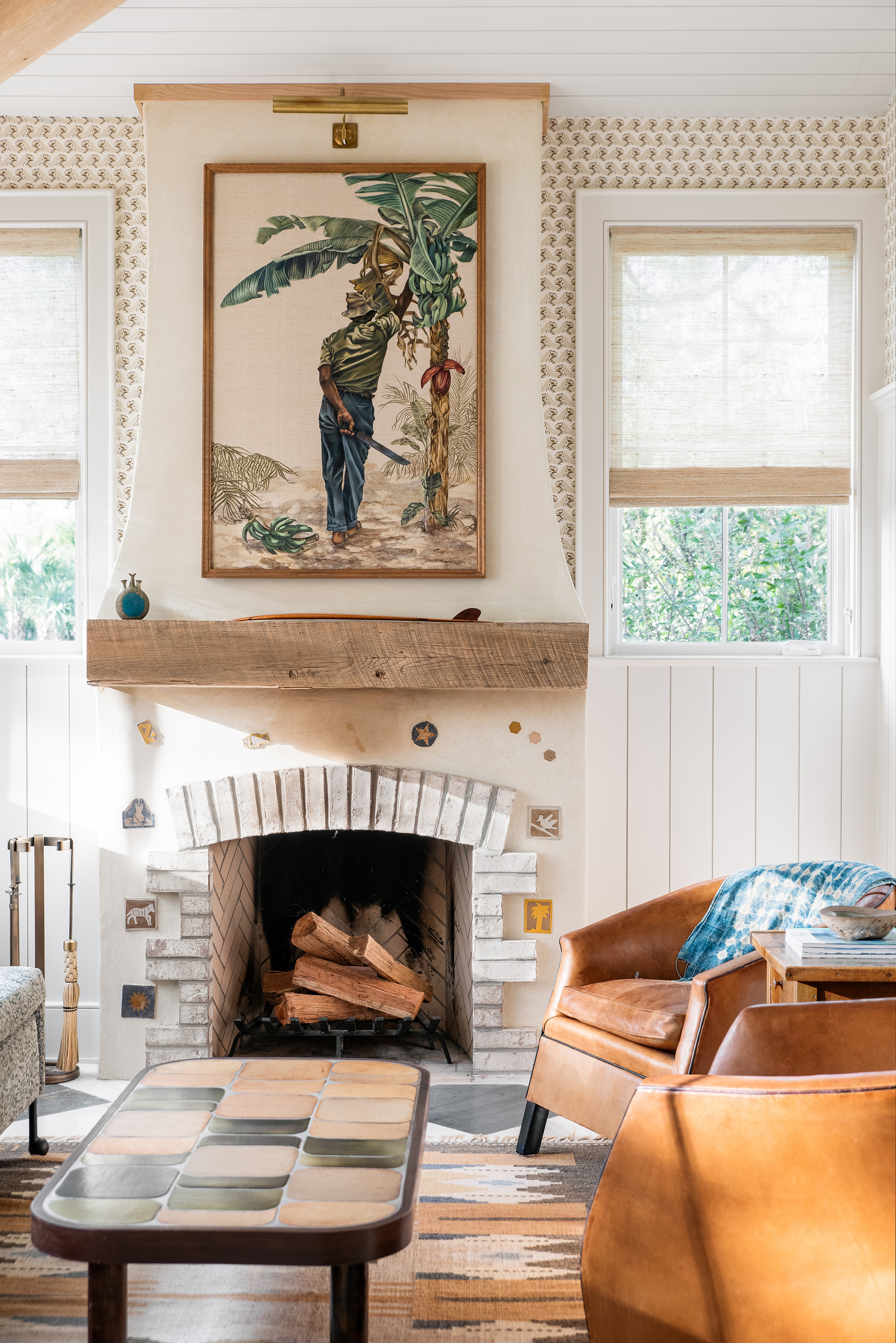
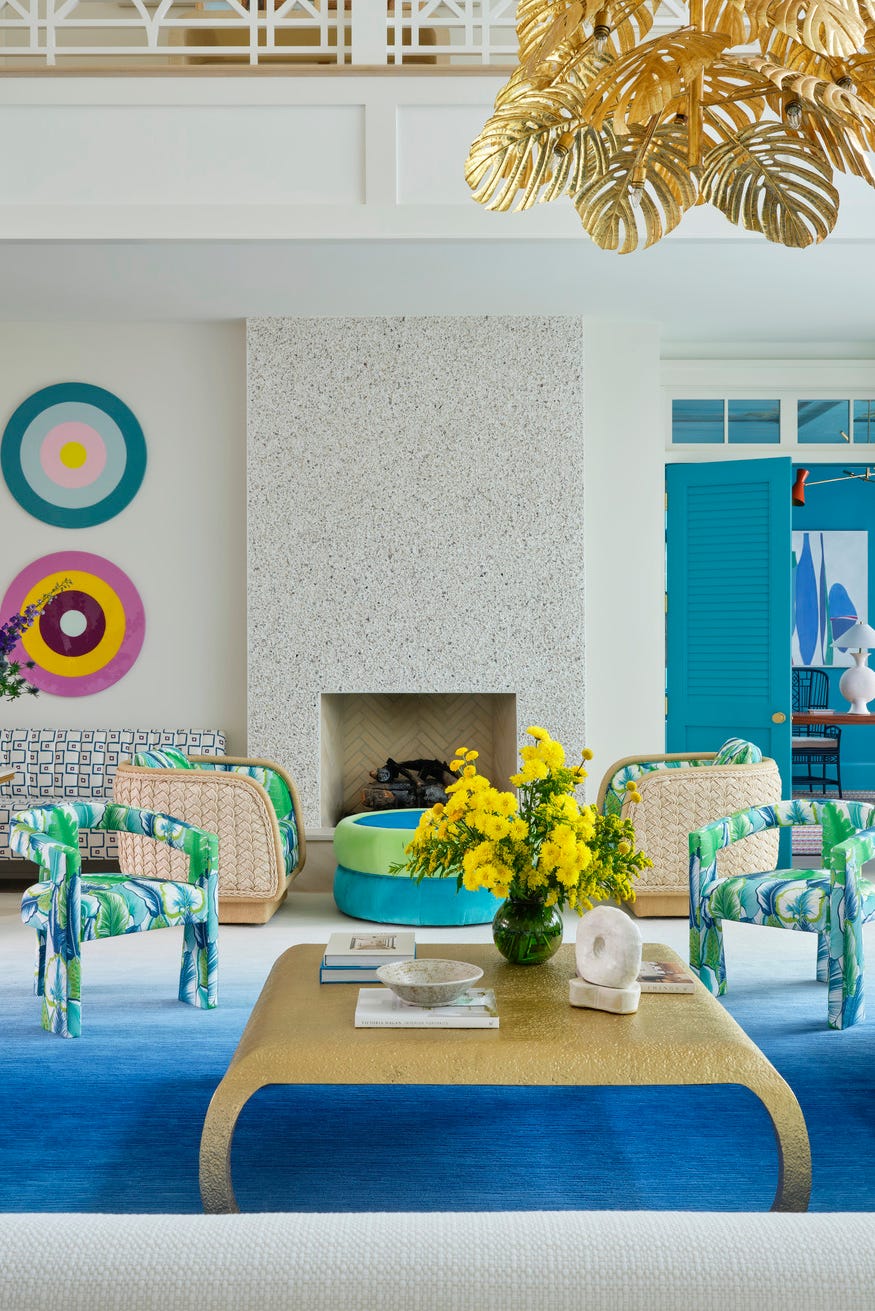
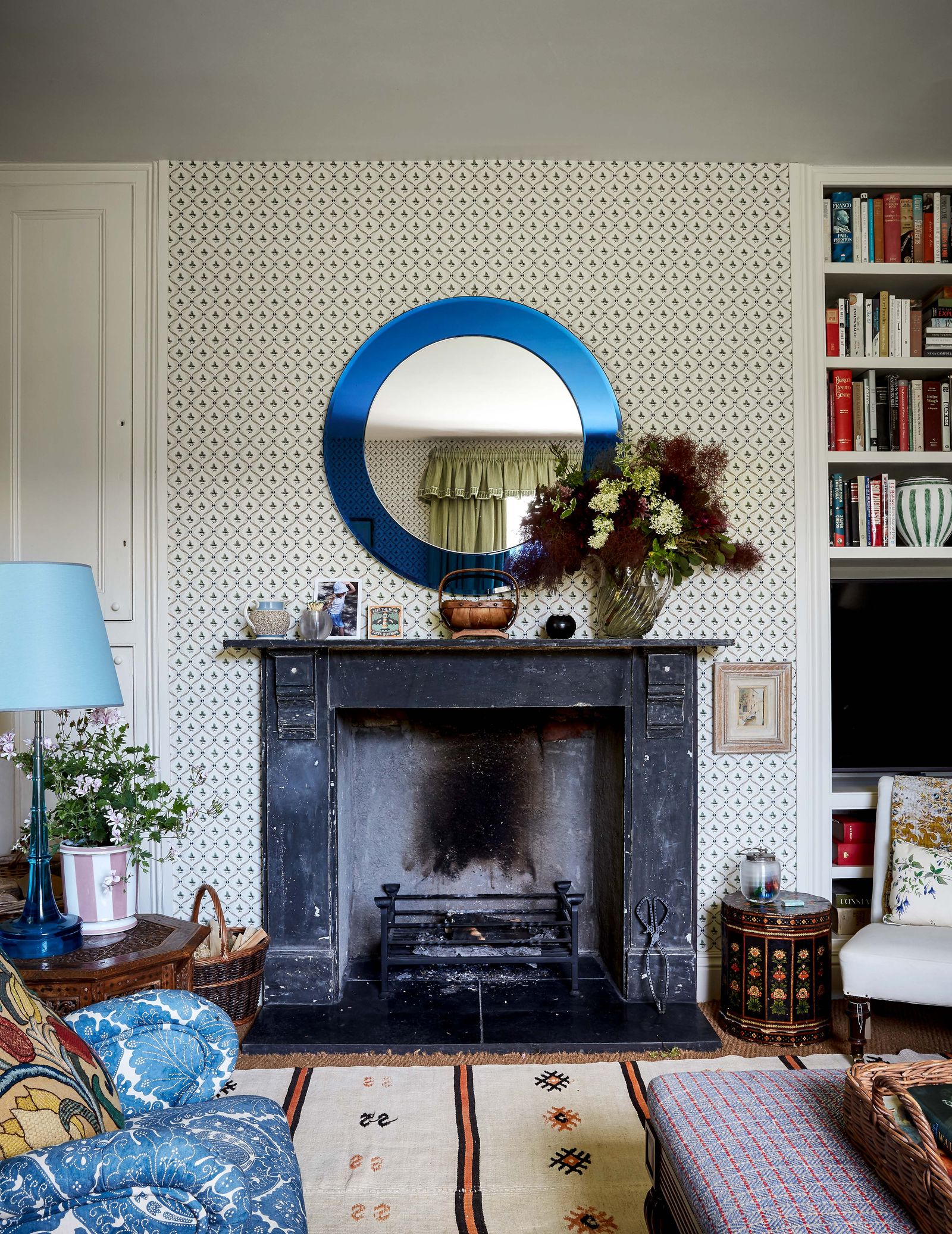
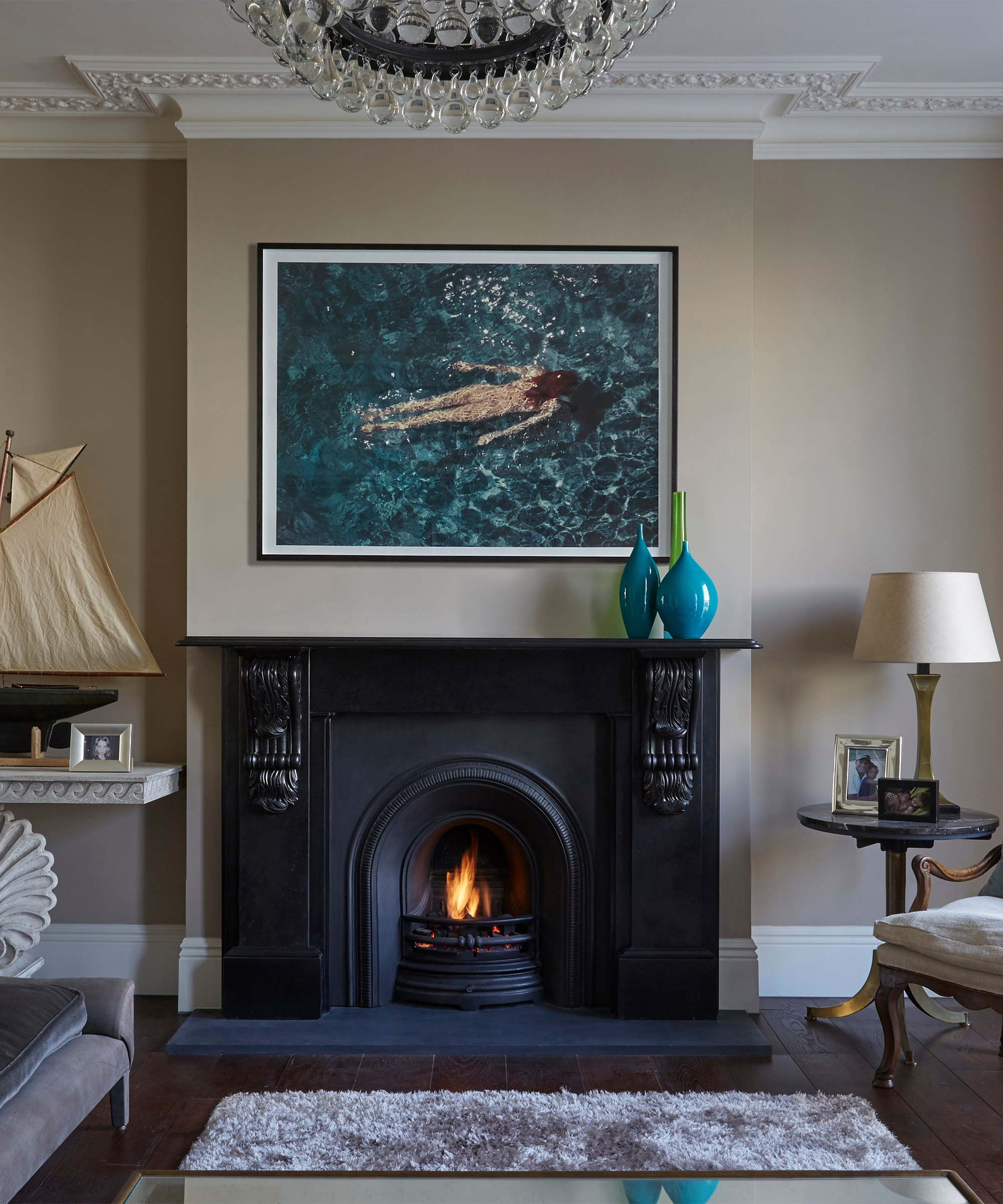
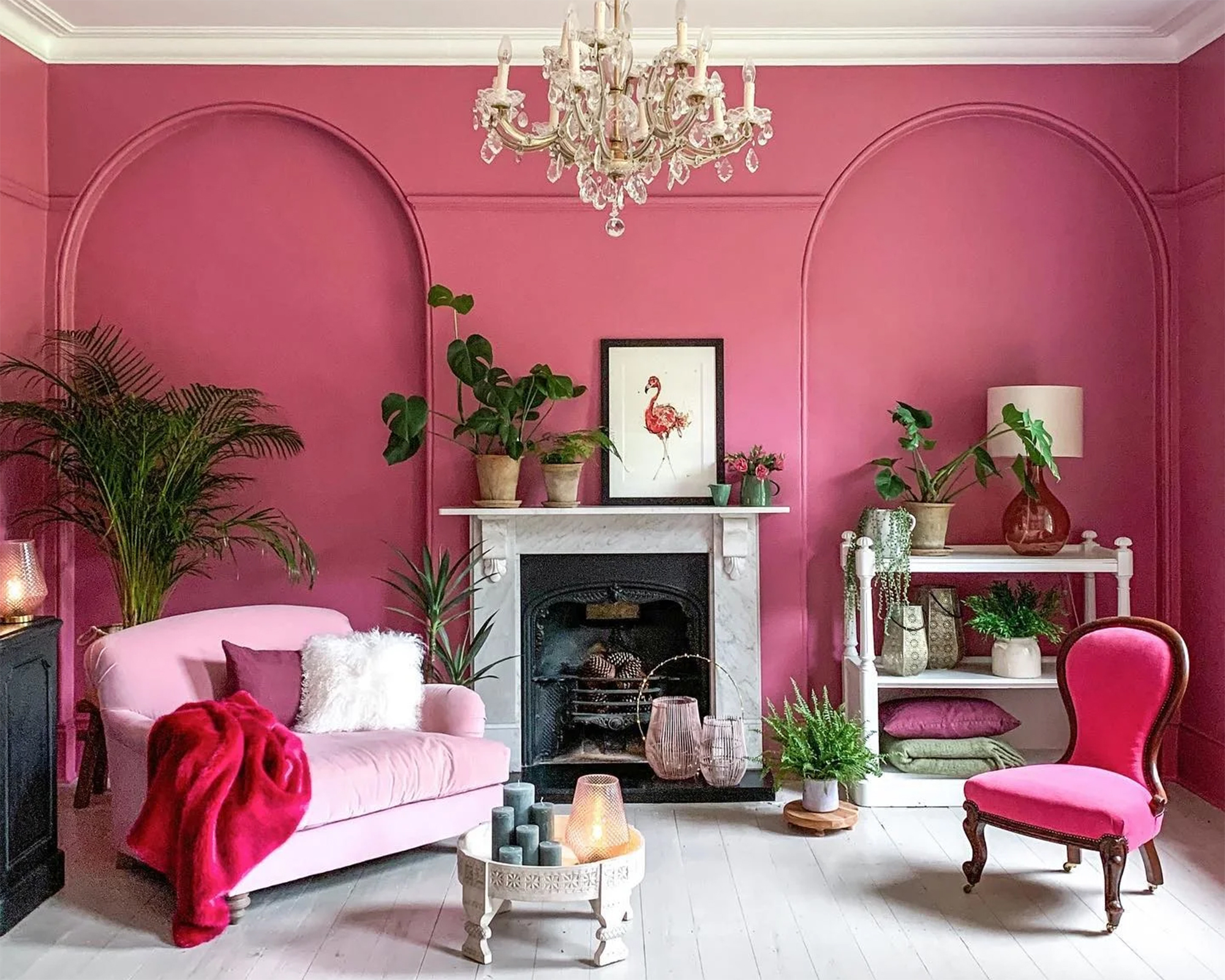
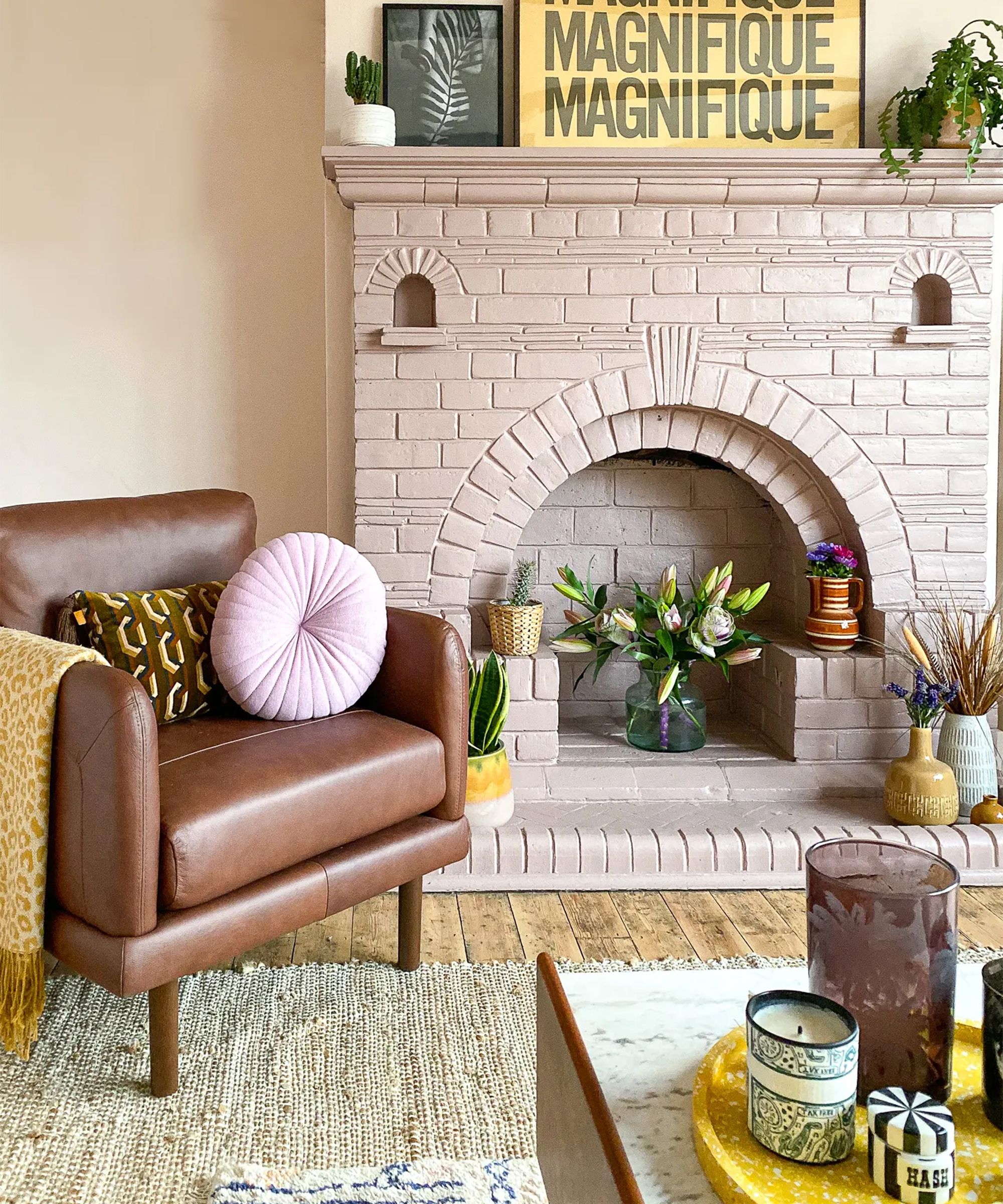
Incorporating houseplants can bring life to a hearth, with forgiving varieties like Snake Plants, ZZ plants, and Pothos suitable for lower light and less frequent watering. Brick hearths, known for being stylish, affordable, and heat-resistant, can be modernized with a fresh coat of paint. Bold colors or glossy finishes can create a contemporary statement. For authentic renovations, preserving original fireplace features while making subtle updates, such as painting a plaster mantel an off-white to mimic stone and selecting a dark bluestone for the hearth, can maintain historical integrity while providing a fresh look. Personal touches, such as hand-painted tiles, can add unique character. Finally, playing with texture, even within a monochromatic scheme, by combining different stone finishes for the hearth and surround, can add depth and interest to the fireplace design. Practicality and local building codes should always guide material and height choices for hearths, ensuring safety and functionality.
#FireplaceHearth #HomeDesign #InteriorDesign #LivingRoomIdeas #HearthMaterials #ModernFireplace #TraditionalFireplace #DIYHomeDecor #HomeRenovation #FireplaceHearth #HomeDesign #InteriorDesign #LivingRoomIdeas #HearthMaterials #ModernFireplace #TraditionalFireplace #DIYHomeDecor #HomeRenovation
0 comment in total
 No comments yet
You may also like
12 Ways to Make Built-Ins Around a Fireplace Feel Beautiful, Bespoke, and Balanced

Fireplace Ideas and Installation

12 Ideas For Decorating A Nonworking Fireplace

50 Gorgeous Fireplace Ideas for a Cozy, Refined Space

Fireplace Ideas — 19 Elegant Ways to Design a Striking Surround
Fireplace ideas – 18 fabulous ways with fireplace design

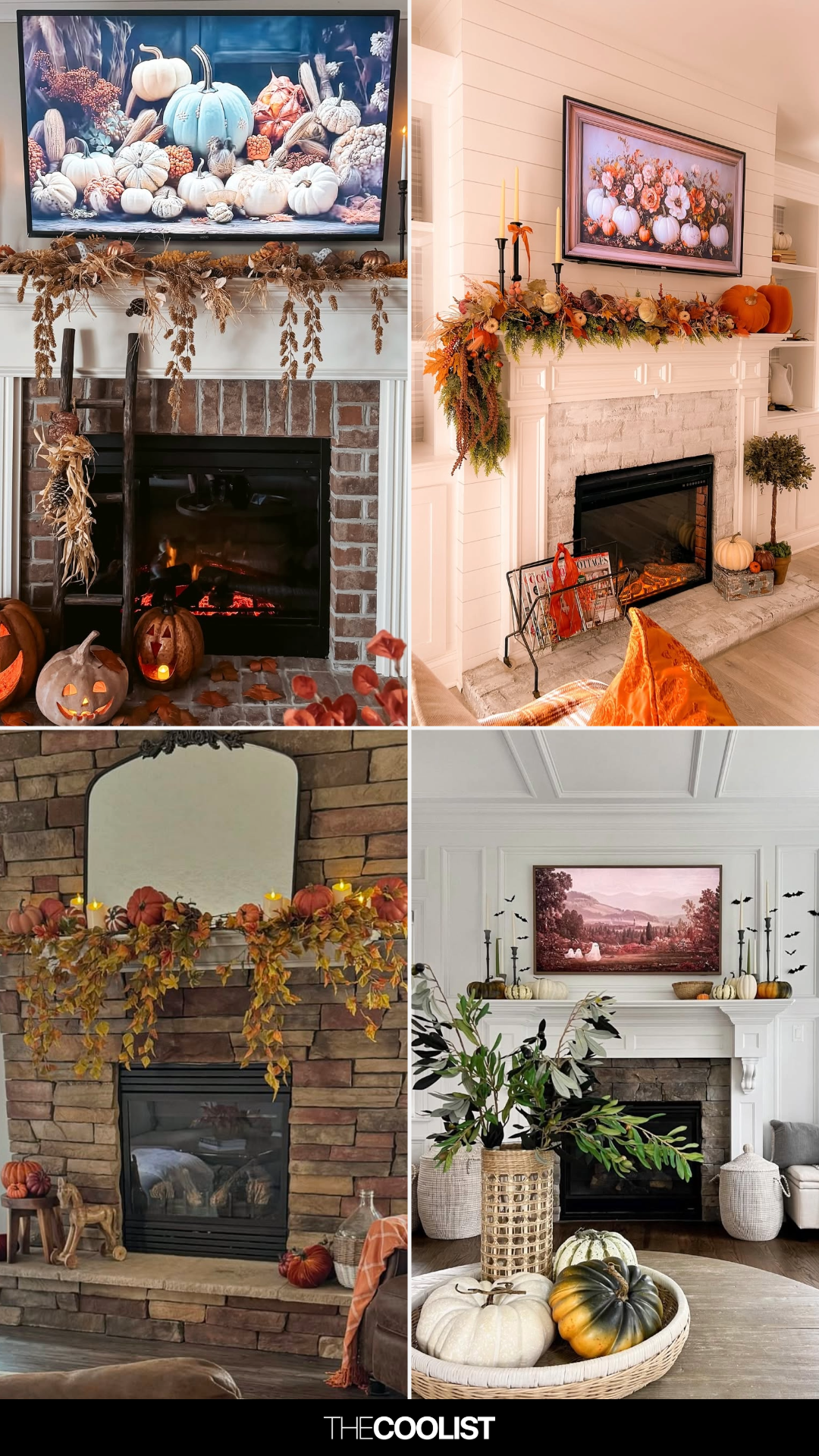
32 Cleverly Genius Fall Fireplace Decor Ideas That Make the Hearth the Soul of the Home
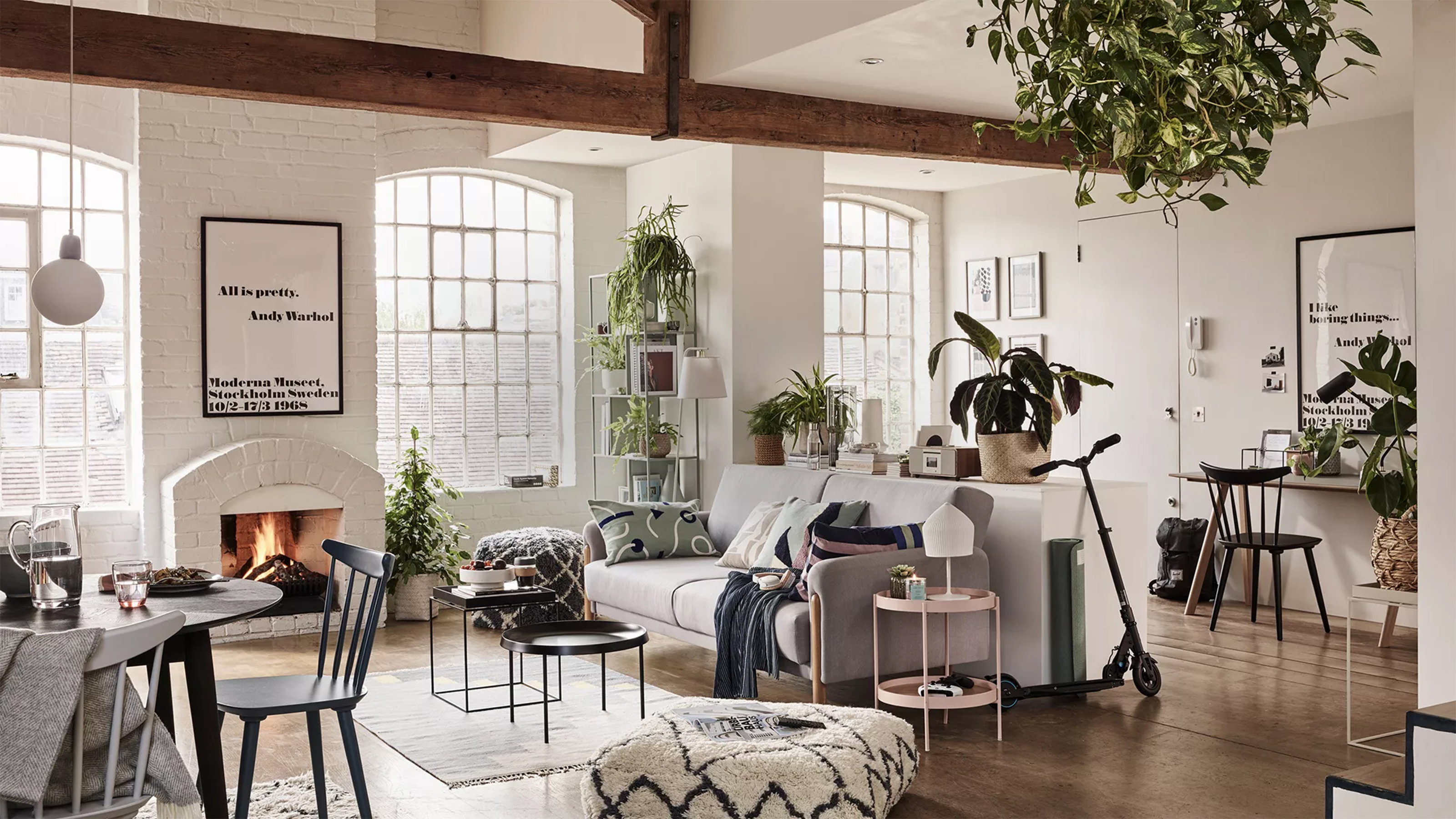
29 fireplace ideas to give your home all the cozy vibes
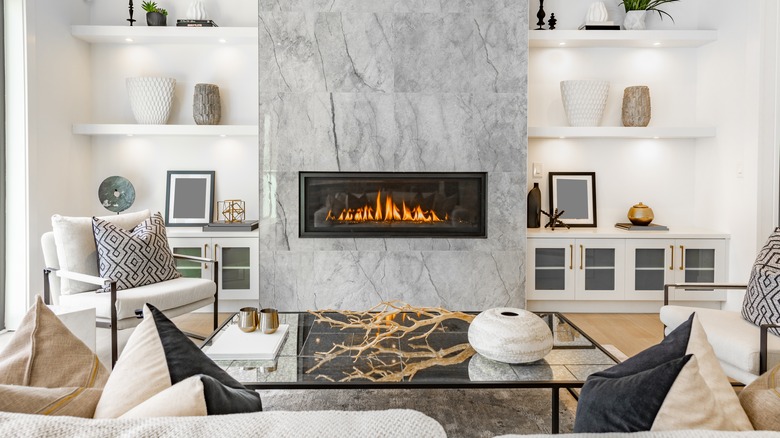
How To Decorate A Fireplace Hearth
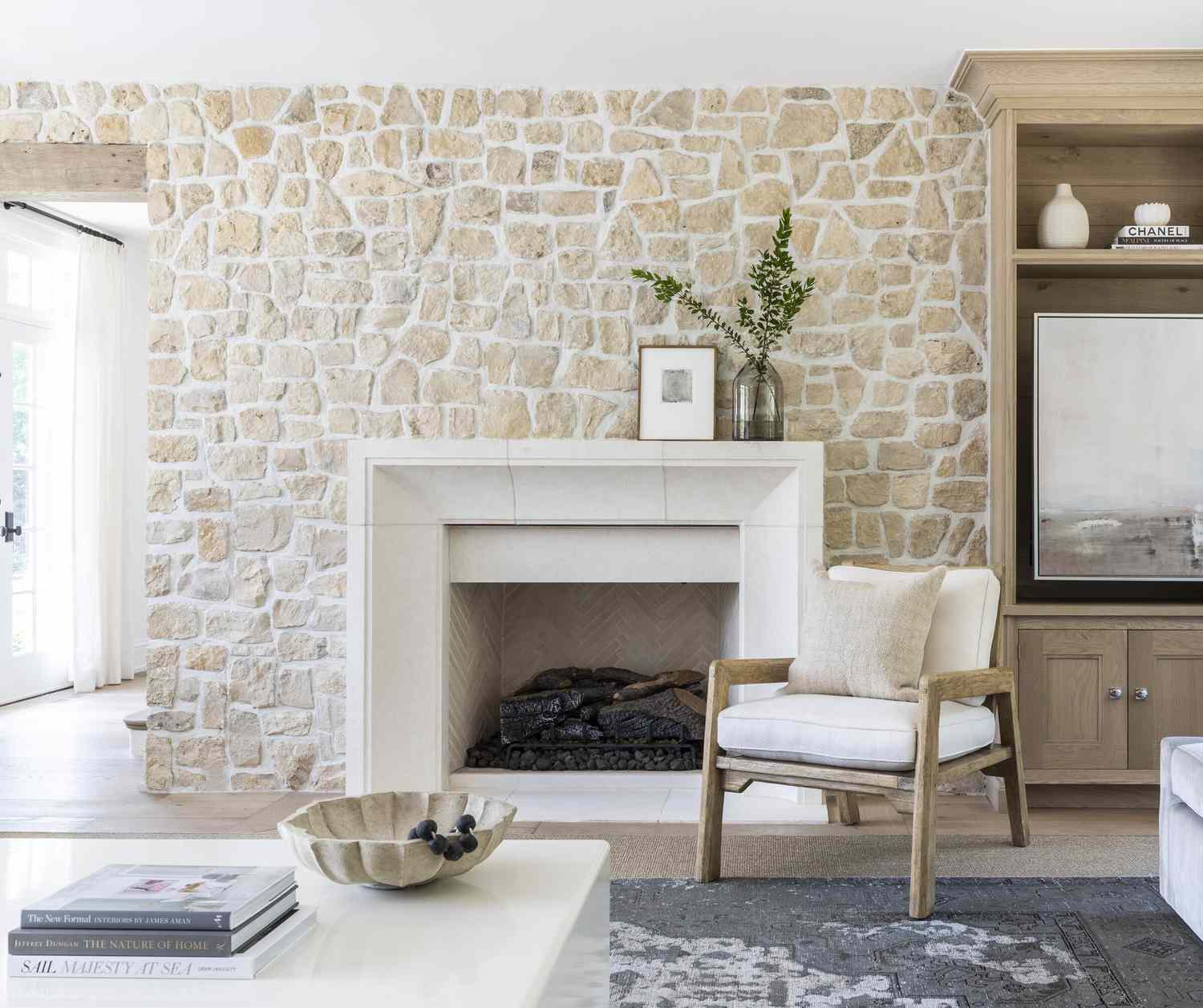
19 Fireplace Accent Wall Ideas to Enhance Everyone's Favorite Focal Point

70 Fireplace Ideas to Bring the Coziest Vibes to Your Space
The art of hearth: Beautiful ideas to rejuvenate your fireplace, from £1,250 to £22,000
13 Fireplace Tile Ideas That Will Make Your Hearth the Star of the Room
Designer-Approved Ways to Make Your Fireplace the Centerpiece of Your Home

8 Fireplaces That Catch the Eye

77 Fireplace Ideas to Bring a Much-Needed Spark to Your Space
Fireplace ideas – 43 ways to turn your mantel and hearth into a showstopping feature
Elegant fireplace ideas for homes old and new
24 Elegant And Cozy Fireplaces To Help You Escape The Cold
10 Fireplace Design + Mantel Decor Tips from the Experts