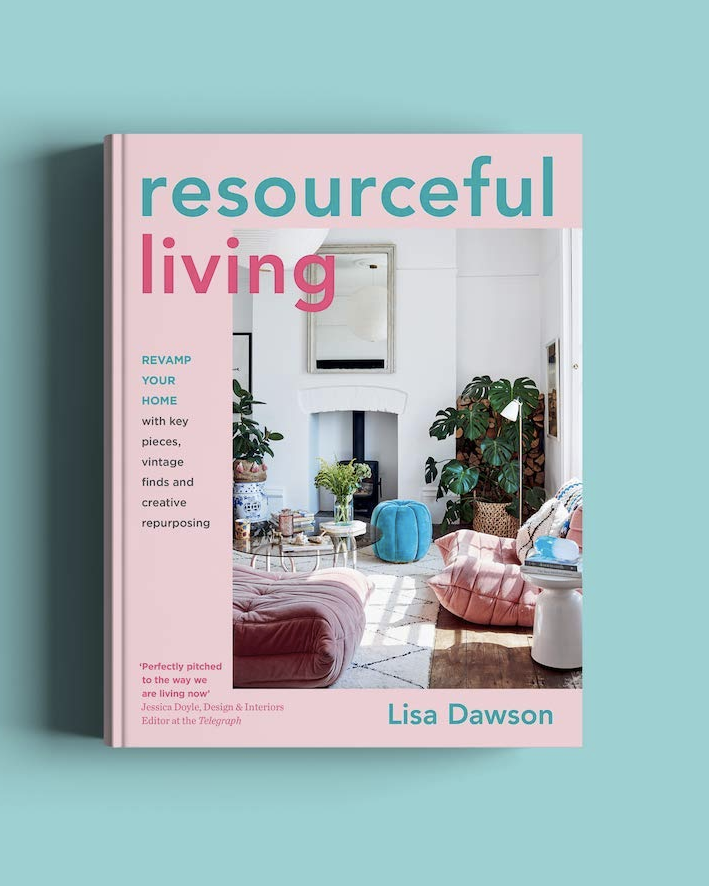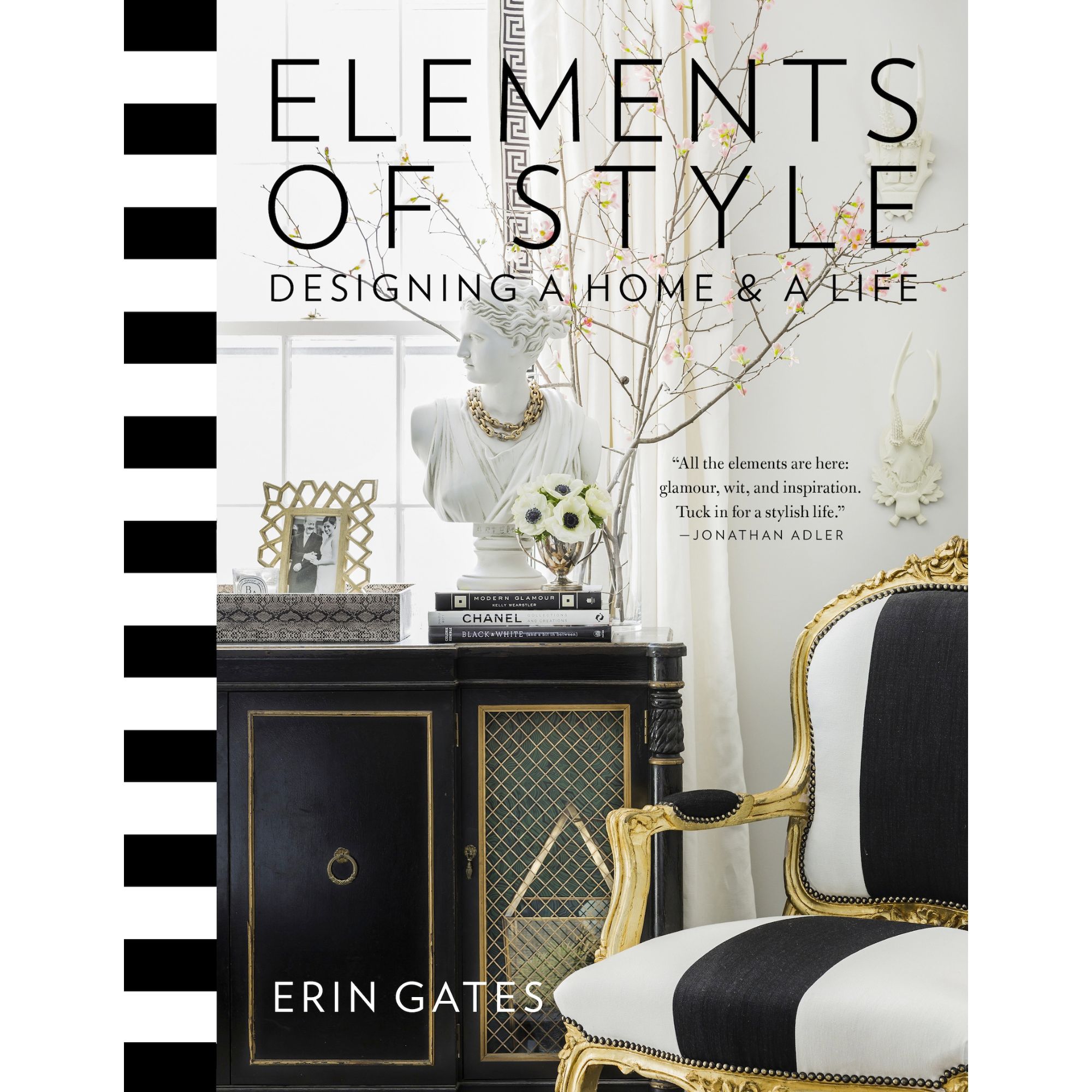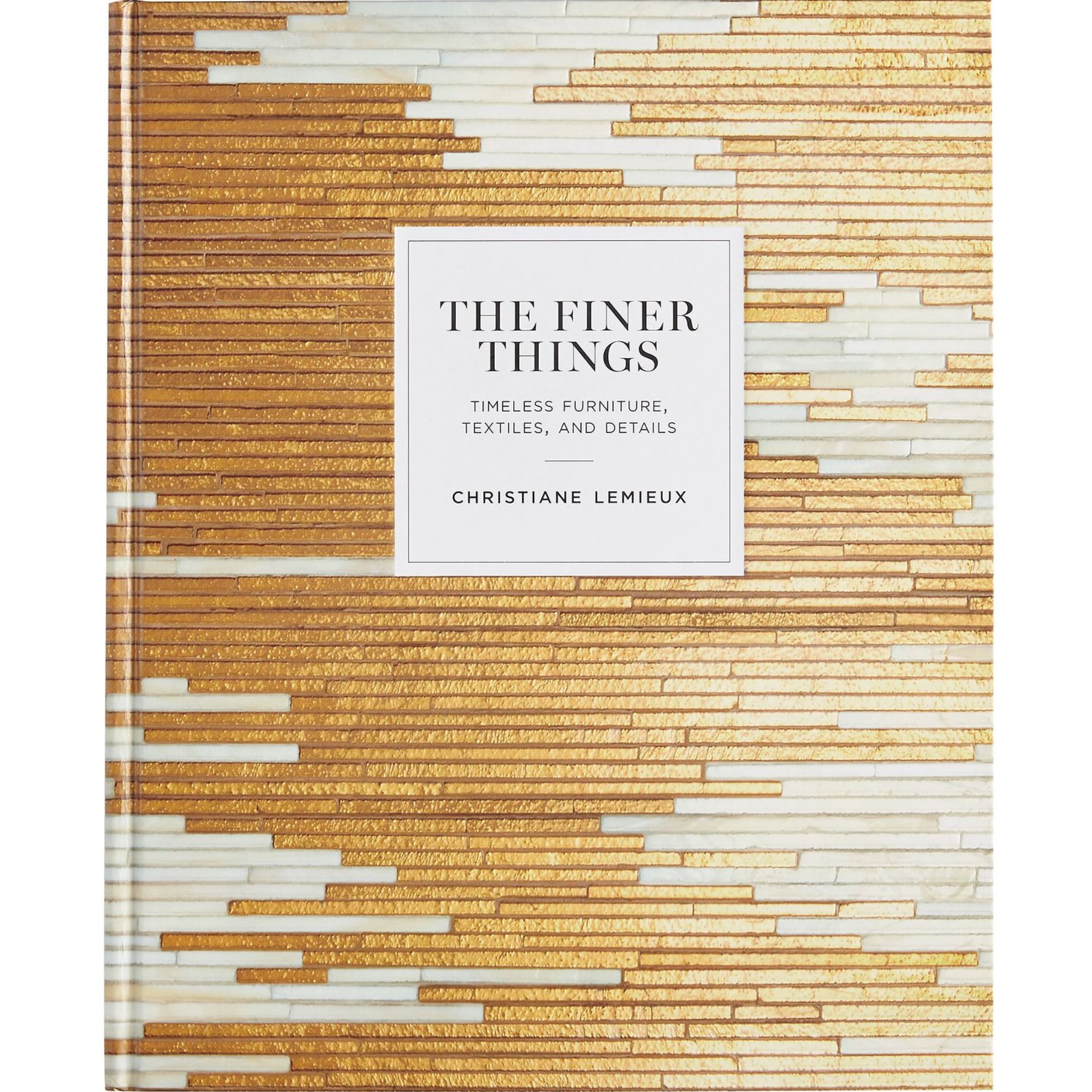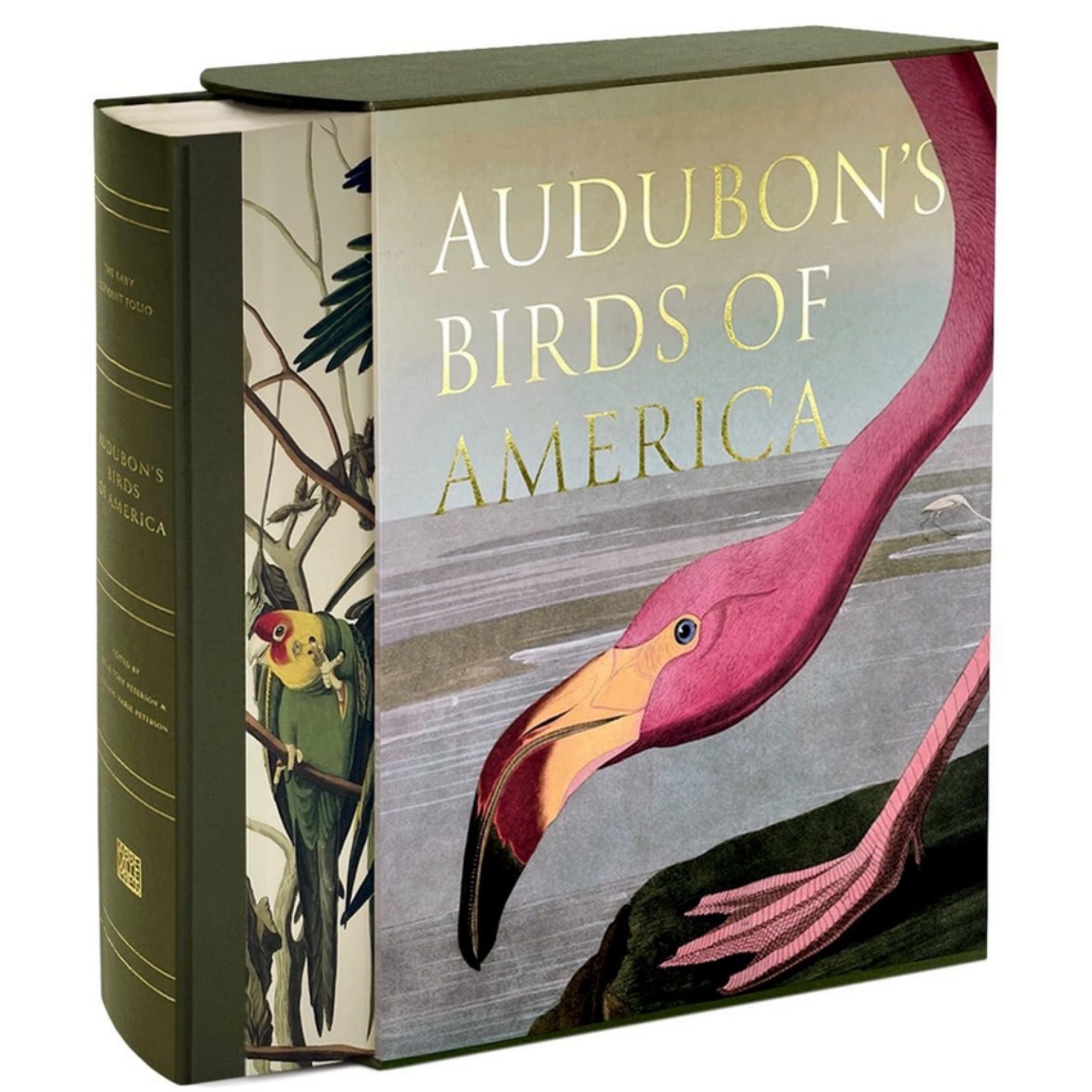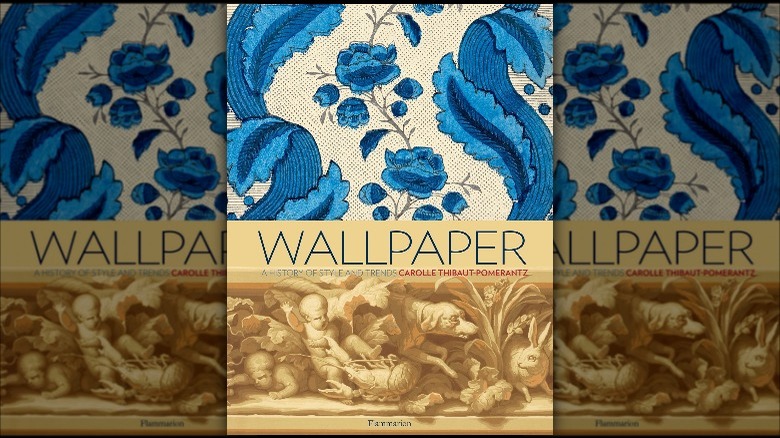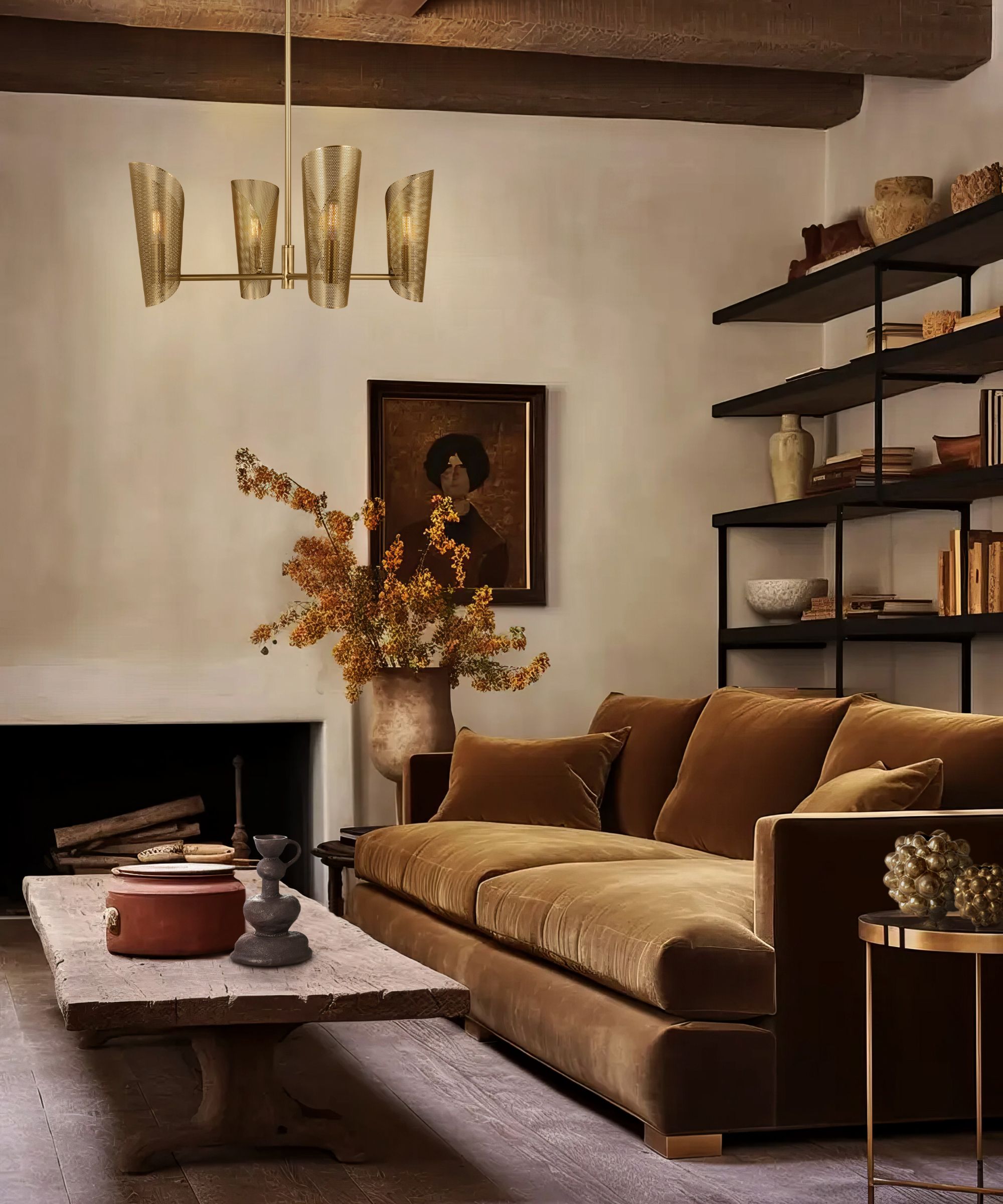
How To Arrange And Style Coffee Table Books, According To Designers
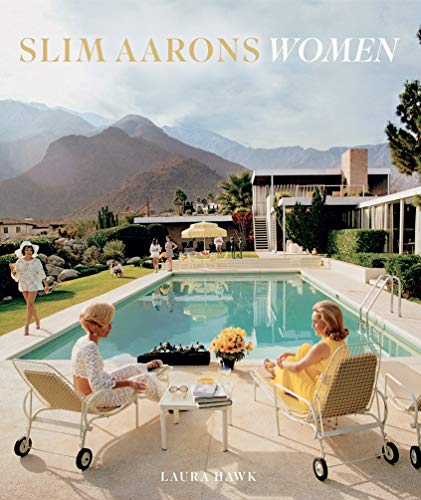
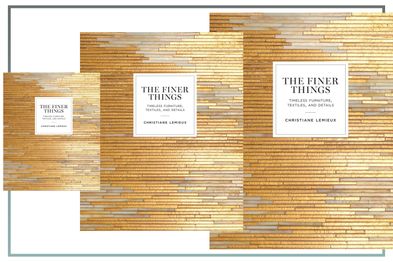
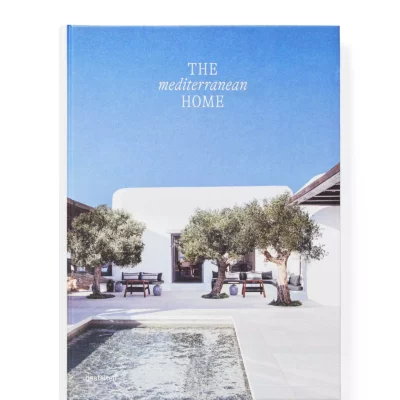
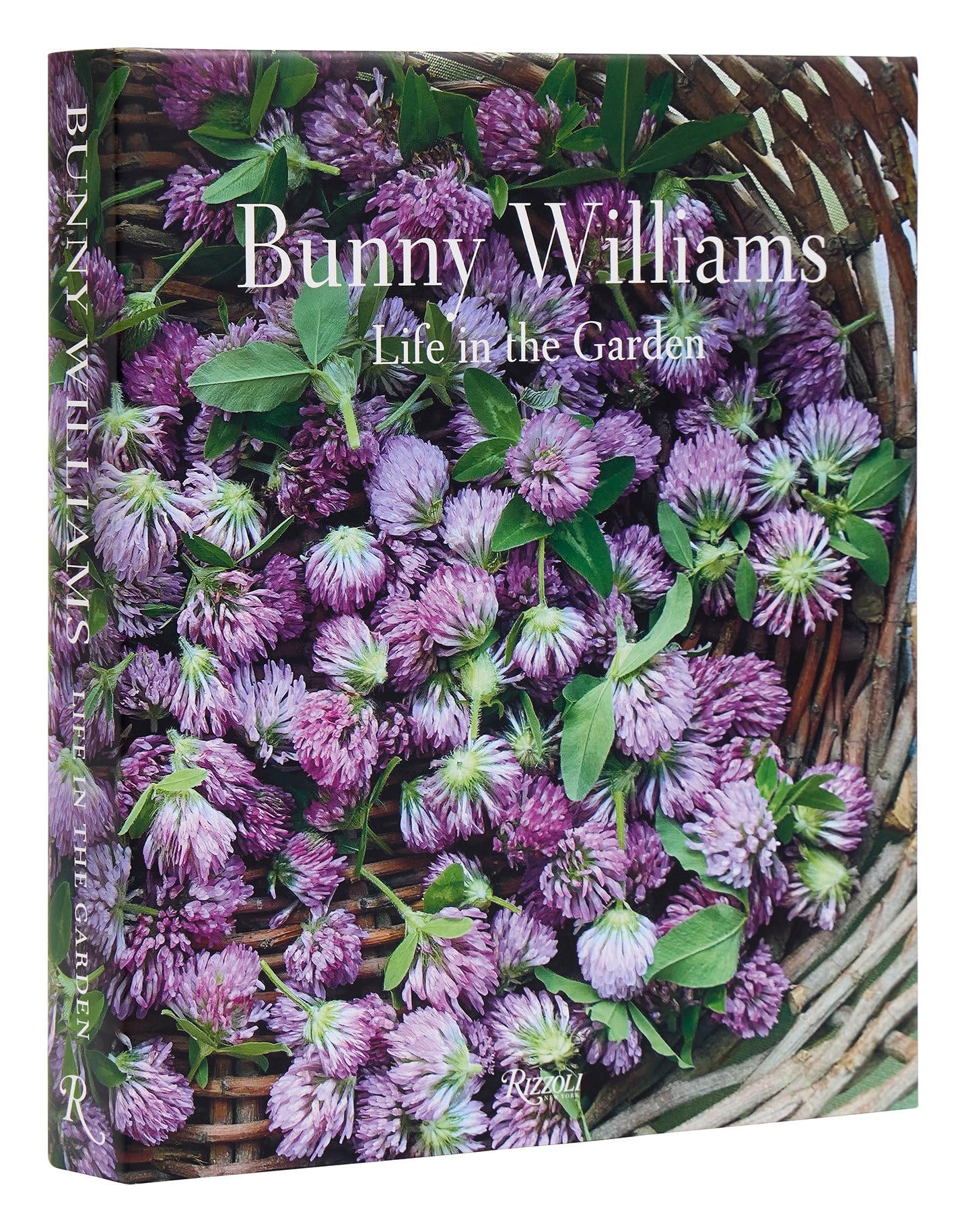
This article explores various strategies for arranging and styling coffee table books to enhance interior decor, drawing insights from several Southern designers. Coffee table books are highlighted as essential decorating elements that introduce height, personality, color, and texture to a space. The designers offer five key tips for curating these books effectively, moving beyond their primary function as reading material to their role in aesthetic presentation.
The first tip emphasizes that coffee table books are meant to be read and enjoyed, suggesting that a lived-in appearance, complete with dog-eared pages or post-it notes, can add character and a sense of authenticity to the display. This approach encourages using the books rather than merely showcasing them as untouched objects. The second recommendation focuses on mixing up book selections. While contemporary books are certainly valuable, designers suggest incorporating vintage or less common finds, such as those discovered at estate sales, local library sales, or even discount stores like HomeGoods. This variety helps create a more eclectic and unique display, moving beyond commonly seen titles on social media platforms.
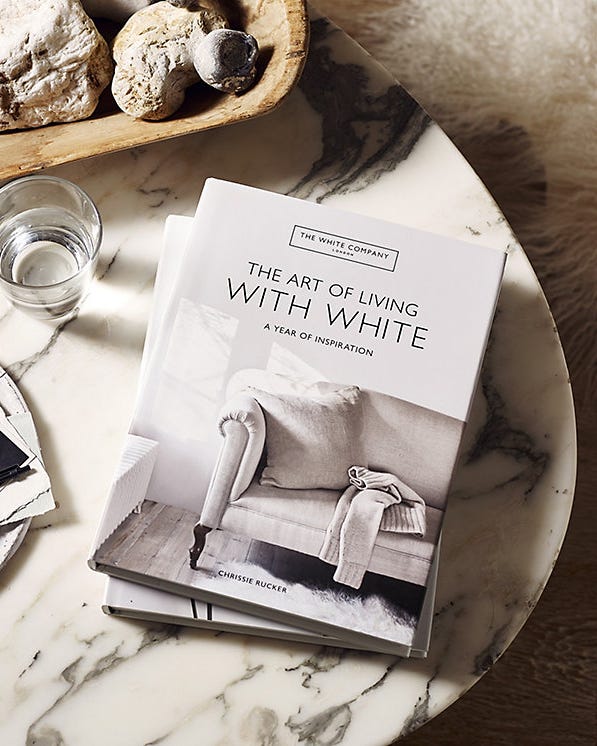
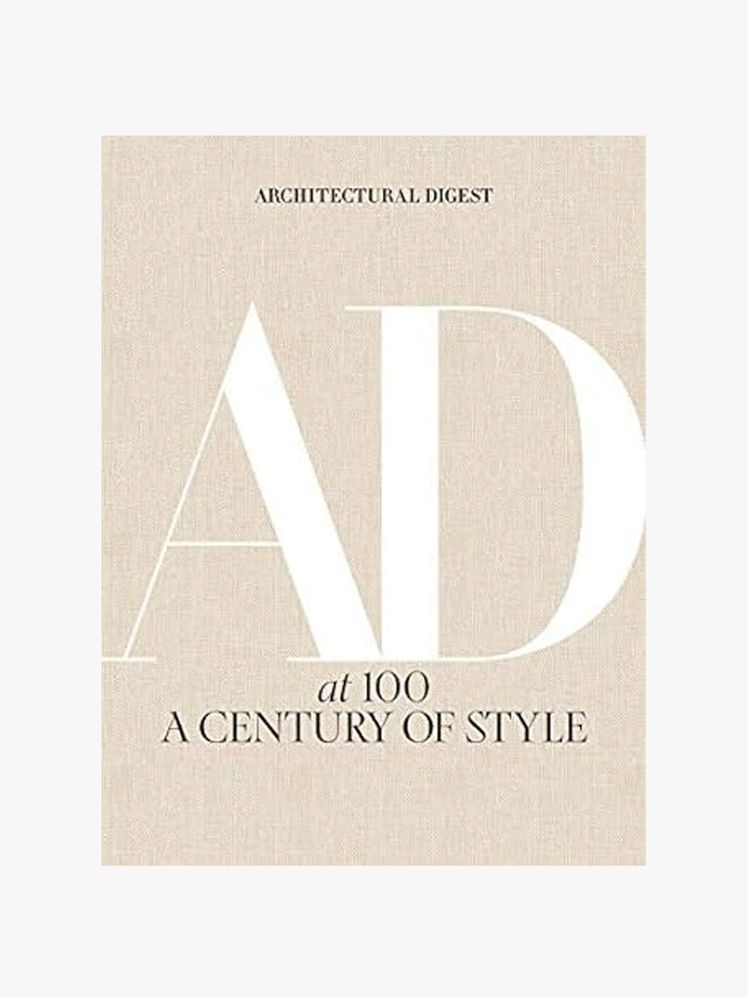
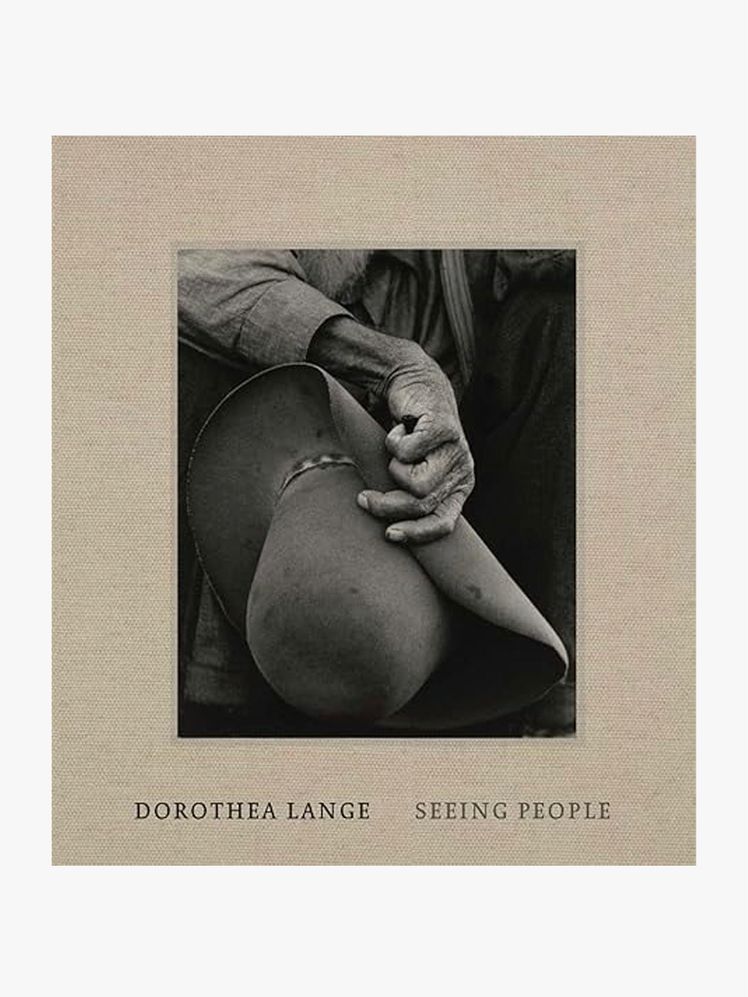
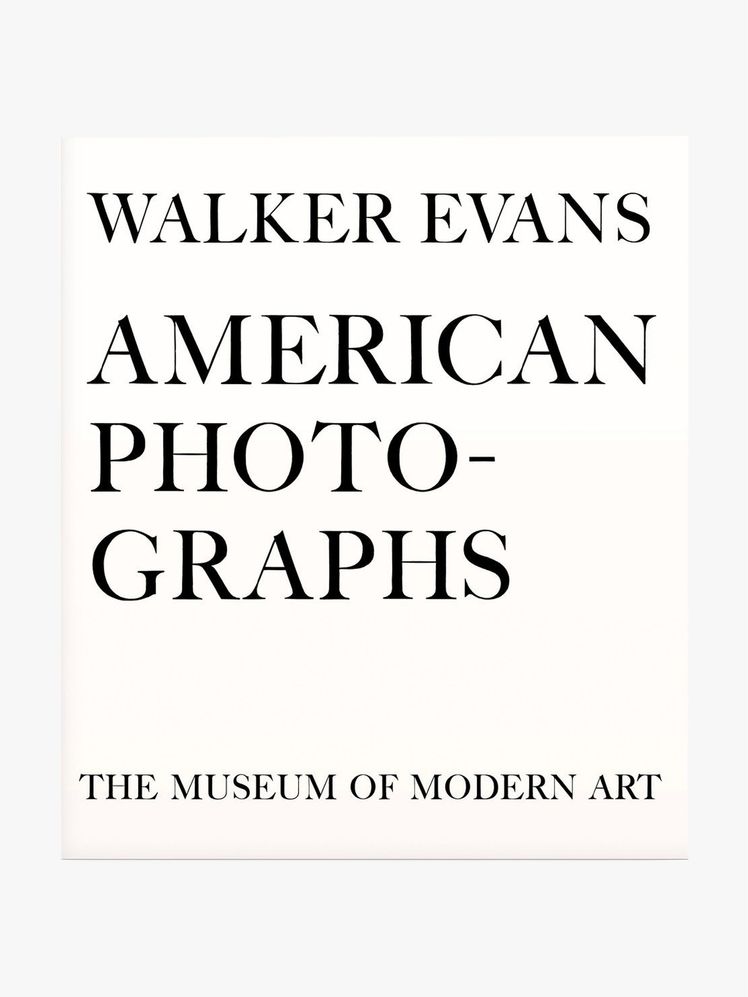
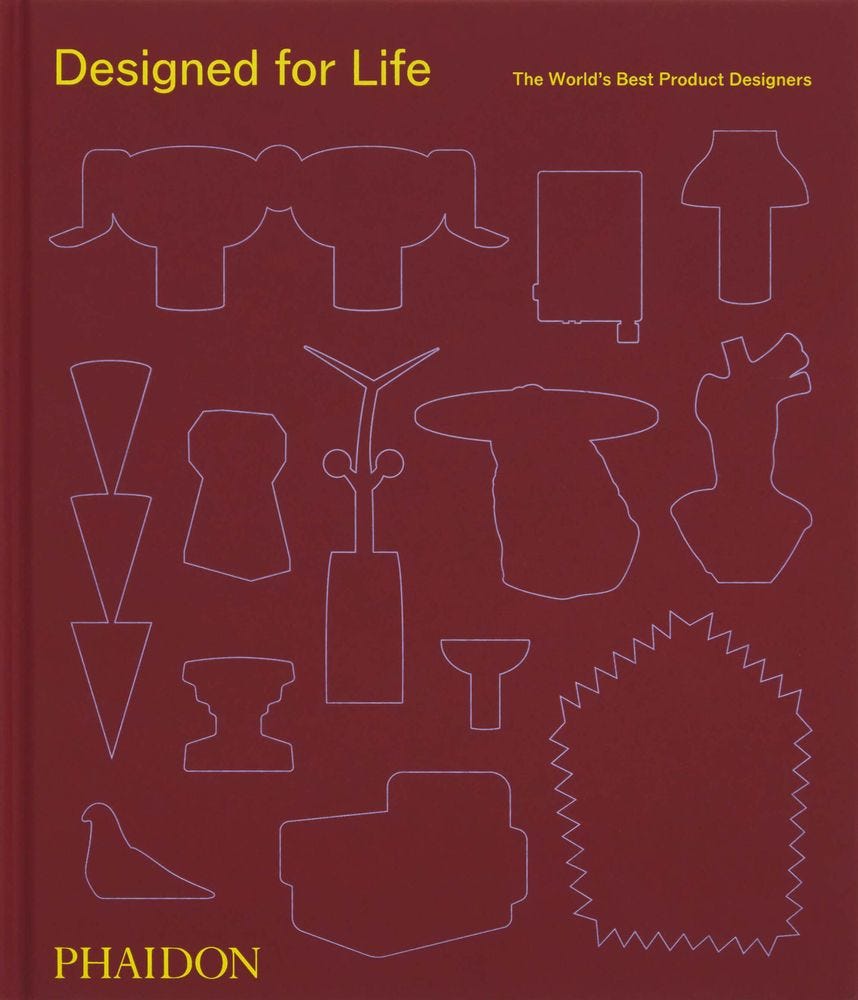
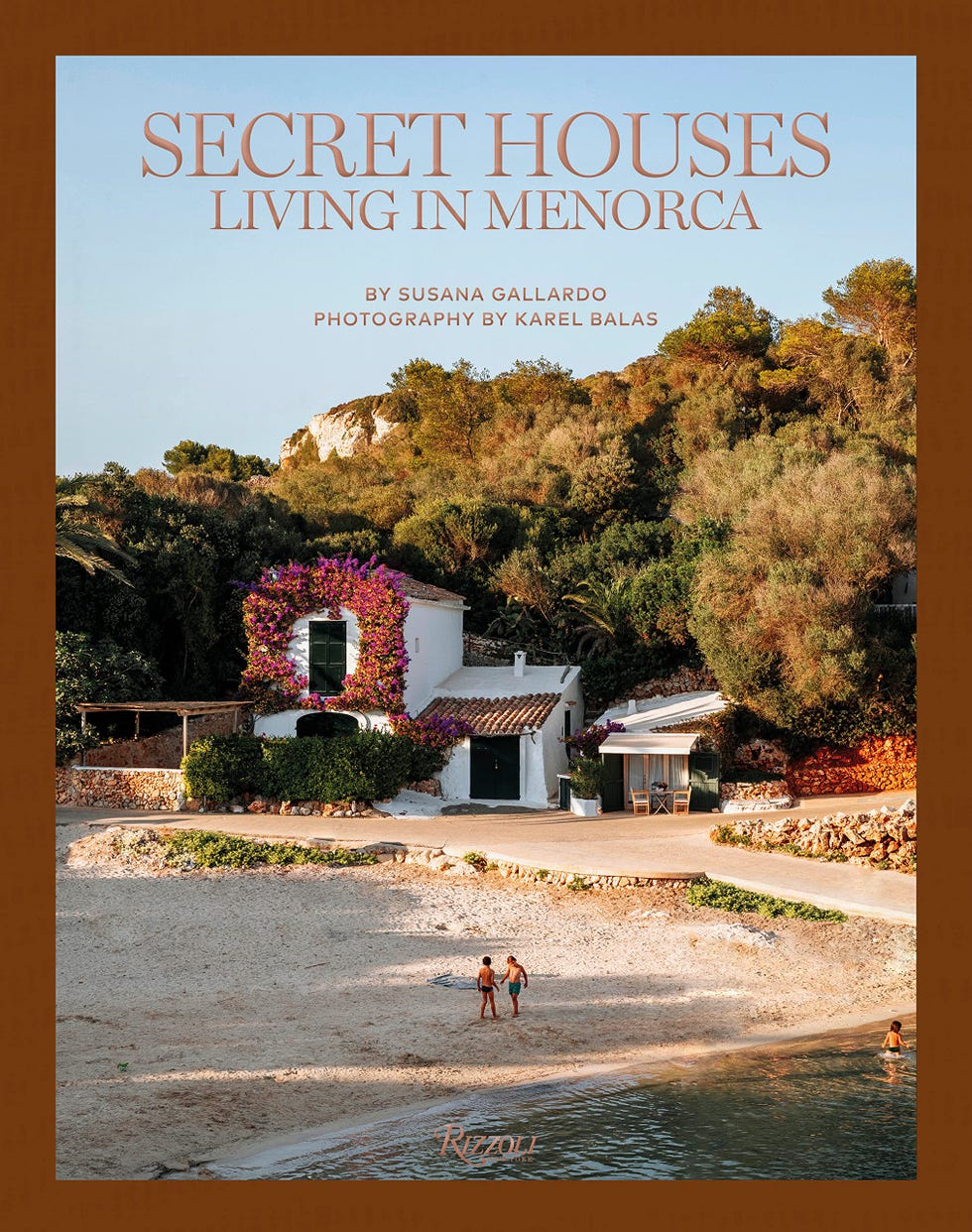
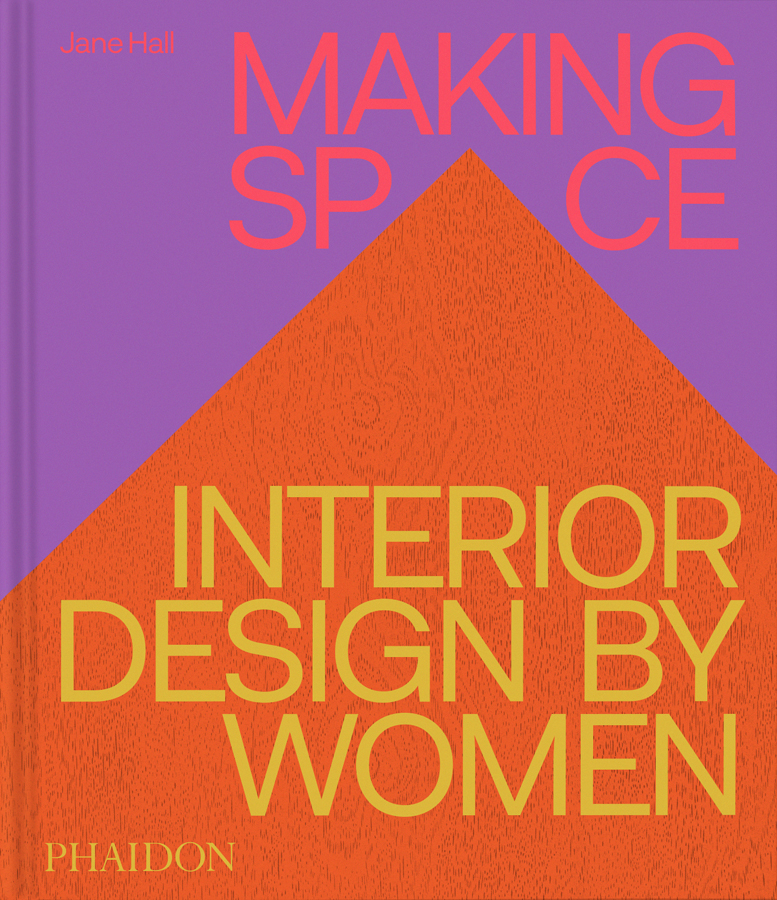
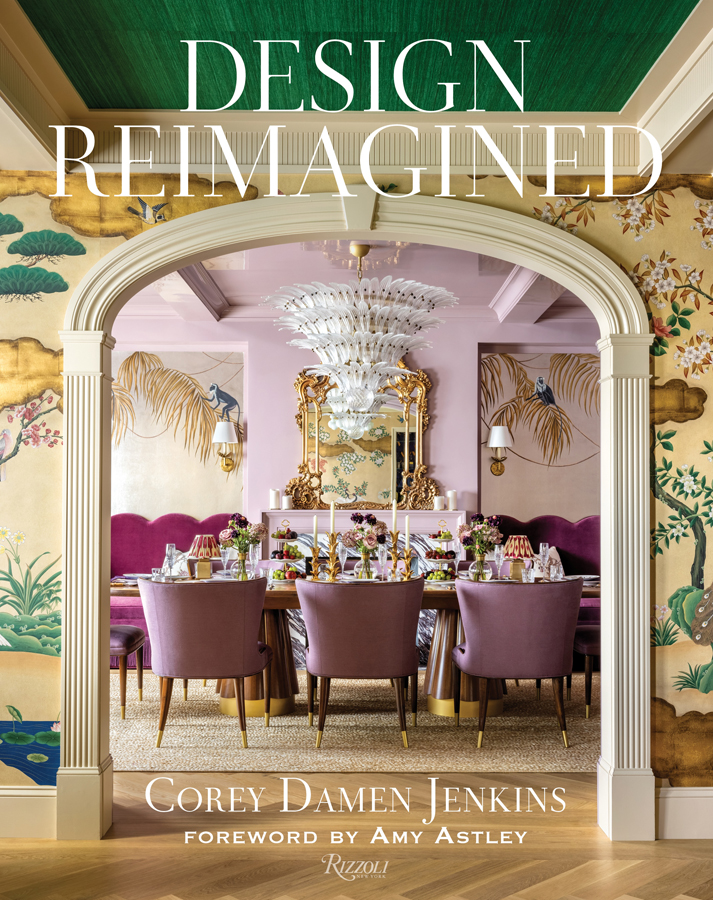
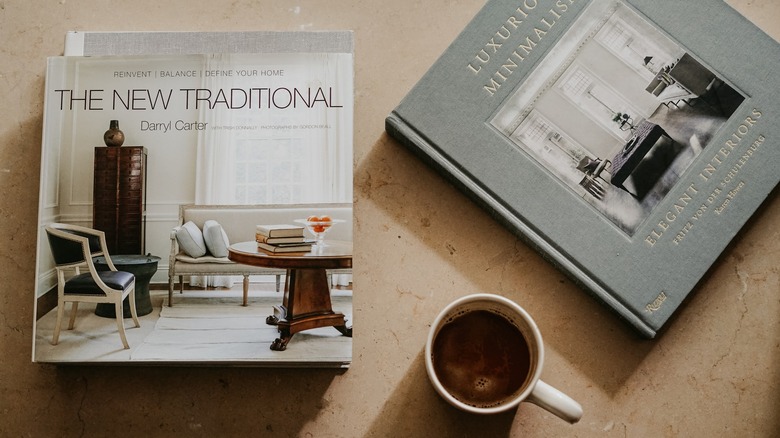
A significant piece of advice involves removing the dust jackets from coffee table books. Designers explain that the actual book covers often feature more beautiful and versatile designs, such as neutral linen materials, which can contribute to a more cohesive and sophisticated aesthetic. Examples like 'Eight Homes' by Clements Design and 'Perspective' by Steven Gambrel are cited for their appealing bound covers. Some designers also use the exposed covers to introduce additional color or pattern into a room's decor.
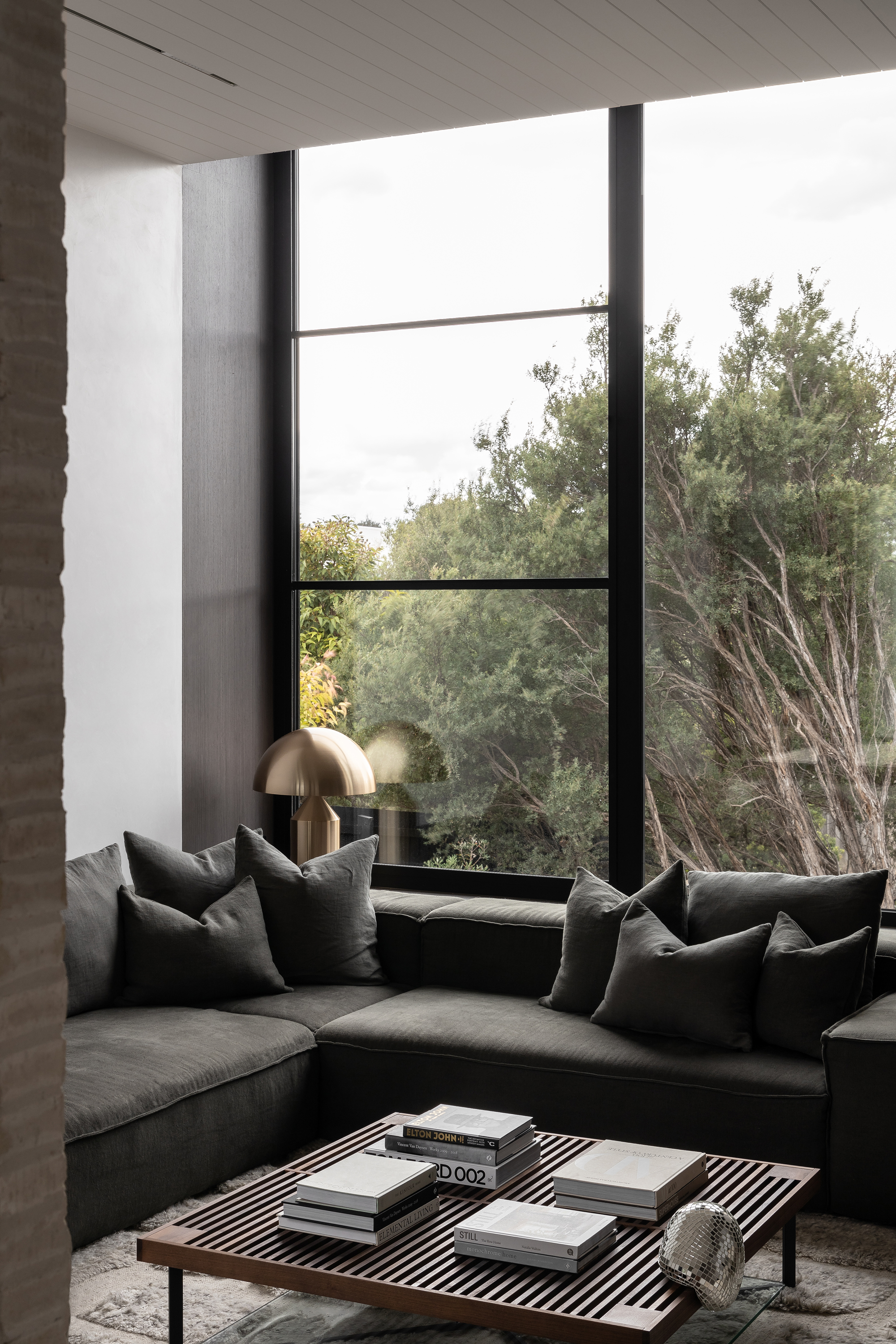
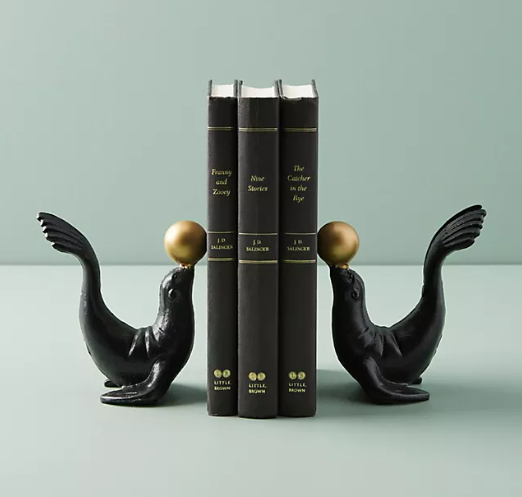
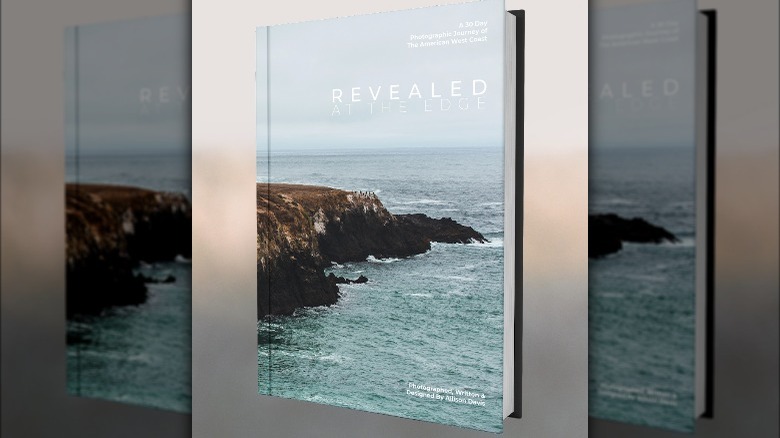
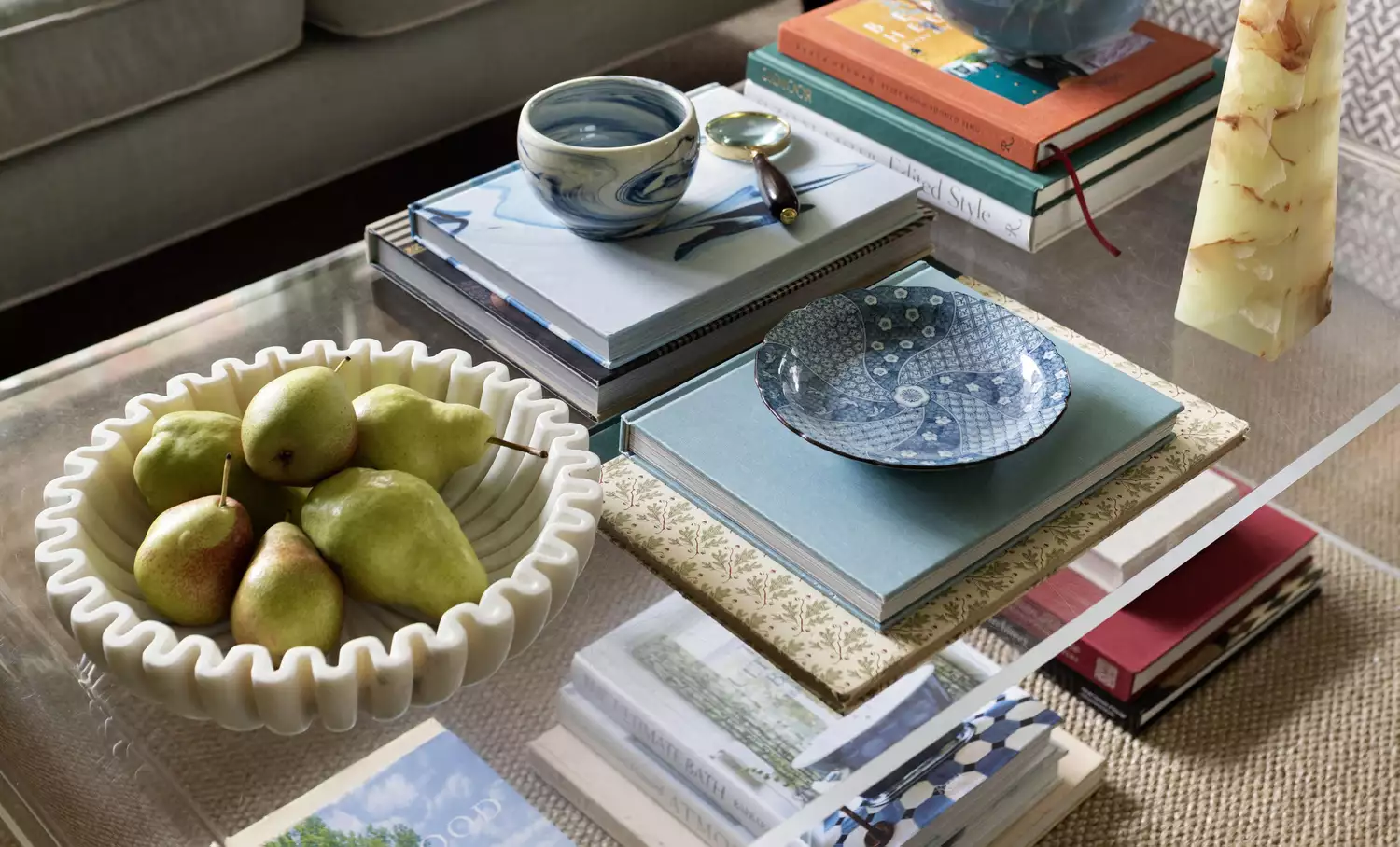
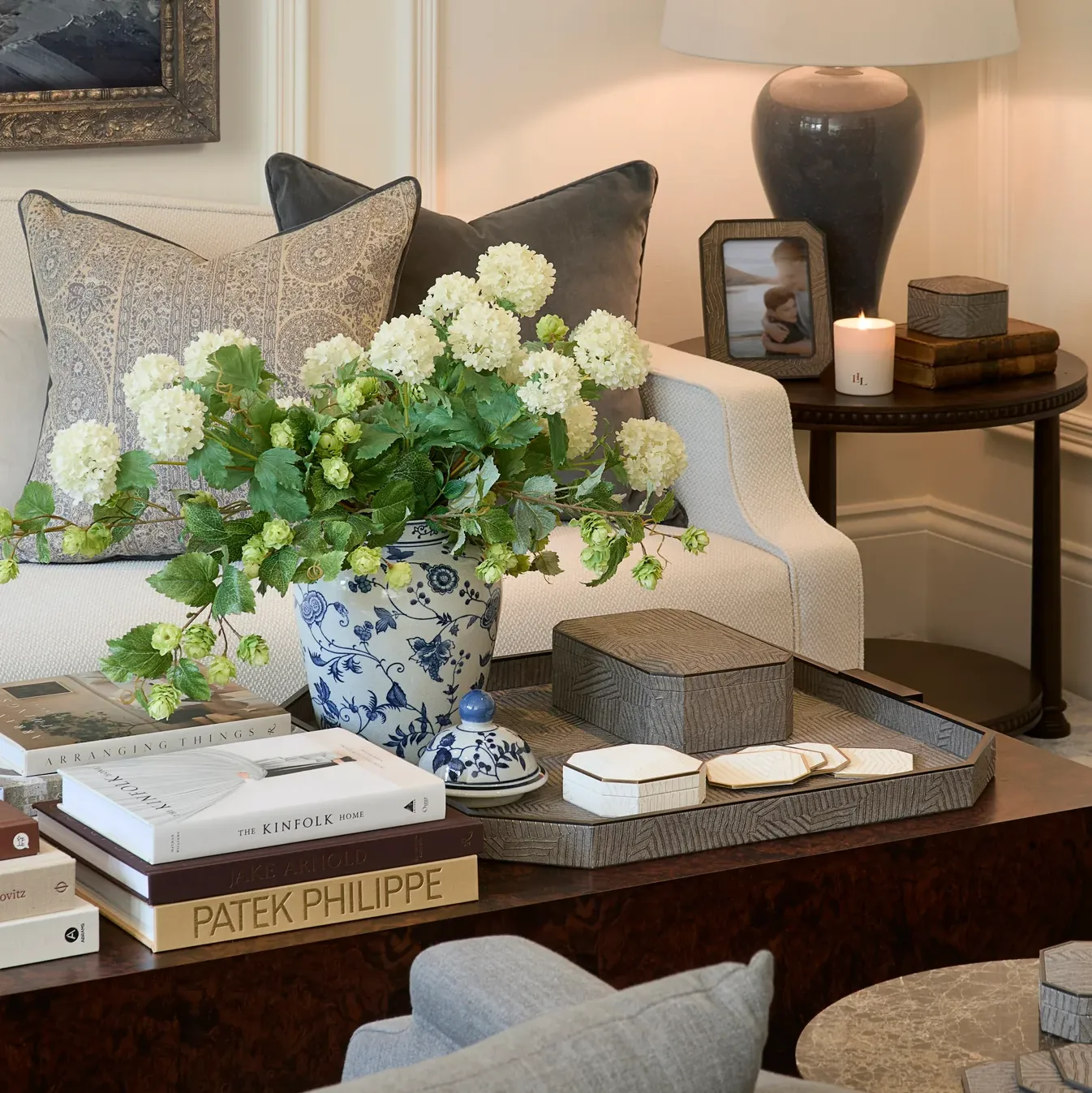
The fourth tip details the art of stacking coffee table books. It is recommended to start with the largest book at the bottom and stack two or three smaller books on top, ensuring they complement each other in terms of color and material. While an exact match isn't necessary, tonal hues or consistent warm/cool tones are suggested to create a harmonious arrangement. Additionally, themes can be used to maintain cohesion, such as grouping ocean-themed books in a coastal setting. Creative stacking can also involve pairing vertical and horizontal stacks or using vertical stacks as bookends for other decorative items.
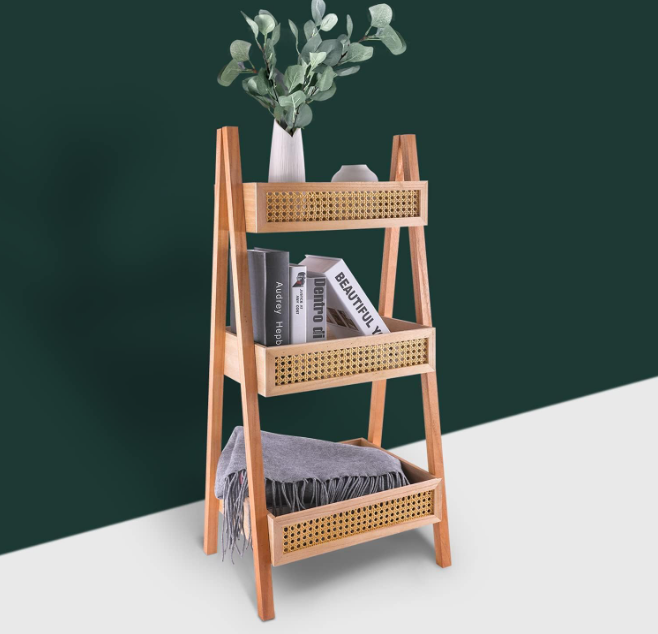
Finally, the article suggests using coffee table books to create vignettes. Designers recommend considering the book as an anchor for other decorative elements on a horizontal surface. Books can effectively corral smaller objects that might otherwise appear scattered, or provide a substantial base for items like a vase of flowers. The rule of three is introduced as a guideline for creating visual interest within a vignette, suggesting the placement of three decorative objects of varying heights on top of the book. These techniques collectively aim to transform coffee table books from simple reading materials into integral components of a well-designed interior.
#CoffeeTableBooks #HomeDecor #InteriorDesign #DecoratingTips #BookStyling #Vignette #DesignersTips #HomeStyling #CoffeeTableBooks #HomeDecor #InteriorDesign #DecoratingTips #BookStyling #Vignette #DesignersTips #HomeStyling
0 comment in total
 No comments yet
You may also like
How To Style Your Bookshelves Perfectly, According to Designers

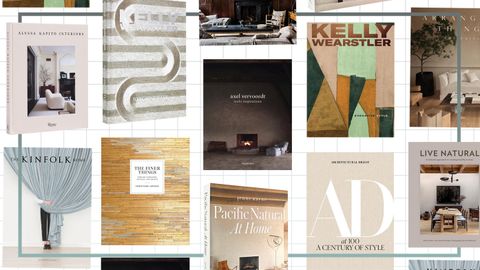
12 of the best coffee table books to style your living space

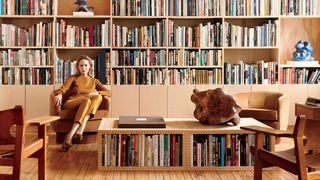
The Best Coffee Table Books for Any Well-Appointed Home
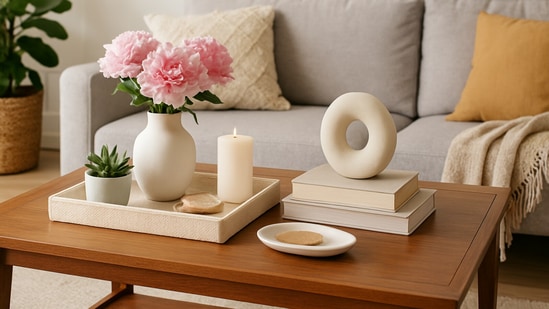
How to style your coffee table: Expert tips on balance, greenery, textures and decor ideas | Hindustan Times

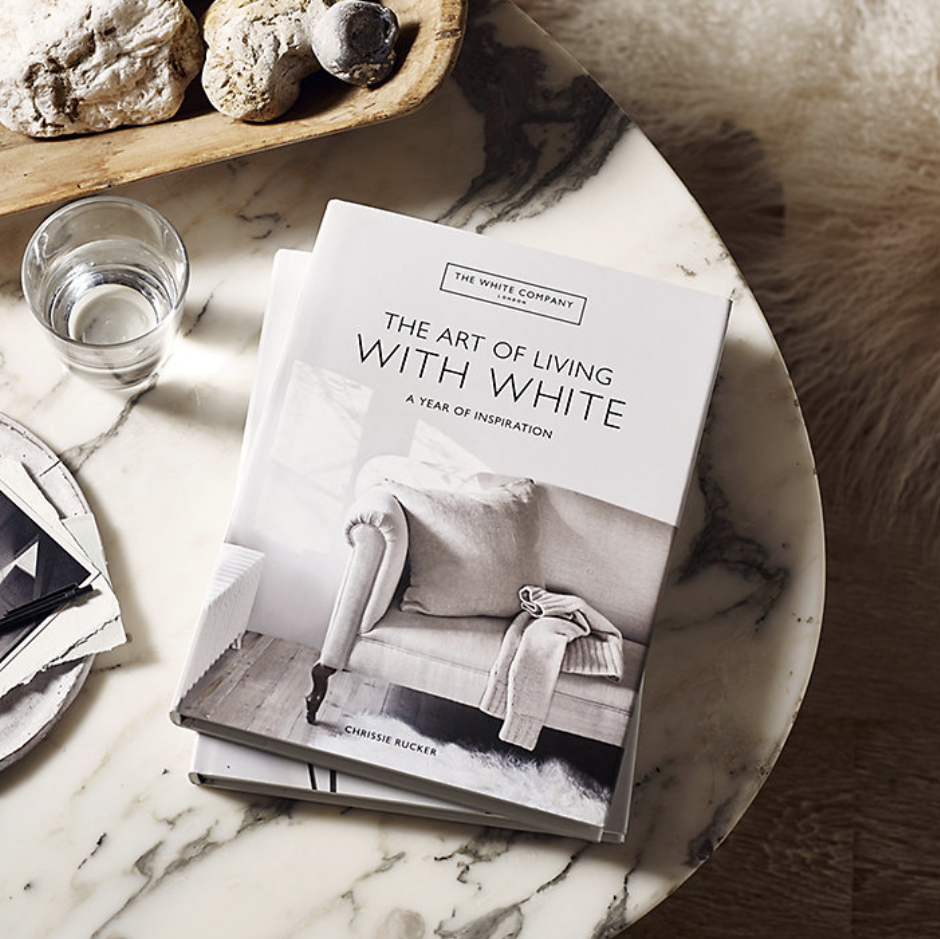
The best coffee table books to inspire your next home project
11 Must-Have Coffee Table Books Every Design Lover Needs

The 8 Best Coffee-Table Books You’ll Find in an Interior Designer’s Home


The Very Best Coffee Table Books to Snap Up Now
The best coffee table books – loved by real interior designers

How to Style Your Bookshelves, According to Interior Designers and Stagers
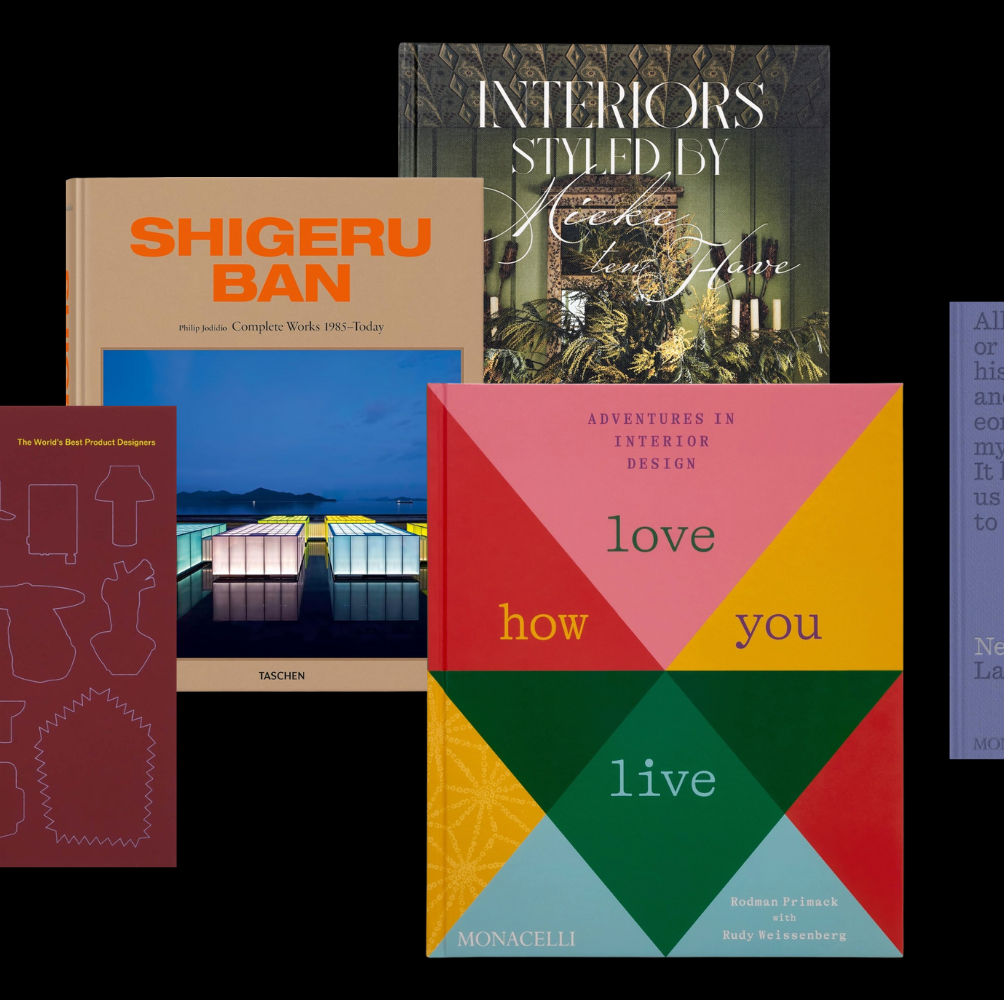
Calling All Bookworms! These Are the Best Coffee Table Books to Buy This Fall
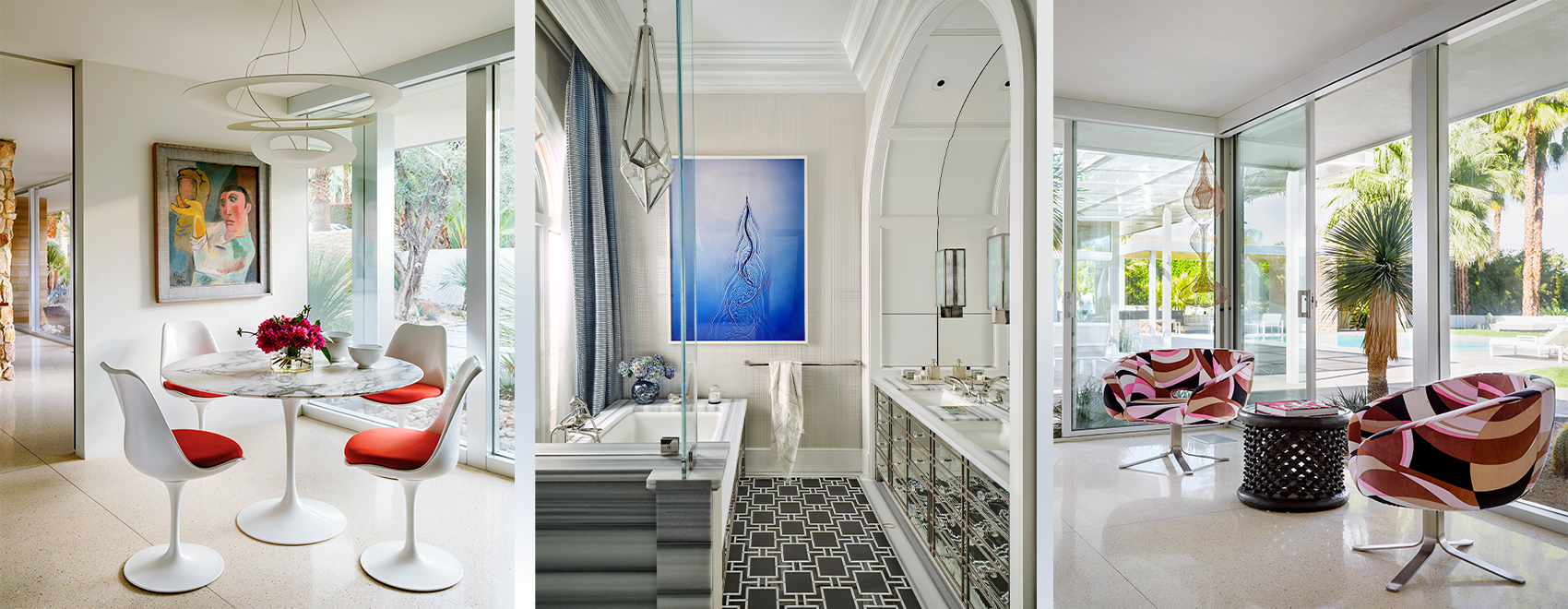
Rooms at the Top: 6 New Coffee Table Books for Interior Design Lovers

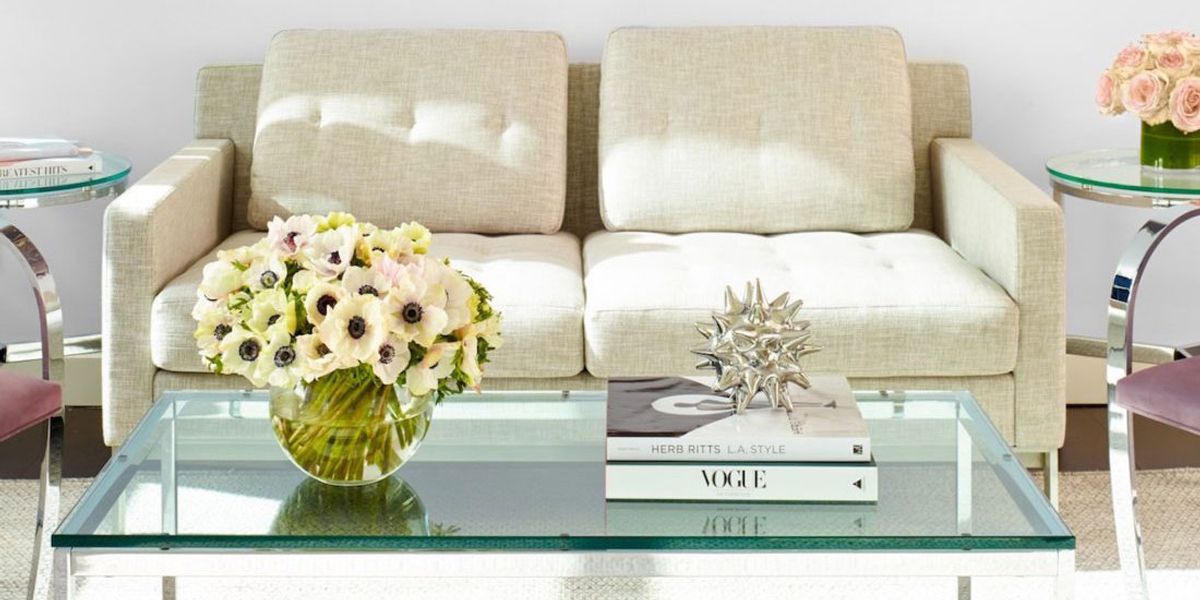
How to Style Your Coffee Table and Bookshelves Like a Professional
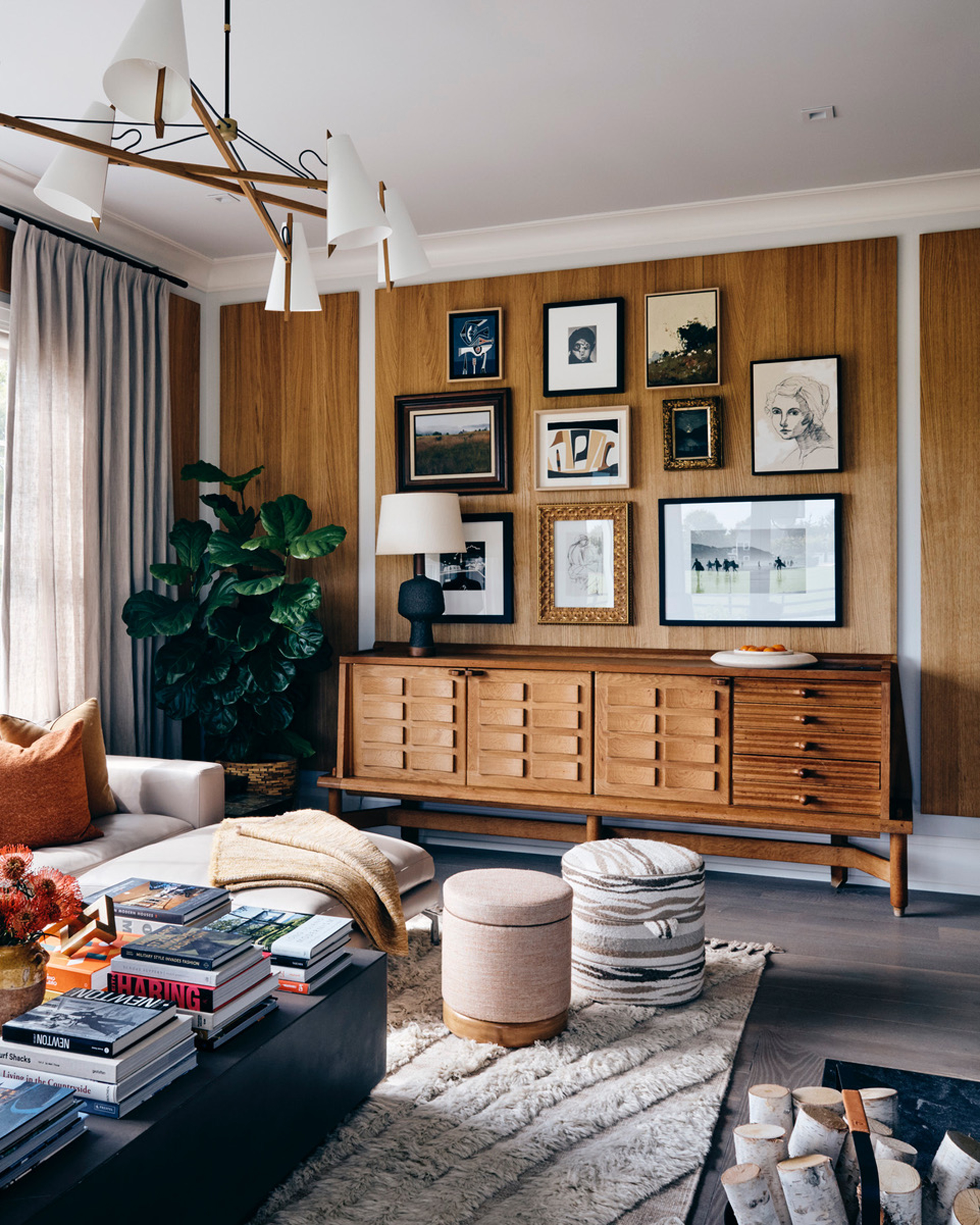
There's a new coffee table styling trend designers are loving for a less pretentious living room


12 Unique Ways to Style Books — How Designers Use Reading Material to Elevate Decor
The Best Coffee Table Books For Your Living Room

20 coffee table books our editors love – and how to style them
Belle-approved coffee table books for design enthusiasts

Master the art of styling bookshelves with these tips from design experts


Jessica Simpson's bookshelves show us how styling is a fine art – but it's one we can master with these simple tips