1/2
We Asked Designers How to Get a Boho-Style Living Room That Will Age Well, and They Delivered
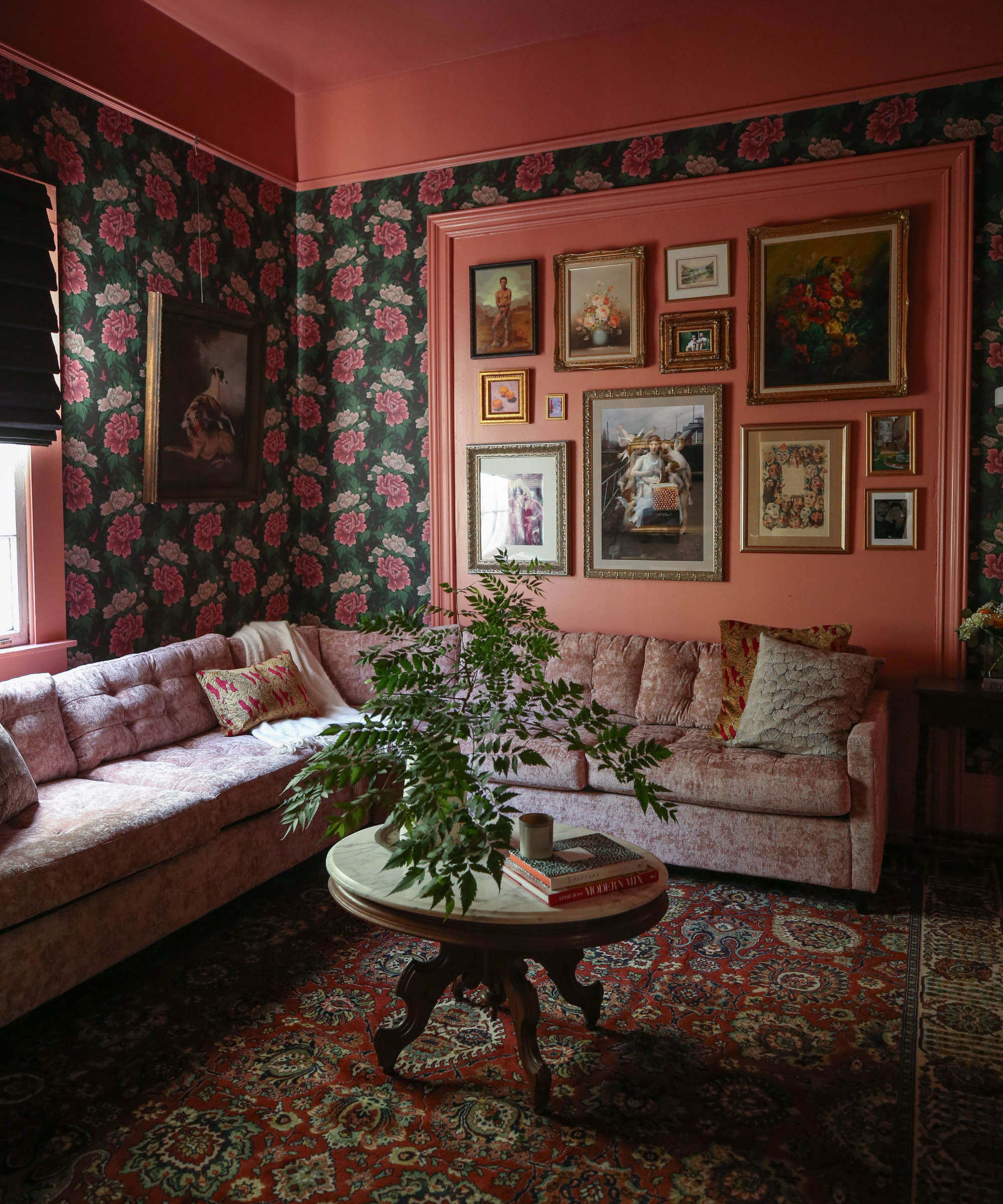
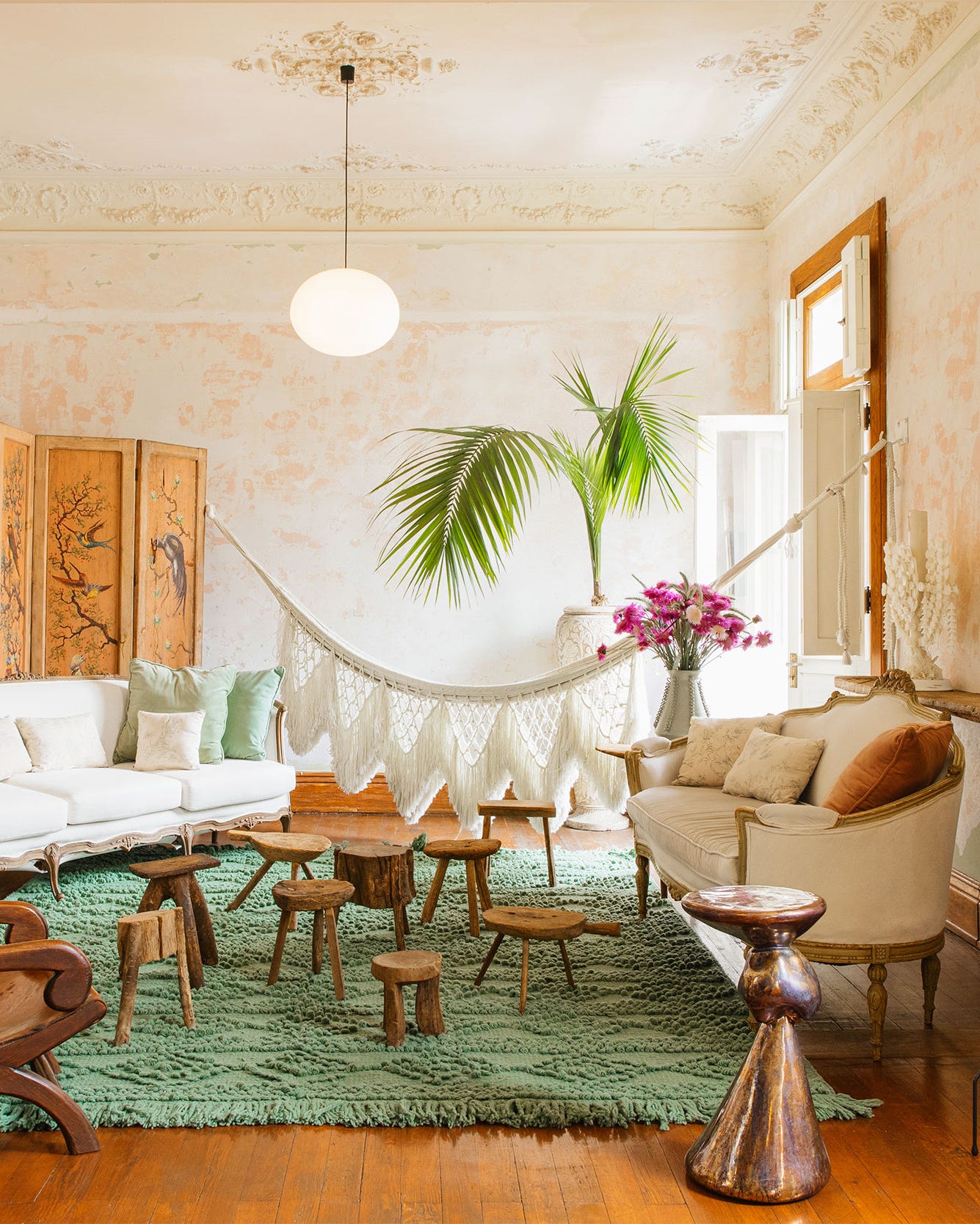
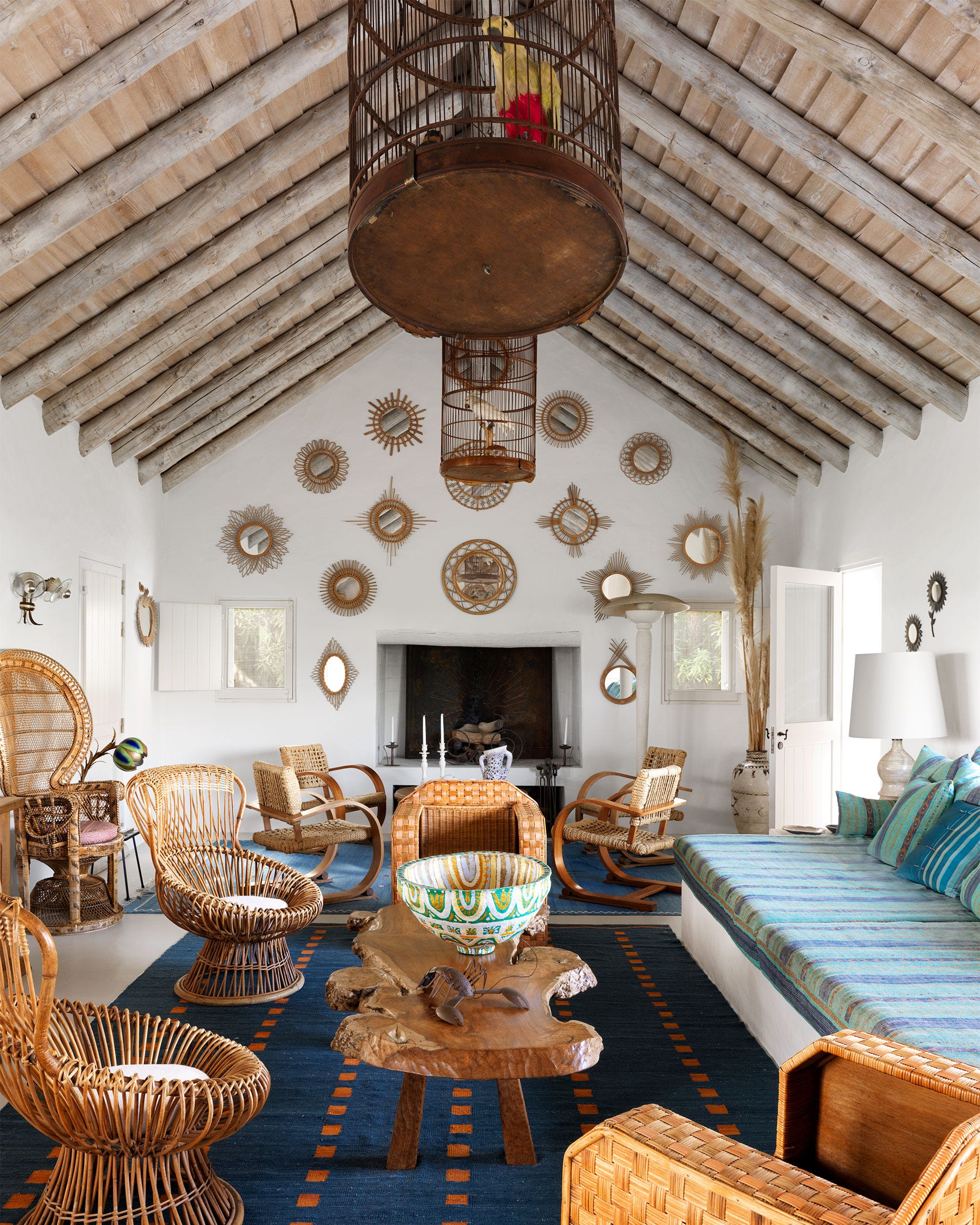
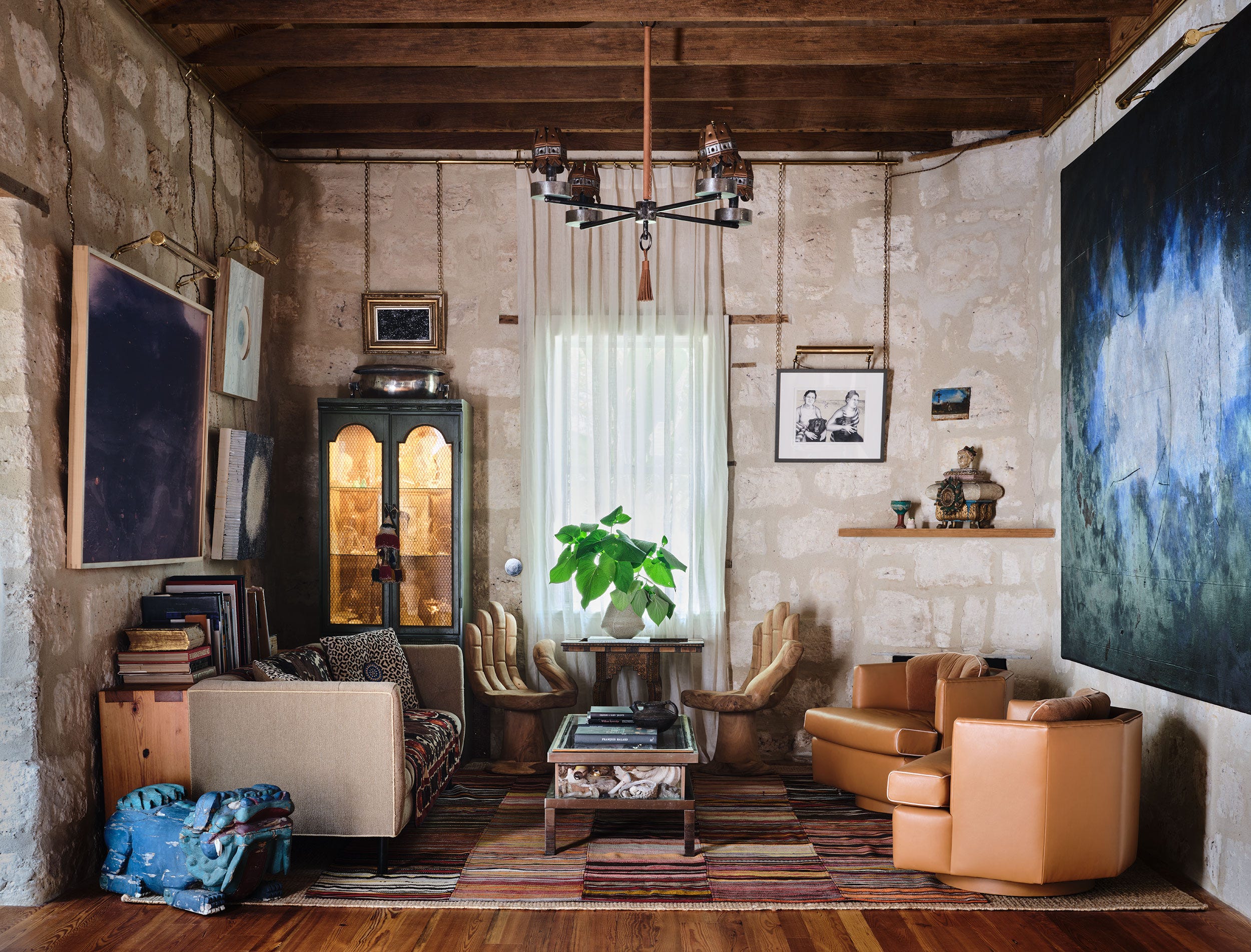
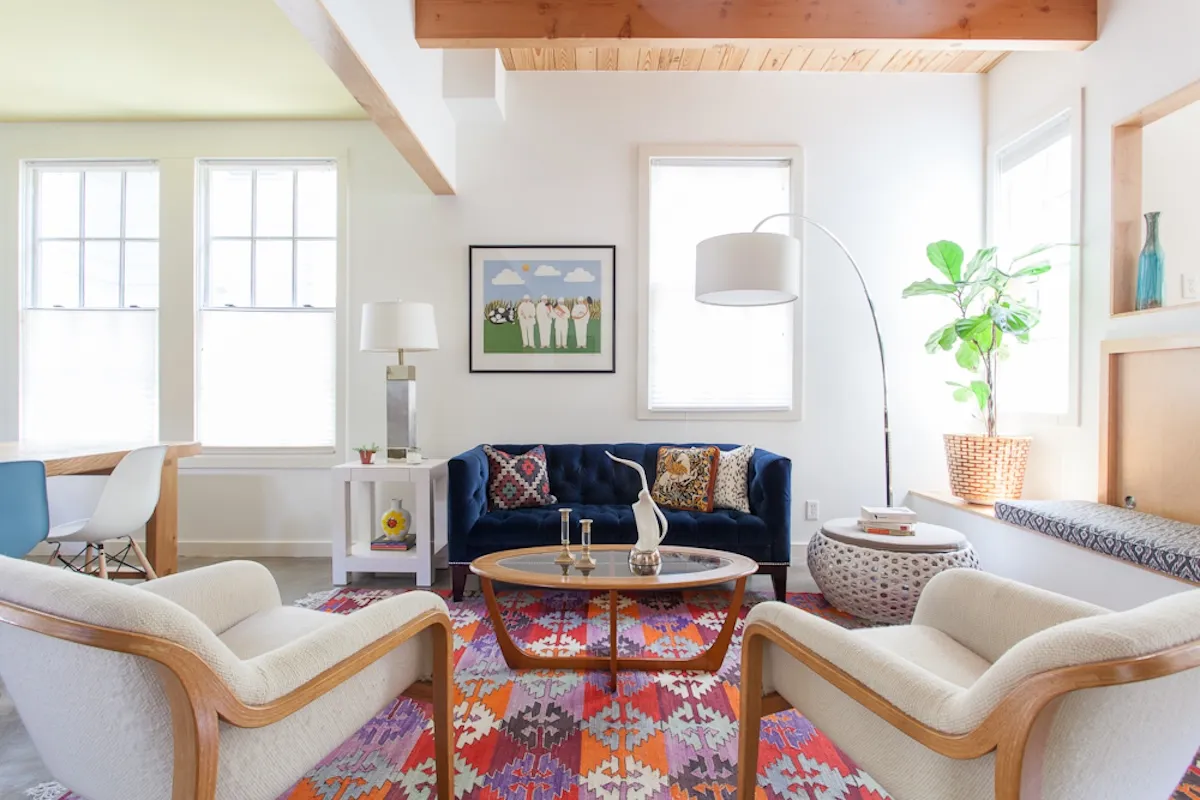
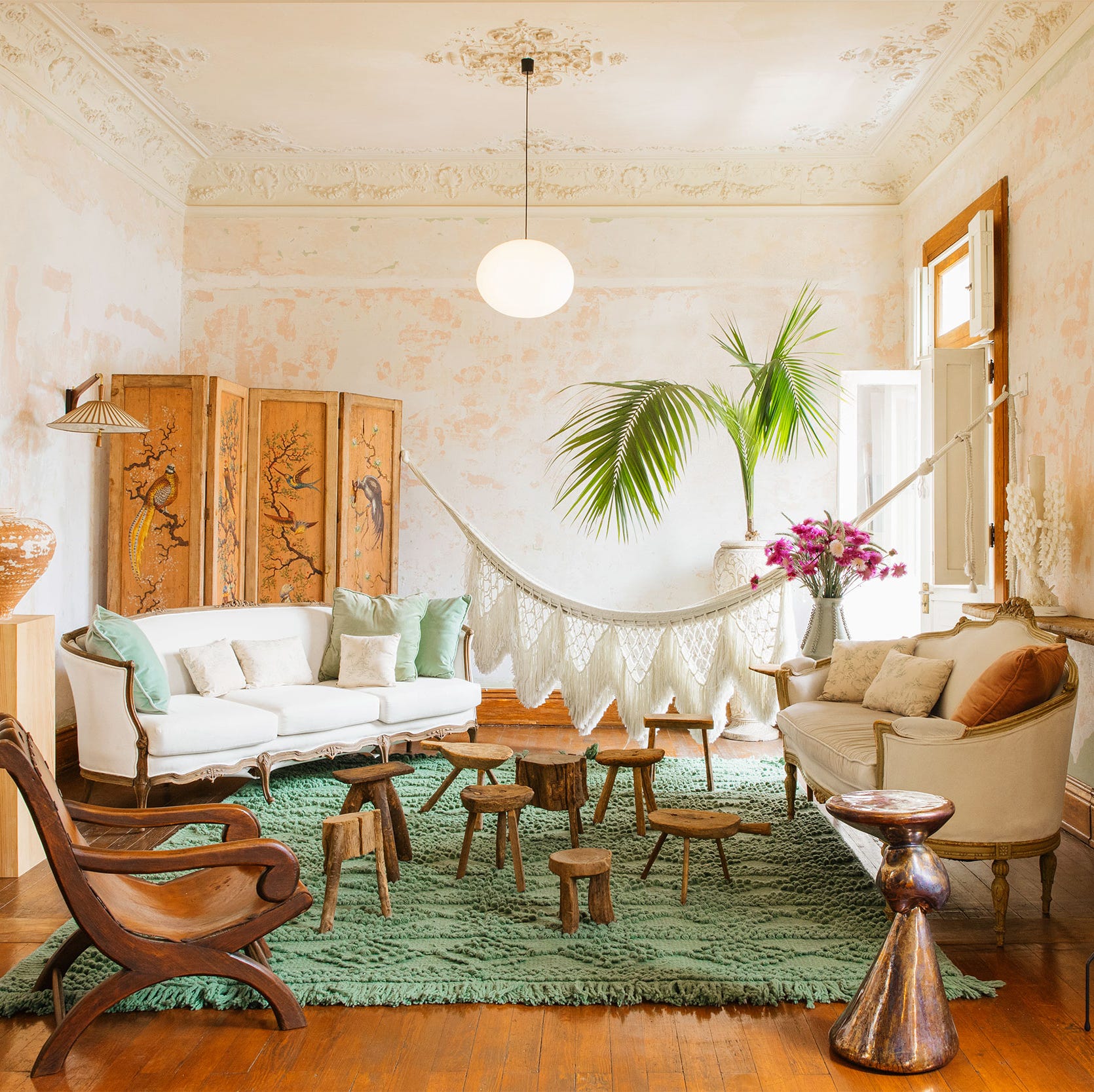
Boho-style living rooms are recognized for their eclectic and collected aesthetic, combining various styles, objects, and materials in a seemingly effortless manner. While many contemporary boho spaces lean towards neutral palettes with white walls, rattan furniture, and abundant plants, the style's historical roots are characterized by a vibrant mix of global artifacts, colors, and patterns. Modern designers are increasingly re-embracing these more eccentric aspects to create personalized looks that are warm and inviting without appearing cluttered.
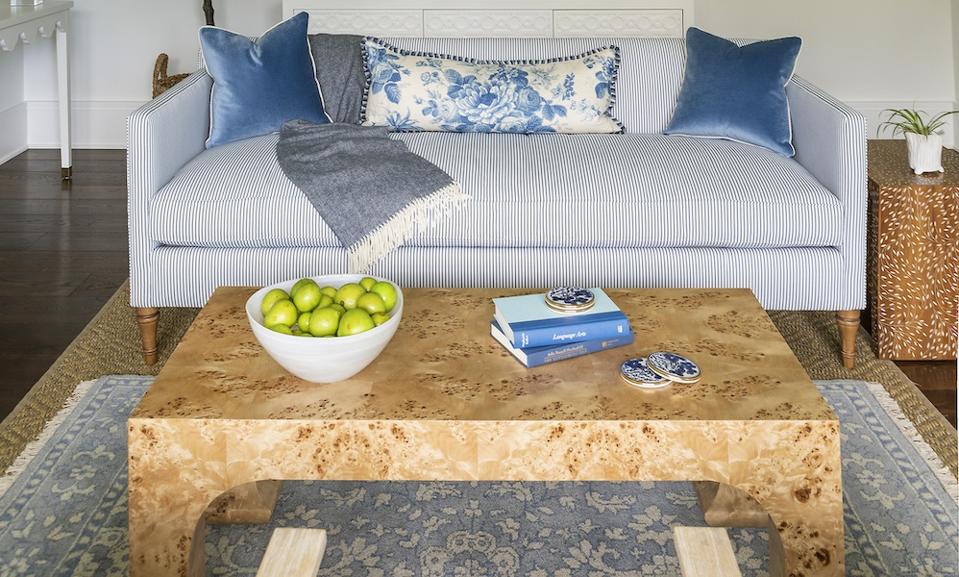
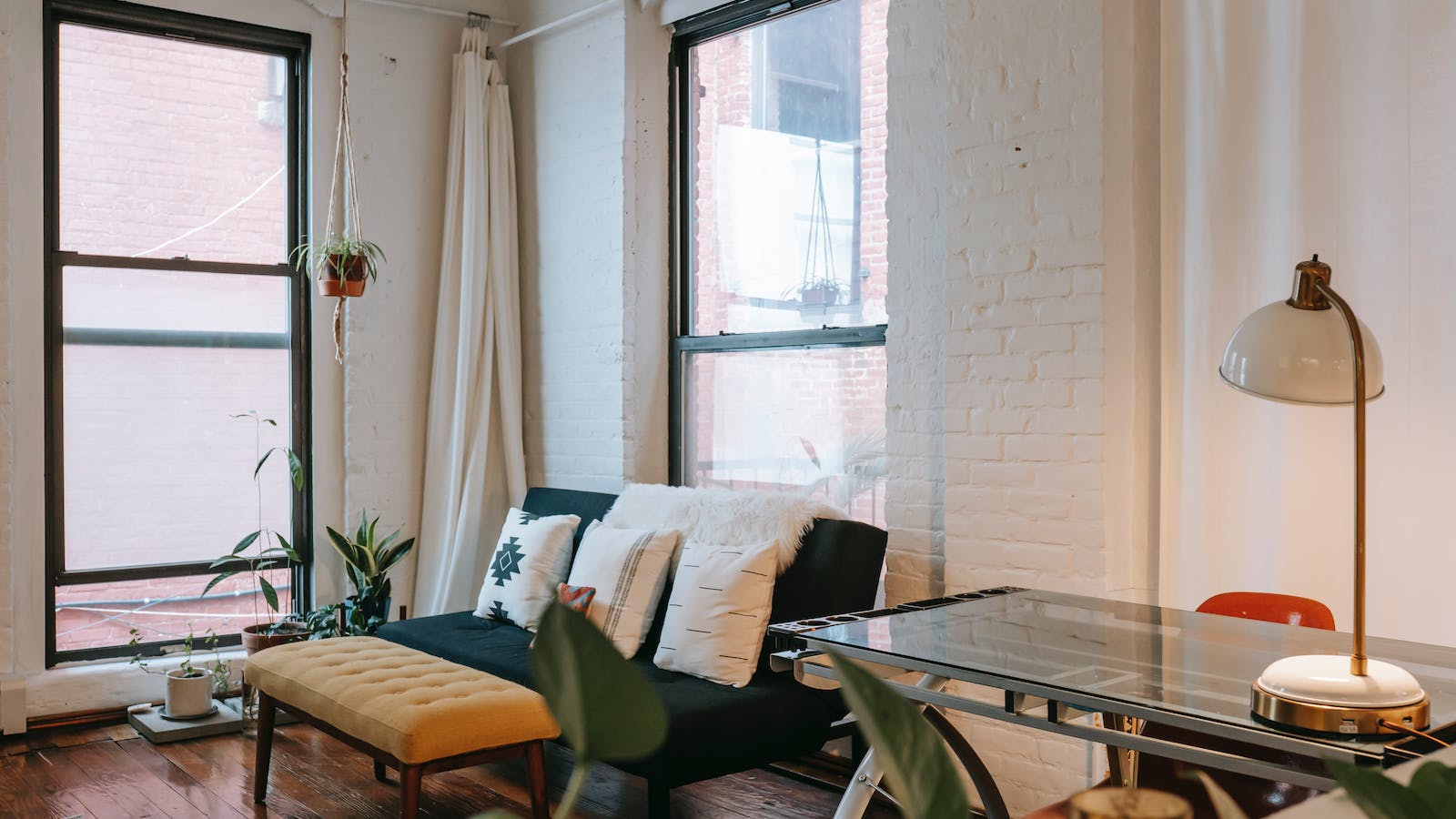
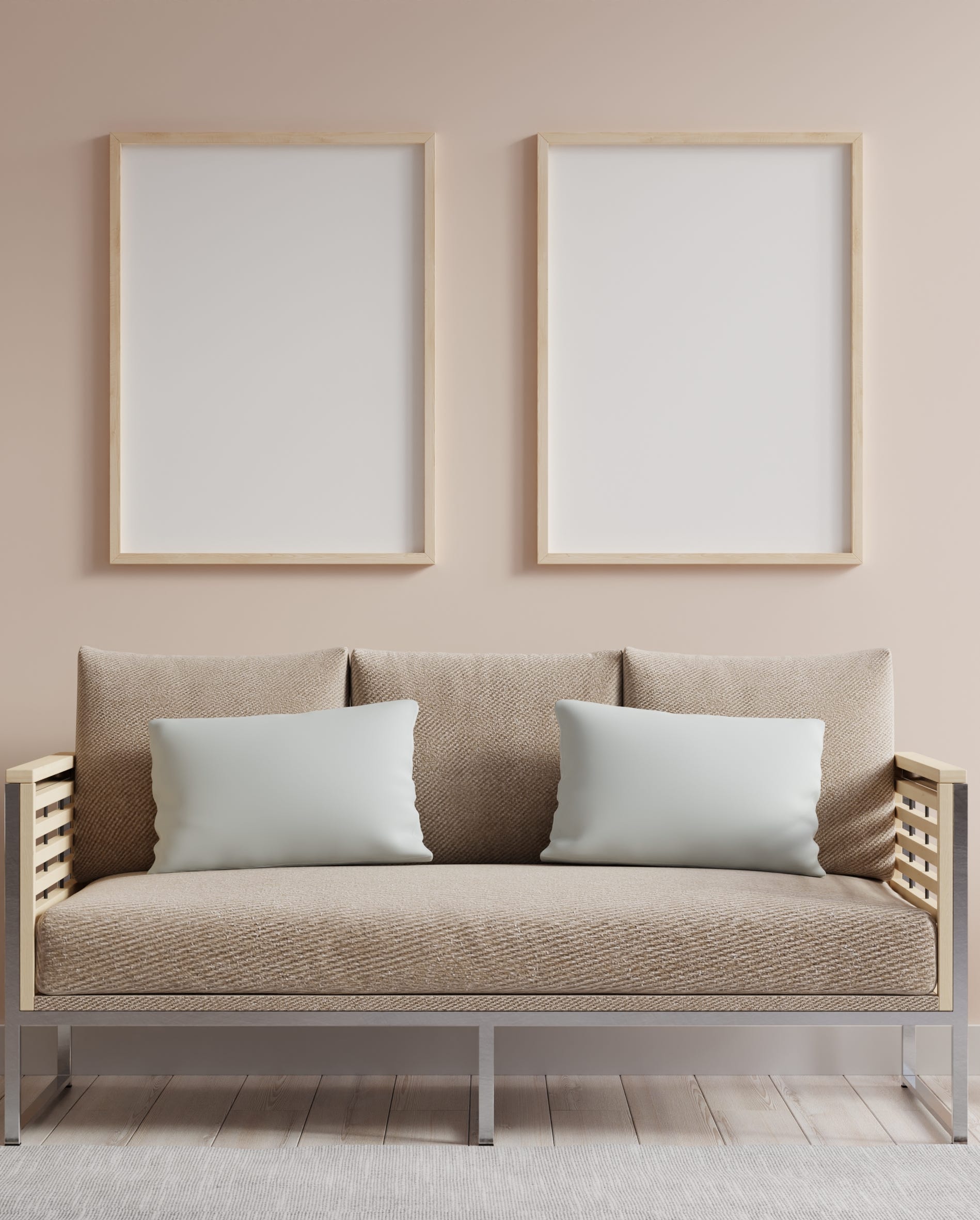
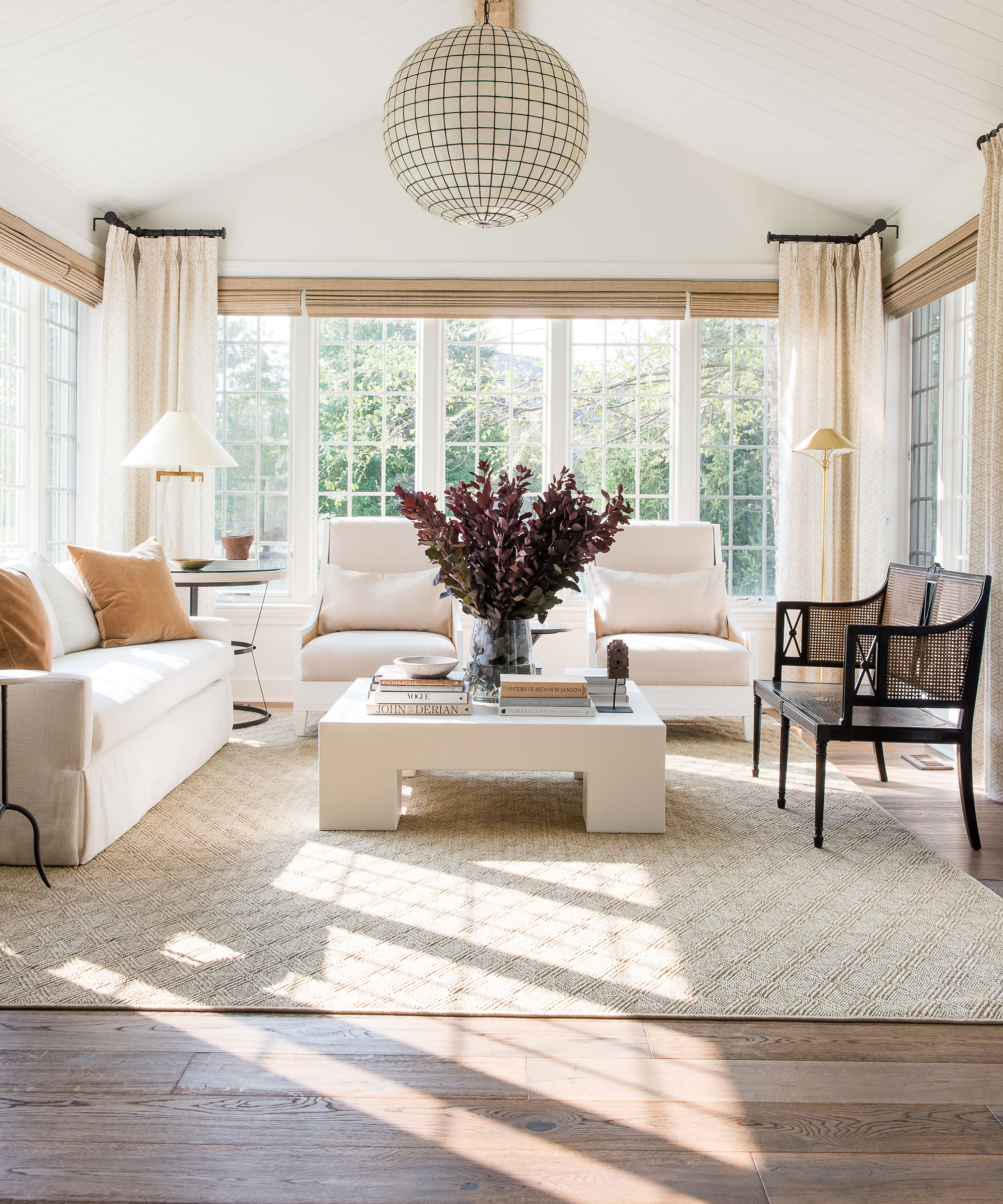
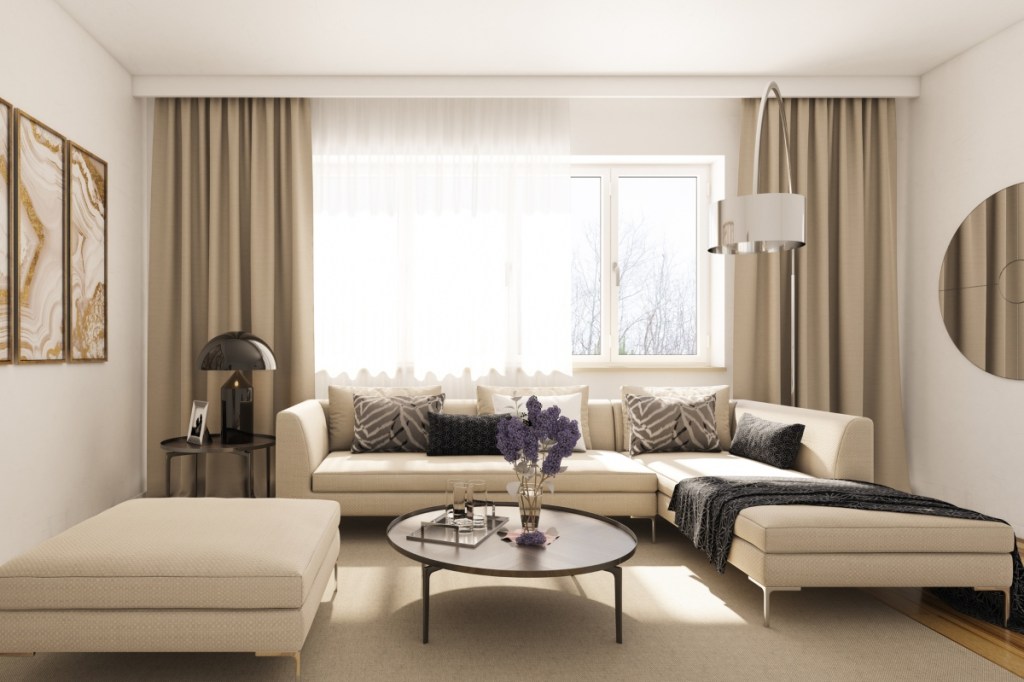
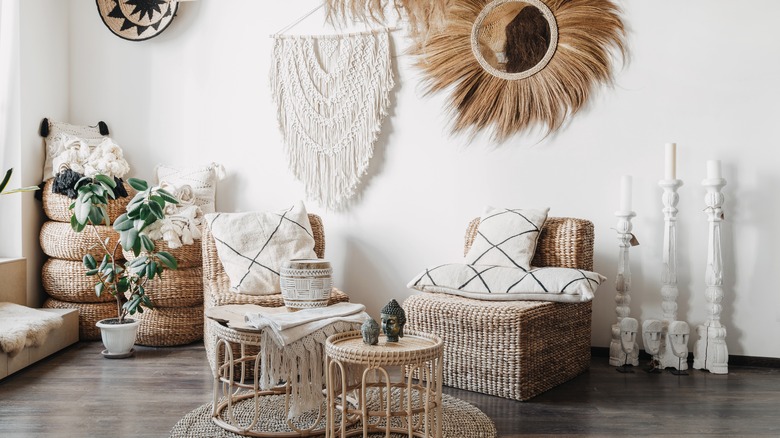
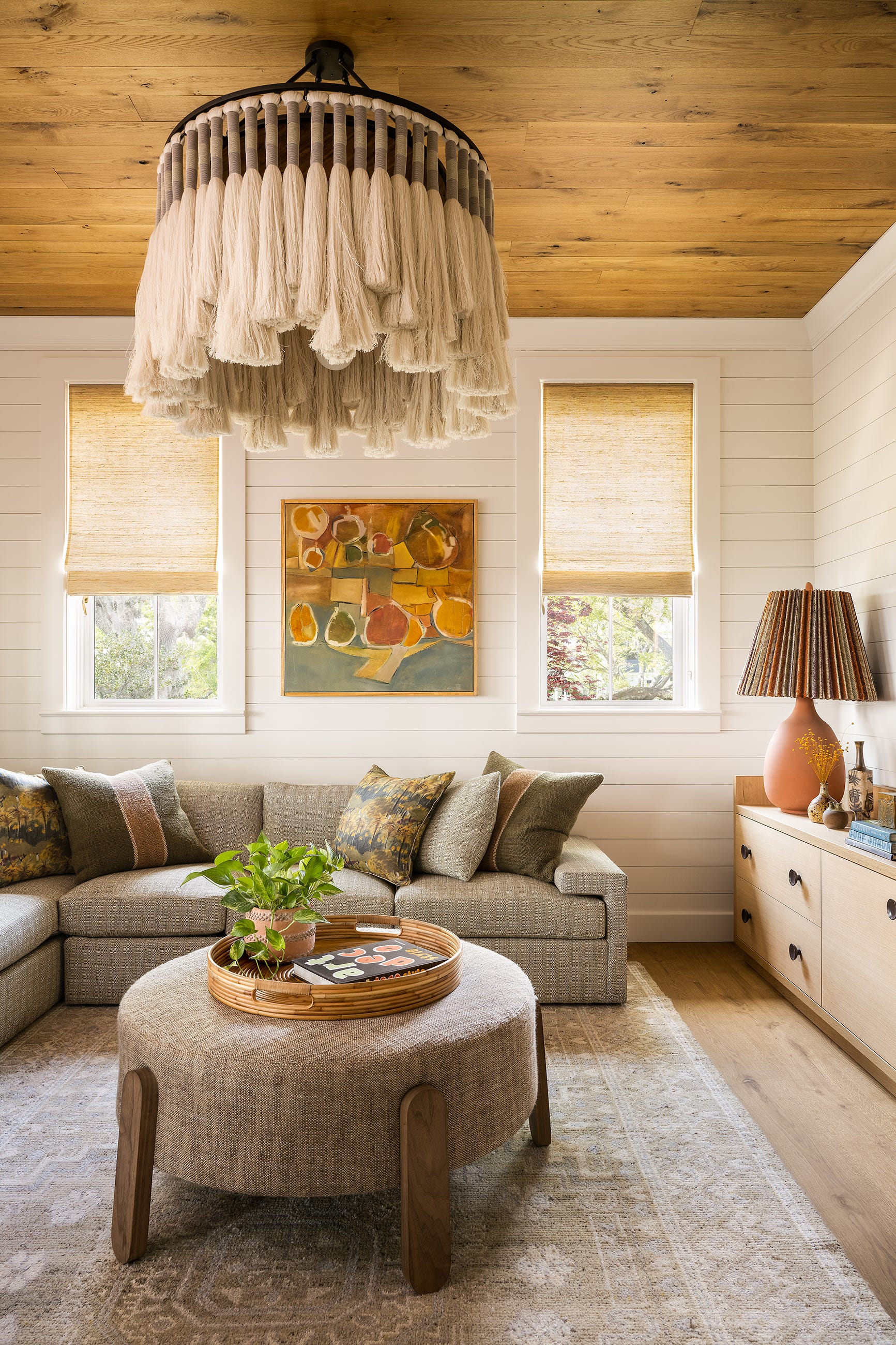
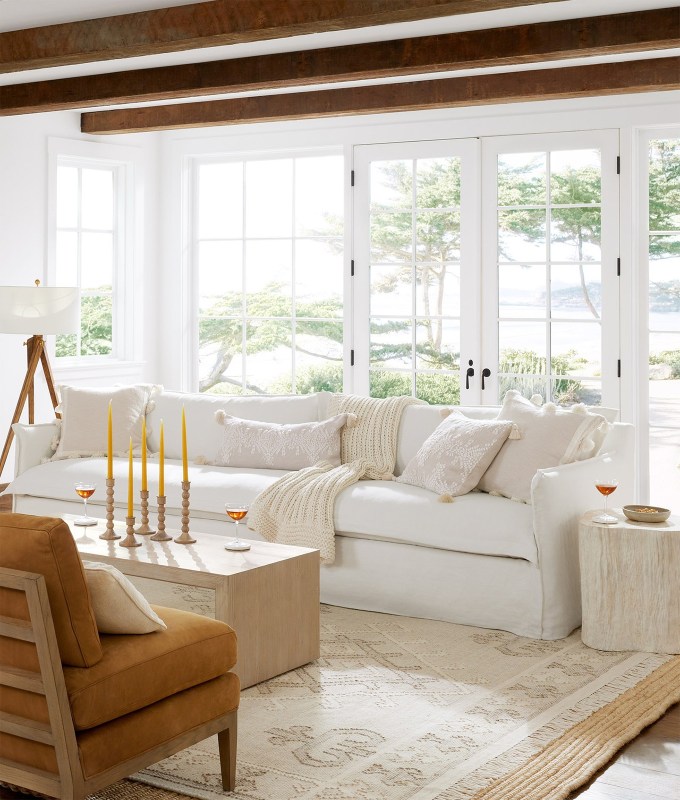
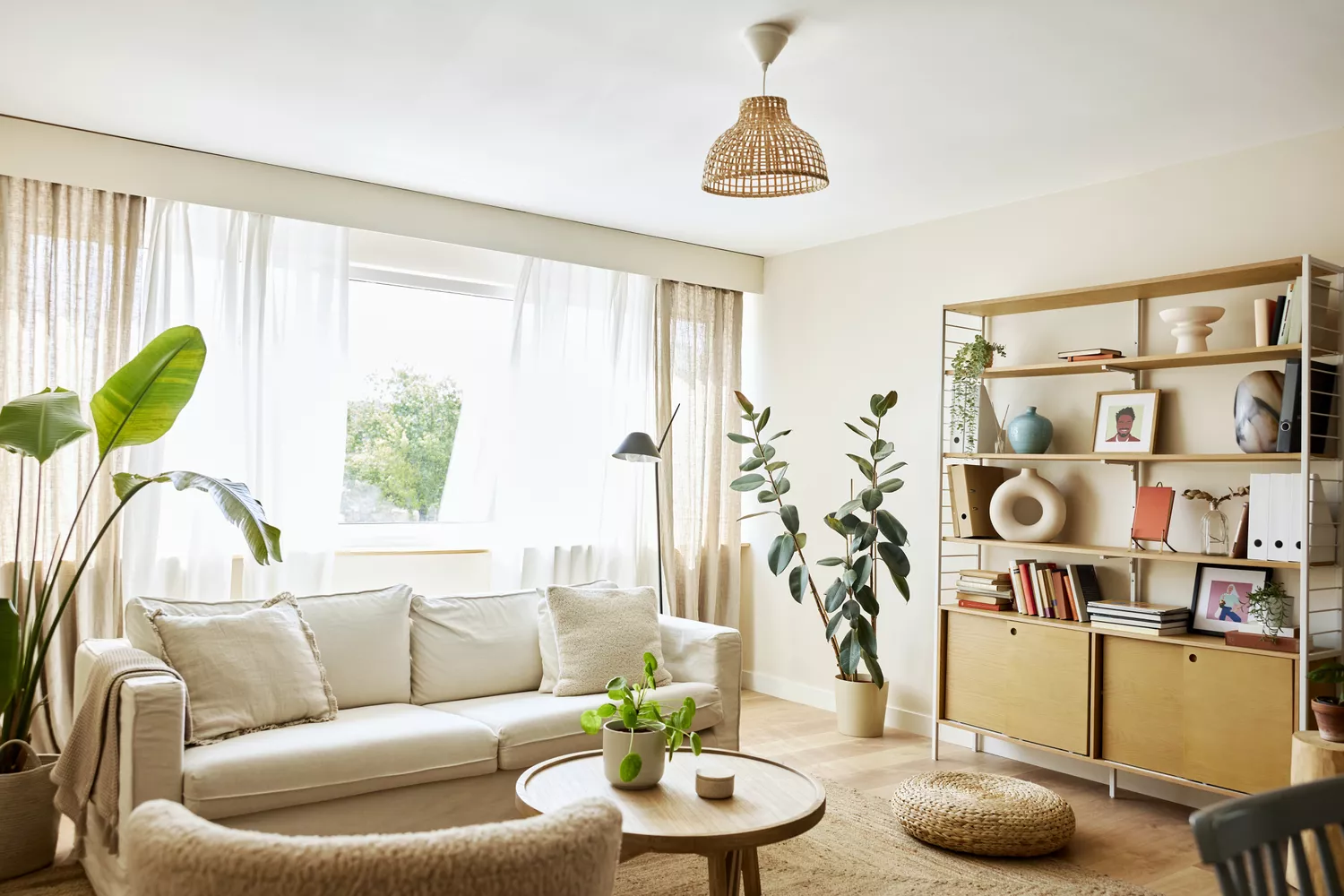
Key design principles for achieving a lasting boho-style living room include embracing a neutral color palette, which helps minimize visual clutter and creates a serene backdrop. Interior designer Katelyn De Spain emphasizes using earthy, muted tones and inviting textures to foster a calming environment. When incorporating rattan, a hallmark of boho style, it should be used judiciously to avoid an overly styled or one-dimensional look, as advised by De Spain. Juxtaposing different textures, such as bouclé sofas, limewash walls, sculptural plaster accents, and plush Moroccan rugs, adds depth and prevents a tonal palette from appearing flat. For those with a maximalist inclination, styling open shelves with curated ceramics and vintage books while maintaining a cohesive tonal palette ensures visual harmony.
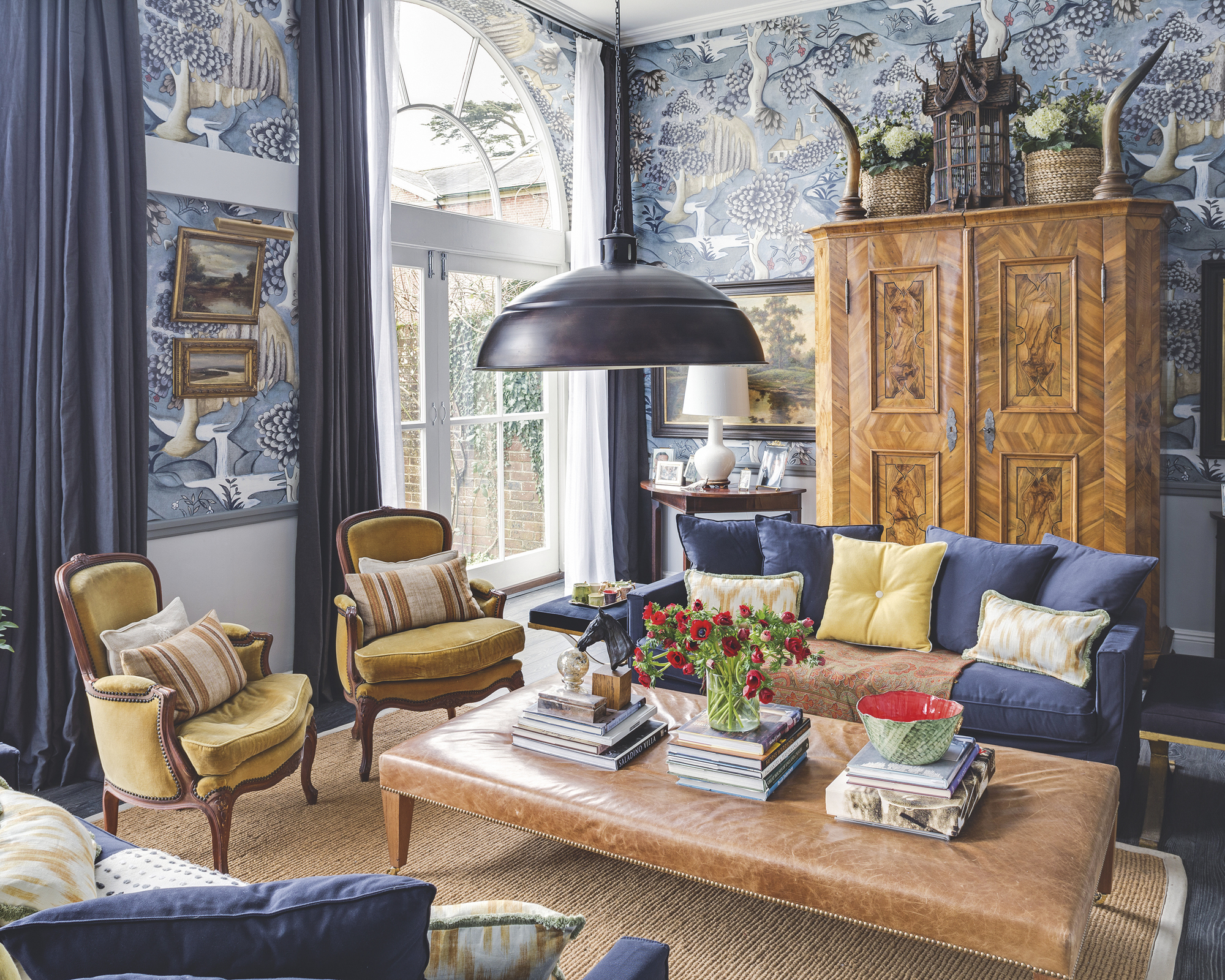
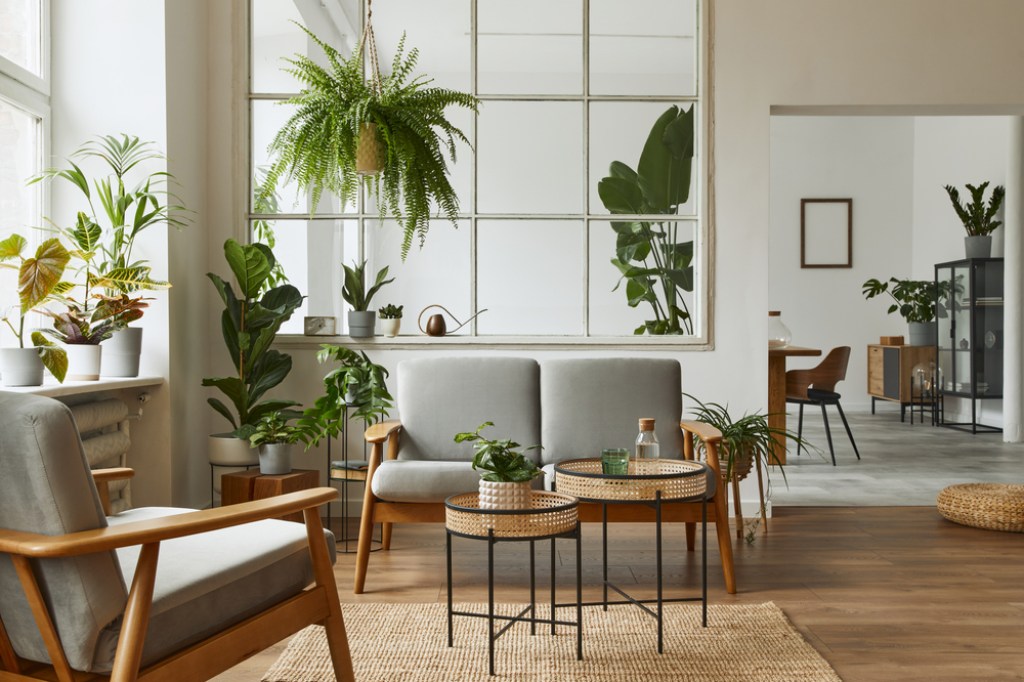
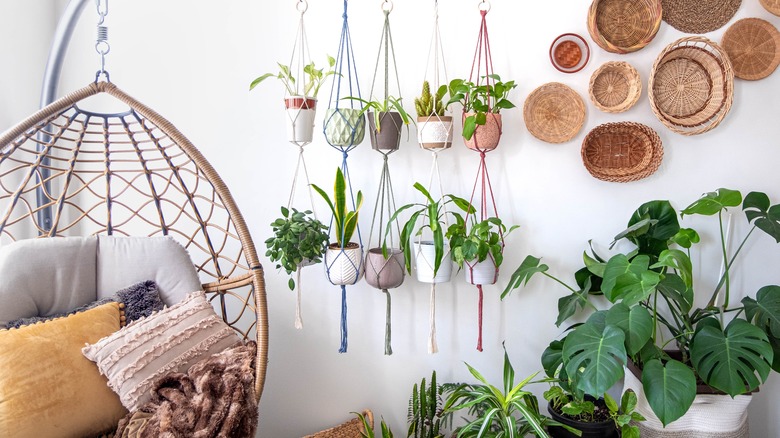
Plants are an essential element, energizing the space and adding a natural dimension. Emilie Fournet, another expert designer, suggests varying plant pot heights to create layered visual interest. Walls painted in warm whites with red or yellow undertones provide an inviting glow and serve as a neutral canvas, allowing color to be introduced through fabrics, accessories, and art. If a more colorful boho aesthetic is desired, defining a main color palette and distributing those accents throughout the room can prevent visual busyness.
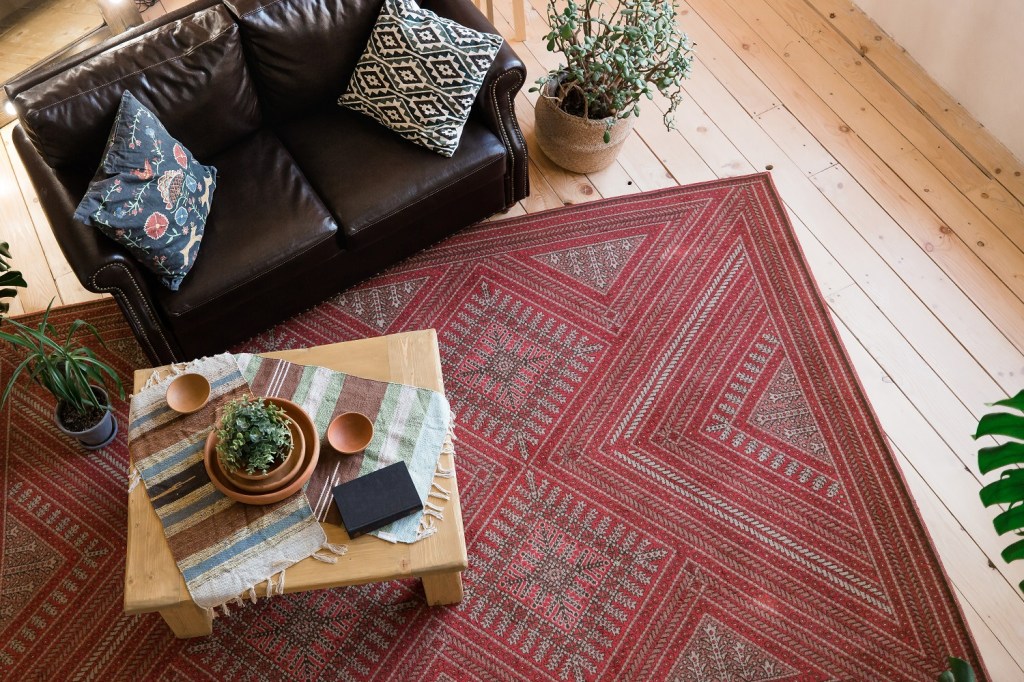
Designing a boho-style living room involves balancing minimalism with controlled injections of color and a pared-back maximalism. Emphasizing comfortable seating, thick rugs, and natural fabrics contributes to a warm, cozy, yet light and peaceful atmosphere. Achieving balance is crucial; for instance, a vibrant rug can be paired with neutral walls to prevent visual conflict. Designers also recommend avoiding overly clichéd elements like mass-produced macramé, favoring unique handmade pieces or DIY wall decor instead. Layered lighting from various sources, including wall lights, floor lamps, and table lamps with warm bulbs, creates an inviting ambiance.
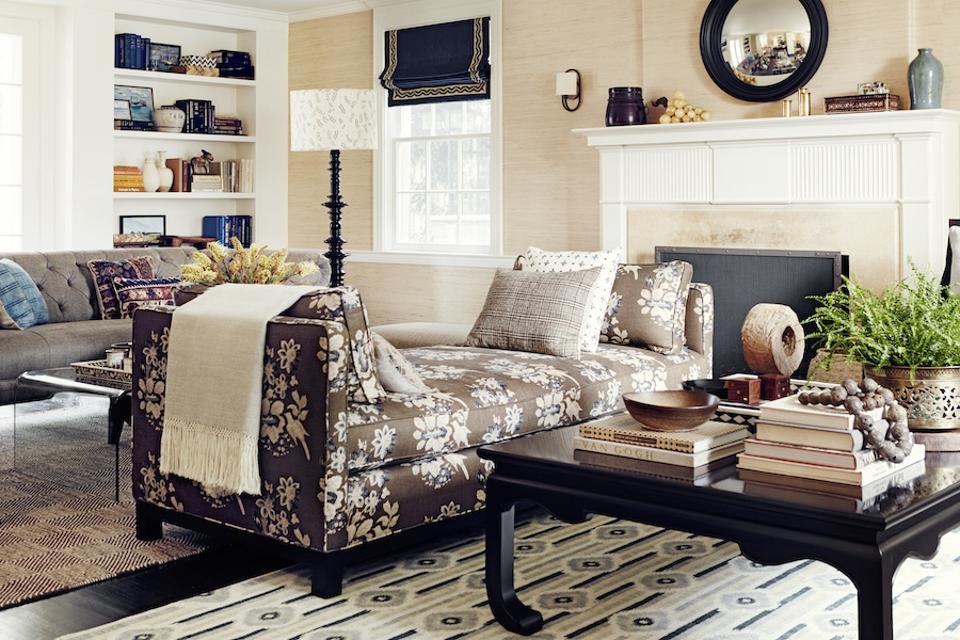
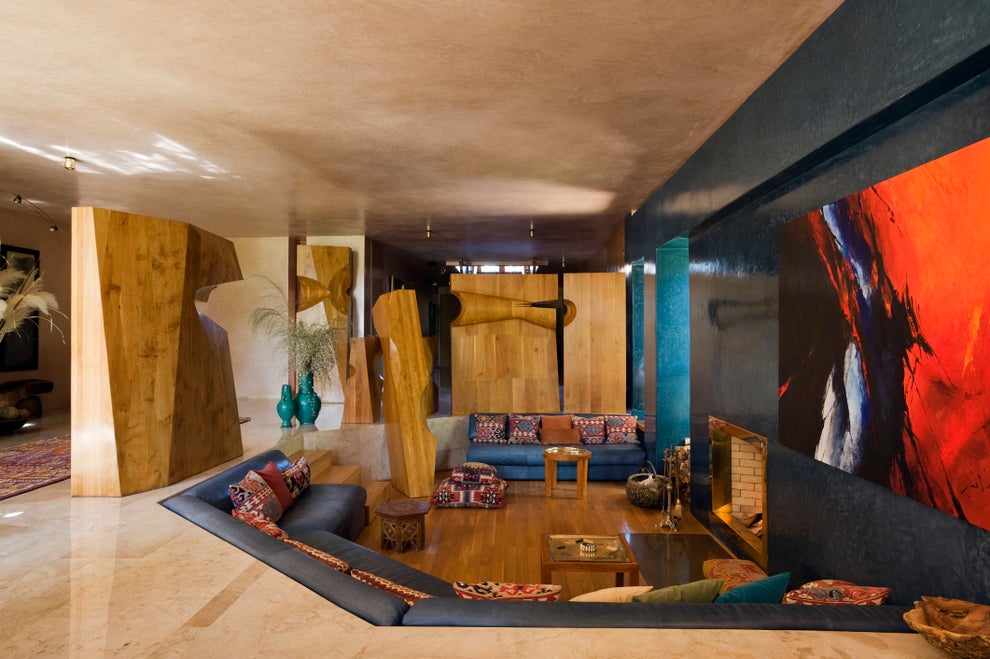
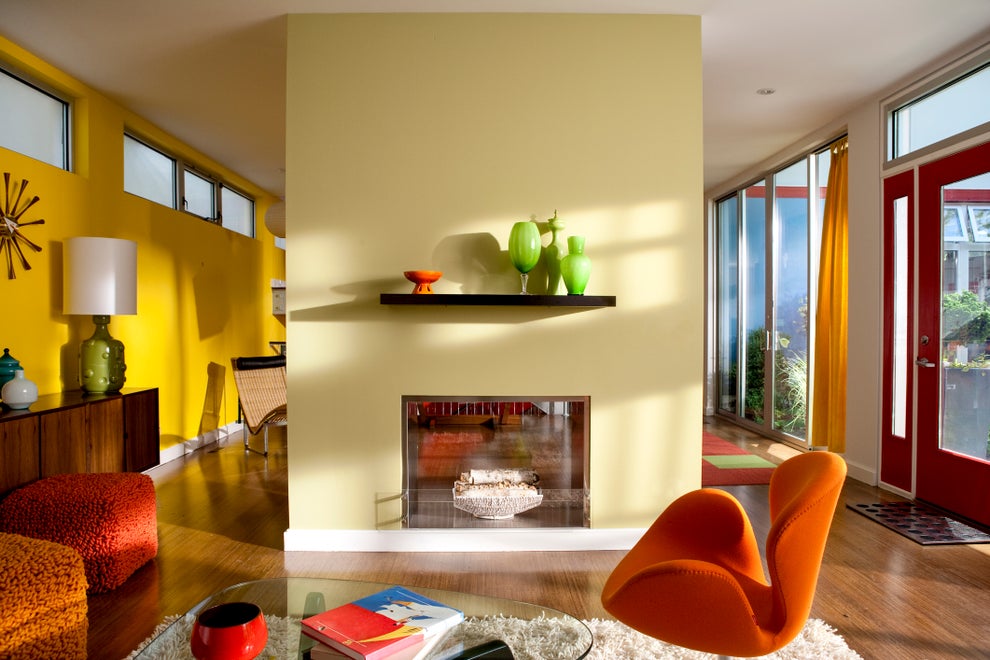
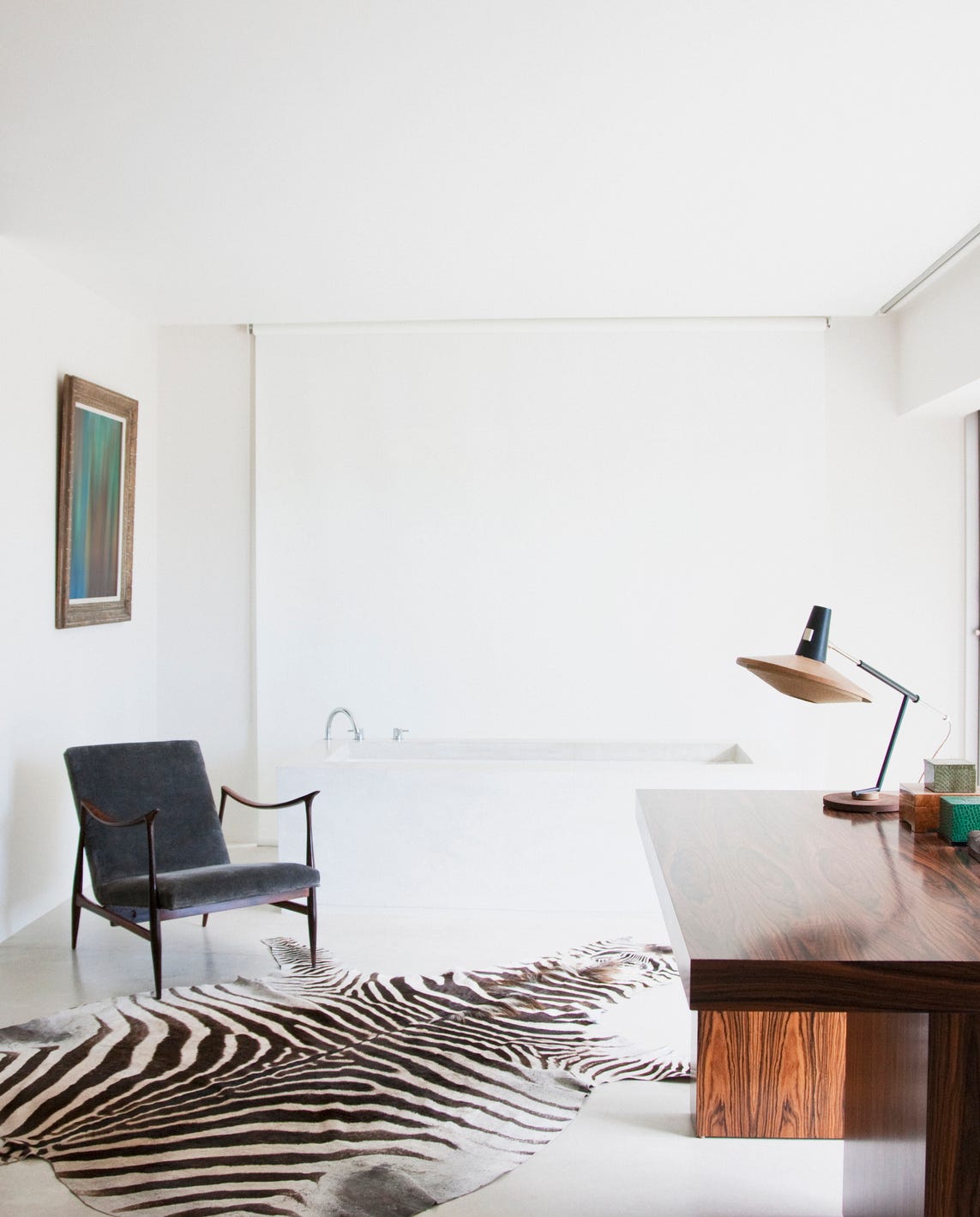
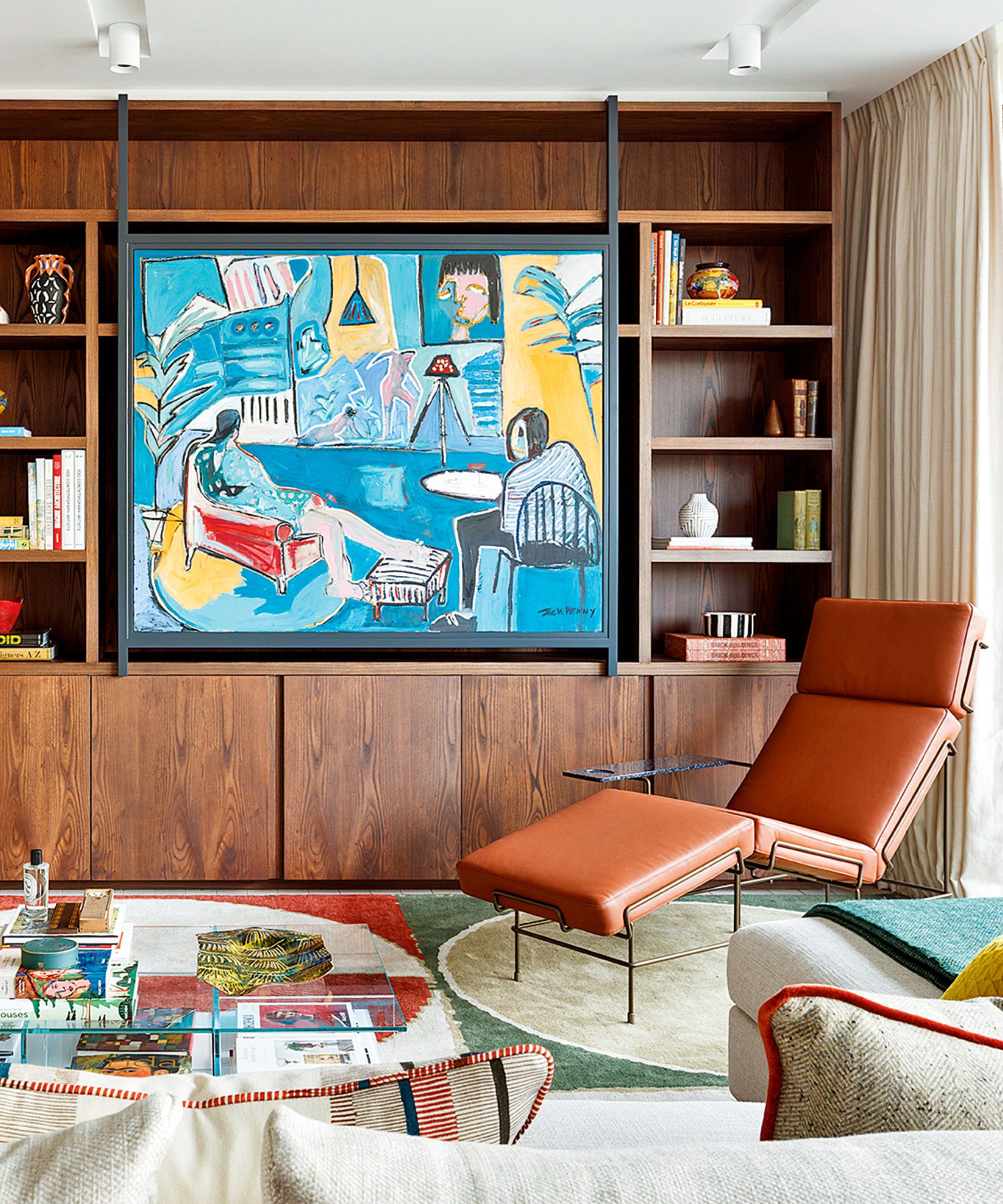
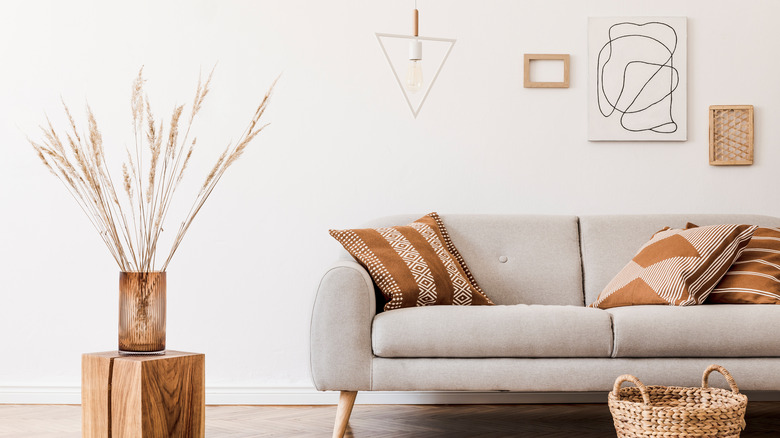
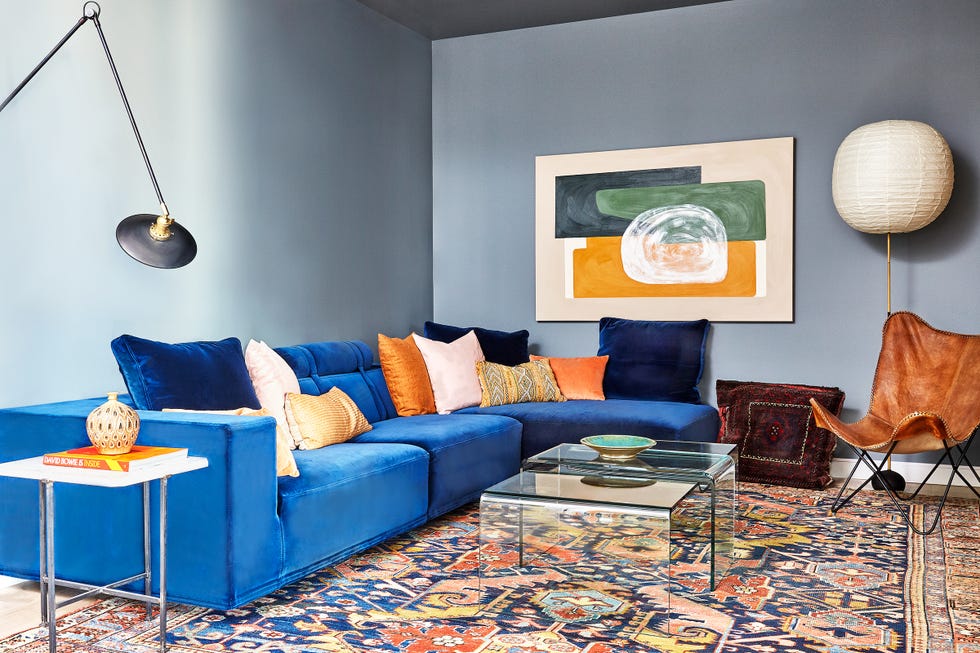
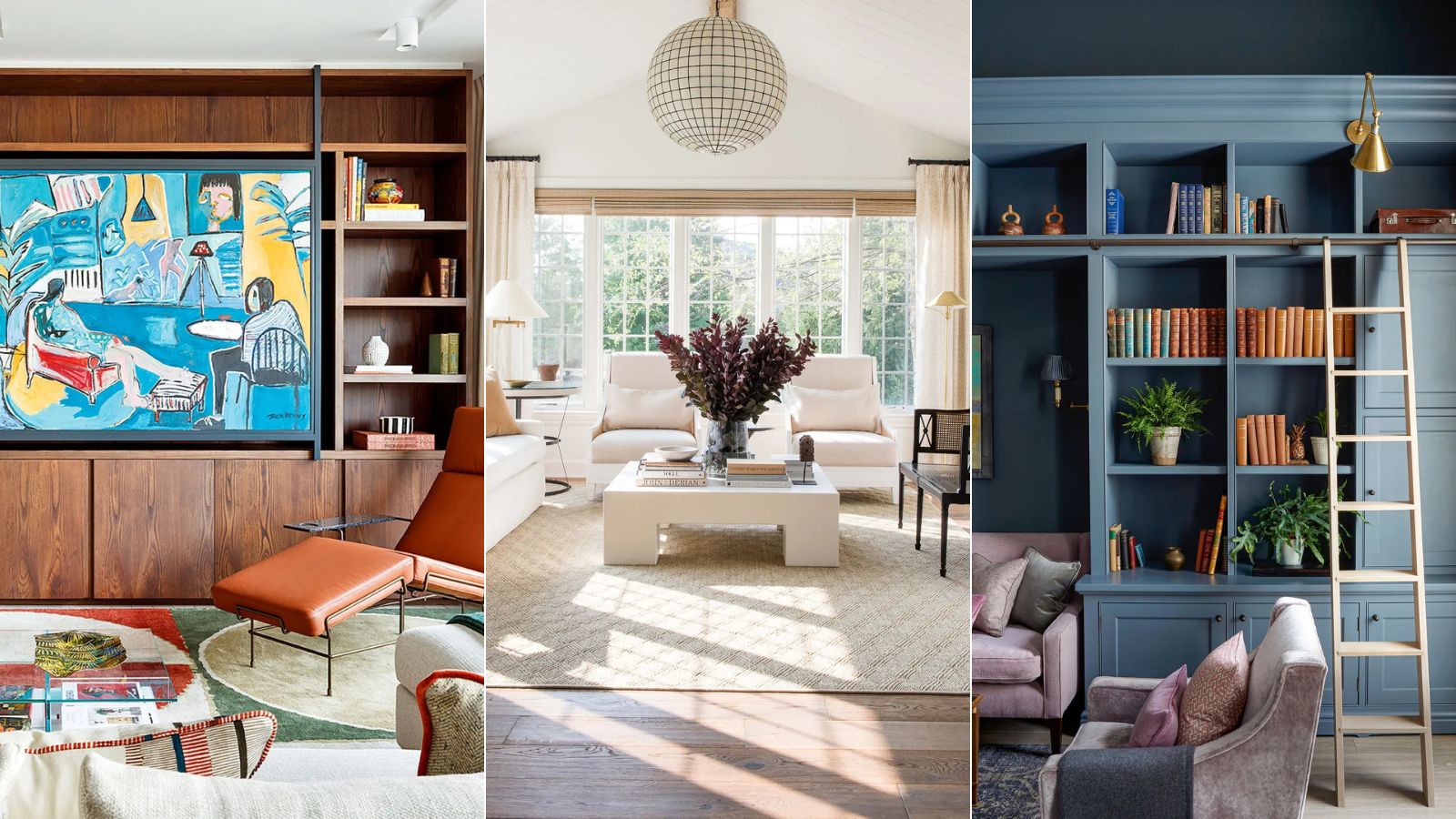
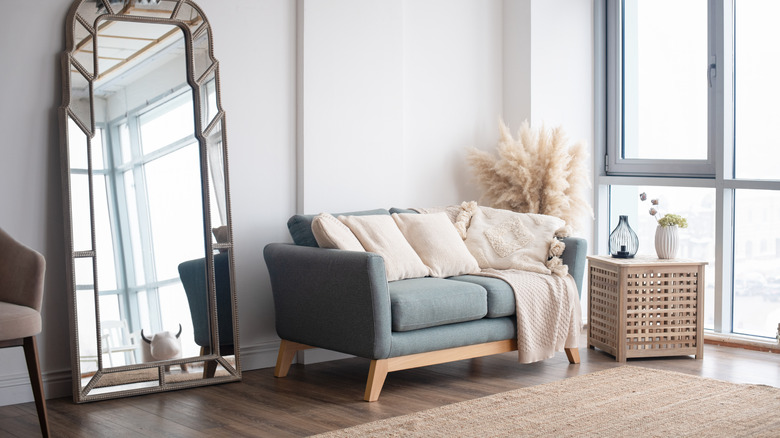
Bohemian interiors frequently blend disparate styles. Midcentury modern, with its soft and uncomplicated lines, pairs well with the warm and eclectic nature of boho design. However, it is important to balance mixed styles to achieve an effortless look. Incorporating elements such as wall baskets, floor cushions, or layered rugs can introduce texture and a laid-back feel. For spaces with extensive collections, an accent wall with built-in shelves can display objects and art in a curated manner. A minimalist boho living room can benefit from a "hero piece" that adds bold personality, such as a brightly colored sofa. Decorating with pampas grass adds height and a distinctive boho touch. Finally, the wabi-sabi philosophy, which celebrates natural finishes, organic forms, and the beauty of imperfection, aligns well with modern boho design, and mixing various materials like wood, tile, leather, and natural fibers creates a streamlined yet rich visual interest.
#BohoStyle #LivingRoomDesign #InteriorDesign #HomeDecor #NeutralPalette #TexturalElements #Houseplants #EclecticDecor #MidcenturyModern #BohoStyle #LivingRoomDesign #InteriorDesign #HomeDecor #NeutralPalette #TexturalElements #Houseplants #EclecticDecor #MidcenturyModern
0 comment in total
 No comments yet
You may also like
Interior Designers Share Their Best Traditional Design Tips

Elevate Your Space: Top Living Room Design Trends for 2025
2024 home design: 9 gorgeous living room decor ideas the experts swear by
7 Reasons Your Home Looks Dated, According to Designers

Design experts on their living room decor ideas

We're Totally Embracing Boho with These 20 Living Room Ideas

We Asked Designers to Pick the Most Timeless Living Room Paint Color—and They Agreed
2024 Needs to Be the Year You Finally Commit to Wallpaper
10 moody living room ideas to go with any aesthetic

We Asked Designers Which Living Room Styles They Wish Would Come Back, and We Agree
We Asked 6 Interior Designers for the One Antique They Use in Every Home
The 5 Rules of Decorating a Living Room in 2025 (Don’t Worry—They’ll Still Hold Up in 2030)

We Asked Designers How to Design a Home You'll Love into Retirement—And We Loved Their Advice
40 Outdated Home Trends We Hope Never to See Again
How This Designer Fashions Interiors To Stand The Test Of Time

How a Designer Turned This "Modern White Box" Into a Lively—and Functional—Family Home
11 Home Design Trends That Need A Major Revival In 2024 To Infuse Some Personality Back Into Our Homes

6 things making your living room furniture look cheap – explore the key mistakes to avoid and what designers do instead
20 Boho Living Rooms That Embody The Hippie-Chick Spirit

Boho Style Is Here to Stay—and These 6 Furniture Picks Capture the Eclectic Look