Designers Say This Tiny Tweak Could Save Your Living Room From Looking Tacky (And It's Free)
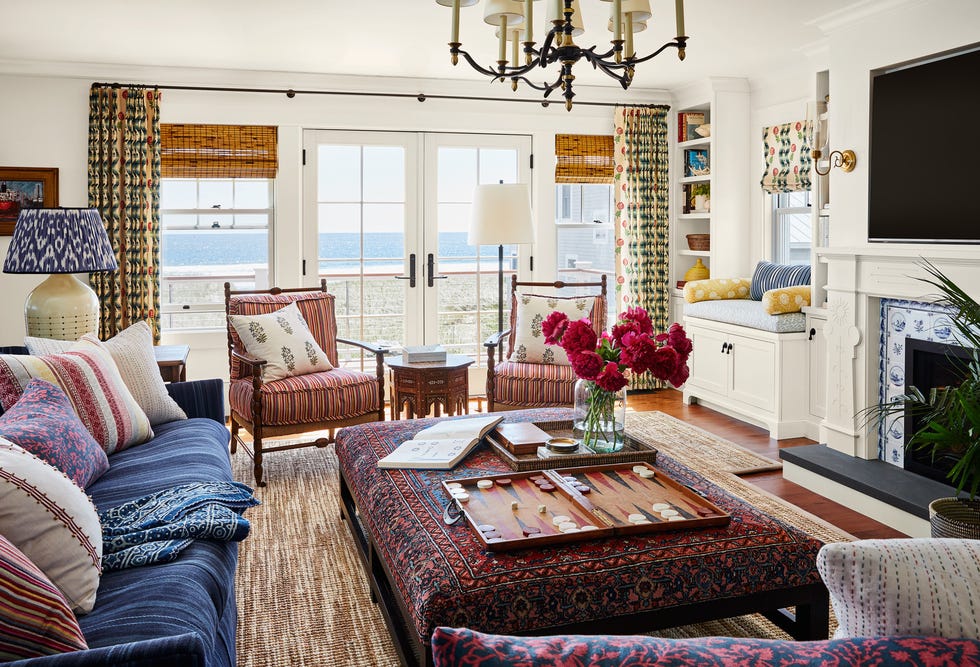
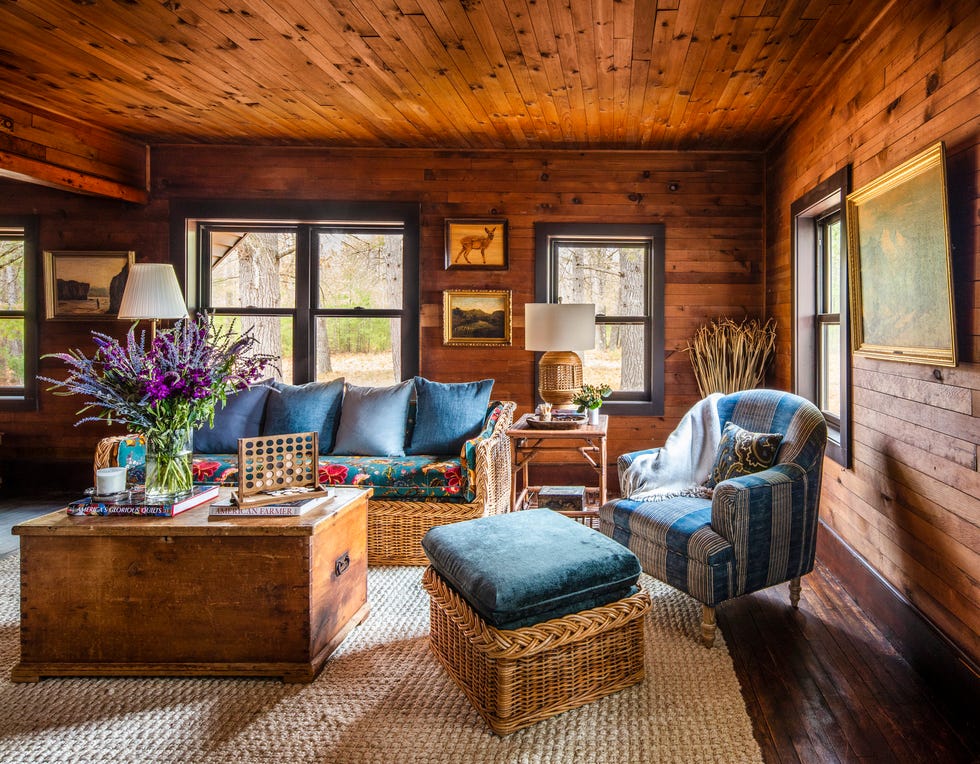
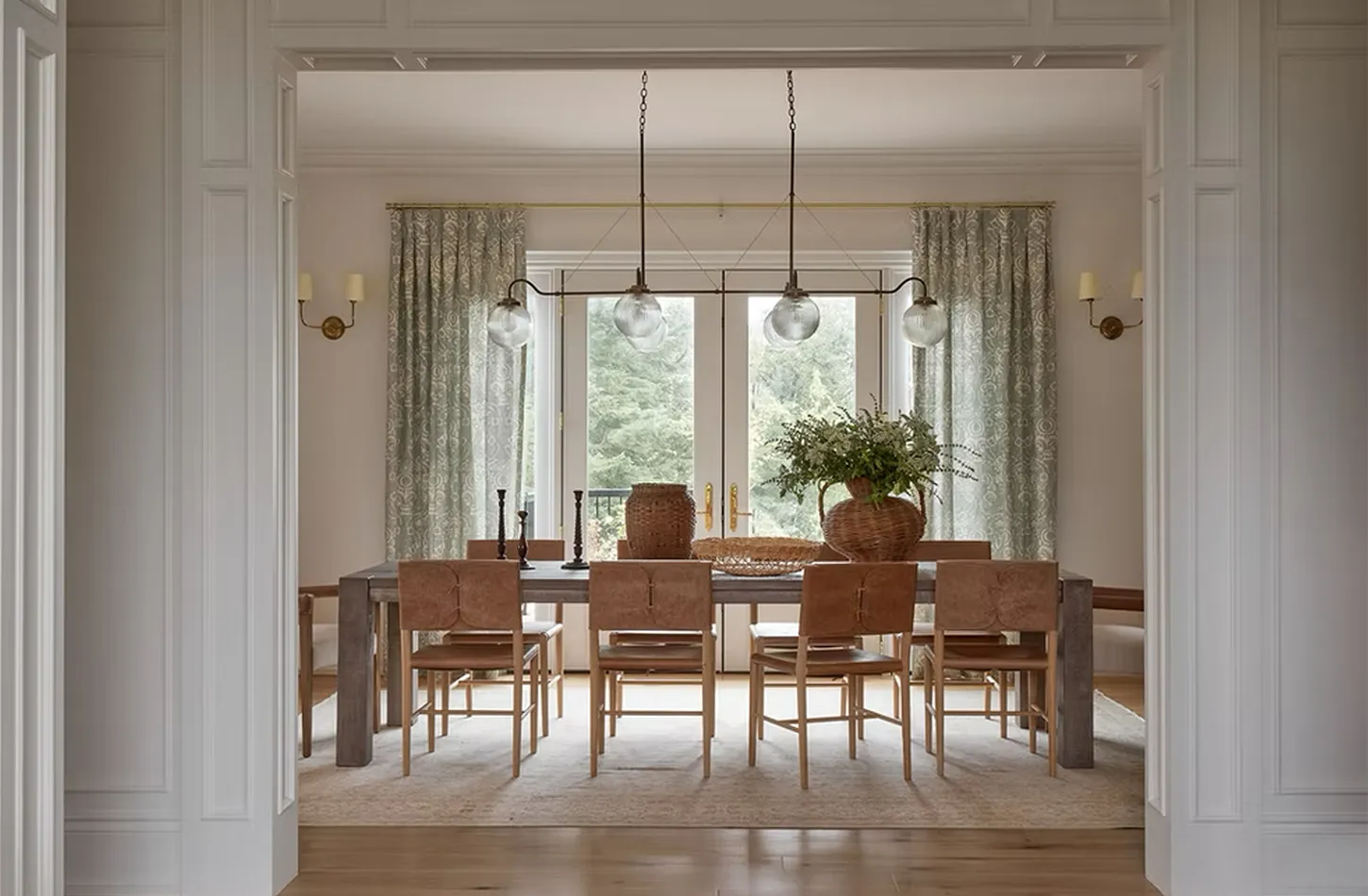
The appearance of a living room can often become 'tacky' due to factors like excessive decor, visual clutter, poorly proportioned furniture, and awkward layouts. Two design experts, Andrea Thompson and Courtney Batten, highlight that a simple yet impactful solution to prevent this is mindful editing: removing one or two items from the living room. This could involve reducing the number of throw pillows on a sofa or relocating some plants to other areas of the home, as the goal is to alleviate visual noise and promote a cleaner aesthetic. This approach applies regardless of individual design preferences or chosen objects.
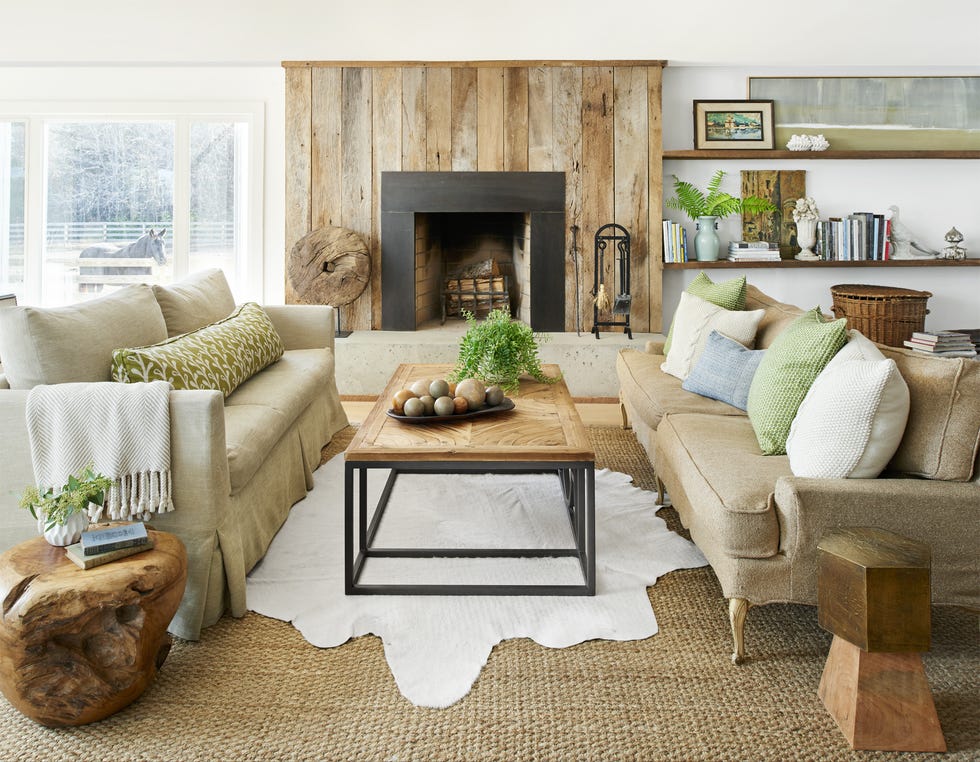
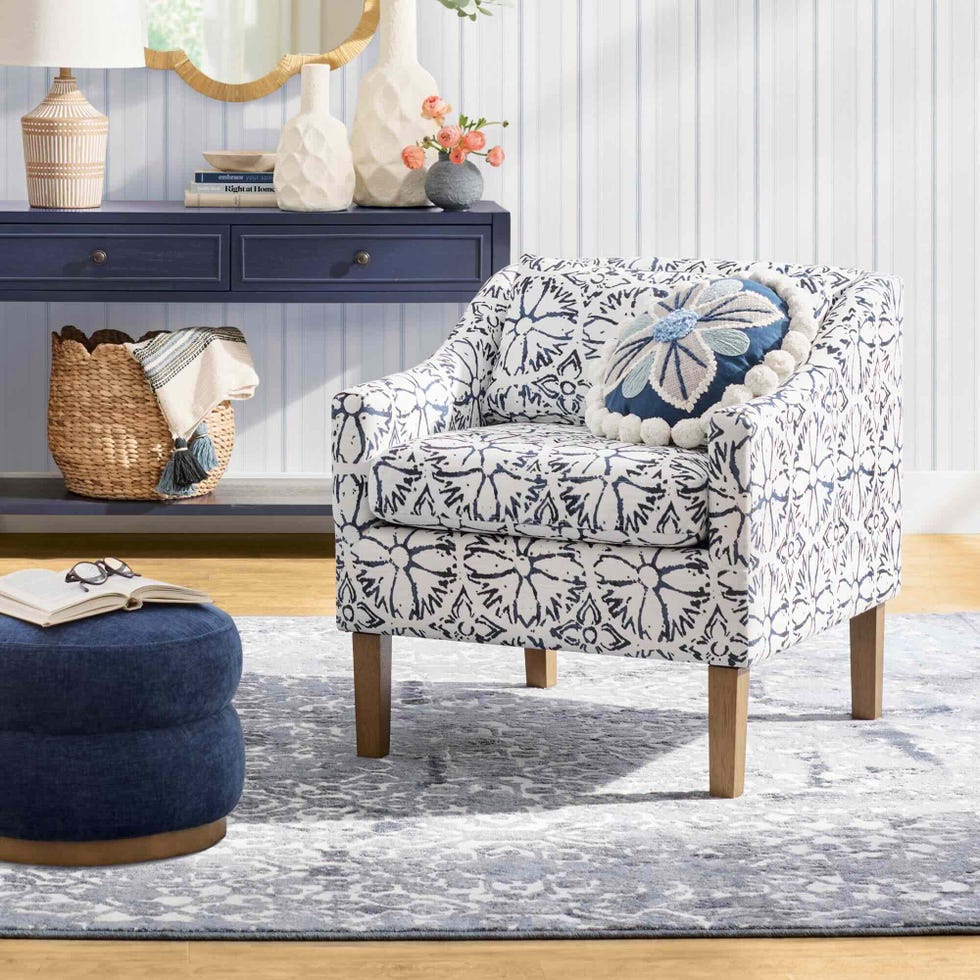
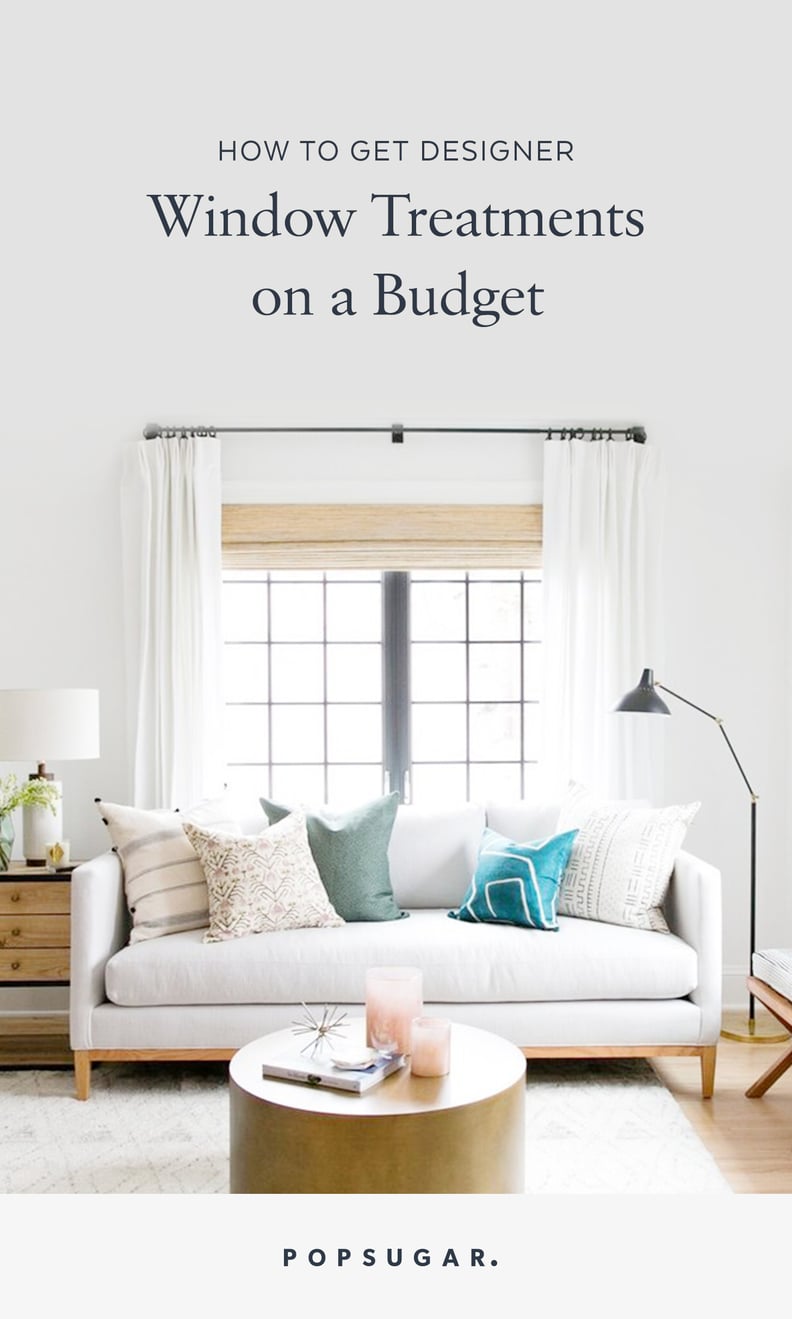
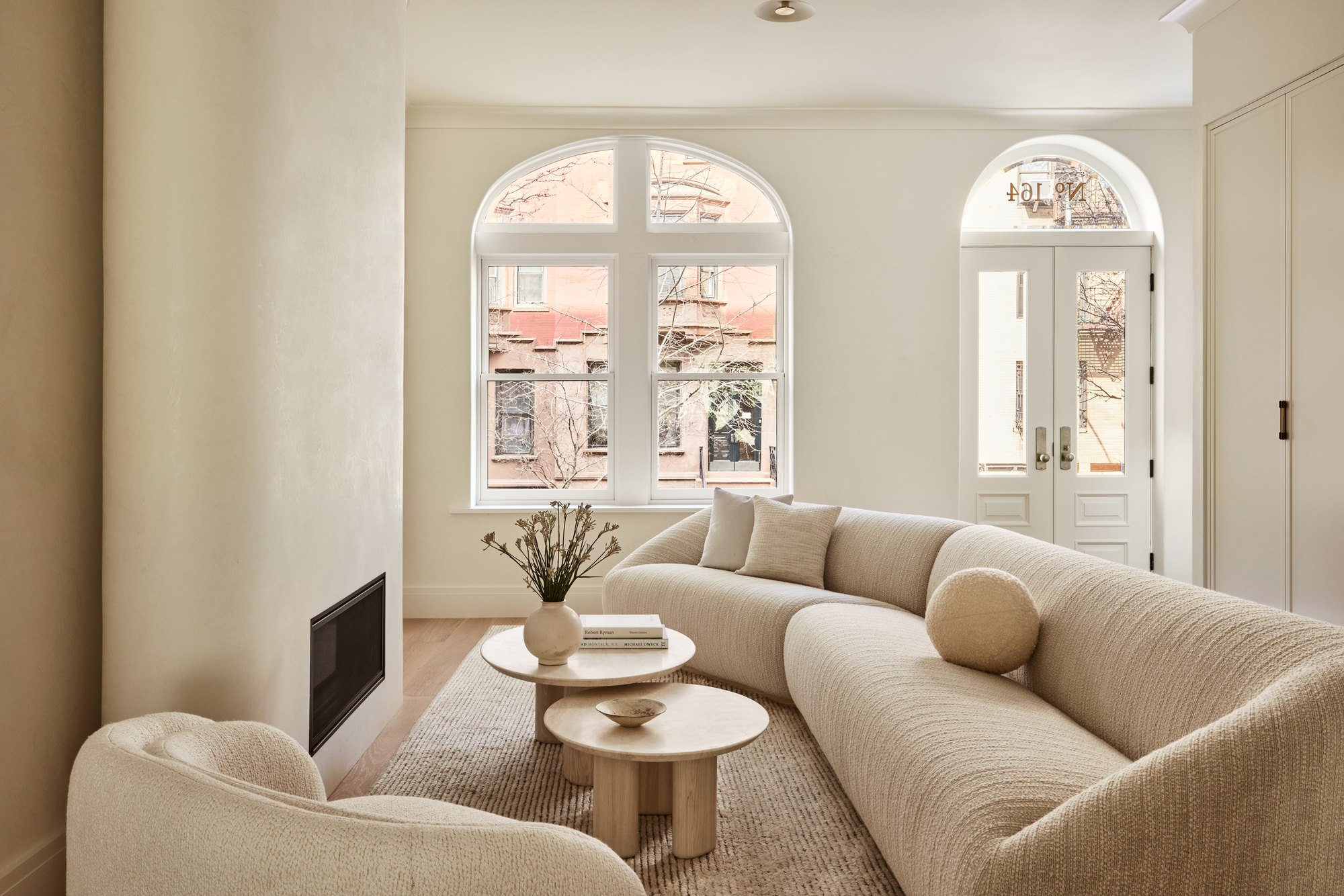
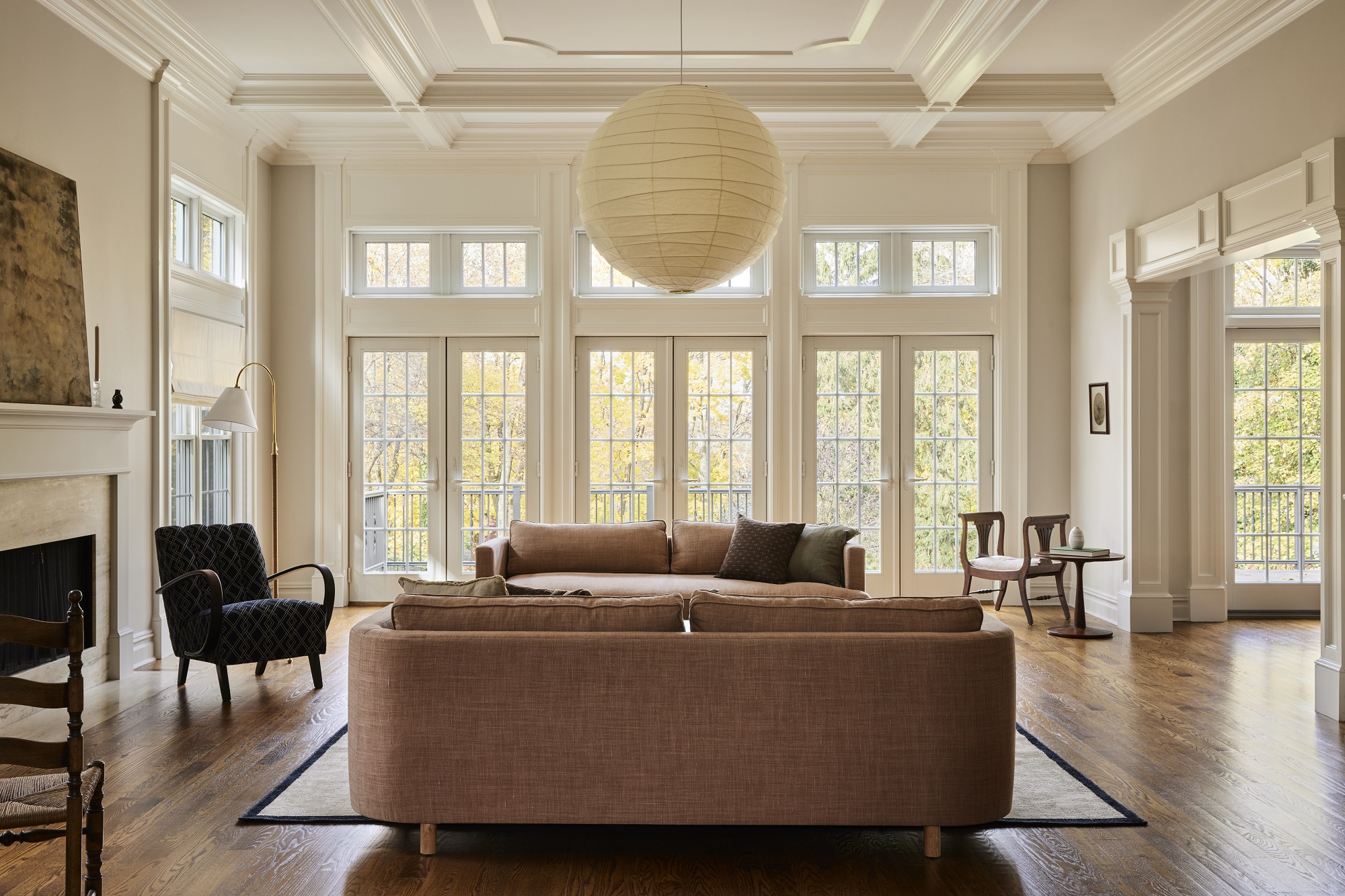
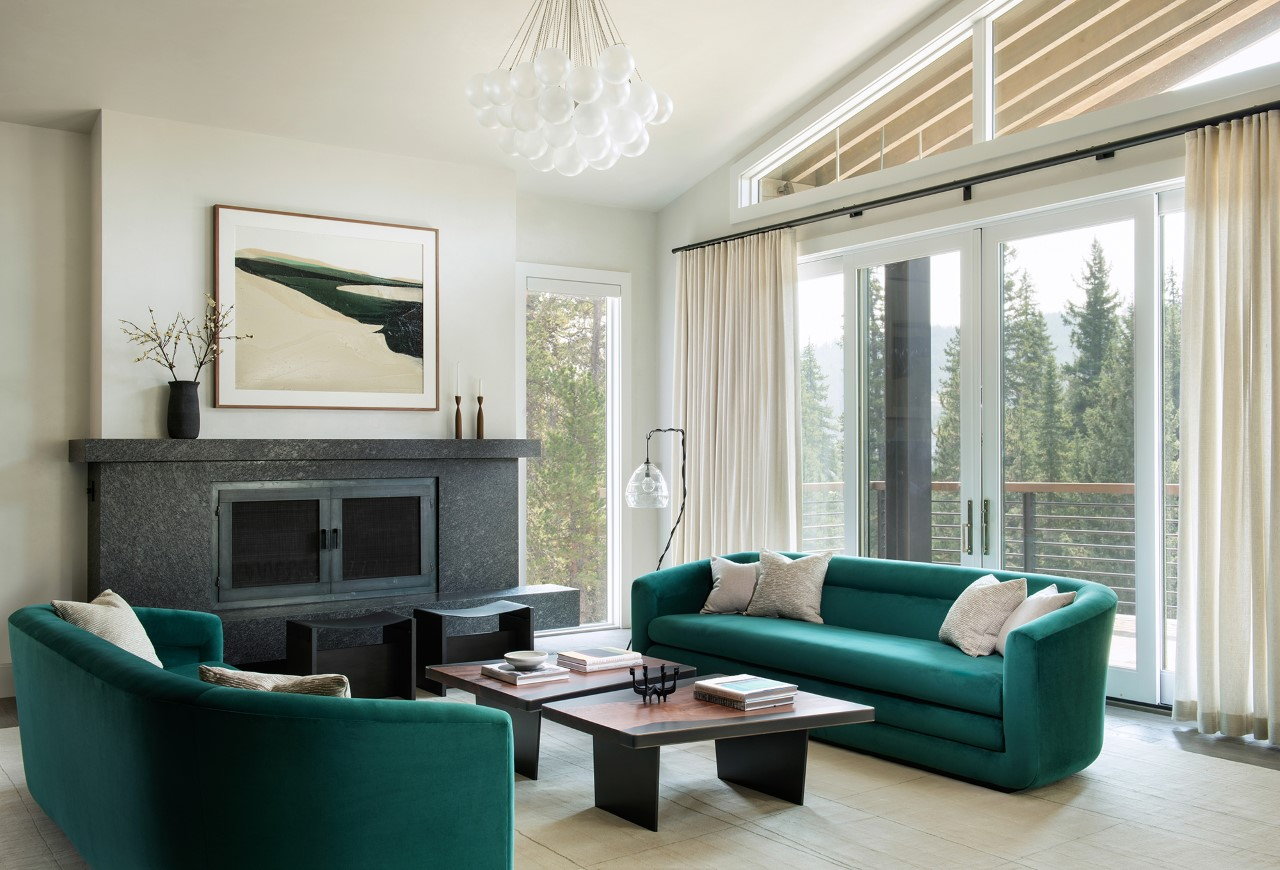

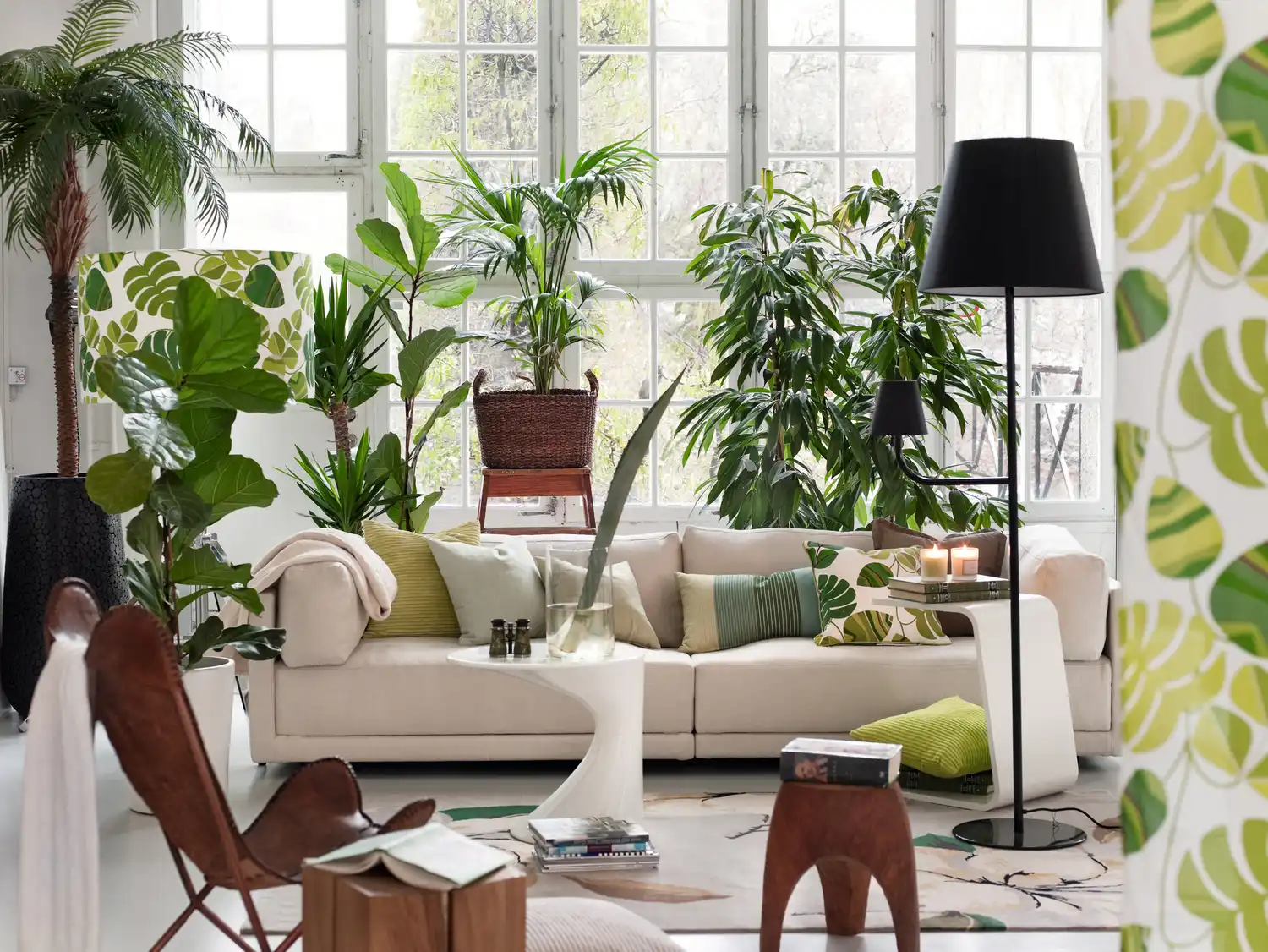
Several key areas are identified for maintaining simplicity and scale in a living room. For instance, it is suggested to limit throw pillows on a sofa to fewer than six and to restrict the number of chairs to two plus a couch, unless entertaining. Correct rug sizing is crucial, with experts recommending that all furniture, or at least the front legs of each piece, should fit within the rug. Managing cords by using flat extension cords, floor plugs, or cord channels is another tip to minimize visual clutter. Instead of relying solely on overhead lighting, which can create undesirable shadows, using matching table lamps on either side of the sofa or a large floor lamp is advised to create a more welcoming atmosphere. Furthermore, it is suggested to keep only two large plants in the living room and distribute others throughout the home to avoid overcrowding.
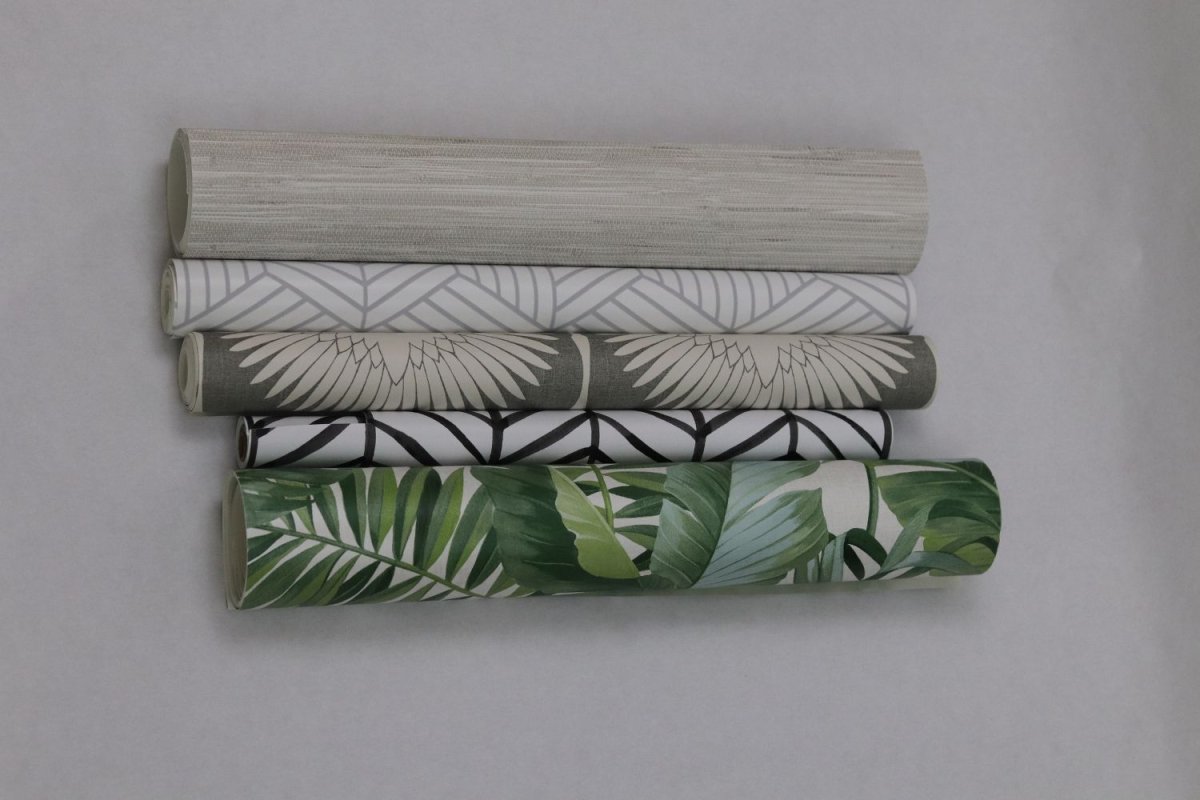
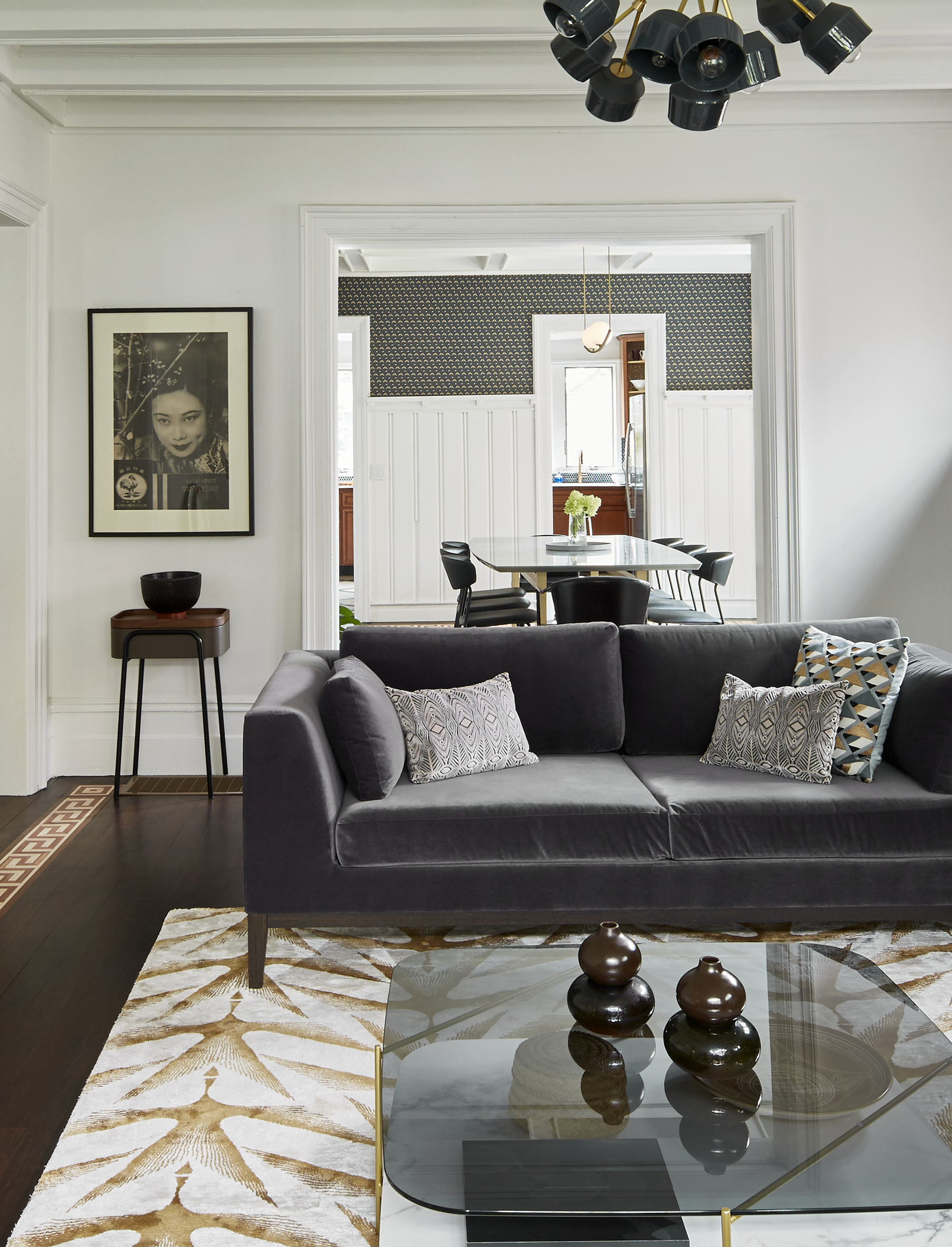
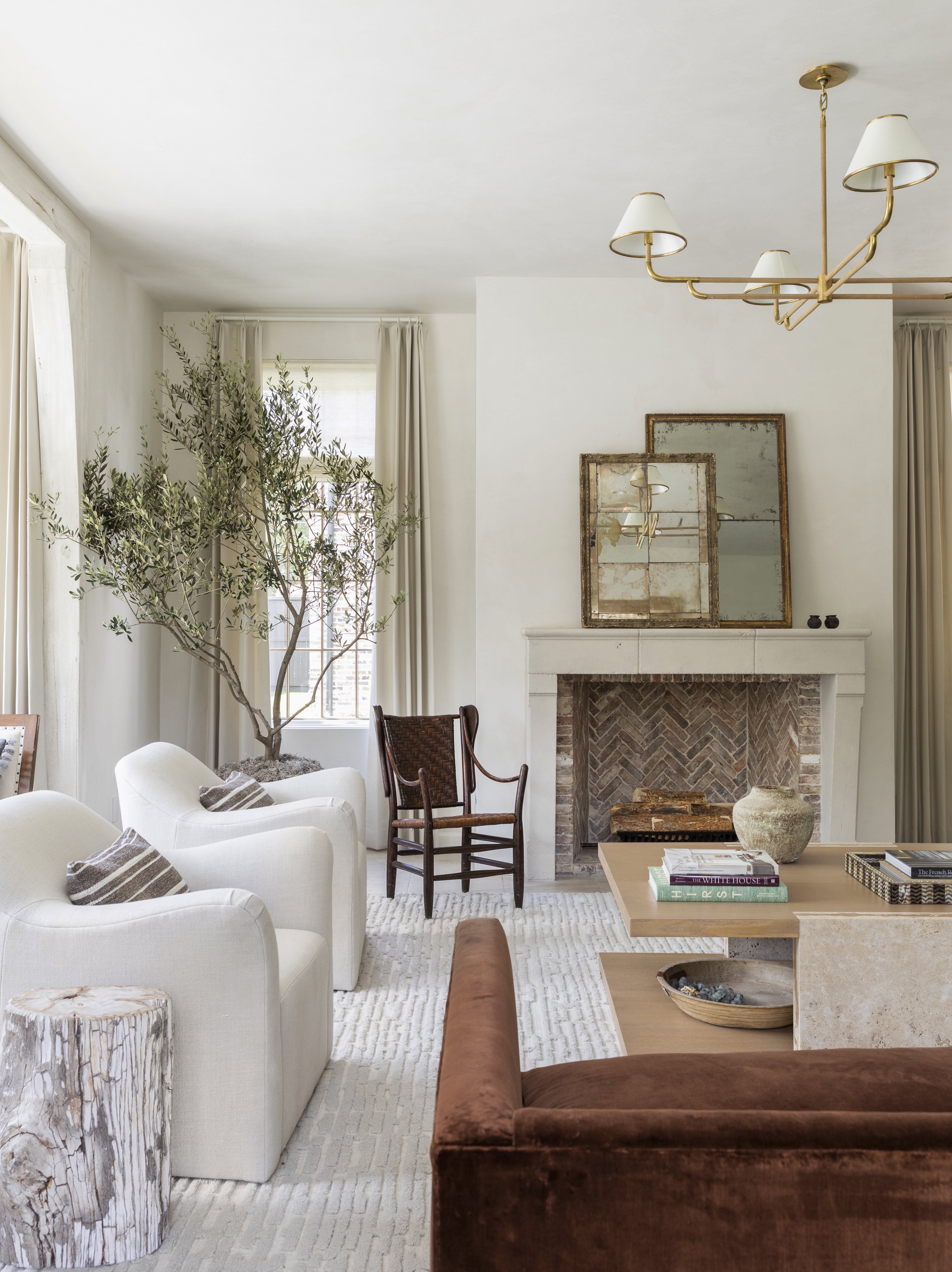
The article outlines four primary features that contribute to a tacky living room. The first is clashing undertones, which can create subtle but noticeable disharmony, even with neutral or complementary colors. An example given is pairing warm cream with cool gray. The solution involves establishing a cohesive color palette and ensuring that all decor, such as pillows and throws, complements the chosen tones and color temperature of the sofa and side chairs.
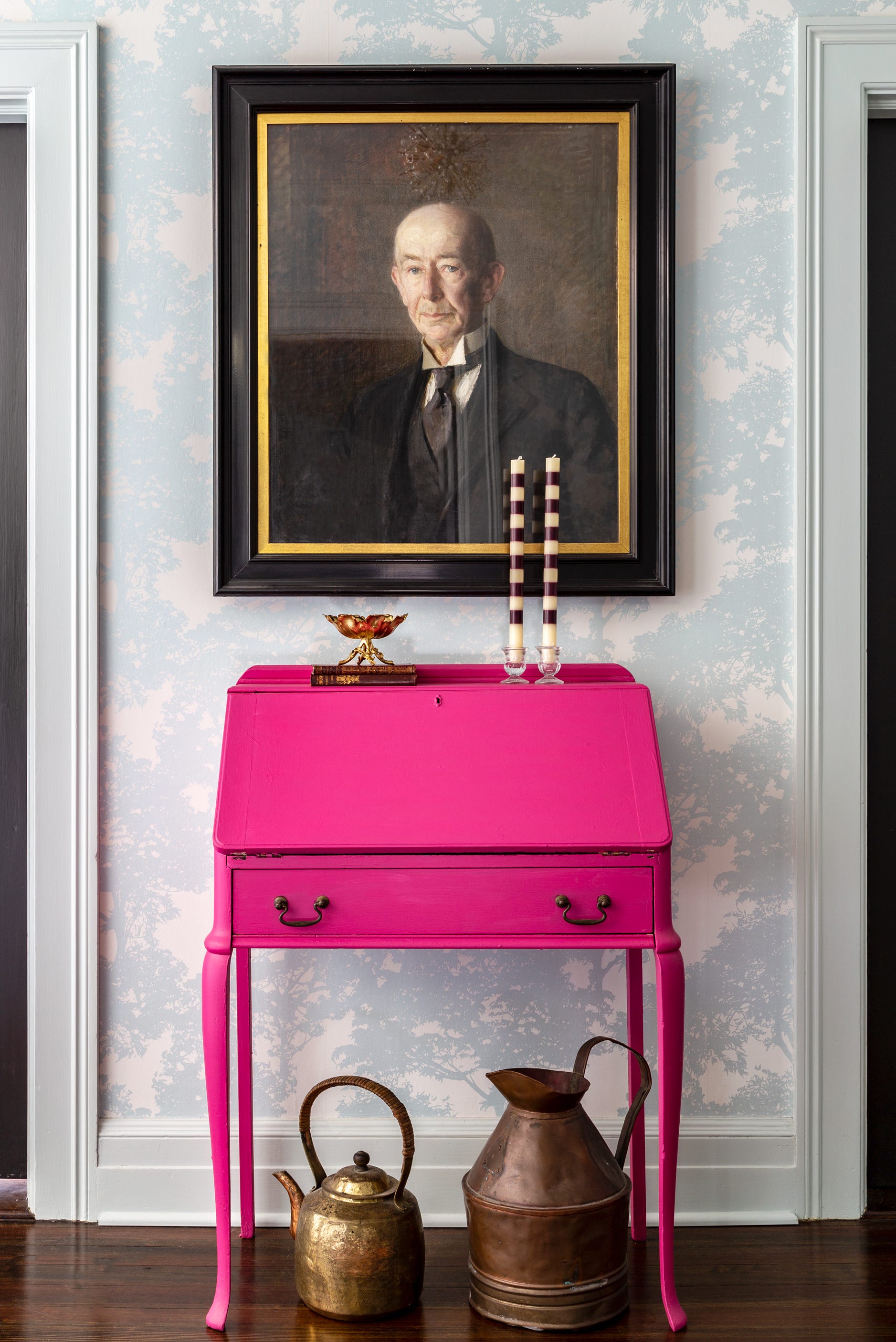
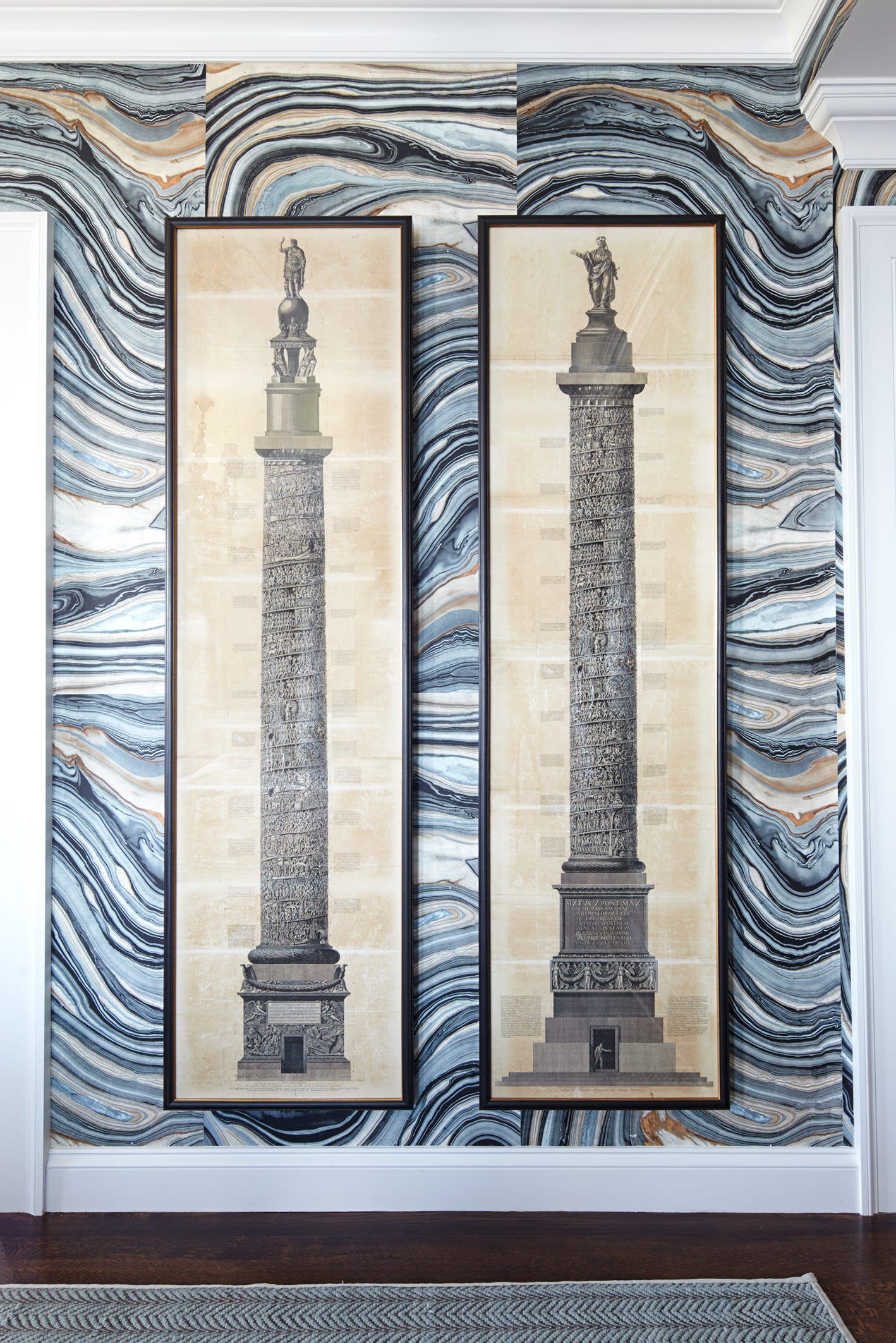
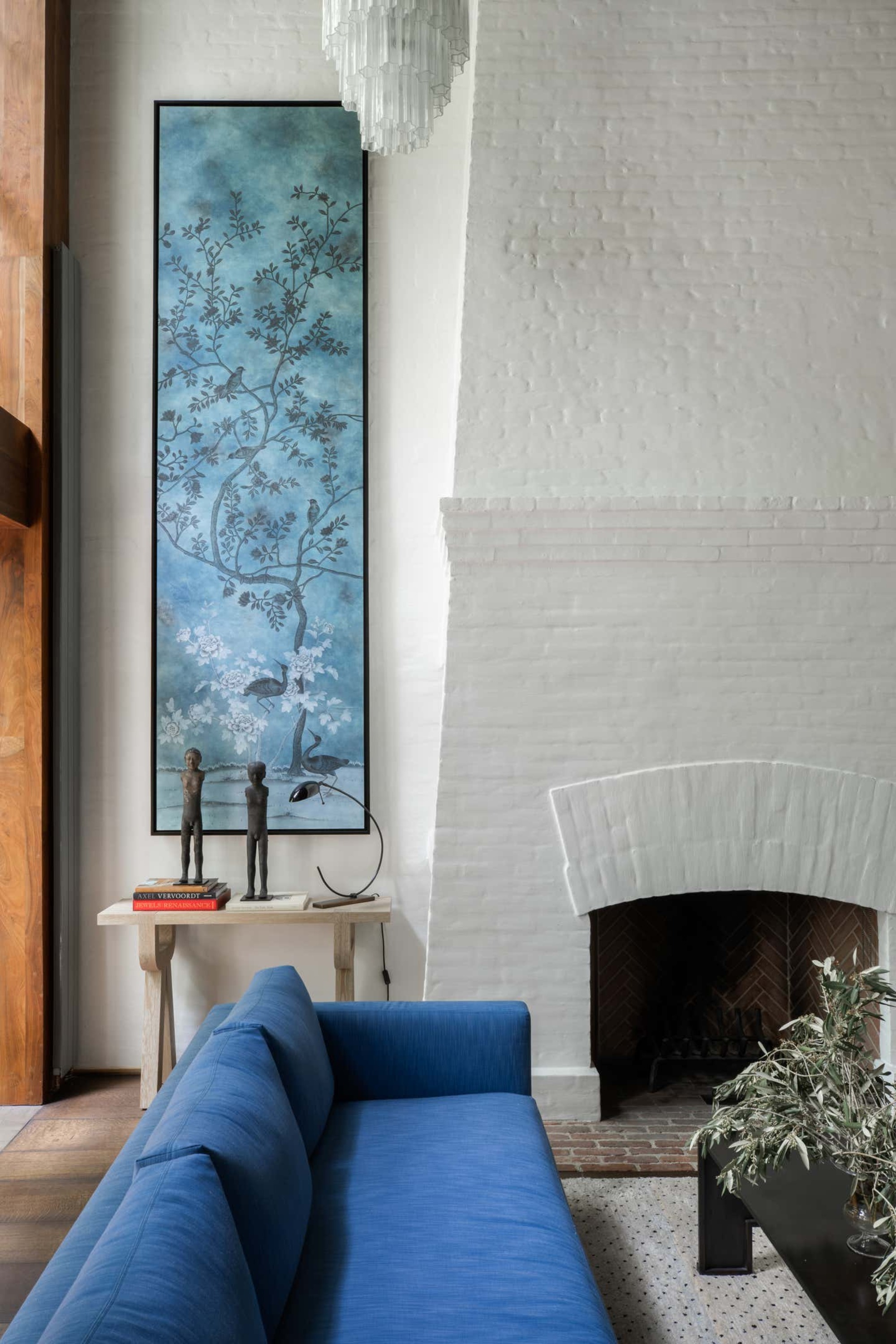
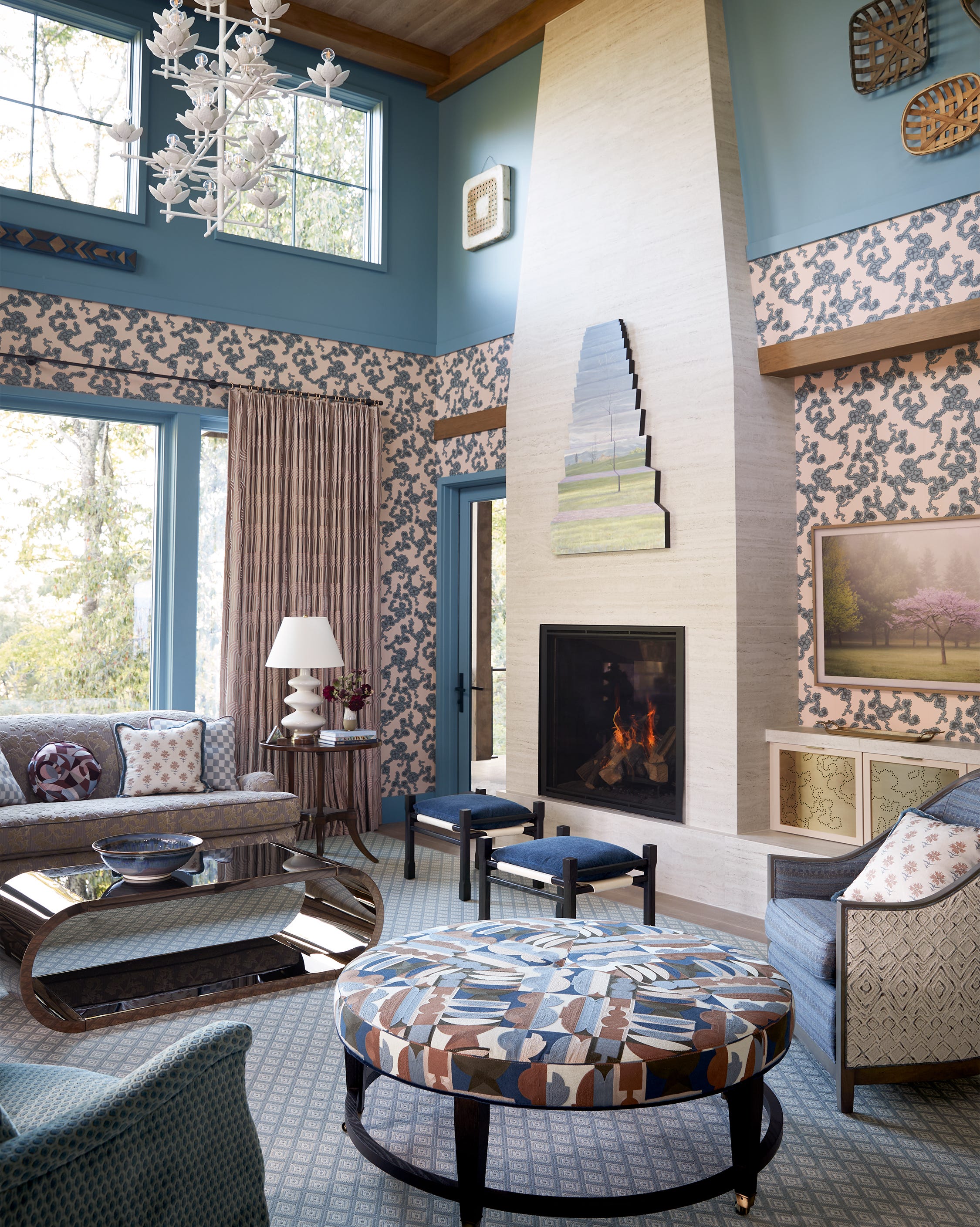
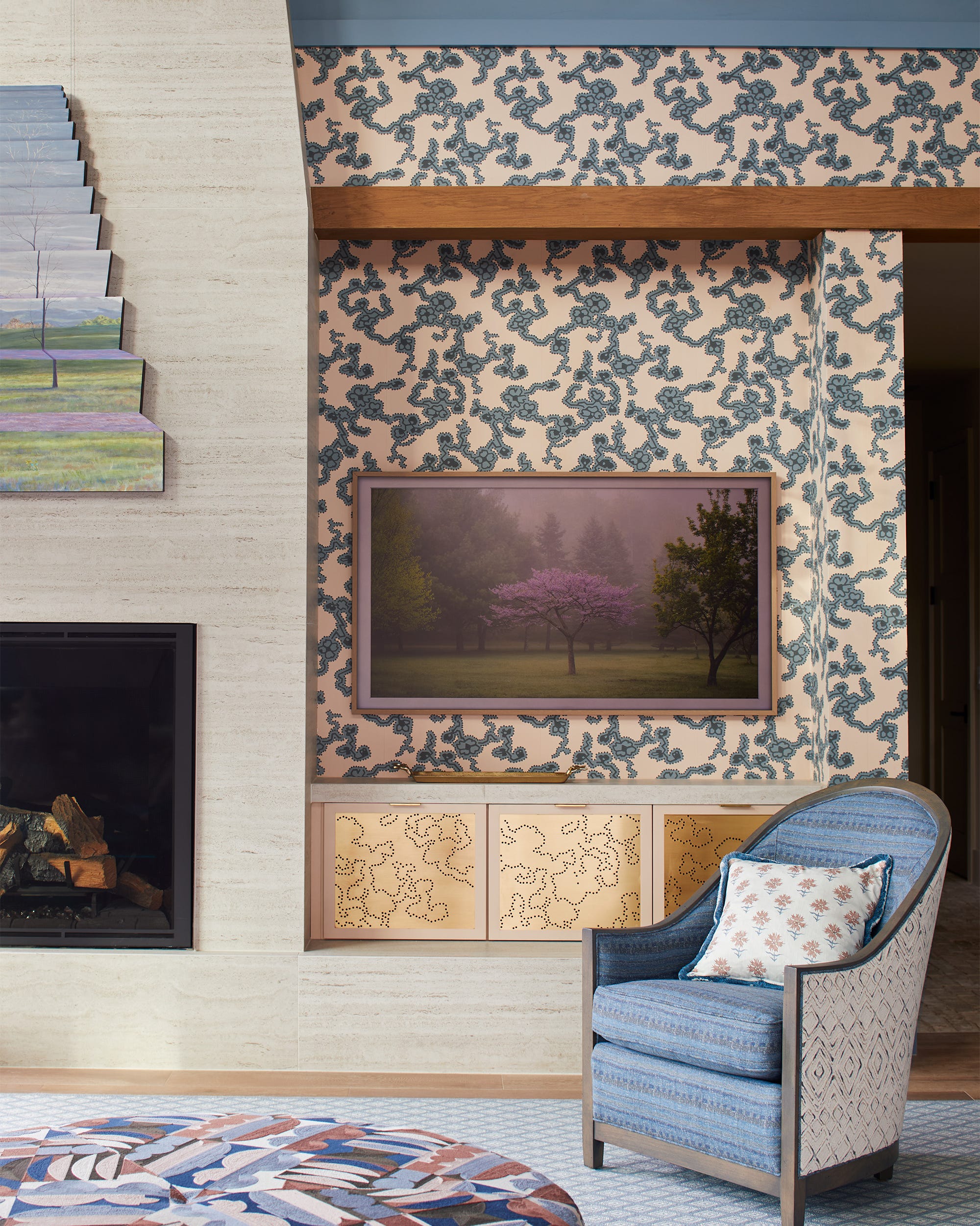
Secondly, busy walls, often caused by an excess of art or photographs, can lead to a chaotic and uncohesive look. The recommendation is to pare down wall decor, opting for one to three large art pieces above the sofa rather than numerous smaller ones that compete for attention. This principle also extends to wall colors, suggesting that simpler choices can prevent an overwhelming feeling.
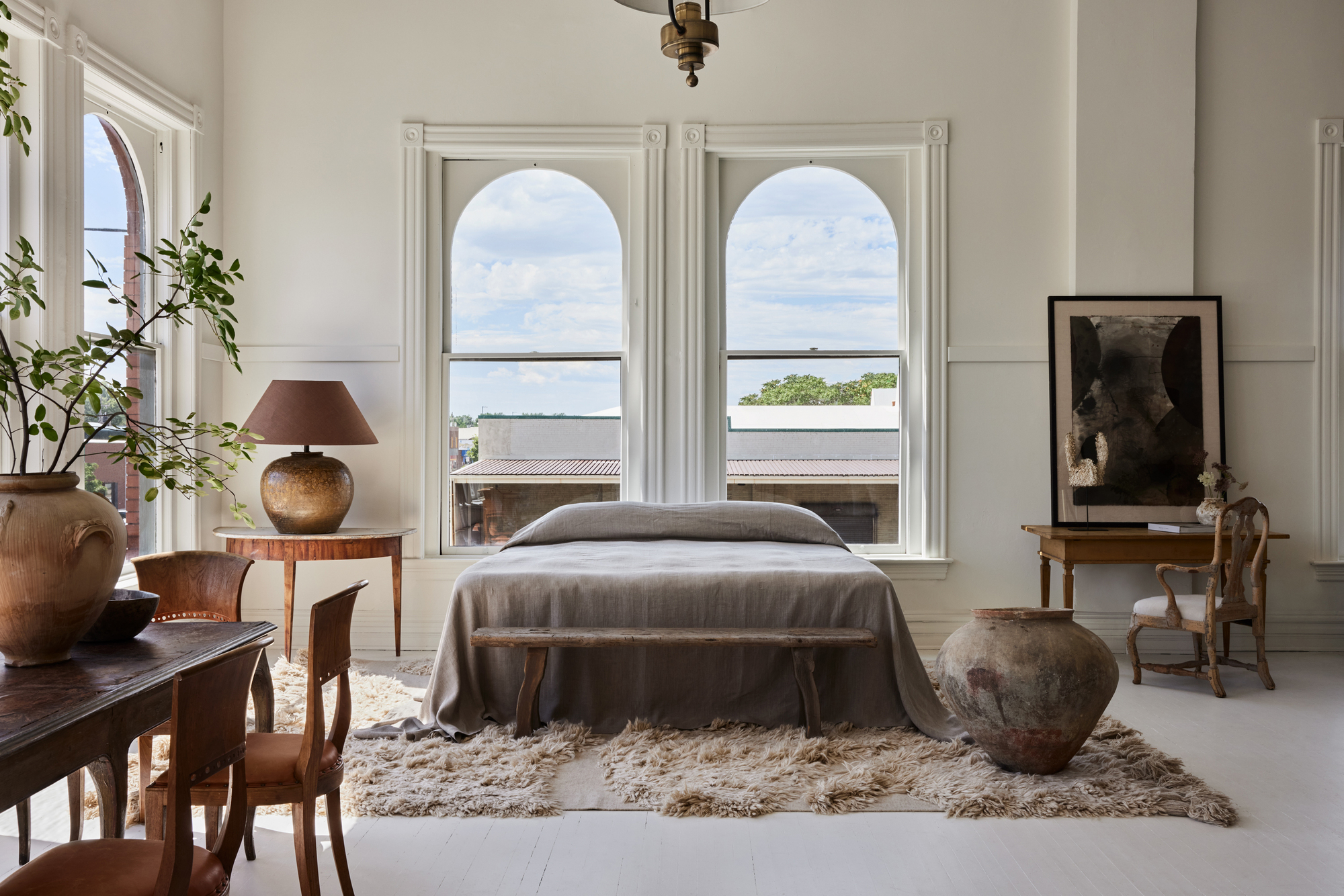
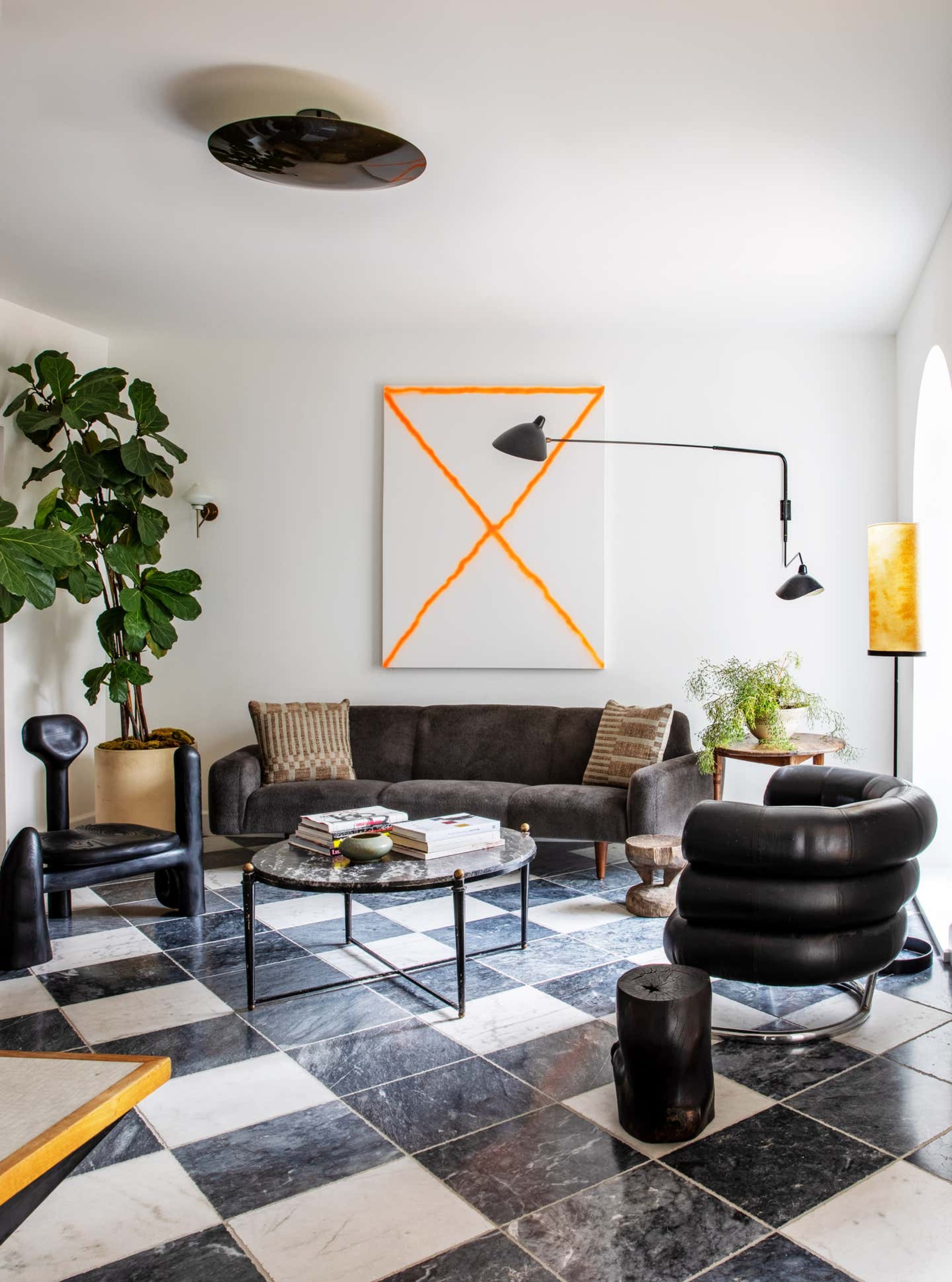
Thirdly, a lack of spatial symmetry can disrupt the balance of a room. If one side of the living room is heavily furnished while the other is sparse, or if lighting fixtures and plants are concentrated in a single area, the room loses its equilibrium. Achieving balance involves ensuring that low and high pieces of furniture and decor work together harmoniously, such as tall floor lamps, large plants, and prominent art pieces complementing the sofa, chairs, coffee table, and side tables.
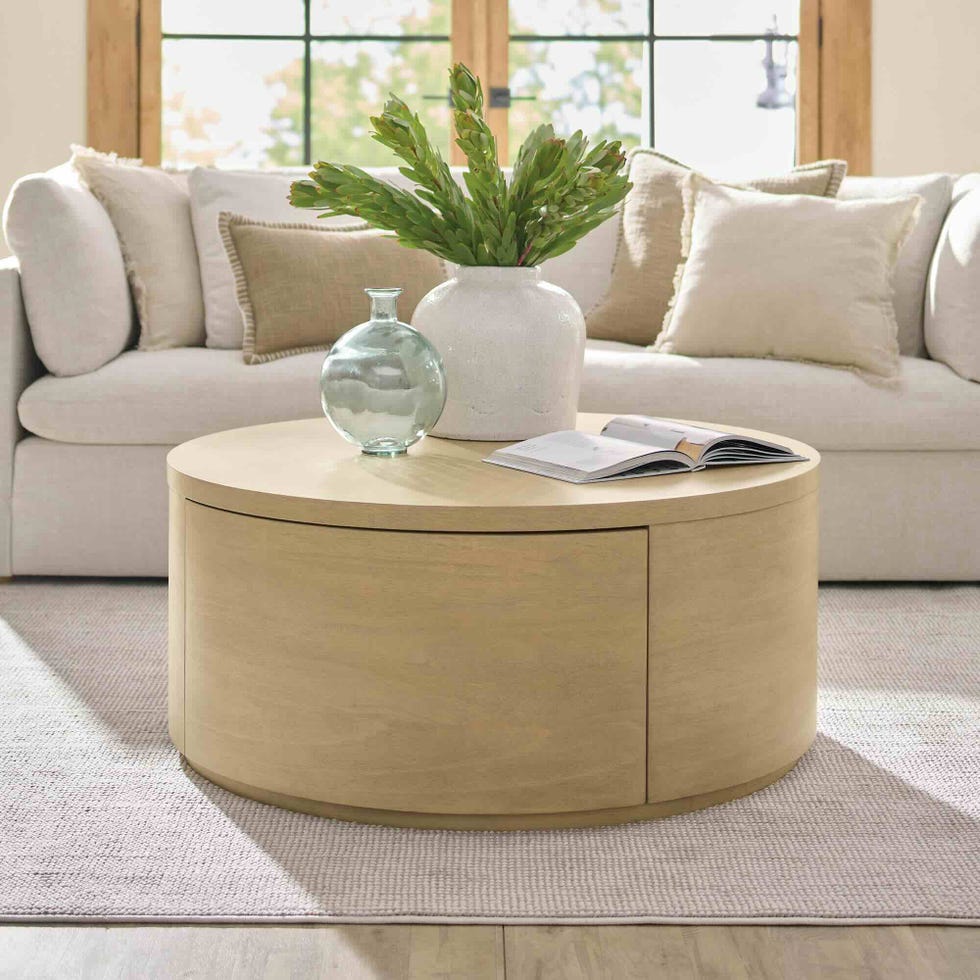
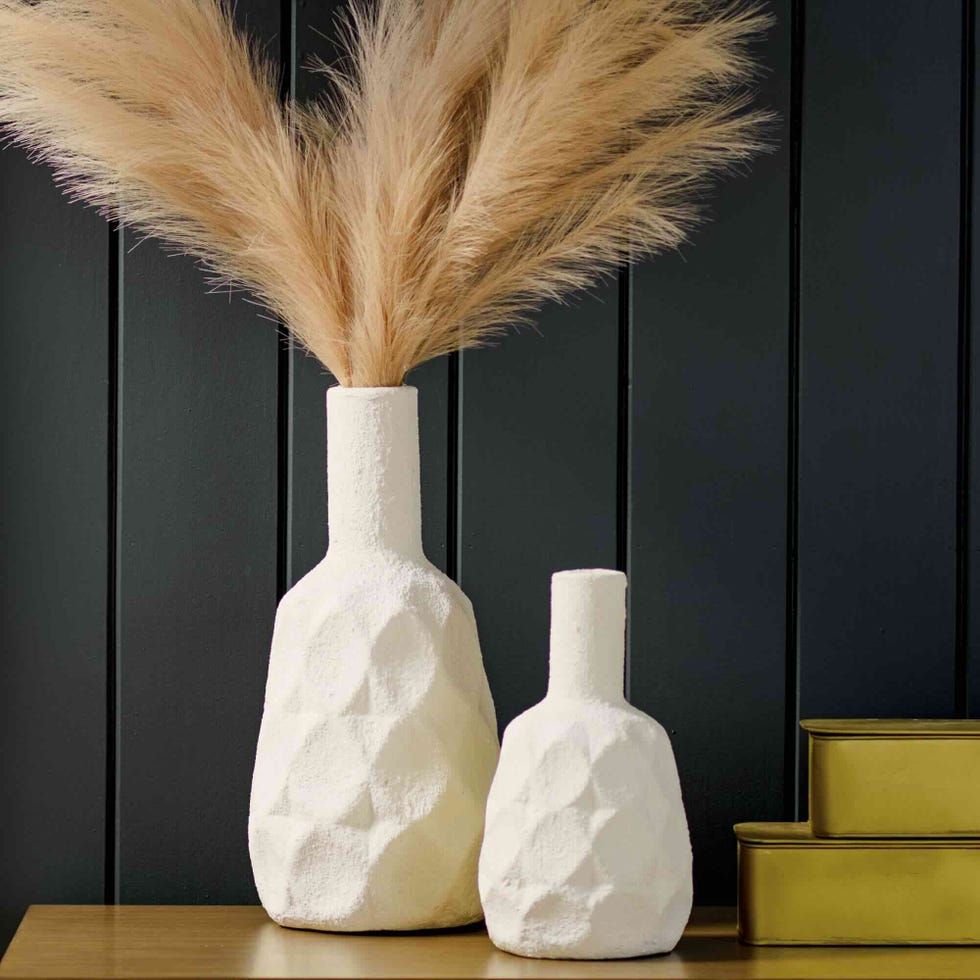
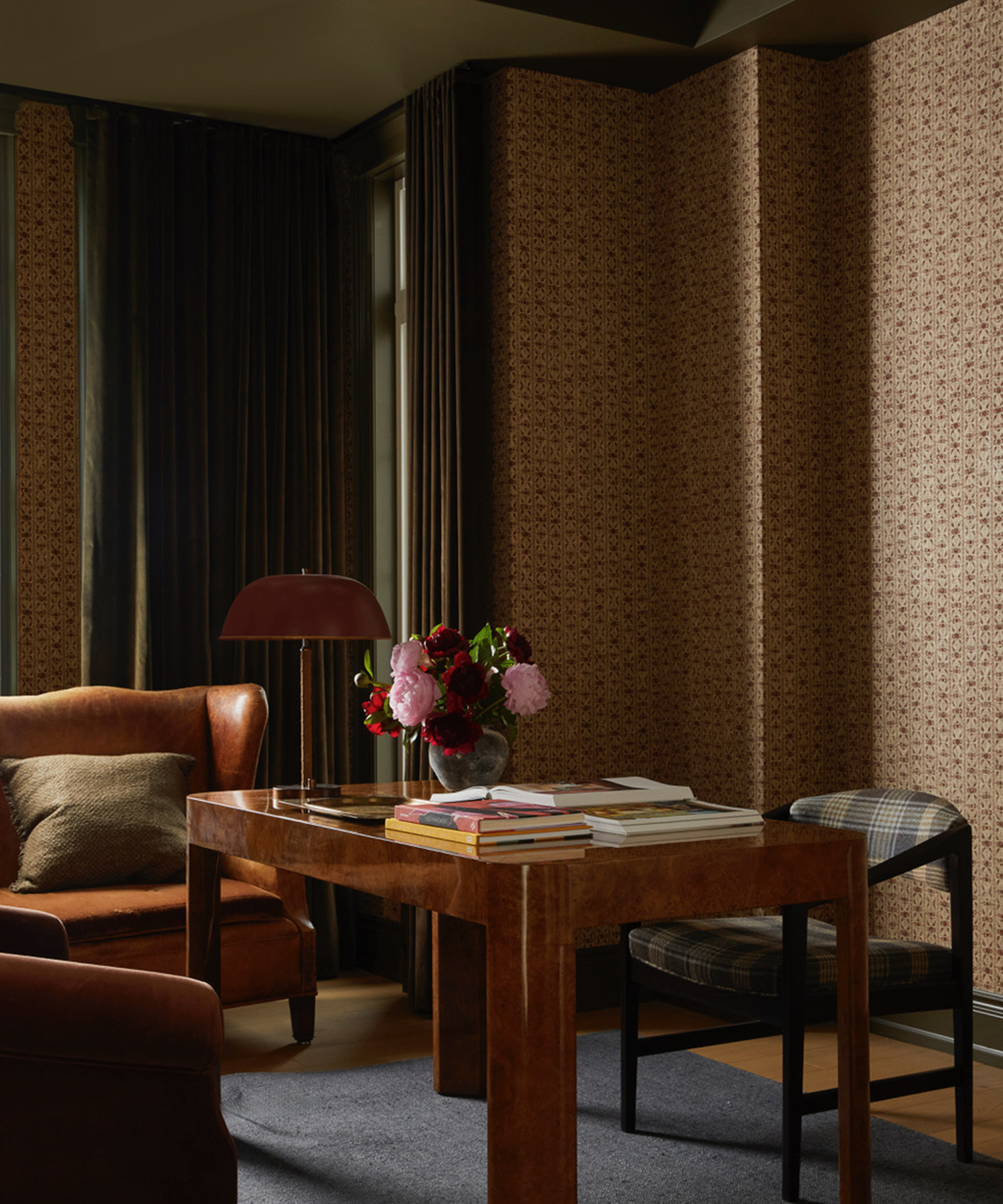
Finally, cluttered coffee tables and other surfaces can detract from the overall aesthetic. It is advised to remove unnecessary items from the coffee table and instead display a small plant, flowers, or a few carefully selected books or sentimental items. For those with limited space, a storage ottoman can serve as a practical alternative to a traditional coffee table, providing both surface area and hidden storage to reduce clutter. Adhering to these recommendations can help transform a living room into a more elegant, welcoming, and stylish space. The overarching theme emphasizes thoughtful editing and attention to proportion, balance, and cohesion to avoid an unappealing aesthetic.
#InteriorDesign #LivingRoom #HomeDecor #DesignTips #Decluttering #SpatialSymmetry #ColorPalette #FurnitureArrangement #InteriorDesign #LivingRoom #HomeDecor #DesignTips #Decluttering #SpatialSymmetry #ColorPalette #FurnitureArrangement
0 comment in total
 No comments yet
You may also like
Designers Say This One Trick Will Make Your Living Room Look More Luxe
As a designer, I can tell you: this one simple change can transform any home’s decor
Buy One, Get One Free: Increase Your Home’s Energy Efficiency With This Simple Upgrade

8 Easy Living Room Updates That Won’t Cost You A Cent

I Transformed My Living Space Without Picking Up a Paint Brush Thanks to This Easy-to-Use Product


This 1 Quick Decor Swap Can Instantly Usher Fall Into Your Home
Simple Swaps for an Instant Living Room Refresh

This Designer's Clever Trick Will Transform Any Open-Concept Living Space
Refresh Your Living Room the Easy Way

Use these expert tips to change up the look of your rooms, no money required

6 Underrated Designer Secrets That Instantly Make Any Room Look Better
This One Budget-Friendly Decor Can Refresh Your Whole Living Room—for Under $25
This Cheap Hack Makes Any Room Look Expensive
This Is the Genius, Space-Saving Living Room Piece You Never Knew You Needed

How to quickly elevate your living room in under $100 - easy pick-me-ups the designers swear by


31 Low Lift Home Improvements for Under $100
Designers Love This Clever Decorating Trick (It Takes Up Zero Space)

This Controversial Window Treatment Trick Might Just Make Your Room Feel Bigger and Brighter
12 easy changes you can make to your living room to instantly elevate how it looks and feels

Create the Dreamy Library Look You’ve Always Wanted with This One Simple Upgrade