Choosing Window Treatments: A Guide to Light, Privacy & Style
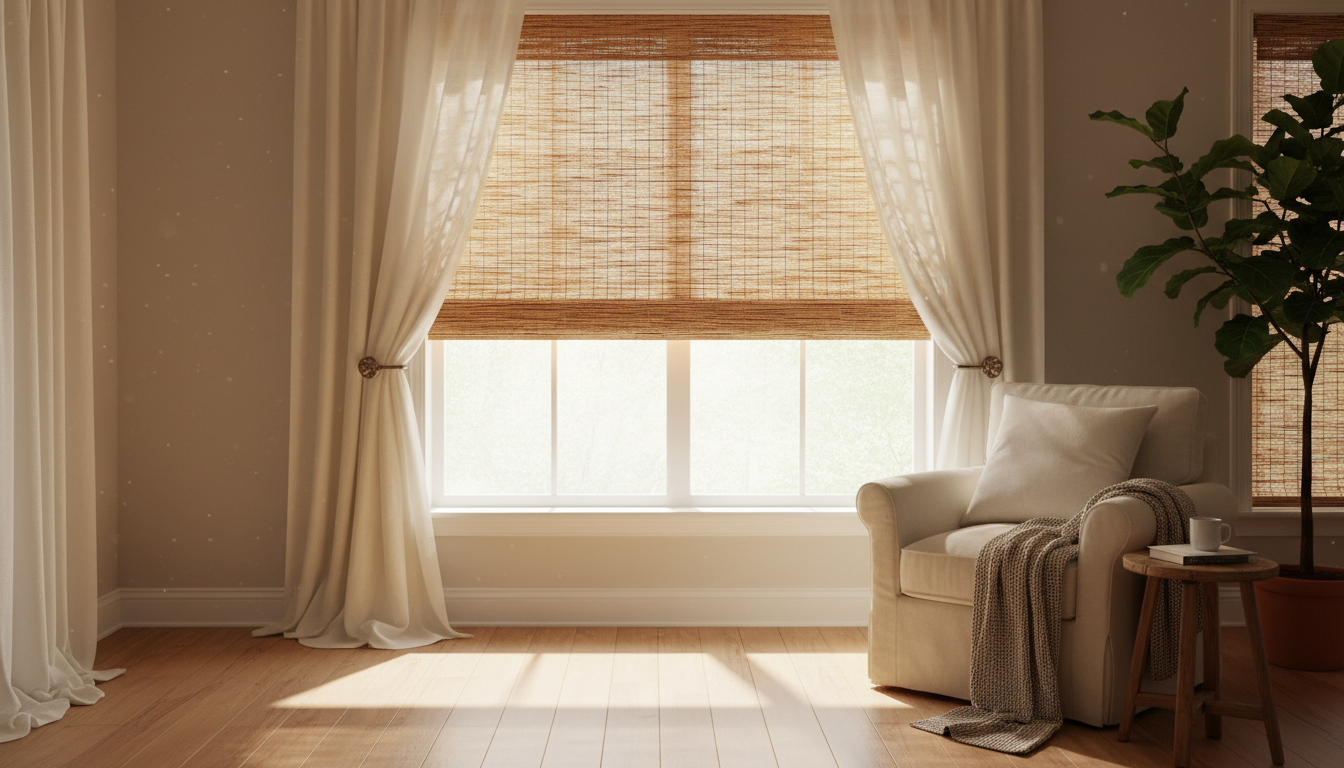
Struggling to choose between curtains, blinds, and shades? Our guide helps you select the perfect window treatment for light control, privacy, and style. Visualize any look in your room instantly with Ideal House's AI tools.
Window treatments are the finishing touch that can elevate a room from functional to fabulous. They’re not just for blocking light; they frame your view, add texture and color, and play a crucial role in your home's overall design narrative. But with an endless sea of curtains, blinds, shades, and shutters, making the right choice can feel overwhelming. What if you could see exactly how new curtains would look in your living room before spending a dime? With AI design tools like Ideal House, you can move beyond guesswork and visualize your perfect window treatments with confidence.
First, Consider Your Core Needs: Function Before Form
Before you fall in love with a pattern or fabric, think about what you need your window treatments to do. Balancing function and aesthetics is the key to a successful choice.
Light Control
How much natural light do you want in the room? Your answer will guide you toward the right material opacity.
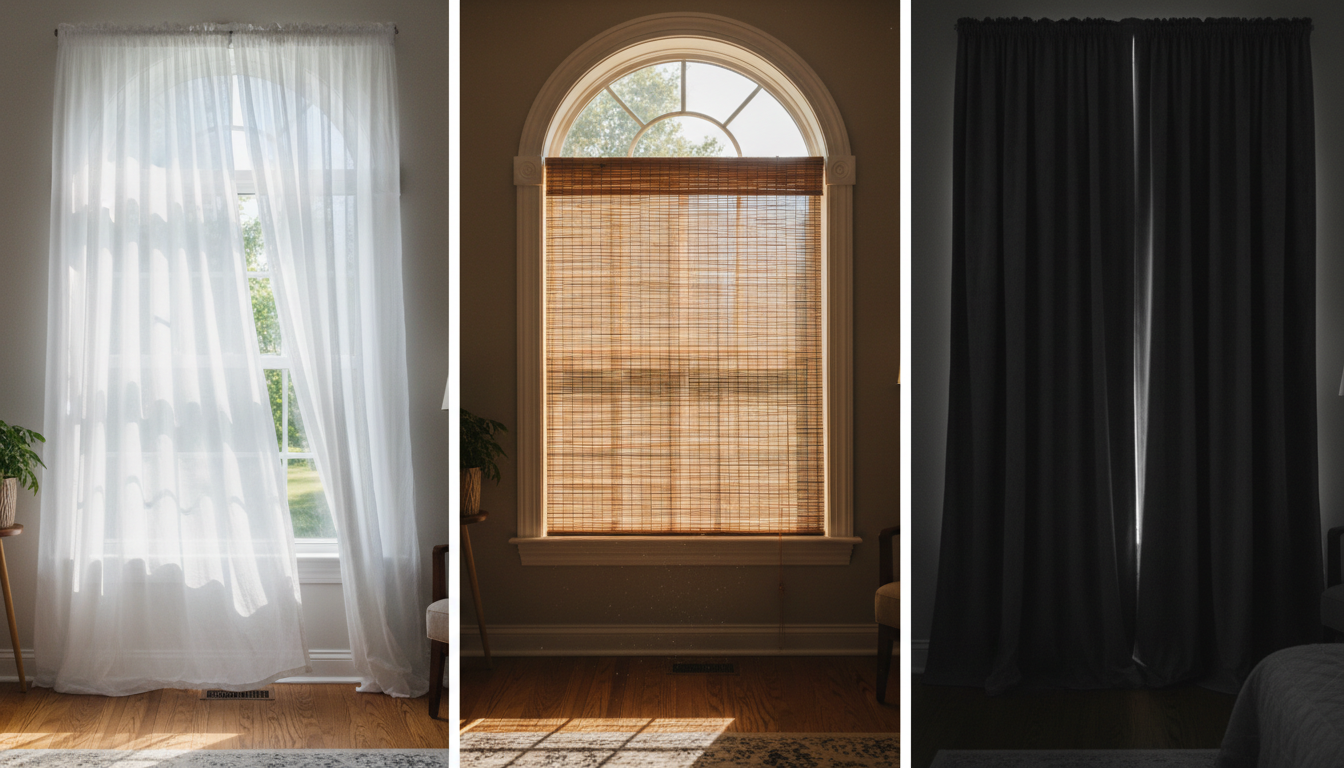
- Sheer: For spaces where you want to maximize daylight while reducing glare and adding a soft, ethereal feel. Perfect for living rooms and sunrooms.
- Semi-Opaque/Light-Filtering: These offer a balance of light and privacy. They obscure the view into your home while still allowing a warm glow to fill the space.
- Blackout: Essential for bedrooms and media rooms. These treatments use heavy, opaque fabric or a special lining to block nearly all incoming light, promoting better sleep and preventing screen glare.
Privacy
The level of privacy needed often varies by room. A first-floor bathroom window facing the street requires a much different solution than a second-story office window overlooking the backyard. Consider top-down/bottom-up shades, which allow you to lower the shade from the top to let in light while keeping the bottom half covered for privacy.
Energy Efficiency and Insulation
Did you know your windows can be a major source of heat loss in the winter and heat gain in the summer? The right window treatments can act as a layer of insulation, helping to regulate your home’s temperature and potentially lower your energy bills. Cellular shades, also known as honeycomb shades, are particularly effective at trapping air and providing insulation. Lined drapes also offer excellent thermal properties.
Exploring the Main Types of Window Treatments
Once you’ve defined your functional needs, you can explore the different styles available.
Curtains and Drapes
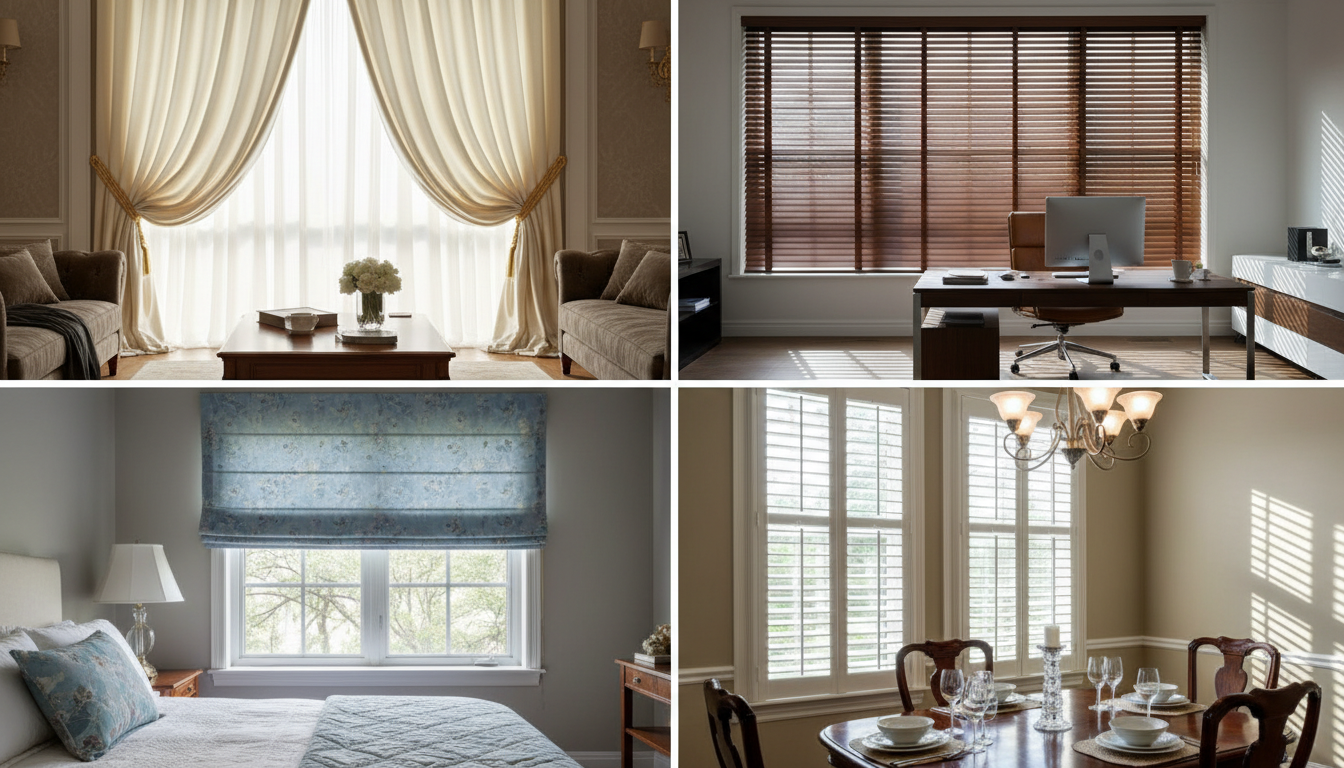
Often used interchangeably, these fabric panels are a classic and versatile choice. Technically, curtains are typically unlined and more casual, while drapes are lined, heavier, and lend a more formal look. They come in countless fabrics, colors, and patterns, and the header style—such as rod pocket, grommet, or pleat—also contributes to the final aesthetic.
Blinds
Composed of individual slats that can be tilted for precise light control, blinds are a highly functional option. They are available in various materials:
- Wood Blinds: Offer a warm, classic, and upscale look.
- Faux Wood Blinds: Provide the look of real wood but are more resistant to moisture, making them ideal for kitchens and bathrooms.
- Aluminum/Vinyl Blinds: A budget-friendly and durable choice available in a wide range of colors.
- Vertical Blinds: A practical solution for sliding glass doors and very wide windows.
Shades
Shades are made from a solid piece of fabric or material that rolls, folds, or gathers to open.
- Roman Shades: Offer a soft, elegant look by folding into neat horizontal pleats when raised.
- Roller Shades: A minimalist and modern option, consisting of a single piece of material that rolls up onto a tube.
- Cellular (Honeycomb) Shades: The top choice for energy efficiency, with a honeycomb structure that traps air.
- Woven Wood Shades: Made from natural materials like bamboo, reeds, and grasses, they bring organic texture and warmth to a room.
Shutters
A more permanent and structural option, interior shutters (often called plantation shutters) feature wide louvers that can be adjusted for light and privacy. They are incredibly durable, timeless, and can even increase your home's resale value.
Styling Your Windows: Pro Tips and Ideas
With the basics covered, you can start thinking like a designer.
Layering Treatments for a Designer Look
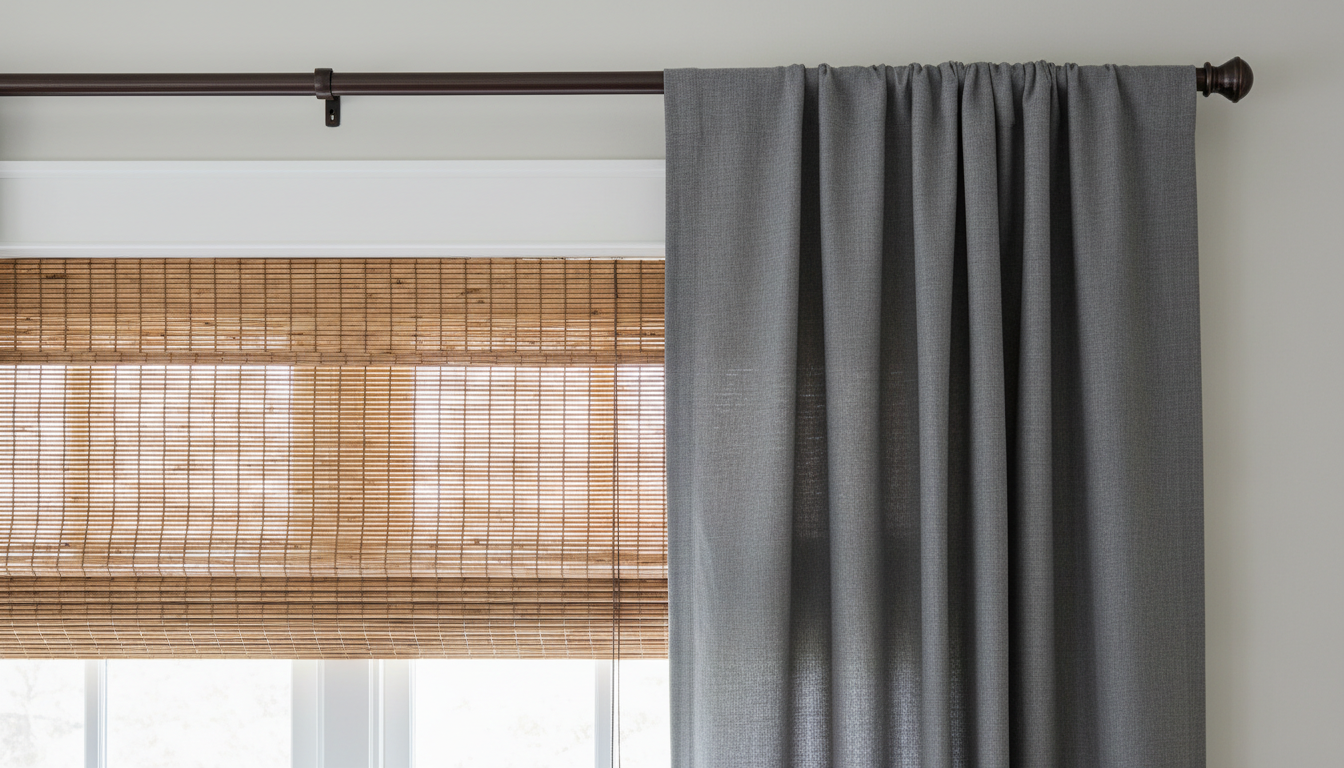
For the ultimate in style and functionality, consider layering your window treatments. A common and effective combination is pairing functional blinds or shades with decorative curtain panels. The shades provide precise light and privacy control, while the curtains add softness, color, and a sense of luxury. For example, you could install light-filtering roller shades for daytime privacy and add heavy blackout drapes for nighttime.
Choosing the Right Color and Pattern
Should your window treatments be a bold statement or a neutral backdrop? There’s no wrong answer. If your room is filled with solid colors and clean lines, a patterned Roman shade or curtain can become a stunning focal point. Conversely, if you have a busy rug or statement furniture, a neutral window treatment in a solid color like cream, gray, or white will complement the space without competing for attention.
Visualize Before You Buy: The Smart Way to Choose
Committing to a new set of curtains or shades is a big decision. The fabric that looks perfect online might clash with your wall color in person. This is where you can eliminate the risk and uncertainty.
-
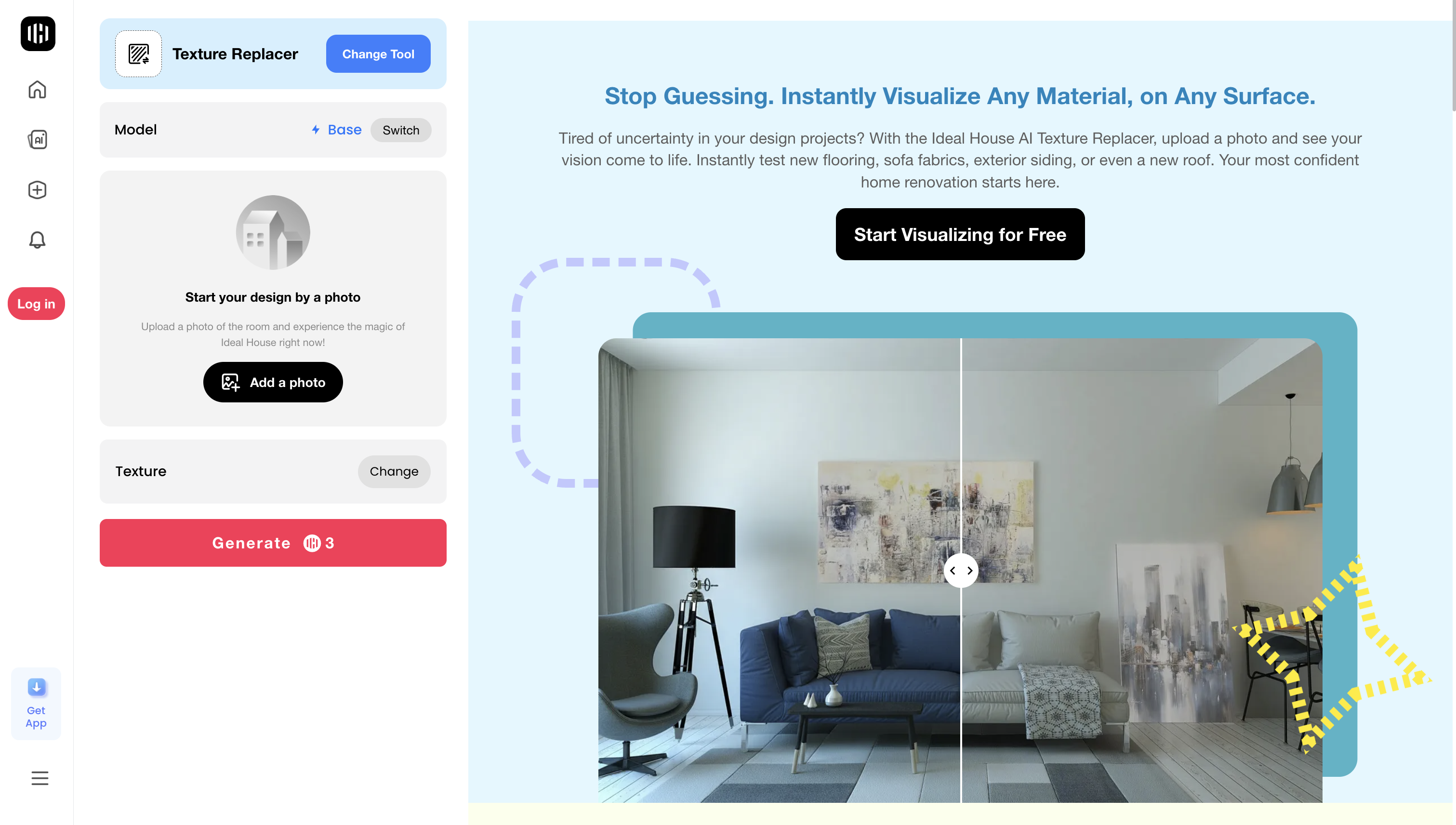
Instantly preview how new fabrics and patterns will look on your windows by using Ideal House’s Texture Replacer. Simply upload a photo of your room and an image of the fabric you’re considering to see an instant virtual refresh.
-
Experiment with dozens of options in minutes, from bold floral drapes to subtle linen shades, to find what truly works with your existing decor.
-
Consider the bigger picture by seeing how window styles impact your home’s curb appeal with the Exterior Renovator (
https://ideal.house/create/exterior-renovator). -
Understand how window placement affects your entire room layout by uploading your floor plan to the AI Plan Visualizer (
https://ideal.house/create/ai-plan-visualizer).
The Perfect Finish for Your Windows
Choosing the right window treatment is about finding the perfect intersection of your practical needs and your personal style. By first identifying your goals for light, privacy, and insulation, you can narrow down the options and focus on the styles you love. Don’t be afraid to layer treatments for a custom look, and use visualization tools to experiment with colors and patterns risk-free. With a thoughtful approach, your windows will become one of the most beautiful and hardworking features of your home.