9 Narrow Living Room Ideas to Make It Look Wider & Feel Spacious
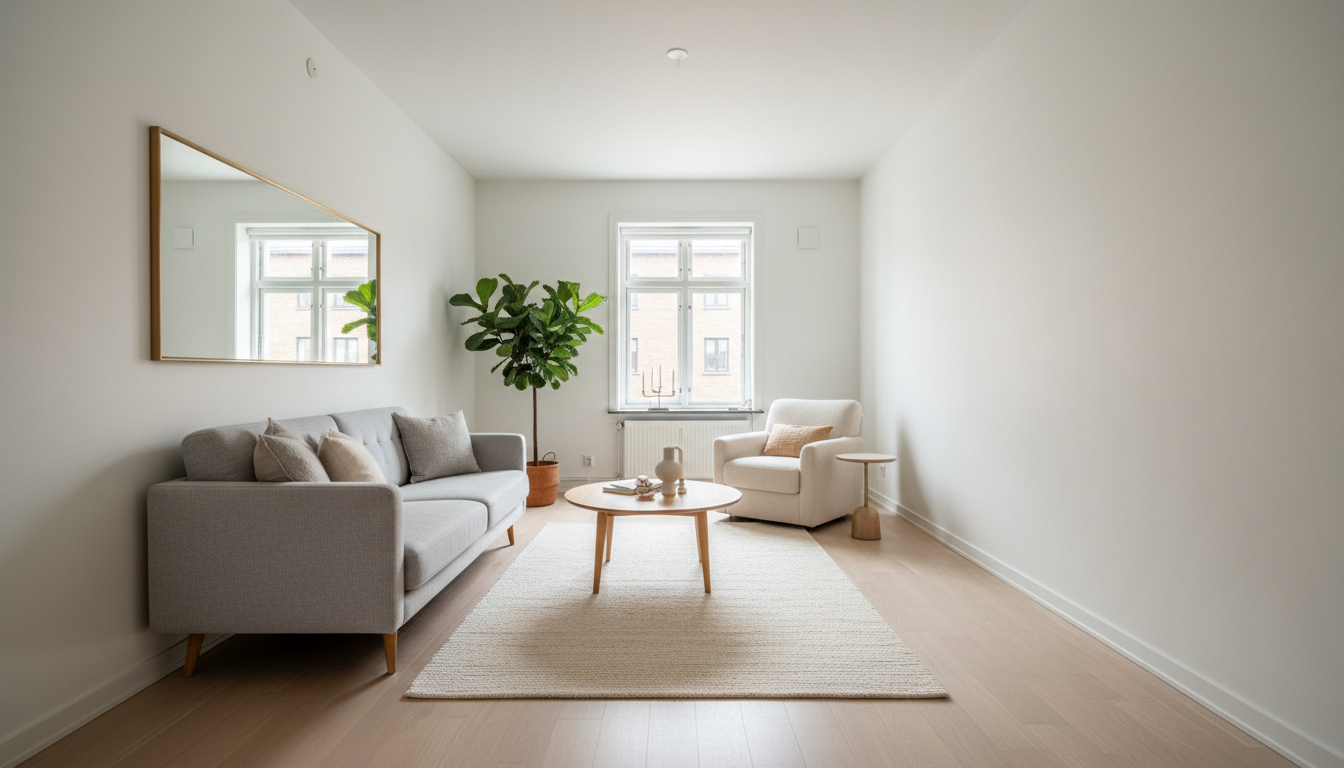
Turn your narrow living room from a 'bowling alley' into a spacious retreat. Get expert tips on layout, furniture, and visual tricks.
Narrow living rooms can be a design puzzle. Often long and corridor-like, they can feel more like a passageway than a place to relax and entertain. The common struggle is avoiding the "bowling alley" effect, where furniture lines the walls and leaves a long, empty lane down the middle. But with a strategic approach, you can transform this challenging layout into a stylish, functional, and surprisingly spacious-feeling sanctuary.
The key is to visualize the potential before you start moving heavy furniture. It’s one thing to read about design principles, but another to see how they’ll actually work in your home. This is where modern tools can be a game-changer. Before committing to a new layout or paint color, you can experiment risk-free with an AI interior design platform like Ideal House. By uploading a photo of your space, you can virtually test arrangements and decor, ensuring your vision works perfectly.
Master the Layout: Furniture Arrangement for Narrow Spaces
How you arrange your furniture is the single most impactful decision in a narrow room. The goal is to encourage conversation and create flow, not just line things up.
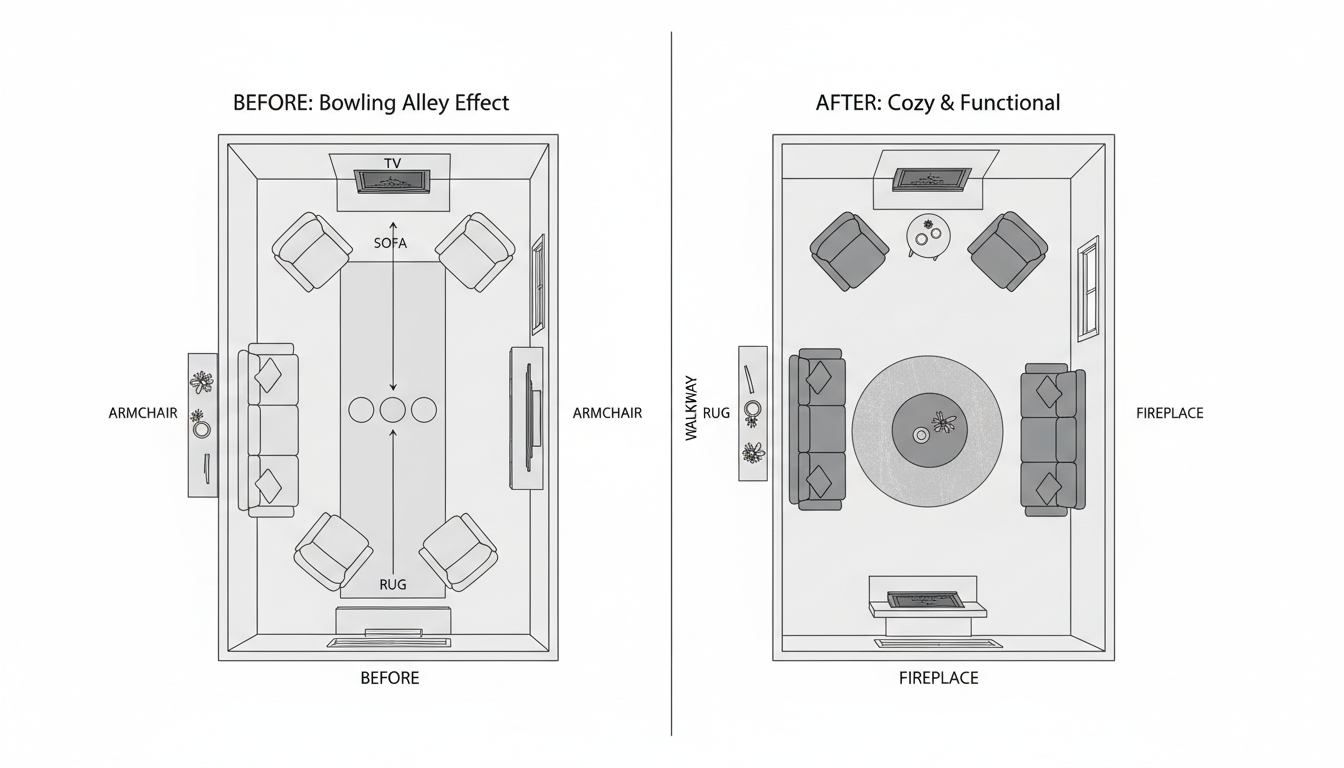
Key Layout Strategies:
- Create a Focal Point: Don't let the room's shape be the only feature. Create a deliberate focal point—a fireplace, a TV on a stylish console, or a large piece of art—on one of the long walls. Arrange your main seating to face it, immediately giving the room a sense of purpose.
- Establish a Walkway: The most crucial rule for a narrow living room layout is to establish a clear, unobstructed path on one side of the room. Don't force people to weave through your coffee table and seating. This creates order and makes the space feel more intentional.
- Pull Furniture from the Walls: It sounds counterintuitive in a small space, but pushing every piece of furniture flat against the walls can actually make a room feel more cramped. By "floating" your sofa and chairs even a few inches off the wall, you create breathing room and an illusion of more space.
- Divide and Conquer: If your room is particularly long, break it into two or more distinct zones. You could have a main seating area at one end and a small reading nook, a writing desk, or a pair of armchairs for conversation at the other. Use area rugs to visually anchor and define each zone.
Choose Your Pieces Wisely: The Right Furniture for a Narrow Room
Bulky, heavy furniture will quickly overwhelm a narrow space. The right pieces will enhance the room's proportions without crowding it.
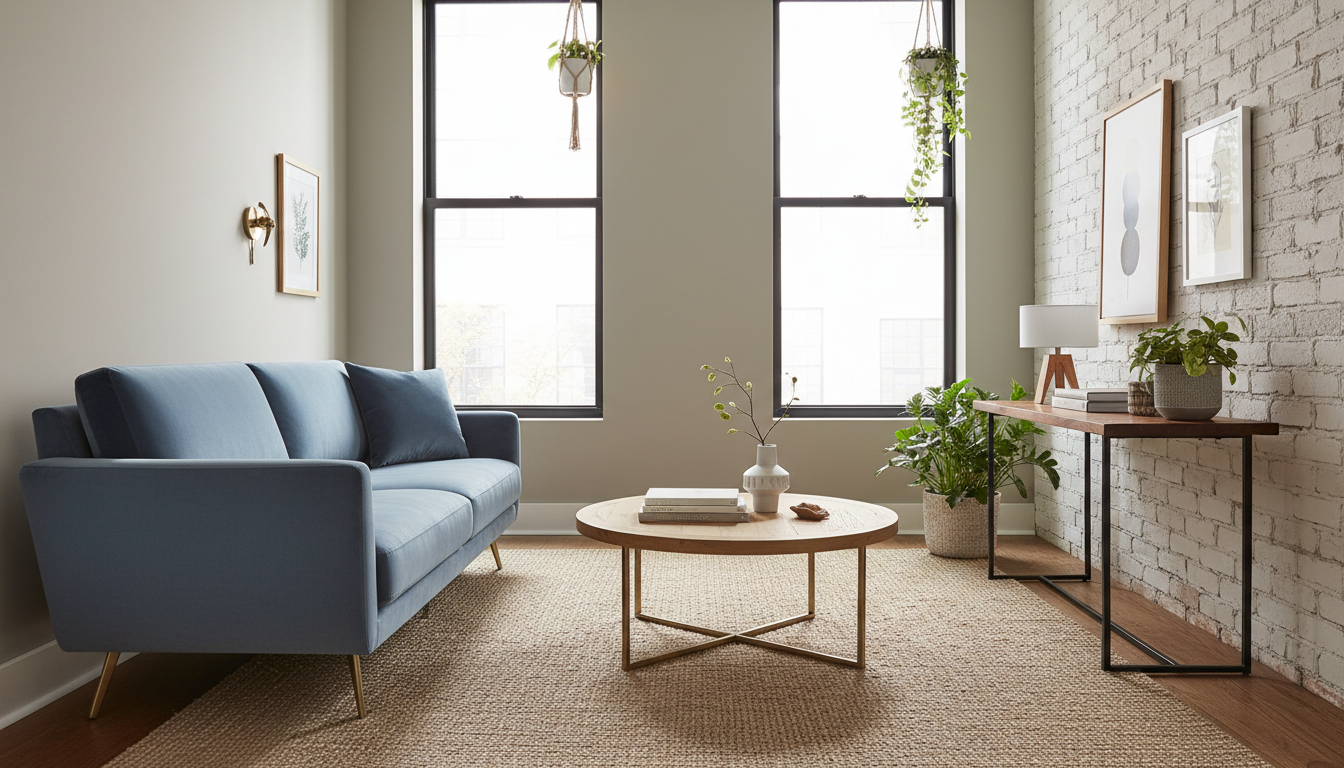
- Think Vertically and Leggy: Opt for furniture with raised legs, like sofas, consoles, and side tables with visible, slender legs. Seeing the floor underneath the furniture creates an unbroken sightline, making the room feel larger and more airy.
- Embrace Curves: A narrow room is defined by long, straight lines. Soften the look and improve traffic flow by introducing curved shapes. A round coffee table is a perfect choice, as it has no sharp corners to bump into and visually breaks up the boxiness.
- Go Clear: Furniture made of clear materials like glass or acrylic is a narrow room's best friend. A glass coffee table or acrylic console table takes up zero visual weight, providing function without cluttering the space.
- Multi-Functional is a Must: Look for pieces that do double duty. An ottoman can serve as a coffee table, extra seating, and storage. A slim console table can work behind a sofa or as a mini-bar. Nesting tables provide flexibility without taking up a permanent footprint.
The Illusion of Width: Using Color, Light, and Mirrors
Once your furniture is in place, you can use decorative tricks to visually expand the room.
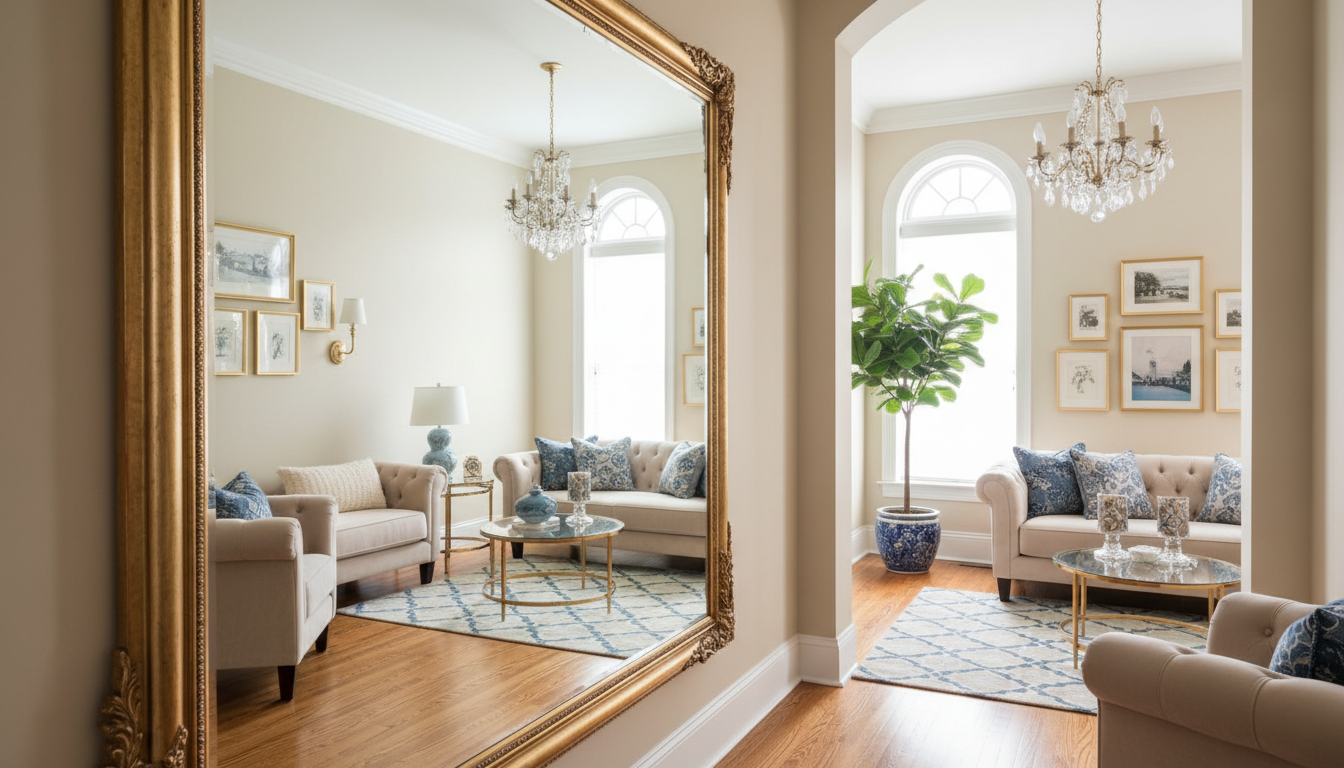
How to Make a Narrow Room Look Wider:
- Strategic Paint: Light and cool colors on the walls are a classic way to make any room feel bigger because they reflect light. For a more advanced trick, consider painting the two shorter end walls a shade or two darker than the longer walls. This visual trickery makes the long walls seem to recede and the short walls appear closer, creating a more balanced, squarer feel.
- Layer Your Lighting: A single overhead light will cast shadows and make the ends of the room feel dark and distant. Use a layered lighting scheme to create a warm and inviting atmosphere.
- Ambient: A stylish ceiling fixture or recessed lighting.
- Task: A floor lamp next to a chair for reading.
- Accent: A small table lamp on a console or a sconce highlighting a piece of art.
- Mirror, Mirror on the Wall: This is the oldest trick in the book for a reason. Placing a large mirror on one of the long walls is the most effective way to create an illusion of depth. It will reflect light and the view from the opposite side, effectively doubling the visual space.
Visualize Your Perfect Narrow Room Before You Lift a Finger
All this advice is a great starting point, but the lingering question is always, "Will this work in my room?" Moving sofas, buying new rugs, and painting walls are significant commitments of time and money.
This is where you can leverage technology to your advantage. Instead of guessing, you can see the final result first. With a tool like Ideal House, you can take a picture of your current narrow living room and become your own virtual designer.
- Experiment with different layouts in seconds to see if floating the sofa really opens up the space.
- Test paint colors on your walls to find the perfect shade for your accent wall without ever touching a brush.
- Swap out virtual furniture to see if a round coffee table or a leggy console is the right choice for your room’s scale.
Taking this virtual-first approach removes the guesswork and anxiety from the design process. It empowers you to try bold ideas and refine your plan until you have a design that is not only beautiful but perfectly functional for your home.
Embrace Your Space
A narrow living room isn't a design flaw; it's a unique canvas. By understanding its specific challenges and applying smart layout principles, choosing appropriate furniture, and using visual tricks with color and light, you can create a comfortable and stylish living area. Move beyond the "bowling alley" and design a room that is both a beautiful reflection of your style and a joy to live in.