1/16
Where to place solar lights – 6 rules from solar specialists
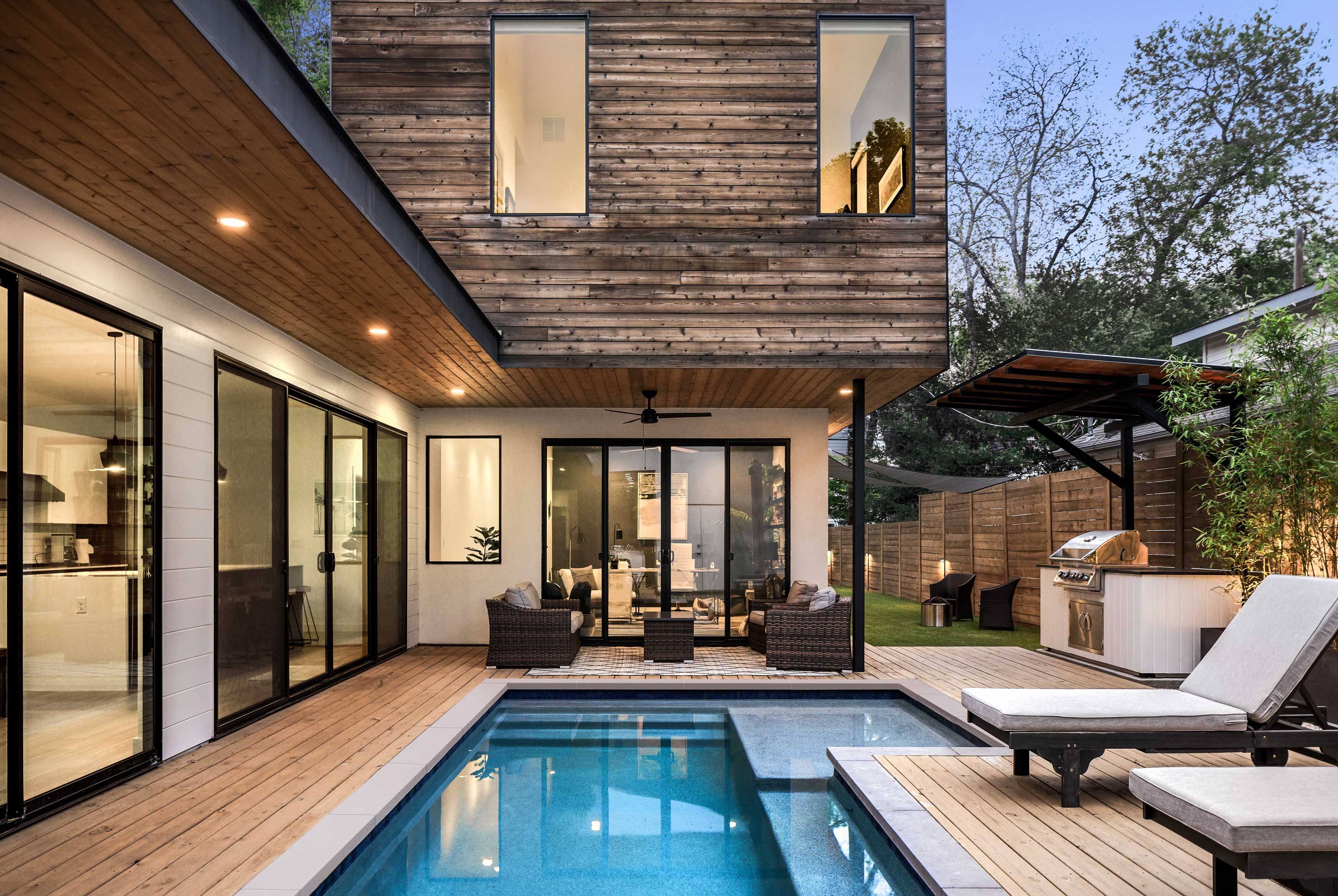
This article provides comprehensive guidance on the optimal placement of solar lights, drawing on expert advice from solar specialists and practical experience. It addresses the common misconceptions surrounding solar lights, often perceived by professionals as dim and unreliable, and attributes these issues largely to improper placement rather than inherent flaws in the technology itself. The core principles for effective solar light installation are detailed through six key rules.
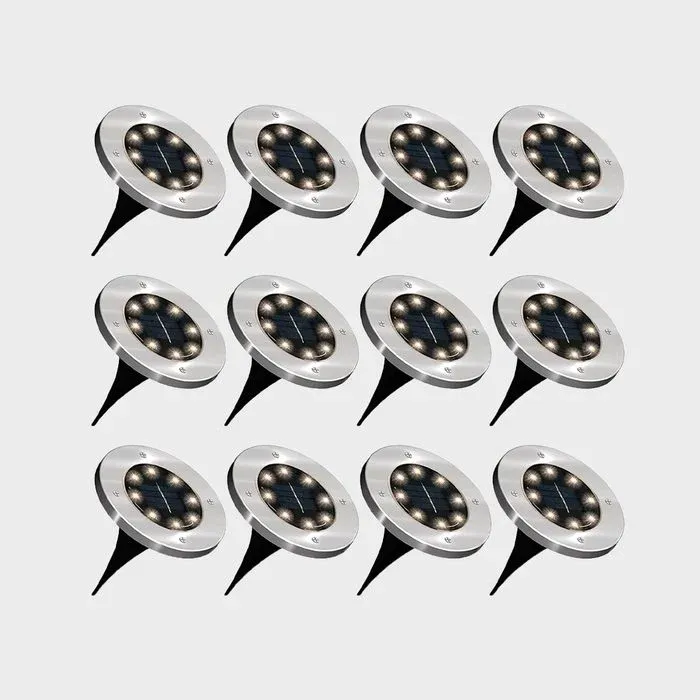
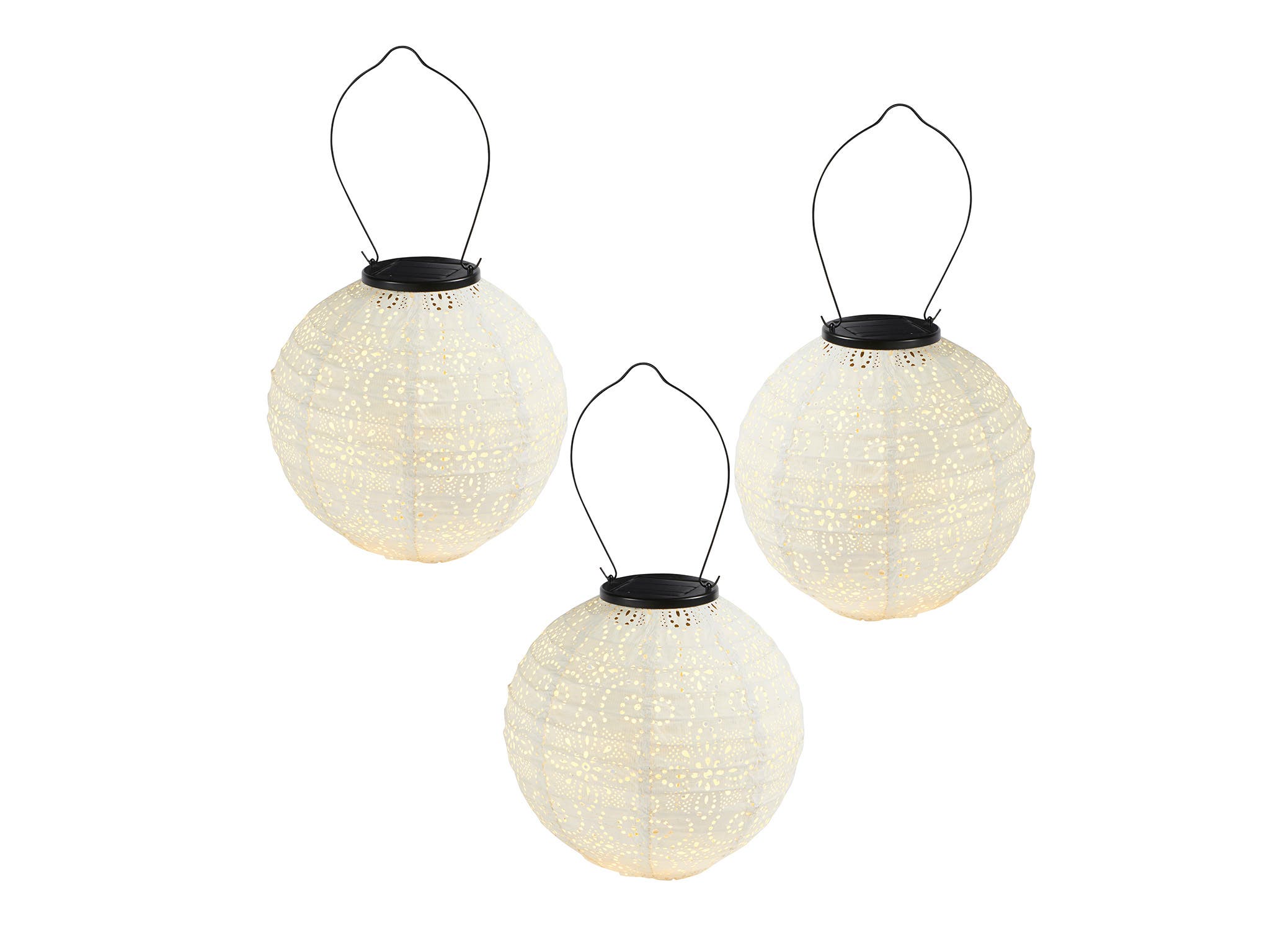
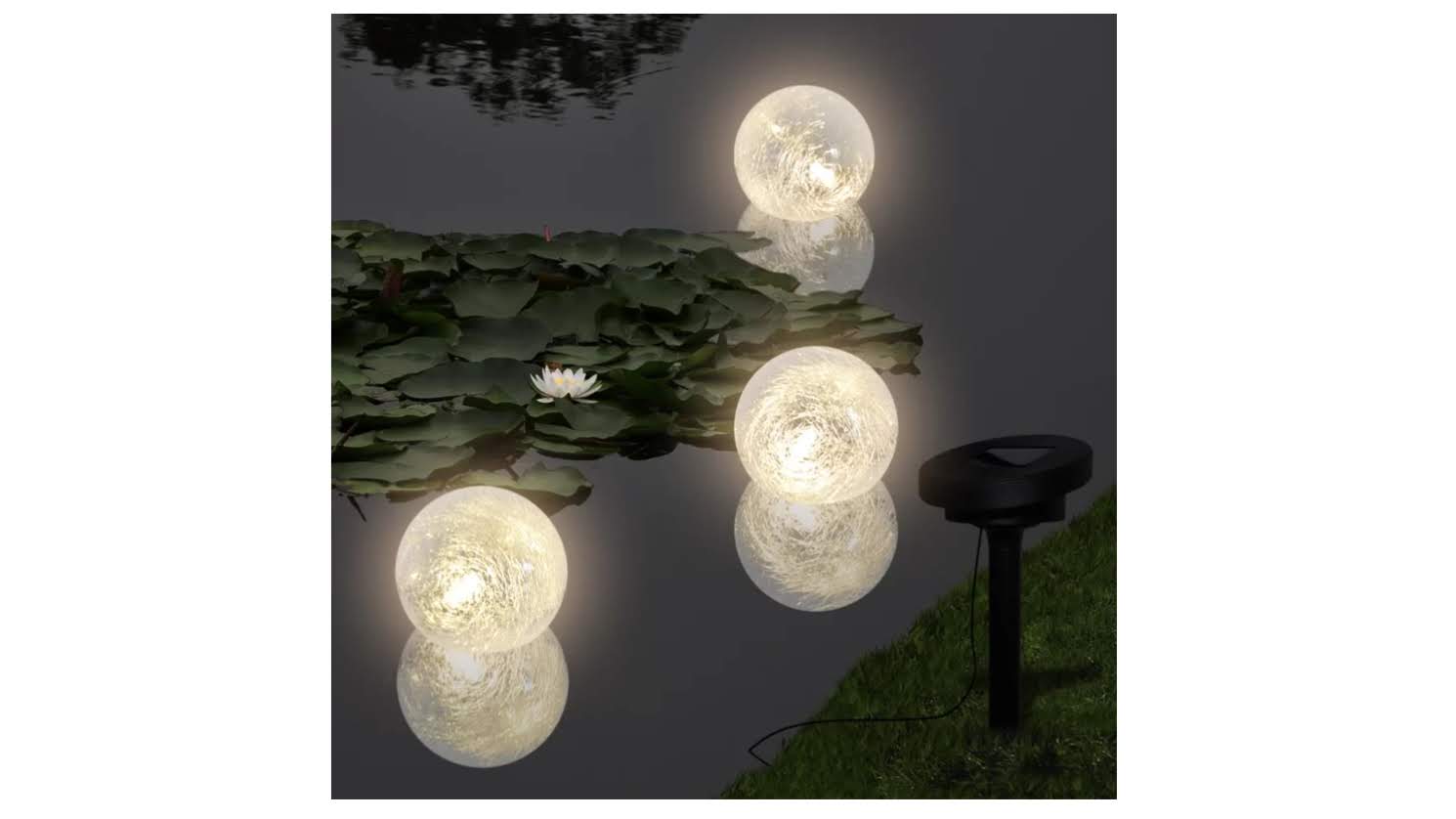
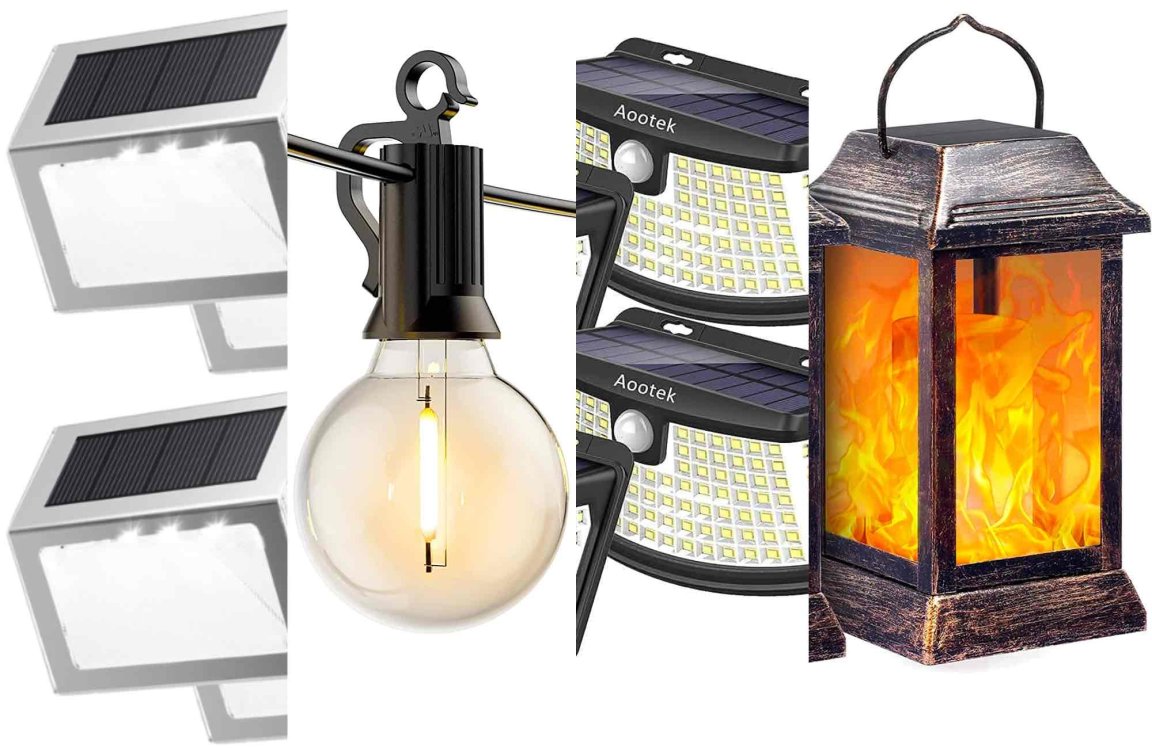
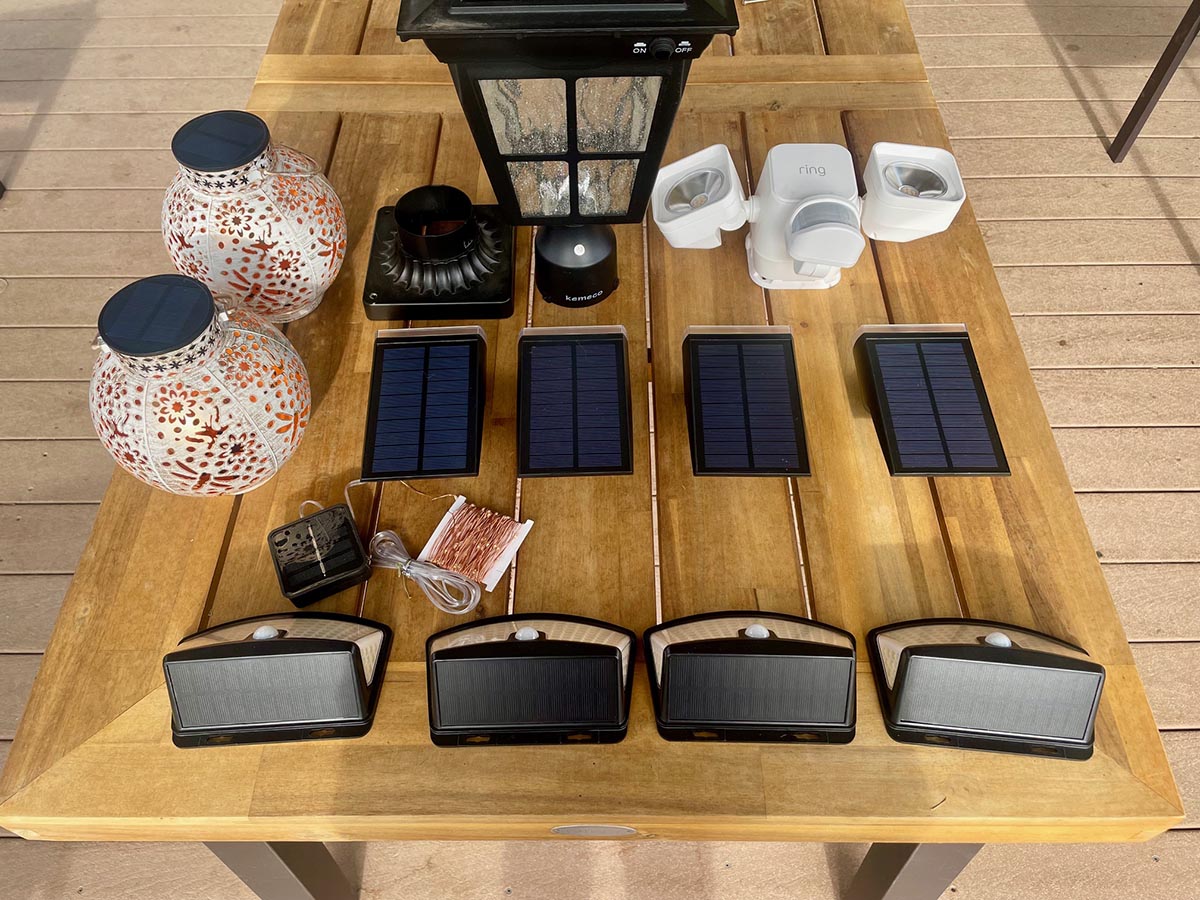
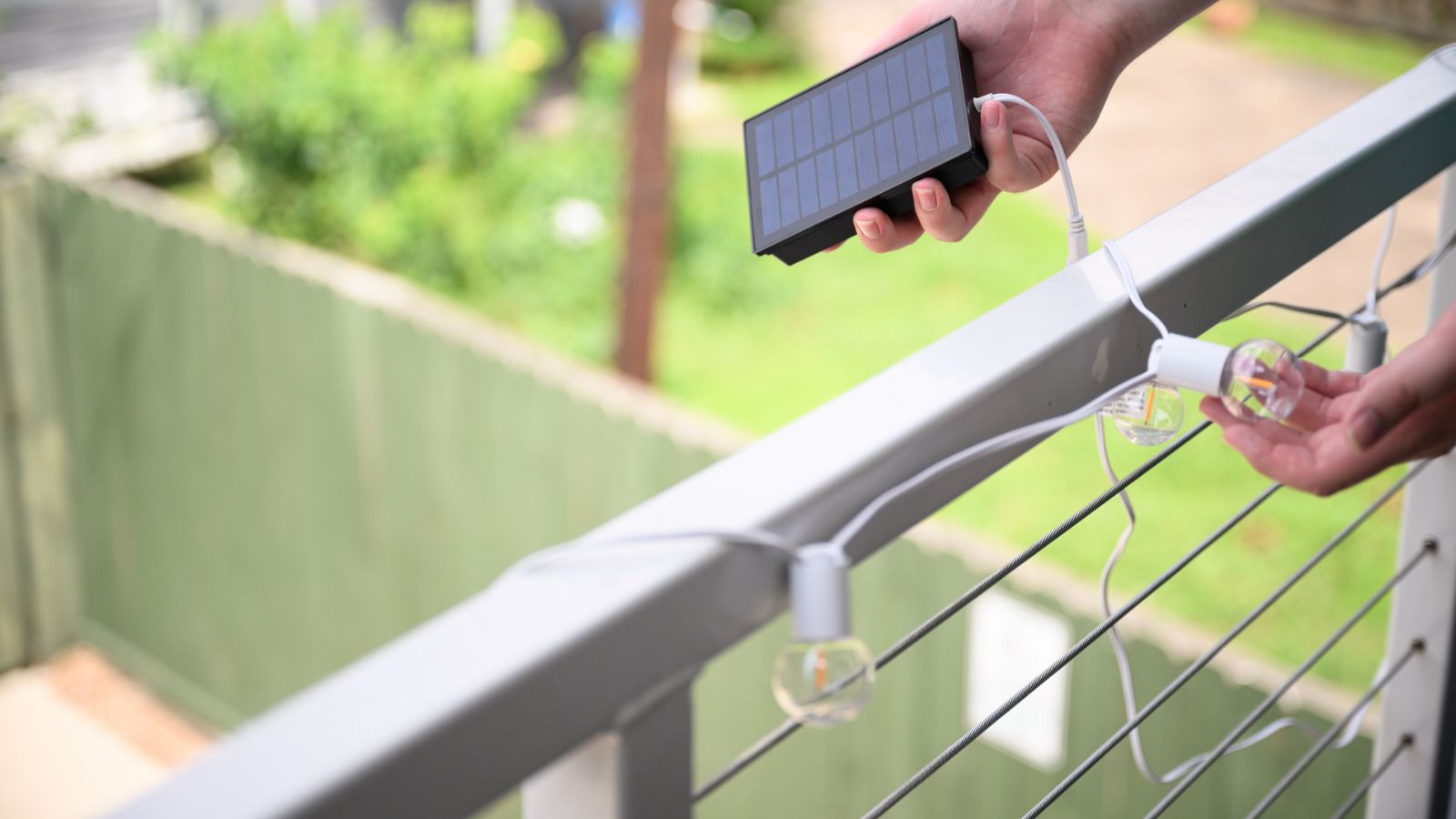
The first rule emphasizes placing solar panels in direct sunlight. While seemingly obvious, the article points out that the brightest spot in a garden can shift throughout the day, leading to suboptimal charging. A practical solution offered is the use of remote solar panels connected to the lights via long cables, allowing the panel to be positioned in the most consistently sunny location regardless of where the lights themselves are needed. Examples of such products are provided to illustrate this point.
The second rule focuses on orientation, particularly for those in the northern hemisphere. It states that solar panels should ideally face south to maximize sun exposure throughout the day, especially during winter when the sun's path is lower. While south is optimal, facing east or west is acceptable if a direct south orientation is not feasible, as long as the panel still receives ample direct sunlight for efficient charging.
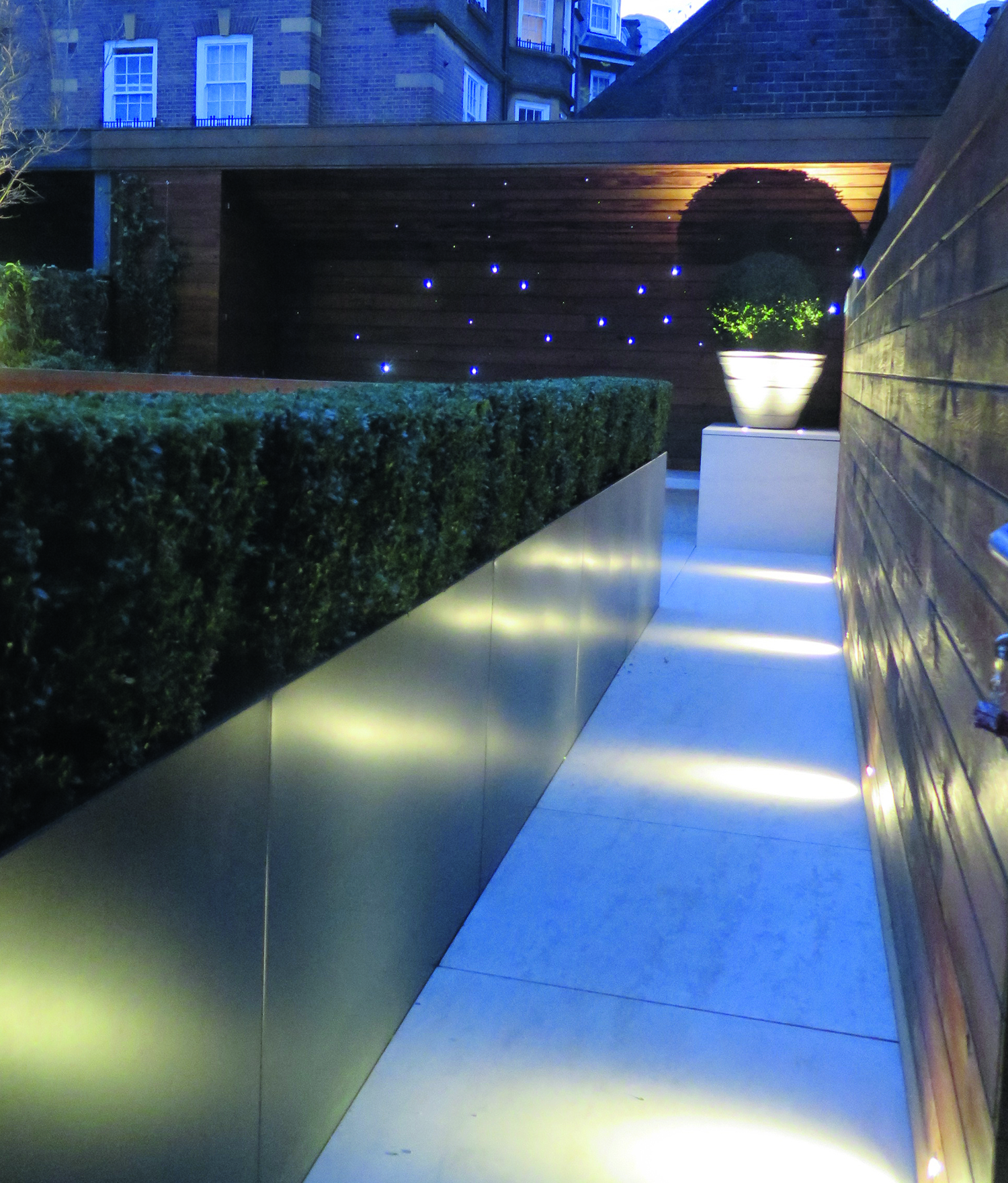
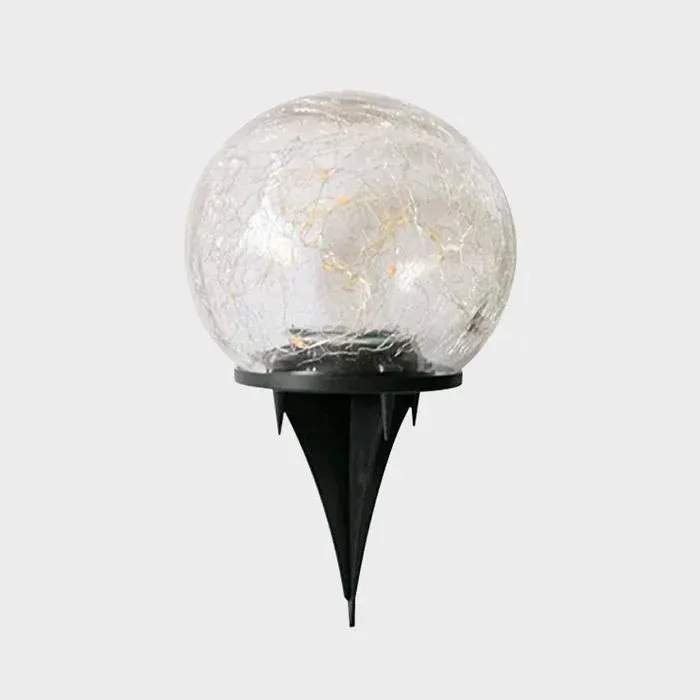
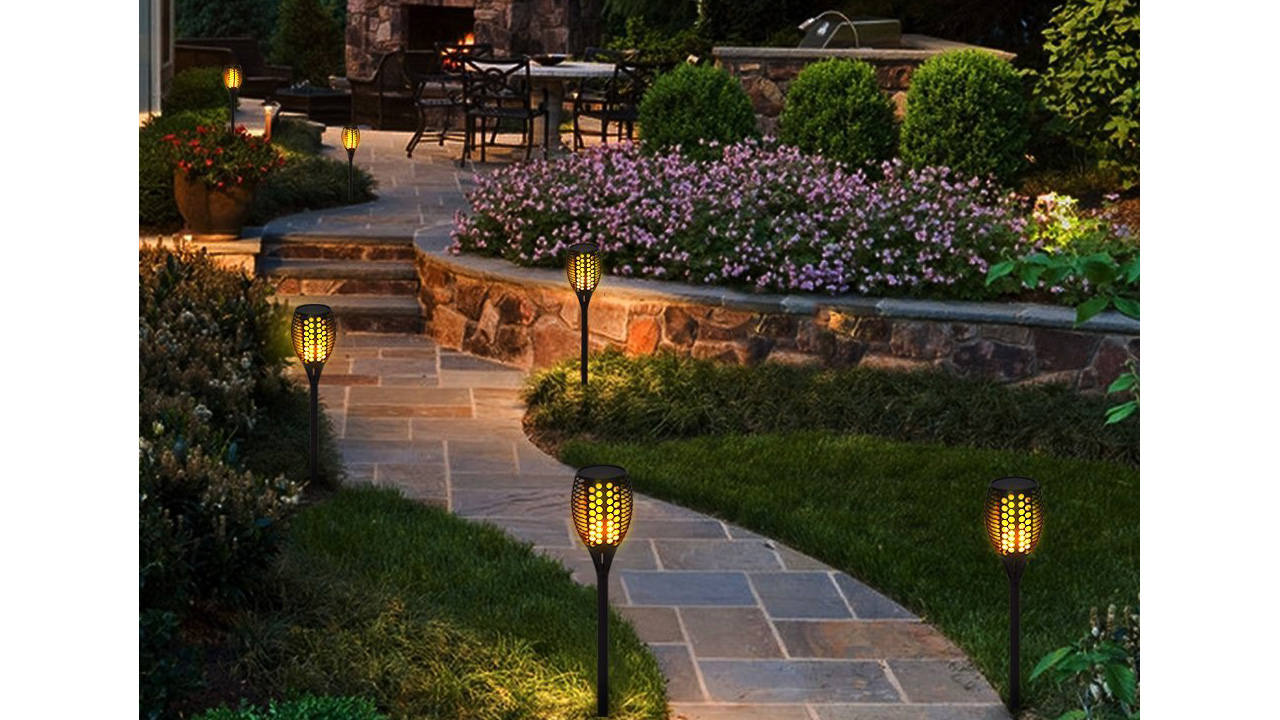
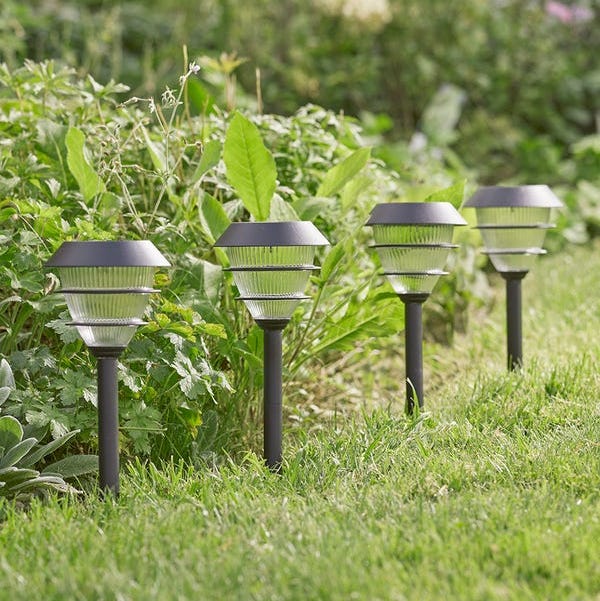
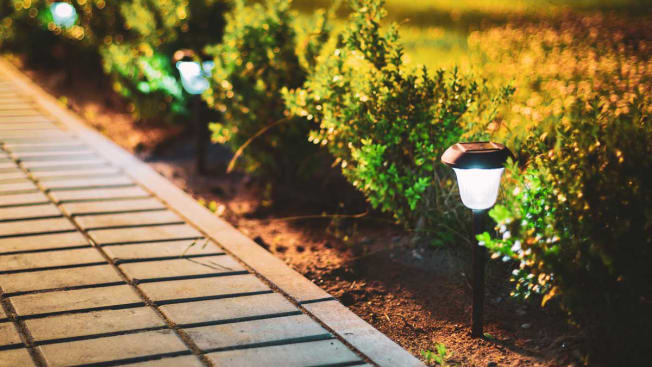
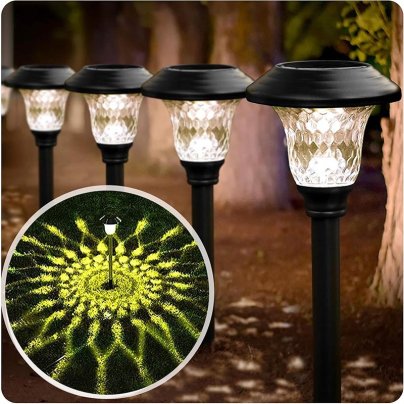
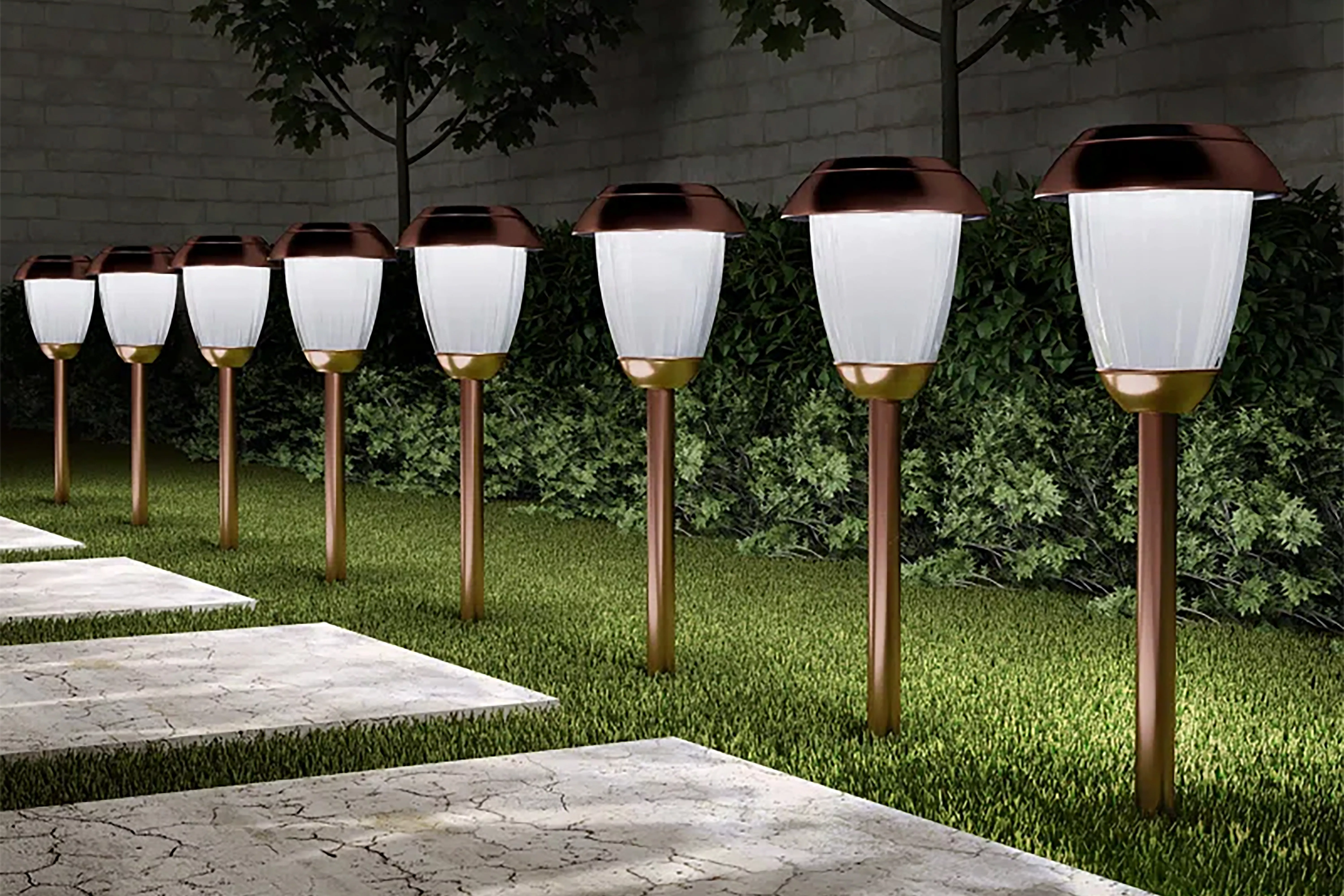
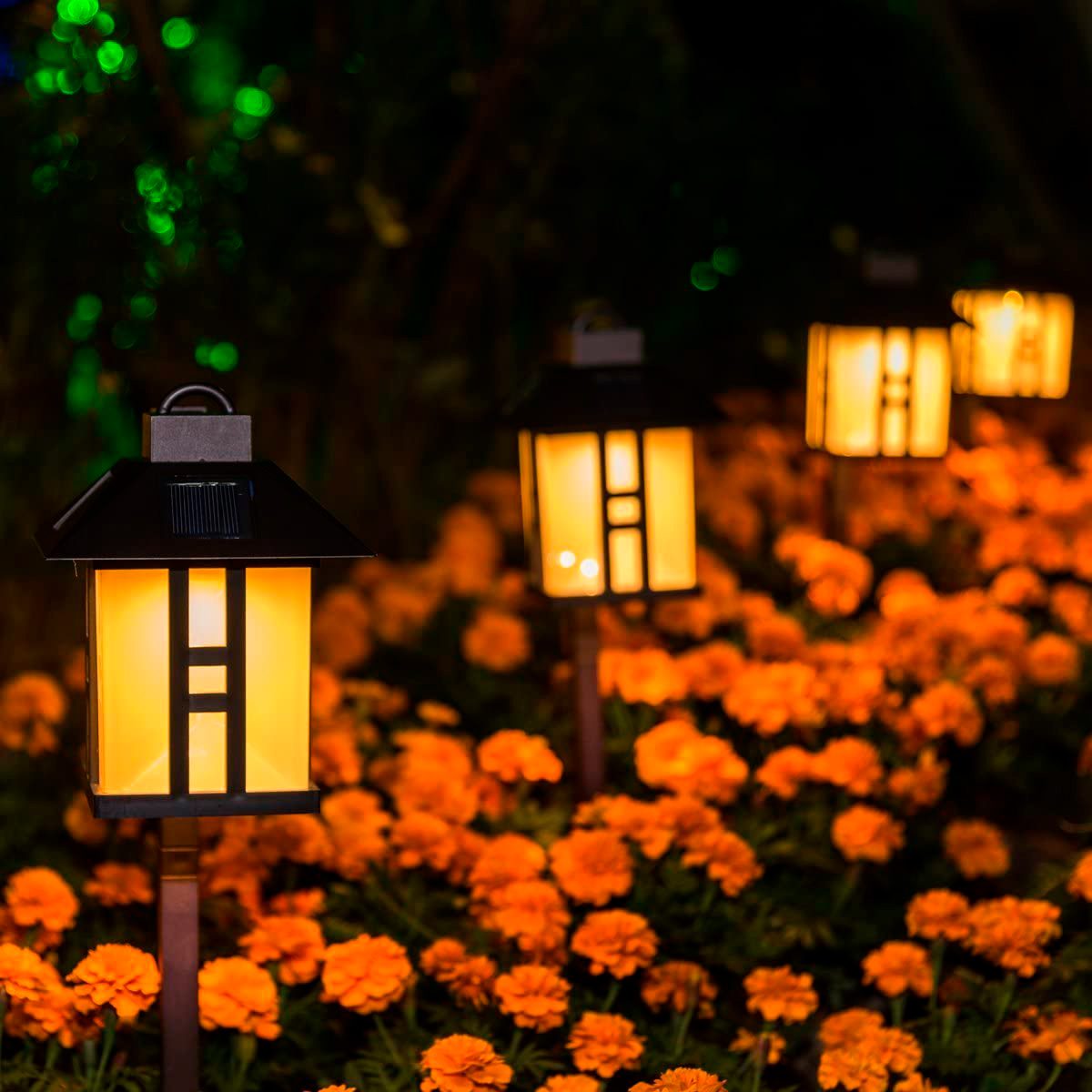
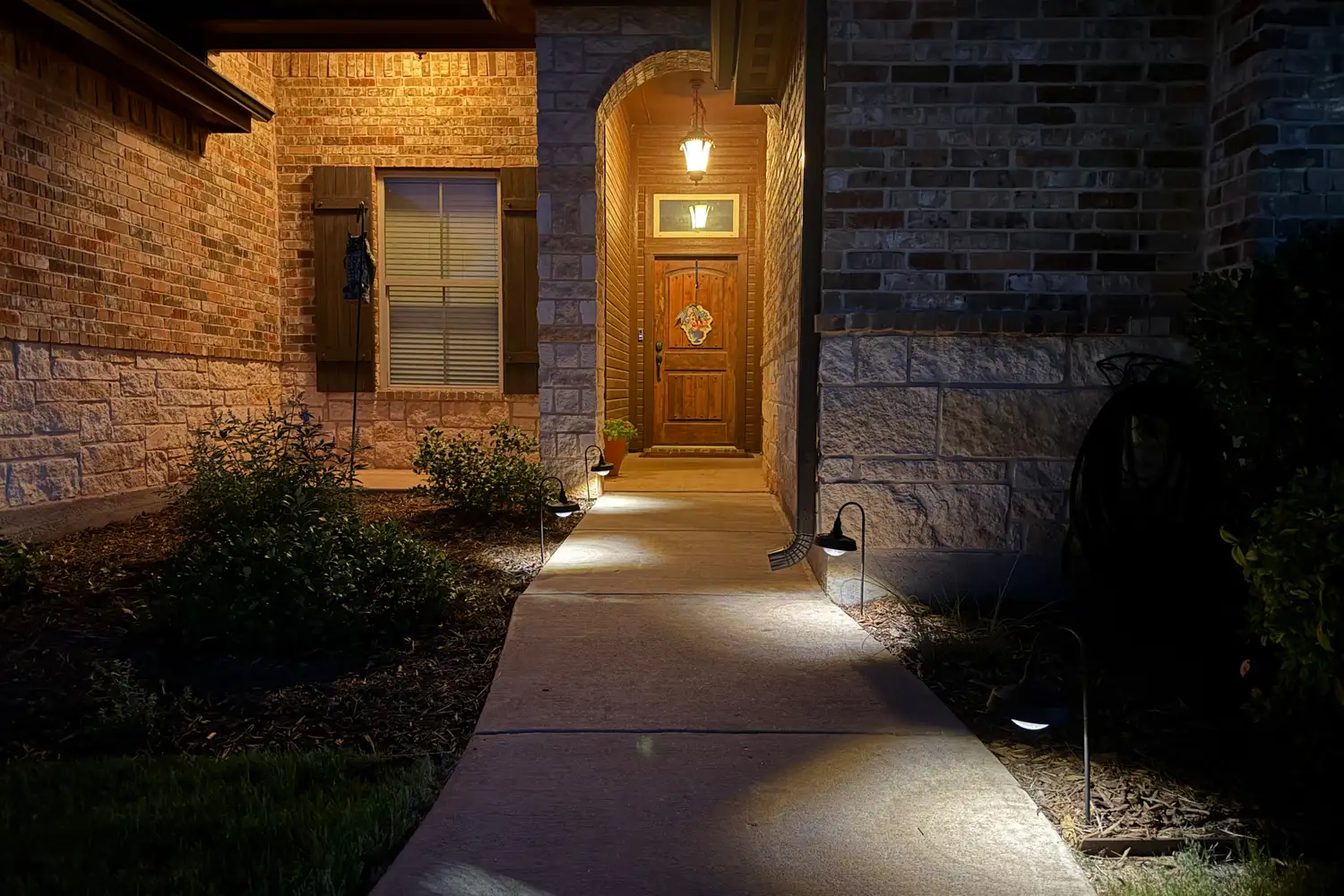
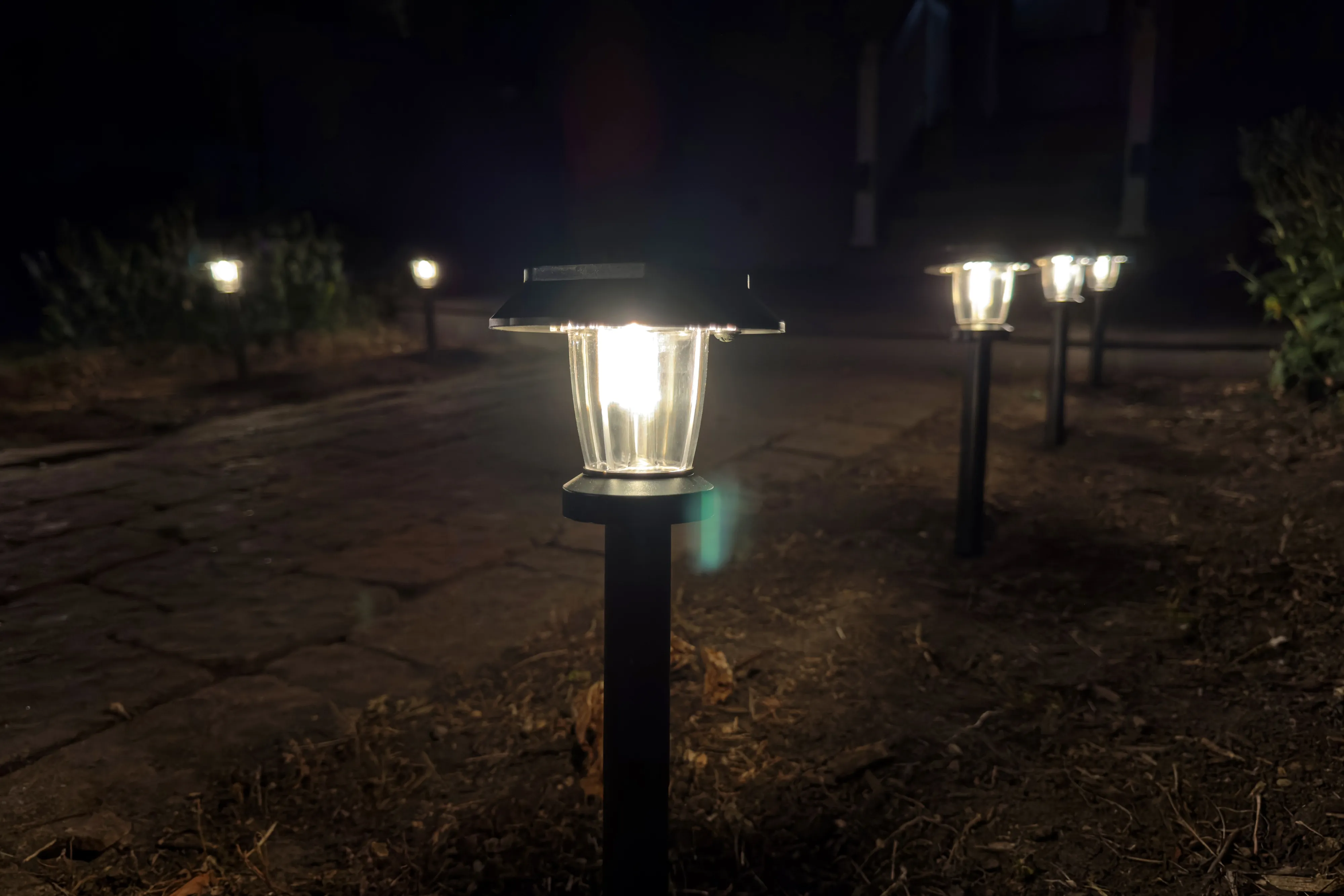
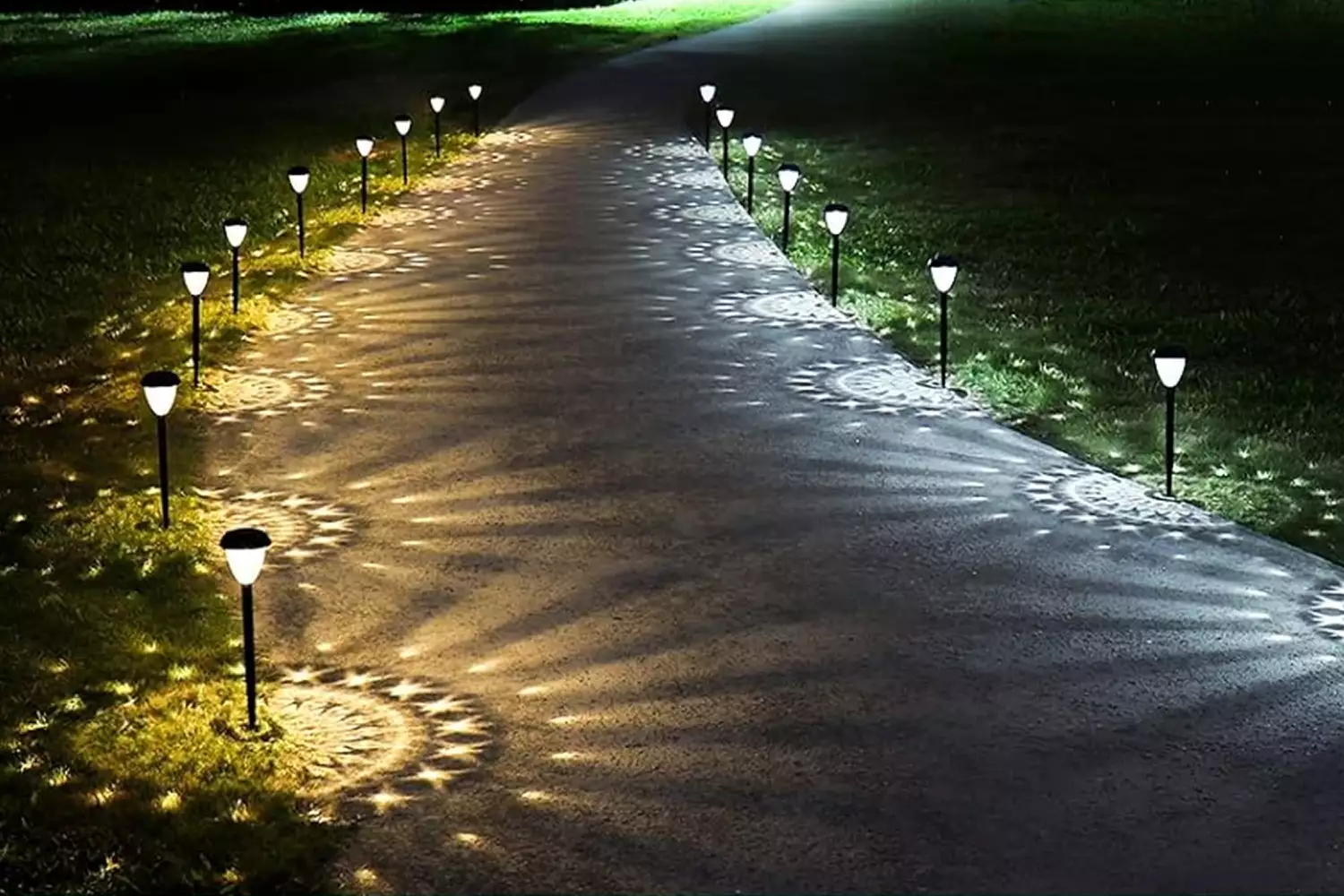
For path lighting, the third rule suggests setting lights back from the path by their height. This technique aims to provide sufficient illumination for pathways without creating a harsh or overly conspicuous lighting effect. This method ensures that the focus remains on the path itself, creating a subtle and inviting glow. The article also highlights the versatility of path lights for subtle illumination within flowerbeds, contrasting them with more powerful spotlights.
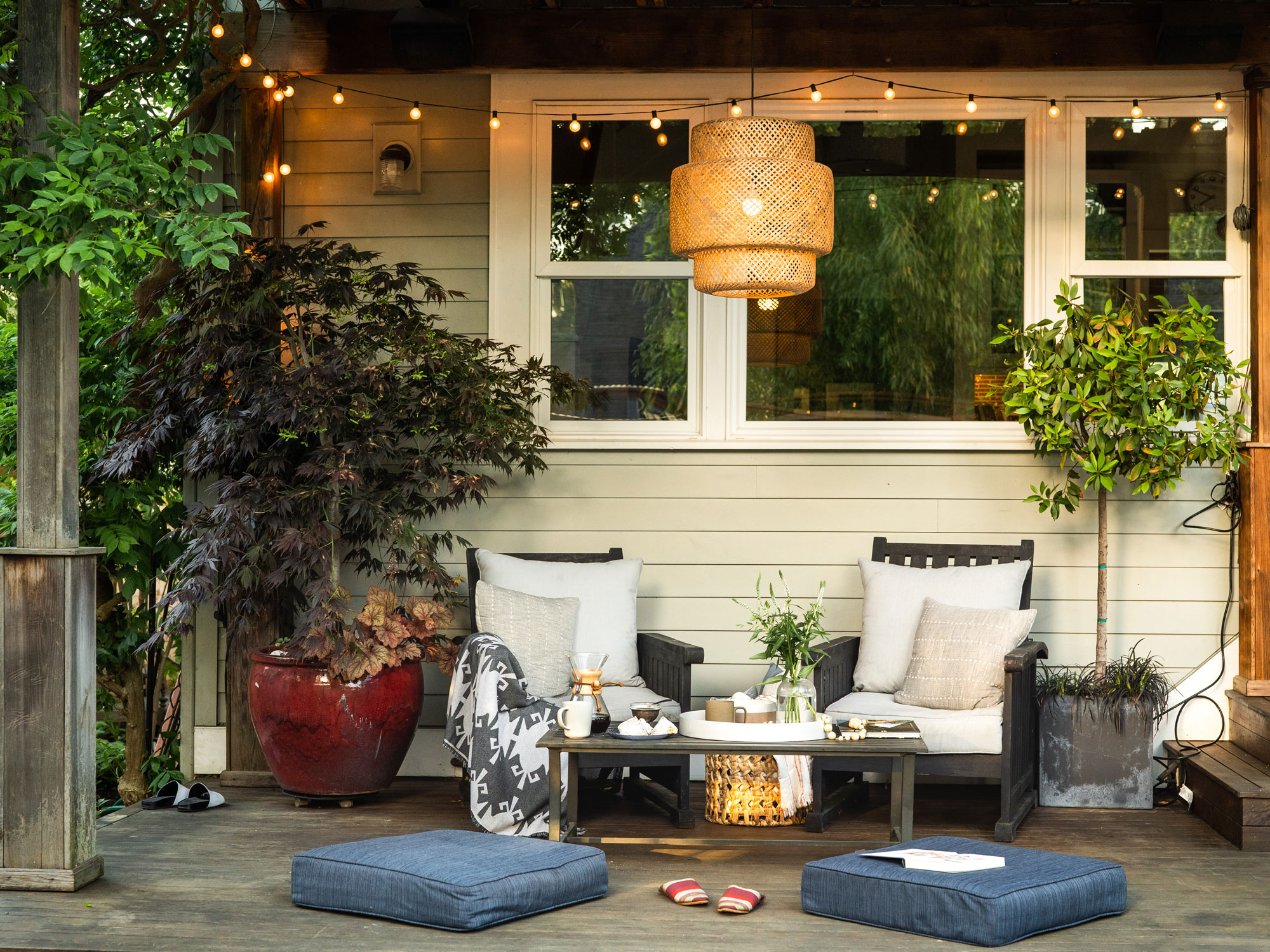
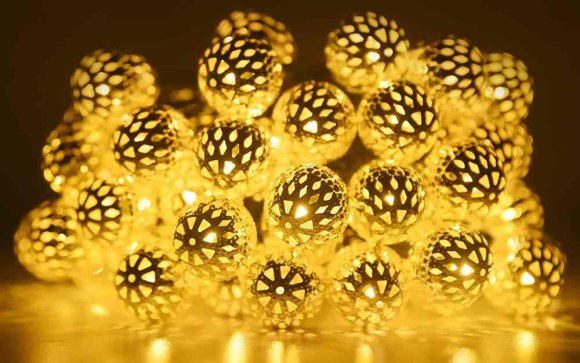
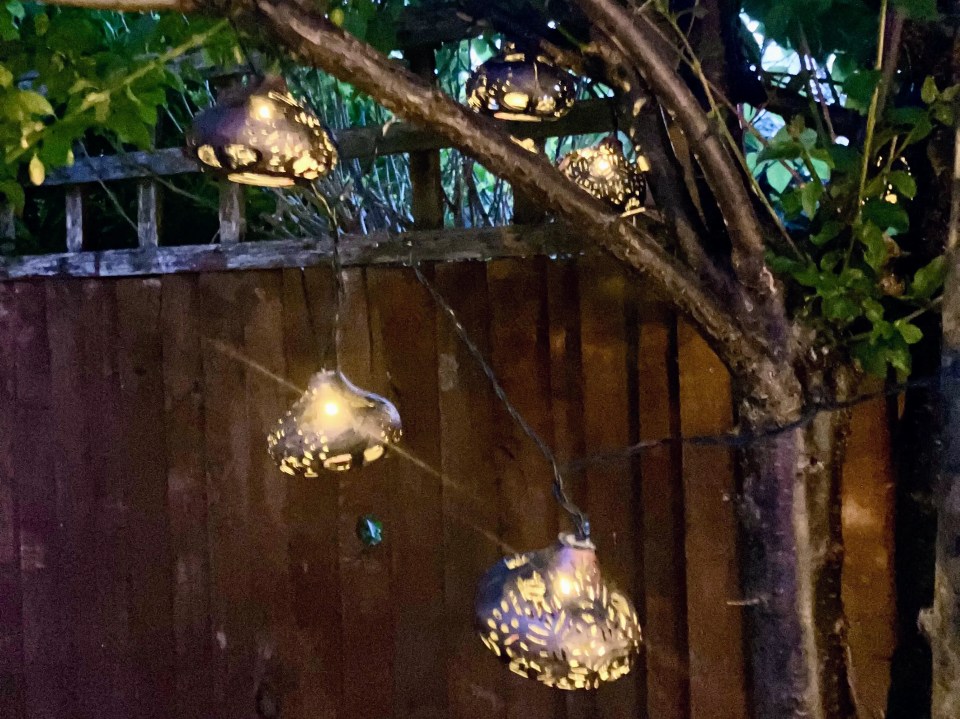
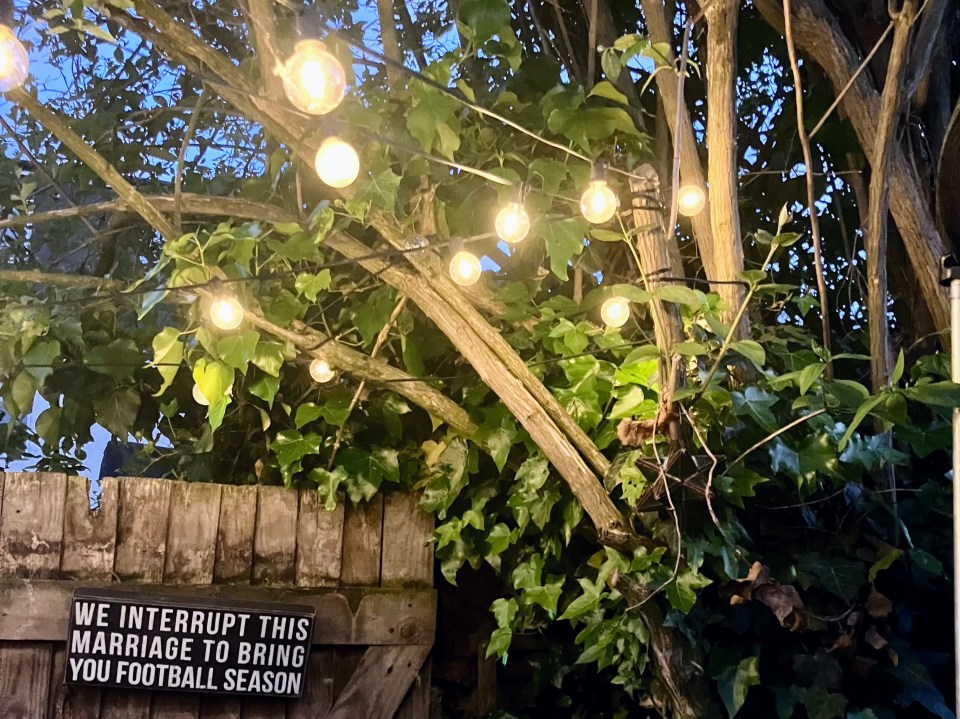
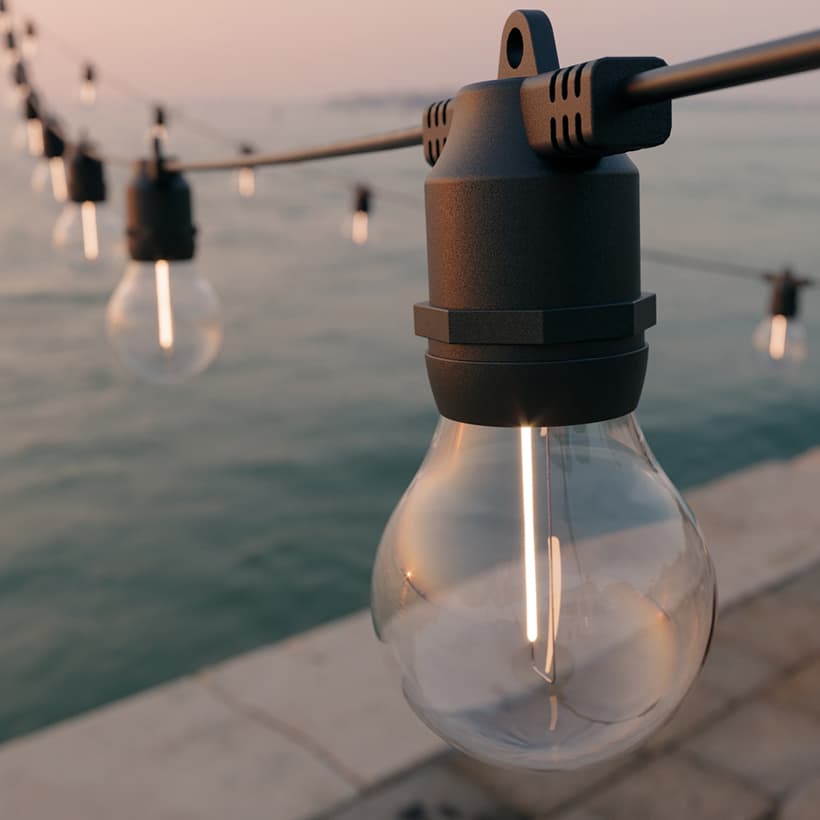
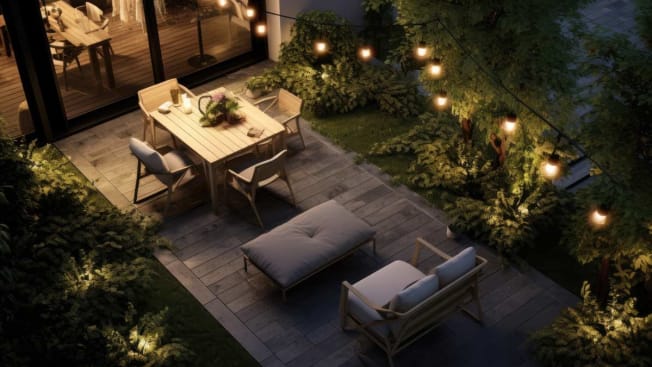
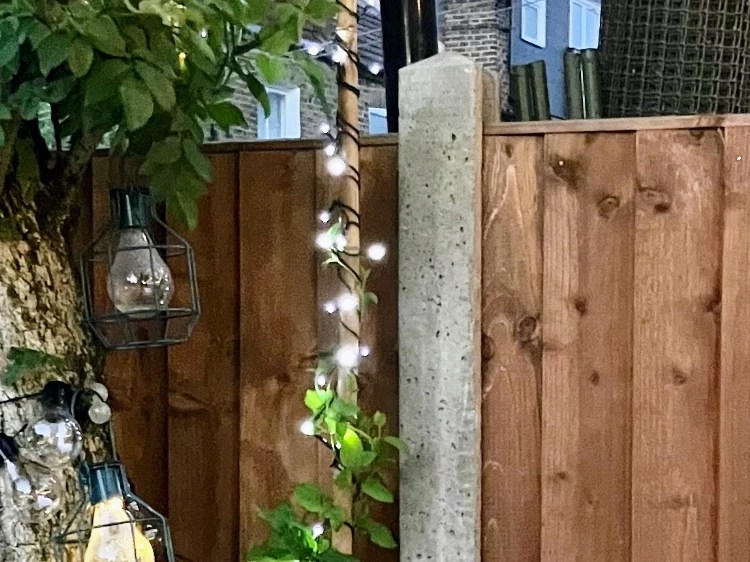
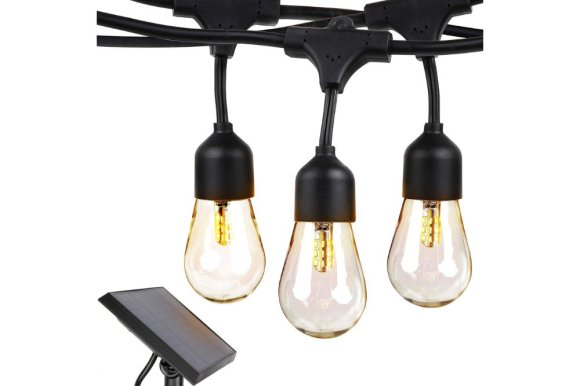
The fourth rule addresses the use of string solar lights, clarifying their primary function. It explains that delicate string lights are best suited for creating ambiance rather than serving as primary overhead lighting. Suggestions include suspending them along fences, pergolas, or trees to enhance the atmosphere of outdoor spaces, particularly for evening gatherings. For brighter overhead illumination, the article differentiates between string lights and festoon lights, recommending festoon lights with specific lumen and kelvin ratings for more practical brightness.
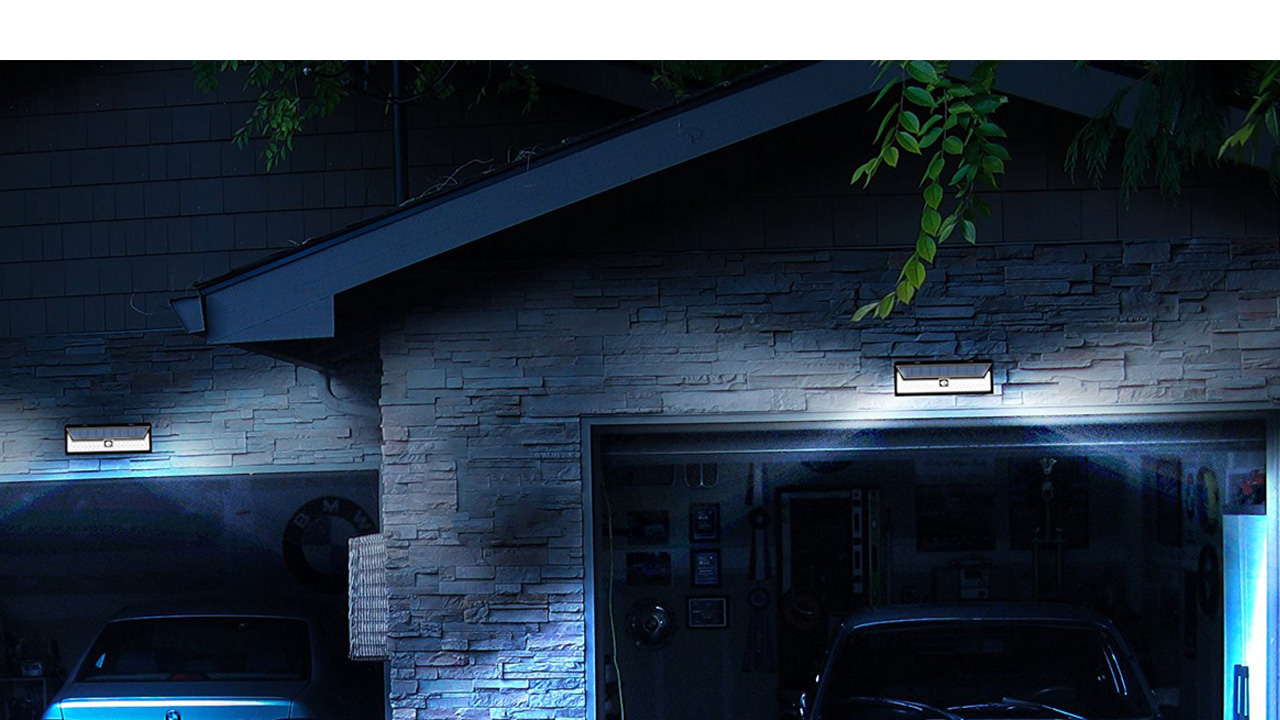
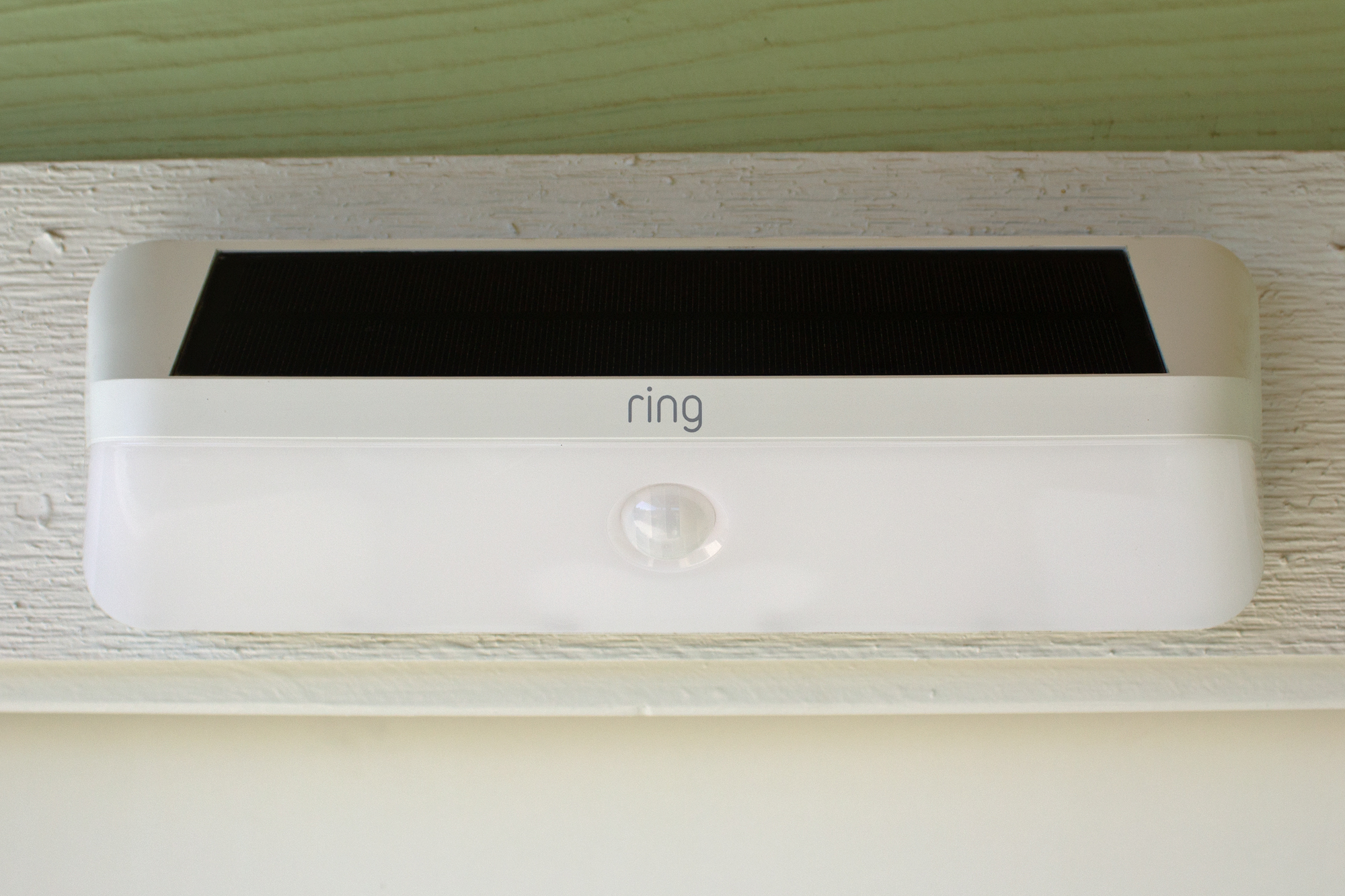
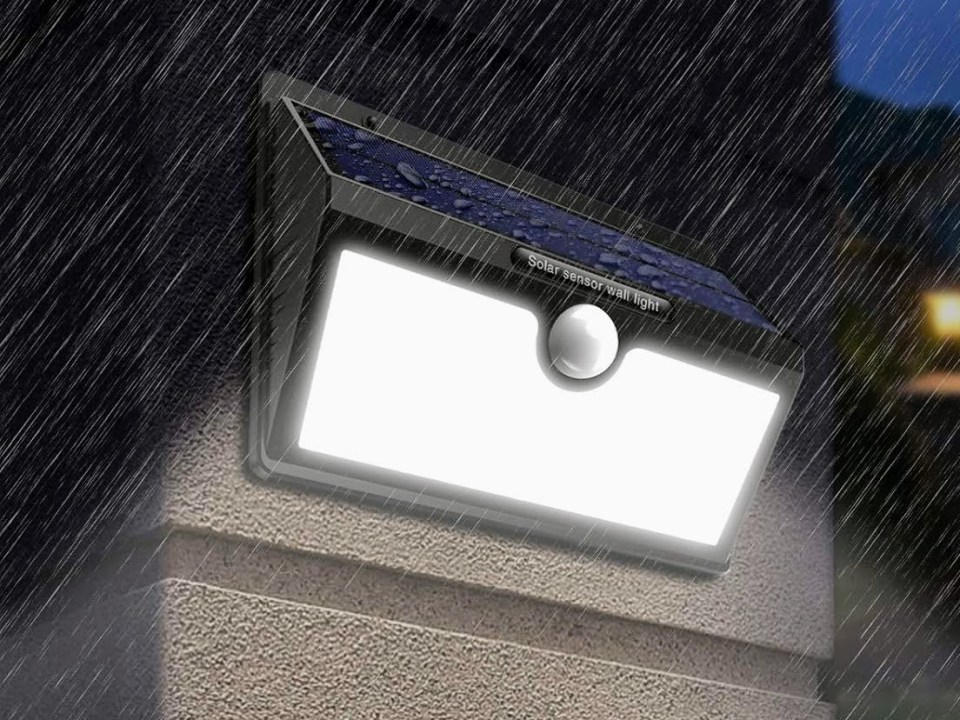
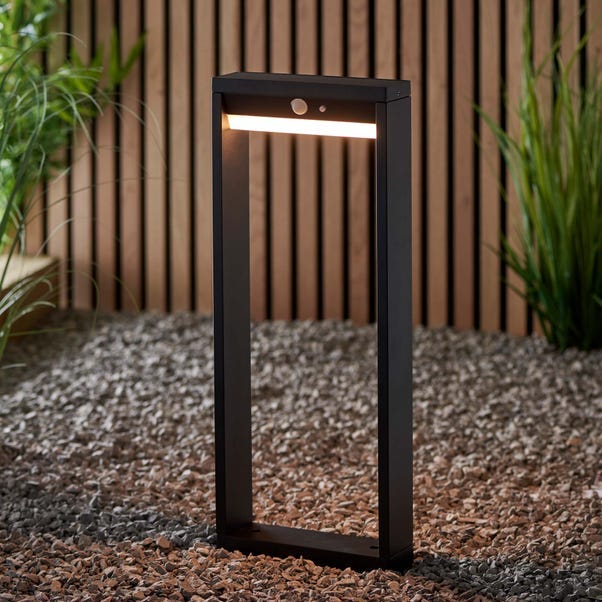
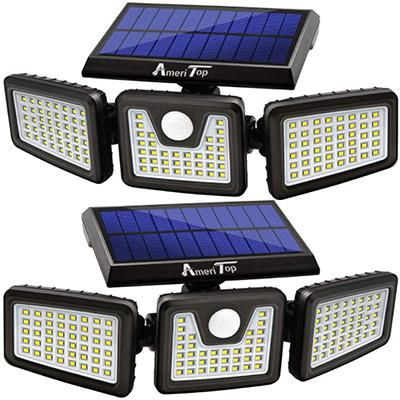
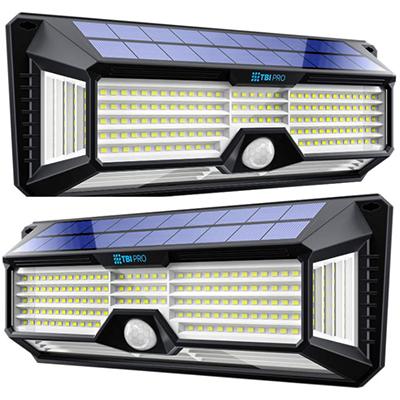
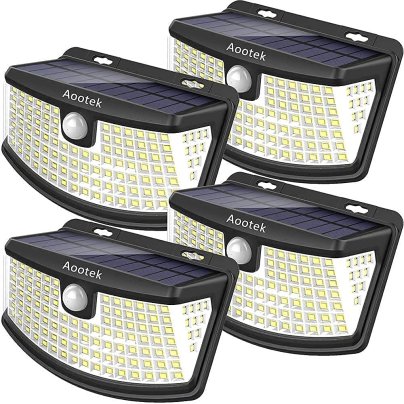
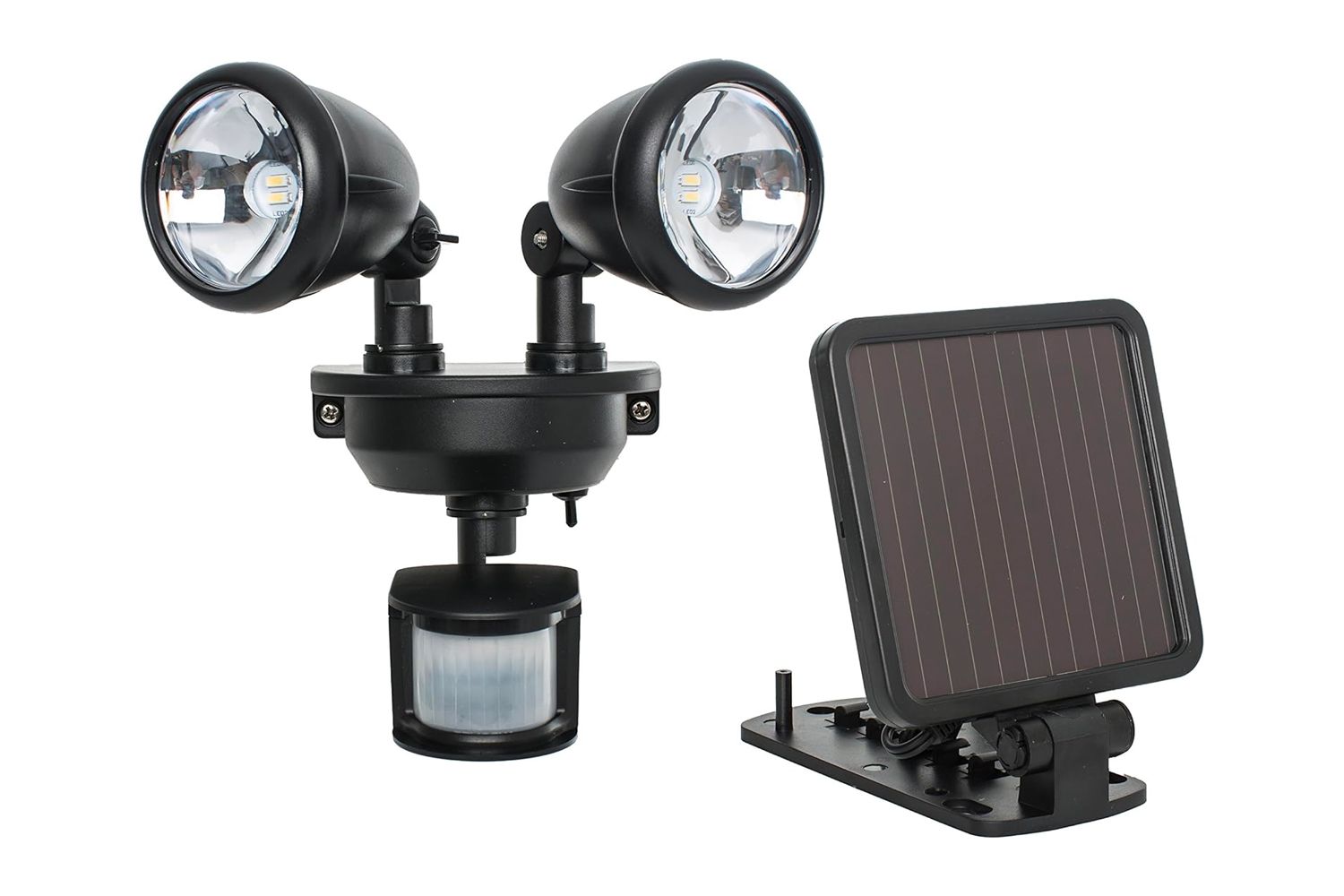
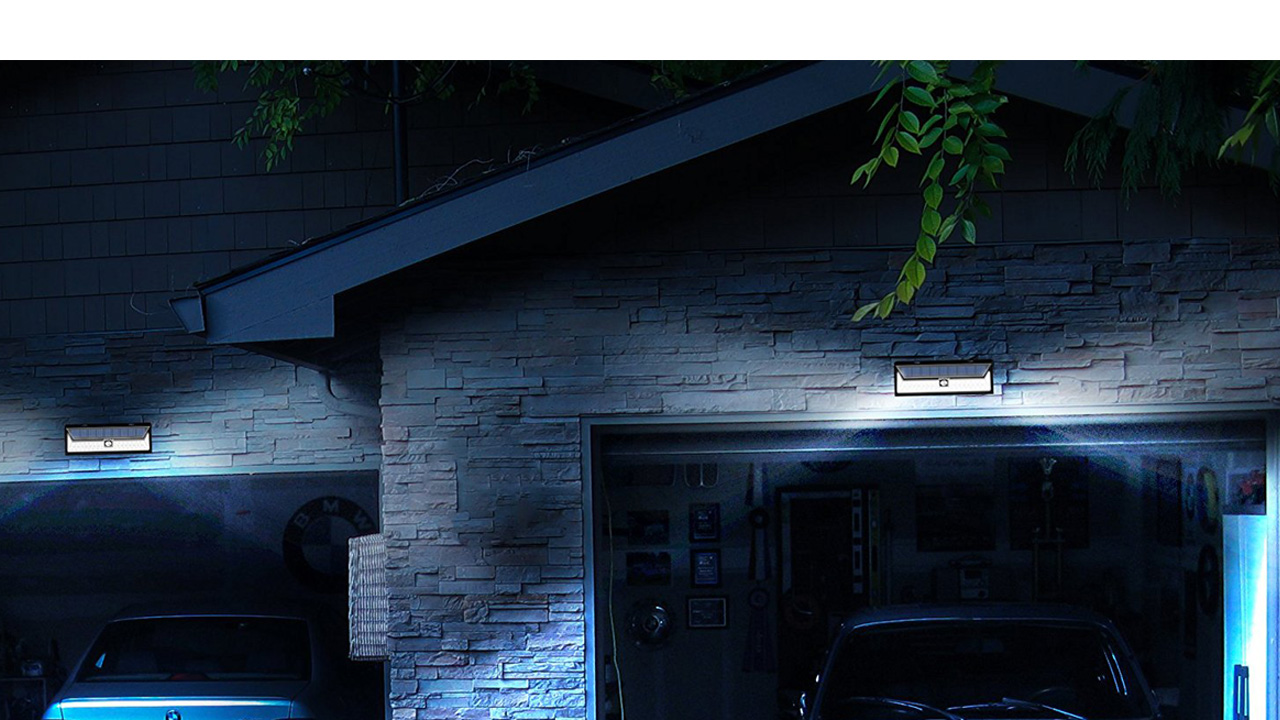
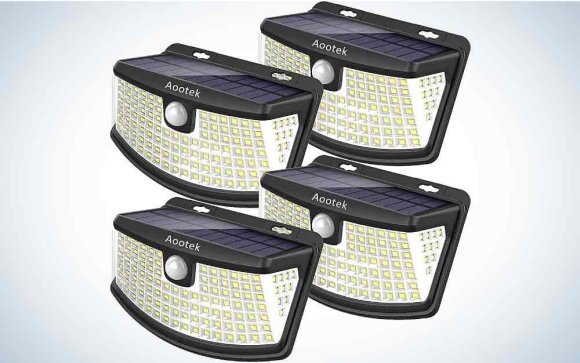
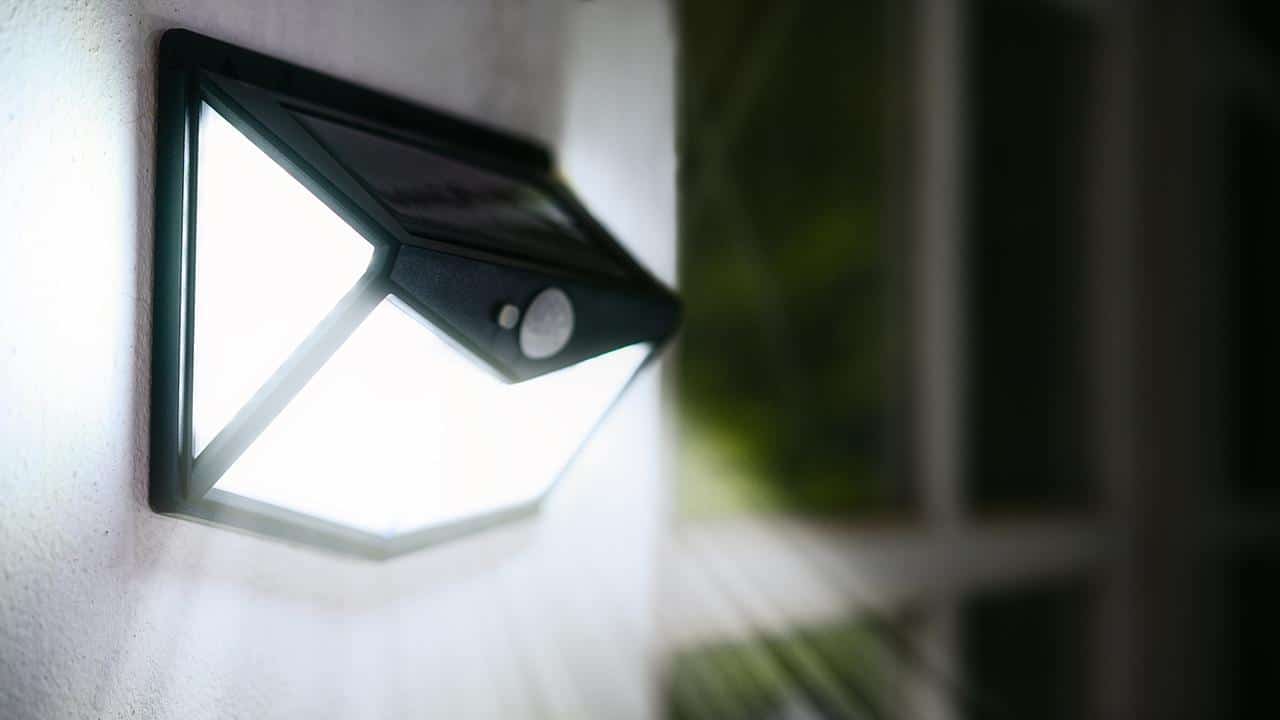
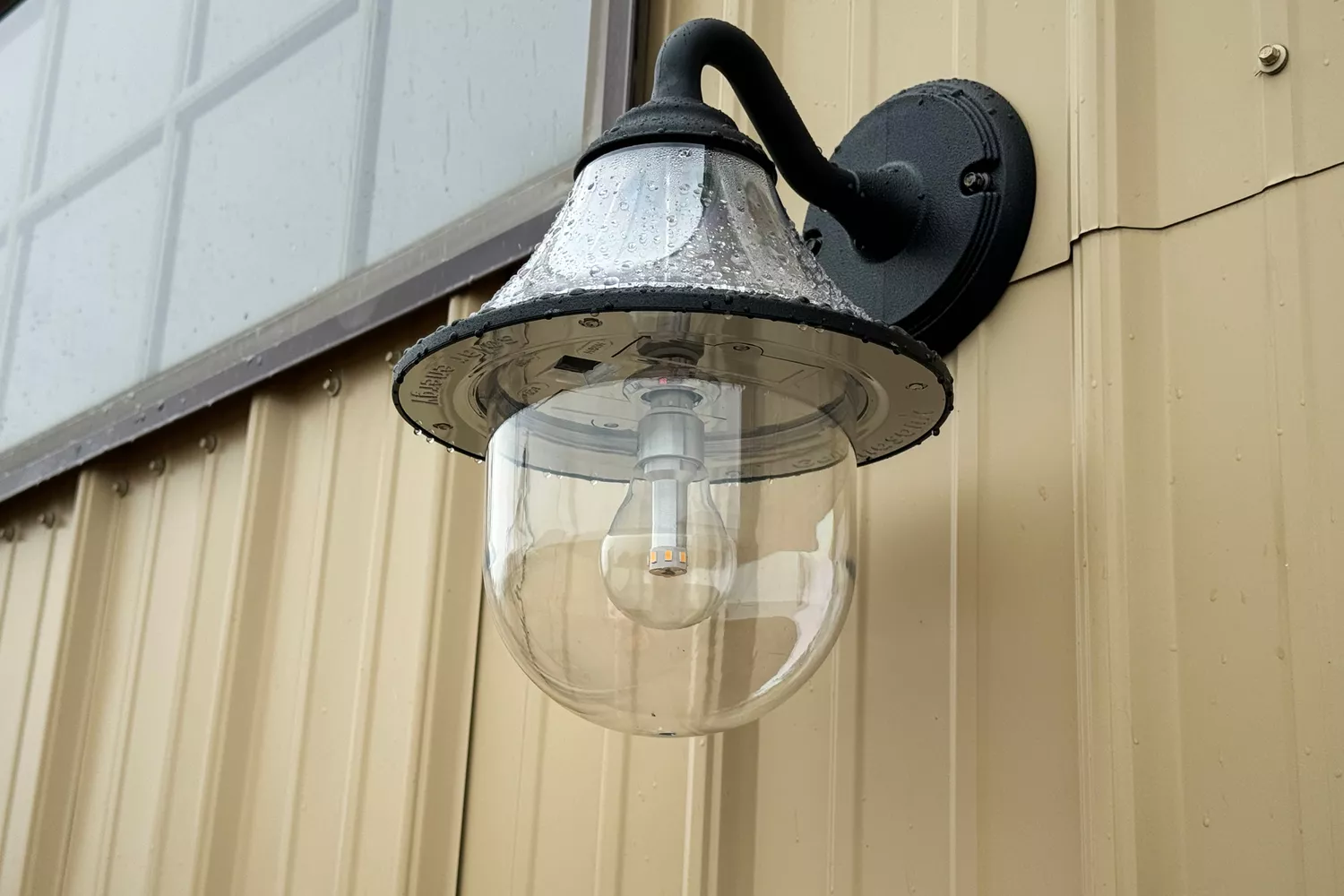
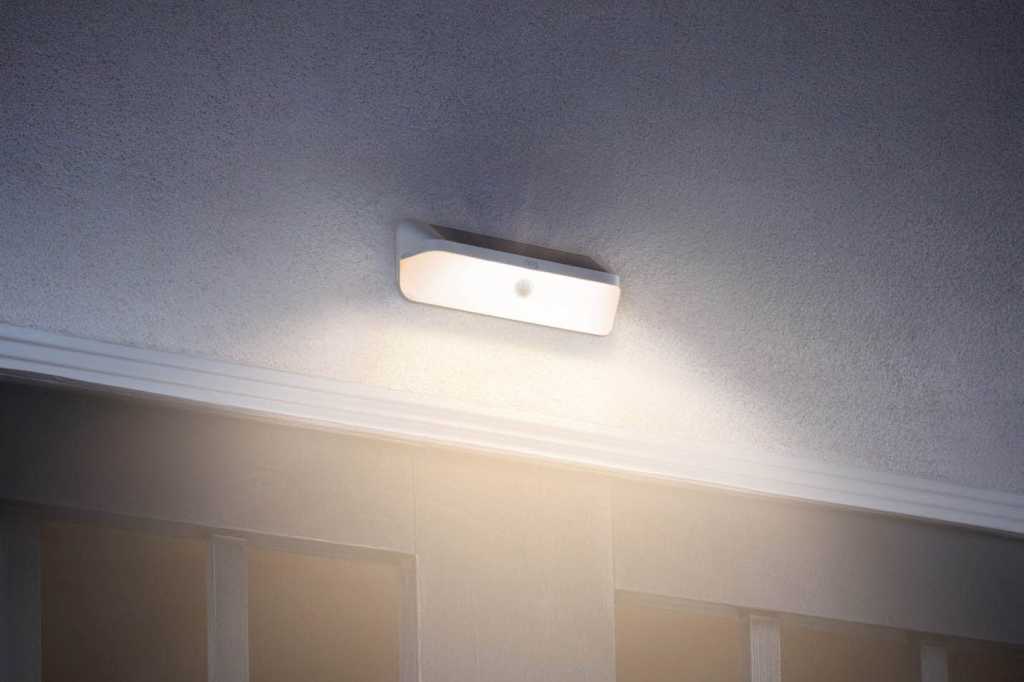
The fifth rule pertains to solar security lights, advocating for their placement as high as possible. This serves a dual purpose: maximizing the illuminated area and deterring tampering by potential intruders. Crucially, the motion detector associated with these lights must be angled to effectively cover potential entry points, and the article advises installing them in dark corners to eliminate blind spots.
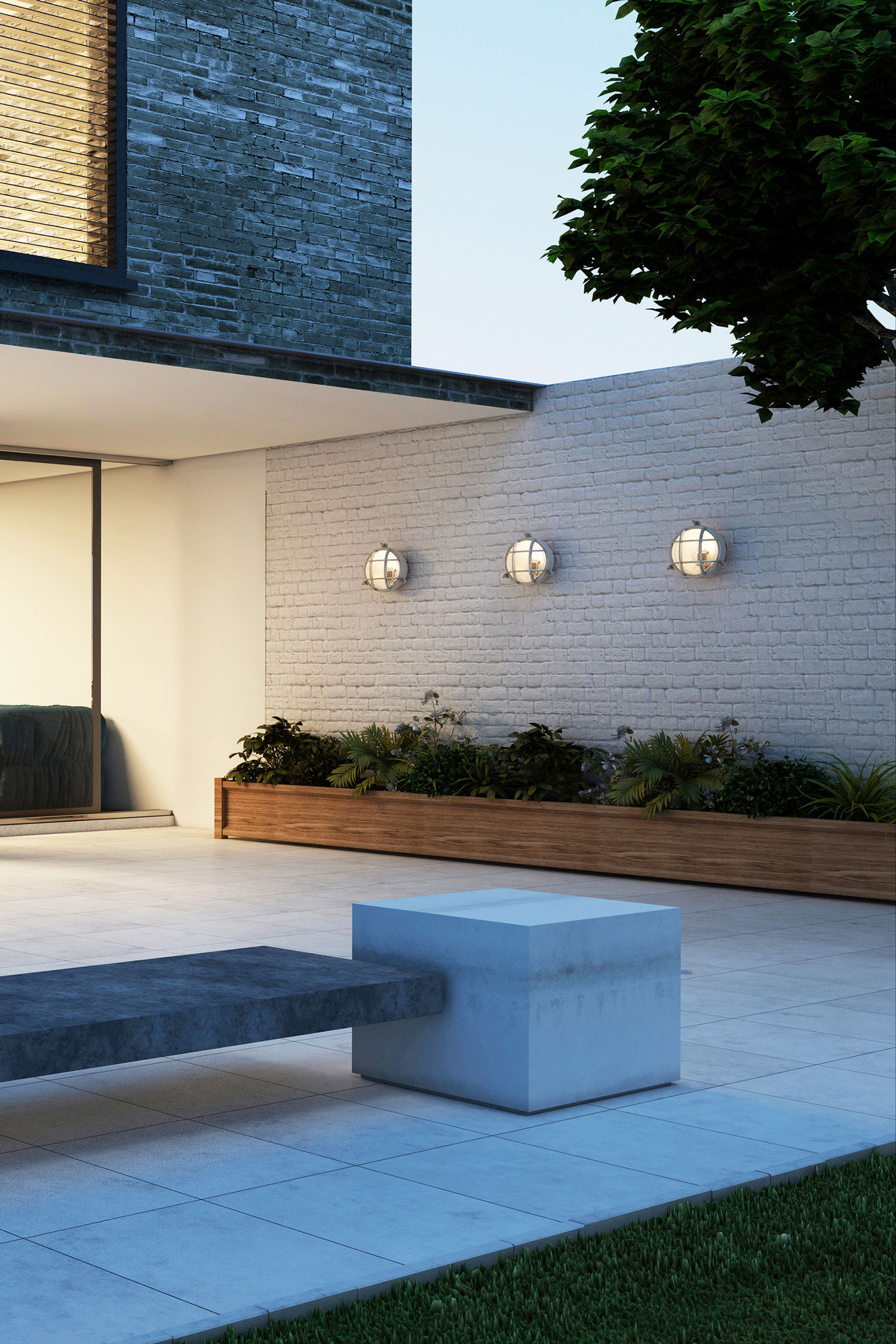
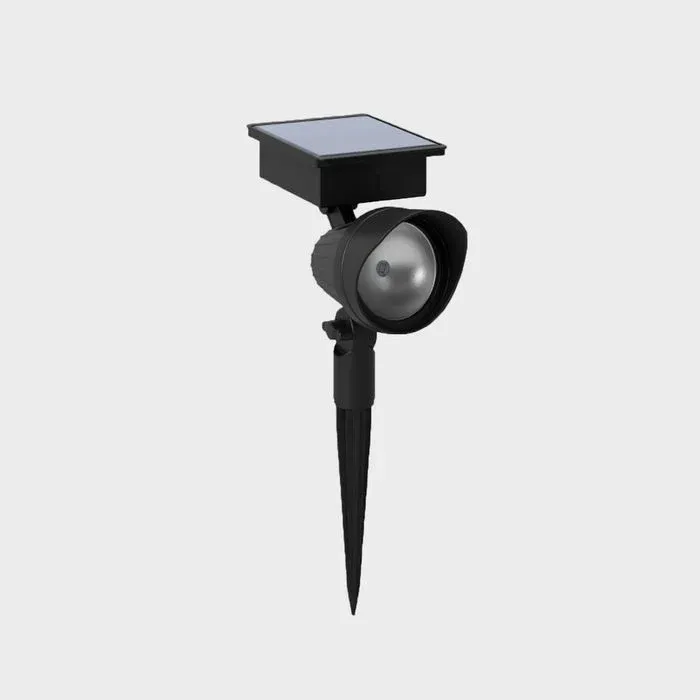
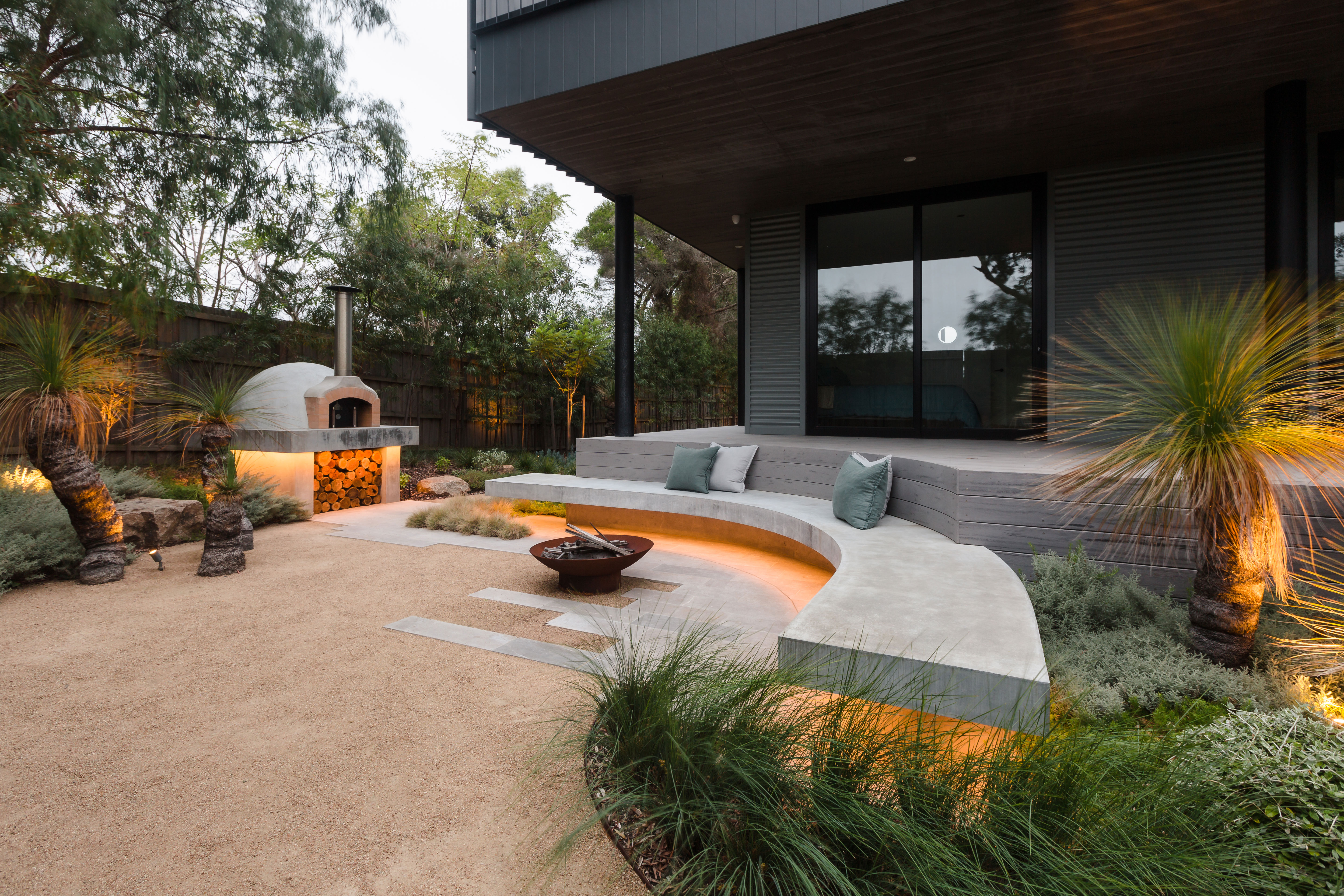
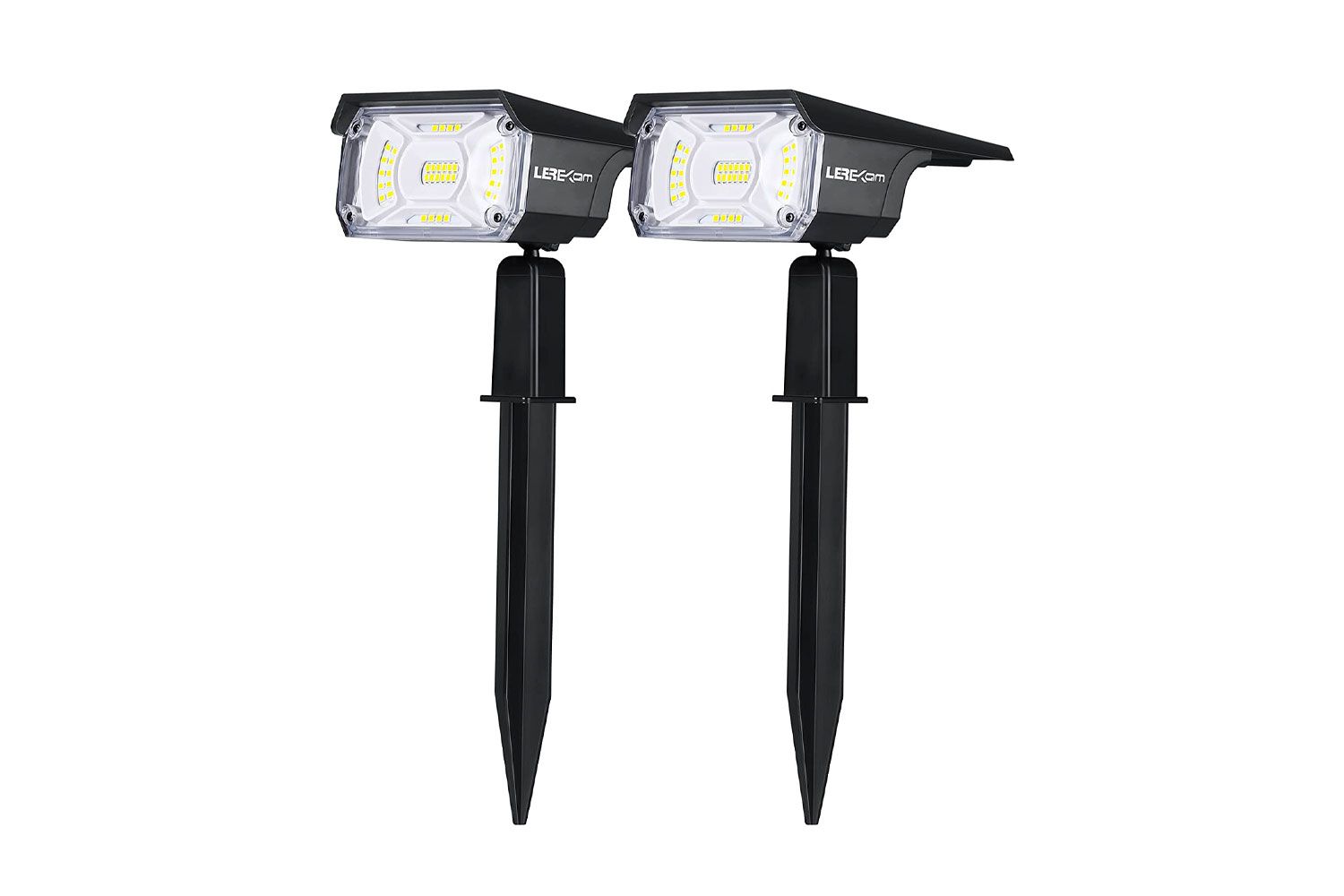
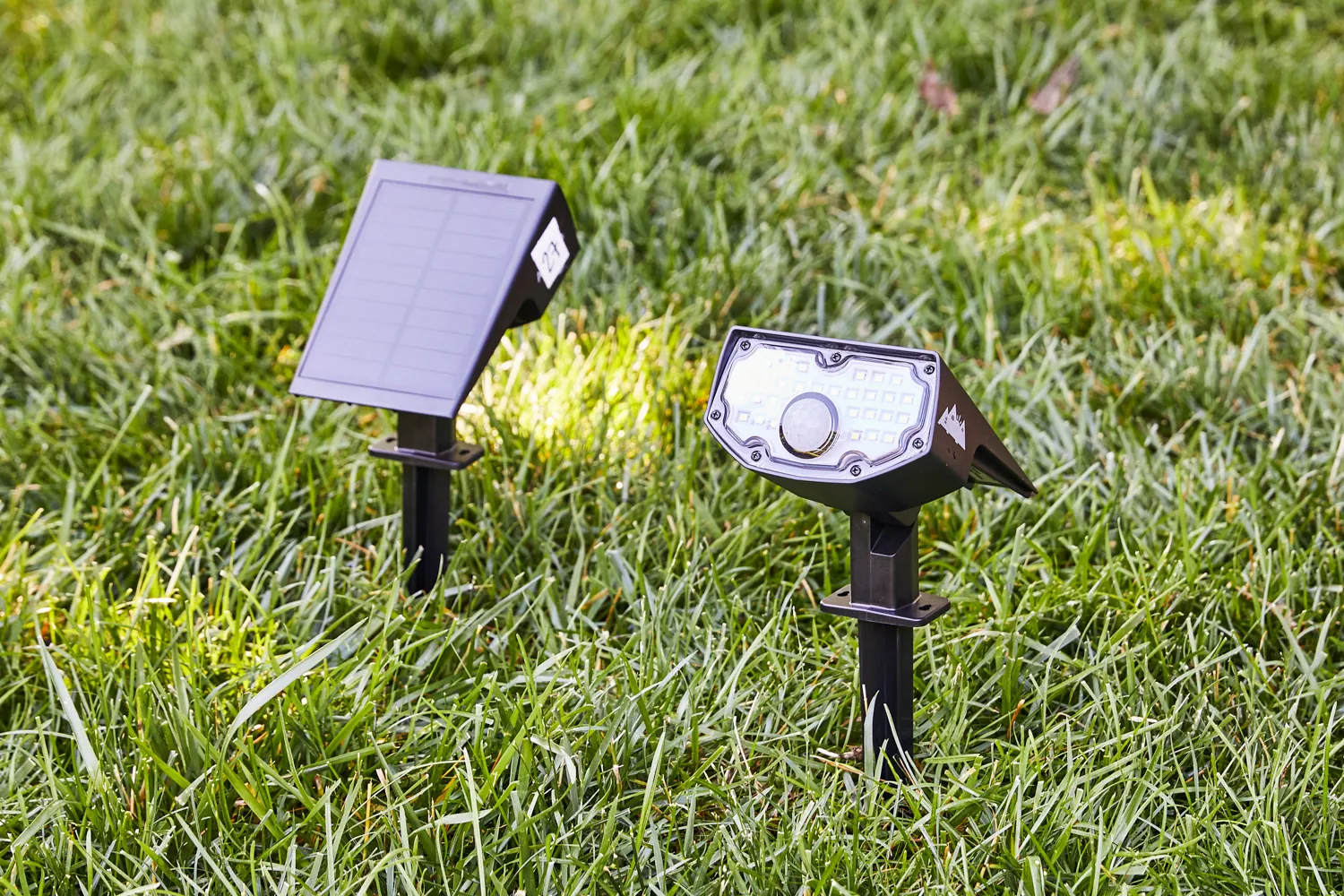
Finally, the sixth rule discusses the optimal placement of solar spotlights for uplighting trees or walls. It recommends placing these lights low and sufficiently far back from the object to be illuminated. This distance is critical for diffusing the light effectively across the entire structure, preventing a concentrated, garish bright spot and ensuring a more aesthetically pleasing effect. The article also briefly touches on the use of solar lights indoors, noting its practicality limitations due to the requirement for constant direct sunlight.
#SolarLighting #OutdoorLighting #GardenDesign #HomeImprovement #EnergyEfficiency #LandscapeLighting #SecurityLighting #PathLighting #AmbianceLighting #SolarLighting #OutdoorLighting #GardenDesign #HomeImprovement #EnergyEfficiency #LandscapeLighting #SecurityLighting #PathLighting #AmbianceLighting
0 تعليق إجمالاً
 لا توجد تعليقات بعد
قد تعجبك أيضًا
How to position landscape lighting - the expert guide to bringing your outdoor space to life

The best solar-powered lights for your garden

8 best solar powered garden lights UK 2025, tried and tested

Patios Stay Lit 'All Night' with These Solar-Powered Lights, and They're 52% Off

8 Best Solar Path Lights

The best solar deck lights

No Outlet? No Problem—These 11 Outdoor Solar Lights We Tested Glow Anywhere

4 Best Solar Flood Lights & Outdoor Motion Lights (2022)
11 best outdoor lights to bring ambience and style into your garden
Our Editors’ Favorite Outdoor Solar Lights for a Brighter, Better Backyard

We Put Outdoor Solar Lights to the Test—These Delivered the Most Reliable Nighttime Glow
Through Wind, Rain, and Snow, We Tested Some of the Best Outdoor Solar Lights and Were Amazed by the Results

Illuminate Your Yard Without Raising Your Power Bill With One of the Best Outdoor Solar Lights
The Best Solar Post Cap Lights for Your Deck or Fence
11 best solar garden lights to create a gorgeous twinkly glow, tested by experts

We Tested 66 Outdoor Lights—These Are the Best for a Summer-Ready Backyard

5 Outdoor Lighting Tricks People With Well-Lit Yards Always Use — They'll Make Your Yard Look 100 Times Better
Ring Wall Light Solar review: Shine a light where you need it


Best Solar Outdoor Lights of 2025
These Solar Lights Cast A Stunning Pattern On Your Walkway, And They’re Less Than $3 Apiece