



1/6
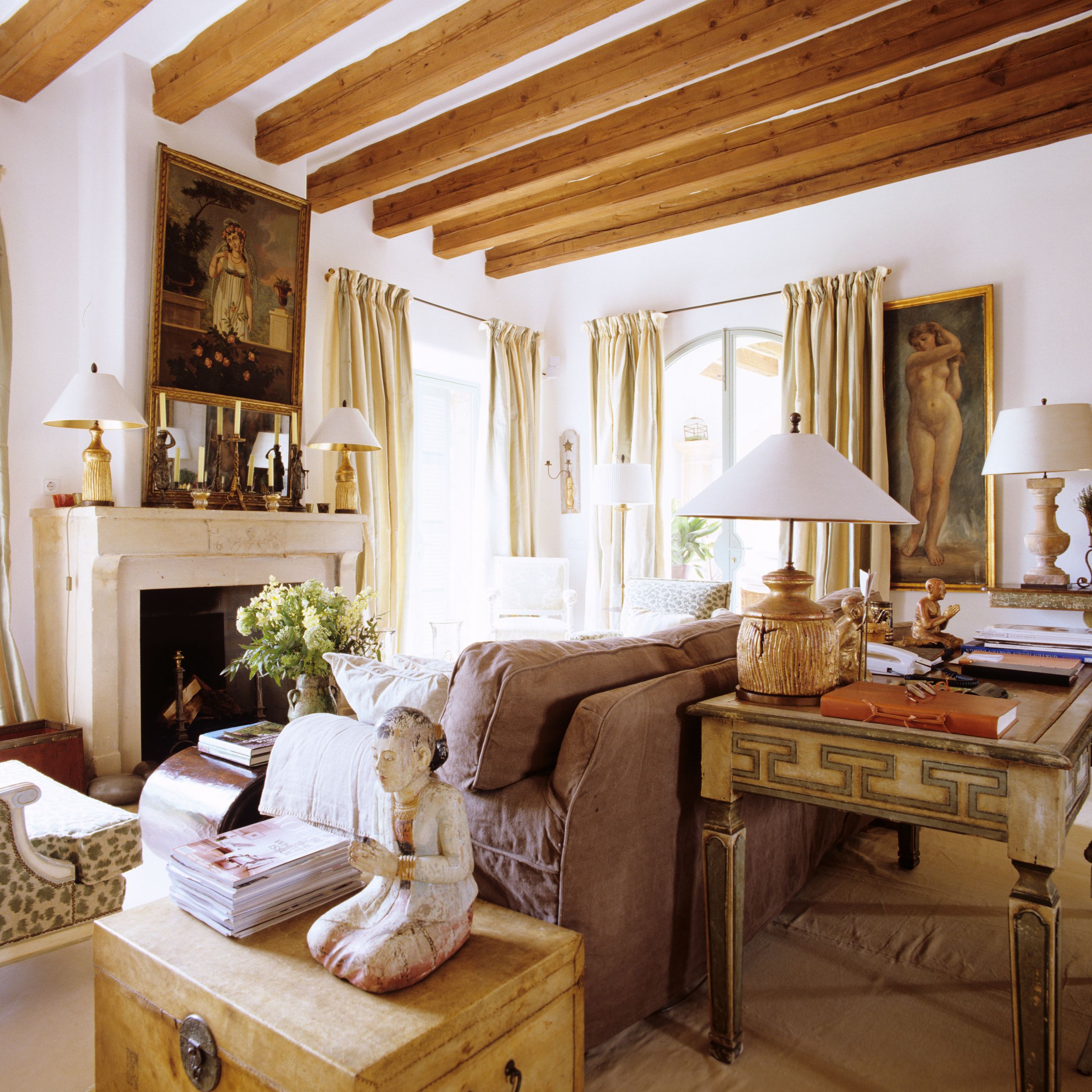
What’s Old Is New Again: Vintage Furniture Is The Hottest Home Decor Trend
The COVID-19 pandemic significantly altered consumer spending habits, particularly in the home furnishing sector. In 2020, furniture and appliance expenditure rose from $373 billion to $405 billion. While e-commerce generally experienced growth, the vintage and consignment market saw an exceptional boom. Retailers like Chairish reported a 60% increase in sales, luxury collectible site 1stDibs observed a 23% rise, and Kaiyo, a furniture resale startup, noted triple-digit monthly growth.
Initially, the surge in popularity for secondhand items might be attributed to their typically lower price point, a significant factor during economic uncertainty. However, the demand extended beyond budget-friendly pieces, with heritage and collectible items also selling rapidly. Iconic designs such as Mario Bellini’s Camaleonda Sofa, Ray and Charles Eames’s Lounge Chair, and the Ultrafragola mirror were frequently out of stock on 1stDibs. Chairish users even profited from reselling Michel Ducaroy’s Togo sofa, and Kaiyo recorded a sale of a DDC On the Rocks sofa for $18,346, demonstrating that value is not solely based on low cost.
Projections indicate that the furniture resale market will continue its upward trajectory, with Statista forecasting a 70% increase between 2018 and 2025. This growth is driven by several factors. A fundamental shift in consumer perception towards secondhand goods is evident, largely influenced by the success of platforms like TheRealReal and Depop, which normalized buying used clothing among millennials and Gen Z. This lessened the stigma associated with pre-owned furniture, with a Chairish report revealing that 31% of millennial and Gen Z consumers developed an increased interest in buying used, vintage, or antique furniture online during the pandemic.
The 'cool' factor also plays a crucial role. In an era where mass-produced items quickly become ubiquitous on social media, younger consumers are increasingly seeking unique, rare, or one-of-a-kind items to avoid the homogeneity of "copy-and-paste apartments." Authenticity is a significant driver for this generation's shopping habits, a desire that now extends to home goods, especially for those who can afford luxury and seek individuality. A Boston Consulting Group report highlighted that for true-luxury consumers, secondhand markets often offer the only avenue to acquire scarce, limited-edition, or otherwise unobtainable items.
Sustainability is another powerful motivator. Purchasing used furniture supports the circular economy and reduces waste, preventing millions of tons of furniture from ending up in landfills annually. Some vintage and antique furniture companies, like ZZ Driggs, are even B-Corp certified, emphasizing their commitment to environmental responsibility.
Finally, logistical challenges, specifically supply chain disruptions, have inadvertently boosted the vintage market. Alpay Koralturk, CEO and Founder of Kaiyo, noted that supply chain issues caused wait times of 14-16 weeks for new upholstered items. In contrast, secondhand furniture, particularly when sourced locally, can be delivered within days. This combination of affordability, uniqueness, sustainability, and immediate availability has positioned vintage furniture as a leading trend in home decor, encouraging a shift from new purchases to embracing the old.
#VintageFurniture #HomeDecorTrends #SecondhandMarket #SustainableLiving #CircularEconomy #InteriorDesign #ConsumerBehavior #SupplyChainImpact #MillennialGenZ #VintageFurniture #HomeDecorTrends #SecondhandMarket #SustainableLiving #CircularEconomy #InteriorDesign #ConsumerBehavior #SupplyChainImpact #MillennialGenZ
 لا توجد تعليقات بعد