Waterfall edges on countertops are a smooth new look
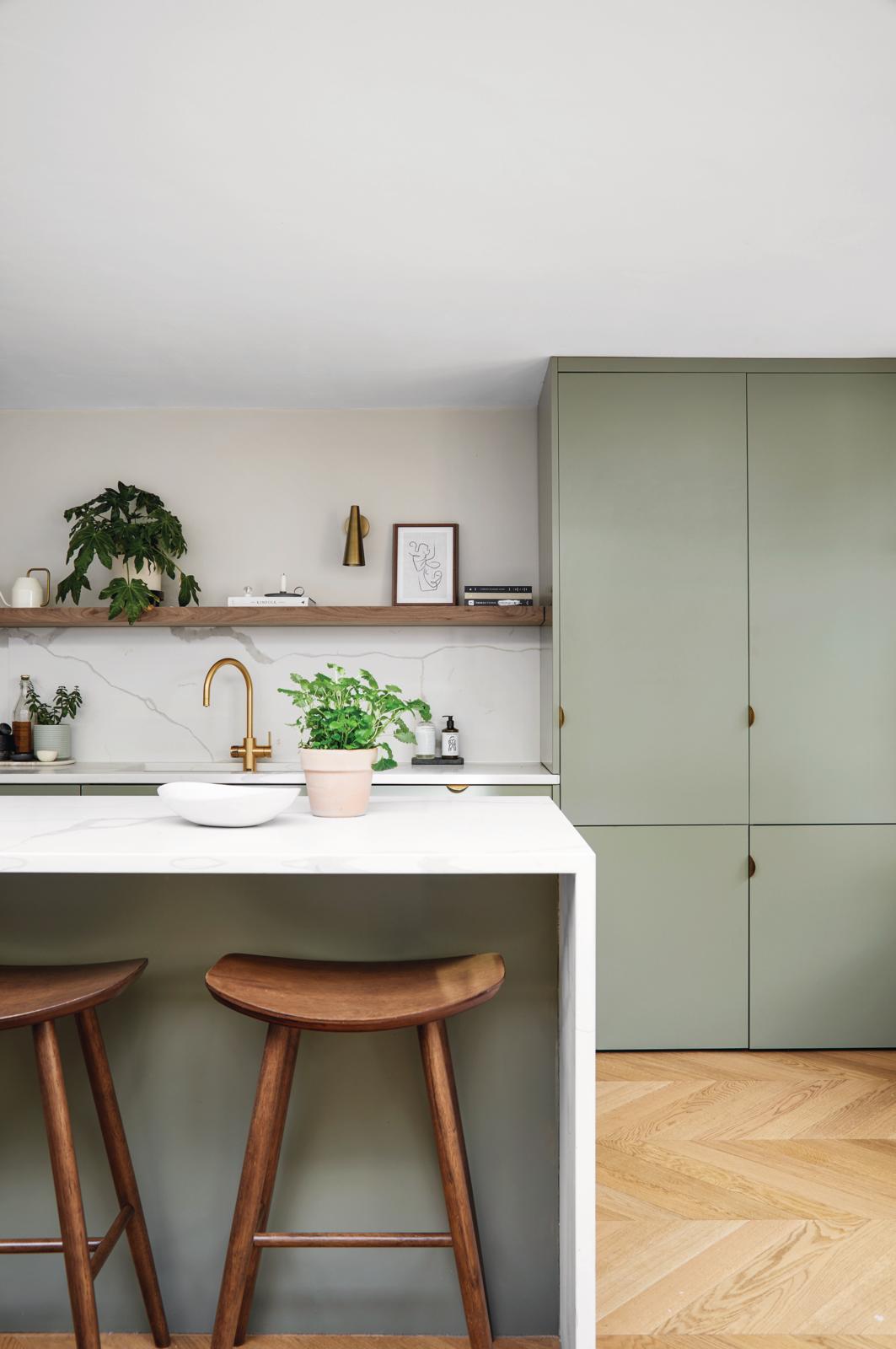
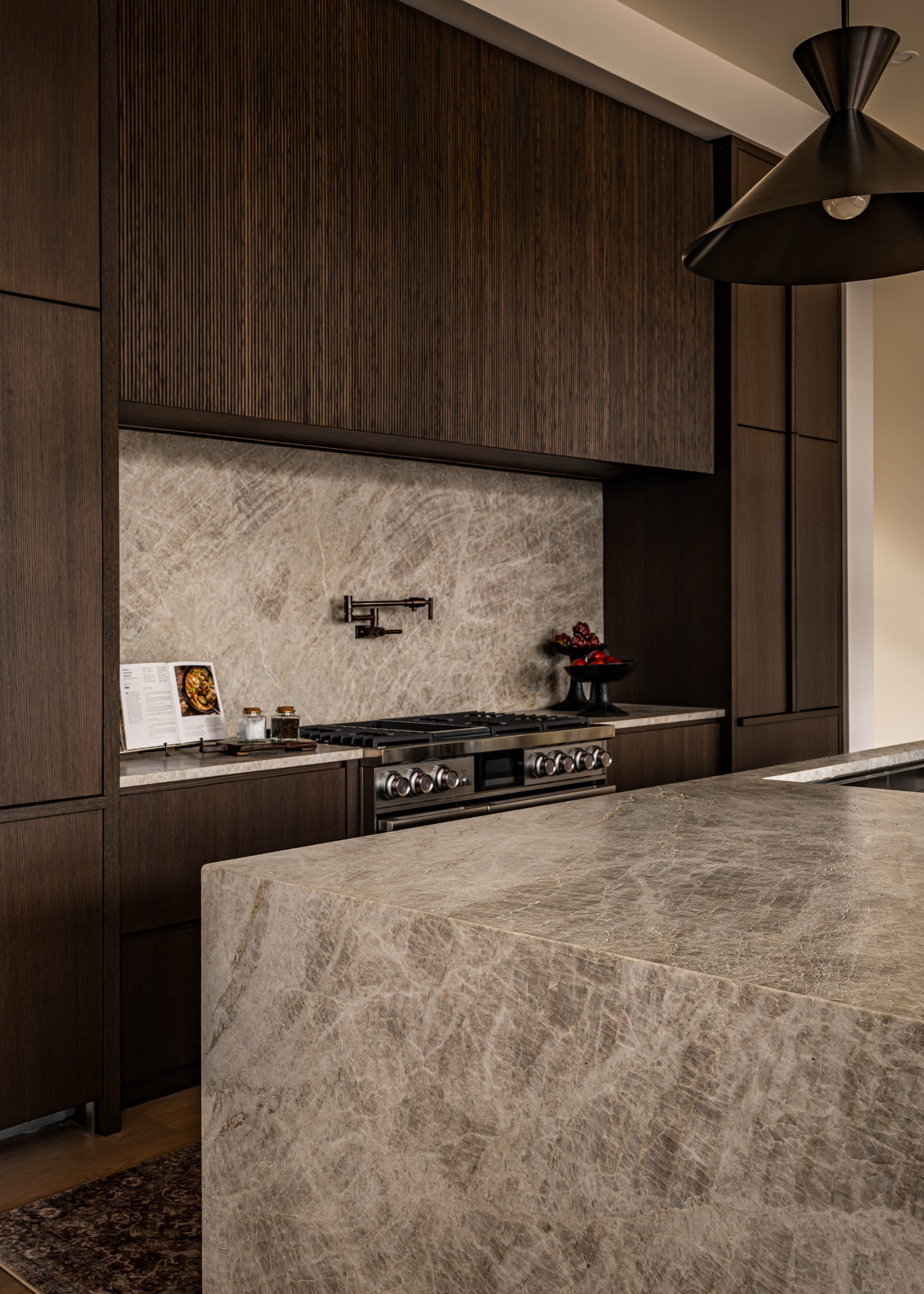
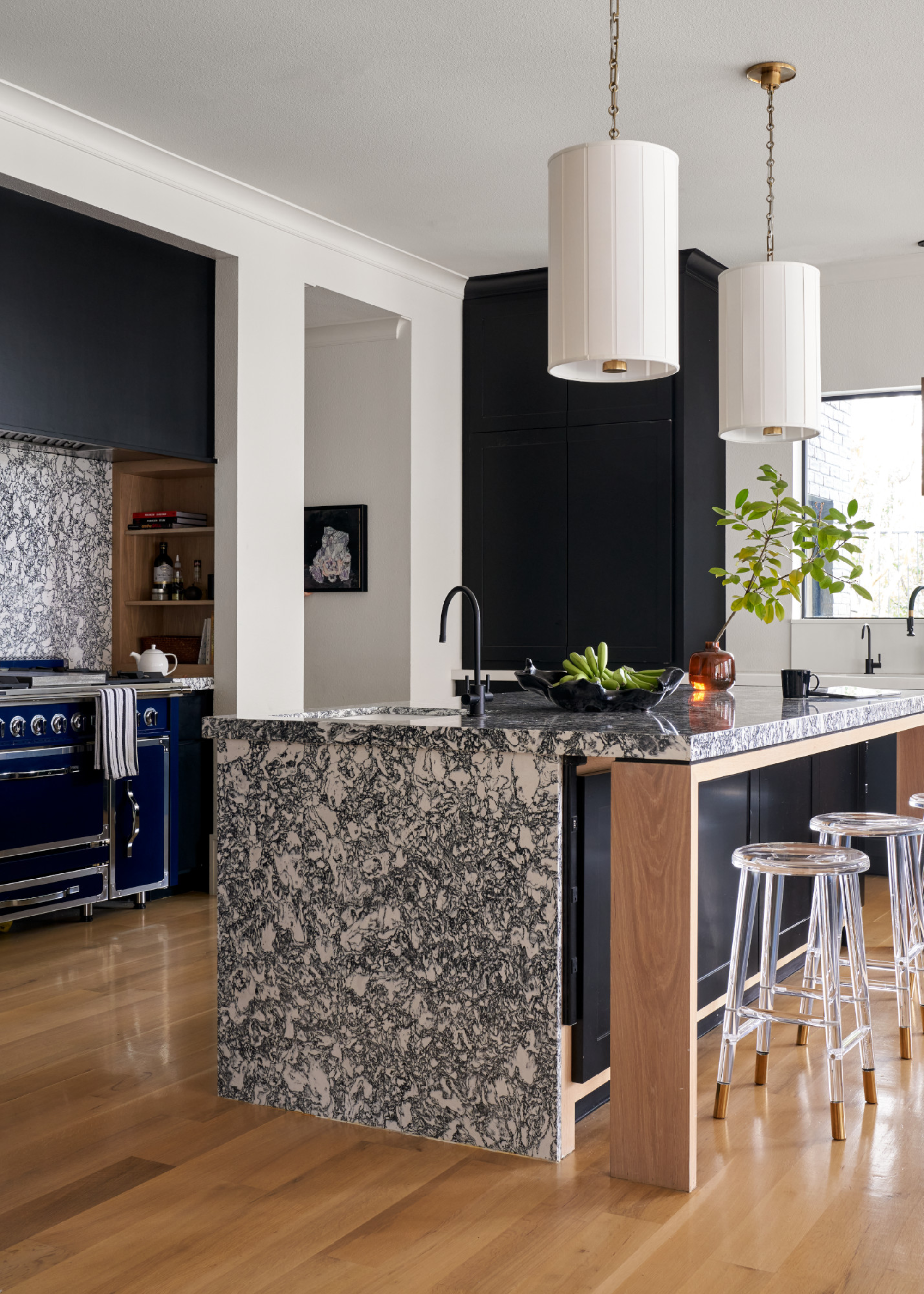
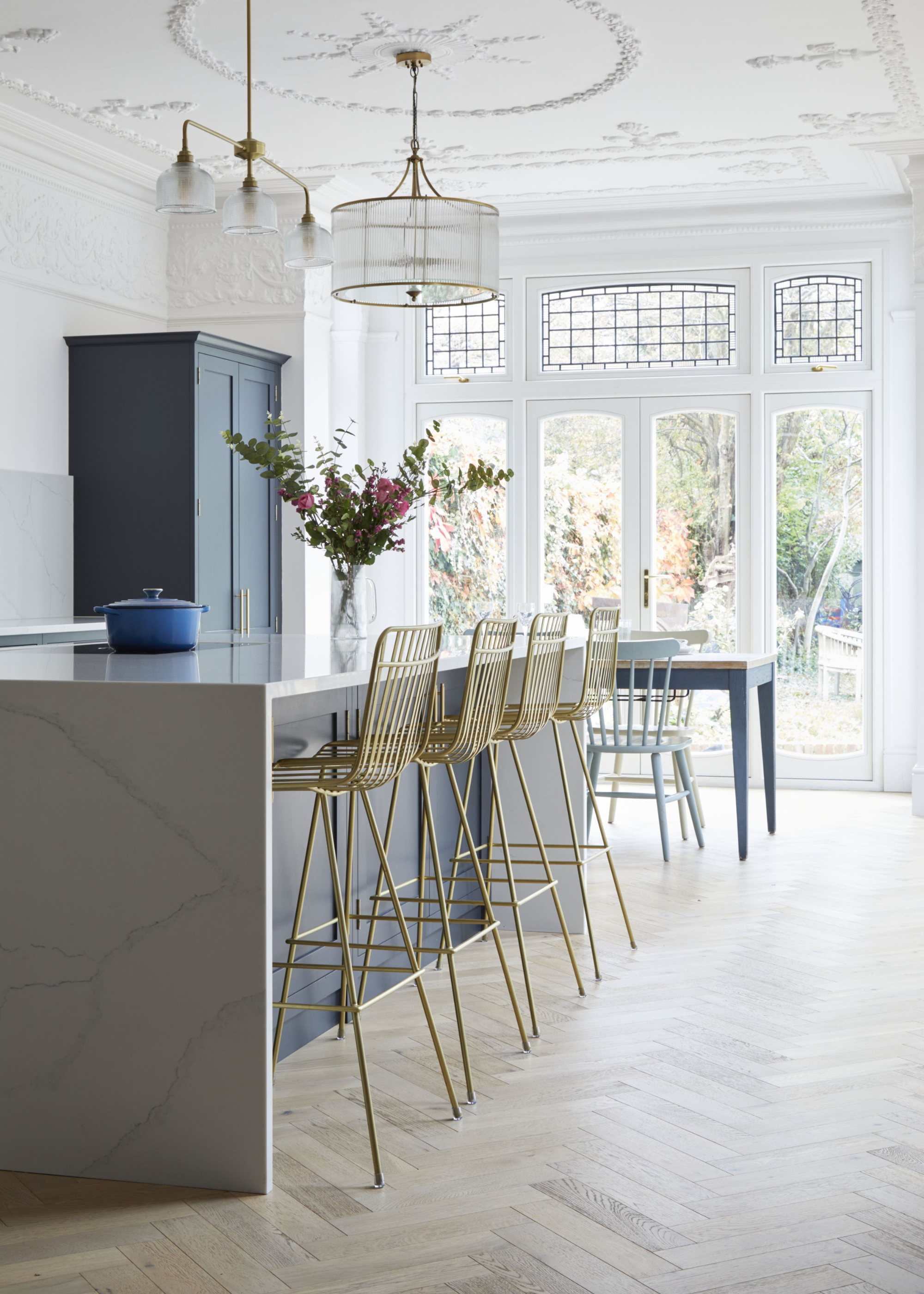
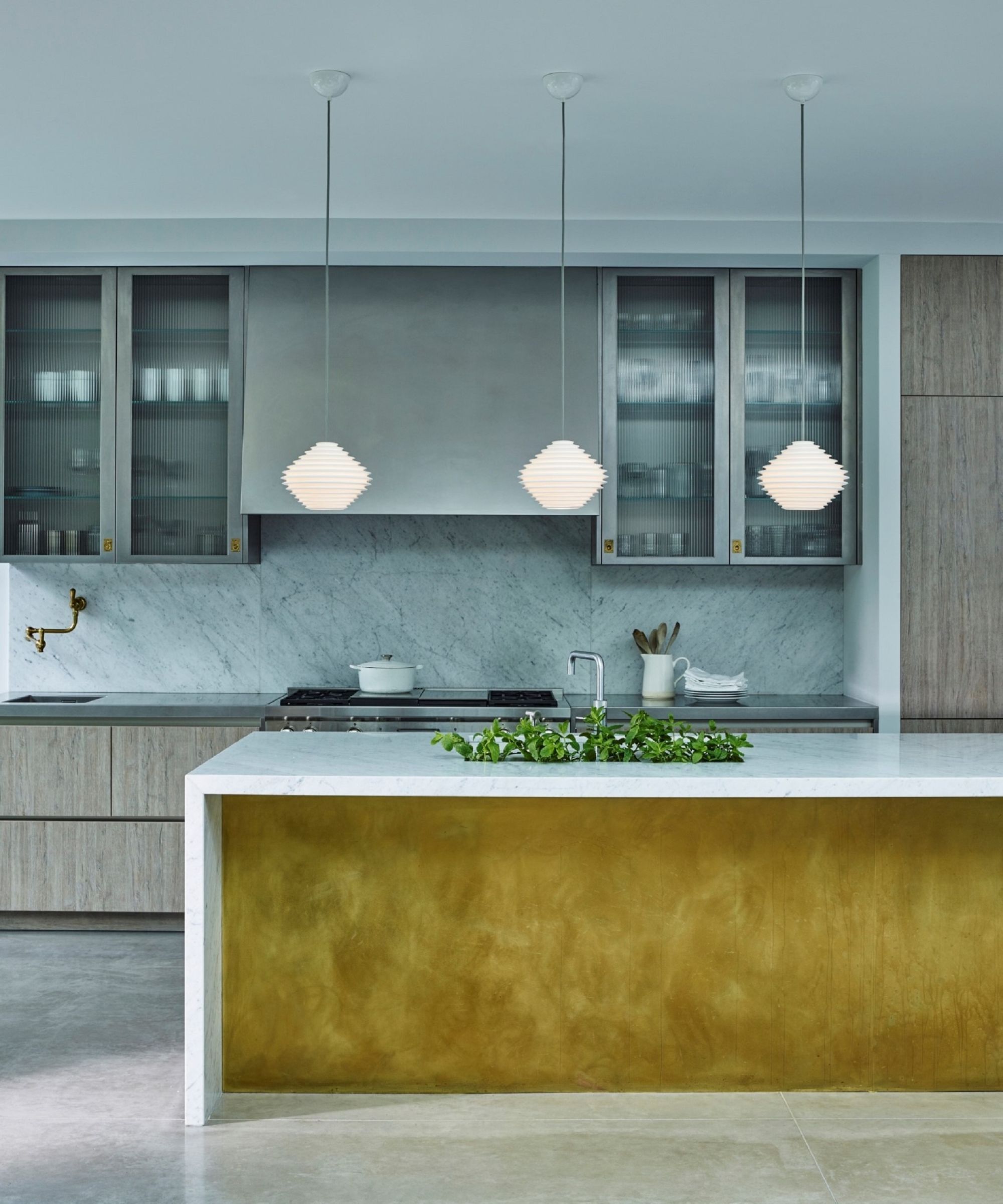
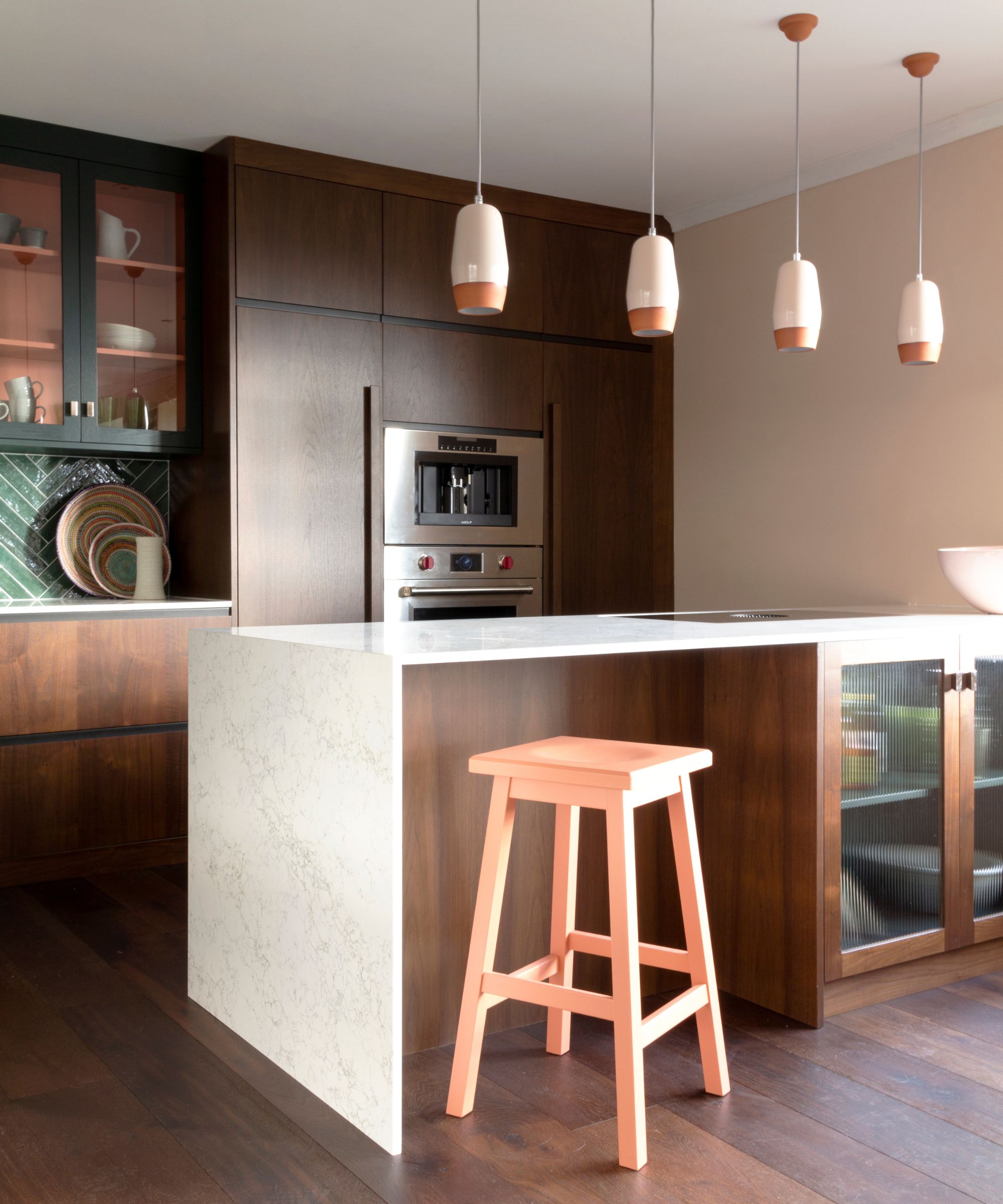
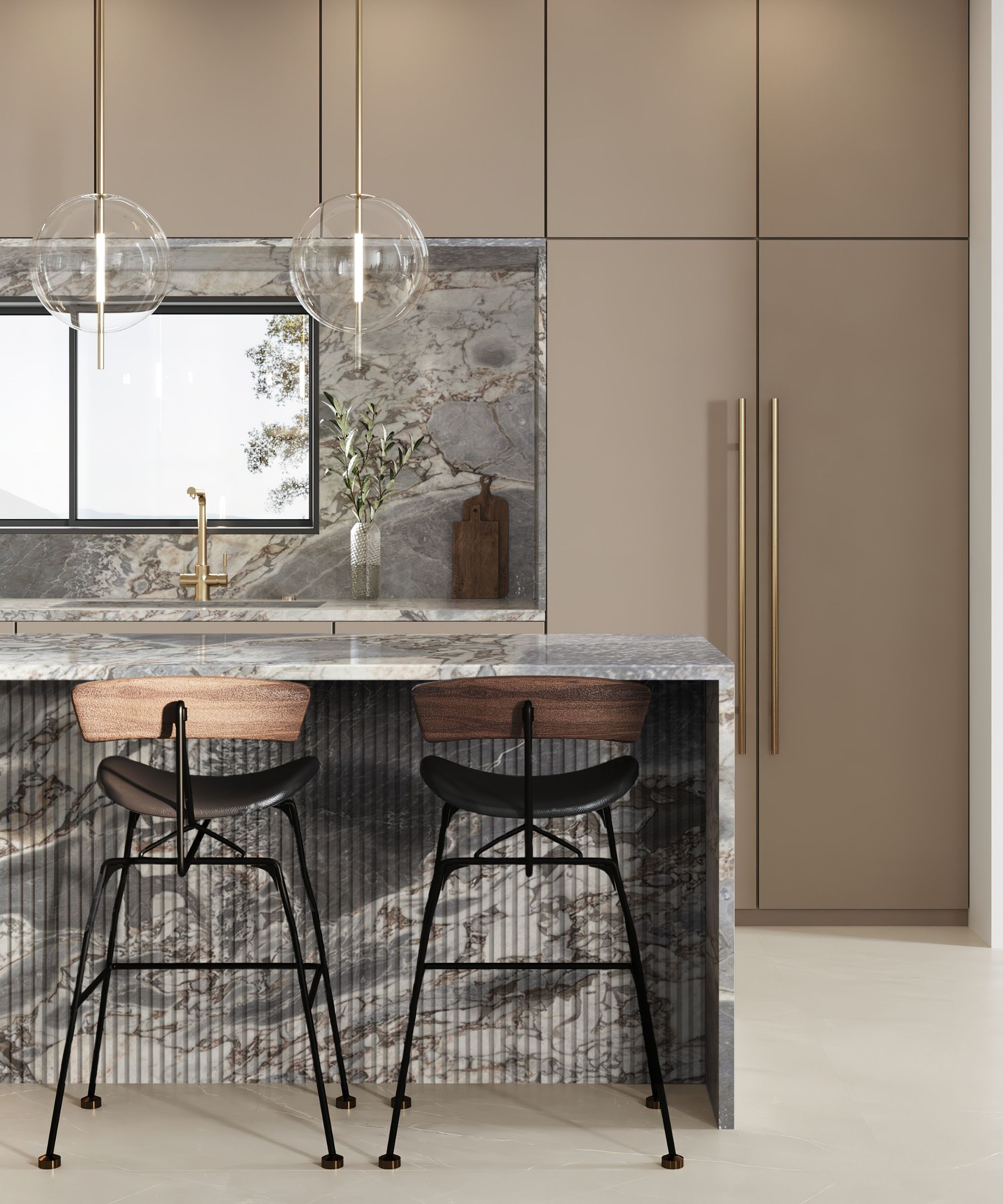
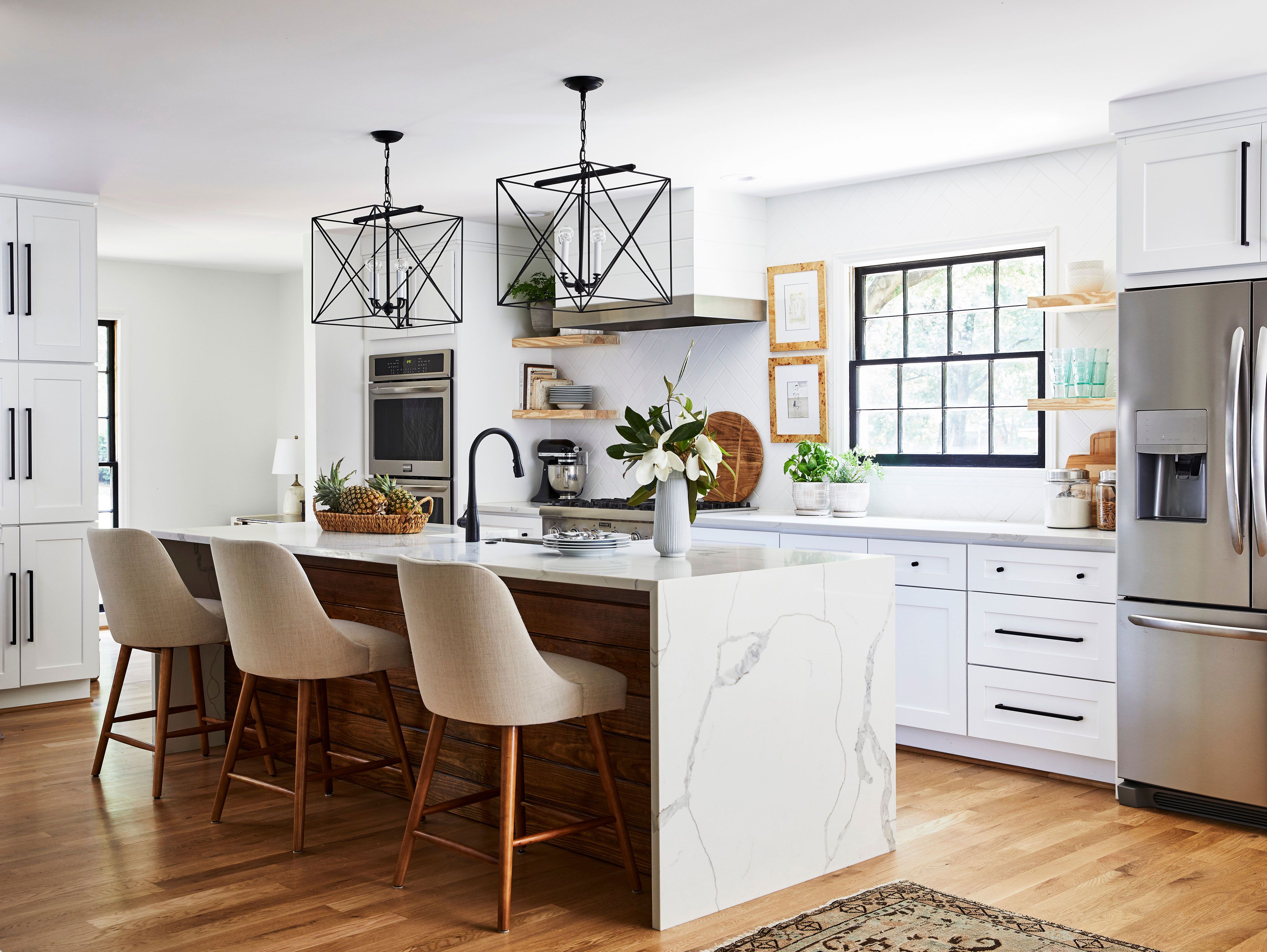
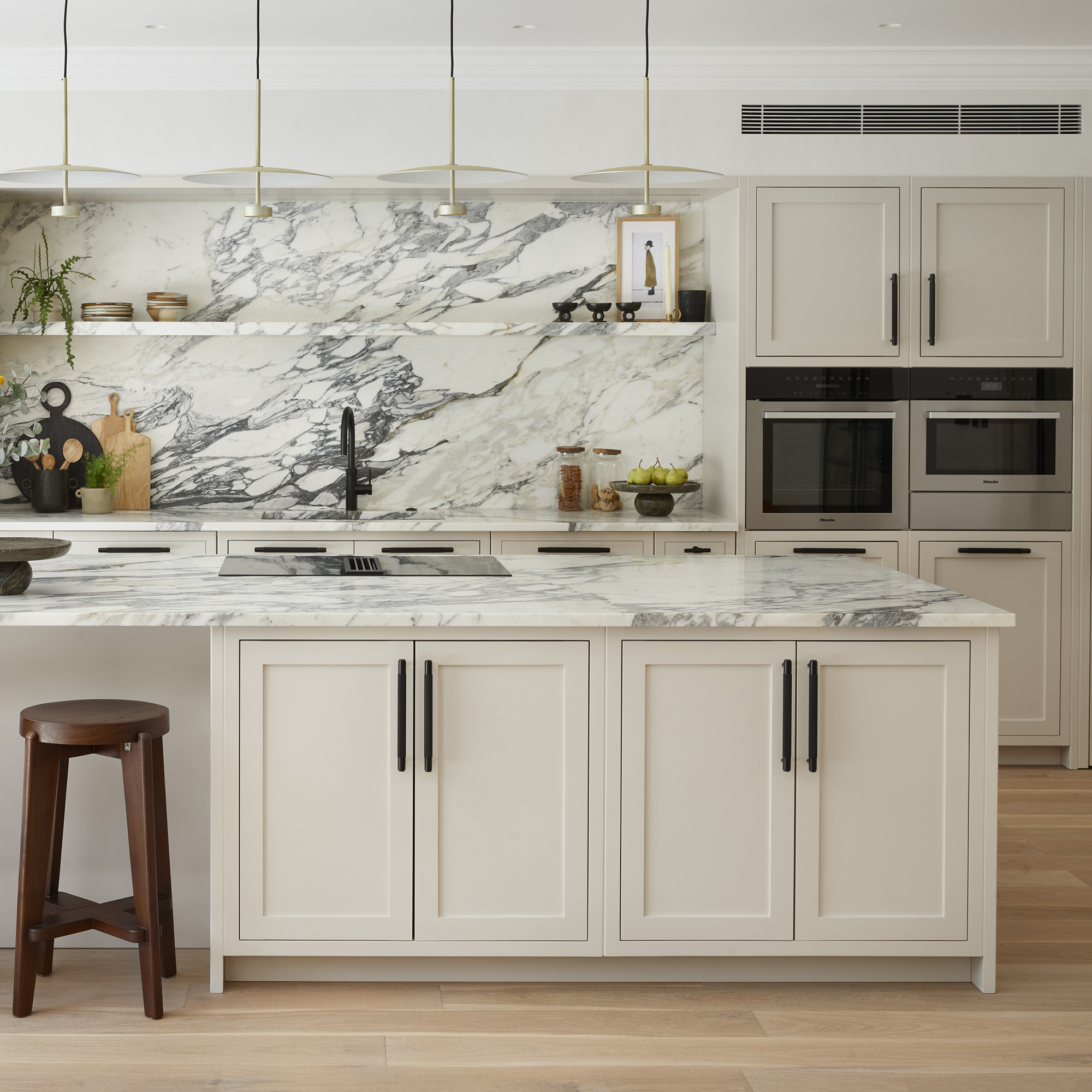
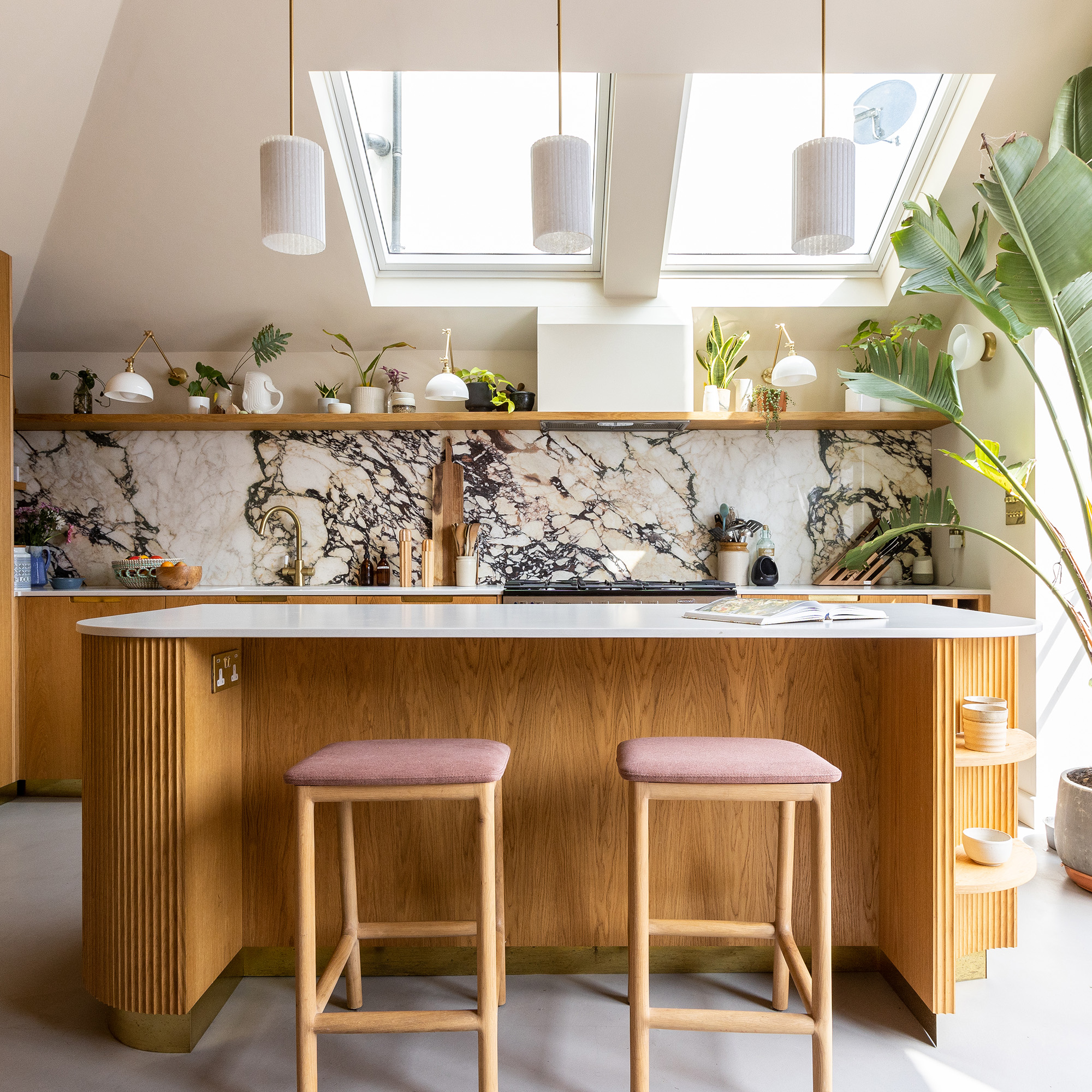
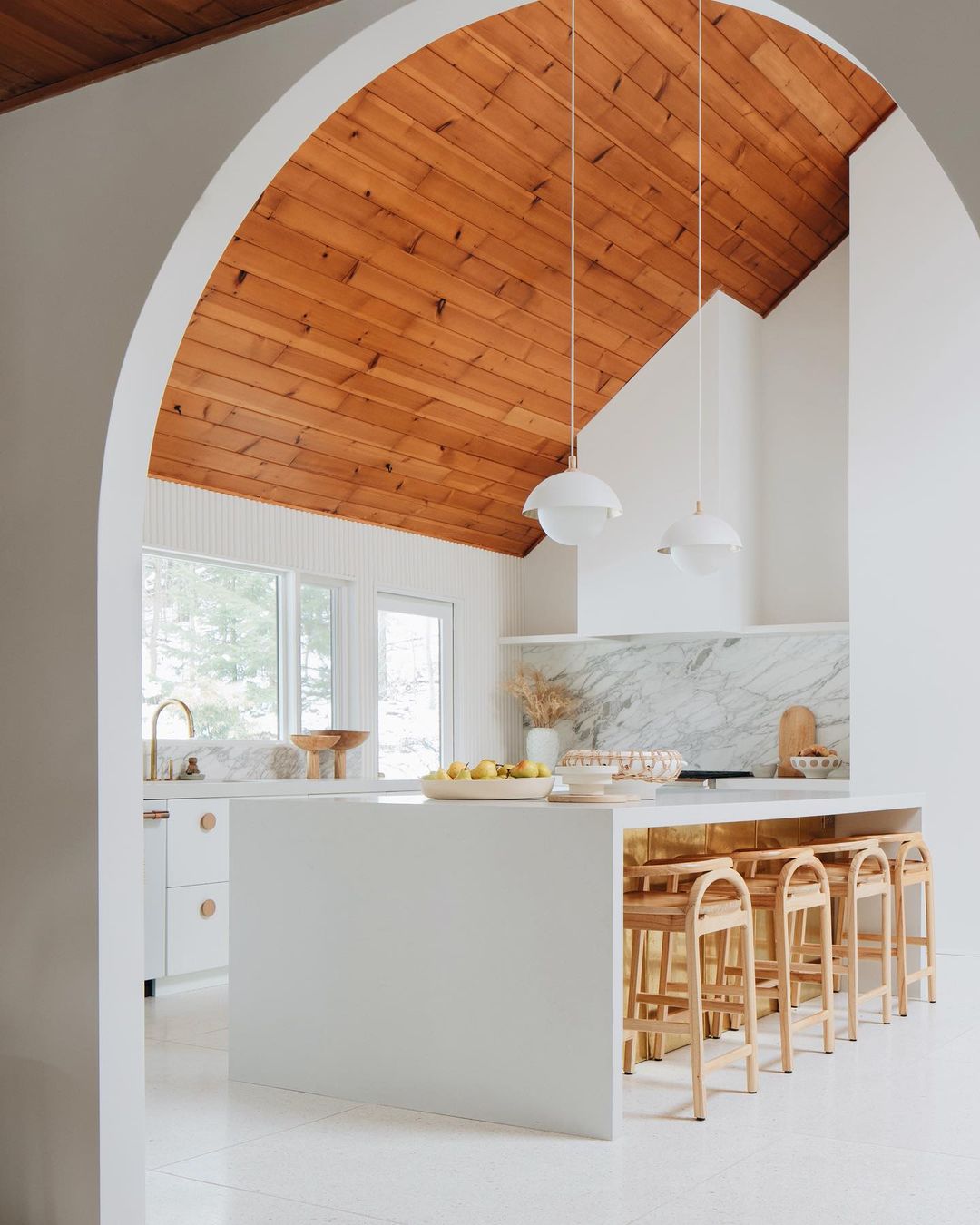
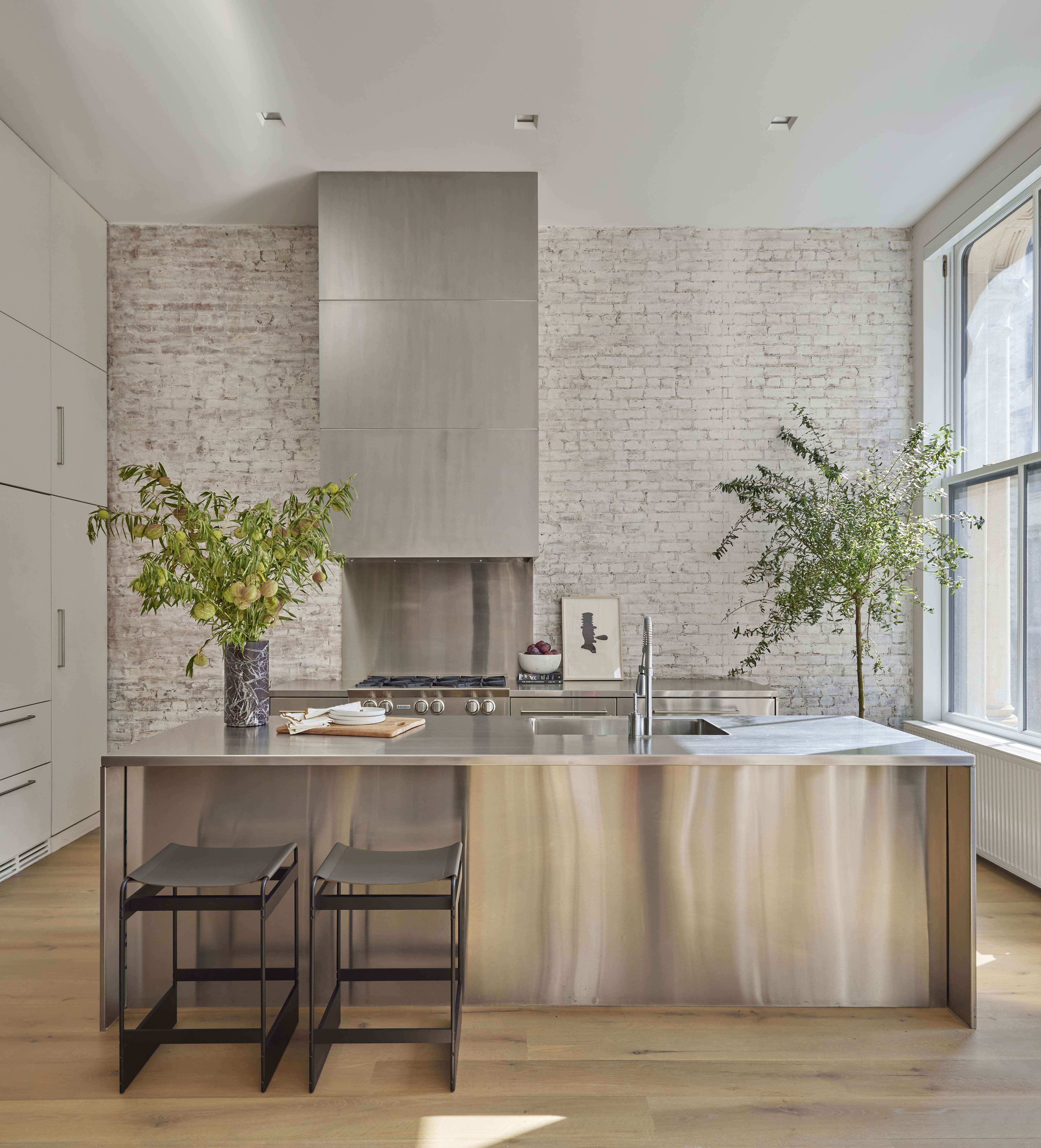
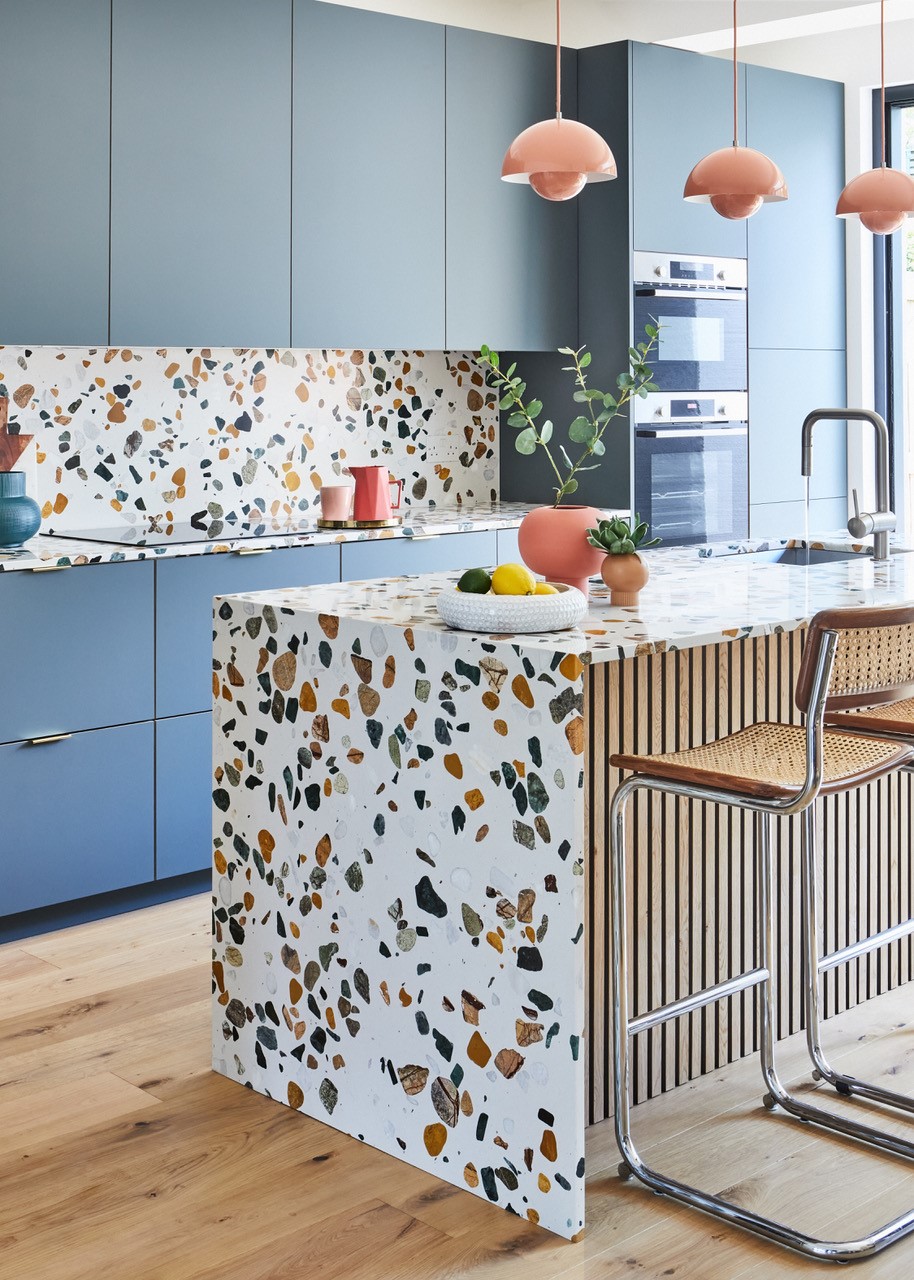
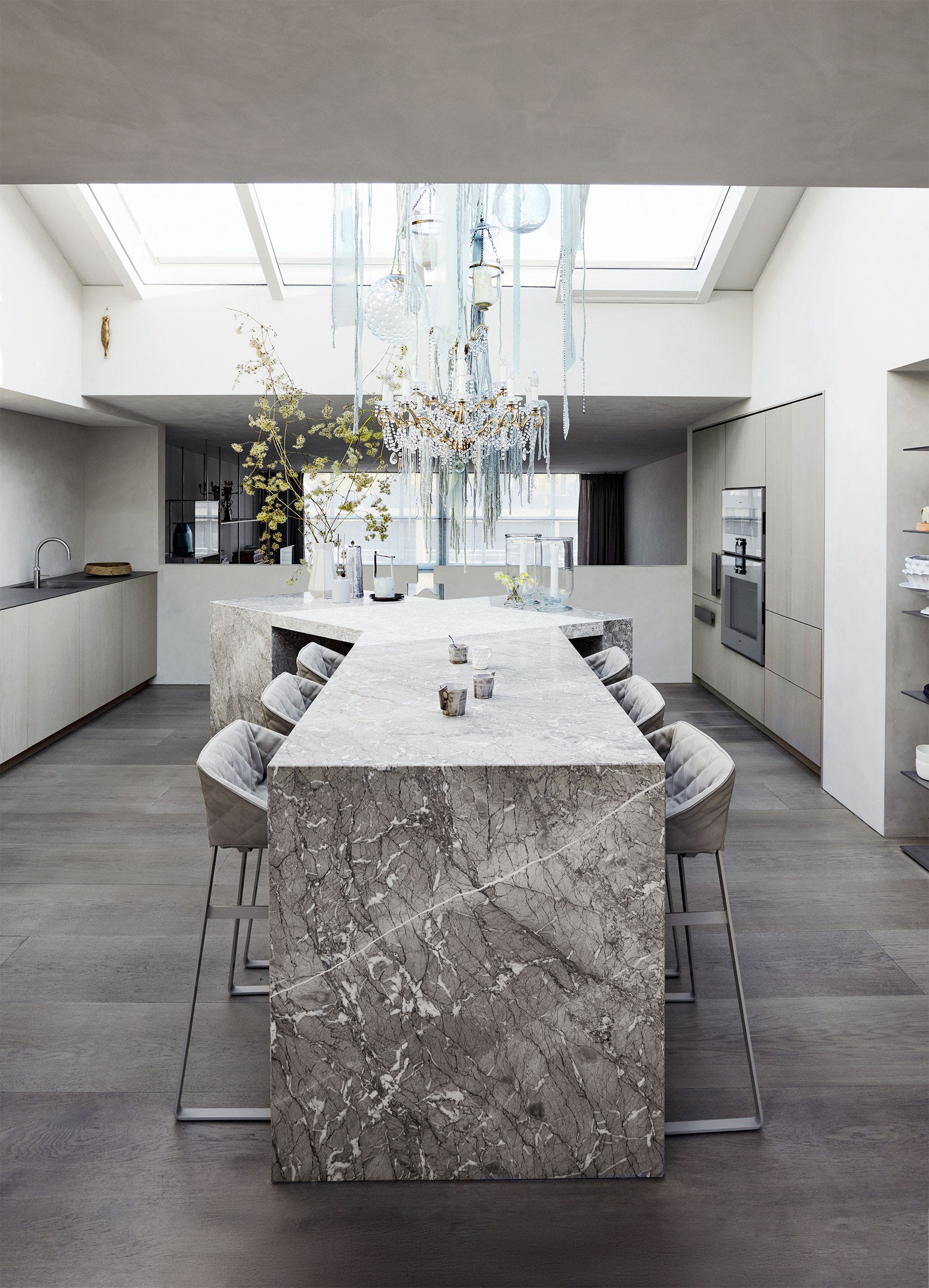
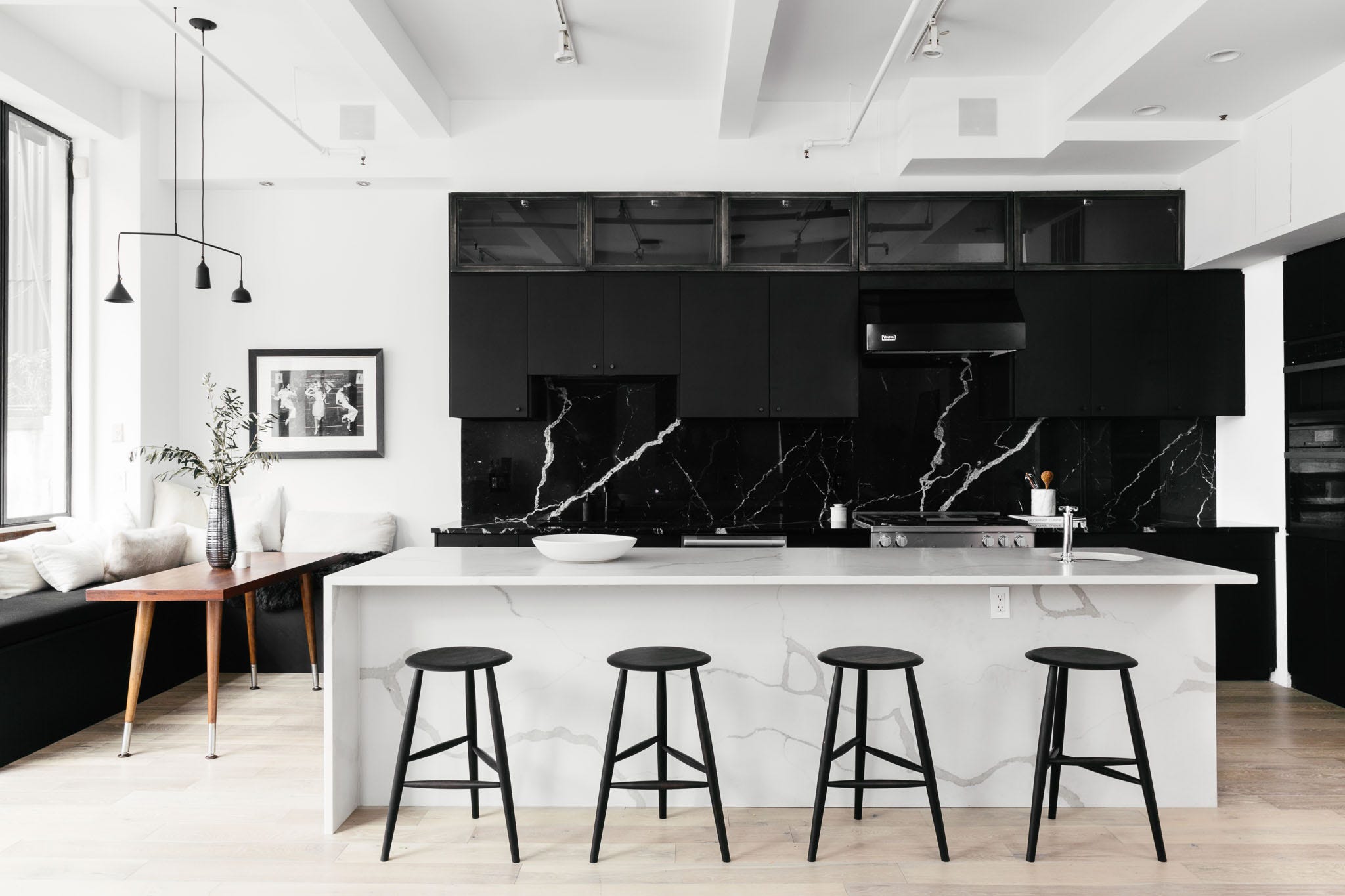
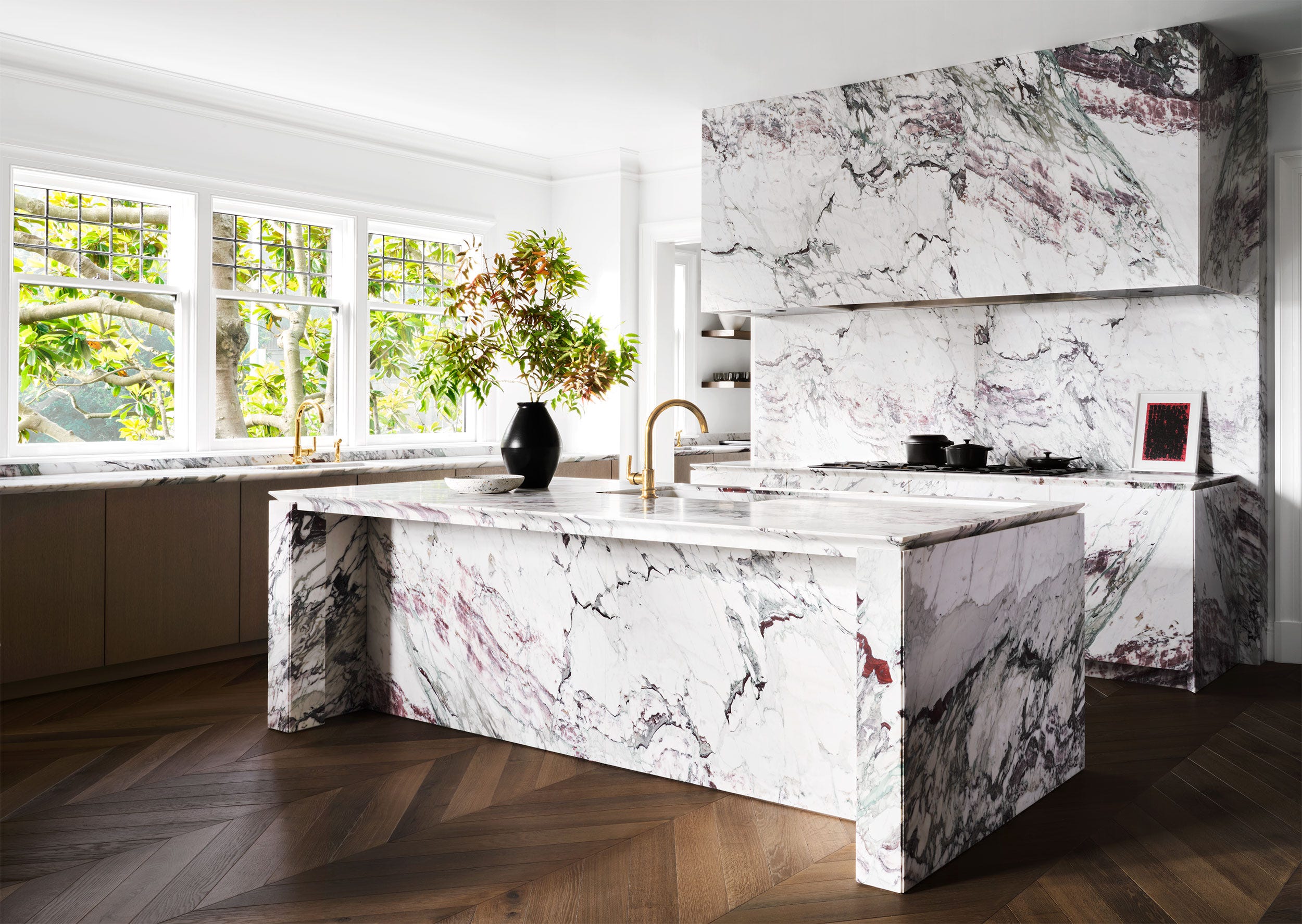
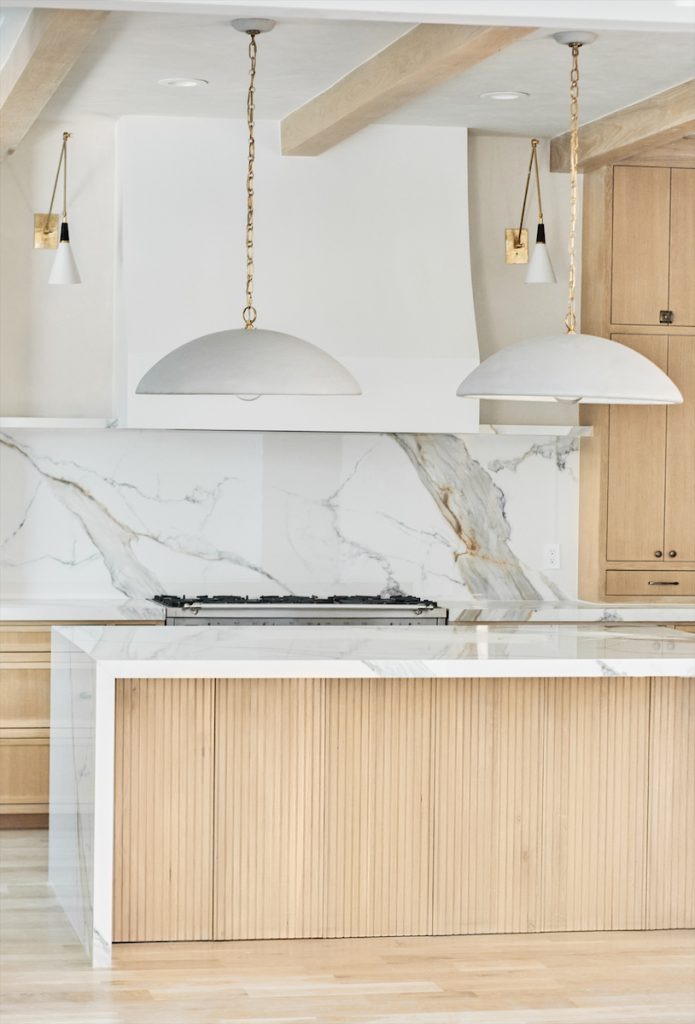
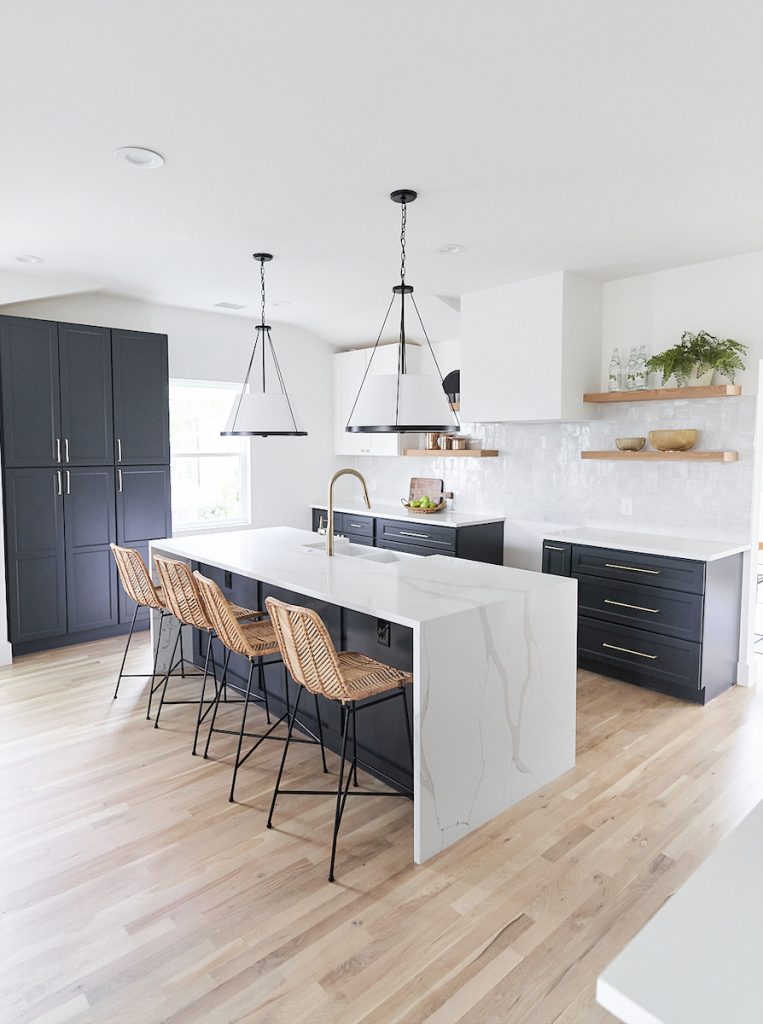
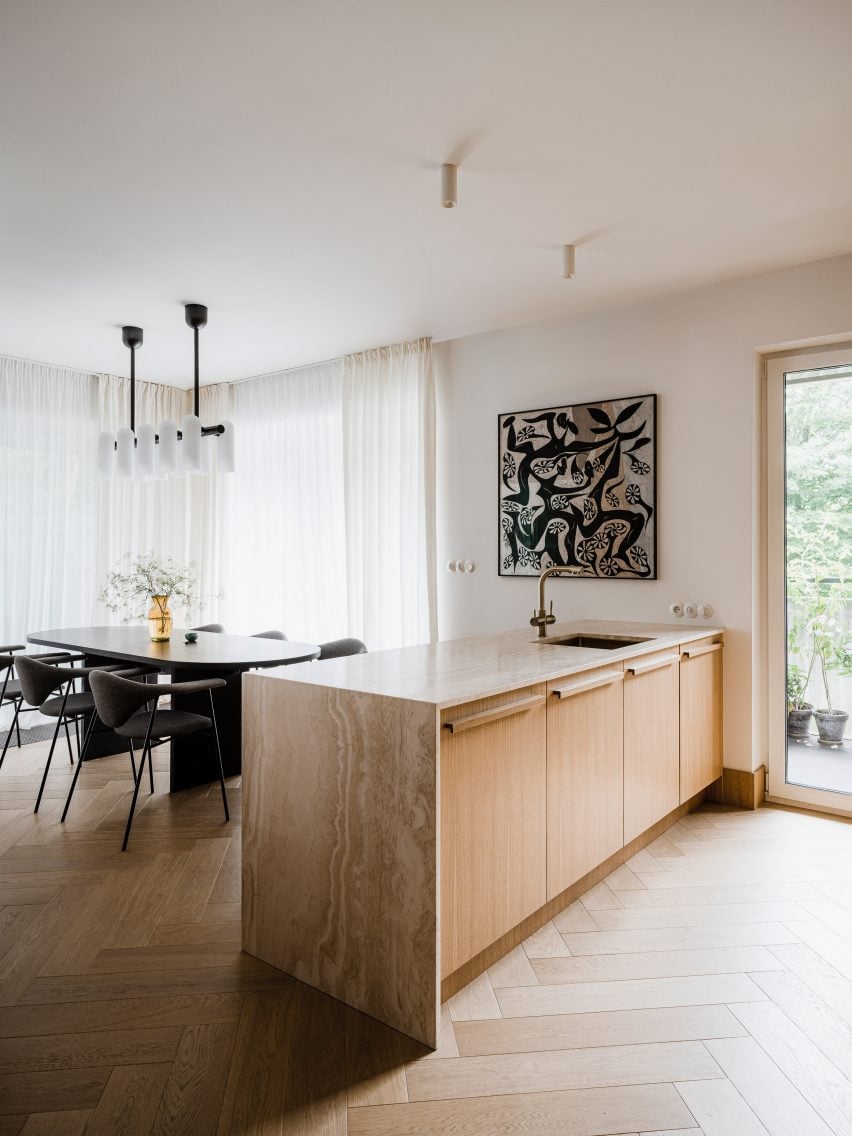
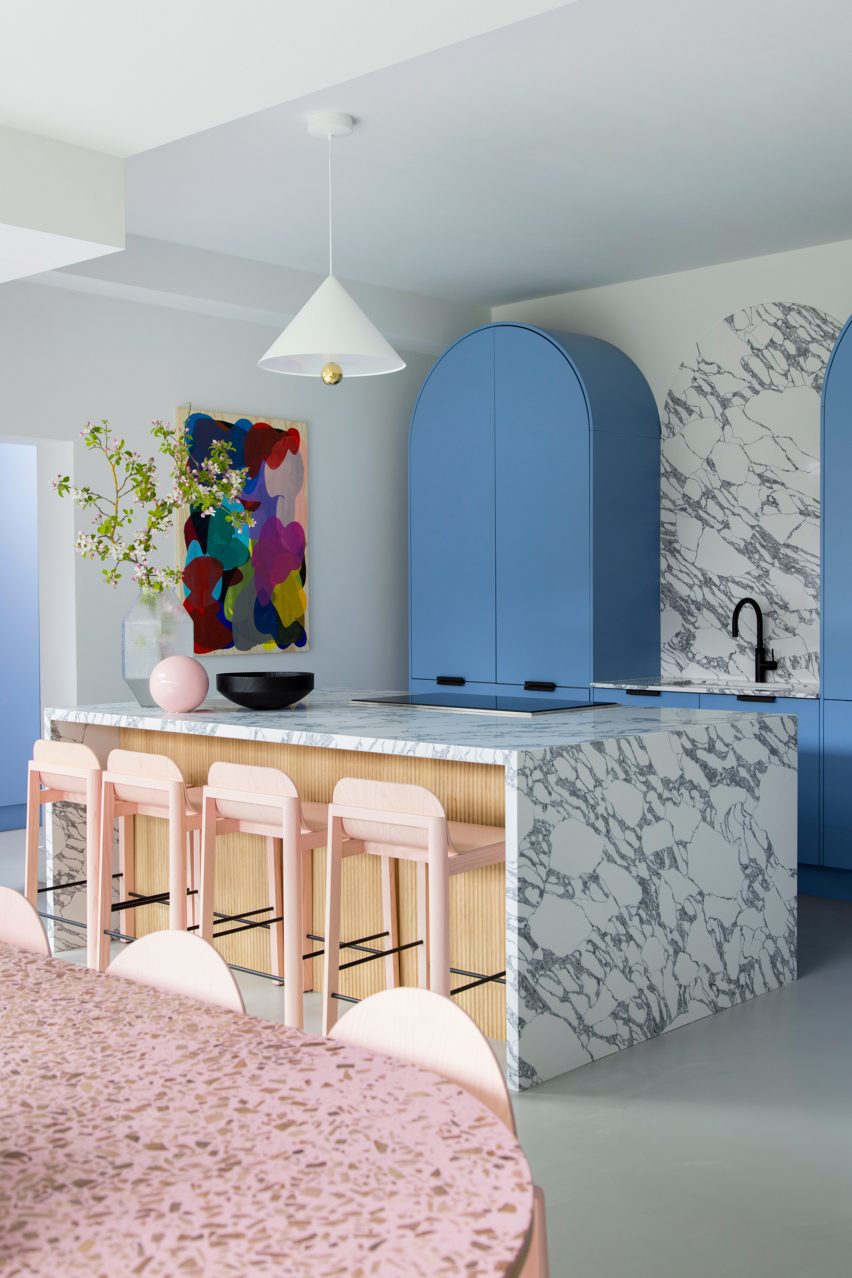
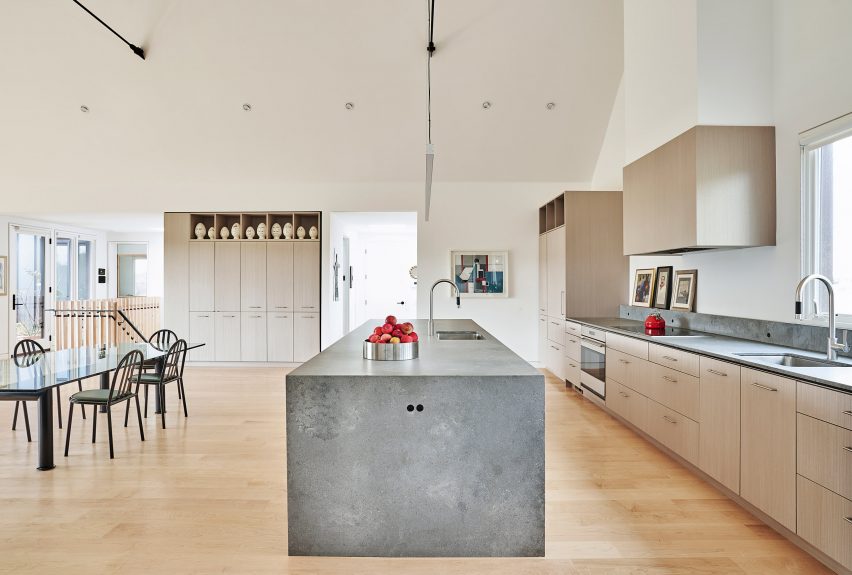
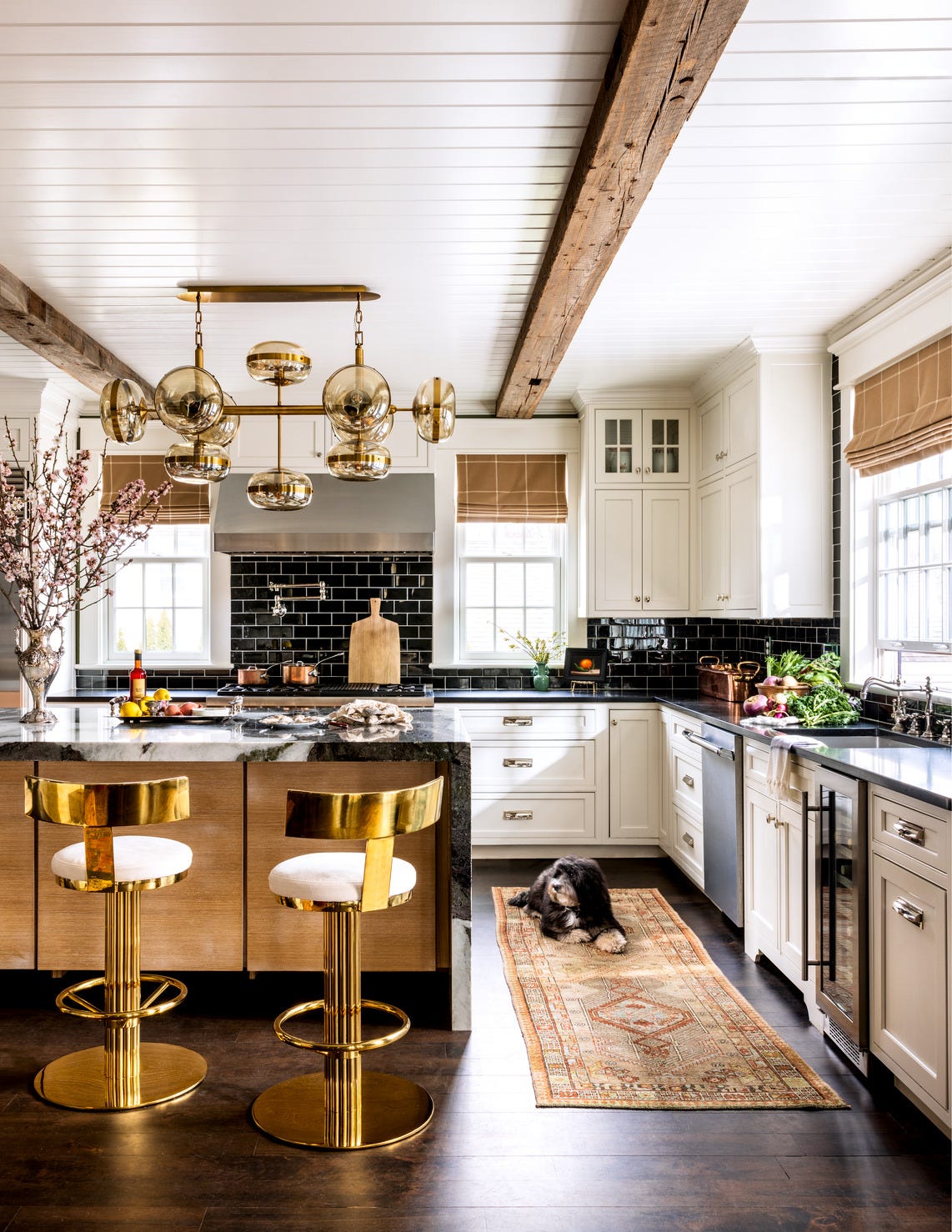
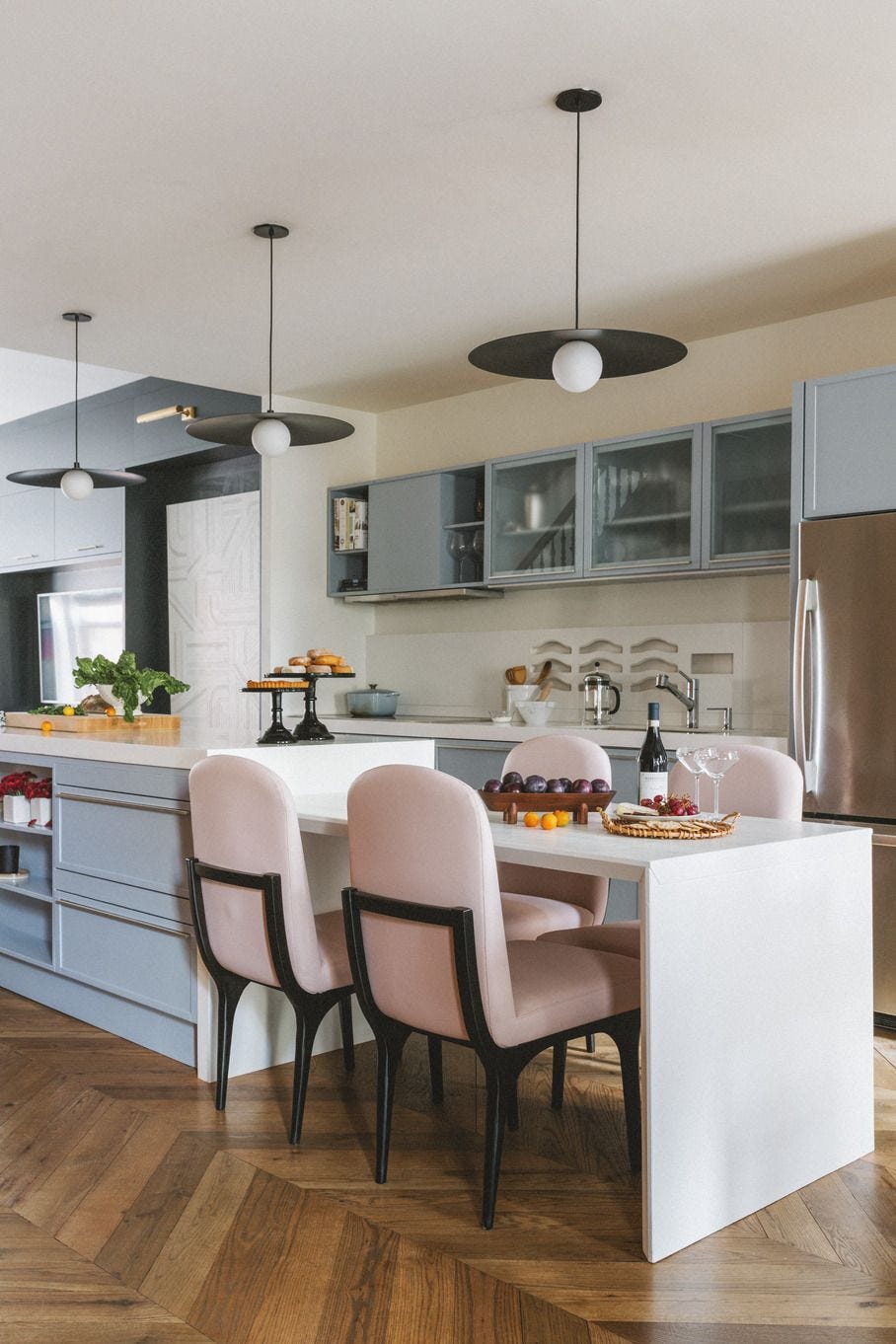
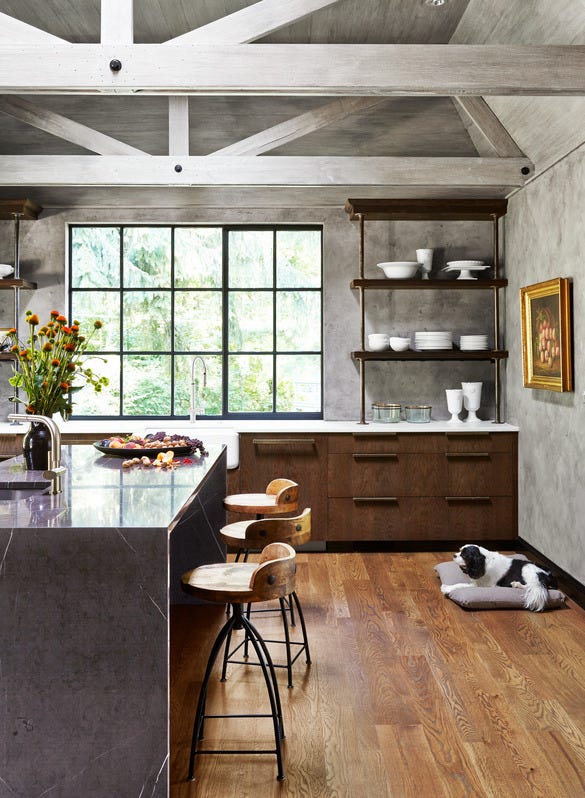
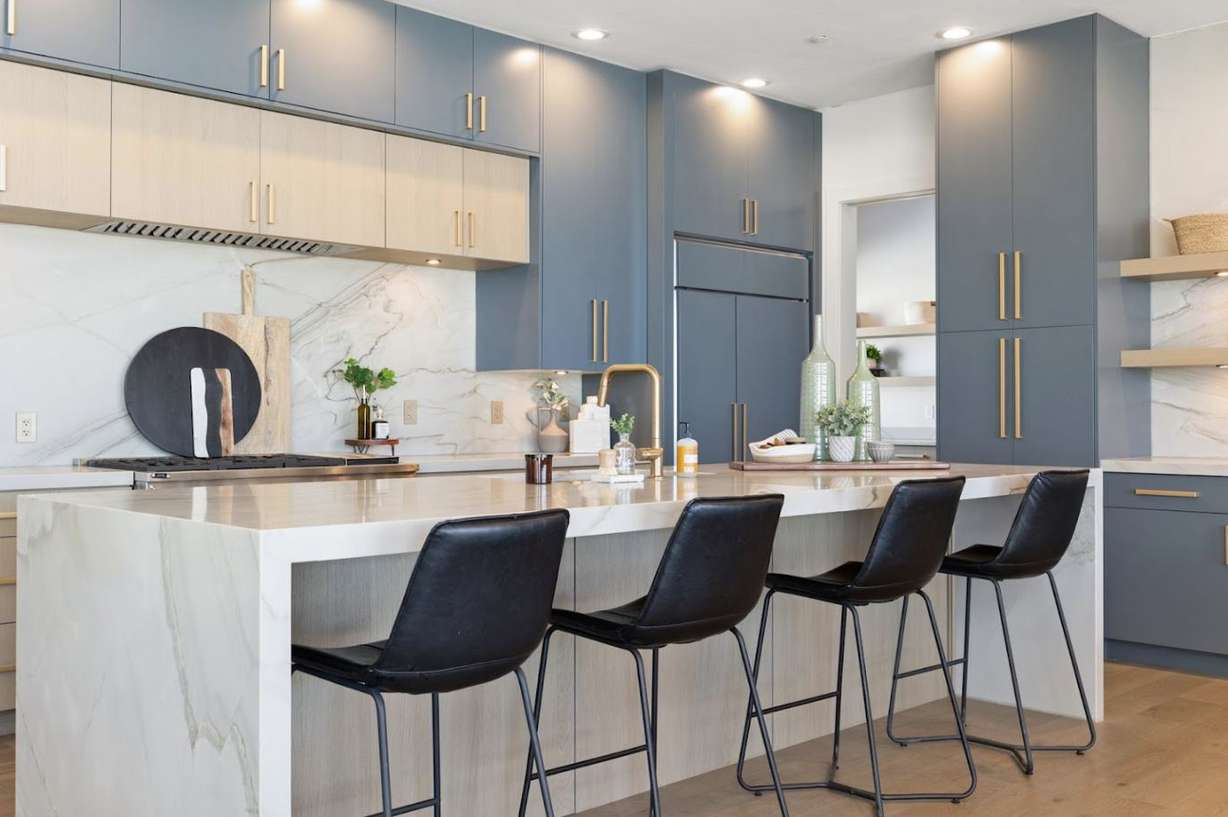
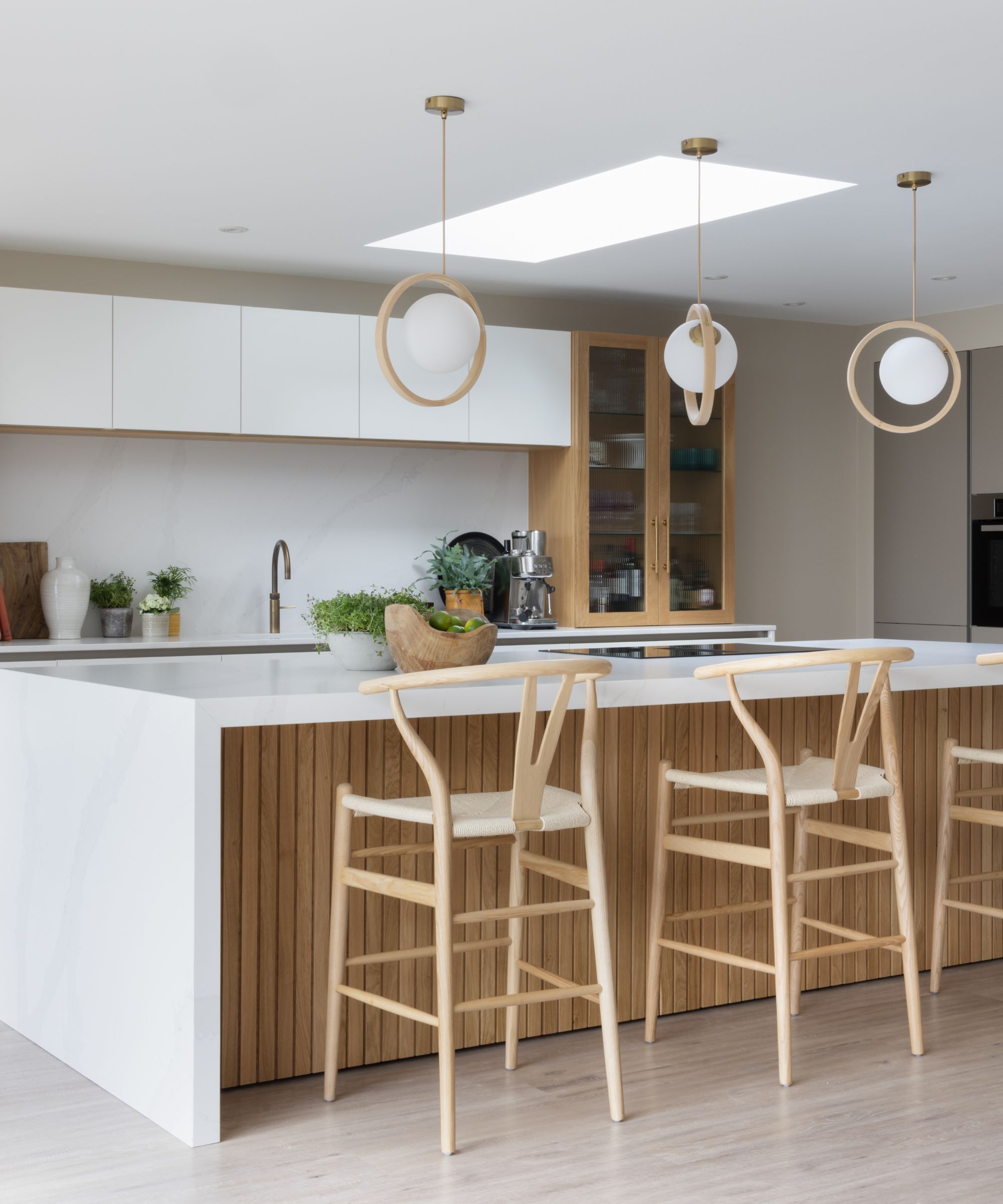
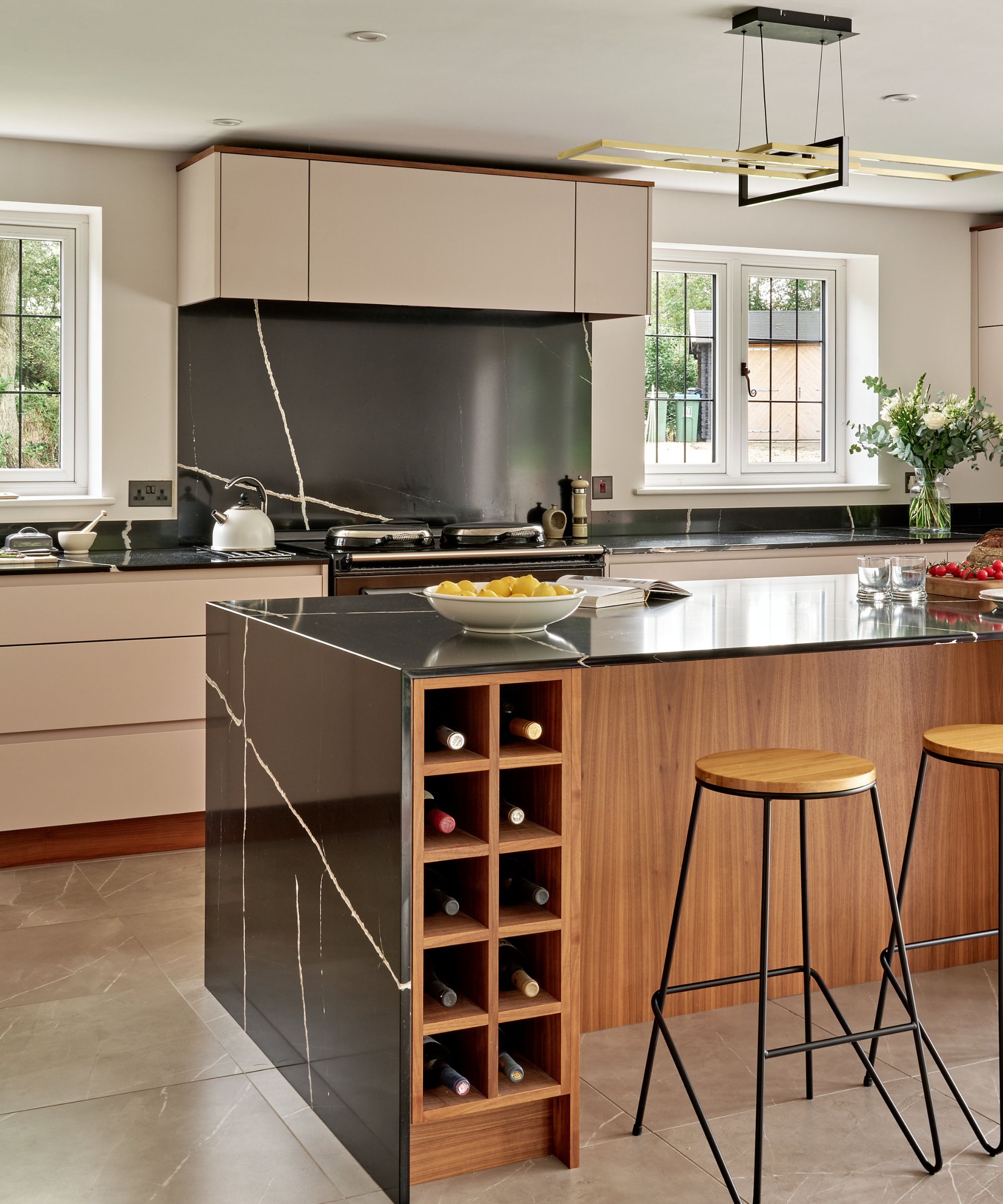
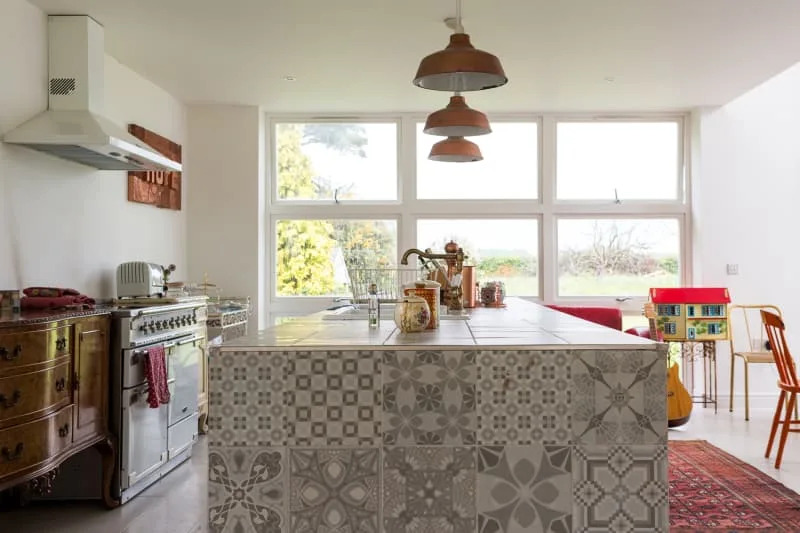
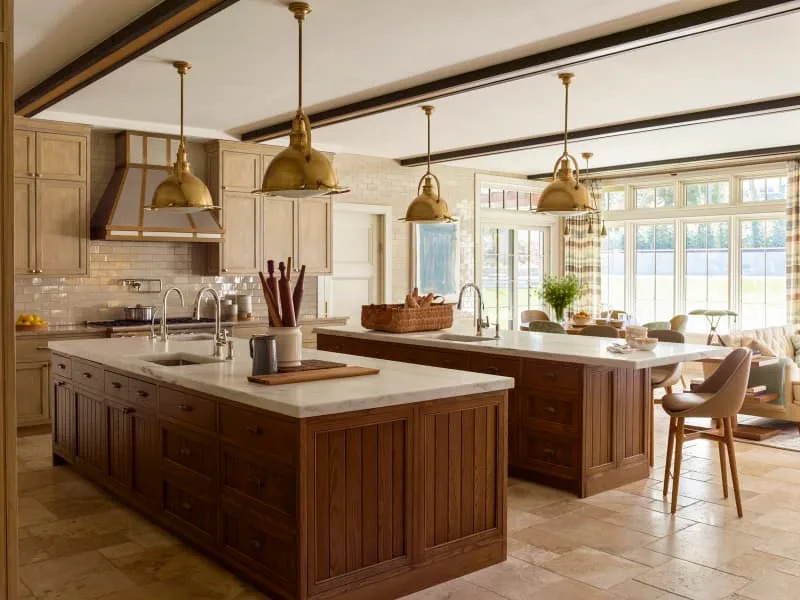
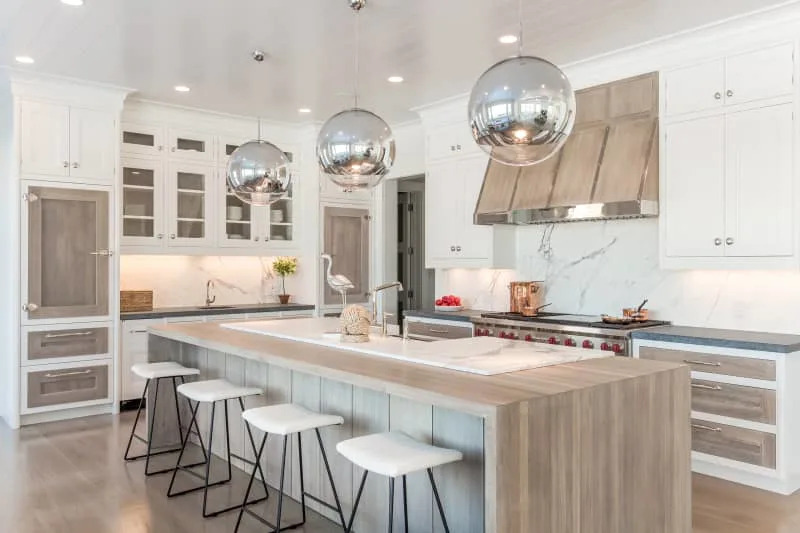
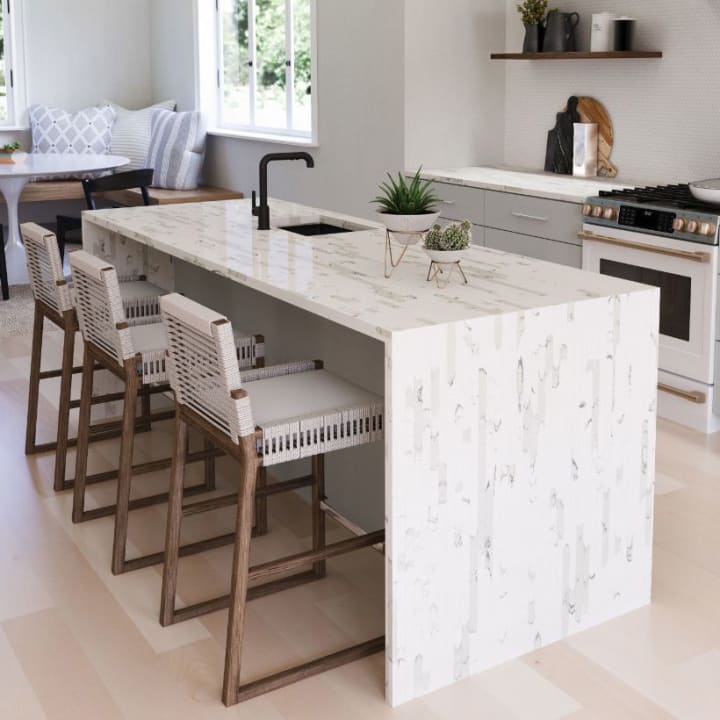
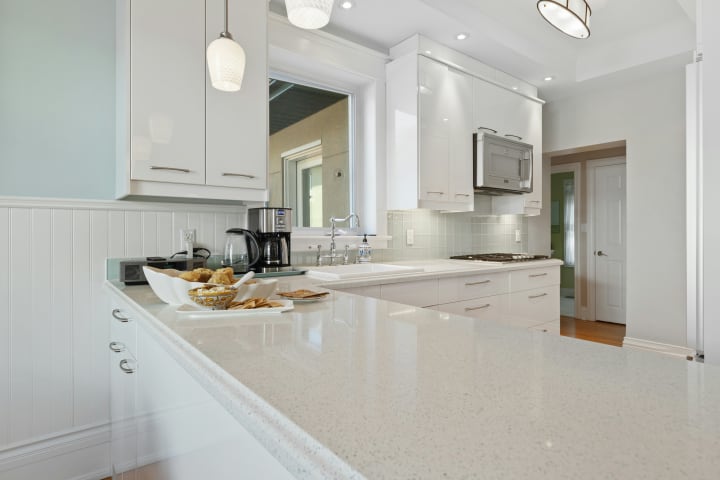
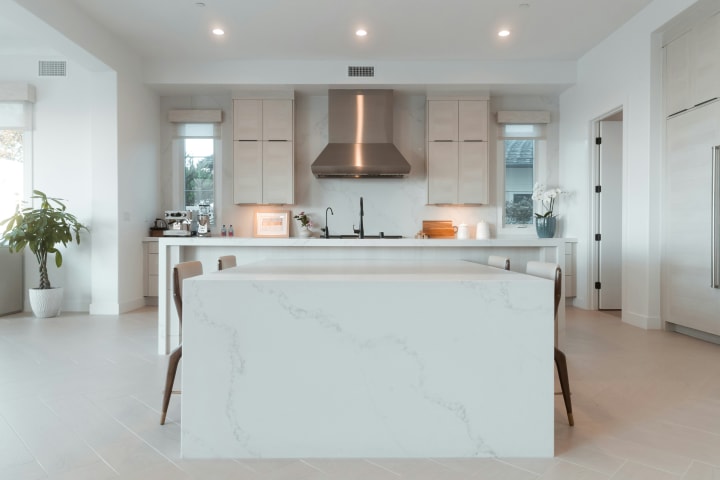
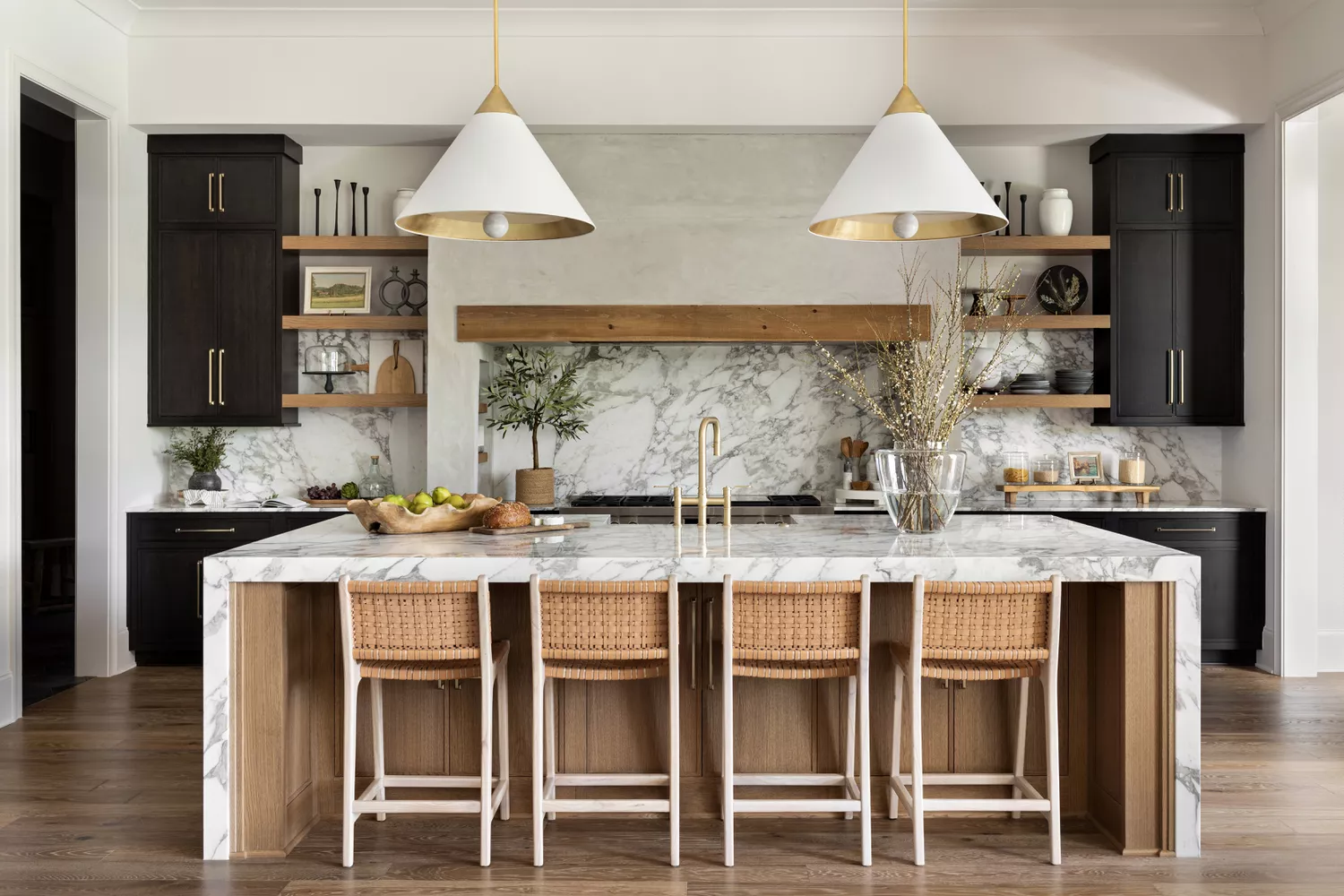
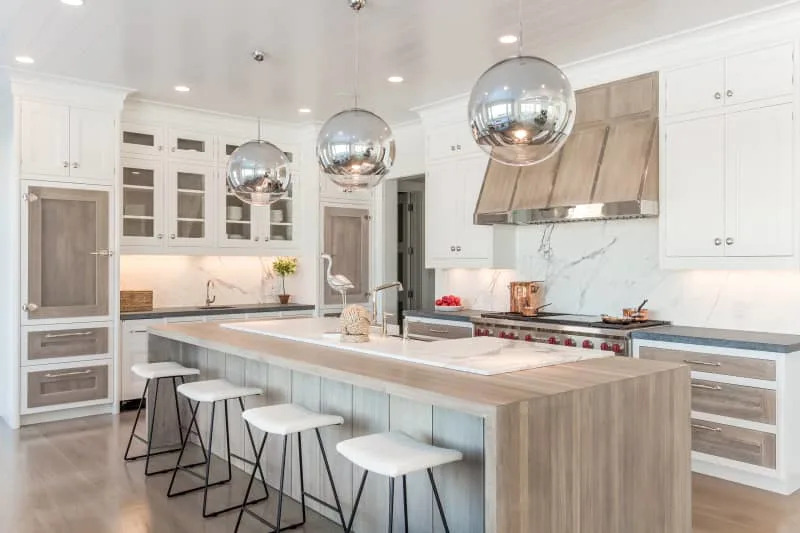
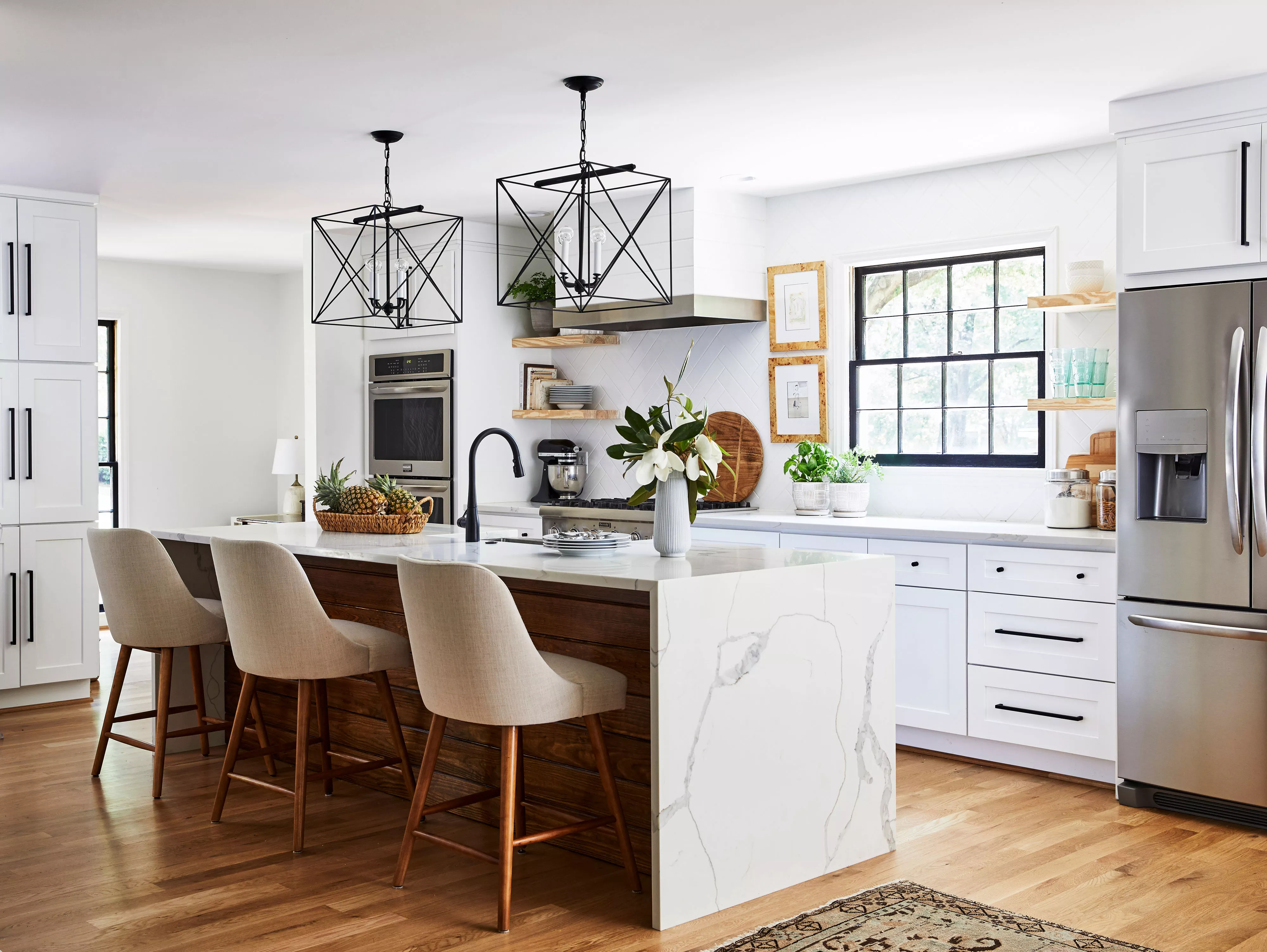
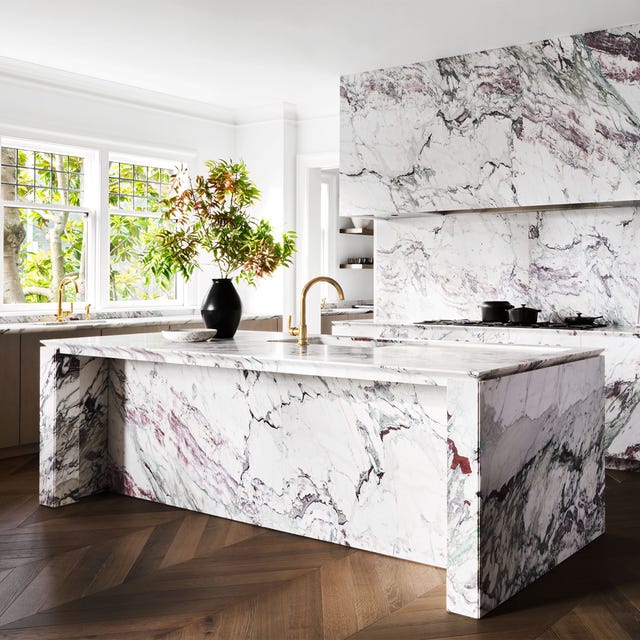
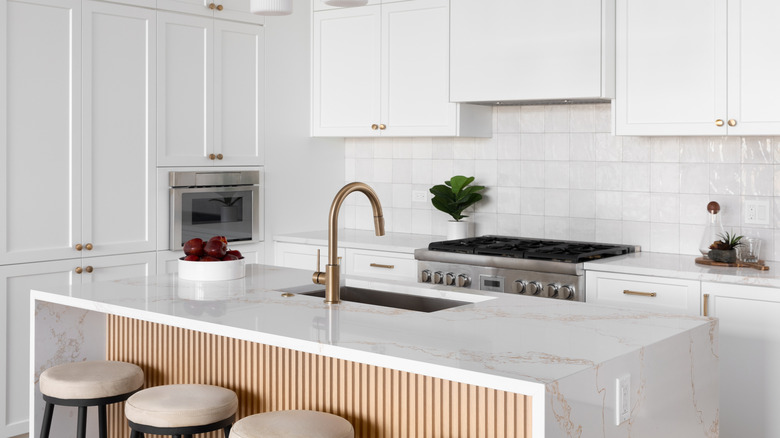
Waterfall edges on countertops are a trending design element that offers a sleek and contemporary aesthetic for kitchens, bathrooms, and other areas. This design involves extending the countertop material vertically down to the floor, creating a seamless, continuous look that covers the side of the cabinet or island. This approach eliminates the need for separate side panels, as the countertop material itself forms a complete wrap around the unit.
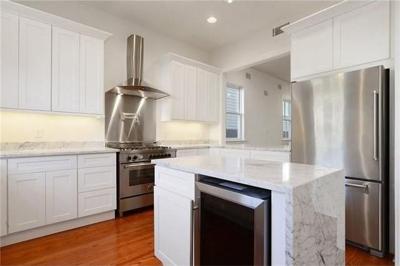
Several prominent design and renovation figures have adopted this trend, including the Property Brothers, Drew and Jonathan Scott, who featured a waterfall edge in a New Orleans home renovation. Similarly, designer Holly Baker incorporated one into a kitchen island on her HGTV show, "Big Easy Reno." These instances highlight the increasing popularity and acceptance of waterfall edges in modern home design.
Bryan Dudek, an installer from Moss Home and Garden in New Orleans, notes that waterfall edges effectively "finish a space off nicely." He describes them as a contemporary look that is versatile enough to be integrated into traditional New Orleans kitchen styles without clashing. Dudek, who has been involved in kitchen makeovers since 2003 after studying interior design, emphasizes the design's ability to make an island appear as a self-contained piece of furniture, especially when the island's cabinetry contrasts in color with other kitchen cabinets.
The concept of waterfall edges aligns with a broader trend from four or five years prior, where homeowners began favoring cabinets that resembled standalone furniture pieces. This design choice contributes to a more integrated and sophisticated appearance in a room.
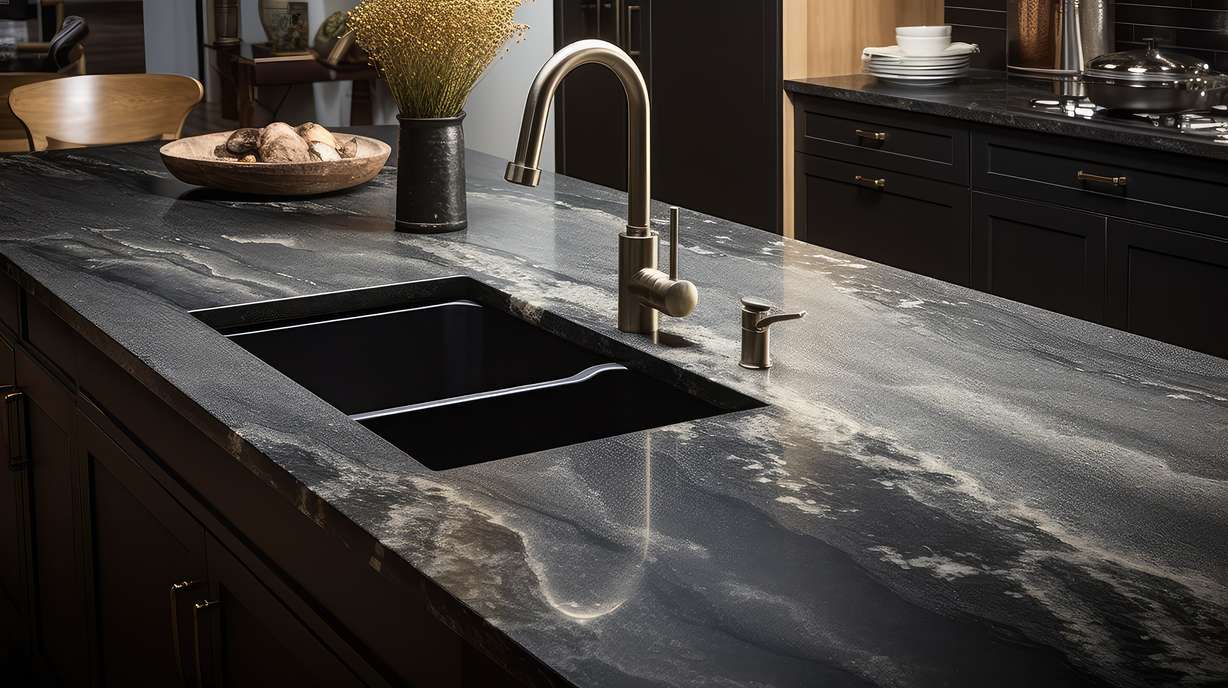
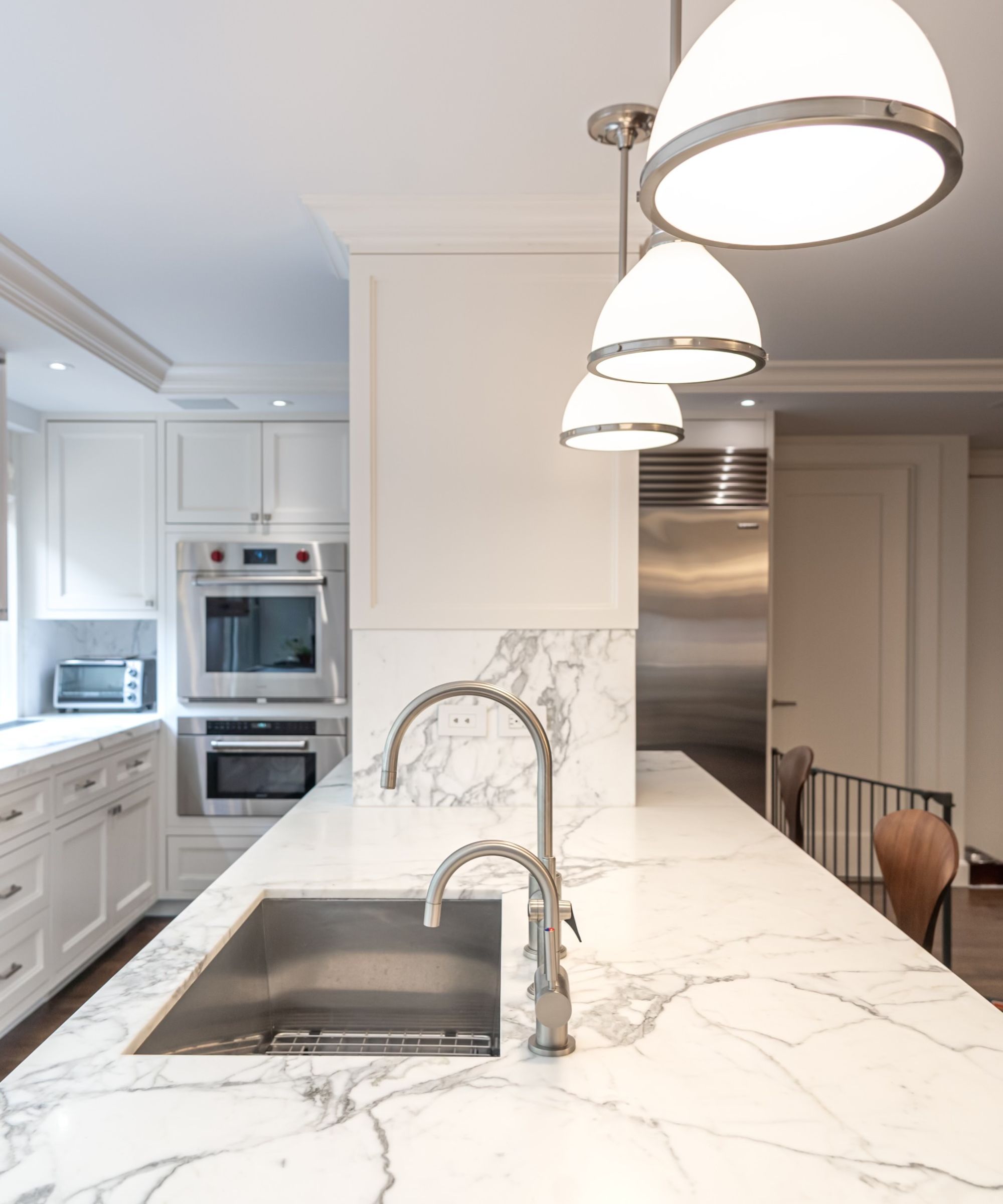
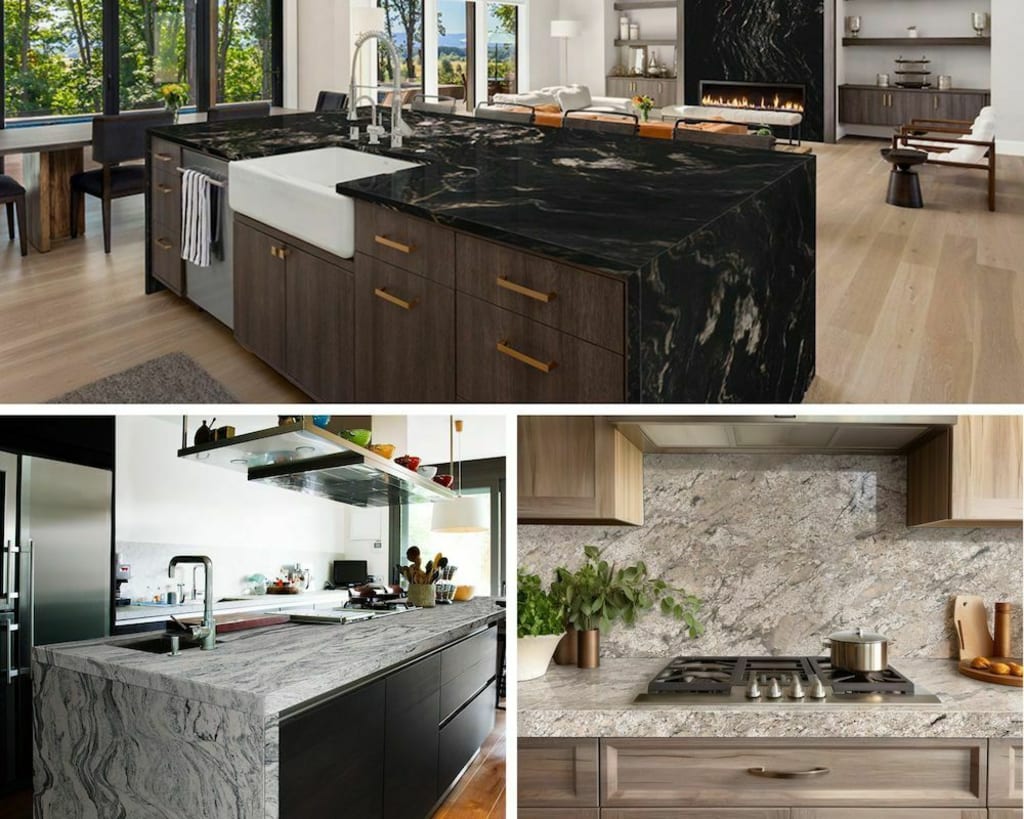
Most countertop materials, with the exception of laminates, are suitable for creating a waterfall edge. Quartz and granite are the most frequently chosen materials, but marble also presents a beautiful option, and even wood can be used and stained to achieve the desired effect. The key to a successful installation lies in precision cutting, often achieved with computer-aided devices, to ensure that the top and side pieces fit together perfectly. A very fine seam, glued with color-matched epoxy, is the desired outcome, making the transition almost invisible.
While waterfall edges offer a stylish upgrade, they do come with certain practical considerations and a higher cost. One potential drawback is the reduced flexibility for seating at an island. The continuous edge limits the ability to add extra stools for larger gatherings due to less legroom. However, a common solution involves incorporating the waterfall edge on one end of the island, typically facing a dining area, while leaving the other end open to accommodate more seating and provide greater comfort.
The cost is another factor to consider. Since granite, marble, or quartz are used for the vertical extension, the overall expense is higher compared to simply installing standard side panels. Dudek estimates that the addition of a waterfall edge can increase the project cost by $900 to $1,800, depending on the material, which typically ranges from $50 to $100 per square foot.
Despite the additional expense, Dudek believes that waterfall edges are a lasting design trend, not a fleeting fad. He asserts that they have become an established style that will not quickly render a kitchen dated. He views the investment as worthwhile, given that a kitchen renovation is a long-term undertaking, often lasting 20 years or more. Considering the kitchen's role as the central hub of family life, Dudek suggests that homeowners should prioritize achieving the desired aesthetic and functionality.
#WaterfallEdges #CountertopDesign #KitchenDesign #HomeDecor #InteriorDesignTrends #KitchenIsland #ModernKitchen #HomeRenovation #WaterfallEdges #CountertopDesign #KitchenDesign #HomeDecor #InteriorDesignTrends #KitchenIsland #ModernKitchen #HomeRenovation
0 تعليق إجمالاً
 لا توجد تعليقات بعد
قد تعجبك أيضًا
Are Waterfall Edges Going Out of Style? A Design Debate

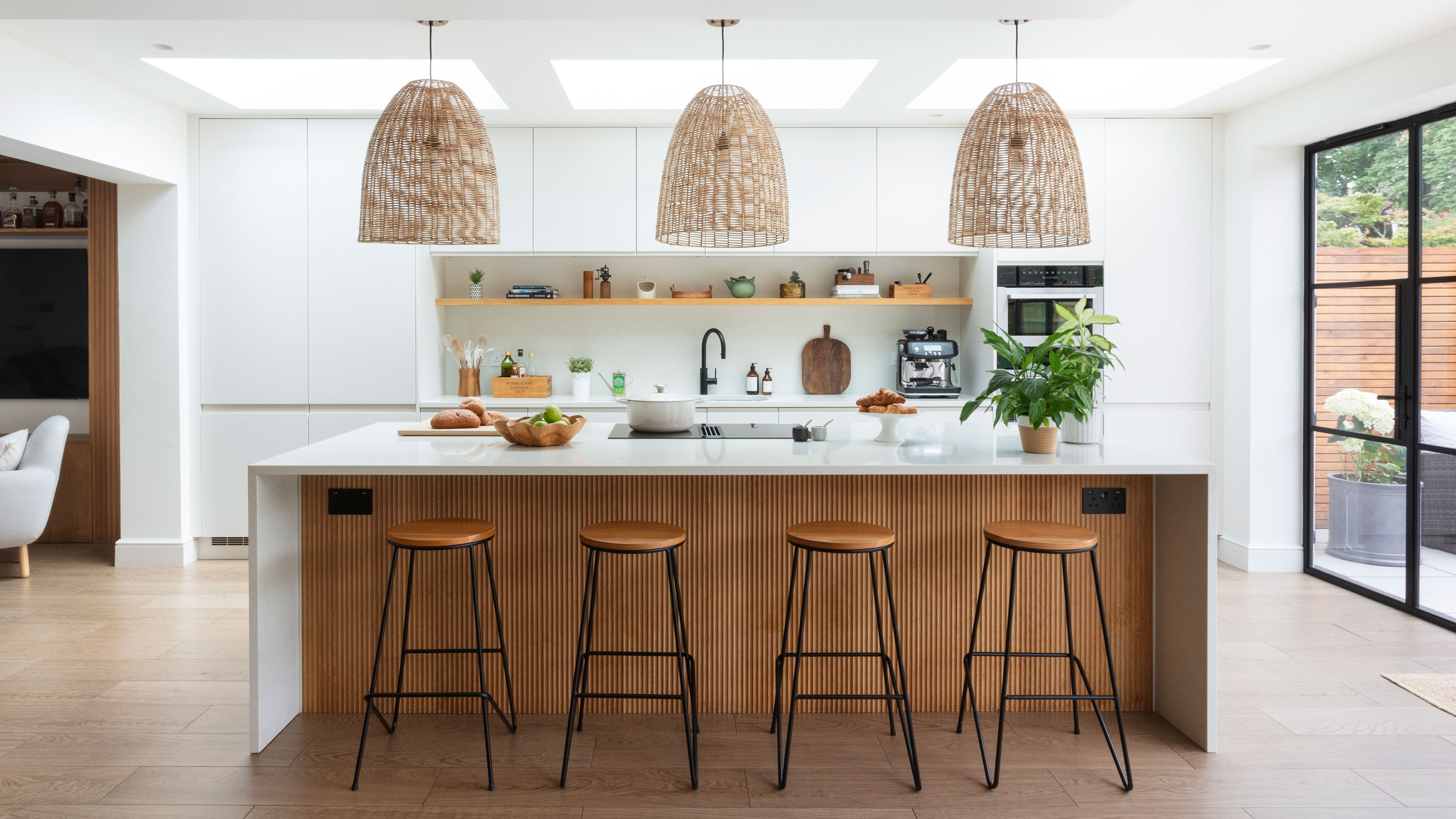
The kitchen island trends dominating 2025 - the liveable looks we predict will become new classics
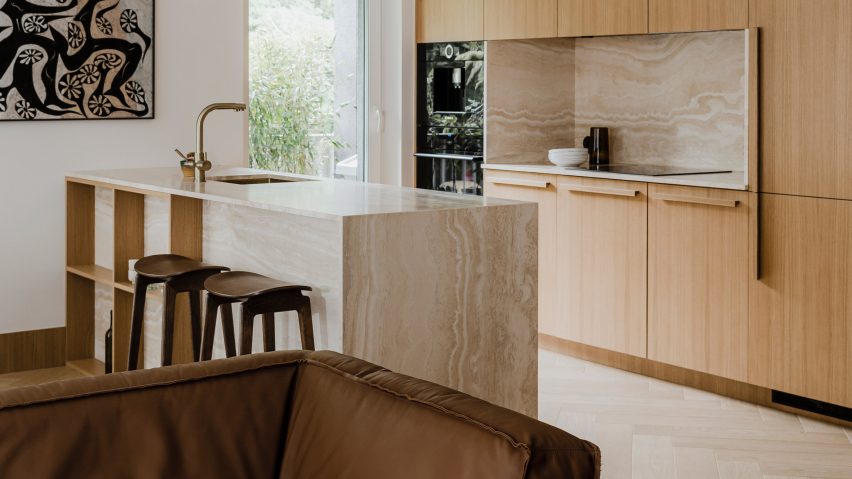
Eight kitchen islands that have sleek waterfall edges
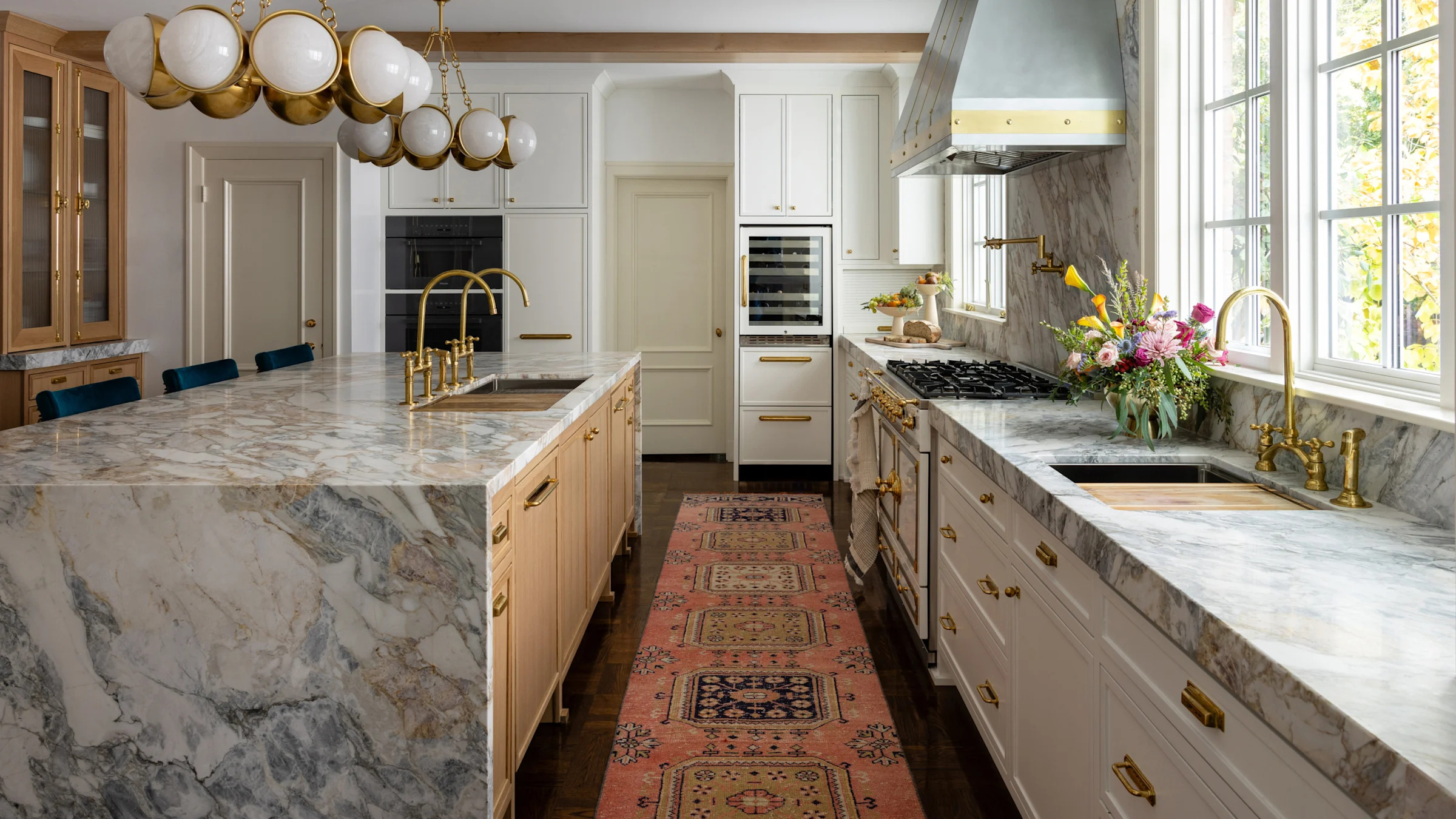
5 Problems With Waterfall Kitchen Countertops That No-One Ever Talks About

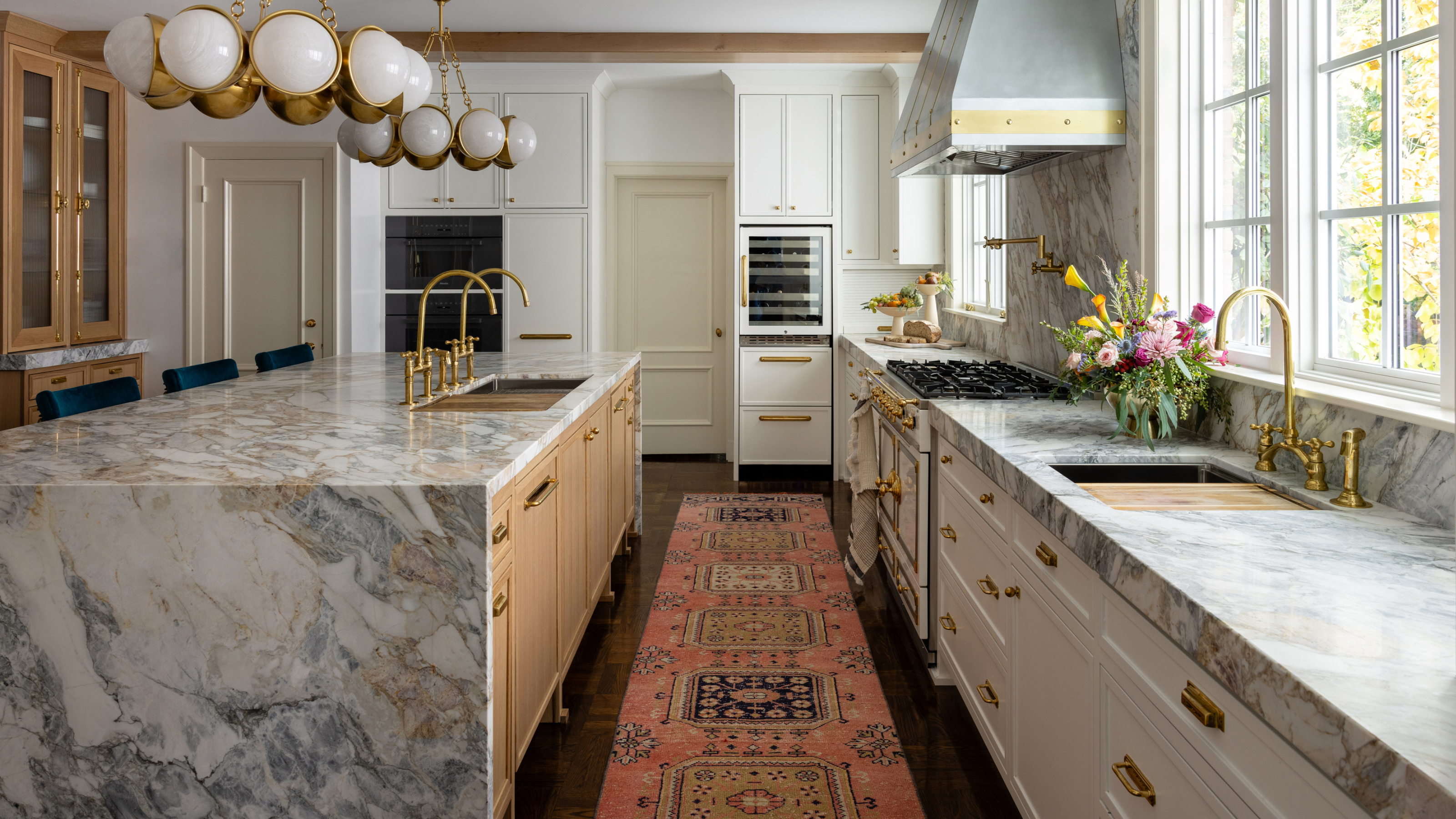
5 Problems With Waterfall Kitchen Countertops That No-One Ever Talks About
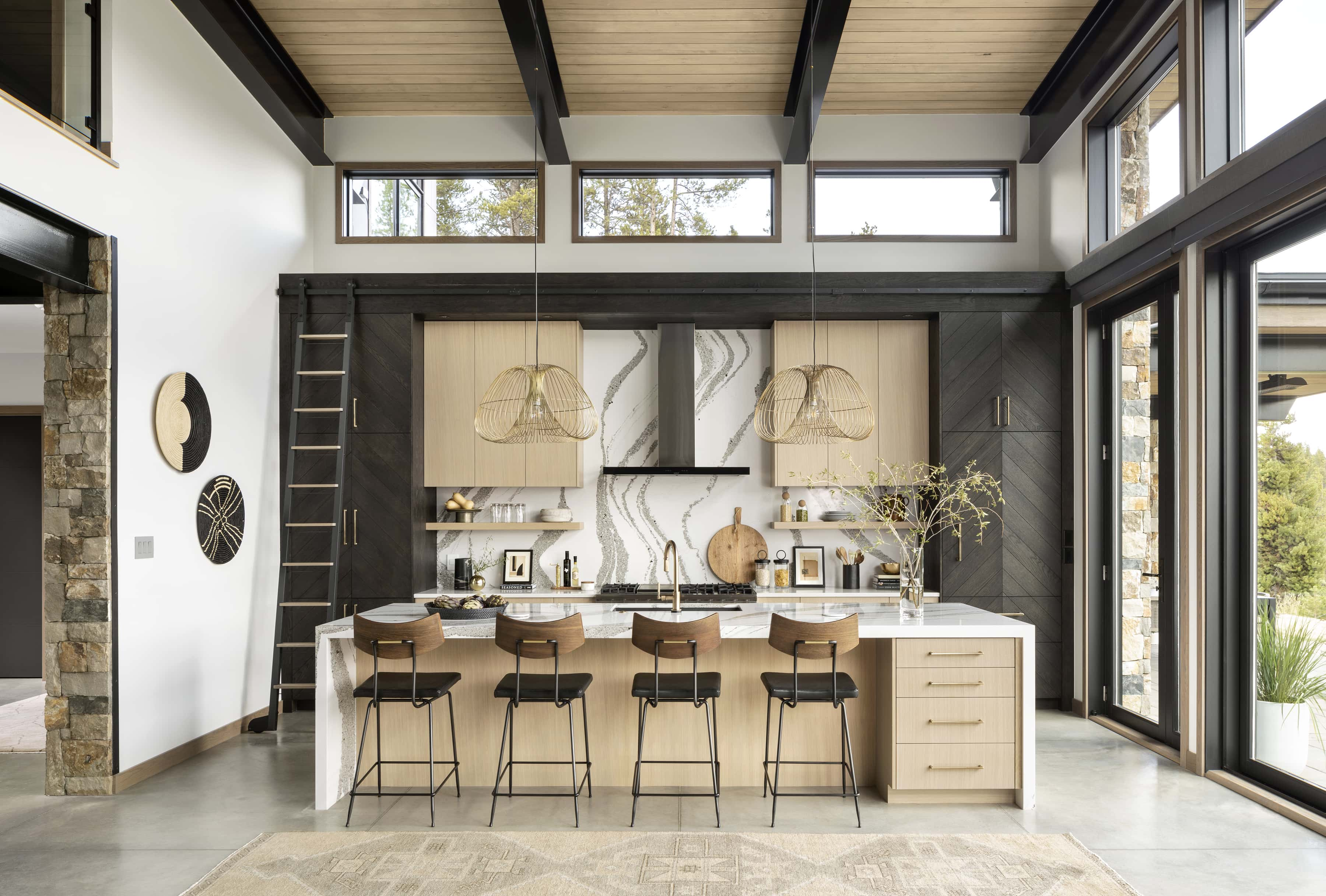
10 perfect waterfall countertops that make a strong case for this being the best kitchen island style
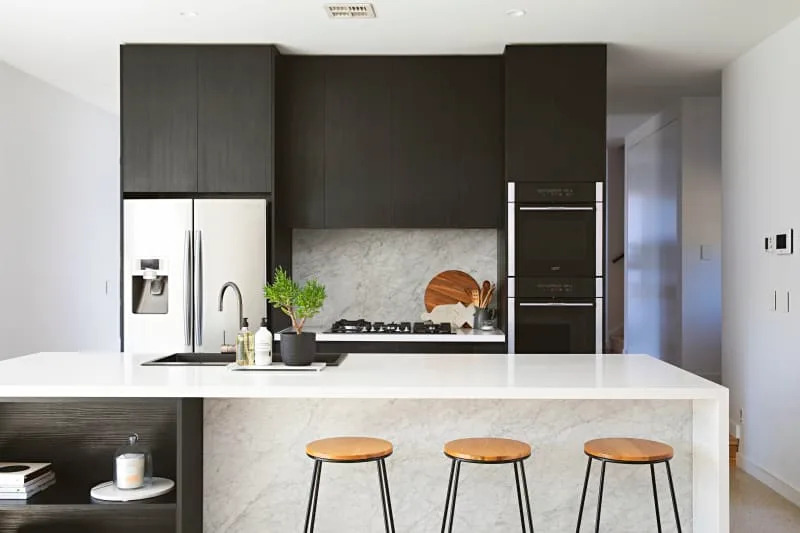
The Big Problem with This Popular Kitchen Counter Trend (That No One Tells You About)

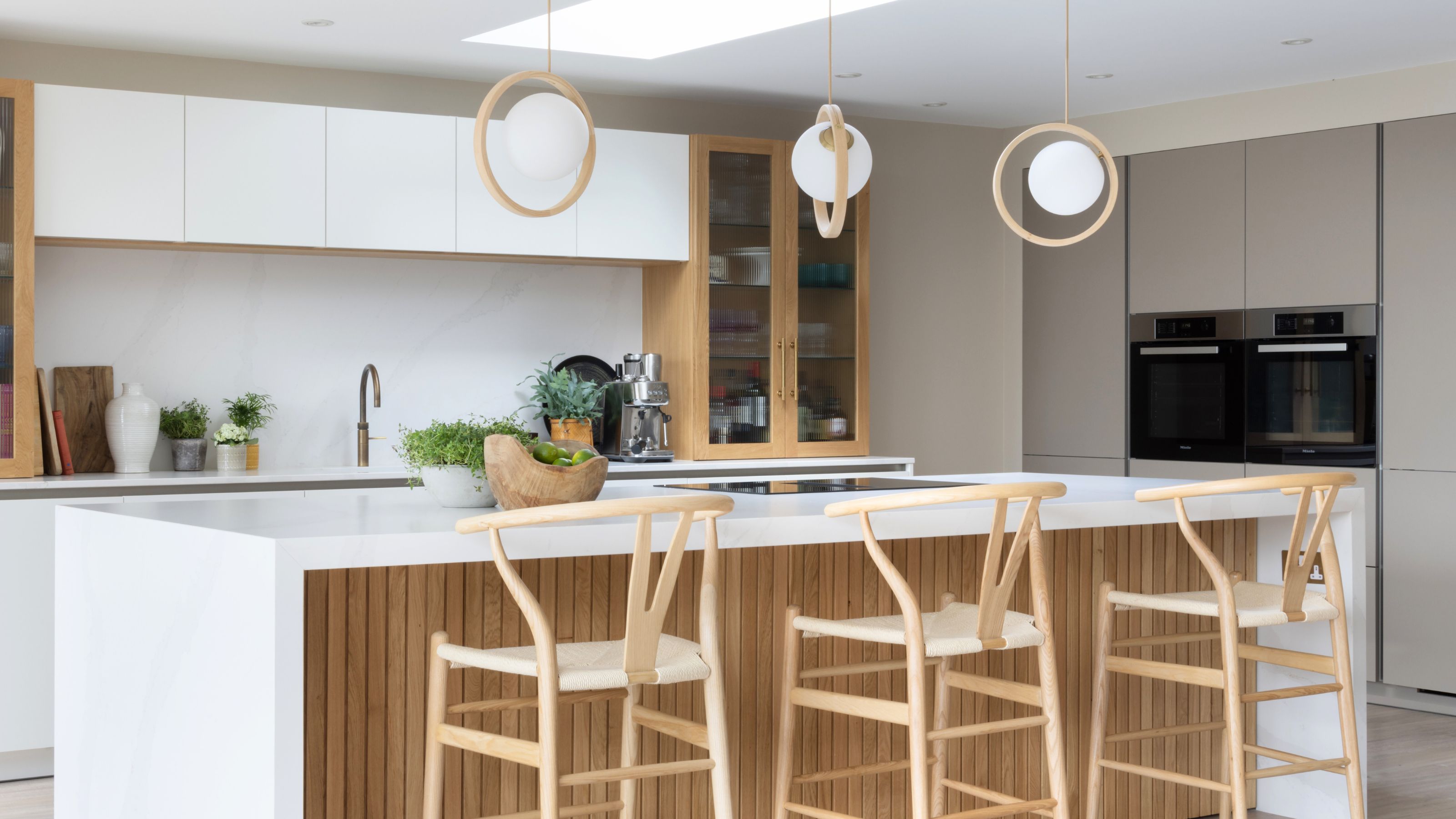
What is a waterfall kitchen island? Experts reveal everything you need to know about this "sophisticated" design feature

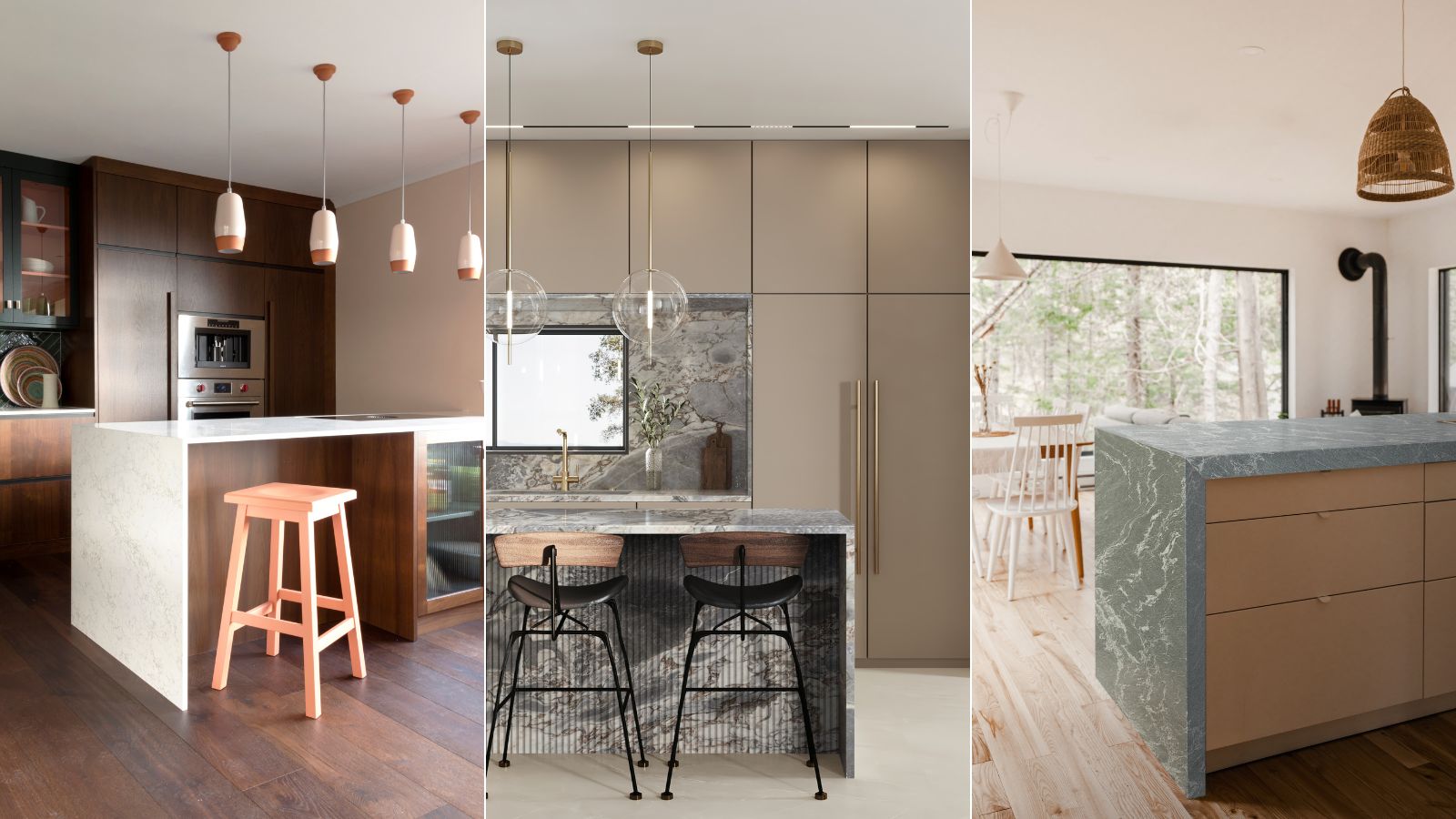
What is a waterfall countertop? Experts on the pros and cons

16 Stunning Waterfall Countertop Examples That Designers Did Right

Gallery: Splish splash, clean design takes a bath
3 Kitchen Island Trends That Interior Designers Love (and 2 to Skip)
What Is a Waterfall Countertop and Is It Right for Your Kitchen?

These 15 Gorgeous Waterfall Countertops Are Utterly Luxurious

This Waterfall Kitchen Island Is Renovation Goals

Top 10 Countertop Ideas to Transform Your Kitchen in 2025
5 Outdated Countertop Trends To Avoid And 5 To Try Instead

12 Waterfall Kitchen Island Ideas for a Streamlined Modern Look

Countertop and solid surface trends: Texture, sustainability, and drama

8 Countertop Edge Styles To Consider In Your Remodel, According To Designers