1/4
This Has Been Quite a Year. Is a Home Bar the Cure for What Ails You?
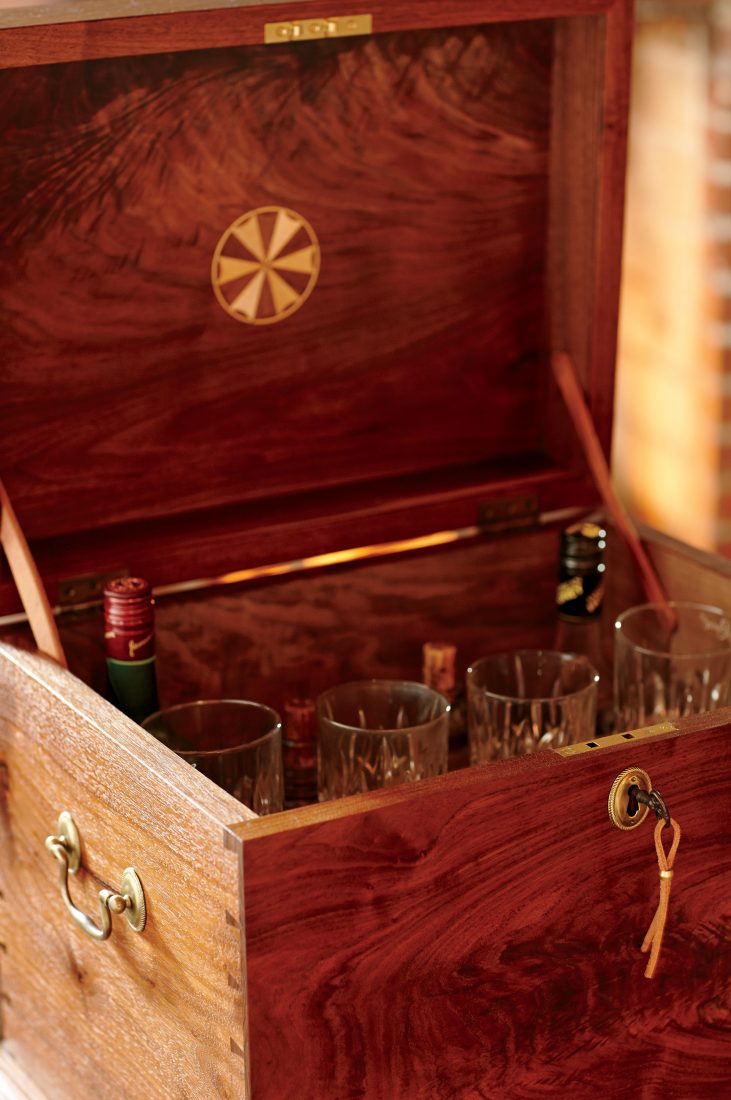
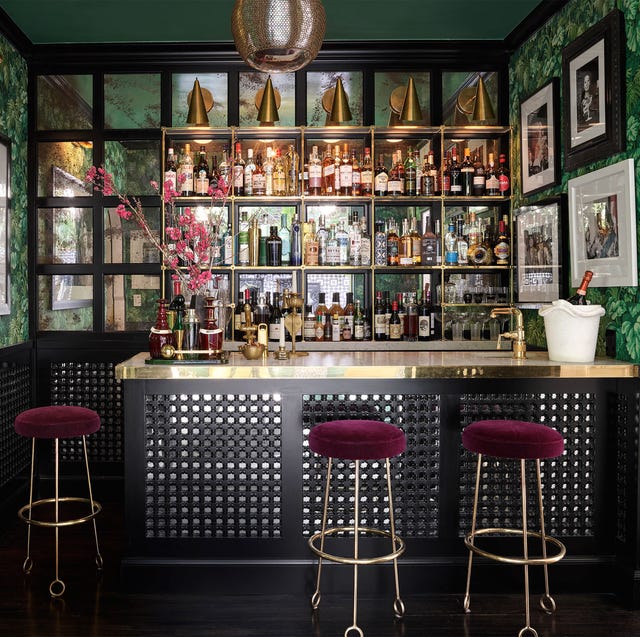
The COVID-19 pandemic significantly altered daily life, leading many individuals to spend more time at home. This shift prompted a renewed focus on enhancing home environments, particularly by integrating home bars as a dedicated space for entertainment and relaxation. Designers such as Jean Liu noted an increased demand from clients to incorporate home bars, often transforming existing spaces like coat closets or overlooked areas of the house into vibrant social hubs. The trend was driven by a desire to recreate the ambiance of public establishments, like New York City's Bemelmans bar, within the safety and comfort of one's own residence. This allowed for bold design choices, with clients opting for bright, dark, or moody paint colors and unique materials like cast-pewter bar tops, which they might not have considered for other parts of their homes. Beth Diana Smith emphasized the importance of creating a feeling of being 'not at home' when entertaining, even within one's own house.
J. Randall Powers observed that clients, who previously maintained active social lives outside the home, began to direct their attention to underutilized parts of their houses. Bars, once an overlooked feature, gained prominence as people sought new ways to engage with their living spaces and entertain guests. Powers cited an example of creating a bar for a bourbon enthusiast on a 19th-century Portuguese table, showcasing bottles on a shagreen tray, highlighting a shift from displaying antique book collections to curated liquor selections. Michelle Nussbaumer further demonstrated the versatility of home bar placement, integrating them into unexpected areas like home spas and dressing rooms, creating intimate 'vacation-like' settings behind Moorish arches, and adorning them with eclectic collections of vintage glasses and swizzle sticks. This approach underlined a preference for smaller, more personal gathering spots.
For those with limited space, a classic bar cart became a popular solution during the pandemic. Beth Diana Smith noted her own adoption of a bar cart, emphasizing that liquor stores being deemed essential businesses underscored the growing importance of at-home drinking. She suggested styling bar carts with textured pieces, like ovoid baskets for bottles, and encouraging splurging on elegant accessories to elevate the experience. Powers also observed a return to the British tradition of dry bars, which are bars without plumbing, suggesting a renewed interest in the art of cocktail making itself, rather than just the act of consuming drinks.
Modern home bars incorporated various high-tech amenities and design elements. Nussbaumer integrated specialized dishwashers for crystal barware, abundant refrigerator drawers, and even smoke machines for drinks. Liu designed a hidden bar behind jib doors in a family room, featuring shamrock-green floating shelves against an antiqued-mirror backsplash, creating a visually expansive display for crystal. However, Powers expressed a more practical view on displaying glassware, preferring everyday glasses over delicate crystal to avoid anxiety over breakages and dust accumulation. He argued that if crystal is to be displayed, it should be behind glass doors. Liu countered this by humorously pointing out that in 2020, people were unlikely to let dust accumulate on their frequently used glasses, reflecting the increased use of home bars during that period. The article, produced by Laurel J. Benedum, originally appeared in the December 2020 issue of ELLE Decor, highlighting the contemporary relevance of home bar design during a time of significant social change.
#HomeBarDesign #InteriorDesignTrends #CocktailHourAtHome #PandemicImpactOnDesign #LuxuryHomeFeatures #EntertainingAtHome #CreativeSpaces #HomeEntertainment #HomeBarDesign #InteriorDesignTrends #CocktailHourAtHome #PandemicImpactOnDesign #LuxuryHomeFeatures #EntertainingAtHome #CreativeSpaces #HomeEntertainment
 لا توجد تعليقات بعد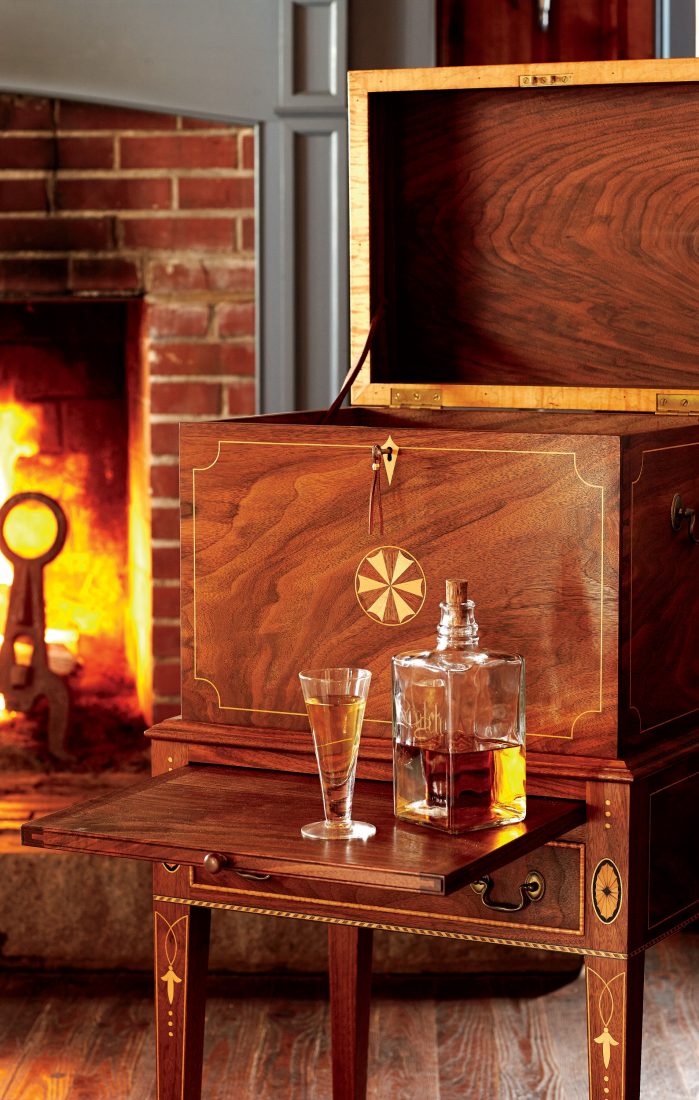
The Original Home Bar
Home bars - 7 Nov 2024 - Livingetc Magazine